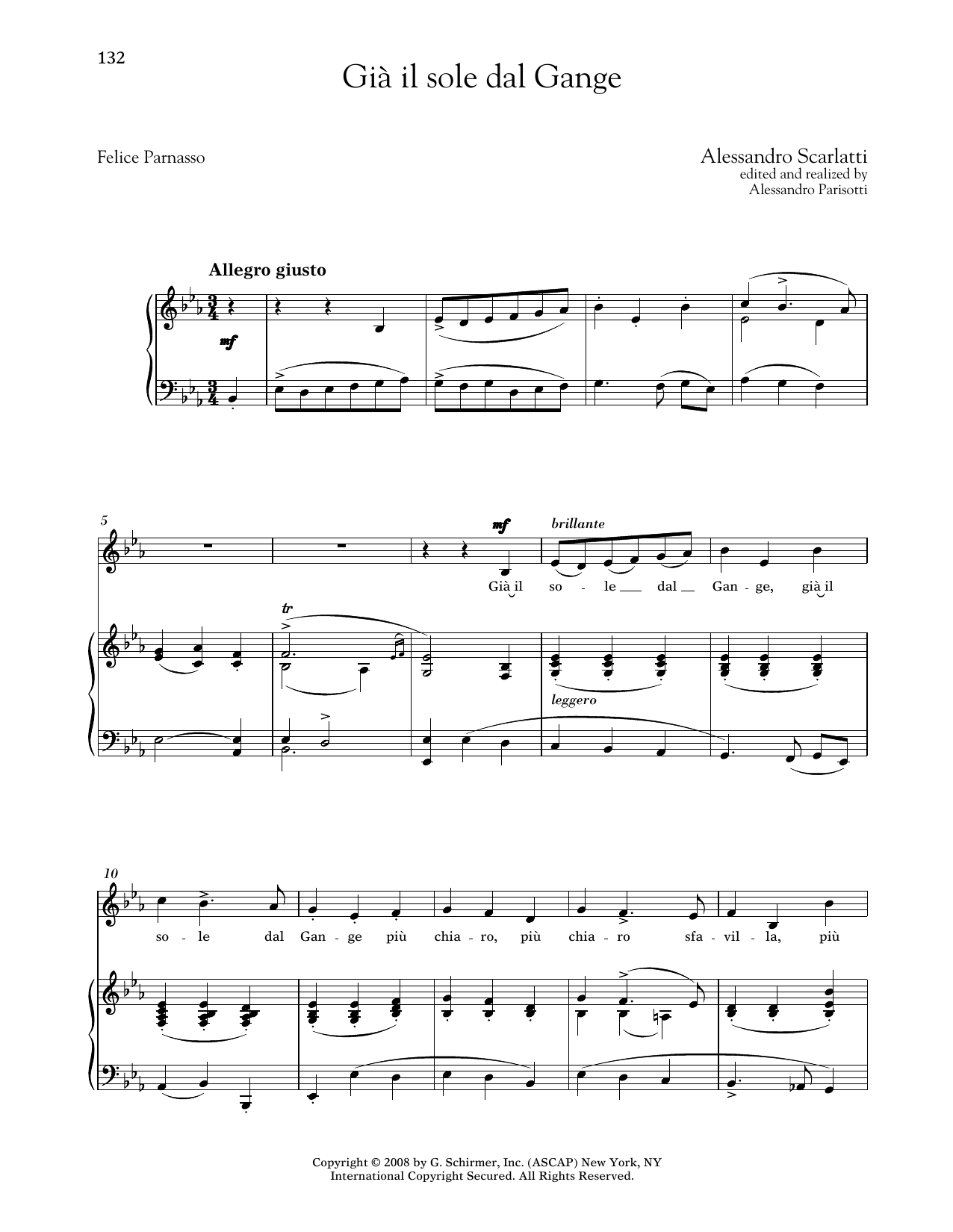
Gia Il Sole Dal Gange (Medium Low Voice) Sheet Music Preview

Gia Il Sole Dal Gange (Medium Low Voice): Piano Vocal

Edited by Alessandro Parisotti (ed.)

Item: 35-DS01578786

Digital Download
$5.99
Description

Gia Il Sole Dal Gange (Medium Low Voice): Piano Vocal isn't in MakeMusic Cloud just yet...but it could be. Let us know you'd like to see it, and you'll help shape what comes next. In the meantime, start a free trial and dive into thousands of interactive titles your students can play along with today.

Sample Audio
No sample audio found.
Sample Video
Additional Details
Publisher: Hal Leonard
Page Count: 5
SKU: 35-DS01578786

More about this title

About the Creator: Antonio Vivaldi

Antonio Vivaldi (1678-1741) was a Venetian priest and virtuoso violinist whose prolific output shaped the Baroque concerto and vocal forms across Europe. His gift for crafting memorable melodies and dramatic harmonic shifts made him one of the most performed composers of his era, and his influence persists in teaching studios and concert halls today.

Why we love this

This aria sits in a register where the voice can bloom without strain, making it accessible for singers still building range security. The writing lets you showcase legit vocal control and a real musical line rather than pyrotechnic display, which rewards singers who focus on phrase shape and storytelling.

What to expect

Sunlight breaking through water. The melody unfolds with Baroque grace and rhetorical clarity, buoyed by harmonic warmth that never tips into sentimentality. You're singing something direct and elegant at once.

Who it's for

Singers with solid vocal foundation and enough Italian diction comfort to shape language meaningfully. This works for intermediate to advanced vocalists prepping audition or recital material, or for programs seeking a less-performed Baroque aria that avoids soprano warhorse territory.

How to get the most out of it

  • Shape the opening phrase generously; Vivaldi's long melodic arcs need forward momentum and clear breathing strategy to avoid sounding segmented.
  • Work the piano part as an equal voice. The keyboard writing is textured and conversational, not merely accompanimental, so let that dialogue inform your phrasing choices.
  • Find the emotional anchor in the text. This piece lives in the space between brightness and yearning, so commit to a single interpretive through-line rather than shifting moods measure to measure.
  • Balance ornamentation with lyric intent. Embellishments should enhance the melody's contour, not distract from it.

How to use it

This pairs naturally in a recital focused on Baroque vocal gems, or as a solo number in a concert built around Italian text. Its modest length and bright character make it a strong palate-cleansing choice between weightier art songs or lieder, and it works equally well in audition settings where you need to show technical skill and stylistic awareness.

Skills your students will build

  • Baroque ornamentation and articulation in a lyric context
  • Sustaining long vocal lines without loss of legit tone
  • Italian language shaping and vowel consistency across passages
  • Ensemble listening and piano-vocal balance
  • Score-based interpretation choices using historical style awareness

You May Also Like