
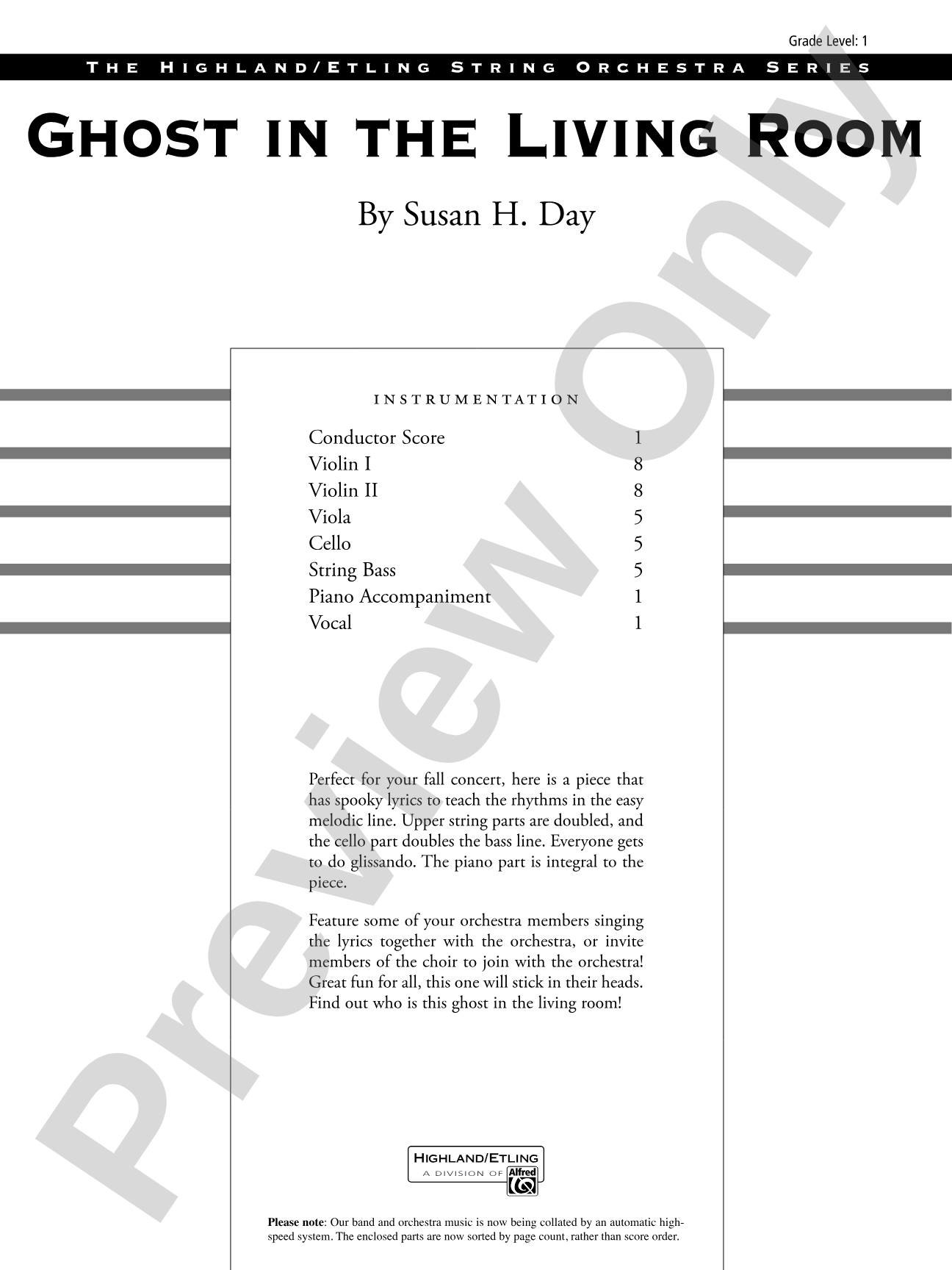
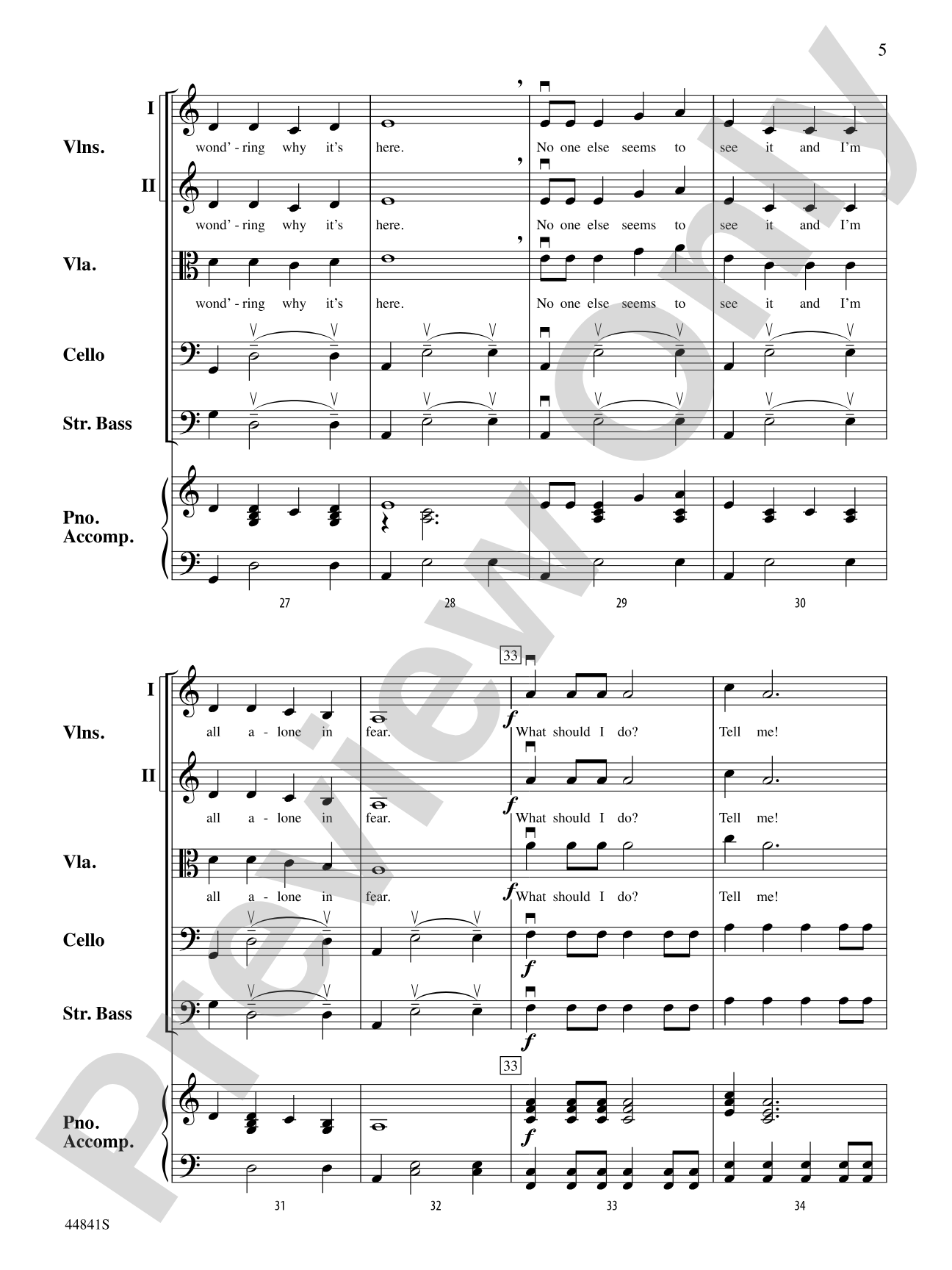
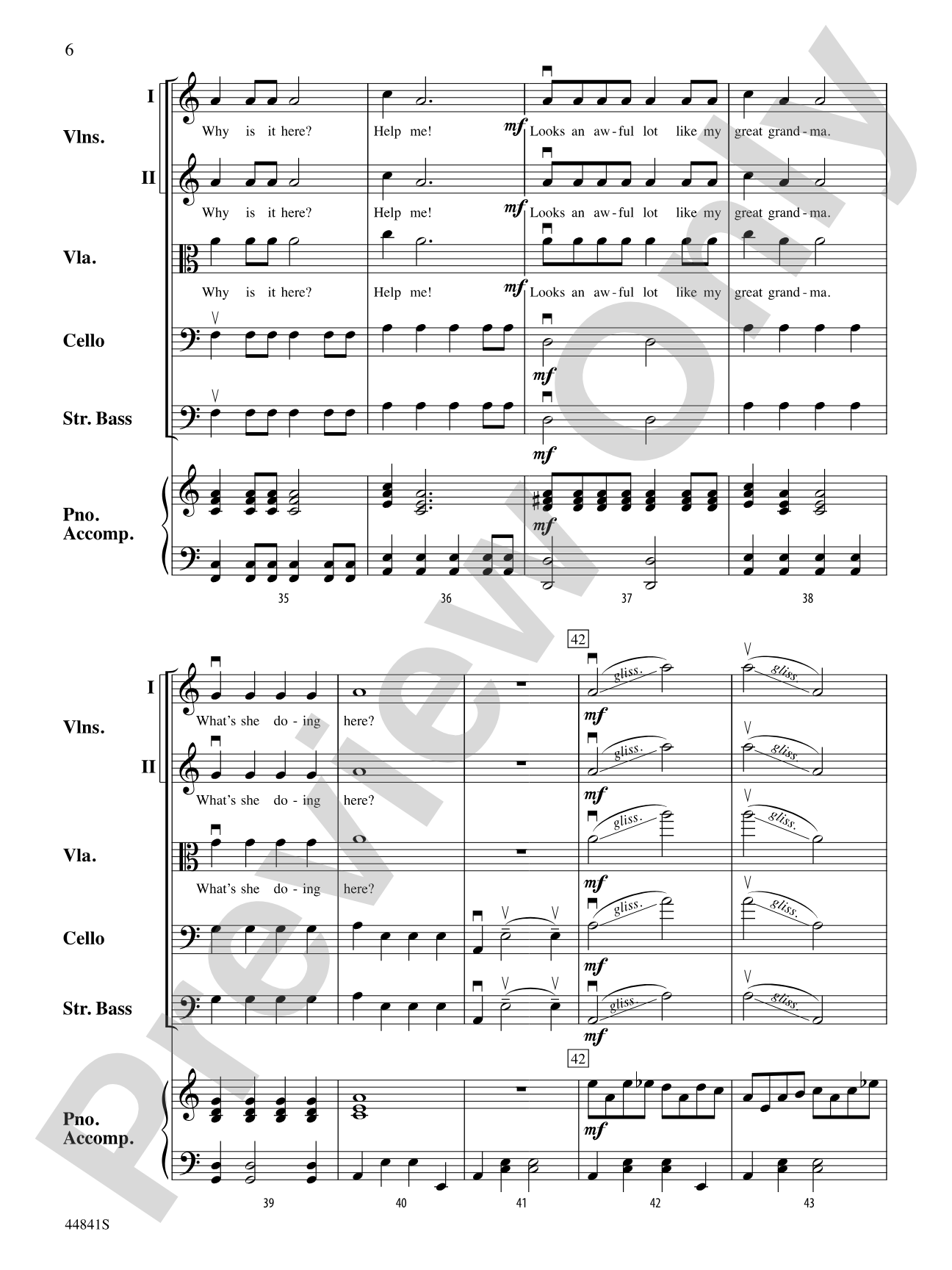
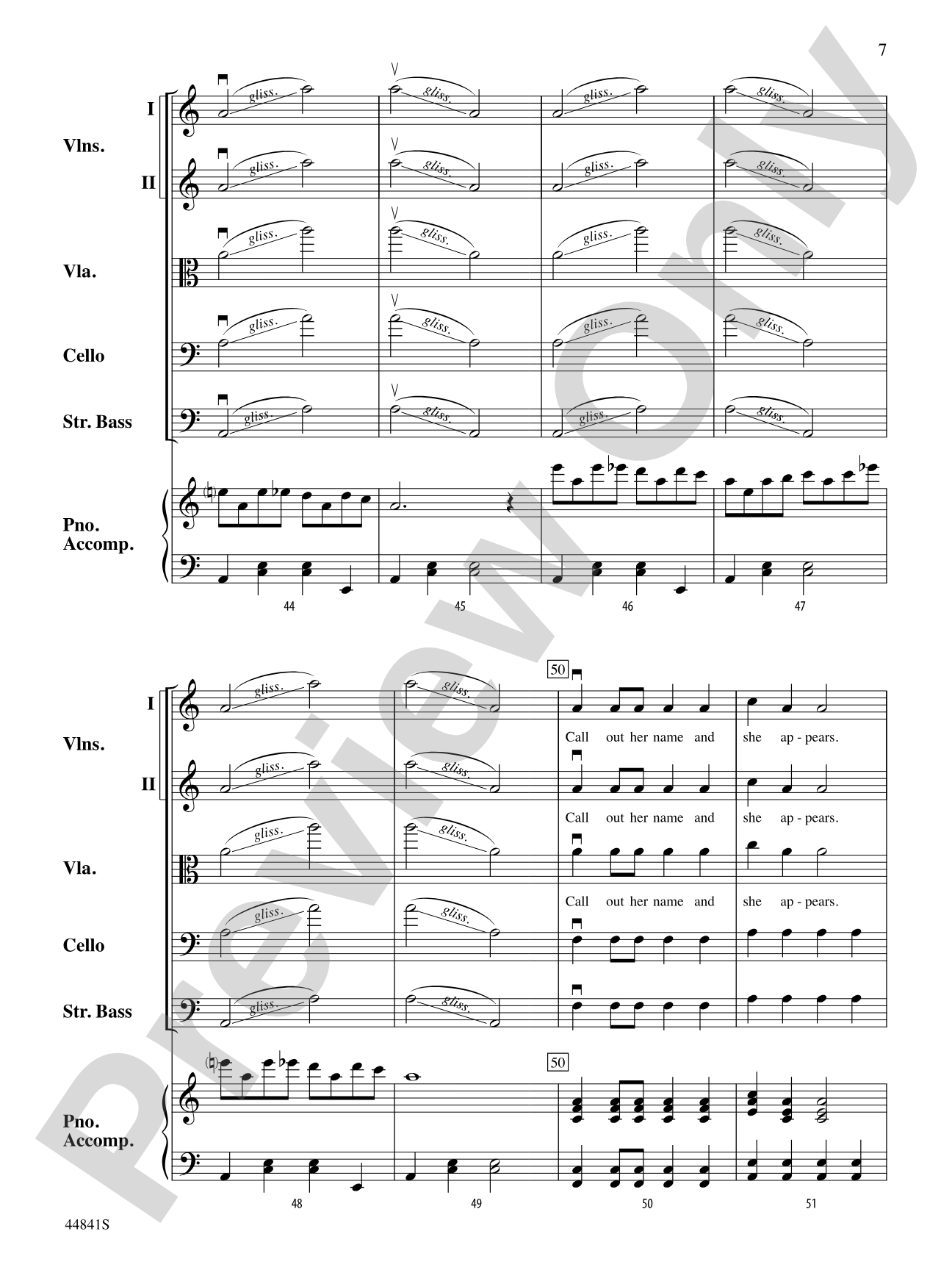
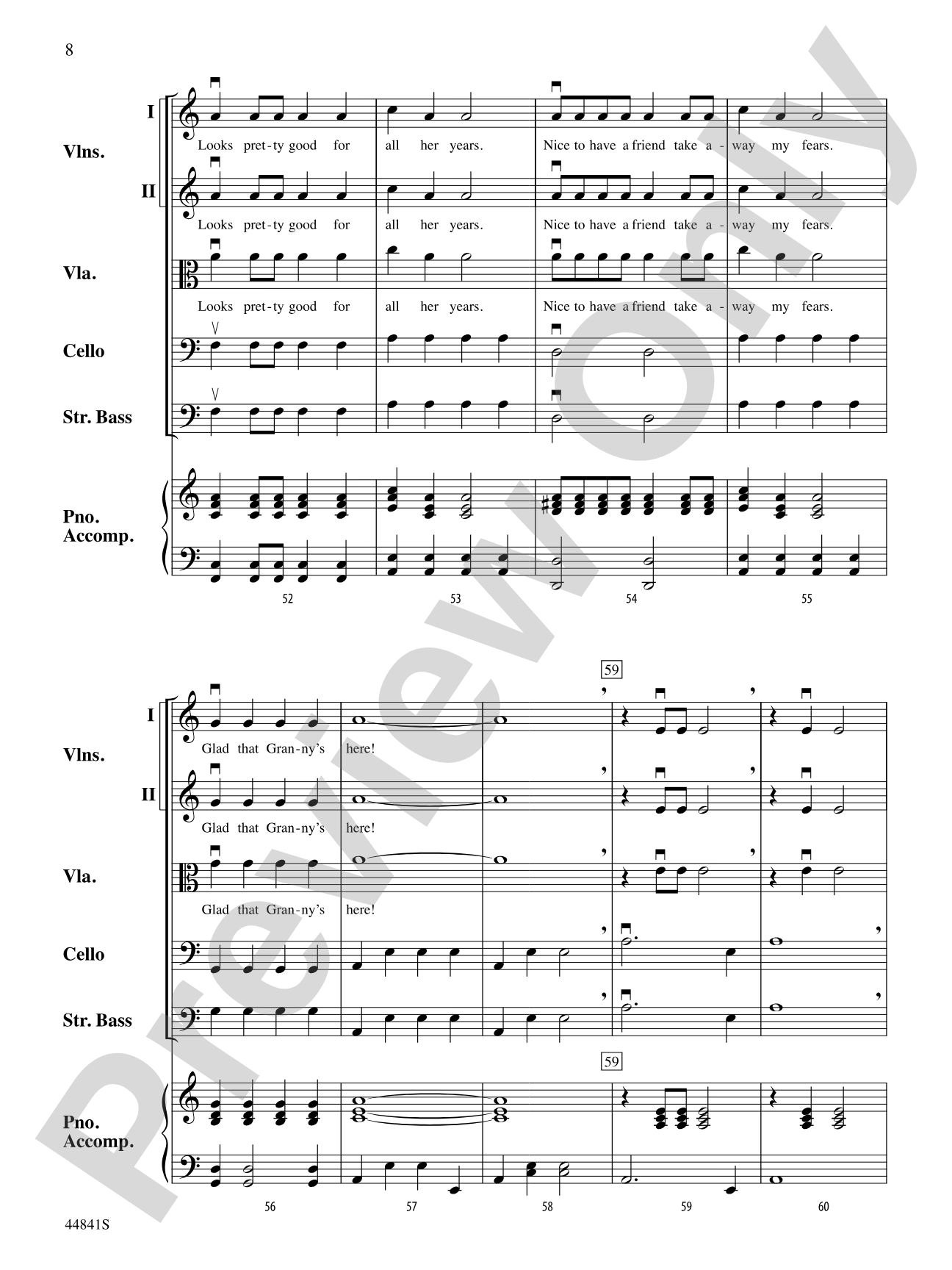
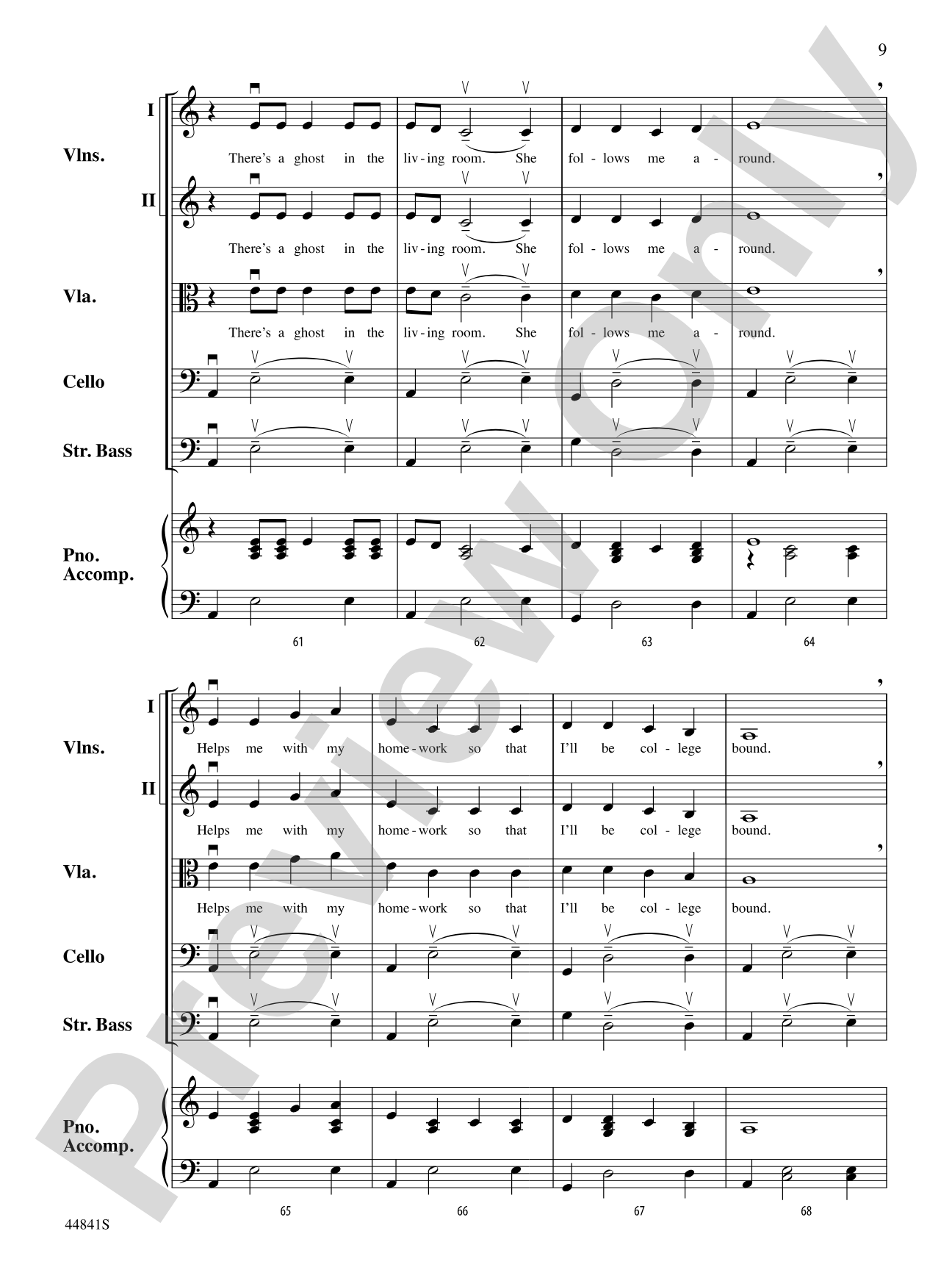
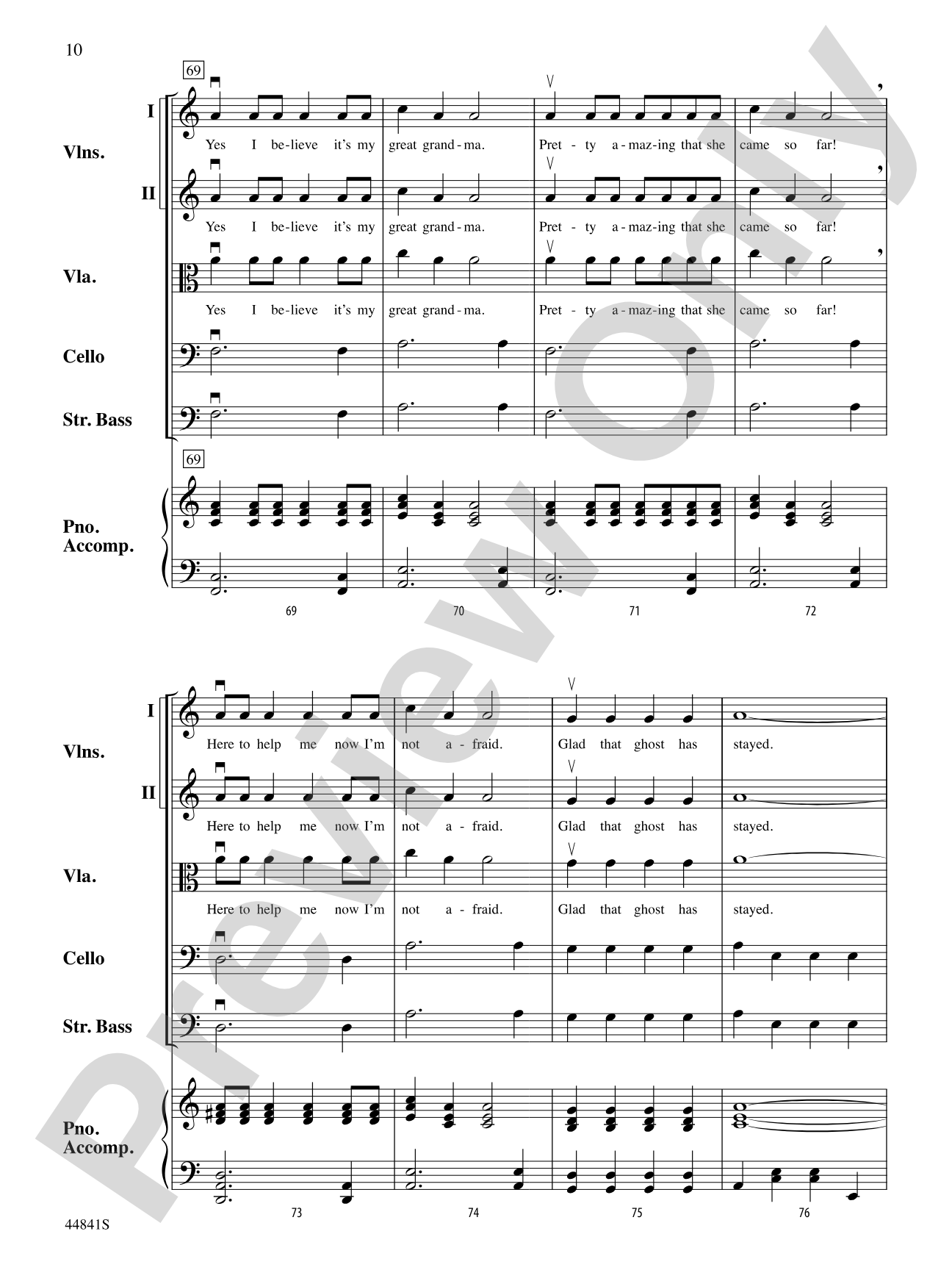
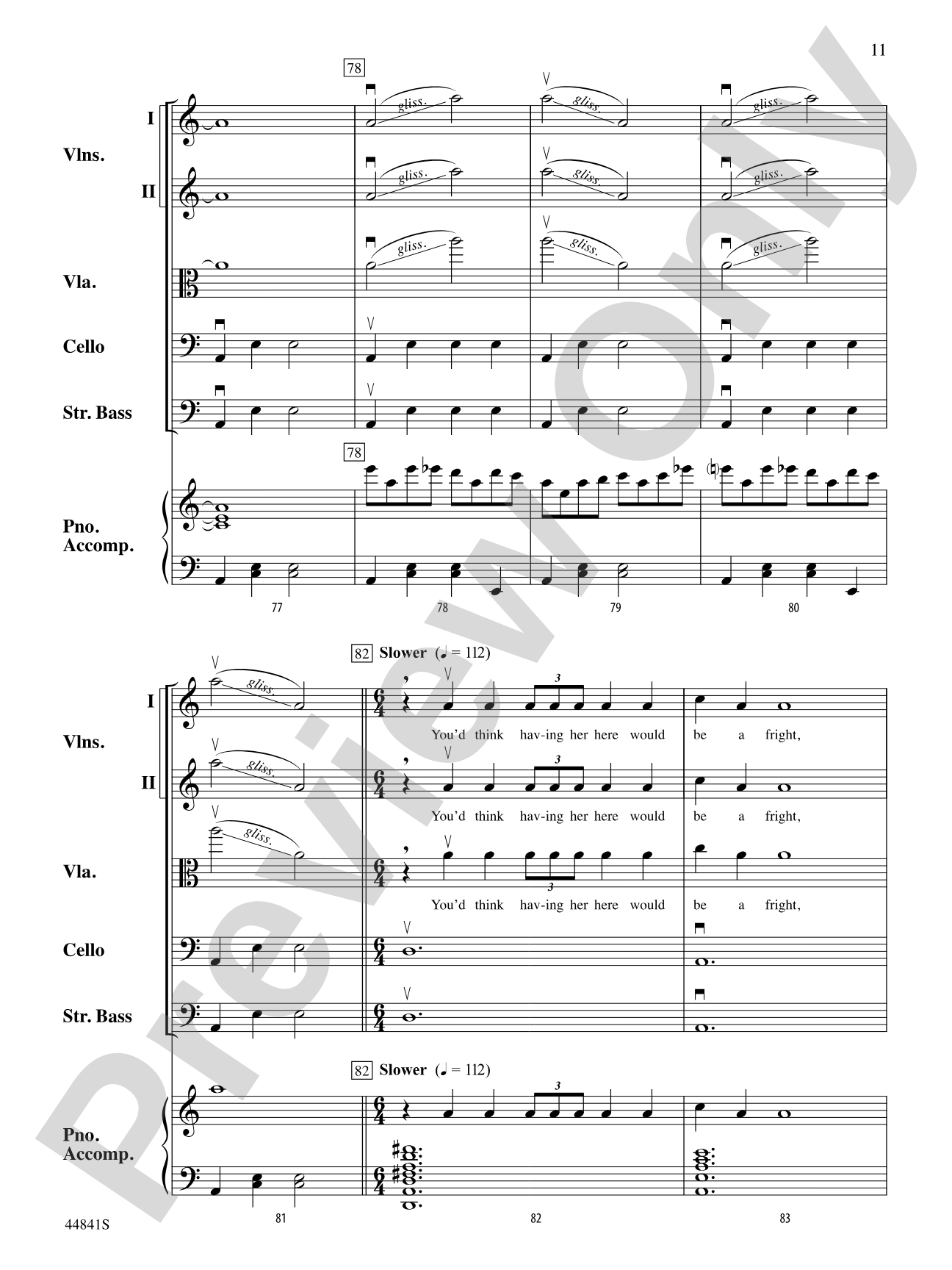
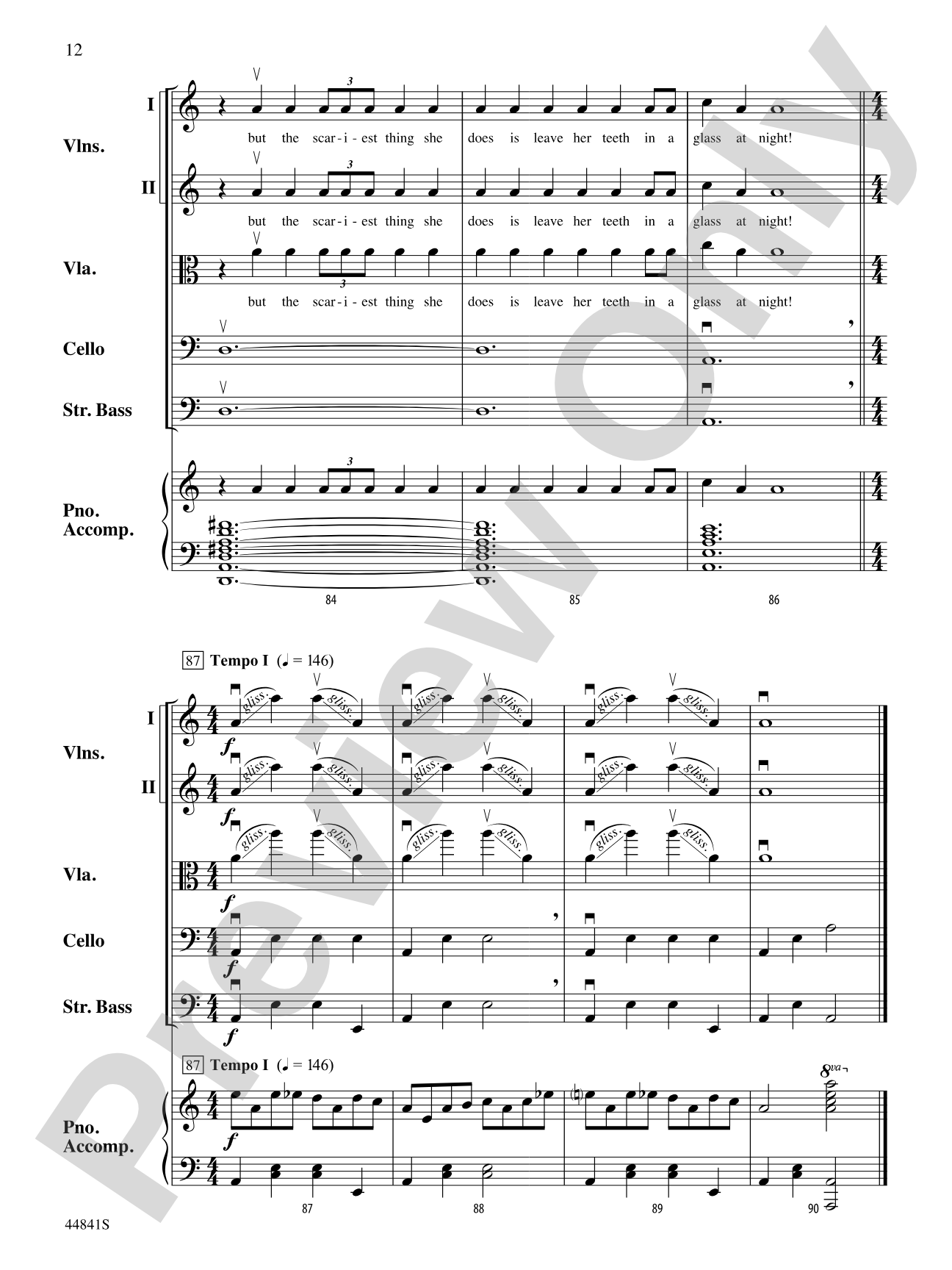

Ghost in the Living Room: Score
By Susan H. Day
Grade: 1
Item: 00-PR-0005637
$9.00
Pickup currently not available
Description
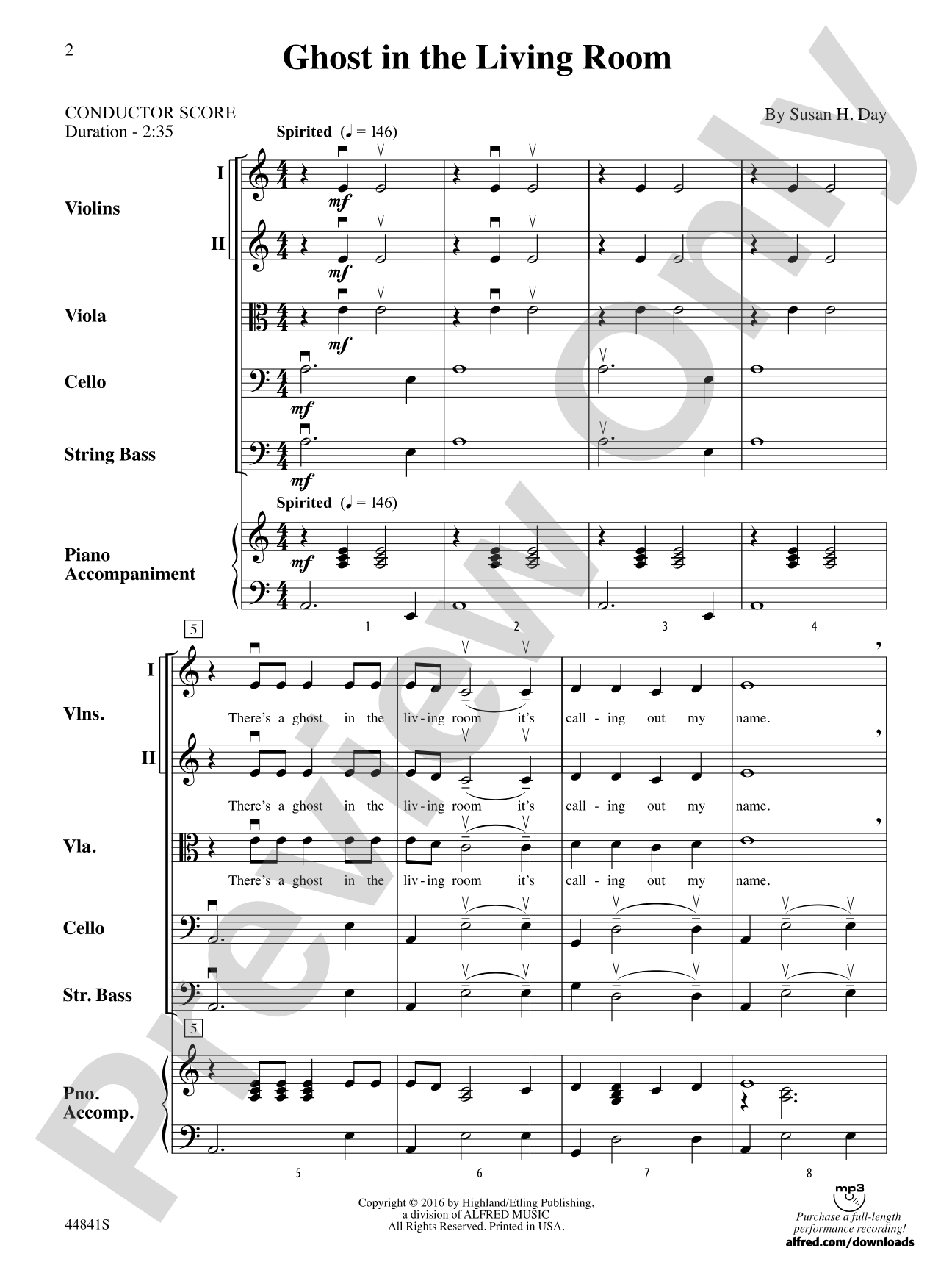
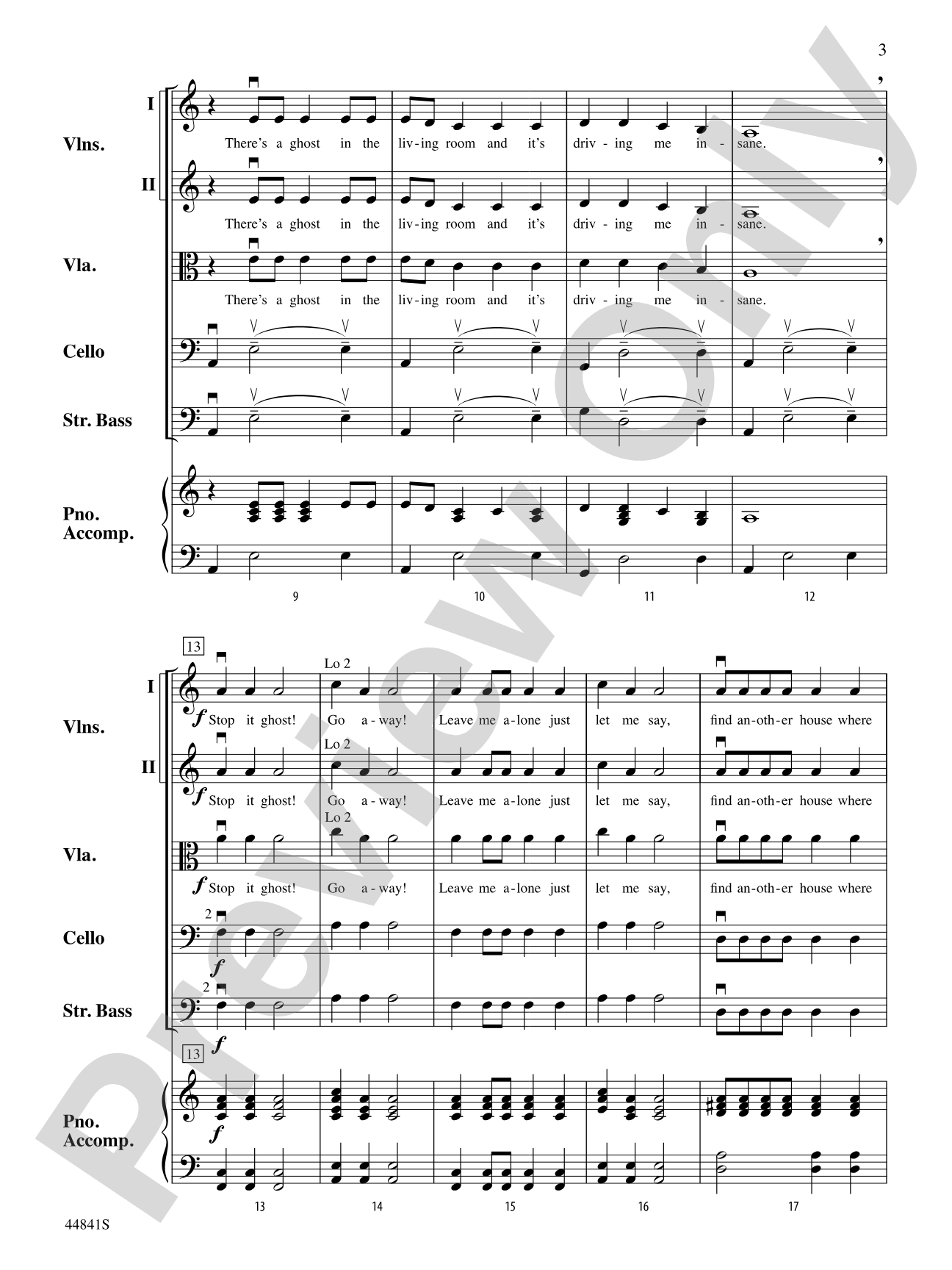
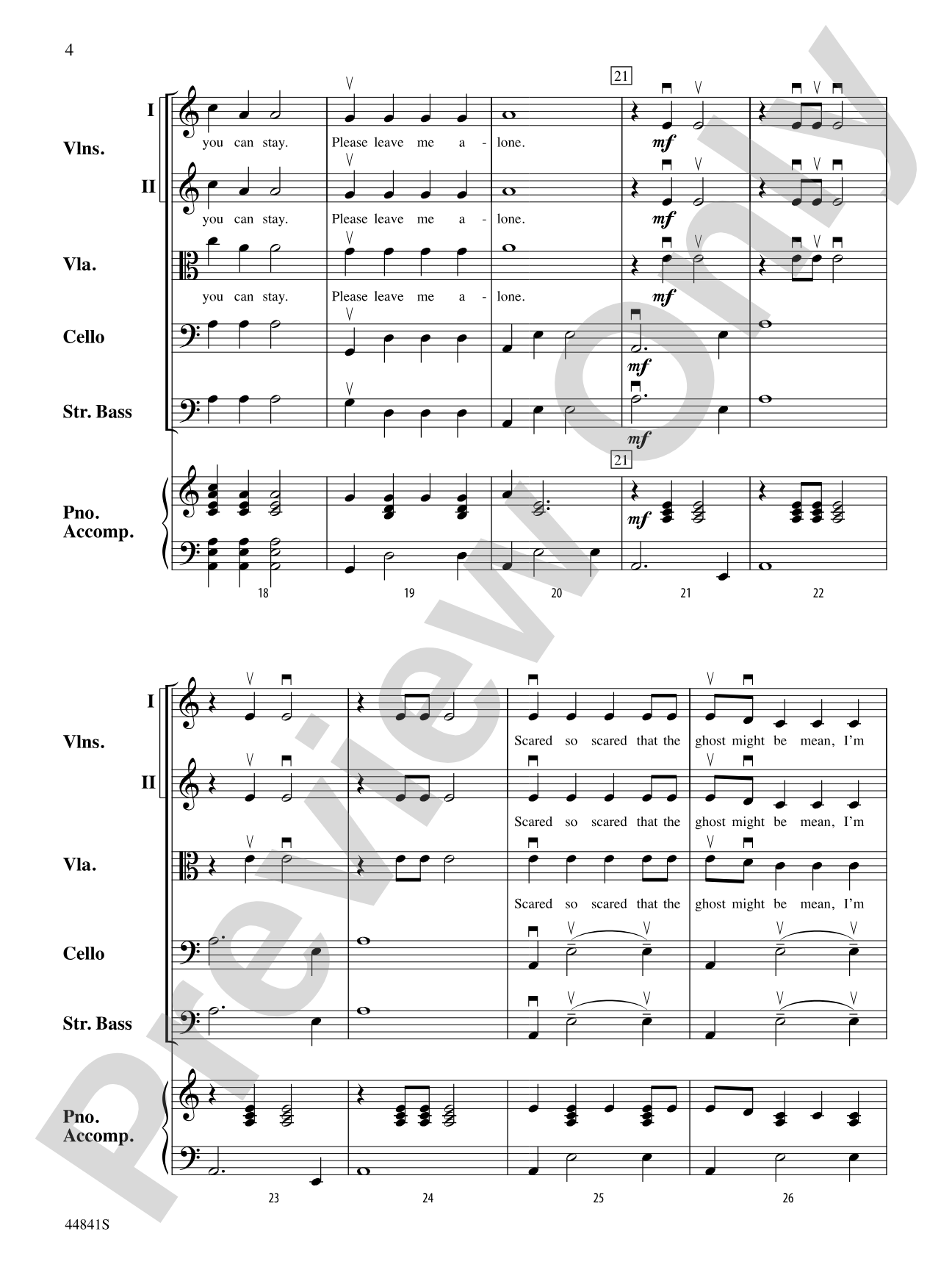
Perfect for your fall concert, here is a piece that has spooky lyrics to teach the rhythms in the easy melodic line. Upper string parts are doubled, and the cello part doubles the bass line. Everyone gets to do glissando in this original by Susan Day. The piano part is integral to the piece. Feature some of your orchestra members singing the lyrics together with the orchestra, or invite members of the choir to join with the orchestra! Great fun for all, especially at Halloween, this one will stick in their heads. Find out who is this ghost in the living room! (2:35)


Don't just read it, hear it, play along with it, and watch your students grow with it. In MakeMusic Cloud, Ghost in the Living Room: Score comes alive with professional accompaniment, adjustable tempo, and built-in practice tools that turn solo practice into real progress.
Open in the Player
Jump straight in and assign it today.
Start Your Free Trial
Open this title and explore the full library in minutes.
Sample Audio
1
Audio File
--:--
0:00
0:00
Sample Video
Additional Details
Series:
Highland/Etling String Orchestra
Publisher:
Alfred Music
Page Count:
132
SKU:
00-PR-0005637
More about this title
Why we love this
Susan Day understands what Grade 1 orchestras need: rhythmic clarity married to genuine fun. Using spooky lyrics as a teaching tool for the melodic line is clever pedagogy that sticks with students long after rehearsal ends. The piece opens doors to cross-ensemble collaboration with your choir or to featuring singers within the orchestra itself, making it as flexible as it is engaging.
What to expect
Playful and mysterious by turns, with a narrative thread that draws audiences in. The glissandos create an eerie shimmer beneath an accessible melody, keeping the piece spooky without becoming dark or difficult.
Who it's for
Grade 1 string orchestras ready for something with theatrical appeal and clear teaching value. Directors seeking Halloween or fall concert material that allows for creative interpretation, whether performed fully instrumental or enhanced with singers from the orchestra or choir.
How to get the most out of it
- Balance the glissandos carefully. Since every section participates, designate which players execute them first, then layer in others for textural depth without muddying the primary melody.
- The piano part carries harmonic weight and rhythmic drive throughout. Give your accompanist time to prepare the part separately and rehearse the orchestra to listen actively to the keyboard foundation.
- If incorporating singers, rehearse the vocal line independently first so string players can hear the melody cleanly before adding their glissandos and harmonic texture.
How to use it
This works beautifully as an opener or closer for a Halloween-themed concert, setting the seasonal mood while showcasing your ensemble's musicality at an appropriate level. Consider pairing it with contrasting material earlier in the concert to let this piece's character stand out, or program it alongside other collaborative works that blur the line between choir and orchestra.
Skills your students will build
- Executing glissandos with control across the entire ensemble
- Reading and performing straightforward rhythmic figures in the melodic line
- Balancing between doubled upper string parts and the bass line foundation
- Listening and responding to text as a rhythmic and musical anchor
- Integrating voice with instrumental playing