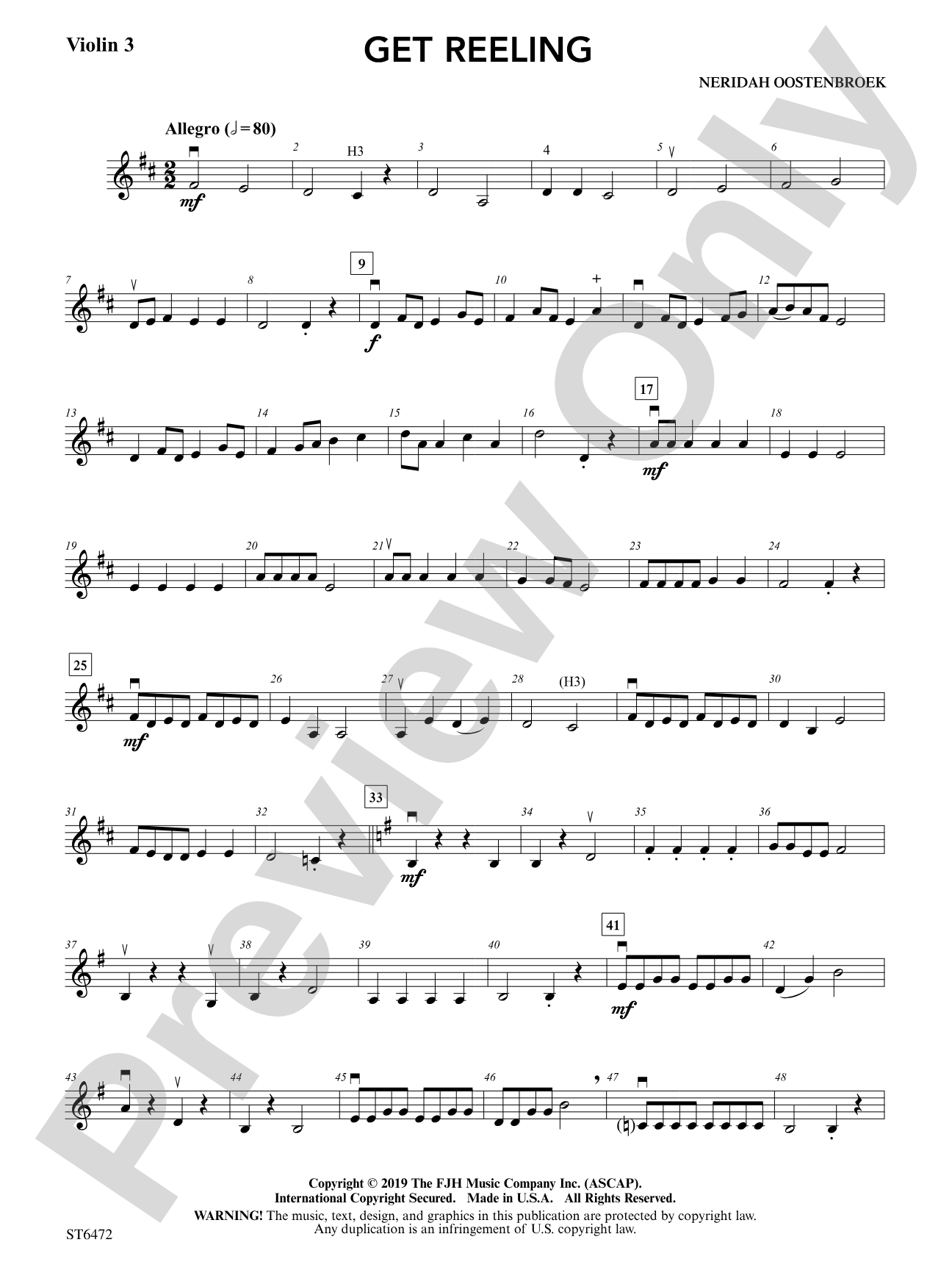
This lively, energetic piece is based on two original reels that incorporate a lot of fun techniques for all instruments. A drone in the middle section is reminiscent of Scottish bagpipes and utilizes colorful harmonics in the violins. Sure to become a favorite for students and audiences alike!
Discover MakeMusic Cloud: thousands of interactive titles your students can play along with today.
Neridah Oostenbroek brings two decades of string teaching experience from Brisbane, Australia, informed by her Master of Philosophy in Violin Performance from the University of Queensland. Beyond the classroom, she maintains an active performance career as a freelance violinist with the Queensland Symphony Orchestra and Queensland Pops Orchestra, while also serving as a sought-after conductor, adjudicator, and clinician at music camps and festivals across Australia.
Her dual expertise as both educator and performer shapes her compositional voice. Oostenbroek writes with genuine understanding of what works in the rehearsal room and what engages student musicians, drawing on her background as a piano accompanist for music and ballet exams to craft accompaniments that support rather than overwhelm.
Why we love this
Oostenbroek has built this piece around authentic Scottish reel idioms rather than simply borrowing the aesthetic. The harmonic drones and violin coloristics feel integrated to the style, not grafted on, and students grasp immediately why those techniques belong in this music. Programming a Grade 2.5 piece that sounds genuinely folk-rooted without condescending to young players is rarer than it should be.
What to expect
Bright, bouncing, and infectious. The piece captures the drive of a lively ceili or village hall dance, complete with bagpipe-inspired textures that ground it in a recognizable folk world. There's genuine joy here, not manufactured busyness.
Who it's for
Grade 2.5 string orchestras ready to move beyond purely classical repertoire and explore folk idioms with technical sophistication. Young ensembles benefit from the straightforward energy of reels while building fundamentals like vibrato control (in the harmonics passage) and coordinated articulation.
How to get the most out of it
Shape the two reels with distinct character: the first can drive with a slightly more aggressive bow stroke, while the second benefits from cleaner articulation to highlight the fiddle ornamentation.
Balance the harmonic content in the drone section so the middle voices sit underneath rather than competing with the melody line; ask violas and cellos to think accompaniment, not feature.
Let the ensemble breathe naturally between phrases instead of treating reels as relentless; folk musicians phrase across the bar line for swing, not rigid metric precision.
How to use it
Pair this with a program that mixes classical and contemporary string writing to show students the range of the repertoire. It works especially well as an encore or a warmup for audiences, or as a bridging piece between a more formal classical section and lighter concert material. The novelty factor makes it memorable without sacrificing musicality.
Skills your students will build
Natural harmonics in the violin section
Sustained drone accompaniment and voice independence
Ornamentation and articulation in a reel idiom
Ensemble balance when melody and accompaniment shift roles
Rhythm stability in energetic tempos without rushing
You May Also Like
Scan to Complete Your Purchase
Use your phone's camera to scan the code below
You'll log in on your phone and the order will be added to your account