

Gershwin: Rhapsody in Blue: For Piano Solo and Orchestra (Arranged for Second Piano) - Piano Duo (2 Pianos, 4 Hands): Piano Duets & Four Hands
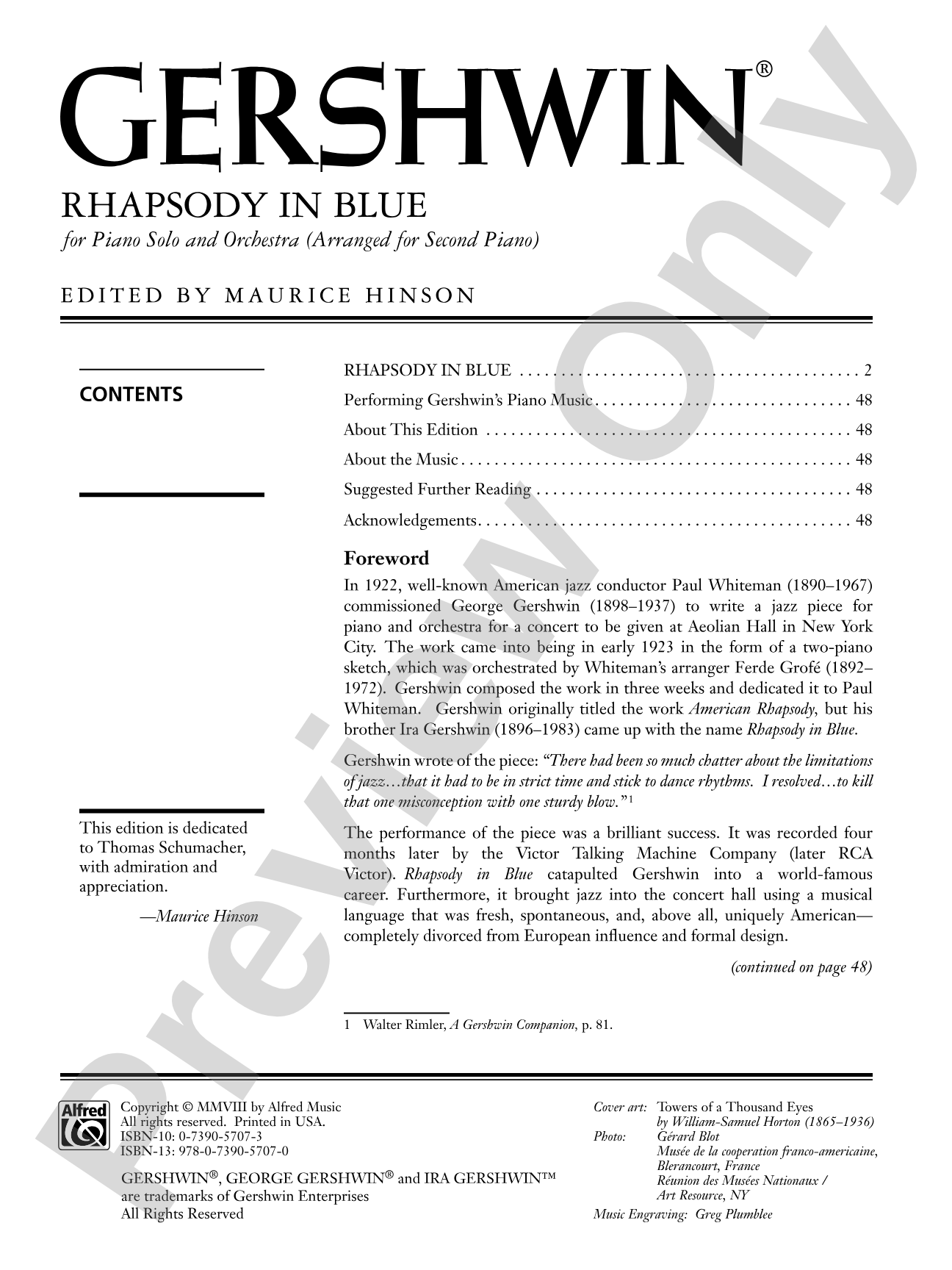
For Piano Solo and Orchestra (Arranged for Second Piano)
By George Gershwin / ed. Maurice Hinson
Level: Early Advanced / Advanced
Item: 00-PB-0000886

$14.99
One moment…
Related Items
Gershwin: Rhapsody in Blue: Piano Duo (2 Pianos, 4 Hands) Book (2 copies required) |
$14.95
|
View |
Description
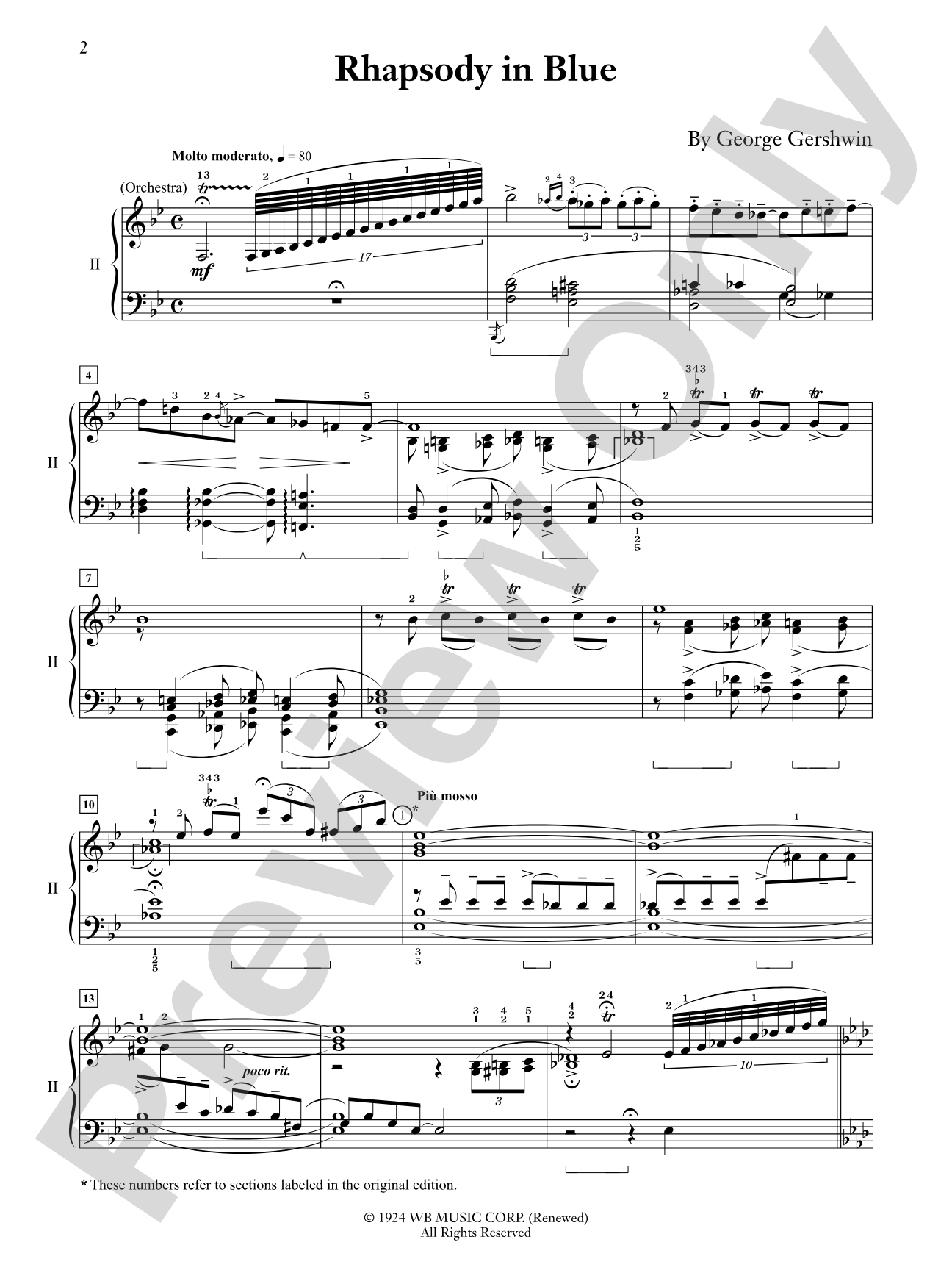
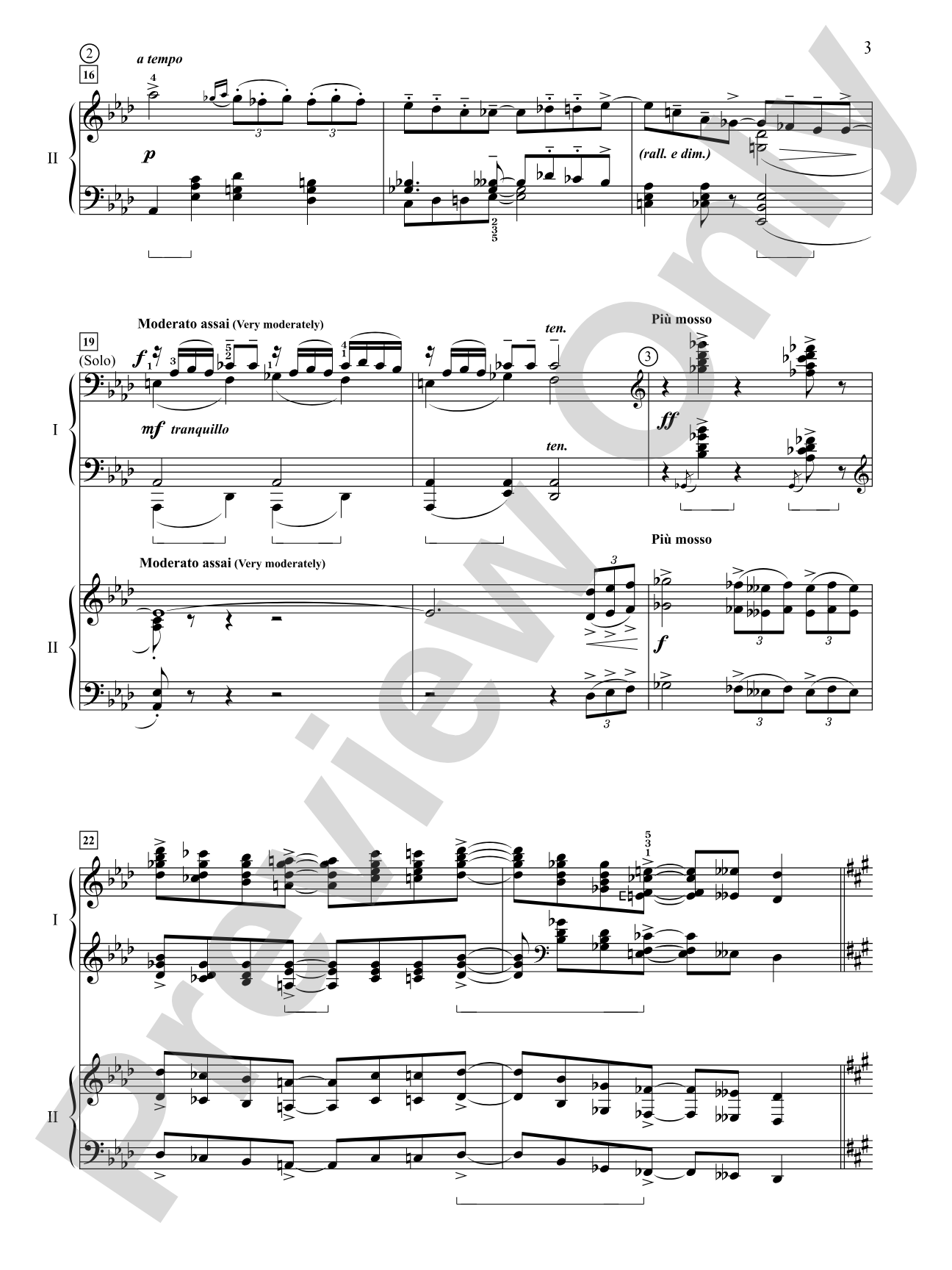
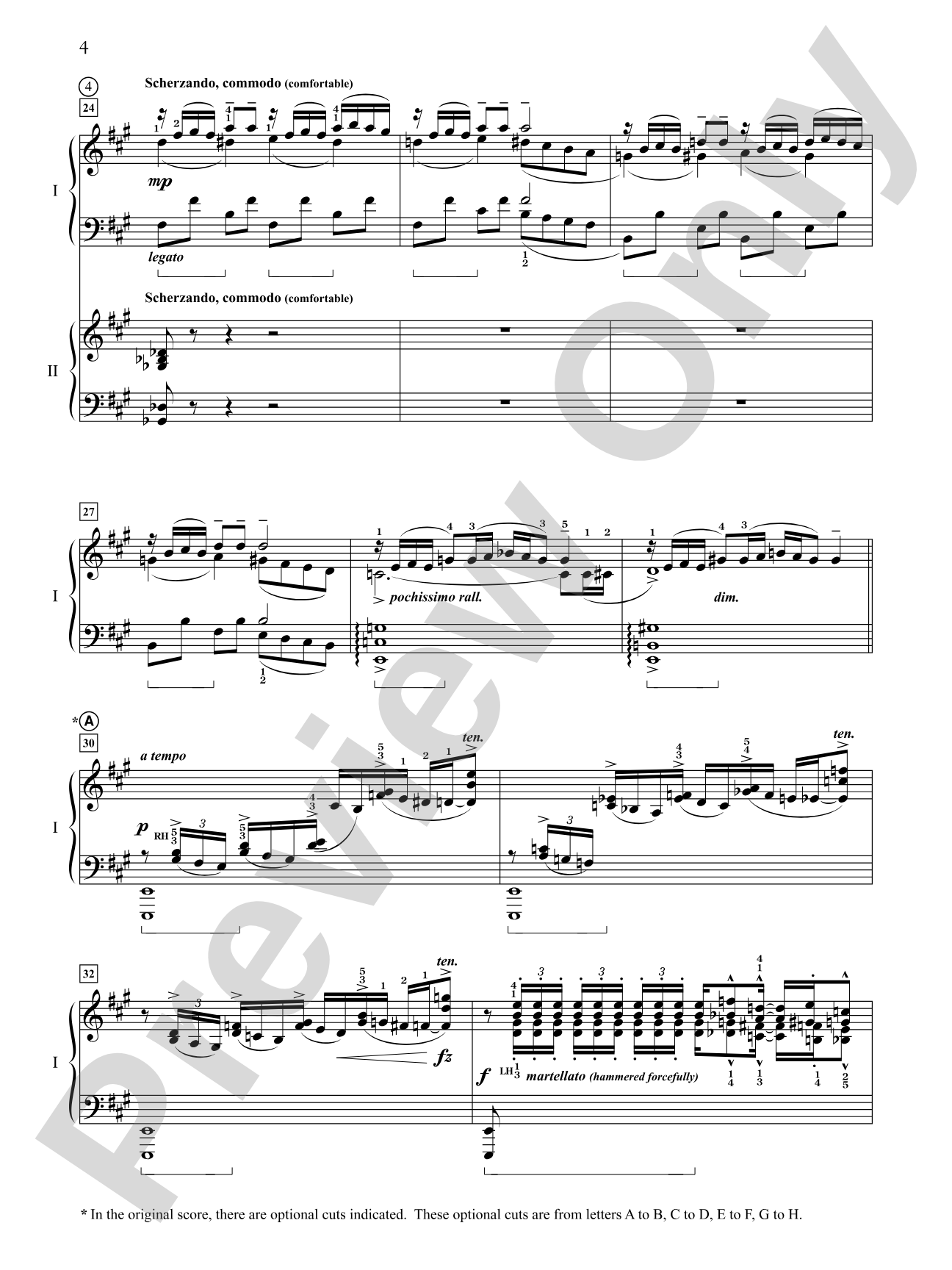
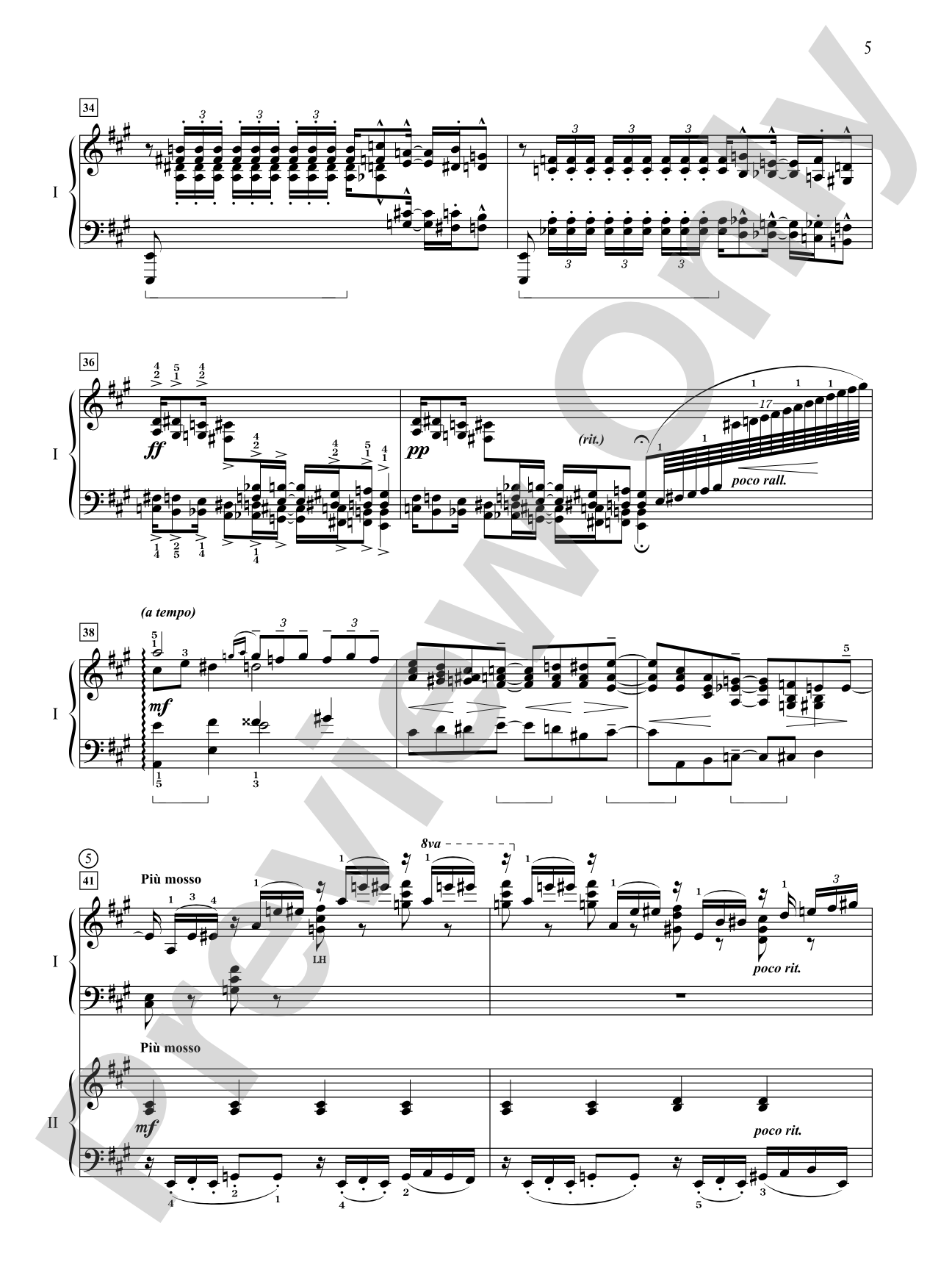
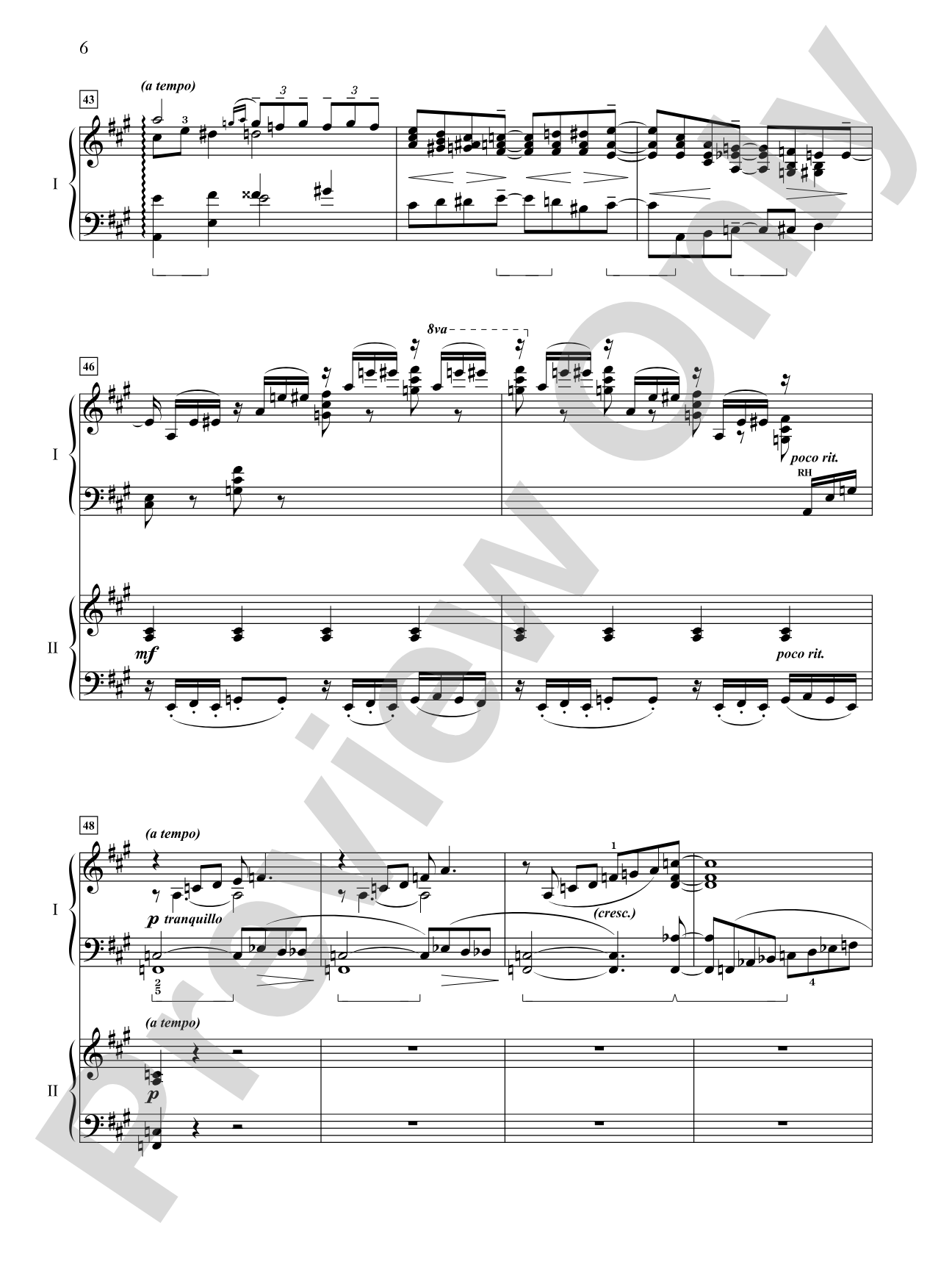
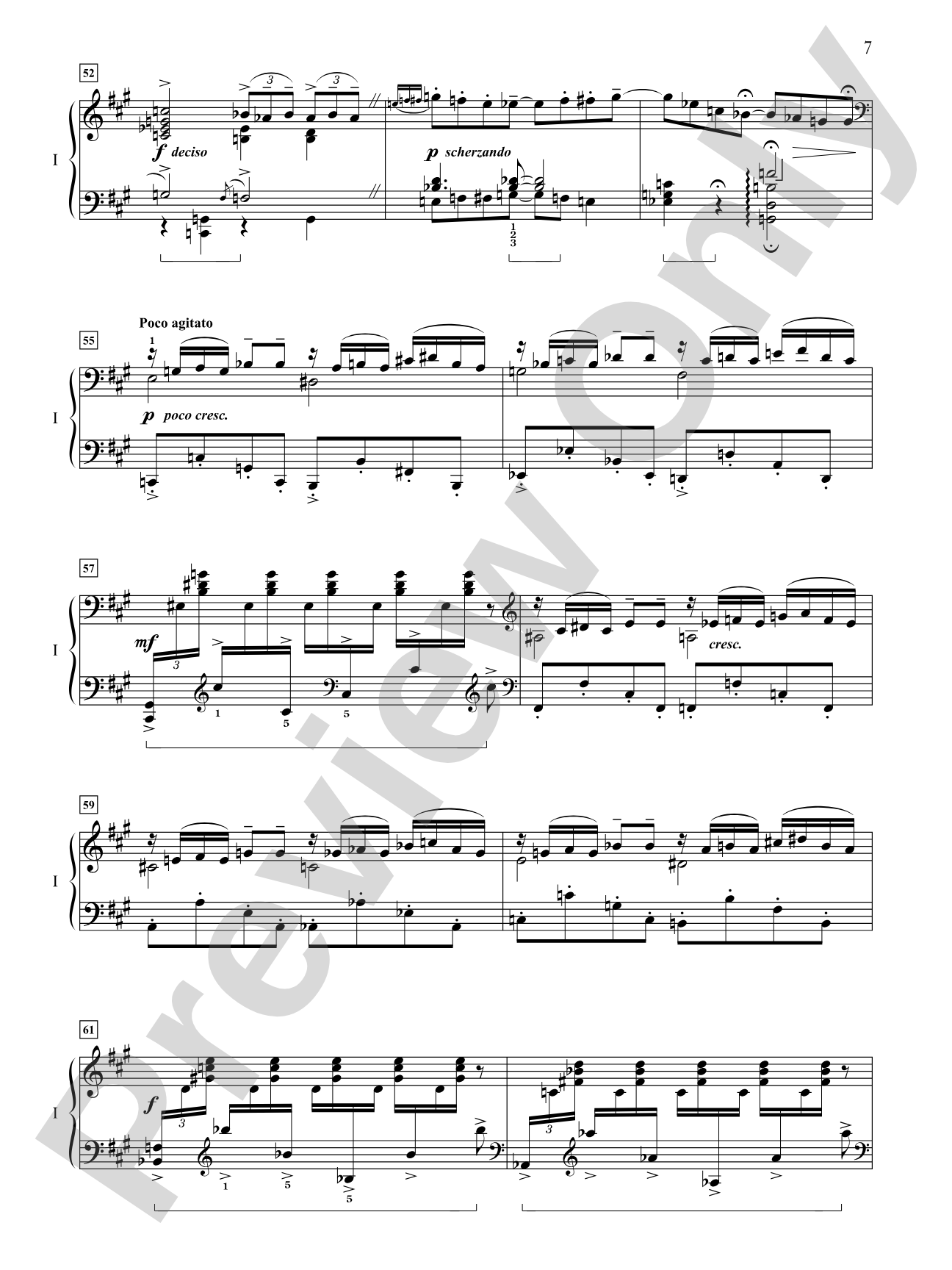
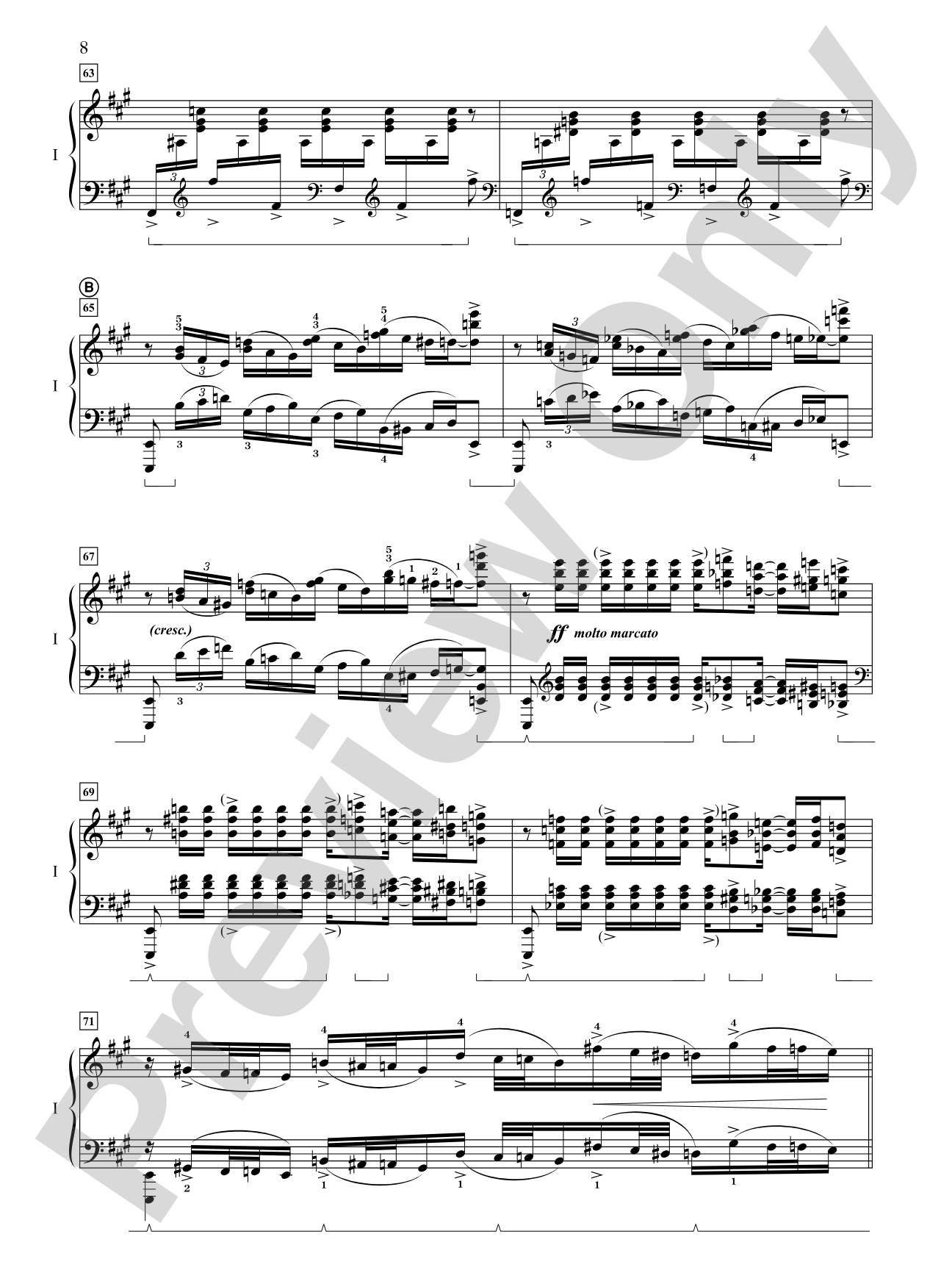
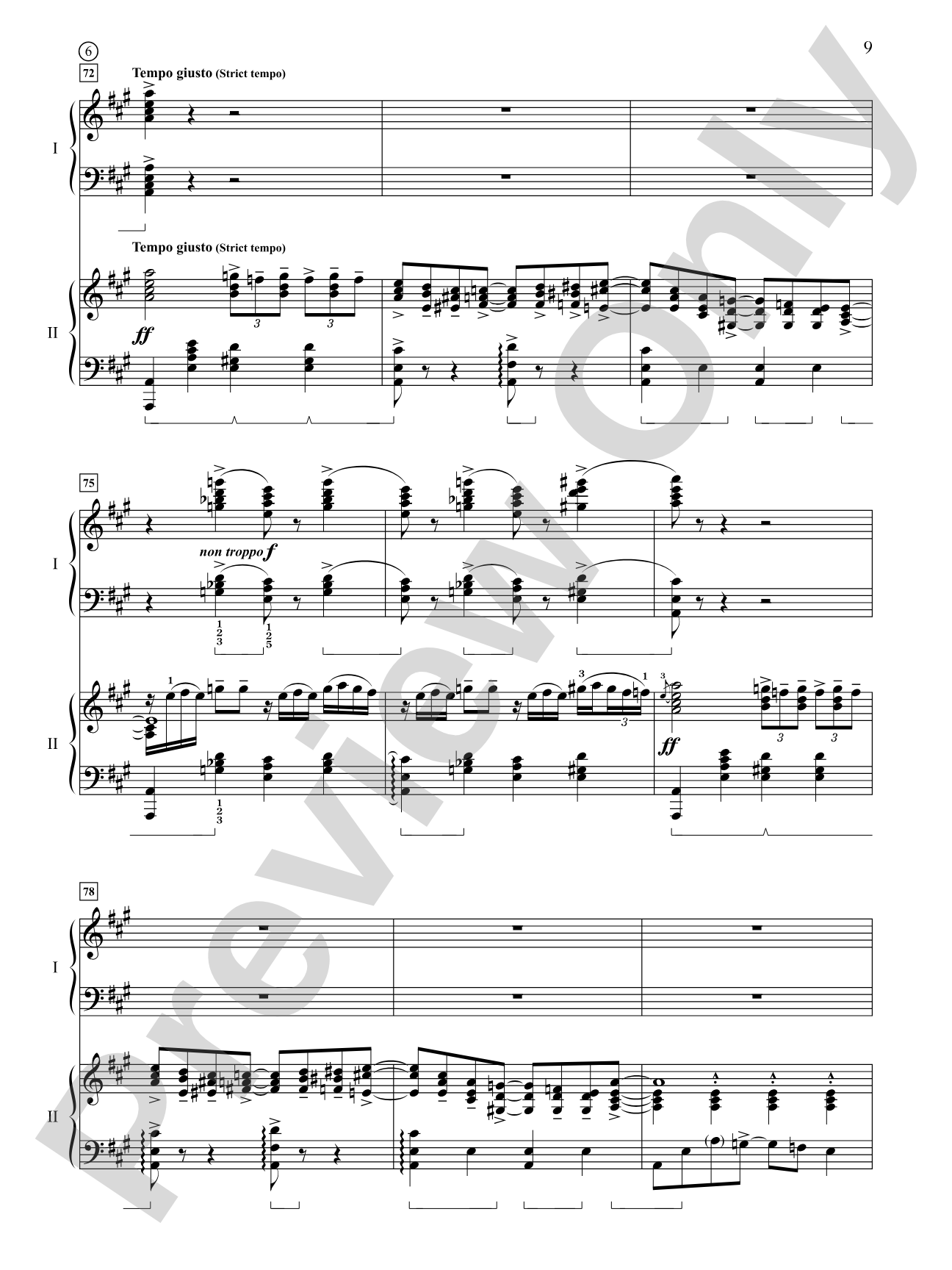
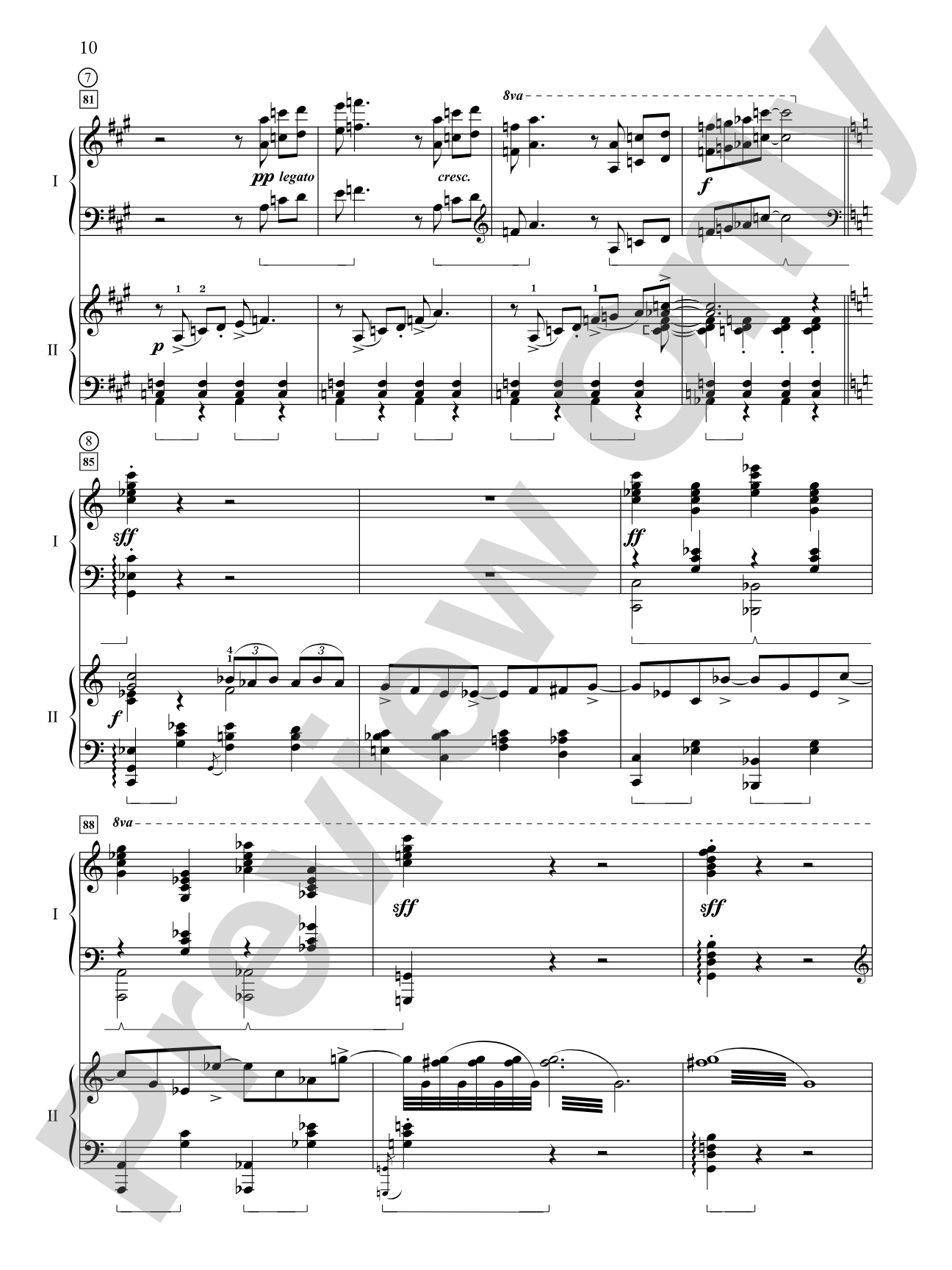
Rhapsody in Blue catapulted George Gershwin into a world-famous career. It brought jazz into the concert hall using a musical language that was fresh, spontaneous, and uniquely American. This edition is based on the 2-piano version, first published in 1924 by Warner Brothers Music Corporation. Editorial pedal and fingerings are included. 48 pages. A Federation Festivals 2024-2028 selection.


Don't just read it, hear it, play along with it, and watch your students grow with it. In MakeMusic Cloud, Gershwin: Rhapsody in Blue: For Piano Solo and Orchestra (Arranged for Second Piano) - Piano Duo (2 Pianos, 4 Hands): Piano Duets & Four Hands comes alive with professional accompaniment, adjustable tempo, and built-in practice tools that turn solo practice into real progress.
Open in the Player
Jump straight in and assign it today.
Start Your Free Trial
Open this title and explore the full library in minutes.
Sample Audio
No sample audio found.
Sample Video
No sample videos found.
Additional Details
Series:
Alfred Masterwork Edition
Publisher:
Alfred Music
Page Count:
48
SKU:
00-PB-0000886
More about this title
About the Composer: George Gershwin
George Gershwin (1898-1937) bridged the worlds of Broadway, jazz, and classical music with a naturalness that few composers before or since have achieved. His willingness to study composition seriously while maintaining his pop sensibility made him a pivotal figure in American music. Rhapsody in Blue stands as his masterpiece, a work that proved concert music didn't require a European accent to command respect.
Gershwin's early death at 38 cut short a career that was fundamentally reshaping what American classical music could sound like. For music educators, his legacy matters because he showed students that sophistication and accessibility aren't opposing forces. His music teaches the value of listening widely and borrowing freely from the musical world around you.
Why we love this
This arrangement captures everything that makes Rhapsody in Blue iconic while making it accessible to intermediate-advanced pianists who can't command a full orchestra. The two-piano texture preserves the dramatic arc and harmonic richness of the original, and watching two players navigate the jazz inflections and sweeping gestures together creates its own kind of theatrical magic. Programming this signals to your audience that you're willing to be ambitious with repertoire without limiting yourself to standard orchestral resources.
What to expect
Rhapsody in Blue moves between dreamlike lyricism and explosive swagger, mixing the smoky blue notes of jazz with the architecture of classical form. The two pianos create a conversation between yearning and exuberance, mirroring the work's core tension between personal introspection and American optimism.
Who it's for
Advanced high school pianists and early college students ready to tackle a major work, as well as adult amateurs seeking substantial repertoire with genuine historical weight. Teachers programming duo concerts, masterclass material, or festival entries will find this Alfred edition reliable and musically serious.
How to get the most out of it
- Balance the two parts differently from measure to measure. When one piano carries the lyrical material, the other provides harmonic foundation; let the sound proportion shift naturally rather than maintaining equal volume throughout.
- Coordinate the jazz-inflected passages by locking the rhythmic feel before rehearsal begins. Mark swing eighths and syncopated figures clearly so both players commit to the same interpretation of Gershwin's deliberately imprecise notation.
- Use the editorial pedal markings as a foundation, but trust your ear in the thick harmonic passages. The 1924 publication assumes certain piano sonorities that may shift based on your instruments' characteristics.
- Invest time in the cadenza. Its spontaneity is deceptive; both players need to understand where flexibility serves the music and where rhythmic precision matters.
How to use it
Feature this in a concert exploring American music or as the climactic work on a duo recital where it commands a full second half. Its Federation selection status makes it particularly valuable for students preparing for competitions and festival competitions seeking major repertoire with established credibility.
Skills your students will build
- Reading jazz idioms and chromatic harmony in a concert setting
- Coordinating two independent piano parts with different textural roles
- Interpreting swing rhythms and syncopation with period authenticity
- Managing fast passage work across wide ranges with clarity
- Balancing lyrical singing tone with rhythmic precision in the same phrase