
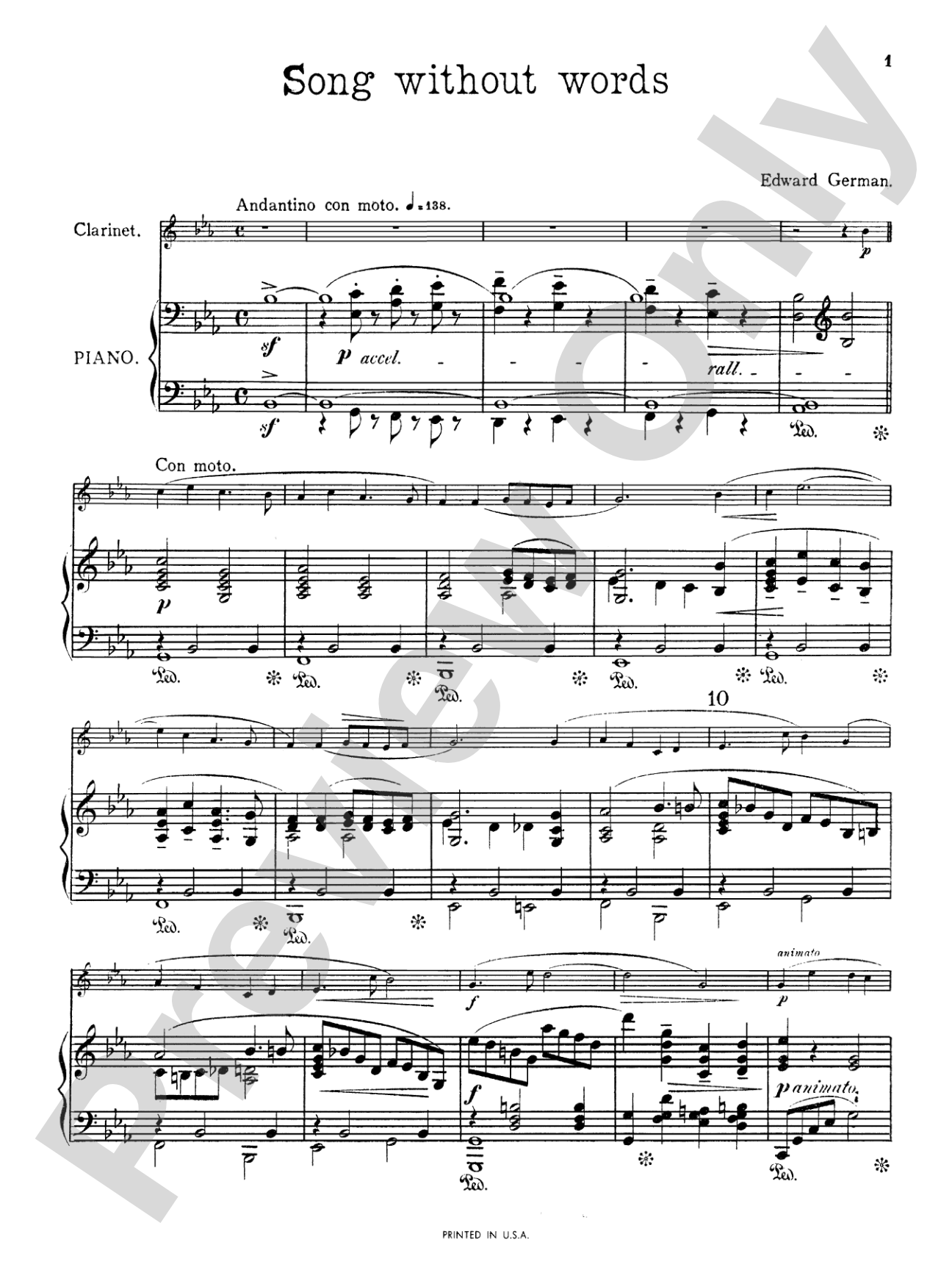
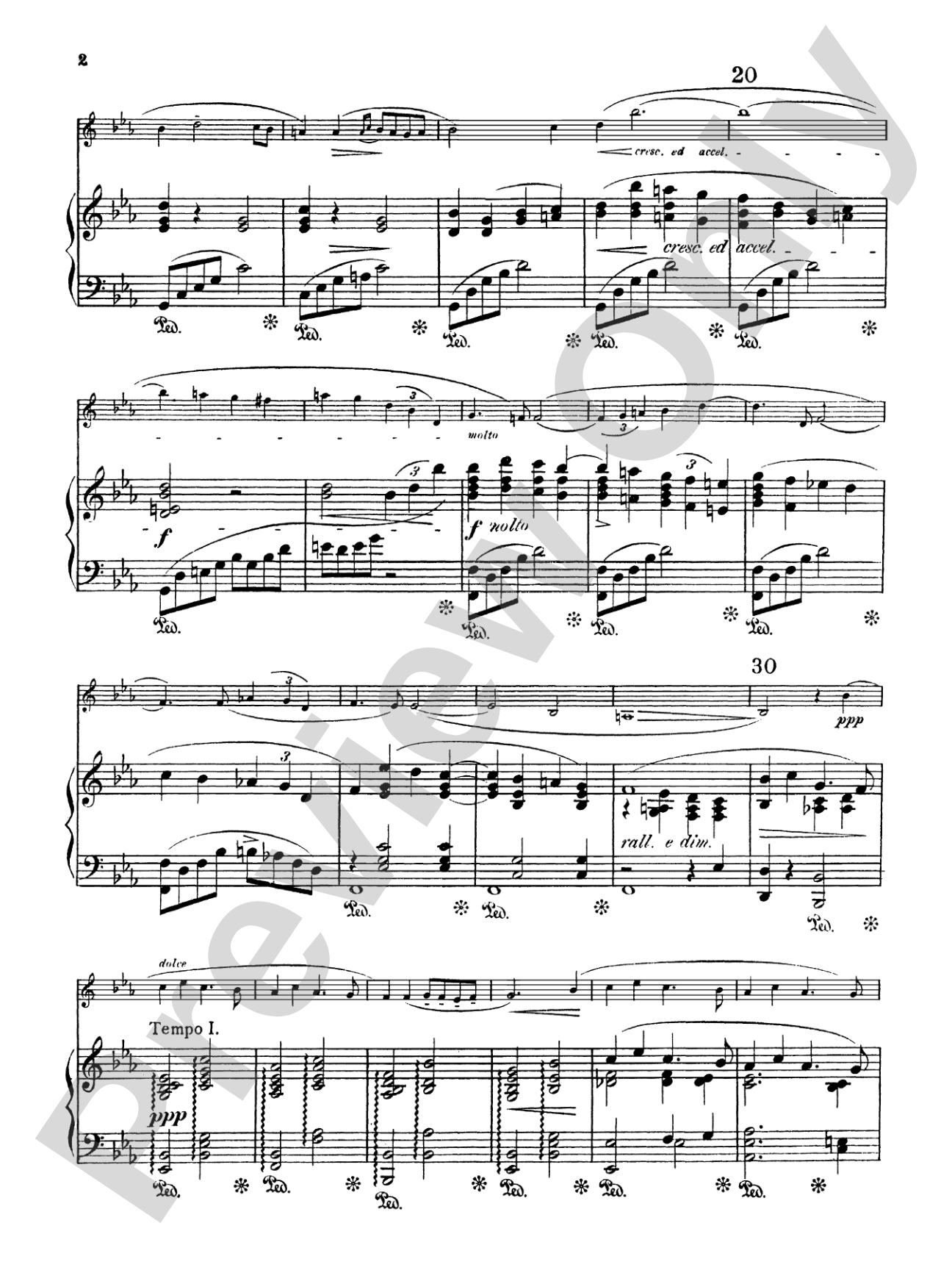
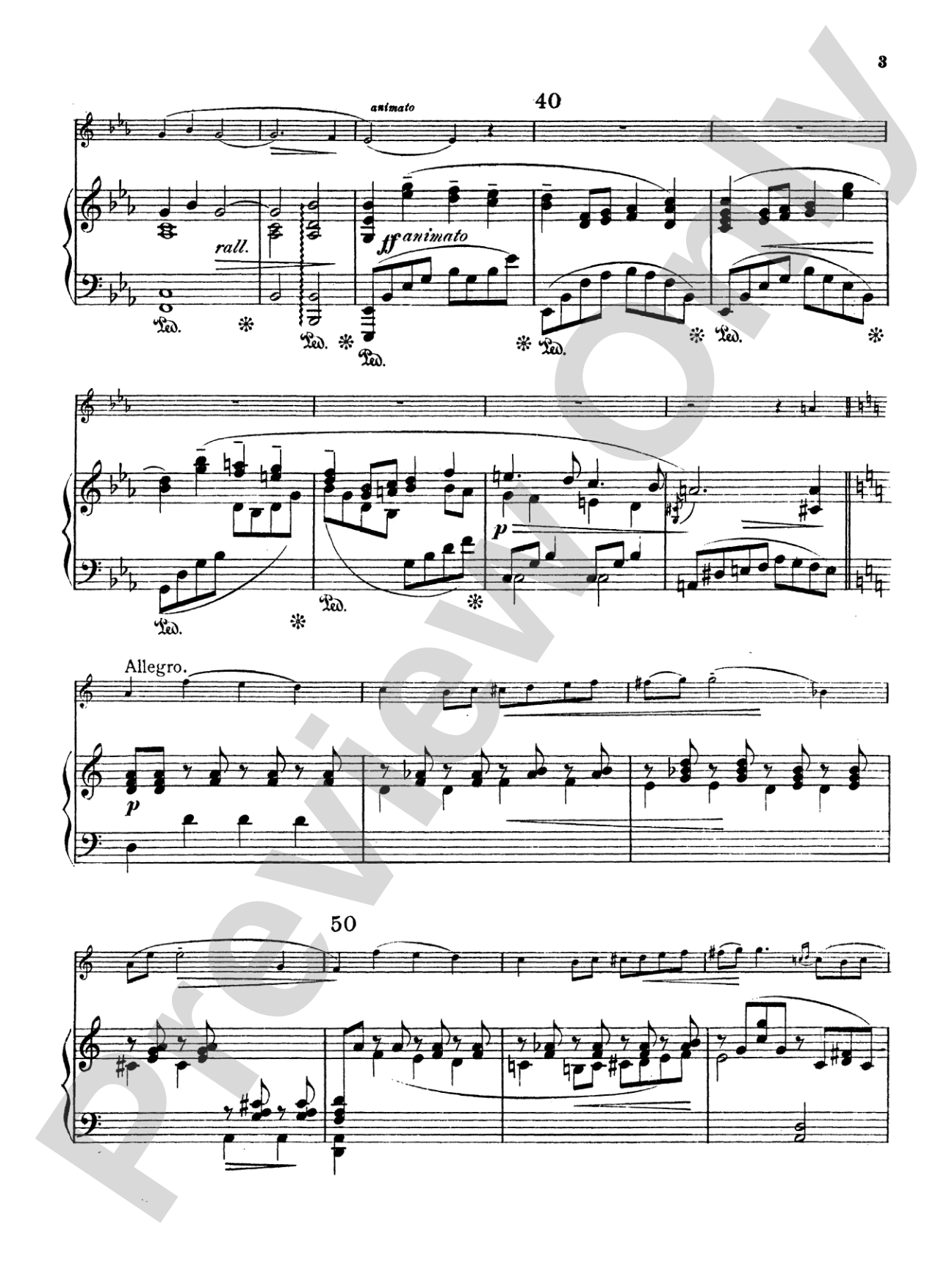
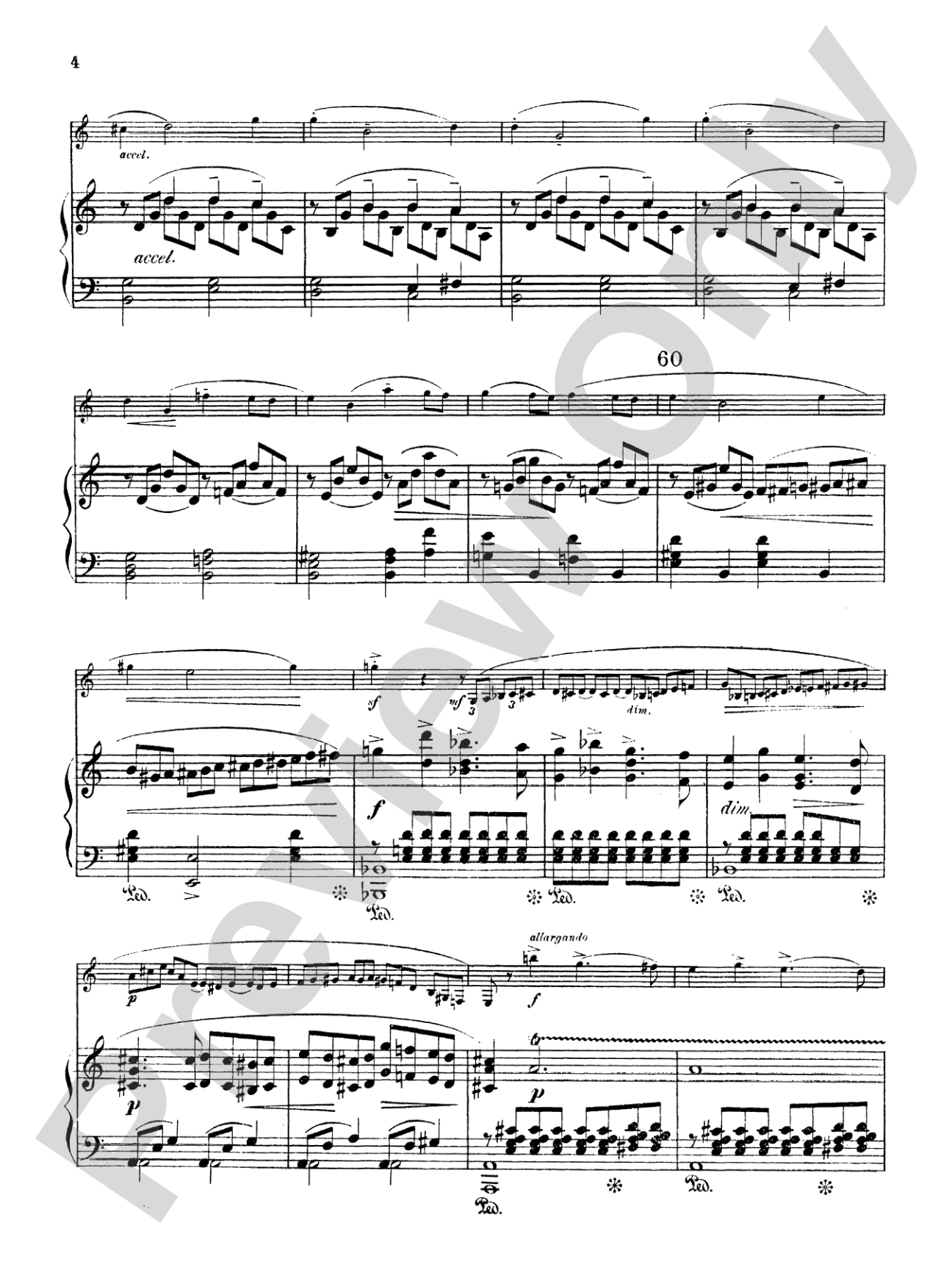
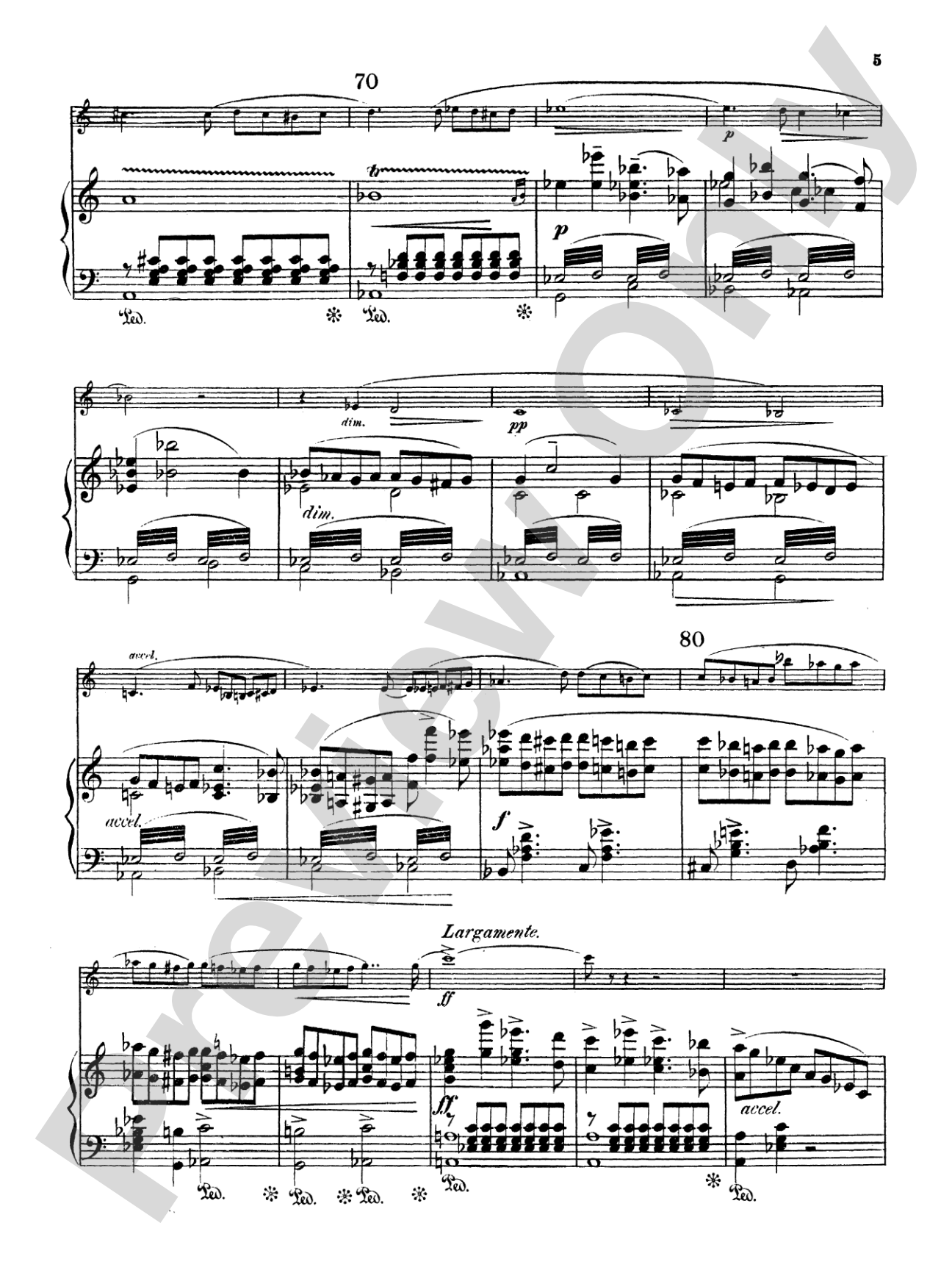
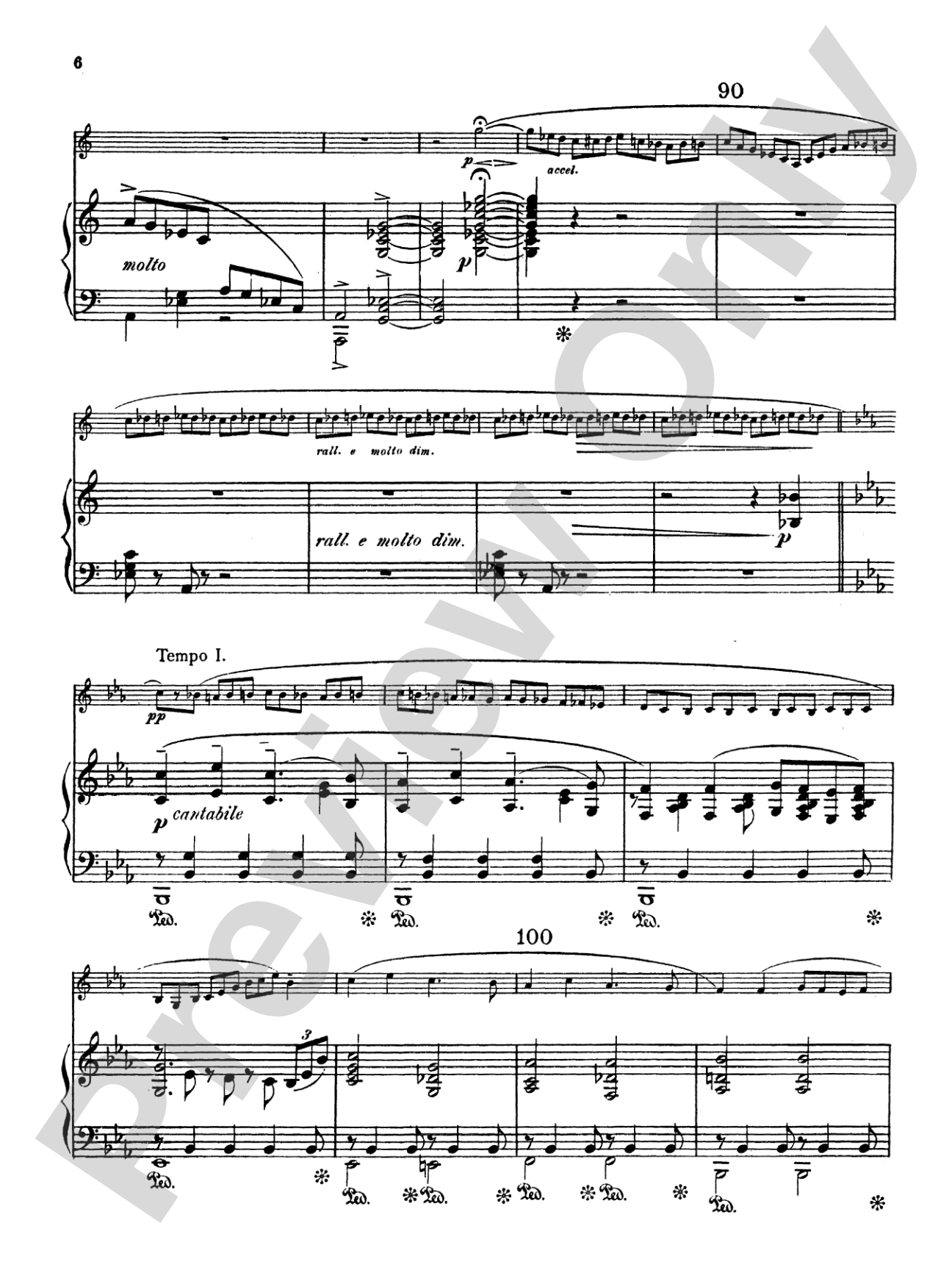
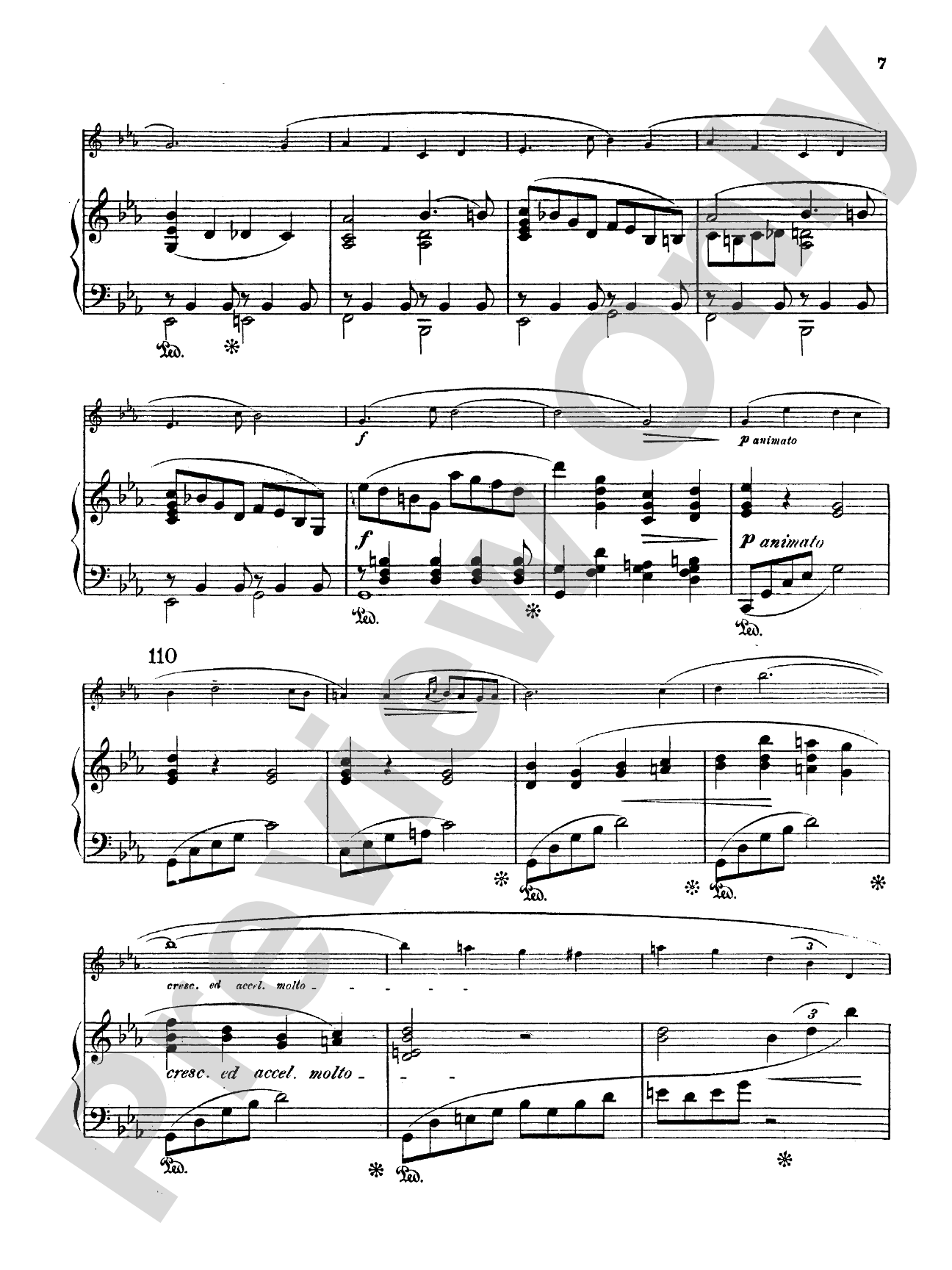
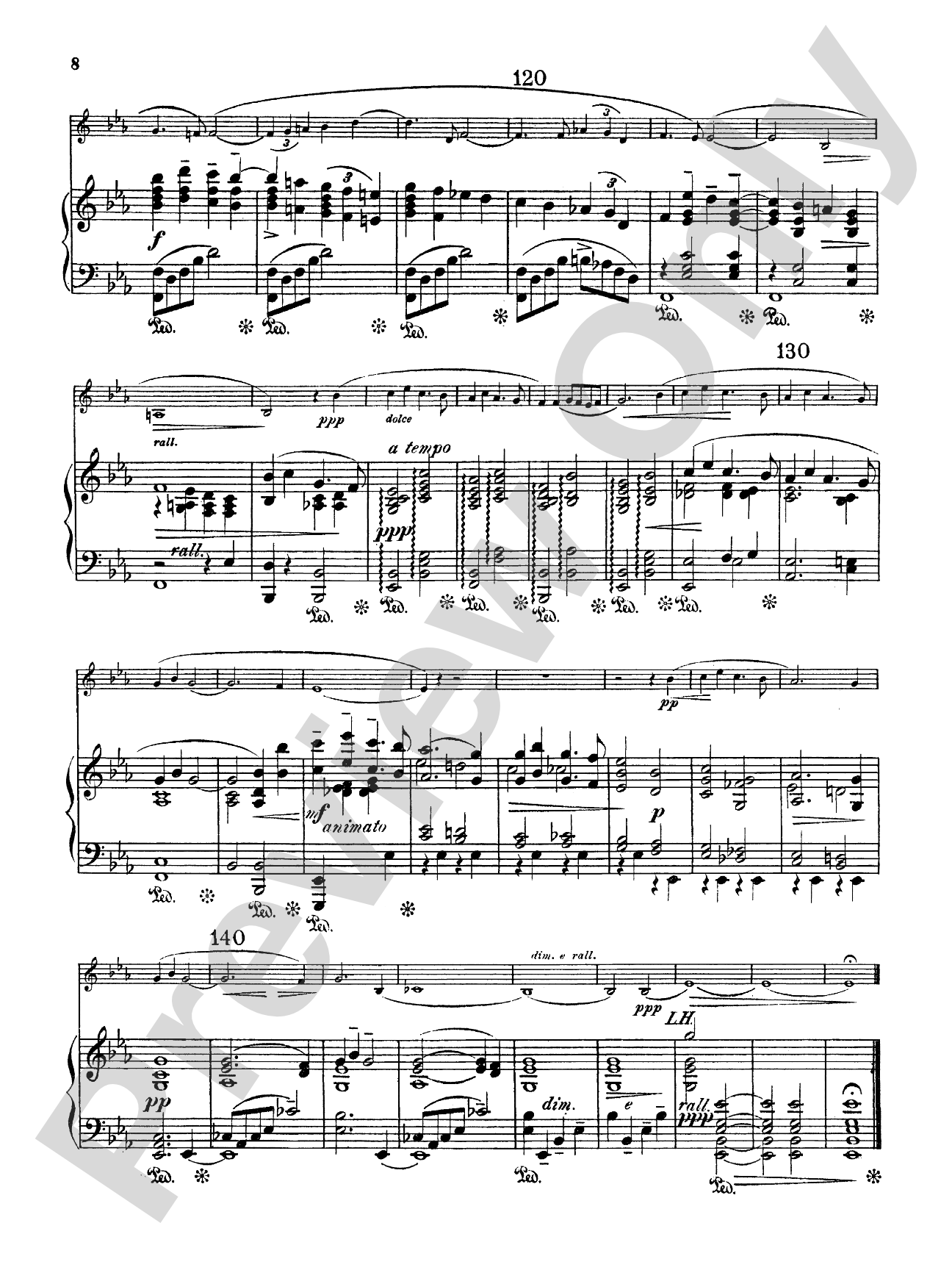

German: Song Without Words: Clarinet Part(s)
By Edward German
Item: 00-PK-0003848

$7.99
Pickup currently not available
Parts Added to Cart!
Related Items
Song Without Words: Clarinet Part(s) |
$7.95
|
View |
Description
A B-Flat Clarinet Solo expertly composed by Edward German.


Don't just read it, hear it, play along with it, and watch your students grow with it. In MakeMusic Cloud, German: Song Without Words: Clarinet Part(s) comes alive with professional accompaniment, adjustable tempo, and built-in practice tools that turn solo practice into real progress.
Open in the Player
Jump straight in and assign it today.
Start Your Free Trial
Open this title and explore the full library in minutes.
Sample Audio
No sample audio found.
Sample Video
No sample videos found.
Additional Details
Series:
Kalmus Edition
Publisher:
Alfred Music
Page Count:
16
SKU:
00-PK-0003848
More about this title
About the Composer: Edward German
Edward German (1862-1936) was an English composer whose output spanned operetta, orchestral works, and chamber music. He studied at the Royal Academy of Music and became known for his gift for melody and skillful orchestration, earning a knighthood in 1928 for his contributions to British music.
German's clarinet writing reflects the warmth and lyricism characteristic of his style. His works for solo instruments balance technical demands with singable, expressive lines that reward both careful phrase shaping and secure technique.
Why we love this
German's clarinet writing sits comfortably in the instrument's lyrical range without sacrificing character. The title promises introspection without austerity, and the piece delivers exactly that, sixteen pages of music that rewards careful phrasing and invites genuine collaboration between soloist and accompanist, making it equally valuable for recital work and festival competition.
What to expect
The music unfolds with intimate reflection, never hurrying toward resolution. There's a contemplative quality, the kind of song that exists without words because language would only interrupt the thought. Moments of gentle warmth give way to passages of quiet introspection, all within a harmonic language that feels both familiar and distinctly personal.
Who it's for
This solo suits advancing high school clarinetists and college music majors preparing auditions or festival submissions. It demands secure technique and musical maturity but remains accessible to players who practice methodically.
How to get the most out of it
- Shape the melodic line with natural breath points rather than literal phrase marks; German's phrasing often spans across expected cadence points, and respecting that architecture prevents the music from fragmenting into isolated gestures.
- Balance dynamic shifts delicately in the accompaniment. The piano writing is often sparse, which means every harmonic color becomes audible, use that transparency to support rather than compete with the clarinet.
- Explore the full range of the clarinet's character across different registers; German moves fluidly through the instrument's zones, and acknowledging those timbral shifts deepens the storytelling quality.
How to use it
Program this as a solo performance or chamber recital showcase during spring concerts or festival competitions. Its 16-page length and moderate technical demands make it ideal for demonstration of intermediate to advanced solo repertoire.
Skills your students will build
- Sustaining long melodic lines with consistent tone and phrase shape
- Balancing lyrical expression with technical clarity in rapid passages
- Responding to harmonic movement in the accompaniment
- Shaping rubato and dynamic phrasing within a formal structure