
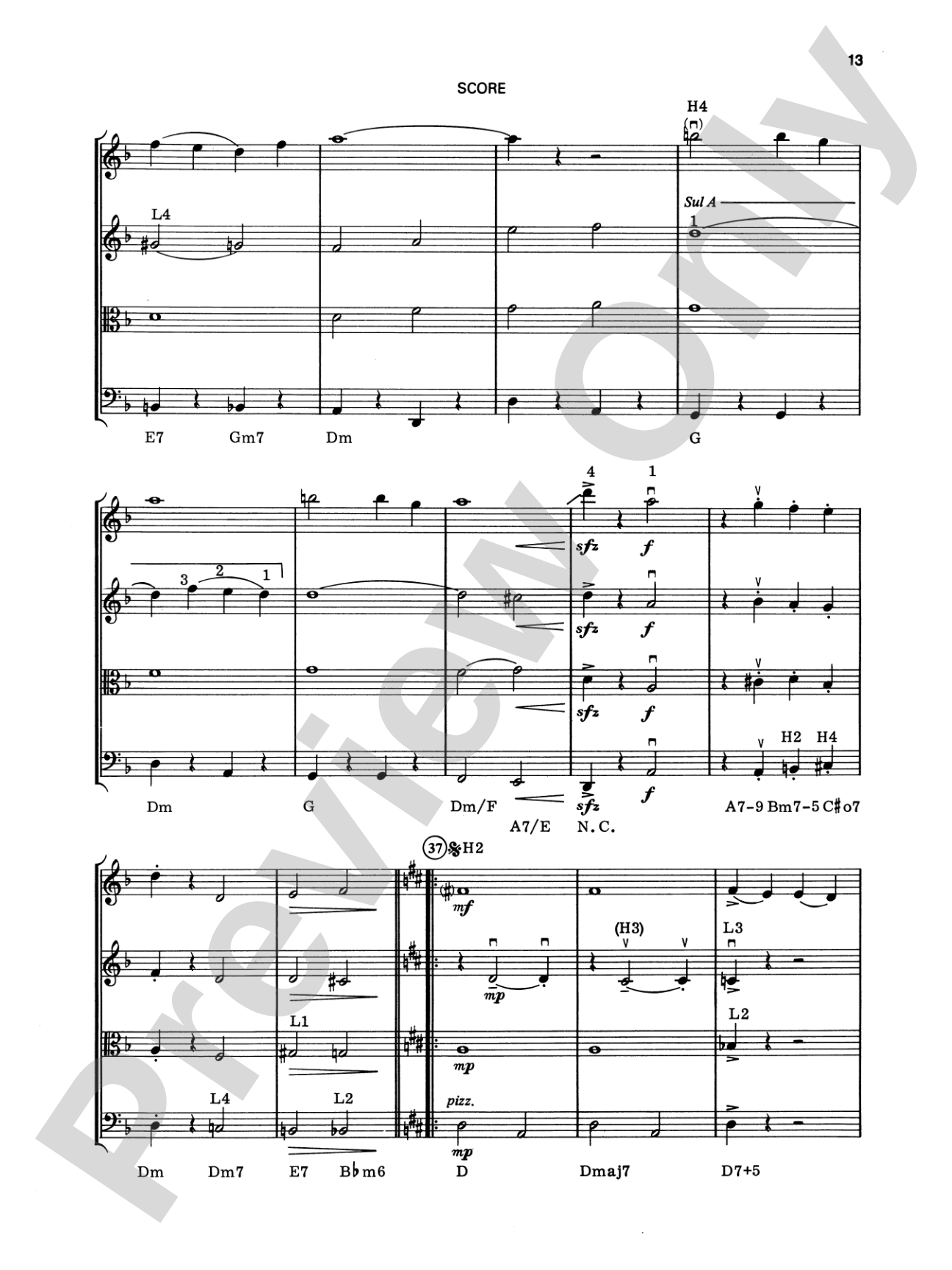
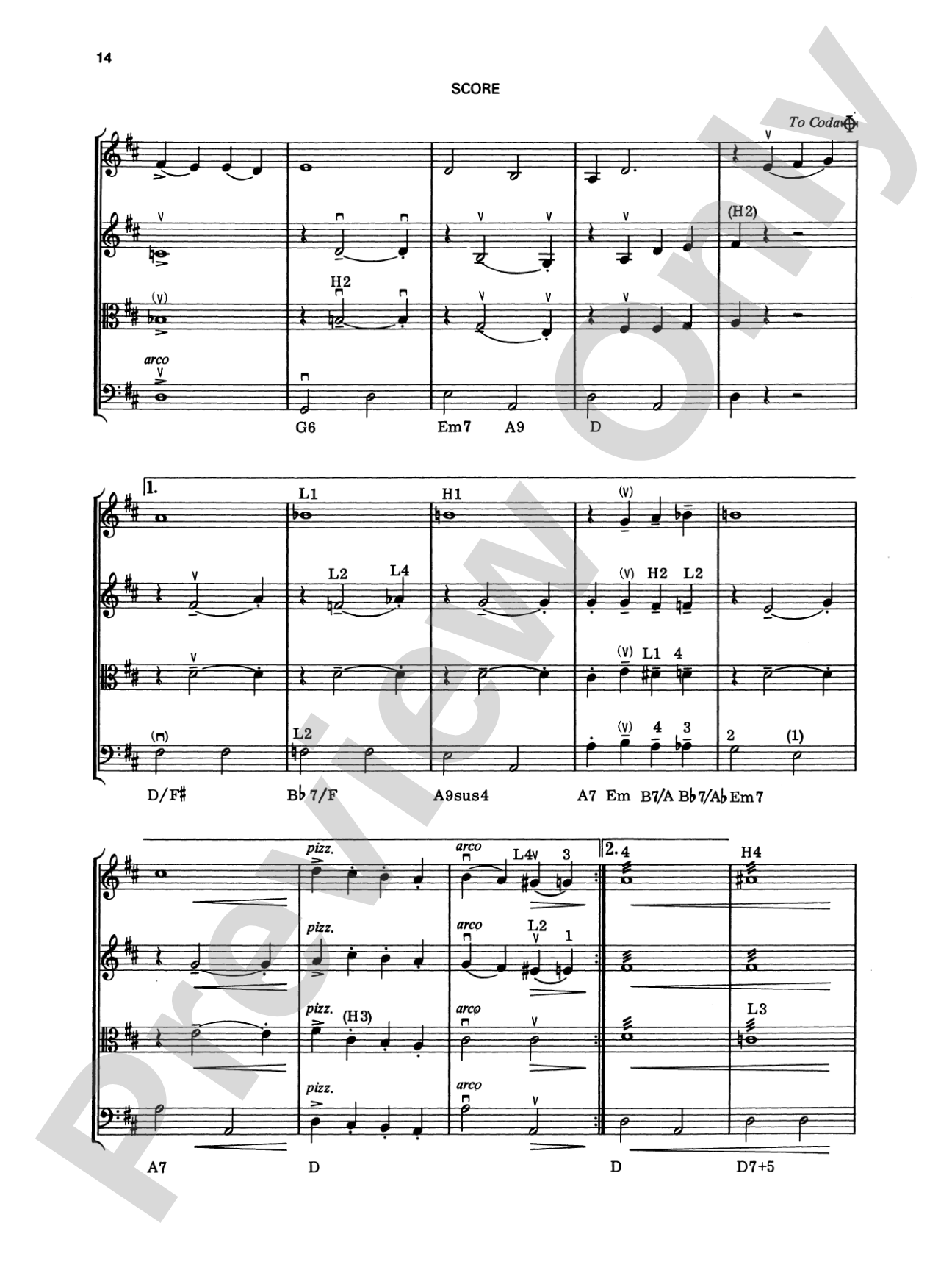
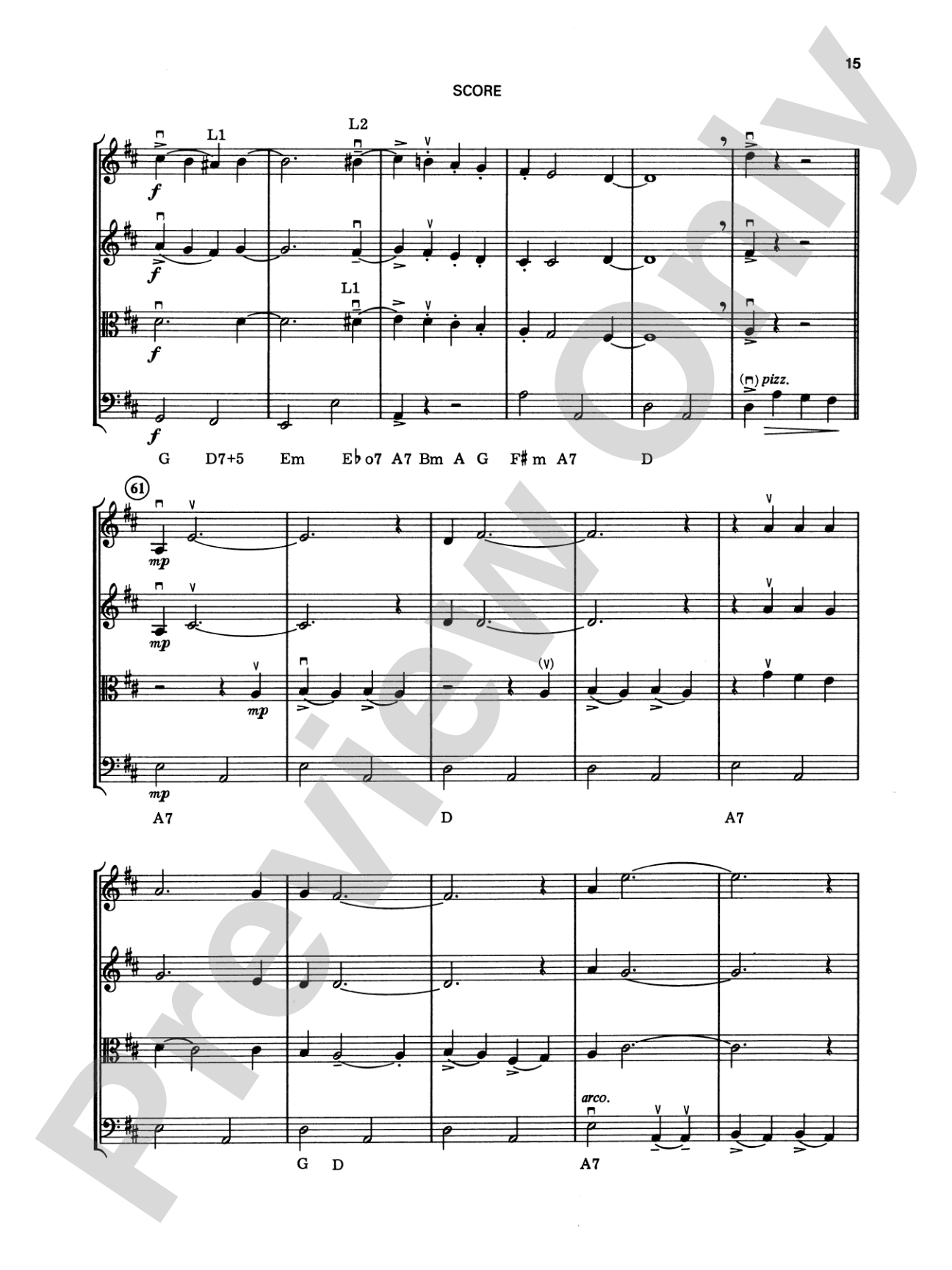
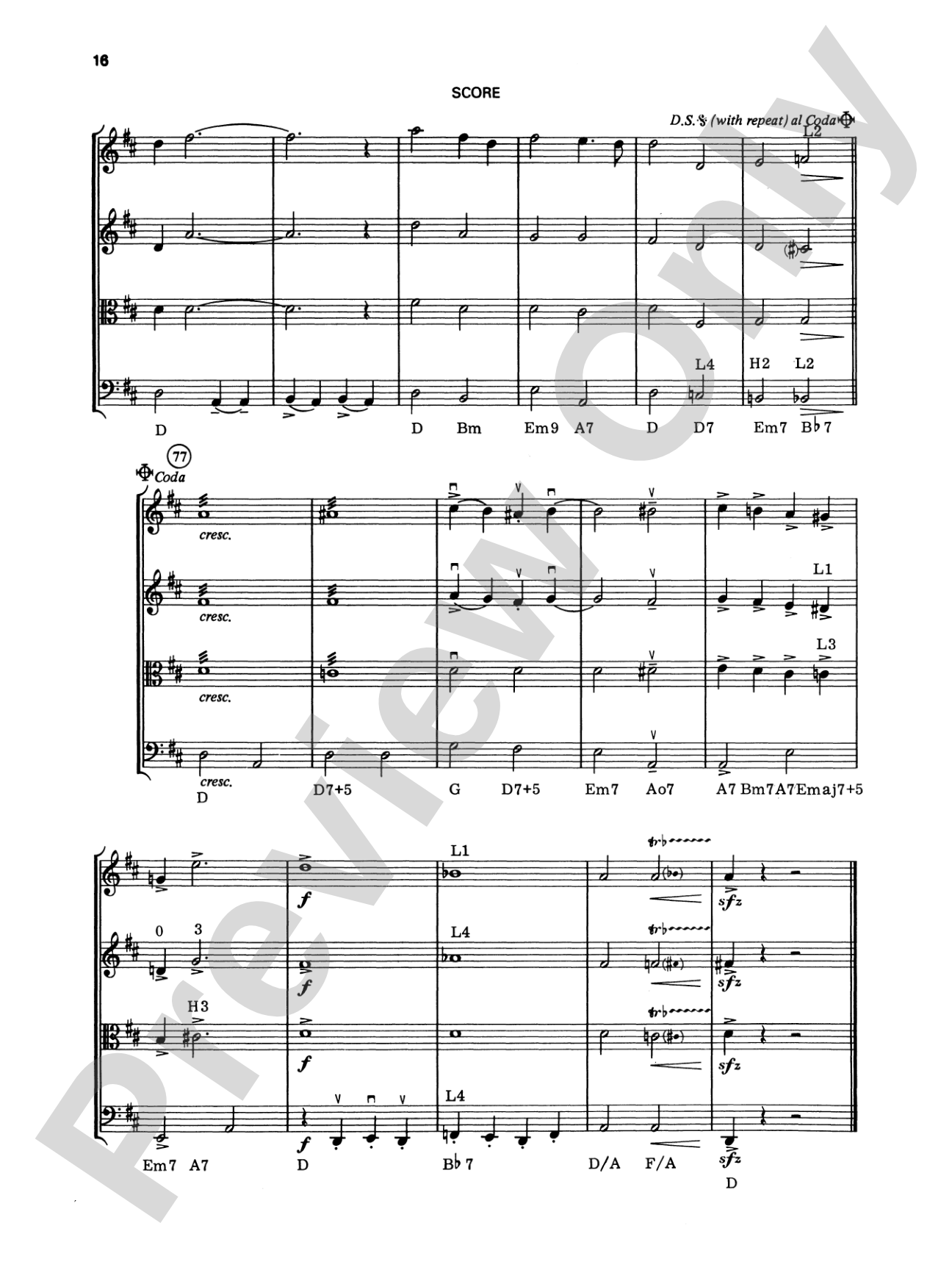
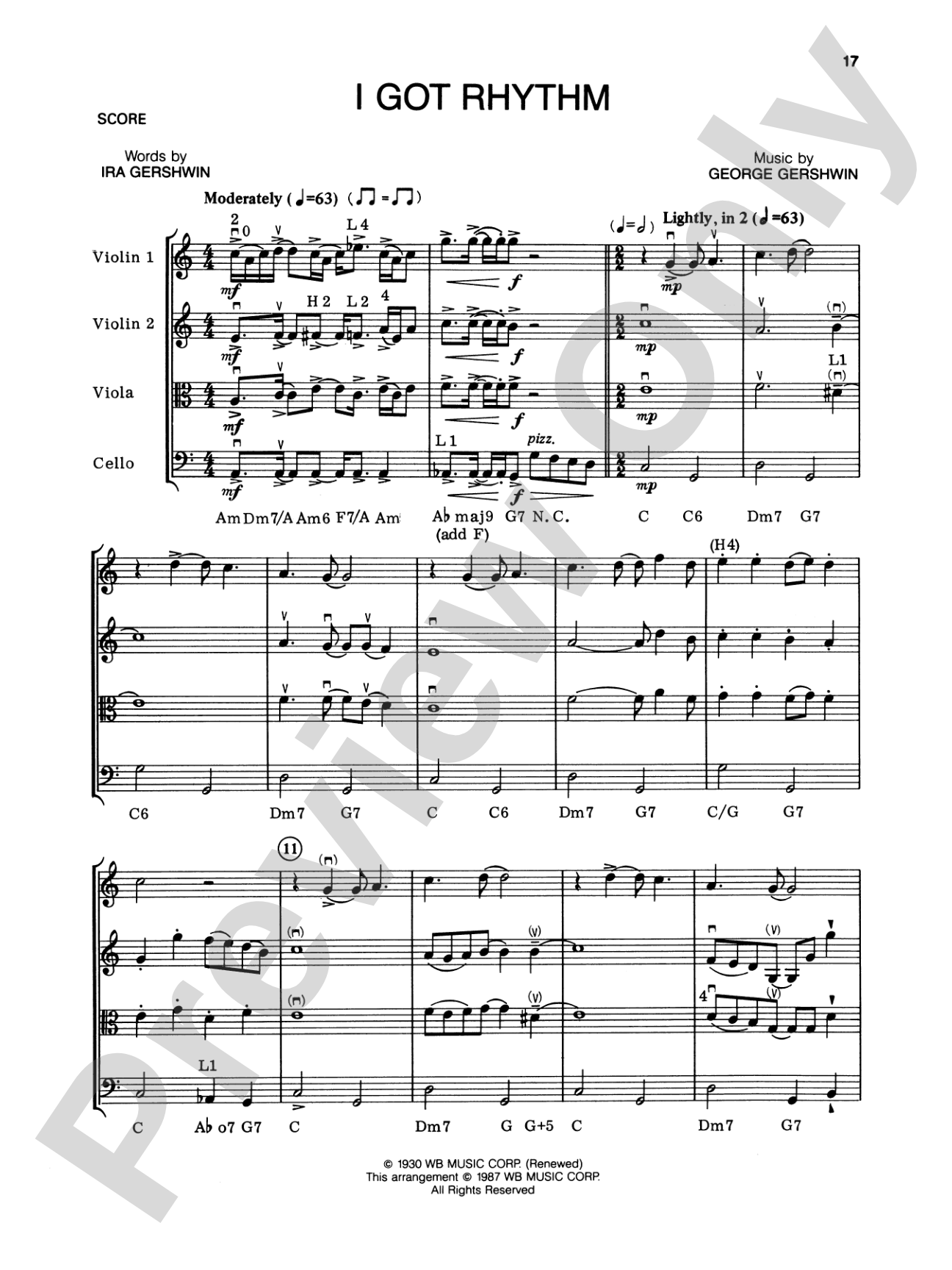
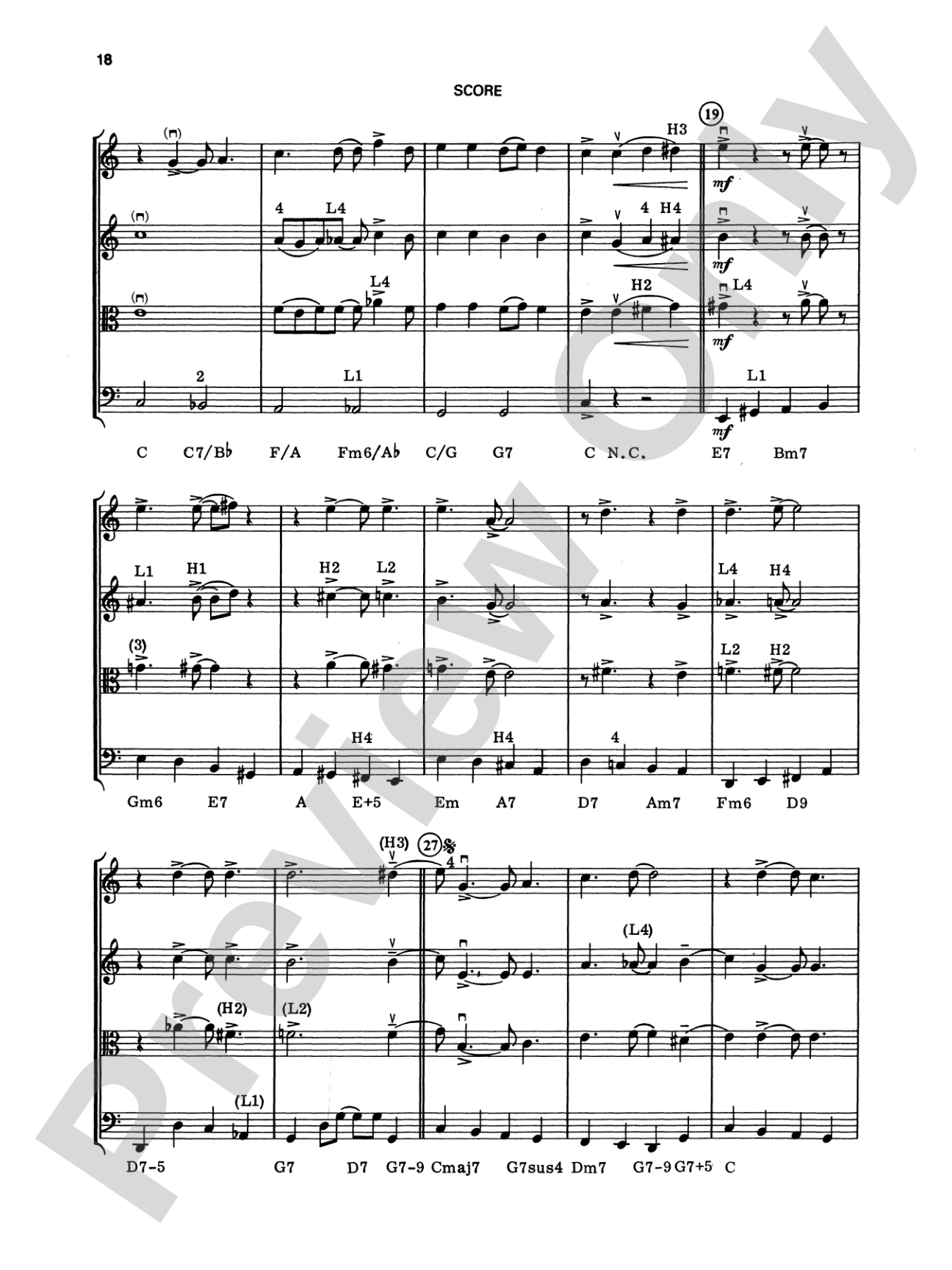
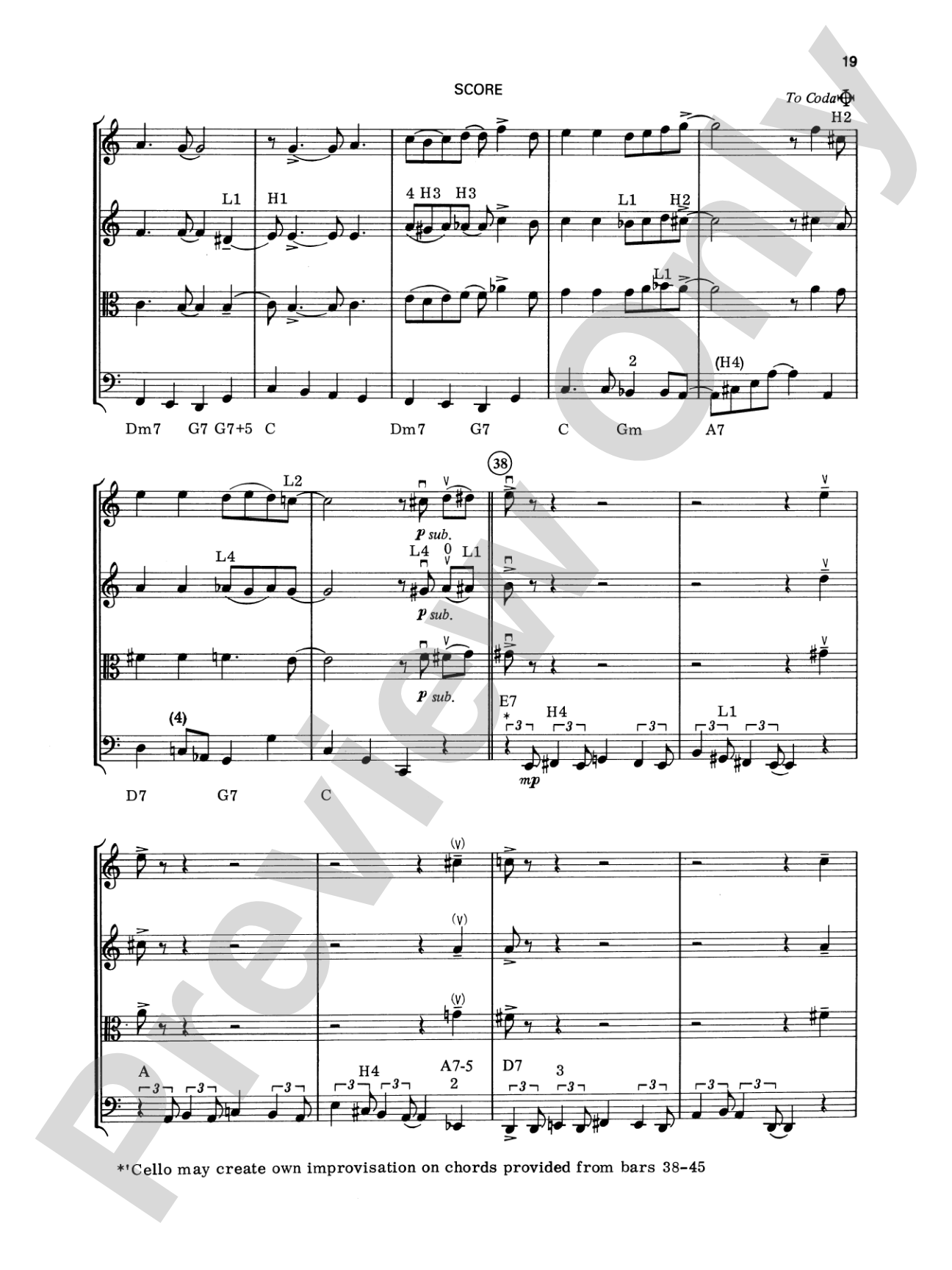
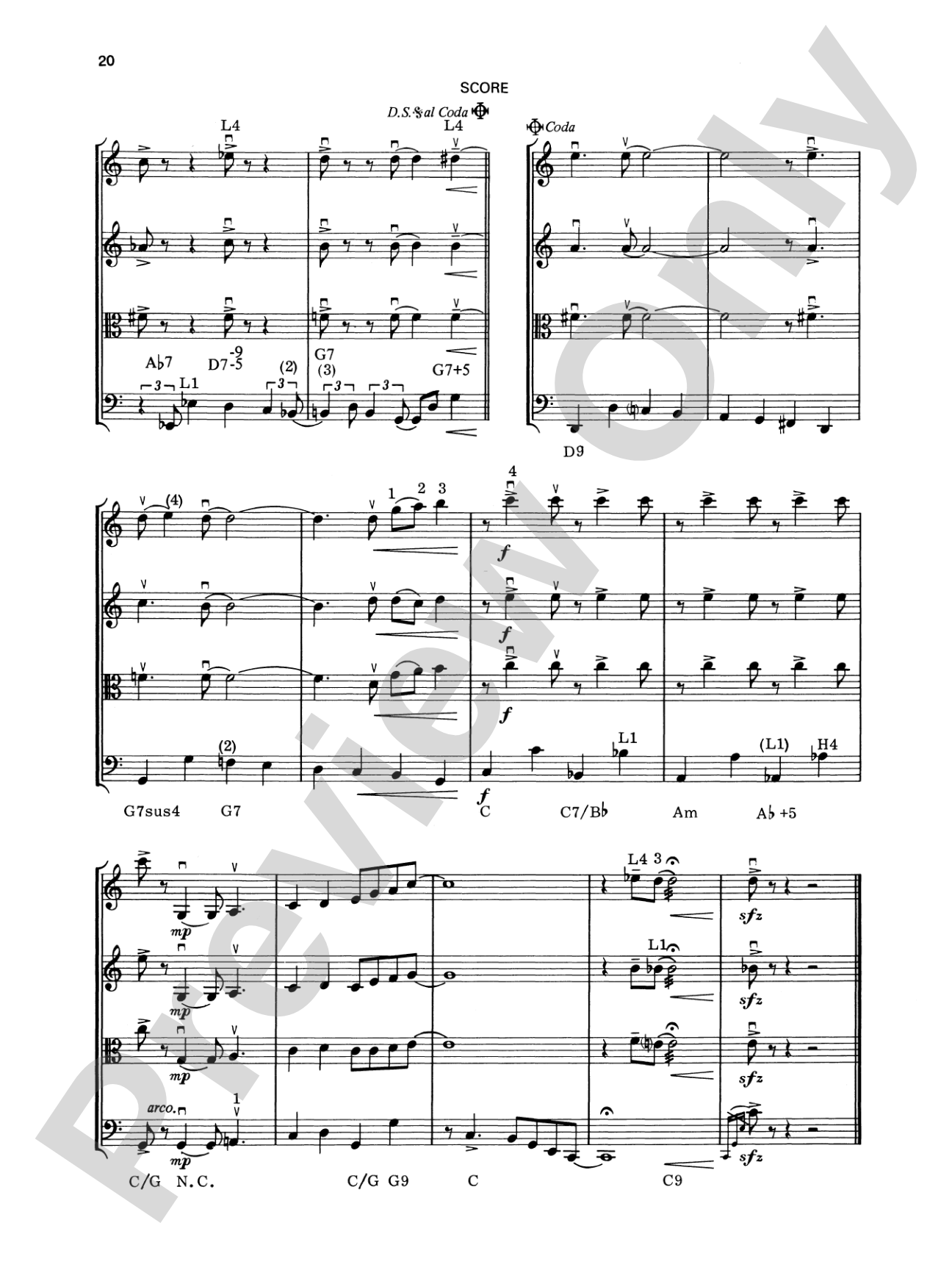

George Gershwin: Score
George Gershwin / arr. Tony Esposito
Item: 00-PR-0006994
$30.00
Pickup currently not available
Description
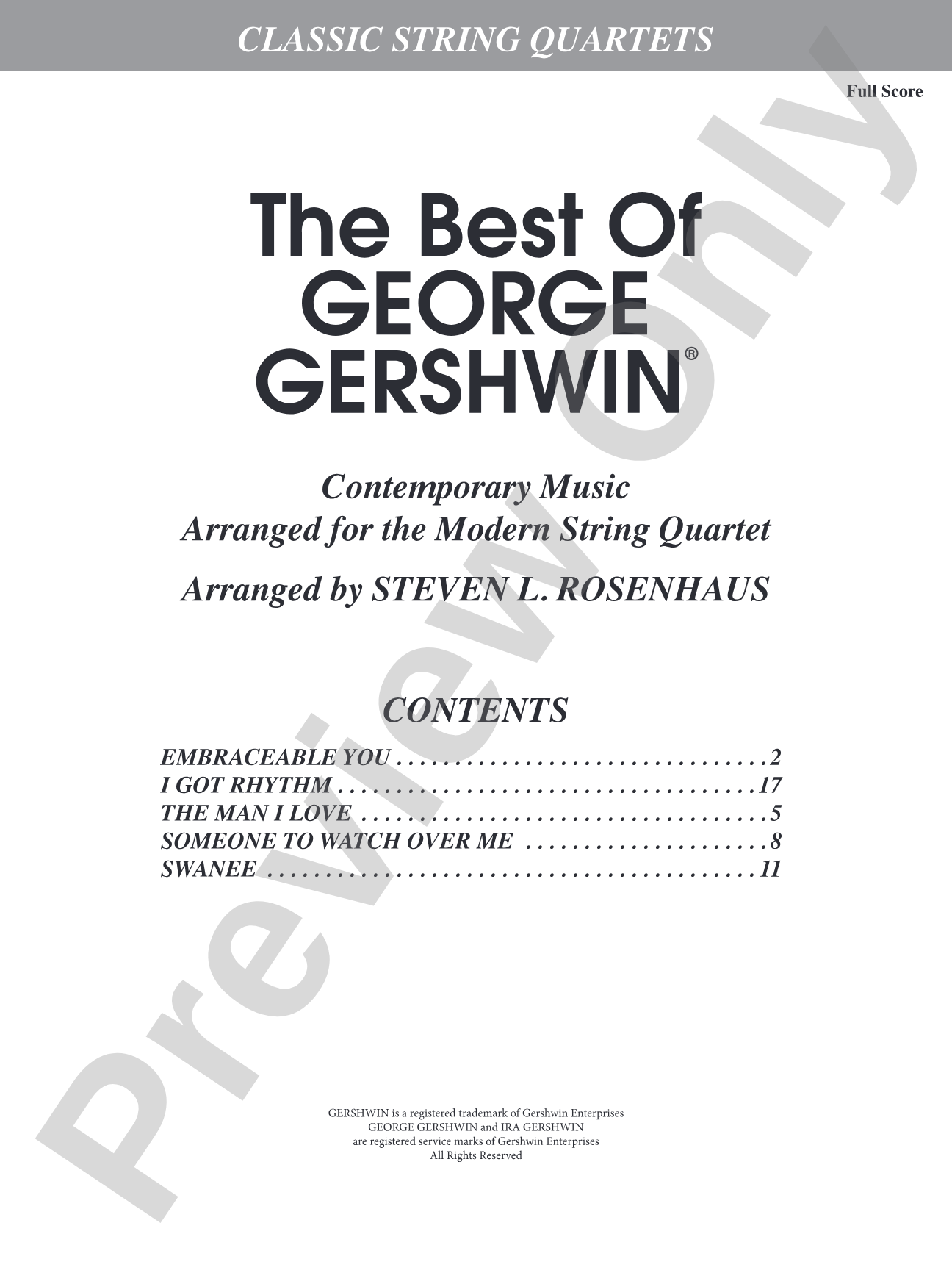
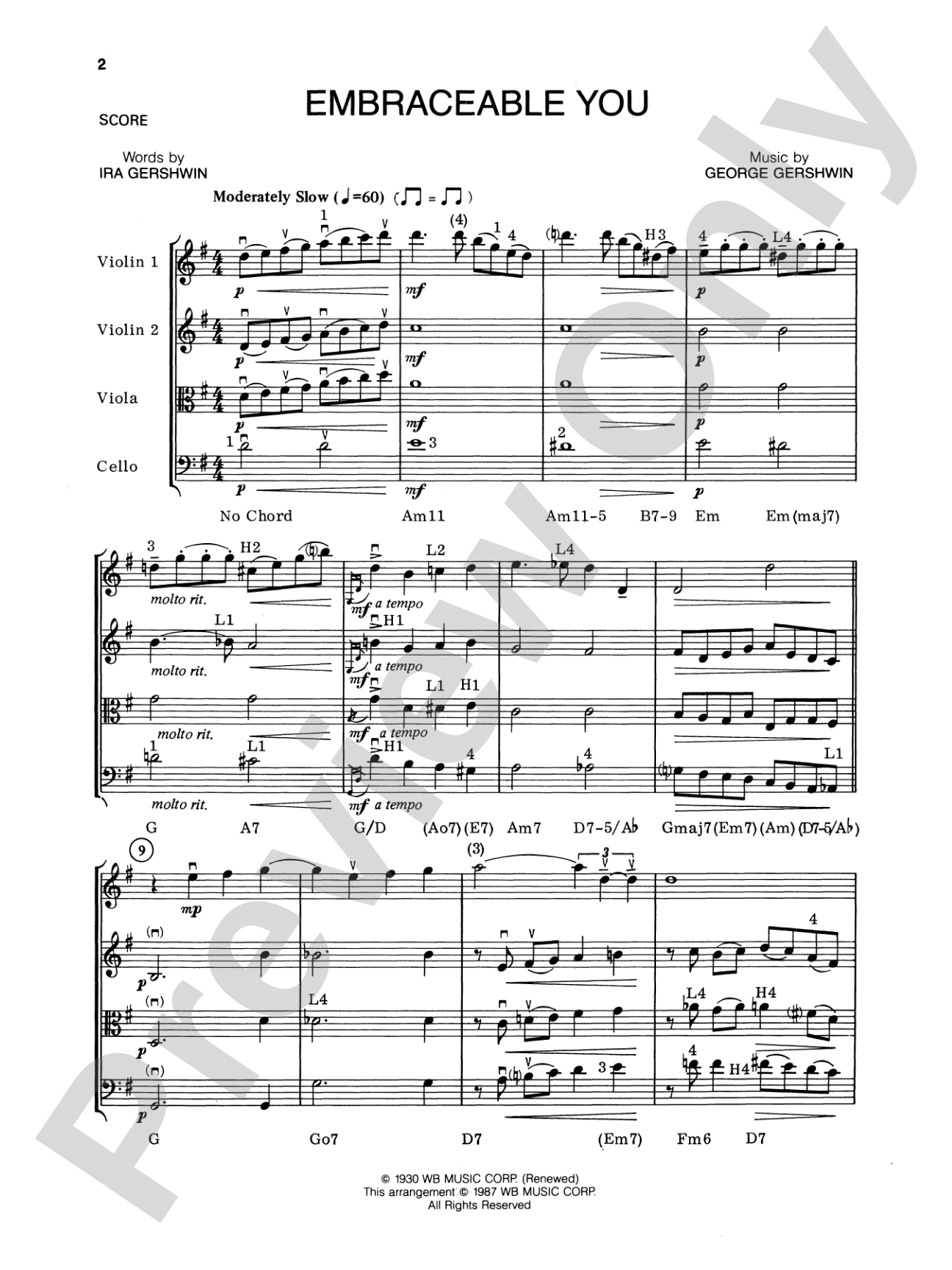
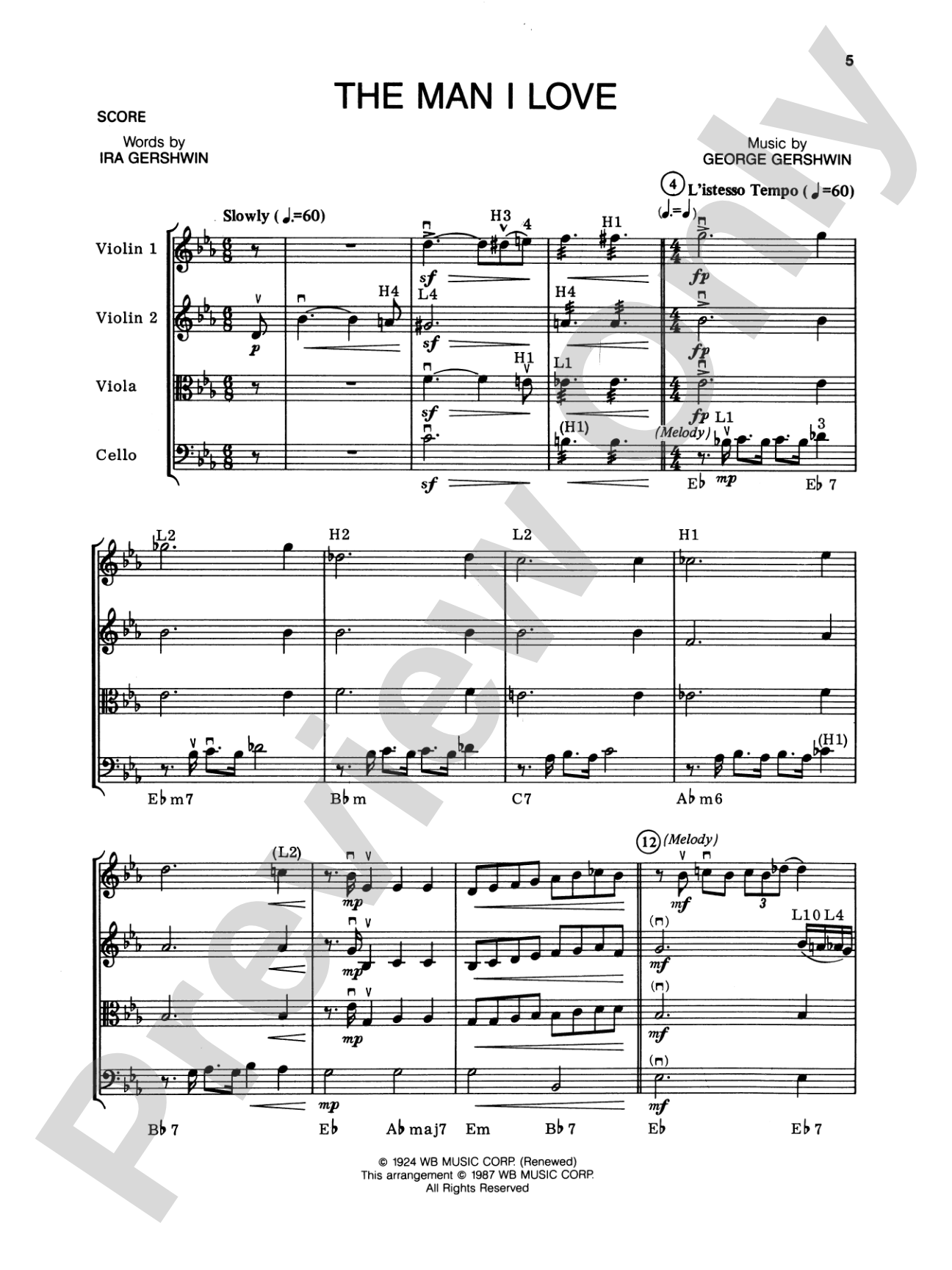
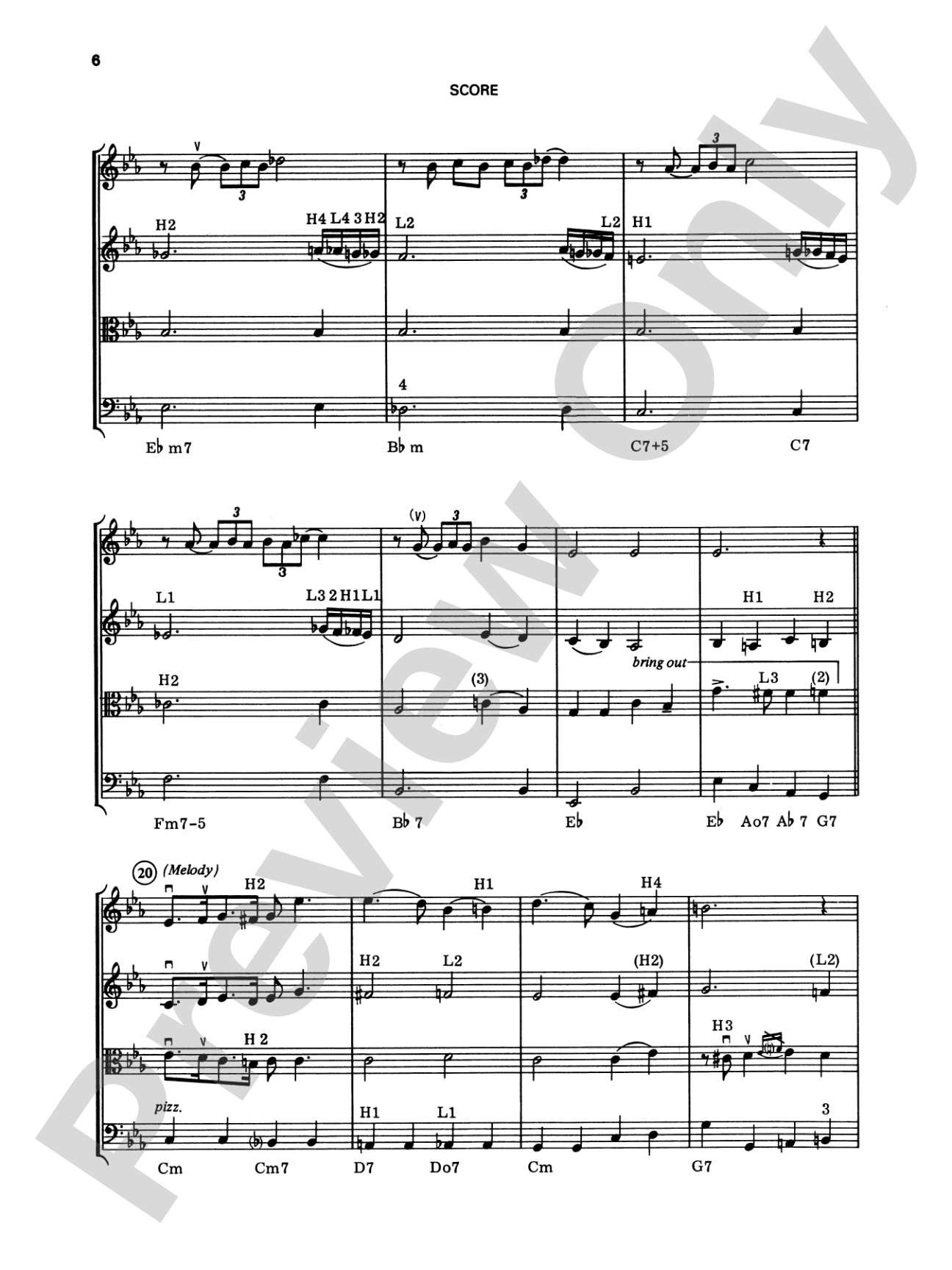
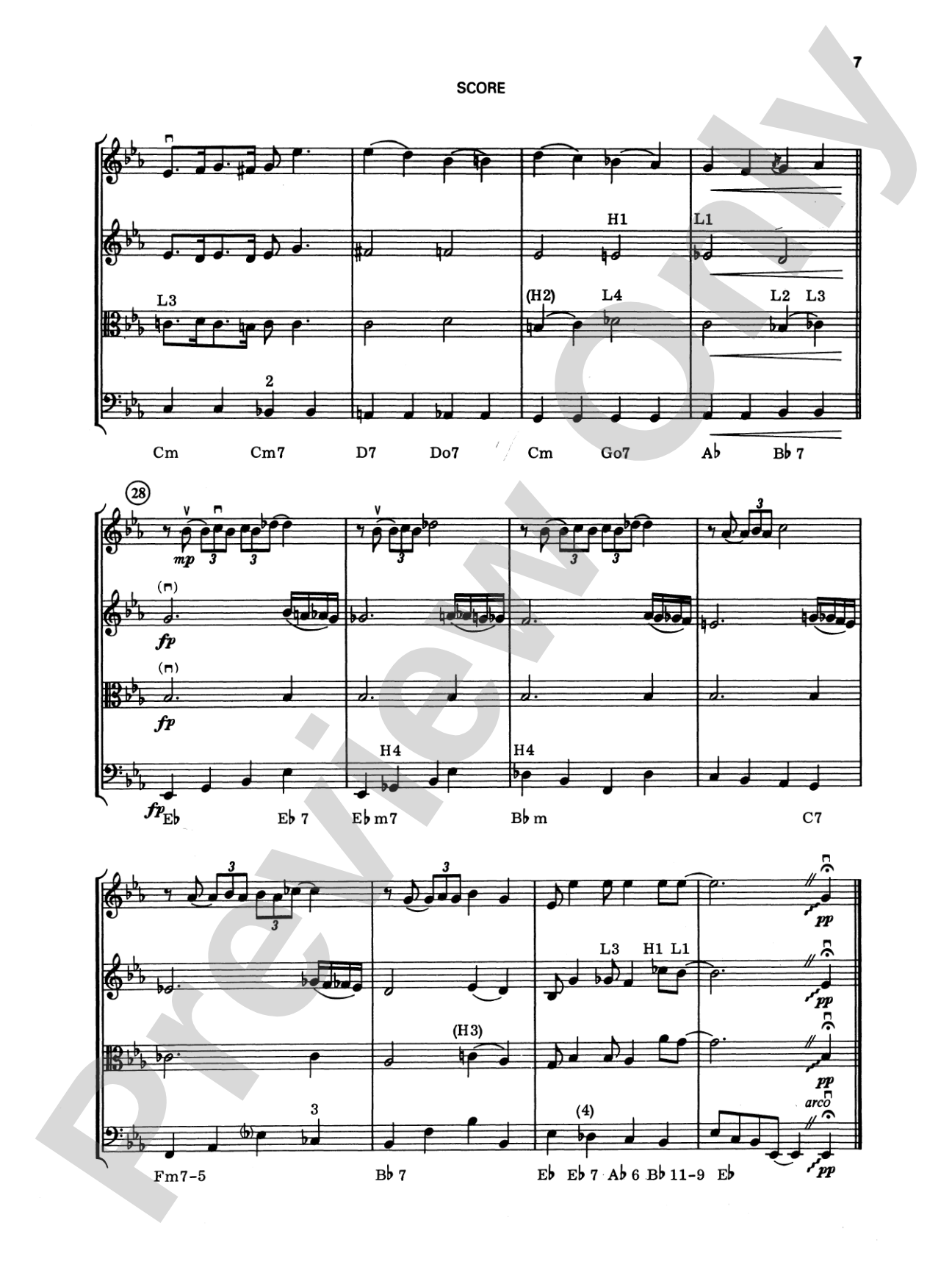
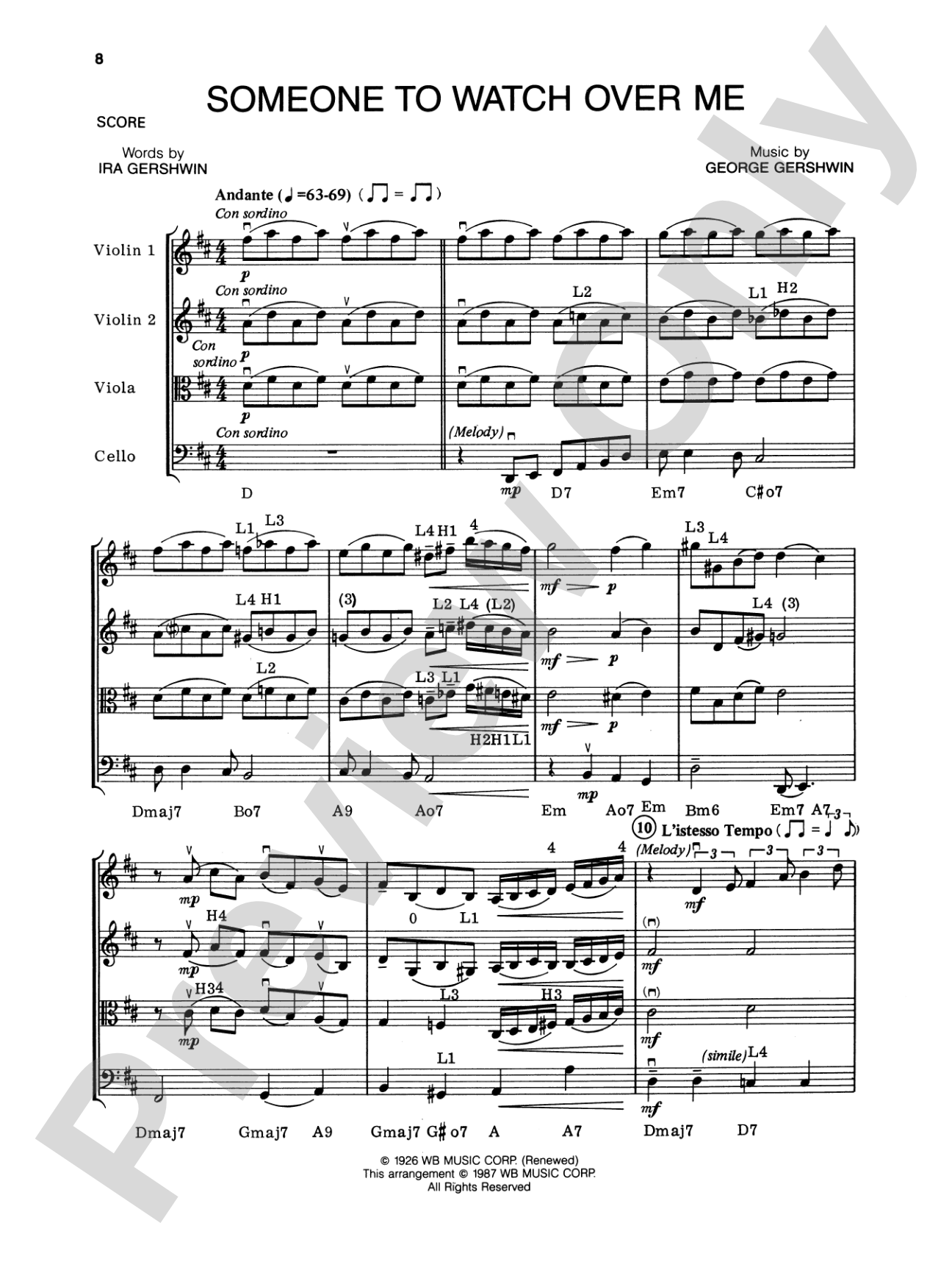
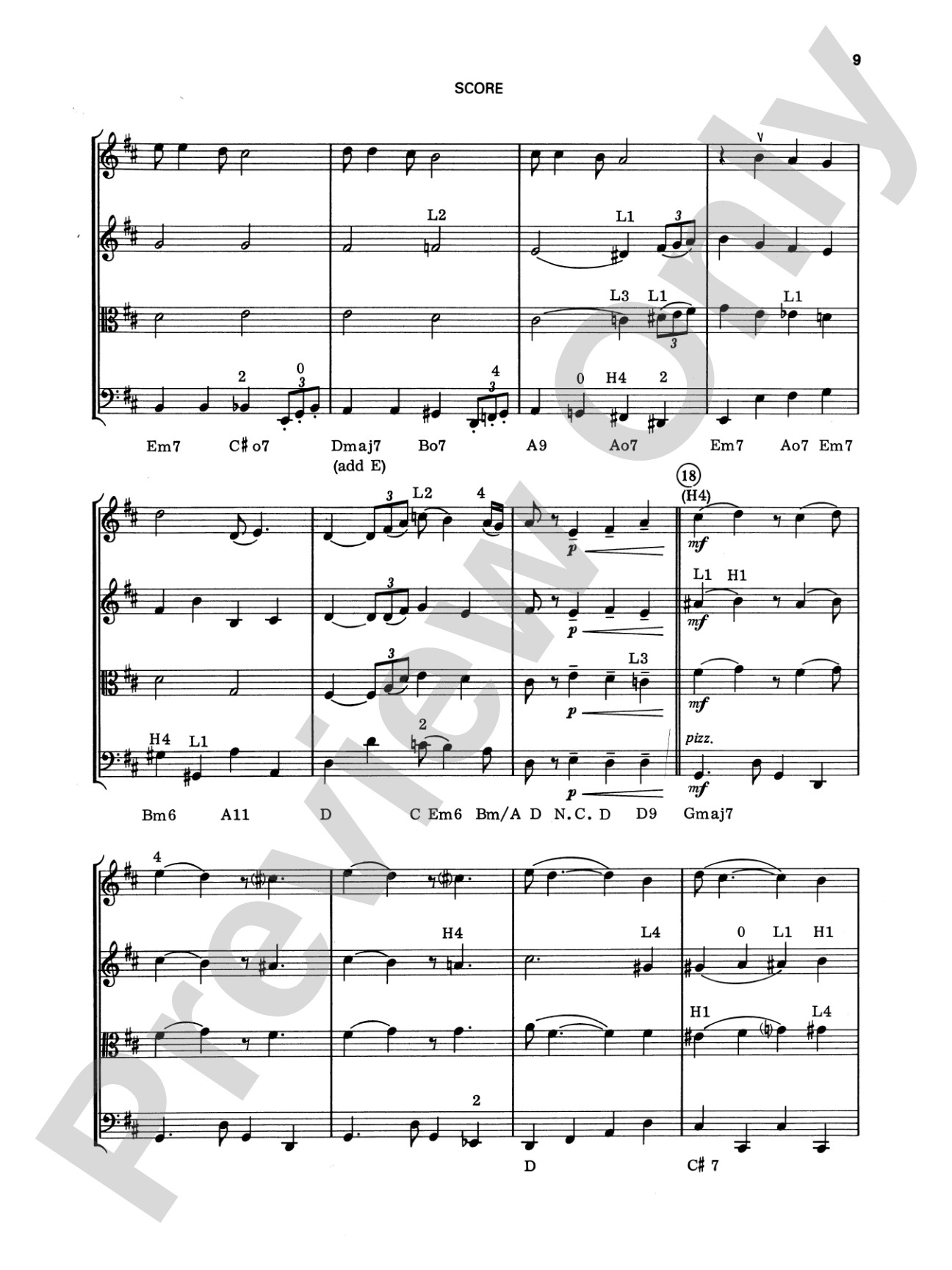
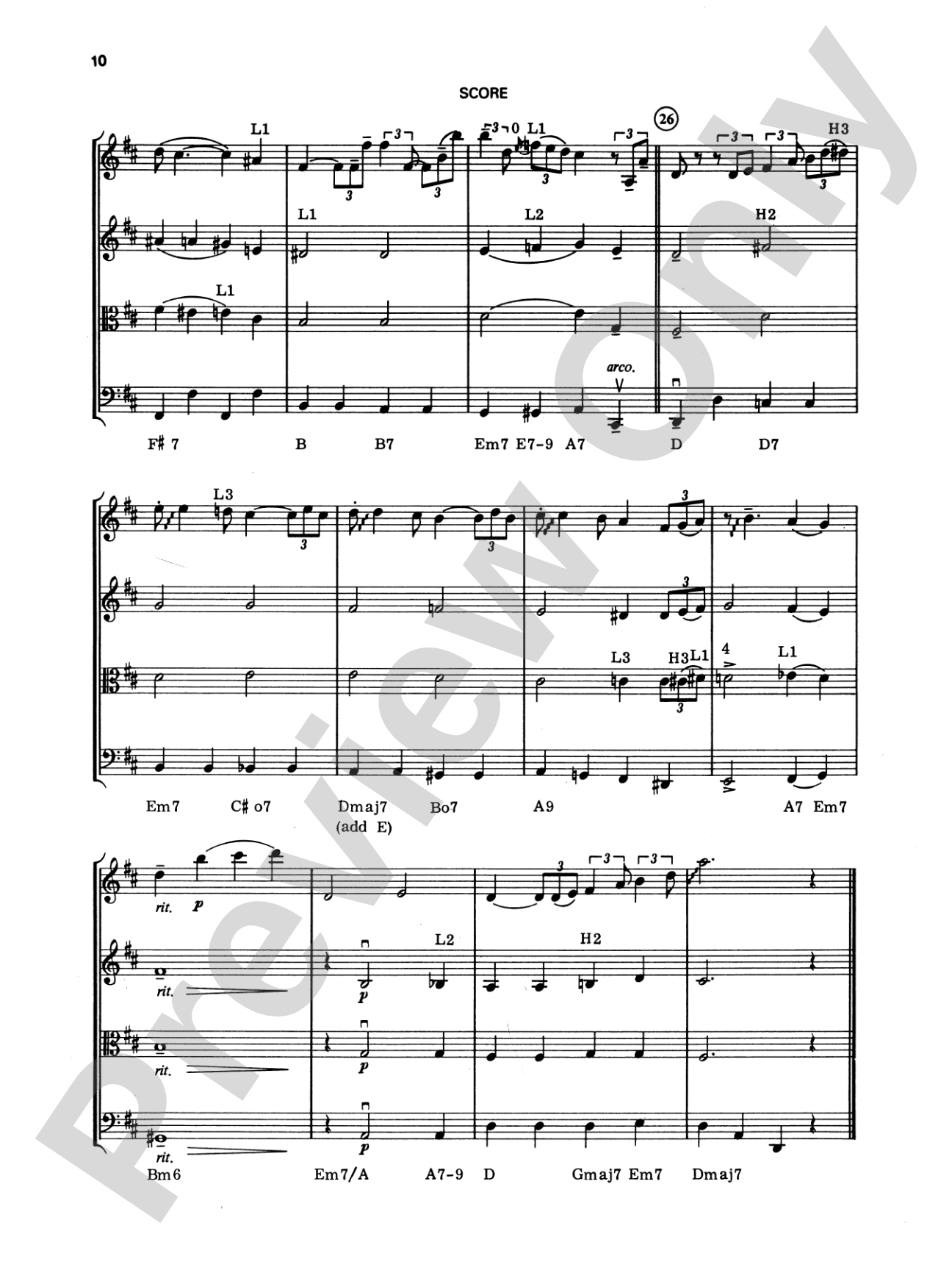
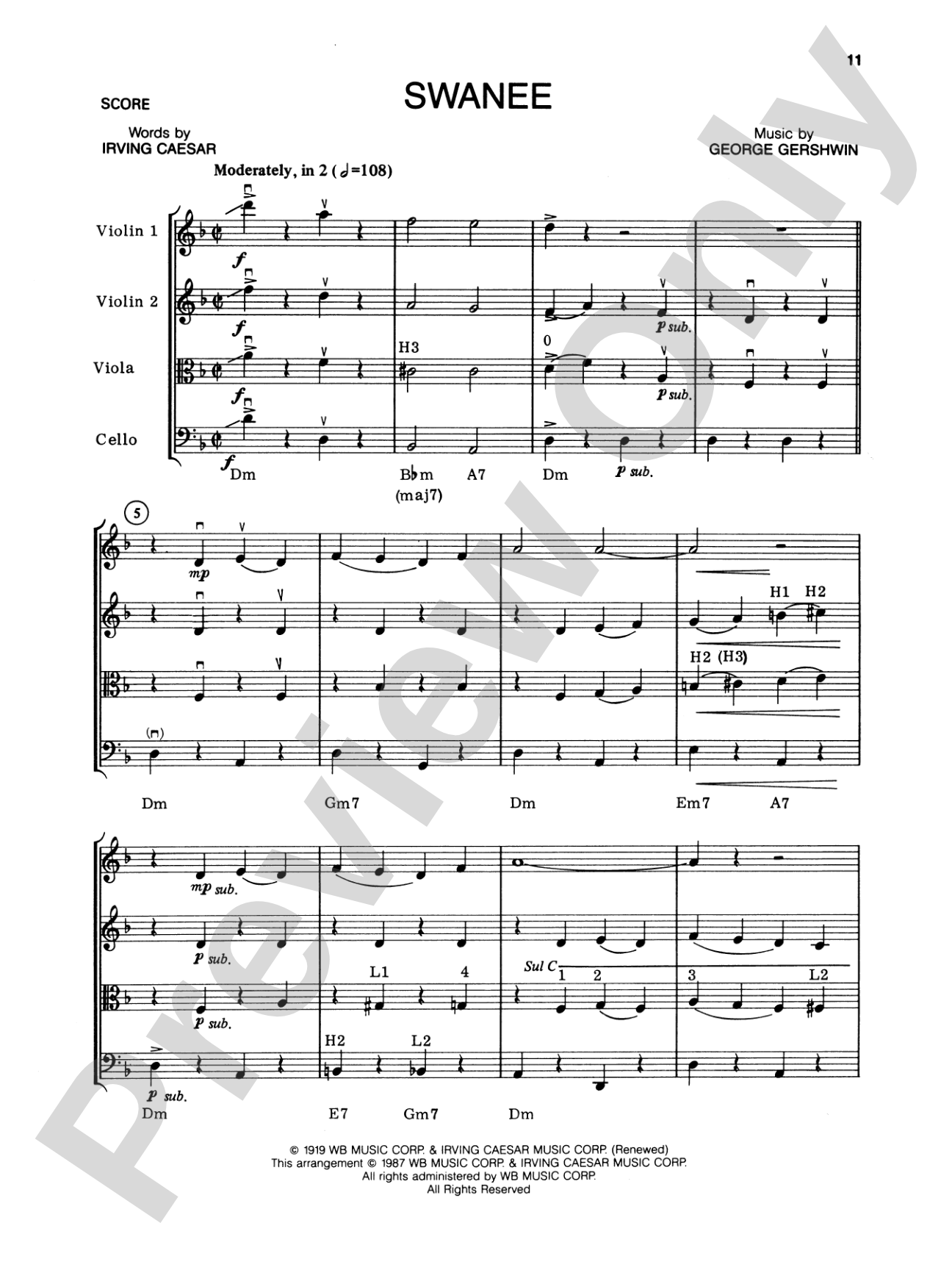
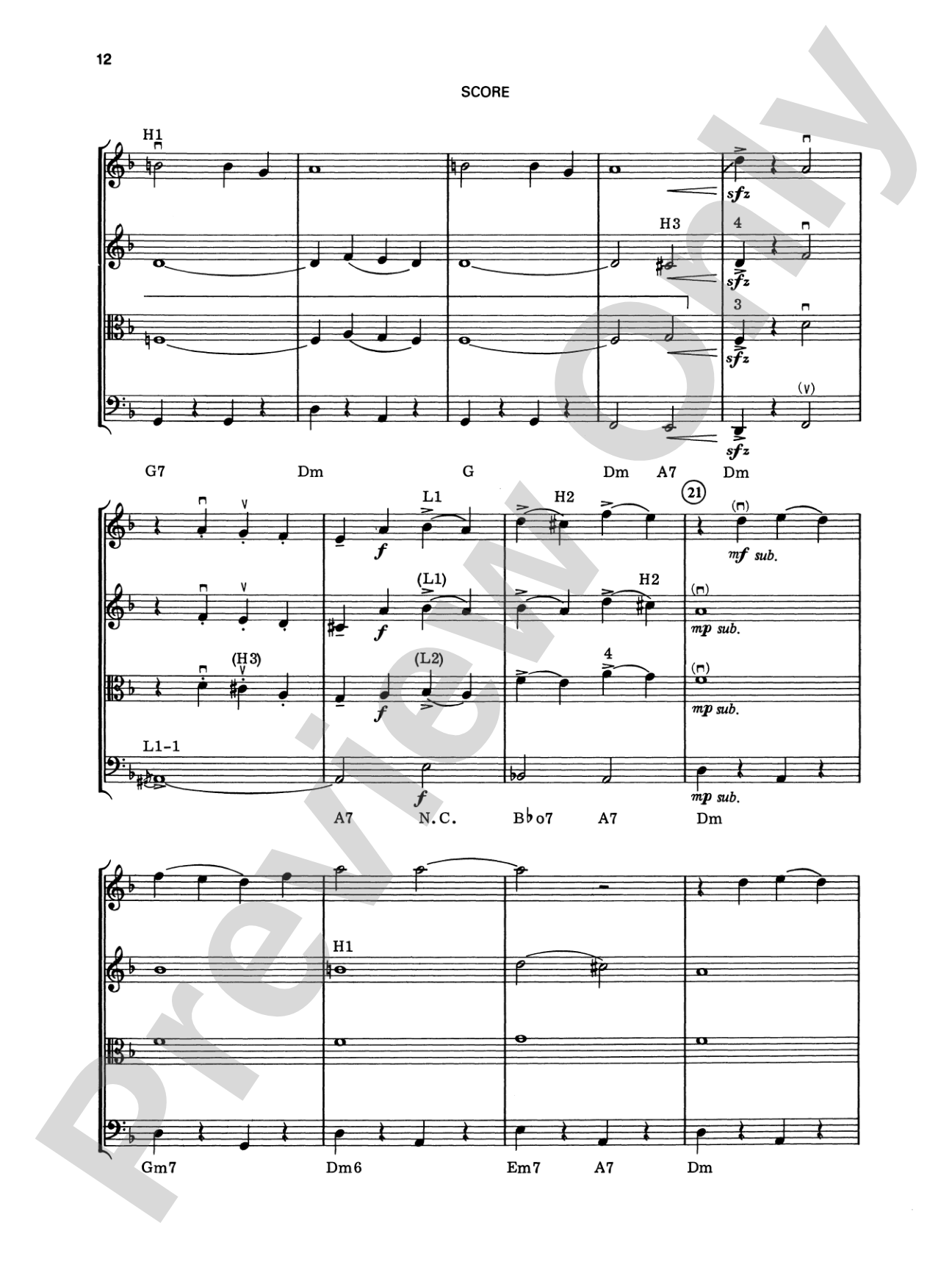
Songs include: Embraceable You * I Got Rhythm * The Man I Love * Someone to Watch Over Me * Swanee.


Don't just read it, hear it, play along with it, and watch your students grow with it. In MakeMusic Cloud, George Gershwin: Score comes alive with professional accompaniment, adjustable tempo, and built-in practice tools that turn solo practice into real progress.
Open in the Player
Jump straight in and assign it today.
Start Your Free Trial
Open this title and explore the full library in minutes.
Sample Audio
No sample audio found.
Sample Video
No sample videos found.
Additional Details
Series:
Classic String Quartets
Publisher:
Alfred Music
Page Count:
32
SKU:
00-PR-0006994
More about this title
About the Composer: George Gershwin
George Gershwin (1898-1937) bridged concert music and popular song with unmatched fluency, composing jazz-inflected works that remain central to American musical identity. His gift for melody and harmonic innovation transformed tin pan alley material into concert pieces of lasting substance, making him essential listening for musicians learning to navigate the intersection of vernacular and classical traditions.
Why we love this
Tony Esposito's arrangement captures the syncopated energy and harmonic color of Gershwin's originals while giving string quartet players genuine musical interest in every voice. These five standards arrive with the sophistication that makes them appropriate for ensemble recitals, chamber music festivals, or concerts exploring American songwriting alongside classical repertoire.
What to expect
These arrangements capture the sophisticated elegance and rhythmic vitality of Gershwin's melodies, moving from the languid warmth of "Someone to Watch Over Me" to the infectious syncopation of "I Got Rhythm." The writing celebrates the charm of each tune while adding the textural depth that chamber strings bring to popular song.
Who it's for
String quartet ensembles at intermediate to advanced levels who want to expand beyond traditional classical and romantic repertoire into American song literature. Directors programming chamber concerts that celebrate 20th-century popular music or musicians seeking accessible yet musically rewarding arrangements of beloved standards.
How to get the most out of it
- Treat the rhythmic figures as jazz inflections rather than strict metronomic beats; the syncopation should breathe and swing slightly without losing ensemble precision.
- Balance the melody across parts as it moves between voices; many of Gershwin's most recognizable themes are embedded in inner voices rather than always sitting with the first violin.
- Use dynamic contrast to highlight the harmonic movement, especially in the jazz-influenced chord progressions that define Gershwin's sound.
- Listen to recorded versions of the originals to absorb the character and phrasing conventions of these songs before settling your interpretation.
How to use it
Pair this quartet with other American song arrangements or early 20th-century string works to create a program exploring how classical ensemble writing absorbed jazz and popular music. These pieces work equally well as part of a thematic concert on Gershwin or as standalone selections in a chamber music recital that values melodic directness and harmonic sophistication.
Skills your students will build
- Rhythmic precision in syncopated passages and jazz-influenced figures
- Voice leading and melodic independence across parts
- Stylistic flexibility and interpretation of American popular song in chamber context
- Balance and blend when melody migrates between ensemble voices
- Harmonic awareness in chromatic and jazz-informed chord progressions