

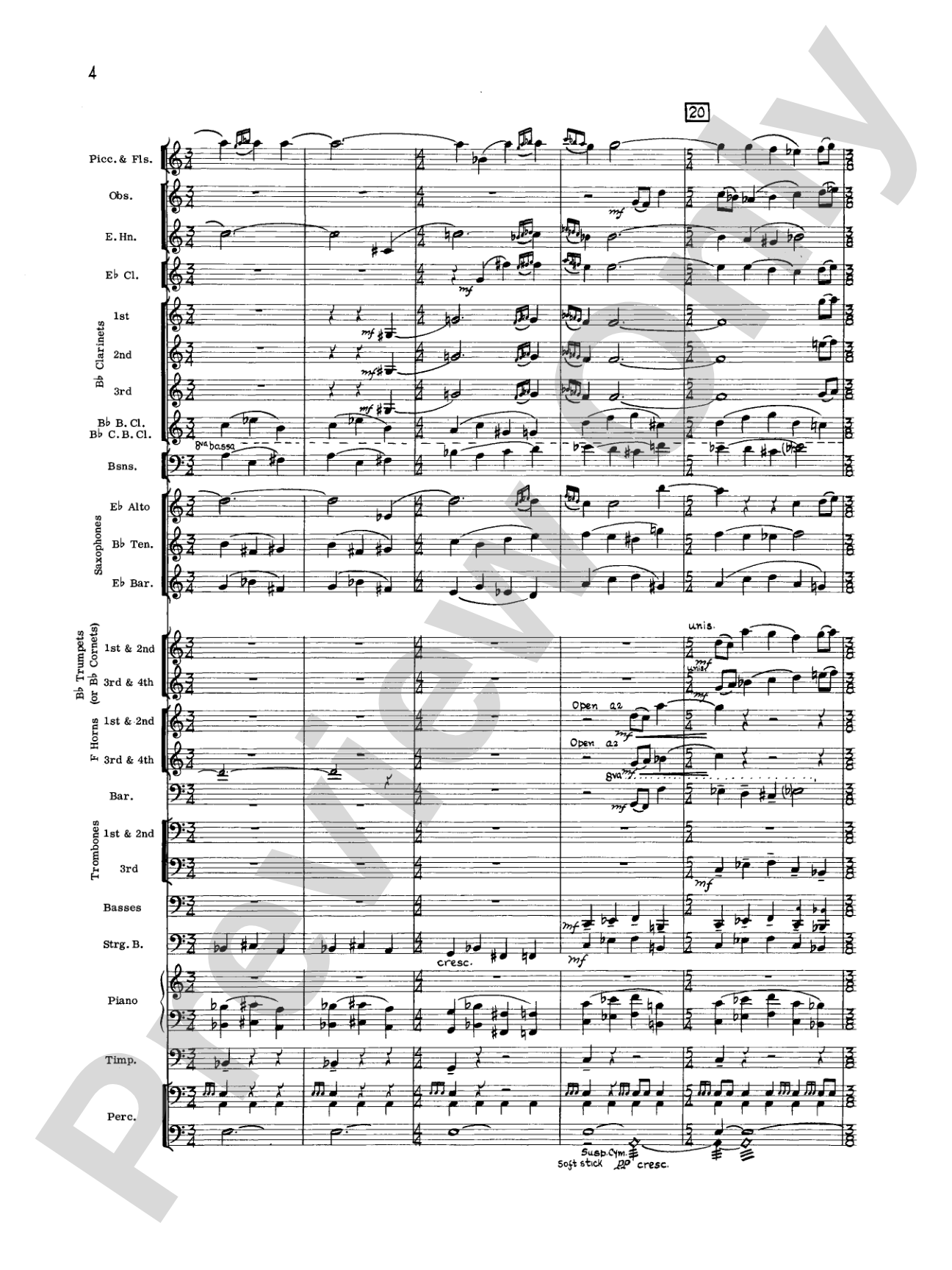
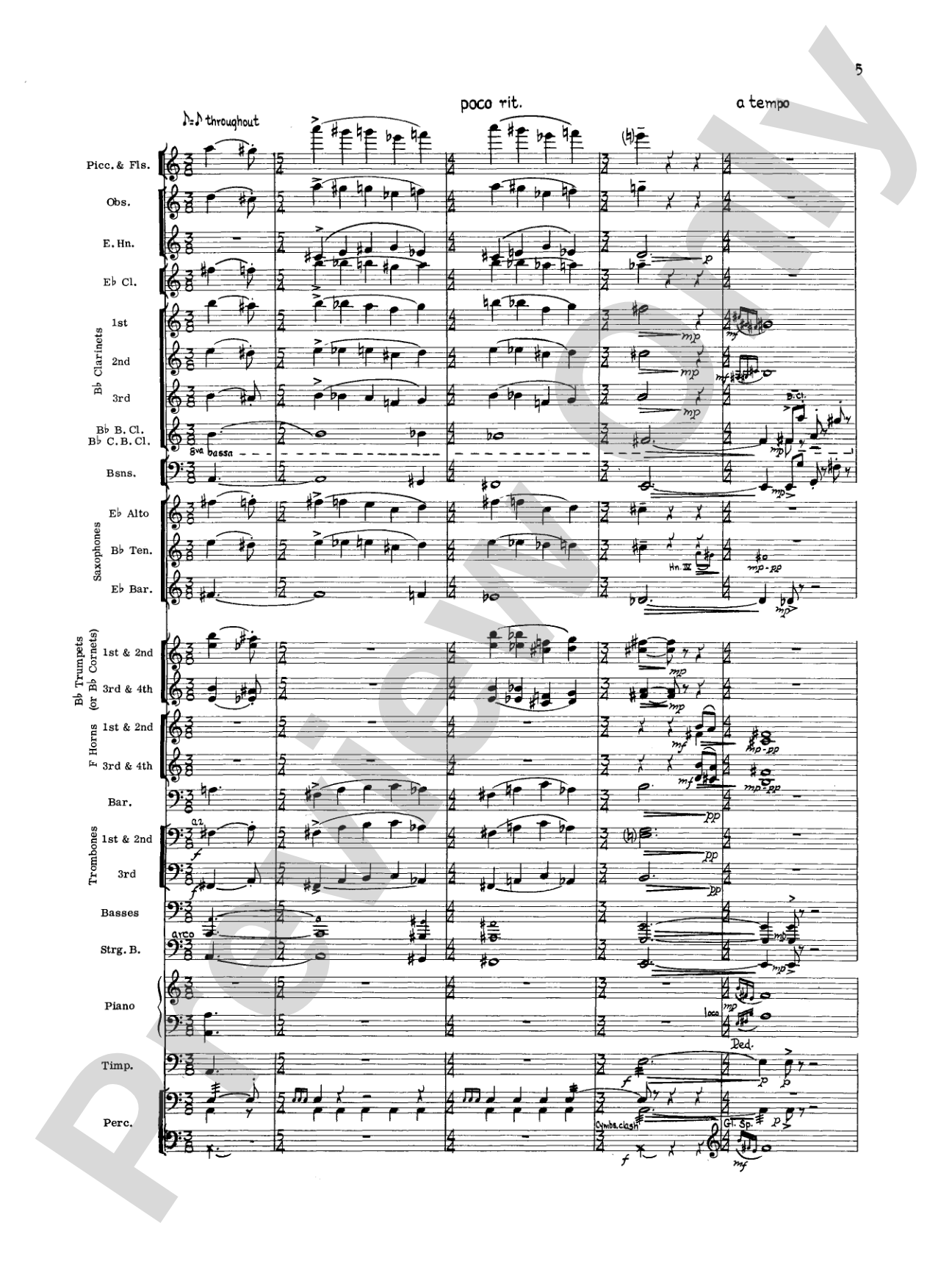
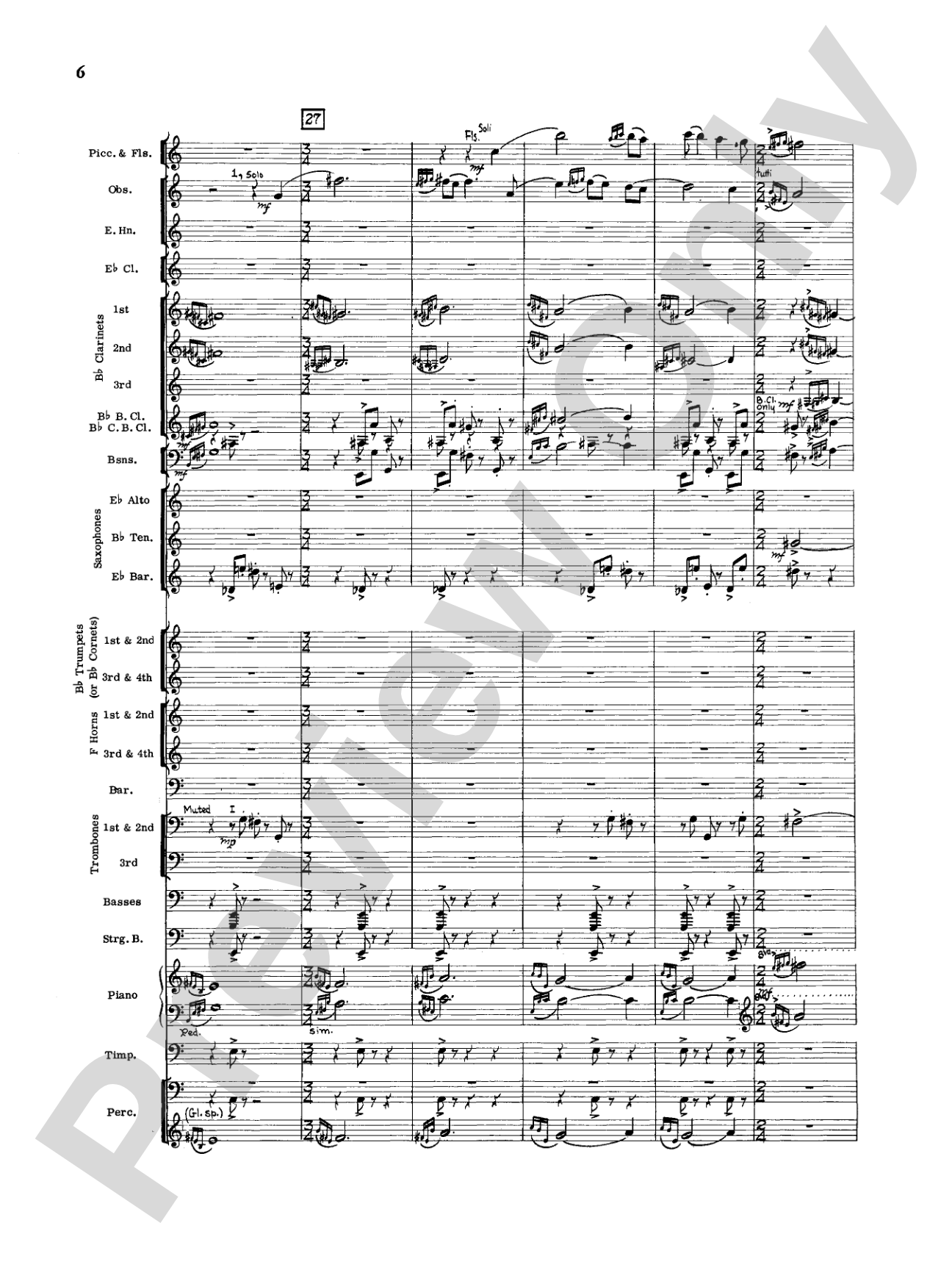
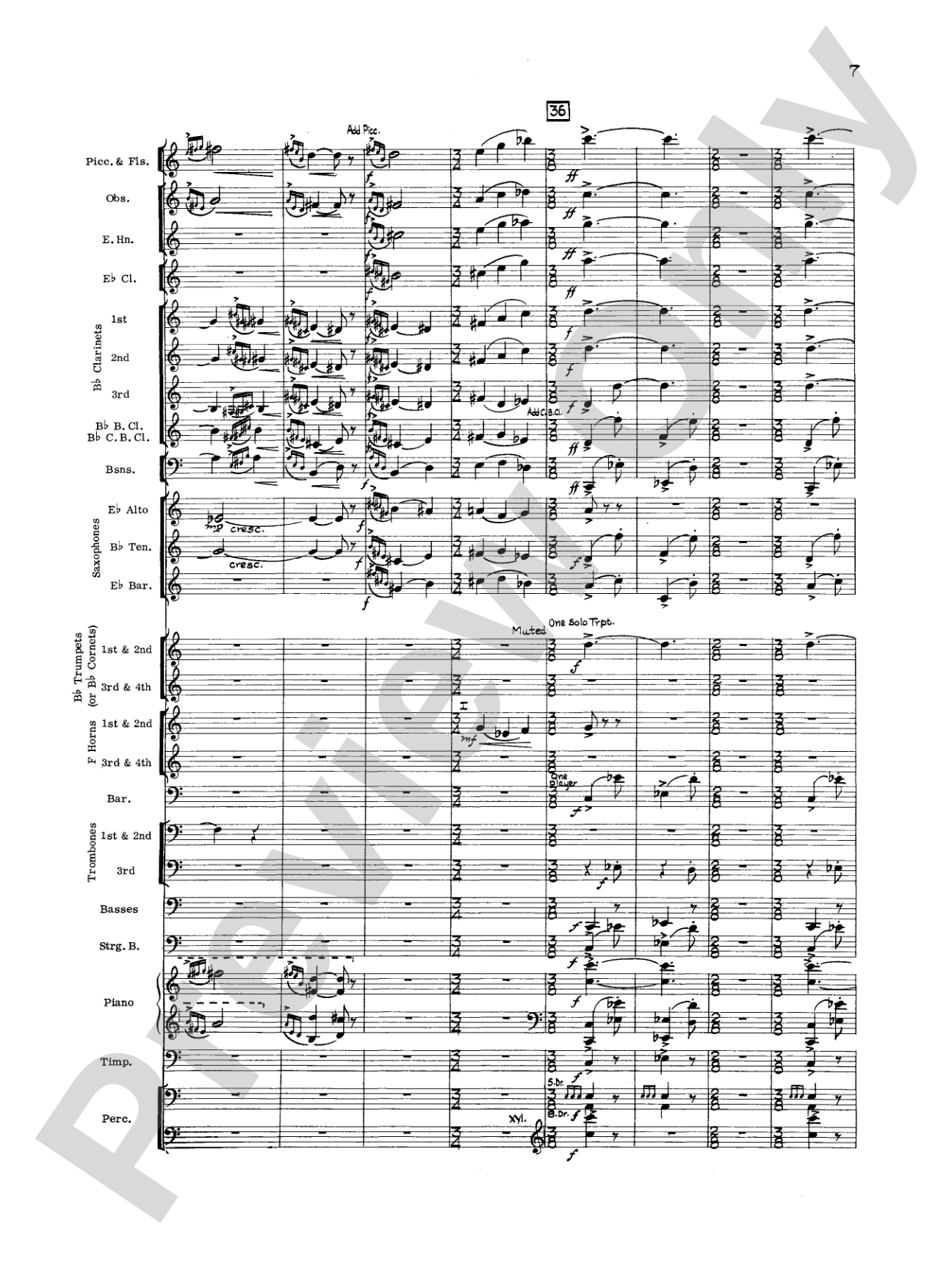
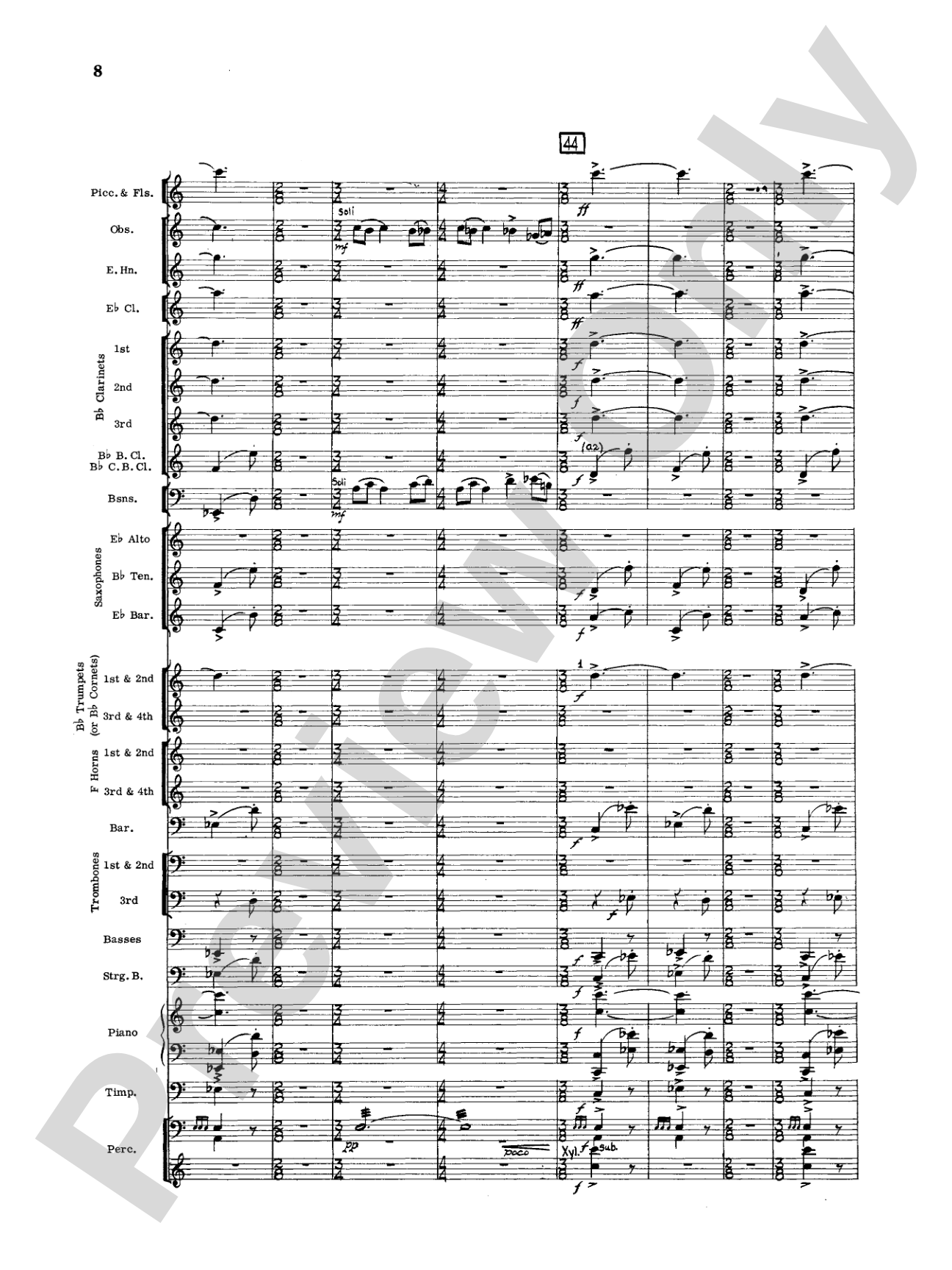
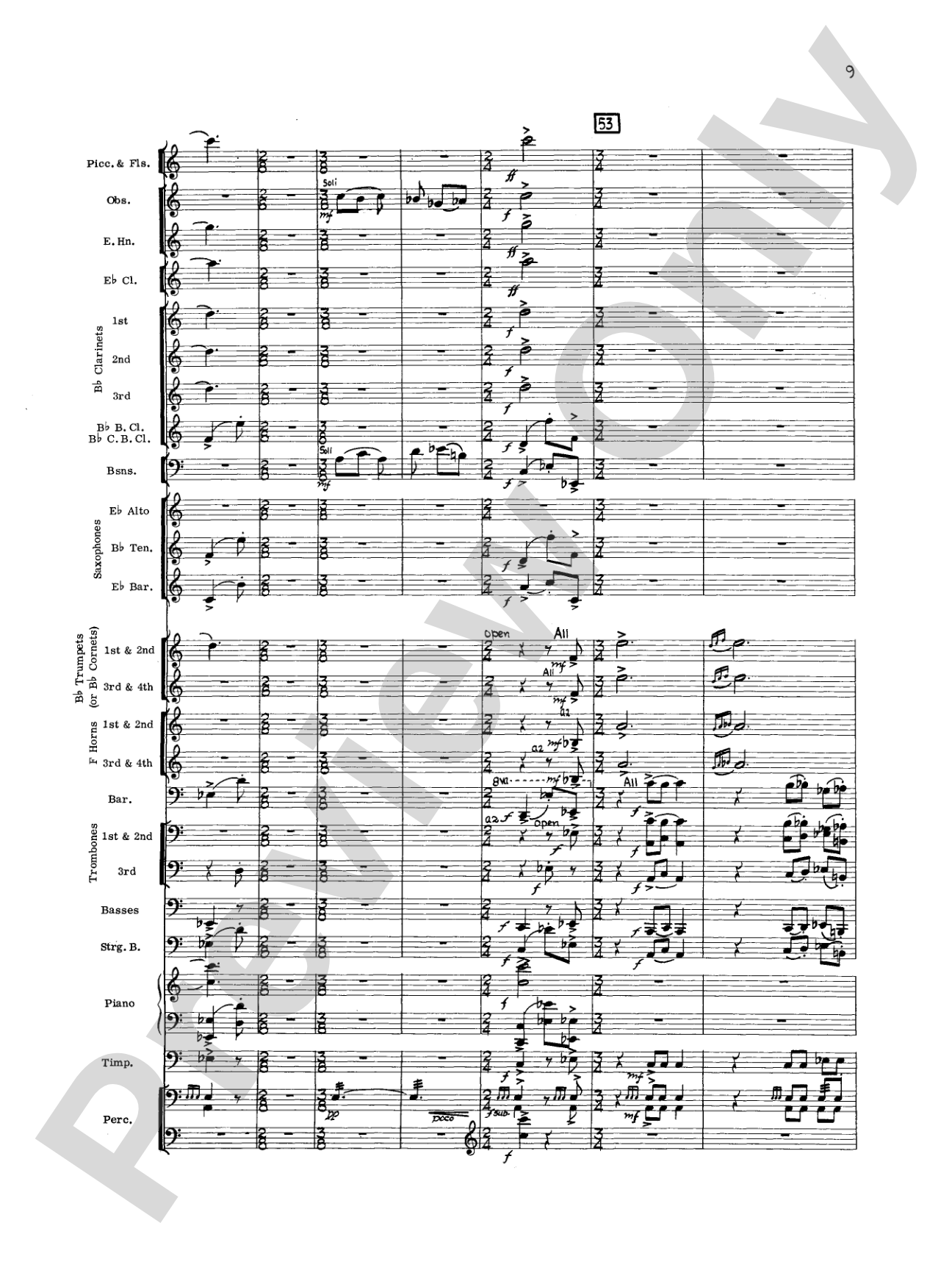
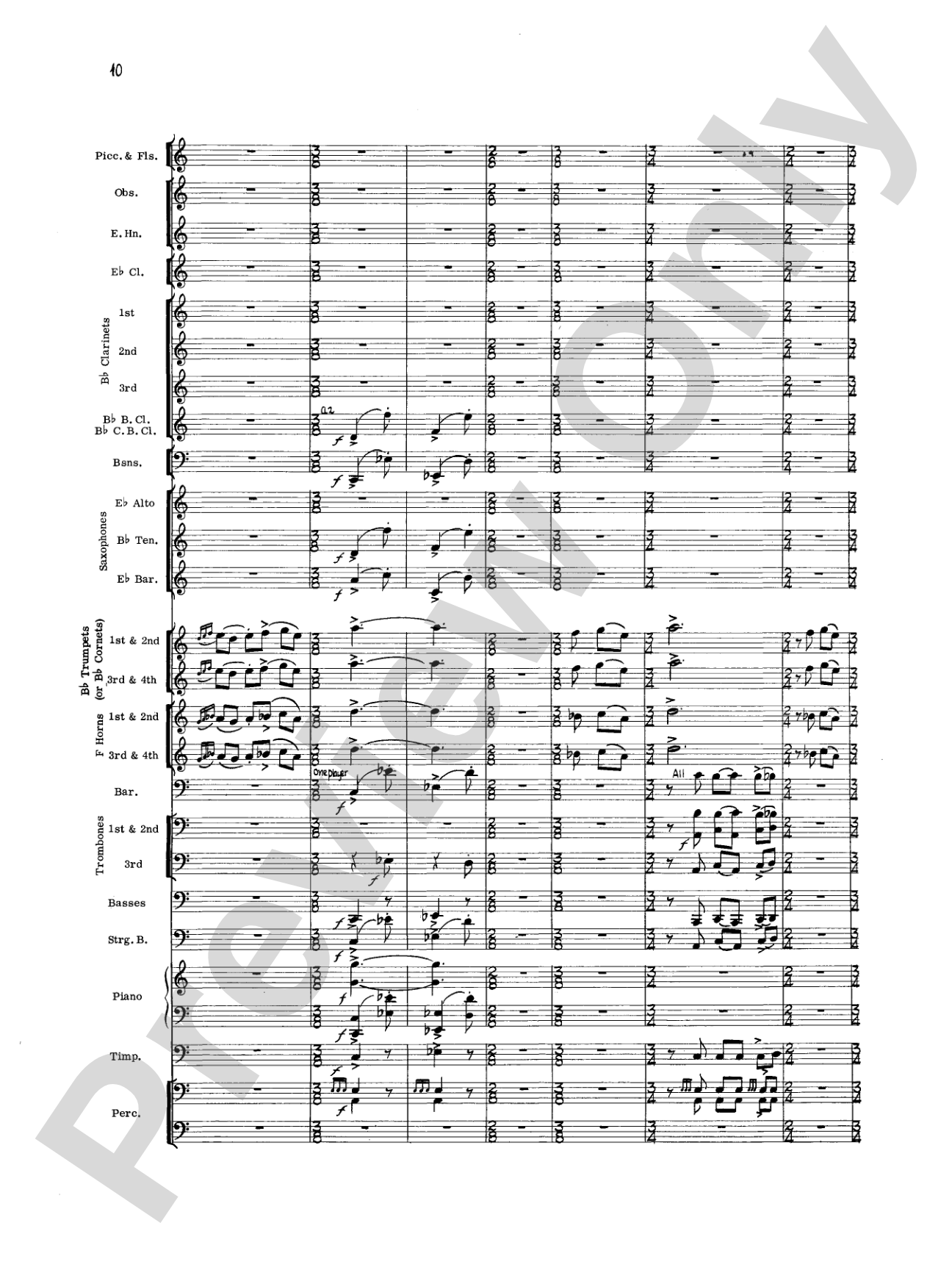
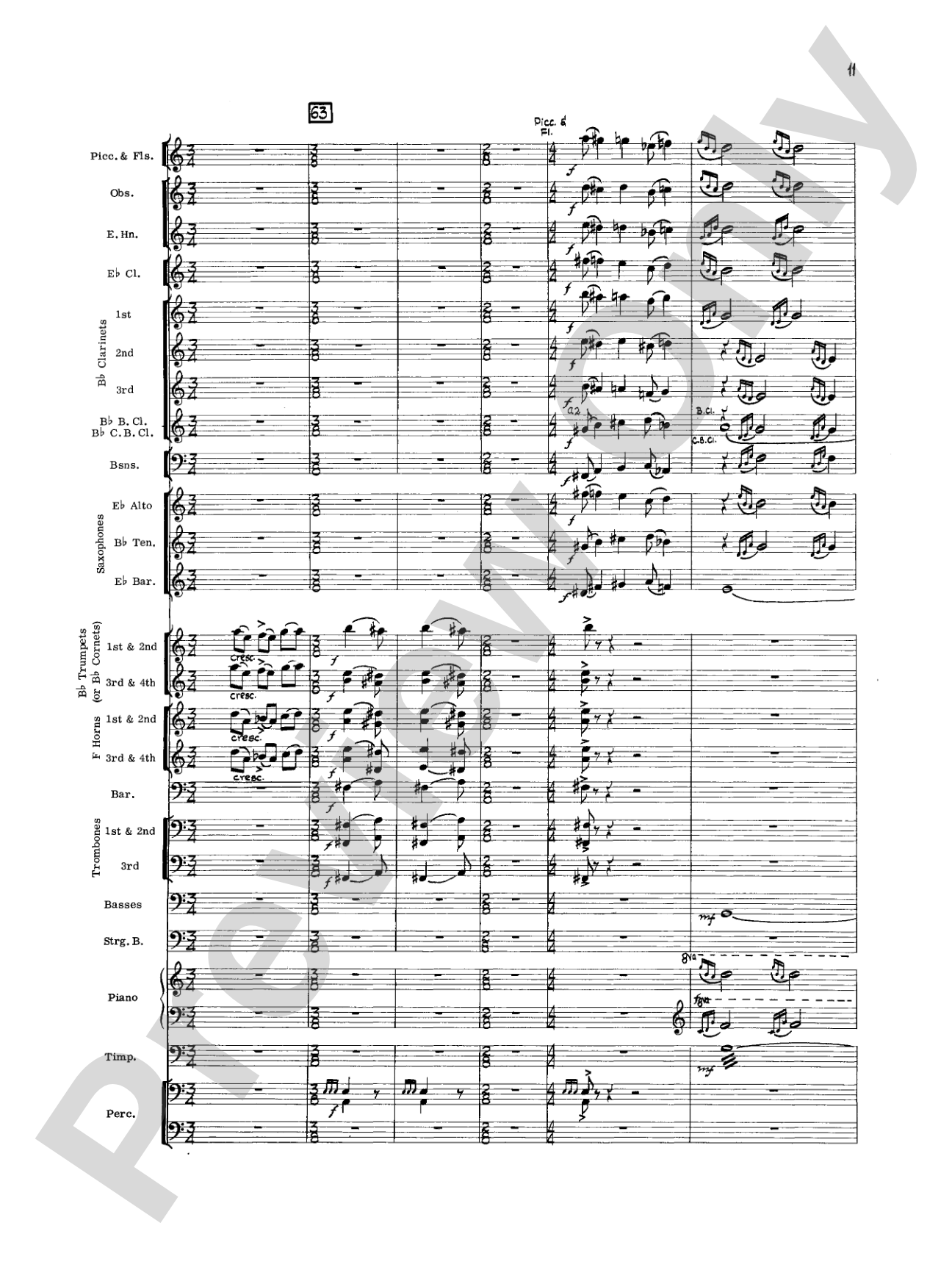
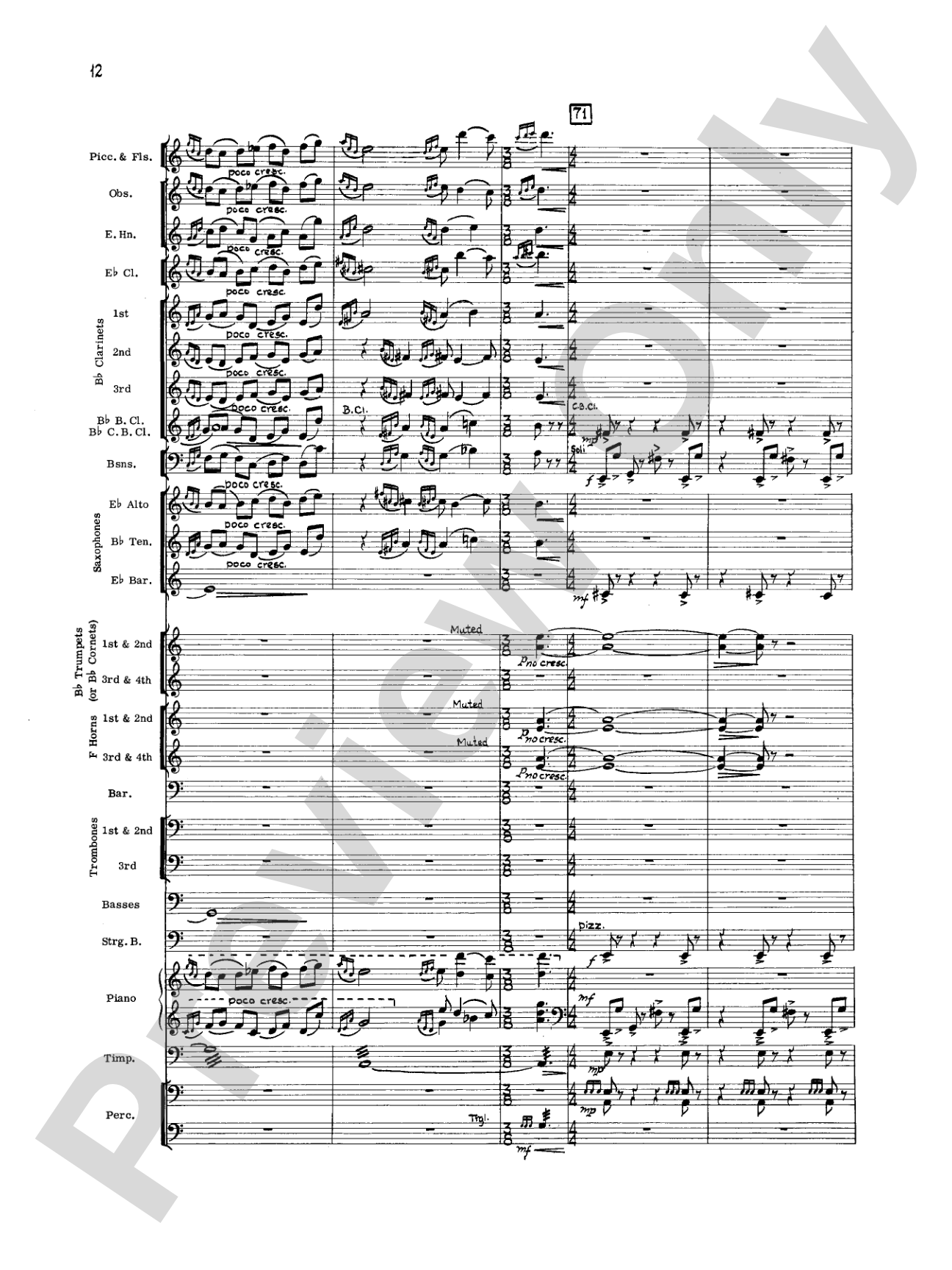
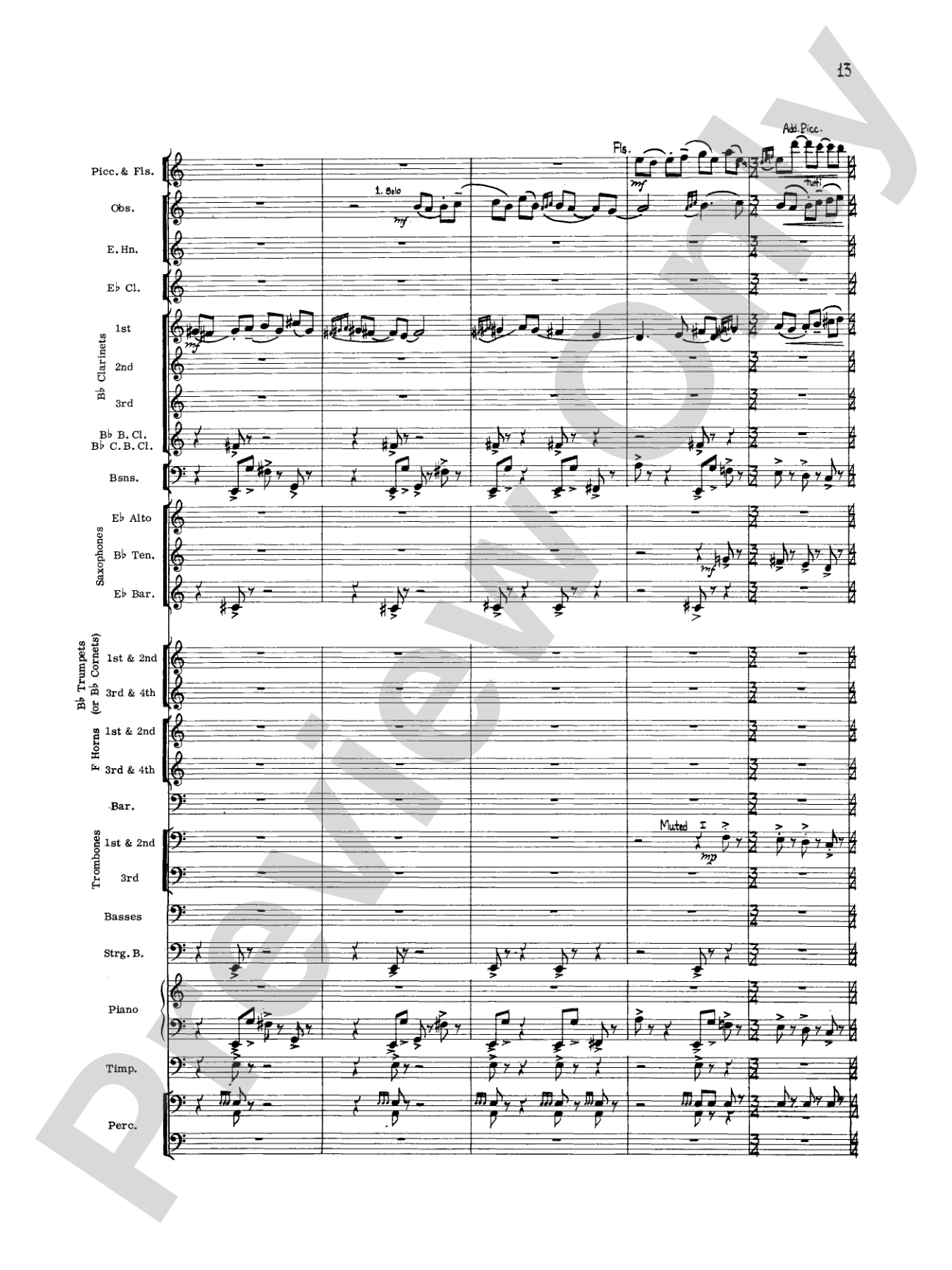
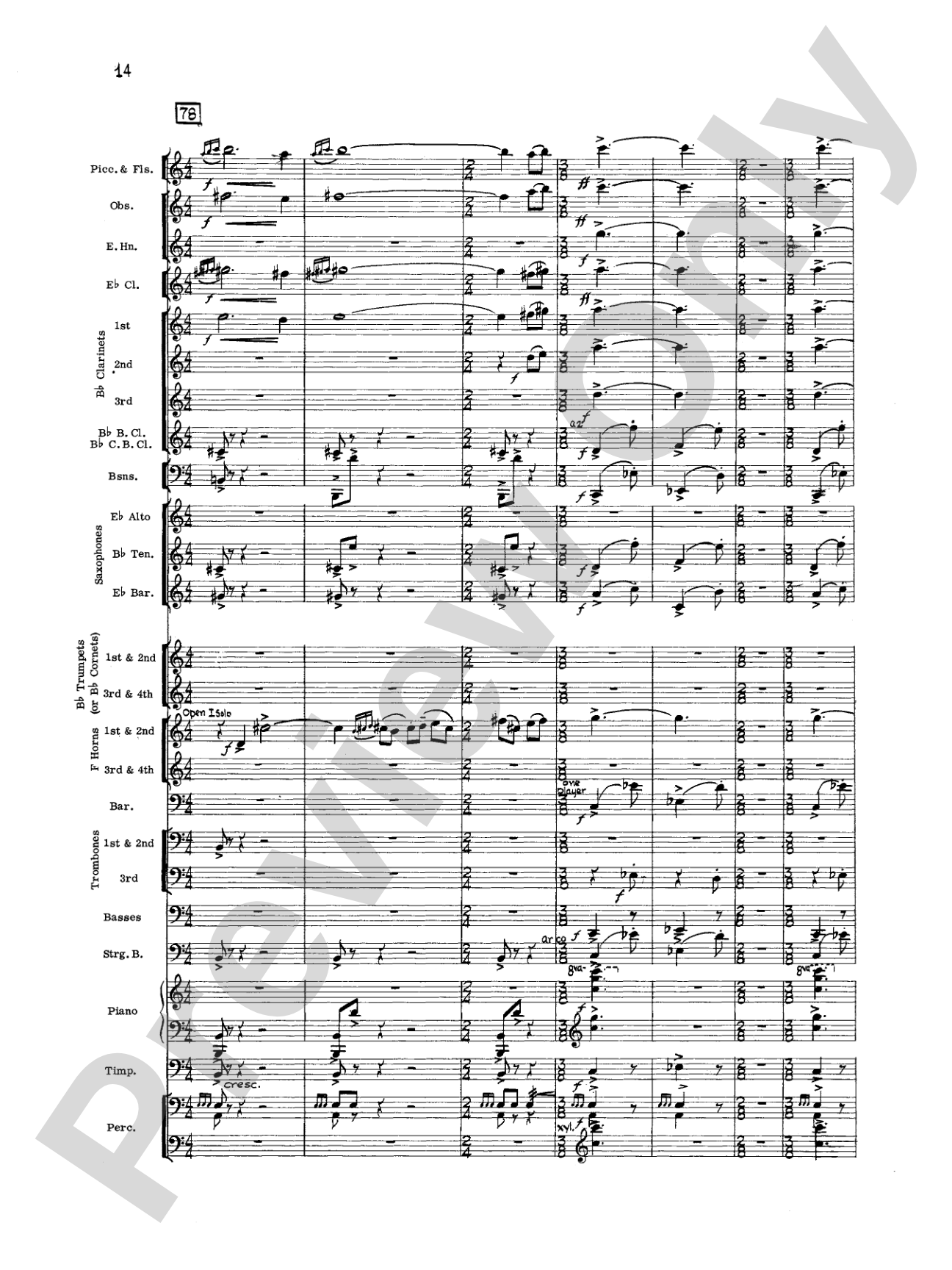
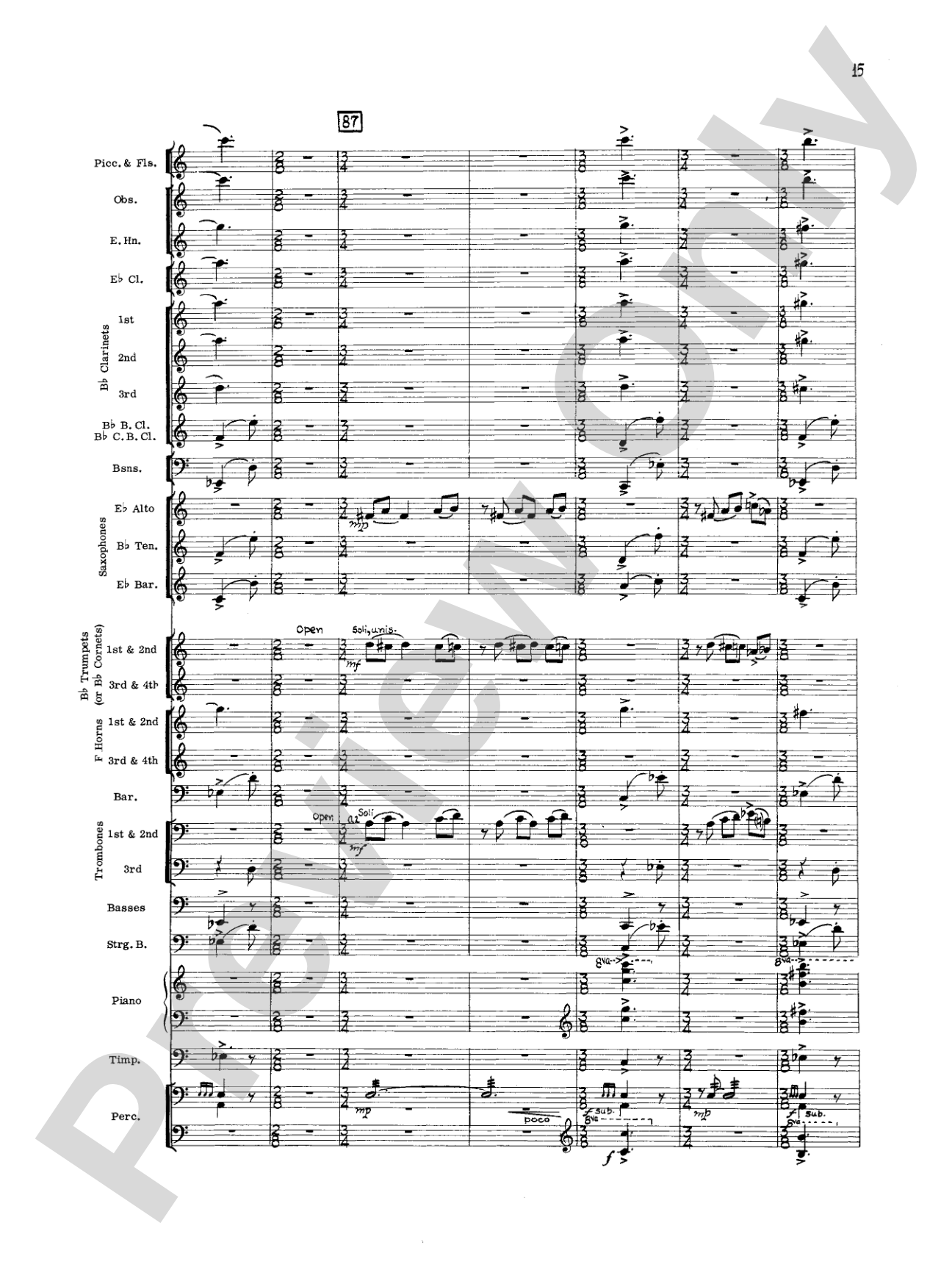
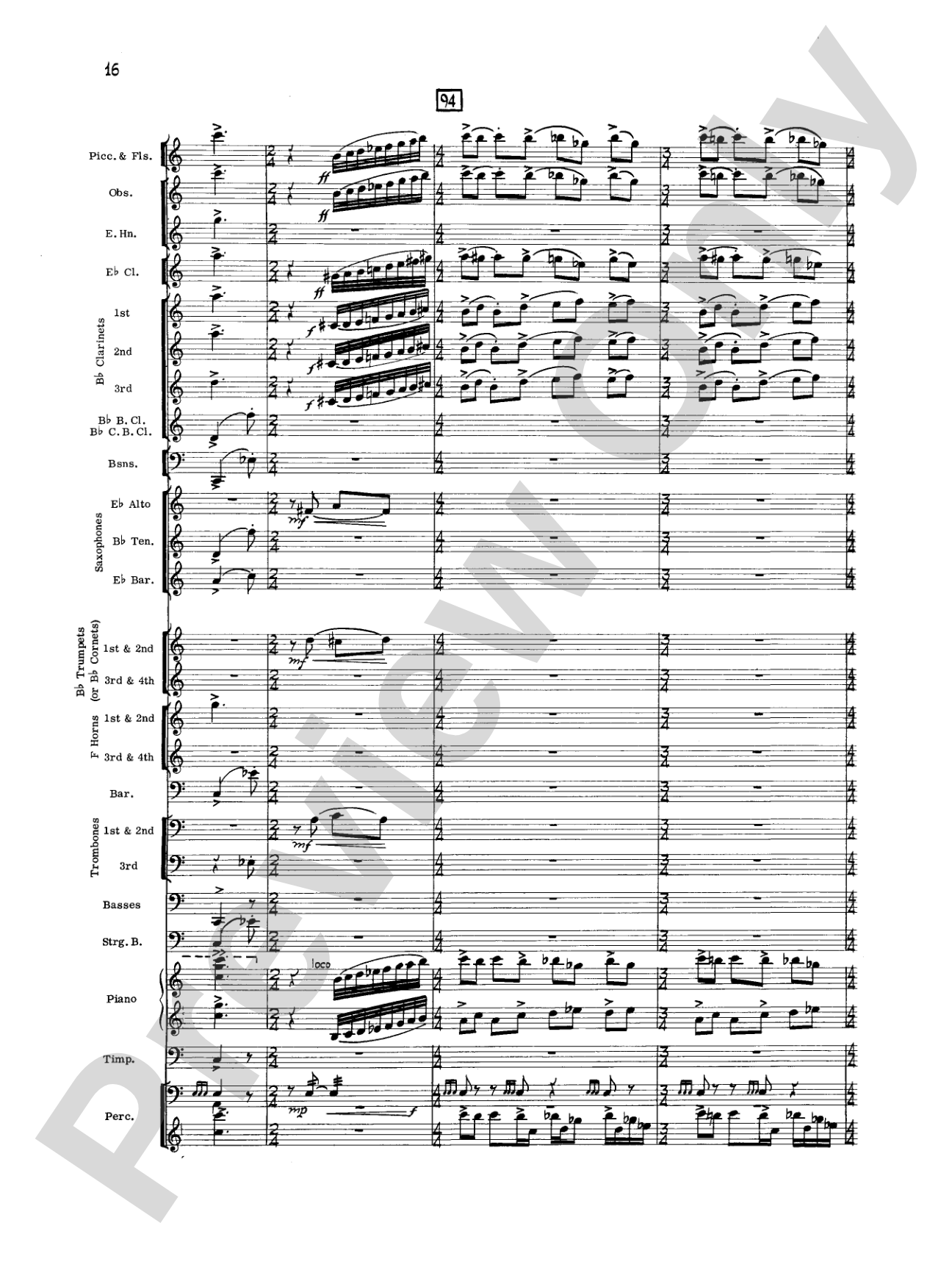
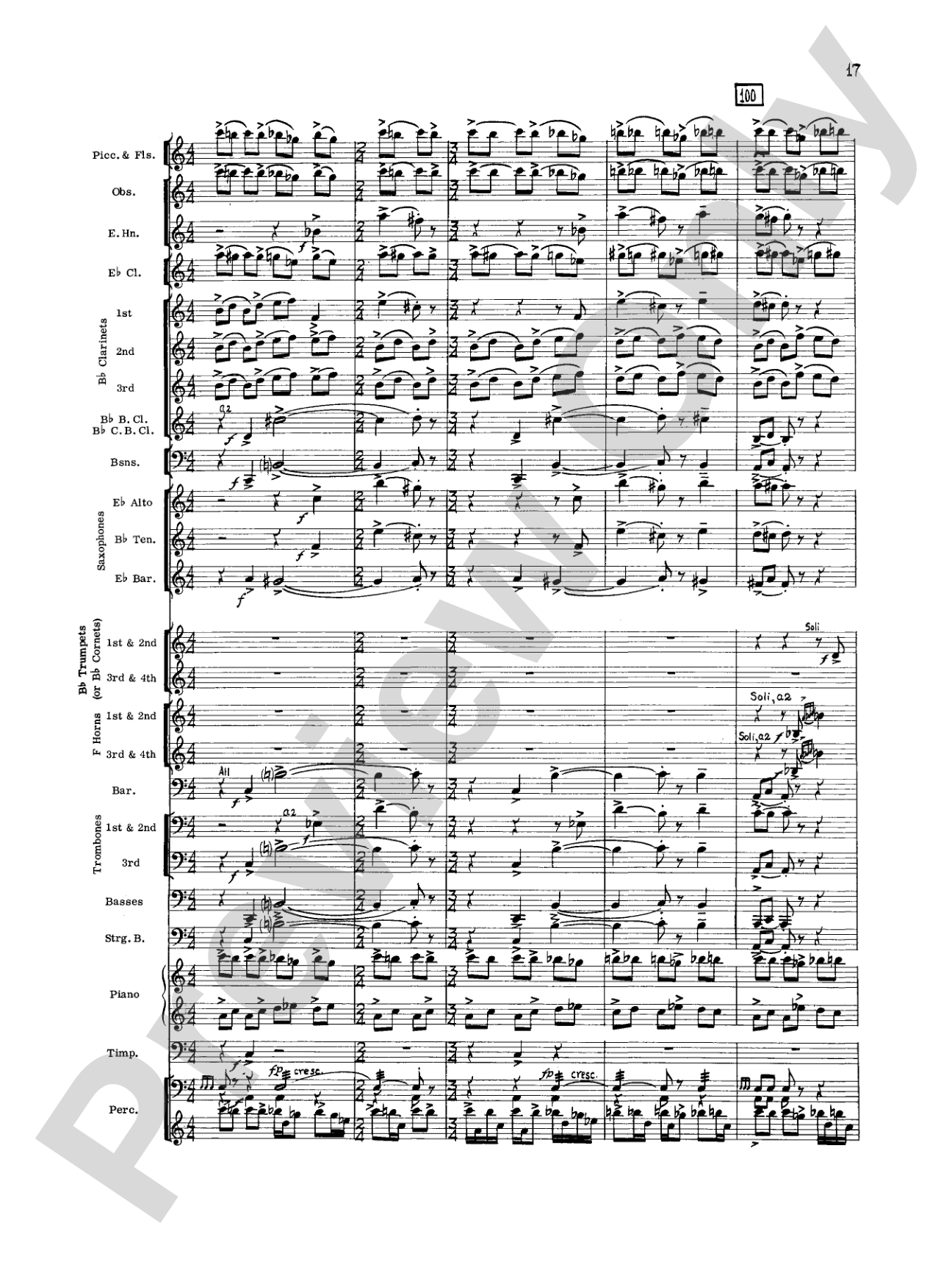
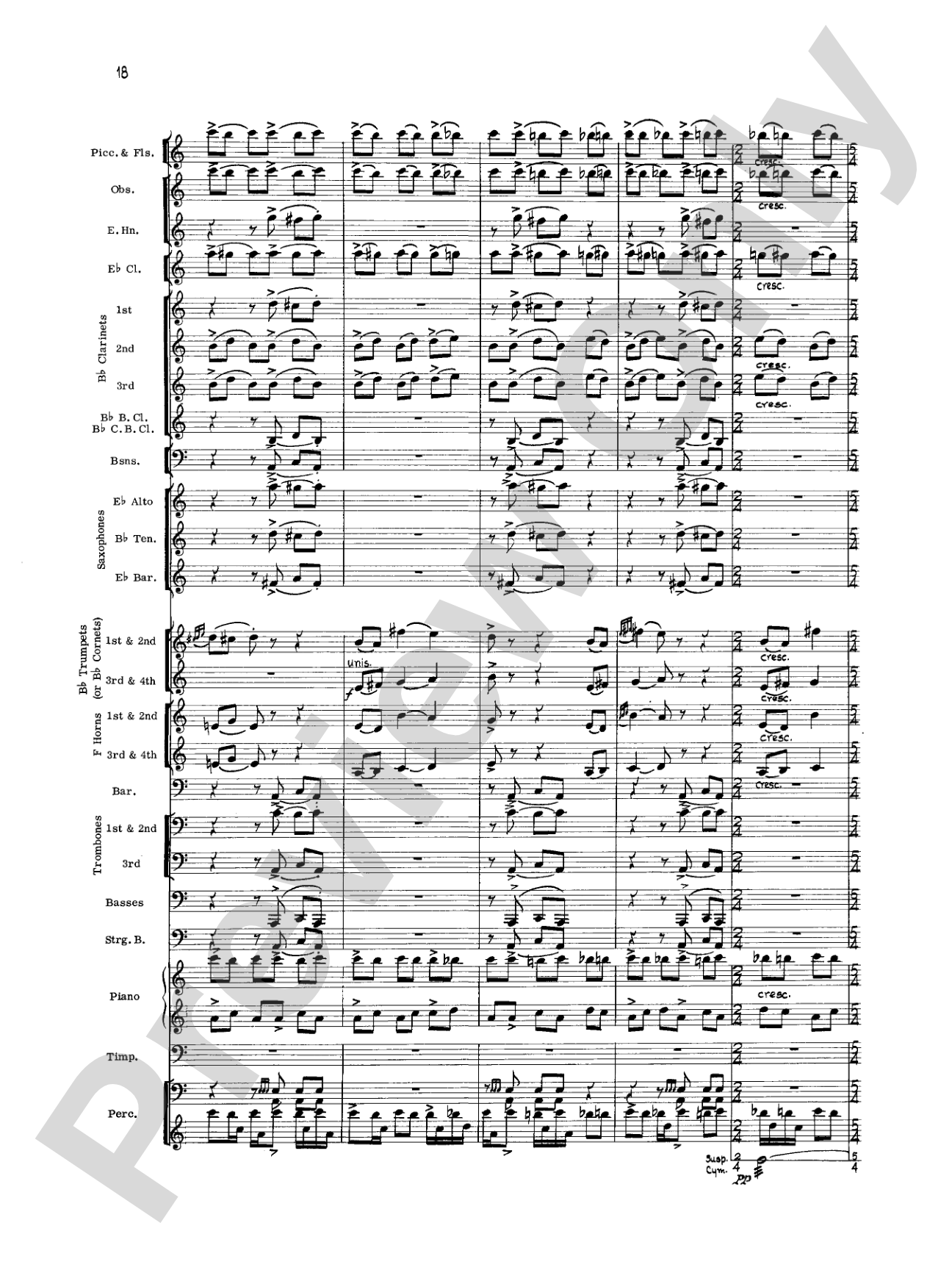
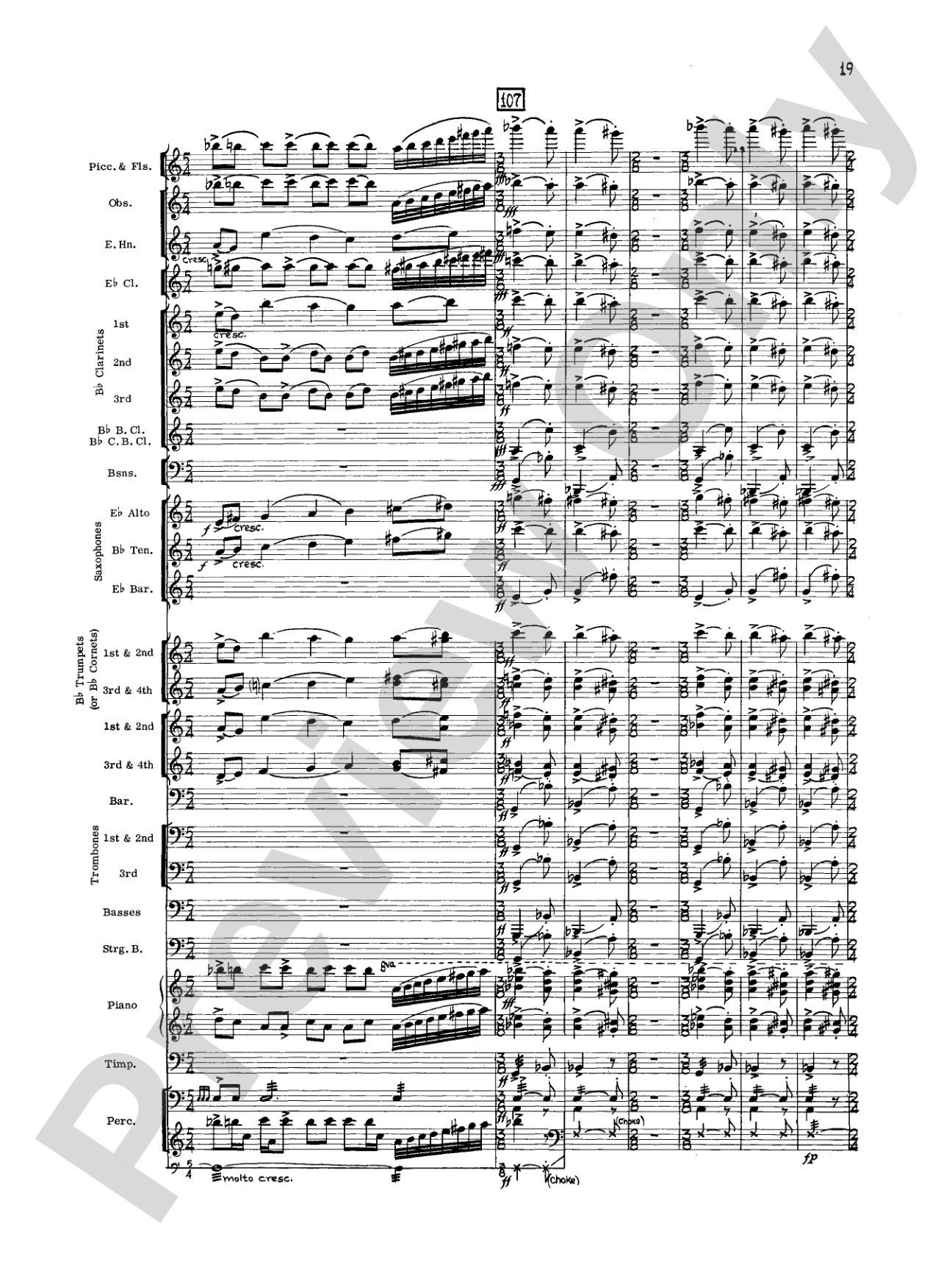
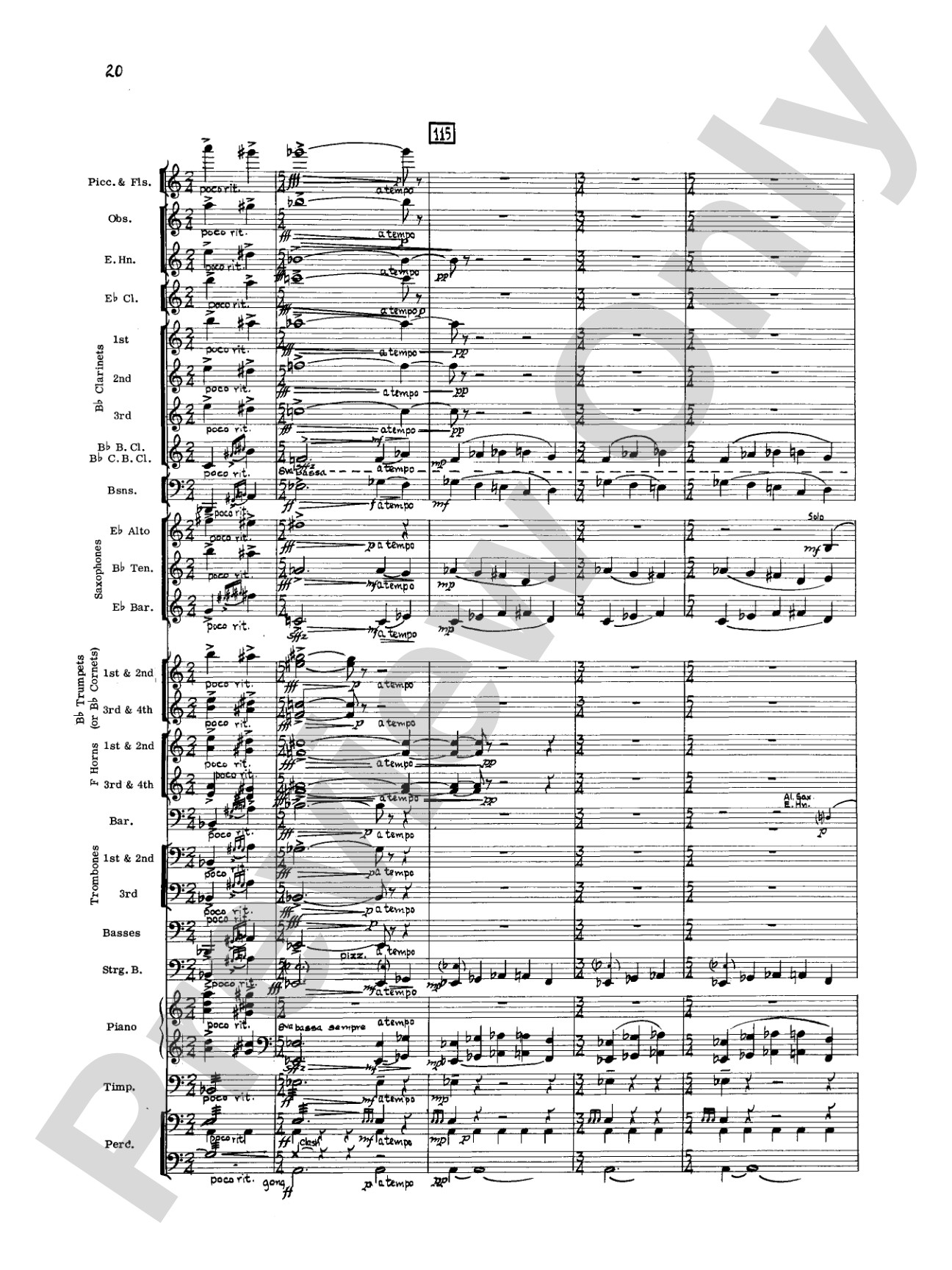
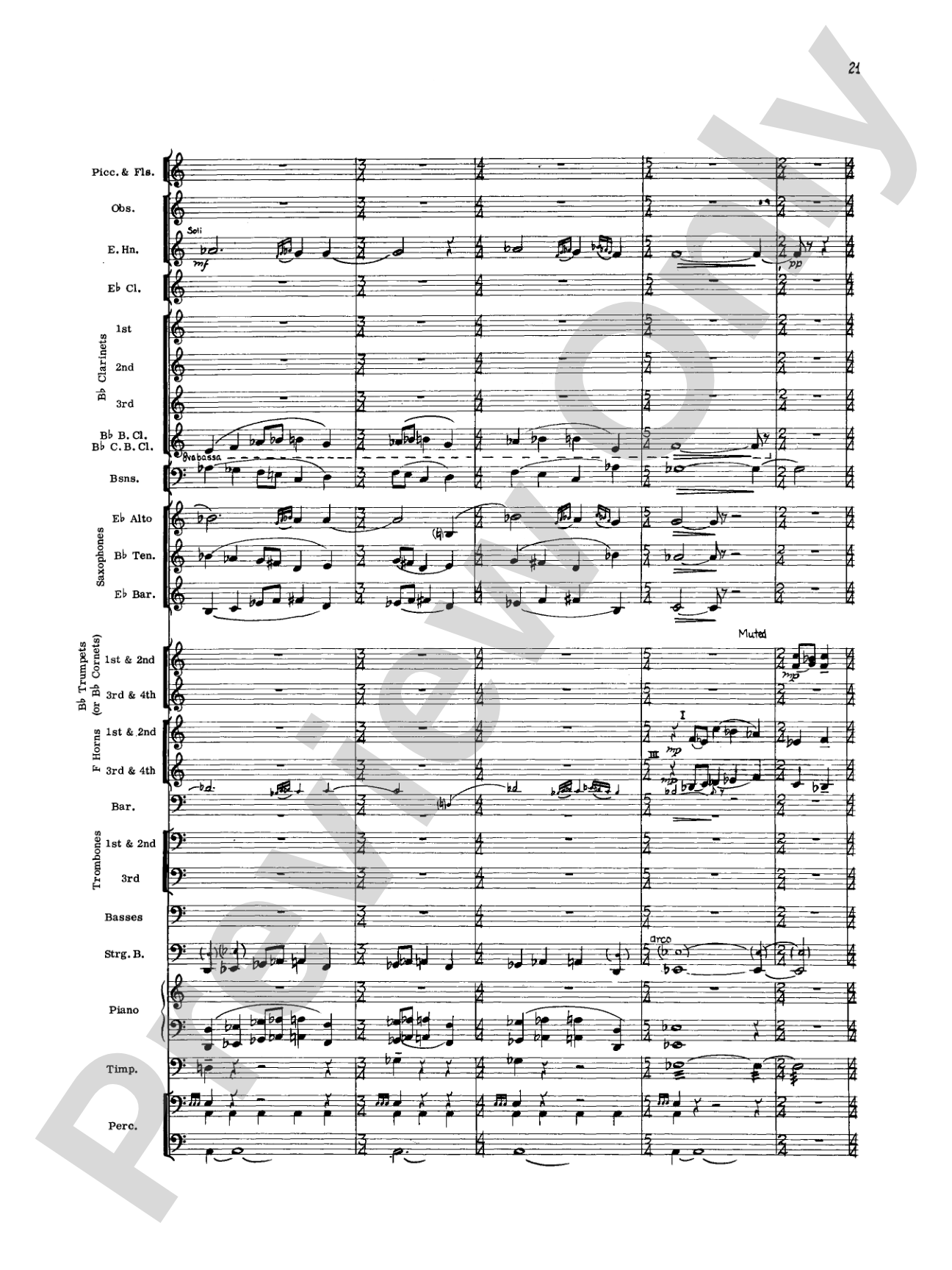
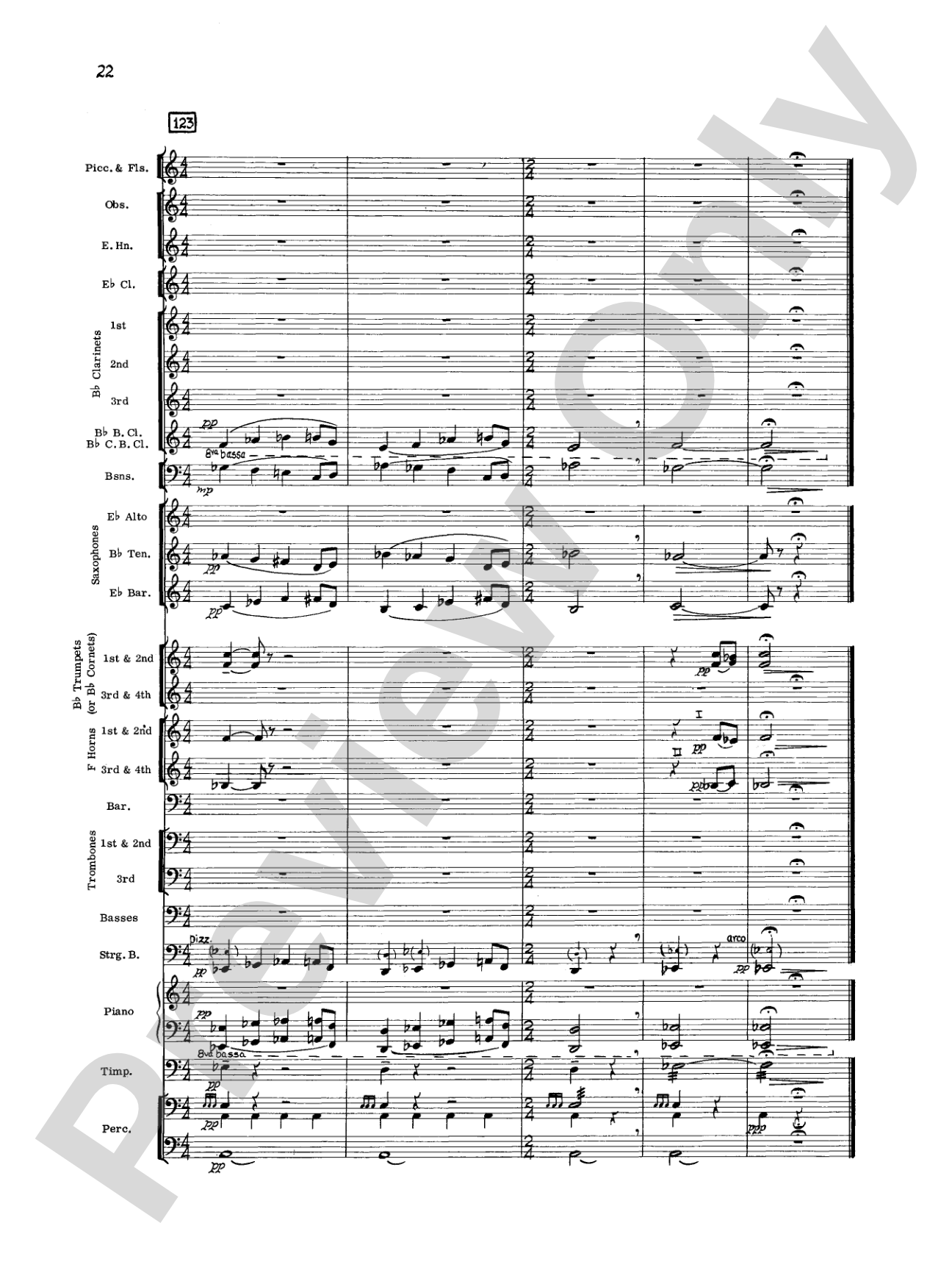

Geometrics in Sound, Op. 29: Score
By Martin Mailman
Grade: 4 (Medium)
Item: 00-PR-0003893
$10.00
Pickup currently not available
Description
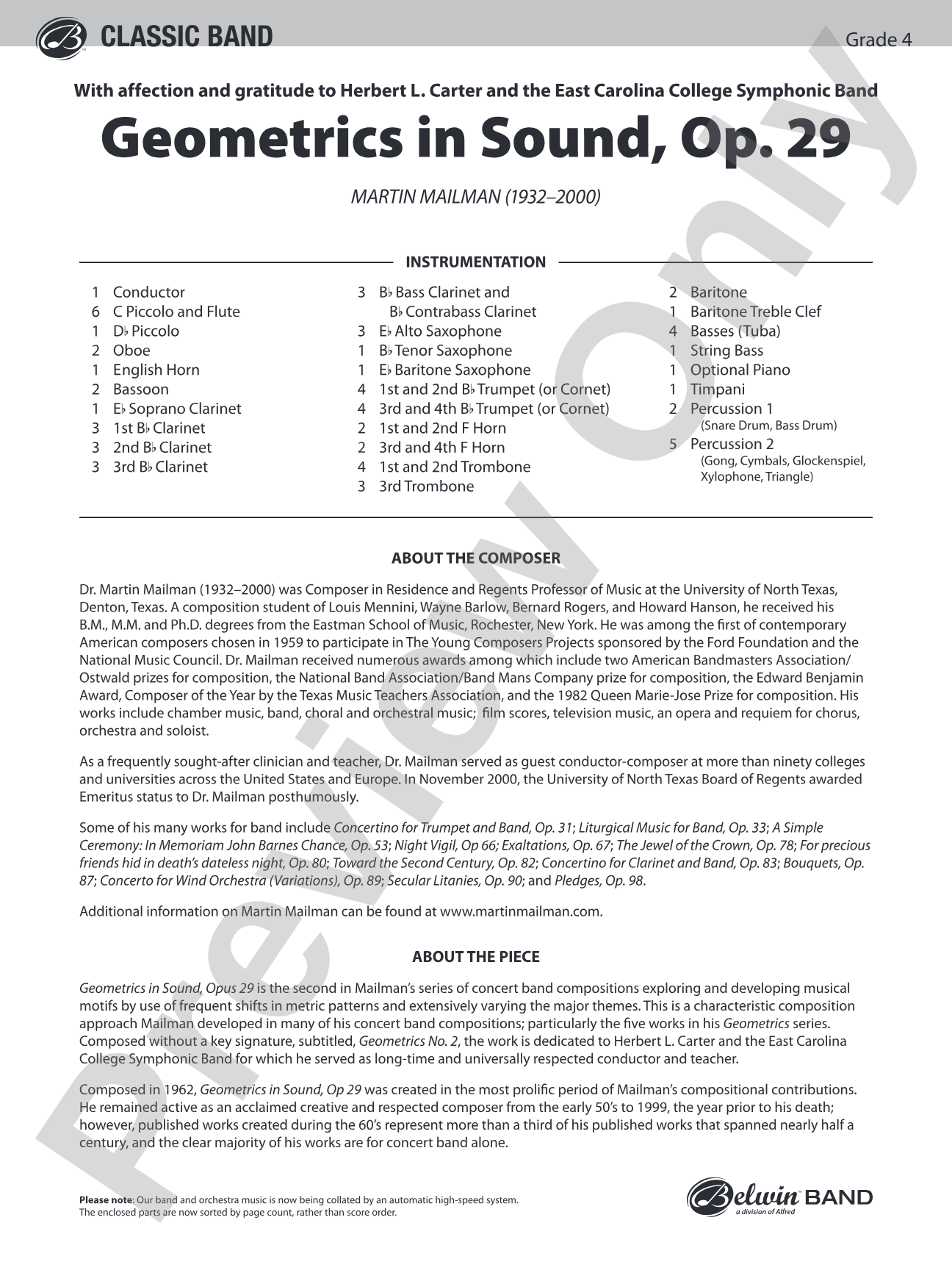
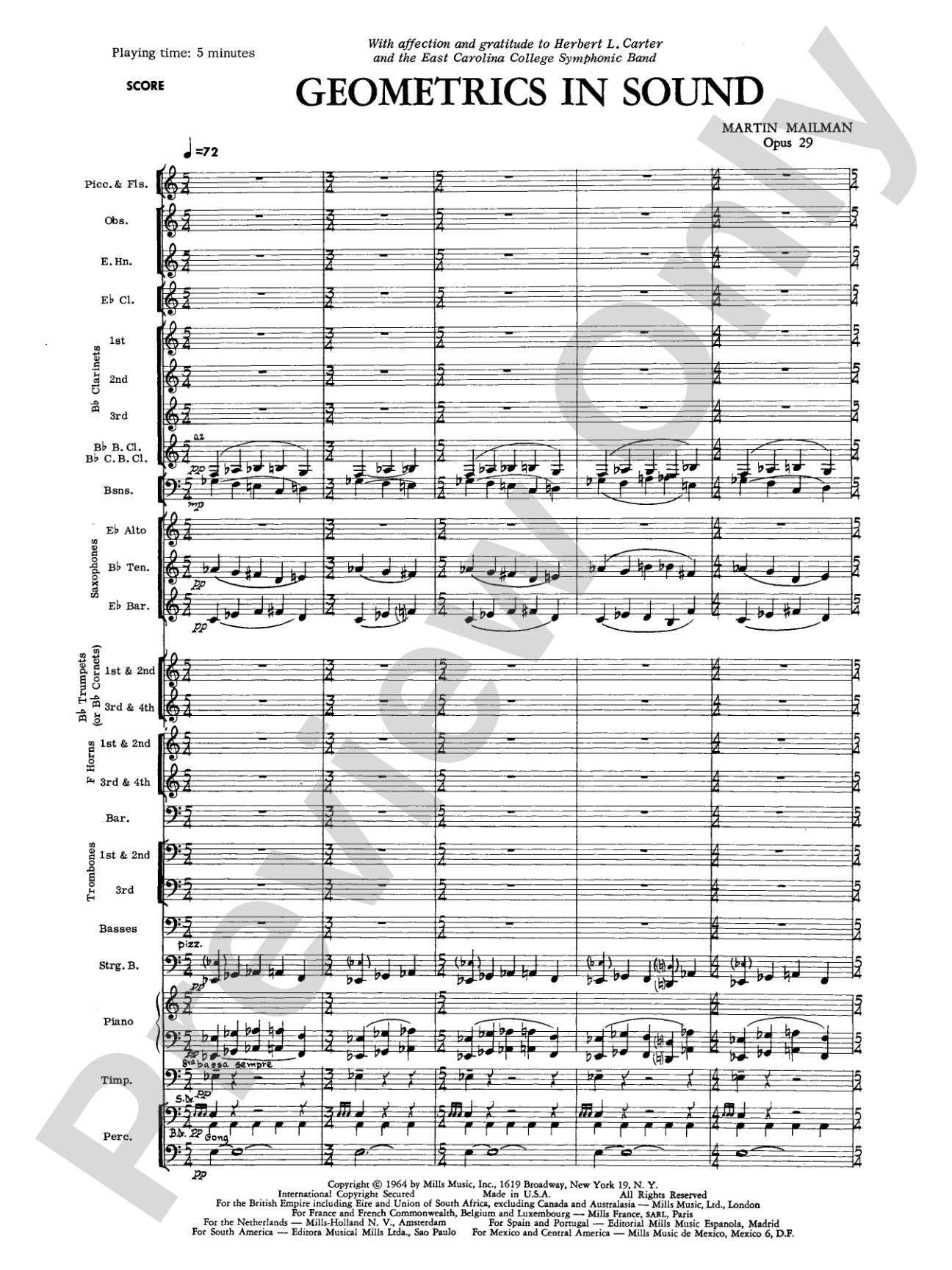
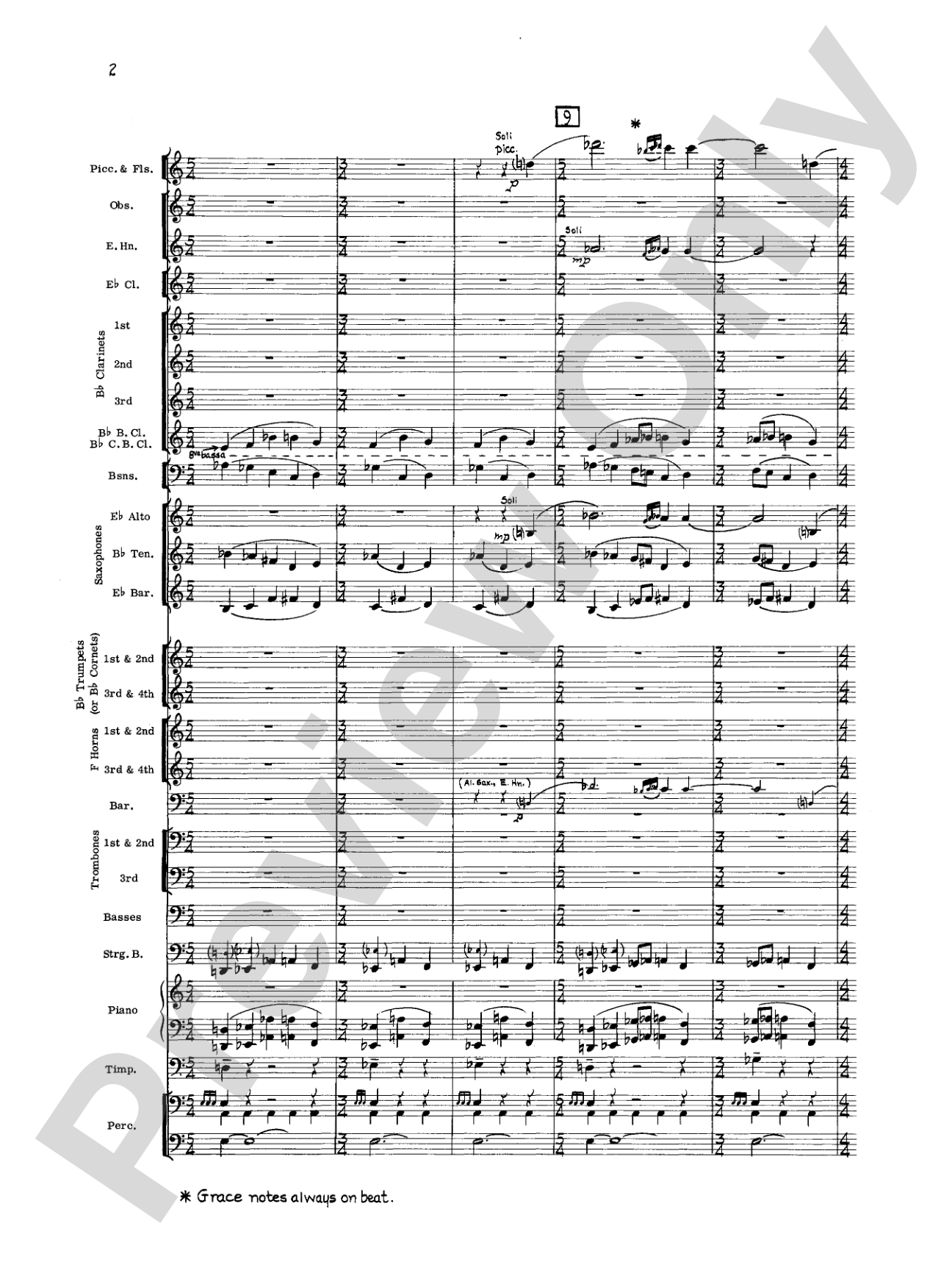
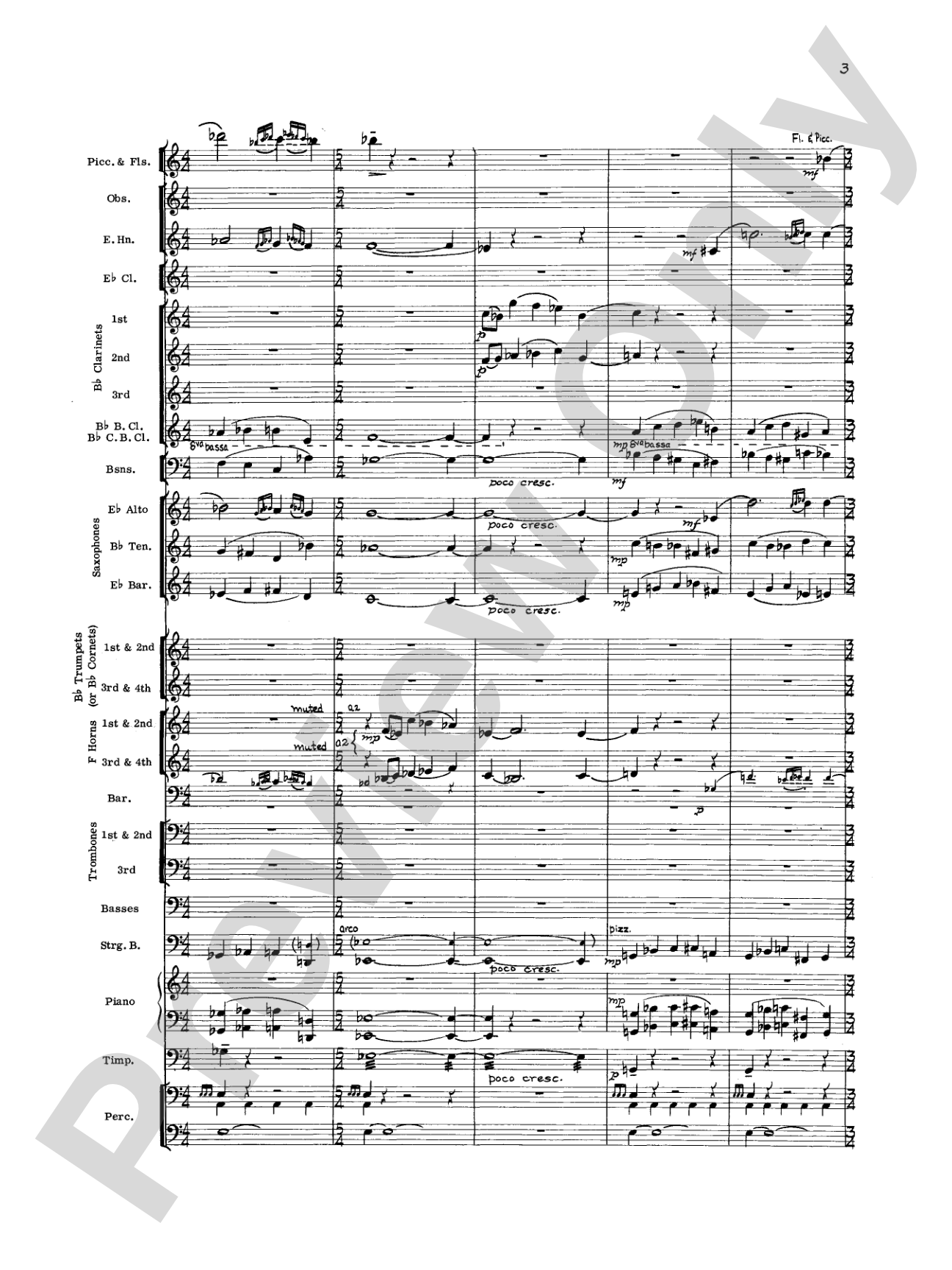
"Geometrics in Sound, Opus 29" is the second in Mailman's series of concert band compositions exploring and developing musical motifs by use of frequent shifts in metric patterns and extensively varying the major themes. Dedicated upon it's publication in 1964, the work was created with affection and gratitude to Herbert L. Carter, then the band director at East Carolina University. Second in a series of five original works exploring frequent shifts in metric patterns and extensively varying the major themes, it is composed without a key signature and is characterized with an exciting contemporary sound. (5:45)


Don't just read it, hear it, play along with it, and watch your students grow with it. In MakeMusic Cloud, Geometrics in Sound, Op. 29: Score comes alive with professional accompaniment, adjustable tempo, and built-in practice tools that turn solo practice into real progress.
Open in the Player
Jump straight in and assign it today.
Start Your Free Trial
Open this title and explore the full library in minutes.
Sample Audio
1
Audio File
--:--
0:00
0:00
Sample Video
No sample videos found.
Additional Details
Series:
Belwin Classic Band
Publisher:
Alfred Music
Page Count:
264
SKU:
00-PR-0003893
More about this title
About the Composer: Martin Mailman
Martin Mailman composed for band, orchestra, and chamber ensembles during a prolific career spanning several decades. His works for concert band earned recognition in educational and festival settings, and his focus on contemporary compositional techniques made him a voice for modernist approaches in band literature during the mid-20th century.
Why we love this
Mailman's metric complexity and thematic development give your band genuine contemporary repertoire that challenges performers without sacrificing musicality. The shift-heavy construction keeps rehearsals engaging because conductors and players must think actively about form and structure rather than relying on familiar harmonic progressions.
What to expect
The music unfolds like crystalline structures seen from different angles, each metric shift revealing a new facet of the core themes. Energetic and modern without sounding alien, it communicates a mid-century optimism toward compositional innovation and ensemble precision.
Who it's for
This work suits Grade 4 bands with solid fundamentals and the musical maturity to engage with contemporary sound and changing metric landscapes. It is ideal for groups preparing for contest or festival play and for directors seeking challenging original material that develops sophisticated ensemble listening skills.
How to get the most out of it
- Establish clear conducting patterns for each metric shift and drill transitions in sectionals before full rehearsals. Players need tactile confidence in where the beat lands when meters change frequently.
- Balance the contemporary harmonic language by ensuring intonation is precise in longer sustained passages. The lack of a key signature means harmonic tendencies will feel less intuitive to some players.
- Mark phrase endpoints clearly in parts so ensemble members track the larger melodic contours across the metric variations. These themes require ensemble awareness beyond individual part reading.
How to use it
Program this as a centerpiece for a contemporary music concert or as a standout selection for festival competition where original works are valued. Its five-minute forty-five-second length fits comfortably into mixed programs, and its striking harmonic language will distinguish your group's repertoire choices.
Skills your students will build
- Reading and executing shifting metric patterns (combinations of 3/4, 4/4, 5/4, and asymmetrical meters)
- Tracking thematic development across frequent harmonic and rhythmic transformations
- Ensemble intonation and tuning without traditional key signatures
- Conductor communication and interpretation of contemporary music notation
- Sustained concentration and independent part awareness in complex textures