
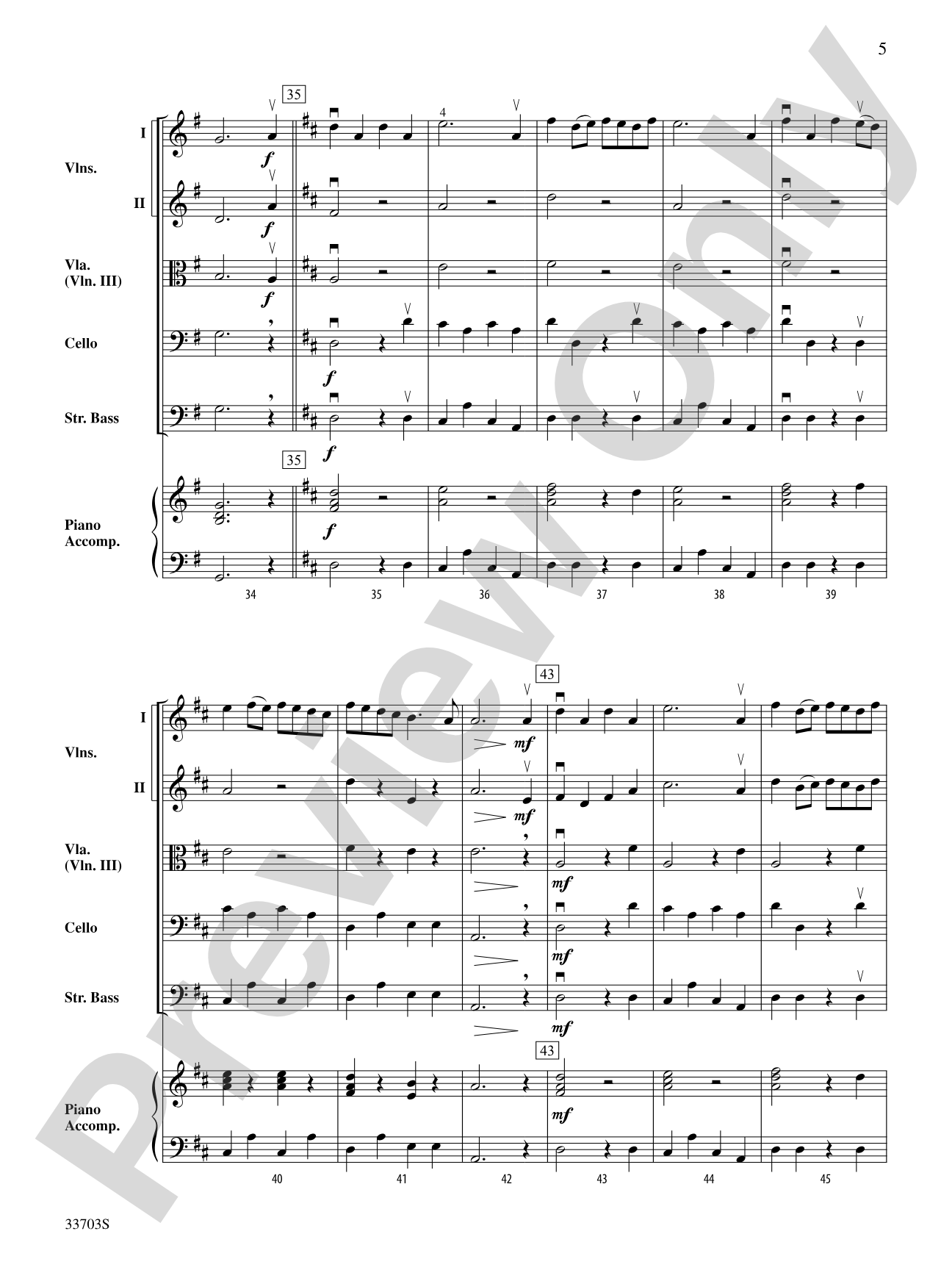
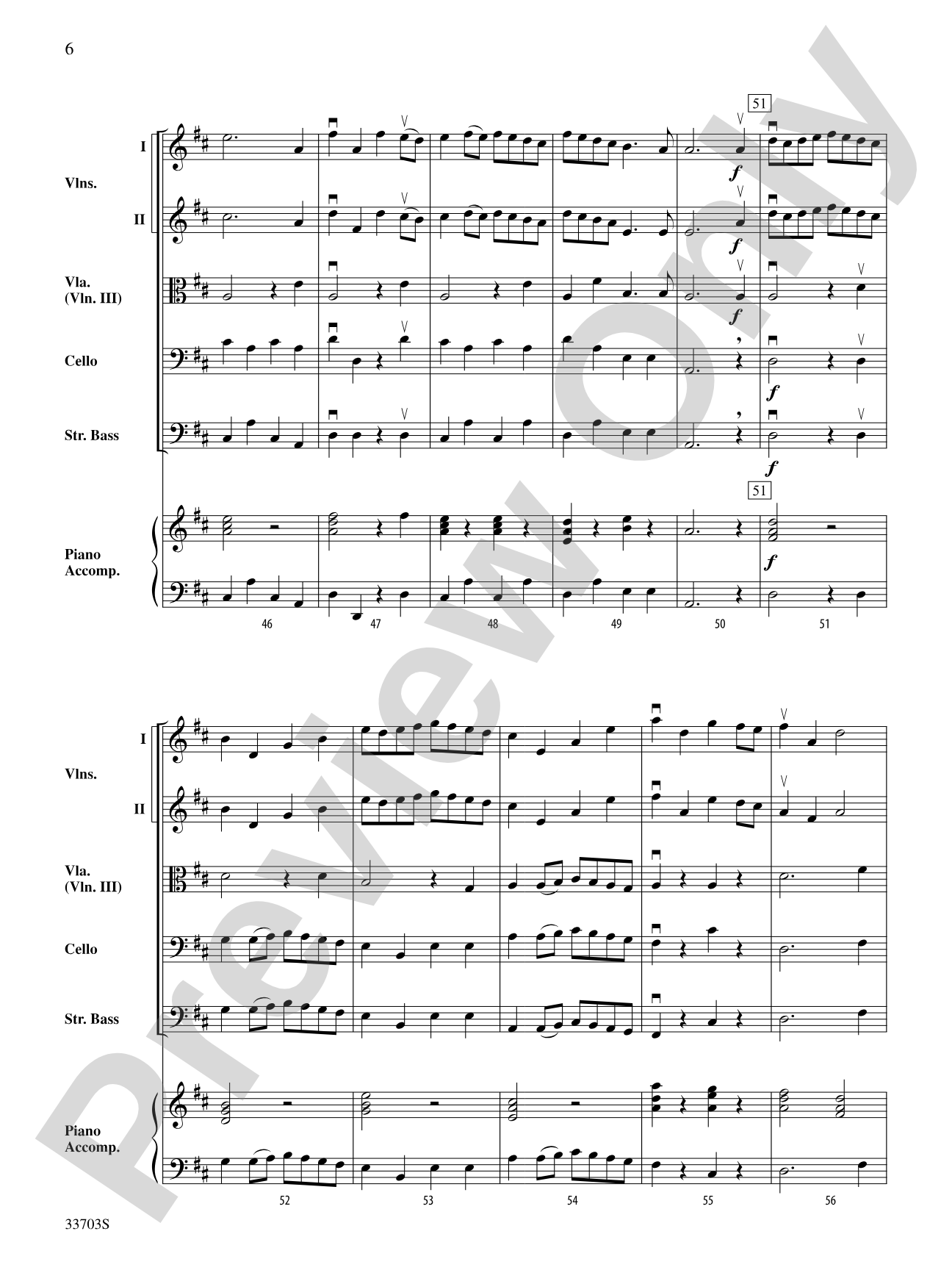
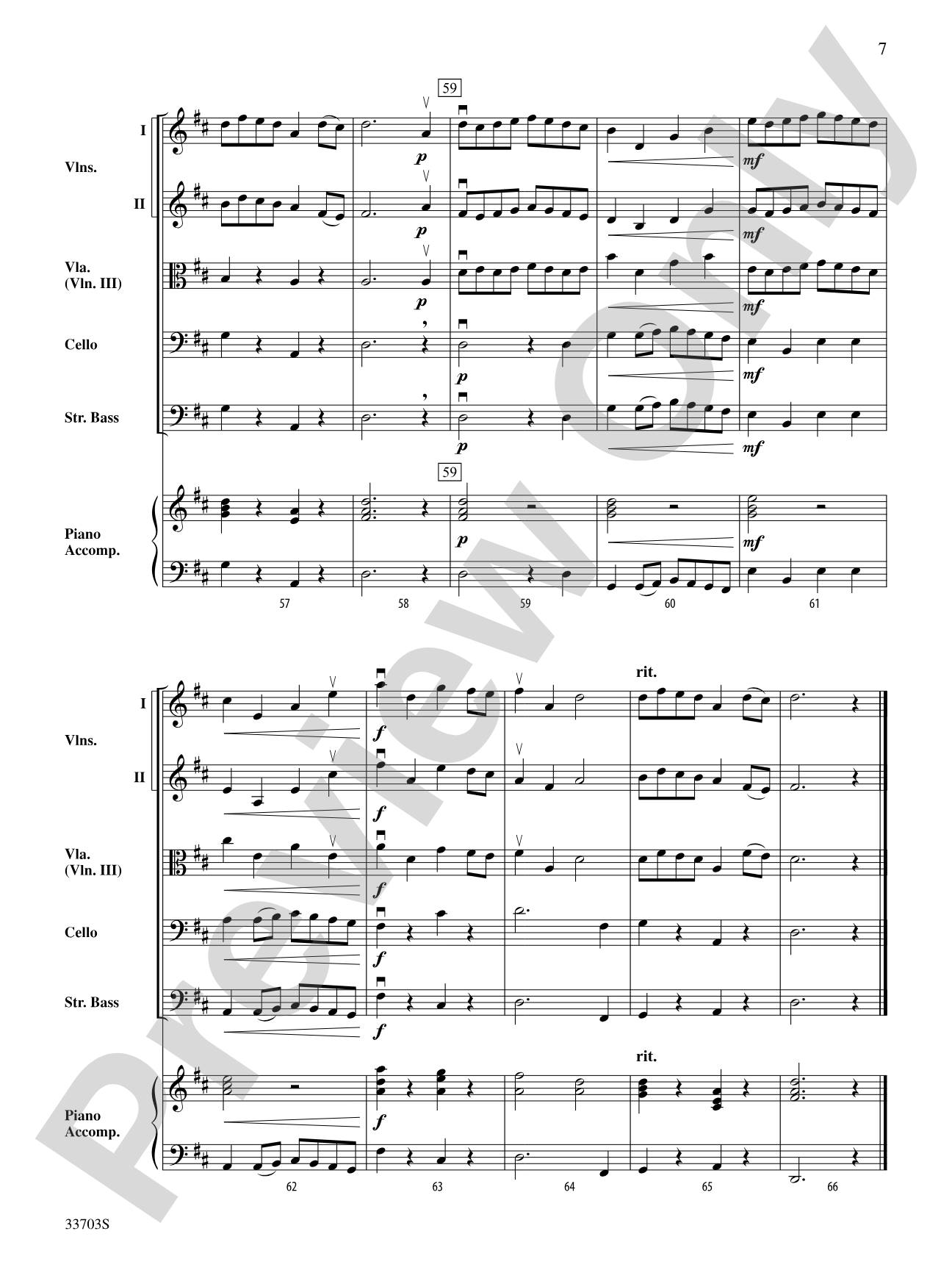


Gavotte: String Orchestra Conductor Score & Parts
By Arcangelo Corelli / arr. Bob Phillips
Grade: 1.5
Item: 00-PK-0004193

$46.00
Pickup currently not available
Buy Extra Parts (Digital PDF Download)
| Product | Price | Quantity |
|---|---|---|
| Gavotte: Score | $6.00 | |
| Gavotte: 1st Violin | $5.99 | |
| Gavotte: 2nd Violin | $5.99 | |
| Gavotte: 3rd Violin (Viola [TC]) | $5.99 | |
| Gavotte: Viola | $5.99 | |
| Gavotte: Cello | $5.99 | |
| Gavotte: String Bass | $5.99 | |
| Gavotte: Piano Accompaniment | $5.99 |
Parts Added to Cart!
Description
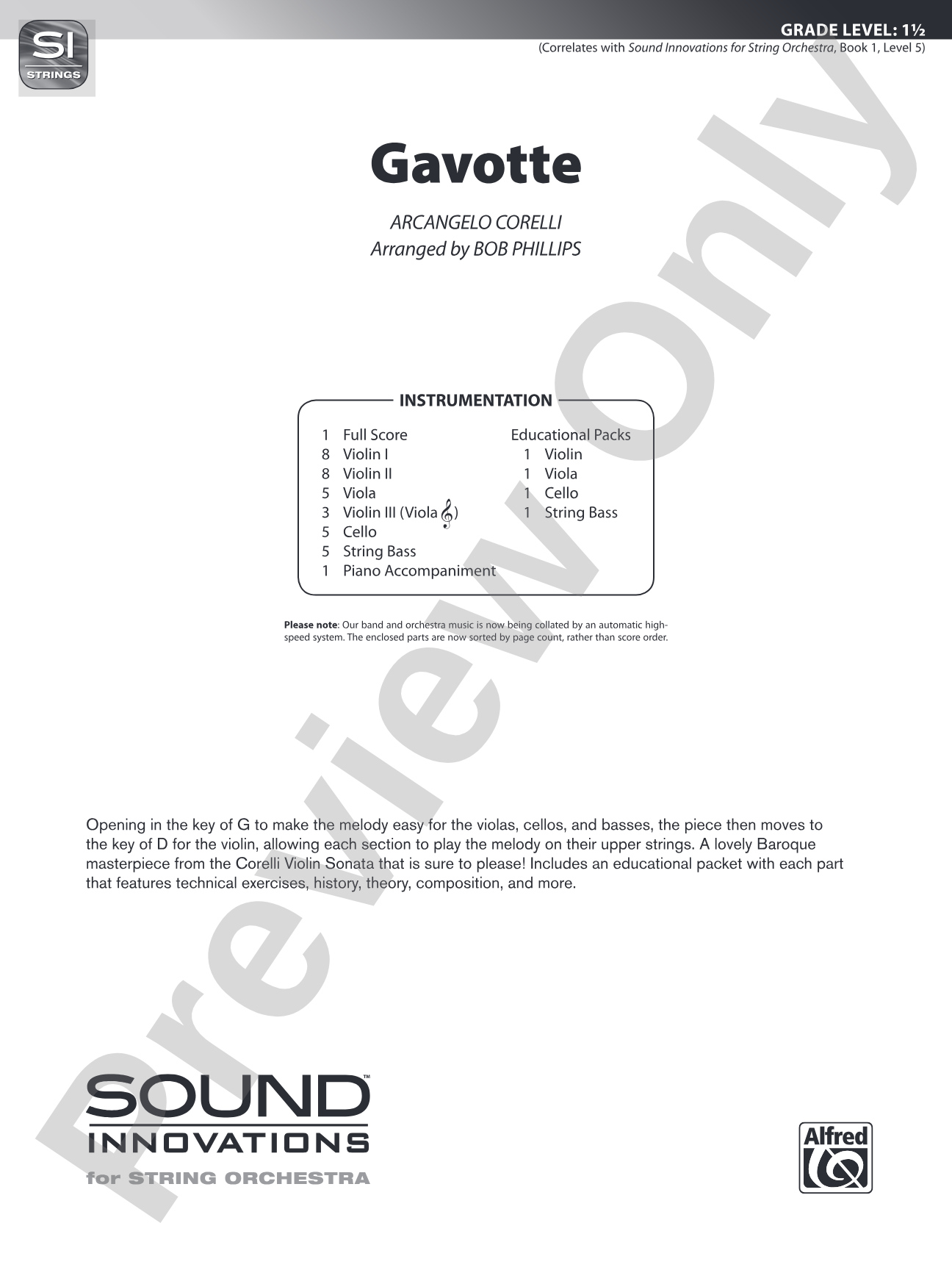
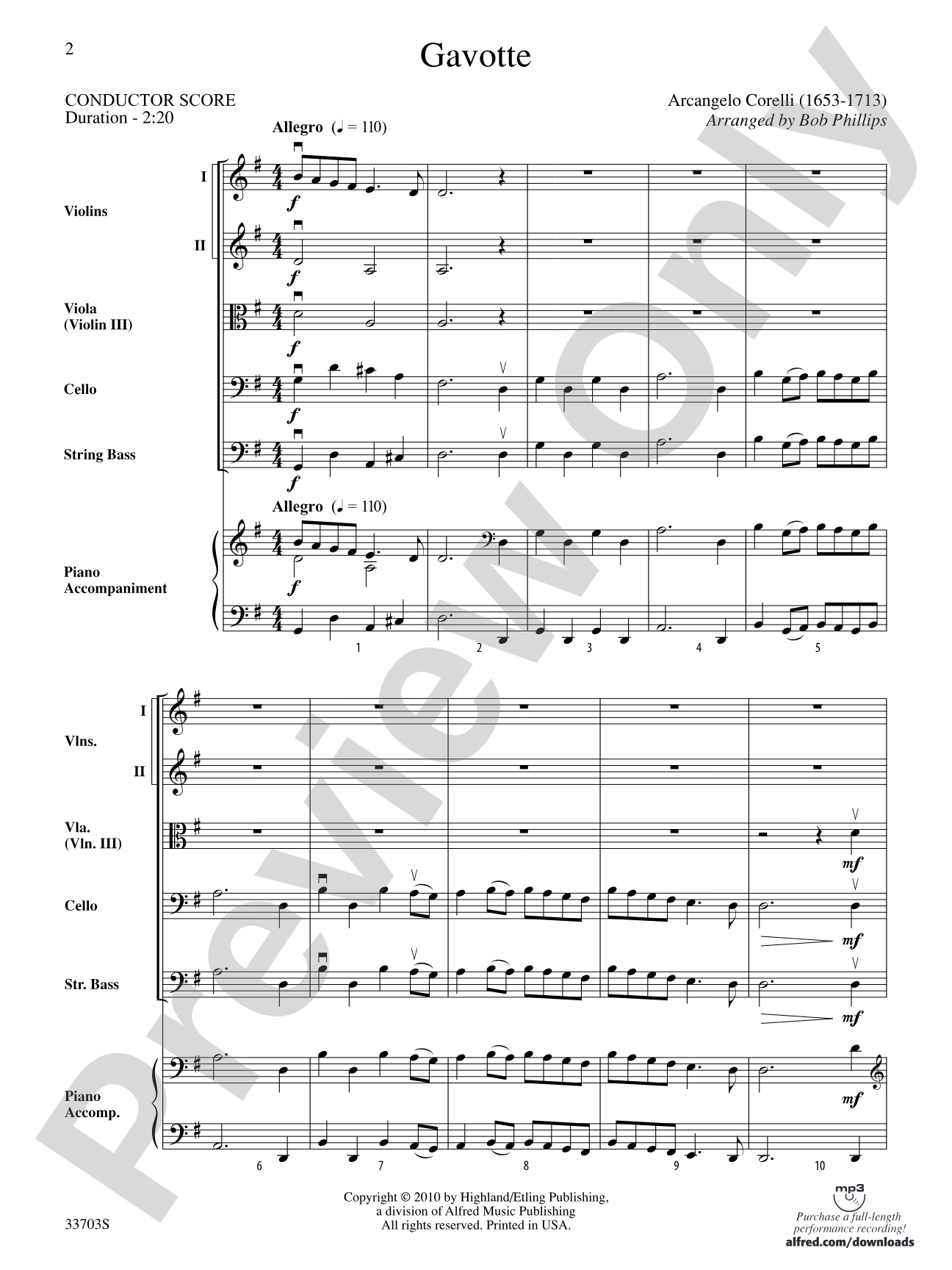
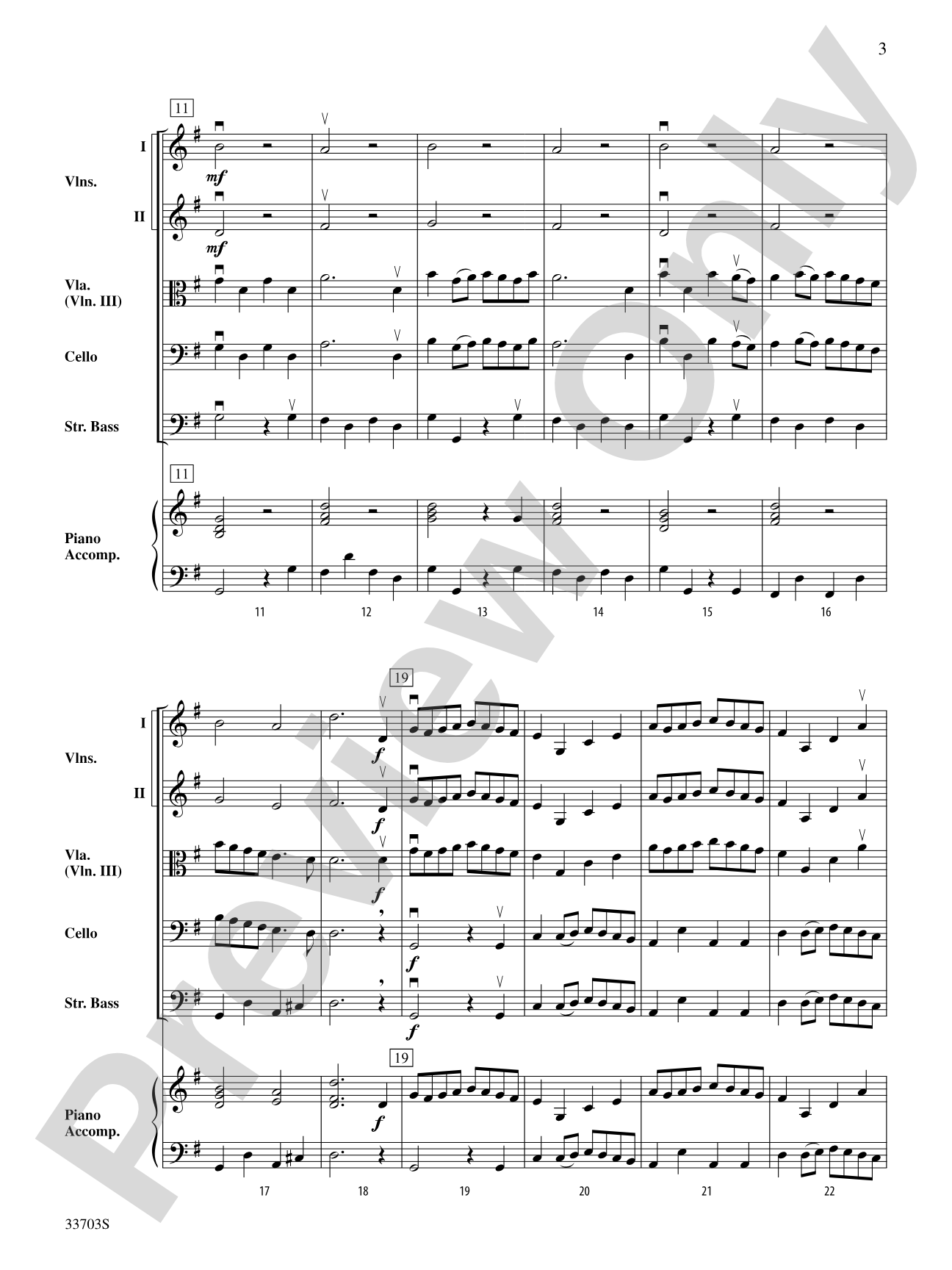
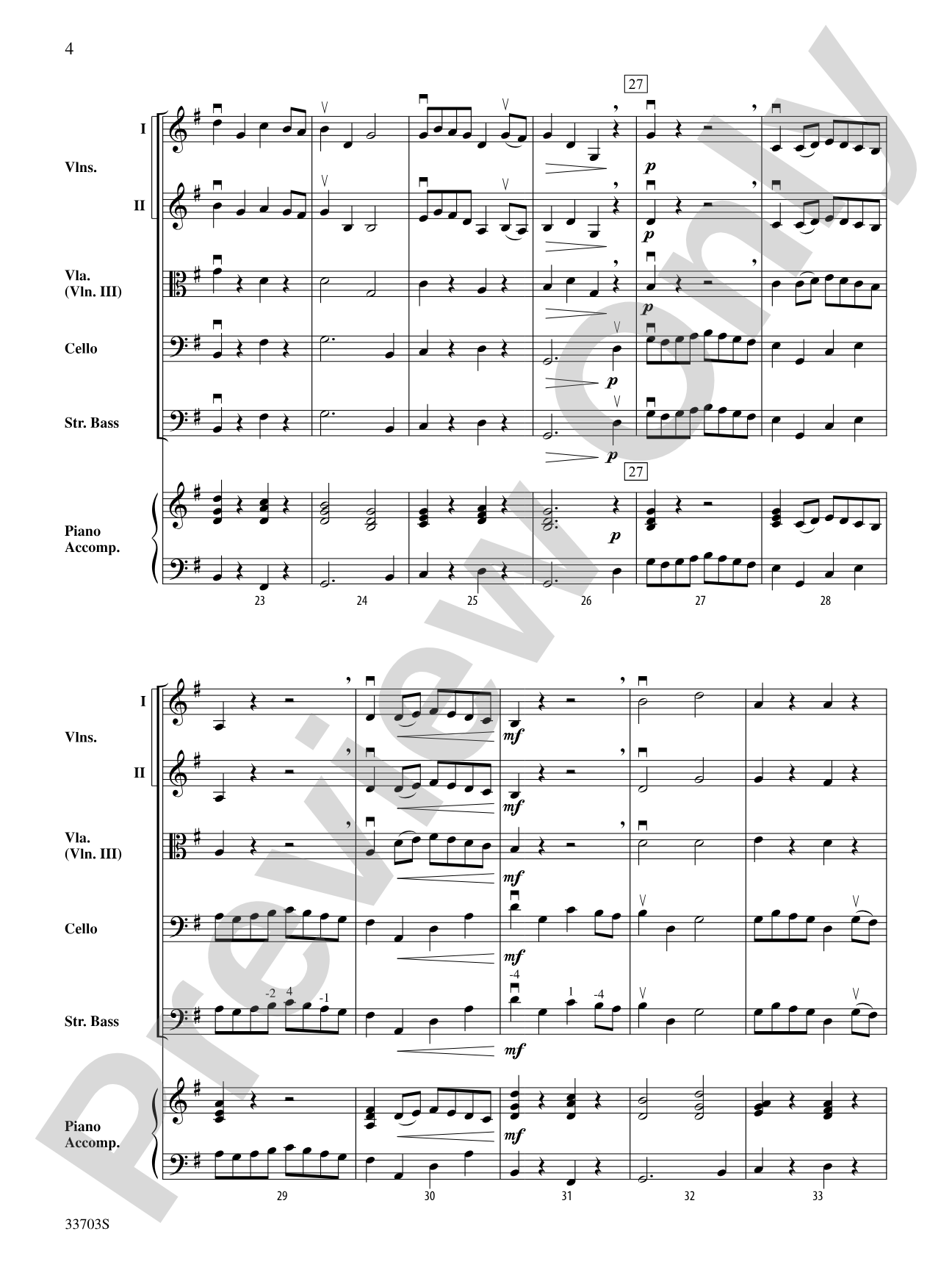
Opening in the key of G to make the melody easy for the violas, cellos, and basses, the piece then moves to the key of D for the violin, allowing each section to play the melody on their upper strings. A lovely Baroque masterpiece from the Corelli Violin Sonata that is sure to please! Includes an educational packet with each part that features technical exercises, history, theory, composition, and more. This title is available in MakeMusic Cloud.


Don't just read it, hear it, play along with it, and watch your students grow with it. In MakeMusic Cloud, Gavotte: String Orchestra Conductor Score & Parts comes alive with professional accompaniment, adjustable tempo, and built-in practice tools that turn solo practice into real progress.
Open in the Player
Jump straight in and assign it today.
Start Your Free Trial
Open this title and explore the full library in minutes.
Sample Audio
1
Audio File
--:--
0:00
0:00
Sample Video
No sample videos found.
Additional Details
Series:
Sound Innovations for String Orchestra
Publisher:
Alfred Music
Page Count:
80
SKU:
00-PK-0004193
More about this title
About the Composer: Arcangelo Corelli
Arcangelo Corelli (1653, 1713) was the architect of modern violin playing and one of the most influential instrumental composers of the Baroque era. His twelve concertos and forty-eight sonatas established the technical and expressive vocabulary that violinists still study today, codifying principles of bowing, phrasing, and ornamentation that shaped centuries of string pedagogy.
Corelli's music is distinguished by its clarity, balanced proportions, and lyrical beauty. He worked primarily in Rome, where his compositions were copied and performed across Europe, making him one of the first composers to achieve international fame during his lifetime. His influence on string writing remains direct and measurable; generations of teachers have turned to his works as models for developing both technique and musical sensitivity.
Why we love this
Bob Phillips has shaped this sonata movement into a perfect entry point for young orchestras learning how to balance multiple string sections. The strategic key choices—G major for lower strings, D major for violins—ensure that every section gets rewarding melody work rather than relegating anyone to accompaniment patterns. Young musicians feel the satisfaction of playing the tune, which builds genuine engagement with Baroque style.
What to expect
The Gavotte unfolds with courtly grace and dancing rhythm. Elegant lines move through the orchestra like a conversation between sections, with the melody passing from violas and cellos to violins in a way that feels natural and satisfying rather than mechanical.
Who it's for
String orchestras at Grade 1.5 will find this arrangement accessible yet musically substantial. Beginning and intermediate players benefit from the clear melodic writing and the chance to work with an actual Baroque masterwork rather than a simplified imitation.
How to get the most out of it
- Shape the melodic phrases to mirror the phrasing you would hear in a solo violin performance; Baroque melody thrives on clear breathing and gentle peaks rather than sustained line.
- Balance the transition between key centers by adjusting dynamic levels slightly—keep the first section in G major clear and buoyant, then brighten the energy as you move to D major for the violin melody.
- Use the educational packet's technical exercises as warm-up material before each rehearsal to reinforce the specific string crossings and shift patterns your orchestra will encounter.
How to use it
This works beautifully on concert programs focused on Baroque music or as a bridge piece between contemporary works and classical repertoire. Its brevity and immediate appeal make it ideal for festival competition or as a confidence-builder early in the concert season when the orchestra is building fundamentals.
Skills your students will build
- Baroque articulation and phrasing conventions
- String crossings and upper position playing
- Balancing melody and accompaniment across multiple string sections
- Musical leadership—understanding how each section contributes to the whole texture
- Key relationships and transposition awareness across string parts