

Gateway West: Concert Band Conductor Score & Parts
By John O'Reilly
Grade: 3 (Medium)
Item: 00-PK-0004285

$52.00
Pickup currently not available
Buy Extra Parts (Digital PDF Download)
Parts Added to Cart!
Related Items
Gateway West: Concert Band Conductor Score |
$7.00
|
View |
Description
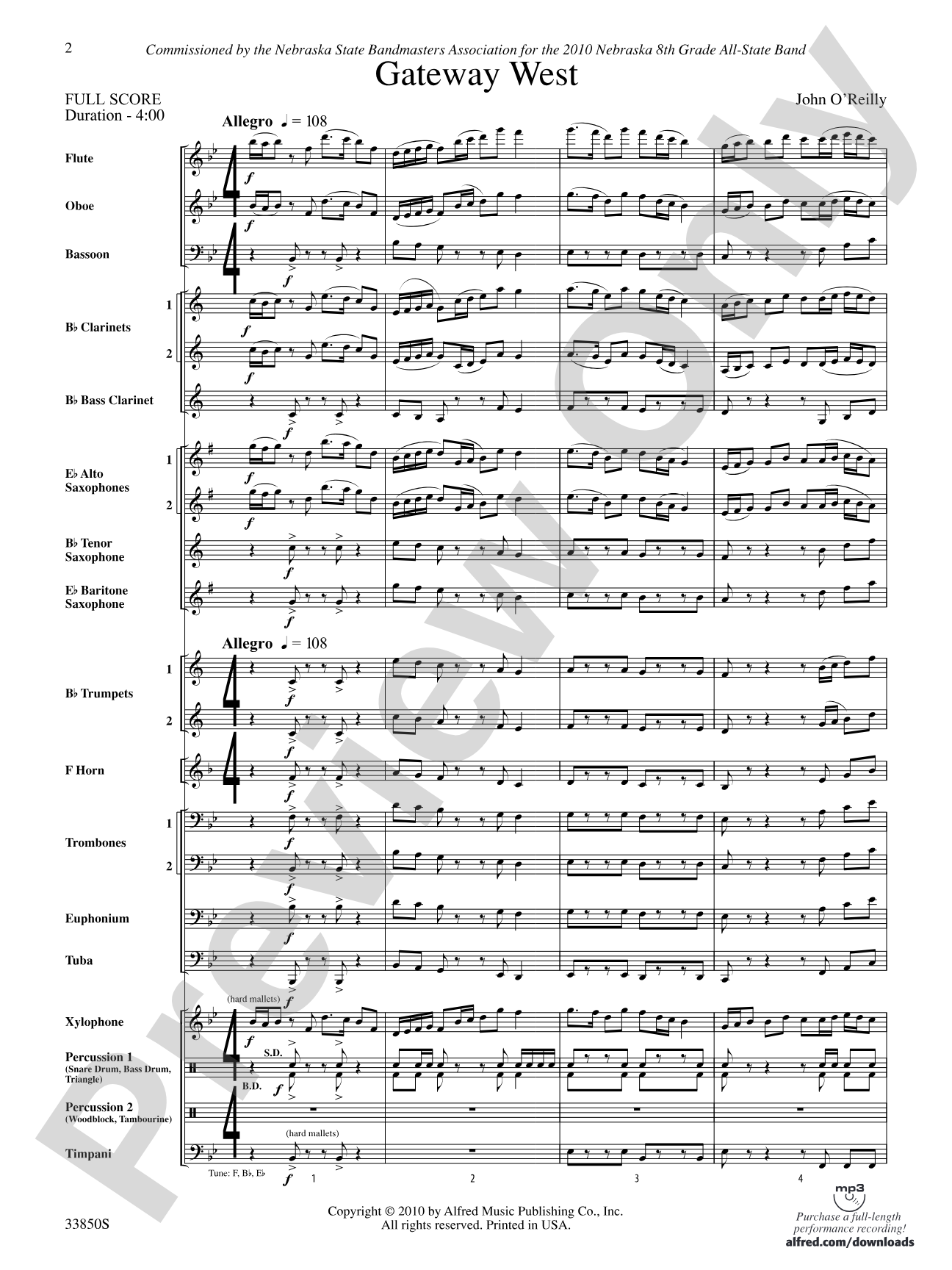
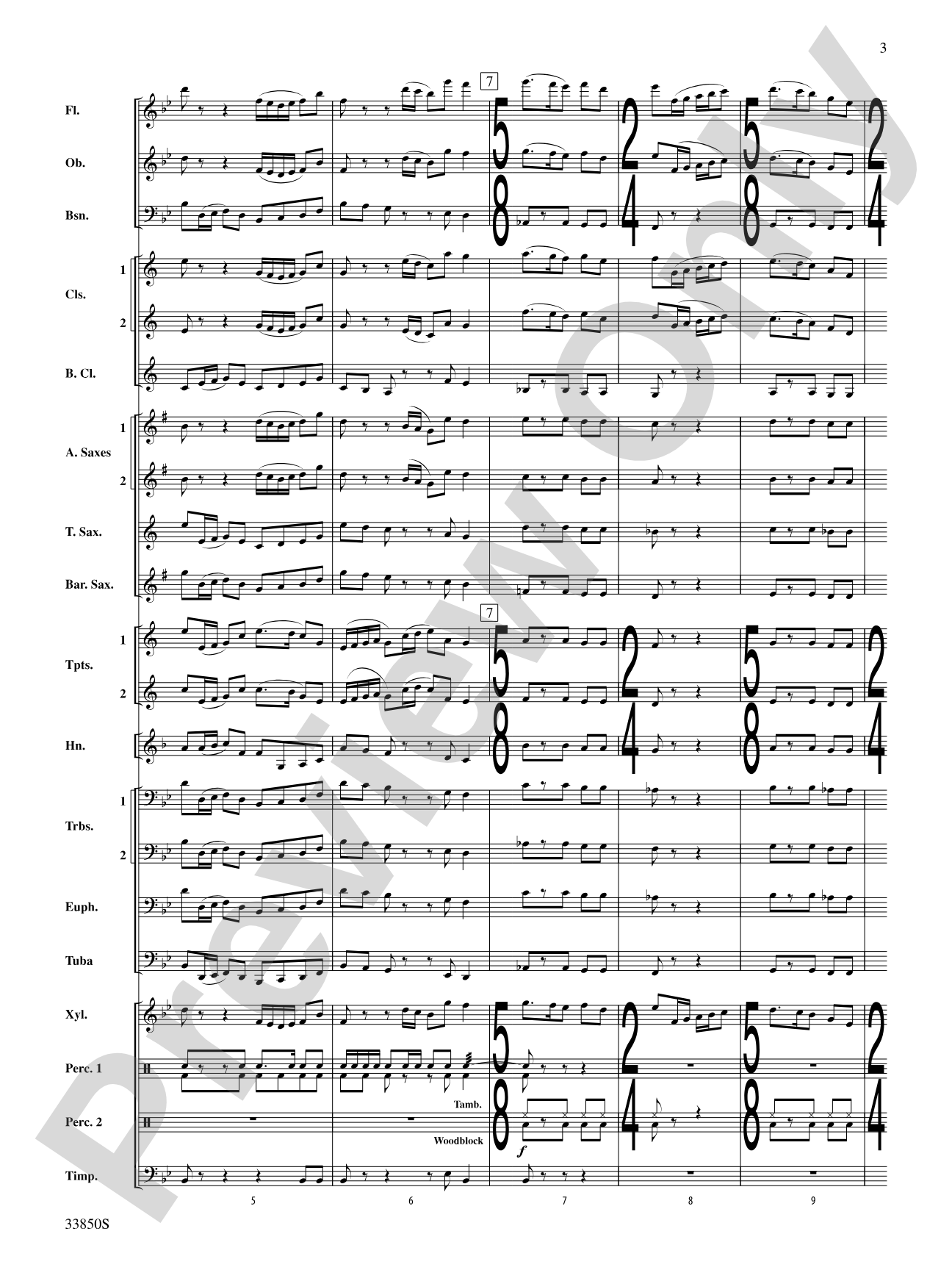
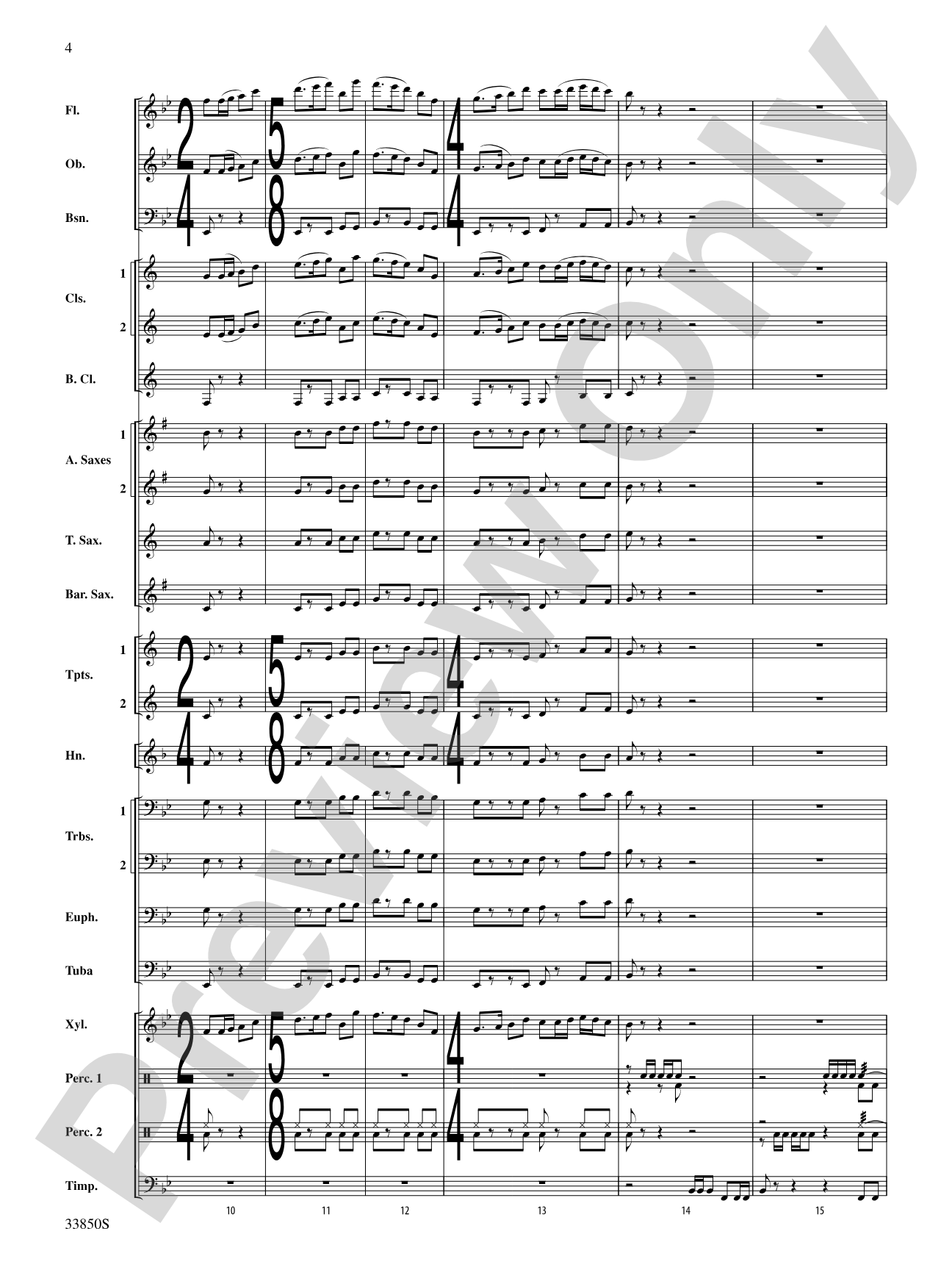
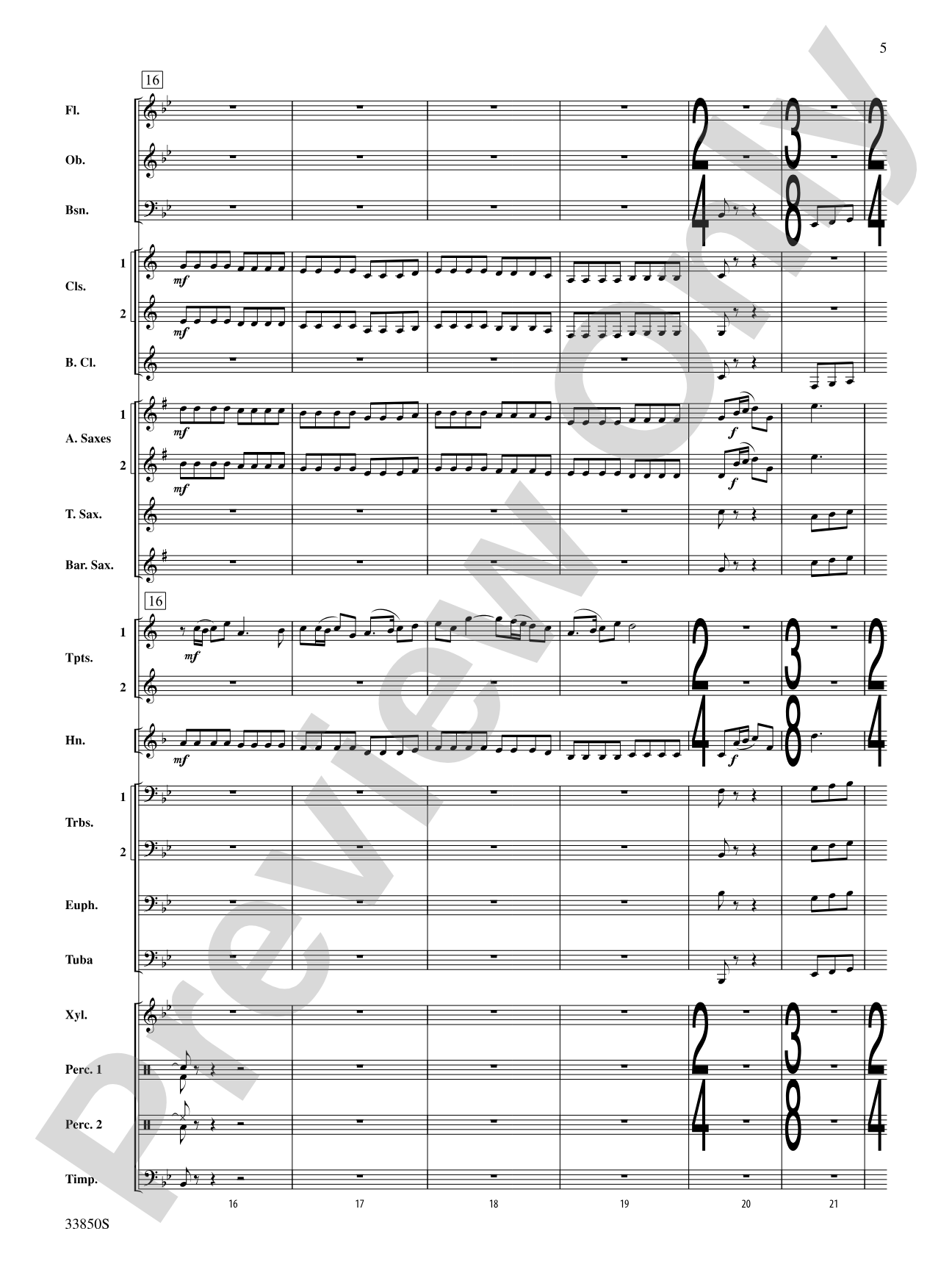
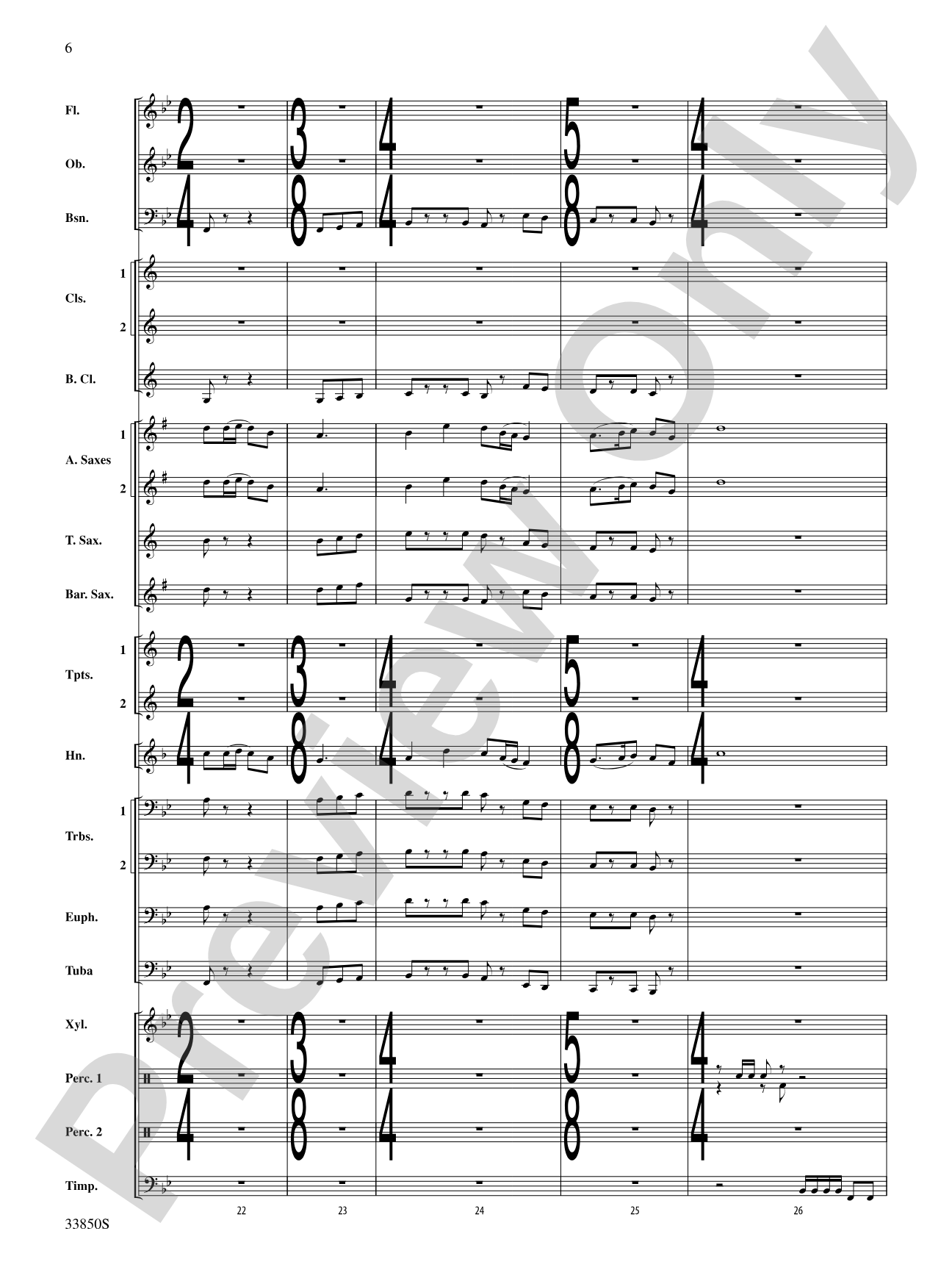
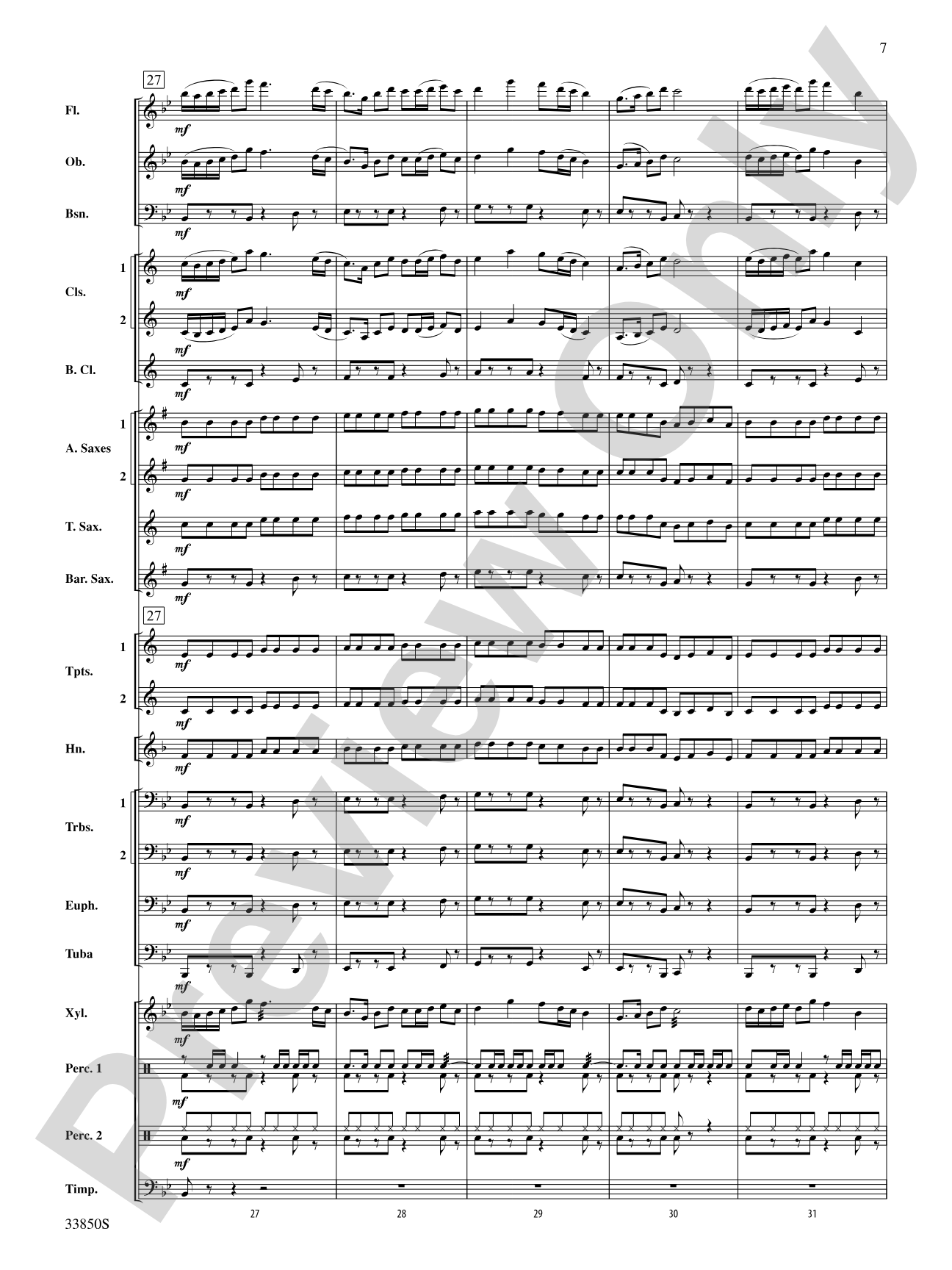
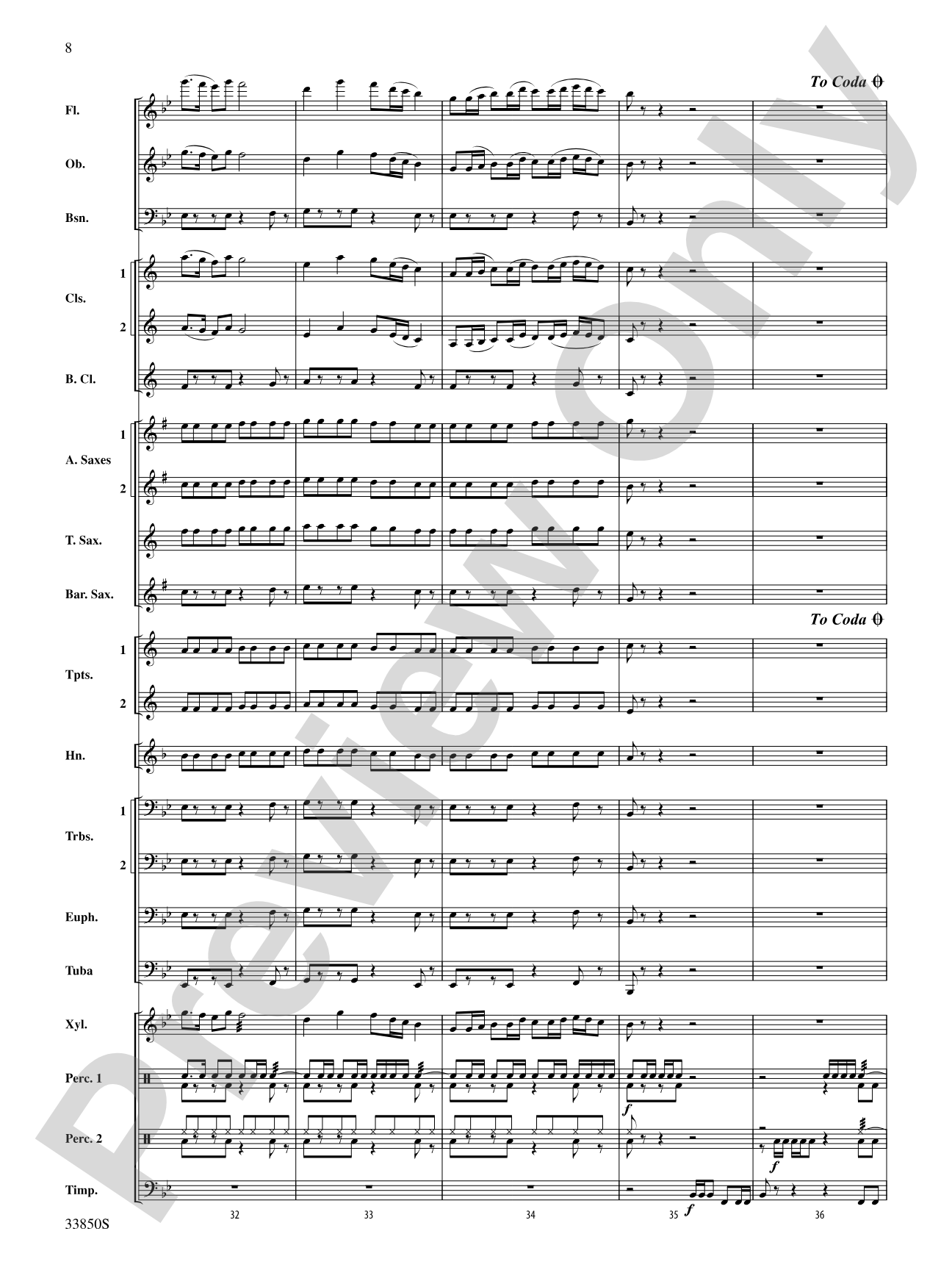
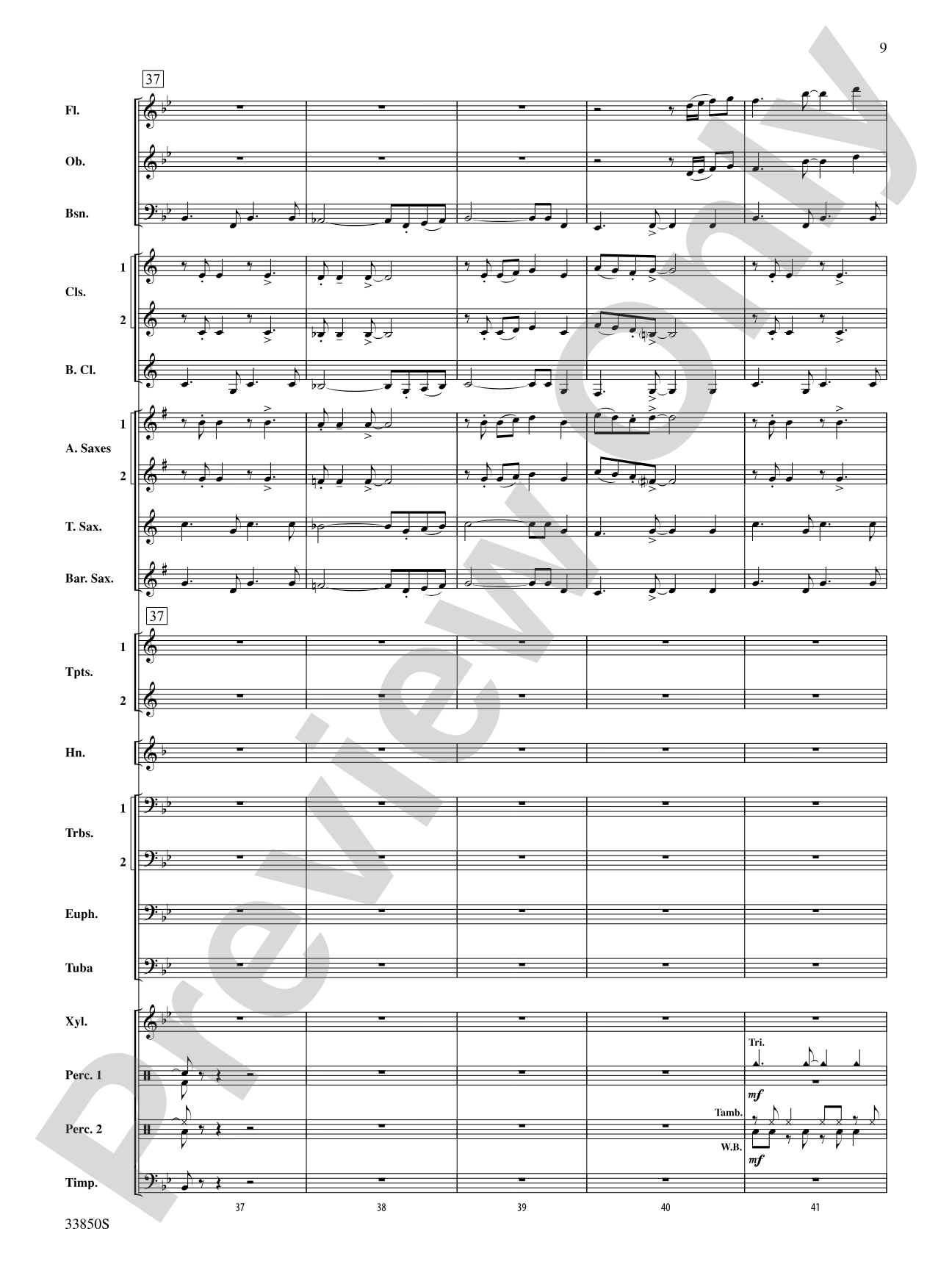
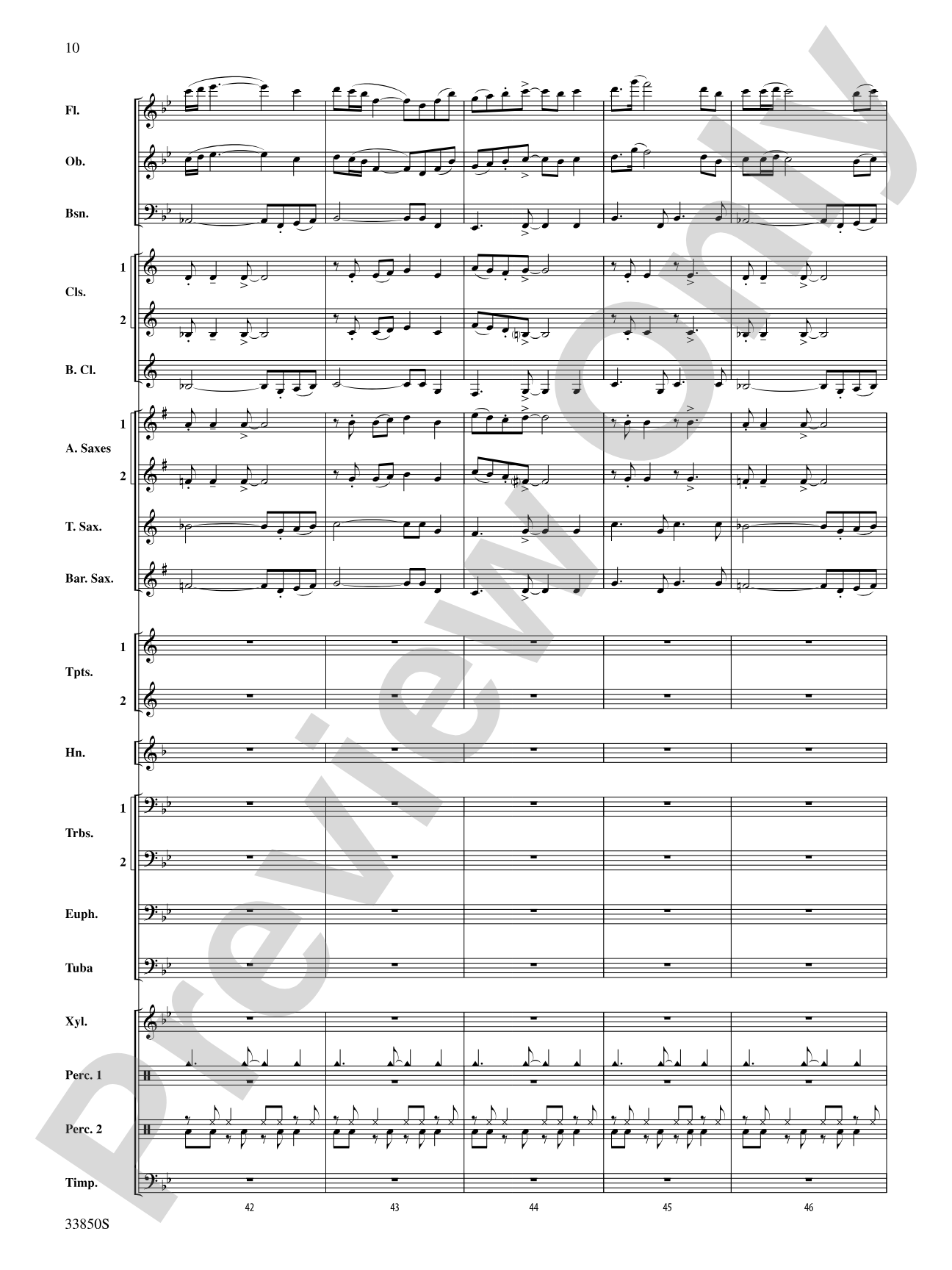
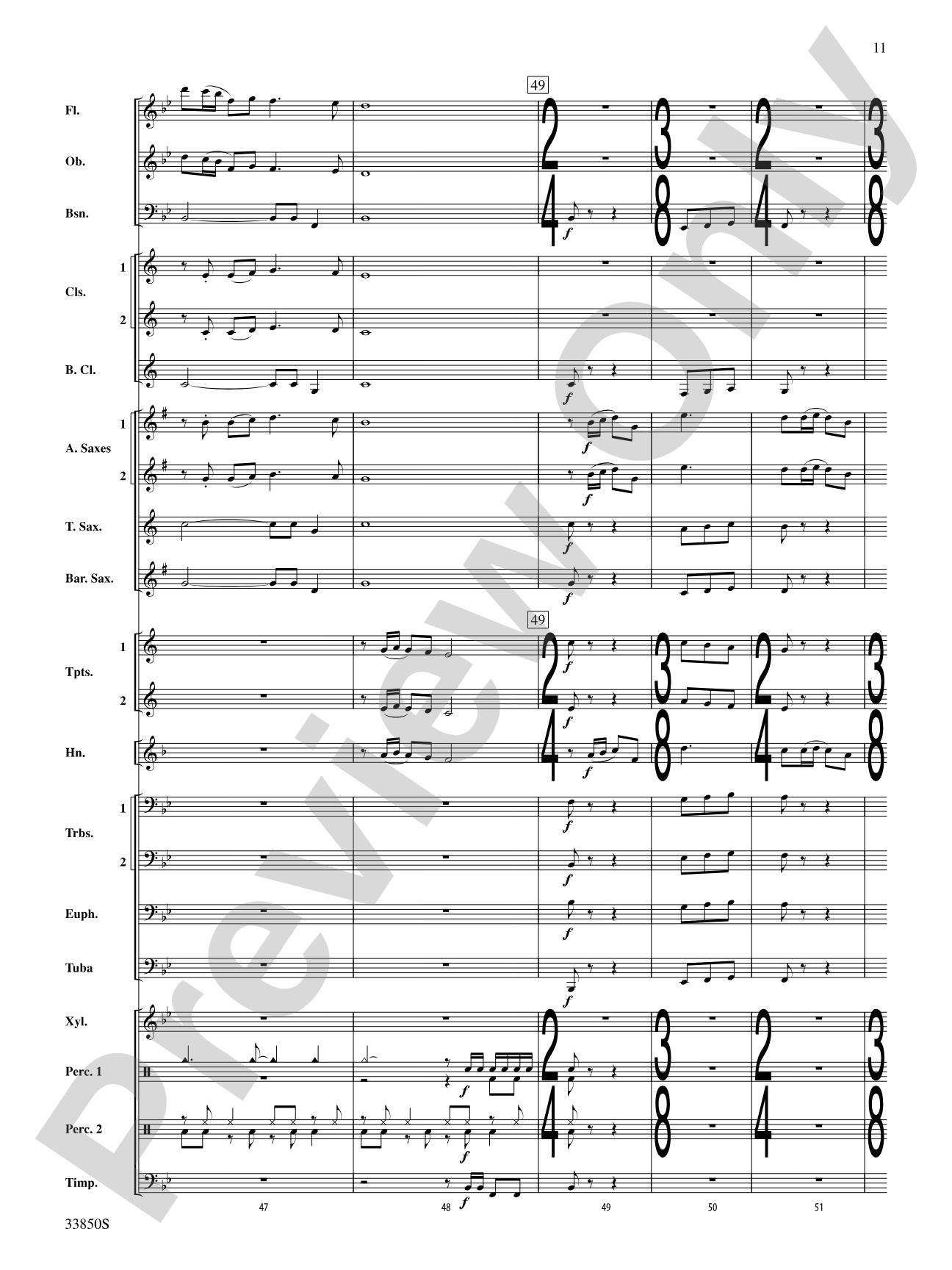
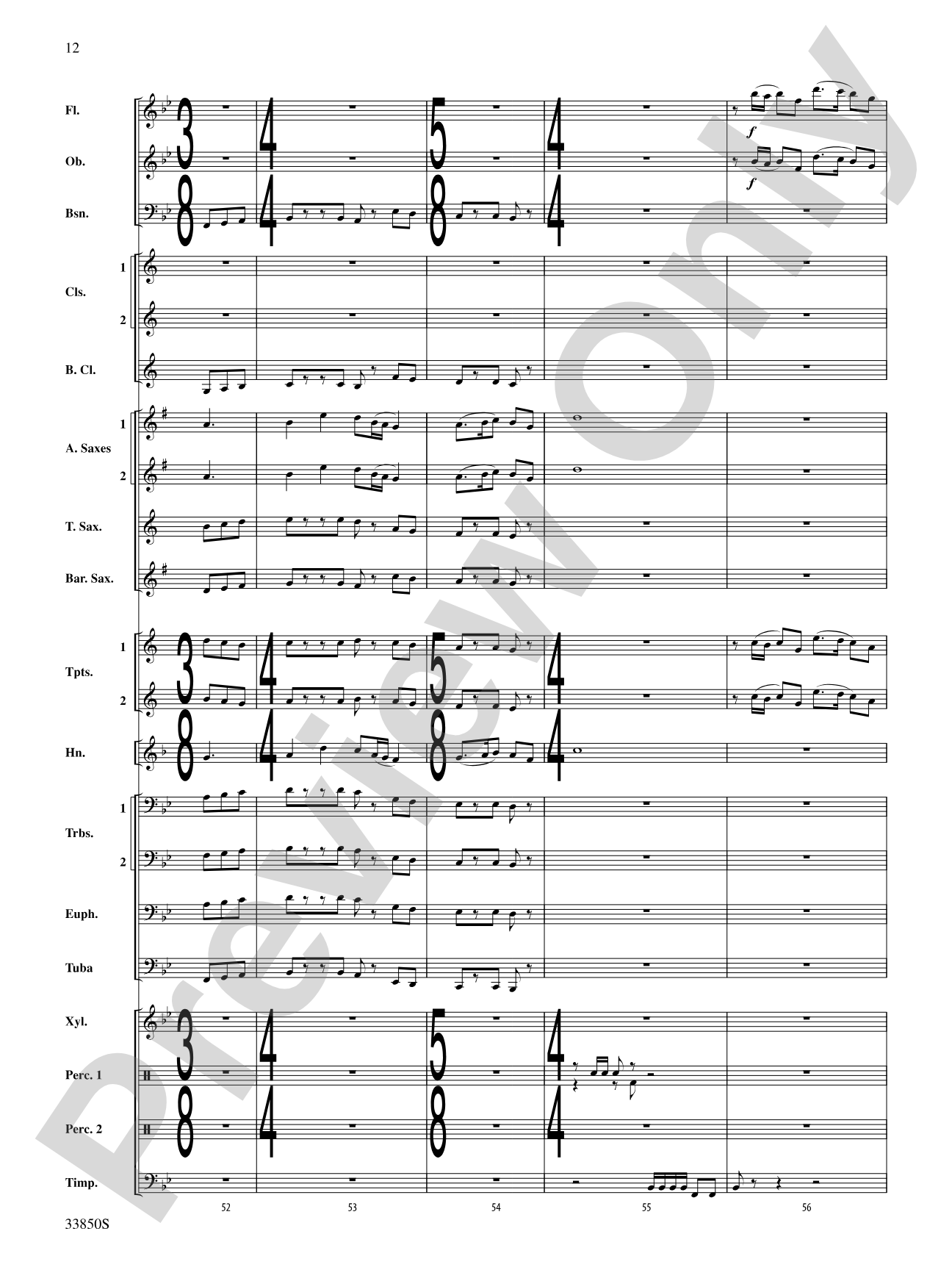
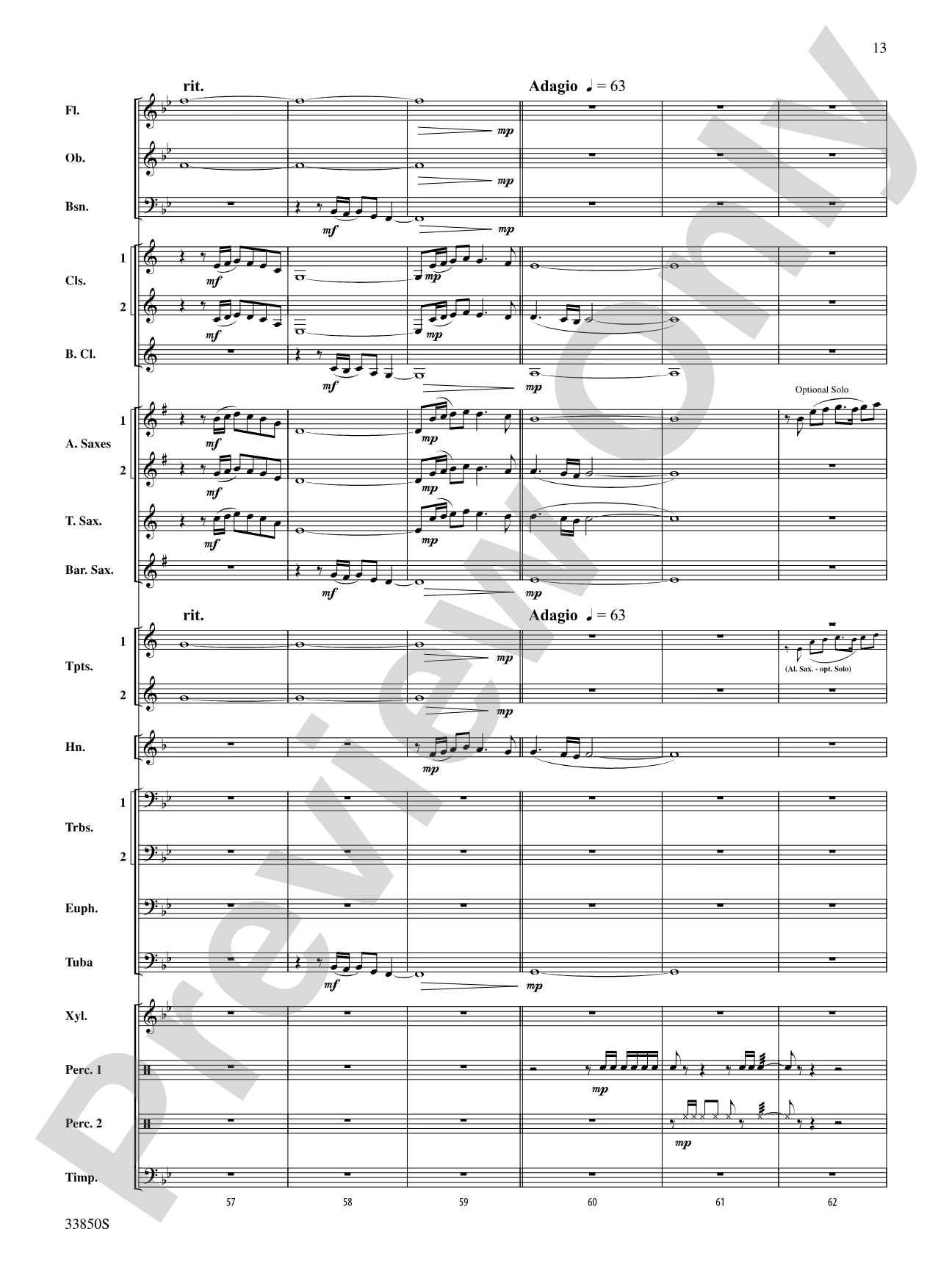
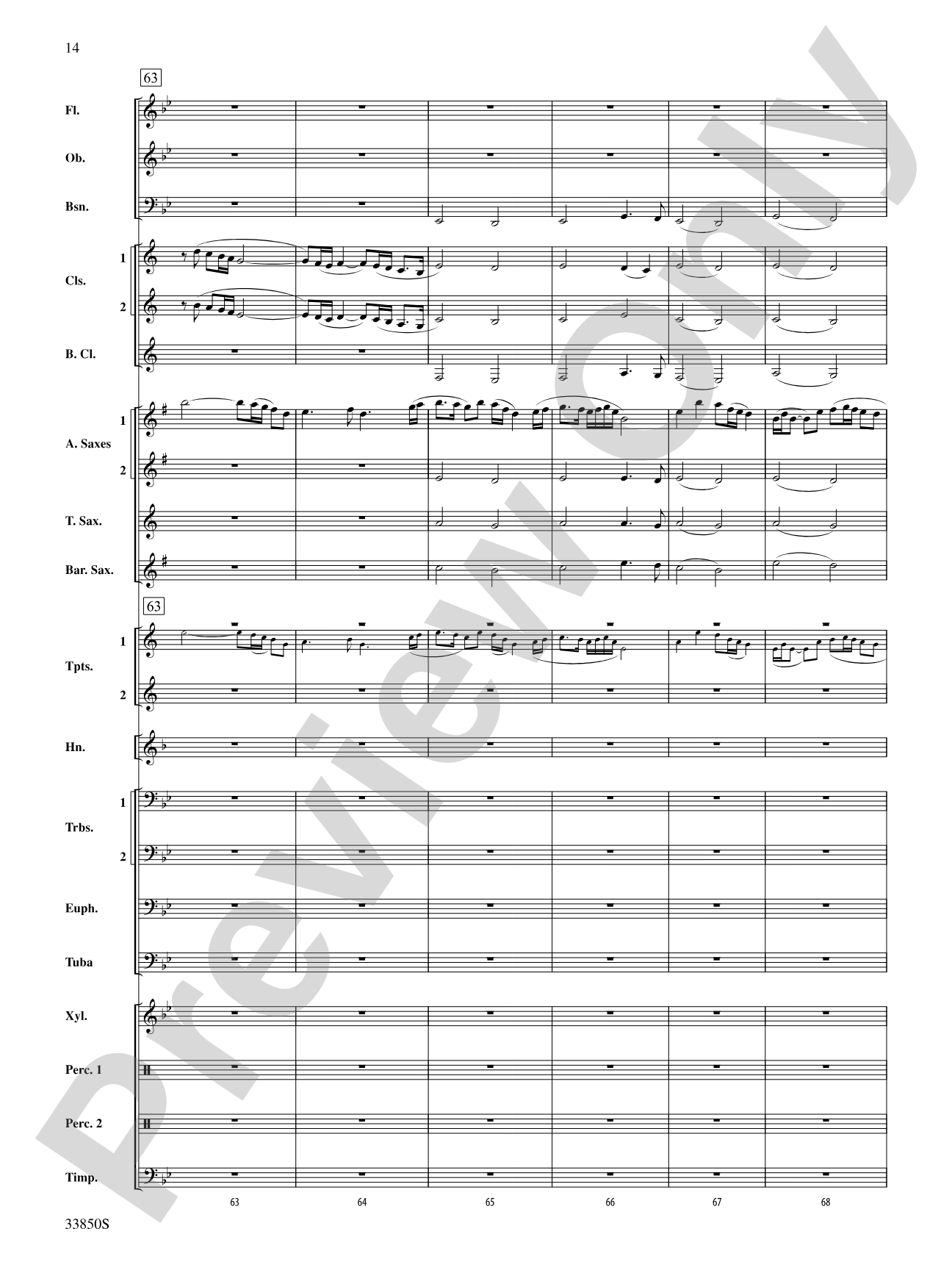
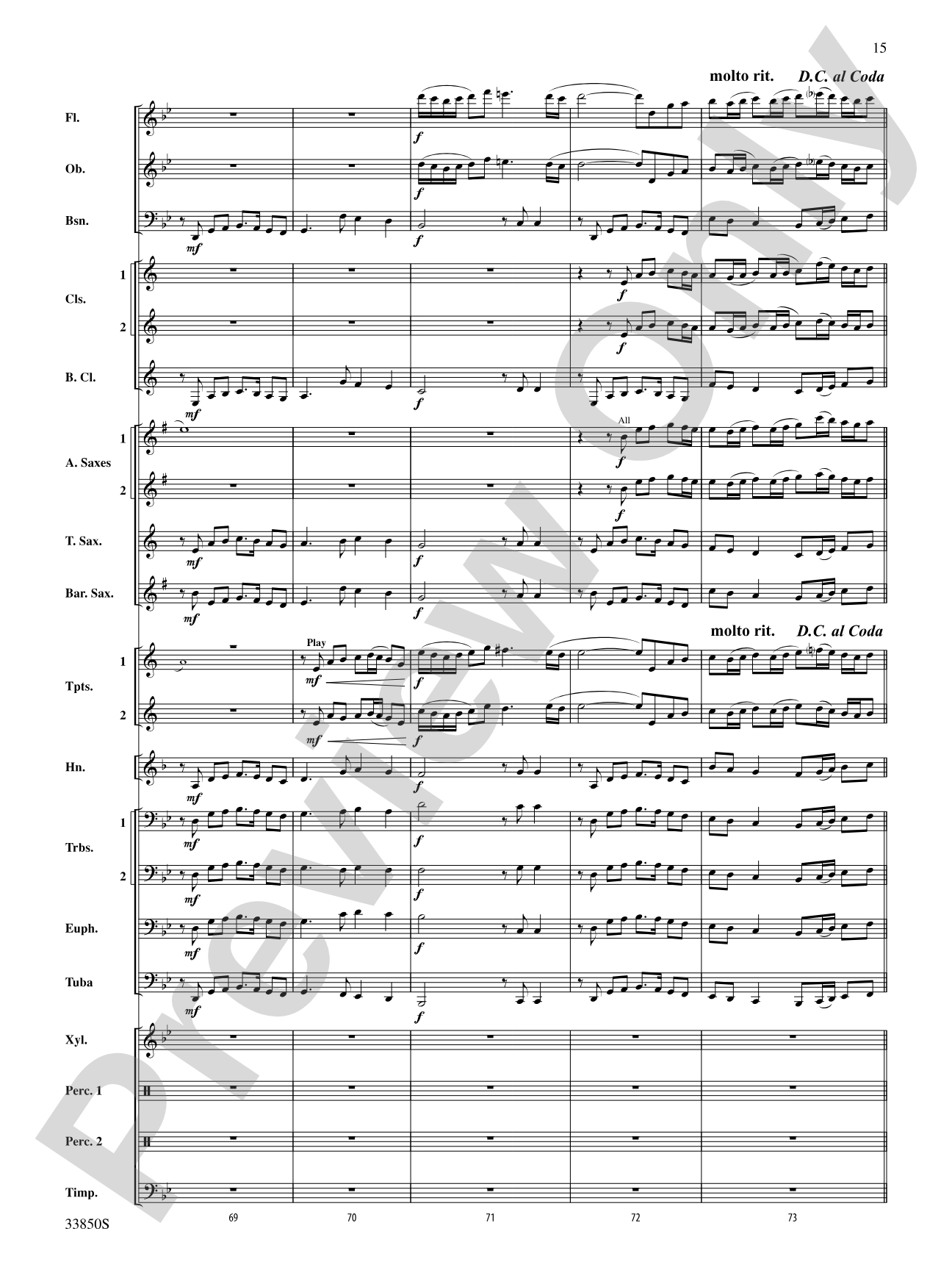
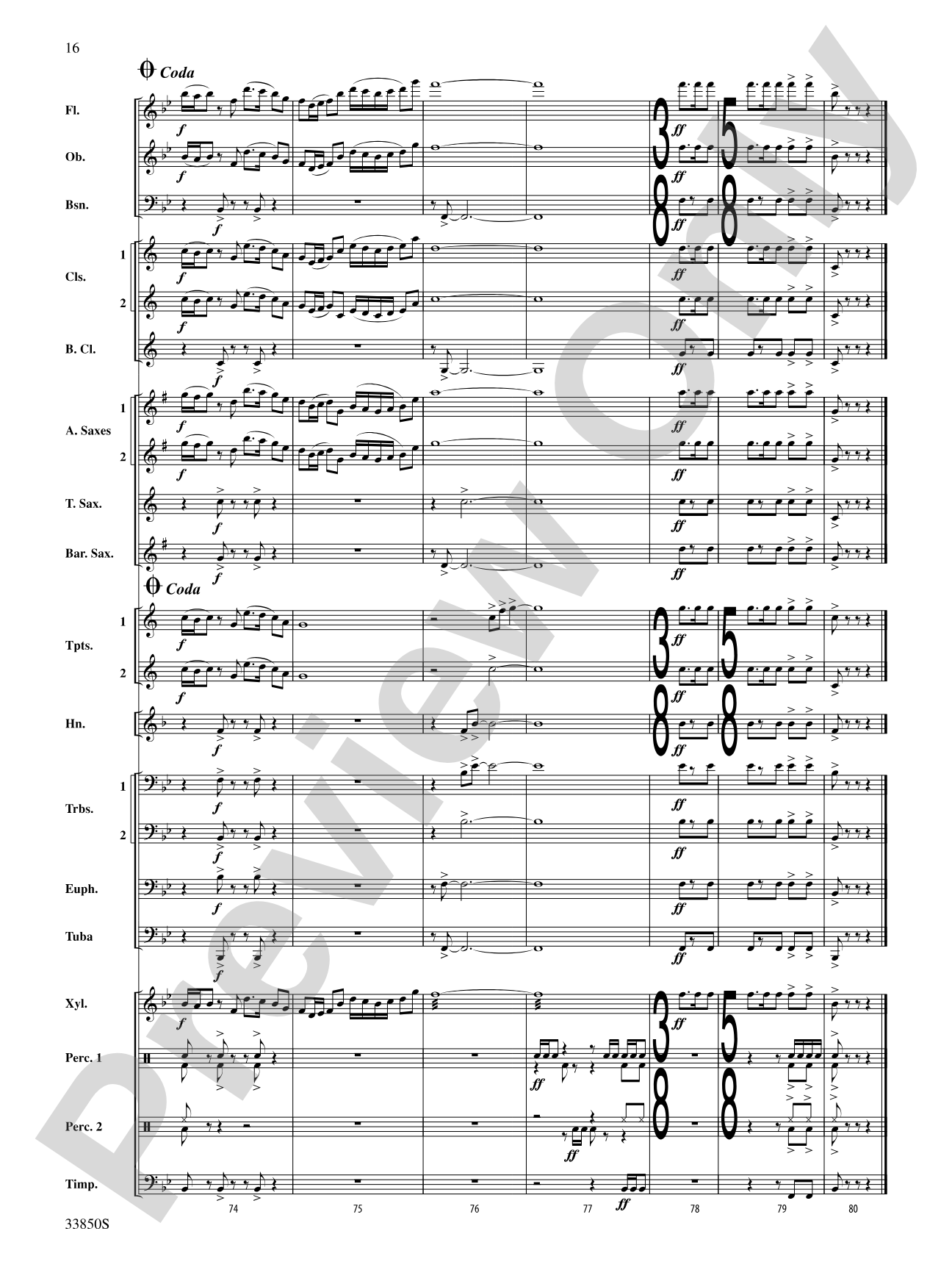
This pioneering spirit is clearly reflected in the rhythmically exciting opening of Gateway West. Shifting meters and interesting "percussion fills" are combined with bright, lighthearted woodwind melodies. The trip west was not an easy one and these early travelers endured great hardships and many unhappy days. The slow middle section of Gateway West, with its minor tonality and lyrical melodies, reflects that part of the long, perilous journey.


Don't just read it, hear it, play along with it, and watch your students grow with it. In MakeMusic Cloud, Gateway West: Concert Band Conductor Score & Parts comes alive with professional accompaniment, adjustable tempo, and built-in practice tools that turn solo practice into real progress.
Open in the Player
Jump straight in and assign it today.
Start Your Free Trial
Open this title and explore the full library in minutes.
Sample Audio
1
Audio File
--:--
0:00
0:00
Sample Video
No sample videos found.
Additional Details
Series:
Young Symphonic
Publisher:
Alfred Music
Page Count:
184
SKU:
00-PK-0004285
More about this title
About the Composer: John O'Reilly
John O'Reilly is a prolific composer and arranger whose work has become a cornerstone of the concert band repertoire at all levels. His compositions combine accessibility with musical substance, making them trusted choices for directors building balanced programs.
O'Reilly's gift for crafting pieces that challenge students without overwhelming them has made his output particularly valuable in the educational setting. His understanding of what young musicians can achieve, paired with his respect for their growing artistic sensibilities, shows throughout his catalog.
Why we love this
O'Reilly captures the emotional arc of westward expansion in a single piece, moving from optimistic energy to hardship and reflection. The rhythmic vitality of the opening, paired with shifting meters and percussion writing that keeps the ensemble engaged, makes this feel fresh at Grade 3. Directors get a piece that teaches metric flexibility while telling a genuine American story.
What to expect
A spirited departure unfolds into hardship. The opening crackles with forward momentum and optimism, bright woodwinds dancing over shifting rhythms and colorful percussion punctuation. When the band settles into the minor-key slow section, the mood darkens, this is the quiet reckoning with exhaustion and uncertainty that history often glosses over. The contrast between these two worlds makes the piece resonate beyond its straightforward programmatic surface.
Who it's for
Concert bands at the Grade 3 level ready to tackle metric variety and tonal contrast without extreme technical demands. This works equally well for groups building contest repertoire and those programming a concert around American themes.
How to get the most out of it
- Bring the woodwind melodies forward in the opening; they carry the story and deserve clarity even as the percussion drives the rhythm.
- The slow section rewards a patient tempo. Resist the urge to push; let the minor tonality and lyrical writing breathe.
- Mark the meter changes clearly in rehearsal and have students count through them rather than relying on feel alone.
- Use the percussion fills as conversation starters about what they're depicting musically, this investment pays off in ensemble awareness.
How to use it
Program this as a centerpiece in a concert exploring American history or the pioneer experience. Its narrative arc also makes it excellent for a contest setting, where judges appreciate both the technical engagement and the storytelling clarity.
Skills your students will build
- Reading and executing shifting meters (changes between duple and triple feels)
- Balancing ensemble texture when multiple melodic lines compete
- Interpreting musical narrative through contrasting sections and tonal centers
- Coordinating rhythmic complexity in the percussion section with the ensemble pulse
- Shaping lyrical phrases in a minor tonality with sensitivity and control