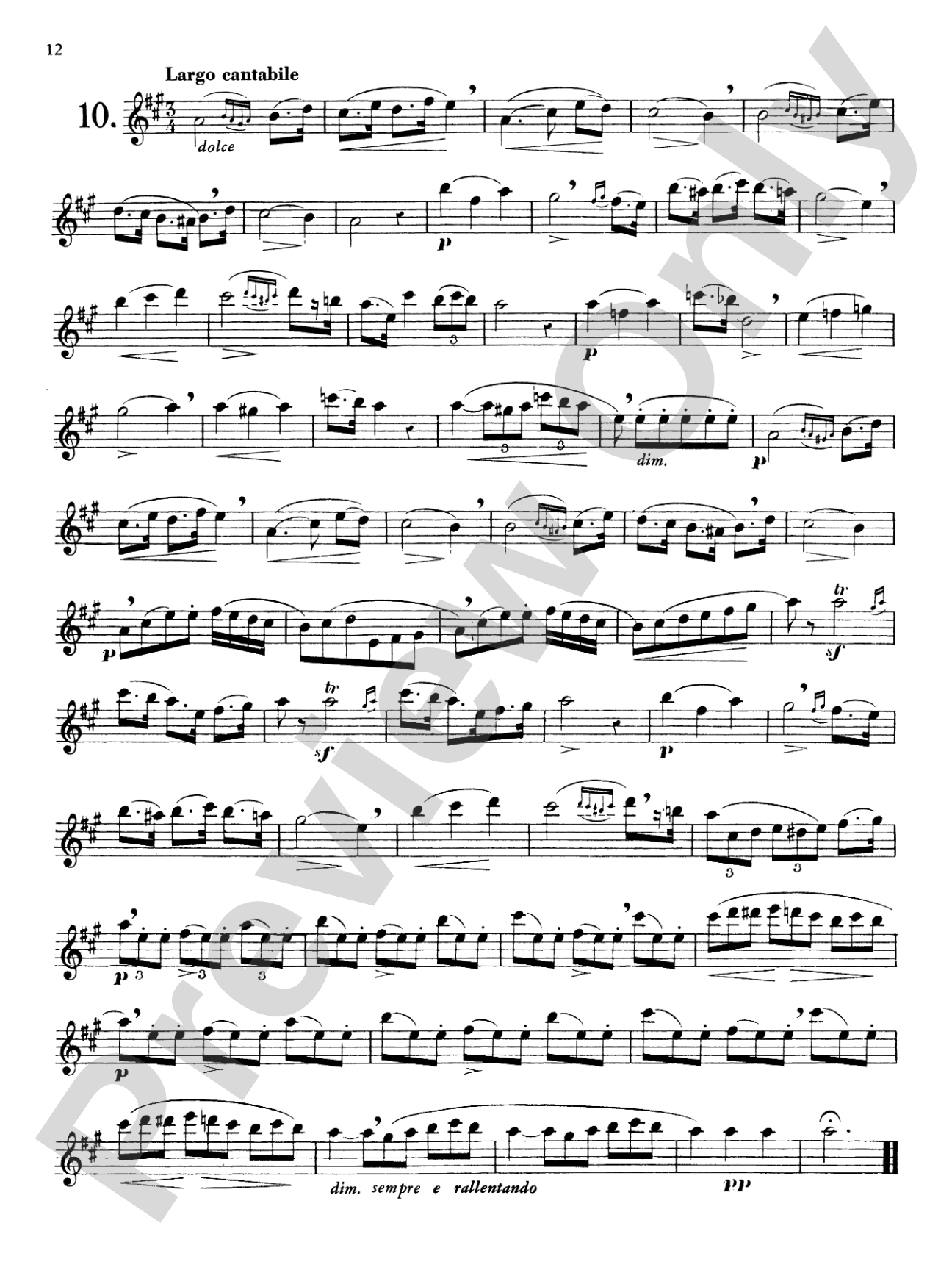
Gariboldi: Twenty Studies, Op. 132 Sheet Music Preview

Gariboldi: Twenty Studies, Op. 132

By Giuseppe Gariboldi

Item: 00-PC-0003994

Digital Download
$0.99
Description
Giuseppe Gariboldi (1833-1905), was born in Macerato, Italy, lived most of his career in Paris, France, and died in Castelraimondo, Italy. A flutist and composer, he wrote three operas and numerous vocal pieces, but was most prolific in writing etudes, solos, and ensembles for flute.

Don't just read it, hear it, play along with it, and watch your students grow with it. In MakeMusic Cloud, Gariboldi: Twenty Studies, Op. 132 comes alive with professional accompaniment, adjustable tempo, and built-in practice tools that turn solo practice into real progress.

Sample Audio
No sample audio found.
Sample Video
Additional Details
Series: Kalmus Edition
Publisher: Alfred Music
Page Count: 24
SKU: 00-PC-0003994

More about this title

About the Composer: Giuseppe Gariboldi

Giuseppe Gariboldi (1833–1905) was an Italian flutist and composer whose career bridged the Romantic era across two continents. Born in Macerato, he established himself in Paris, where he composed three operas and numerous vocal works, but earned lasting recognition for his prolific output of études, solos, and ensemble pieces for flute. His technical and musical studies became foundational repertoire for flute pedagogy, prized for their blend of virtuosic demands and genuine musical substance.

Why we love this

These twenty studies strike a rare balance between genuine artistry and focused technical work. Each étude develops specific challenges without sacrificing musicality, making them equally valuable for building fluency and for understanding how Romantic composers thought about the flute's capabilities. They sit perfectly between elementary method work and concert repertoire, giving advanced students material that rewards both discipline and interpretation.

What to expect

Gariboldi's voice emerges as lyrical and direct, with the confidence of a virtuoso performer writing for peers who understand the instrument's potential. The studies pulse with Romantic sensibility: singing melodic lines, occasional dramatic flourishes, and a genuine sense of forward momentum. There's an elegance to the writing that makes technical challenges feel purposeful rather than arbitrary.

Who it's for

Intermediate to advanced flute students preparing for solo recitals, ensemble auditions, or technical advancement will find these études invaluable. Teachers seeking substantial, musically rewarding studies to complement or replace purely mechanical method books will find Gariboldi's collection offers both rigor and artistry. These works suit serious music students and pre-conservatory flutists.

How to get the most out of it

  • Shape longer phrases as you would in a song, resisting the tendency to treat these studies as purely mechanical exercises. Gariboldi's melodies breathe; honor that character.
  • Pay close attention to the dynamic markings and articulation patterns. Romantic-era études often hide expressive intention inside technical patterns, and Gariboldi is no exception.
  • Work through the collection sequentially rather than jumping around. Each study builds on previous challenges and introduces new ones in a logical progression.
  • Use the studies as warm-up material as well as focused practice sessions. Revisiting earlier études at performance tempo keeps your technique integrated and musical.

How to use it

Solo flute recitals benefit from programming one or two of these études as interlude pieces, especially between weightier Romantic-era repertoire. They also serve as excellent supplementary material during a flute studio master class or as demonstration pieces for what mature study practices can accomplish. Consider pairing a selection with sonata or concerto programming to show the breadth of Gariboldi's contributions to flute literature.

Skills your students will build

  • Articulation control across varying tempos and dynamic ranges
  • Phrase shaping and breathing in longer melodic lines
  • Technical fluency in scalar passages and arpeggiated figures
  • Ornament execution (trills, turns, grace notes) in musical context
  • Sight-reading confidence and rhythmic precision
  • Vibrato application and tone control in exposed passages

You May Also Like