
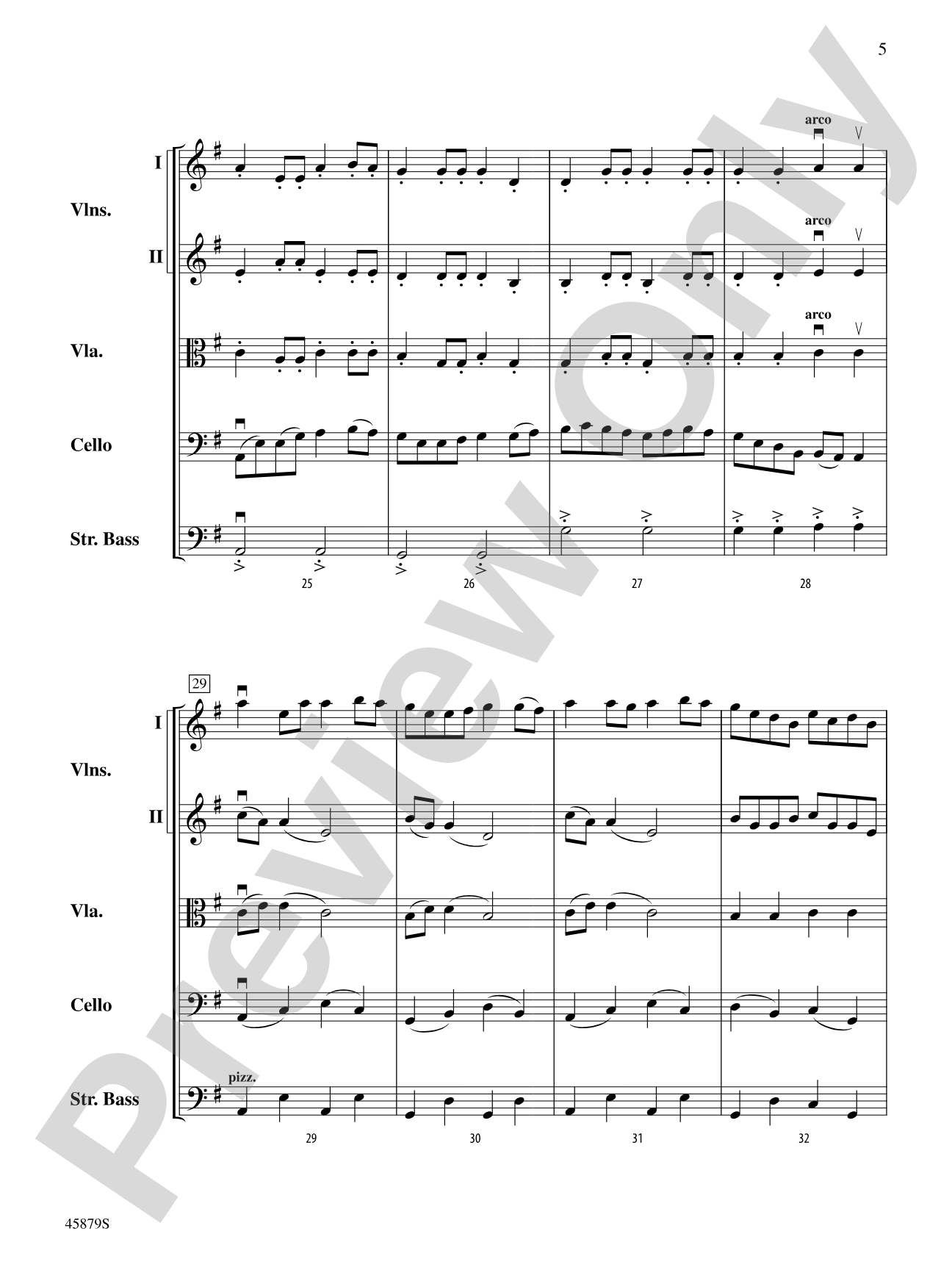
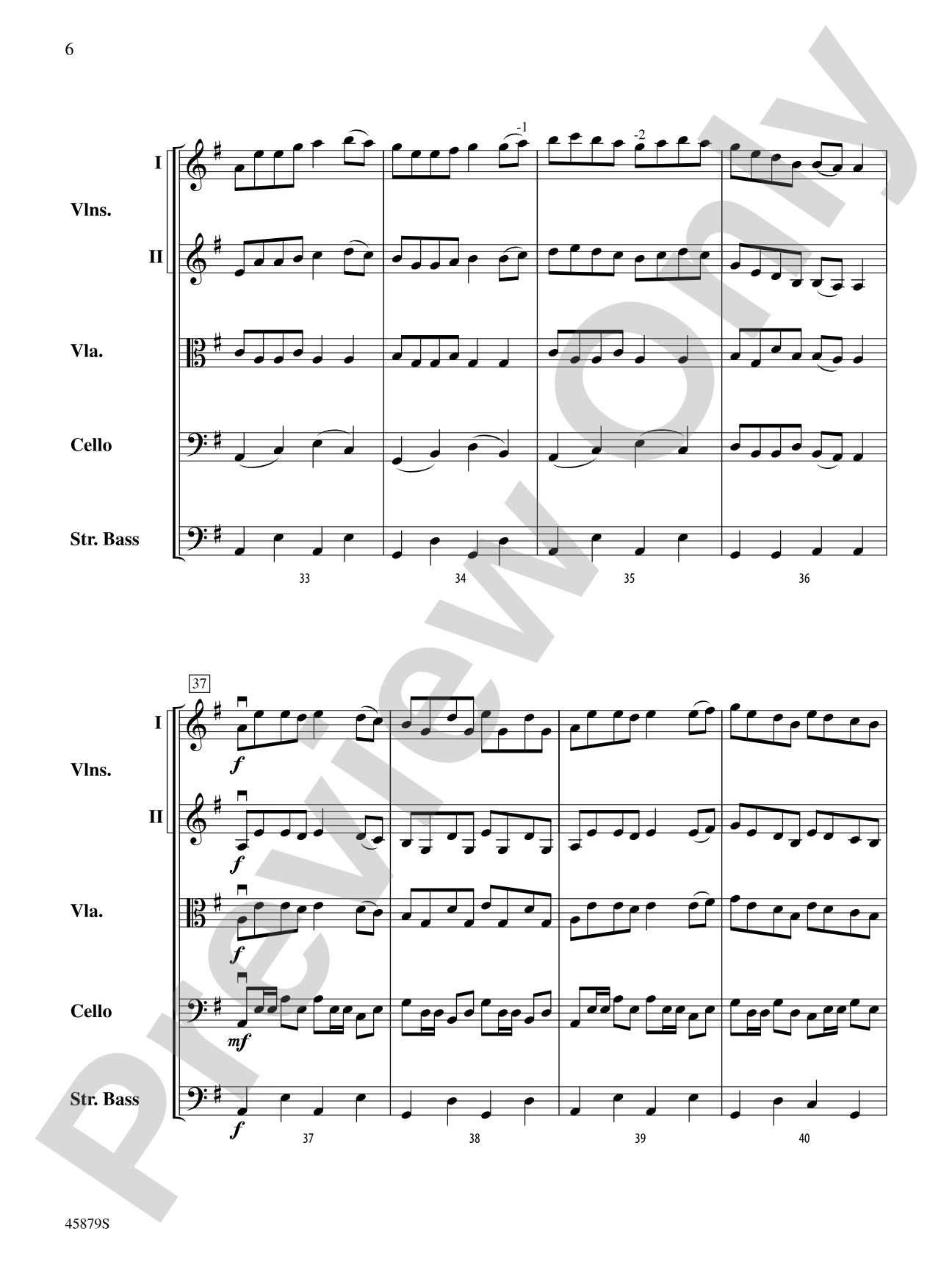
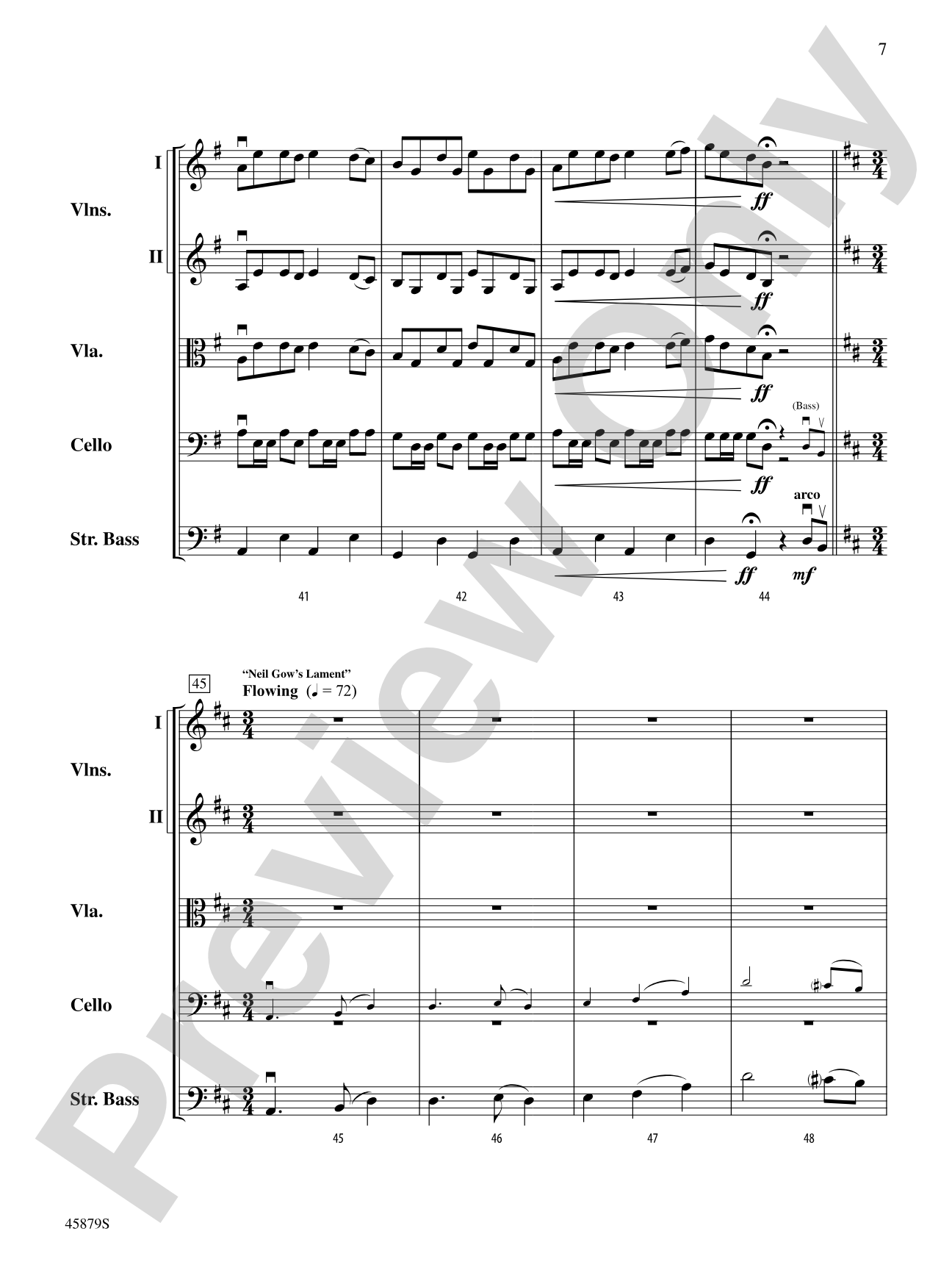
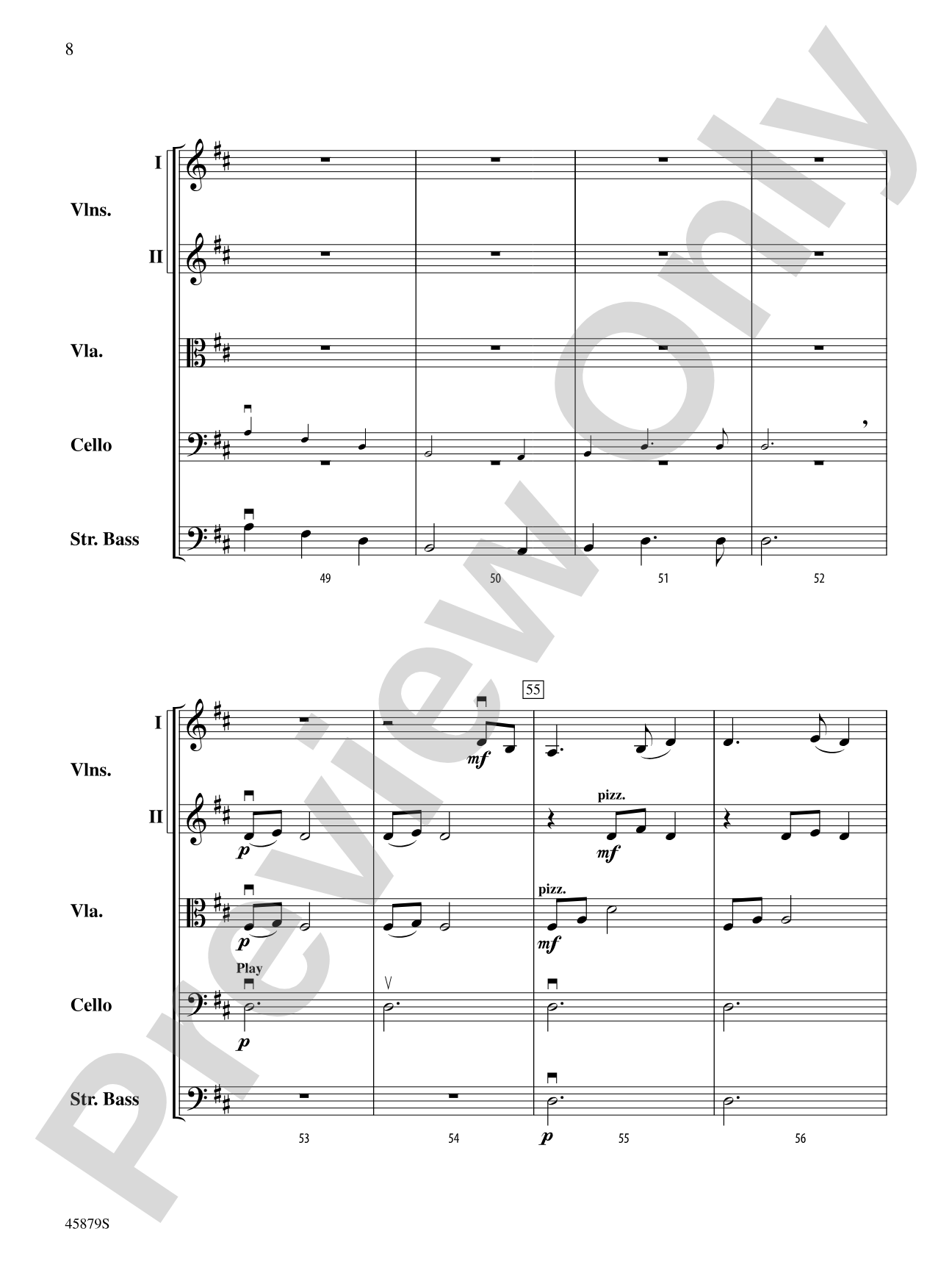
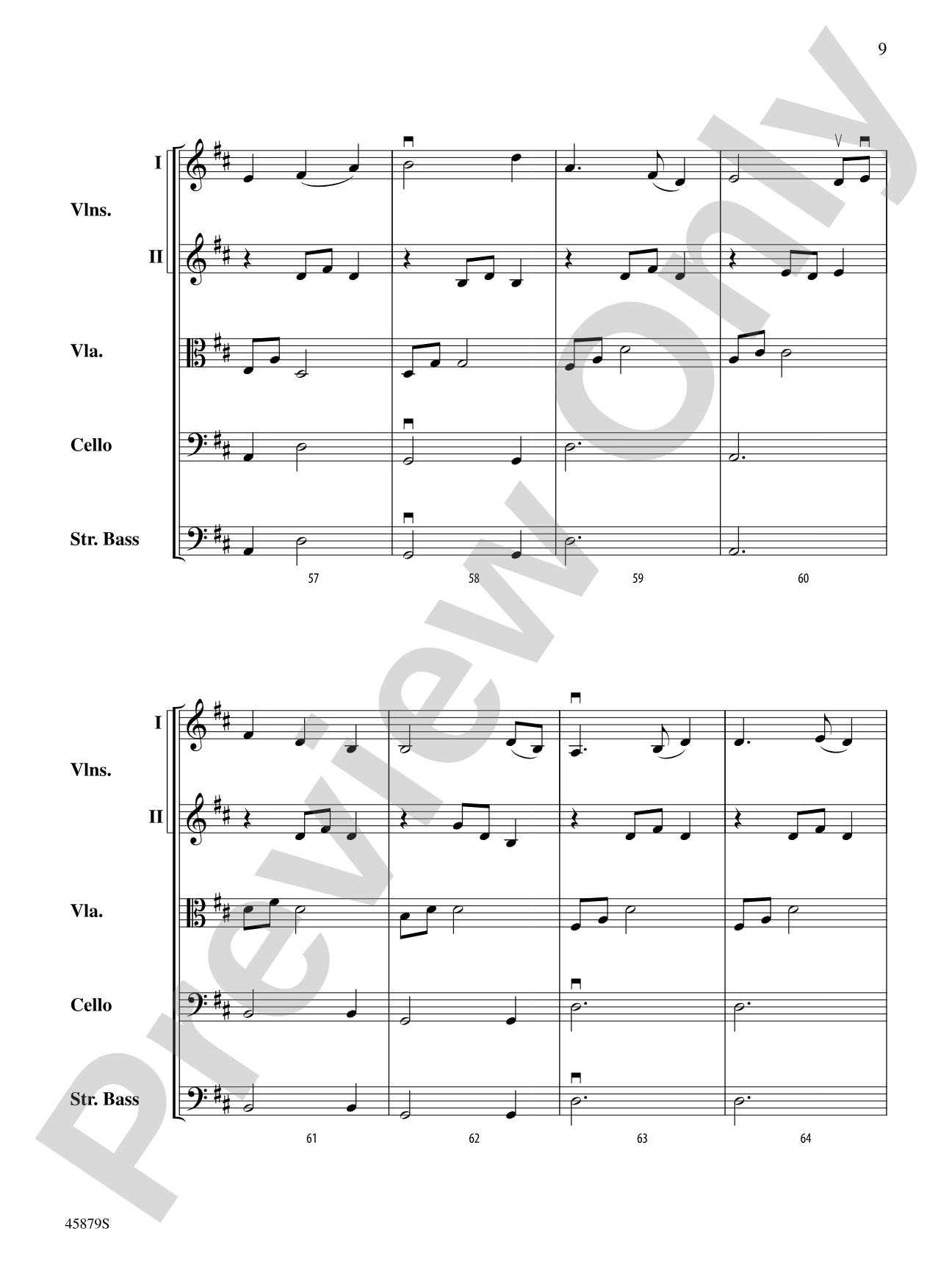
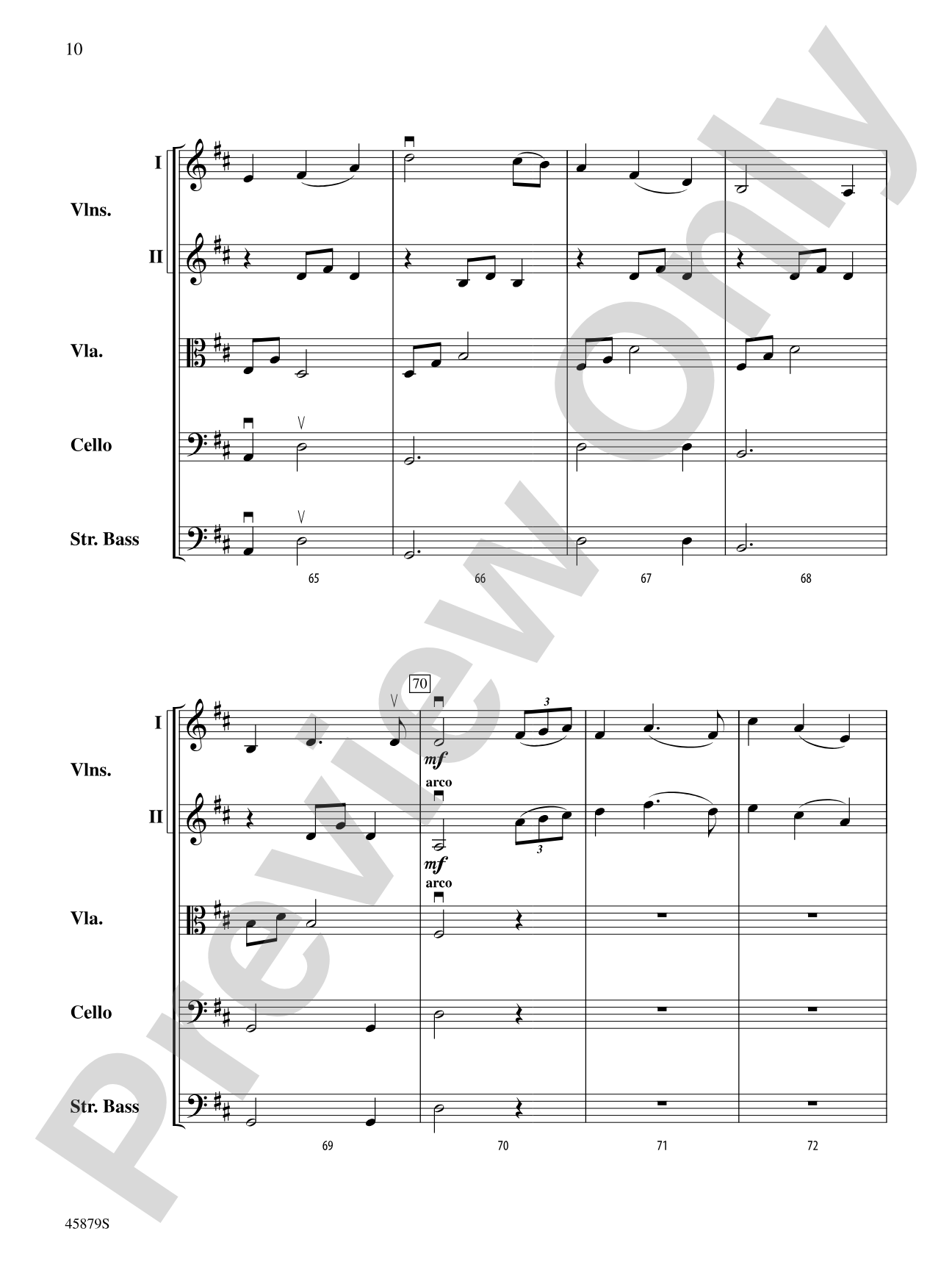
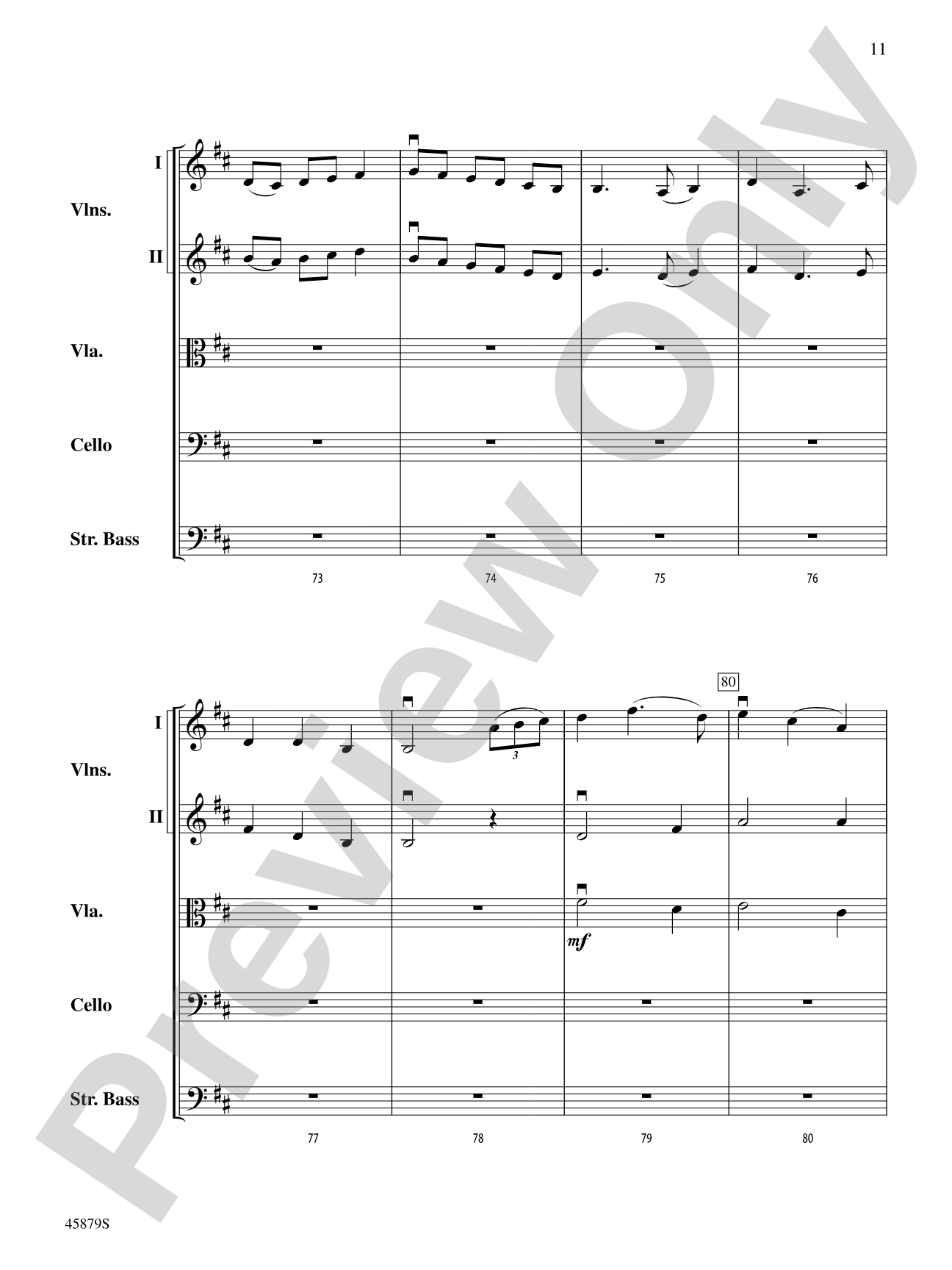
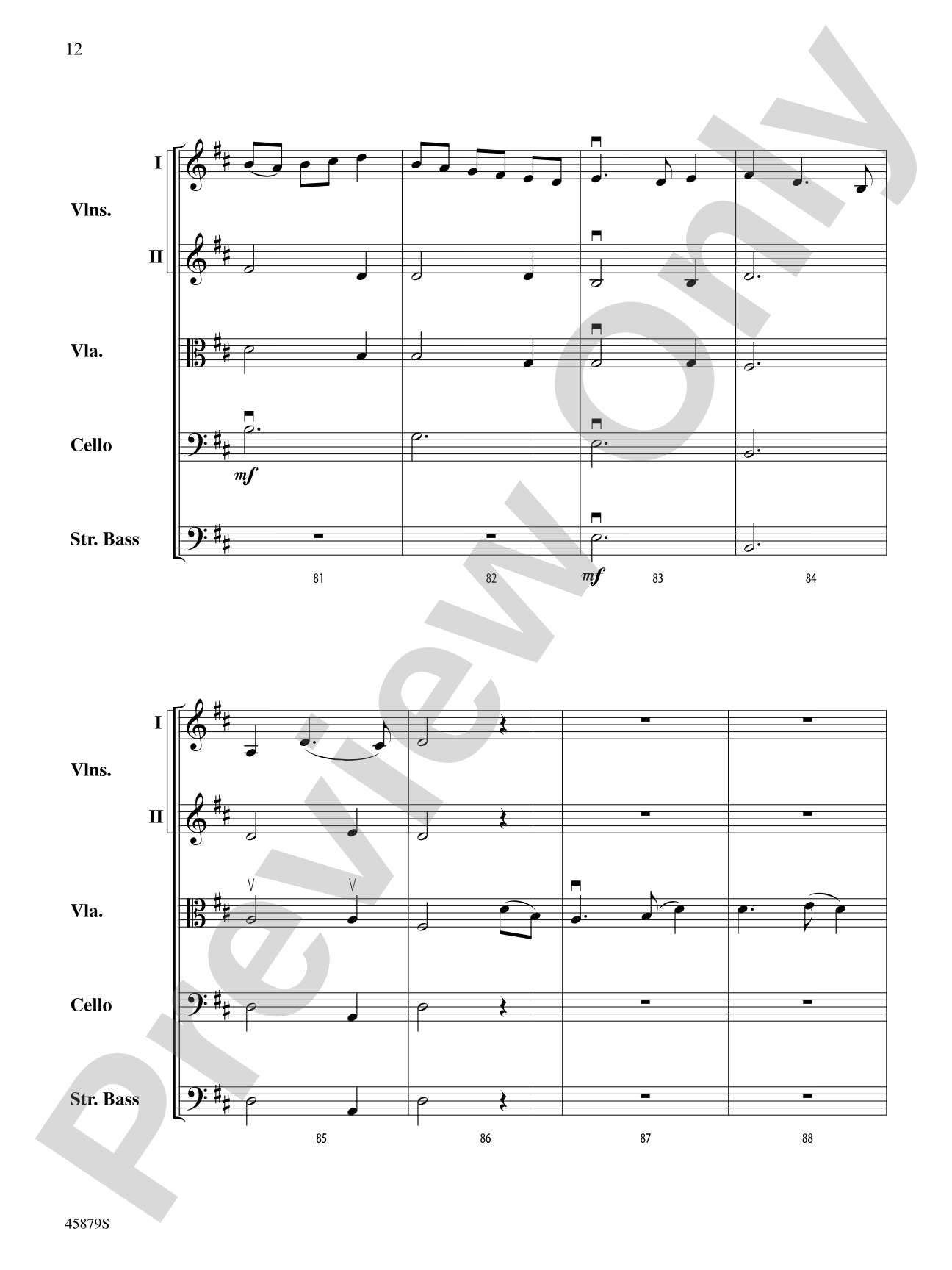
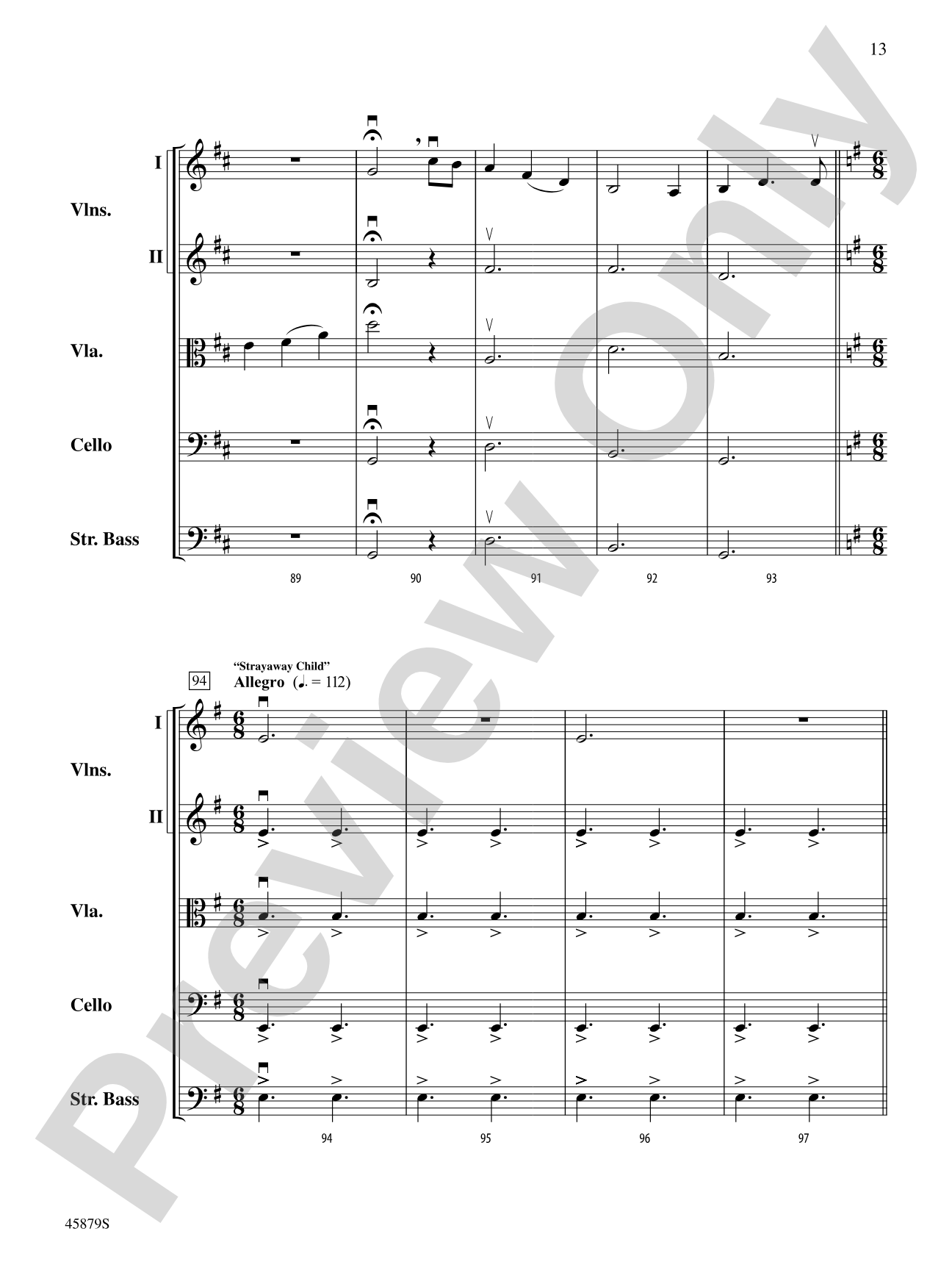
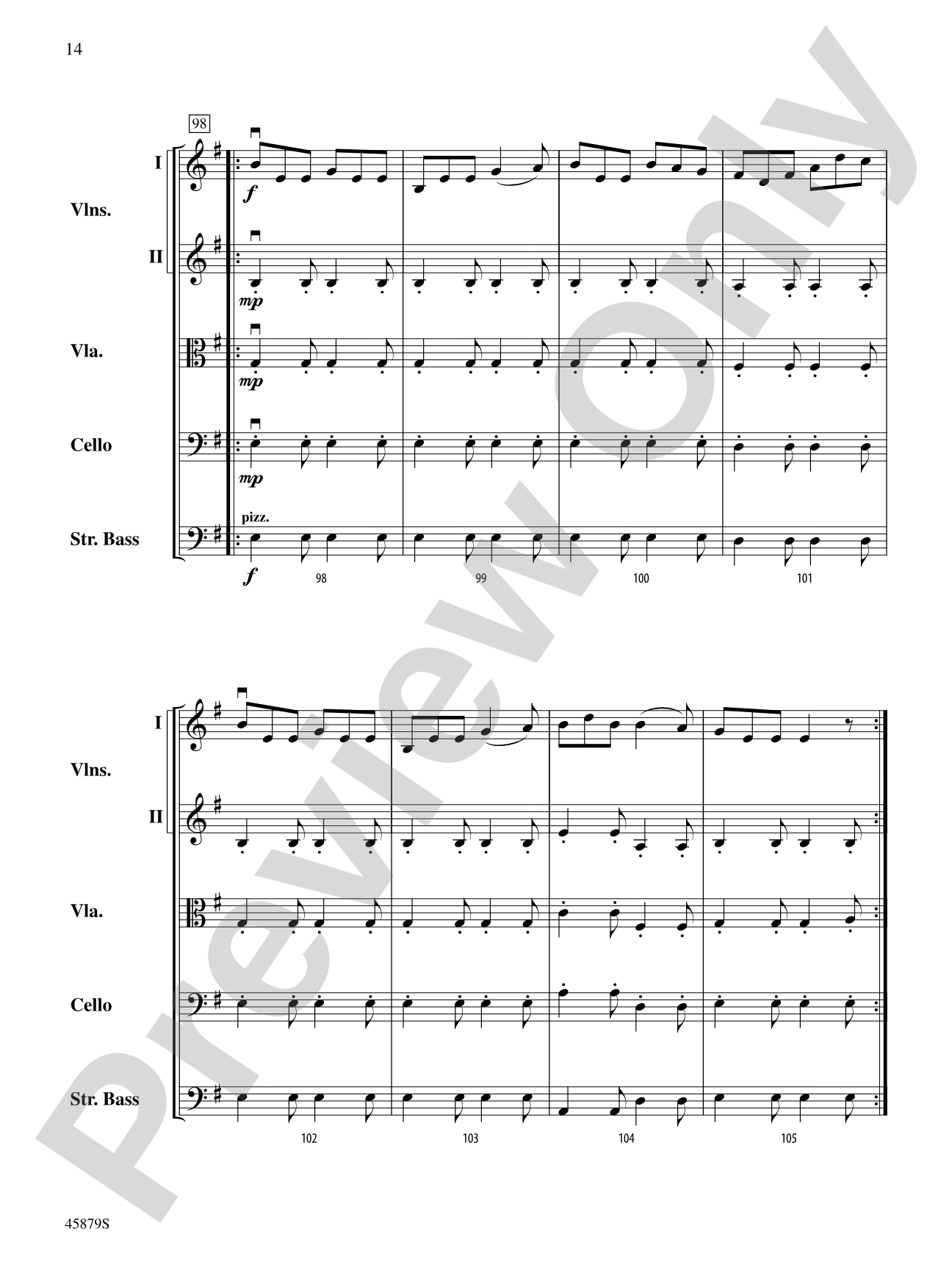
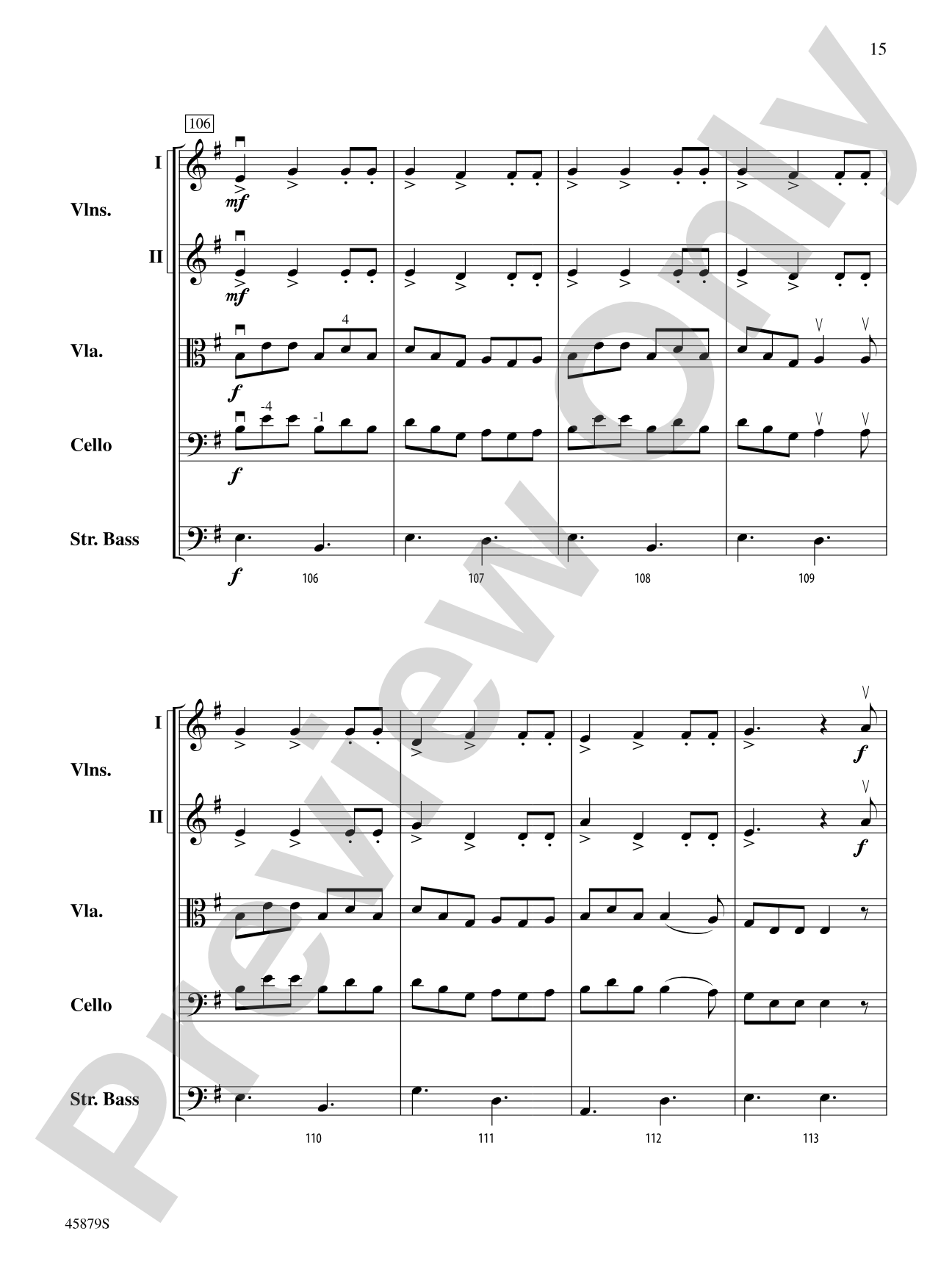
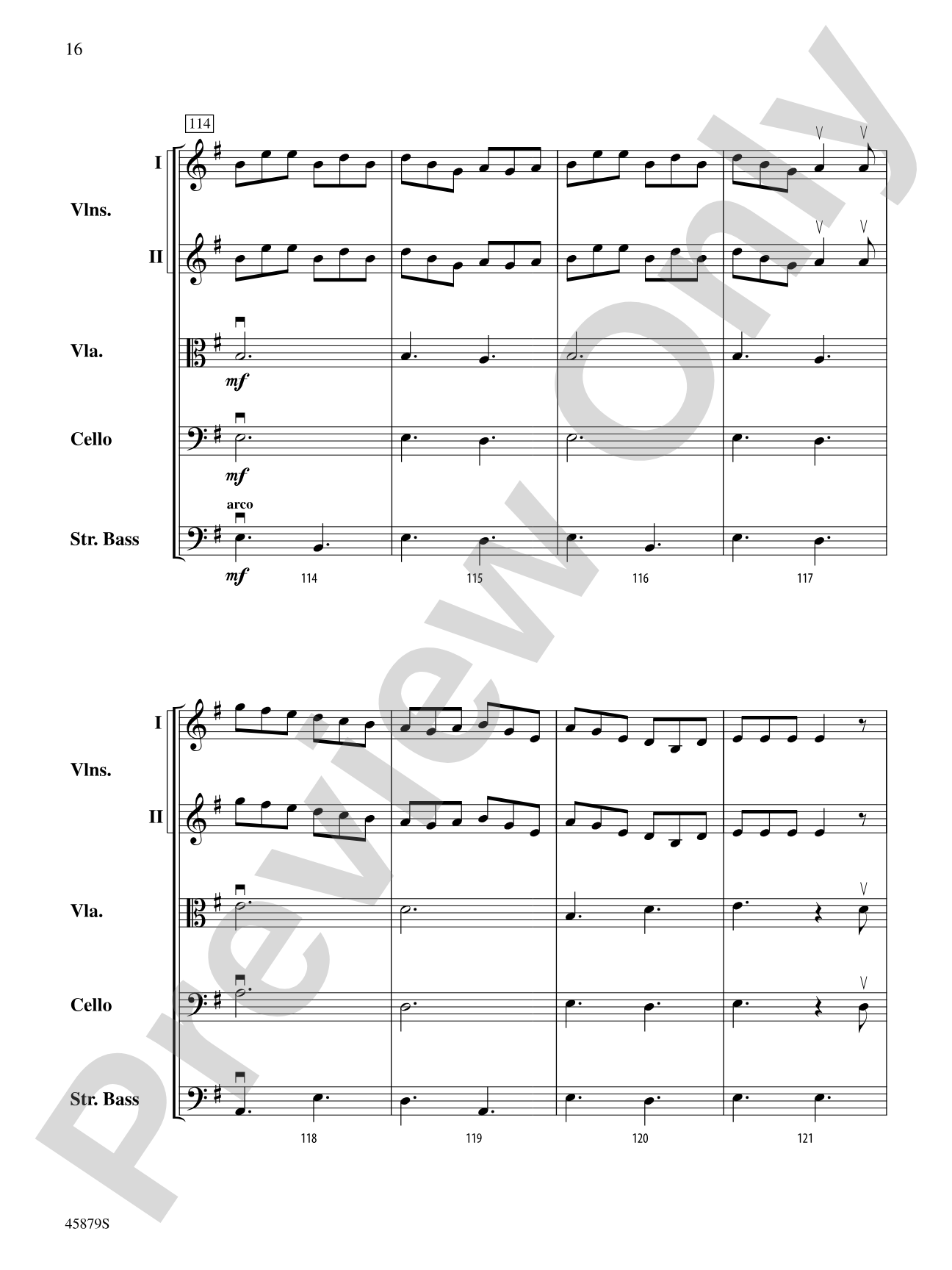
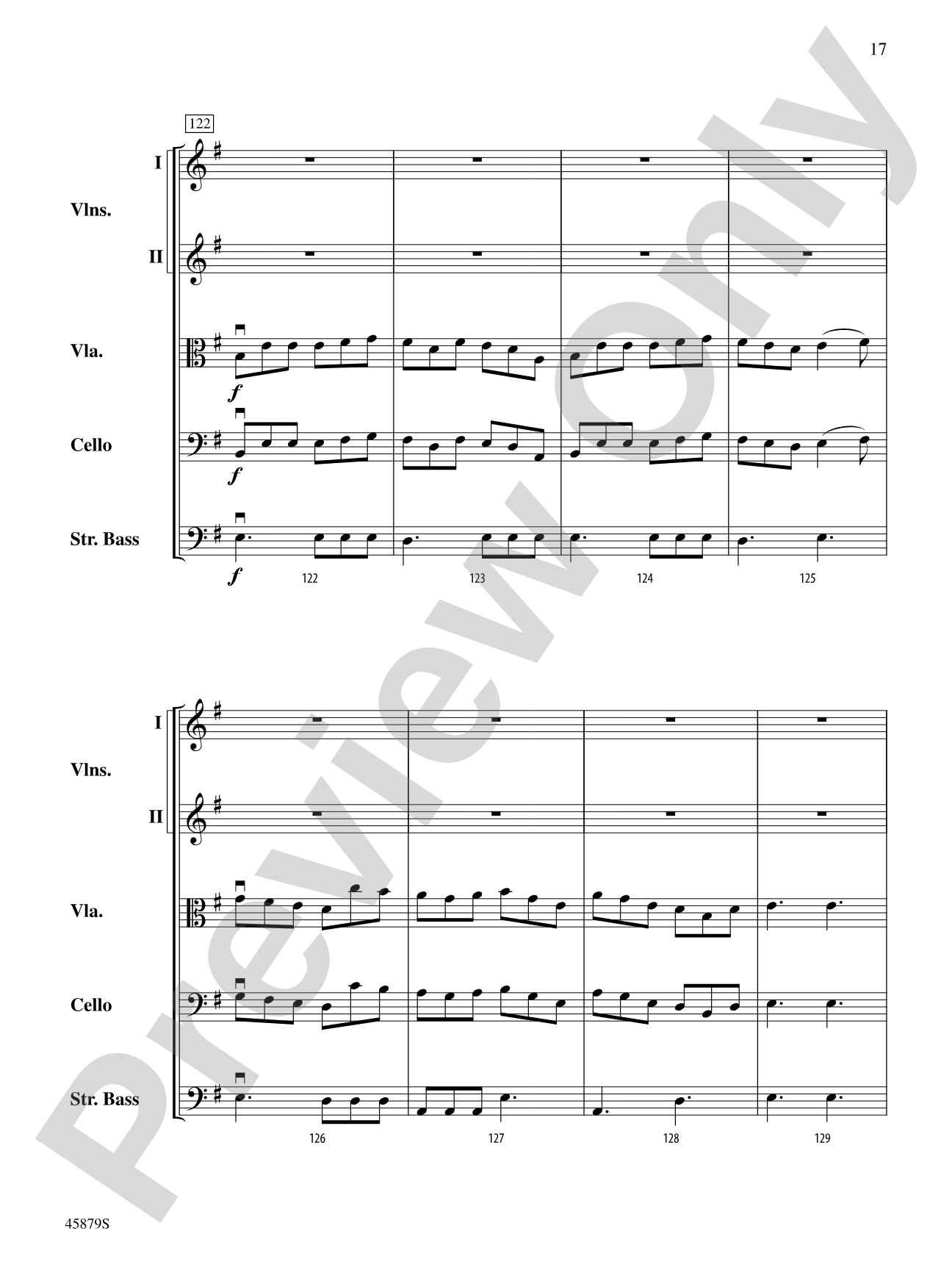
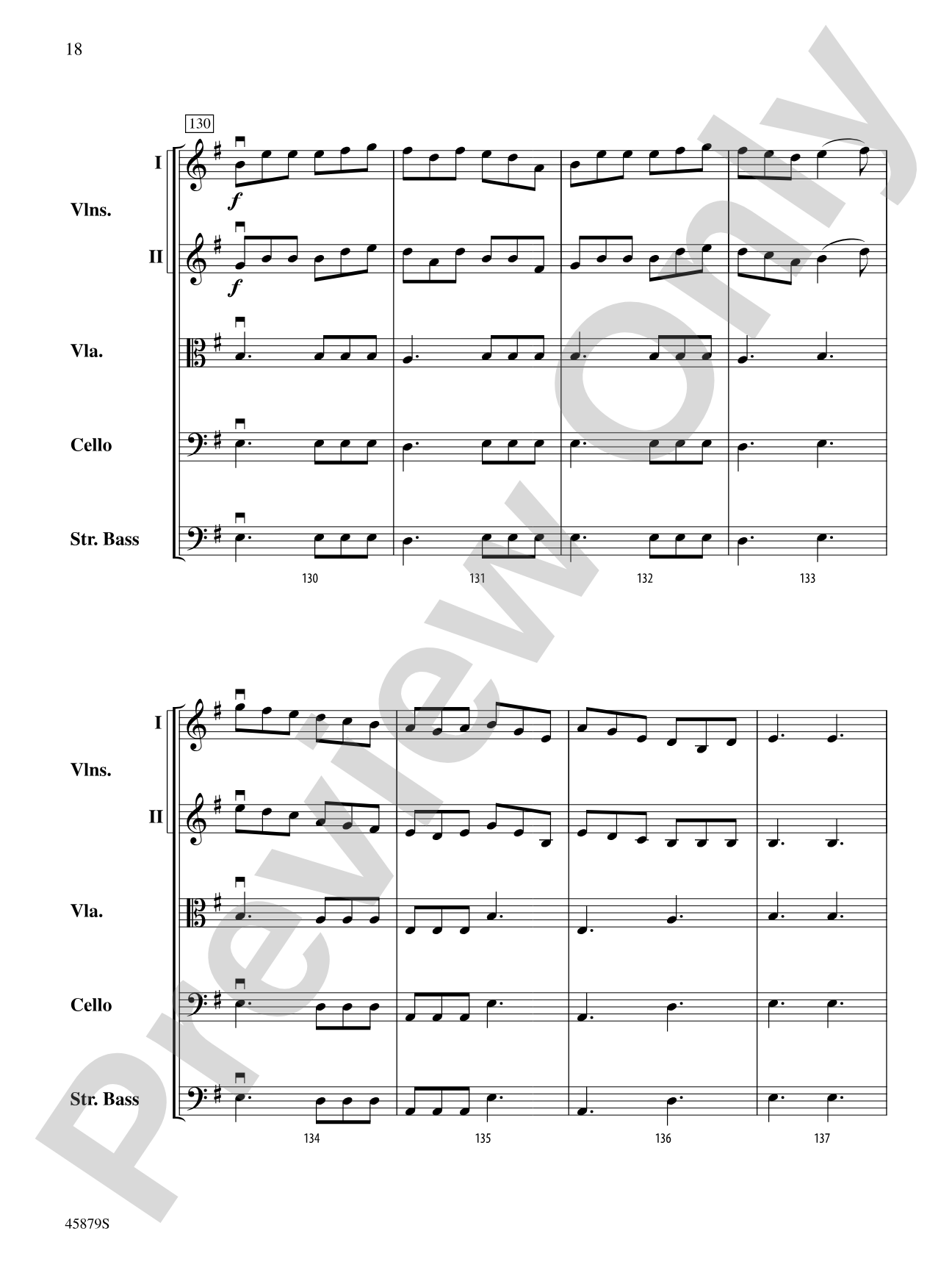
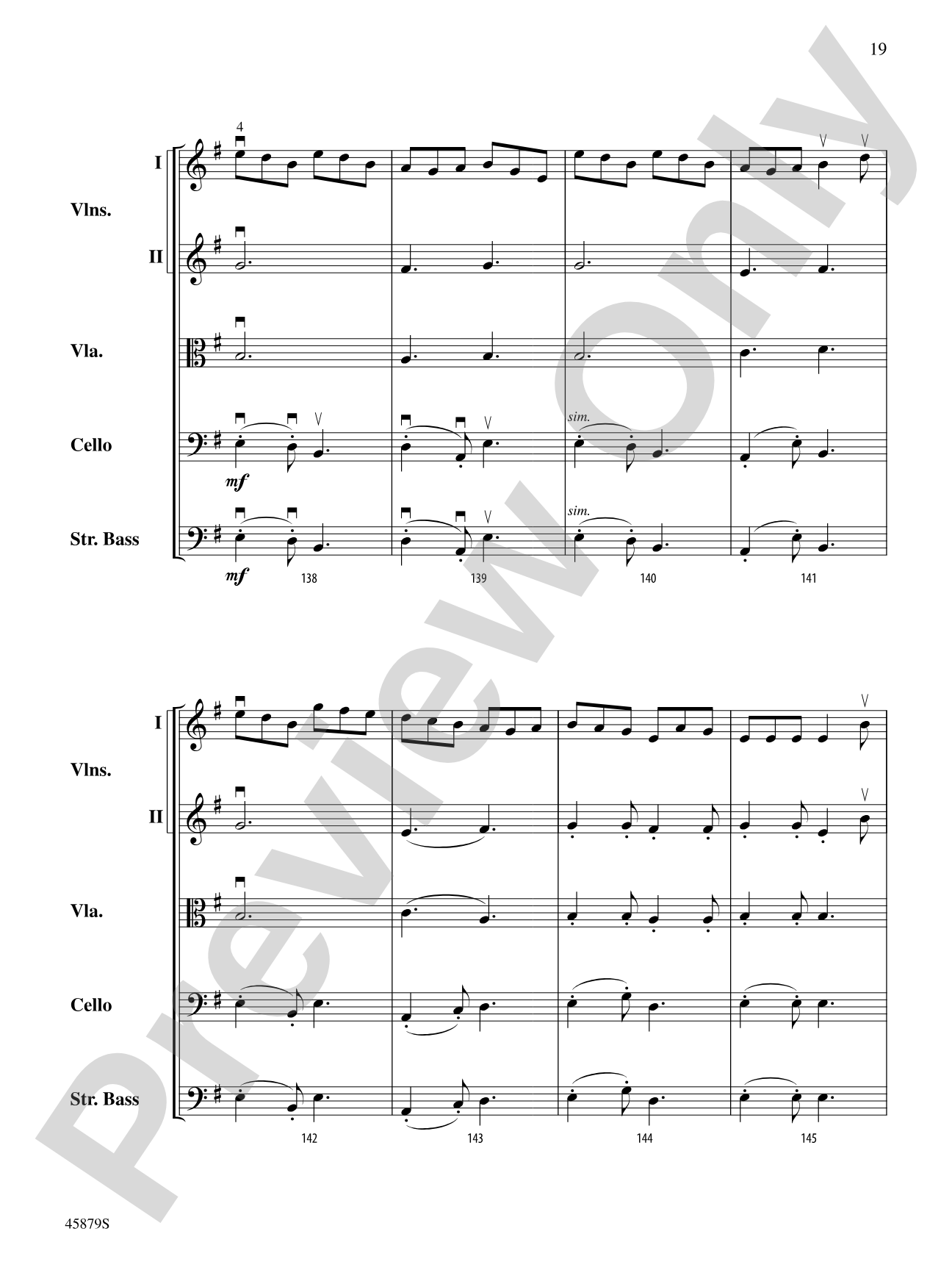
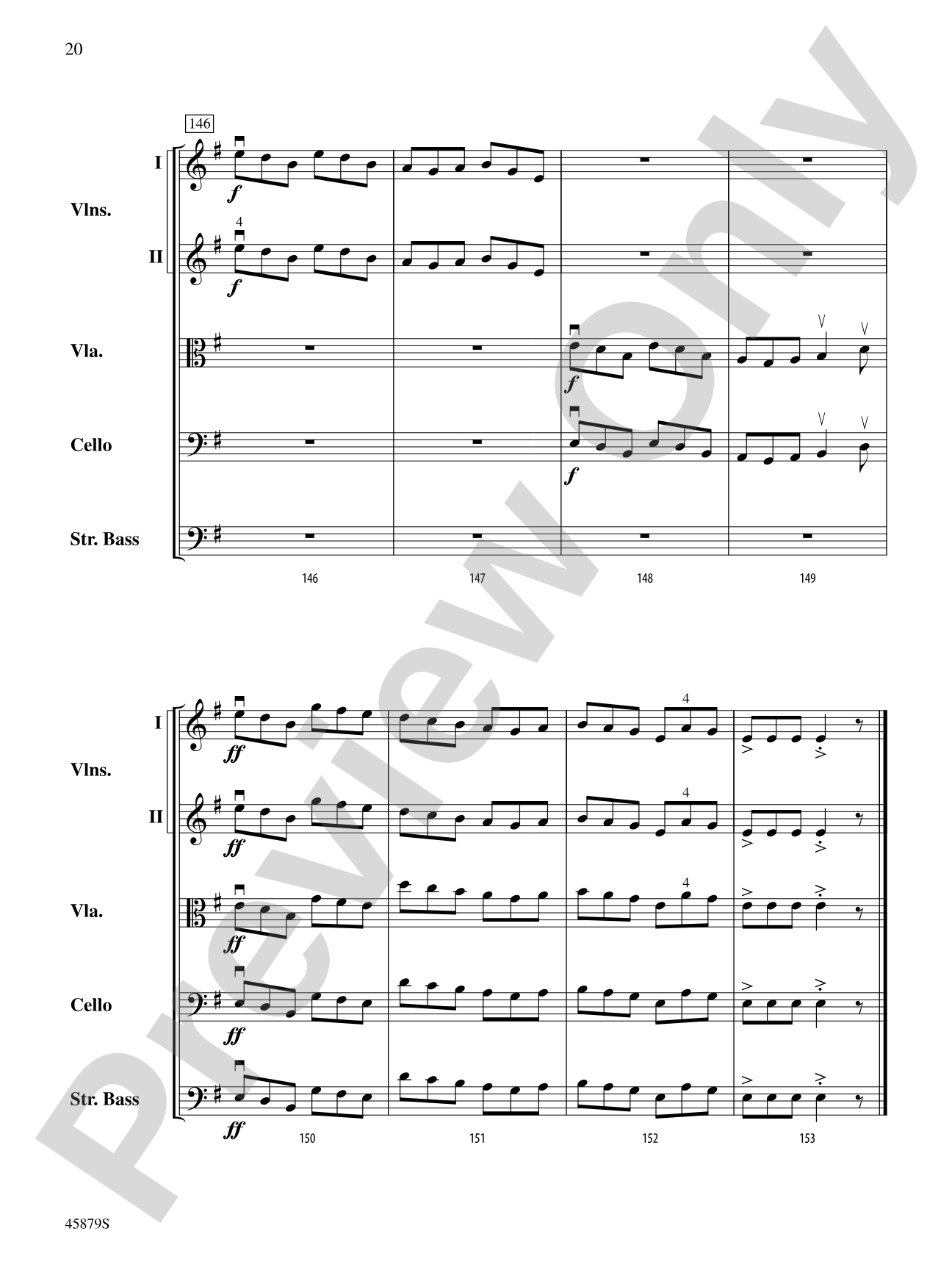

Gaelic Trilogy: Score
Featuring: Faired Hair Mary / Neil Gow's Lament / Strayaway Child
Traditional / arr. Jim Palmer
Grade: 3
Item: 00-PR-0005925
$9.00
Pickup currently not available
Description
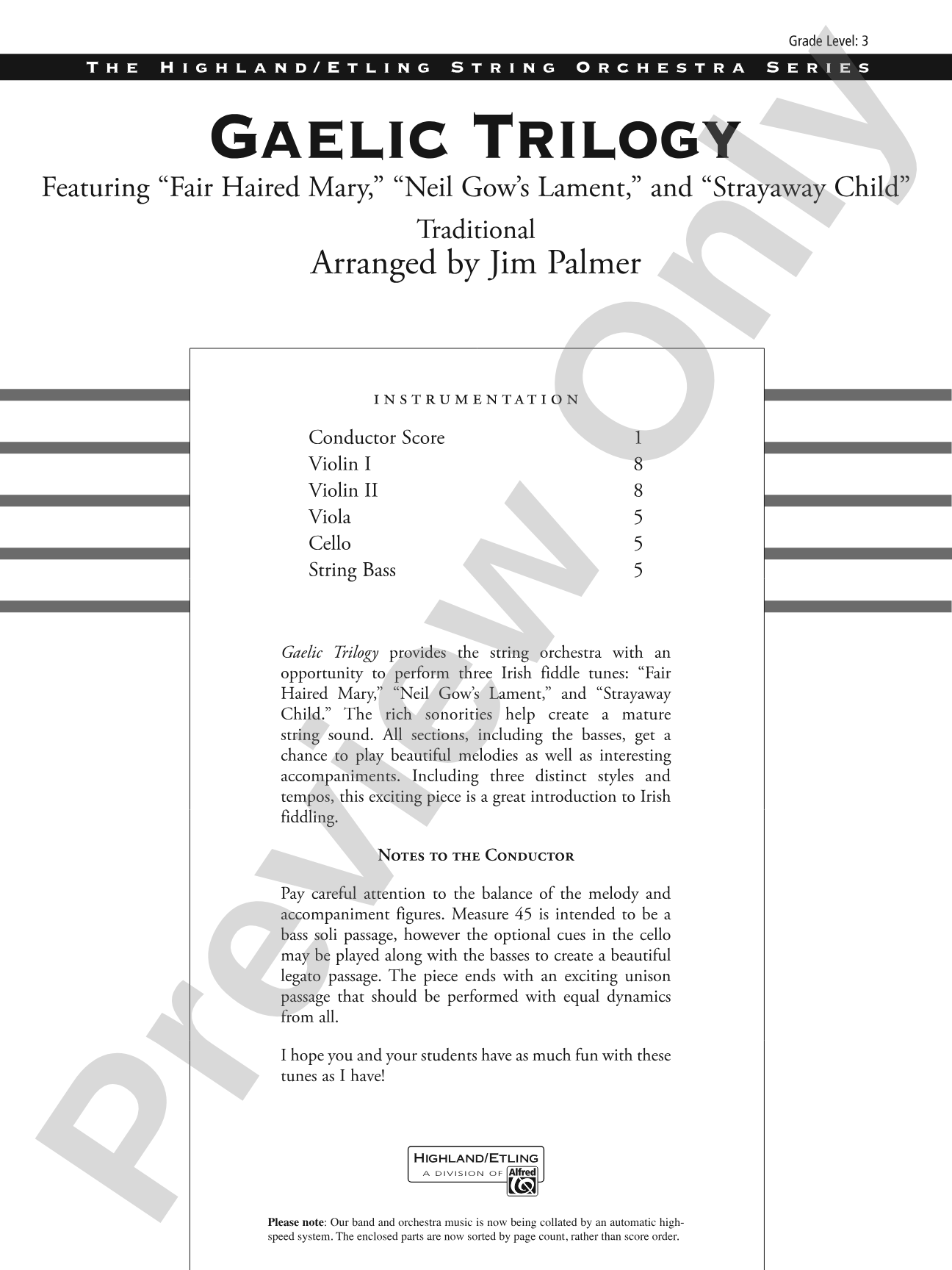
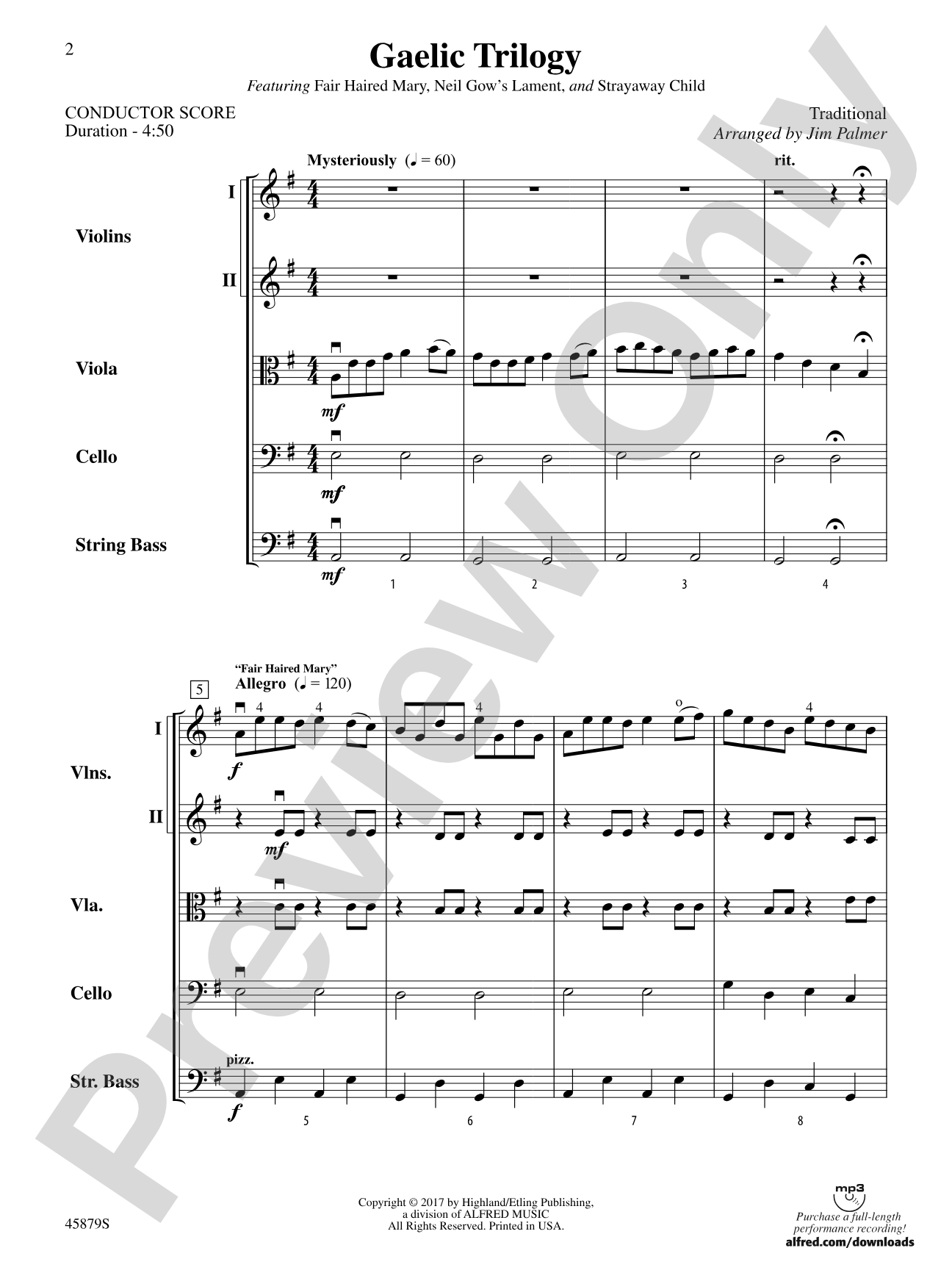
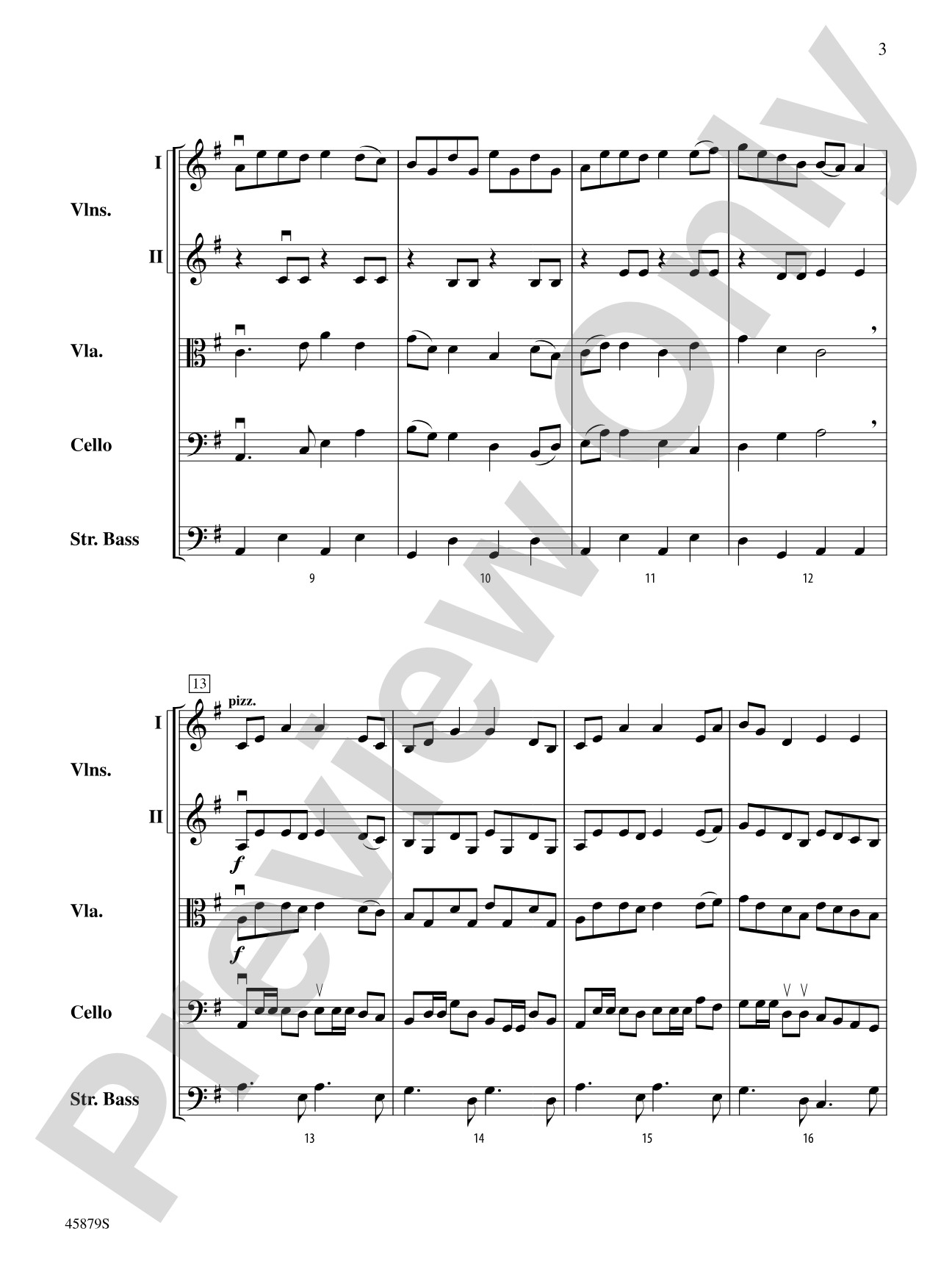
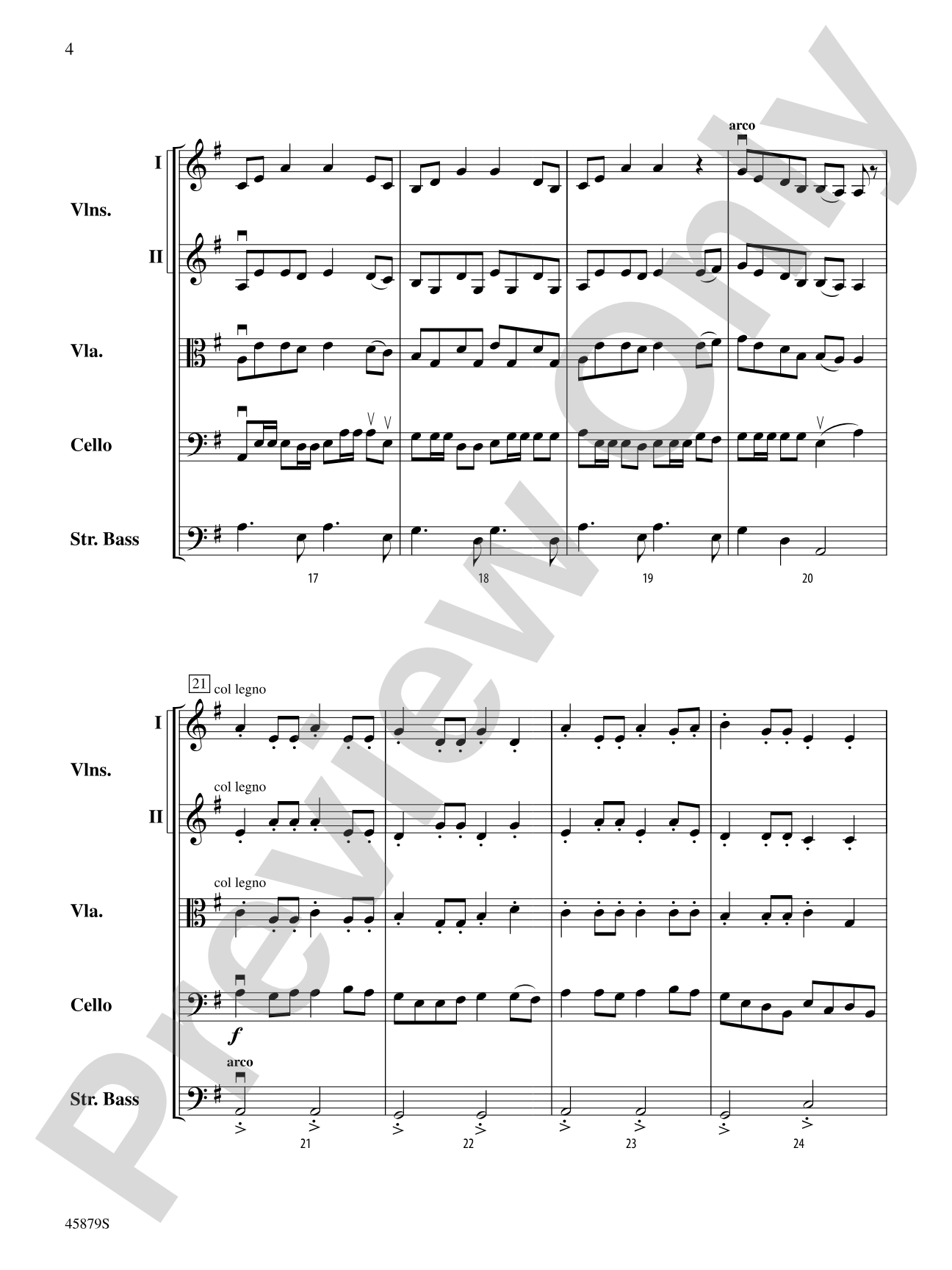
Gaelic Trilogy by Jim Palmer provides the string orchestra with an opportunity to perform three Irish fiddle tunes: "Faired Hair Mary," "Neil Gow's Lament," and "Stray Away Child." All sections, including the basses, get a chance to play beautiful melodies as well as interesting accompaniments. Including three distinct styles and tempos, this exciting piece is a great introduction to Irish fiddling. (4:50)


Don't just read it, hear it, play along with it, and watch your students grow with it. In MakeMusic Cloud, Gaelic Trilogy: Score comes alive with professional accompaniment, adjustable tempo, and built-in practice tools that turn solo practice into real progress.
Open in the Player
Jump straight in and assign it today.
Start Your Free Trial
Open this title and explore the full library in minutes.
Sample Audio
1
Audio File
--:--
0:00
0:00
Sample Video
Additional Details
Series:
Highland/Etling String Orchestra
Publisher:
Alfred Music
Page Count:
124
SKU:
00-PR-0005925
More about this title
Why we love this
Jim Palmer's arrangement opens up Irish fiddle traditions to orchestras that might otherwise never explore this repertoire. The writing is genuinely clever: every section, from first violins down to basses, gets to carry real melody, which keeps rehearsals engaging and performances feeling collective rather than hierarchical. At Grade 3, it's accessible enough to program confidently while sounding sophisticated enough to satisfy your ensemble and audience.
What to expect
Three distinct Irish moods unfold across the work: the lyrical grace of a slow air, the buoyant lift of a lament, and the driving energy of a reel. The arranging honors the idioms of the fiddle while letting strings bring their own warmth and blend to the tunes.
Who it's for
String orchestras at the intermediate level who want to expand beyond classical and contemporary concert repertoire into folk traditions with serious musical content. Directors seeking pieces where every player has meaningful material will appreciate Palmer's scoring decisions throughout all three movements.
How to get the most out of it
- Lean into the rhythmic lilt of Irish phrasing rather than treating these tunes as metrically rigid. Listen to recorded fiddle versions to internalize the slight push and pull that makes the style breathe.
- Balance accompaniment textures carefully in the middle sections. Violas and lower strings often carry supporting figures that shouldn't sit underneath the melody but rather support it as an equal voice.
- Differentiate the three tunes clearly through tempo and character. Use the transitions between movements as natural rehearsal checkpoints where you can reset and mark the shift in mood.
- Pay attention to dynamics and articulation as the primary tools for shaping phrasing when vibrato and portamento aren't available to you as they are to fiddle players. Small changes in bow pressure and contact point create the ornamentation that defines Irish style.
How to use it
Program this as a bridge between your classical and contemporary sets, or use it as the centerpiece of a folk-inspired concert that might also include American Appalachian or Celtic-influenced works. The 4:50 duration fits neatly into most concert pacing, and its approachability makes it an excellent choice for mid-season festivals or competitions where you want to showcase ensemble musicianship without programming something technically demanding.
Skills your students will build
- Ornamentation and articulation in non-classical styles
- Rhythmic flexibility and phrasing in folk idioms
- Melodic leadership across all orchestral sections
- Balance and texture when multiple lines carry equal musical weight
- Stylistic listening and adaptation to Irish fiddle conventions