
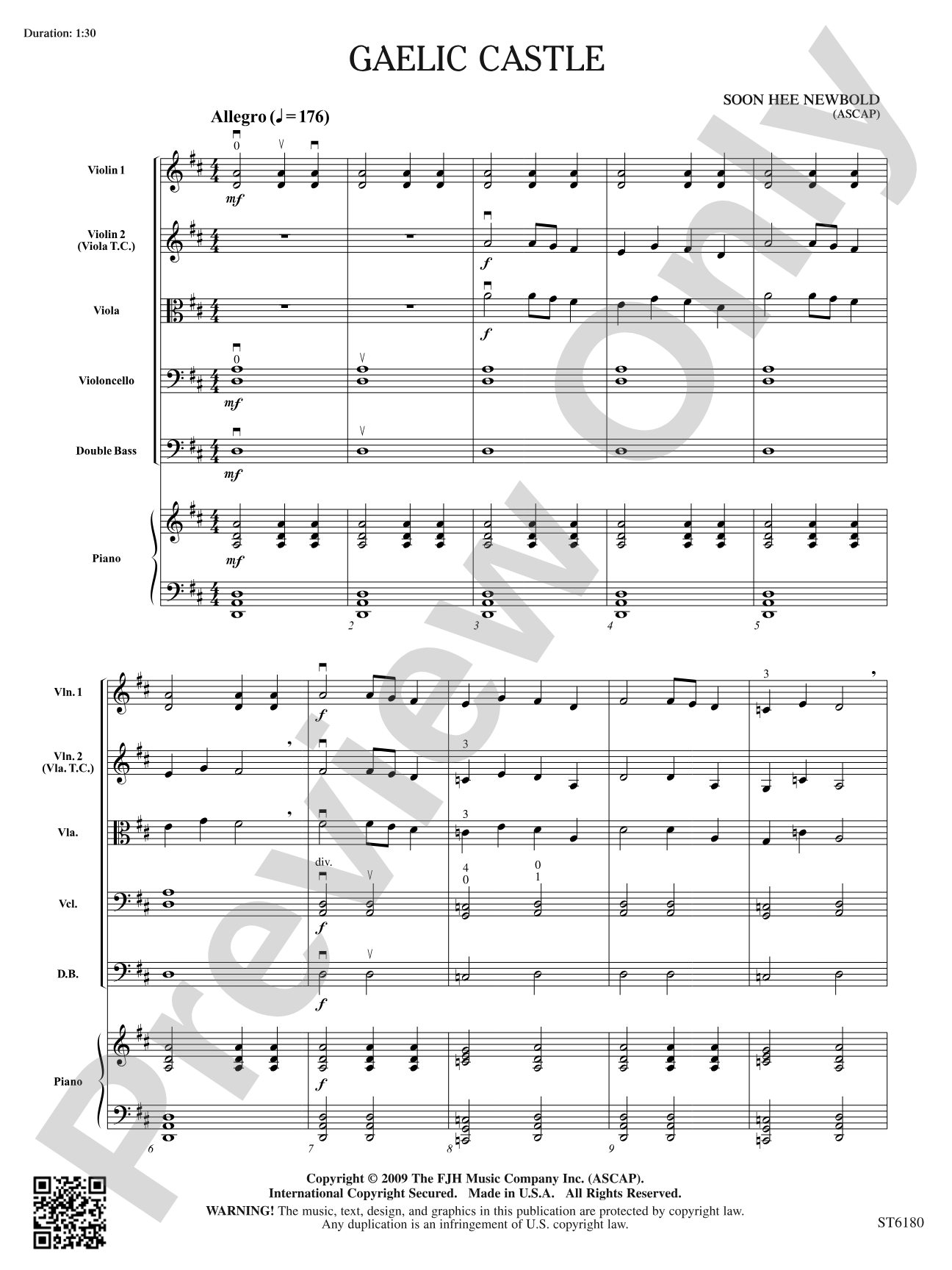
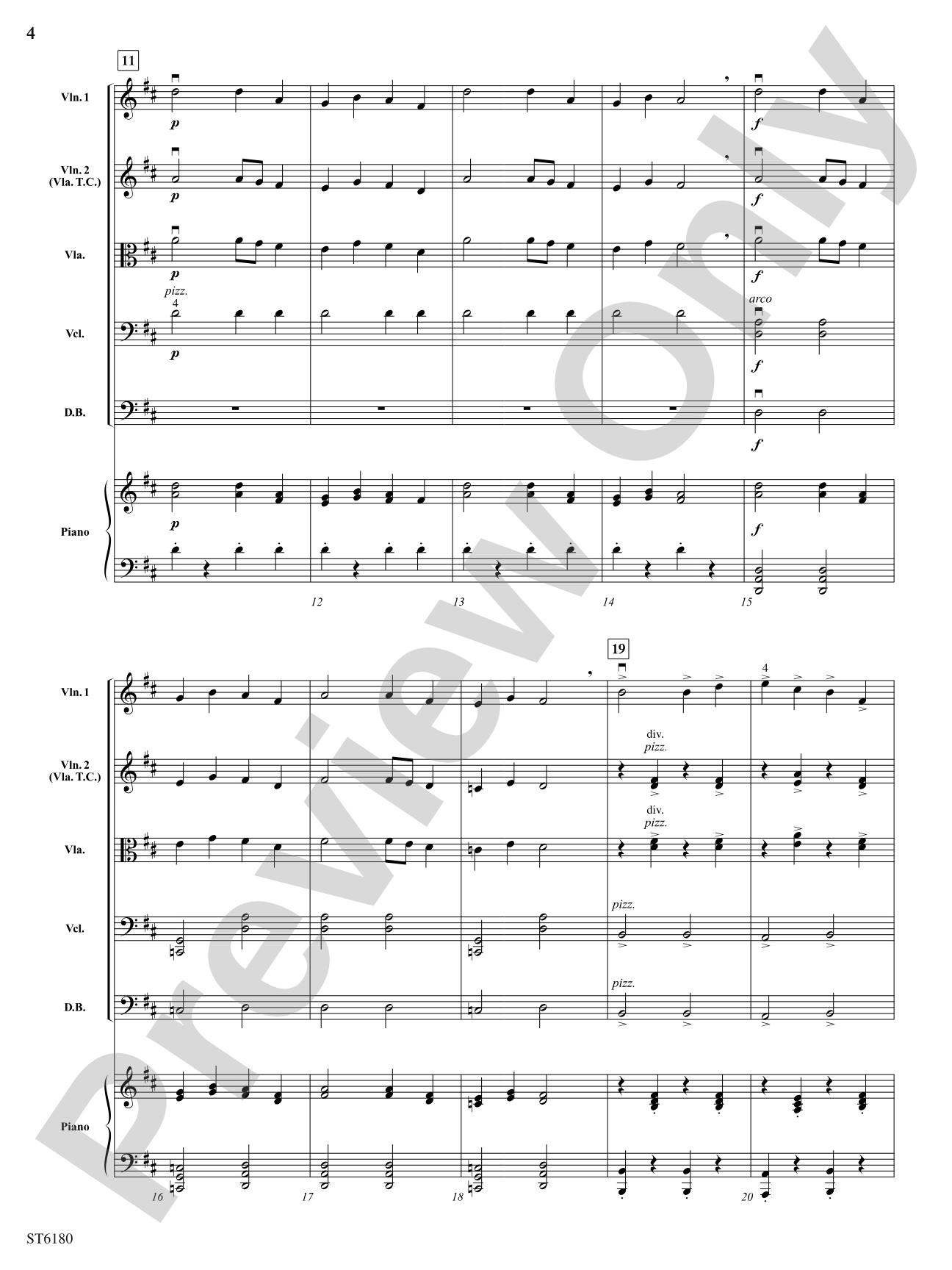
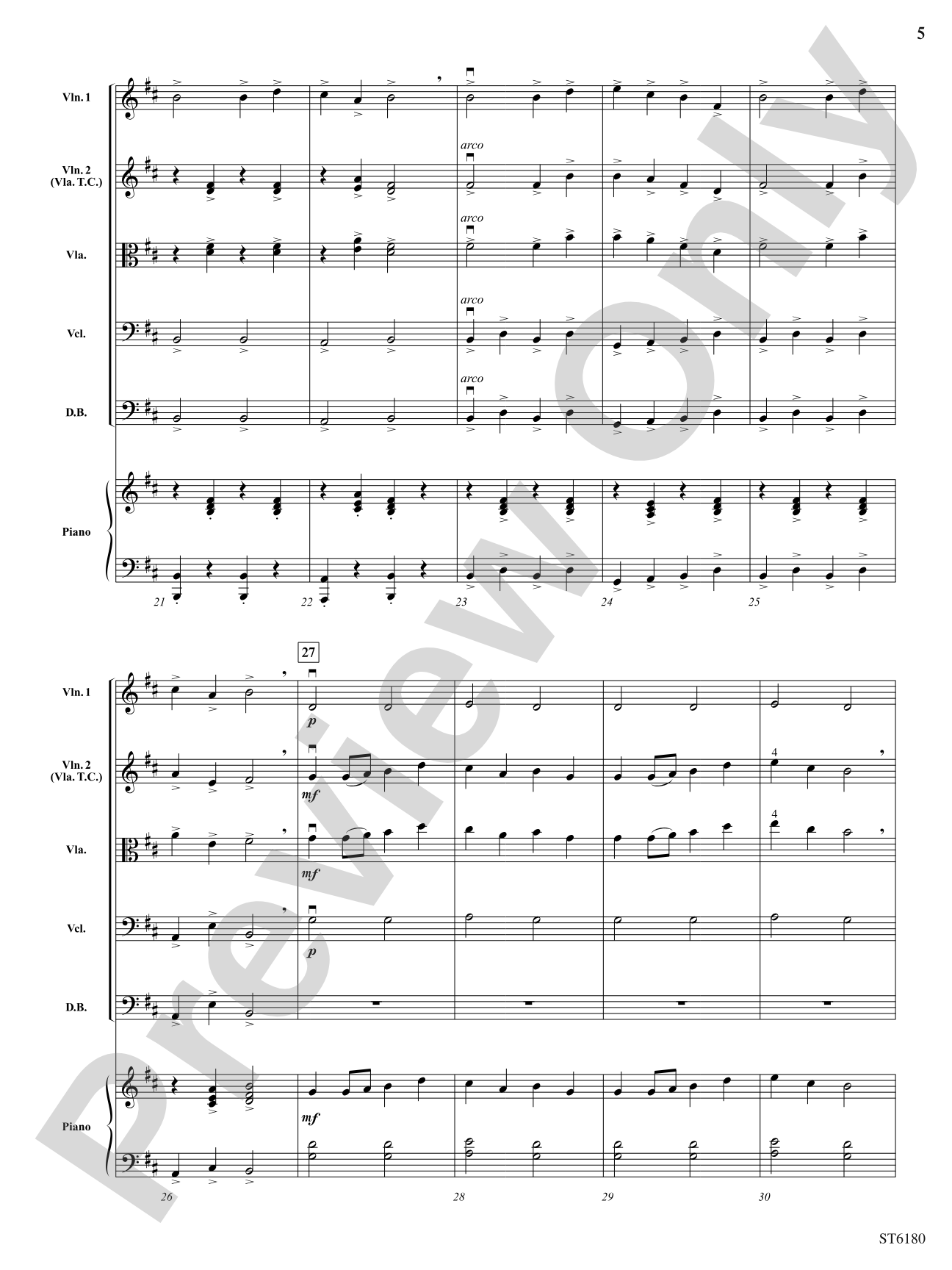
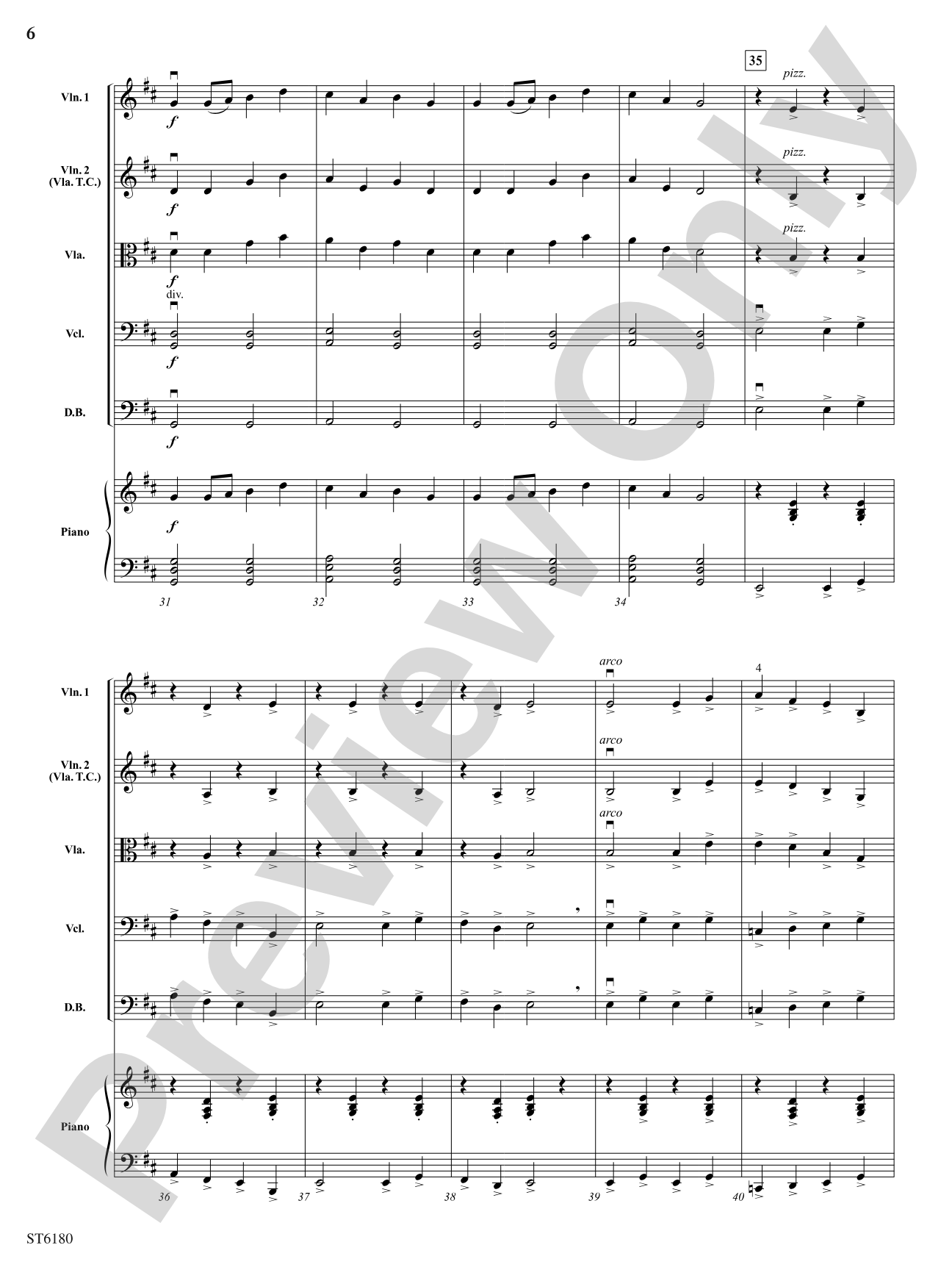
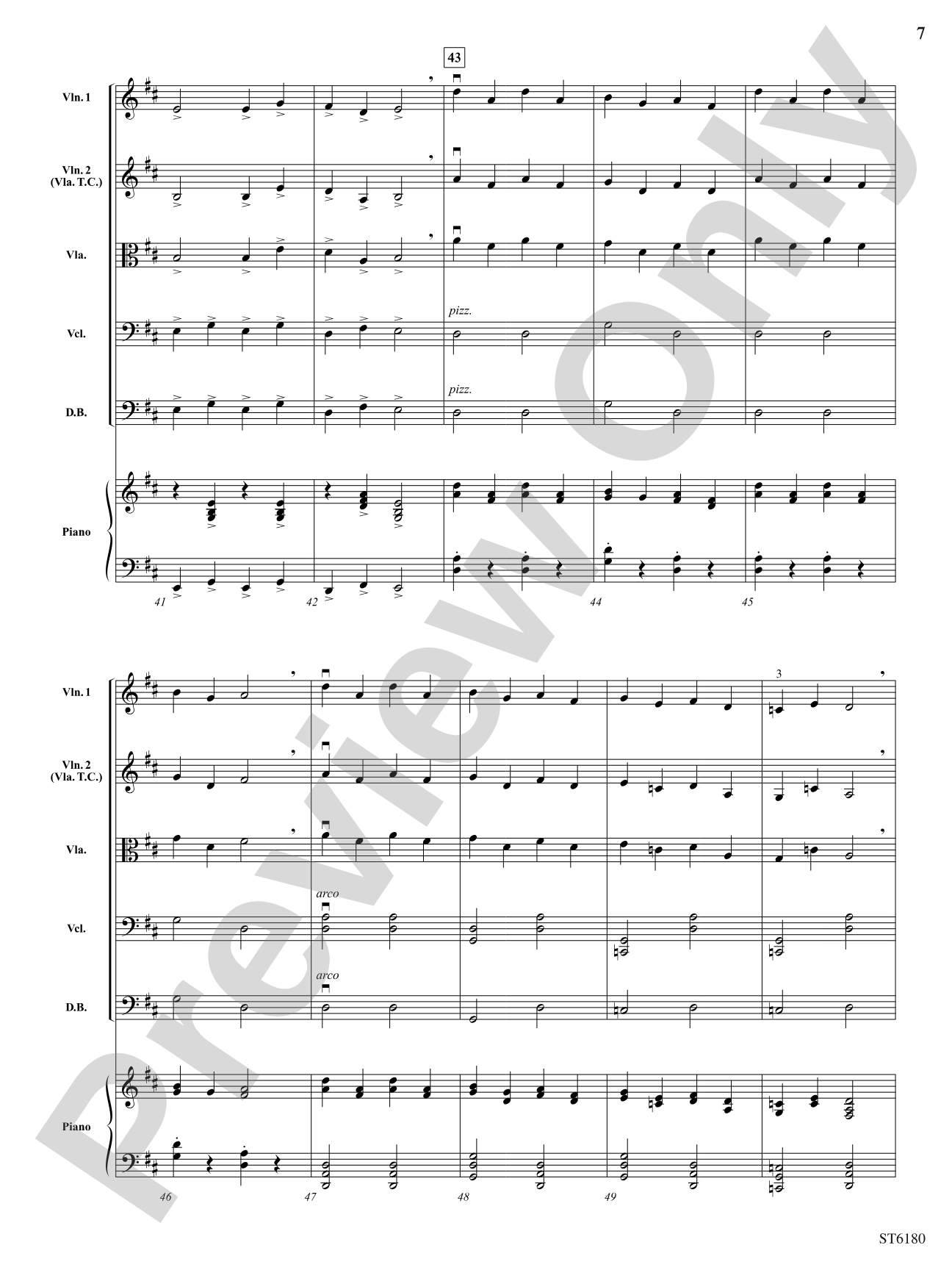
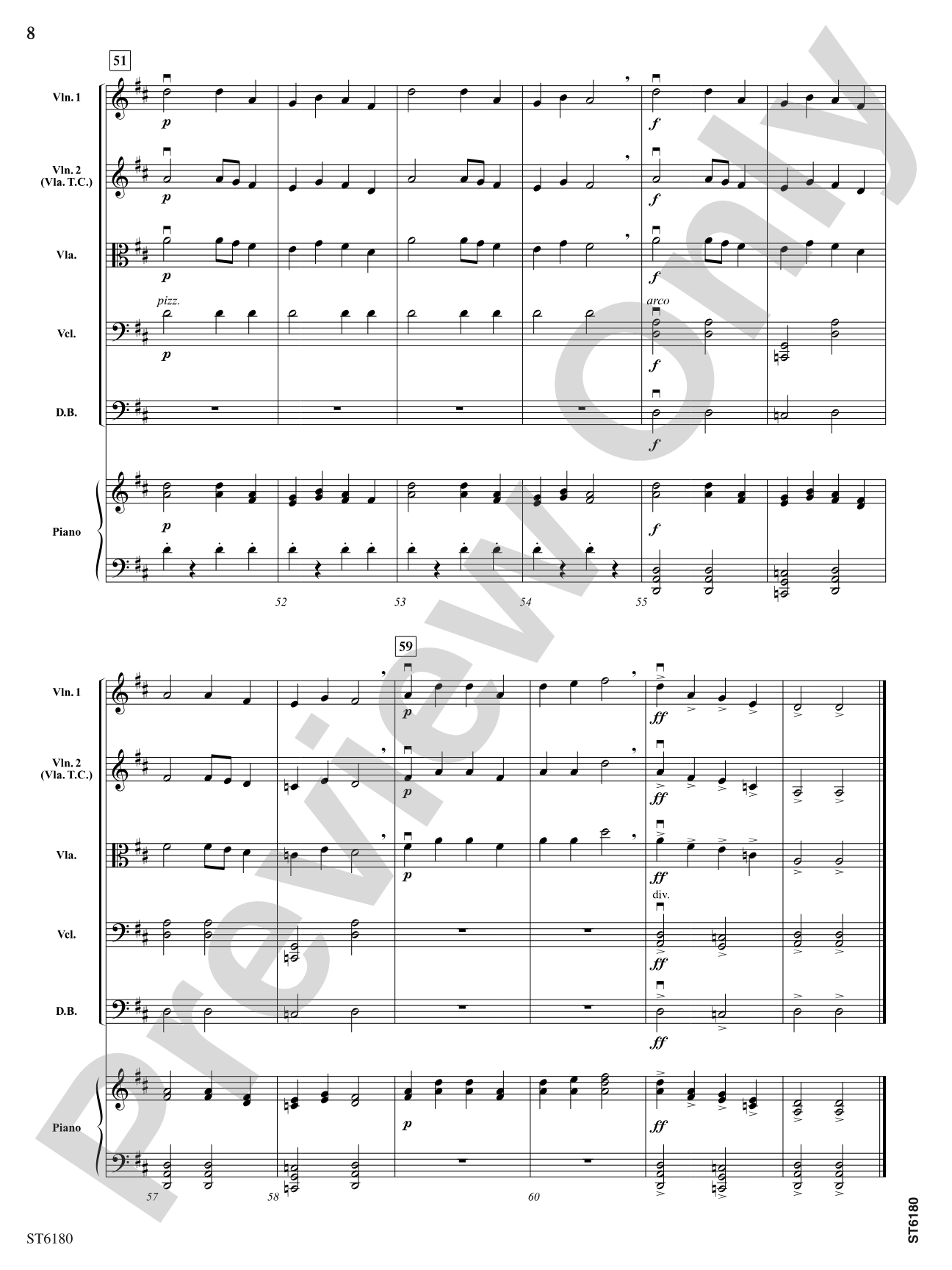

Gaelic Castle: Score
By Soon Hee Newbold
Grade: 1
Item: 98-DST6180S
$10.00
Pickup currently not available
Description
Opening with the powerful sound of open 5ths, this work transports the listener back to ancient times and life in a magnificent castle. Experience the festivals and celebrations that would often occur as the infectious melodies work their way through all sections of the orchestra. Exciting and jovial!


Don't just read it, hear it, play along with it, and watch your students grow with it. In MakeMusic Cloud, Gaelic Castle: Score comes alive with professional accompaniment, adjustable tempo, and built-in practice tools that turn solo practice into real progress.
Open in the Player
Jump straight in and assign it today.
Start Your Free Trial
Open this title and explore the full library in minutes.
Sample Audio
1
Audio File
--:--
0:00
0:00
Sample Video
No sample videos found.
Additional Details
Series:
FJH Beginning Strings
Publisher:
The FJH Music Company, Inc.
SKU:
98-DST6180S
More about this title
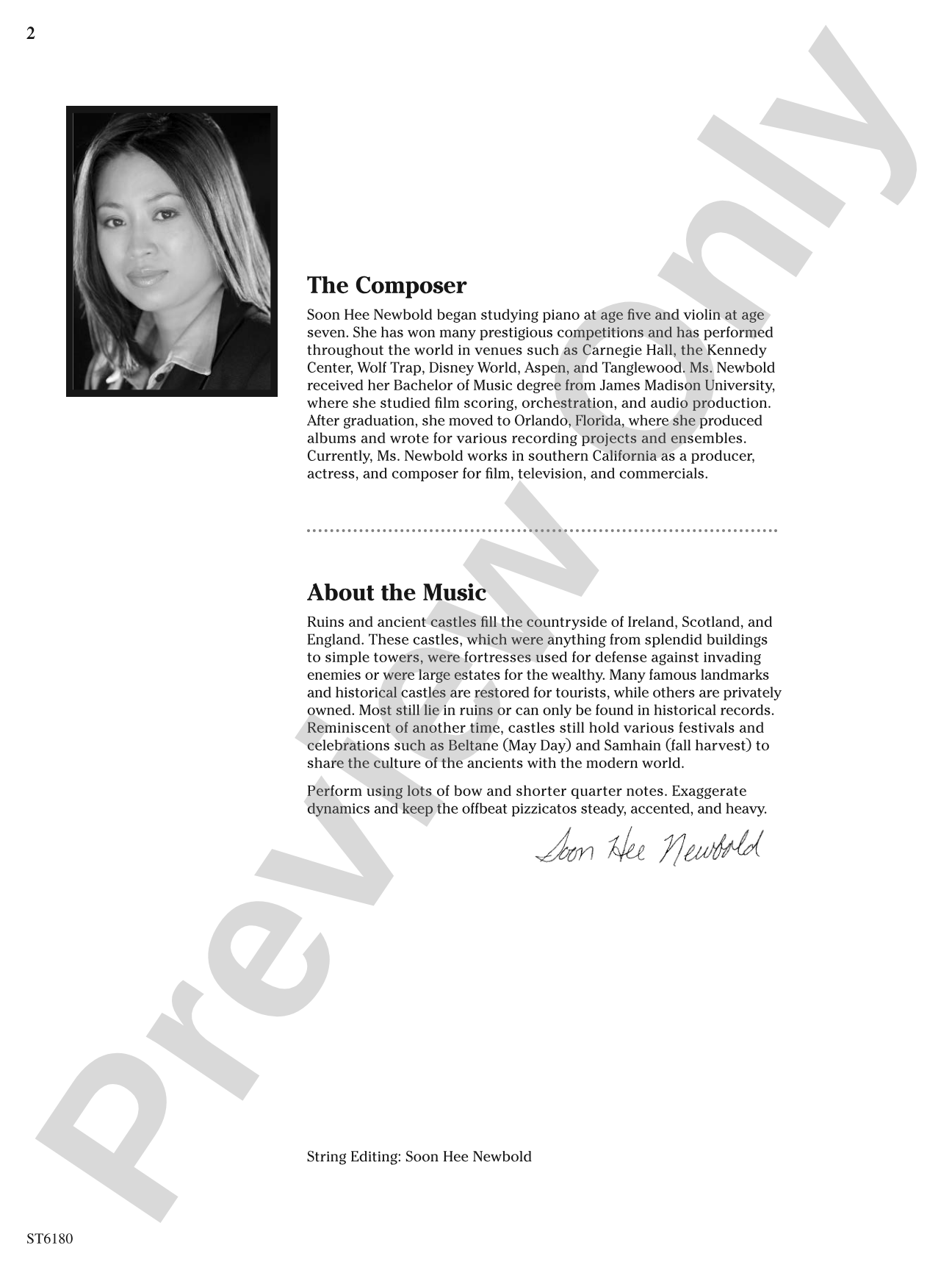
About the Composer: Soon Hee Newbold

Soon Hee Newbold brings a global perspective to every score she writes, shaped by years of performing as a concert artist across professional ensembles worldwide and by extensive travel that deepens her musical understanding of diverse cultures. Her compositional voice weaves together these cross-cultural influences with an ear for what makes music memorable and accessible, whether she's writing for beginning string players or professional orchestras.
Newbold's works appear regularly on stages from Carnegie Hall to the Kennedy Center, the Midwest Band and Orchestra Clinic, and performance venues across North America, Europe, Asia, and Australia. Beyond the concert hall, she has established herself as a filmmaker and composer in the entertainment industry, and she remains in demand as a clinician and keynote speaker at music education conferences and festivals.
Why we love this
Newbold captures the festive spirit of a castle celebration without sacrificing musical integrity at Grade 1, where so many pieces feel obligatory rather than joyful. The open 5ths create an instantly recognizable sound that beginning players can produce confidently, while the infectious melodies give every section something memorable to play. This is the kind of piece that reminds young musicians why they joined orchestra.
What to expect
Ancient stone halls fill with music and celebration. Open 5ths ring out like bells calling people to gather, and as the melodies arrive, you can almost hear the fiddles and pipes of a festive gathering. The piece pulses with energy and warmth, moving from majestic to playful with the ease of a well-loved folk tradition.
Who it's for
Beginning string orchestras (Grade 1) looking for a piece that entertains while building foundational ensemble skills. Directors seeking repertoire with genuine musical substance for young players, where everyone has a meaningful part to play in creating the sound.
How to get the most out of it
- Balance the open 5ths in the opening so they sound full and resonant without overwhelming the ensemble; this foundational gesture sets the character for everything that follows.
- Shape the infectious melodies with slight dynamic rises and falls rather than playing them straight through; even Grade 1 players respond well to this kind of musical phrasing.
- Encourage all sections to articulate cleanly on the playful passages to capture the jovial energy the piece calls for.
- Use the digital parts to ensure every player has a clear view of their material; at this level, easy access to parts reduces rehearsal friction considerably.
How to use it
Position this as a second-half opener on a concert, where its joyful character provides a natural lift after more introspective material. It also works beautifully as a festival piece, where judges and audiences appreciate writing that combines accessibility with genuine musicality. Consider pairing it with other Grade 1 selections that share a programmatic or cultural theme.
Skills your students will build
- Playing in unison and simple harmony parts with consistent tone
- Sustaining open 5th intervals cleanly
- Shaping melodic lines with appropriate phrasing and dynamics
- Responding to programmatic music by connecting sound to imagery
- Balancing ensemble texture across multiple sections