
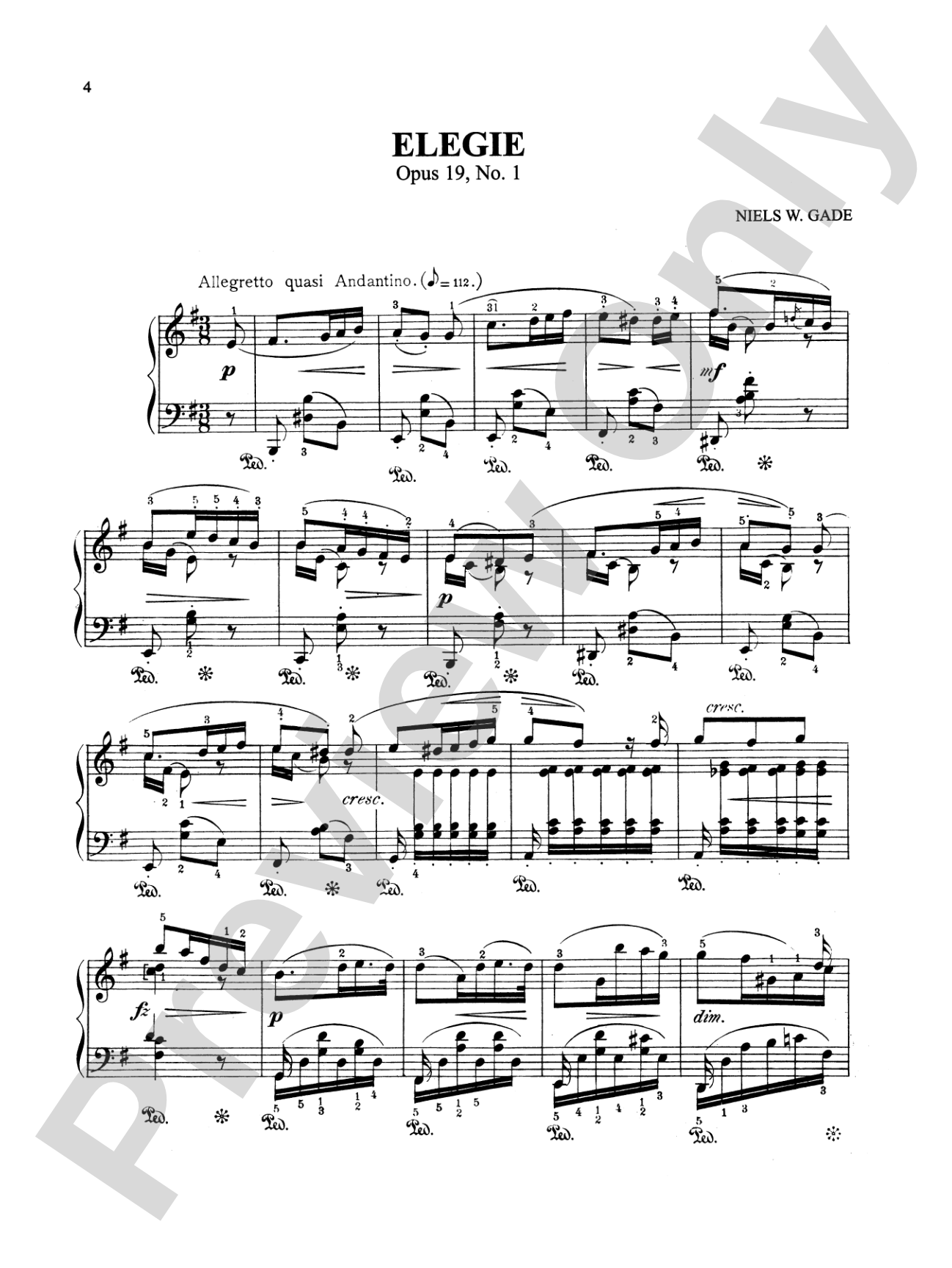
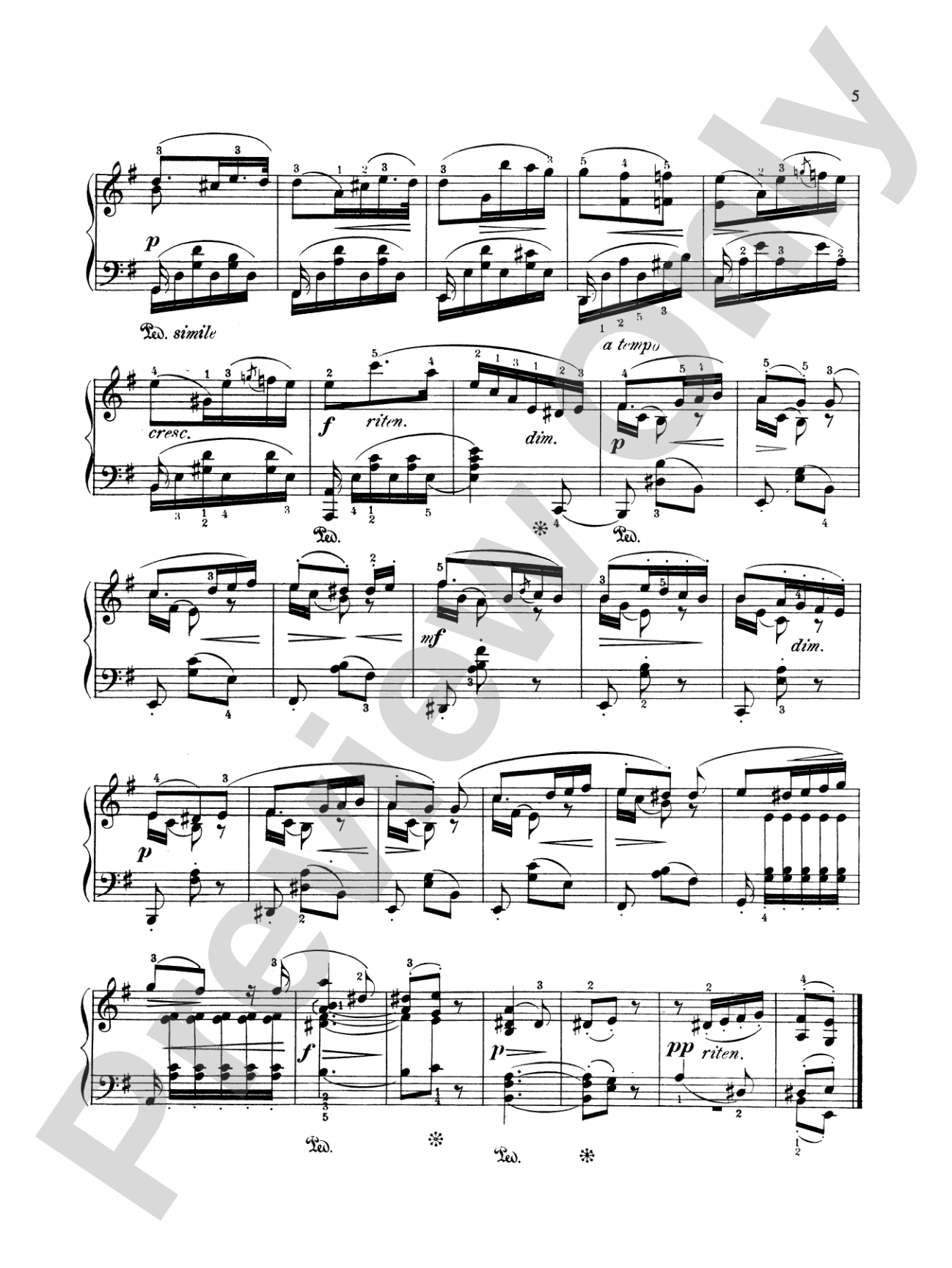

Gade: Piano Pieces, Op. 19: Piano Book
By Niels Gade
Item: 00-PK-0002759

$7.99
Pickup currently not available
Buy Extra Parts (Digital PDF Download)
| Product | Price | Quantity |
|---|---|---|
| Gade: Piano Pieces, Op. 19 | $0.99 | |
| Gade: Piano Pieces, Op. 19 | $0.99 | |
| Gade: Piano Pieces, Op. 19 | $0.99 | |
| Gade: Piano Pieces, Op. 19 | $0.99 | |
| Gade: Piano Pieces, Op. 19 | $0.99 | |
| Gade: Piano Pieces, Op. 19 | $0.99 | |
| Gade: Piano Pieces, Op. 19 | $0.99 | |
| Gade: Piano Pieces, Op. 19 | $0.99 | |
| Gade: Piano Pieces, Op. 19 | $0.99 | |
| Gade: Piano Pieces, Op. 19 | $0.99 |
Parts Added to Cart!
Related Items
Piano Pieces, Opus 19: Piano Book |
$7.99
|
View |
Description
A new Kalmus edition, taken from the original Augener printing, of wonderful teaching/character pieces for piano students.


Don't just read it, hear it, play along with it, and watch your students grow with it. In MakeMusic Cloud, Gade: Piano Pieces, Op. 19: Piano Book comes alive with professional accompaniment, adjustable tempo, and built-in practice tools that turn solo practice into real progress.
Open in the Player
Jump straight in and assign it today.
Start Your Free Trial
Open this title and explore the full library in minutes.
Sample Audio
No sample audio found.
Sample Video
No sample videos found.
Additional Details
Series:
Kalmus Edition
Publisher:
Alfred Music
Page Count:
32
SKU:
00-PK-0002759
More about this title
About the Composer: Niels Gade
Niels Gade (1817–1890) was a Danish composer whose orchestral and chamber works shaped the Romantic movement in Scandinavia. He studied in Leipzig, where he absorbed the influence of Mendelssohn and the German Romantic tradition, then returned to Copenhagen to become a leading cultural figure and conductor of the Royal Orchestra. His compositional voice balanced lyrical beauty with structural integrity, qualities that transfer directly into his piano writing.
Gade's piano works occupy a distinctive middle ground between virtuosic display and intimate character study. These pieces were composed for serious amateurs and young professionals, not as finger exercises but as complete musical statements. They reveal his gift for melody and his understanding of what pianists at various levels can accomplish with focused practice.
Why we love this
Gade's Op. 19 offers something increasingly rare in the teaching repertoire: pieces that sound mature and substantial without demanding advanced technical skill. A student playing these gains genuine musical insights rather than just building facility. The writing is elegant and pianistic without unnecessary filler, making each piece feel like a miniature work of art rather than a study in disguise.
What to expect
Lyrical and introspective, with the warmth of Scandinavian Romanticism running through each phrase. Gade's melodies have a singing quality that invites expressive playing, while his harmonies stay grounded enough that performers can focus on musical storytelling rather than technical survival.
Who it's for
Intermediate piano students (roughly Grades 4-6) who are ready for repertoire beyond teaching pieces but not yet tackling full Romantic sonatas. These pieces also serve pianists preparing recital programs who want substantial character pieces that fit naturally between showier items.
How to get the most out of it
- Shape each piece as you would an art song. Gade conceived these as character pieces, not exercises; treat the melody line with the same care you'd give a vocalist's phrasing.
- Pay close attention to the printed tempo markings and character indications. Gade was specific about mood and pace, and honoring these details brings coherence to pieces that might otherwise feel episodic.
- Balance clarity with warmth in the accompaniment figures. The left hand often carries harmonic interest alongside its textural role; it should breathe rather than merely support.
- Use the pedal sparingly and with purpose. The Romantic-era Kalmus edition preserves Gade's own pedal markings; follow them as a guide to understanding his harmonic language.
How to use it
Select individual pieces for student recitals where they can anchor a program or provide breathing room between heavier works. A single Gade character piece works especially well as a bridge between Classical and late Romantic repertoire, or as part of a European masters recital that traces Romantic piano writing beyond Chopin and Schumann.
Skills your students will build
- Singing tone production and melodic phrasing at the piano
- Interpretation of Romantic-era character piece forms
- Pedal technique and harmonic color awareness
- Balancing melodic and accompanimental textures
- Reading and responding to specific performance directives (tempo, mood, dynamics)