Gade: Children's Christmas Eve Sheet Music Preview

Gade: Children's Christmas Eve

By Niels Gade

Item: 00-PC-0007250

Digital Download
$0.99
Description
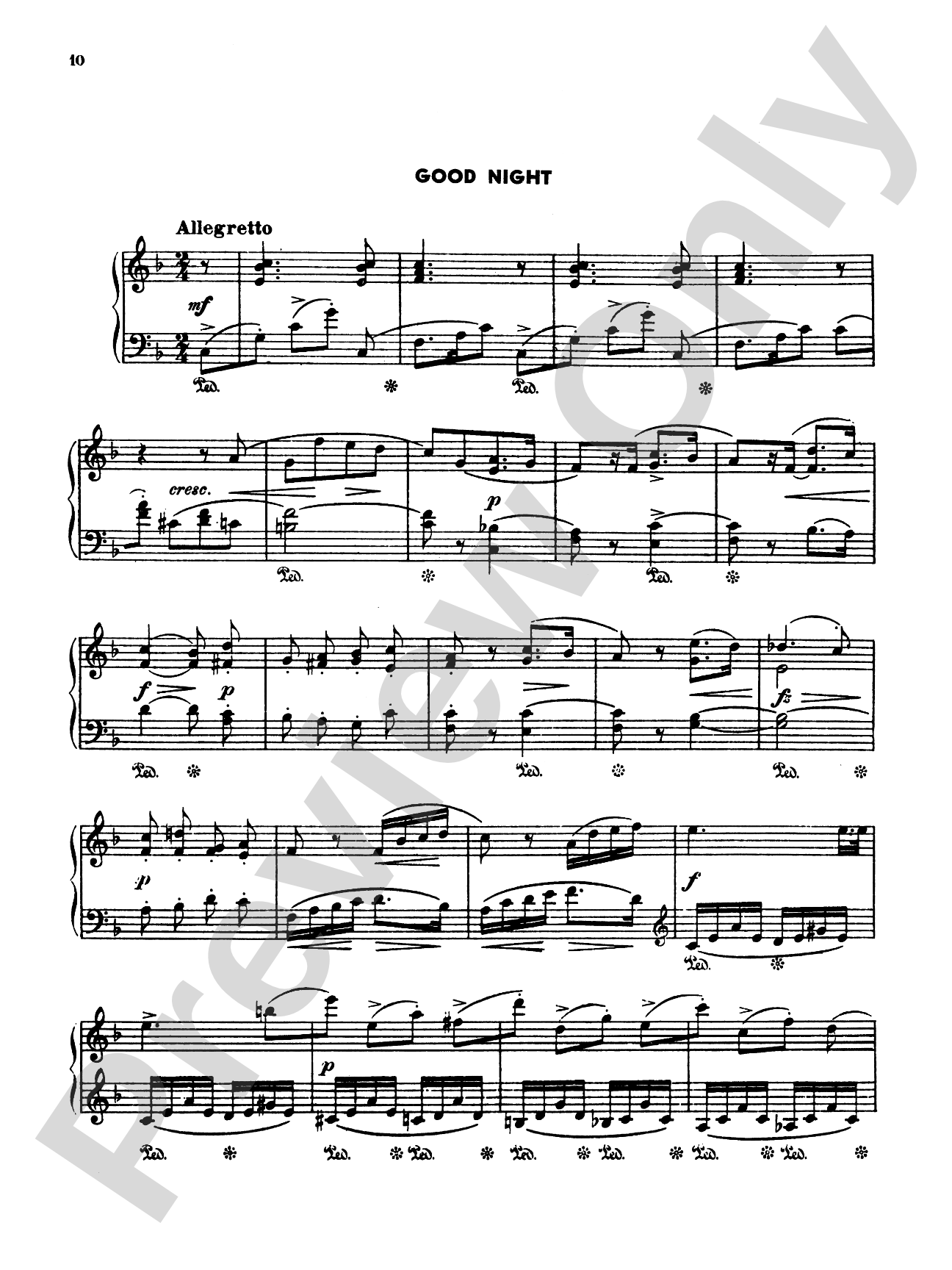
Expertly arranged piano solo from our Kalmus Edition.

Don't just read it, hear it, play along with it, and watch your students grow with it. In MakeMusic Cloud, Gade: Children's Christmas Eve comes alive with professional accompaniment, adjustable tempo, and built-in practice tools that turn solo practice into real progress.

Sample Audio
No sample audio found.
Sample Video
Additional Details
Series: Kalmus Edition
Publisher: Alfred Music
Page Count: 12
SKU: 00-PC-0007250

More about this title

About the Composer: Niels Gade

Niels Gade (1817-1890) was a Danish composer who shaped the Romantic music landscape of Northern Europe. His gift for memorable melody and orchestral color made him one of the most performed composers of his era, and his influence on Scandinavian musical identity remains significant in music education and concert life.

Gade's piano works and arrangements reflect his skill at translating orchestral ideas to the keyboard. His Christmas pieces have endured because they capture genuine warmth and nostalgia without sentimentality, making them staples in holiday recital programming across generations.

Why we love this

This arrangement gives pianists access to one of the most genuinely affecting Christmas pieces written during the Romantic era. Gade avoids the overwrought sentimentality that mars some holiday repertoire, instead offering clean melodic writing and transparent textures that reward careful voicing and pedal work.

What to expect

Warmth filtered through reflection. The piece carries the comfort of a remembered winter evening rather than active joy; nostalgia and tenderness move through the music in quiet gestures. Gade's orchestral origins shimmer beneath the keyboard writing, creating sonorities that suggest strings and woodwinds without imitating them literally.

Who it's for

Intermediate pianists preparing holiday recitals or adding substantial yet stylistically unified repertoire to a December program. The 12-page length and Romantic-era harmonic language suit students ready to tackle piece-length interpretation, not just technical exercises.

How to get the most out of it

  • Treat the opening melody as a song; phrase across measures rather than by hand position, letting the accompaniment support the line's arc.
  • Balance the relationship between treble and accompaniment figures carefully. The Kalmus edition's clarity helps reveal where harmonies shift, so use that transparency intentionally rather than drowning the harmony in pedal.
  • Find the tempo that lets you shape the seasonal mood without rushing through the quiet moments; the piece unfolds best when you give silence room to breathe.
  • Pay attention to dynamic shifts as signals for harmonic changes and emotional turns, not just surface variation.

How to use it

Anchor a seasonal recital or concert in genuine artistic substance rather than novelty. Pair it with other Romantic-era character pieces to create an evening that explores how composers translated intimate, domestic moments into concert repertoire, or program it alongside choral and chamber works for a unified thematic concert.

Skills your students will build

  • Sustaining lyrical phrasing across hand position changes
  • Balancing multiple textural layers with clear voicing hierarchy
  • Using pedal to enhance rather than blur harmonic transitions
  • Shaping form through gesture and dynamic architecture
  • Interpreting character pieces with emotional restraint

You May Also Like