
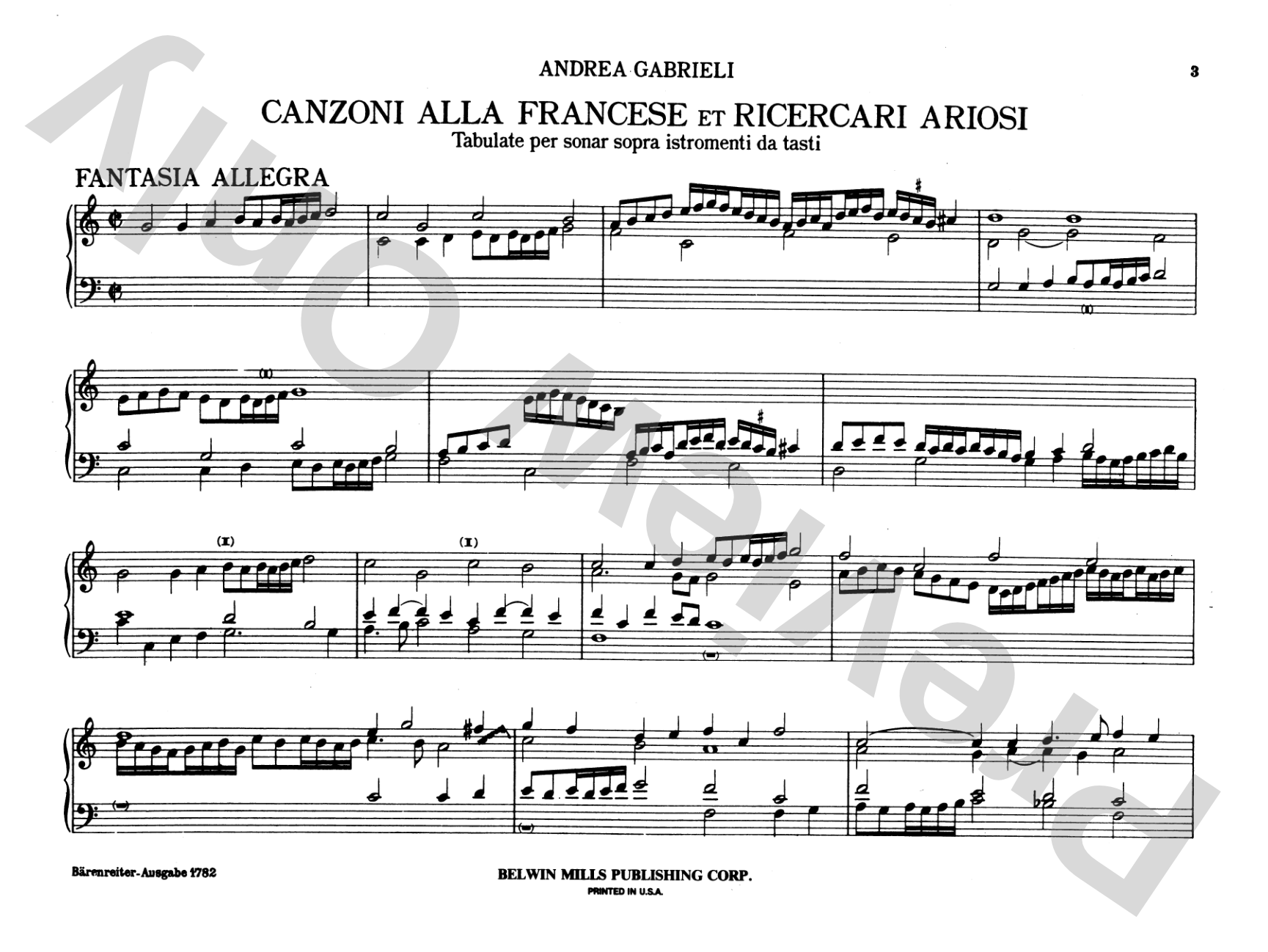
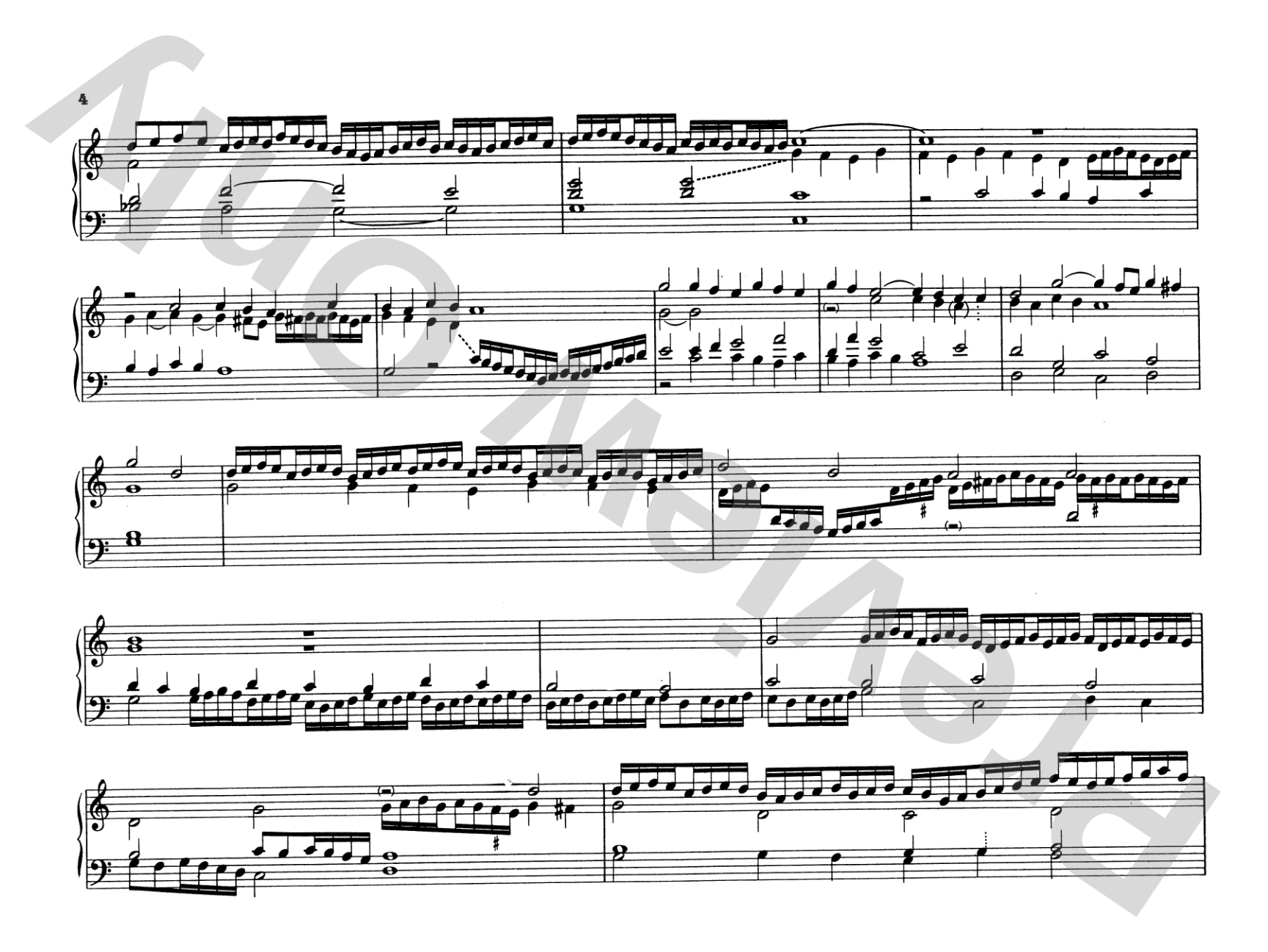
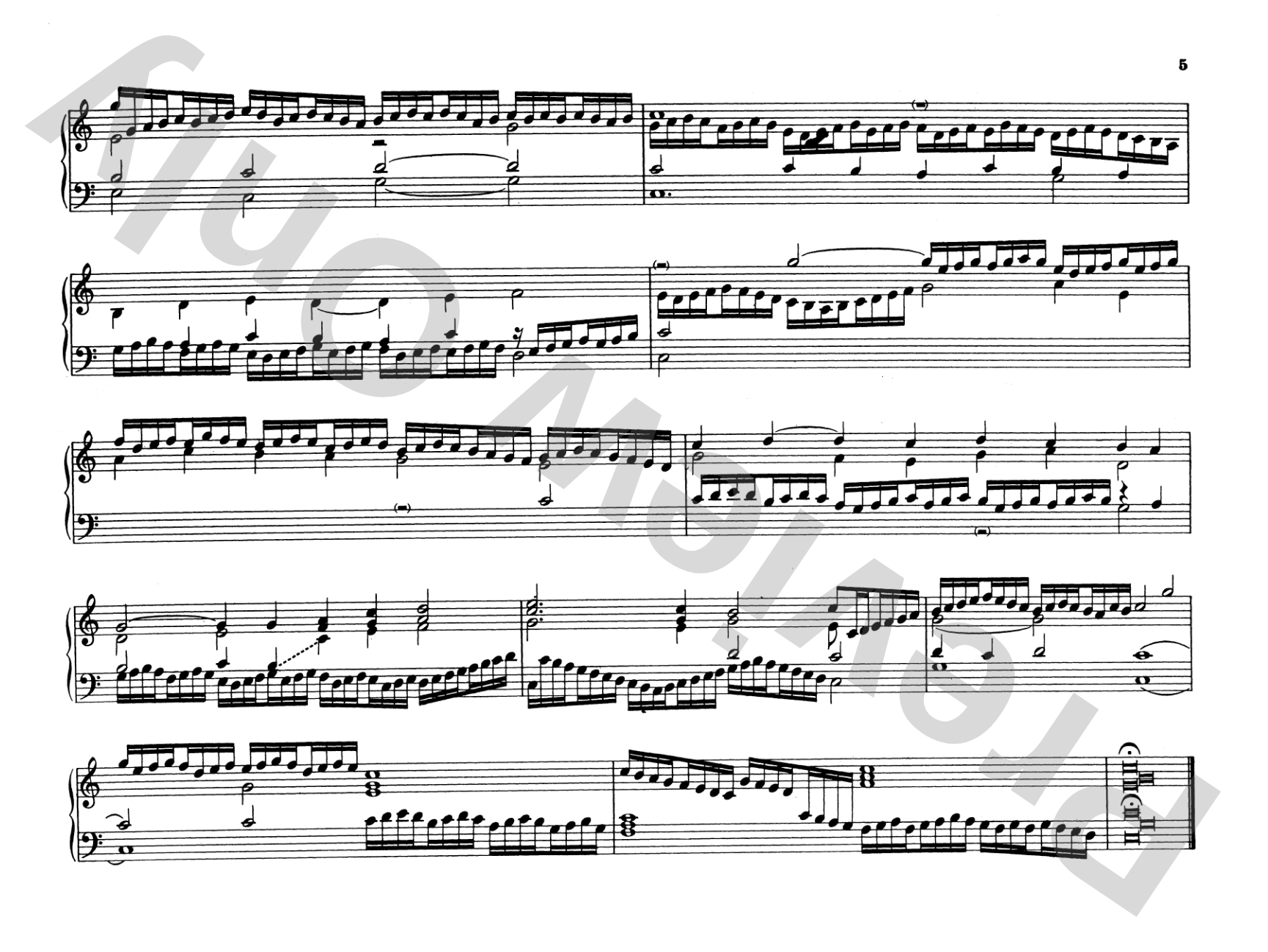

Gabrieli: Organ Works, Volume IV
By Andrea Gabrieli
Item: 00-PK-0003107

$9.99
Pickup currently not available
Buy Extra Parts (Digital PDF Download)
| Product | Price | Quantity |
|---|---|---|
| Gabrieli: Organ Works, Volume IV | $0.99 | |
| Gabrieli: Organ Works, Volume IV | $0.99 | |
| Gabrieli: Organ Works, Volume IV | $0.99 | |
| Gabrieli: Organ Works, Volume IV | $0.99 | |
| Gabrieli: Organ Works, Volume IV | $0.99 | |
| Gabrieli: Organ Works, Volume IV | $0.99 | |
| Gabrieli: Organ Works, Volume IV | $0.99 | |
| Gabrieli: Organ Works, Volume IV | $0.99 | |
| Gabrieli: Organ Works, Volume IV | $0.99 | |
| Gabrieli: Organ Works, Volume IV | $0.99 | |
| Gabrieli: Organ Works, Volume IV | $0.99 | |
| Gabrieli: Organ Works, Volume IV | $0.99 | |
| Gabrieli: Organ Works, Volume IV | $0.99 |
Parts Added to Cart!
Description


Don't just read it, hear it, play along with it, and watch your students grow with it. In MakeMusic Cloud, Gabrieli: Organ Works, Volume IV comes alive with professional accompaniment, adjustable tempo, and built-in practice tools that turn solo practice into real progress.
Open in the Player
Jump straight in and assign it today.
Start Your Free Trial
Open this title and explore the full library in minutes.
Sample Audio
No sample audio found.
Sample Video
No sample videos found.
Additional Details
Series:
Kalmus Edition
Publisher:
Alfred Music
Page Count:
48
SKU:
00-PK-0003107
More about this title
About the Composer: Andrea Gabrieli
Andrea Gabrieli (c. 1532, 1585) was one of the most influential keyboard composers of the Renaissance and a central figure in the Venetian school. His organ works established foundational techniques for the instrument that would shape Baroque practice, particularly in his development of the toccata and ricercar forms. Gabrieli served as organist at St. Mark's Basilica in Venice, where he had access to some of Europe's finest organs and composed prolifically for the instrument.
Why we love this
Gabrieli's organ works balance technical brilliance with genuine musicality, offering organists substantive repertoire that engages both hands and feet without descending into mere virtuosity for its own sake. These pieces reward careful attention to voice leading and registration while remaining accessible enough for advanced students to perform meaningfully in a recital or service context.
What to expect
These pieces unfold with the dignity and formal grace characteristic of late Renaissance Venice, where harmonic sophistication and contrapuntal clarity coexist without conflict. The writing alternates between passages of stately control and moments of unexpected flourish, creating a sense of architectural balance punctuated by keyboard virtuosity.
Who it's for
Advanced organists and accomplished pianists looking to expand their Renaissance keyboard repertoire will find these works both challenging and rewarding. This collection is also valuable for music students studying the development of keyboard composition and those preparing for college auditions or recitals.
How to get the most out of it
- Approach the rhythmic notation with flexibility; Renaissance organ music often benefits from slight tempo adjustments and breathing room between sections rather than metronomic regularity.
- Experiment with registration choices before settling on a single color for each movement; Gabrieli's harmonic language often suggests natural shifts in tonal weight that registration can enhance.
- Pay particular attention to the independence of the manual and pedal parts, ensuring clarity in each voice without sacrificing the overall musical line.
How to use it
Include selections from this volume in church services or academic recitals as a bridge between early keyboard music and the Baroque works that followed. Pairing Gabrieli's organ works with those of his student Giovanni Gabrieli or contemporary composers offers compelling evidence of how quickly the Renaissance keyboard idiom evolved.
Skills your students will build
- Polyphonic voice independence in keyboard writing
- Interpretation of Renaissance notation and rhythmic conventions
- Registration choices and tonal planning for organ
- Harpsichord-influenced keyboard technique and articulation
- Historical understanding of organ music's role in liturgical and court contexts