
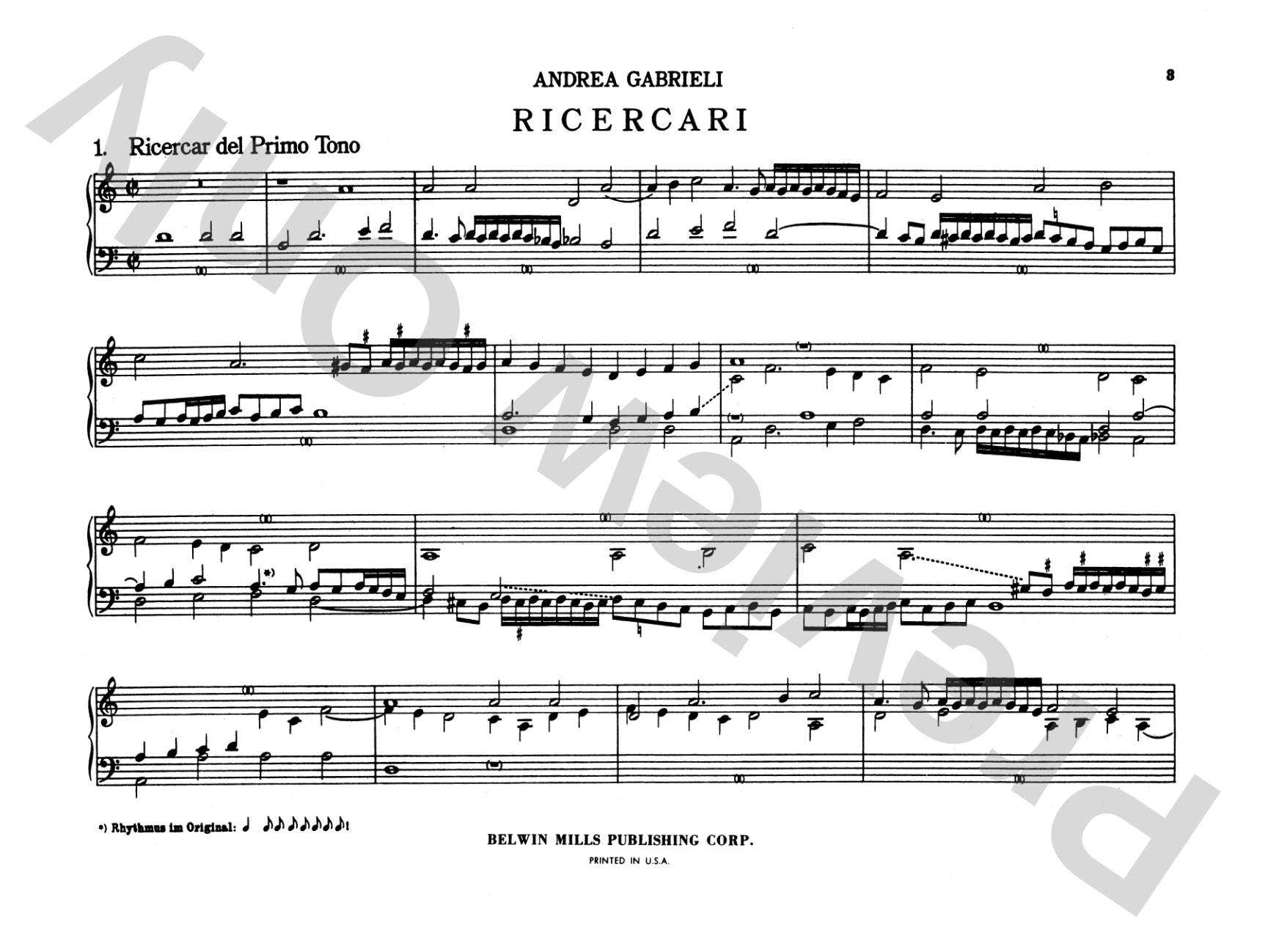
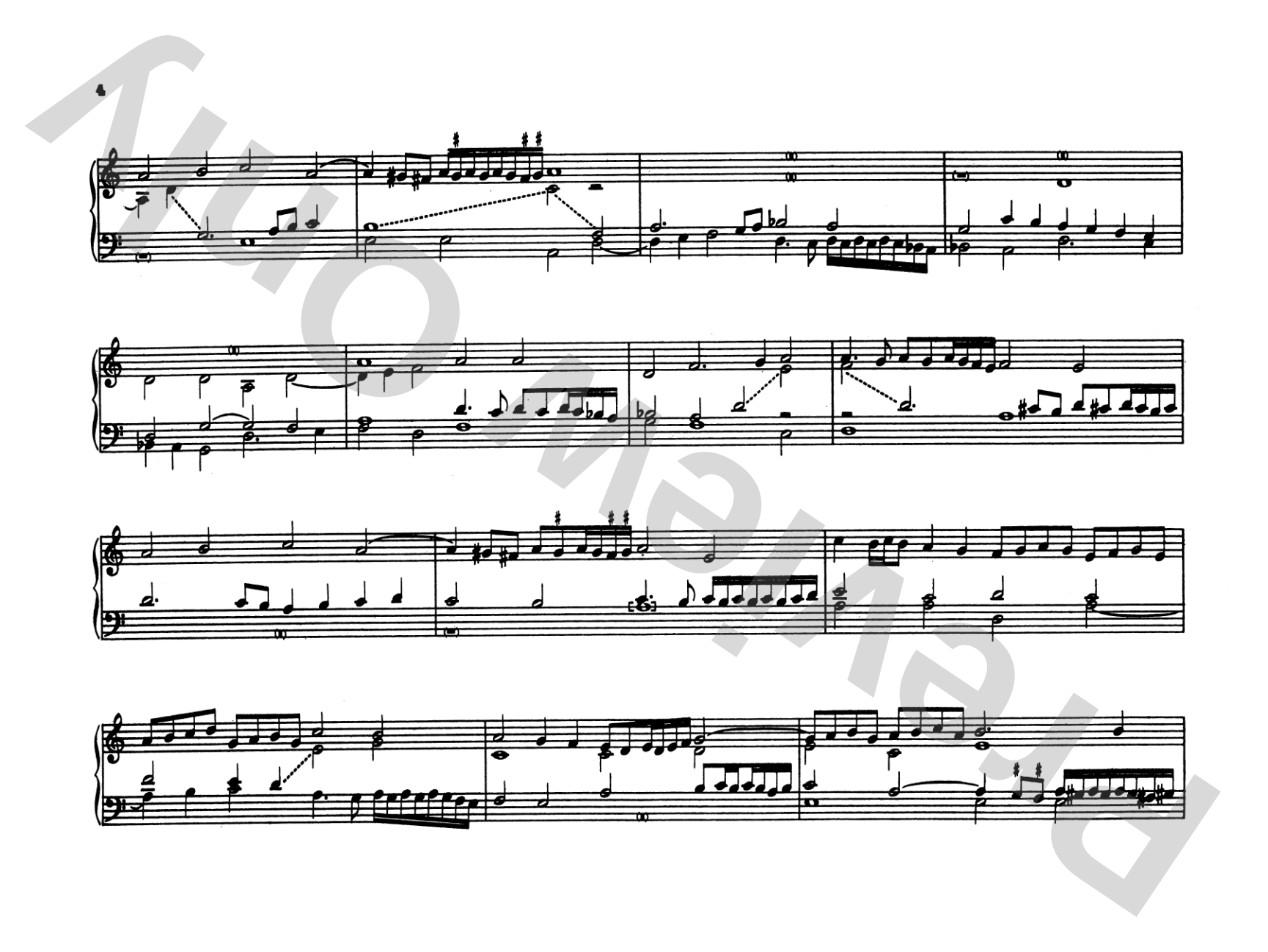
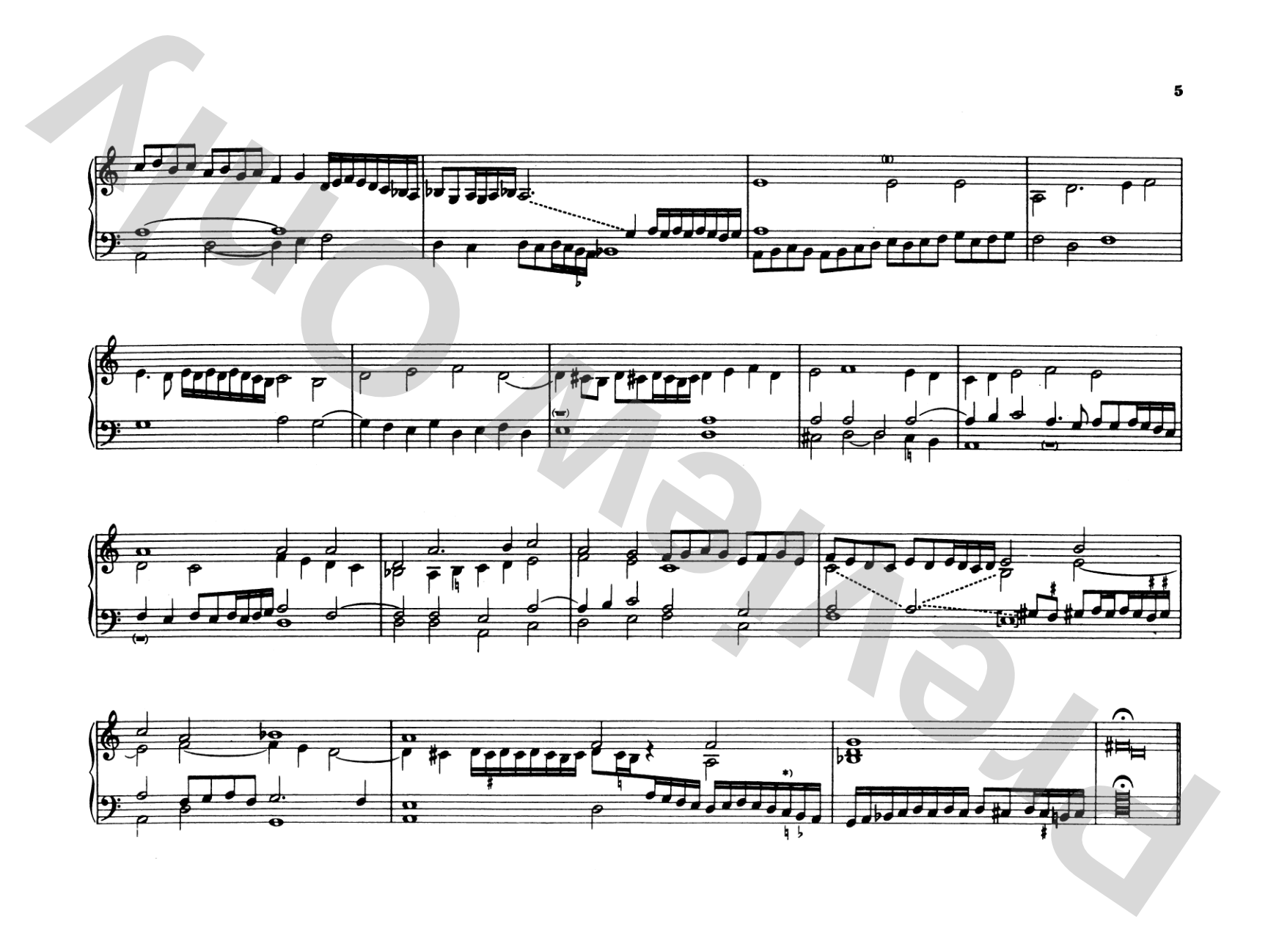

Gabrieli: Organ Works, Volume II
By Andrea Gabrieli
Item: 00-PK-0003106

$9.99
Pickup currently not available
Buy Extra Parts (Digital PDF Download)
| Product | Price | Quantity |
|---|---|---|
| Gabrieli: Organ Works, Volume II | $0.99 | |
| Gabrieli: Organ Works, Volume II | $0.99 | |
| Gabrieli: Organ Works, Volume II | $0.99 | |
| Gabrieli: Organ Works, Volume II | $0.99 | |
| Gabrieli: Organ Works, Volume II | $0.99 | |
| Gabrieli: Organ Works, Volume II | $0.99 | |
| Gabrieli: Organ Works, Volume II | $0.99 | |
| Gabrieli: Organ Works, Volume II | $0.99 | |
| Gabrieli: Organ Works, Volume II | $0.99 | |
| Gabrieli: Organ Works, Volume II | $0.99 |
Parts Added to Cart!
Description


Don't just read it, hear it, play along with it, and watch your students grow with it. In MakeMusic Cloud, Gabrieli: Organ Works, Volume II comes alive with professional accompaniment, adjustable tempo, and built-in practice tools that turn solo practice into real progress.
Open in the Player
Jump straight in and assign it today.
Start Your Free Trial
Open this title and explore the full library in minutes.
Sample Audio
No sample audio found.
Sample Video
No sample videos found.
Additional Details
Series:
Kalmus Edition
Publisher:
Alfred Music
Page Count:
40
SKU:
00-PK-0003106
More about this title
About the Composer: Andrea Gabrieli
Andrea Gabrieli (c. 1532, 1585) was one of the most significant keyboard composers of the Renaissance and a central figure in the Venetian musical establishment. As organist at St. Mark's Basilica and a prolific composer of ricercari, canzonas, and toccatas, he helped define the emerging solo organ idiom that would flourish in the Baroque era. His keyboard writing combines contrapuntal sophistication with an understanding of the instrument's technical possibilities, making his works essential repertoire for understanding how the organ transitioned from a liturgical accompaniment tool to a concert instrument.
Gabrieli's organ compositions reveal a composer deeply engaged with both structural innovation and practical musicianship. His pieces demand a solid grasp of Renaissance counterpoint and reward careful attention to registration and phrasing. For students and professionals alike, his works represent a crucial bridge between the keyboard music of Josquin's generation and the virtuosic organ writing of the Baroque masters.
Why we love this
Gabrieli's organ writing sits at the threshold between Renaissance polyphony and Baroque keyboard virtuosity, making these works essential for organists building interpretive depth. The music demands real technical command and musical maturity while remaining rooted in Renaissance harmonic language that reveals itself gradually to the performer. This collection presents the full scope of his keyboard genius in a single, practical score.
What to expect
These pieces balance intellectual rigor with genuine forward momentum. Passages of strict contrapuntal writing open suddenly into brilliant figuration that sparkles across the manuals, then resolve into moments of austere harmonic clarity. There is gravitas and ceremony in Gabrieli's voice, yet an unmistakable sense of the keyboard's capability to delight through brilliant passagework and unexpected color.
Who it's for
Advanced organists seeking to deepen their command of Renaissance keyboard literature and composers interested in the historical development of the toccata and ricercar forms. This volume serves repertoire-building at the recital level and enriches academic study of keyboard music history.
How to get the most out of it
- Study the proportions between sections carefully. Gabrieli often shifts between dense polyphonic writing and passage work; let the texture guide your pacing rather than imposing a uniform tempo throughout.
- Register choices matter significantly. Experiment with different manual combinations to clarify the independent lines, especially in ricercars where motivic clarity supports the listener's understanding of the construction.
- Allow time for harmonic breathing in the slower, more chordal passages. Renaissance harmony sometimes asks for weightier articulation than we expect; resist rushing through static harmonic areas.
- Pedal passages are sparse in this repertoire but crucial when they appear. Give them full attention and adequate weight to mark structural turning points.
How to use it
Program this collection strategically in recitals exploring Renaissance keyboard music or as a centerpiece in concerts tracing the evolution from Renaissance to Baroque organ style. Individual pieces work well alongside works by Girolamo Frescobaldi or William Byrd to illustrate Venetian compositional approaches. The variety within the volume allows directors to select pieces that suit both their technical level and their institutional instrument's capabilities.
Skills your students will build
- Independent voice leading across multiple manuals and pedal
- Sixteenth-century harmonic language and voice-leading conventions
- Toccata and ricercar form and structural design
- Articulation and registration to clarify polyphonic texture
- Improvisation-derived figurations and passagework
- Pedal technique in Renaissance context