
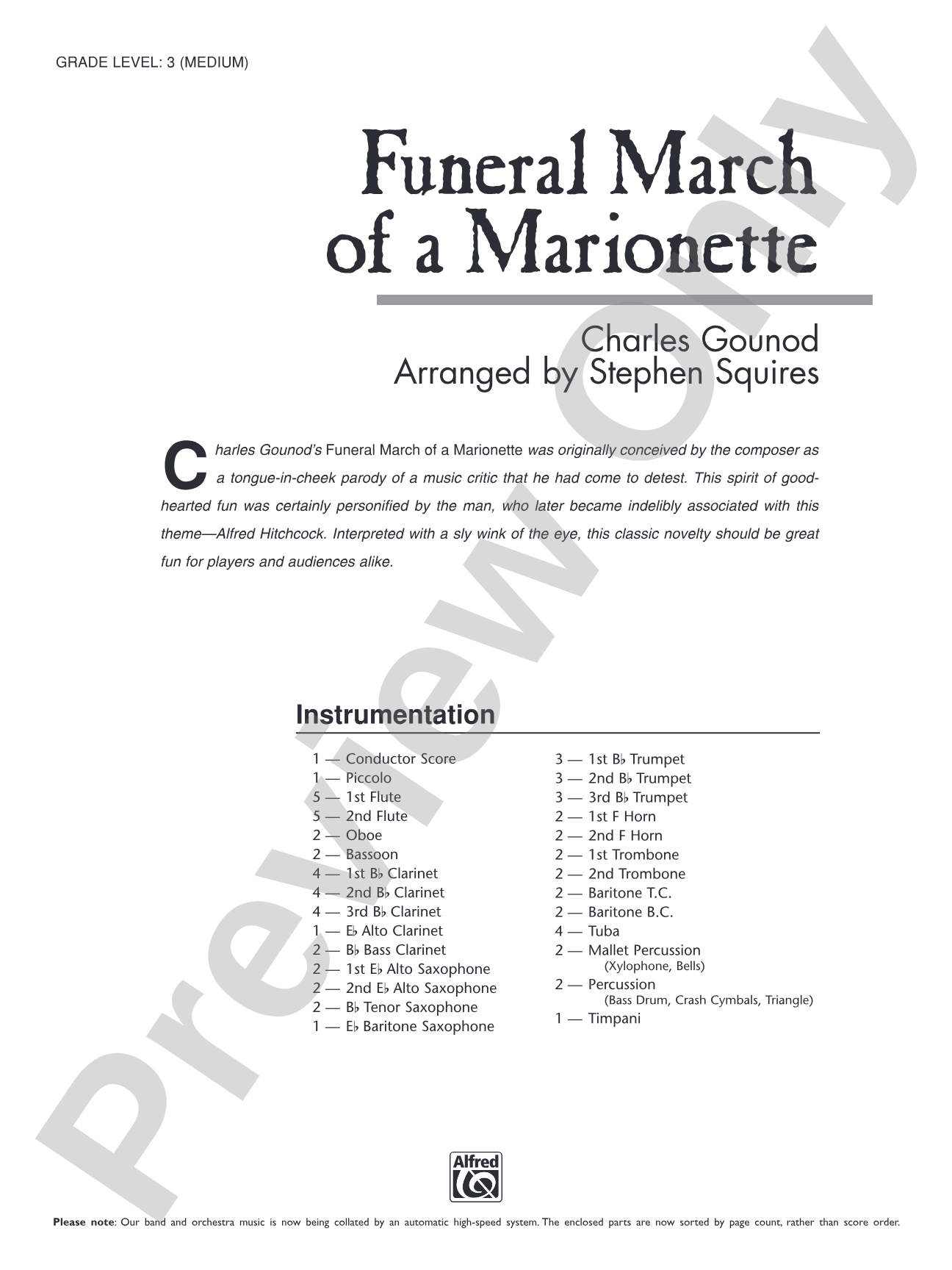
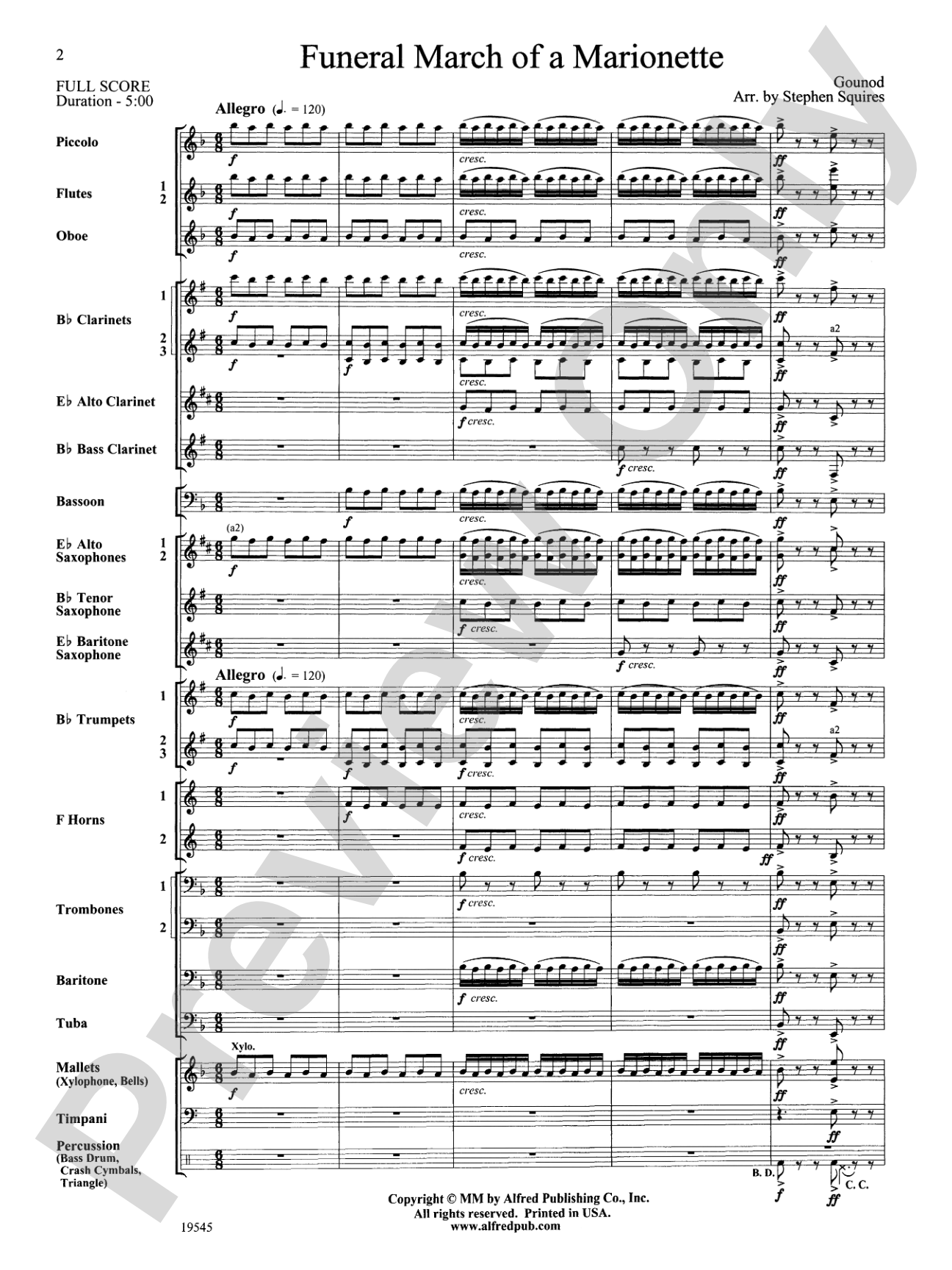
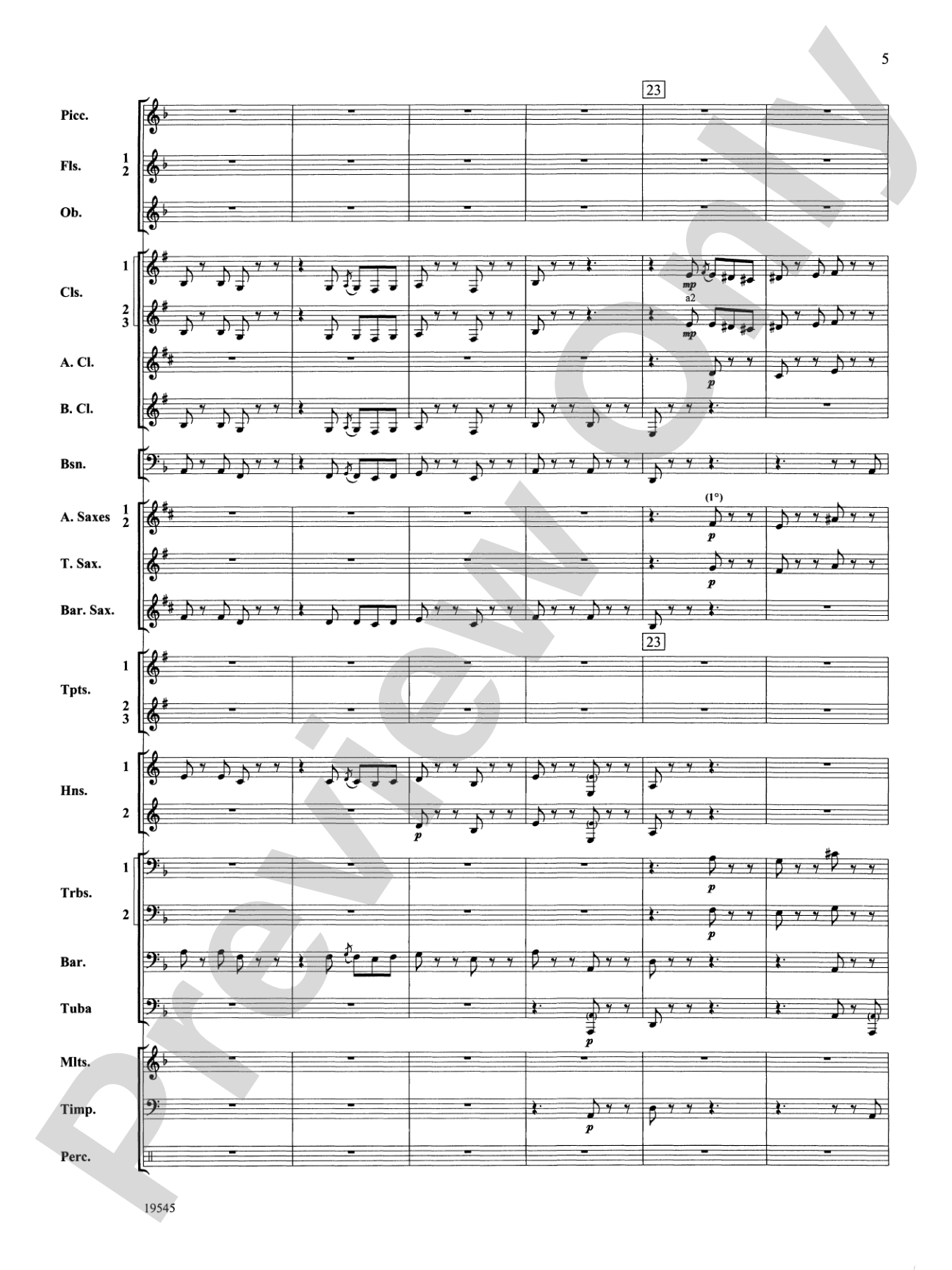
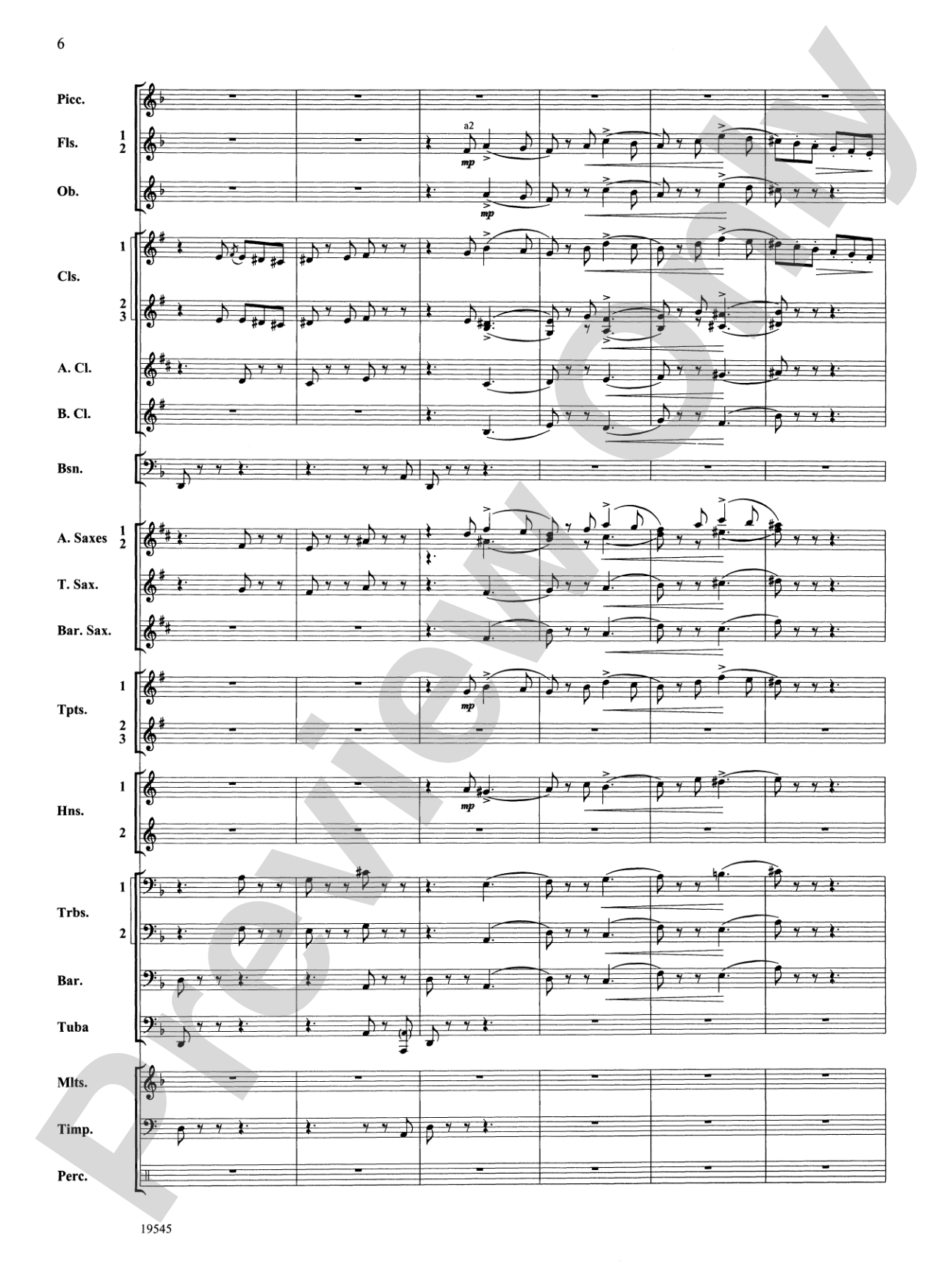
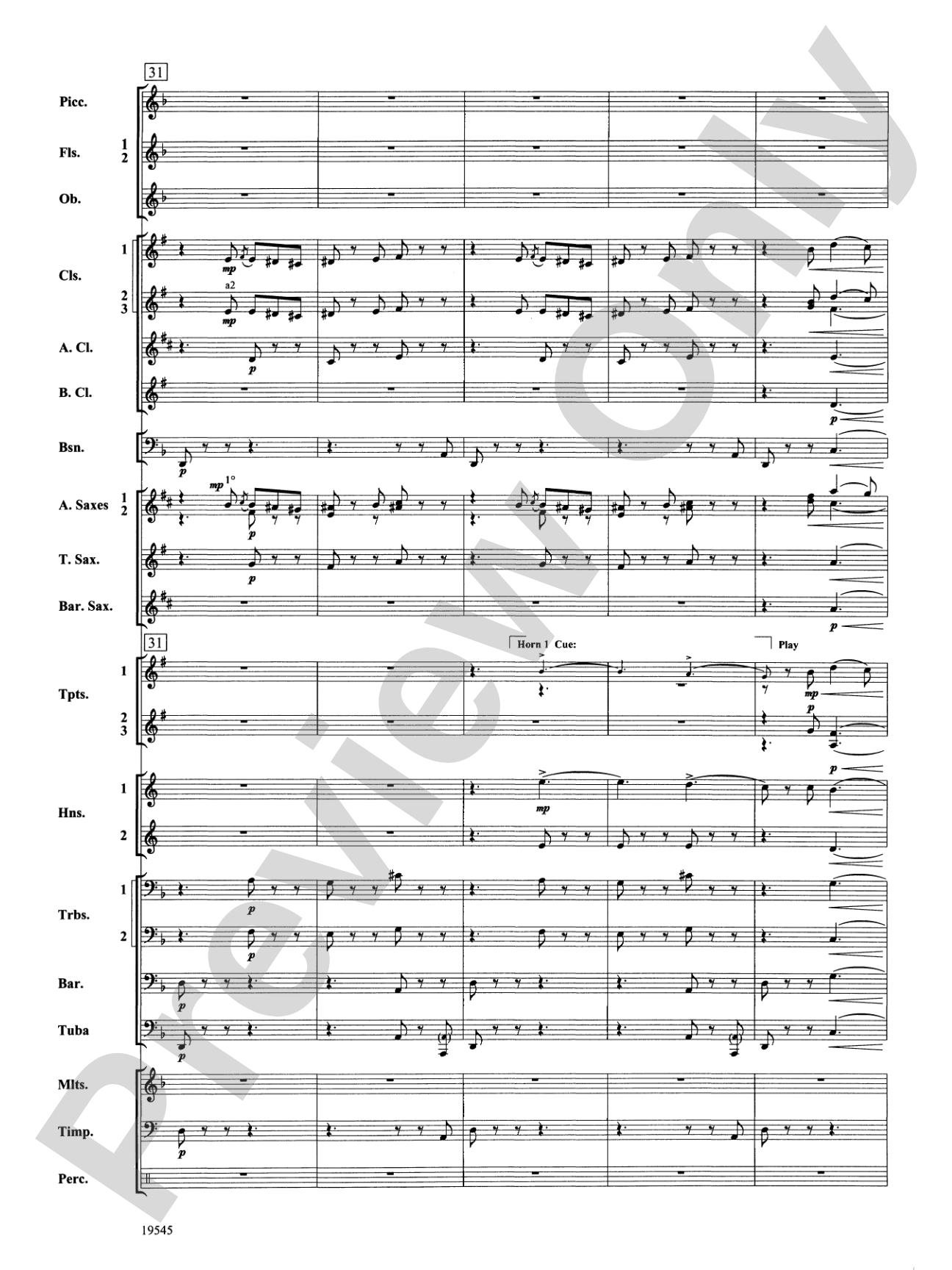
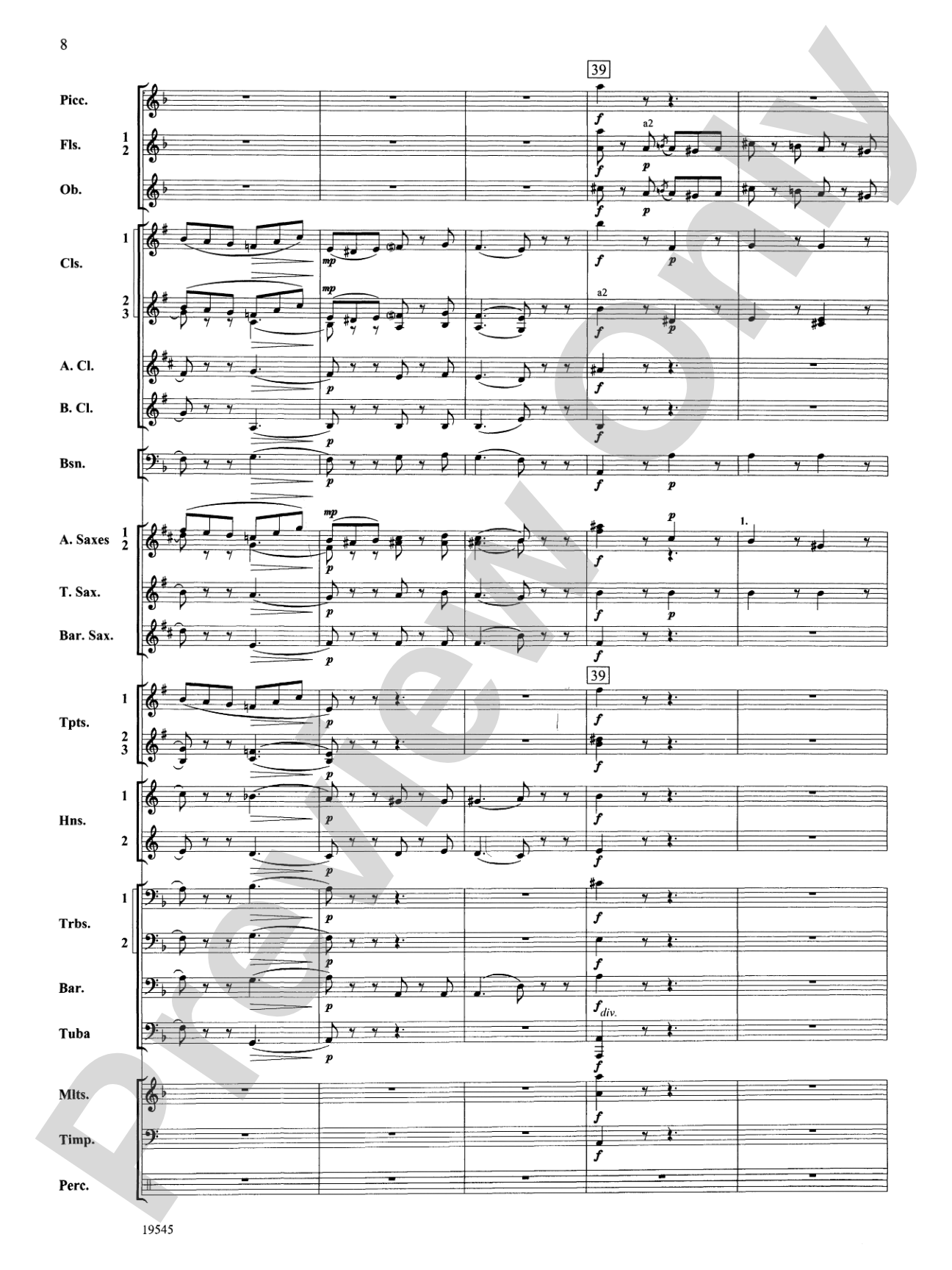
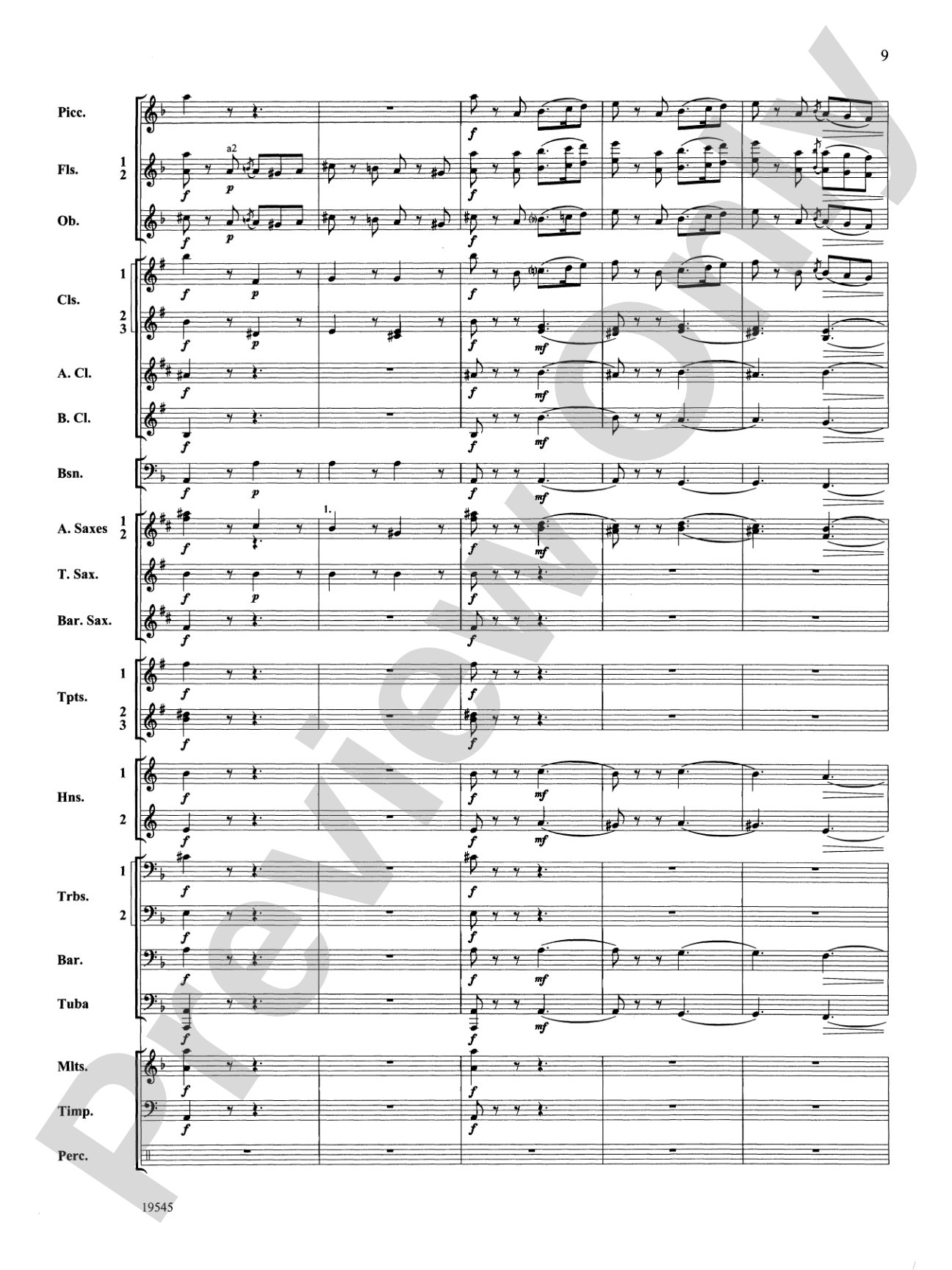
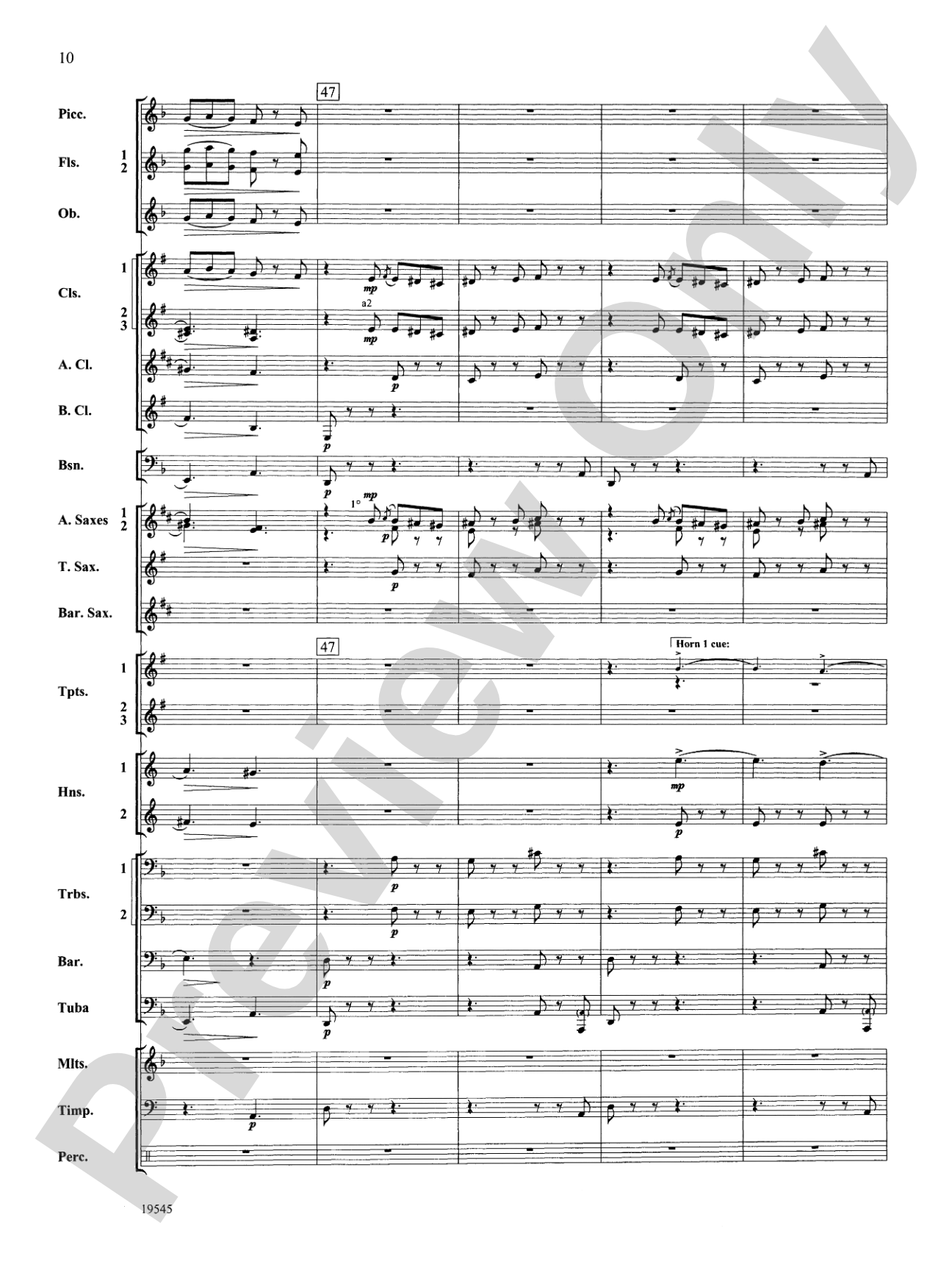
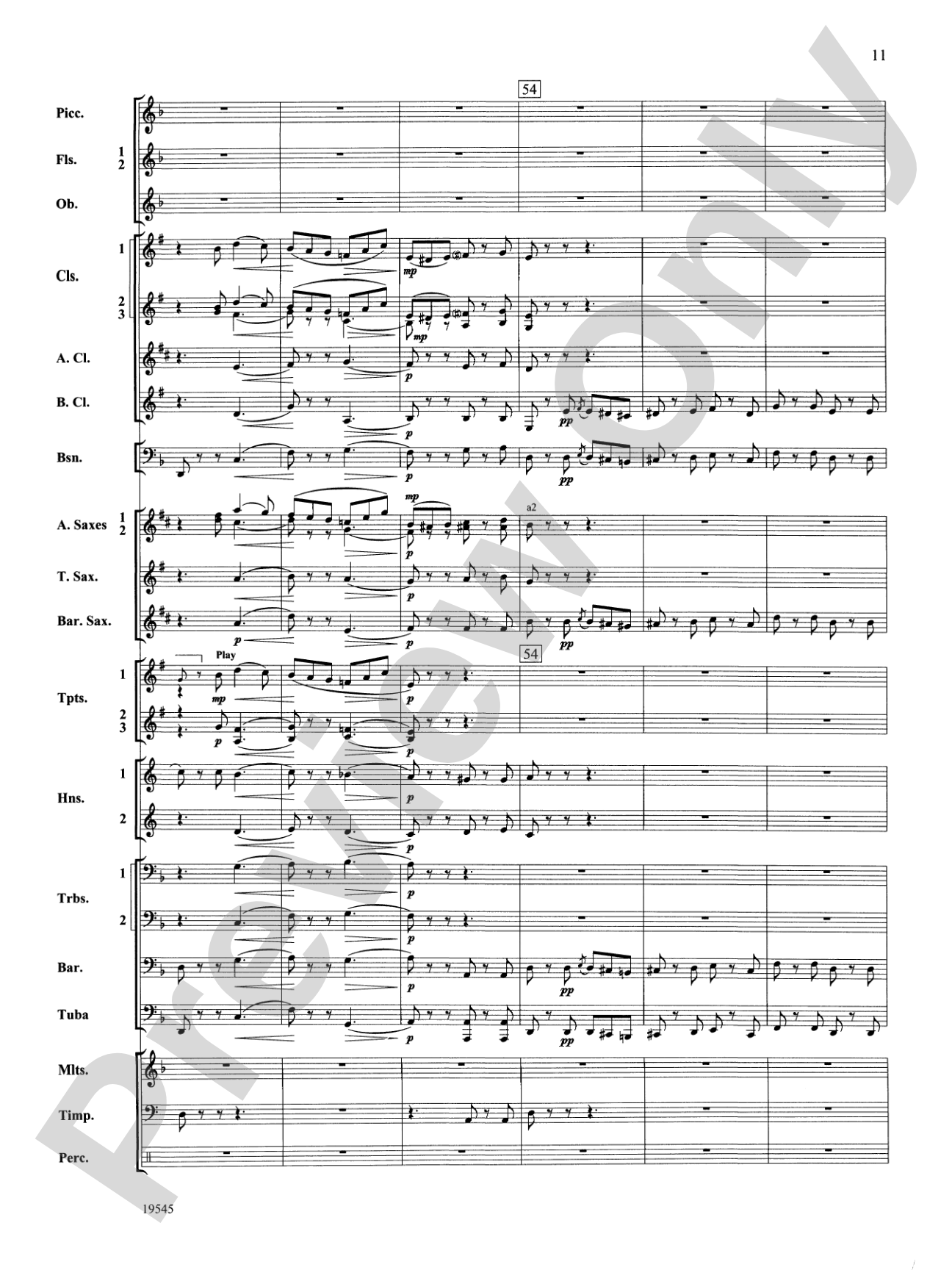
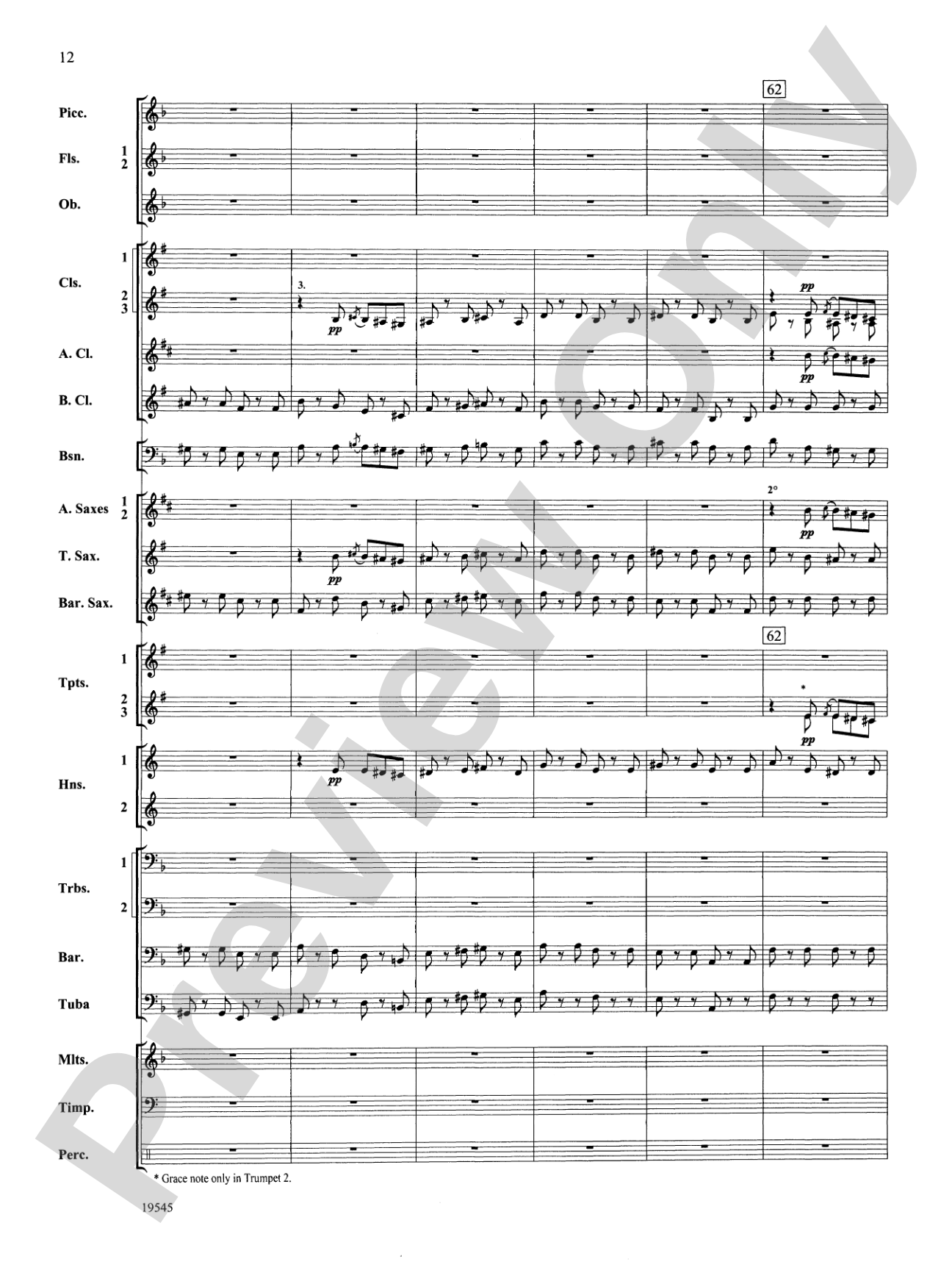
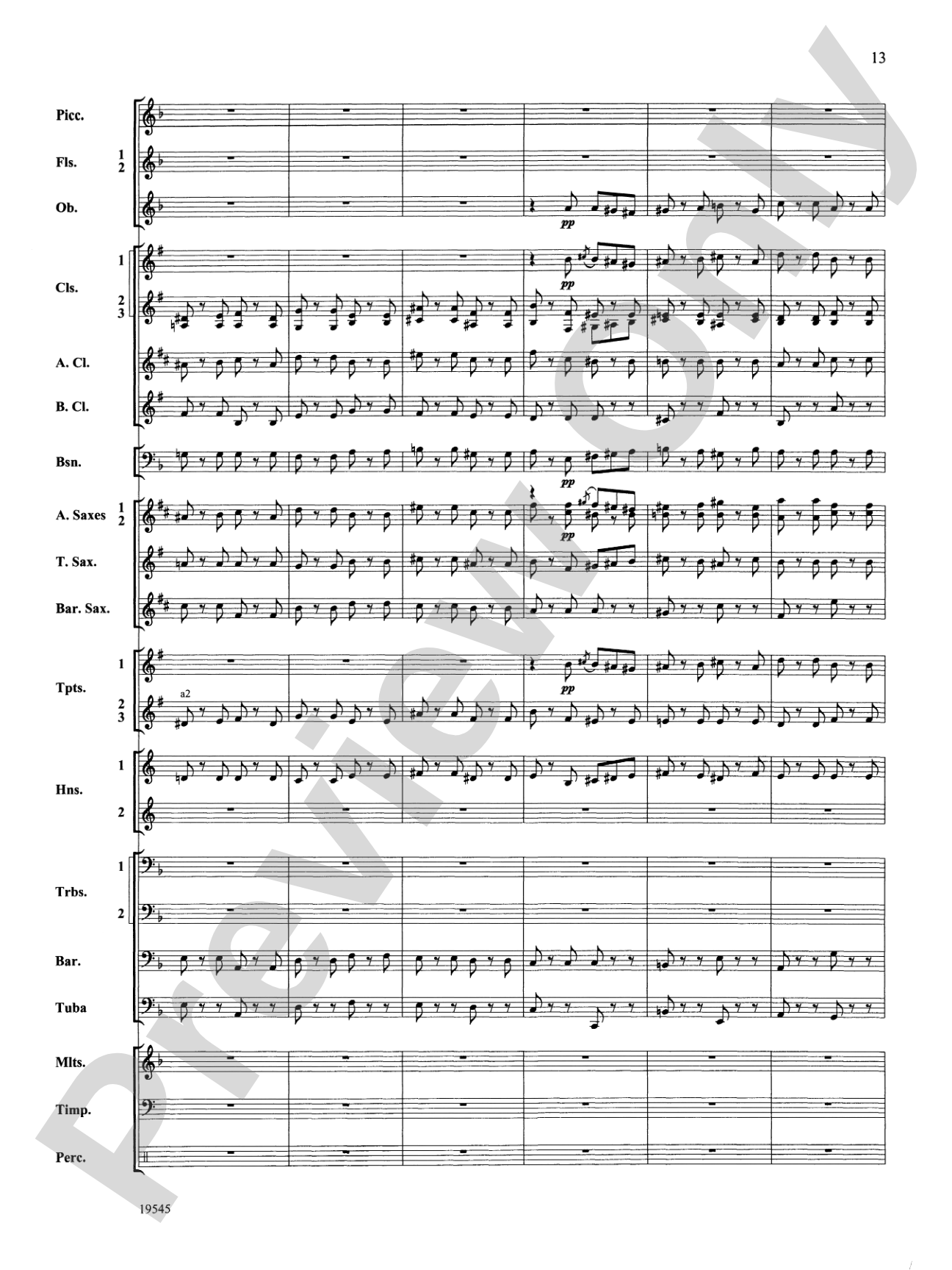
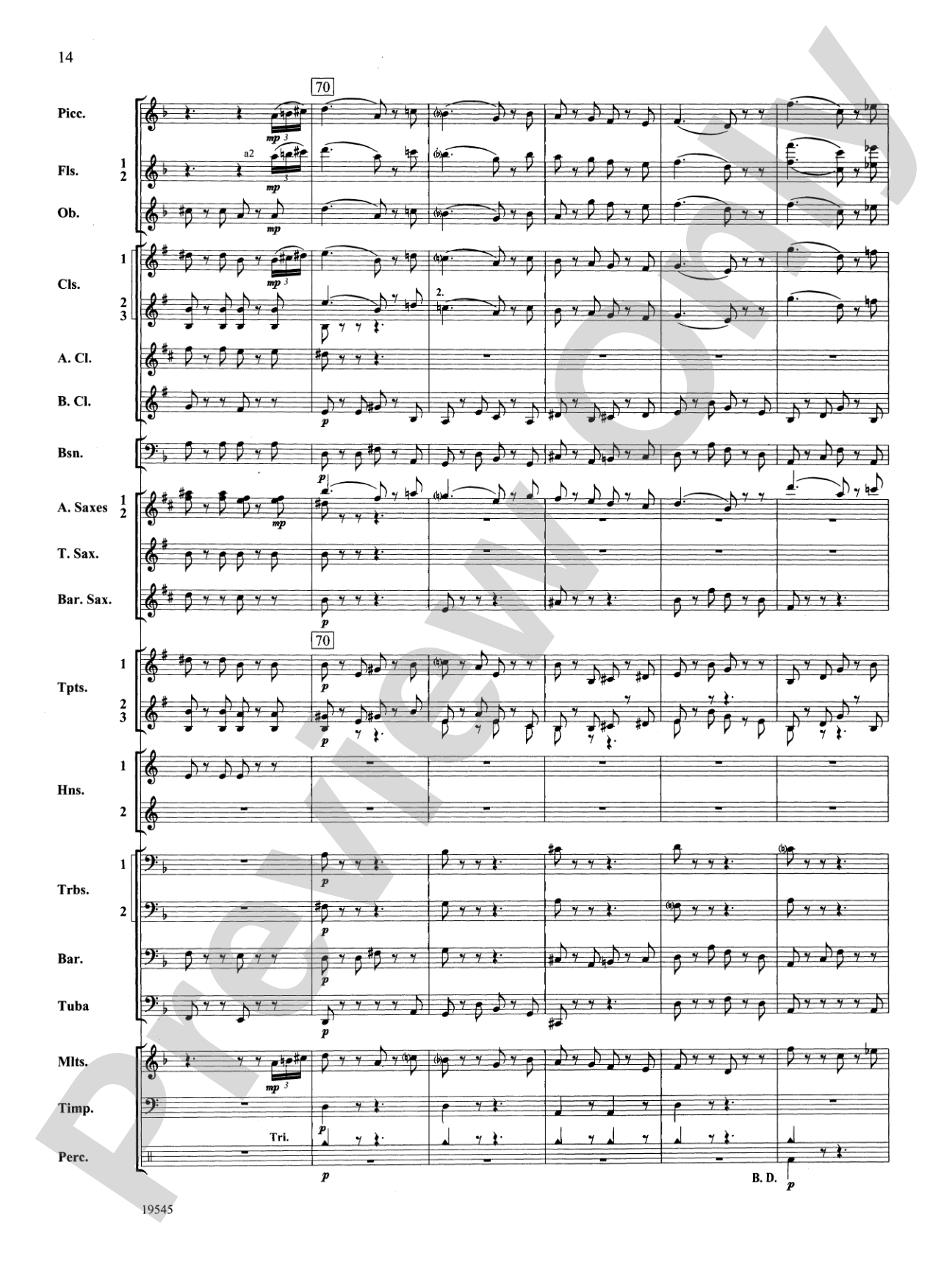
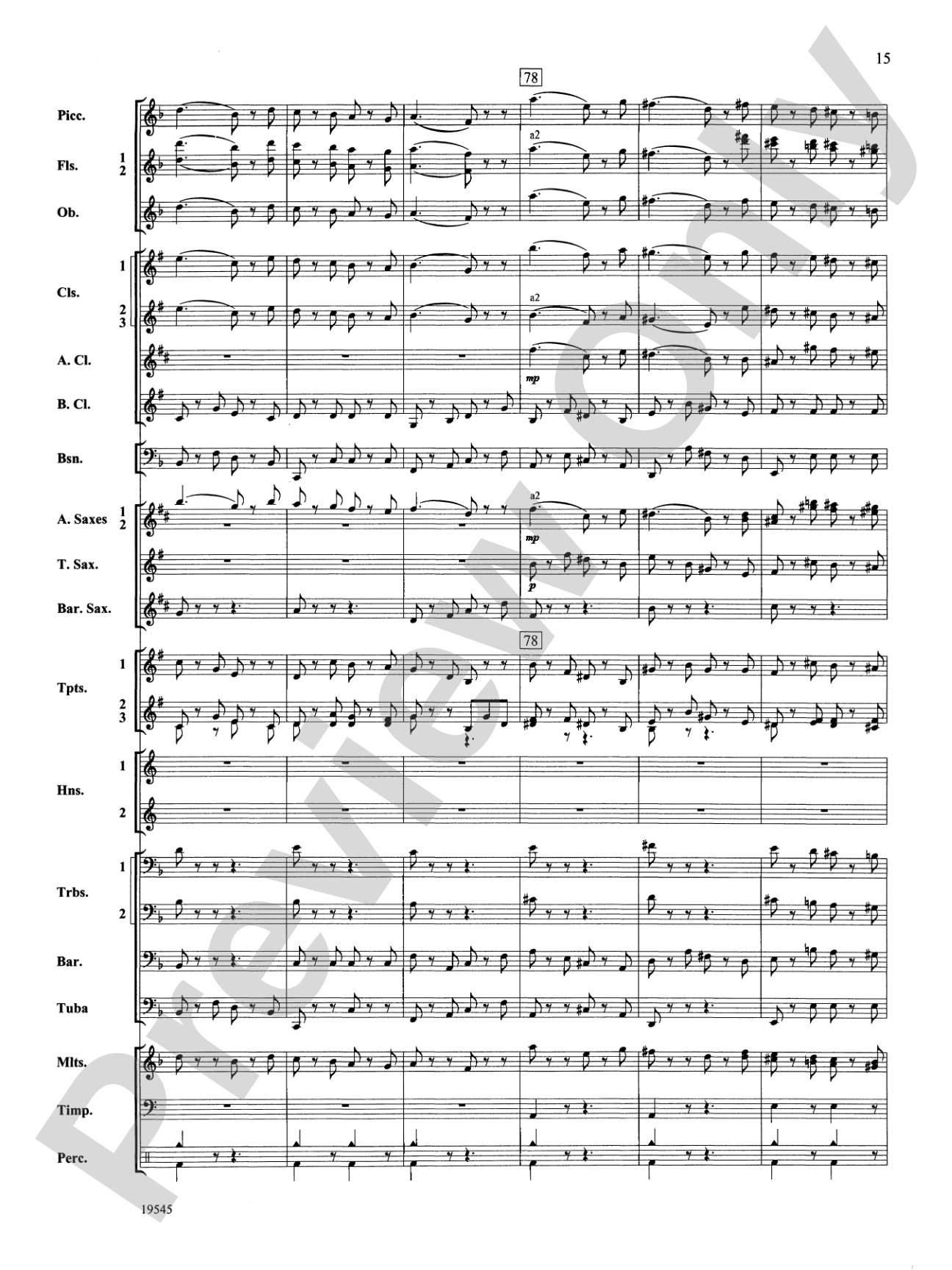
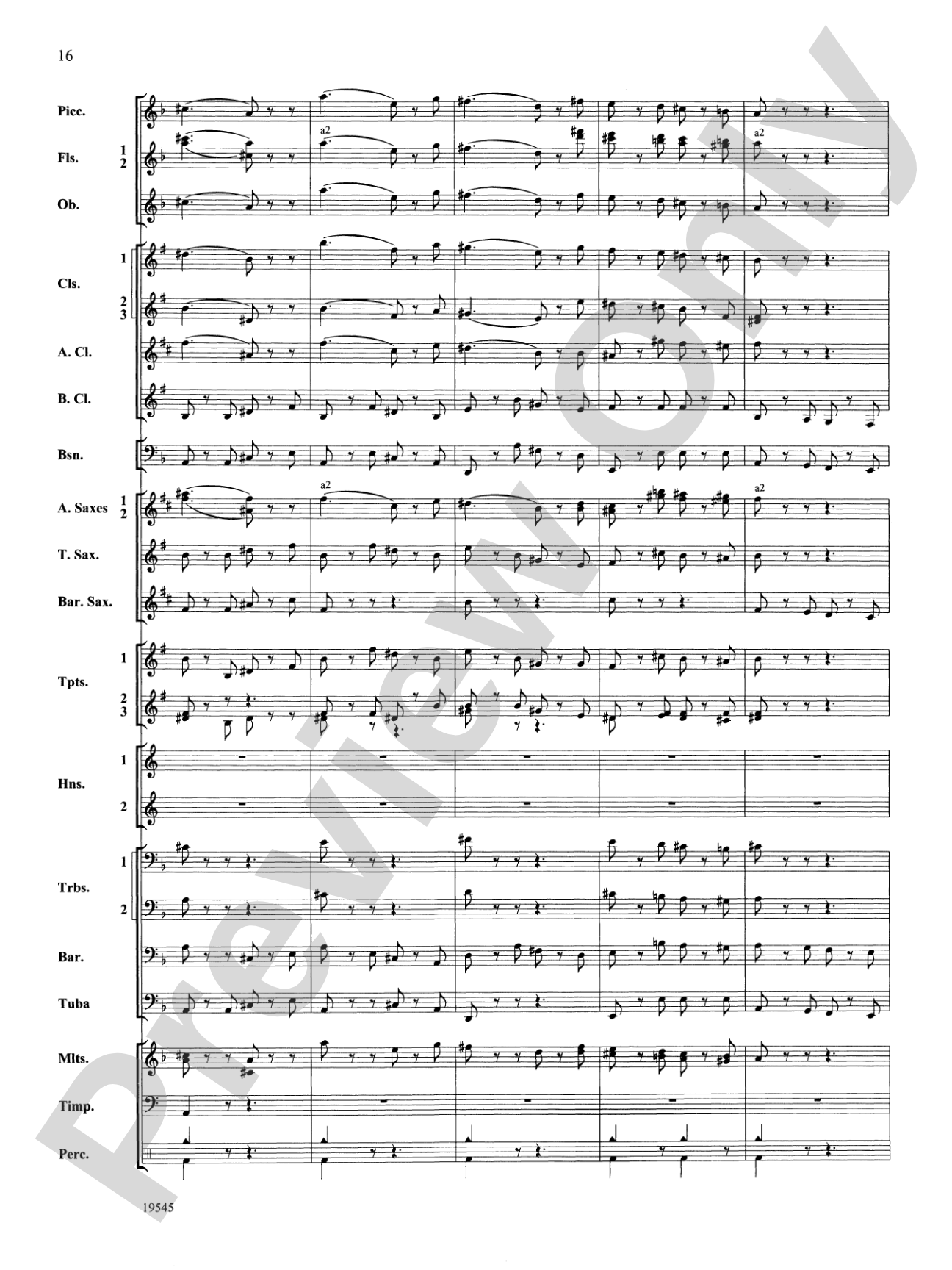
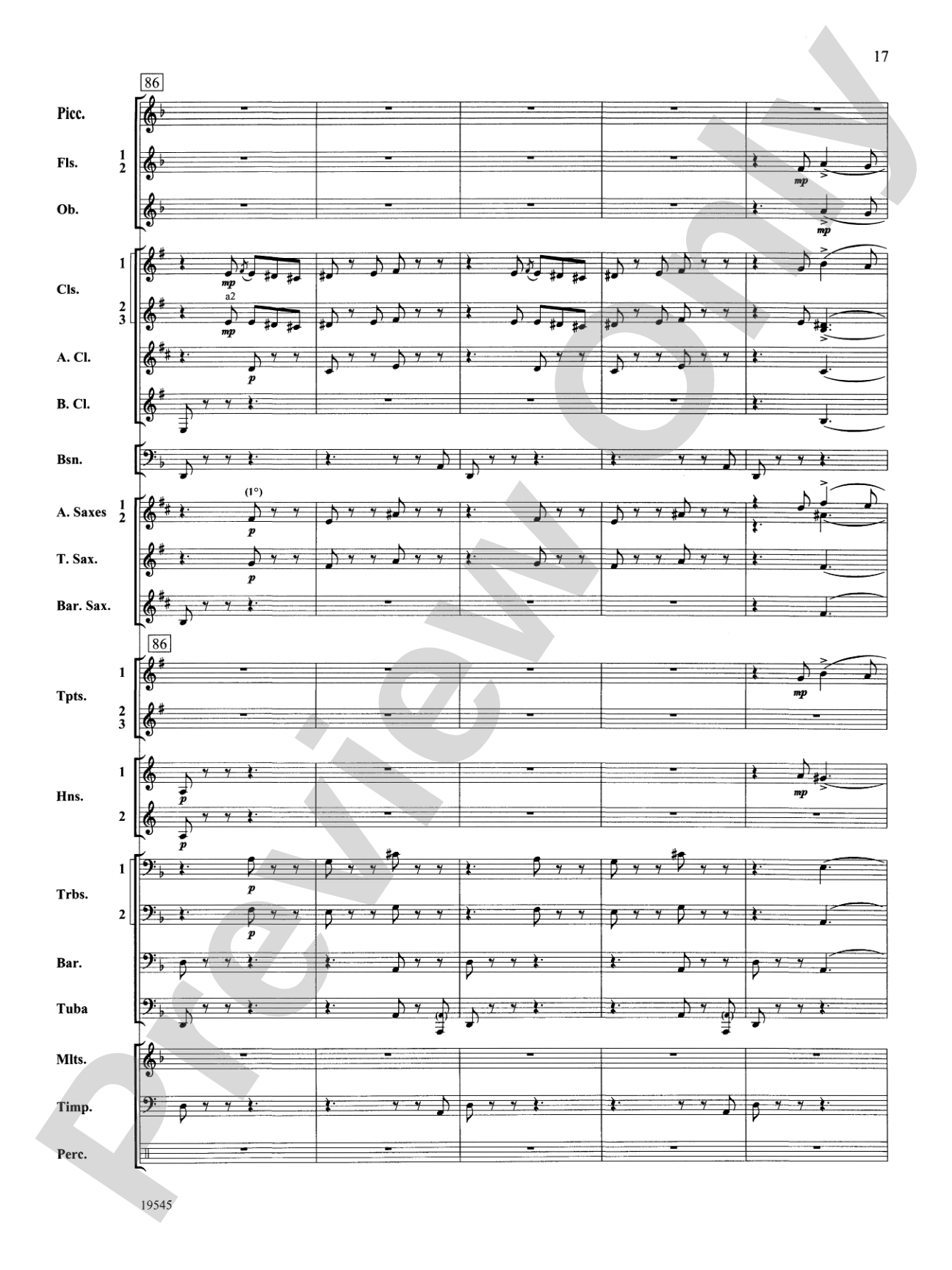
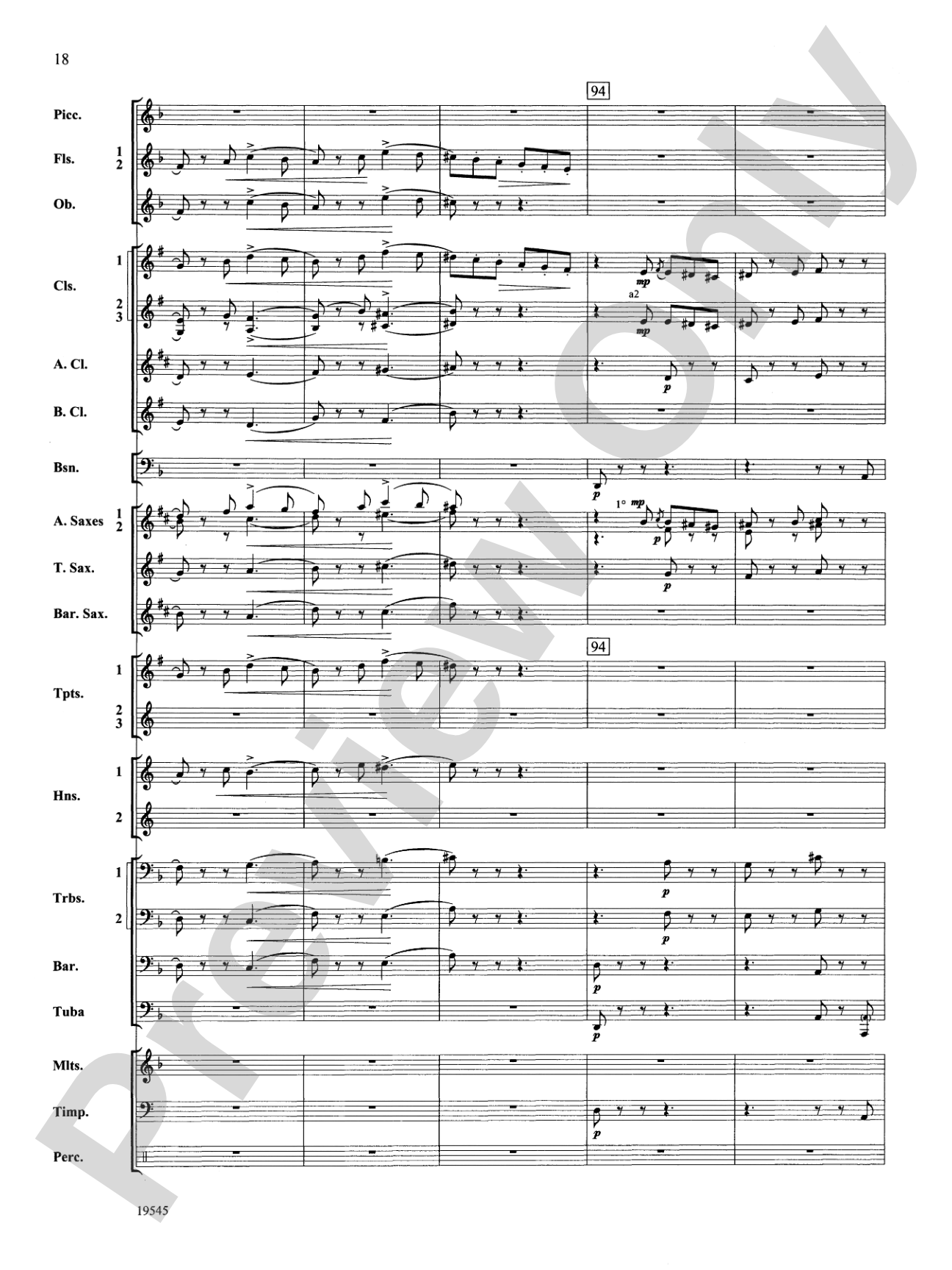
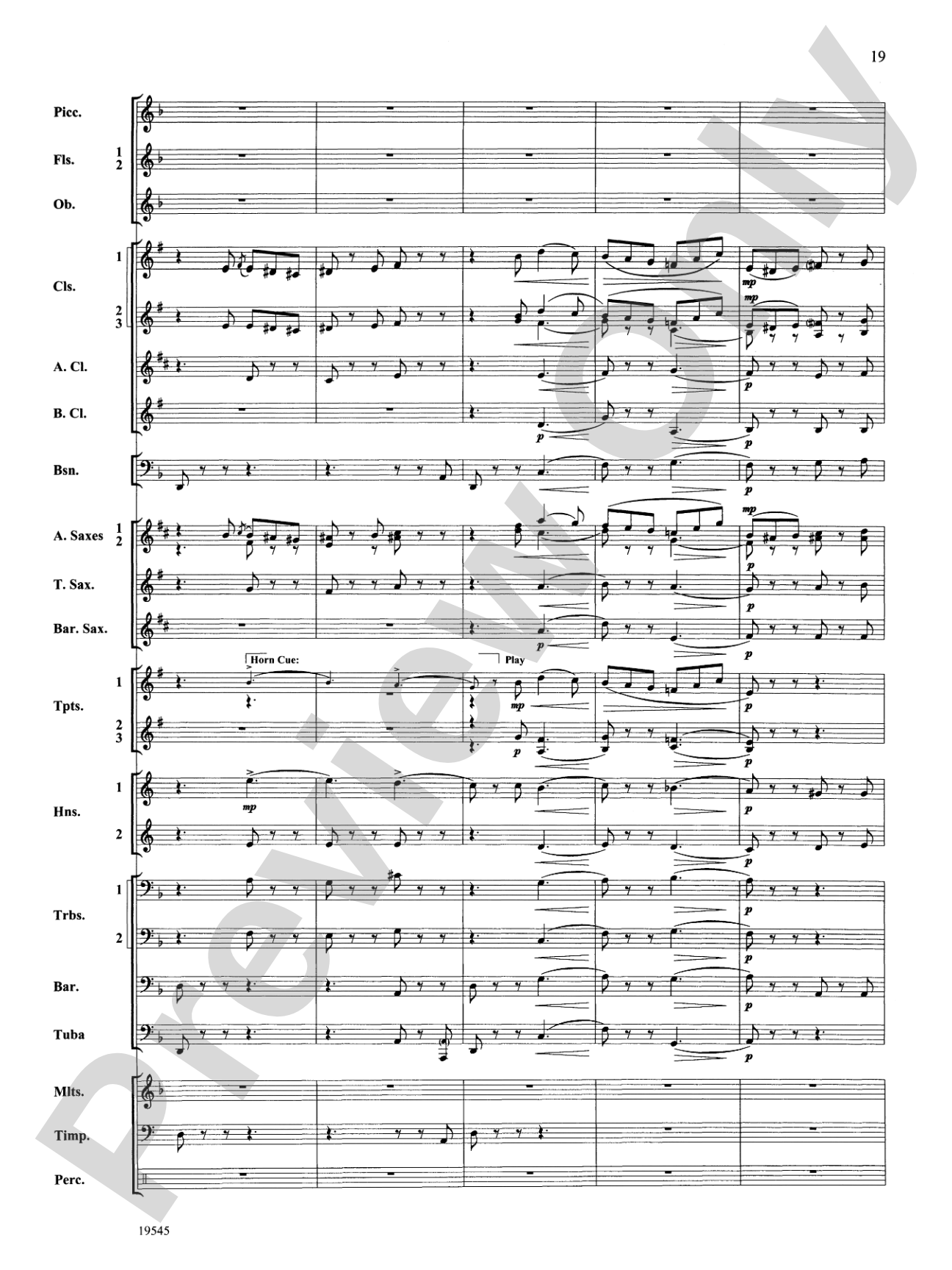
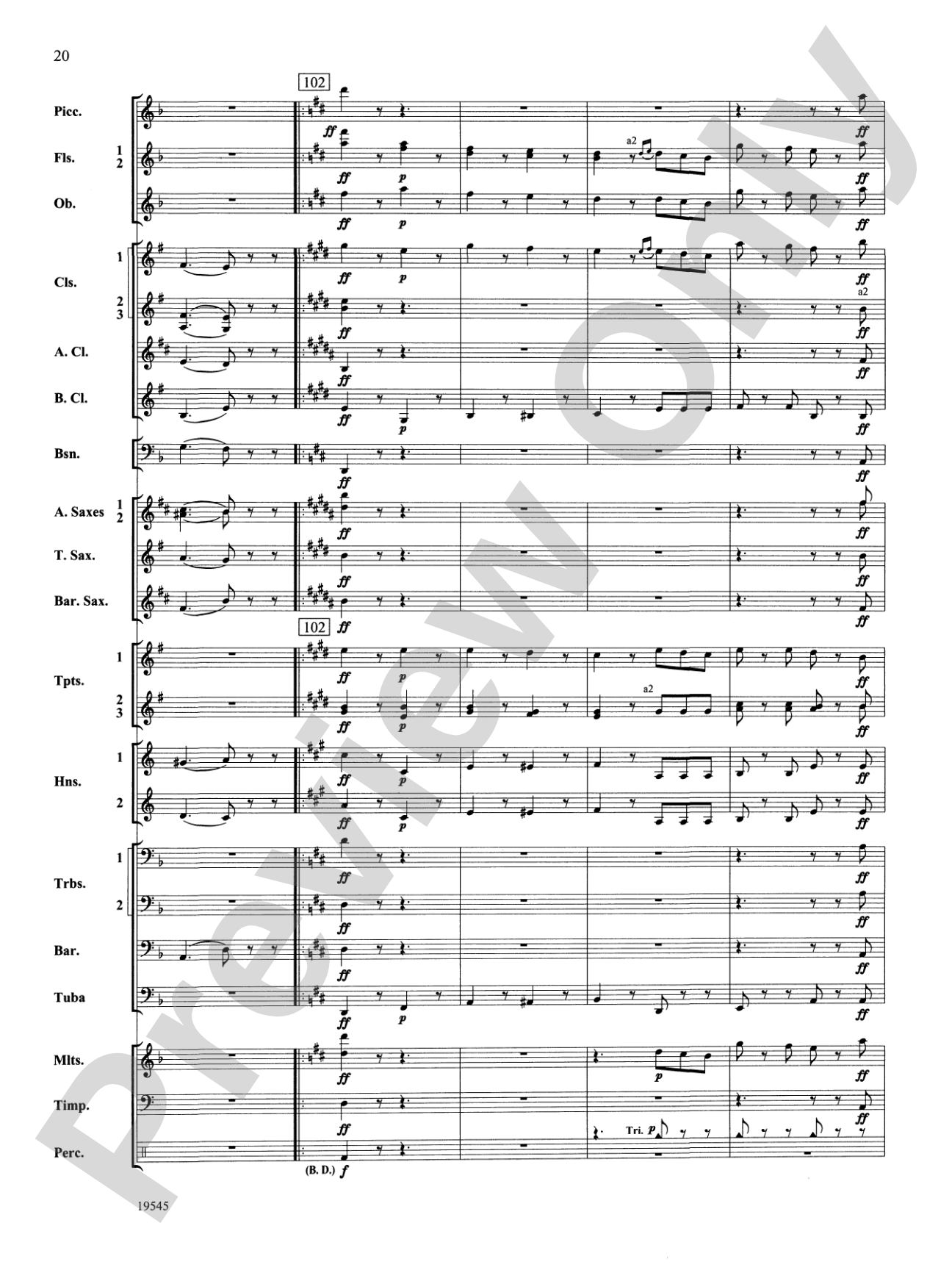
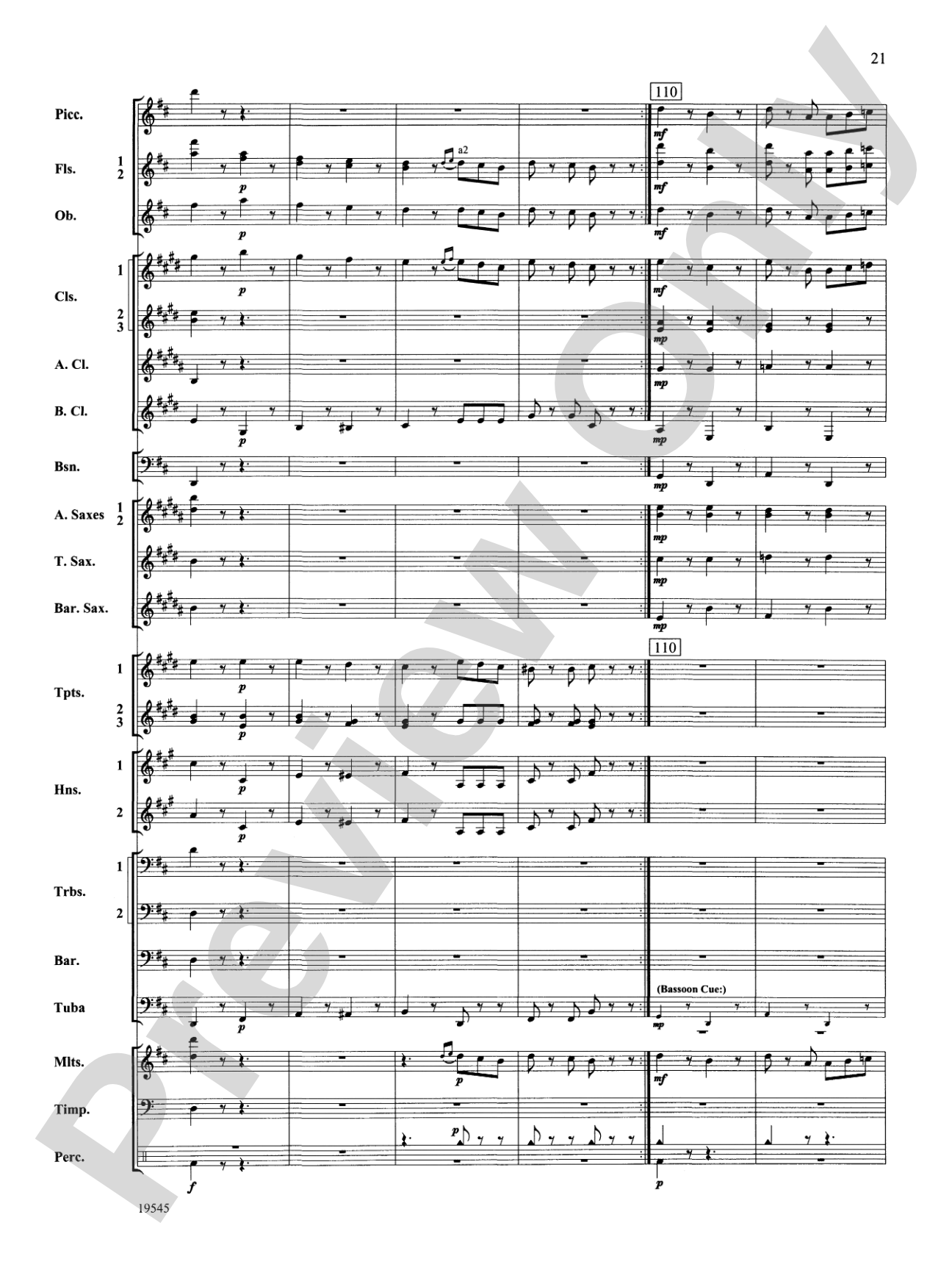
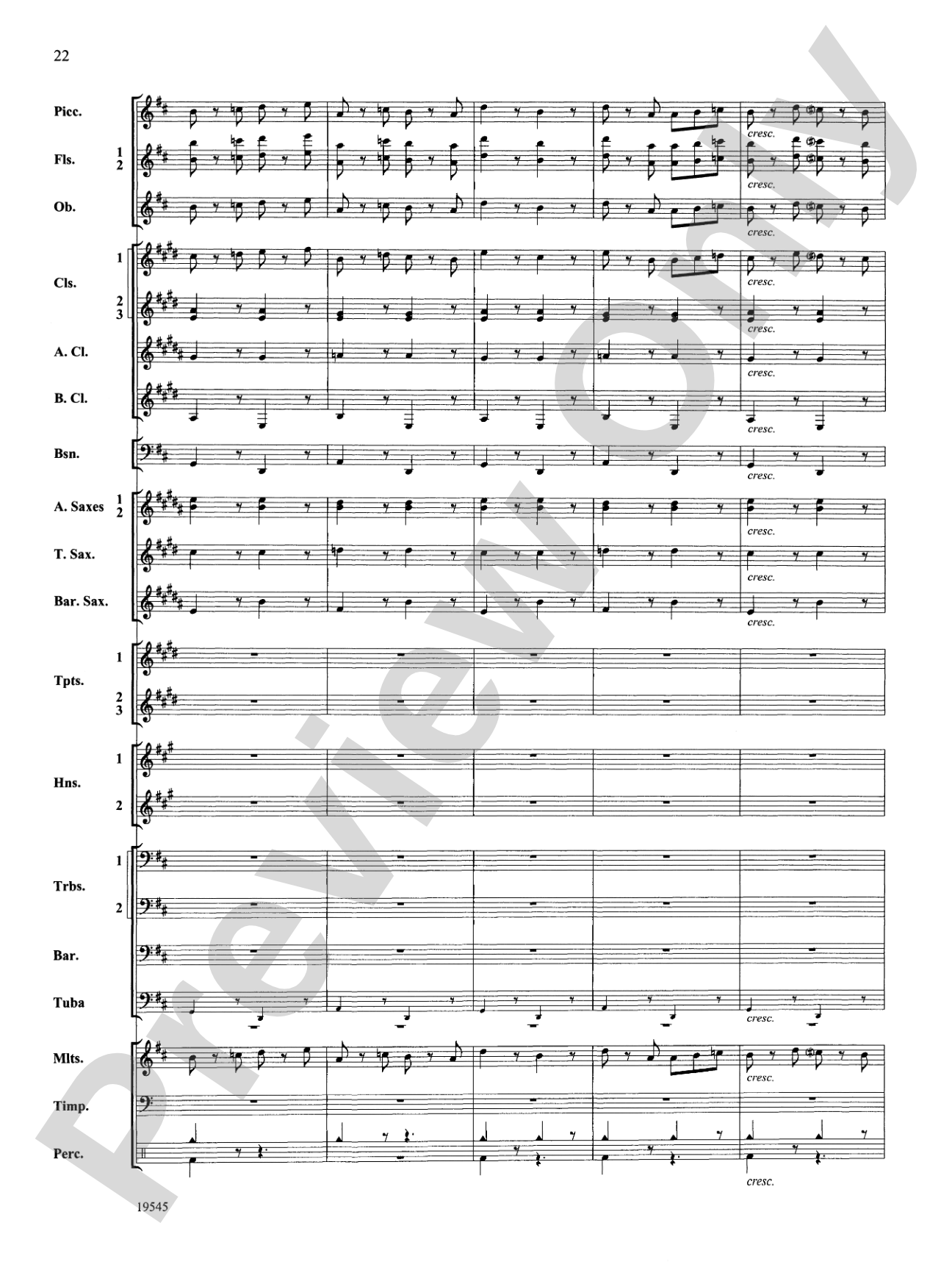
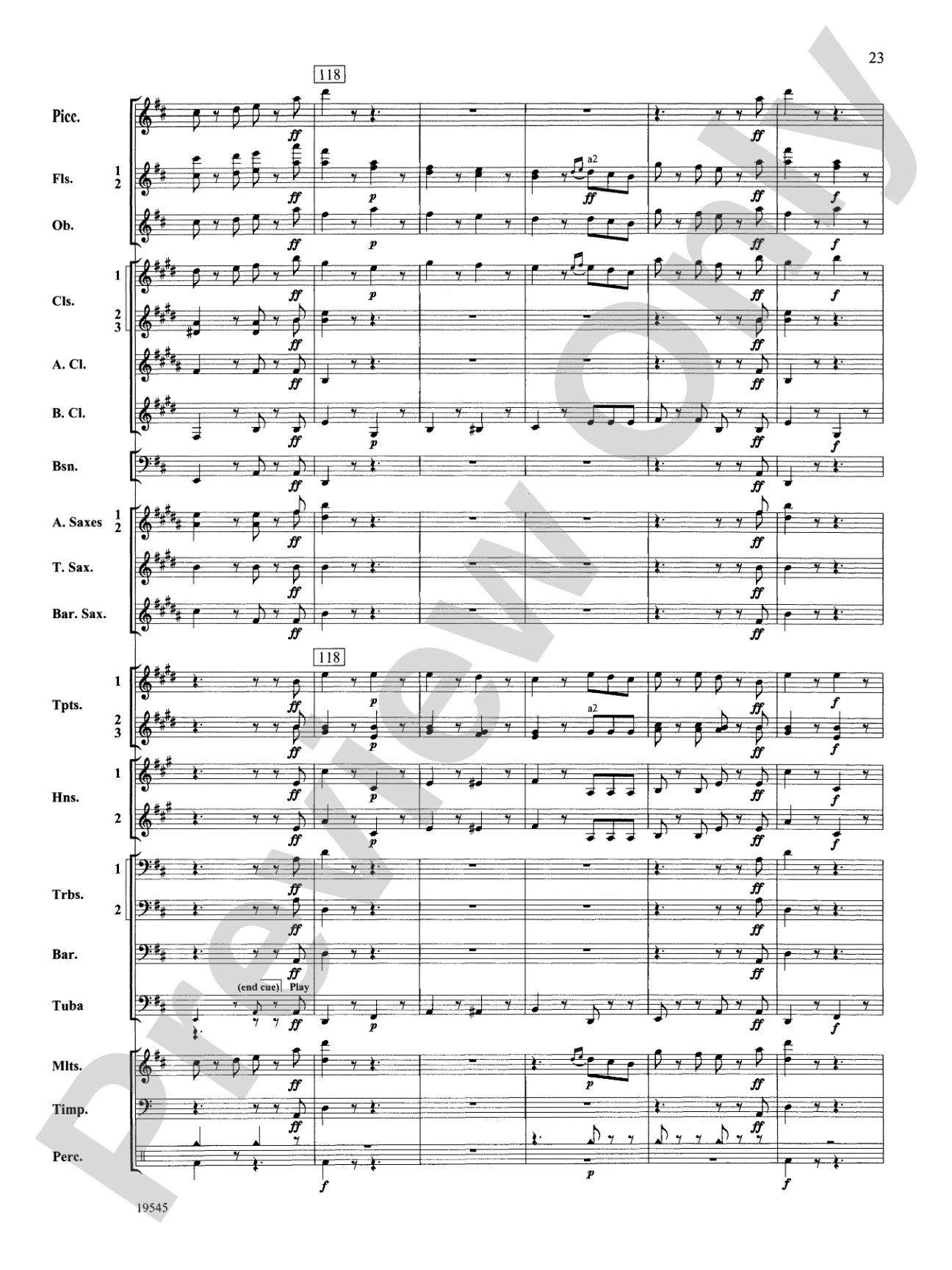
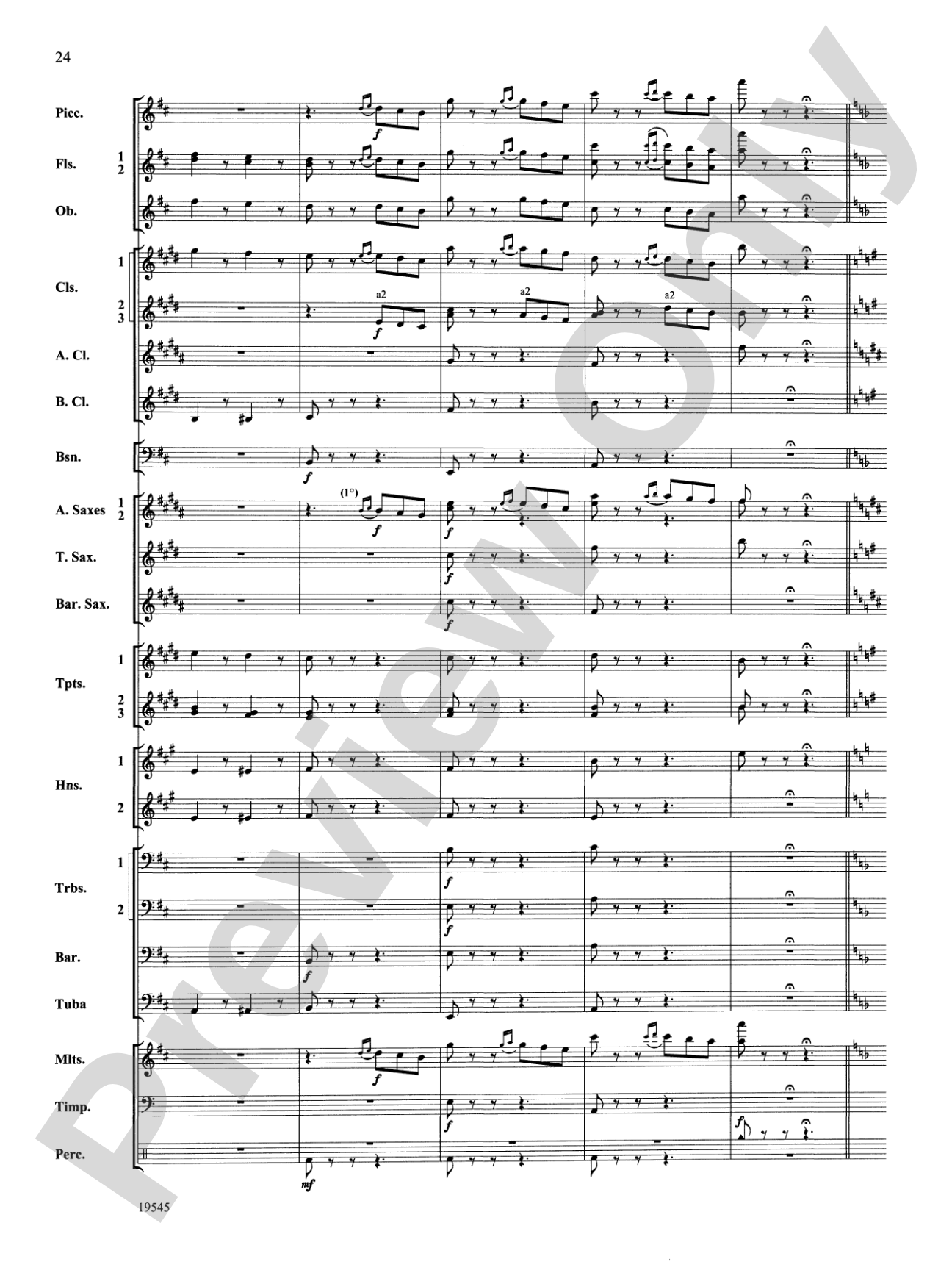
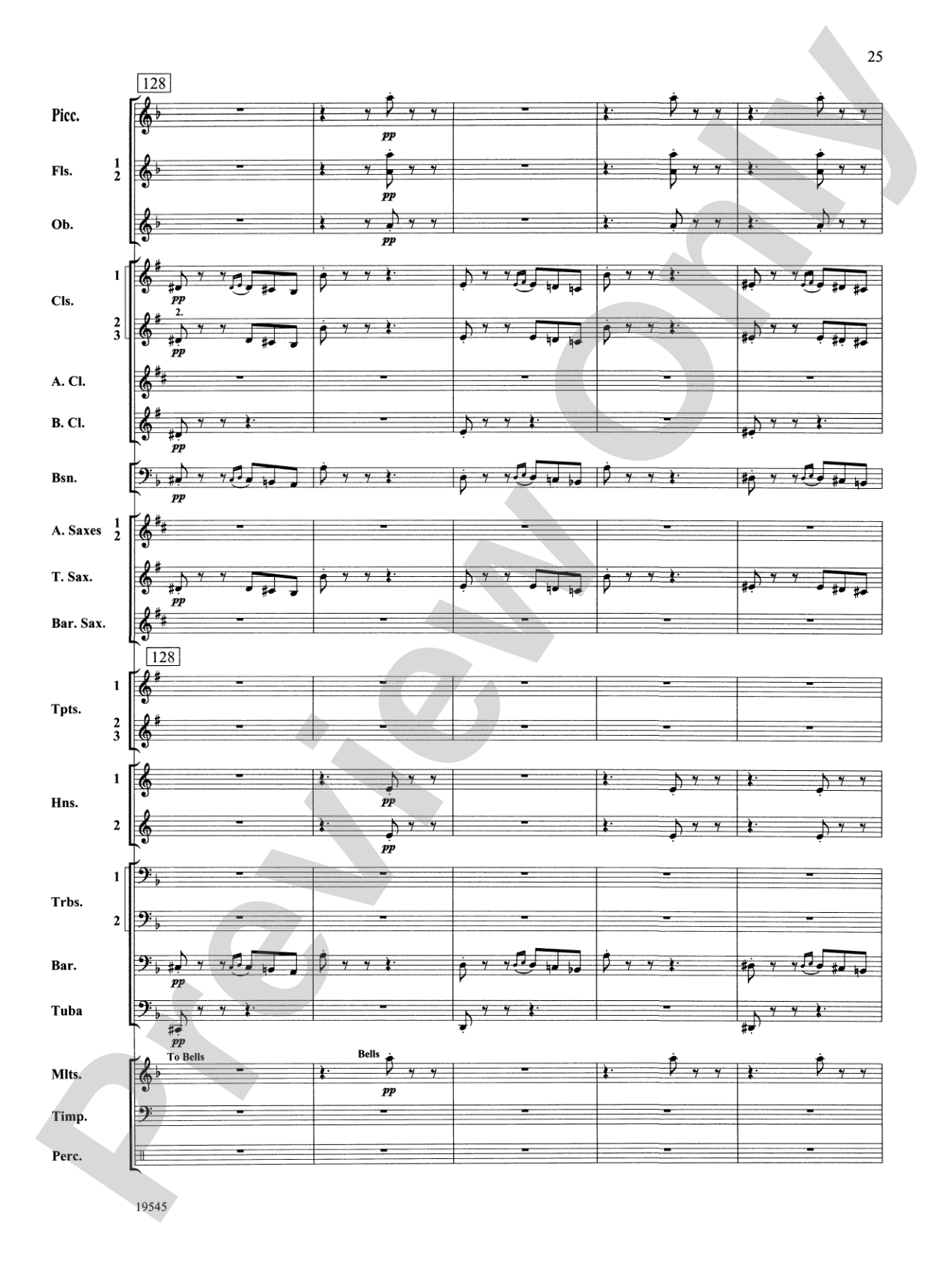
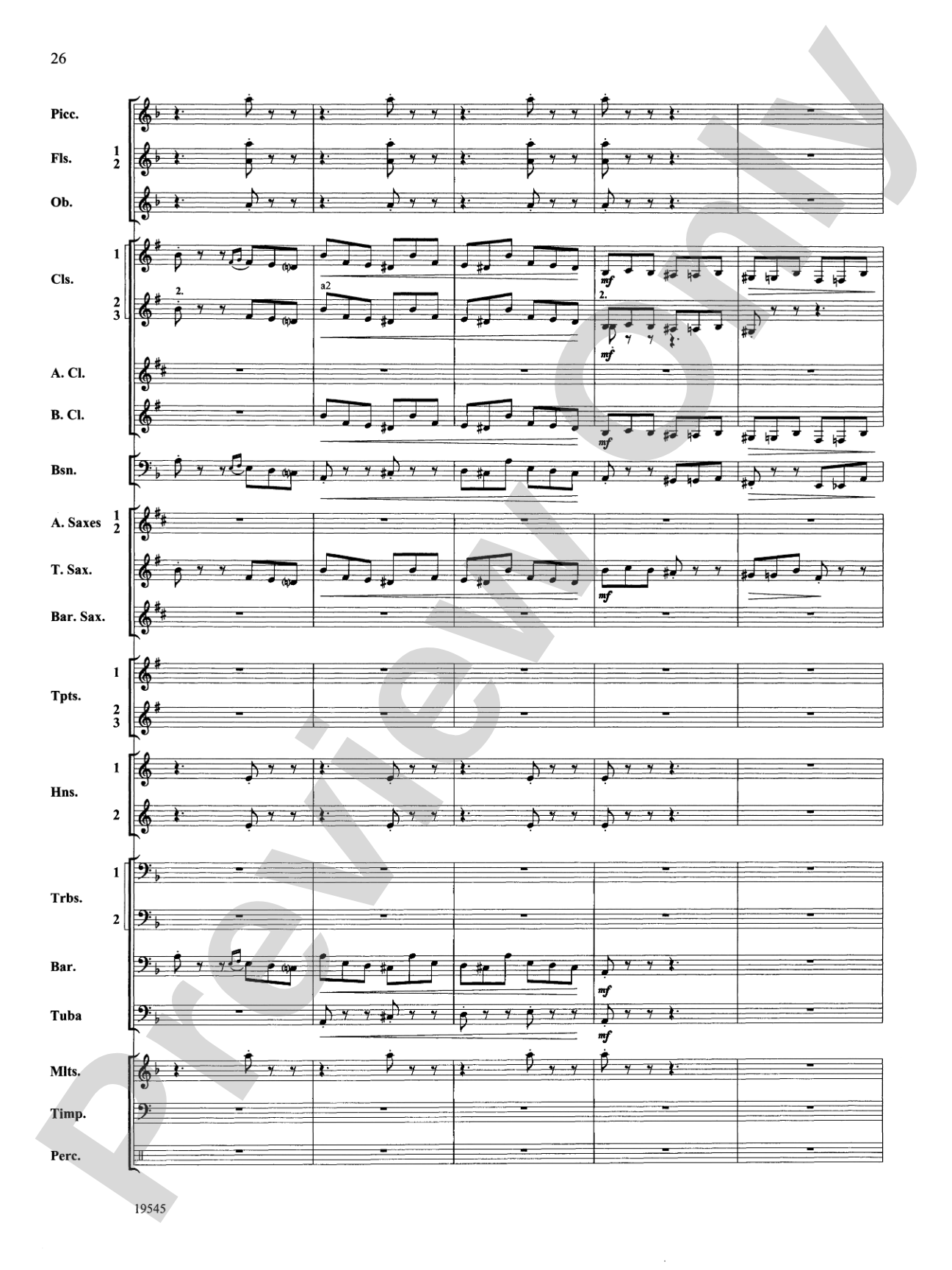
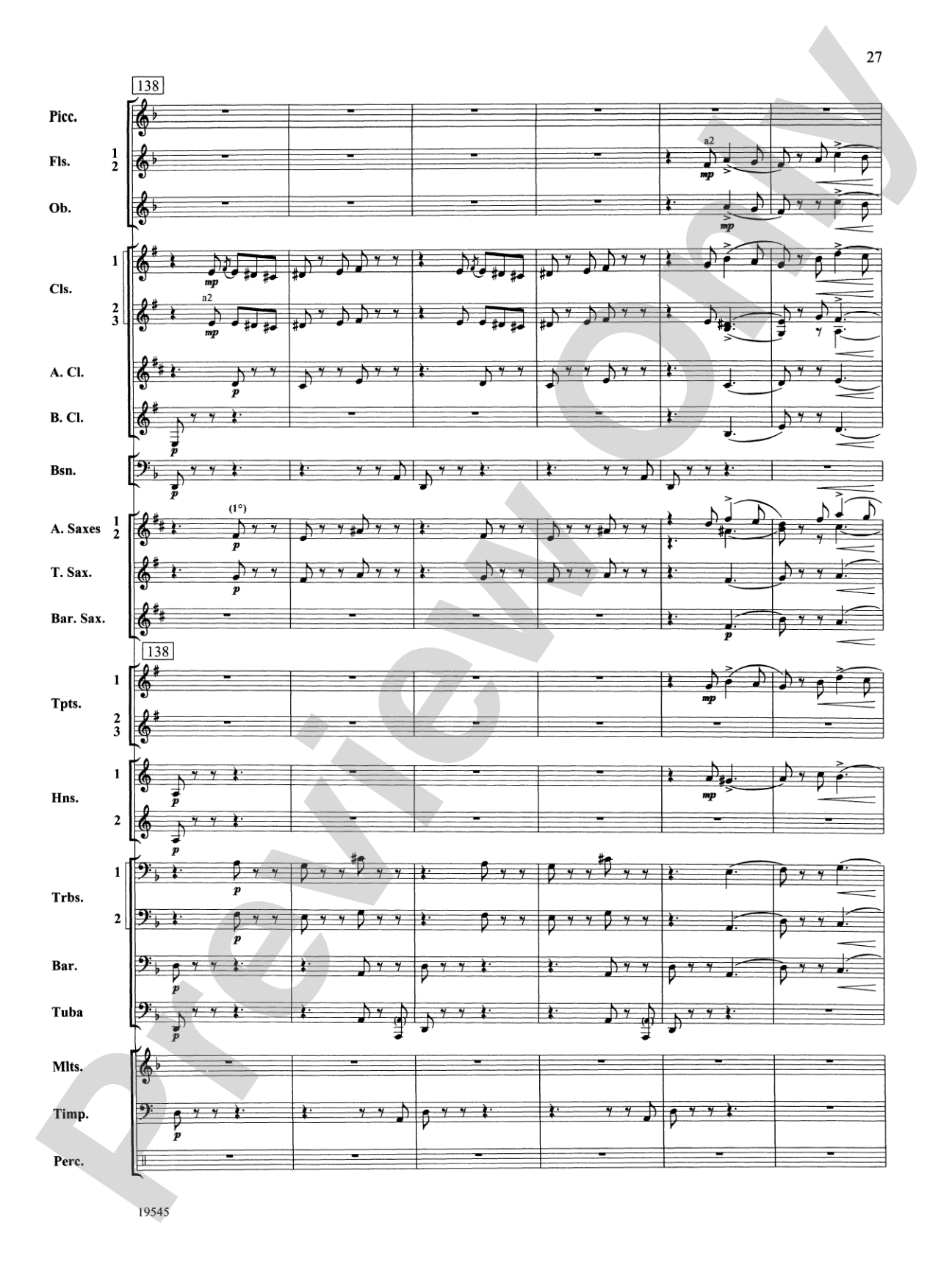
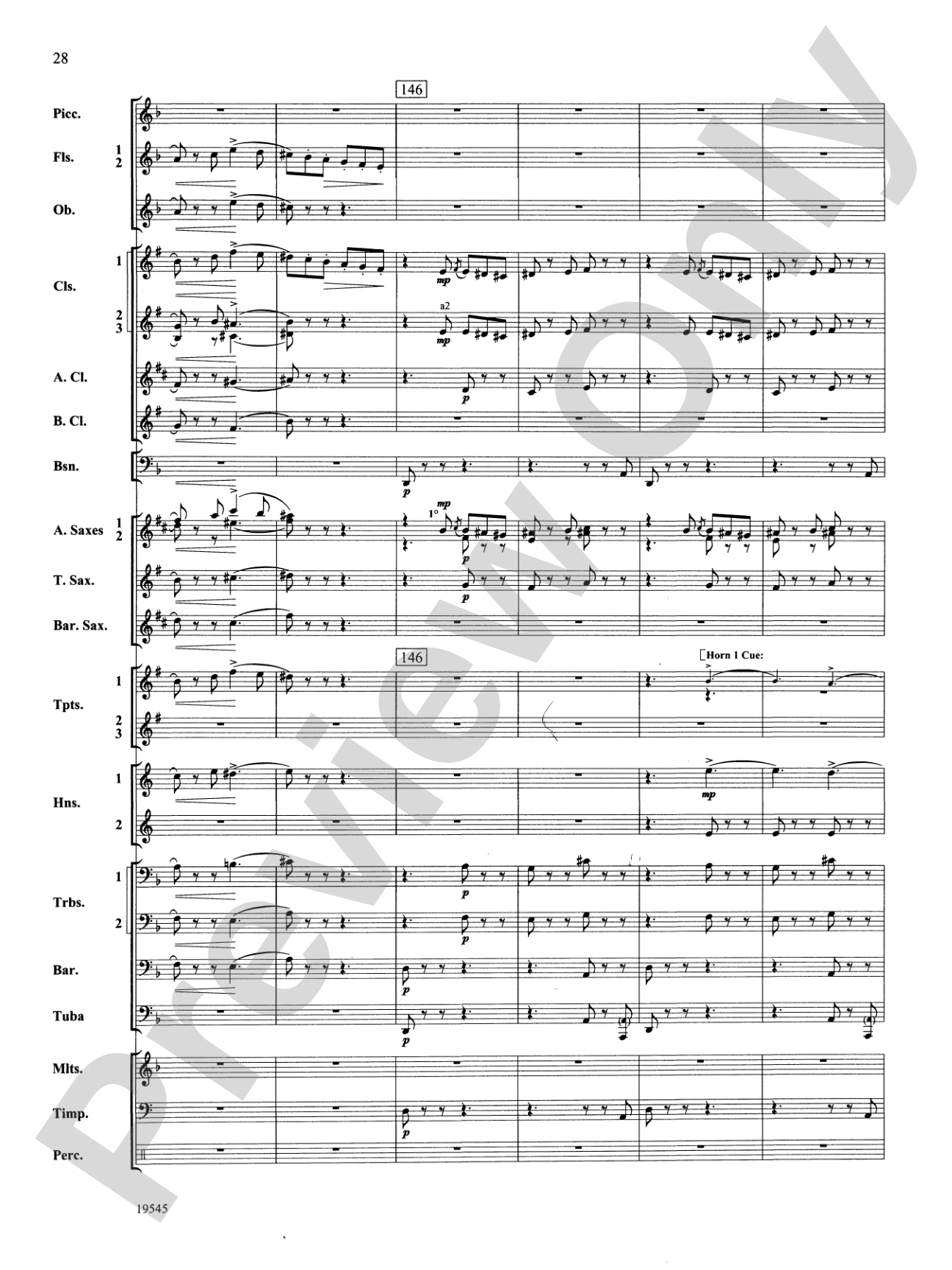
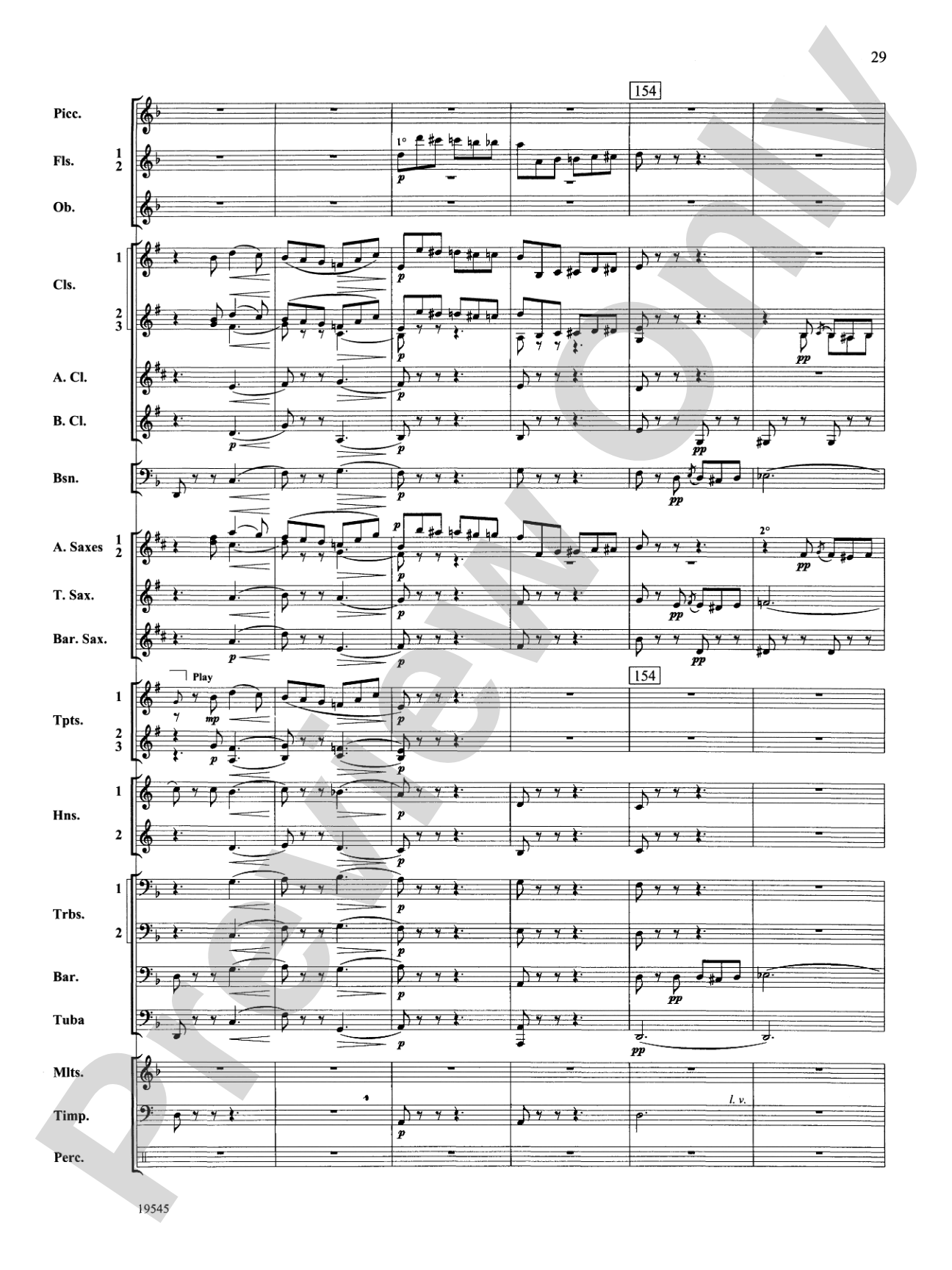
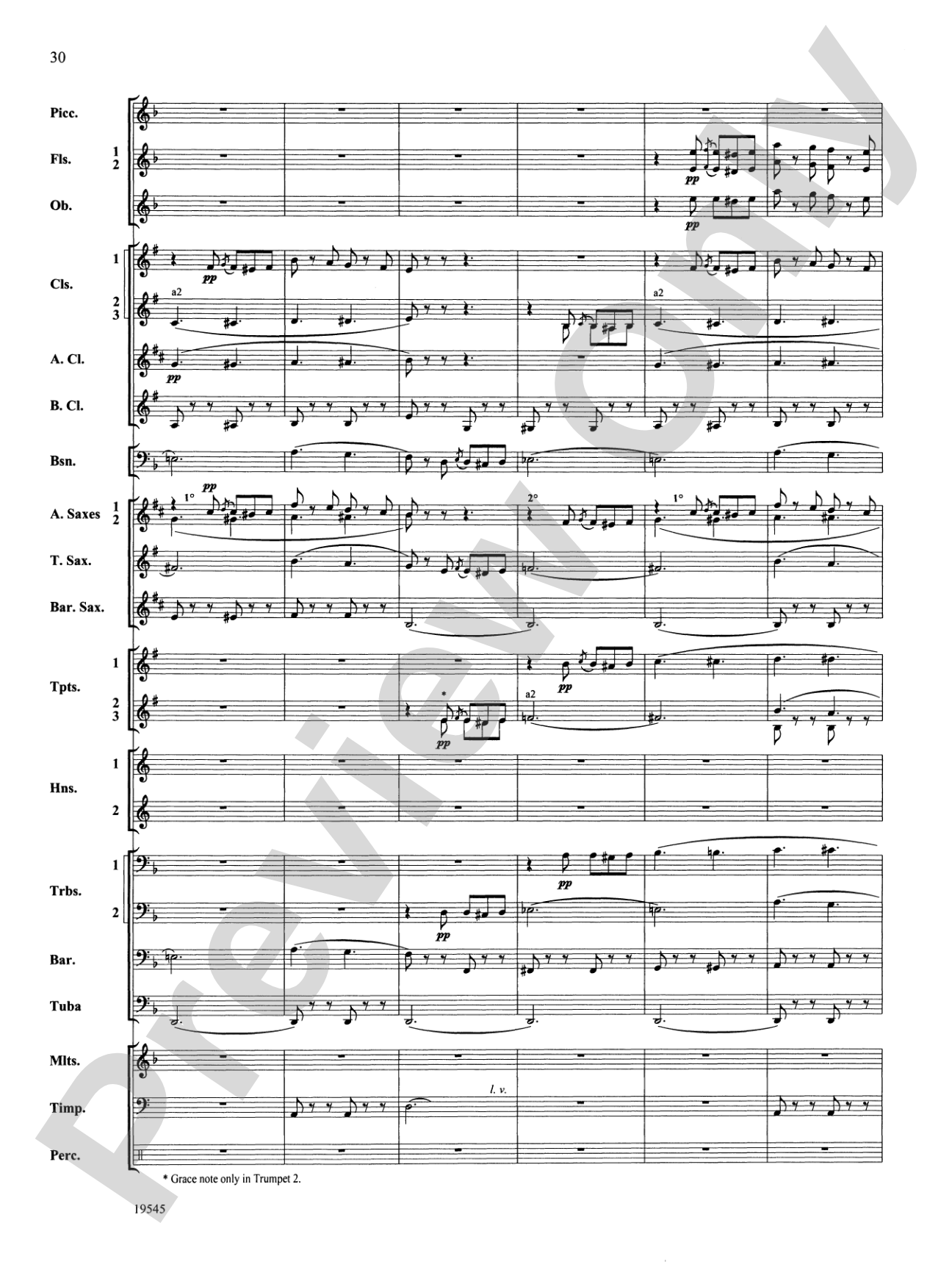
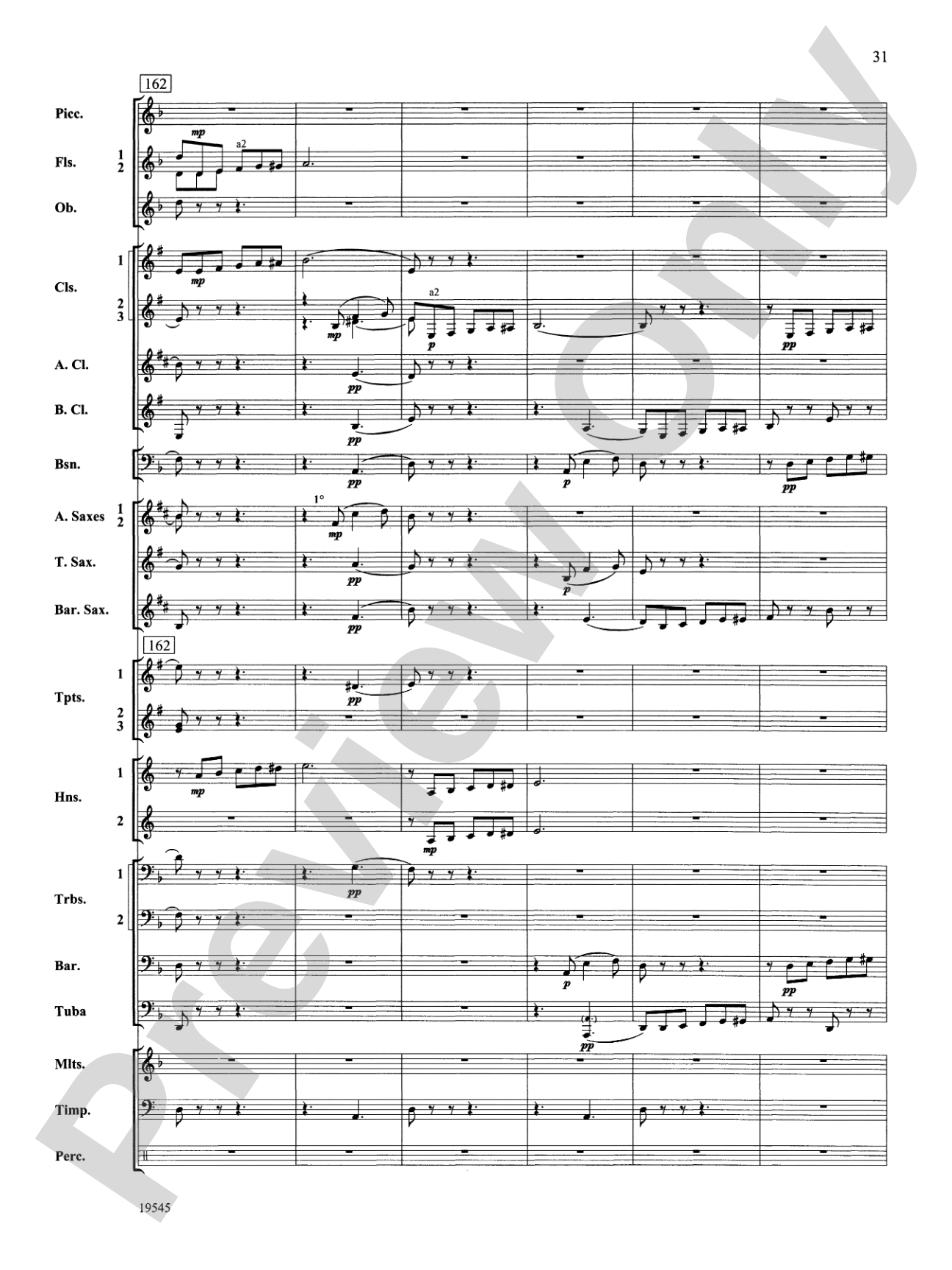
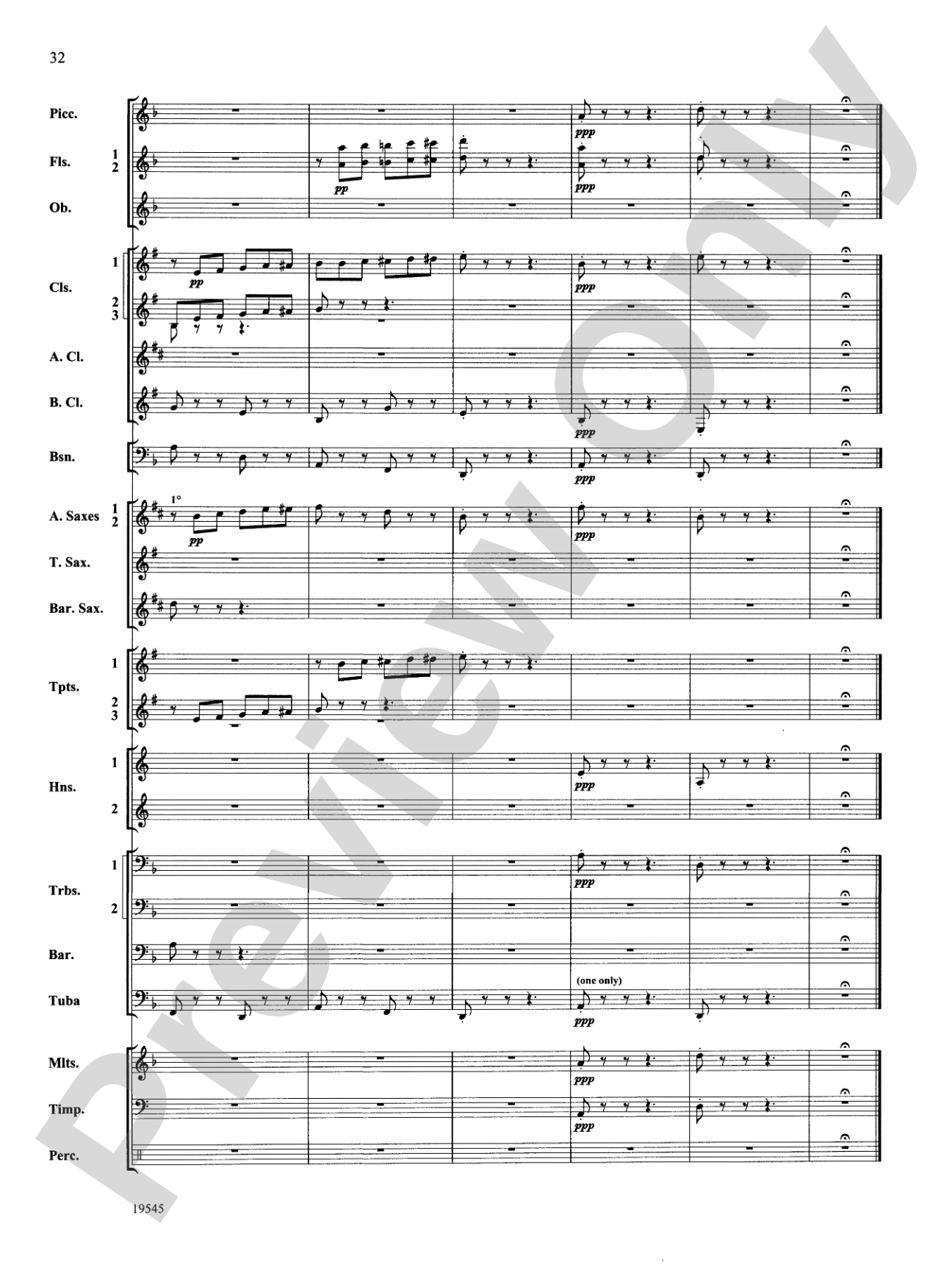

Funeral March of a Marionette: Concert Band Conductor Score & Parts
By Charles Gounod / arr. Stephen Squires
Grade: 3 (Medium)
Item: 00-PK-0003963

$90.00
Pickup currently not available
Buy Extra Parts (Digital PDF Download)
Parts Added to Cart!
Description
Famous for its use as the Alfred Hitchcock television theme, Charles Gounod's Funeral March of a Marionette was originally conceived by the composer as a tongue-in-cheek parody of a music critic that he had come to detest. Now, Stephen Squires has skillfully arranged this work for Grade 3 bands. Interpreted with a sly wink of the eye, this classic novelty should be great fun for players and audience alike!


Don't just read it, hear it, play along with it, and watch your students grow with it. In MakeMusic Cloud, Funeral March of a Marionette: Concert Band Conductor Score & Parts comes alive with professional accompaniment, adjustable tempo, and built-in practice tools that turn solo practice into real progress.
Open in the Player
Jump straight in and assign it today.
Start Your Free Trial
Open this title and explore the full library in minutes.
Sample Audio
1
Audio File
--:--
0:00
0:00
Sample Video
Additional Details
Series:
Alfred Concert Band
Publisher:
Alfred Music
Page Count:
268
SKU:
00-PK-0003963
More about this title
About the Composer: Stephen Squires
Stephen Squires is an accomplished arranger and composer whose work spans educational and professional concert settings. His arrangements demonstrate a keen ear for orchestration and an understanding of how to make repertoire accessible to developing ensembles without sacrificing musicality or character.
Why we love this
Squires captures the darkly comedic spirit of Gounod's original while crafting an arrangement that sits perfectly in the Grade 3 range. The iconic Hitchcock connection gives bands immediate audience recognition, and the tongue-in-cheek character means your ensemble can play with personality rather than heavy interpretation.
What to expect
A mischievous march with a knowing grin. The melody is immediately recognizable and carries an impish energy, marching forward with precise steps while hinting at the absurdist humor beneath the surface. It feels like the band is in on a shared joke with the audience.
Who it's for
Grade 3 concert bands seeking an engaging, recognizable work that entertains both players and audiences. This is ideal for ensembles that want substance with levity, and for directors programming a concert that balances serious repertoire with music that reminds listeners why we make music in the first place.
How to get the most out of it
- Shape the opening theme with a slight lean on the downbeats to emphasize the march's deliberate, measured quality without dragging the pulse.
- Balance the melodic line between sections carefully; this piece thrives when one voice stands out cleanly while accompaniment stays supportive.
- Treat the comedic element seriously in the ensemble sound. A tight, disciplined attack reinforces the parody rather than undercutting it.
- Use dynamic contrast to highlight the piece's personality shifts; the familiar theme can handle expressive rises and falls that enhance its character.
How to use it
Open a concert with this to set a playful tone, or place it mid-program to shift mood after heavier repertoire. Its cultural connection to film and television makes it an excellent bridge between concert music and the wider musical world your audience knows.
Skills your students will build
- Balancing melodic clarity against harmonic accompaniment in an exposed context
- Executing precise articulation and cut-offs to enhance comedic timing
- Maintaining steady marching pulse while allowing subtle expressive shaping
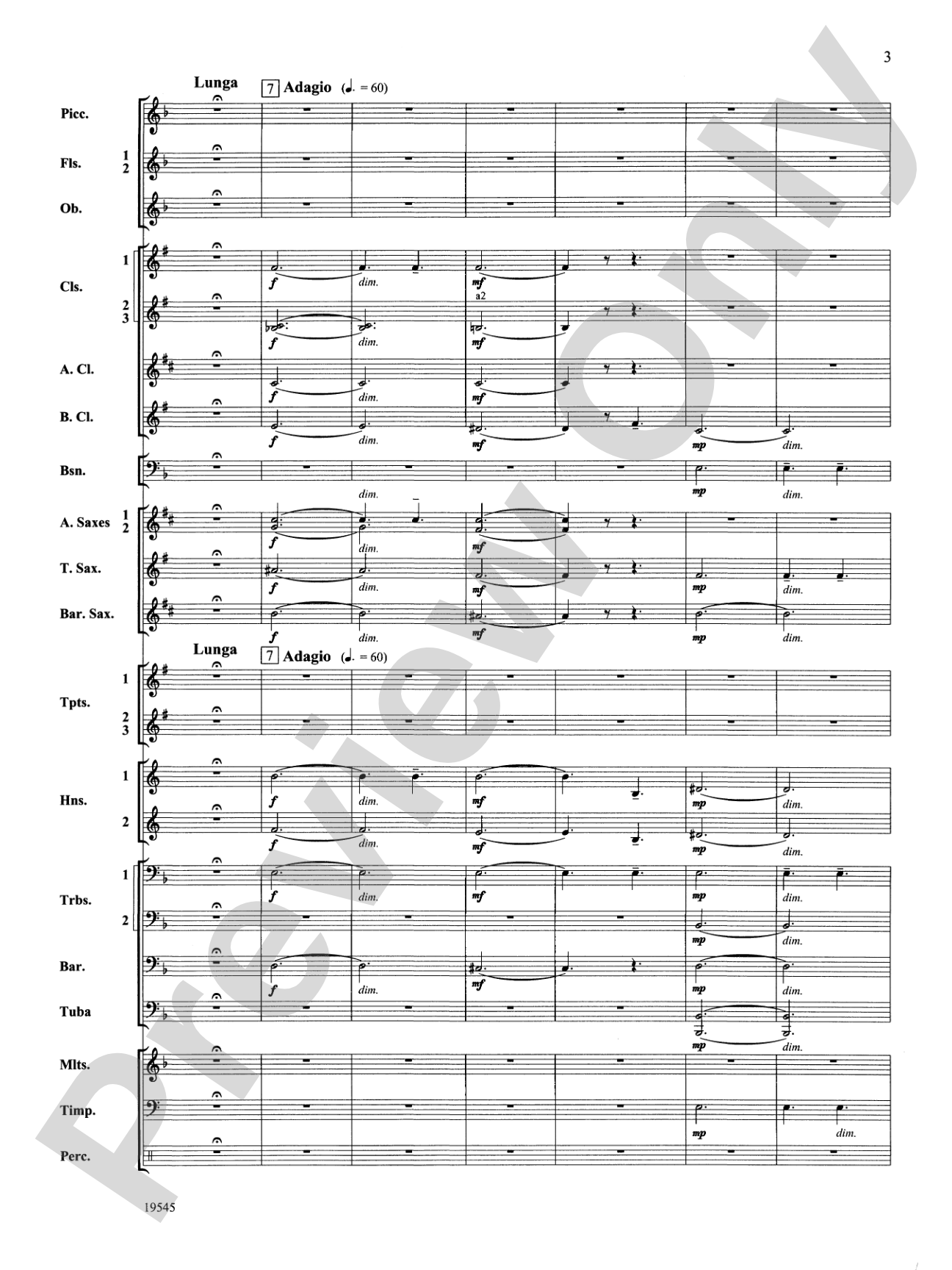
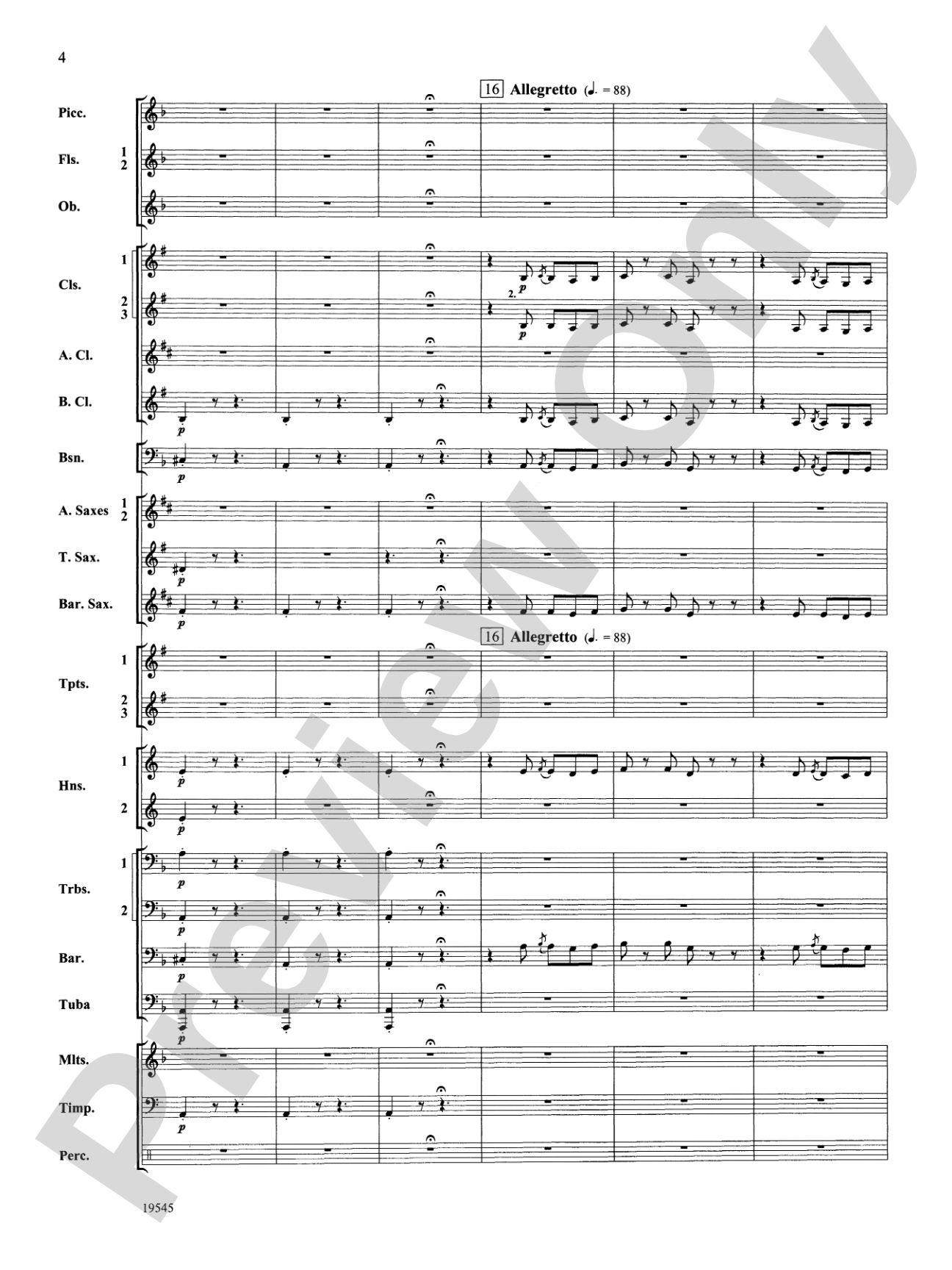
- Reading a complete conductor score and coordinated parts in standard concert band voicing