

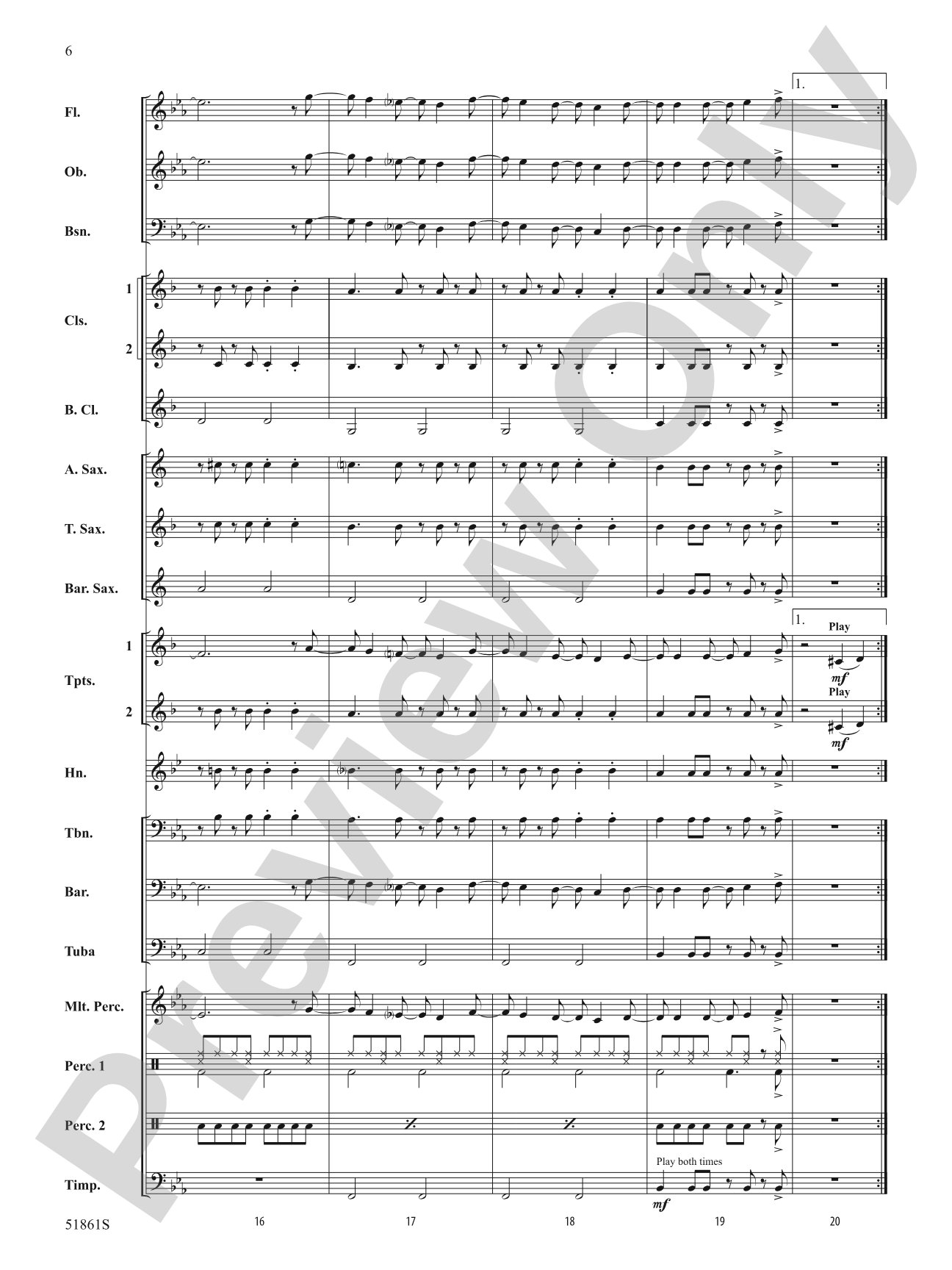
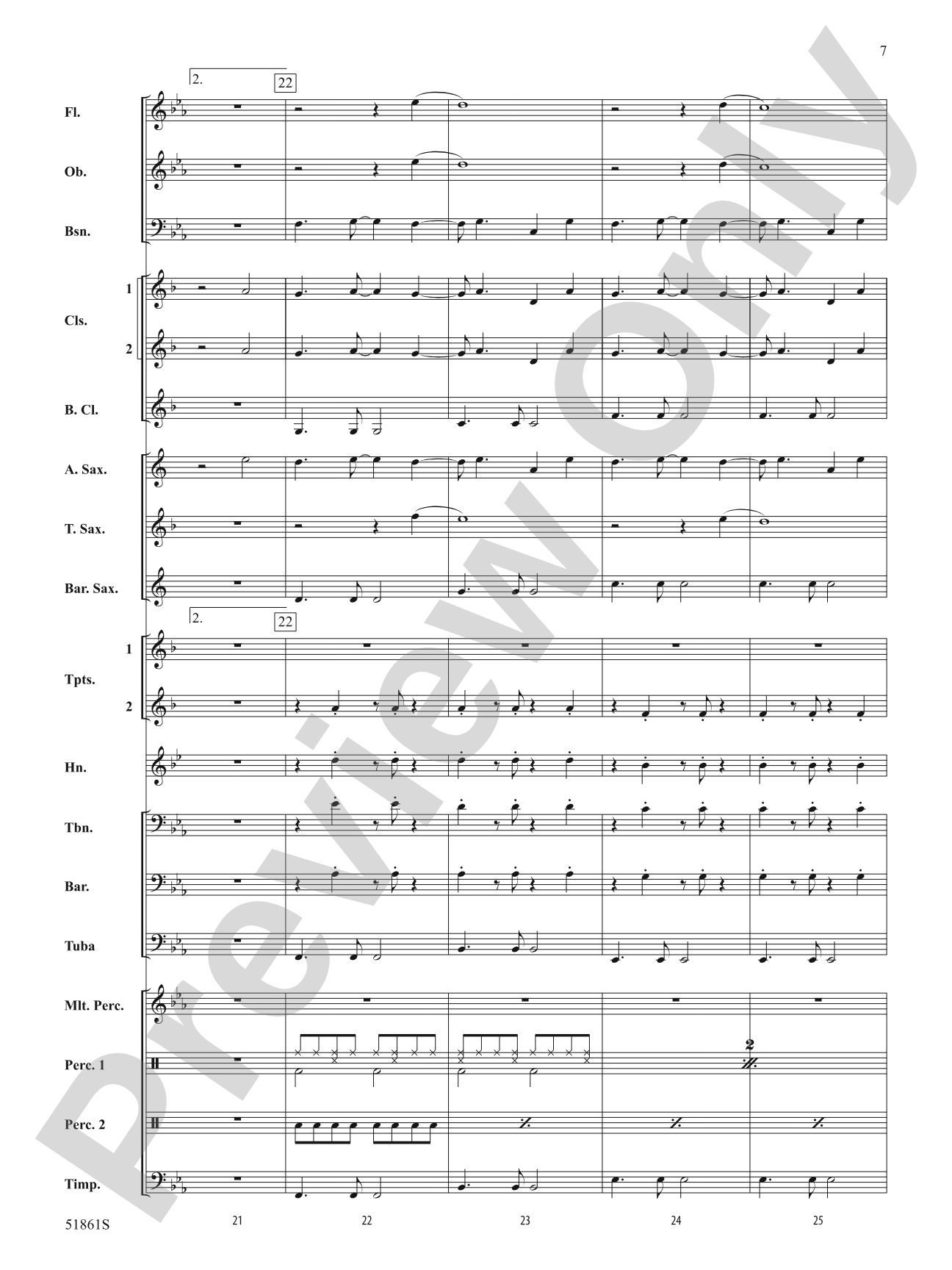
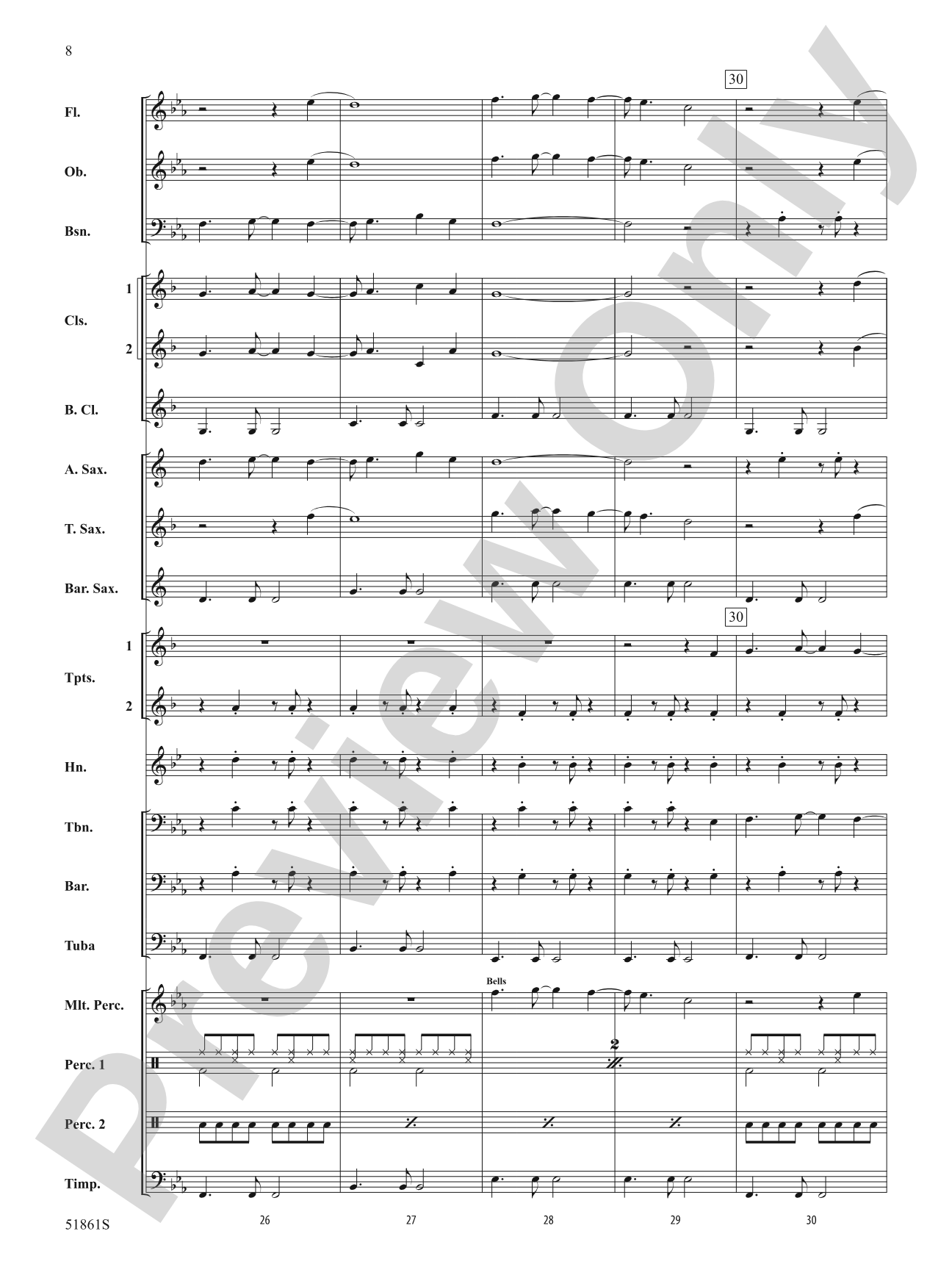
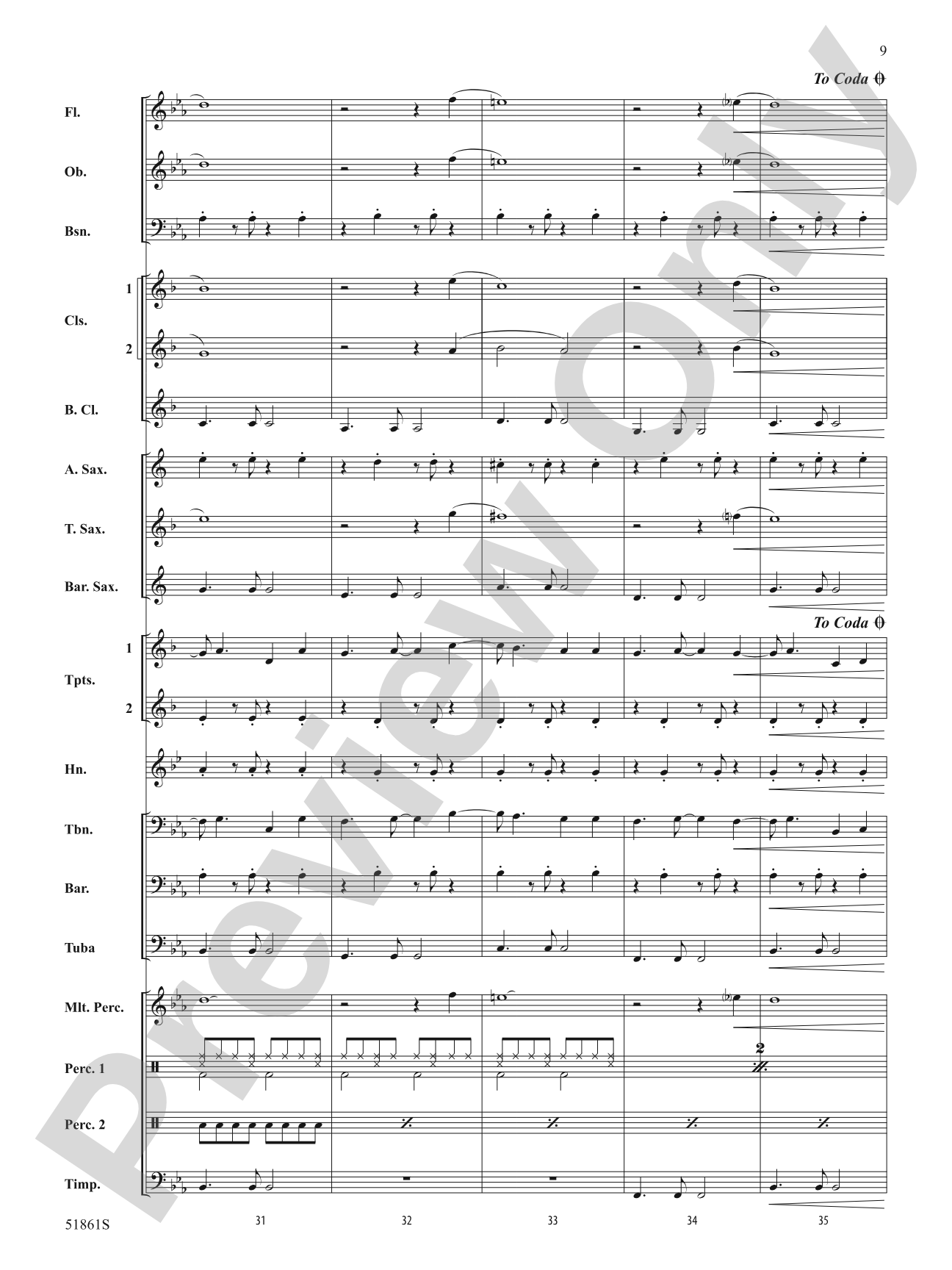
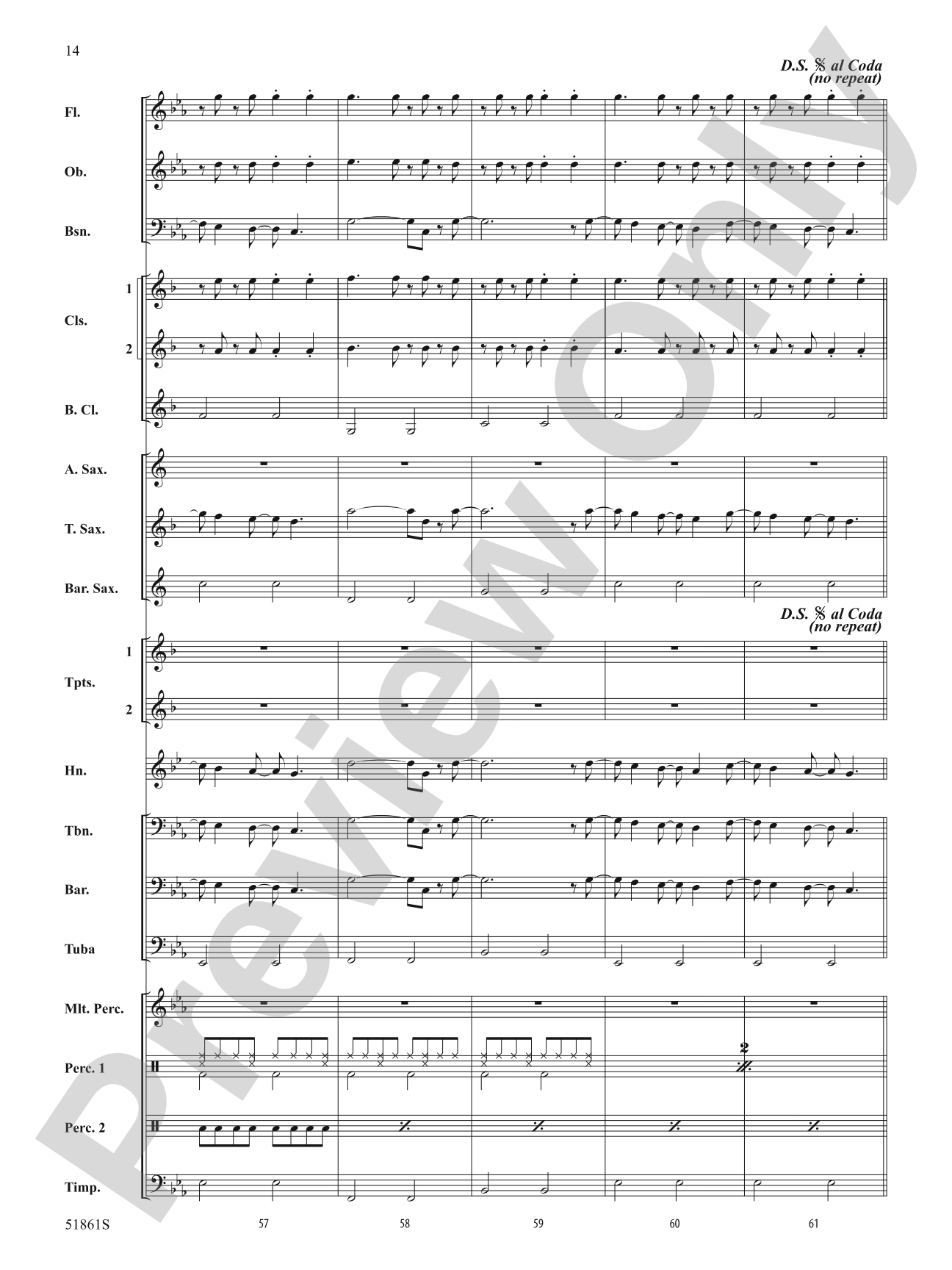
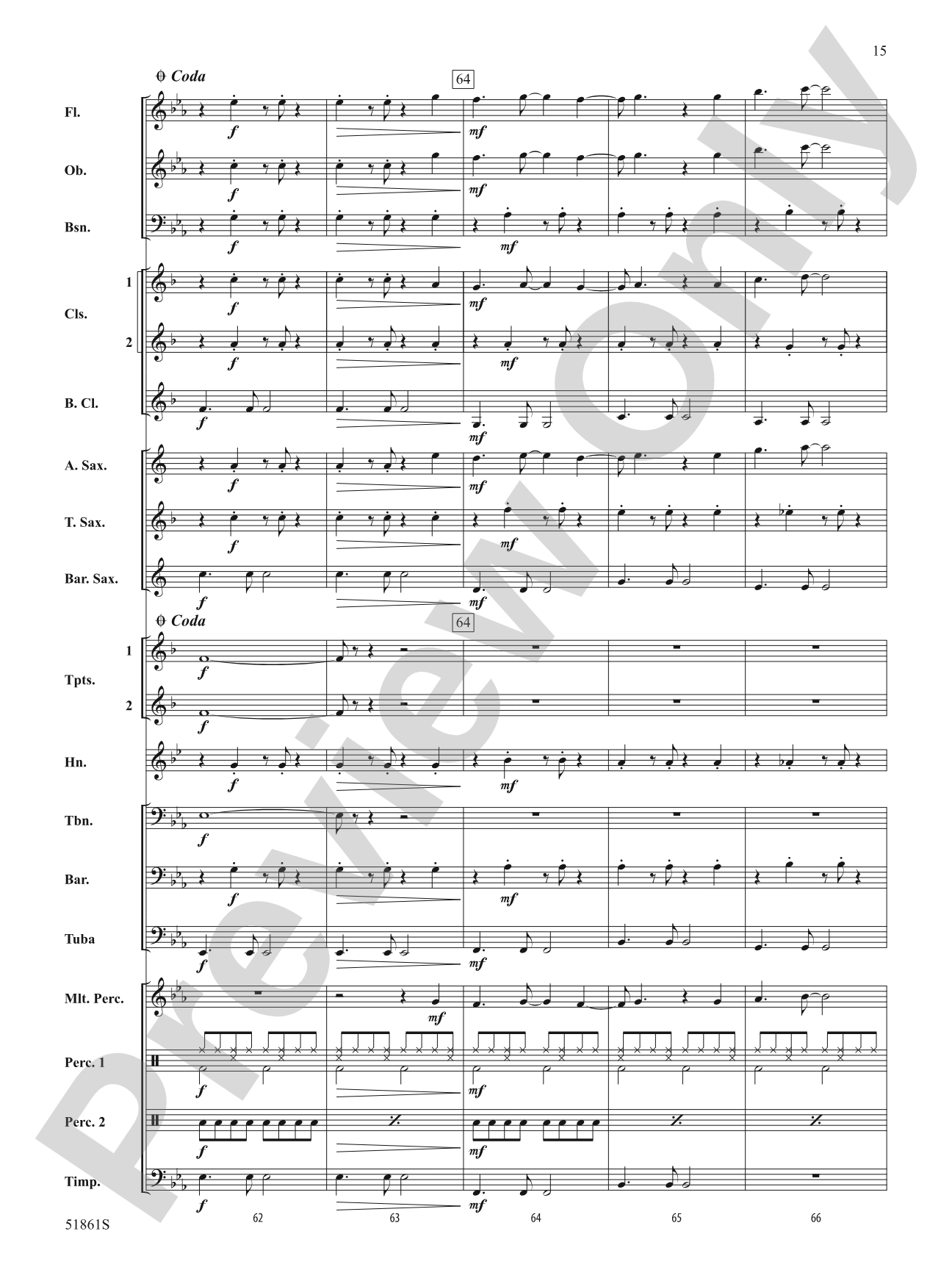
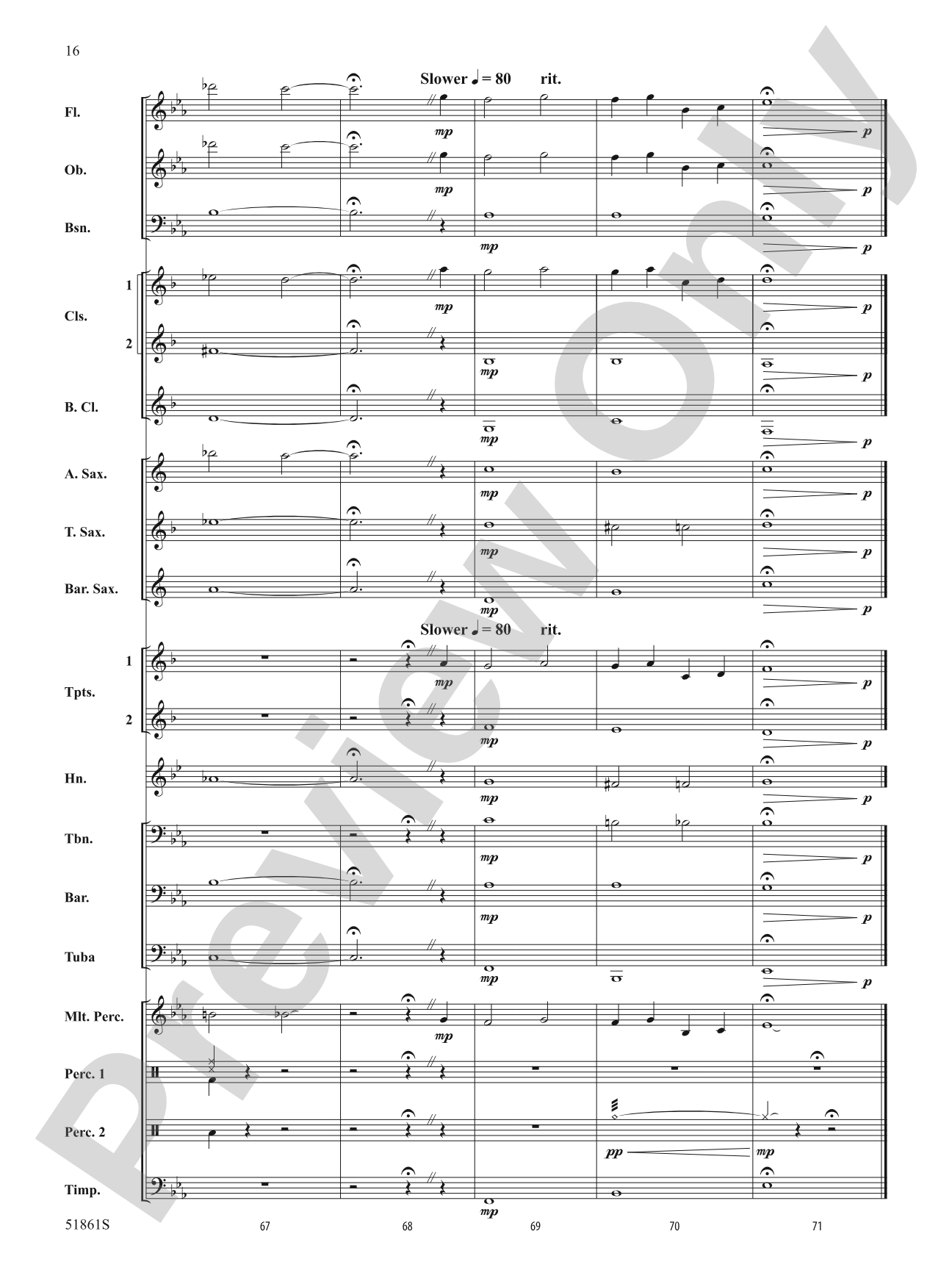

From the Start: Concert Band Conductor Score & Parts
Music and lyrics by Laufey and Spencer Stewart / arr. Michael Kamuf
Grade: 2.5
Item: 00-PK-0009126

$75.00
One moment…
Related Items
From the Start: Concert Band Conductor Score |
$10.00
|
View | |
From the Start: String Orchestra Conductor Score & Parts |
$65.00
|
View | |
From the Start: String Orchestra Conductor Score & Parts |
$65.00
|
View | |
From the Start: Concert Band Conductor Score & Parts |
$75.00
|
View | |
From the Start: String Orchestra Conductor Score |
$10.00
|
View | |
From the Start: Concert Band Conductor Score |
$10.00
|
View |
Description
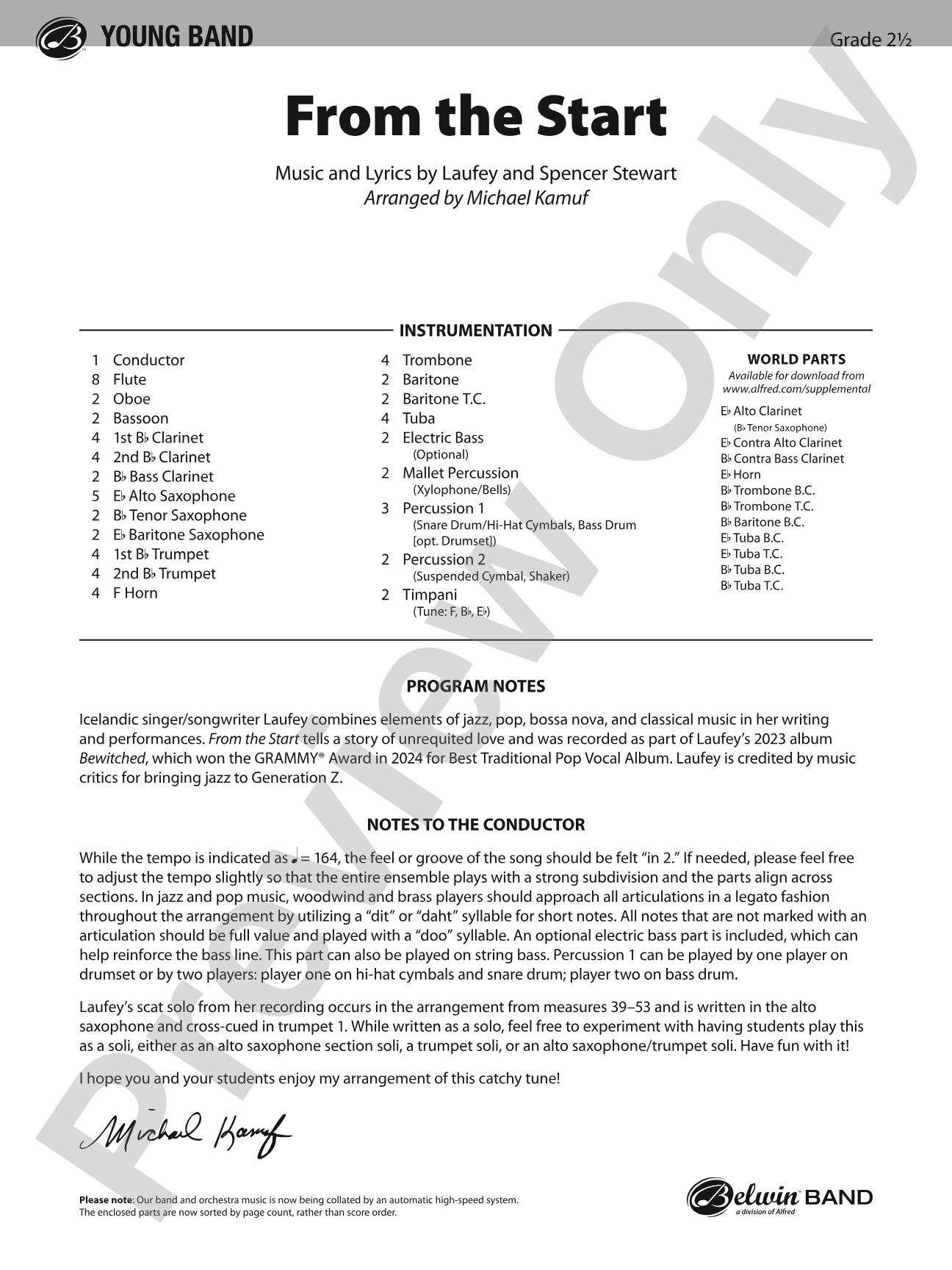
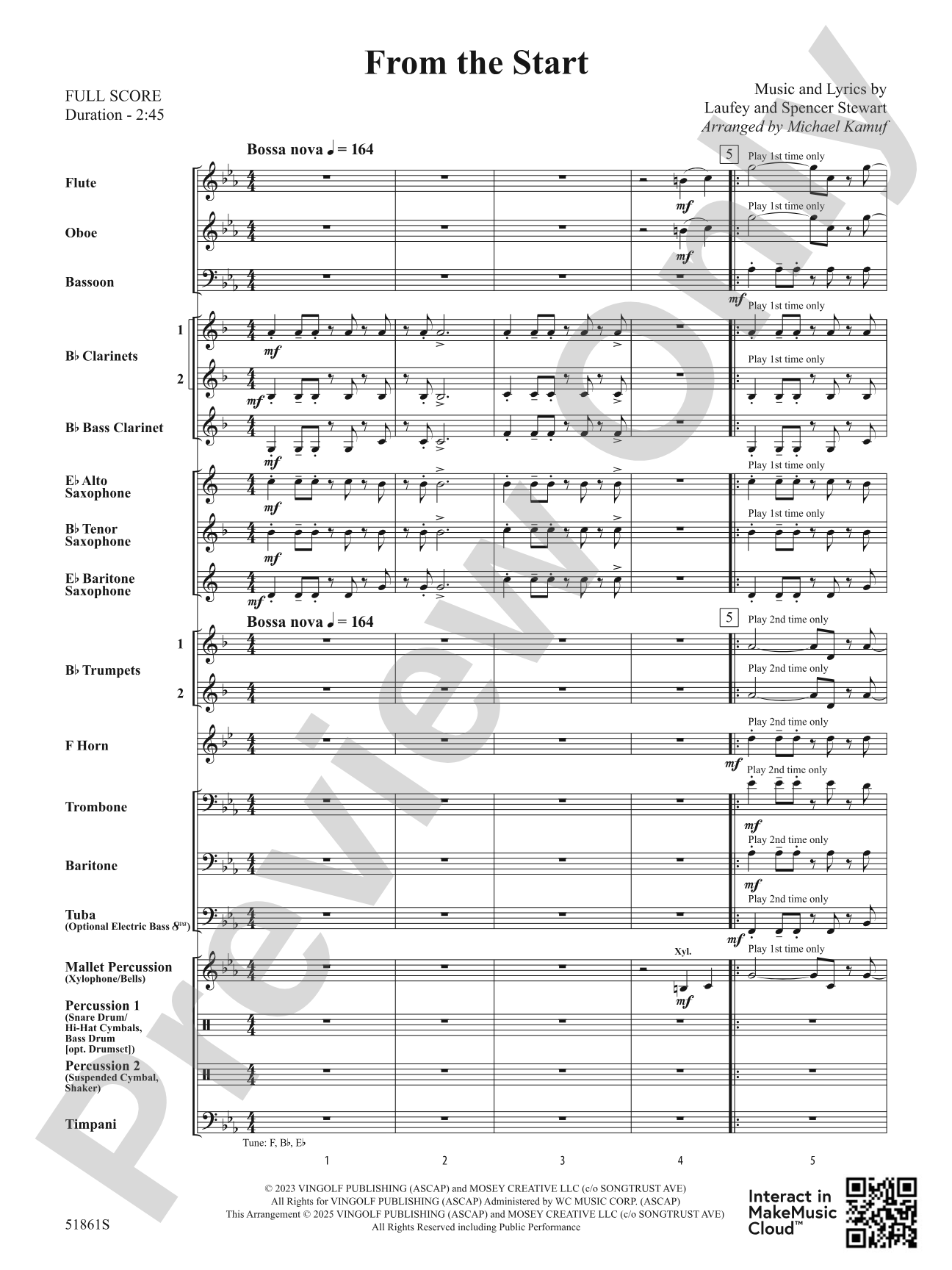
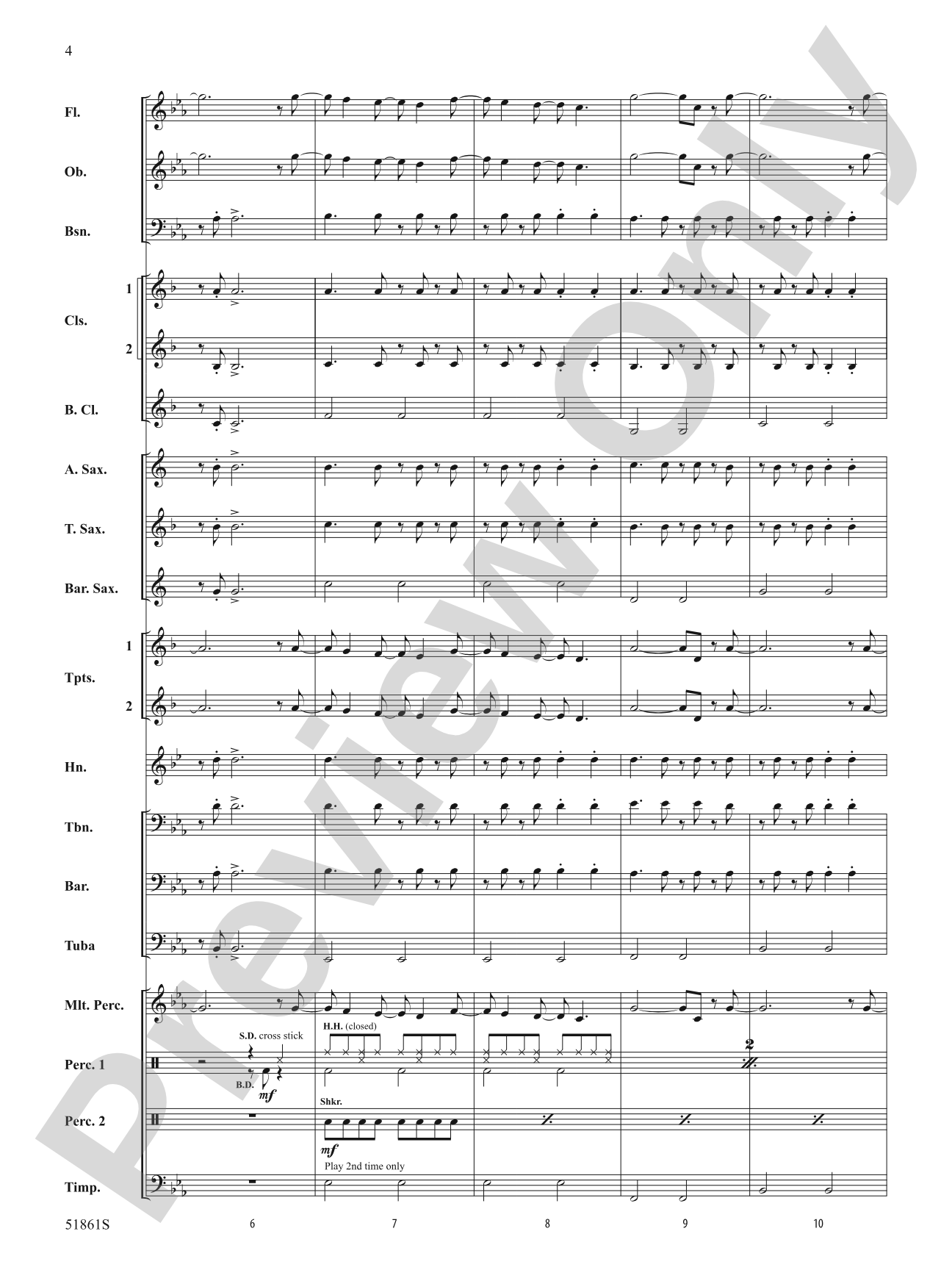
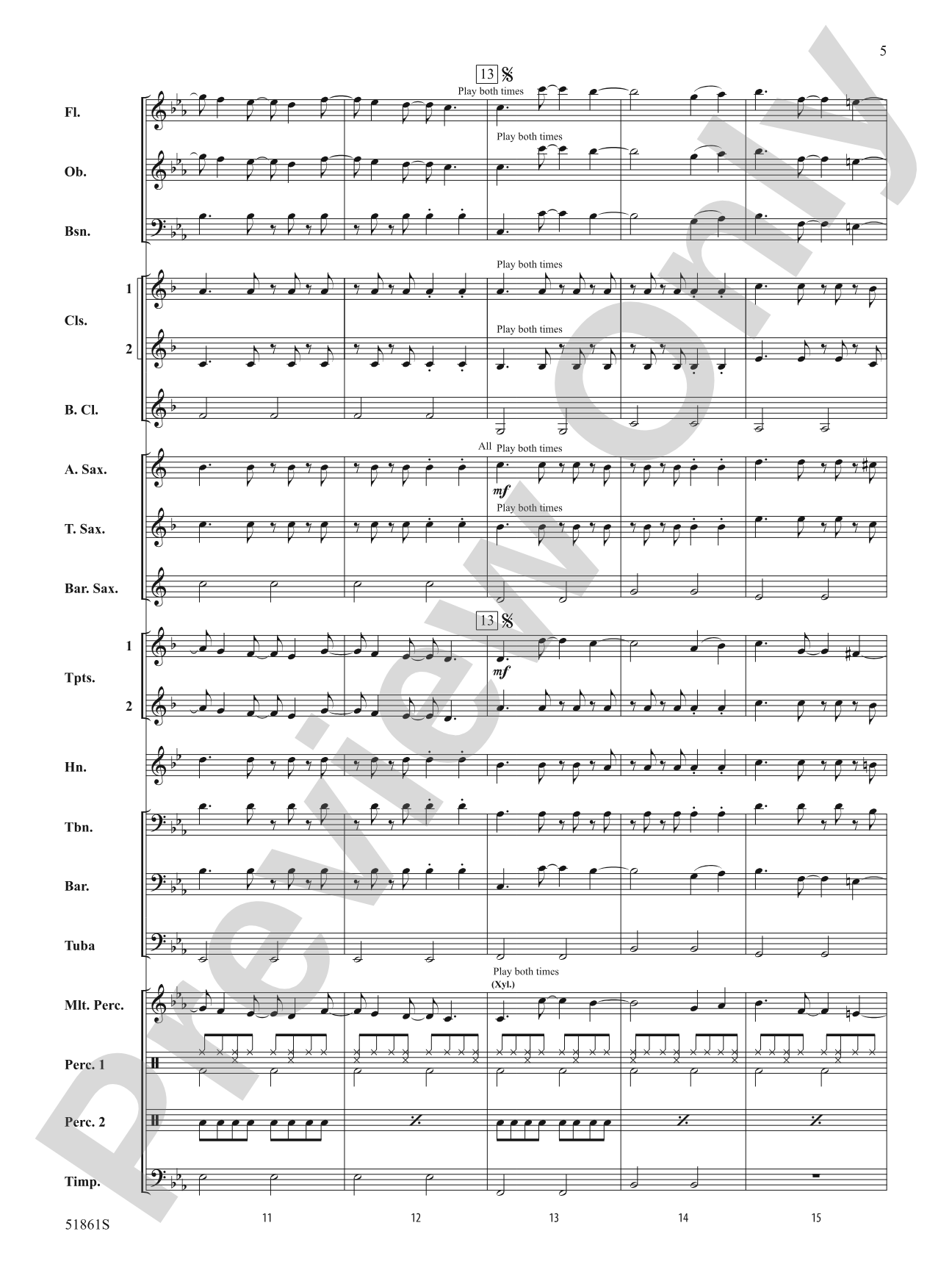
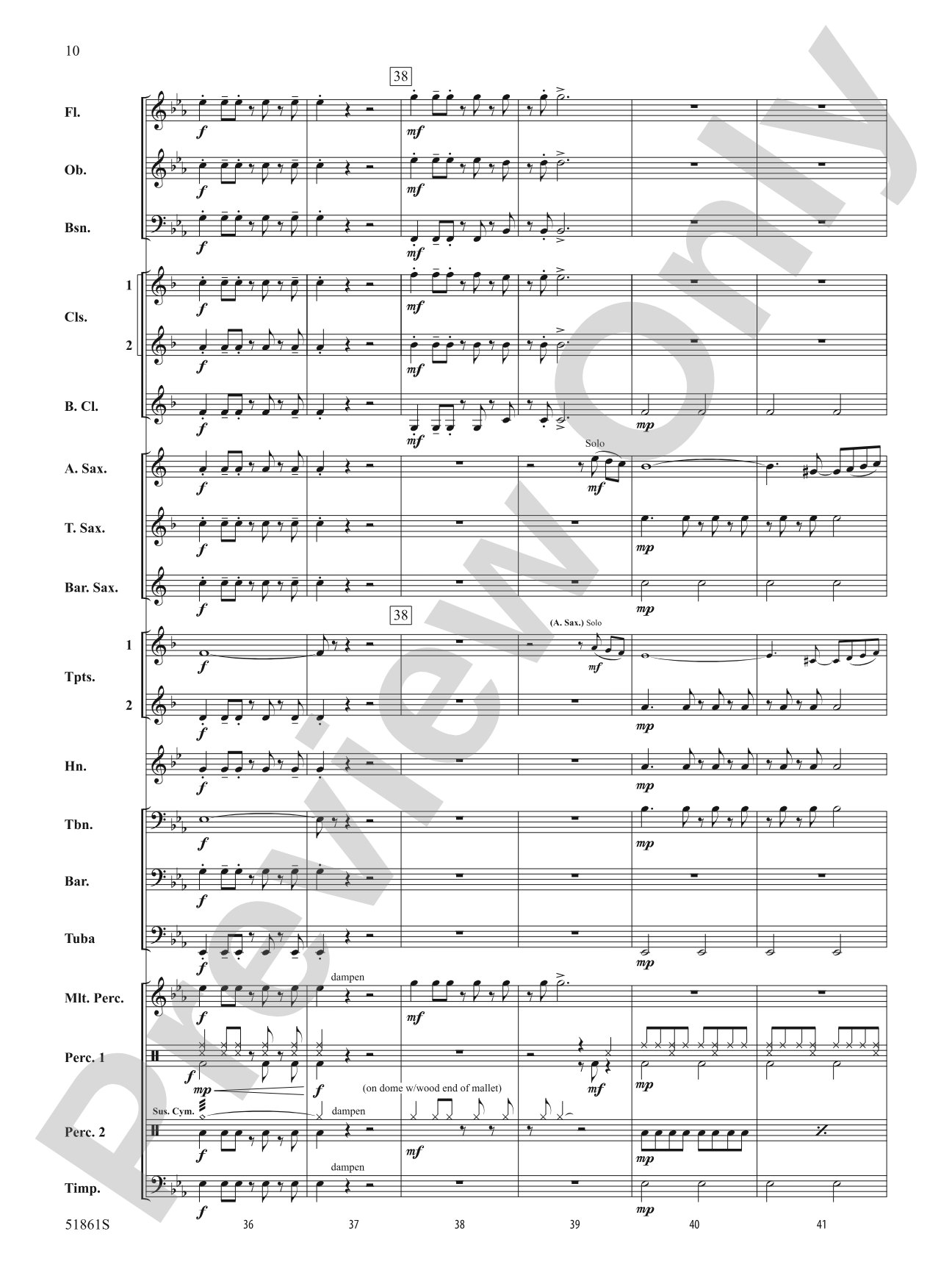
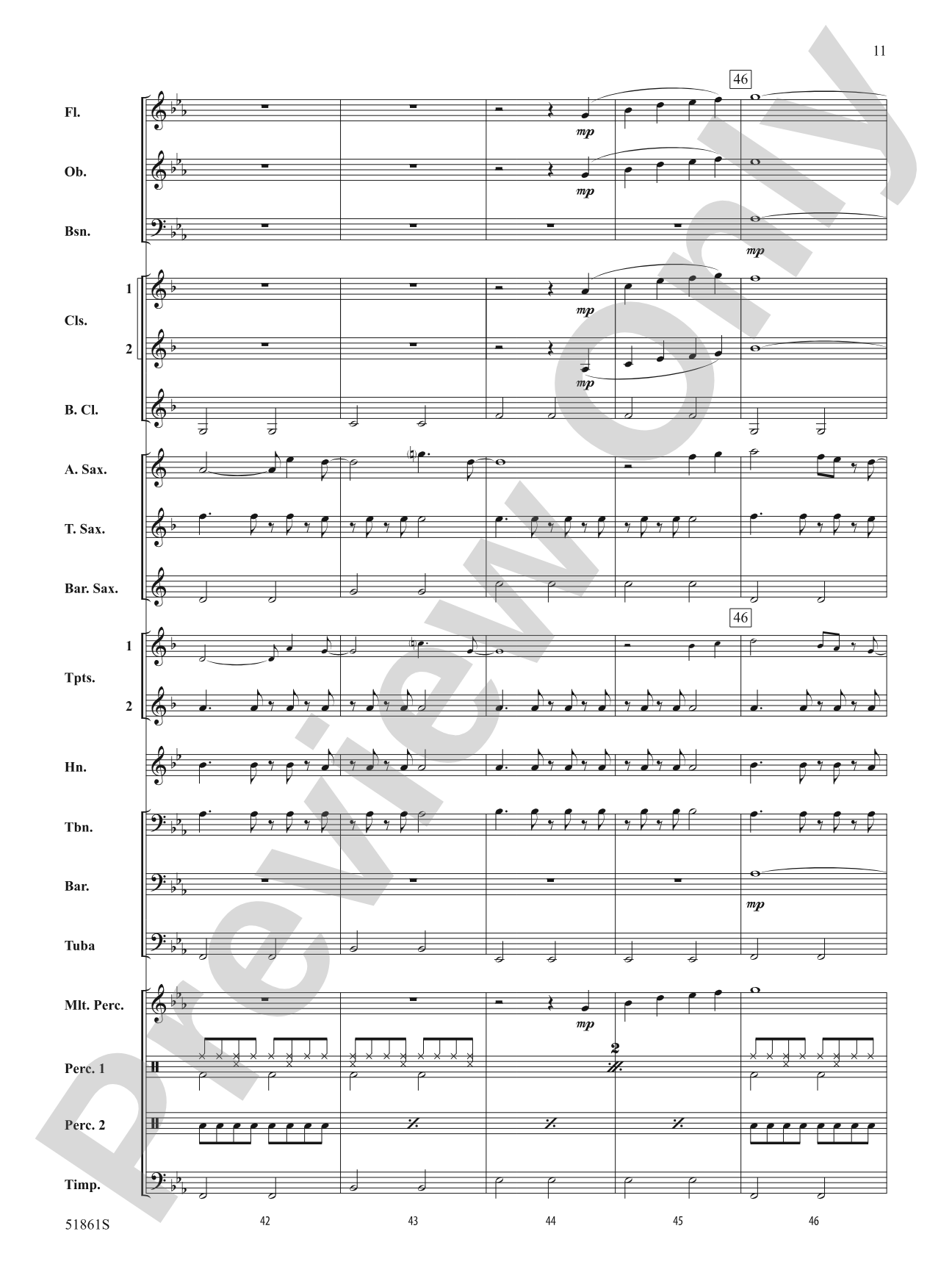
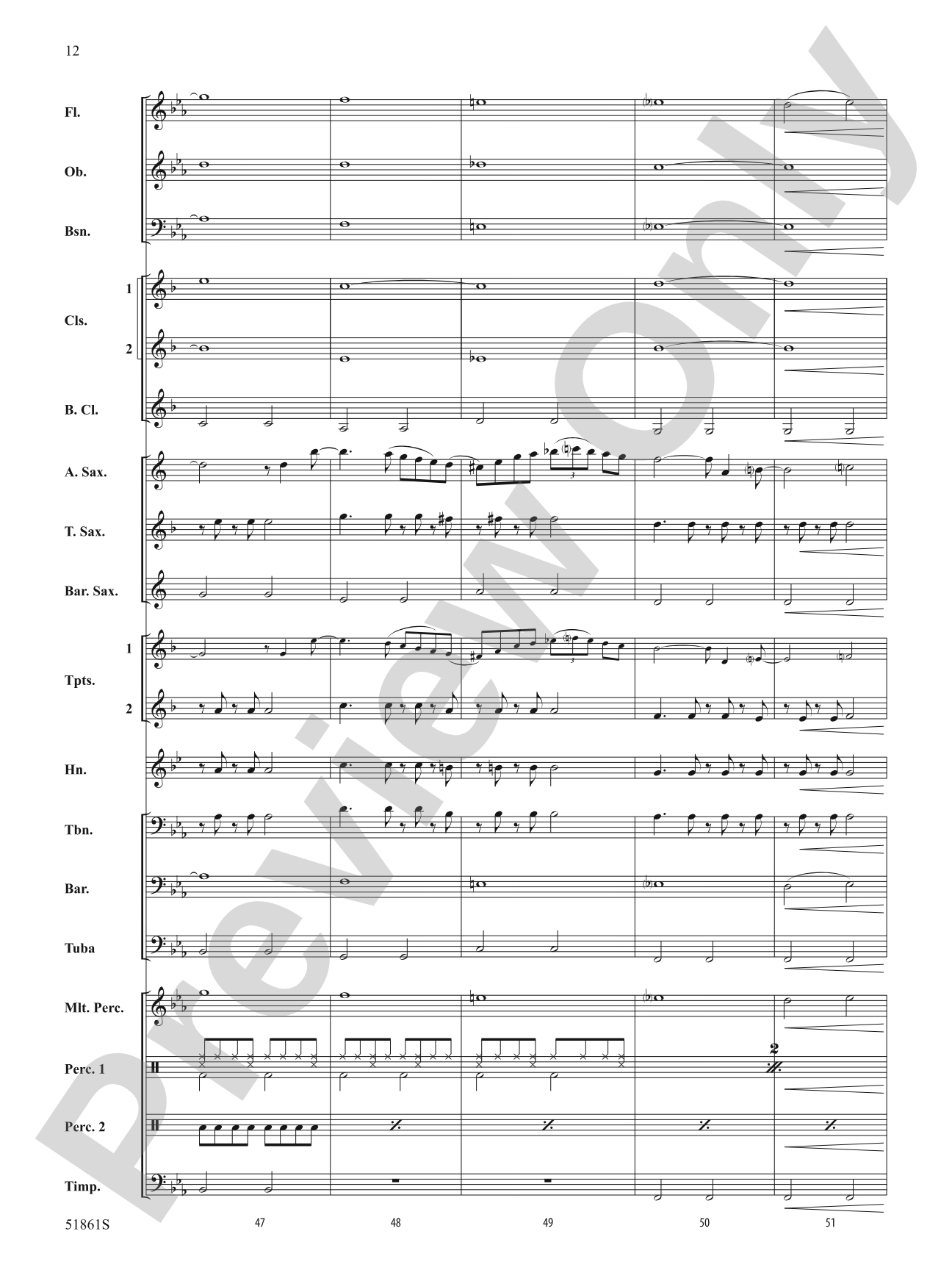
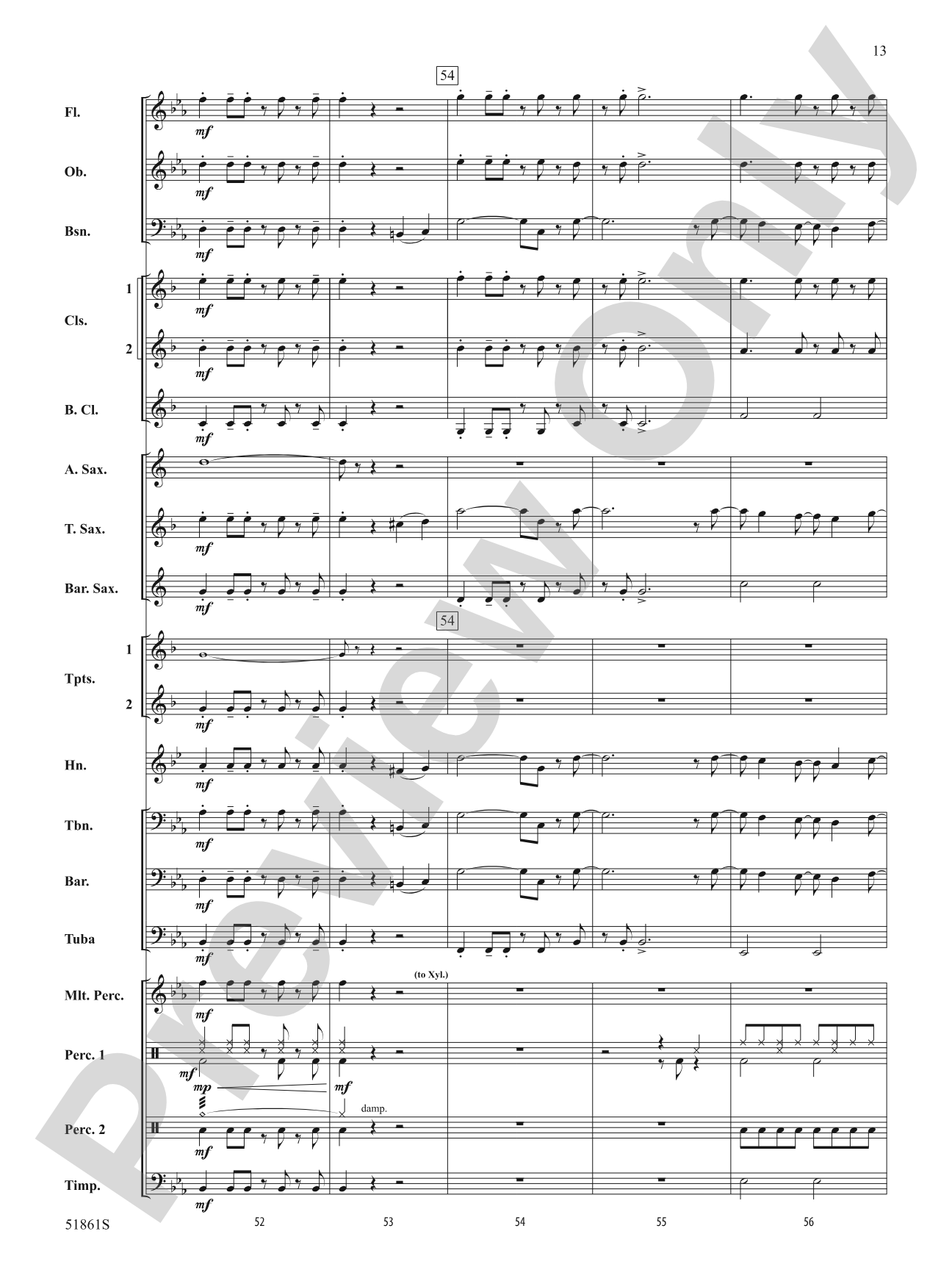
Influenced by a wide range of musical artists ranging from Billie Holiday to Taylor Swift, singer/songwriter Laufey brings together catchy melodies, bossa nova rhythms, and jazz harmonies in her recent hit, From the Start. This arrangement, by Michael Kamuf, reinforces syncopated rhythms and has Laufey's scat-singing solo written for an alto saxophone soloist (cross-cued in trumpet). Your students and audiences will be singing the melodies! (2:45)


Don't just read it, hear it, play along with it, and watch your students grow with it. In MakeMusic Cloud, From the Start: Concert Band Conductor Score & Parts comes alive with professional accompaniment, adjustable tempo, and built-in practice tools that turn solo practice into real progress.
Open in the Player
Jump straight in and assign it today.
Start Your Free Trial
Open this title and explore the full library in minutes.
Sample Audio
1
Audio File
--:--
0:00
0:00
Sample Video
Additional Details
Series:
Belwin Pop Young Band
Publisher:
Alfred Music
SKU:
00-PK-0009126
More about this title
About the Composer: Laufey
Laufey is an Icelandic singer and songwriter whose work spans jazz, pop, and Latin influences. Her music draws from unexpected sources—from the vocal sophistication of Billie Holiday to the contemporary songwriting of Taylor Swift—and her ability to blend these worlds has resonated with audiences globally. In the classroom, her compositions offer students access to current popular music that doesn't sacrifice musicianship or harmonic interest.
Why we love this
Kamuf's arrangement captures what makes Laufey's writing infectious without oversimplifying the harmony or groove. The scat-singing solo written for alto saxophone (with trumpet cue) gives students an immediate connection to a real recording they likely know, and the bossa nova rhythmic foundation sits perfectly at the 2.5 grade level, challenging without overwhelming younger ensembles. This is the kind of piece that builds genuine ensemble cohesion because everyone in the room actually wants to play it.
What to expect
From the Start pulses with warmth and forward motion, built on the gentle sway of bossa nova underneath bright, singable melodies that stick with you. The scat-singing solo adds a moment of pure musical conversation between the band and the featured soloist, and the overall character balances sophisticated harmony with the kind of accessibility that makes listeners smile.
Who it's for
This piece works beautifully for Grade 2 to 2.5 concert bands that want to program contemporary music with genuine artistry. It appeals to students who connect with current popular music while offering arrangers and directors a score that respects both ensemble pedagogy and the composer's original vision.
How to get the most out of it
- Lock the rhythmic syncopation in the horn sections by rehearsing those passages with a metronome at various tempos before bringing the full band together. The groove depends on precision.
- Let the alto saxophone soloist (or trumpet alternate) hear a full run-through with the ensemble before attempting the scat solo passage. Knowing how the band sits behind that moment builds confidence and intonation.
- Balance the melody line carefully so it cuts through the bossa nova accompaniment without drowning out the harmonic support. Light touch in the reeds, steady foundation in the low brass.
- Use the recorded accompaniment to lock articulation and phrasing across the entire band, especially where the pop and jazz idioms meet traditional concert band writing.
How to use it
Pair this with other Latin or jazz-influenced pieces to build a concert around global rhythmic traditions, or use it as an opener to signal to the audience that this is a band that plays the music of right now. The 2:45 duration makes it an ideal anchor piece that won't fatigue a younger ensemble while still delivering impact.
Skills your students will build
- Bossa nova rhythmic accuracy and the swing/straight eighth-note distinction
- Syncopated articulation across different instrumental sections
- Listening for and supporting a featured soloist within ensemble context
- Jazz-influenced phrasing and dynamic shaping in a concert band setting
- Reading contemporary popular music notation and harmonic language