
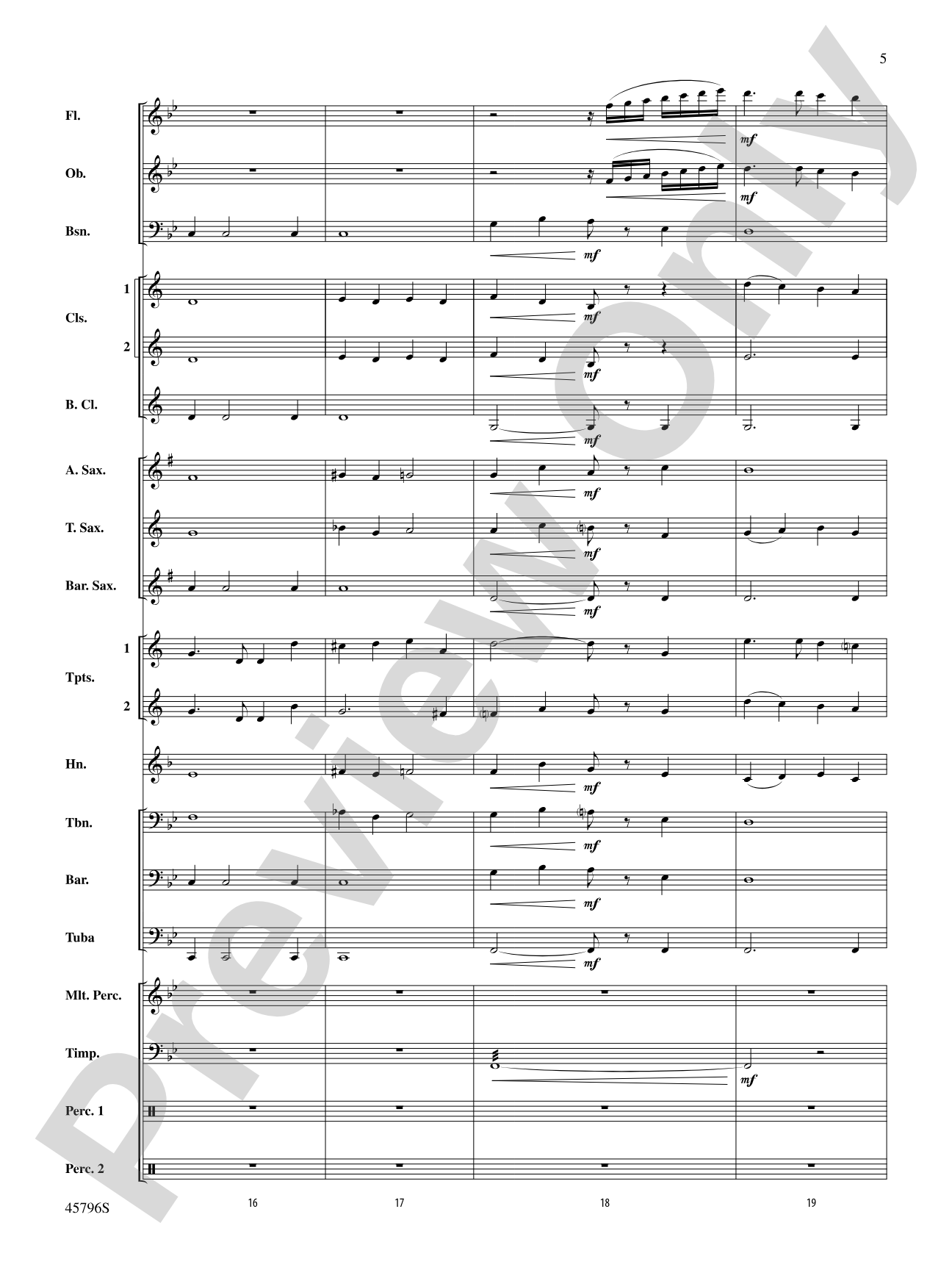
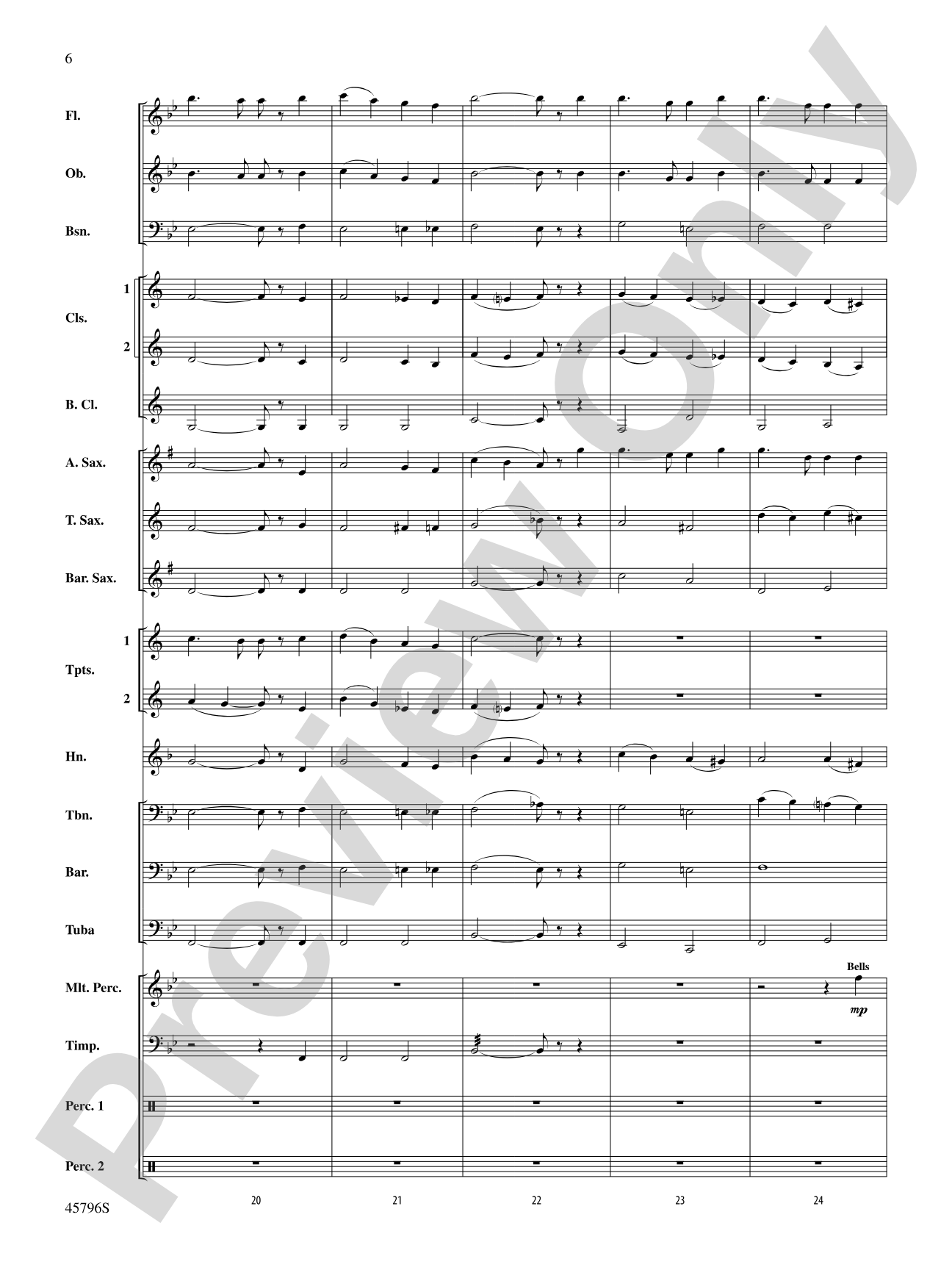
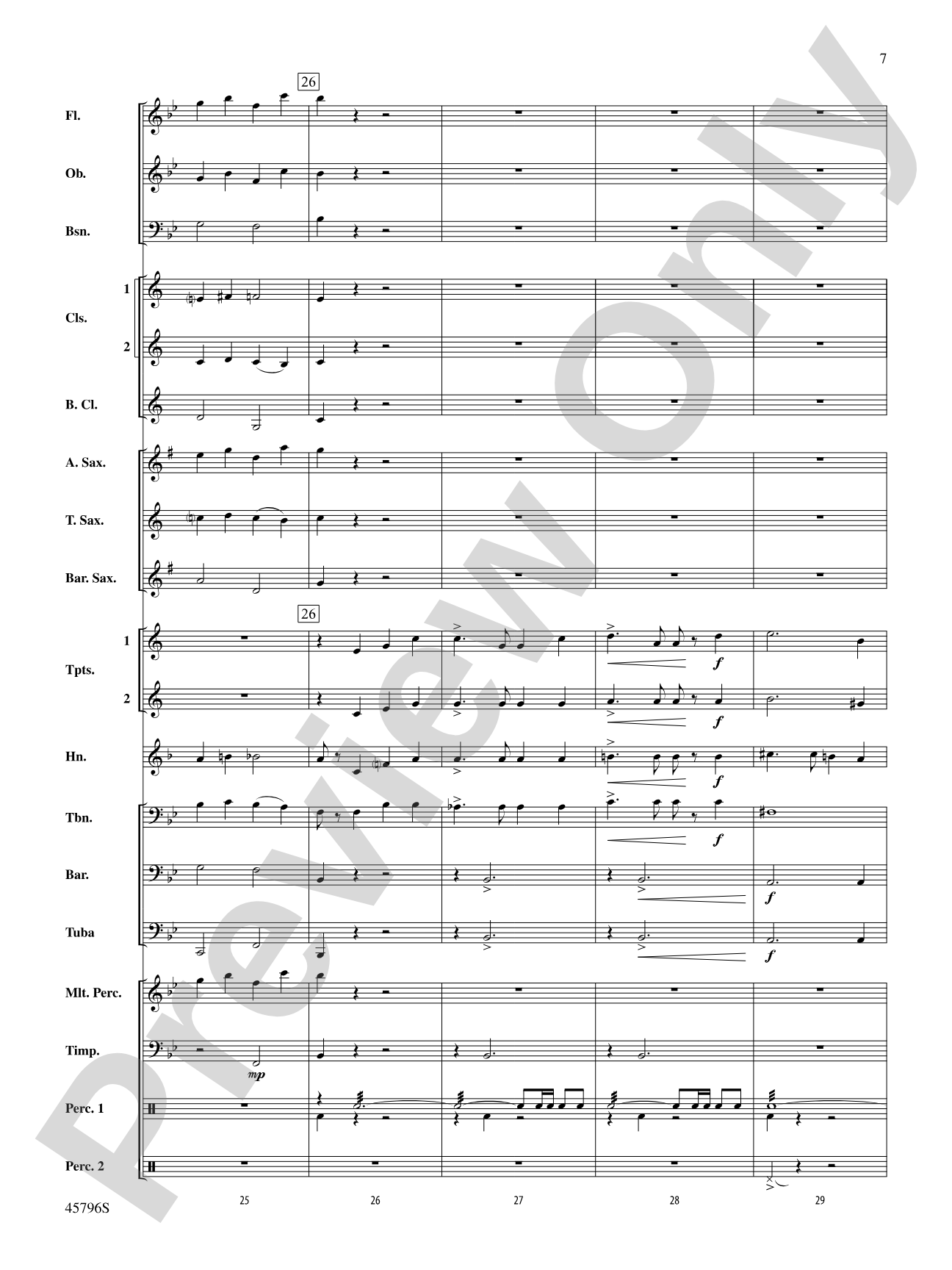
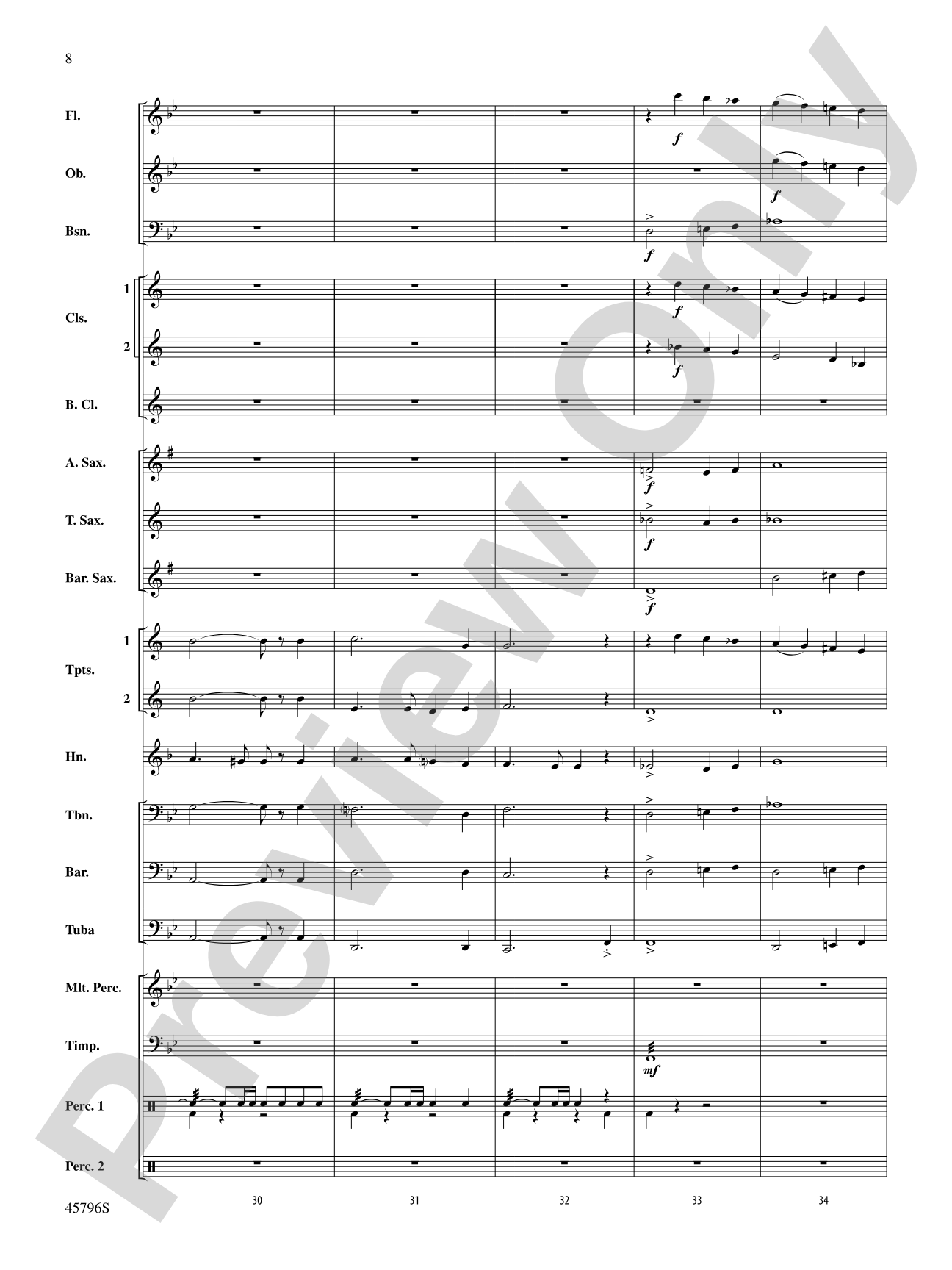
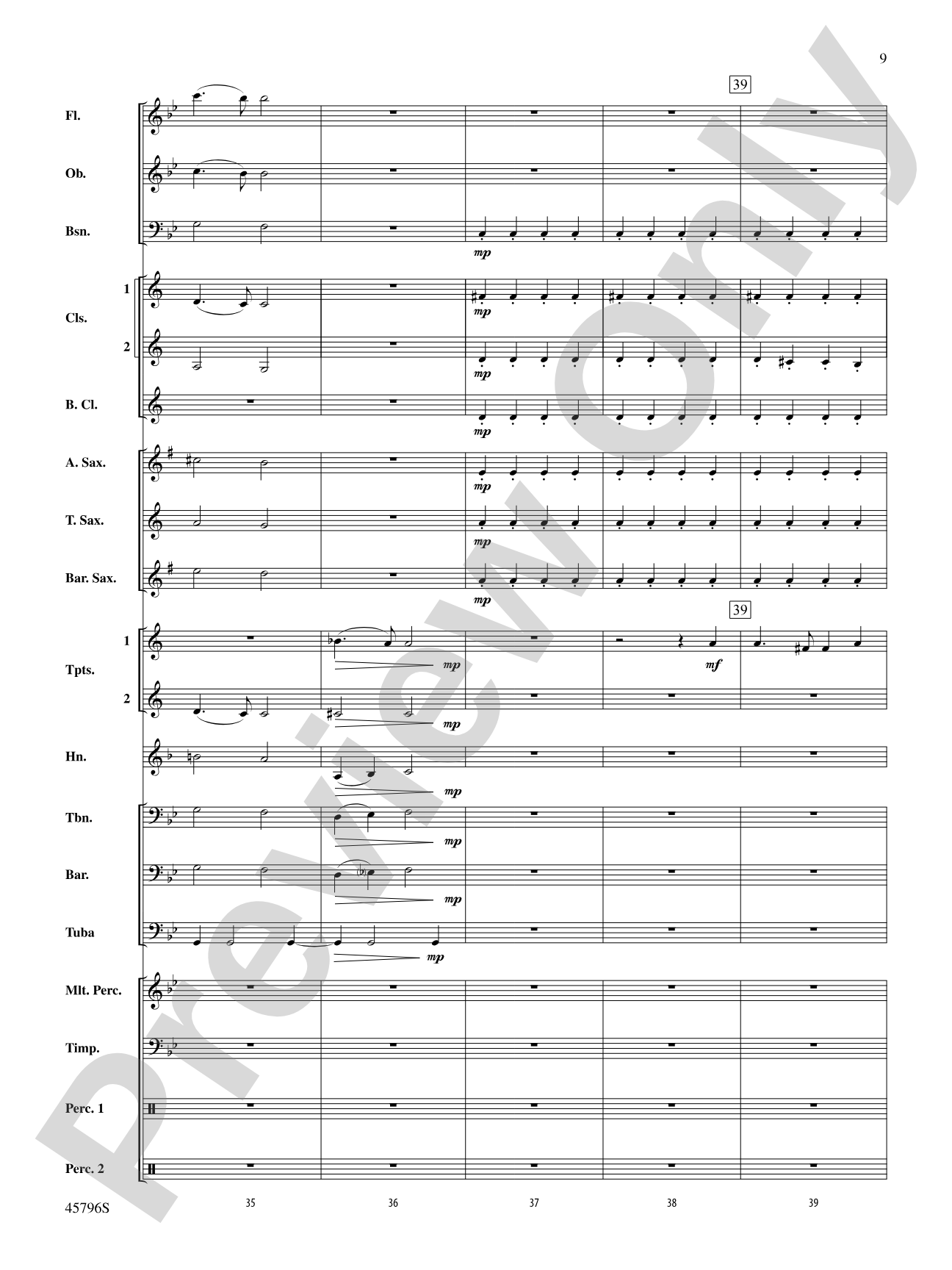
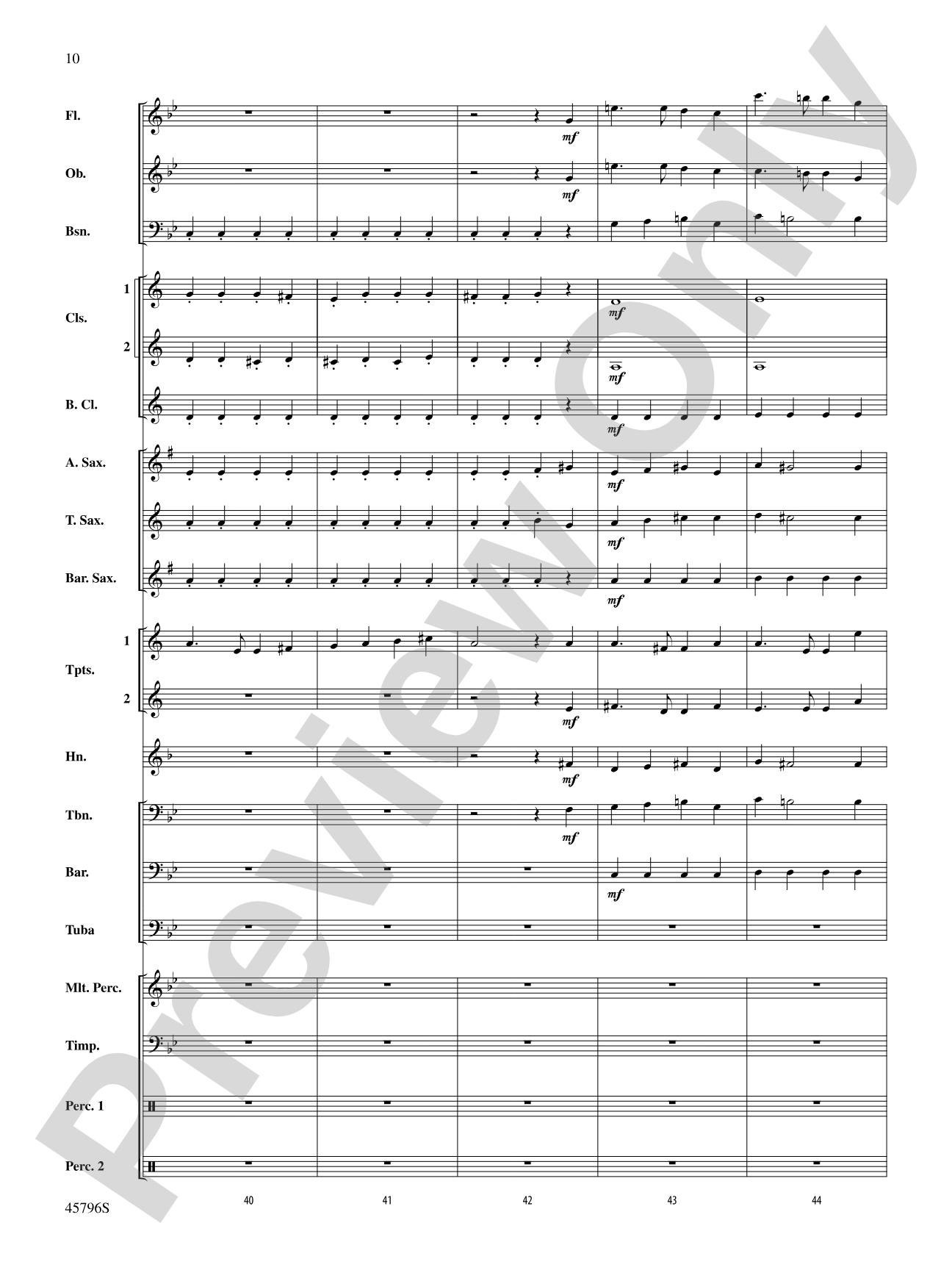
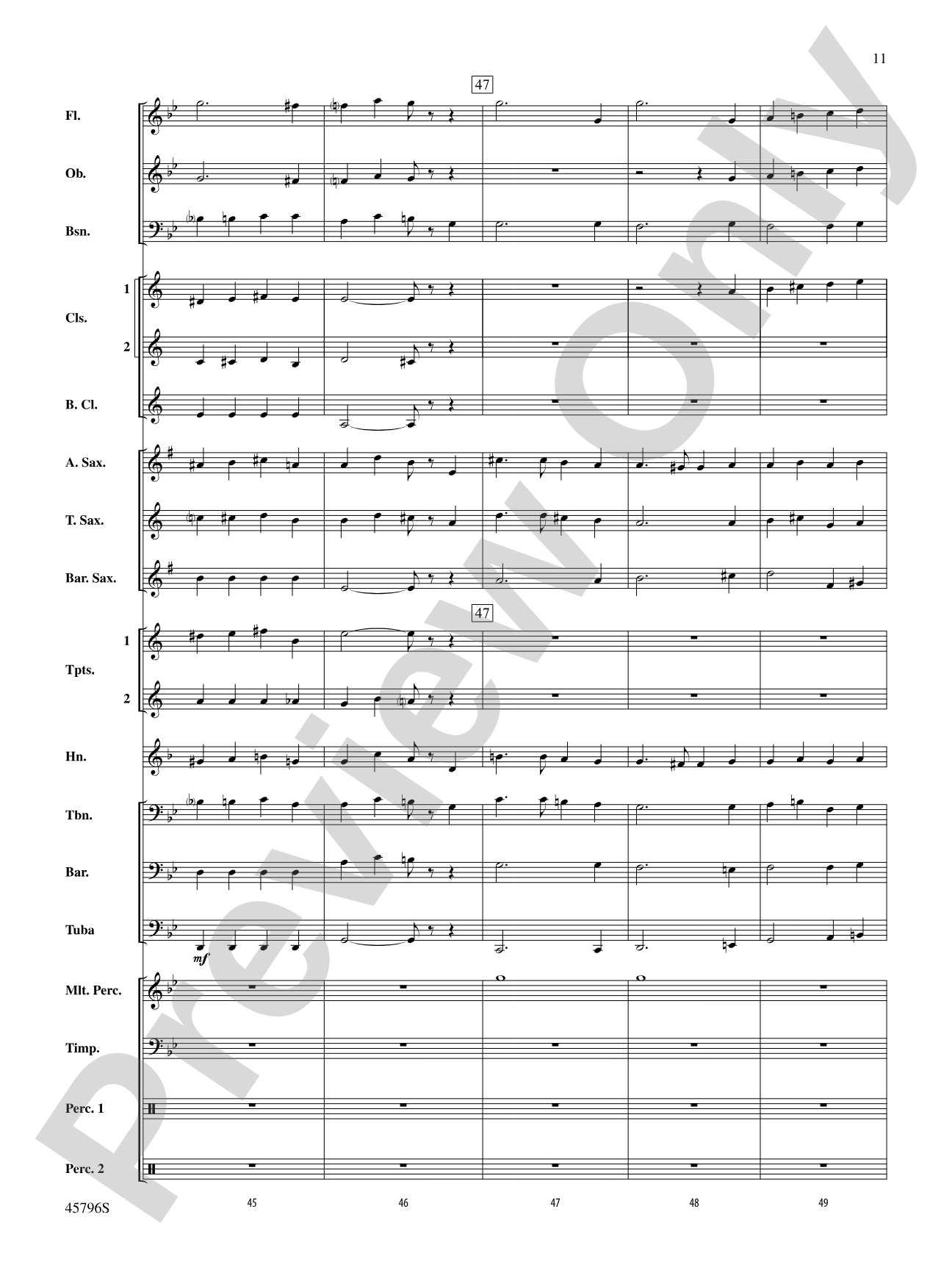
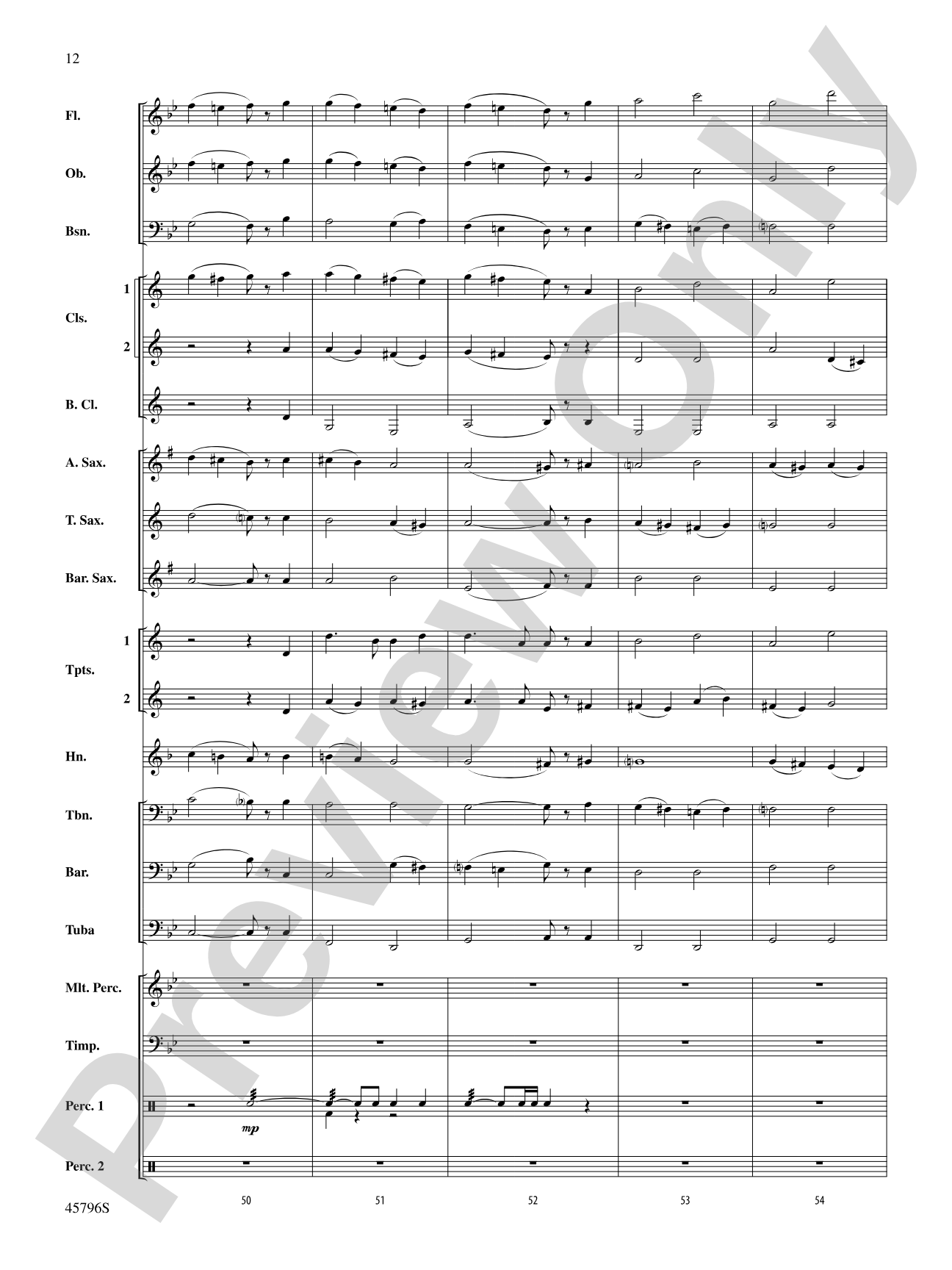
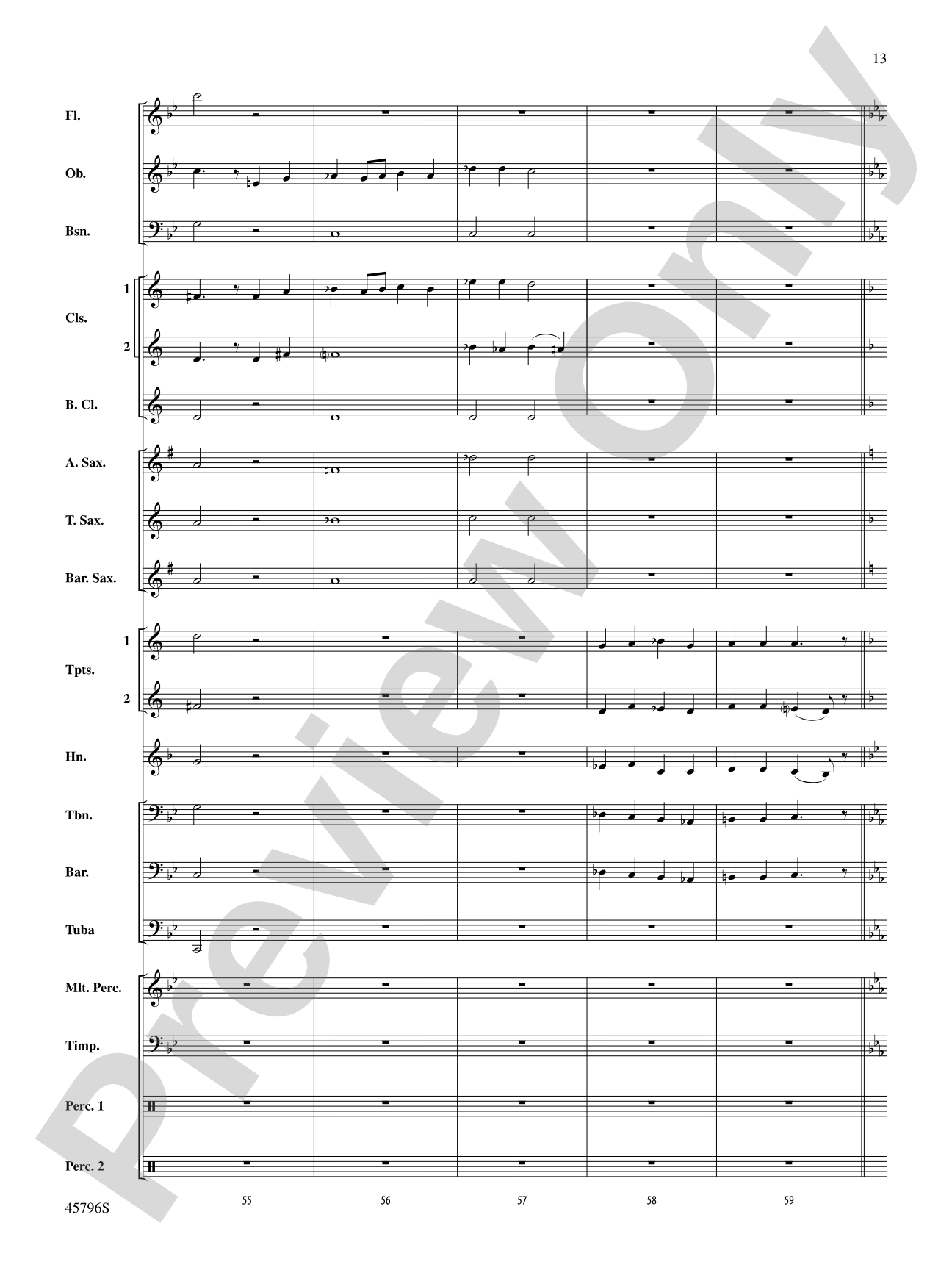
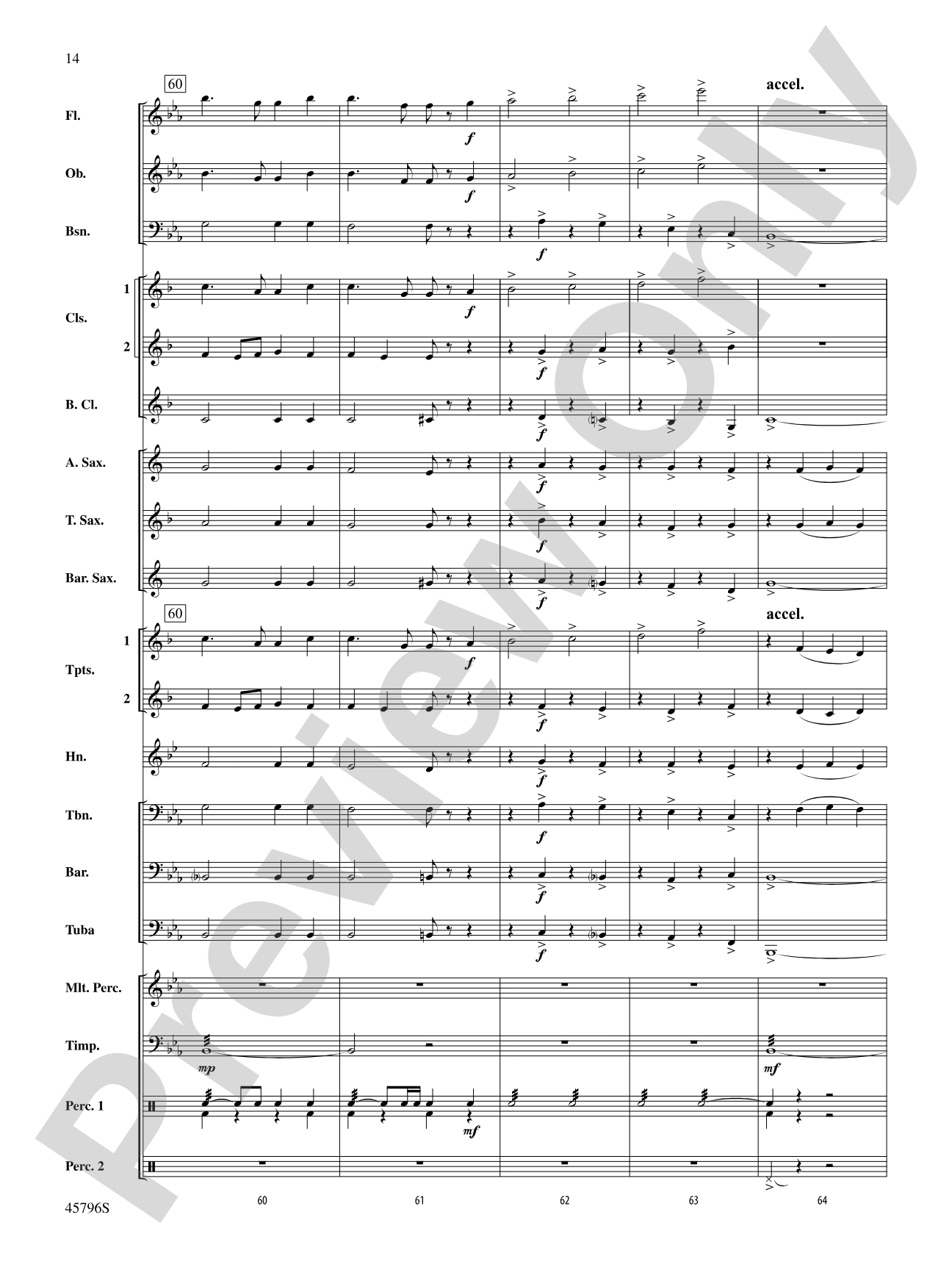
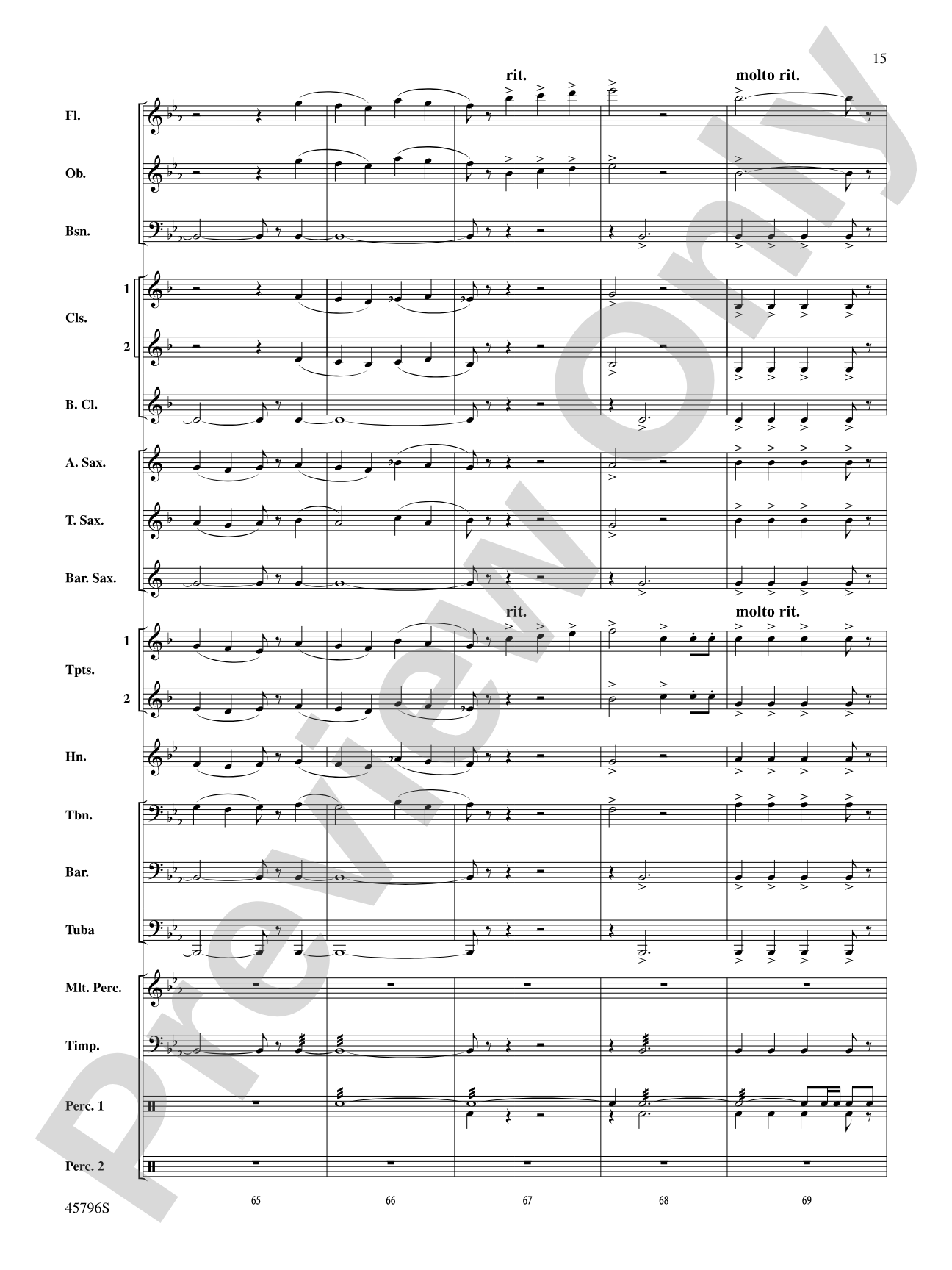
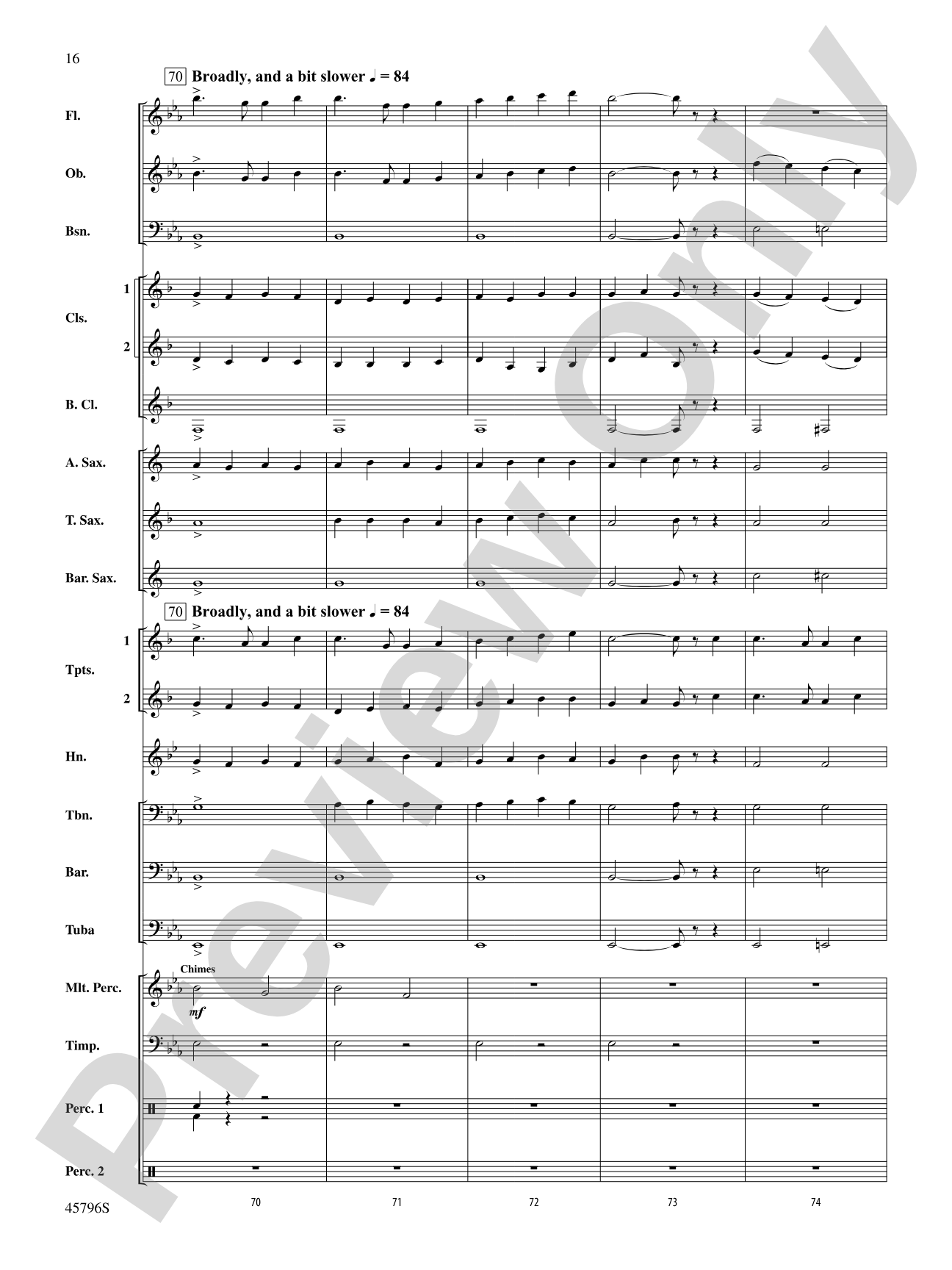
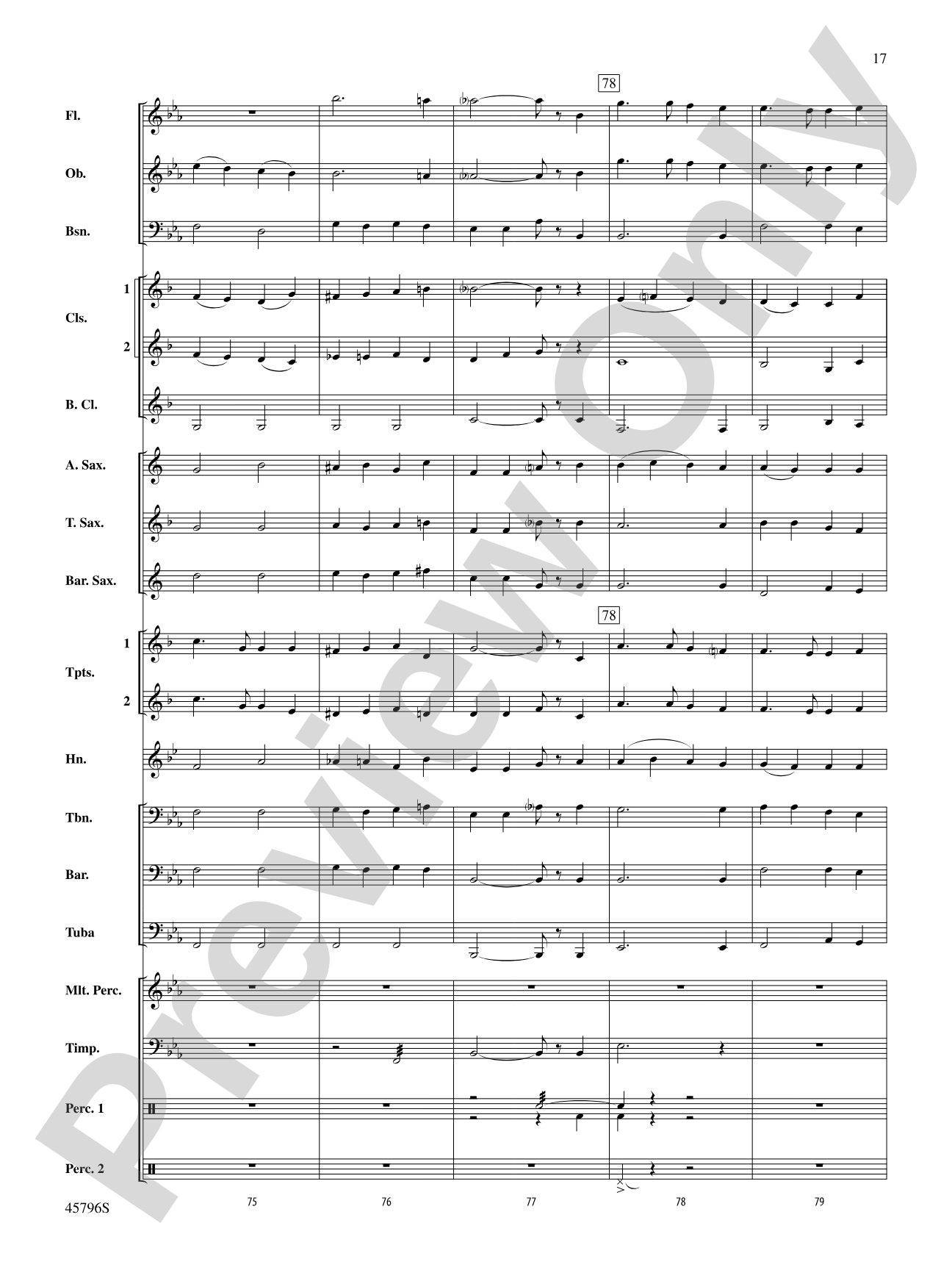
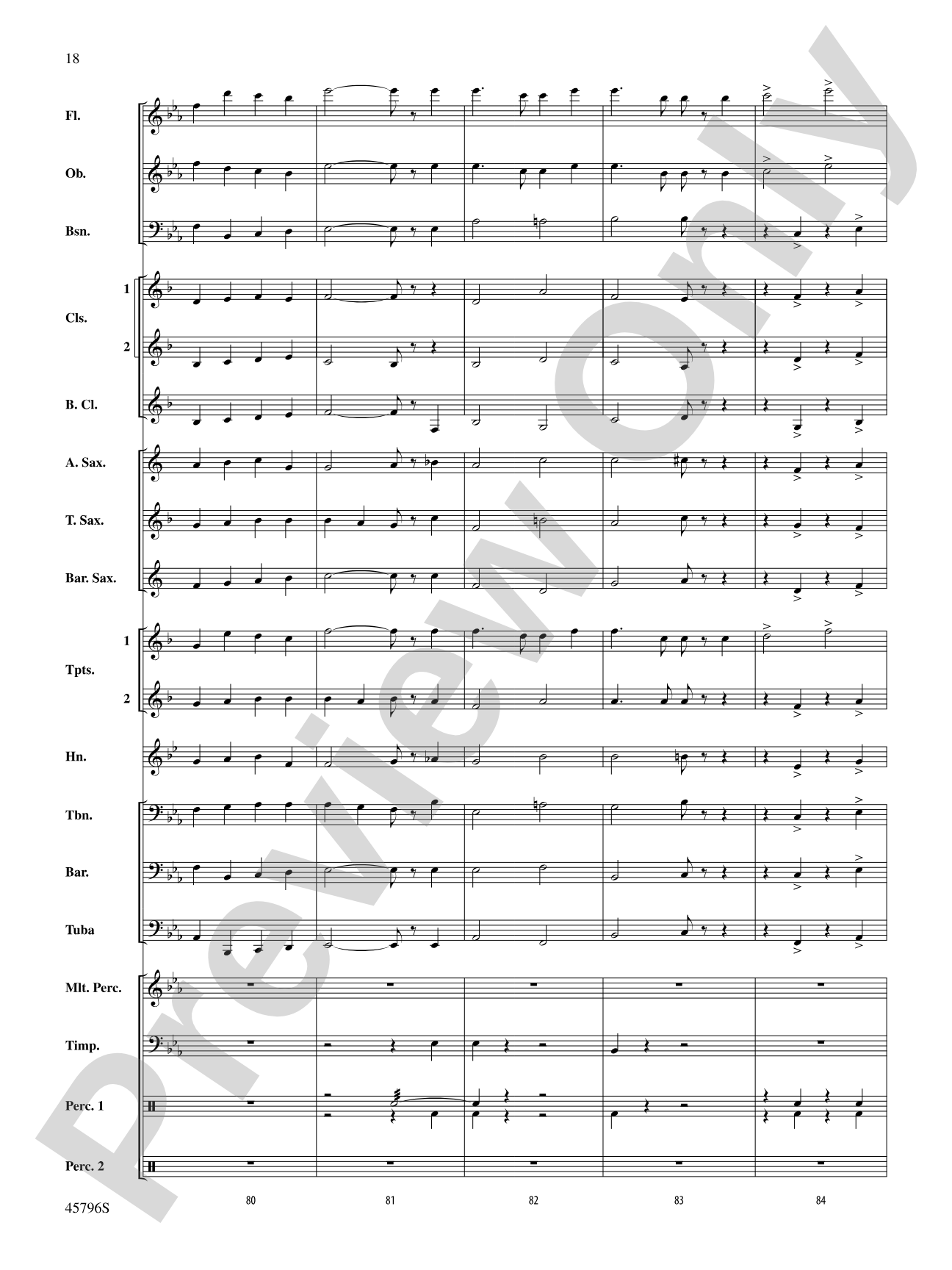
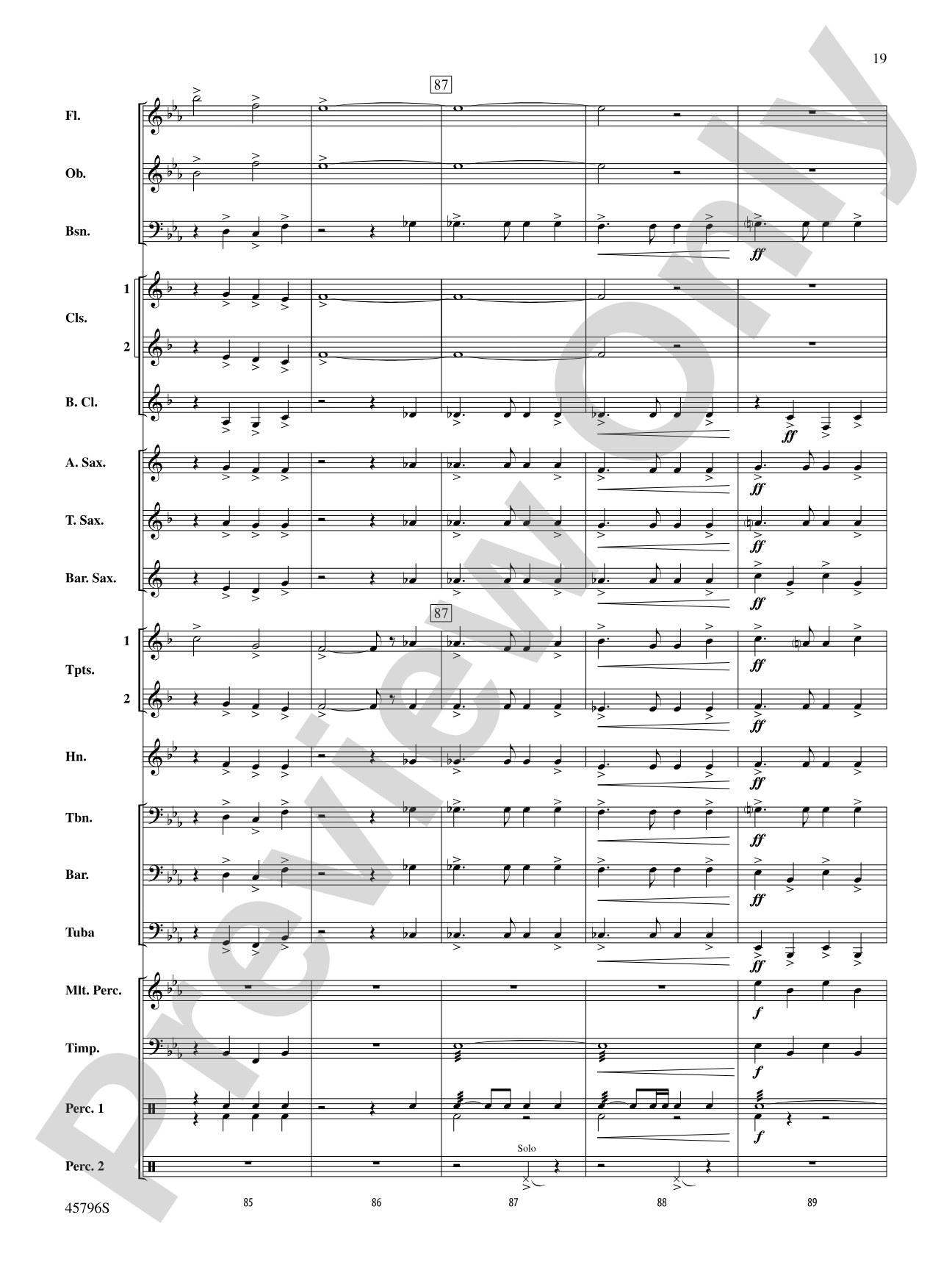
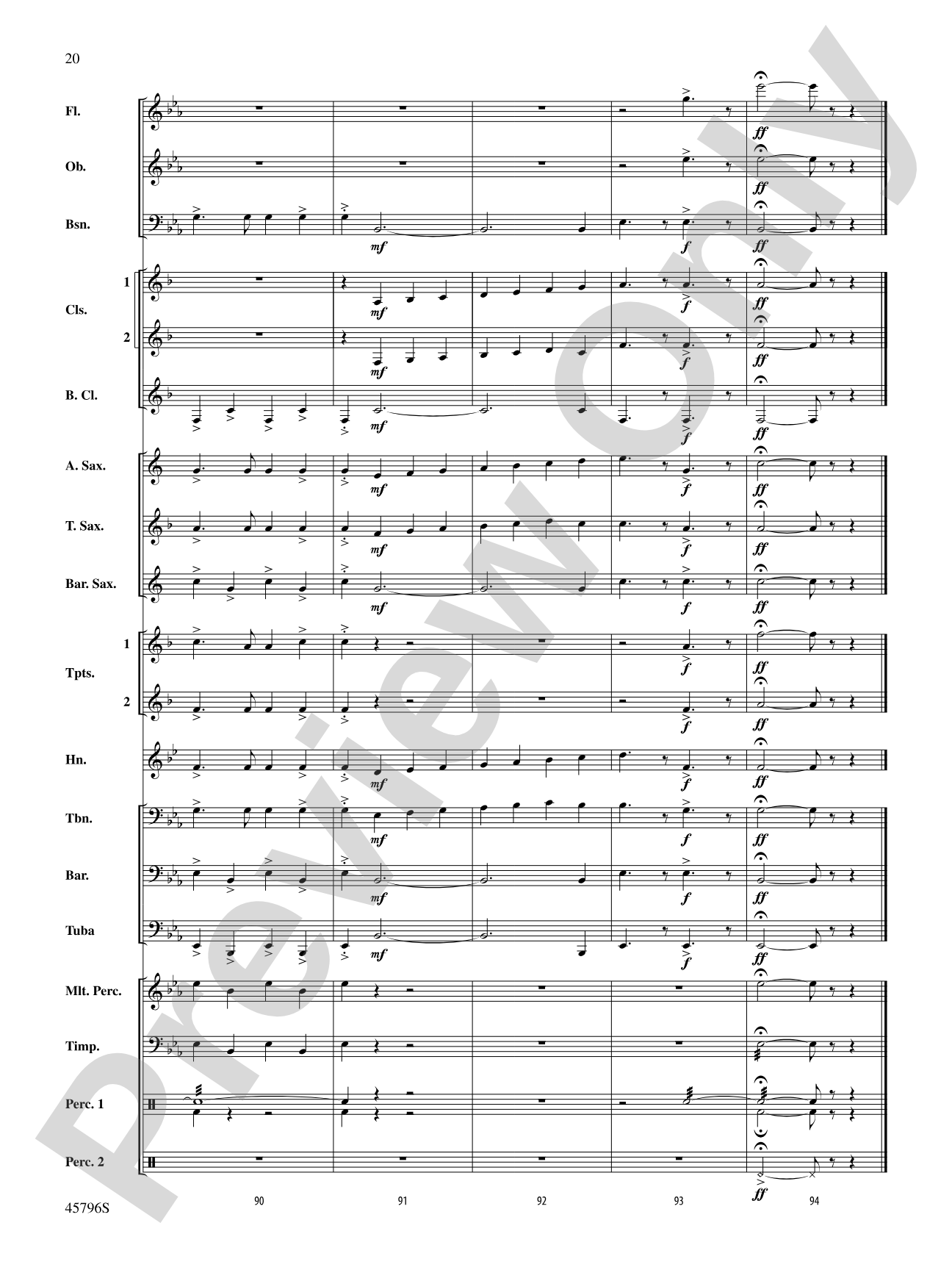

From Sea to Shining Sea: Concert Band Conductor Score & Parts
A Fantasy Based on "America the Beautiful"
Words by Katherine Lee Bates, music by Samuel Ward / arr. Maurice Whitney, scored by Douglas E. Wagner
Grade: 2 (Easy)
Item: 00-PK-0007310

$67.00
One moment…
Description
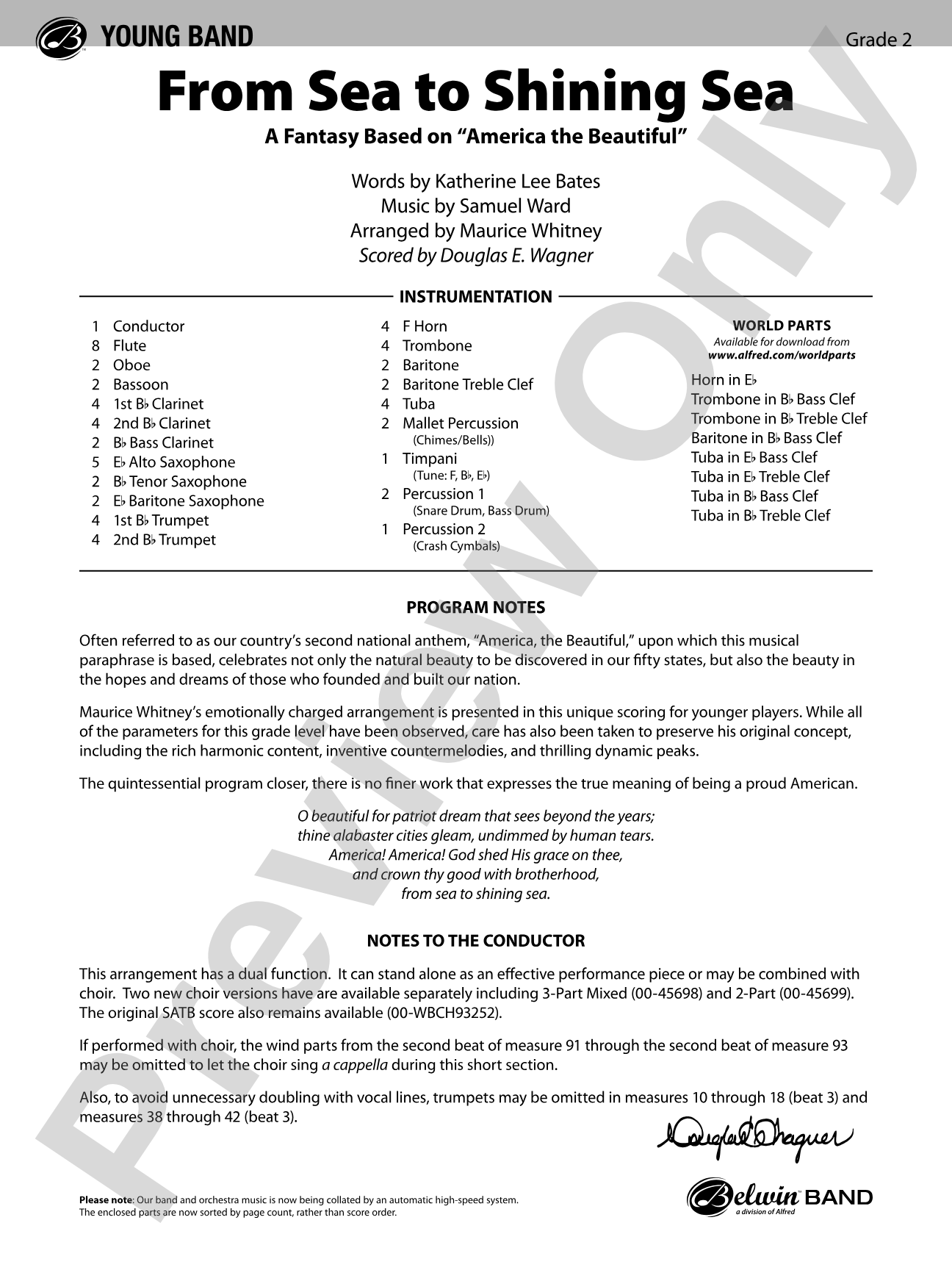
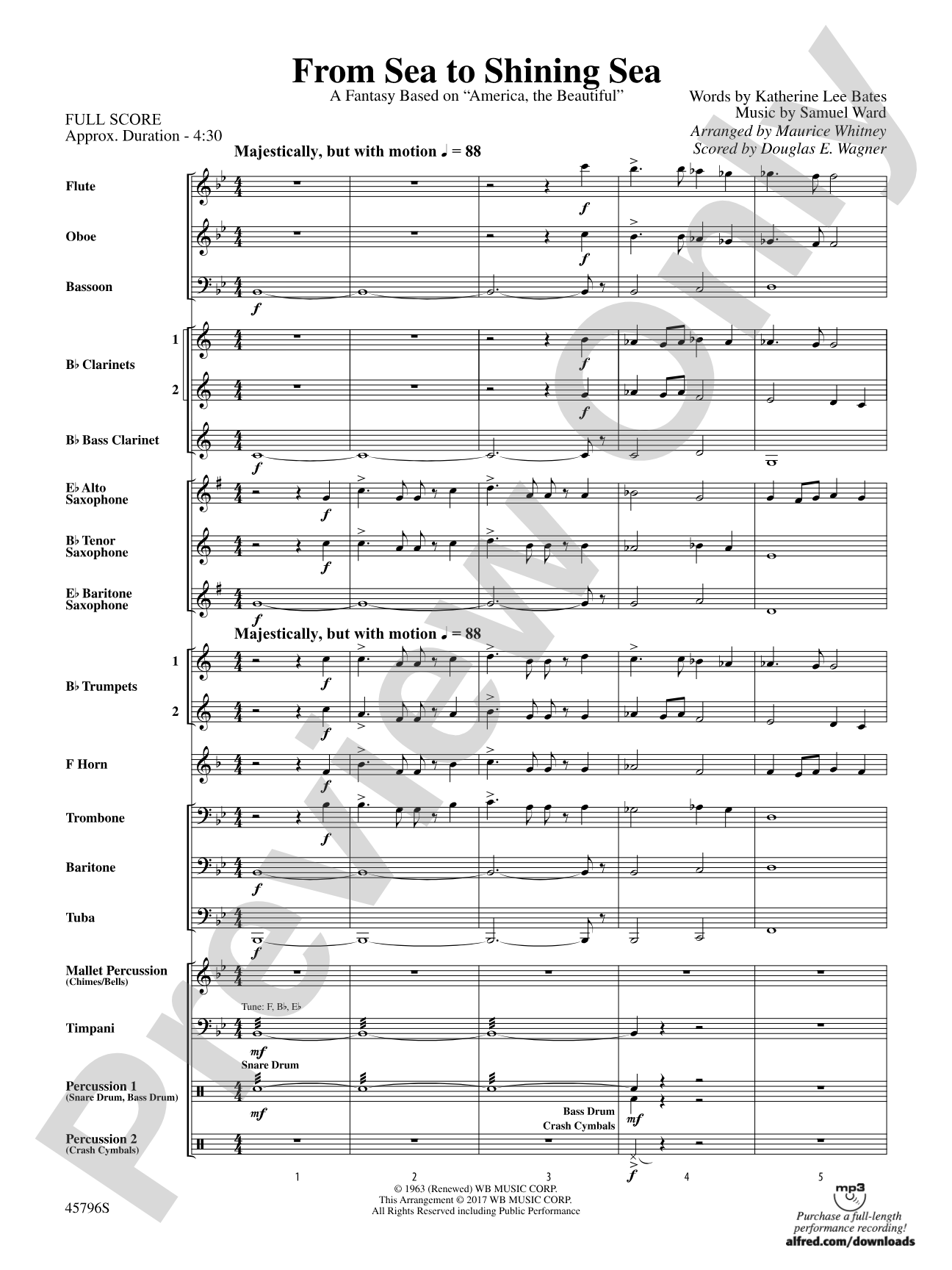
With rich textures and warm melodies, here is a new setting of the cherished classic arrangement, "From Sea to Shining Sea" by Douglas E. Wagner. Like Maurice Whitney's more advanced arrangement, this fresh scoring stands alone as a superb concert band-only version for young bands or advanced bands with limited rehearsal time, as well as an easily adaptable accompaniment for SATB choir (00-WBCH93252). Ideal programming for graduations, spring concerts, and patriotic settings. (4:30)


Don't just read it, hear it, play along with it, and watch your students grow with it. In MakeMusic Cloud, From Sea to Shining Sea: Concert Band Conductor Score & Parts comes alive with professional accompaniment, adjustable tempo, and built-in practice tools that turn solo practice into real progress.
Open in the Player
Jump straight in and assign it today.
Start Your Free Trial
Open this title and explore the full library in minutes.
Sample Audio
1
Audio File
--:--
0:00
0:00
Sample Video
Additional Details
Series:
Pop Young Band
Publisher:
Alfred Music
Page Count:
232
SKU:
00-PK-0007310
More about this title
About the Composer: Samuel Ward
Samuel Ward (1848-1903) composed "America the Beautiful" in 1882, creating one of the most enduring melodies in American music. Originally paired with Katharine Lee Bates's poem of the same name, Ward's hymn-like setting has transcended its original context to become a symbol of national pride and patriotic expression across generations of musicians and listeners.
Ward worked as a music teacher and organist in New Jersey, composing in an idiom that blended accessible melodic beauty with genuine harmonic substance. His gift for memorable, singable lines made his work ideal for both choral and instrumental settings, ensuring that "America the Beautiful" would outlast countless other compositions from his era.
Why we love this
This arrangement gives young bands access to one of America's most beloved melodies without sacrificing musical substance. The Grade 2 scoring captures Ward's warm, stately character while remaining straightforward enough for groups with limited rehearsal time, making it an honest patriotic statement rather than a simplified echo of the original.
What to expect
The music unfolds with unhurried nobility, its hymn-like melody soaring over warm harmonic support. There is genuine tenderness in the orchestration and a quiet sense of shared national identity rather than bombast.
Who it's for
Directors seeking repertoire that speaks to graduates, patriotic occasions, and spring concert programming will find this accessible without being trivial. Young band and intermediate band musicians benefit from playing a melody so strong that it practically conducts itself, allowing focus on ensemble balance and dynamic shaping.
How to get the most out of it
- Shape the melody line with long, singing phrasing rather than mechanical articulation; the music asks for breadth and dignity throughout
- Balance the accompaniment textures carefully so supporting voices never obscure the primary melodic content, especially in the lower woodwinds and brass
- Use the full four-and-a-half minutes to allow the piece to breathe; resist the urge to rush the climactic sections
- If performing the optional choral version, rehearse band and choir separately first to establish secure pitch and rhythm before combining them
How to use it
This works beautifully as a centerpiece for spring or graduation concerts, offering a moment of reflection that audiences recognize and value. The optional choir parts also allow for a powerful combined ensemble moment without requiring separate instrumental and choral programming.
Skills your students will build
- Sustained legato phrasing and breath control across long melodic lines
- Balance and blend in homophonic textures with multiple supporting voice lines
- Dynamic control and shape in patriotic and ceremonial music
- Sectional coordination between melody and accompaniment voices