


From Living Stones: Choral Instrumental Pak
By Joseph M. Martin / By David Angerman
Item: 35-PK00234341
$30.00
Pickup currently not available
Buy Extra Parts (Digital PDF Download)
| Product | Price | Quantity |
|---|---|---|
| From Living Stones - Score: Choral Instrumental Pak | $7.00 | |
| From Living Stones - Bb Trumpet 1,2: Choral Instrumental Pak | $7.00 | |
| From Living Stones - Trombone 1 2: Choral Instrumental Pak | $7.00 |
Parts Added to Cart!
Description
Powerful challenges leap from the pages of this festival type piece featuring a significant organ accompaniment and a memorable melodic main theme. The poetic connection between the stones of our physical church buildings, the living stones or people of the church, the stones David used to slay Goliath and even the resurrection stone of Christ is a singular yet effective sermon in song. A significant ending crowns the work with confidence and conviction. Duration: ca. 3:26.


From Living Stones: Choral Instrumental Pak isn't in MakeMusic Cloud just yet...but it could be. Let us know you'd like to see it, and you'll help shape what comes next. In the meantime, start a free trial and dive into thousands of interactive titles your students can play along with today.
Request This Title
Tell us you want it.
Start Your Free Trial
Explore everything that's ready to play right now.
Sample Audio
No sample audio found.
Sample Video
No sample videos found.
Additional Details
Publisher:
Hal Leonard
SKU:
35-PK00234341
More about this title
About the Composer: Joseph M. Martin
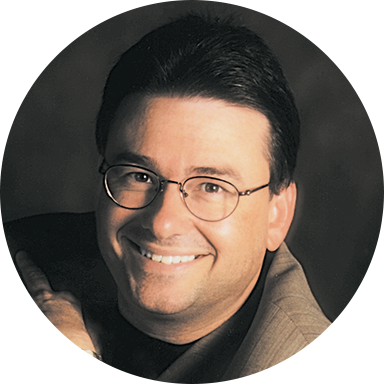
Joseph M. Martin holds degrees in piano performance from Furman University and the University of Texas at Austin, where he also taught in the Piano Pedagogy Department for five years. His career spans solo recitals, orchestral appearances across the United States and Mexico, and a Nina Plant Wideman Competition win that led to a featured performance with the Guadalajara Symphony Orchestra. His solo recital broadcast from Ex-convento del Carmen reached national audiences, establishing him as a versatile performer.
Today Martin channels his classical training into church music and choral composition, a shift that has not diminished his reach but expanded it. His works appear in venues ranging from Carnegie Hall to hundreds of worship services across North America. Living in Austin, Texas with his wife Sue and their children Jonathan and Aubrey, Martin continues composing and performing, known for the breadth and inventiveness of his output.
Why we love this
The layered theological imagery in From Living Stones transforms a festival anthem into something with real substance. Martin and Angerman weave together scriptural references without ever becoming preachy, letting the music carry the metaphor of stones spanning physical buildings, God's people, David's victory, and Christ's resurrection. A sturdy organ part anchors the work while the melody sits naturally for singers, making this piece both musically satisfying and theologically thoughtful.
What to expect
The piece opens with conviction and unfolds through its central metaphor with quiet intensity before building toward an ending that feels earned rather than imposed. Supported by the organ's harmonic foundation, the choral writing feels grounded and confident, never reaching for effect but instead settling into the weight of its own symbolism. By the final measures, the work achieves a sense of resolution that honors both the spiritual message and the musical journey.
Who it's for
Choirs seeking meaningful sacred repertoire that rises above generic festival fare will find solid material here. This works for choirs with modest vocal ranges and access to an organist capable of handling a significant accompanimental role. It fits churches programming for major services or sacred concerts where theological depth matters alongside musical craft.
How to get the most out of it
- Balance the choral sound against the organ's presence by rehearsing the singers first without accompaniment, establishing their own ensemble cohesion before adding the keyboard part.
- Shape the main melodic theme with gentle dynamic contours rather than singing it straight through; the memorable nature of the tune rewards slight variations in phrase weight.
- Reserve full organ registration for the final section, allowing the accompaniment to build as the text reaches its resolution about resurrection and conviction.
- Emphasize clarity in the brass writing by marking entrances in rehearsal and ensuring rhythmic precision; this piece depends on clean vertical alignment to land its strongest moments.
How to use it
Consider this for an All Saints' Day service, a Reformation Sunday observance, or a spring sacred concert finale where you want programming to build in theological substance across the set. Its festival character and confident conclusion make it an effective second or third piece in a choral program, anchoring a set that might otherwise drift toward lighter fare. The moderate difficulty and clear accessibility also recommend it for churches transitioning singers into more sophisticated repertoire.
Skills your students will build
- Singing sustained lines over a moving keyboard accompaniment without losing independence
- Recognizing and executing harmonic shifts that support theological meaning rather than mere musical variety
- Balancing ensemble blend when organ texture requires singers to support rather than dominate the soundscape
- Interpreting a text that works on multiple symbolic levels simultaneously