

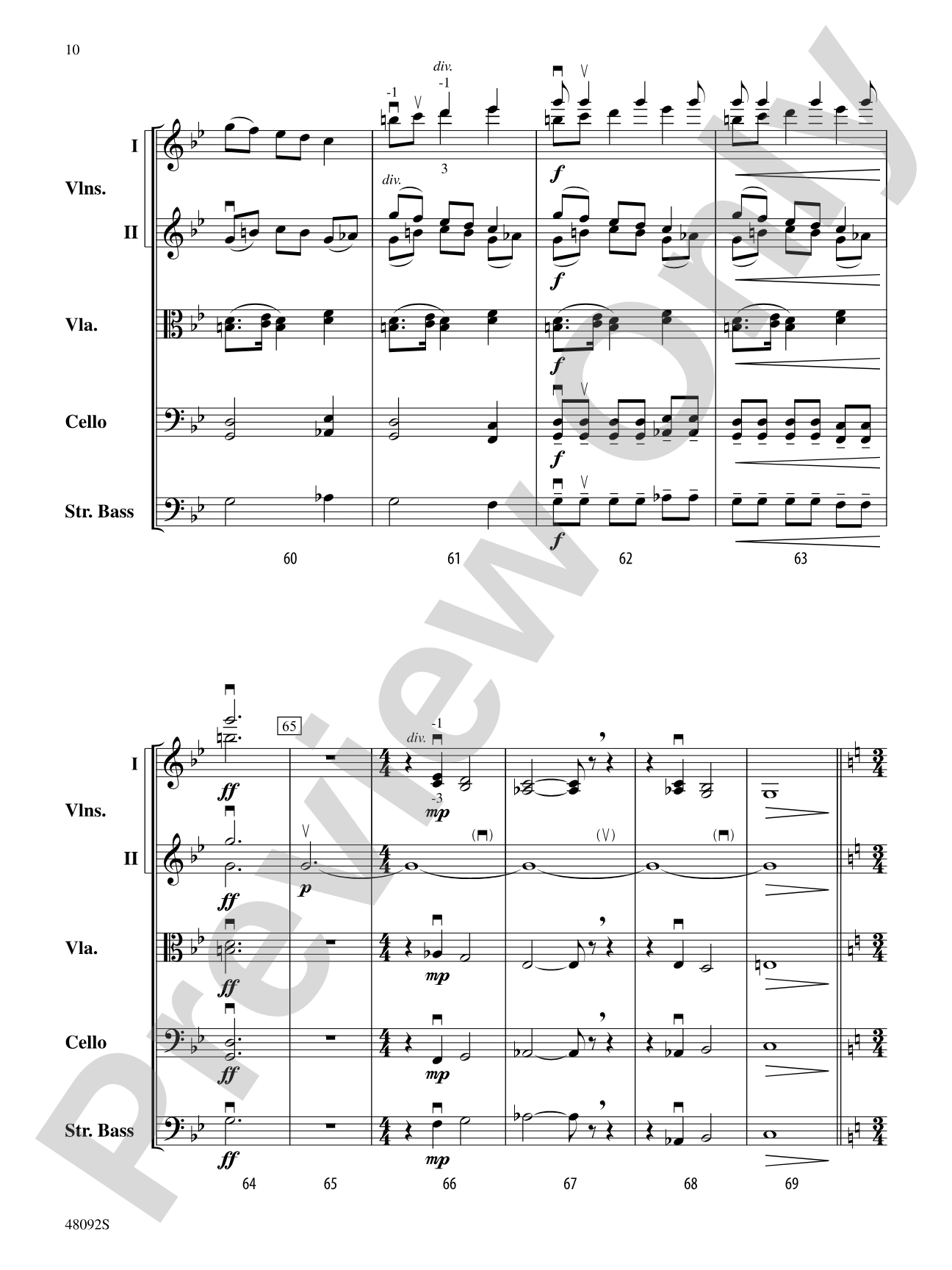
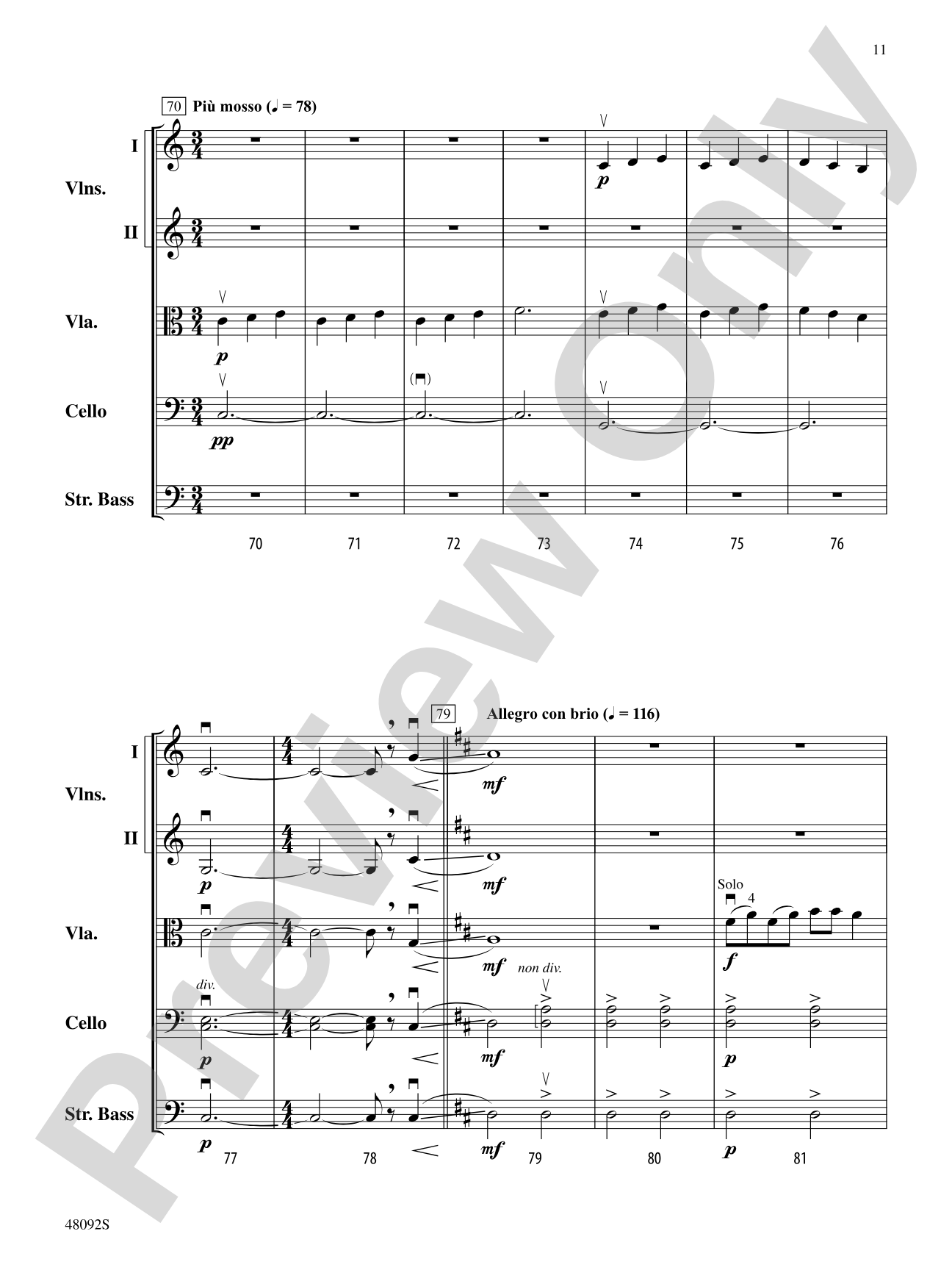
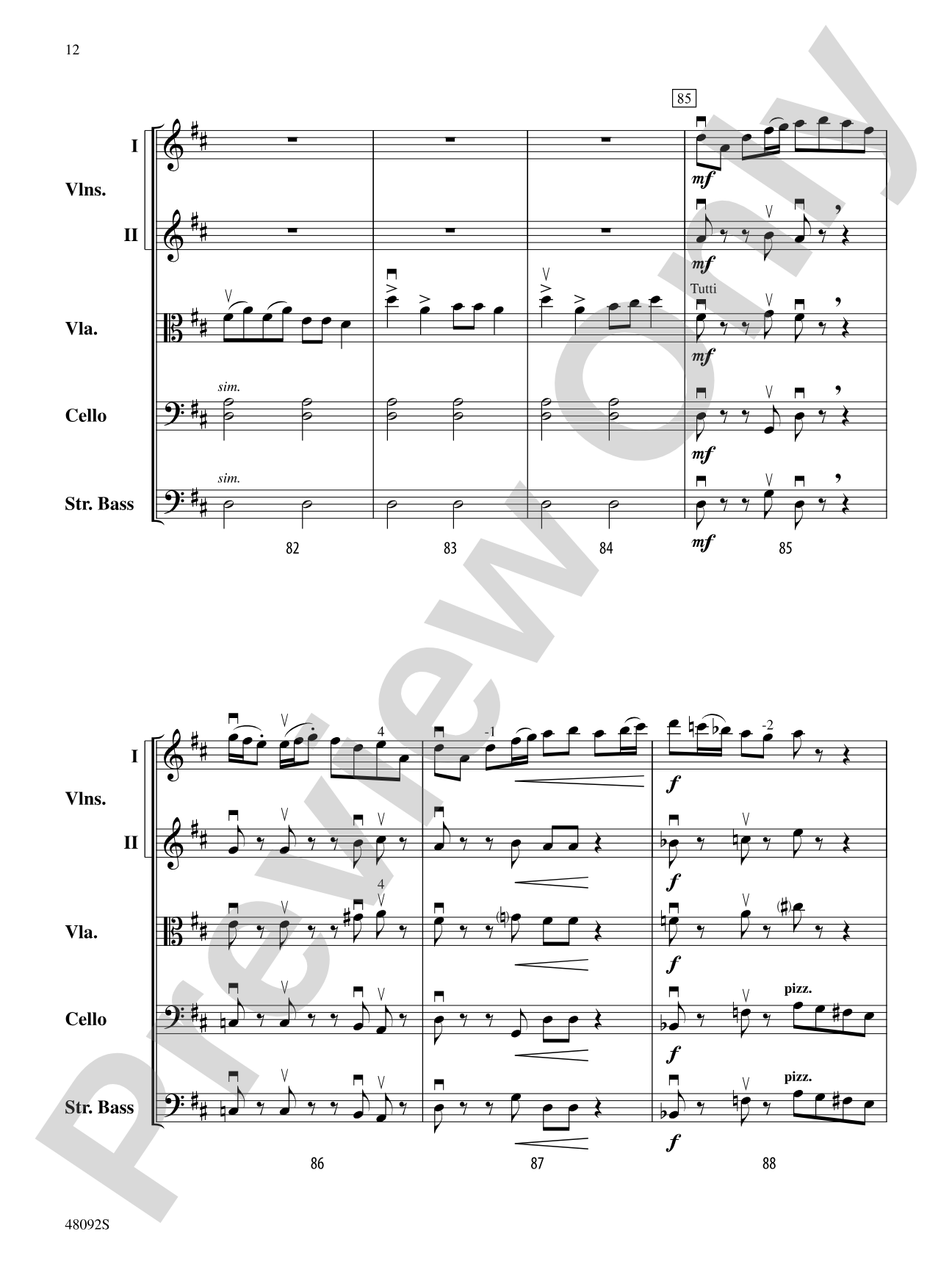
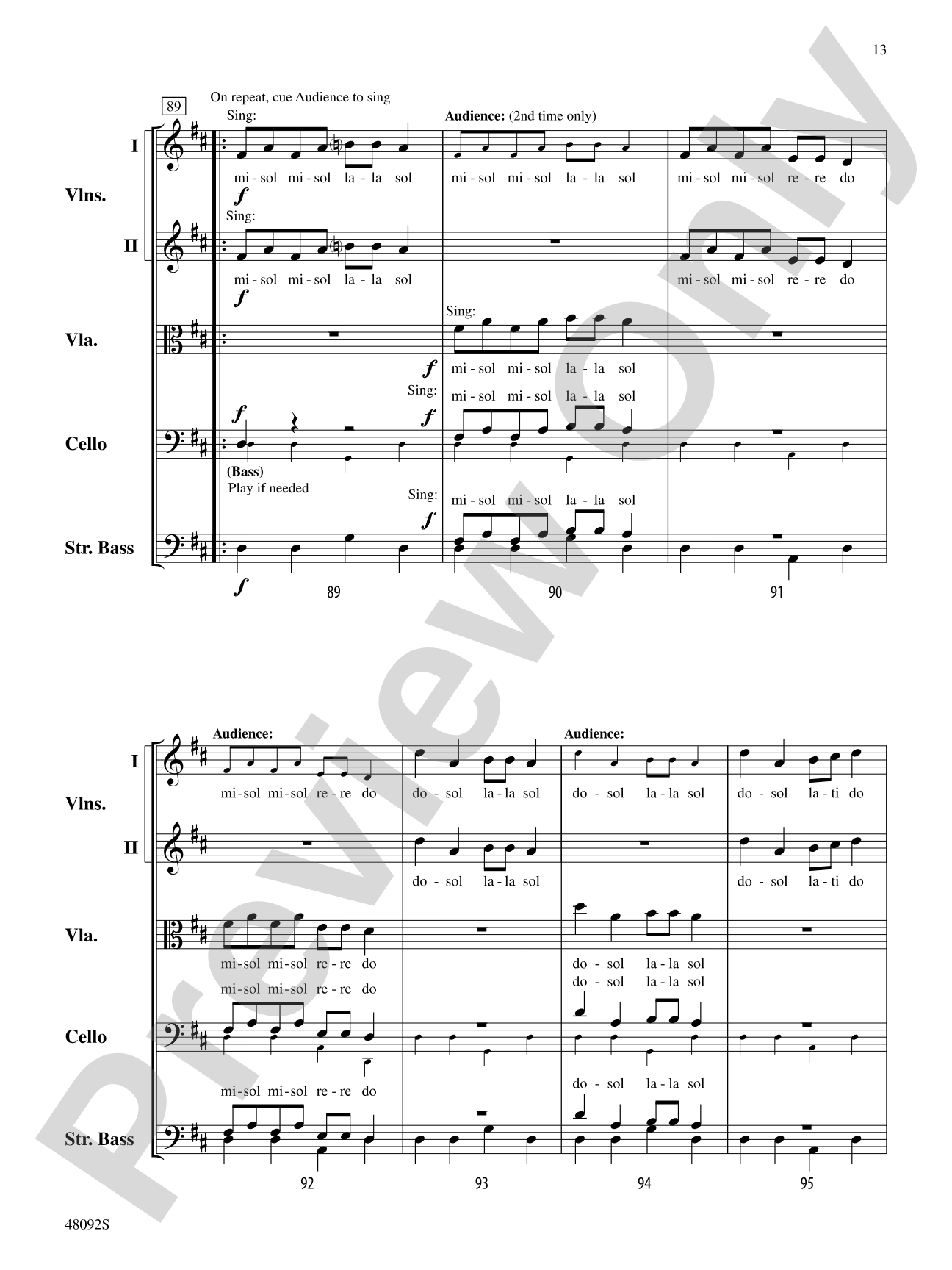
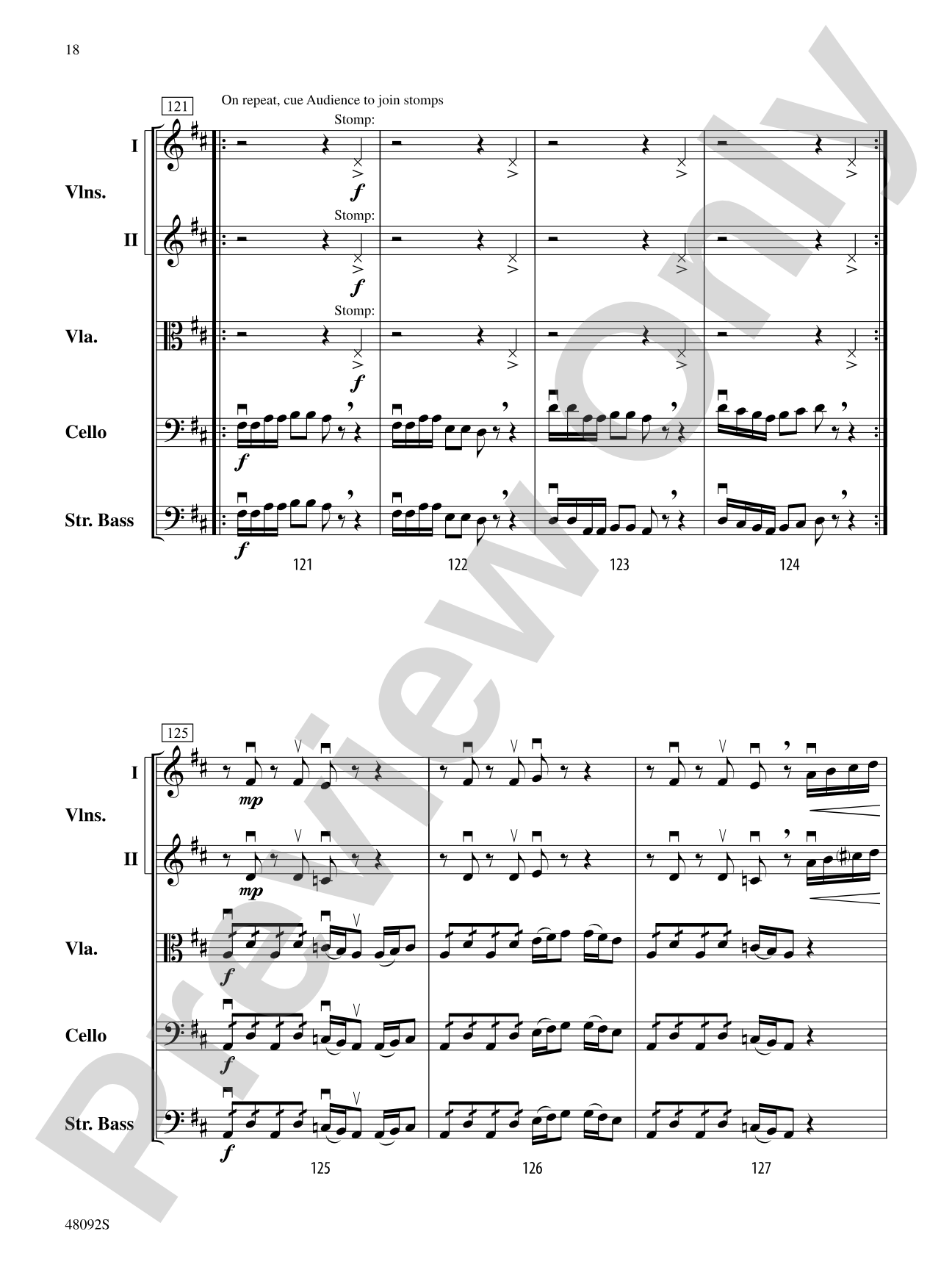
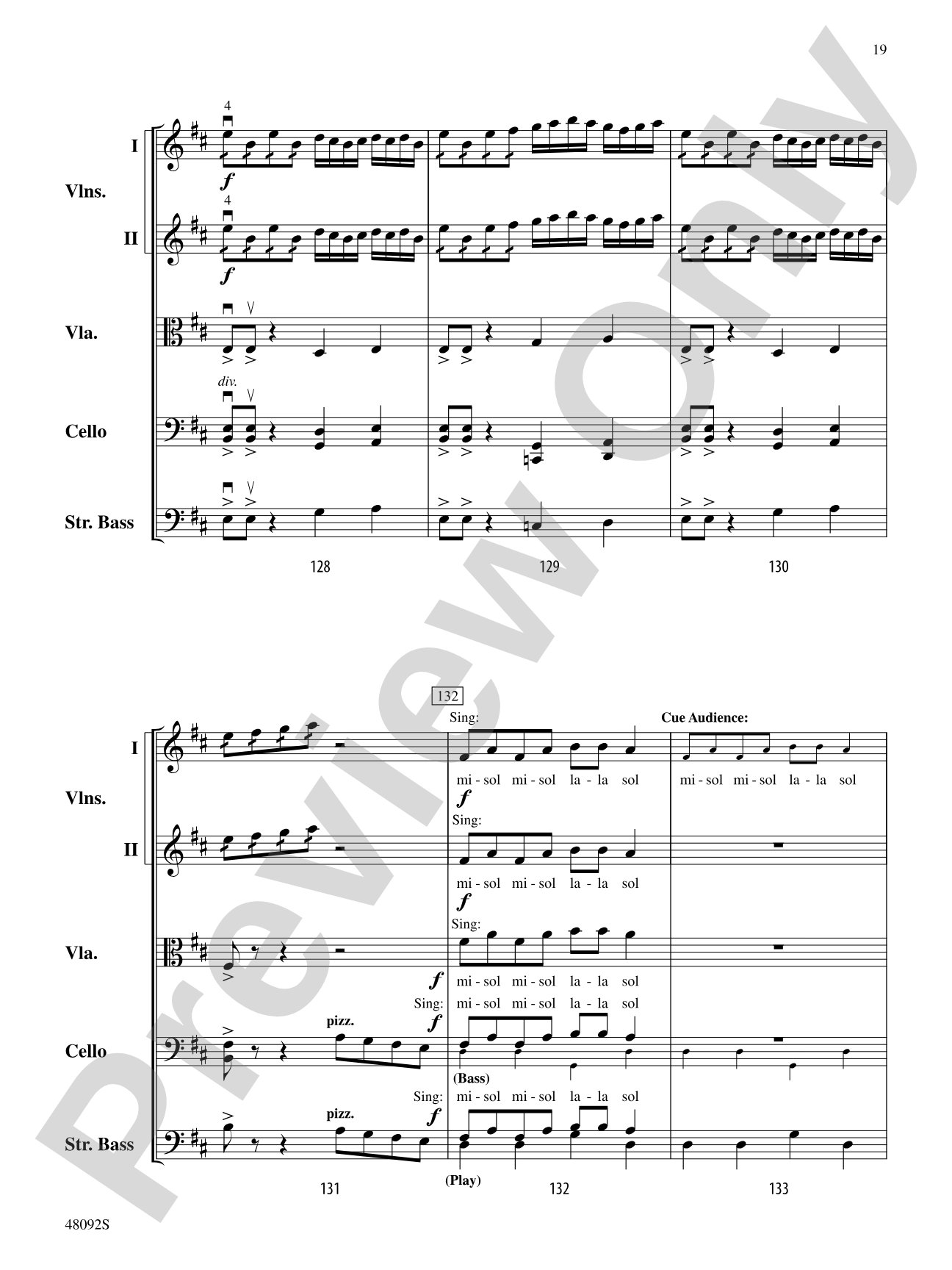
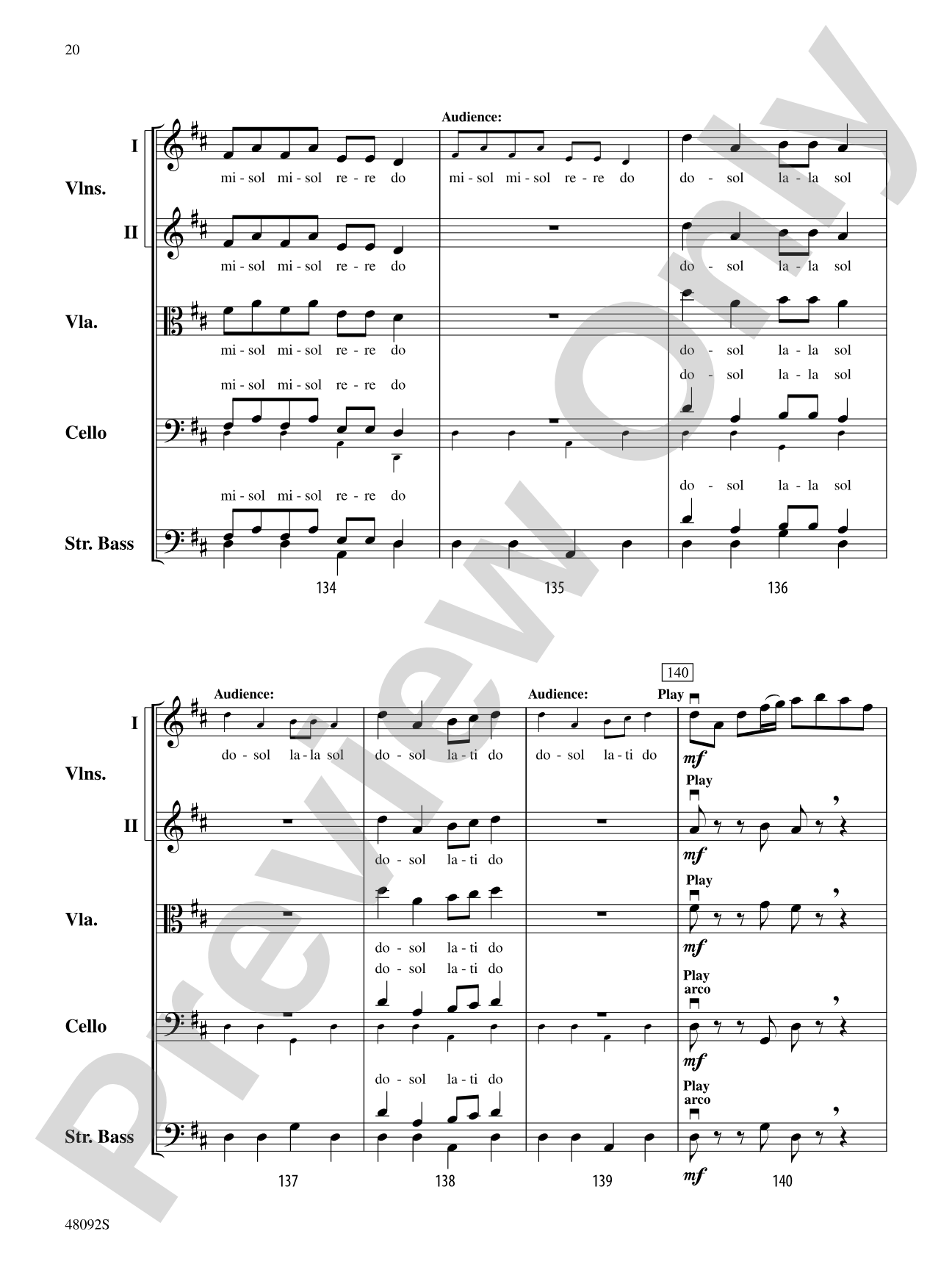
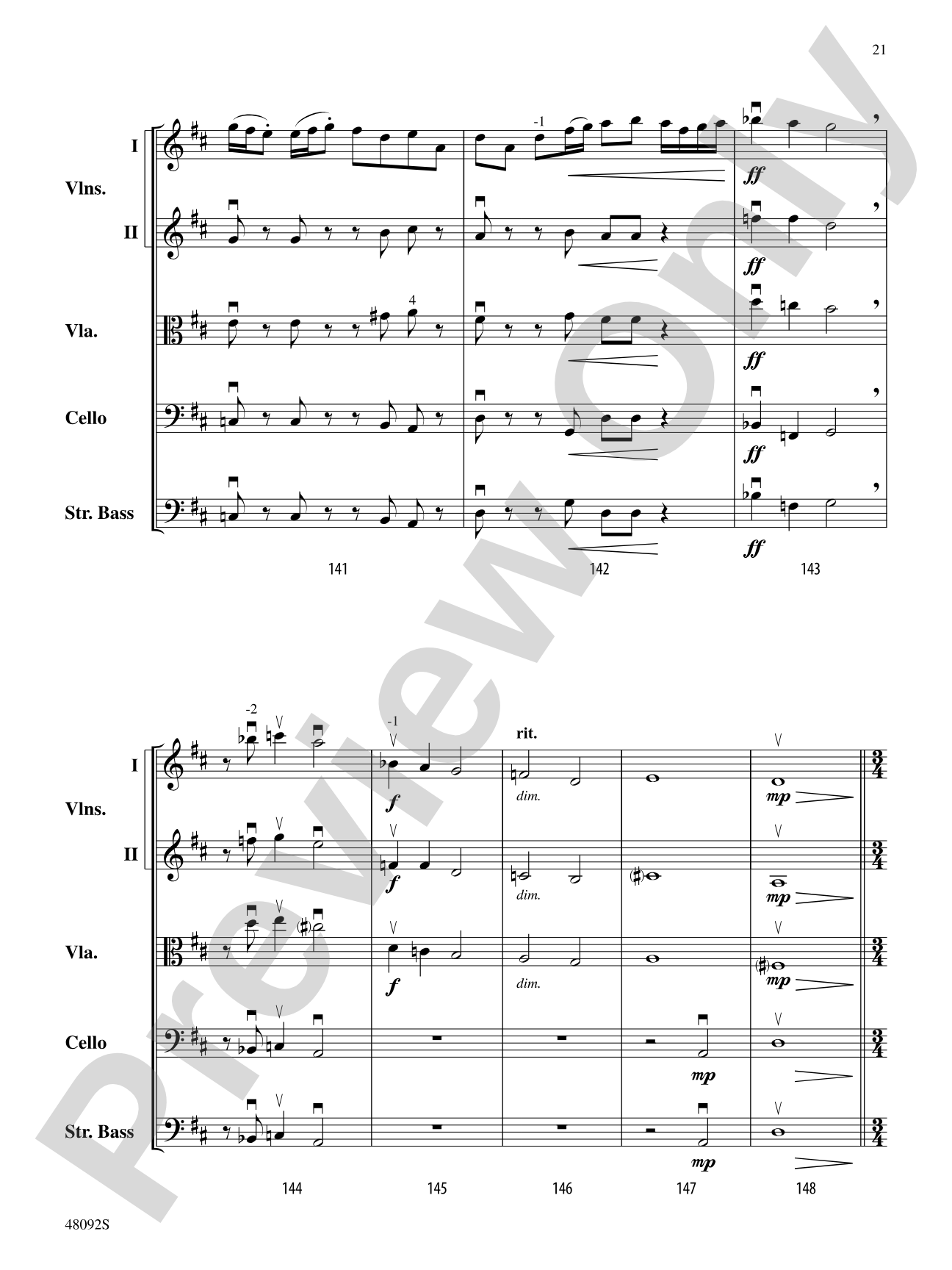
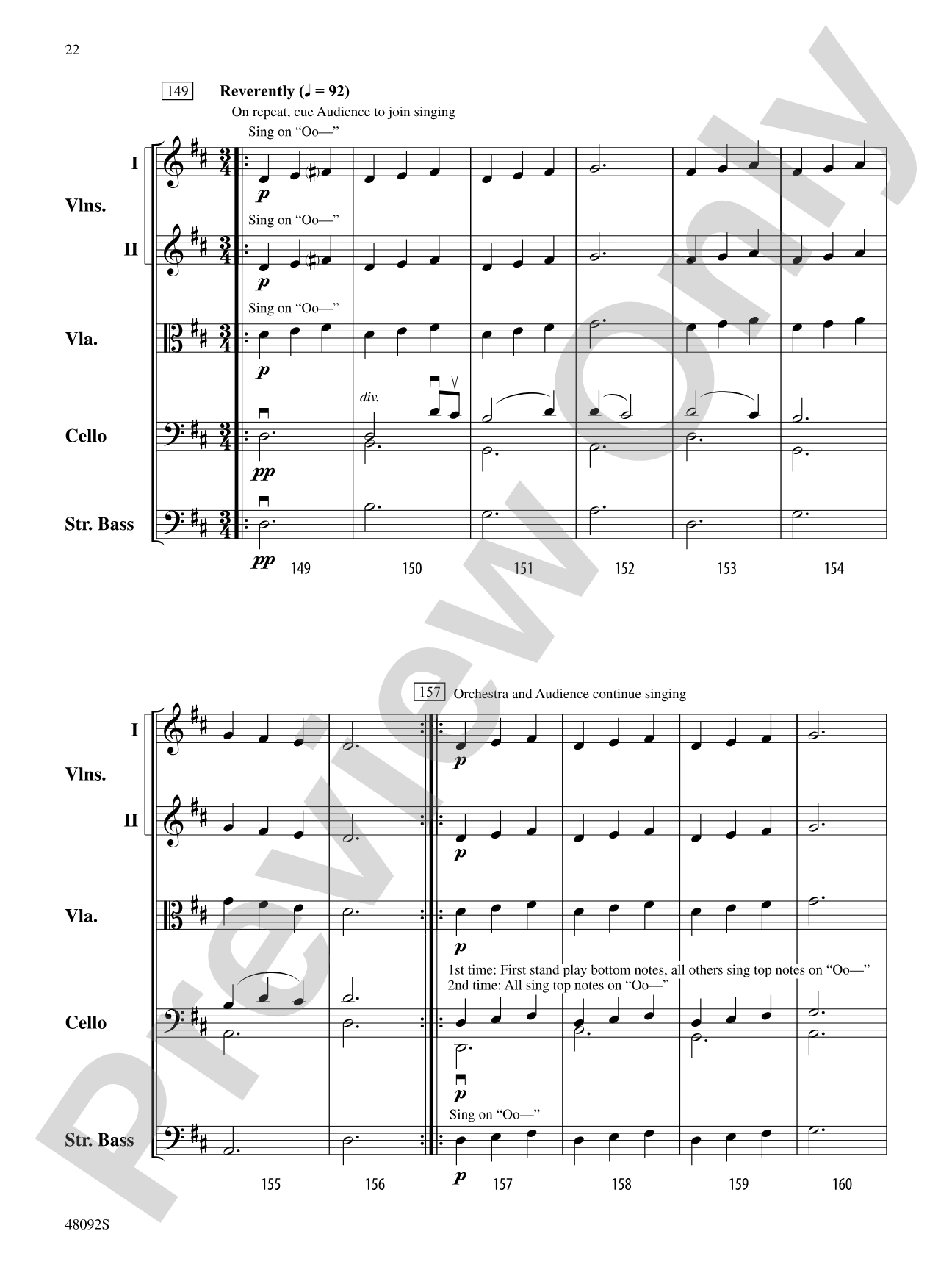
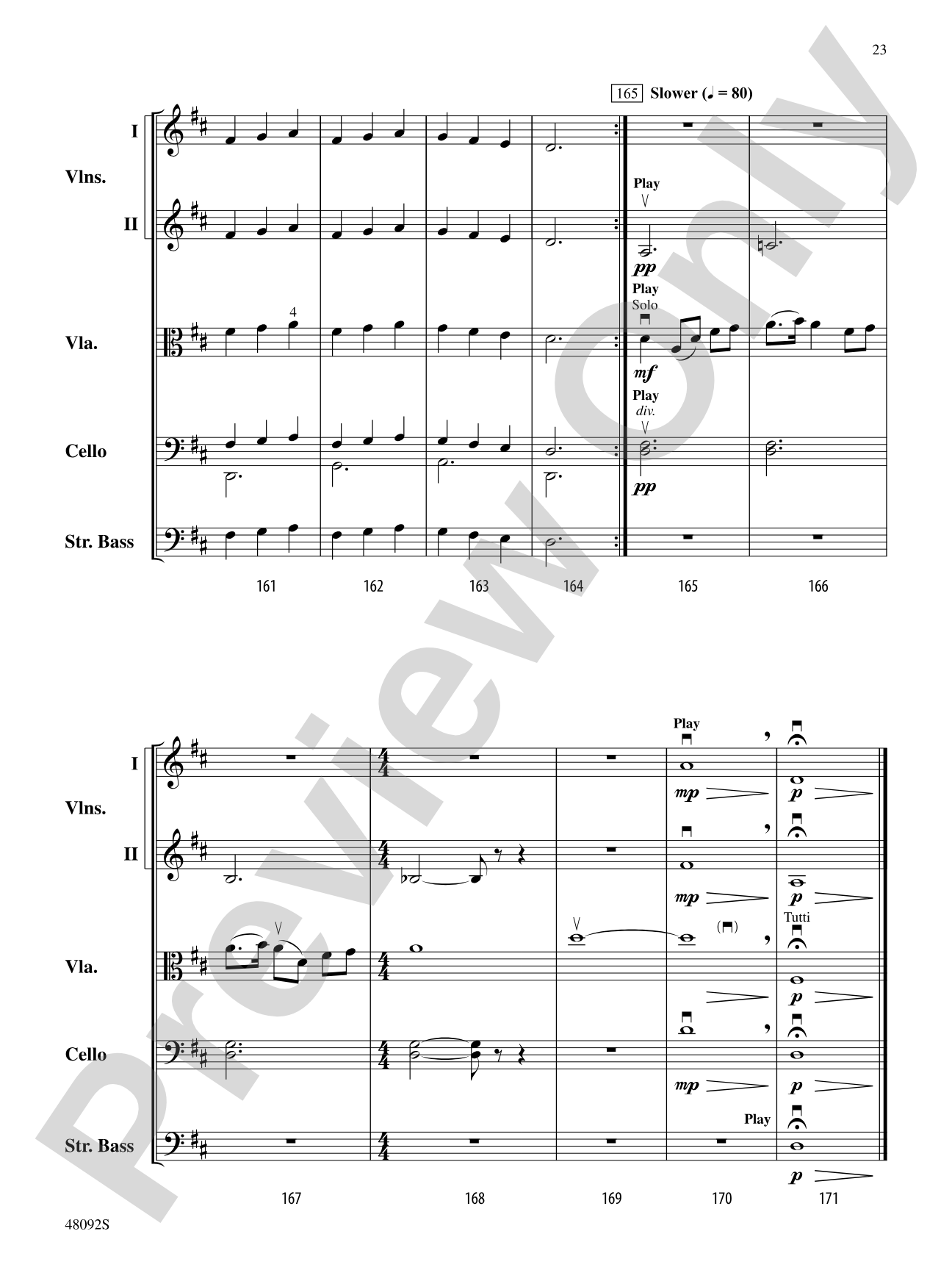

From Darkness, Joyful Sounds Are Born: Score
By Richard Meyer
Grade: 3
Item: 00-PR-0006727
$10.00
Pickup currently not available
Description
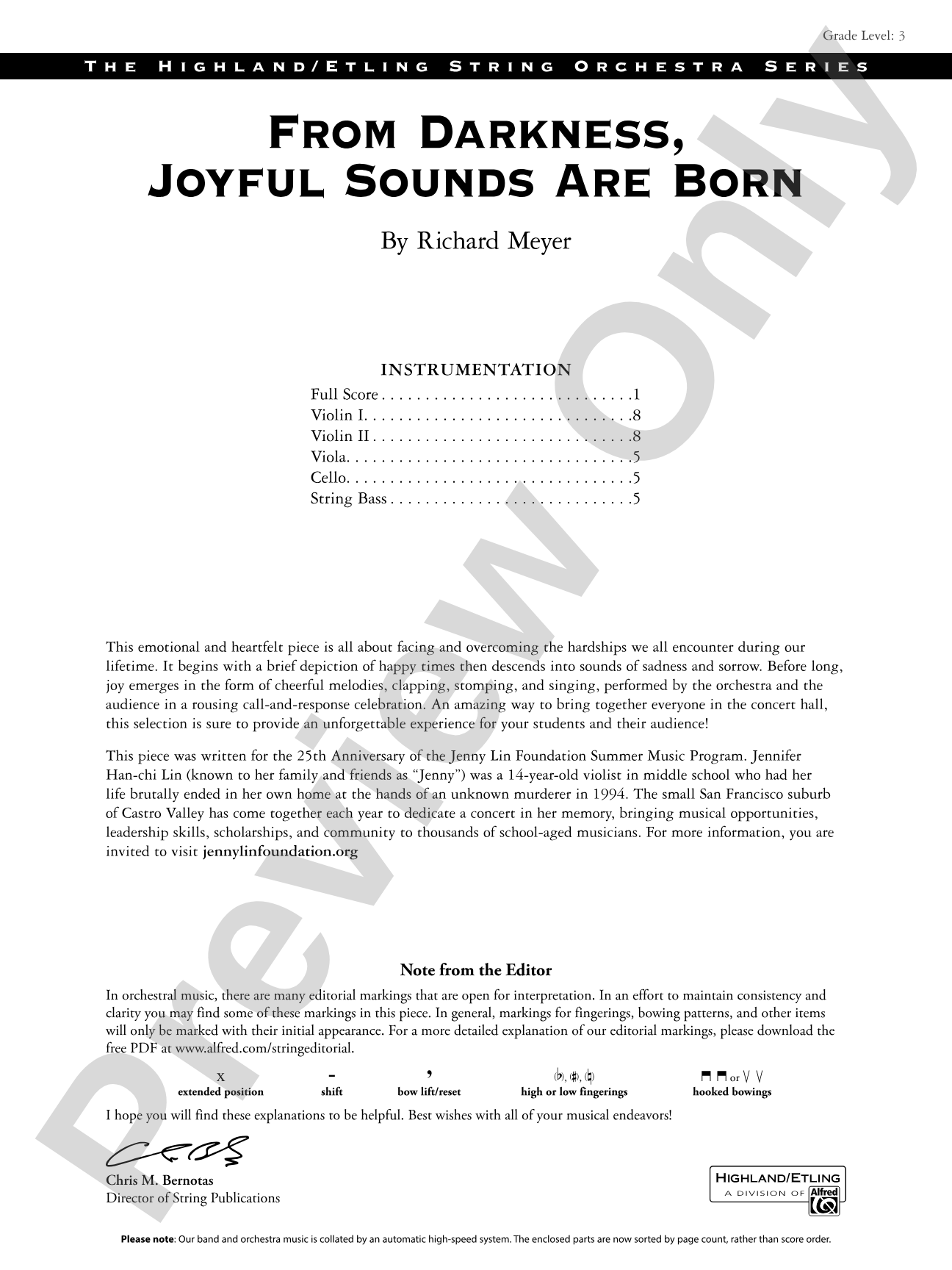
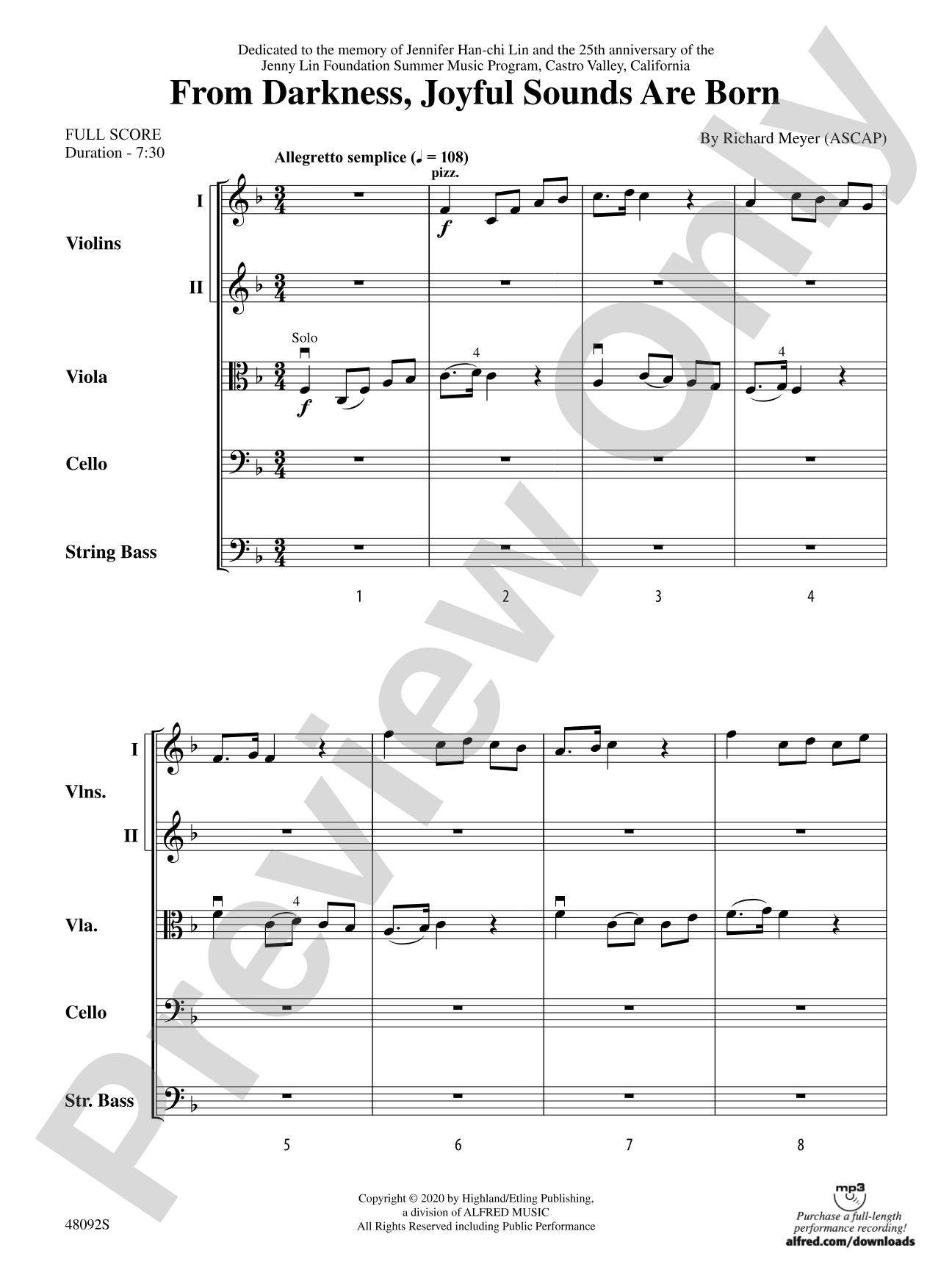
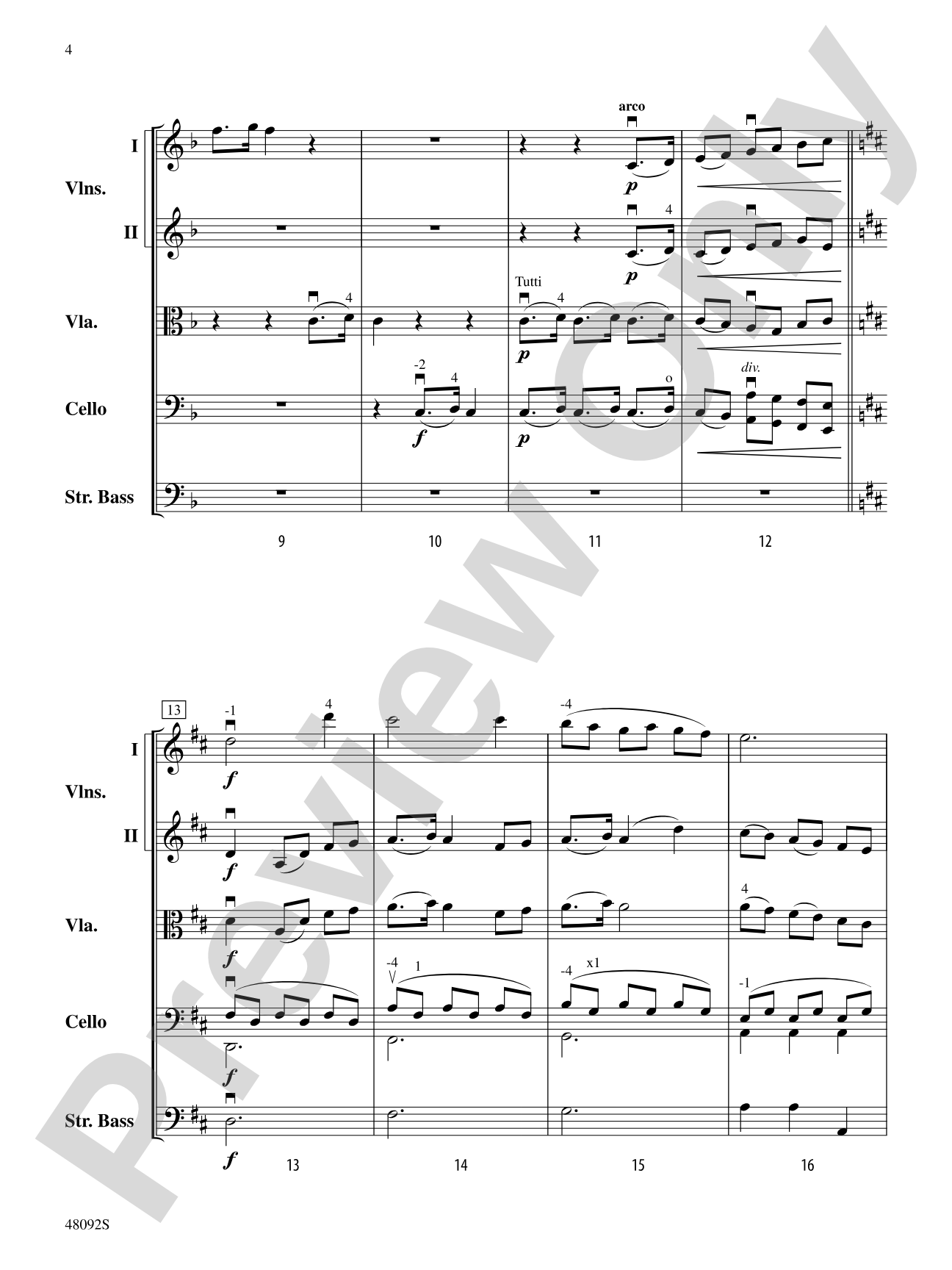
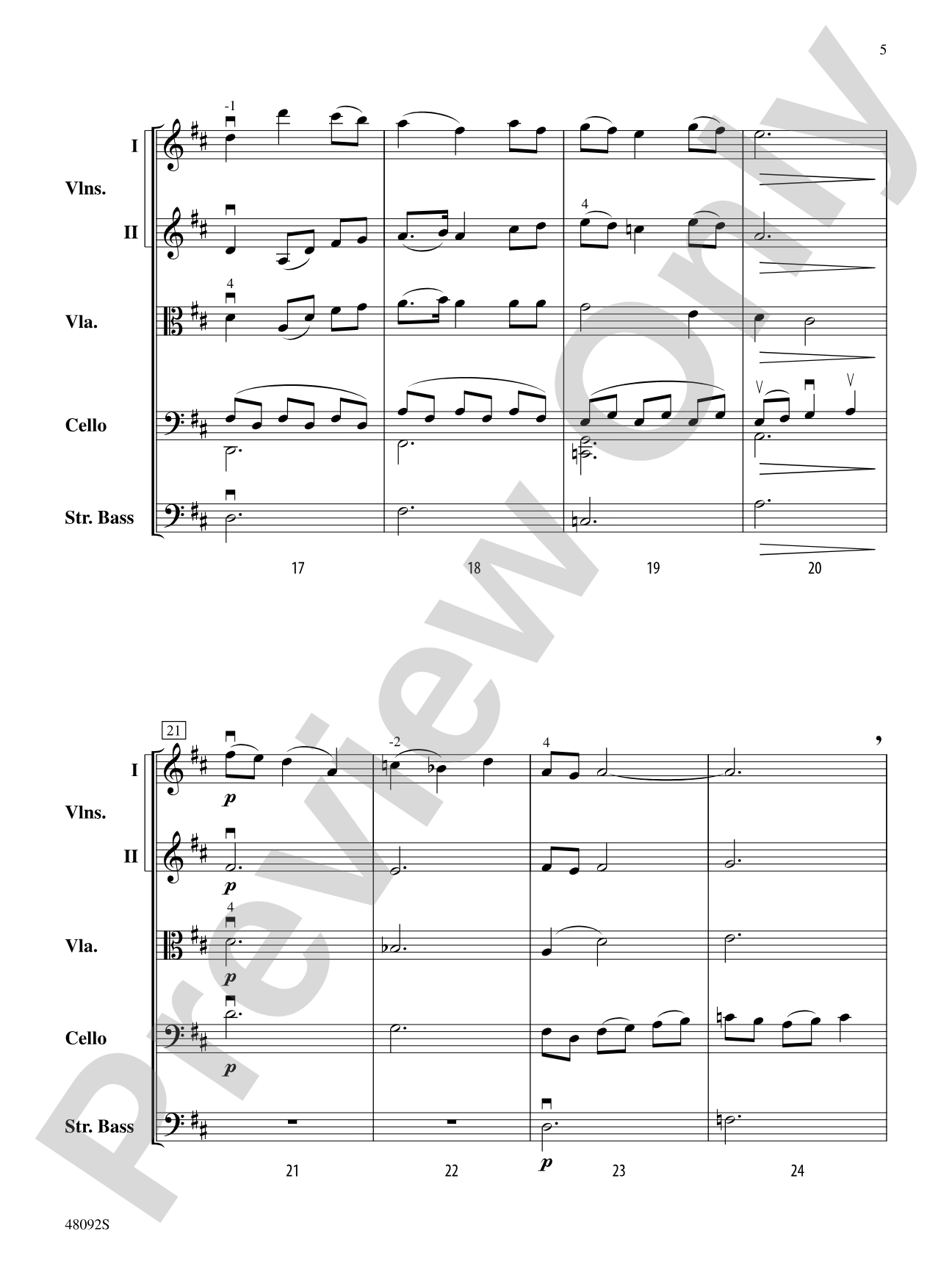
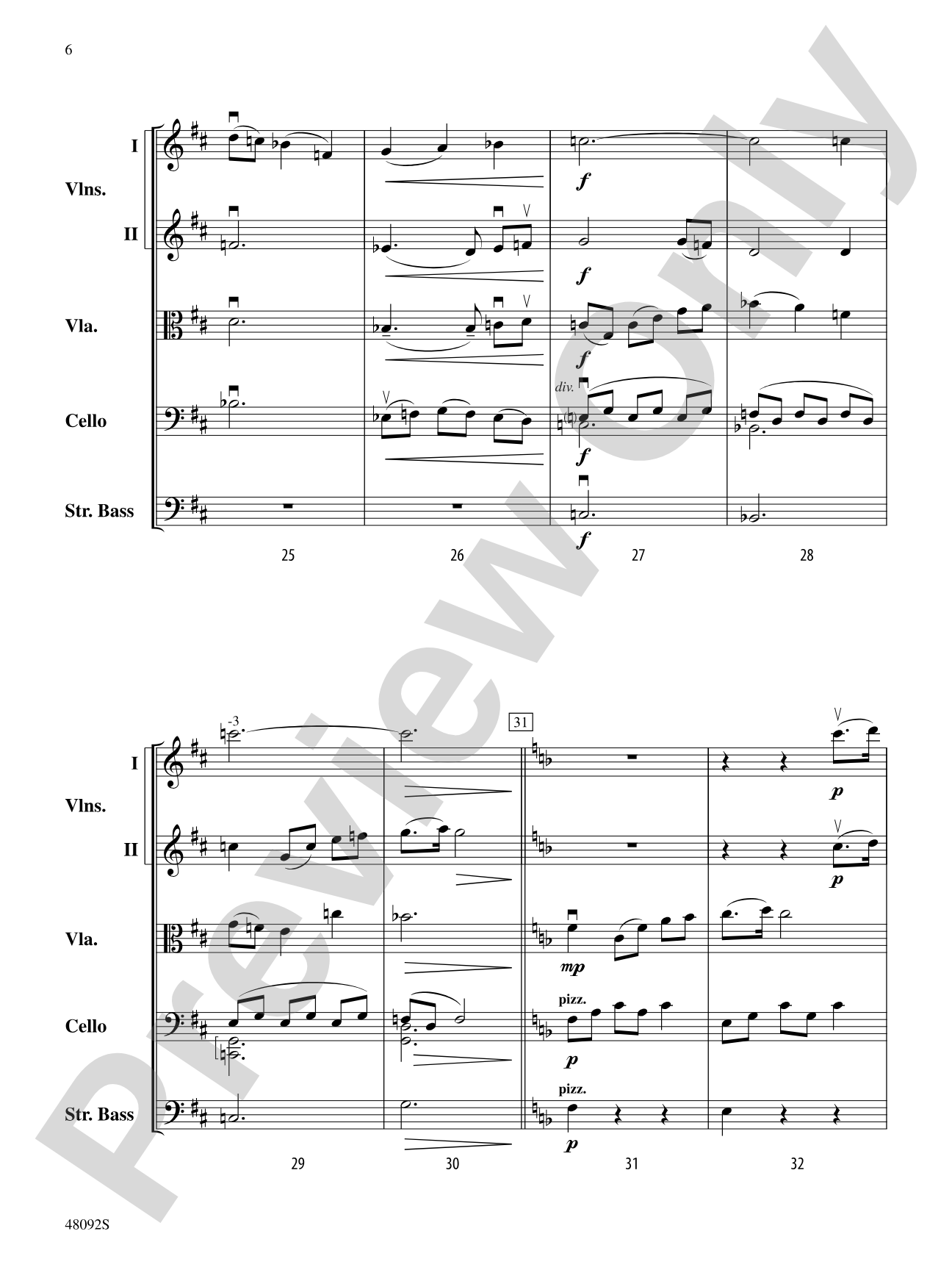
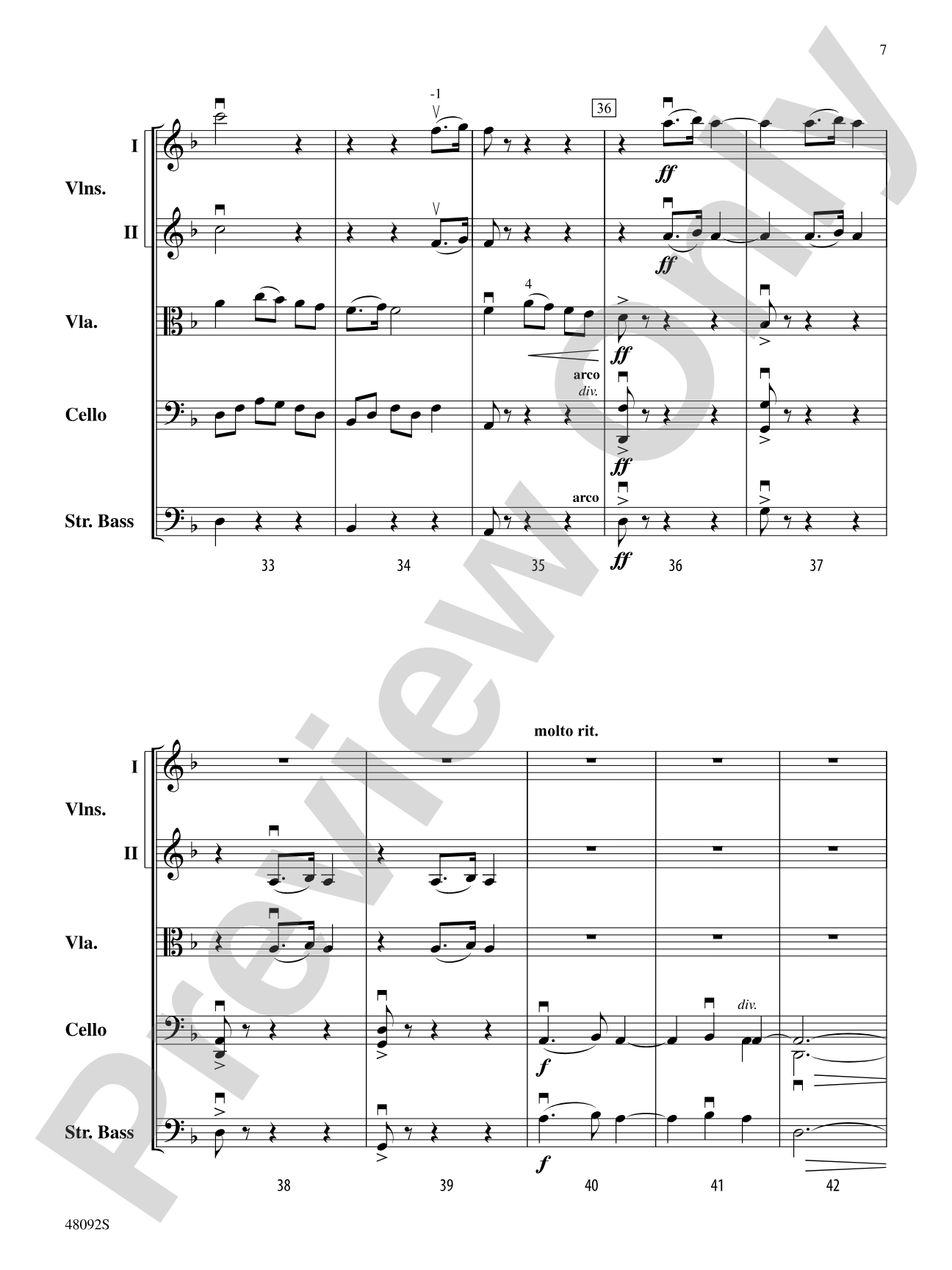
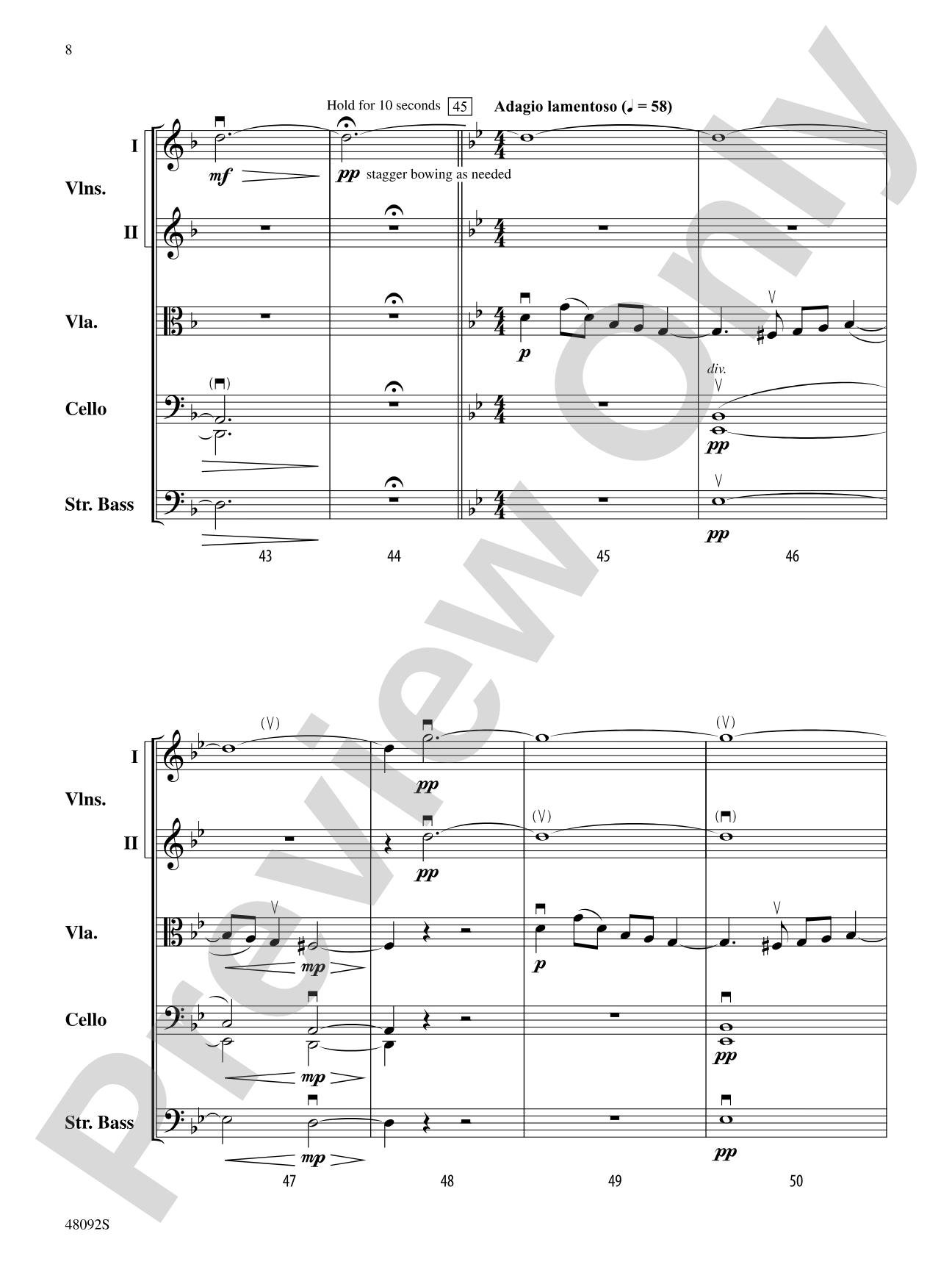
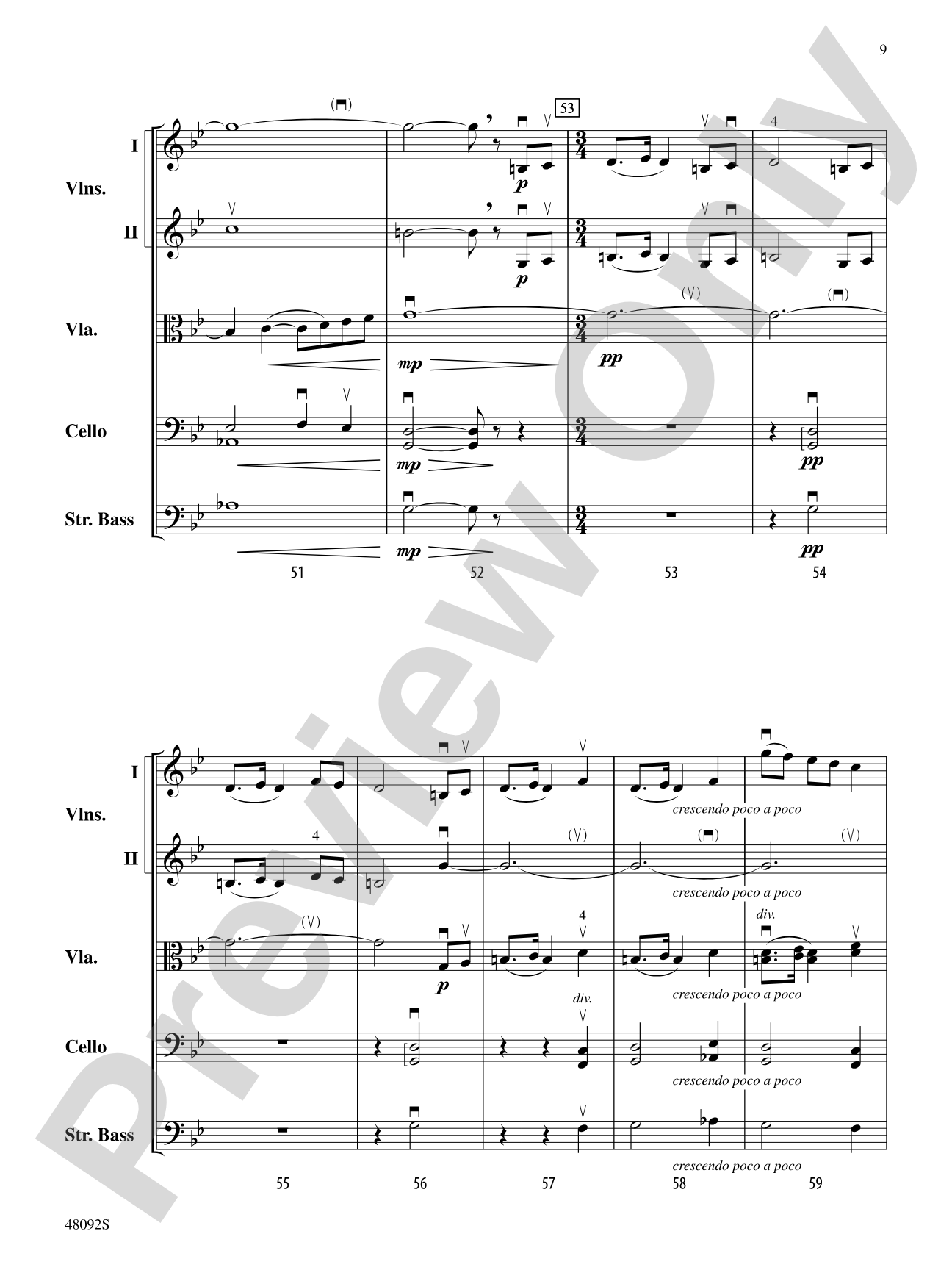
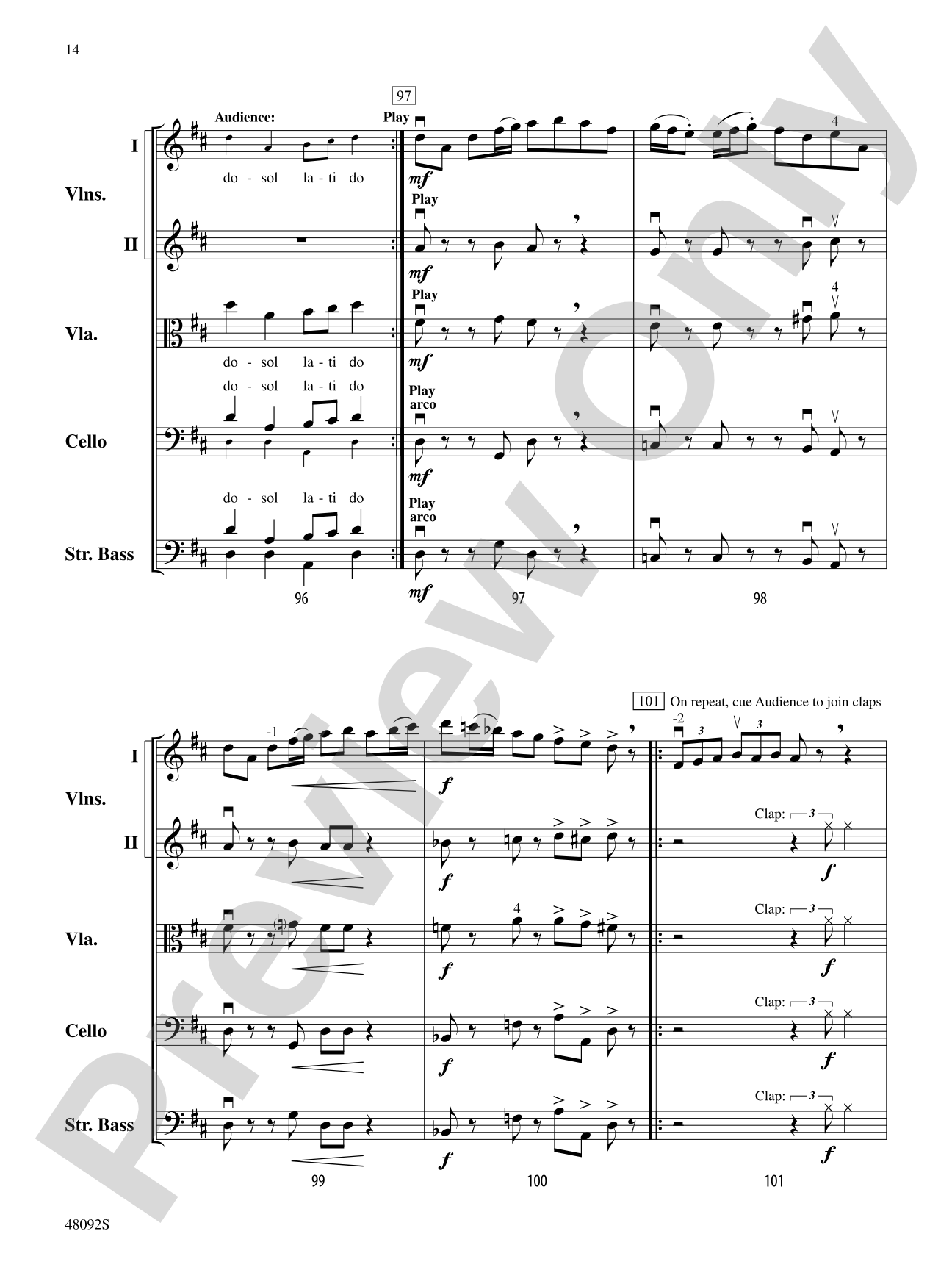
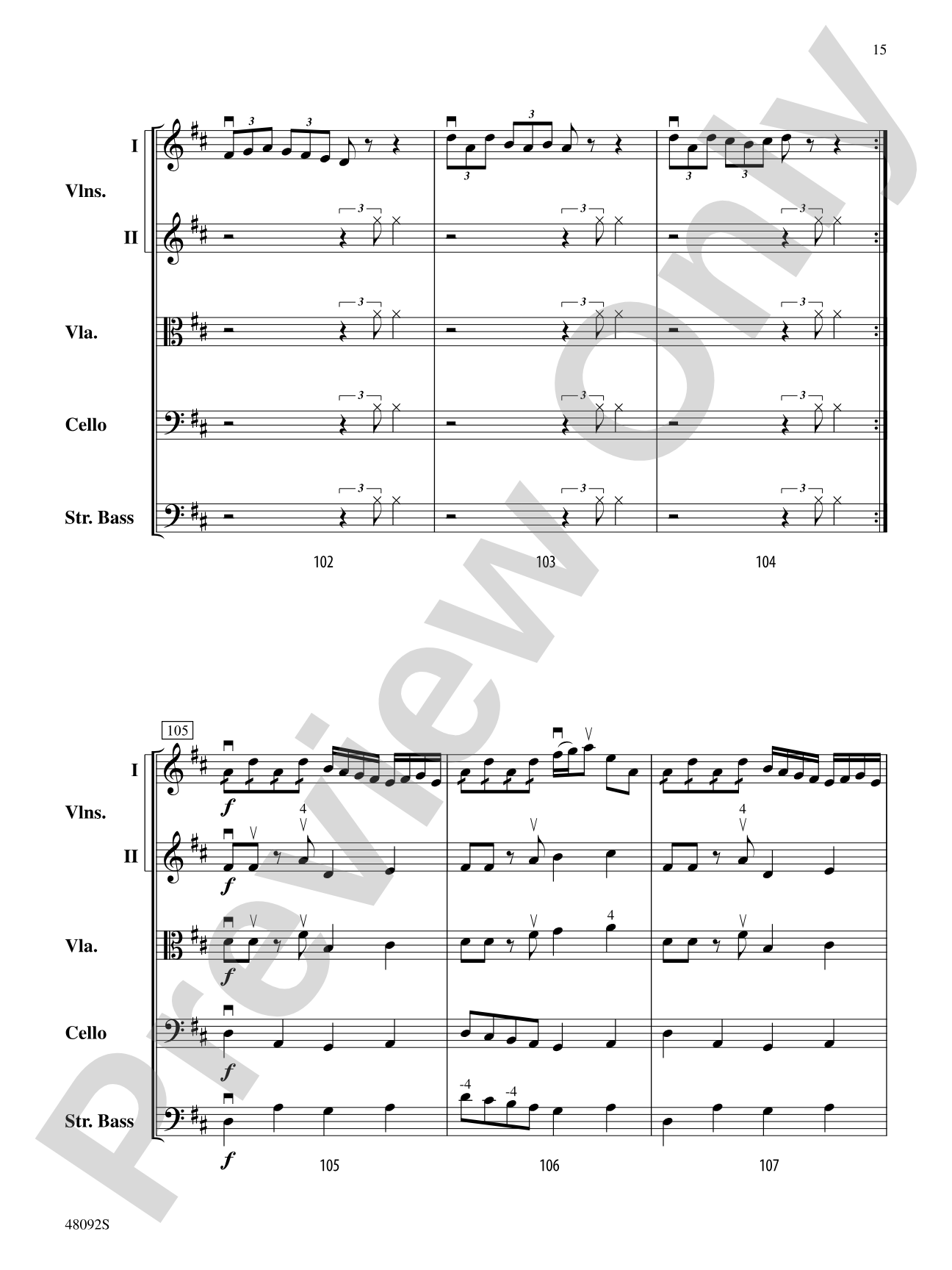
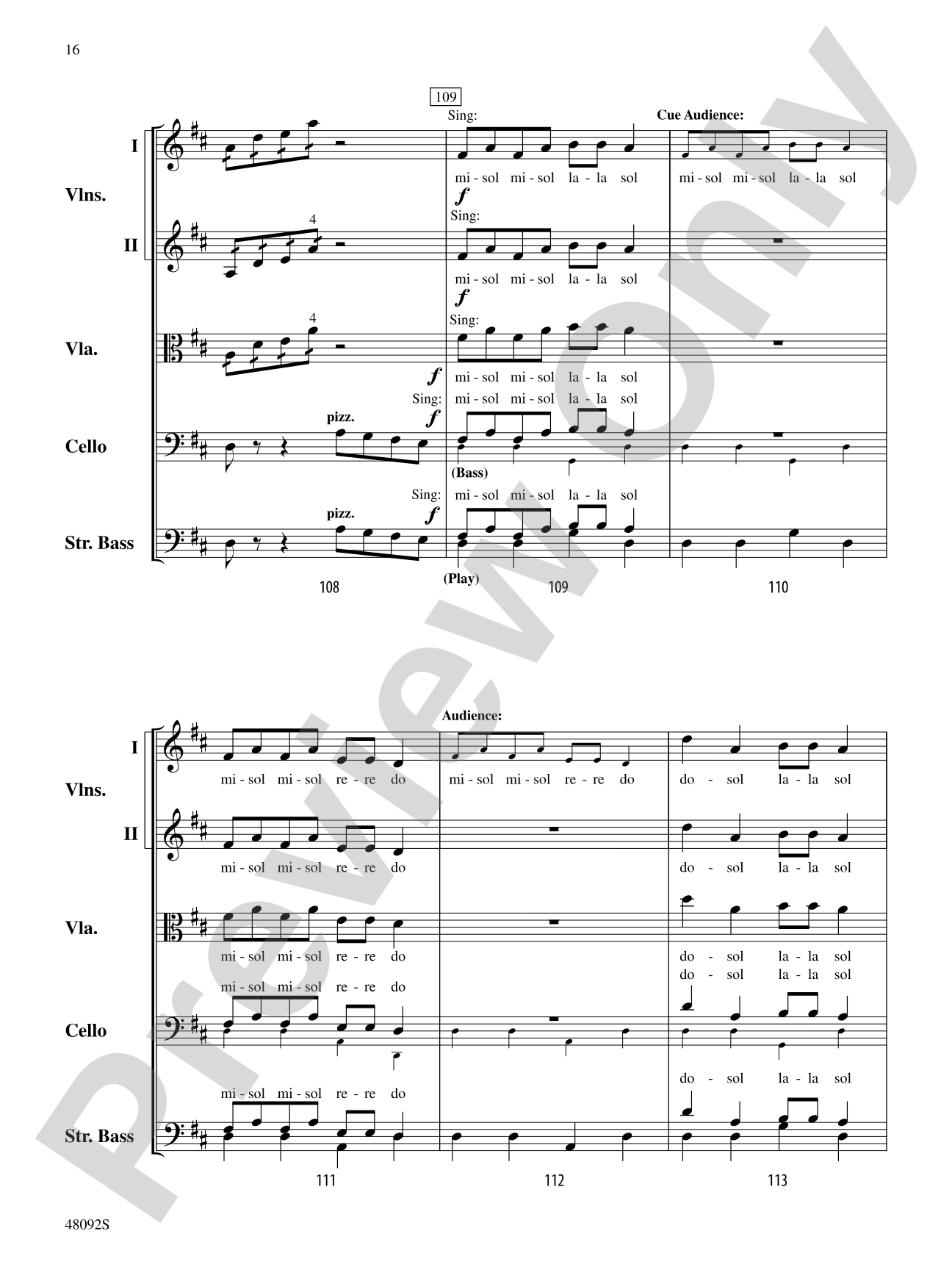
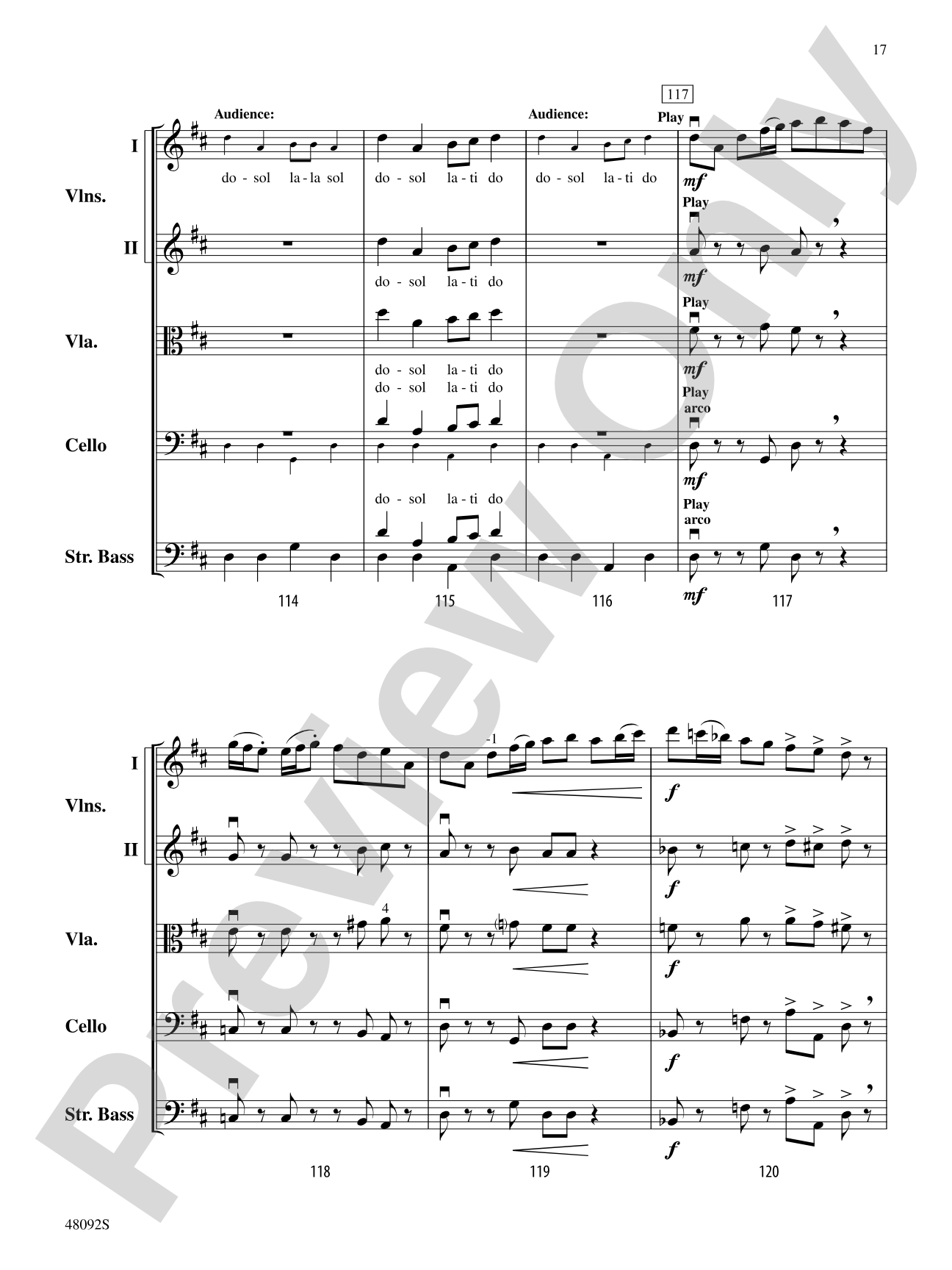
This emotional and heartfelt piece, From Darkness, Joyful Sounds Are Born, by Richard Meyer, is all about facing and overcoming the hardships we all encounter during our lifetime. It begins with a brief depiction of happy times and then descends into sounds of sadness and sorrow. Before long, joy emerges in the form of cheerful melodies, clapping, stomping, and singing, performed by the orchestra and the audience in a rousing call-and-response celebration. An amazing way to bring together everyone in the concert hall, this selection is sure to provide an unforgettable experience for your students and their audience! (7:30)


Don't just read it, hear it, play along with it, and watch your students grow with it. In MakeMusic Cloud, From Darkness, Joyful Sounds Are Born: Score comes alive with professional accompaniment, adjustable tempo, and built-in practice tools that turn solo practice into real progress.
Open in the Player
Jump straight in and assign it today.
Start Your Free Trial
Open this title and explore the full library in minutes.
Sample Audio
1
Audio File
--:--
0:00
0:00
Sample Video
Additional Details
Series:
Highland/Etling String Orchestra
Publisher:
Alfred Music
Page Count:
128
SKU:
00-PR-0006727
More about this title
About the Composer: Richard Meyer

Richard Meyer brings three decades of string teaching experience to his work as a composer and conductor. He spent 22 years building the orchestra program at Oak Avenue Intermediate School in Temple City, California, growing it from 29 students to 200, and directed the city's elementary string initiatives. His leadership extended to the Pasadena Youth Symphony Orchestra, where he served as music director for 16 years and took ensembles on international tours across Europe, Australia, and Canada.
Beyond the podium, Meyer has established himself as a prolific composer with nearly 200 works and arrangements published. He co-authored the String Explorer Series and Sight-read It for Strings, and spent 16 years as string editor at Alfred Publishing. His "Giving Bach" program, launched in 2009, has gained national recognition for using interactive concerts to reach special needs and underserved students throughout Southern California. He remains active as a guest conductor and clinician at major conferences and honor orchestras across the United States.
Why we love this
Meyer understands exactly how to construct an arc that captures young orchestra audiences without losing musical substance. The call-and-response finale involving both performers and listeners transforms a concert moment into genuine community celebration, giving your students a real reason to care about precision and ensemble unity. Programs need pieces that matter emotionally to the players; this one delivers that while remaining accessible for Grade 3 ensembles.
What to expect
The piece opens with genuine optimism before pulling inward into introspection and minor-key melancholy. The transformation into joy feels earned rather than imposed, arriving through accumulating layers of melody and rhythm before inviting the entire hall into the celebration. It's the sound of perspective shifting in real time.
Who it's for
String orchestras at Grade 3 level seeking repertoire that engages both performers and audiences emotionally. This piece works equally well for concert and festival settings, making it ideal for programs that want to end on a moment of genuine connection rather than technical display alone.
How to get the most out of it
- Shape the opening bright section with clear phrasing so the shift into the darker middle section lands with genuine emotional contrast rather than simply becoming quieter.
- Prepare your audience for the interactive segments in advance so the clapping and stomping feel coordinated rather than chaotic; a brief verbal setup before the piece begins pays dividends.
- Let the joy section build gradually through the orchestral writing; resist the urge to rush into full energy immediately, allowing the cheerful melodies to accumulate their own momentum before bringing in percussion and the crowd.
- Balance the audience participation so it supports rather than overwhelms your ensemble; think of it as dialogue, not takeover.
How to use it
Close your concert with this work if you want the audience to leave energized and invested in your students' musical growth. The built-in audience participation makes it a natural finale that acknowledges the listeners as part of the musical experience. It also works well in festival settings where judges and other ensembles can witness the full scope of what interactive string orchestra programming can achieve.
Skills your students will build
- Playing with dynamic contrast and emotional phrasing across major and minor tonalities
- Maintaining ensemble precision during rhythmic coordination of clapping and stomping parts
- Responding to expressive conducting cues that shape narrative arc across extended form
- Building confidence performing with audience participation and interactive elements