
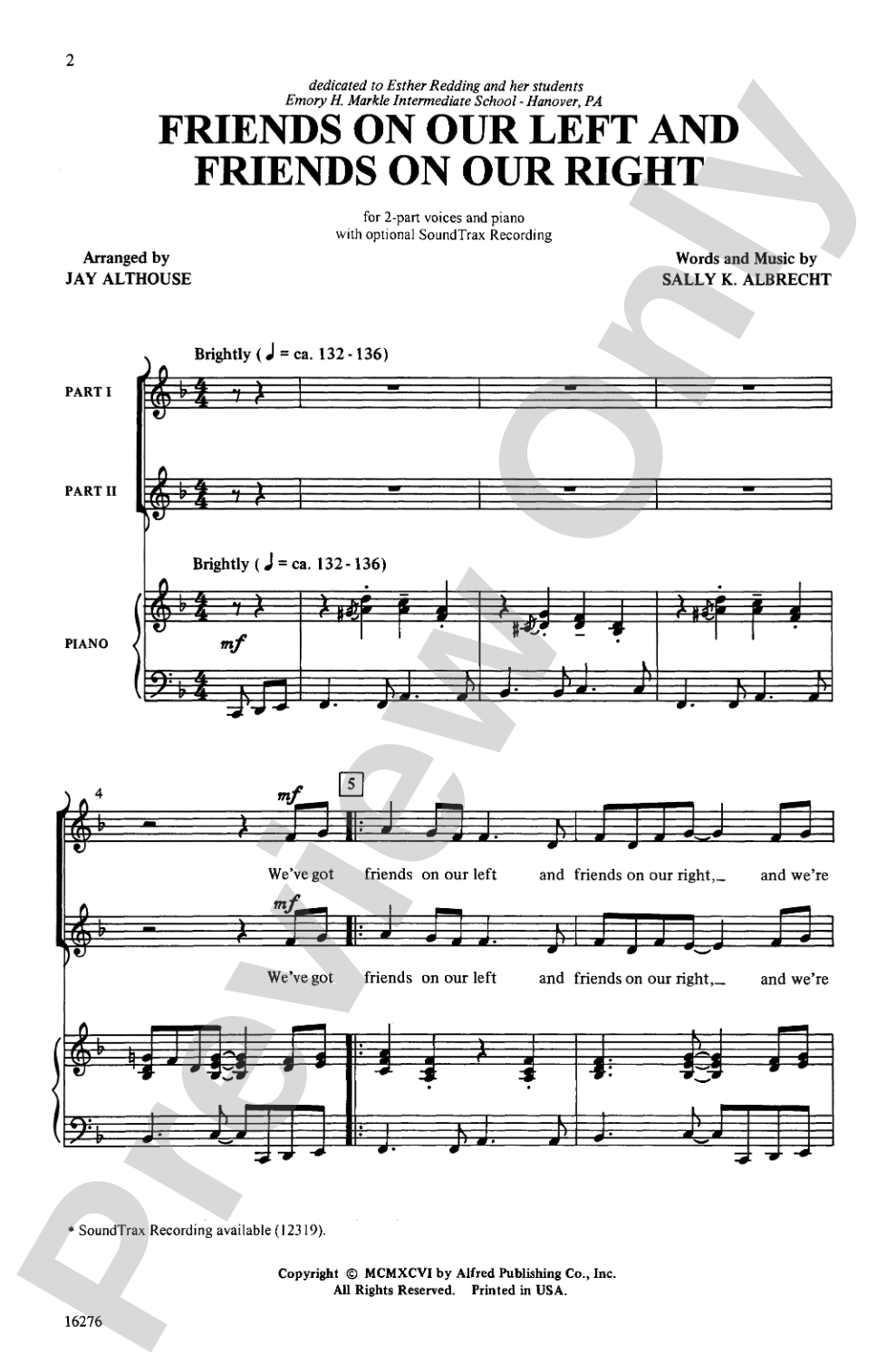
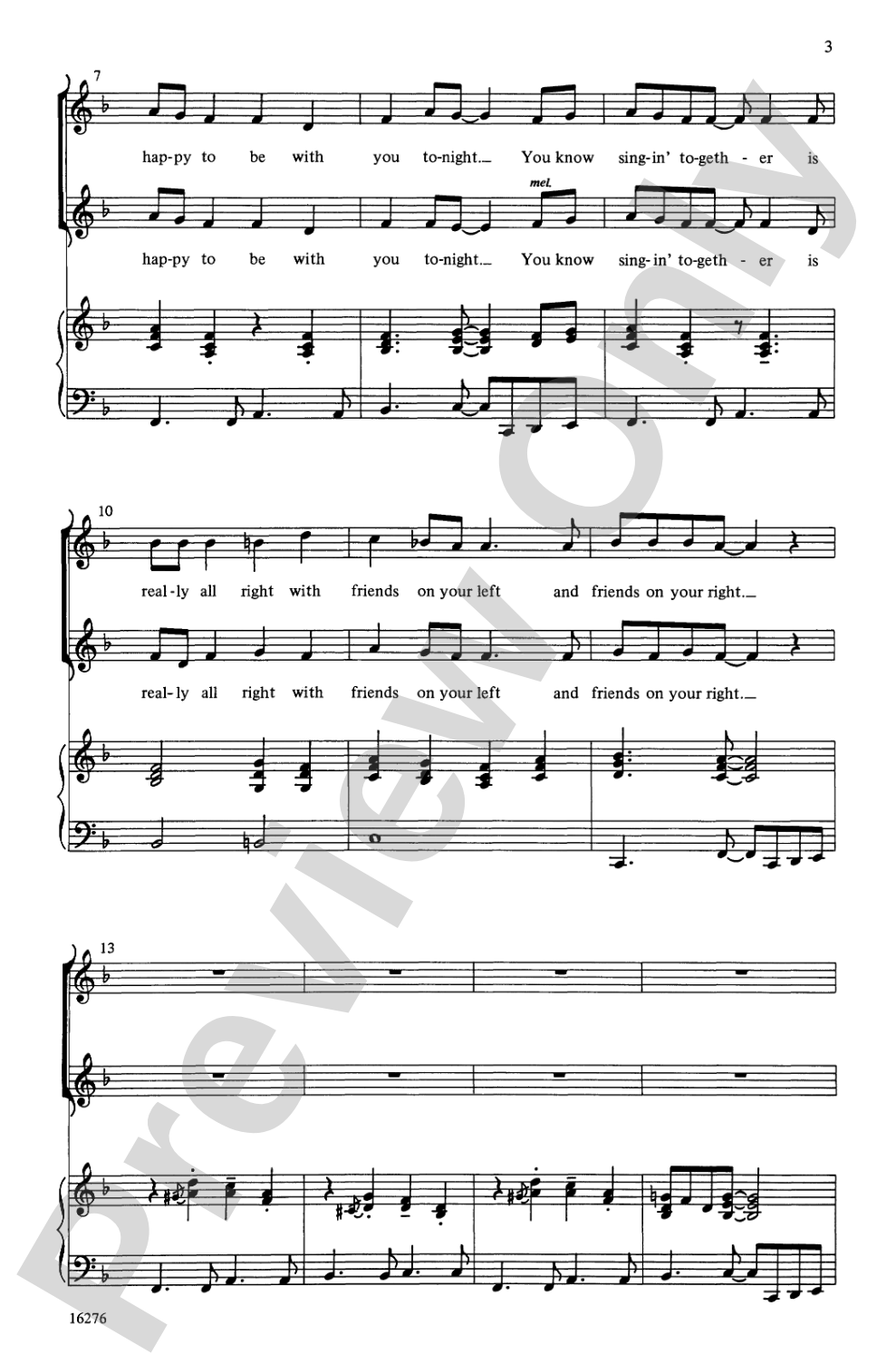

Friends on Our Left and Friends on Our Right: 2-Part Choral Octavo
Music by Sally K. Albrecht / arr. Jay Althouse
Item: 00-PO-0003953
$2.25
Minimum order quantity: 20 copies
Pickup currently not available
Description


Friends on Our Left and Friends on Our Right: 2-Part Choral Octavo isn't in MakeMusic Cloud just yet...but it could be. Let us know you'd like to see it, and you'll help shape what comes next. In the meantime, start a free trial and dive into thousands of interactive titles your students can play along with today.
Request This Title
Tell us you want it.
Start Your Free Trial
Explore everything that's ready to play right now.
Sample Audio
No sample audio found.
Sample Video
No sample videos found.
Additional Details
Series:
Alfred Archive Edition: Alfred Choral Designs
Publisher:
Alfred Music
Page Count:
8
SKU:
00-PO-0003953
More about this title
About the Composer: Sally K. Albrecht
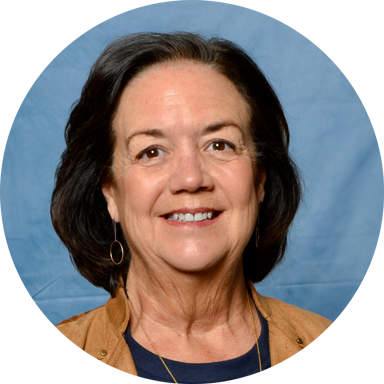
Sally K. Albrecht has shaped choral music education for more than three decades, serving as Director of School Choral, Vocal, and Elementary Publications at major publishers including Alfred Music. A prolific composer and conductor, she has garnered the ASCAP Special Music Award annually since 1987 and maintains over 600 choral works in print alongside 75 larger songbooks and musicals. Her conducting credits span prestigious venues including Lincoln Center, Carnegie Hall, and The Kennedy Center, where she has led honor choirs across the nation.
Albrecht holds degrees from Rollins College (B.A. in Music and Theater, 1976) and the University of Miami (M.A. in Drama, 1977; M.M. in Accompanying, 1979). Her leadership extends beyond composition and teaching; she has served as Chair of the Board of Trustees for the Omicron Delta Kappa National Leadership Honor Society and received their "Pillar of Leadership" award. In 2021, both the University of Miami Frost School of Music and Rollins College honored her with Distinguished Alumna Awards. She resides in Wake Forest, North Carolina, with her husband, composer and arranger Jay Althouse.
Why we love this
Albrecht's gift for blending accessible melodic writing with choreographic intent makes this octavo memorable from first rehearsal. The pairing of Albrecht's music with Jay Althouse's arrangement creates the kind of polished, performance-ready piece that works equally well for developing choirs and experienced ensembles. Movement integration feels organic rather than obligatory, giving your students a complete musical and physical experience without overshadowing the singing itself.
What to expect
Warm, inclusive, and kinetic. The text celebrates connection and community while the music propels the piece forward with gentle momentum. You'll feel the ensemble coming together both vocally and physically, creating a performance moment that resonates with both singers and audience.
Who it's for
This octavo serves two-part choirs ranging from middle school through community ensembles seeking secular repertoire with theatrical flair. Directors wanting a piece that energizes singers while remaining technically accessible will find this particularly rewarding. The integrated movement component makes it especially valuable for programs that value ensemble cohesion and stage presence.
How to get the most out of it
- Shape the melodic lines with natural breath points; resist the urge to push through phrases just because the page suggests it. Let the two-part texture breathe.
- Rehearse the staged movement alongside the music from the start, not as an afterthought. When blocking and singing develop together, transitions feel confident and the ensemble owns the piece.
- If using the recorded accompaniment, allow singers to listen without singing for one full run-through to internalize the harmonic support and tempo before adding their voices.
- Balance the parts so that neither voice dominates; the interplay between the two lines is where the arrangement reveals its design.
How to use it
Program this as a bridge piece between more formal repertoire and upbeat closers, or use it as an opener that sets an energized, welcoming tone for the entire concert. It works particularly well in pops programs, school assemblies, and community events where engagement and visual interest matter as much as vocal polish. The theatrical element makes it suitable for festivals that invite staged or choreographed submissions.
Skills your students will build
- Two-part harmonic independence and blend
- Rhythmic precision in ensemble contexts
- Coordinating vocal and physical expression simultaneously
- Interpretation of text through musicality and movement
- Sustained phrasing across moderate phrase lengths