Frescobaldi: Various Organ Works Sheet Music Preview

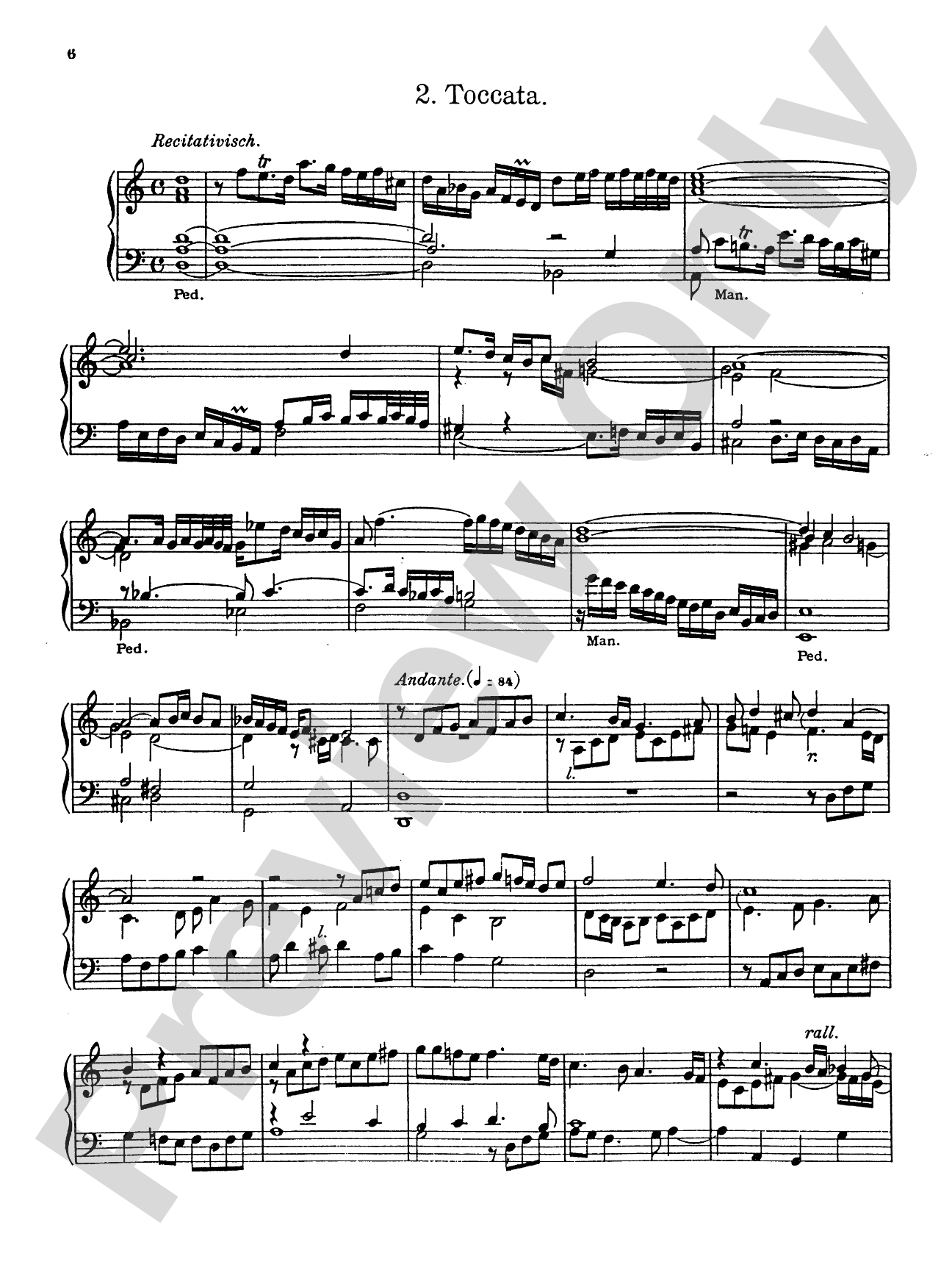
Frescobaldi: Various Organ Works

By Johann Jacob Froberger

Item: 00-PC-0007223

Digital Download
$0.99
Description
A collection of exercises, for Organ, composed by Johann Jacob Froberger.

Don't just read it, hear it, play along with it, and watch your students grow with it. In MakeMusic Cloud, Frescobaldi: Various Organ Works comes alive with professional accompaniment, adjustable tempo, and built-in practice tools that turn solo practice into real progress.

Sample Audio
No sample audio found.
Sample Video
Additional Details
Series: Kalmus Edition
Publisher: Alfred Music
Page Count: 32
SKU: 00-PC-0007223

More about this title

About the Composer: Girolamo Frescobaldi

Girolamo Frescobaldi (1583-1643) stands as one of the most influential keyboard composers of the Baroque era. Born in Ferrara, he spent much of his career as organist at St. Peter's Basilica in Rome, where he developed a compositional language that blended virtuosic keyboard writing with deep contrapuntal knowledge. His works for organ circulated widely across Europe and shaped how composers thought about the instrument's possibilities for generations.

Frescobaldi's music is marked by bold harmonic language, intricate voice leading, and a willingness to explore expressive possibilities that went beyond the strict conventions of his time. His toccatas, ricercari, and other keyboard forms became models for later composers, and his influence extended from his immediate successors through the Baroque period and beyond. For organists and keyboard students, his music remains essential study.

Why we love this

Frescobaldi's keyboard works demand serious engagement with voice independence and harmonic language that still feels modern. These pieces reward careful practice with genuine musical sophistication and give advanced organists the kind of material that develops both technical command and artistic depth.

What to expect

These works unfold with the intellectual rigor of a well-constructed fugue alongside moments of surprising harmonic boldness and ornamental flourish. The writing sits comfortably under the hands while demanding precise voice control and real musical maturity to bring them to life.

Who it's for

Advanced organists seeking repertoire that combines technical challenge with historical and artistic depth. This collection serves students moving beyond foundational pieces into the core canon of Baroque organ literature.

How to get the most out of it

  • Attend closely to the implied harmonic progression beneath the surface figuration; Frescobaldi's counterpoint always serves larger harmonic goals, and recognizing those goals shapes phrasing and articulation.
  • Practice hands separately to clarify each voice's independence before combining; the contrapuntal textures can obscure individual lines if played carelessly.
  • Explore tempo flexibility within phrases rather than strict metronomic precision; Frescobaldi's notation often suggests subtle shifts in rhythmic emphasis that enhance the expressive character.
  • Let the registration serve the musical architecture; changes in manual or stop can highlight voice entries and structural points without requiring literal changes in the score.

How to use it

Feature these pieces in recitals focused on Baroque keyboard literature or early music series. They also serve as core study material in organ curricula for advanced students preparing for competitions or higher education auditions.

Skills your students will build

  • Independent voice leading and counterpoint
  • Harmonic analysis of Baroque keyboard idiom
  • Baroque phrasing and articulation
  • Left hand independence and agility
  • Manual coordination and registration planning
  • Interpretation of baroque notation and ornamentation

You May Also Like