
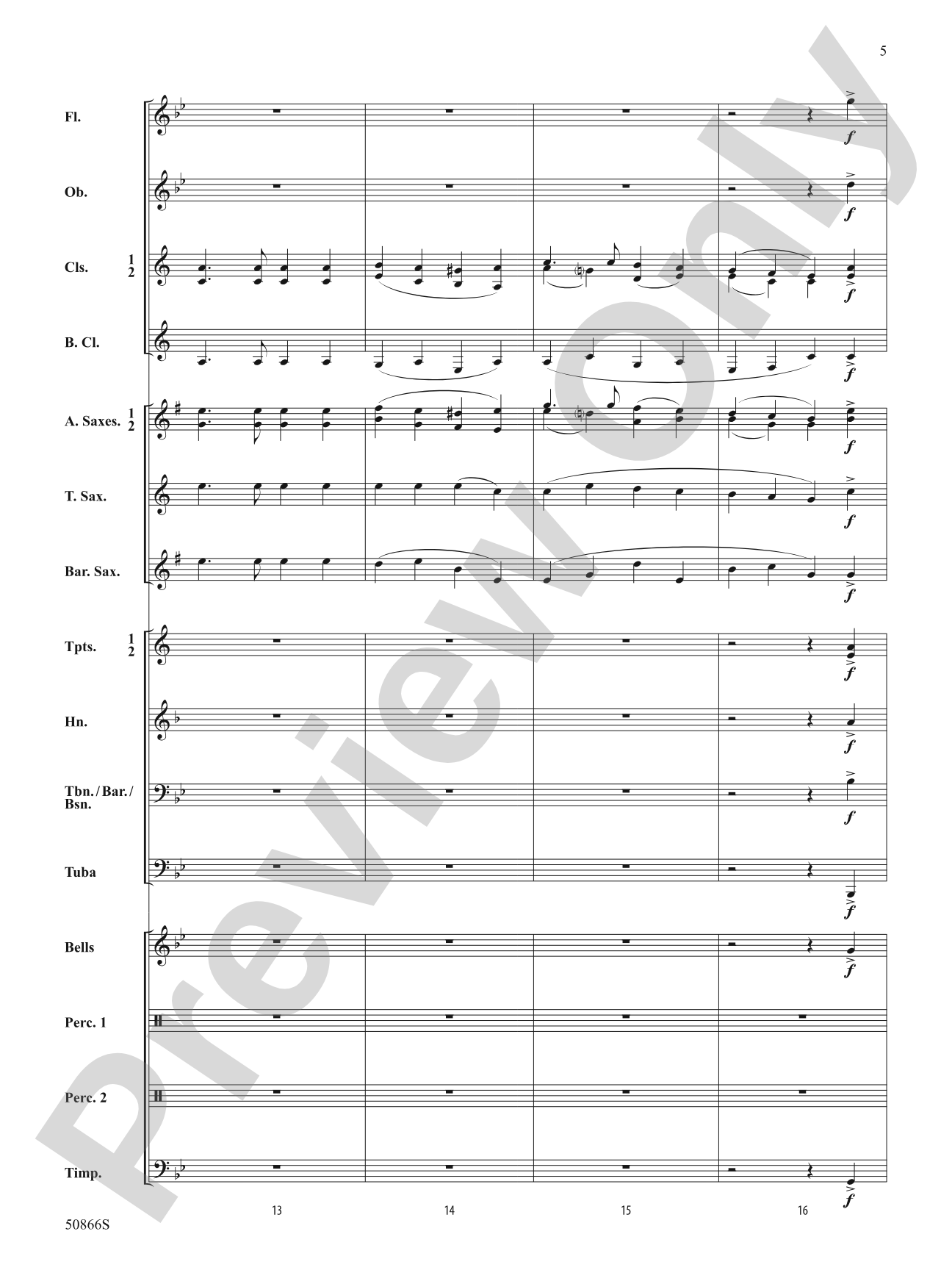
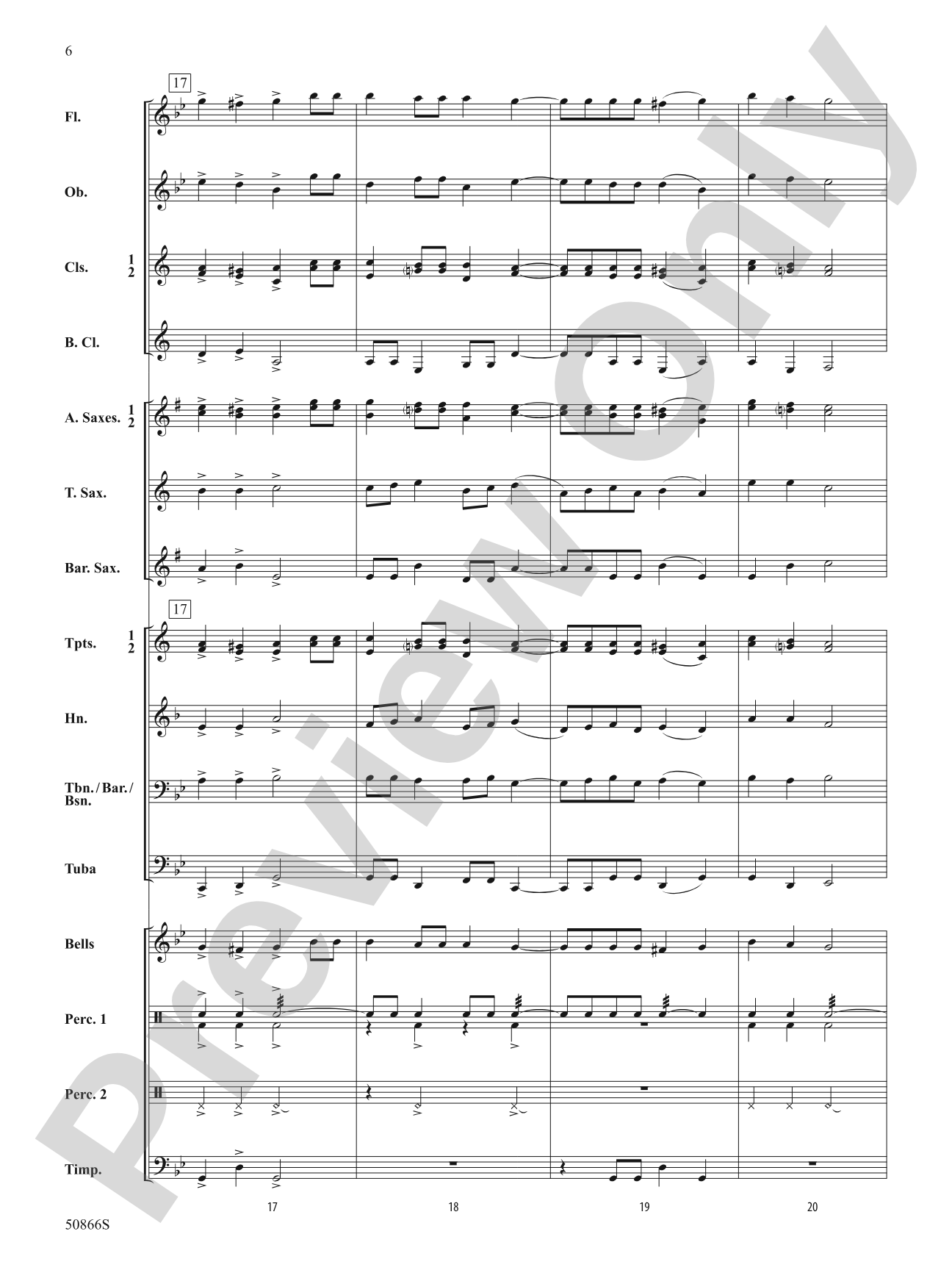
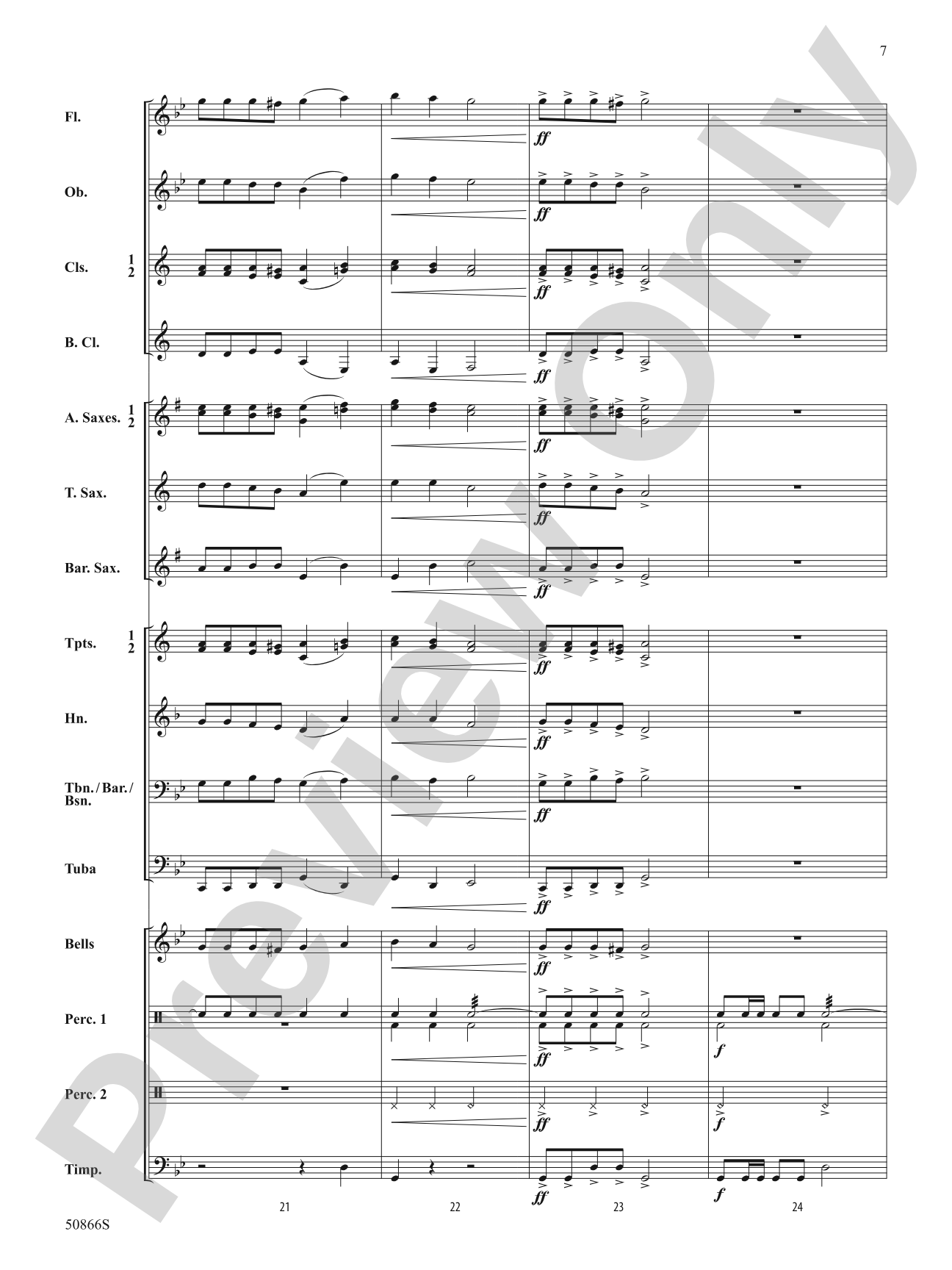
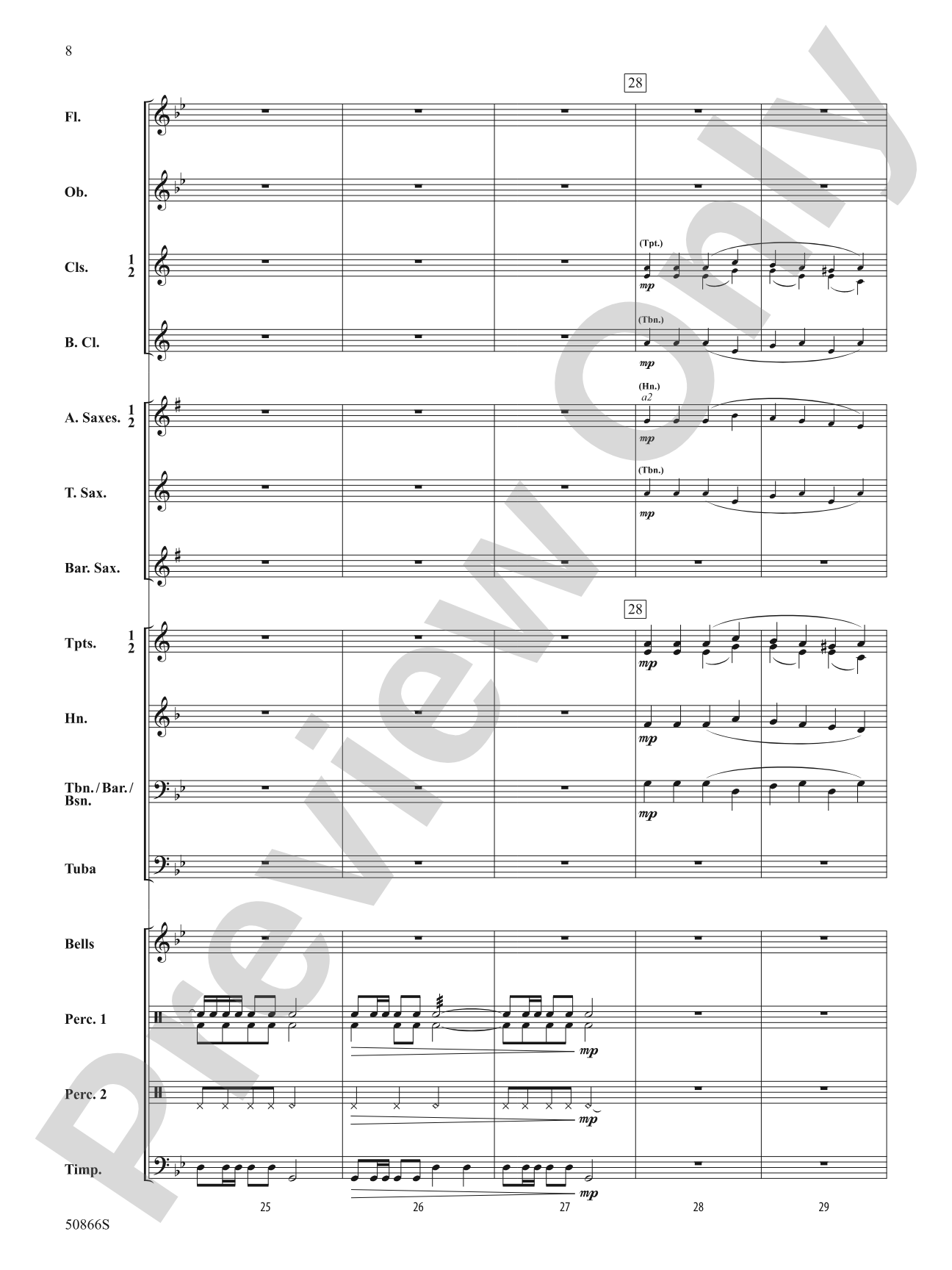
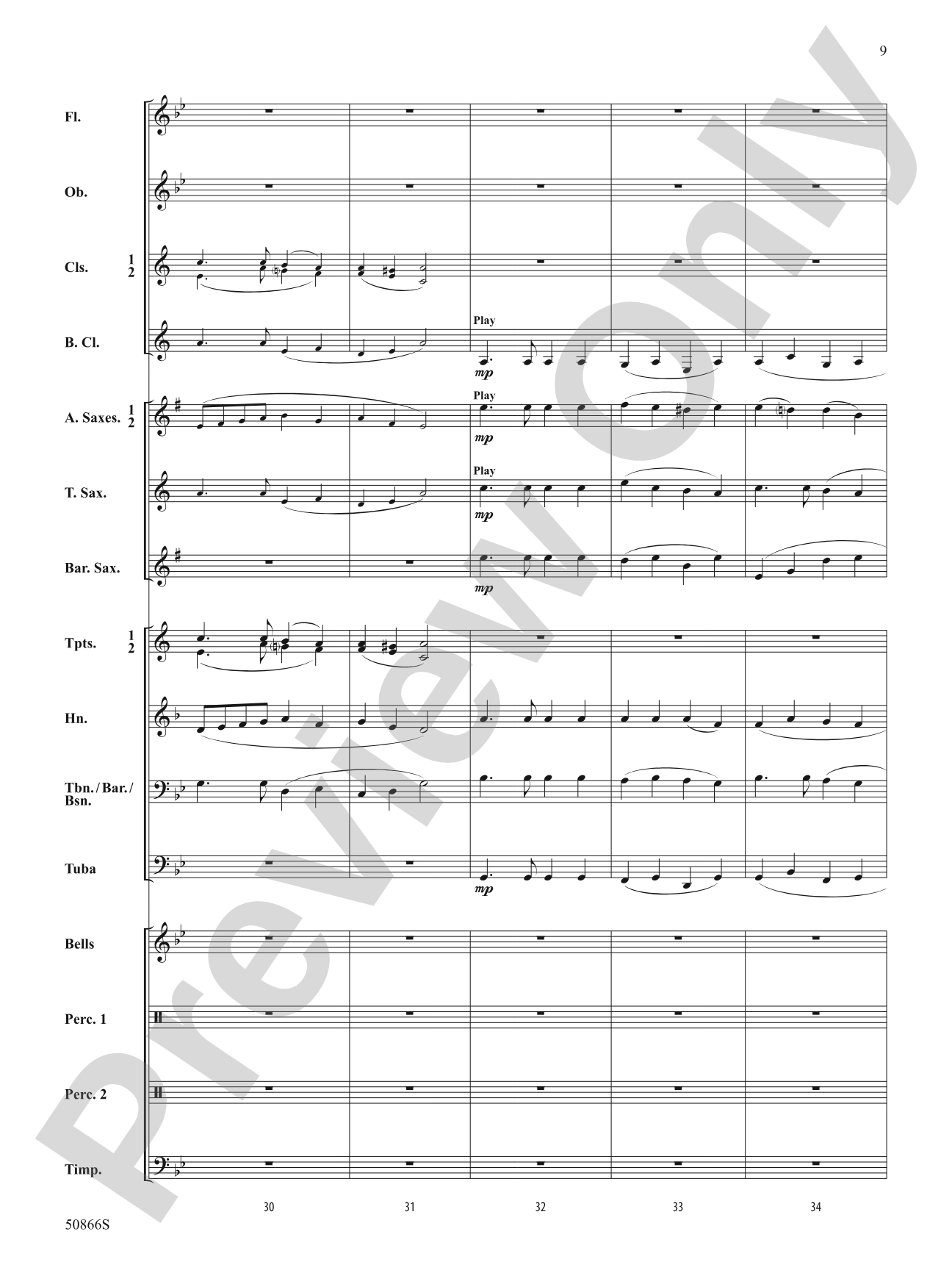
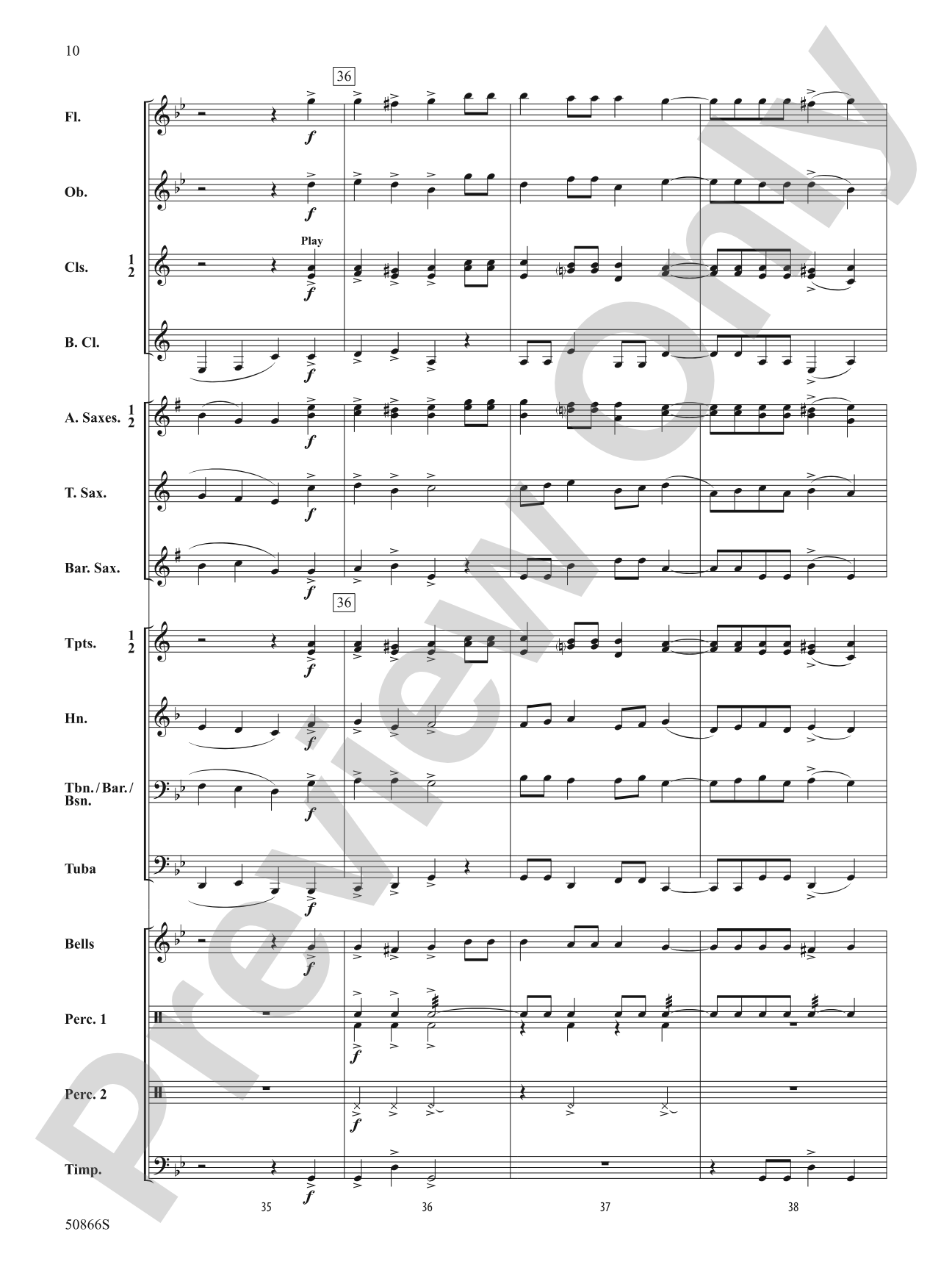
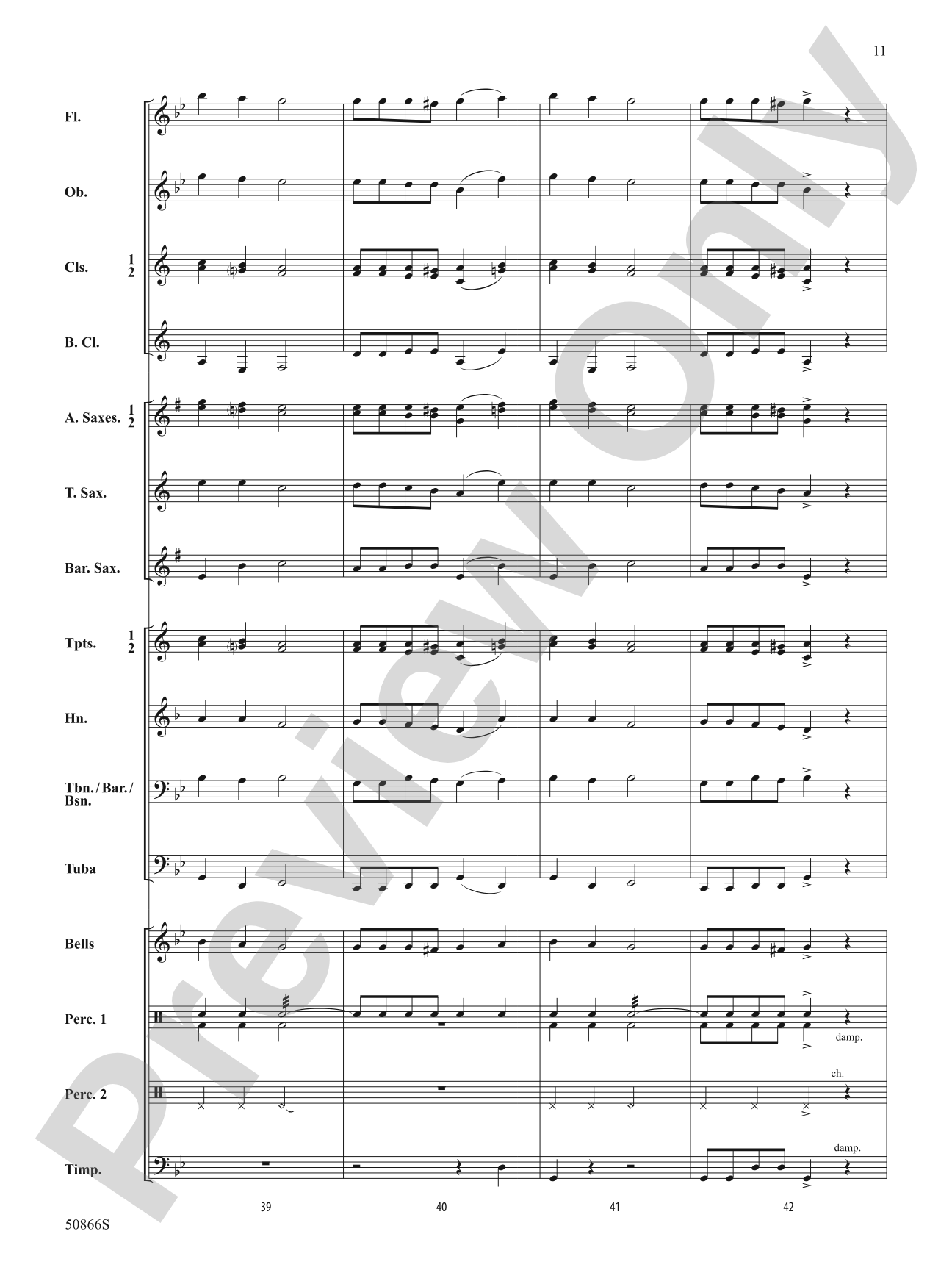
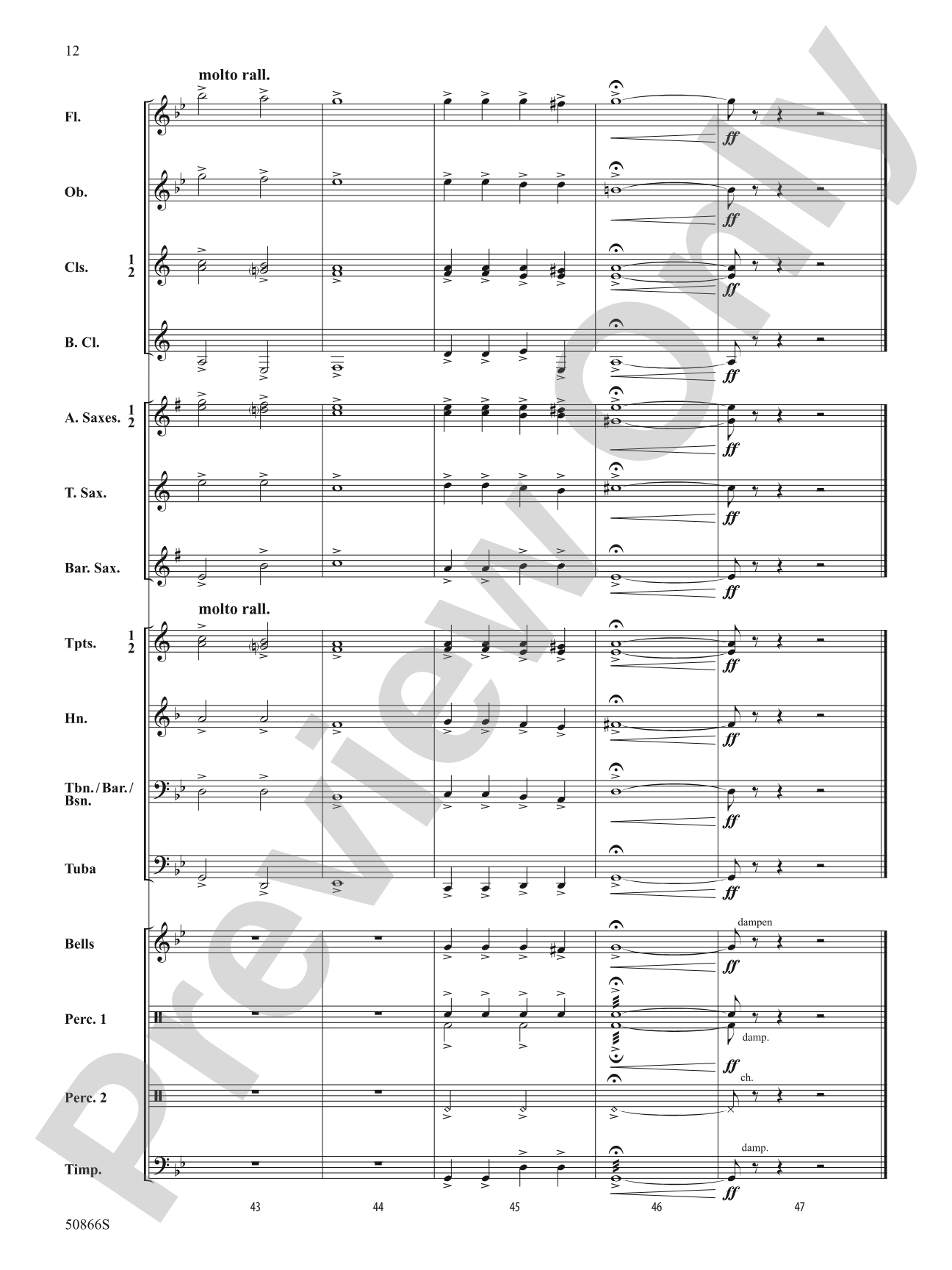

French Chanson: Concert Band Conductor Score & Parts
Je Le Vous Dirai (I Dare Not Say It)
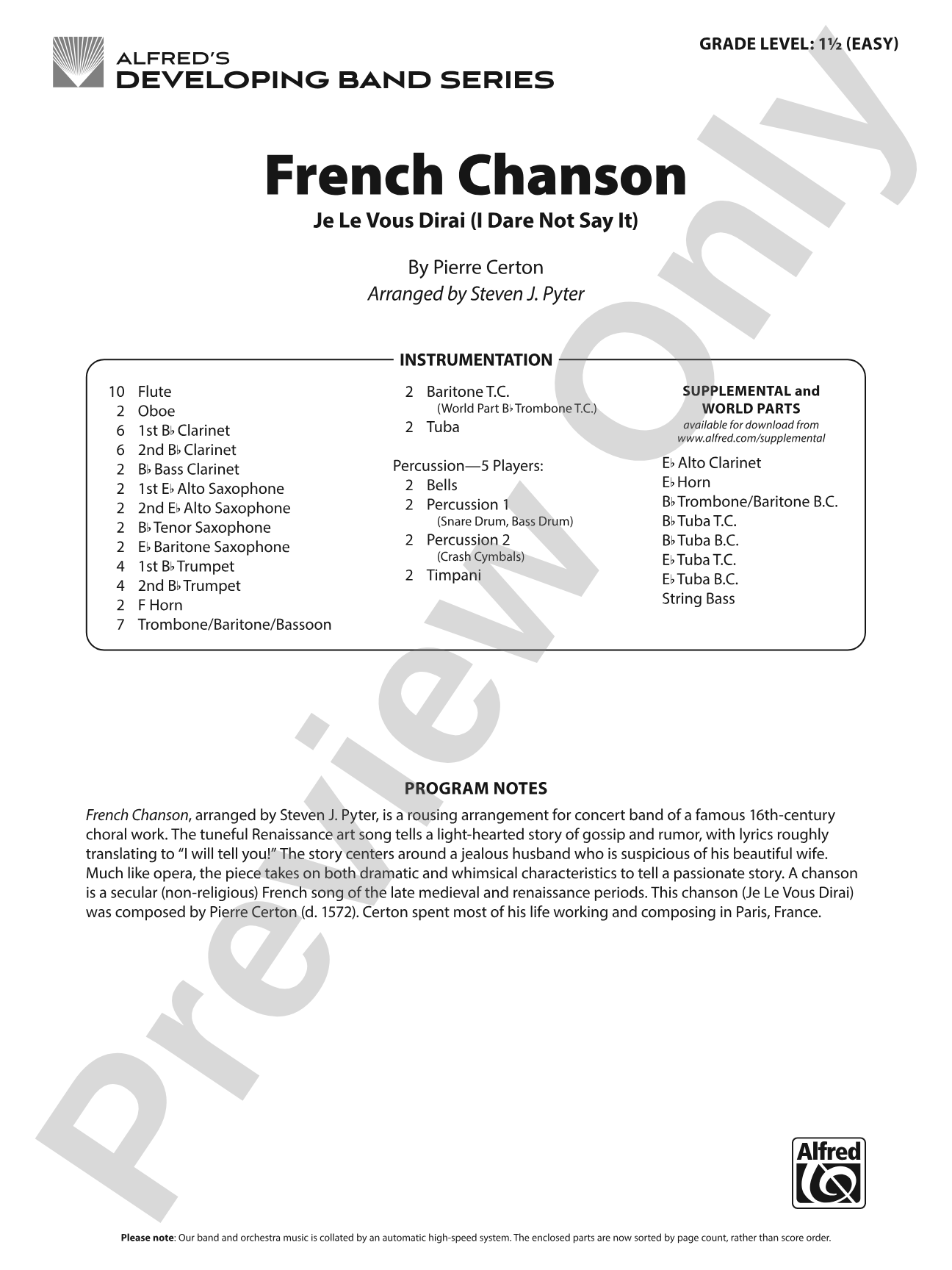
By Pierre Certon / arr. Steven J. Pyter
Grade: 1.5
Item: 00-PK-0008907

$55.00
Pickup currently not available
Buy Extra Parts (Digital PDF Download)
| Product | Price | Quantity |
|---|---|---|
| French Chanson: Score | $10.00 | |
| French Chanson: Flute | $3.00 | |
| French Chanson: Oboe | $3.00 | |
| French Chanson: 1st B-flat Clarinet | $3.00 | |
| French Chanson: 2nd B-flat Clarinet | $3.00 | |
| French Chanson: B-flat Bass Clarinet | $3.00 | |
| French Chanson: E-flat Alto Saxophone | $3.00 | |
| French Chanson: 2nd E-flat Alto Saxophone | $3.00 | |
| French Chanson: B-flat Tenor Saxophone | $3.00 | |
| French Chanson: E-flat Baritone Saxophone | $3.00 | |
| French Chanson: 1st B-flat Trumpet | $3.00 | |
| French Chanson: 2nd B-flat Trumpet | $3.00 | |
| French Chanson: 1st F Horn | $3.00 | |
| French Chanson: 1st Trombone | $3.00 | |
| French Chanson: Baritone T.C. | $3.00 | |
| French Chanson: Tuba | $3.00 | |
| French Chanson: Mallets | $3.00 | |
| French Chanson: 1st Percussion | $3.00 | |
| French Chanson: 2nd Percussion | $3.00 | |
| French Chanson: Timpani | $3.00 |
Parts Added to Cart!
Description
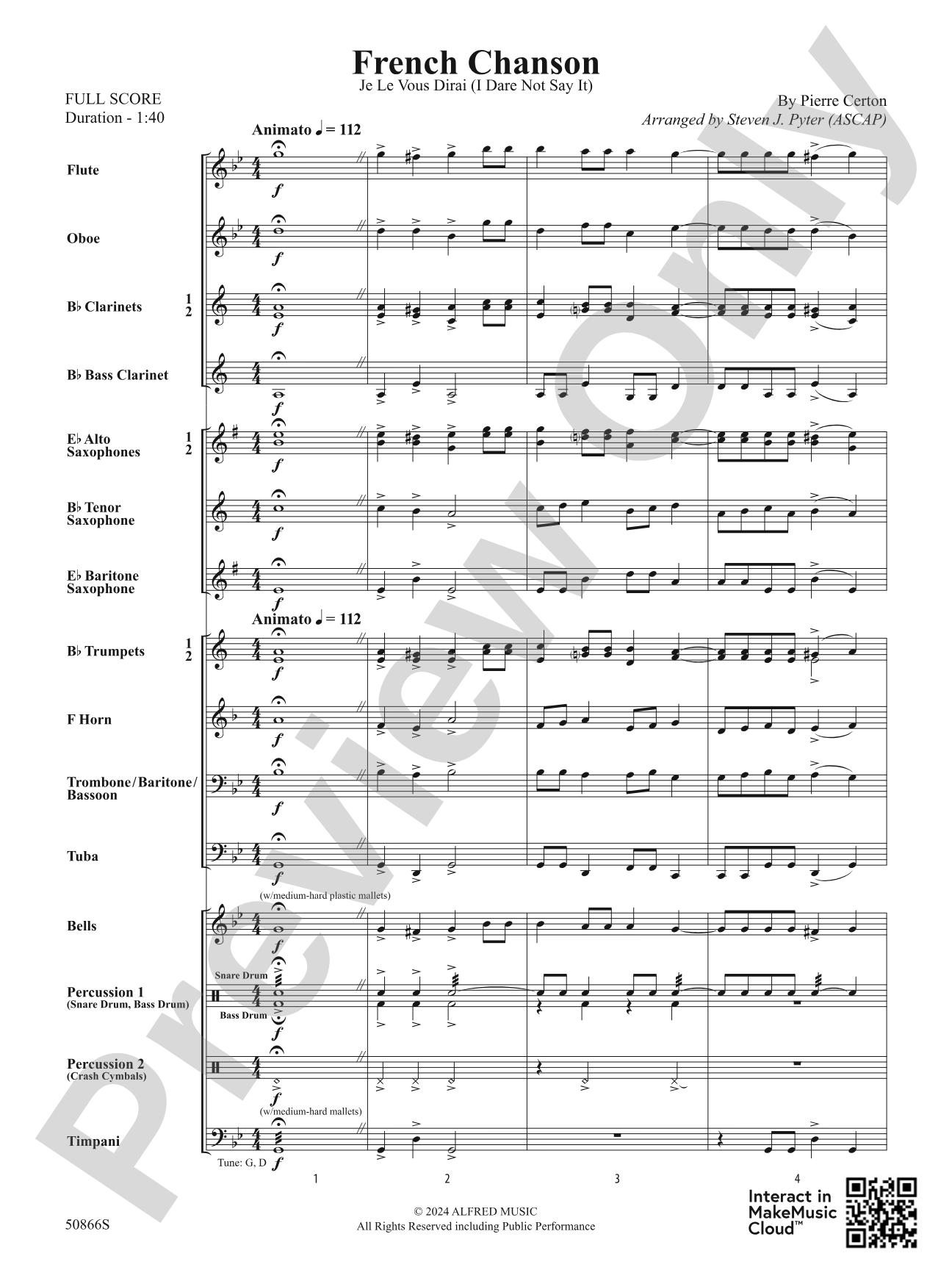
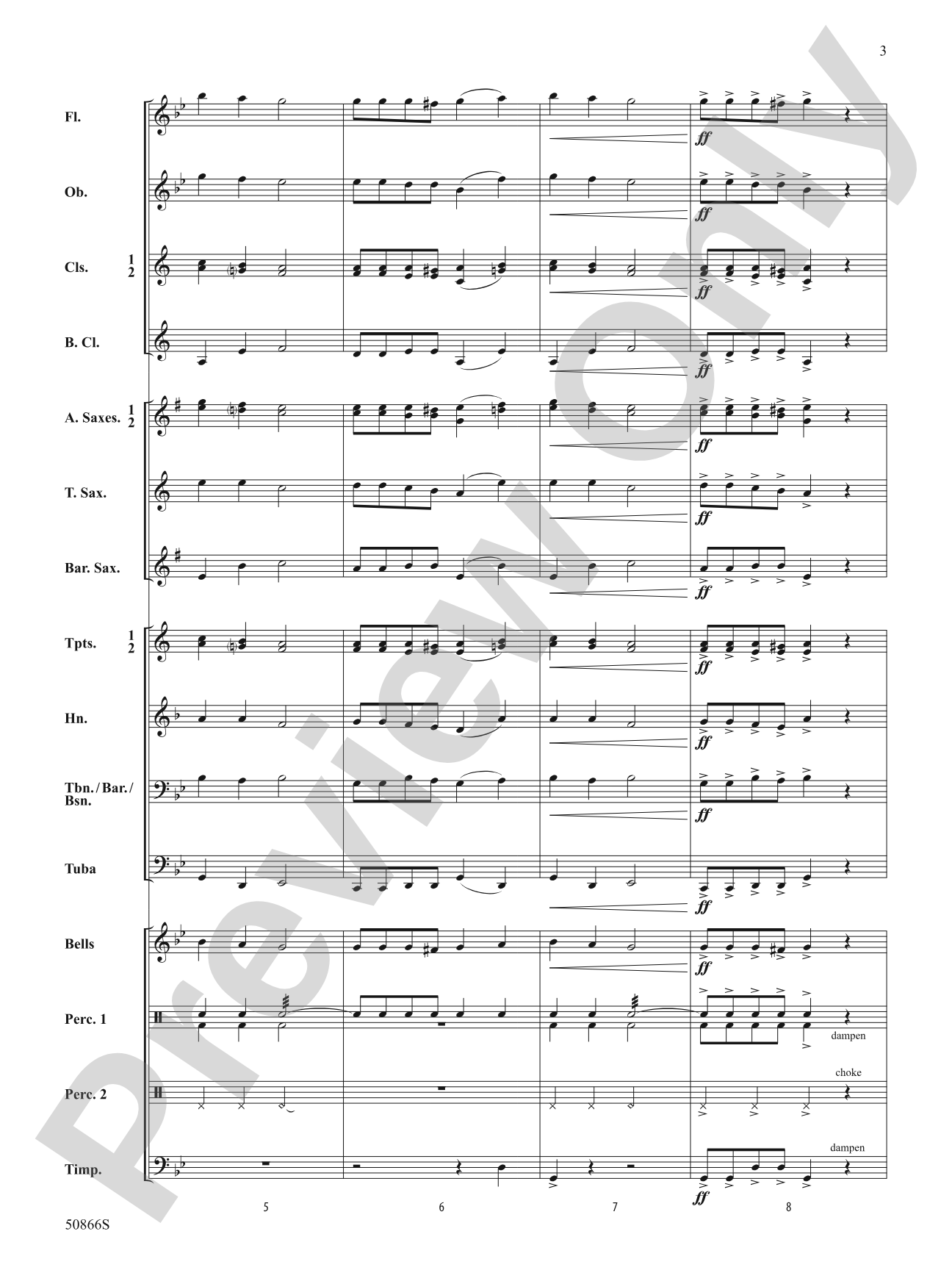
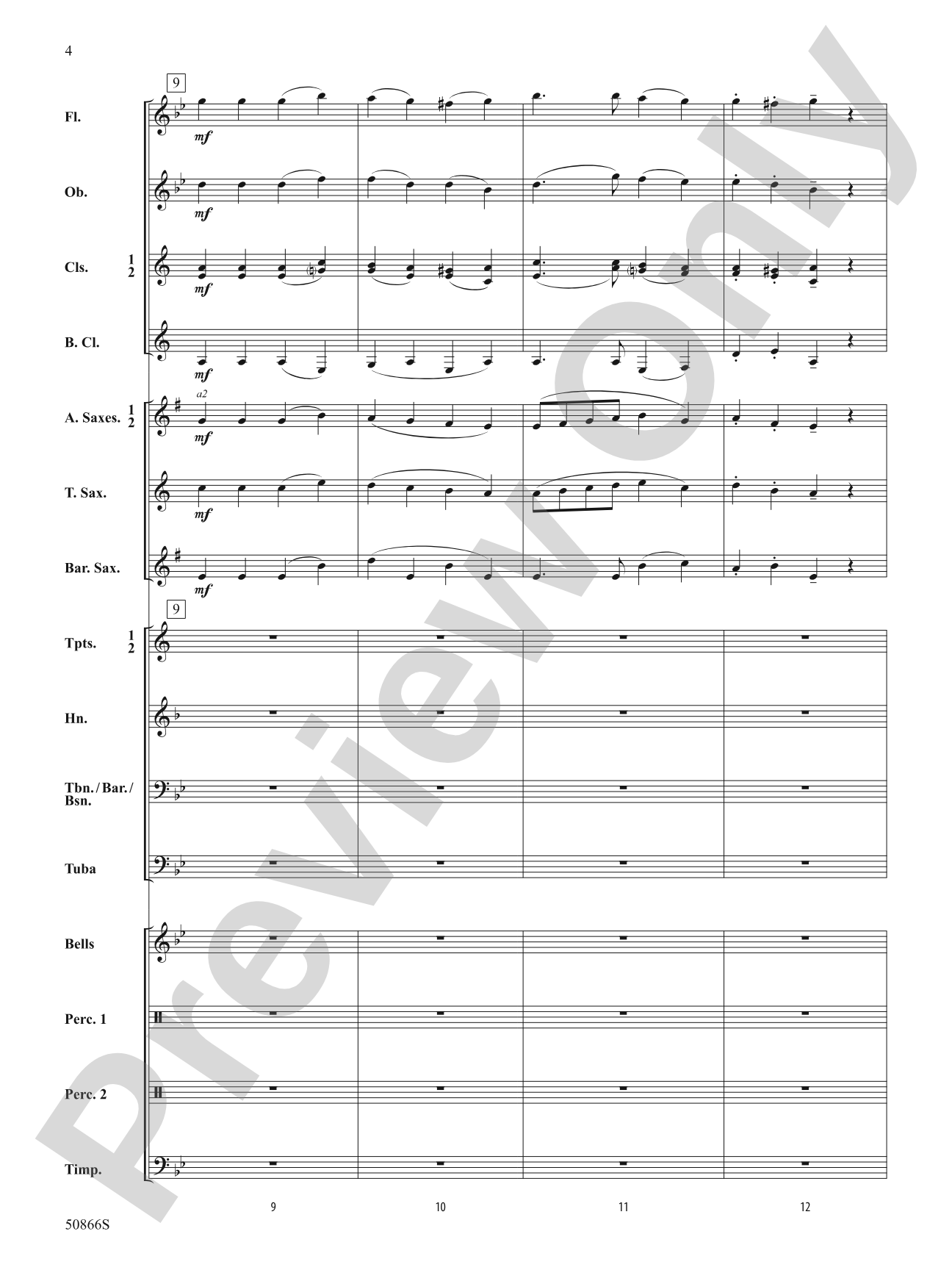
French Chanson, arranged by Steven J. Pyter, is a rousing arrangement of a famous 16th-century choral work. The tuneful Renaissance art song tells a light-hearted story of gossip and rumor, with lyrics roughly translating to "I will tell you!" The story centers around a jealous husband suspicious of his beautiful wife. Like opera, the piece employs dramatic and whimsical characteristics to tell a passionate story. This arrangement alternates between tutti statements and short interludes to feature each instrument family in the band---woodwinds, brass, and percussion. The intensity and playfulness make for a great concert opener! (1:40)


Don't just read it, hear it, play along with it, and watch your students grow with it. In MakeMusic Cloud, French Chanson: Concert Band Conductor Score & Parts comes alive with professional accompaniment, adjustable tempo, and built-in practice tools that turn solo practice into real progress.
Open in the Player
Jump straight in and assign it today.
Start Your Free Trial
Open this title and explore the full library in minutes.
Sample Audio
1
Audio File
--:--
0:00
0:00
Sample Video
Additional Details
Series:
Developing Band Series
Publisher:
Alfred Music
SKU:
00-PK-0008907
More about this title
About the Composer: Pierre Certon
Pierre Certon (c. 1510-1572) was a French Renaissance composer and singer who served in the royal chapel during the reign of Francis I. He distinguished himself as a master of the chanson, the secular vocal form that dominated 16th-century French musical life, and his works circulated widely throughout Europe in printed collections.
Certon's chansons blend sophisticated counterpoint with text-driven expression and wit. His ability to capture both intimacy and theatrical flair in music made him a favorite among performers and audiences alike, and his legacy rests on works that remain direct, engaging, and surprisingly modern in their approach to storytelling through music.
Why we love this
Pyter's arrangement preserves the charm and narrative drive of the original while giving each instrumental section a moment to shine. The alternating tuttis and instrumental vignettes keep the energy moving forward, making it an ideal opener that establishes both polish and personality without demanding extreme technical demands from developing musicians.
What to expect
Spirited and theatrical, with the swagger of a character eager to spill secrets. The piece bounces between intimate woodwind moments and bright brass declarations, creating a conversation between instrumental families that mirrors the chatter and drama at the heart of the chanson.
Who it's for
Grade 1.5 concert bands seeking repertoire that combines accessibility with engaging storytelling. This arrangement works well for groups building confidence in ensemble balance and sectional independence while performing a recognizable Renaissance gem.
How to get the most out of it
- Keep the tempo brisk and conversational; this piece thrives on lightness and forward motion rather than weight. The 1:40 duration should feel natural, not rushed.
- Balance the featured instrumental passages carefully during interludes so each section feels heard without overshadowing the full ensemble statements.
- Emphasize the rhythmic clarity in percussion and articulation in the wind parts to highlight the playful, gossipy character of the story.
How to use it
Program this as an opening number to set a lively, approachable tone for your concert. It pairs well with other Renaissance or multicultural works, or it can anchor a thematic program about storytelling in music across different eras.
Skills your students will build
- Balancing sectional passages with ensemble unison statements
- Coordinating rhythmic precision across mixed instrumental families
- Shaping phrase contour in an arrangement with featured solo sections
- Interpreting text-inspired character and pacing in instrumental music