Fred's U-Fix-It Cover Image

Fred's U-Fix-It: Brass Quintet Score & Parts

$15.00 USD
Sale price  $15.00 USD Regular price 
Skip to product information
Fred's U-Fix-It Cover Image

Fred's U-Fix-It: Brass Quintet Score & Parts

By Vince Gassi

Level: Medium

Item: 81-BQ27265

$15.00
Shipped

One moment…

Description
Cool is the word in this rhythmically intricate journey through Funkville. Hip grooves and heavy harmonies provide much opportunity to put this one "in the pocket". The detailed drumset part (with written solos and fills) is essential to Funk-a-fying this chart. Only for the brave of heart, this Funk-a-liscious tune is baaaad and that's goooood!!

Fred's U-Fix-It: Brass Quintet Score & Parts isn't in MakeMusic Cloud just yet...but it could be. Let us know you'd like to see it, and you'll help shape what comes next. In the meantime, start a free trial and dive into thousands of interactive titles your students can play along with today.

Sample Pages

No sample pages found.

Sample Audio
0:00
0:00
Sample Video
Additional Details
Series: Eighth Note Publications: Vince Gassi Jazz Series
Publisher: Eighth Note Publications
ISBN10: 1-55472-392-2
ISBN13: 978-1-55472-392-8
UPC: 685462002962
SKU: 81-BQ27265
Instrumentation: Brass Quintet (Opt. Percussion)

More about this title

About the Composer: Vince Gassi
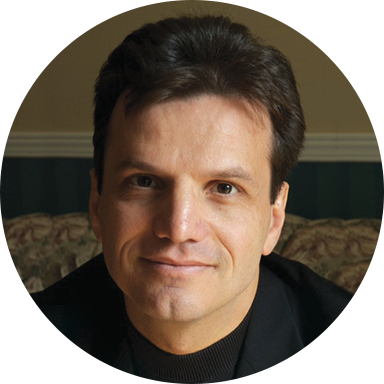
Vince Gassi

Vince Gassi has spent more than two decades teaching instrumental music at the middle and high school levels while building an impressive portfolio of over 100 published compositions. His work balances accessibility with genuine musical substance, earning him frequent invitations as a guest conductor, adjudicator, and clinician across the United States and Canada. He holds a Bachelor of Music from the University of Western Ontario, completed advanced study in composition and arranging at the Dick Grove School of Music in Los Angeles, and earned his Ph.D. from York University in Toronto.

Gassi's pieces appear regularly on international concert and contest programs, and his work has been recorded and performed across North America, Europe, and Japan. His Cool Ideas and Arranging Concepts seminars and Digital Workflows for Music Directors workshops have become known for helping educators integrate creative thinking and technology into their rehearsal rooms. He continues to accept commissions and remains a frequent presence at the Midwest Clinic in Chicago.

Why we love this

This arrangement captures the swagger and precision of funk writing in a package that works perfectly for brass players ready to commit to rhythmic discipline and ensemble communication. The detailed drumset part transforms the tune from a simple chart into a full collaborative experience, forcing the ensemble to lock together and respect the pocket in ways that pure melodic playing never demands. Programming this alongside more traditional brass repertoire signals to your audience that your ensemble can navigate contemporary grooves with the same musicianship they bring to standard concert fare.

What to expect

Confident and infectious, with the kind of swagger that comes from playing tightly syncopated figures in unison and trading energy back and forth across the ensemble. The heavy harmonies ground the piece in harmonic sophistication while the hip grooves keep everything moving forward, creating a sound that feels both substantial and contemporary.

Who it's for

Brass quintets with players mature enough to prioritize ensemble cohesion over individual virtuosity, and directors who want to program contemporary jazz and funk alongside classical literature. This works best with ensembles that have at least one rehearsal cycle to devote to locking in the rhythmic elements and who aren't intimidated by the groovy language in the score.

How to get the most out of it

  • Spend rehearsal time on the rhythm section first. Have the brass sit out while drums and bass (if using optional percussion) nail the pocket and groove before layering in horn lines.
  • Mark all syncopations and anticipations clearly in parts. The 'funk-a-licious' feel depends on ensemble members understanding exactly where their notes sit relative to the beat, not just what the notes are.
  • Create space for the written drum solos and fills to breathe. These moments are conversations, not interruptions; the brass should listen and respond dynamically rather than power through.
  • Record a rehearsal and listen back together. Hearing yourselves as a unit exposes tuning issues and timing slips that sound fine in the moment but undermine the groove.

How to use it

Position this as the set closer or a strategic mid-concert placement where you want to reset audience energy and show a different side of your ensemble's musicianship. It pairs well on a program that mixes eras and styles, signaling versatility without feeling out of place alongside wind band or chamber concert selections.

Skills your students will build

  • Locking rhythmic unison in syncopated passages
  • Reading and interpreting swing and funk notation
  • Listening and responding to rhythm section leadership
  • Ensemble communication through non-verbal groove signals
  • Balancing individual articulation with collective pocket awareness

You May Also Like