

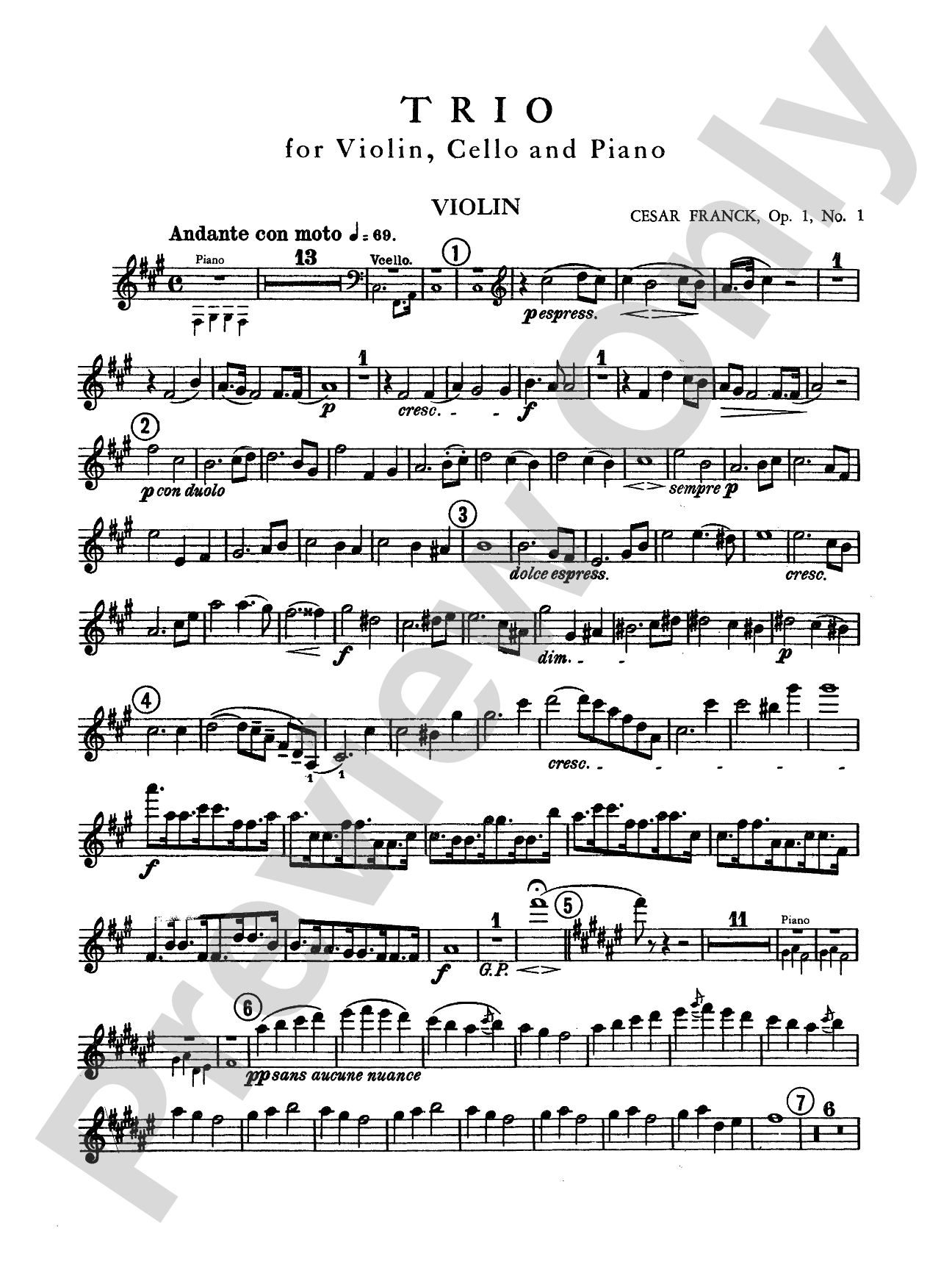
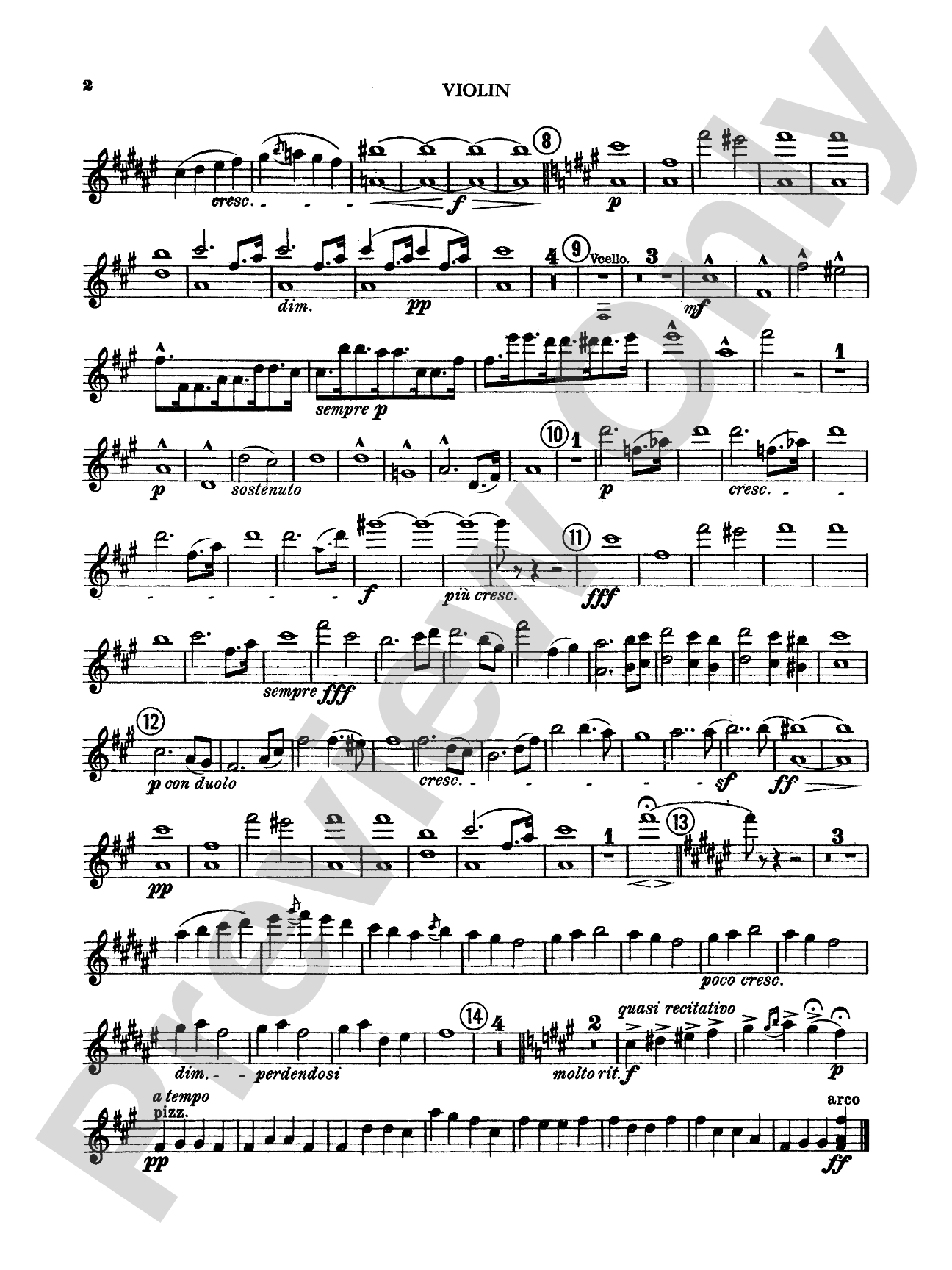
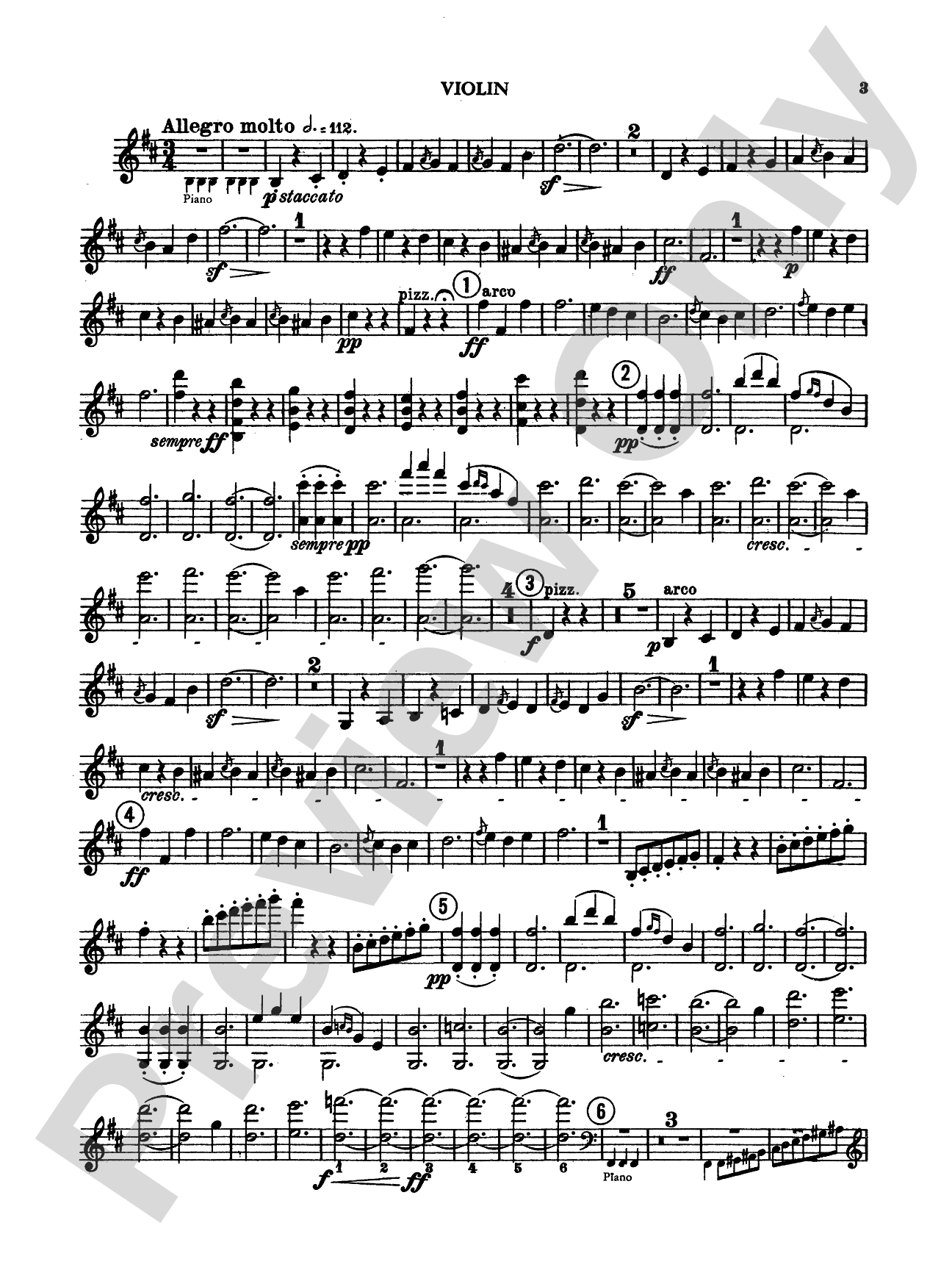
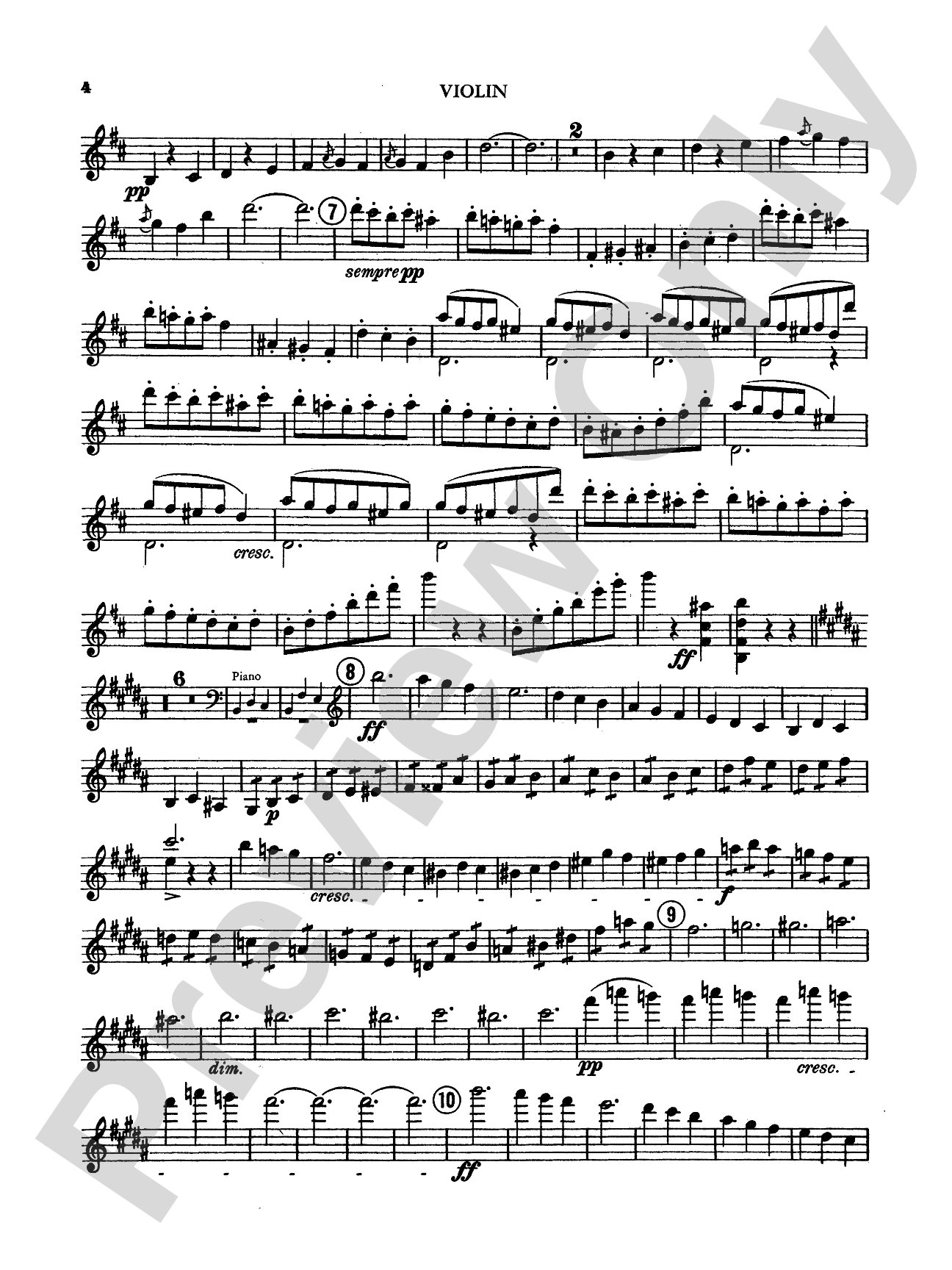
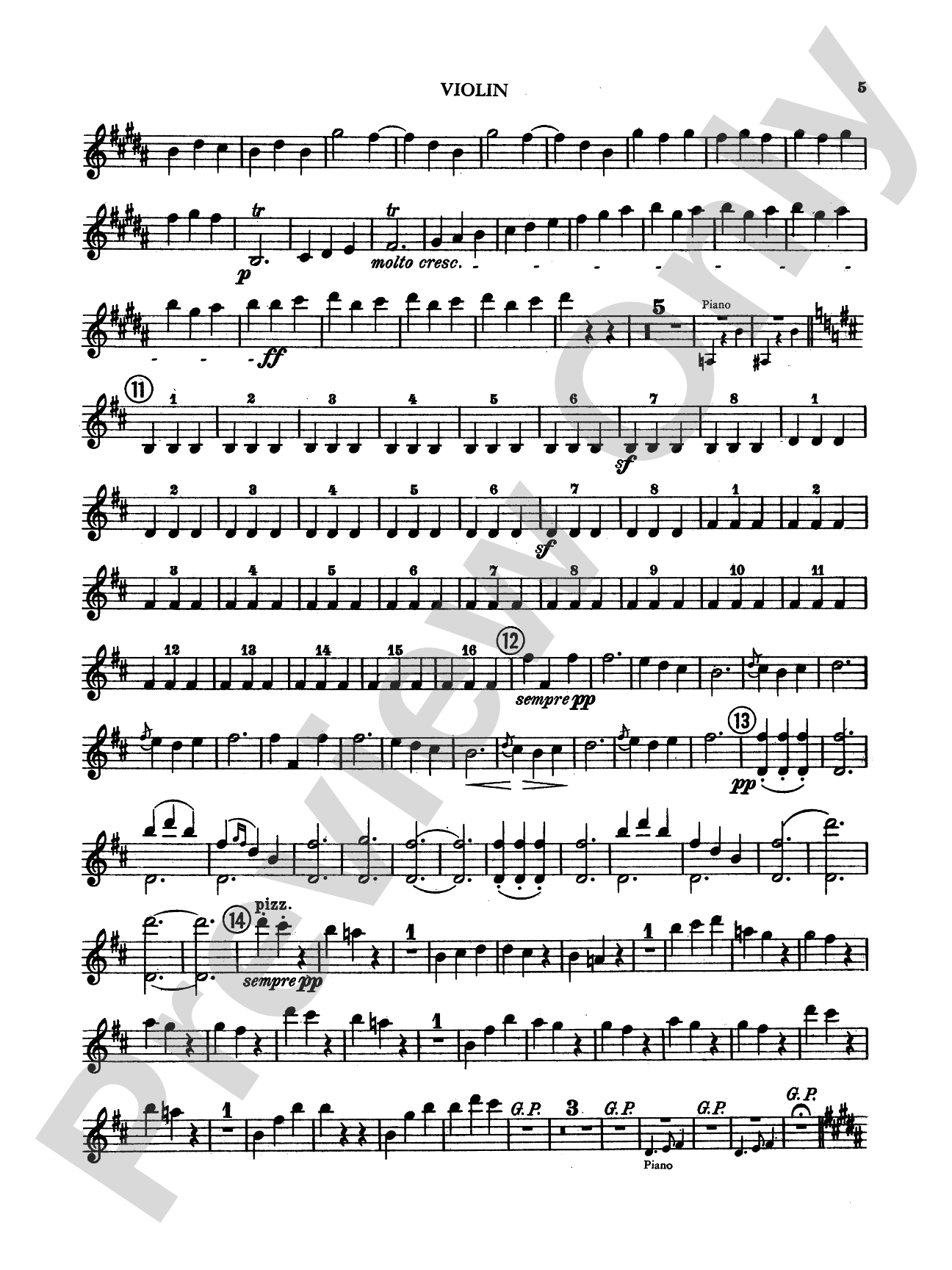
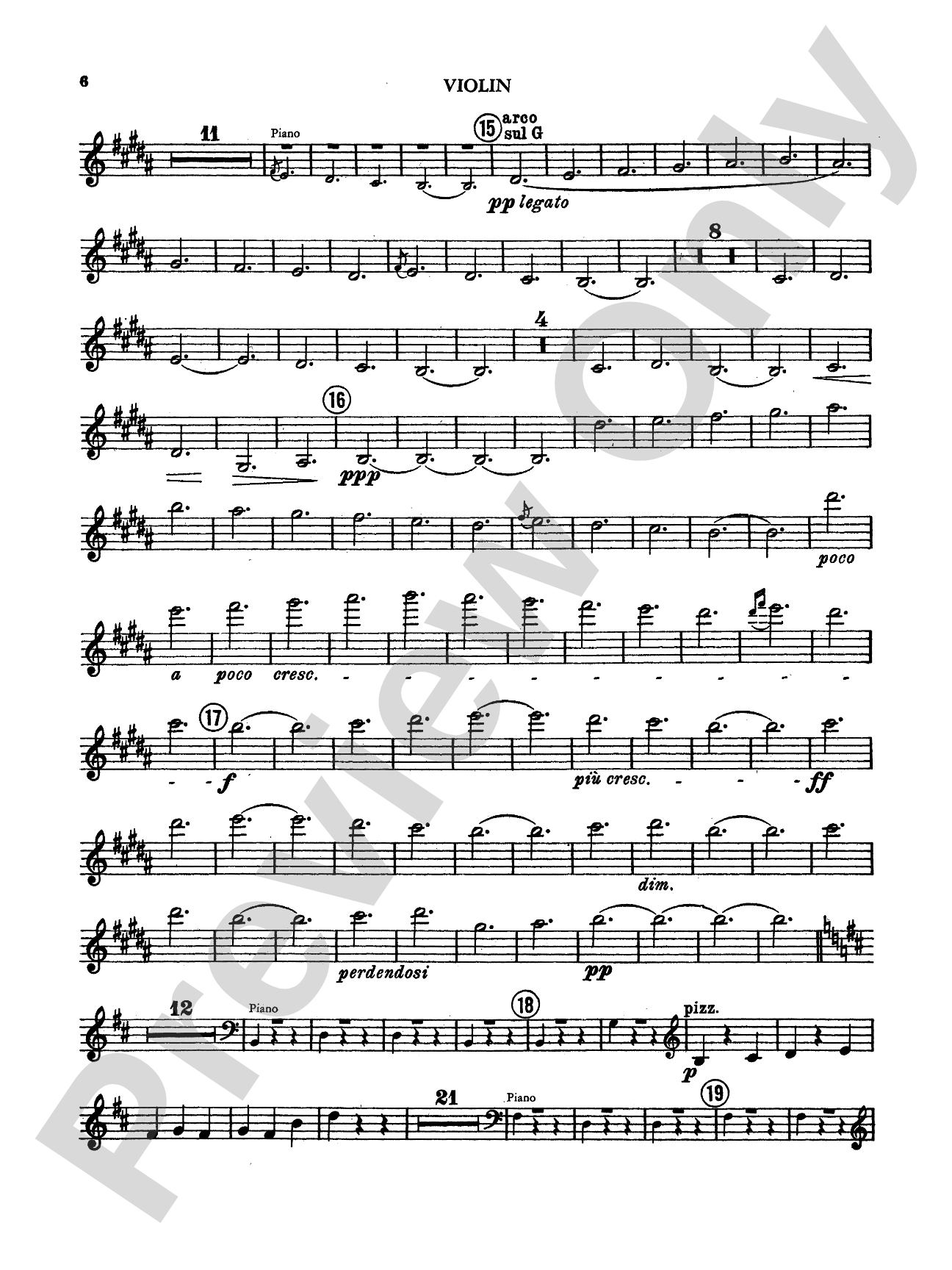
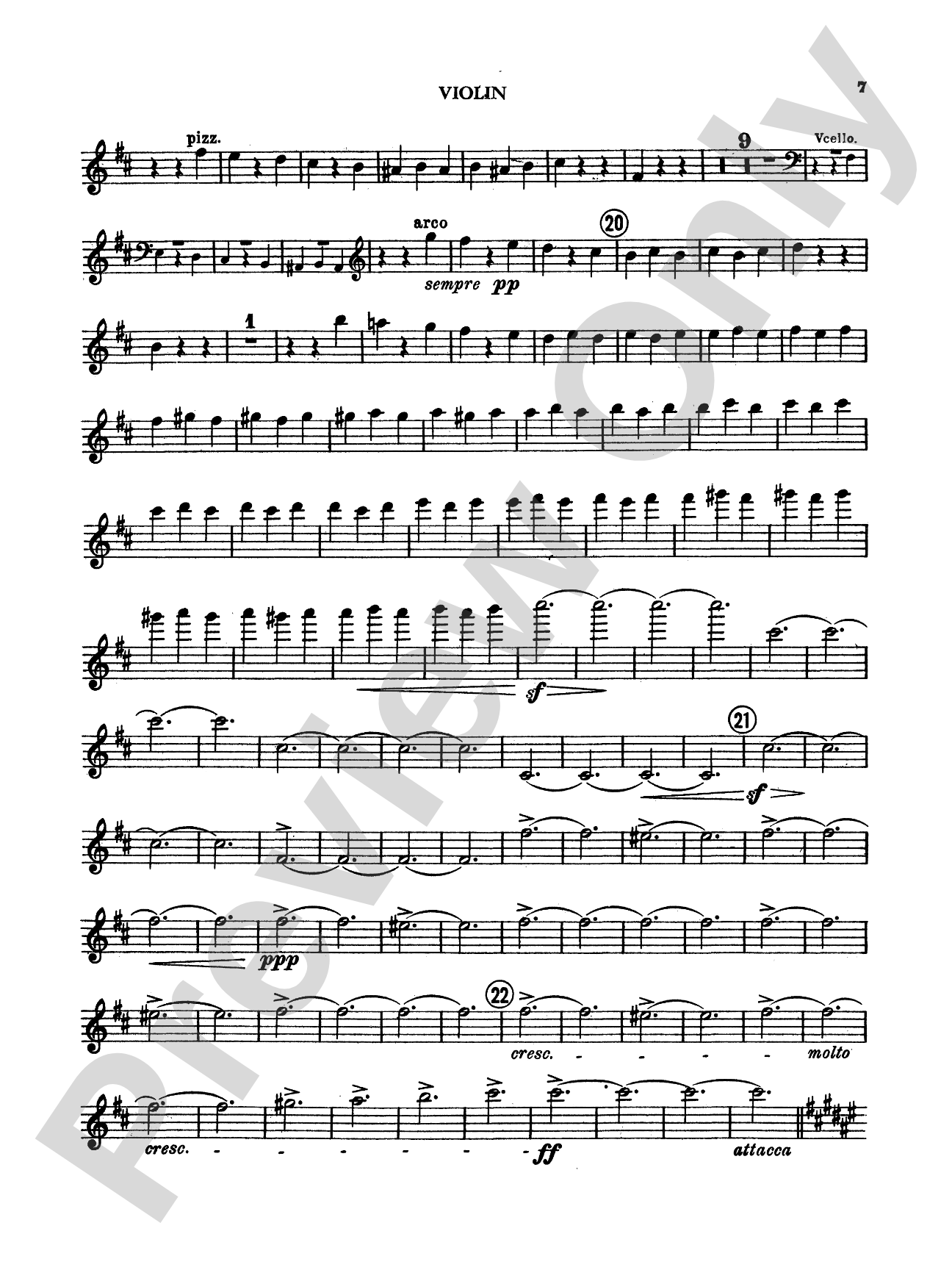
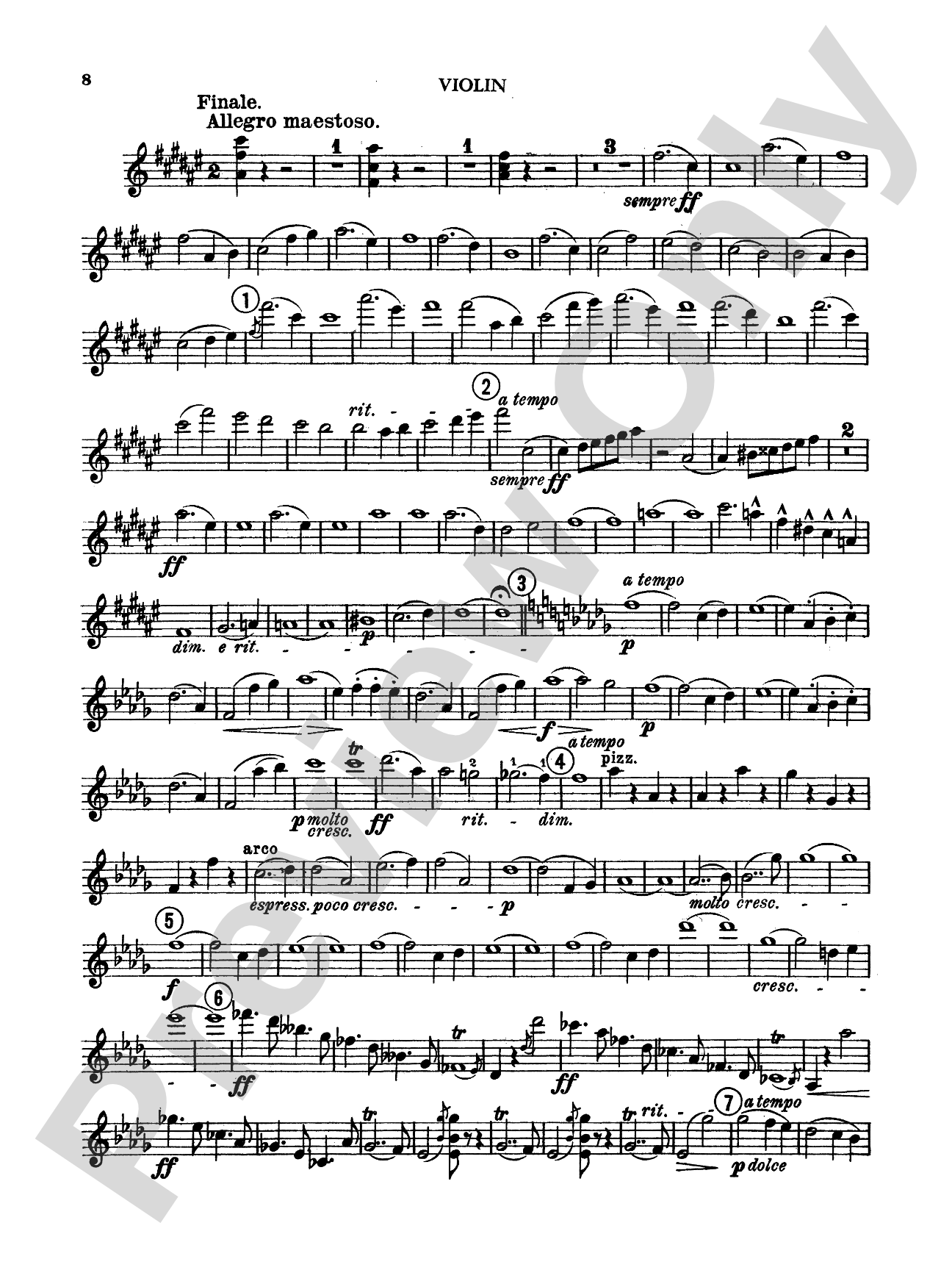
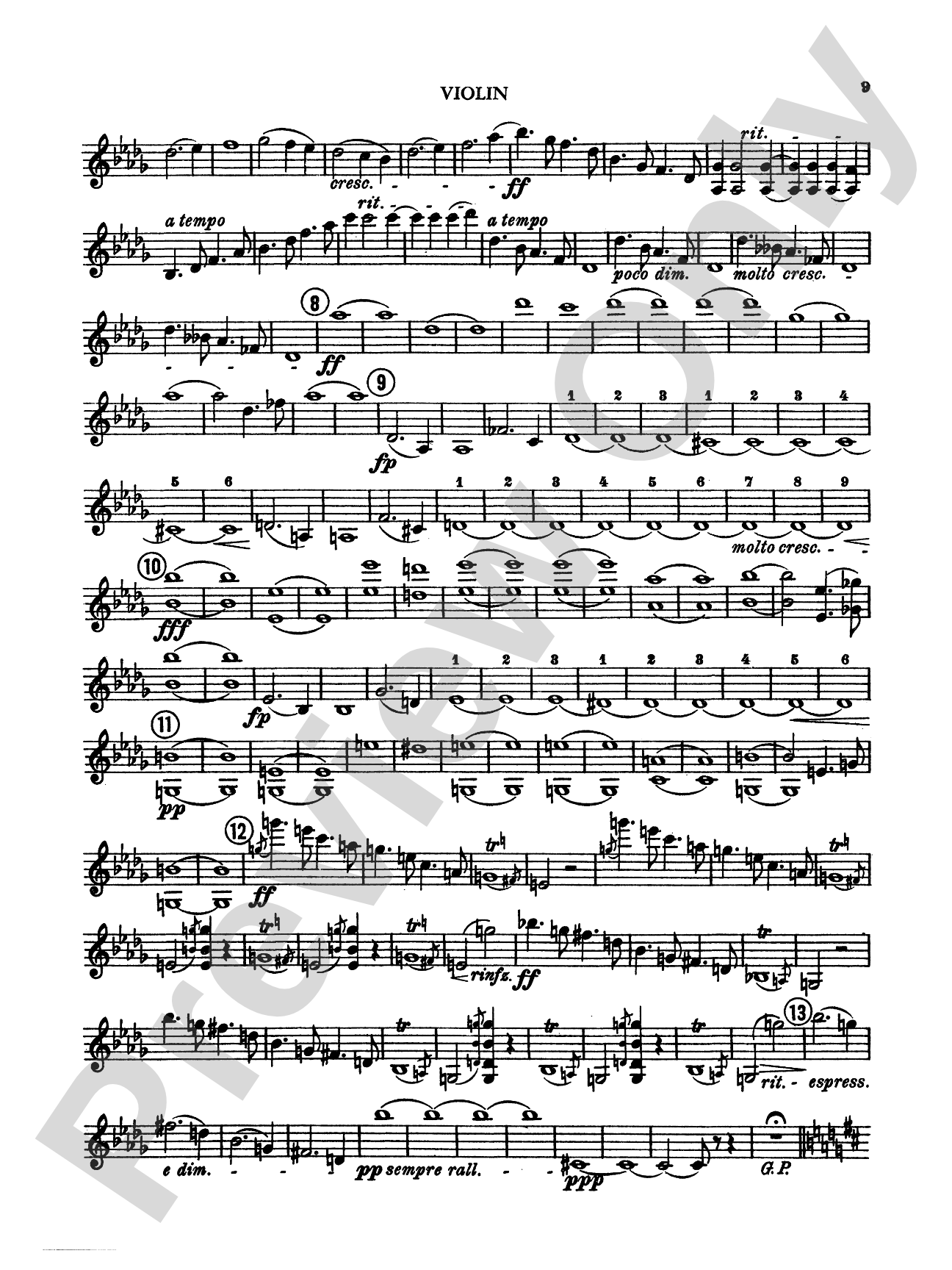
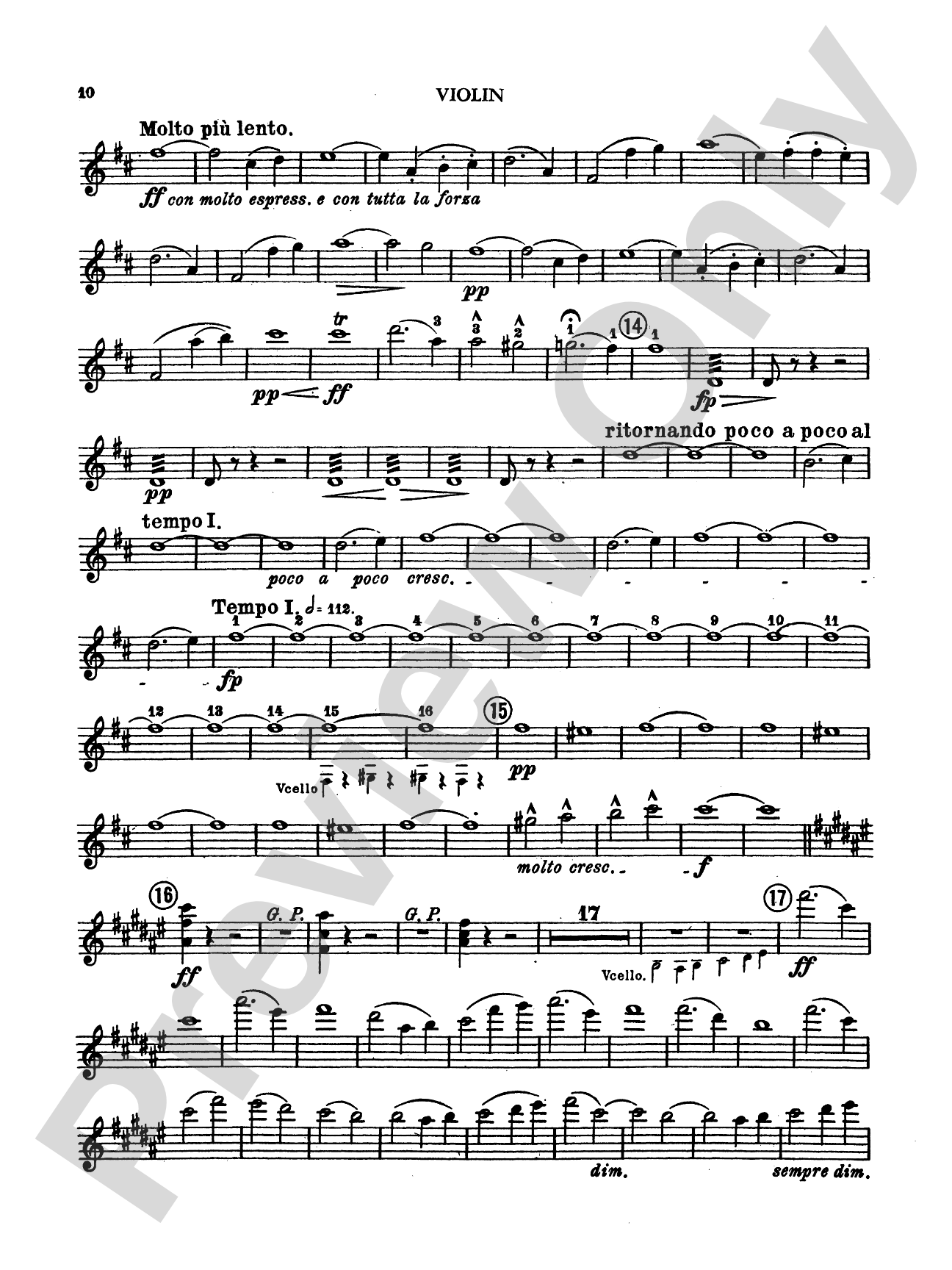
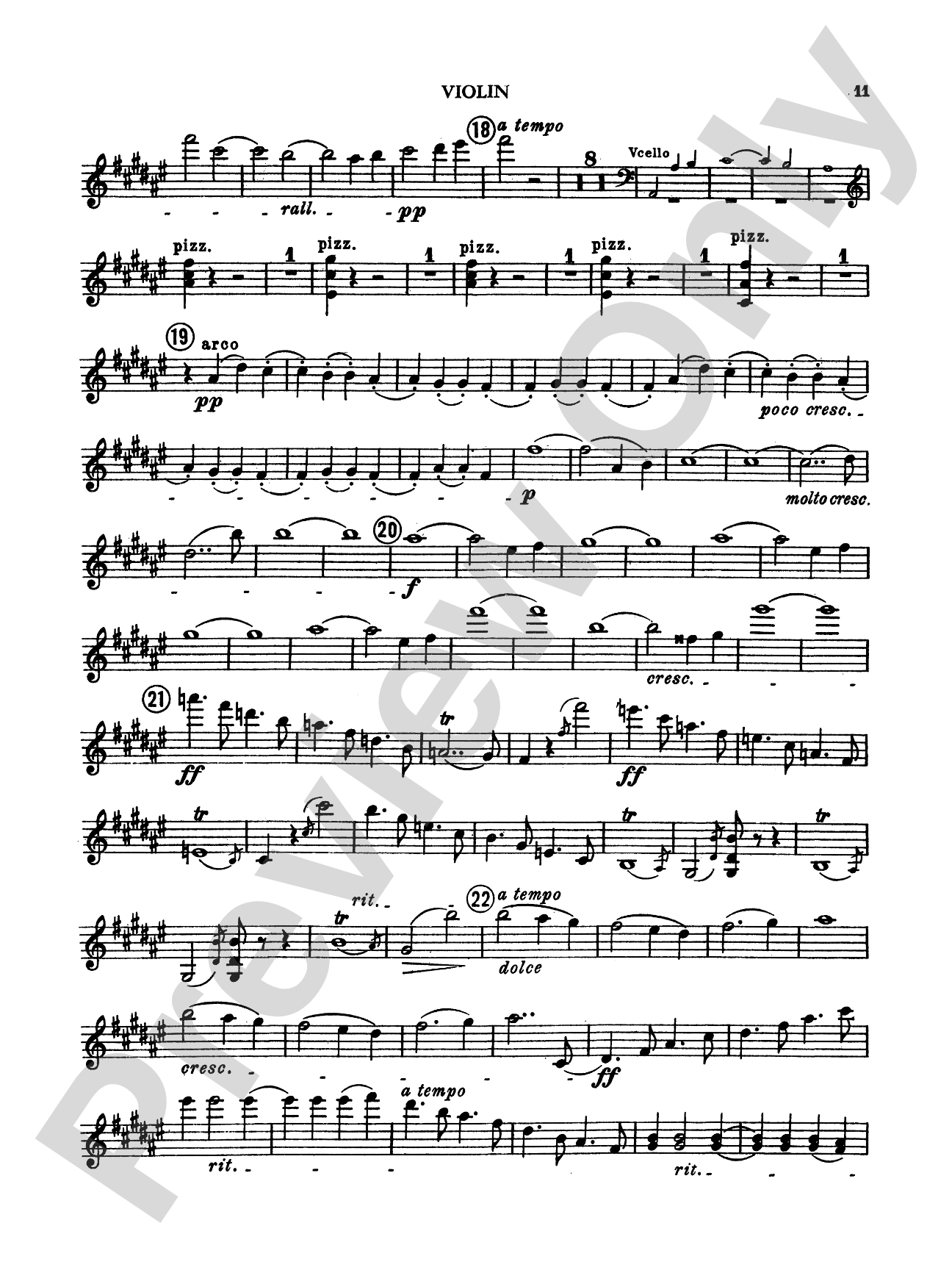
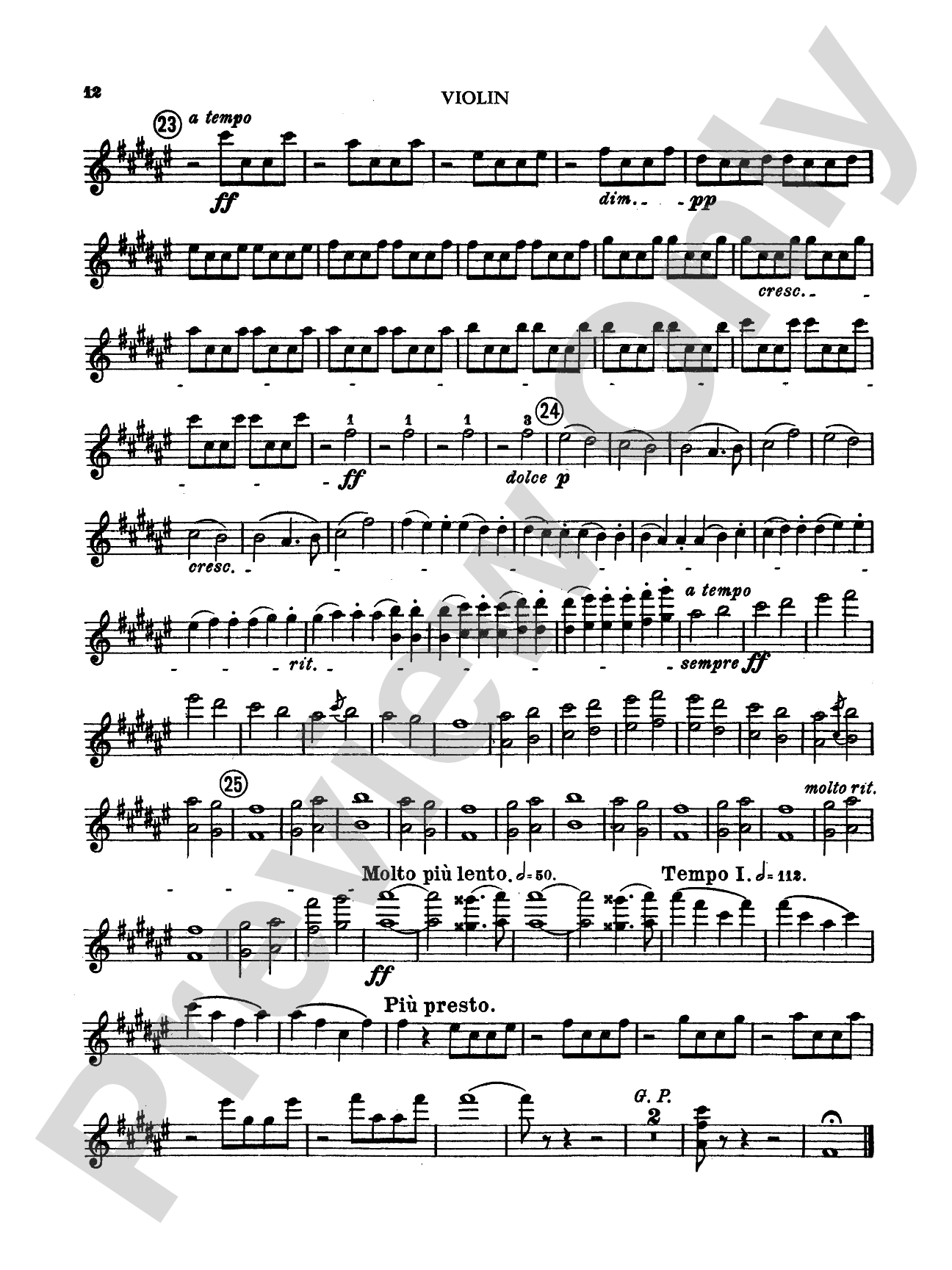



Franck: Trio in F sharp Minor, Op. 1, No. 1: Chamber Trio Book
By César Franck
Item: 00-PK-0003813

$12.99
Pickup currently not available
Buy Extra Parts (Digital PDF Download)
| Product | Price | Quantity |
|---|---|---|
| Franck: Trio in F sharp Minor, Op. 1, No. 1 | $3.99 | |
| Franck: Trio in F sharp Minor, Op. 1, No. 1 | $3.99 | |
| Franck: Trio in F sharp Minor, Op. 1, No. 1 | $3.95 |
Parts Added to Cart!
Related Items
Trio in F-sharp Minor (Opus 1, No. 1): Chamber Trio Book |
$12.99
|
View |
Description
Composed by César Franck, this trio is written for Violin, Cello, and Piano.


Don't just read it, hear it, play along with it, and watch your students grow with it. In MakeMusic Cloud, Franck: Trio in F sharp Minor, Op. 1, No. 1: Chamber Trio Book comes alive with professional accompaniment, adjustable tempo, and built-in practice tools that turn solo practice into real progress.
Open in the Player
Jump straight in and assign it today.
Start Your Free Trial
Open this title and explore the full library in minutes.
Sample Audio
No sample audio found.
Sample Video
No sample videos found.
Additional Details
Series:
Kalmus Edition
Publisher:
Alfred Music
Page Count:
88
SKU:
00-PK-0003813
Instrumentation:
Violin, Cello & Piano
More about this title
About the Composer: César Franck
César Franck (1822-1890) was a Belgian-French composer and organist whose harmonic language bridged Romanticism and early modernism. He spent most of his career in Paris, where he became a towering figure in organ music and chamber works, known for his cyclic form technique and rich chromatic harmony that influenced generations of composers.
Why we love this
This trio sits at a crucial moment in Franck's output: ambitious enough to demand real chamber playing craft from all three voices, yet written with the melodic warmth and harmonic sophistication that make his work so rewarding to perform. The F sharp minor tonality creates an introspective, searching character that rewards ensembles willing to listen carefully to one another.
What to expect
Introspective and searching, with moments of lyrical beauty that emerge from rich harmonic soil. The F sharp minor tonality lends a contemplative quality, while Franck's characteristic long-breathed melodies and walking bass lines create momentum that feels inevitable rather than hurried.
Who it's for
Advanced chamber ensembles preparing for competitions, festivals, or recital programming who want substantial Romantic repertoire that challenges all three players equally. This trio suits musicians comfortable with chromaticism and looking to expand beyond the more frequently programmed Brahms or Dvořák chamber works.
How to get the most out of it
- Balance the violin and cello as true partners; this is not a piano trio with string accompaniment. Both string voices carry essential thematic material across all movements.
- Pay close attention to Franck's harmonic rhythm, which often moves more slowly than the surface activity suggests. Let phrases breathe rather than rushing through the accompaniment figures.
- The piano writing is orchestral in scope; resist the temptation to over-pedal. Clarity in the harmonic movement matters more than blending everything together.
- Mark the cyclic returns of material across movements in rehearsal. Franck uses motivic transformation strategically, and recognizing these connections deepens ensemble cohesion.
How to use it
Pair this with other Romantic chamber works on a recital focused on 19th-century French or Belgian composers. It works equally well as a substantial festival contest entry or as the centerpiece of a chamber concert exploring cyclic form in the Romantic era.
Skills your students will build
- Reading and playing through chromatic harmonic progressions
- Balancing three equally important voices in ensemble texture
- Identifying and performing cyclic form techniques across movements
- Coordinating complex rhythmic figures between strings and piano
- Sustaining long melodic lines with appropriate phrasing and breath