
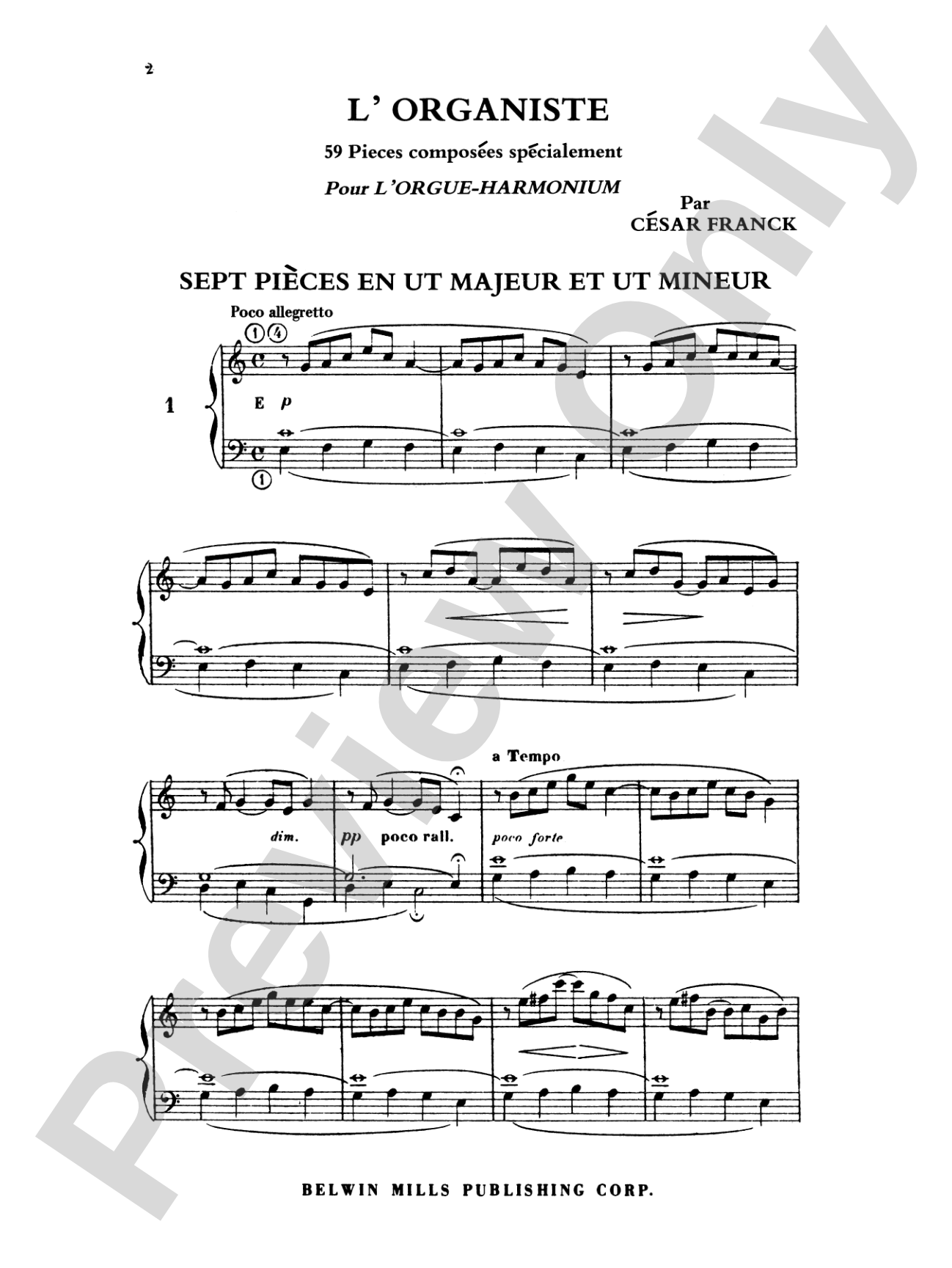
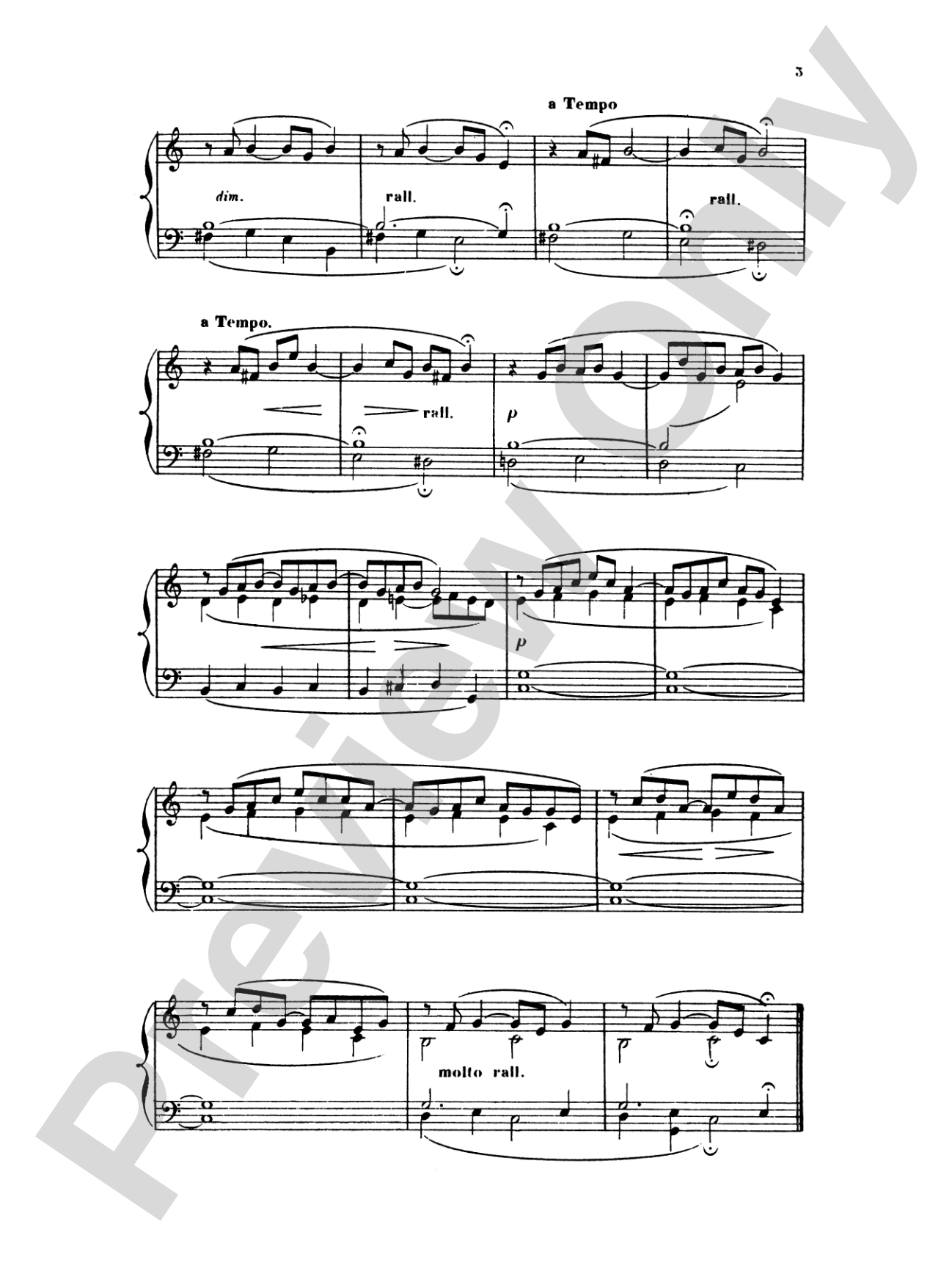
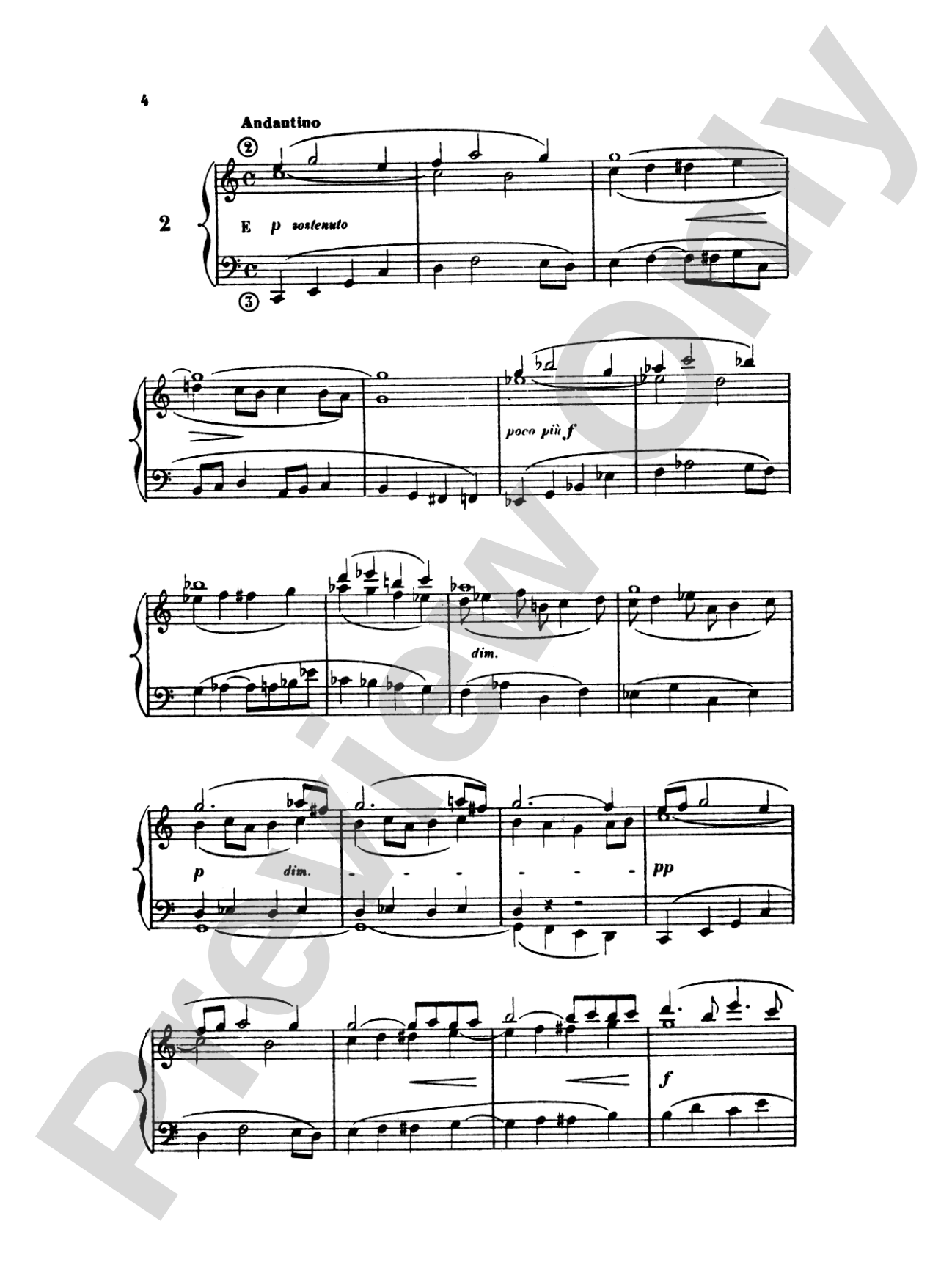
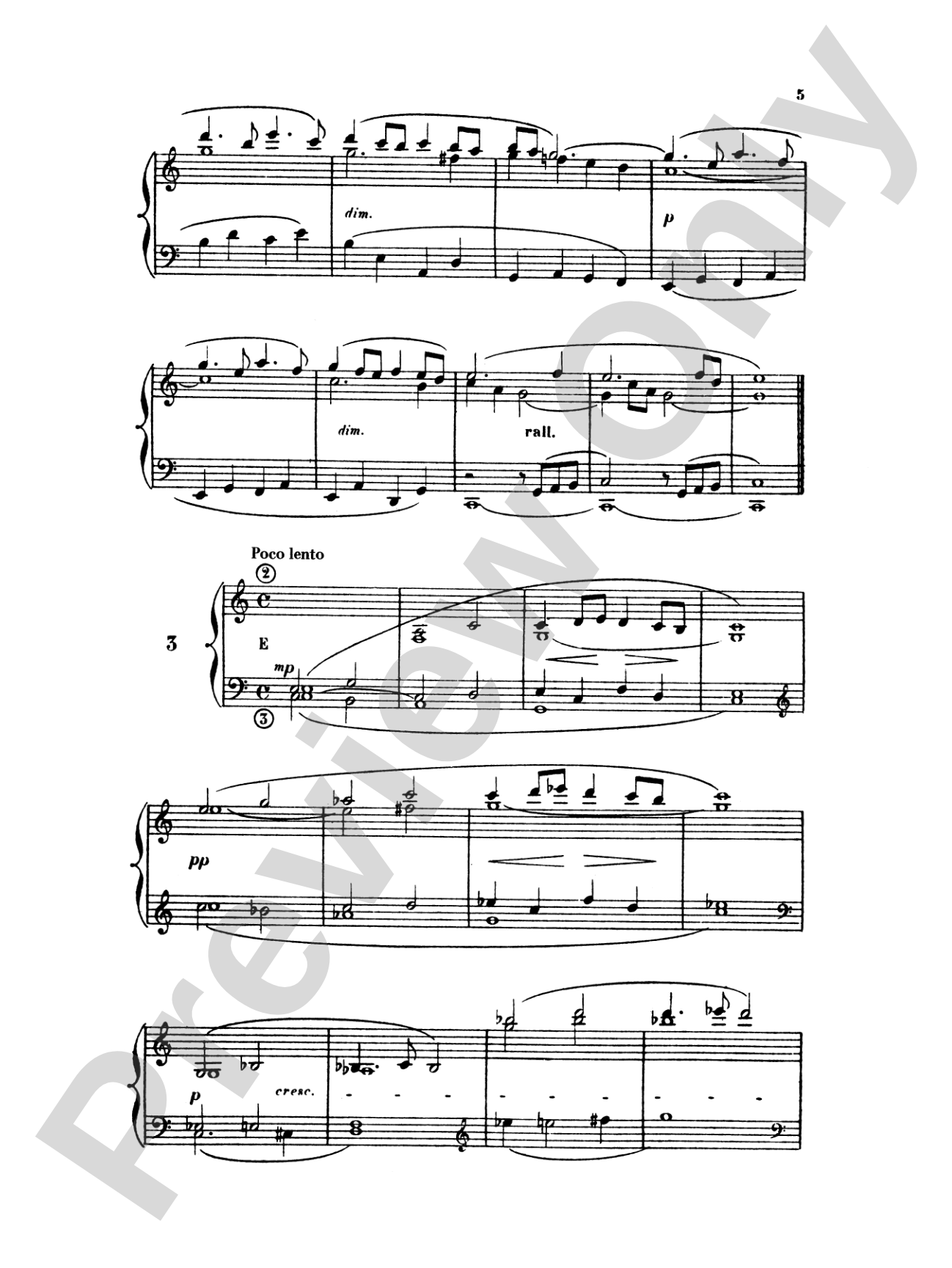
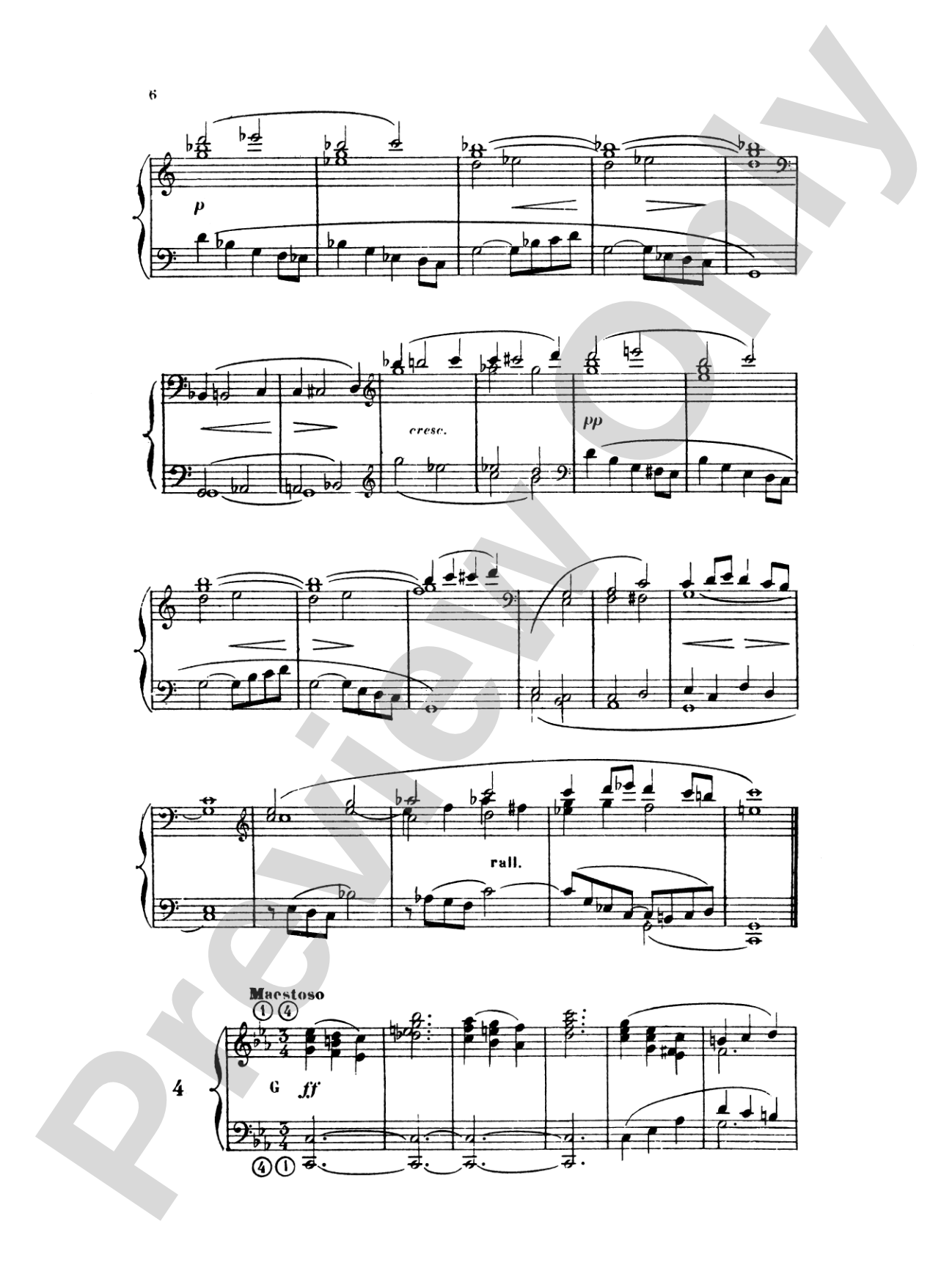
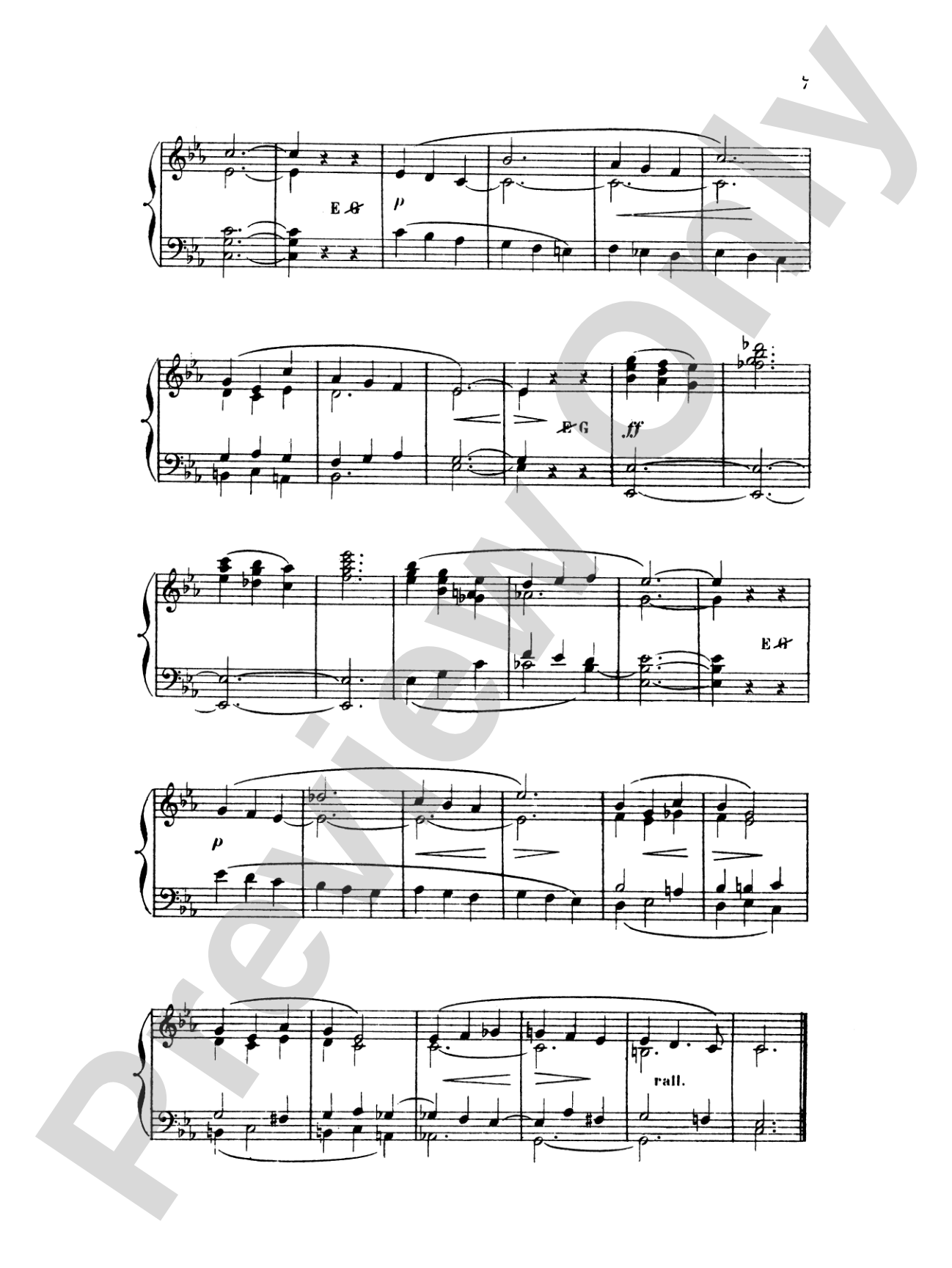
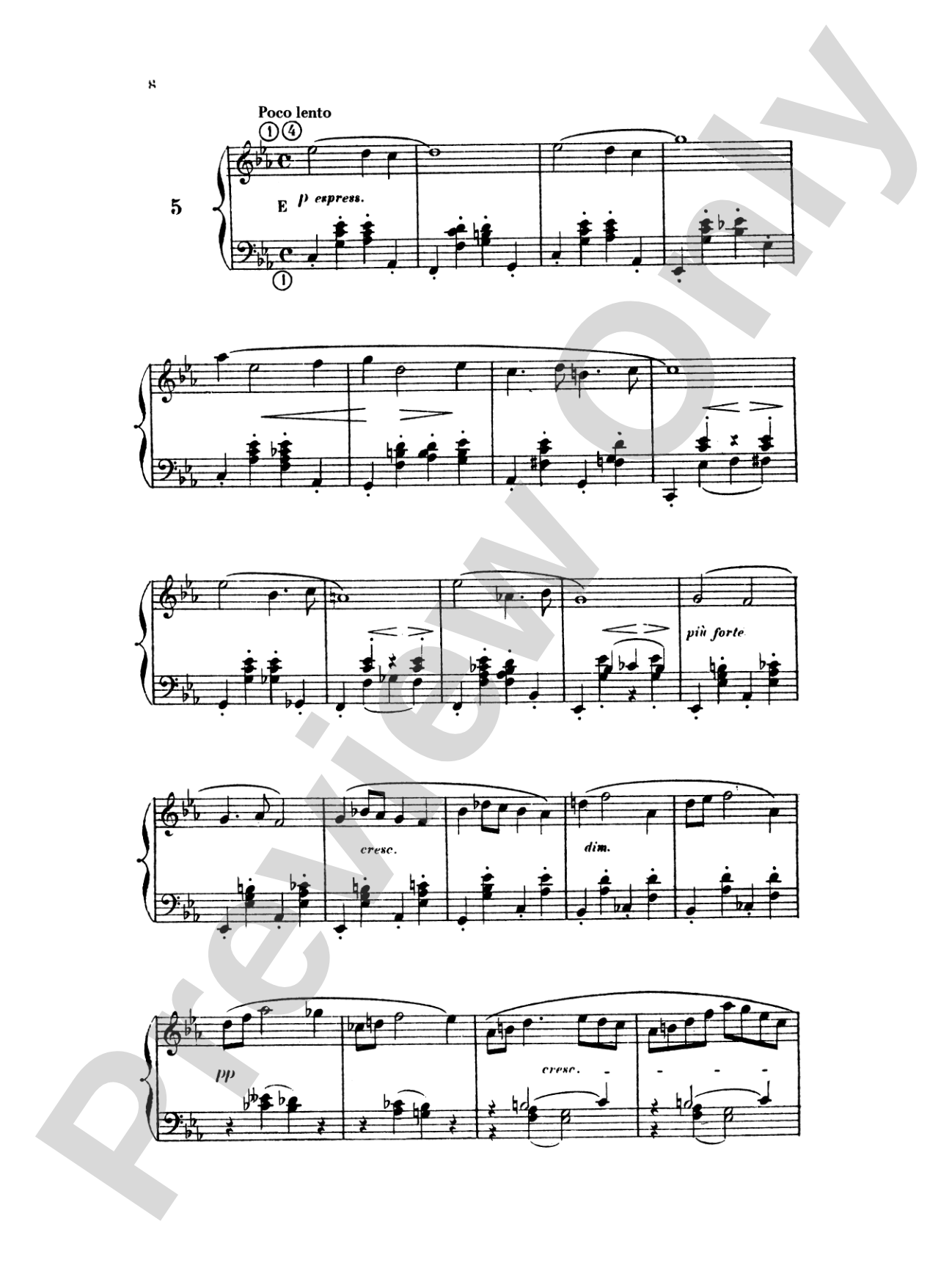
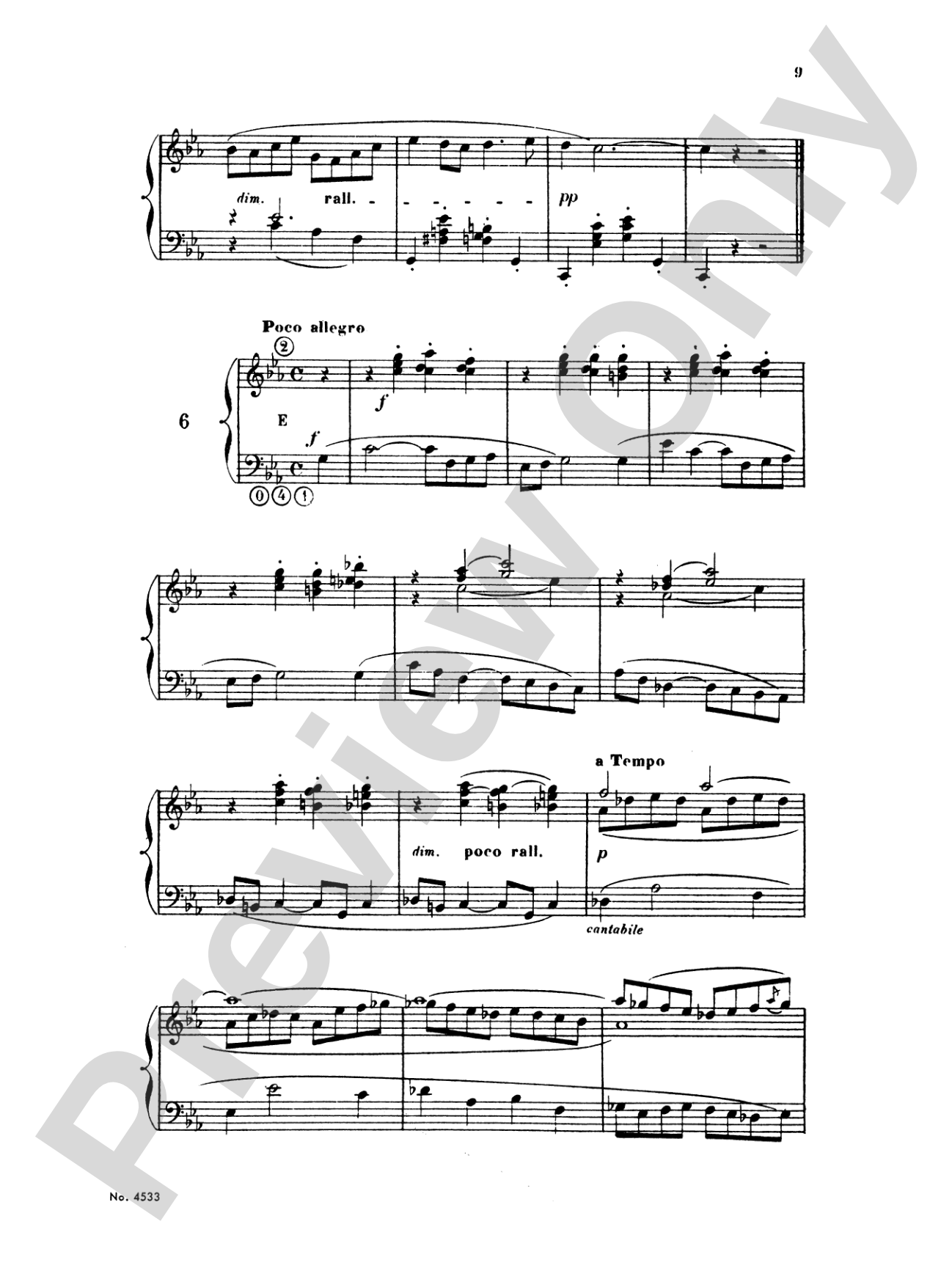
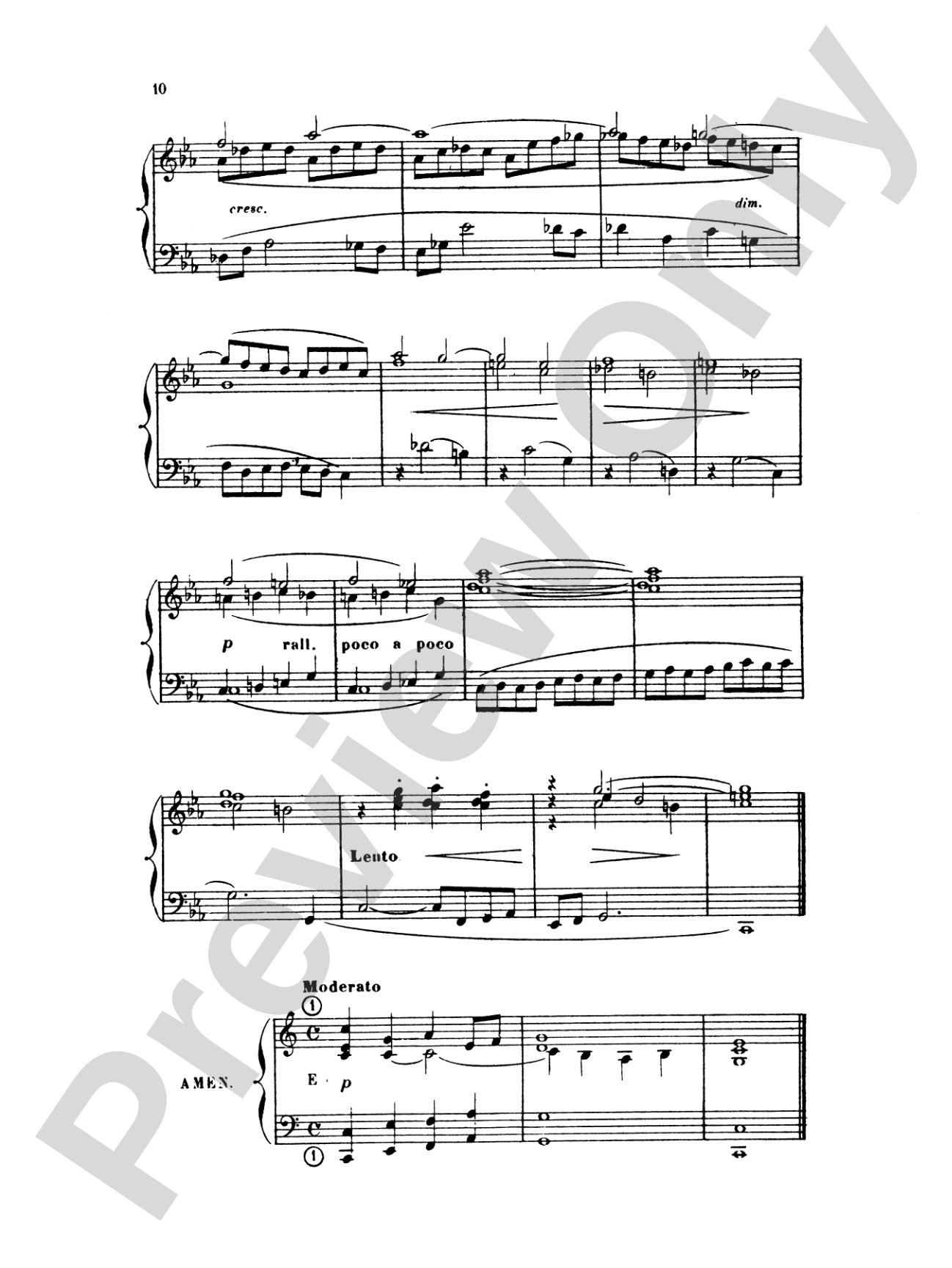
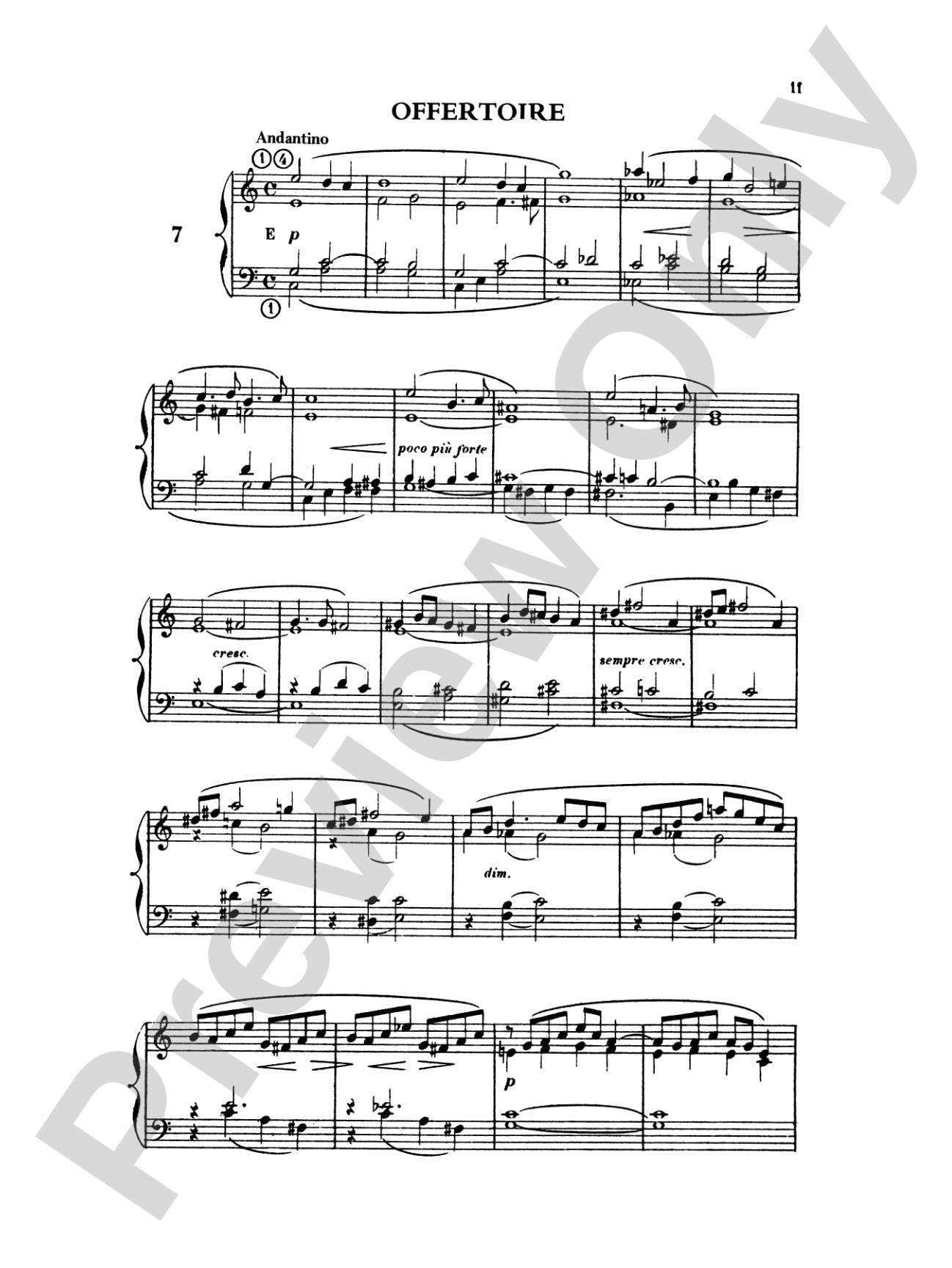
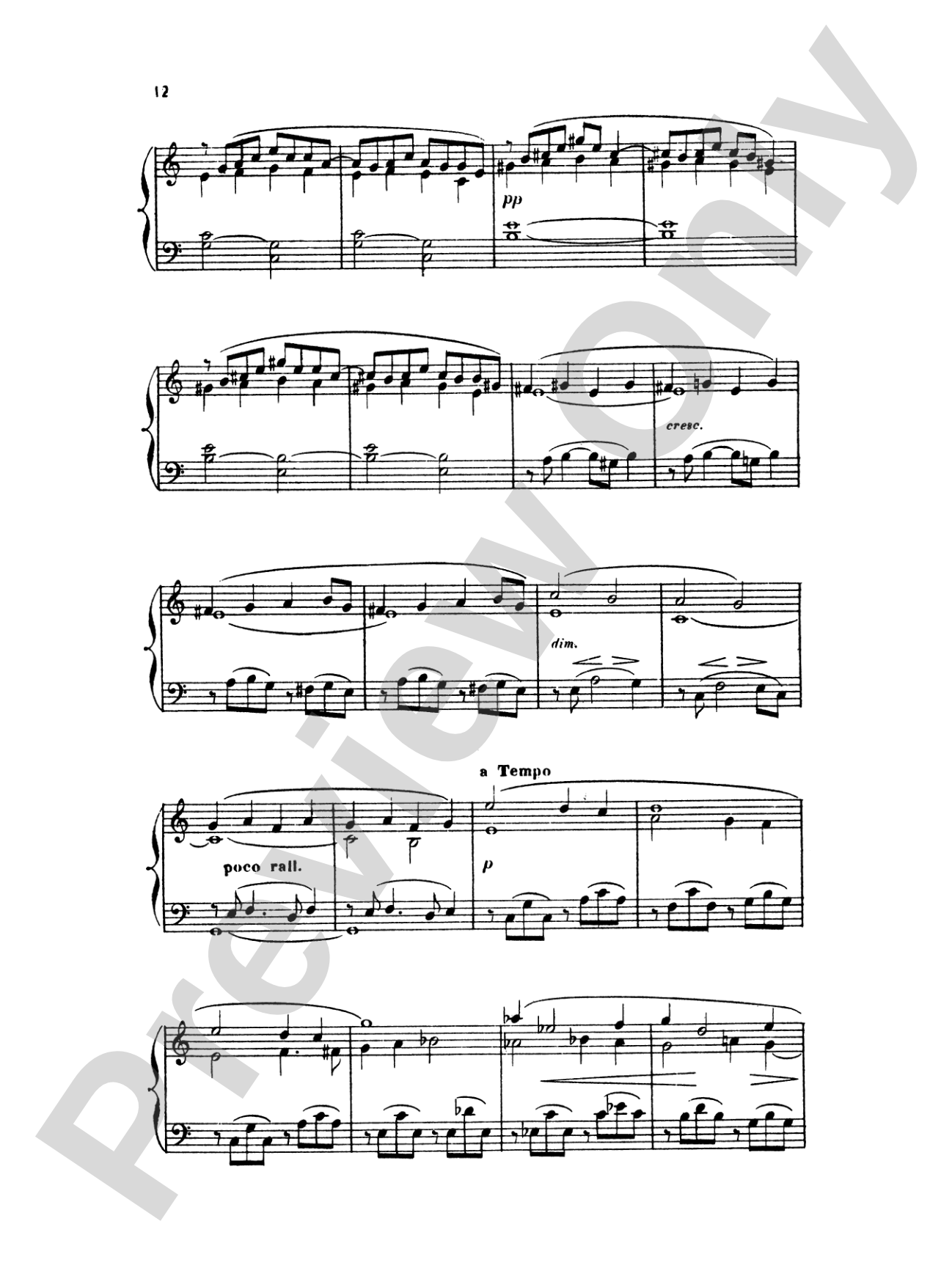
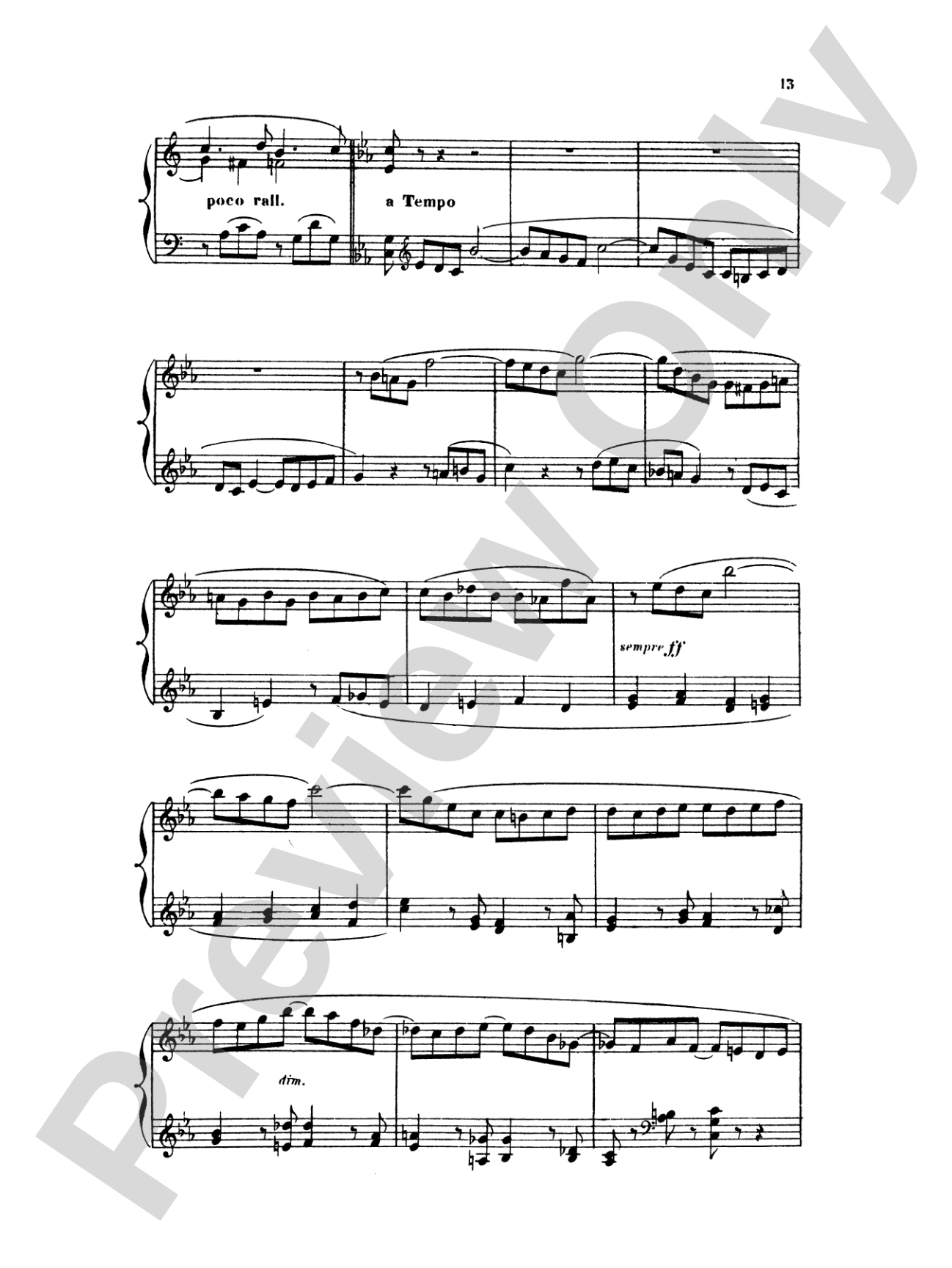

Franck: L'Organiste: Organ Book
59 Organ Pieces
By César Franck
Item: 00-PK-0003547

$17.99
Pickup currently not available
Buy Extra Parts (Digital PDF Download)
| Product | Price | Quantity |
|---|---|---|
| Franck: L'Organiste | $0.99 | |
| Franck: L'Organiste | $0.99 | |
| Franck: L'Organiste | $0.99 | |
| Franck: L'Organiste | $0.99 | |
| Franck: L'Organiste | $0.99 | |
| Franck: L'Organiste | $0.99 | |
| Franck: L'Organiste | $0.99 | |
| Franck: L'Organiste | $0.99 | |
| Franck: L'Organiste | $0.99 |
Parts Added to Cart!
Related Items
L'Organiste: Organ Book |
$17.95
|
View |
Description
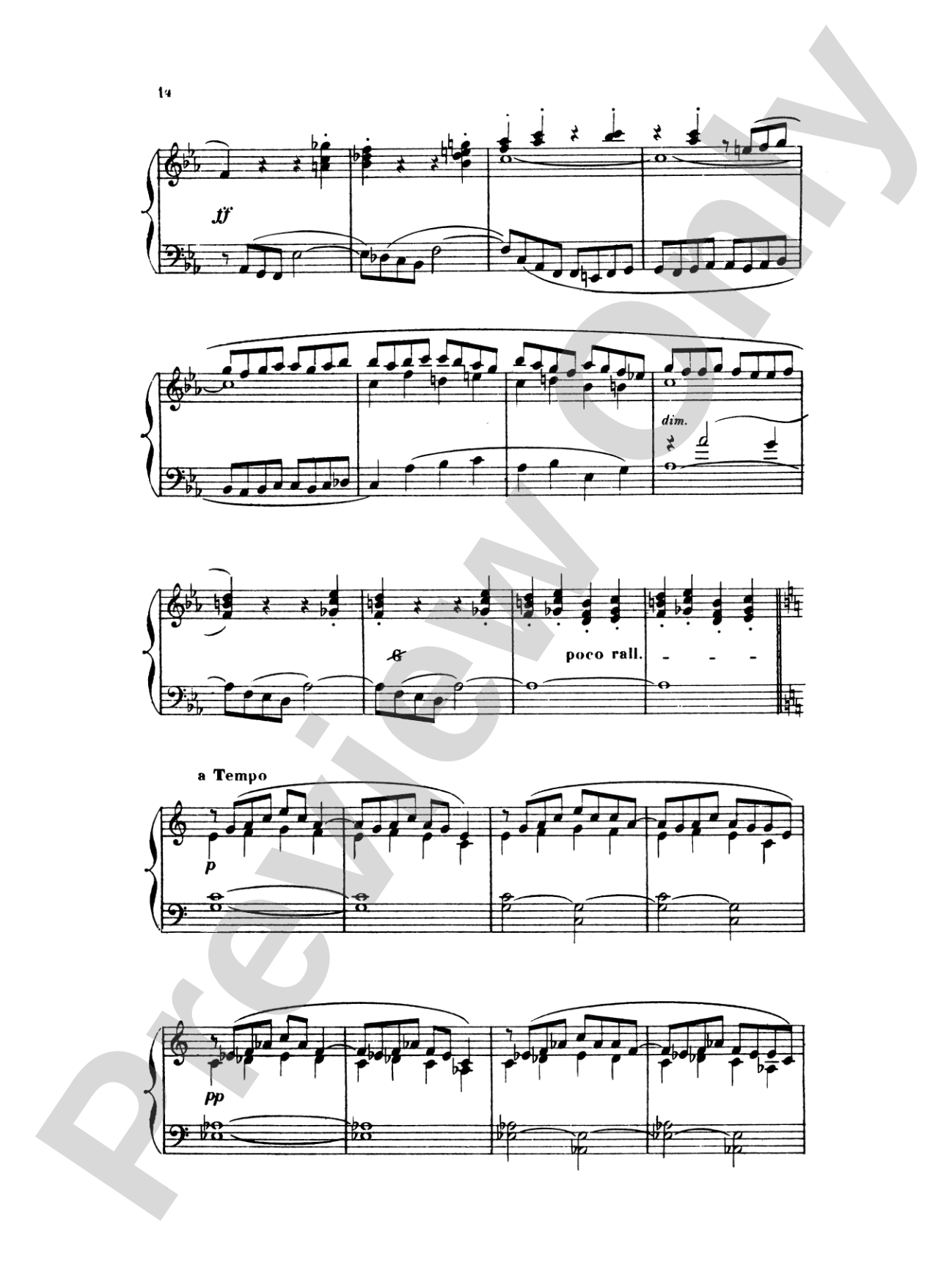
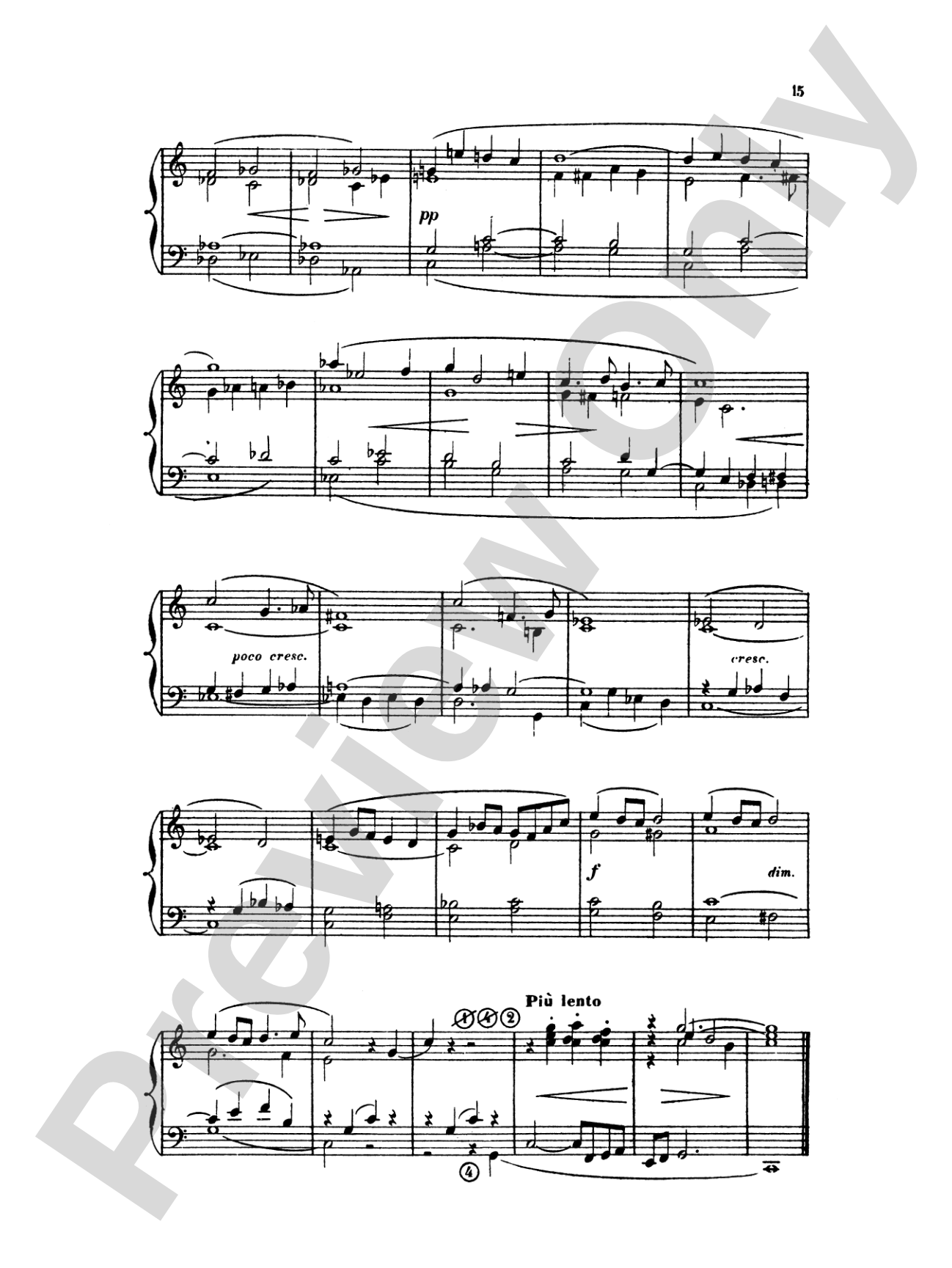
The collection of 59 short works known as "L'Organiste" was written by Cesar Franck in 1889 and 1890 for the harmonium and is most often played on organ. This score is an exact reprint of the original edition published by Enoch (Paris) in 1892.


Don't just read it, hear it, play along with it, and watch your students grow with it. In MakeMusic Cloud, Franck: L'Organiste: Organ Book comes alive with professional accompaniment, adjustable tempo, and built-in practice tools that turn solo practice into real progress.
Open in the Player
Jump straight in and assign it today.
Start Your Free Trial
Open this title and explore the full library in minutes.
Sample Audio
No sample audio found.
Sample Video
No sample videos found.
Additional Details
Series:
Kalmus Edition
Publisher:
Alfred Music
Page Count:
120
SKU:
00-PK-0003547
More about this title
About the Composer: César Franck
César Franck (1822–1890) was a Belgian-born organist and composer who spent most of his career in Paris, where he became one of the most influential figures in French musical life. He served as organist at the Basilica of Sainte-Clotilde for nearly 32 years and was a professor at the Paris Conservatoire, shaping generations of French composers and organists through his teaching and example.
Franck's organ works occupy a central place in the instrument's Romantic repertoire. He wrote with deep knowledge of the organ's tonal possibilities and liturgical function, creating music that balances structural sophistication with accessibility. His compositions remain core to the organ recital repertoire and continue to define what organists aspire to play and teach.
Why we love this
L'Organiste gives organists access to a breadth of short works that demonstrate Franck's melodic gift and harmonic language without demanding the virtuosity or length of his major organ pieces. The collection spans from simple chorale-based pieces to more elaborate character works, making it invaluable for building a diverse recital program or exploring different facets of Romantic organ writing in a single score.
What to expect
These pieces carry the warmth and spiritual sensibility of Franck's liturgical writing, blending hymn-like simplicity with sophisticated harmonic language. The collection moves between intimate character pieces and more robust chorale settings, creating a world of Romantic contemplation that feels both intimate and profound.
Who it's for
Organists seeking accessible yet musically substantial Romantic repertoire will find 59 carefully crafted pieces at varied technical levels. Church musicians, recitalists, and students building their foundational organ library all benefit from this collection's range.
How to get the most out of it
- Approach the harmonium origins thoughtfully; while the organ's greater dynamic range allows for more dramatic interpretation, maintaining clarity and singing tone honors Franck's original conception.
- Use the collection's variety to shape your practice strategically, clustering pieces by character and technical demand rather than working straight through from beginning to end.
- Attend to Franck's registrations with care; they often suggest a single manual and pedal line without excessive coupling, allowing the organ's fundamental tones to emerge.
- Balance the shorter chorale-based pieces as genuine musical statements rather than interludes; their apparent simplicity conceals harmonic refinement that rewards slow, deliberate playing.
How to use it
Build a recital around these pieces by grouping thematically related works or pairing them with larger Franck organ compositions to create context and contrast. Many churches use selections from L'Organiste as prelude and postlude material, where their brevity and spiritual character serve liturgical function beautifully.
Skills your students will build
- Legato pedal technique and independent pedal line coordination
- Harmonic analysis of Romantic voice leading and chromatic progressions
- Organ registration choices and tonal balance across manuals
- Stylistic interpretation of Romantic melodic phrasing
- Sight-reading facility through exposure to varied short forms