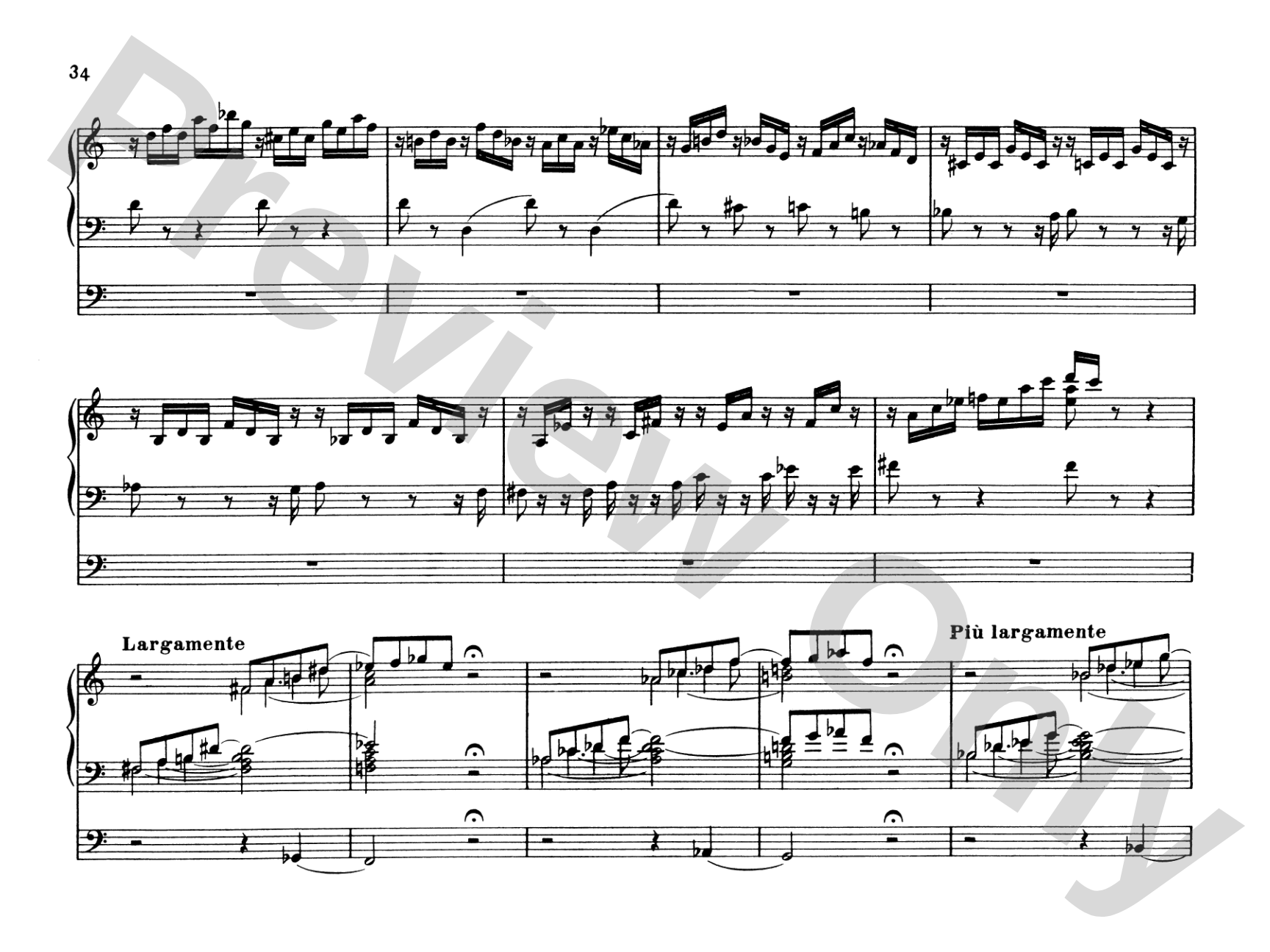
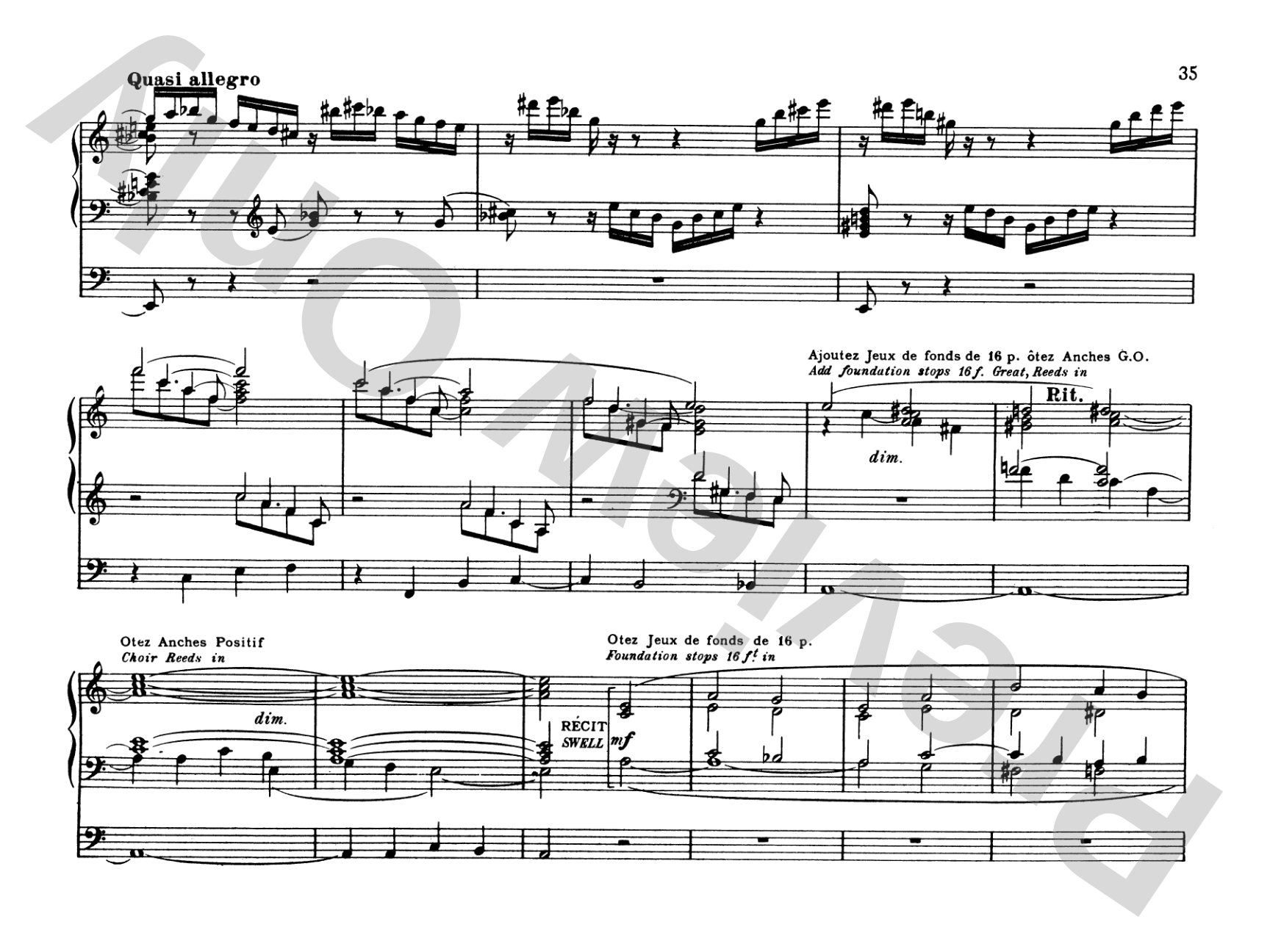
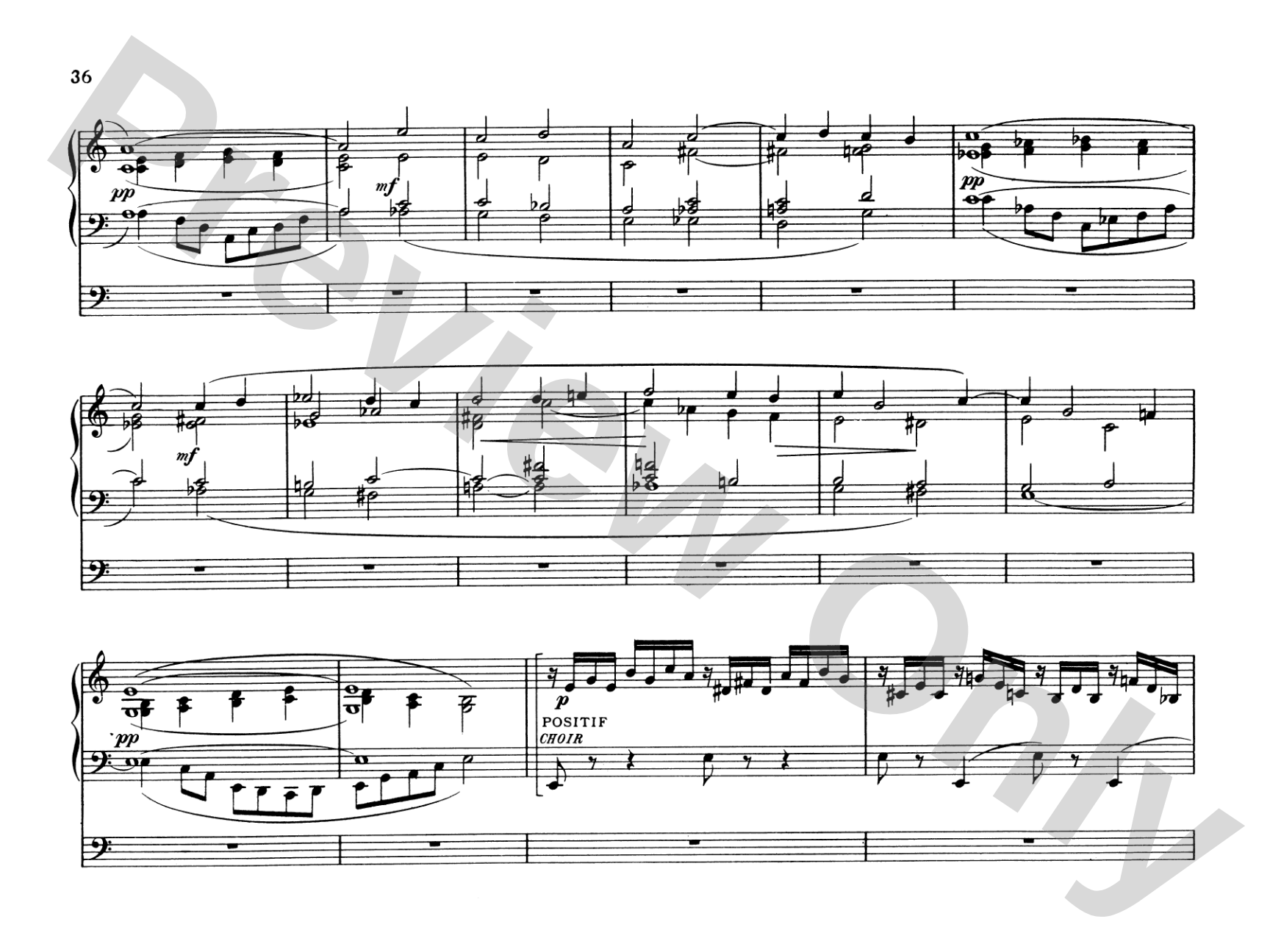
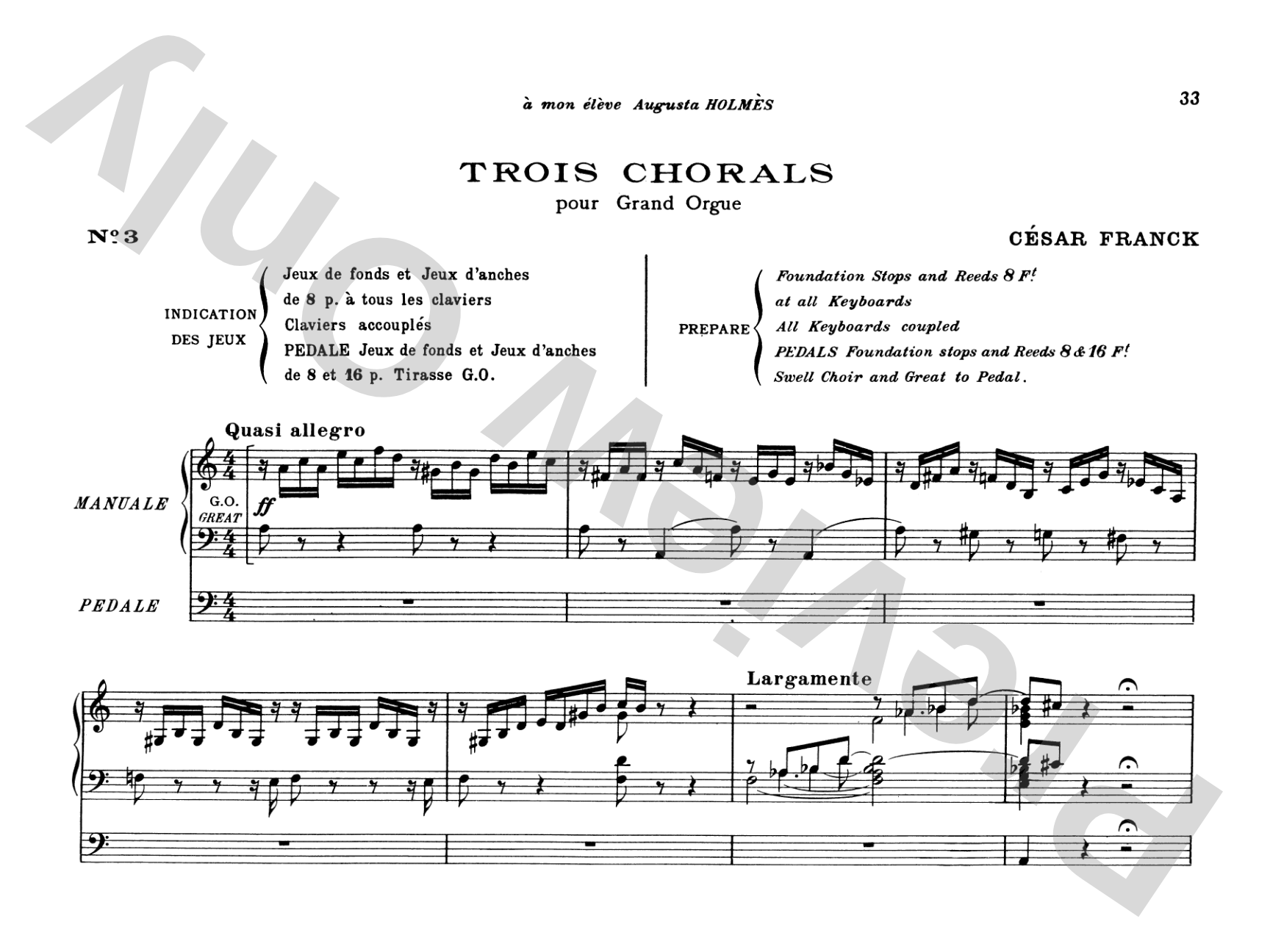
Franck: Complete Organ Works, Volume IV Sheet Music Preview

Franck: Complete Organ Works, Volume IV

By César Franck

Item: 00-PC-0007152

Digital Download
$2.99
Description
Titles: Choral No. 1 in E Major * Choral No. 2 in B Minor * Choral No. 3 in A Minor.

Don't just read it, hear it, play along with it, and watch your students grow with it. In MakeMusic Cloud, Franck: Complete Organ Works, Volume IV comes alive with professional accompaniment, adjustable tempo, and built-in practice tools that turn solo practice into real progress.

Sample Audio
No sample audio found.
Sample Video
Additional Details
Series: Kalmus Edition
Publisher: Alfred Music
Page Count: 52
SKU: 00-PC-0007152

More about this title

About the Composer: César Franck

César Franck (1822-1890) was a Belgian-born organist and composer who spent most of his career in Paris, where he became one of the most influential musical figures of the late 19th century. His organ works stand as cornerstones of the repertoire, combining the architectural grandeur of Bach with Romantic harmony and emotional depth. Franck's tenure as organist at Sainte-Clotilde Basilica gave him decades to develop his compositional voice at the instrument, resulting in works that remain essential to any serious organist's foundation.

Why we love this

These three Chorals represent Franck at his most architecturally ambitious, each one a study in how to sustain and develop large-scale musical ideas on the organ. The set offers organists at advanced levels genuine artistic substance without the extreme technical demands of some Romantic repertoire, making them rewarding to rehearse and perform. Programming all three together creates a compelling arc through different harmonic territories and textural approaches.

What to expect

These Chorals blend Bach's contrapuntal rigor with 19th-century harmonic richness, creating music that feels both formally logical and emotionally searching. Each piece moves through passages of hushed reverence, building inevitably toward moments of luminous power, then retreating into contemplation. The overall effect is one of spiritual inquiry expressed through architectural musical structures.

Who it's for

This collection serves advanced organists preparing recital repertoire or exploring Romantic masterworks in depth. Church musicians and cathedral organists seeking substantial four-hand repertoire or pieces suitable for liturgical and concert contexts will find these Chorals central to their artistic development.

How to get the most out of it

  • Balance the fugal and chorale sections by listening to how the registration shifts the relationship between melody and accompaniment; these pieces reward frequent adjustments of manual couplings and stop changes.
  • Pay close attention to Franck's use of silence and sparse texture, particularly in transitions between sections; these moments are not empty but architectural, preparing the listener for structural arrivals.
  • Shape long lines through gradual registration builds rather than abrupt changes; Franck's harmonies unfold across multiple phrases, and the organ's ability to sustain tone should serve this unbroken continuity.
  • Invest in understanding the harmonic language of each Choral; they move through chromaticism and unexpected tonal areas, and playing with conscious awareness of function prevents the music from sounding aimless.

How to use it

Frame these works in a concert devoted to Romantic organ literature, pairing them with contemporaries like Mendelssohn or later works by Widor to show the breadth of the tradition. Alternatively, perform one Choral as a standalone recital piece, allowing its substantial length and formal complexity to anchor a program of shorter works. In a church setting, these pieces function equally well as postludes for significant liturgical occasions or as concert repertoire during special musical events.

Skills your students will build

  • Managing large-scale formal structures across extended harmonic progressions
  • Coordinating pedal and manual lines with independent contrapuntal voices
  • Interpreting chromatic harmony and unexpected tonal movement
  • Developing registration planning and stop changes to shape architectural form
  • Building sustained legato phrasing across multiple manual and pedal changes

You May Also Like