
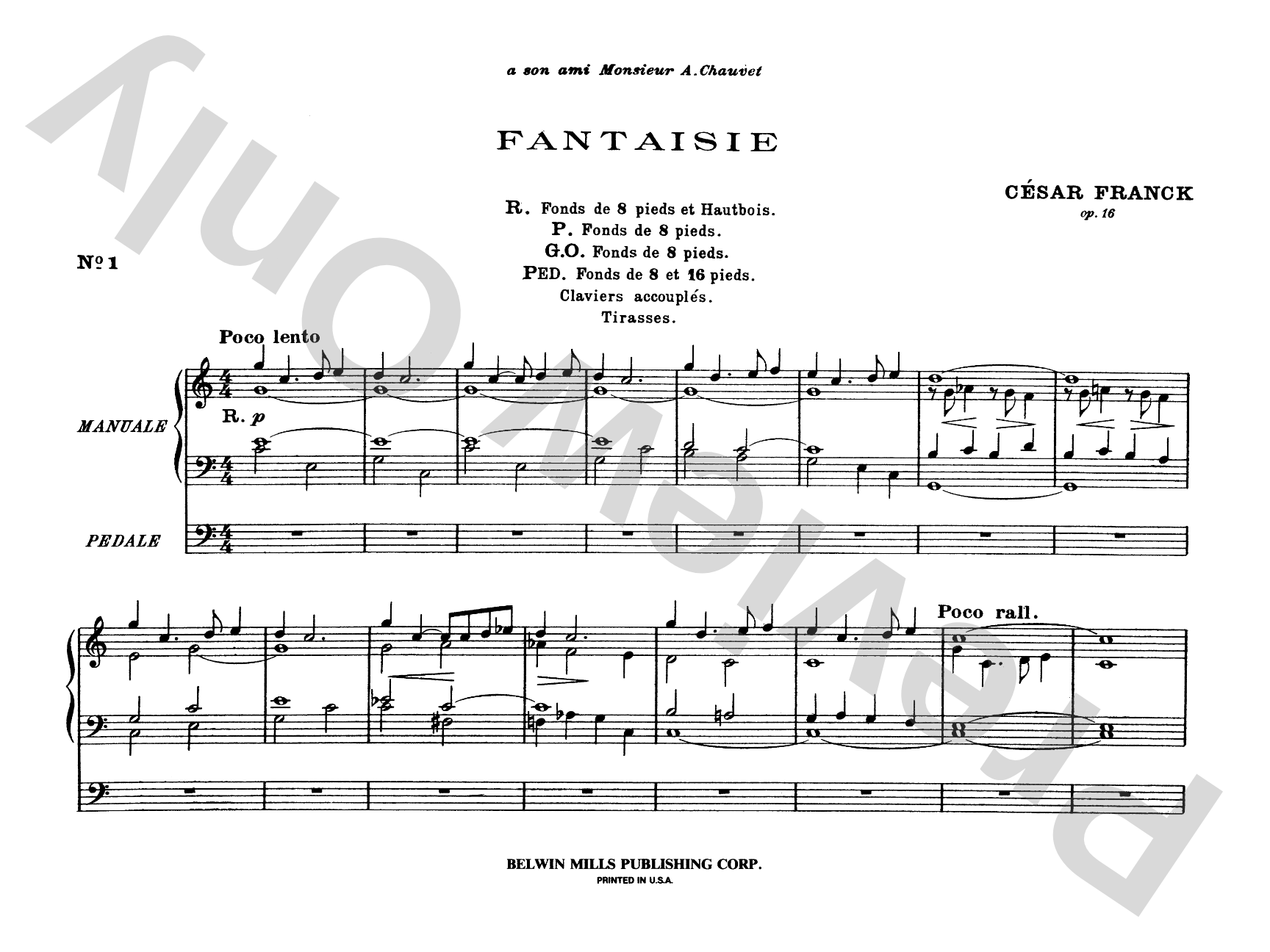
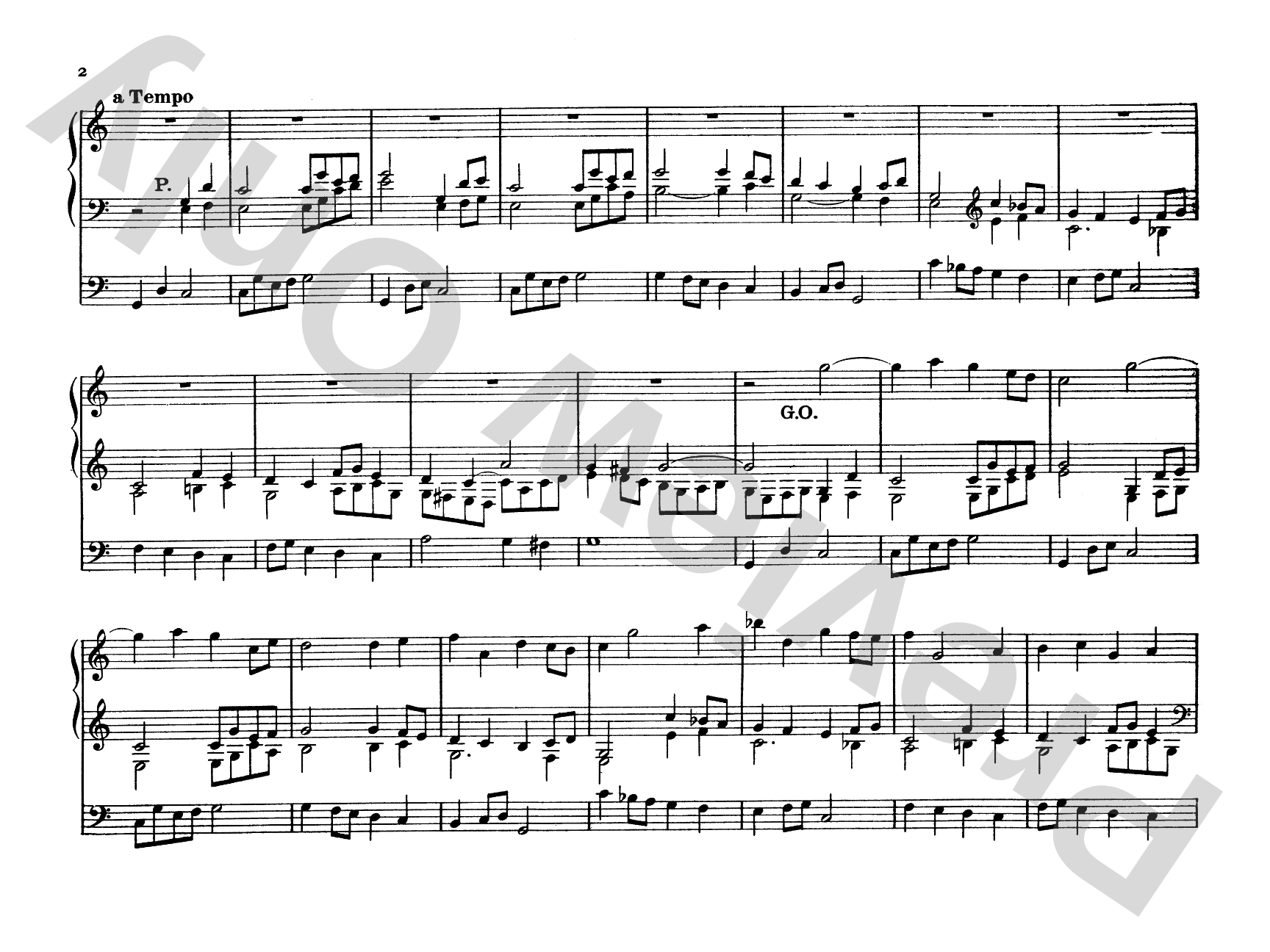
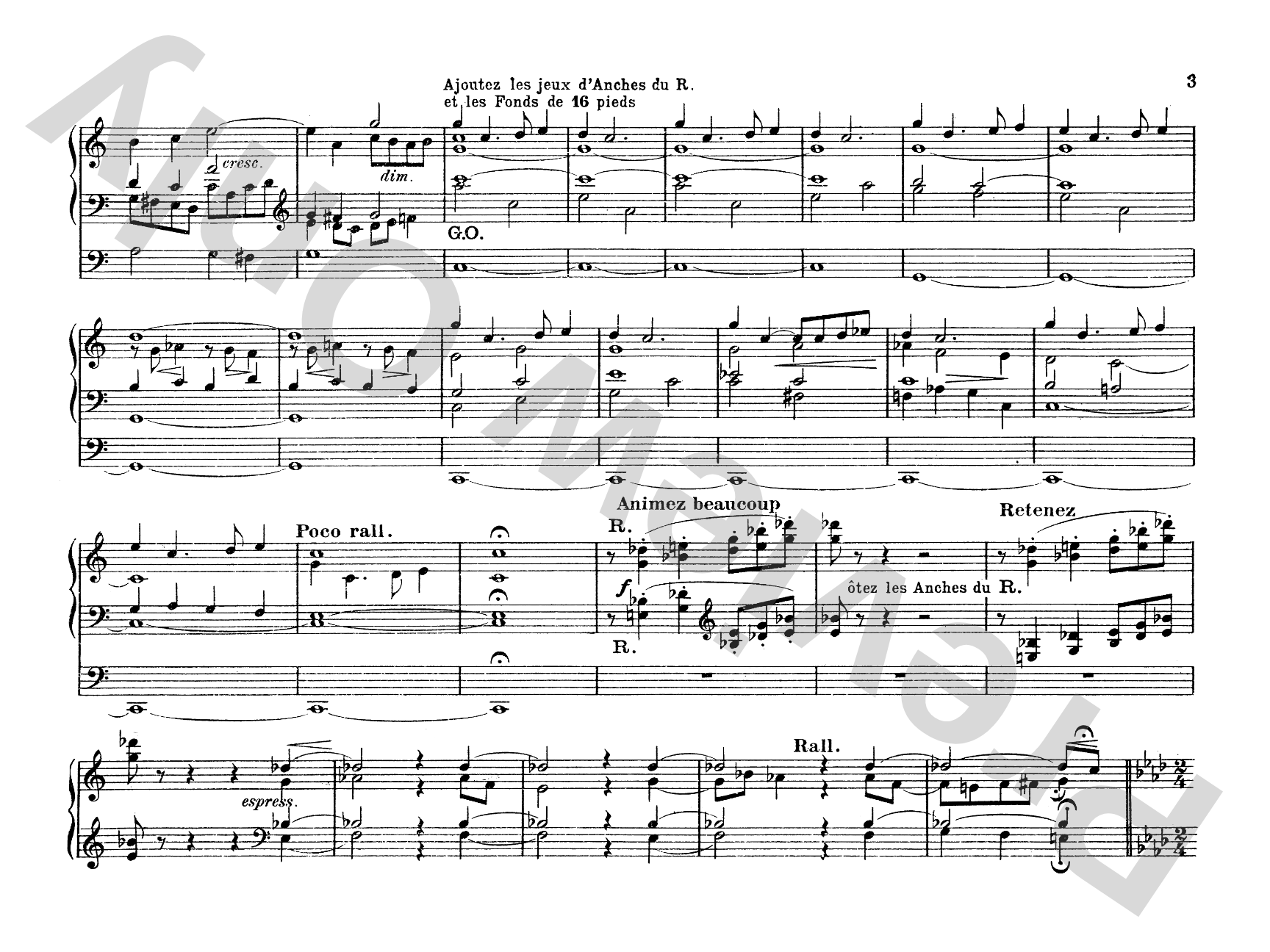
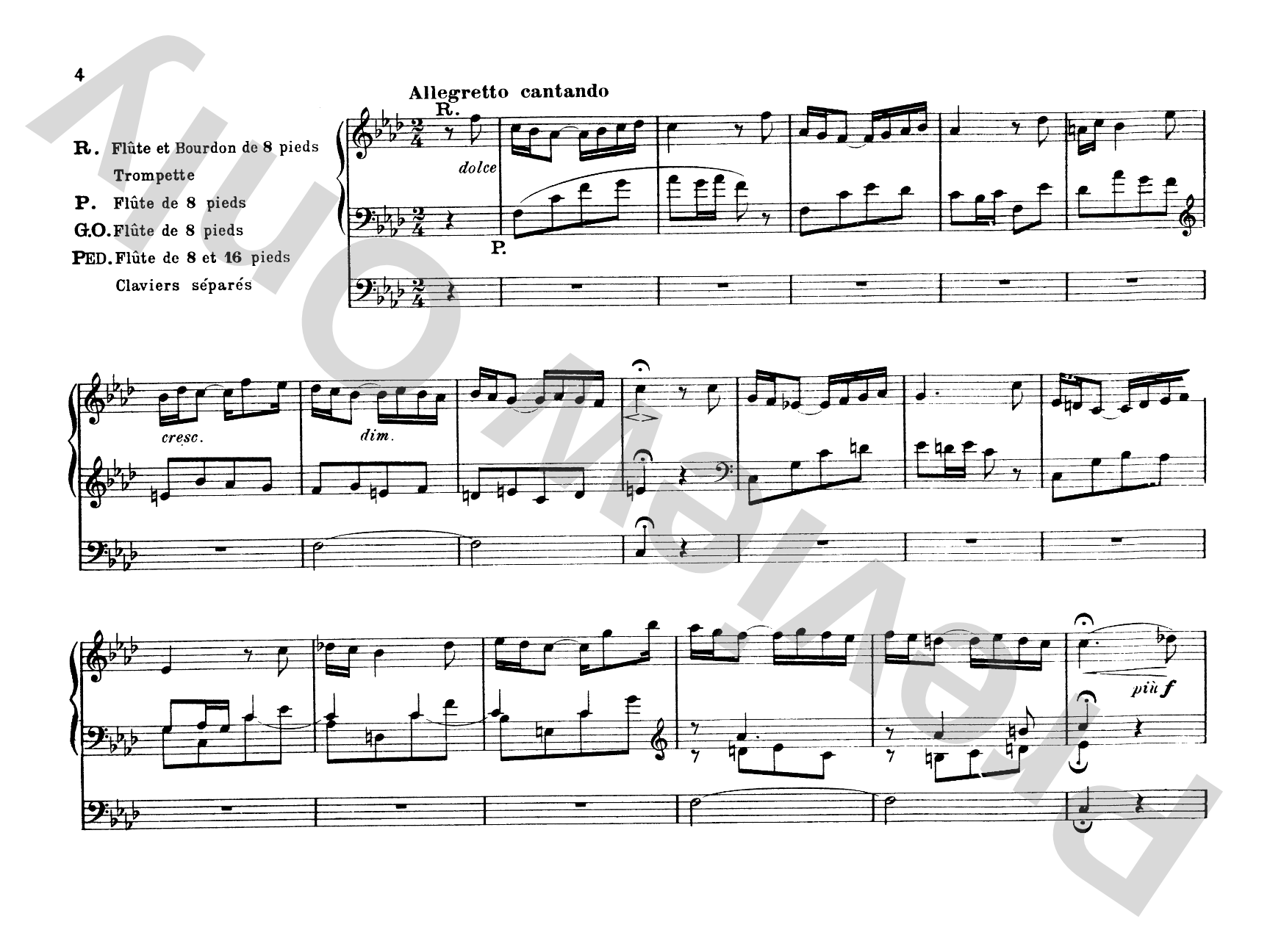
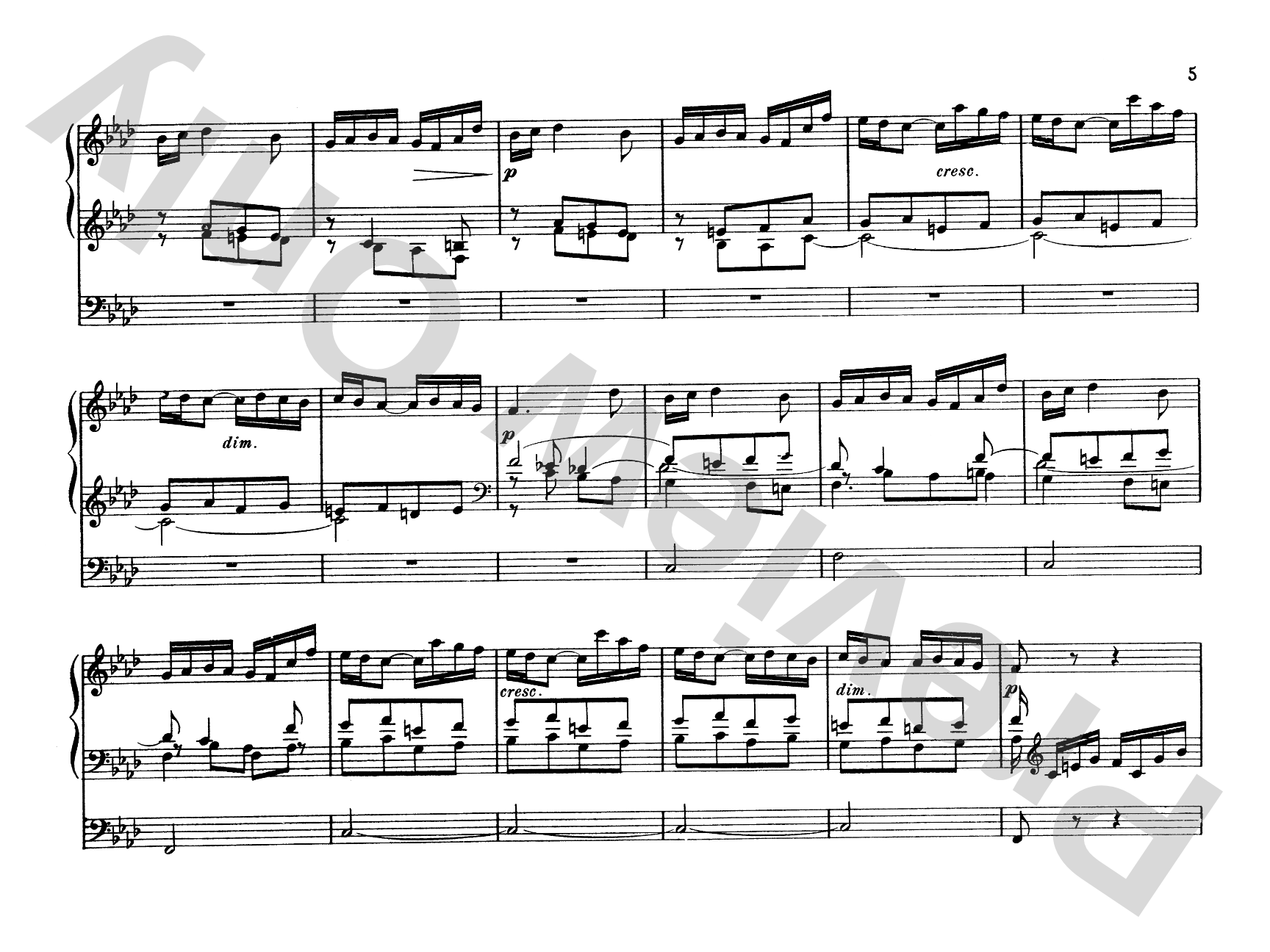
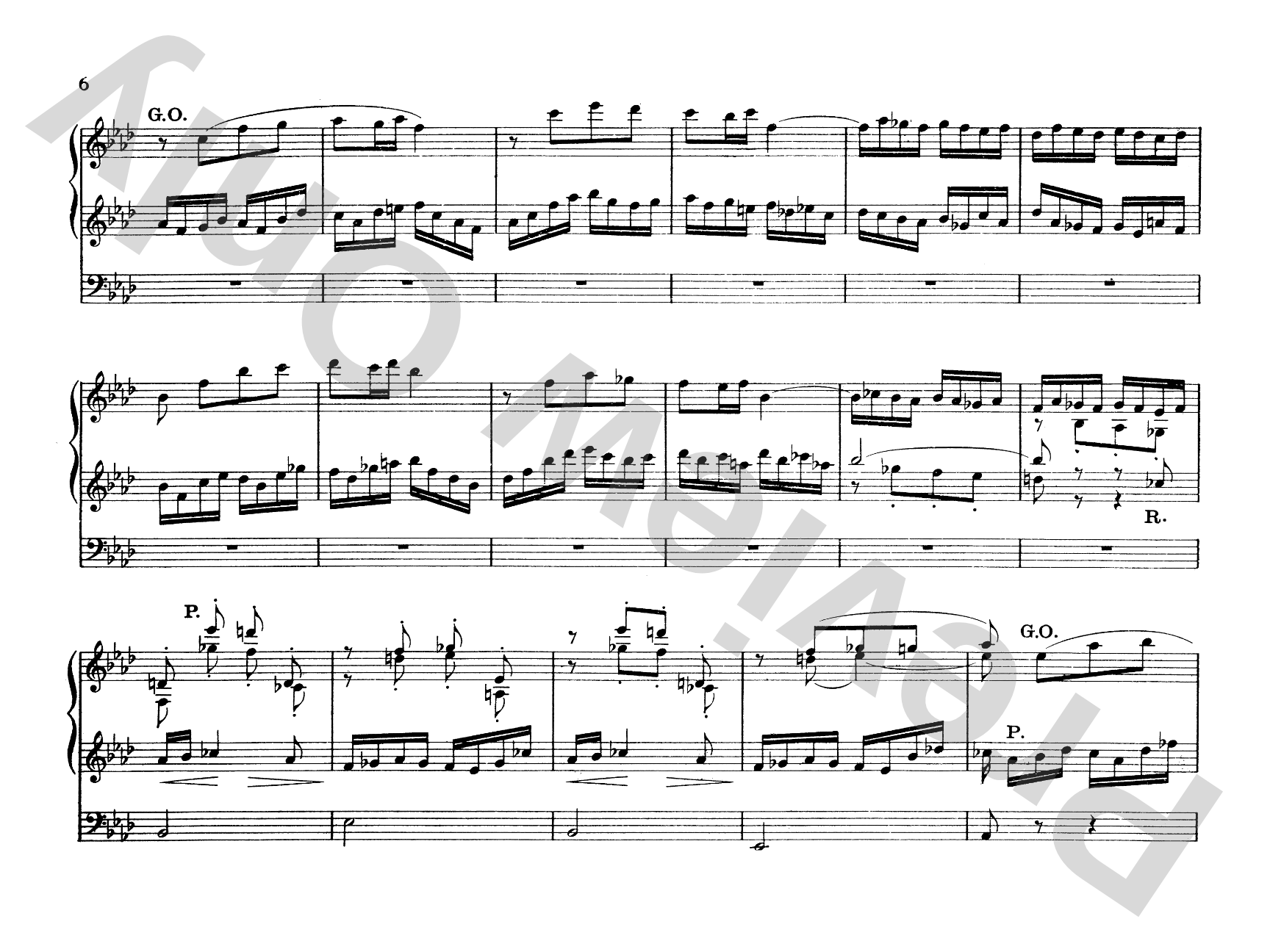
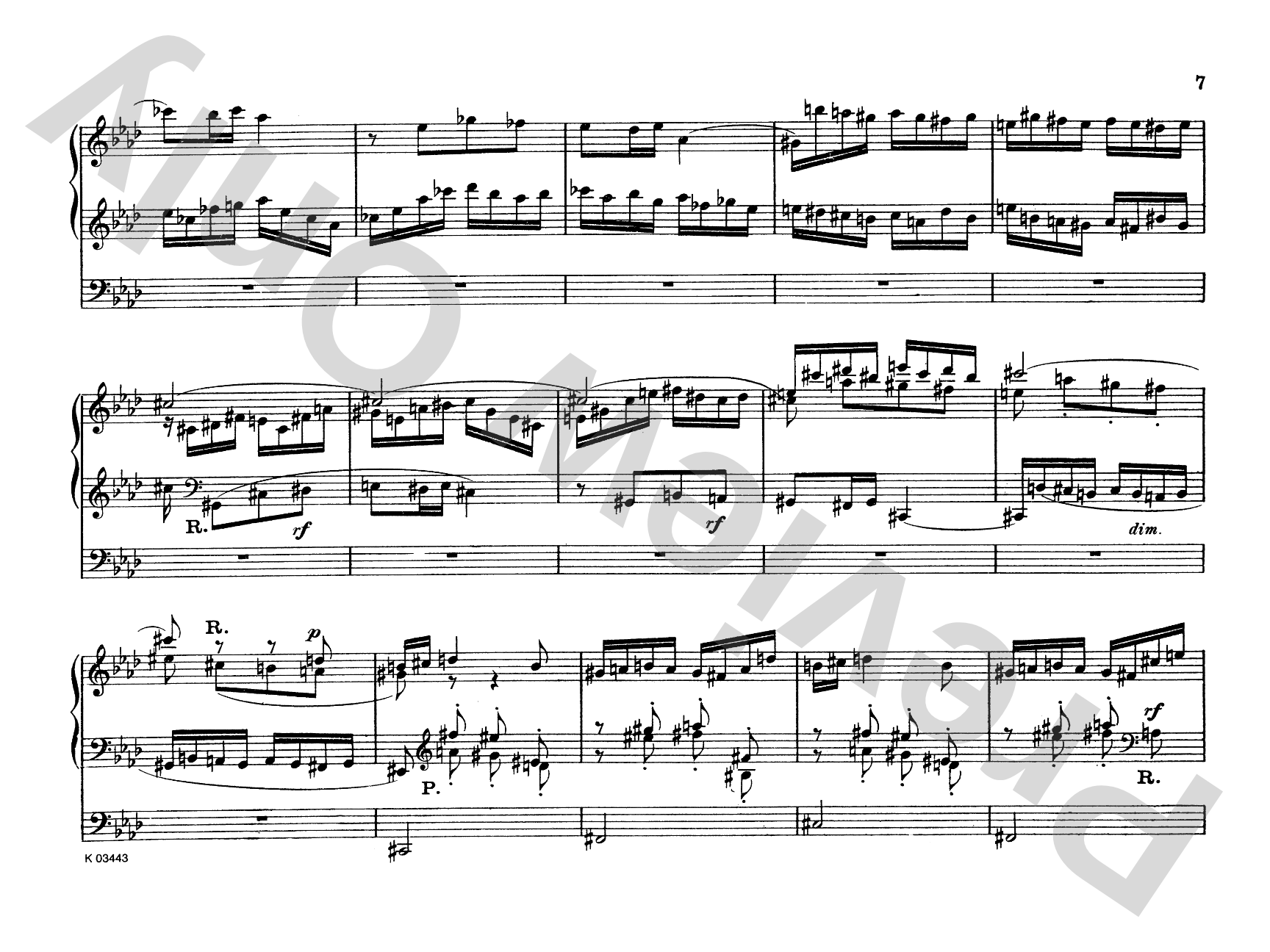
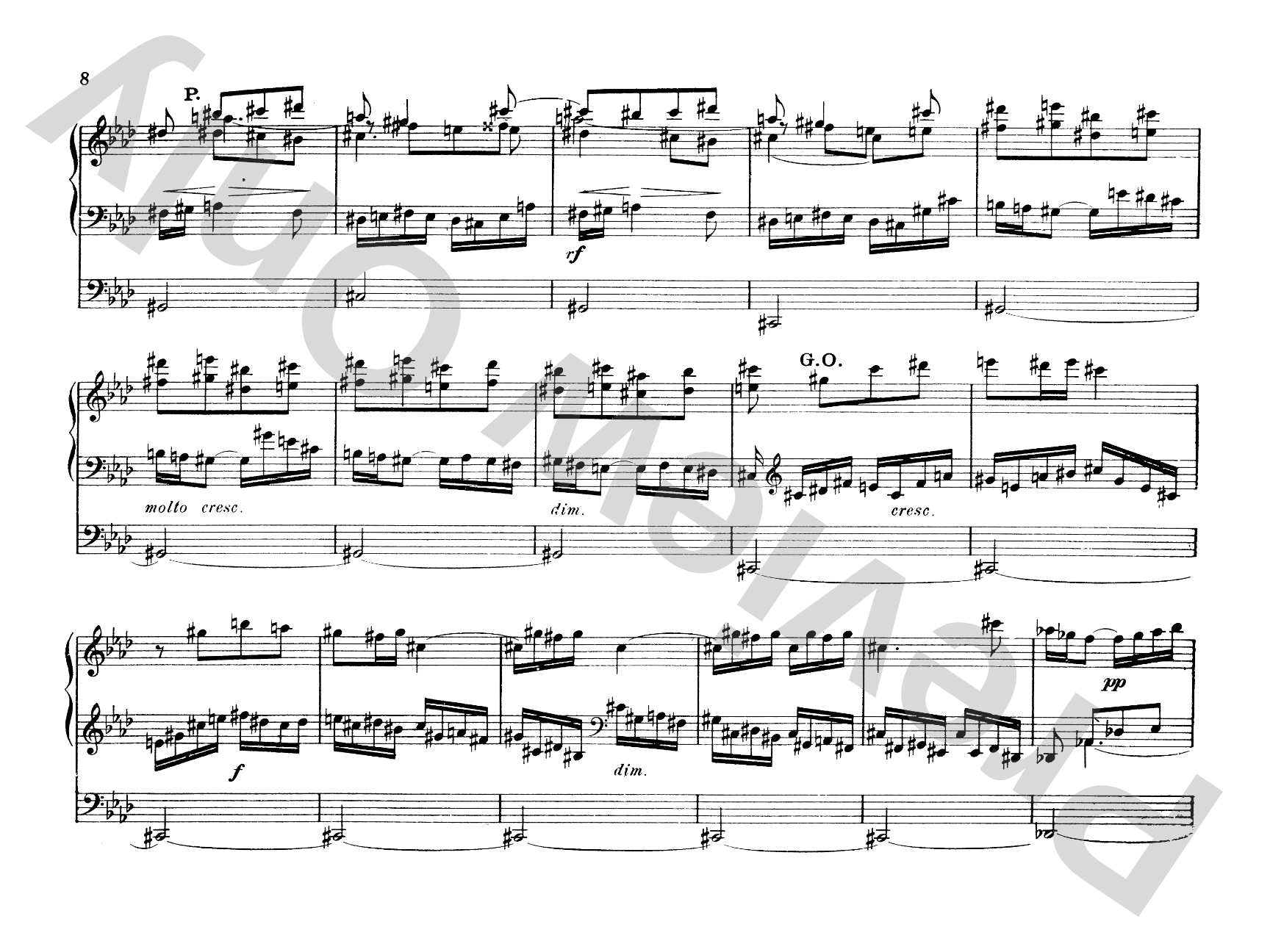
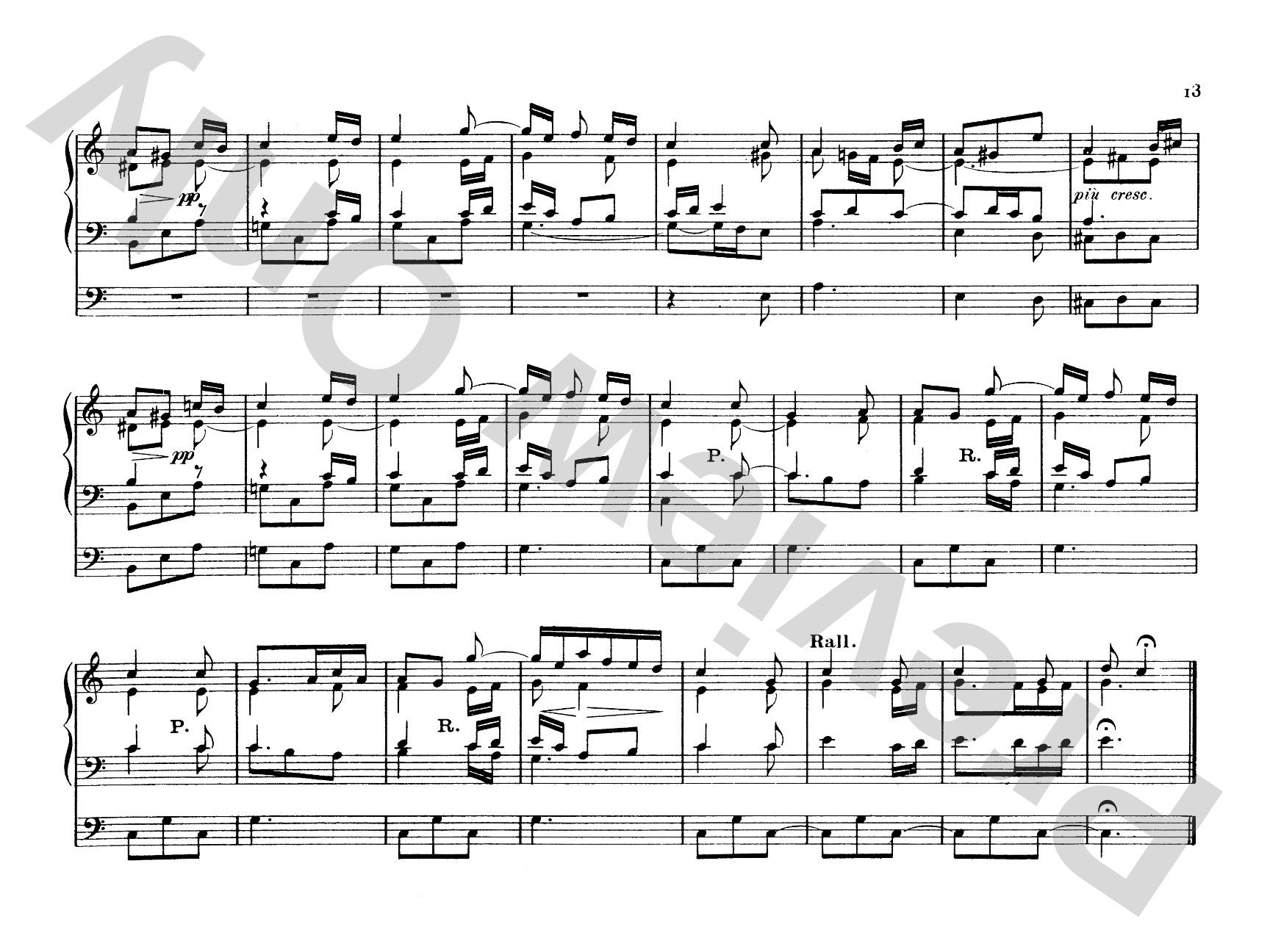

Franck: Complete Organ Works, Volume I: Organ Comb Bound Book
By César Franck
Item: 00-PK-0003092

$14.99
Pickup currently not available
Buy Extra Parts (Digital PDF Download)
| Product | Price | Quantity |
|---|---|---|
| Franck: Complete Organ Works, Volume I | $2.99 | |
| Franck: Complete Organ Works, Volume I | $2.95 | |
| Franck: Complete Organ Works, Volume I | $2.99 |
Parts Added to Cart!
Related Items
Organ Works, Volume I: Organ Comb Bound Book |
$14.99
|
View |
Description
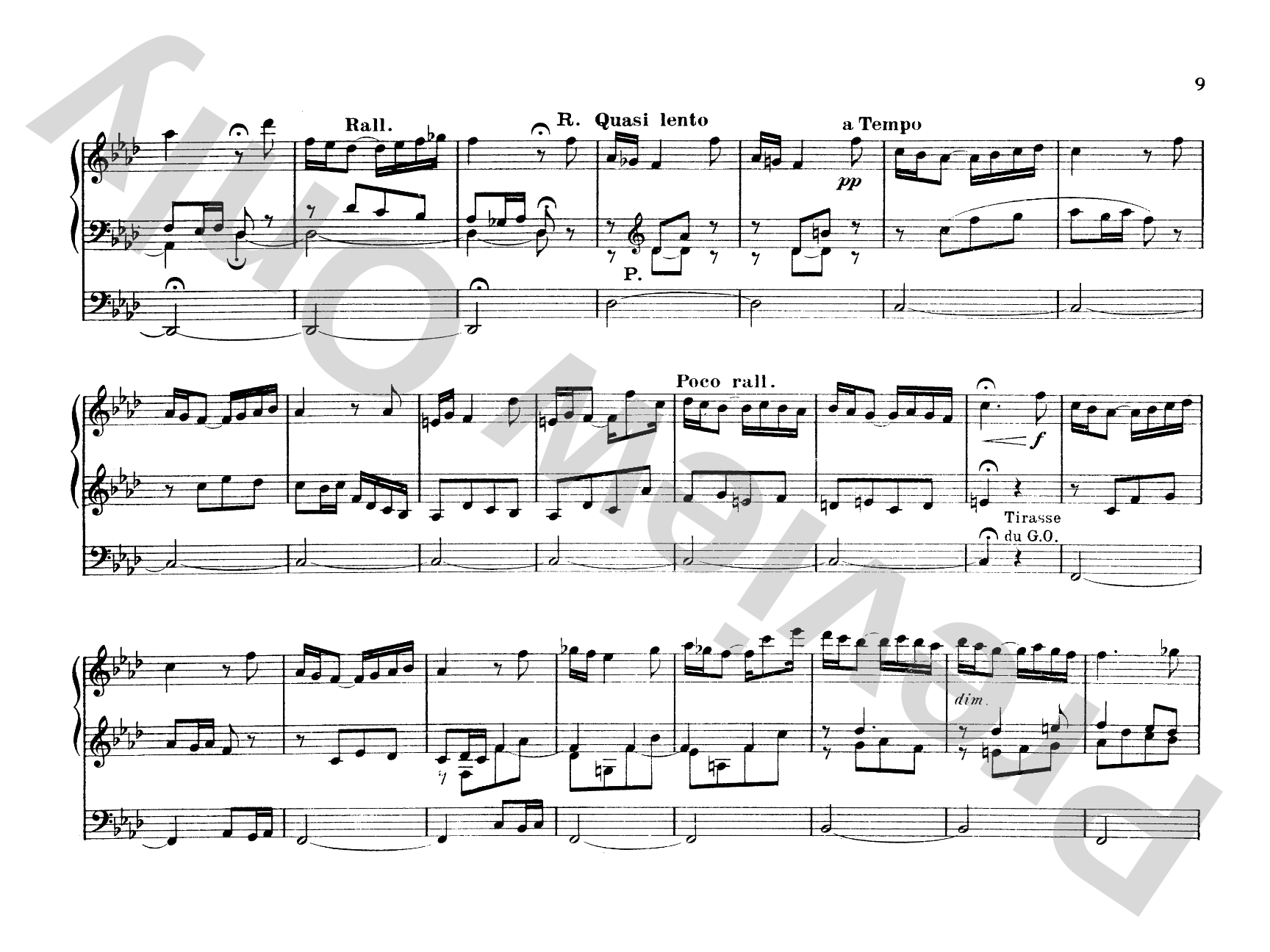
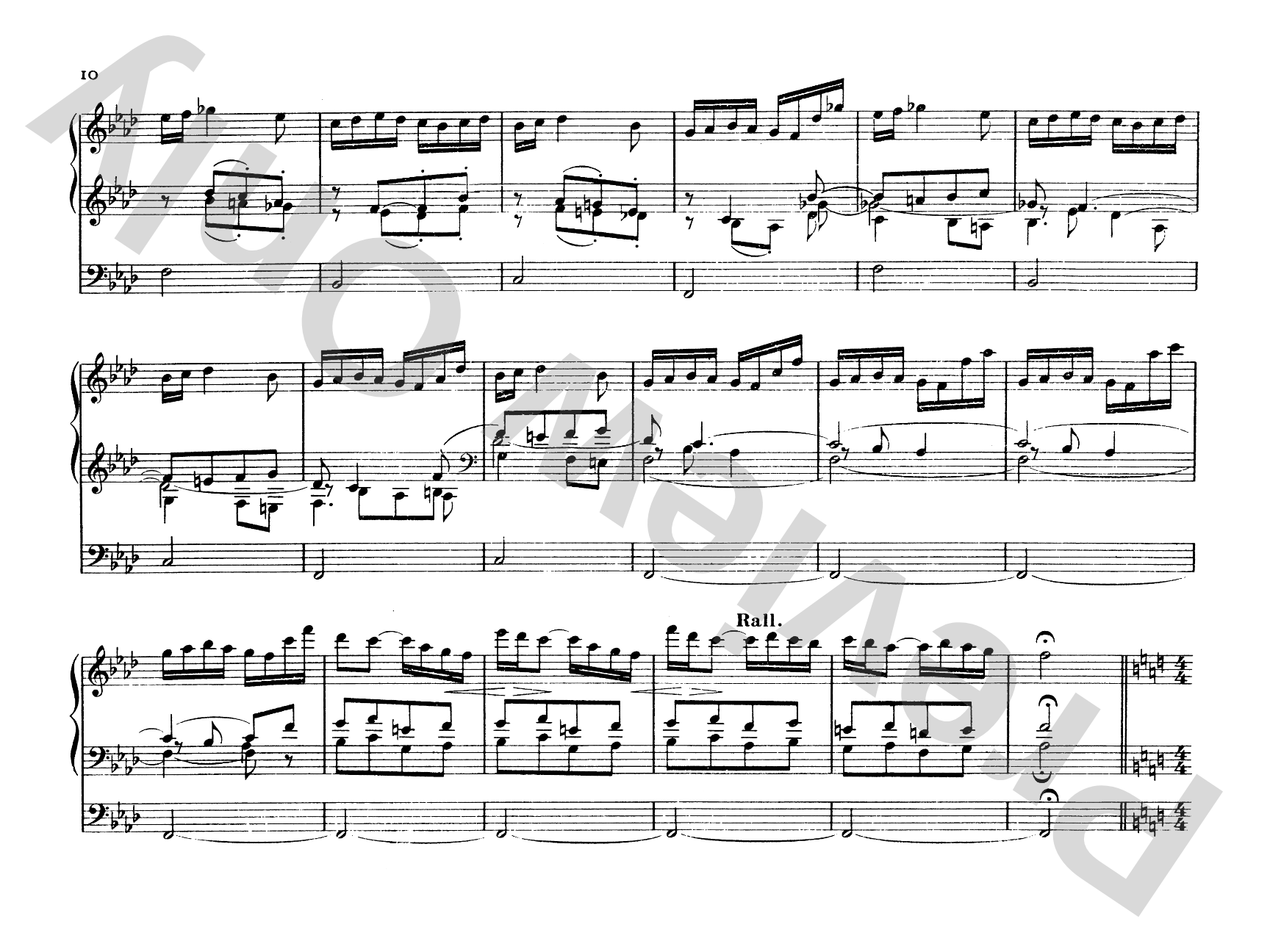
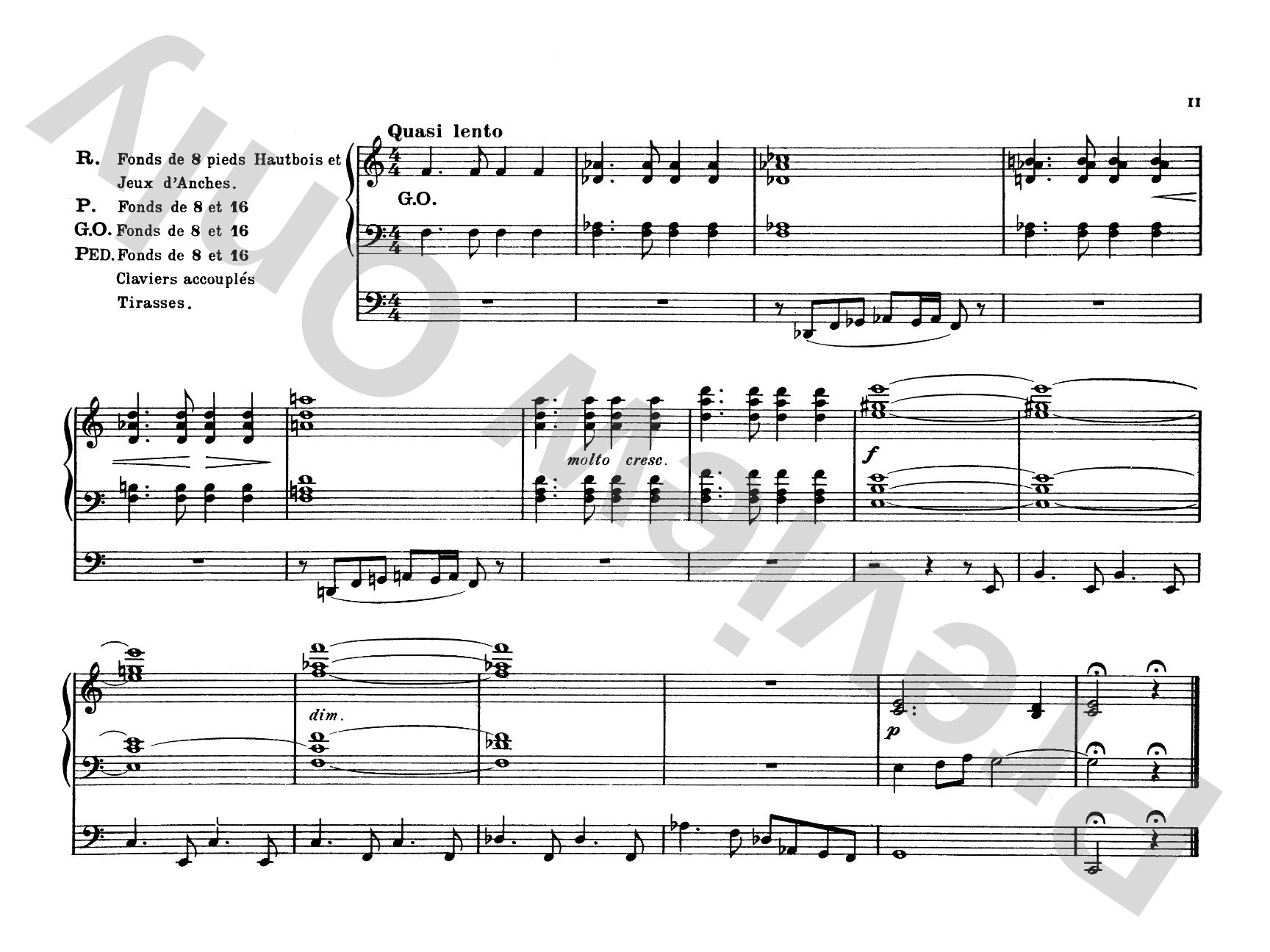
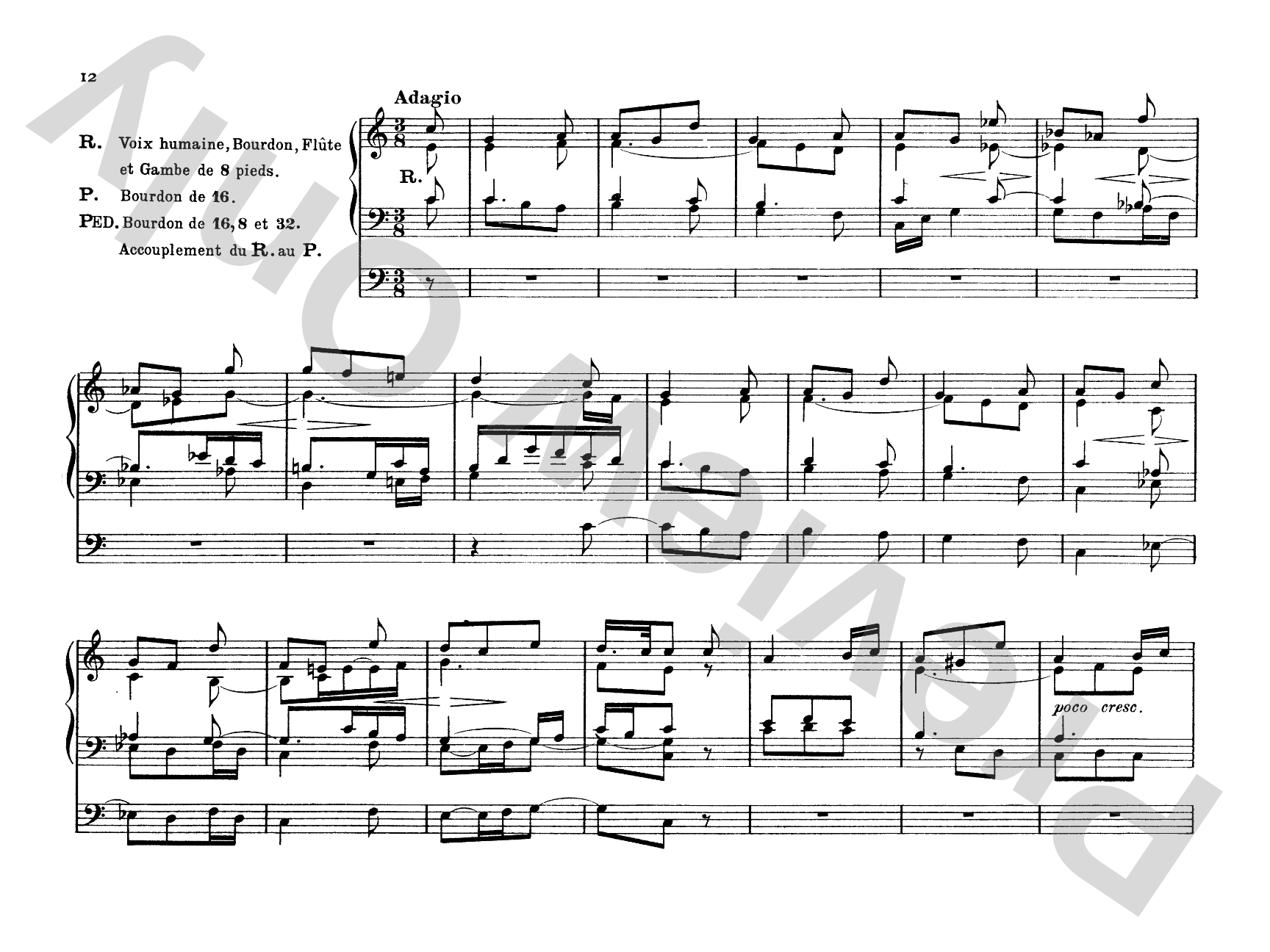
Fantasy in C Major, Grand Piece Symphonique, Prelude, Fugue and Variation. The comb binding creates a lay-flat book that is perfect for study and performance.


Don't just read it, hear it, play along with it, and watch your students grow with it. In MakeMusic Cloud, Franck: Complete Organ Works, Volume I: Organ Comb Bound Book comes alive with professional accompaniment, adjustable tempo, and built-in practice tools that turn solo practice into real progress.
Open in the Player
Jump straight in and assign it today.
Start Your Free Trial
Open this title and explore the full library in minutes.
Sample Audio
No sample audio found.
Sample Video
No sample videos found.
Additional Details
Series:
Kalmus Edition
Publisher:
Alfred Music
Page Count:
64
SKU:
00-PK-0003092
More about this title
About the Composer: César Franck
César Franck (1822, 1890) was a Belgian-born organist and composer whose output became increasingly focused on sacred and organ music throughout his career. He spent most of his adult life in Paris, where he held the position of organist at Sainte-Clotilde Basilica for over three decades, and his compositional voice deepened considerably during those years at the organ console. His works for the instrument represent some of the most sophisticated organ writing of the Romantic era, blending orchestral colors with genuinely idiomatic keyboard technique.
Franck's organ works were largely unknown outside France until after his death, when organists and composers began to recognize their structural ingenuity and spiritual depth. Today his pieces stand as pillars of the concert organ repertoire, demanded by professionals and studied intensively by advanced students.
Why we love this
Franck's organ masterworks demand technical command and musical maturity while remaining accessible to advanced students ready to engage with genuine Romantic literature. The comb binding makes these substantial works practical for both study and recital use, eliminating the page-turning hassles that plague organists working with traditional spines. Programming Franck signals serious artistic intent and gives recitalists repertoire that audiences recognize as central to the canon.
What to expect
Franck's organ works unfold with architectural purpose, moving through rich harmonic landscapes that feel both emotionally direct and formally intricate. The music balances dramatic sweeps of sound with moments of intimate polyphonic detail, creating a sense of profound seriousness without severity. These pieces inhabit a Romantic world of yearning and resolute faith, where technical display serves expressive intent rather than virtuosity for its own sake.
Who it's for
Advanced organ students preparing for recitals or competitions, church musicians seeking substantial repertoire for special services, and organists with intermediate-to-advanced technique ready to explore the symphonic possibilities of their instrument. This collection suits performers who have moved beyond teaching-piece standards and want to develop interpretive depth with works that reward repeated study.
How to get the most out of it
- Attend carefully to Franck's harmonic progressions, which often shift tonality gradually rather than through abrupt modulation; voice the inner parts clearly so these transitions register for listeners.
- Use the pedal part to anchor the harmonic foundation, especially in slower movements where the organ's sustaining power can blur textures if you're not deliberate about registration changes.
- Balance the manual parts so melody and accompaniment remain distinct; the polyphonic writing requires independence between hands that casual execution will obscure.
- Plan registration shifts ahead of performance to avoid page turns during quiet passages; lay-flat binding helps, but mapping your registrations on the score prevents hesitation at transitions.
How to use it
Feature any of these works as a centerpiece in a recital showcasing French organ music, or pair them with works by Widor, Vierne, or Saint-Saëns to create a programming block that illustrates the breadth of the French organ school. The Prelude, Fugue and Variation works particularly well as an opening number that establishes serious artistic credentials, while the Grand Piece Symphonique makes an effective closing statement. These pieces anchor programs focused on Romantic keyboard literature or concert series exploring the development of organ composition in the 19th century.
Skills your students will build
- Reading Franck's chromatically complex harmonies and understanding voice leading across four staves
- Pedal independence and precision in passages where the feet carry thematic material or independent bass lines
- Interpretation of Romantic-era registration markings and tempo indications
- Structural awareness of multi-movement forms (prelude-fugue-variation cycles, fantasy structures)
- Stylistic command of French organ idiom and its distinctions from German and Italian traditions