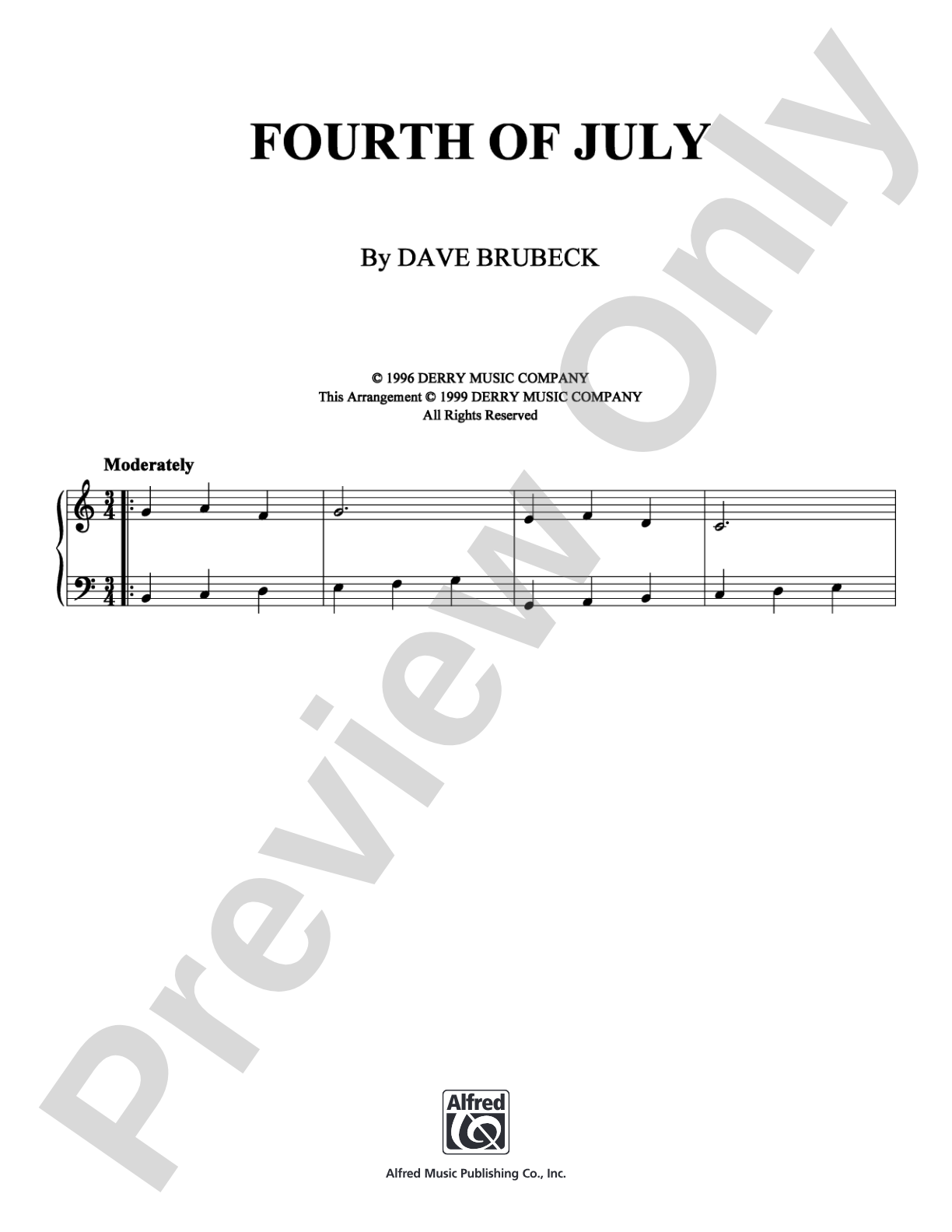
Fourth Of July: Piano Digital Sheet Music

Fourth Of July: Piano Digital Sheet Music

Dave Brubeck

Item: 00-PS-0001598

Digital Download
$3.99
Description

Fourth Of July: Piano Digital Sheet Music isn't in MakeMusic Cloud just yet...but it could be. Let us know you'd like to see it, and you'll help shape what comes next. In the meantime, start a free trial and dive into thousands of interactive titles your students can play along with today.

Sample Audio
No sample audio found.
Sample Video
Additional Details
SKU: 00-PS-0001598

More about this title

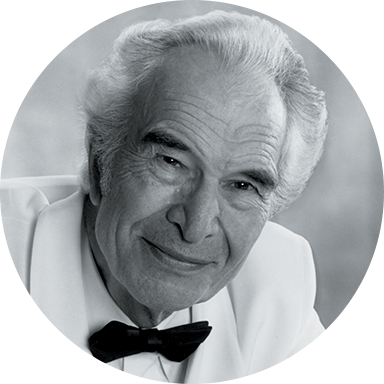
About the Artist: Dave Brubeck

Dave Brubeck

Dave Brubeck stands as one of jazz's most prolific voices, equally comfortable improvising at the keyboard and composing intricate scores for orchestra and chorus. After studying with Darius Milhaud at Mills College following World War II, he developed a distinctive approach that wove together jazz idiom and classical structure. His groundbreaking work "Time Out" became the first jazz album to exceed a million copies in sales, while compositions like "Take Five" entered the cultural mainstream. Beyond his recordings, Brubeck used his platform to advance racial integration in American music during a pivotal era, and his later sacred works, including the mass "To Hope!" and several oratorios recorded by the London Symphony Orchestra, demonstrated the full range of his compositional ambition.

Throughout a career spanning decades, Brubeck received recognition from the highest levels: the Presidential Medal of the Arts from President Clinton, a Grammy Lifetime Achievement Award, and election to the American Classical Music Hall of Fame in 2003. His influence extends across genres and generations, from jazz standards to concert hall premieres, establishing him as a defining figure in twentieth-century American music.

Why we love this

This piece captures Brubeck's gift for making jazz harmony and phrasing singable and teachable without sacrificing sophistication. The piece allows pianists to explore his signature harmonic language, those clean, modern voicings and modal explorations he perfected, while staying rooted in something immediately musical and performable.

What to expect

Patriotic and reflective without sentimentality. Brubeck's harmonic vocabulary gives the familiar holiday material a modern, contemplative character, you feel the forward momentum of his jazz roots even as the piece honors its subject.

Who it's for

Pianists with intermediate to advanced classical technique seeking to deepen their jazz vocabulary and understanding of composed jazz works. Students preparing recital programs that blend multiple genres will find this piece offers jazz credibility and musical substance without straying too far from concert hall expectations.

How to get the most out of it

  • Approach the rhythm section (left hand) with clarity and bounce; the groove depends on your comping being settled and relaxed rather than rigid.
  • Let the melody breathe and speak naturally, especially during thematic statements; resist the urge to over-articulate every note.
  • Listen to Brubeck's recordings of this piece to hear how rubato and phrasing inform the form, then find your own voice within those traditions.
  • Balance the interplay between harmonic sophistication and the piece's essential Americana character; don't let complexity overshadow its celebratory spirit.

How to use it

Include this in a concert exploring American composers and jazz history, pairing it with Gershwin, Copland, or other pieces that bridge classical and vernacular traditions. It works equally well as a standalone recital piece or as part of a thematic program exploring jazz composition in the concert hall.

Skills your students will build

  • Comping and left-hand groove in jazz piano
  • Voicing jazz harmonies and chord extensions
  • Interpreting Brubeck's compositional language and melodic phrasing
  • Balancing technical control with interpretive freedom in jazz contexts

You May Also Like