
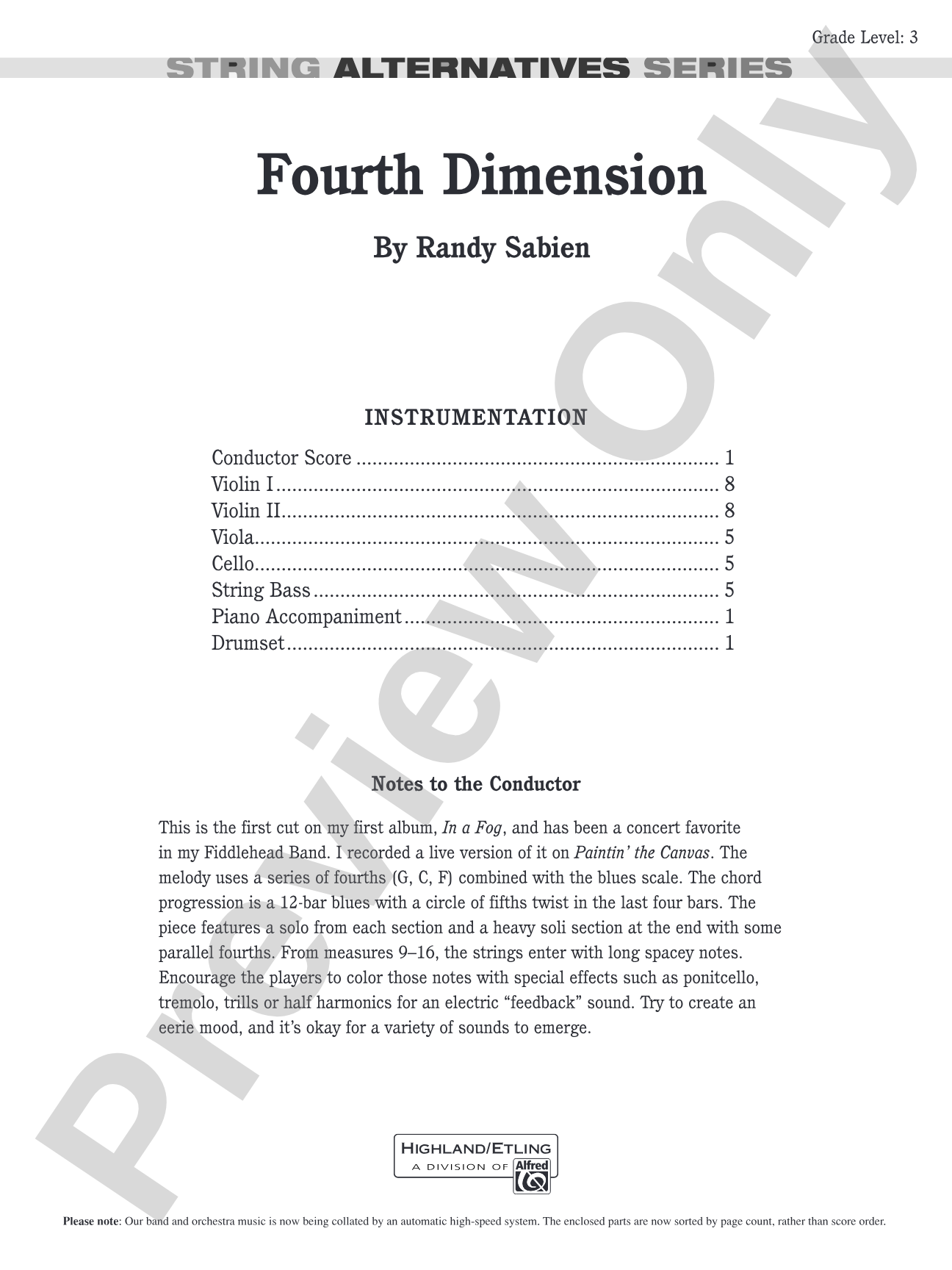
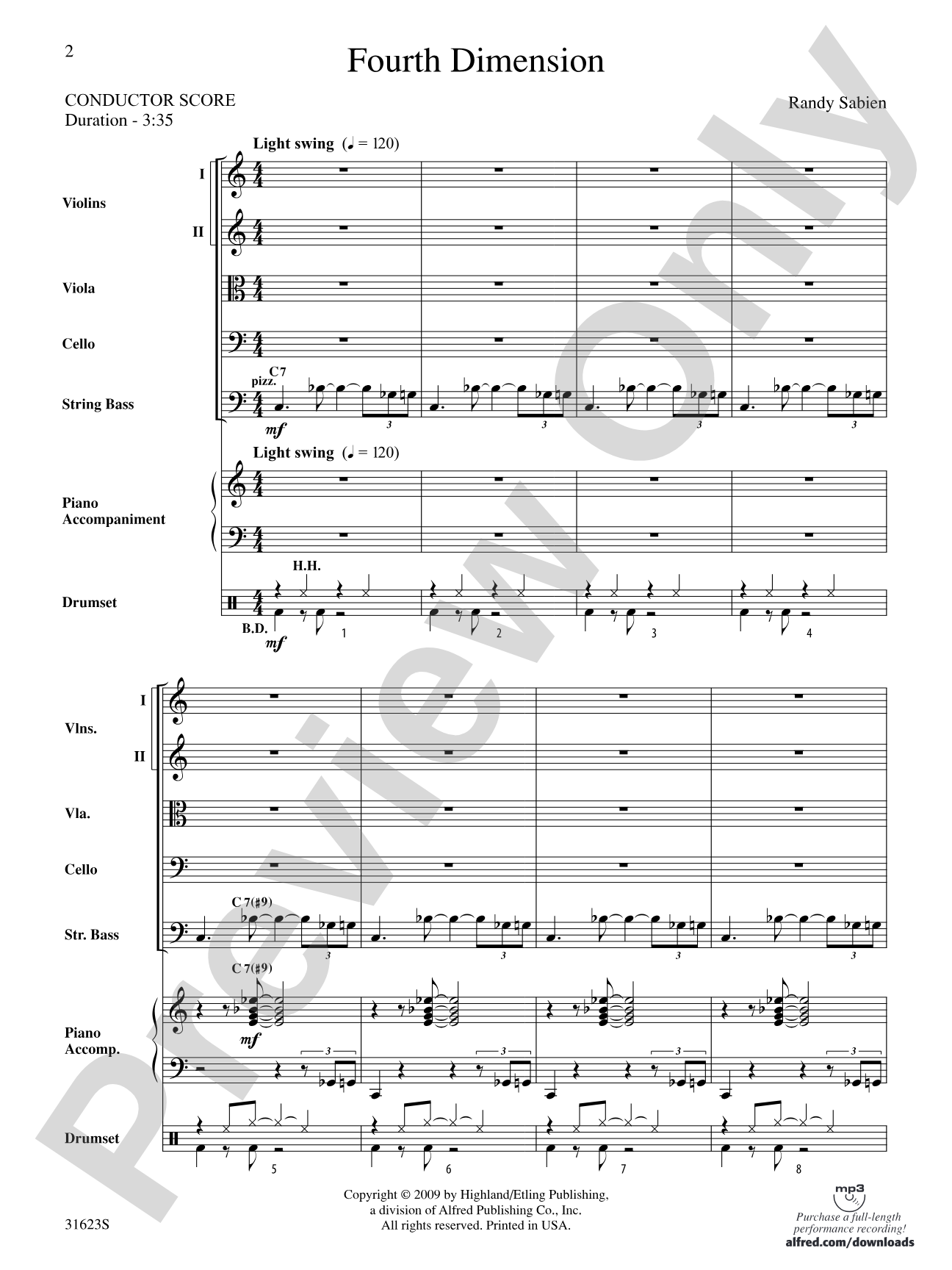
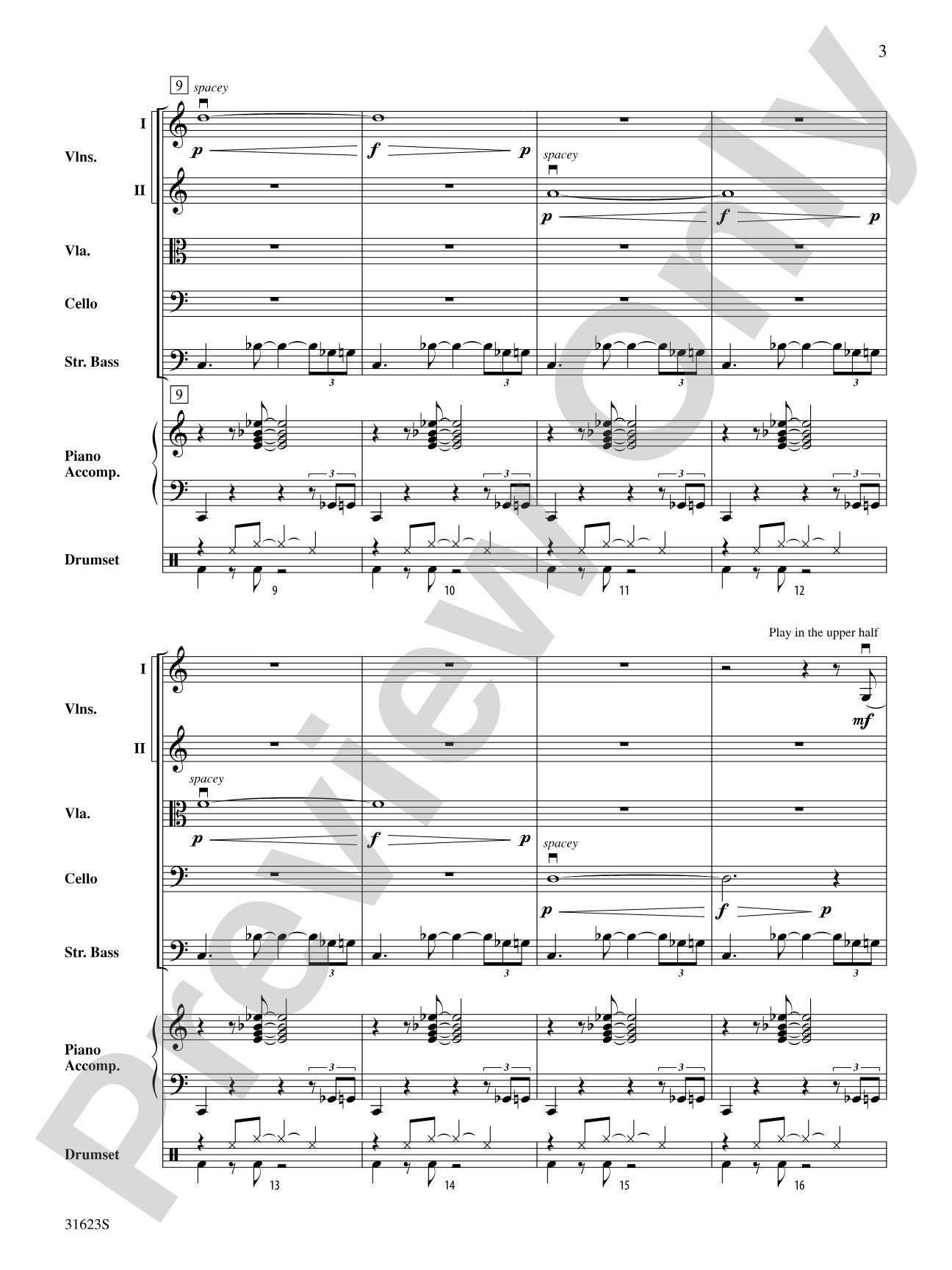
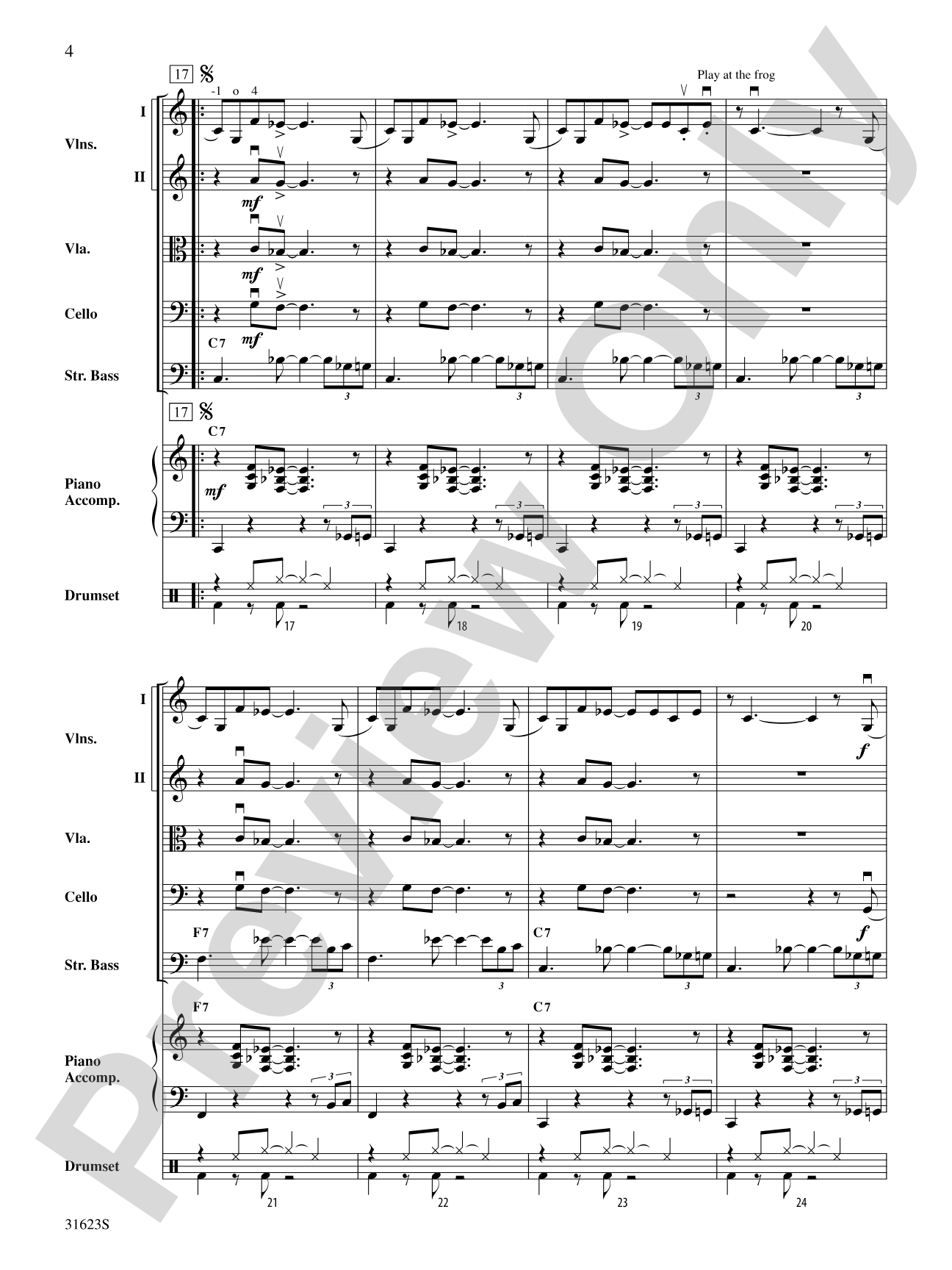
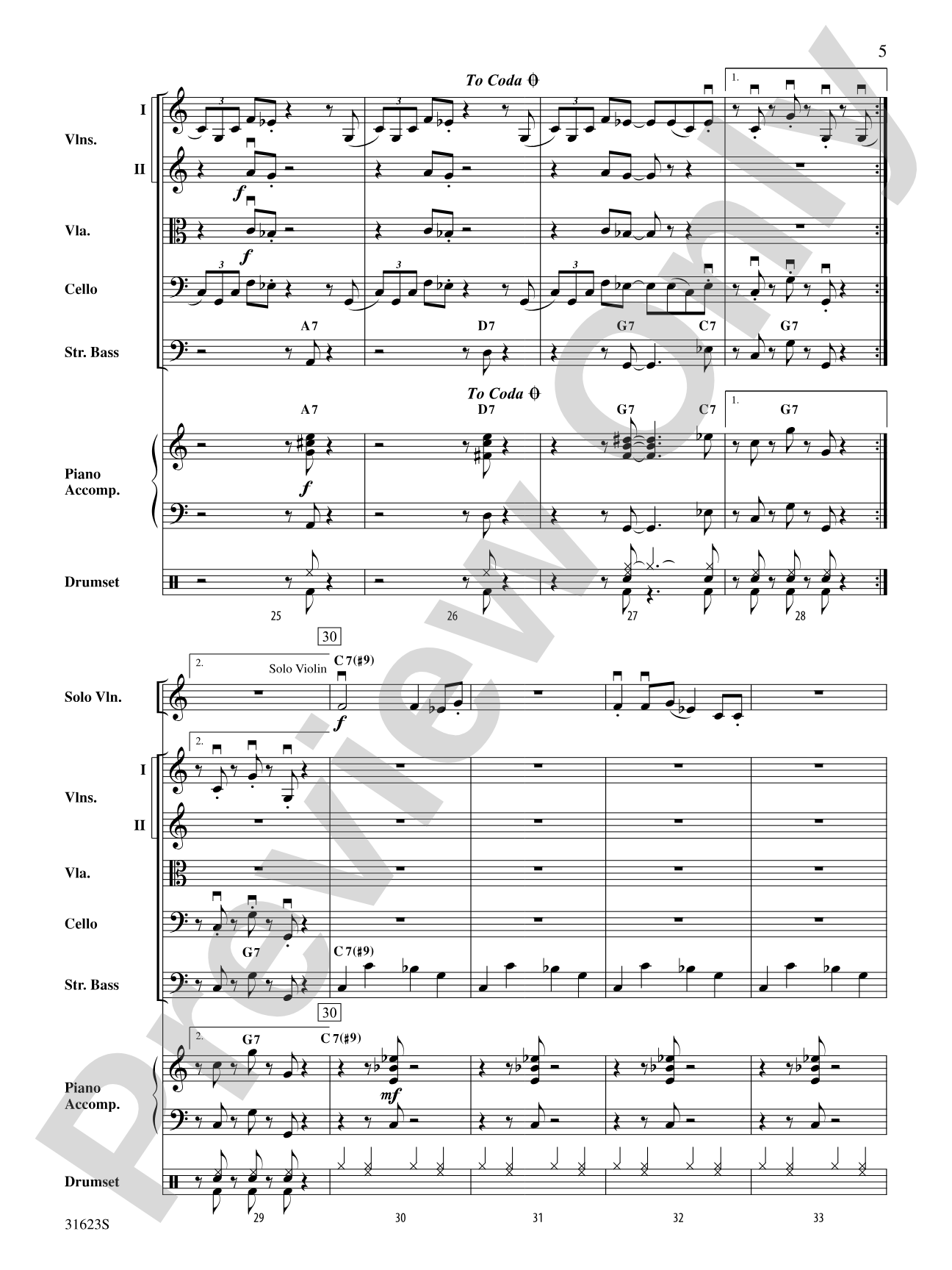
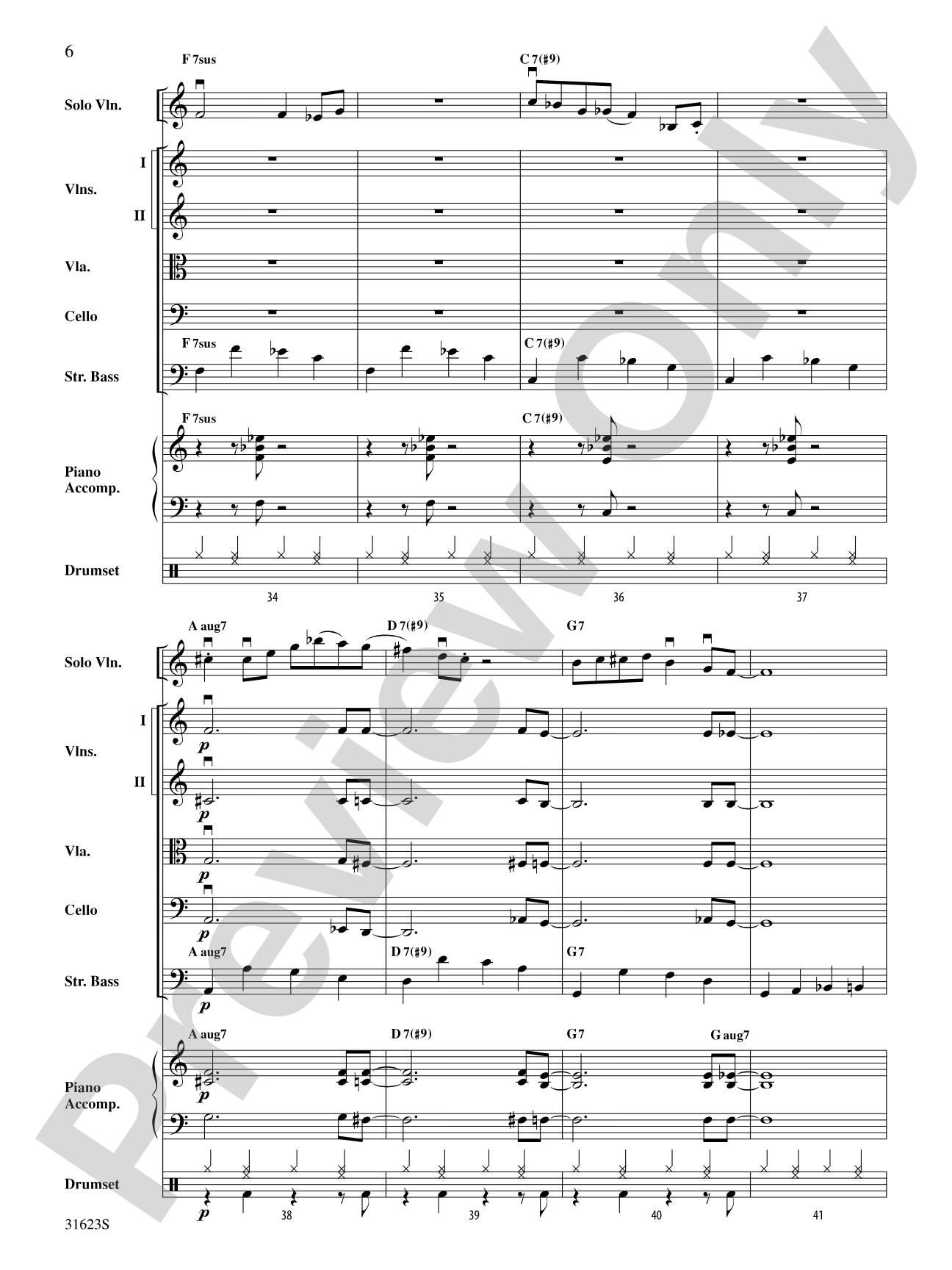
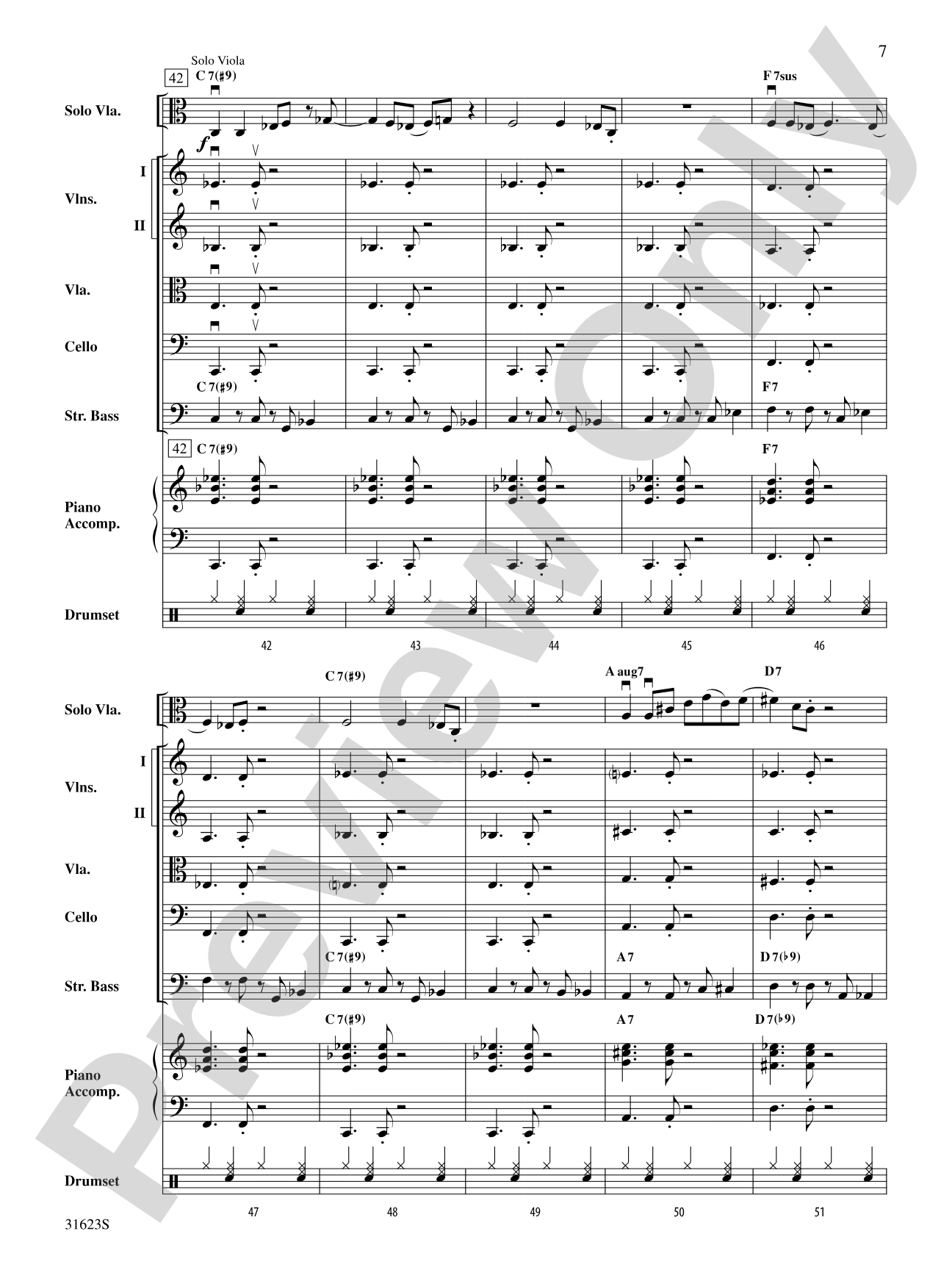
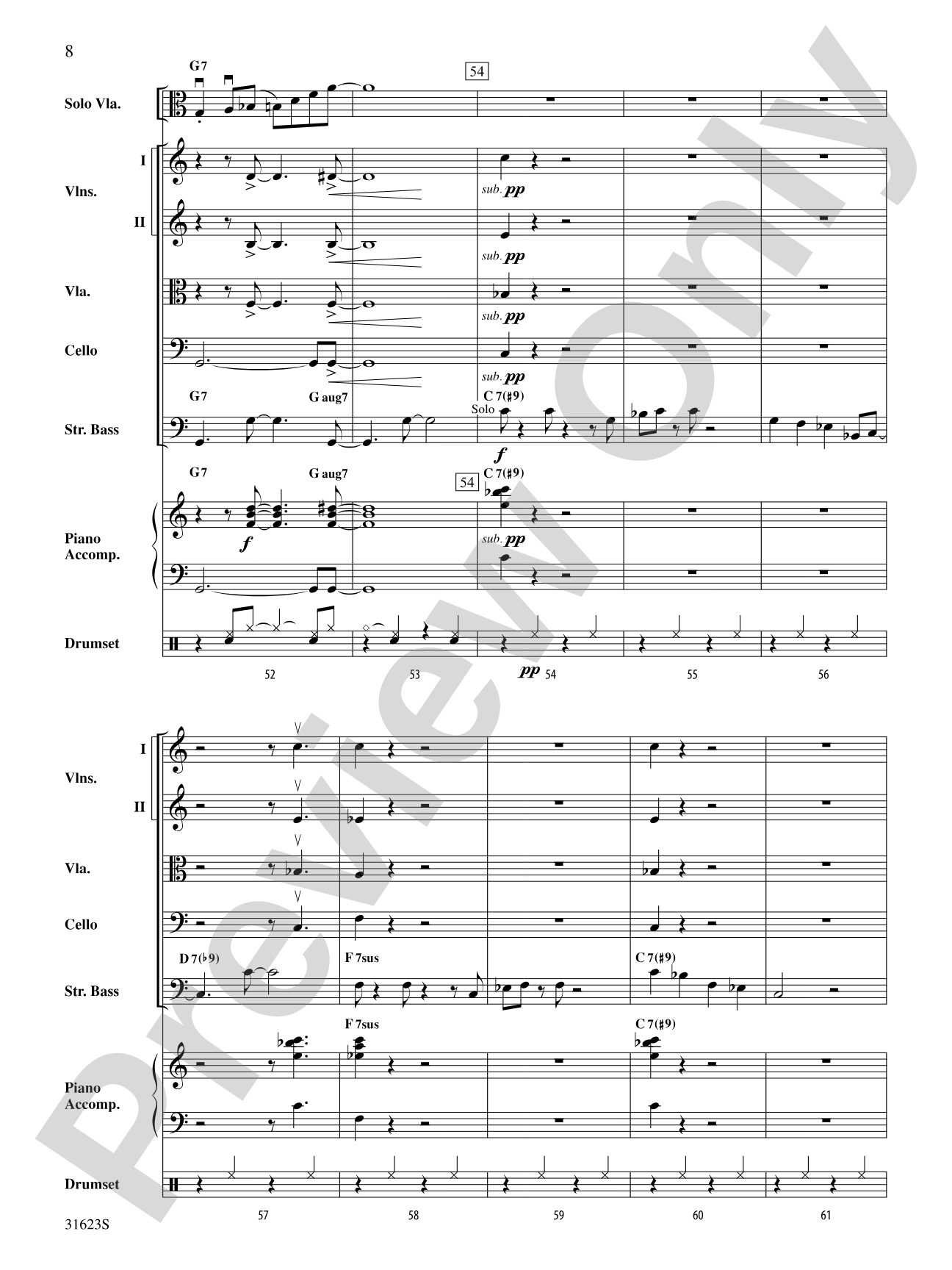
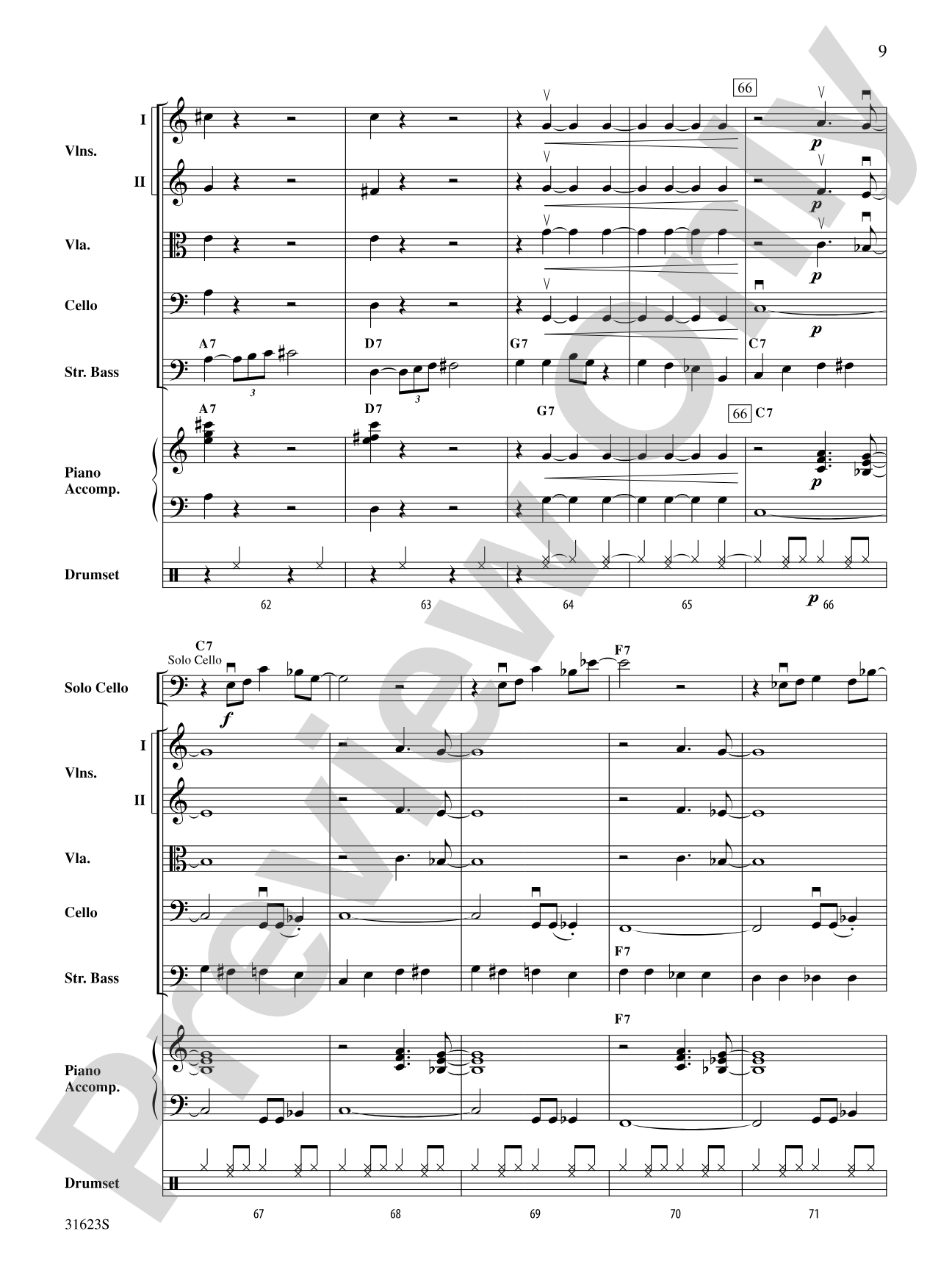
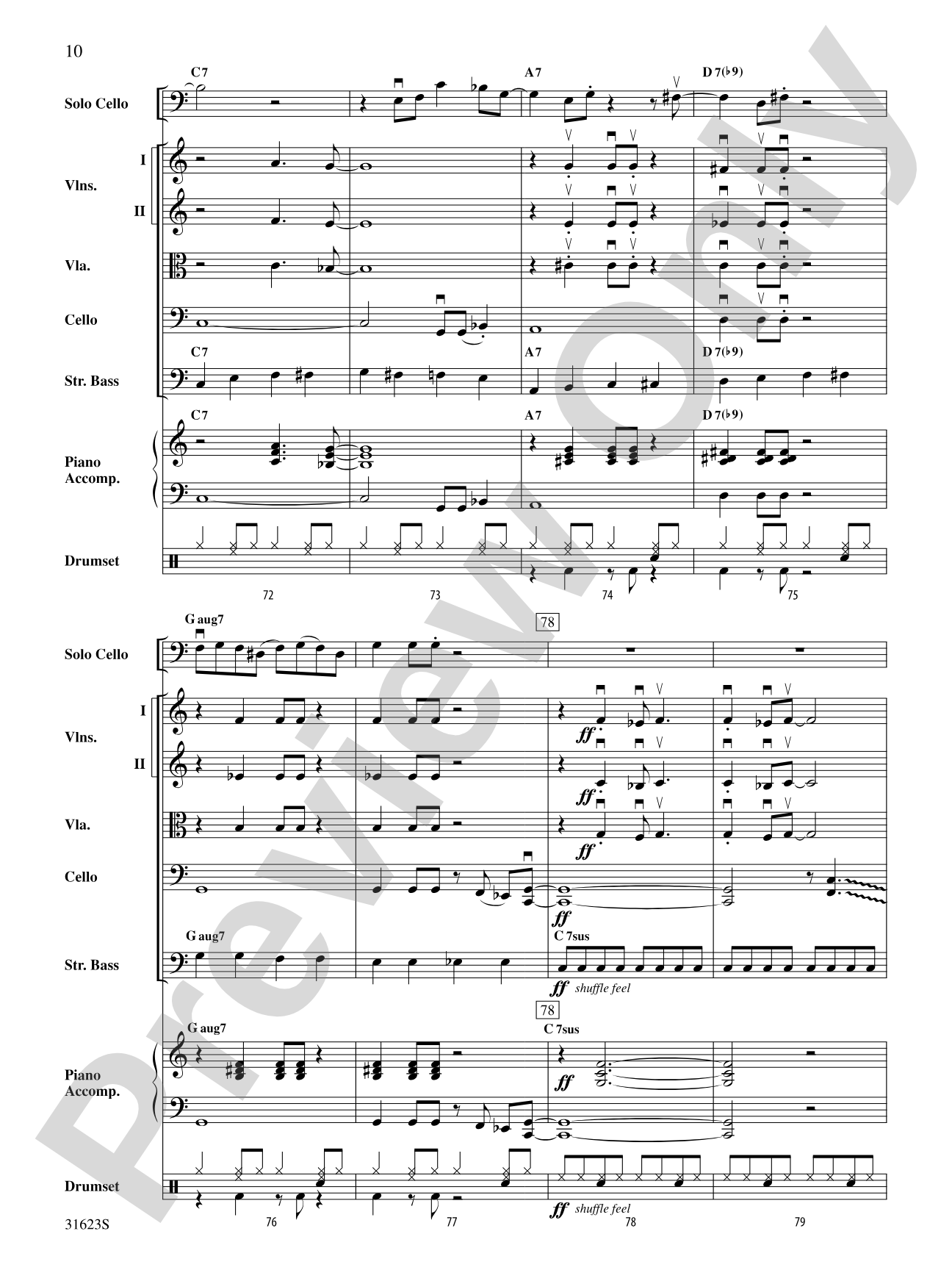
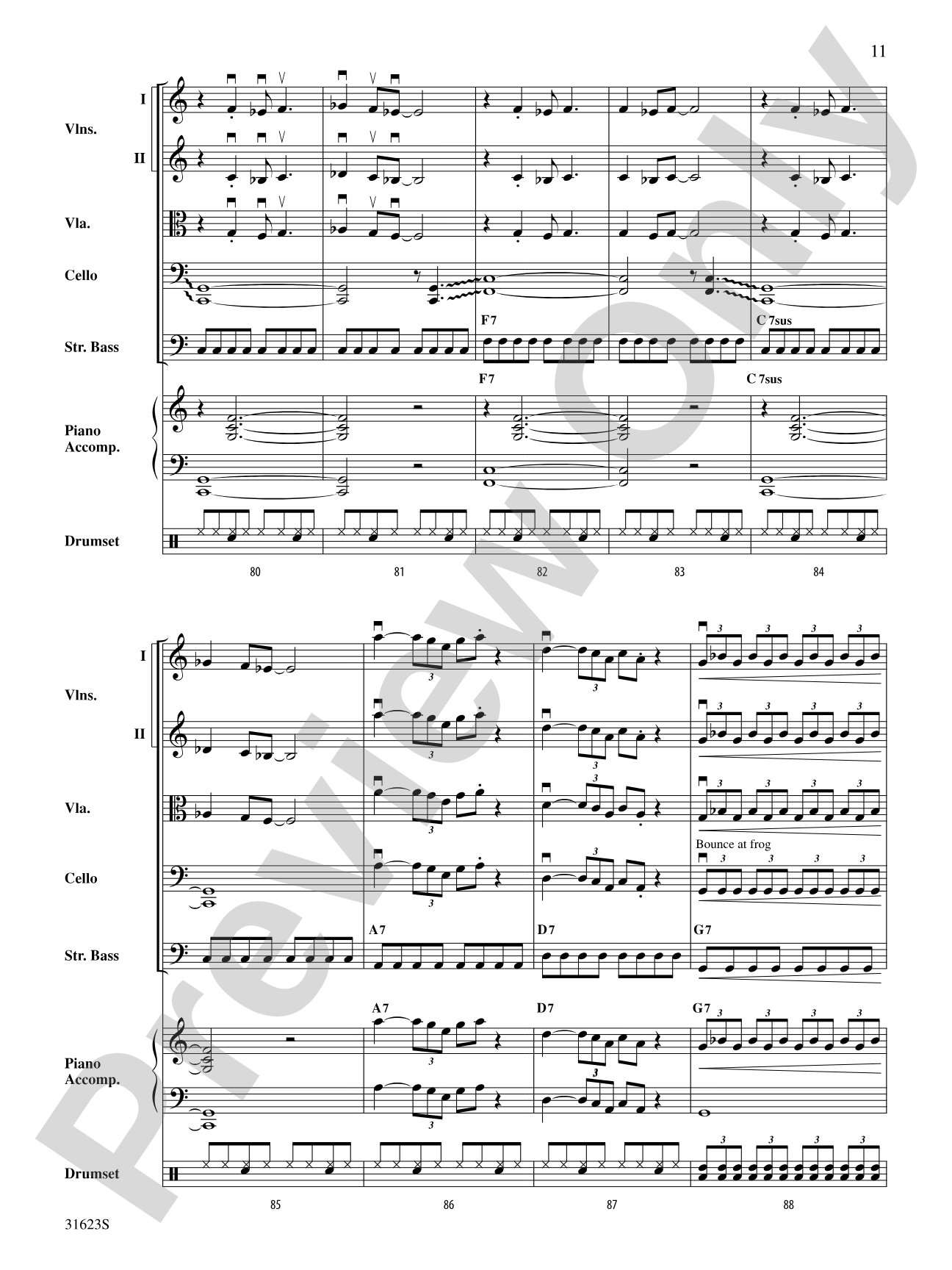
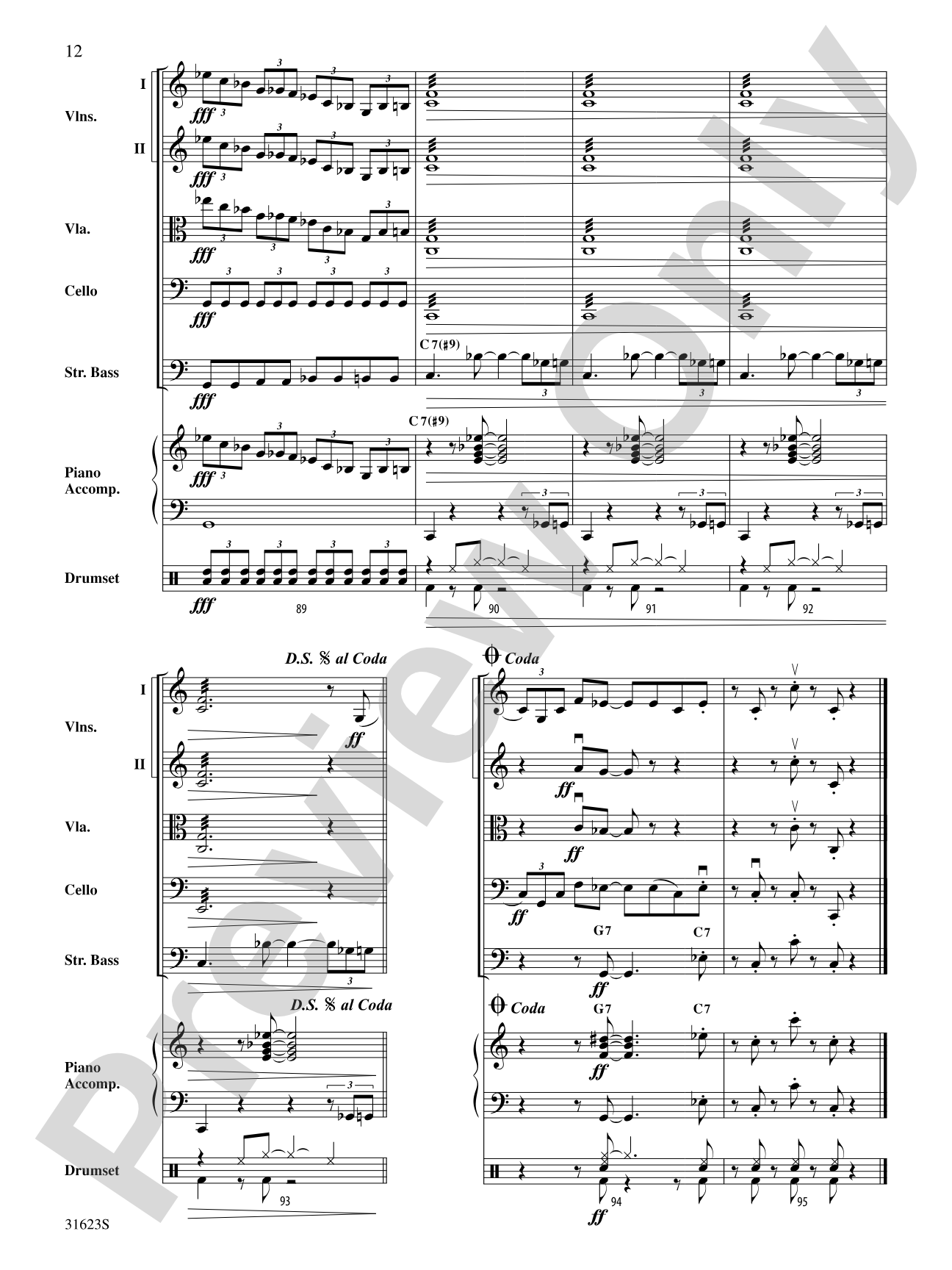

Fourth Dimension: Score
By Randy Sabien
Grade: 3
Item: 00-PR-0003172
$7.00
Pickup currently not available
Description
As heard on the composer's recordings, this eerie jazz tune will challenge and thrill the players! Based on a twelve-bar blues progression with a twist, each section takes a solo. Solos are written out or may be improvised. Encourage the players to use special effects, as in another dimension. It's okay for a variety of sounds to emerge! (3:35) This title is available in MakeMusic Cloud.


Don't just read it, hear it, play along with it, and watch your students grow with it. In MakeMusic Cloud, Fourth Dimension: Score comes alive with professional accompaniment, adjustable tempo, and built-in practice tools that turn solo practice into real progress.
Open in the Player
Jump straight in and assign it today.
Start Your Free Trial
Open this title and explore the full library in minutes.
Sample Audio
1
Audio File
--:--
0:00
0:00
Sample Video
No sample videos found.
Additional Details
Series:
Highland/Etling String Alternatives
Publisher:
Alfred Music
Page Count:
132
SKU:
00-PR-0003172
More about this title
About the Composer: Randy Sabien
Randy Sabien is a composer whose work spans classical forms, contemporary styles, and innovative string writing. His compositions for string orchestras and ensembles emphasize accessibility without sacrificing musical depth, making his pieces frequent choices in educational and community settings.
Why we love this
This piece taps into students' natural curiosity about jazz while keeping the written architecture clear enough for Grade 3 ensembles to execute successfully. The balance between notated material and improvisation invites risk-taking in a structured environment, and the permission to embrace experimental sounds transforms what could feel like a novelty into genuine exploration.
What to expect
Entering a space where the familiar dissolves into something unsettling and exhilarating. Blues changes anchor you, but the textures shift like a kaleidoscope: one moment the strings sound like themselves, the next they're scraping, shimmering, or bending pitch in unfamiliar ways. It's eerie yet fun, strange yet swinging.
Who it's for
String orchestras seeking repertoire that takes jazz seriously while remaining playable at an intermediate level. This works equally well for students encountering jazz language for the first time and for ensembles that want to push beyond conventional classical sound worlds.
How to get the most out of it
- Have soloists listen to the composer's recording in advance so they hear how each section character is shaped. This gives them a sonic template without locking them into one interpretation.
- Establish the 12-bar blues progression as muscle memory before introducing special effects. Once the harmonic and rhythmic foundation is solid, the ensemble can confidently layer in extended techniques.
- Experiment with unconventional bow placement, col legno, harmonics, and dynamic extremes during sectional rehearsals. Let players discover what sounds intriguing to them individually before deciding what serves the piece.
- Keep the pulse steady underneath solos. Even when textures get weird, a grounded rhythm section anchors the improvisation and prevents it from floating too far into abstraction.
How to use it
Program this on a concert featuring other contemporary or jazz-influenced pieces to frame it as part of a larger conversation about modern string writing. Its novelty factor and manageable length also make it an excellent opener or closer that signals to the audience they're about to hear something outside the usual orbit.
Skills your students will build
- Reading jazz chord symbols and understanding 12-bar blues harmonic progression
- Executing written solos with stylistic consistency and swing feel
- Improvising within a harmonic framework while maintaining ensemble cohesion
- Producing extended techniques (col legno, harmonics, dynamic extremes) with intentional musicality
- Listening and responding to soloists while maintaining rhythmic stability as accompaniment