

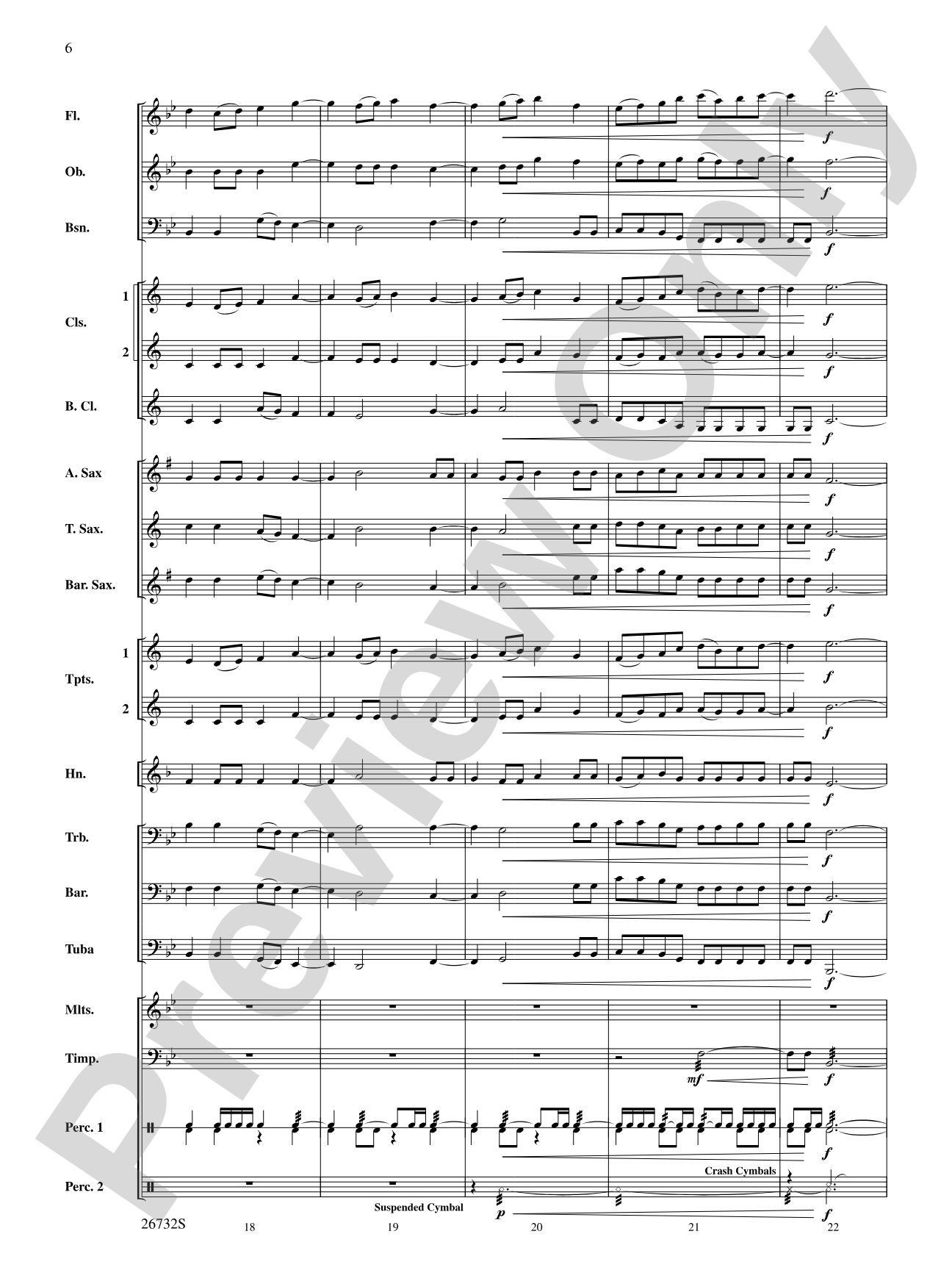
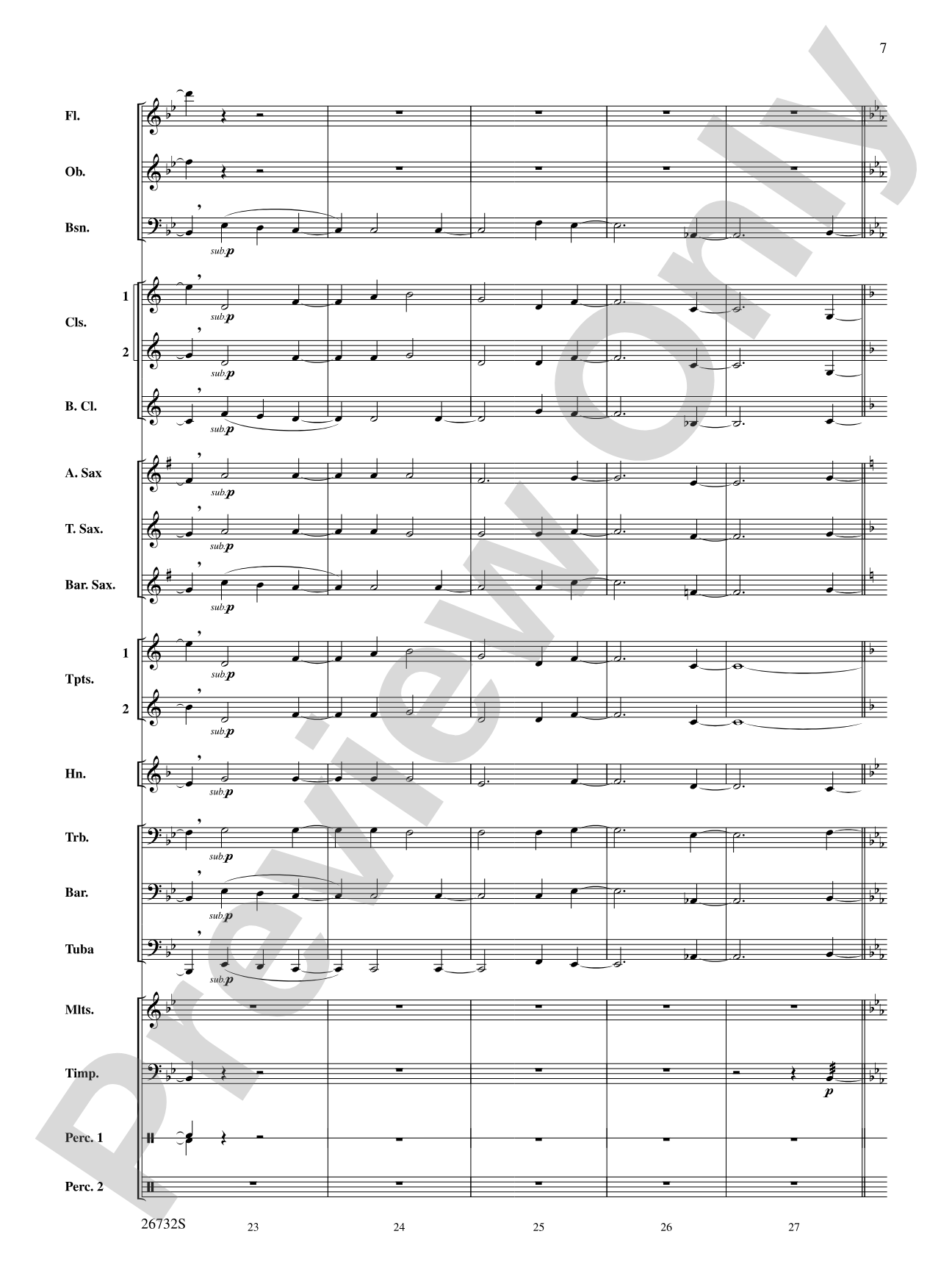
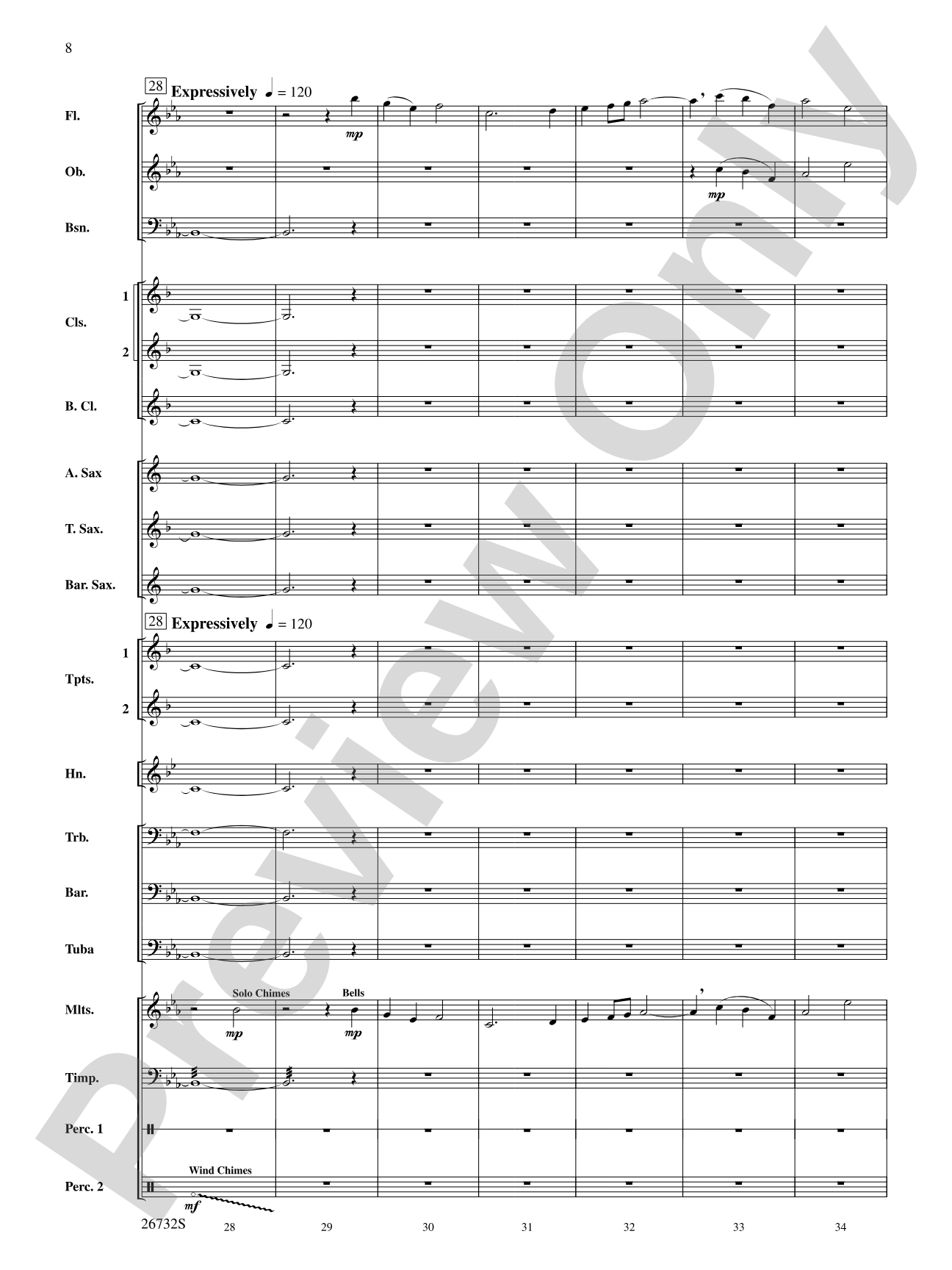
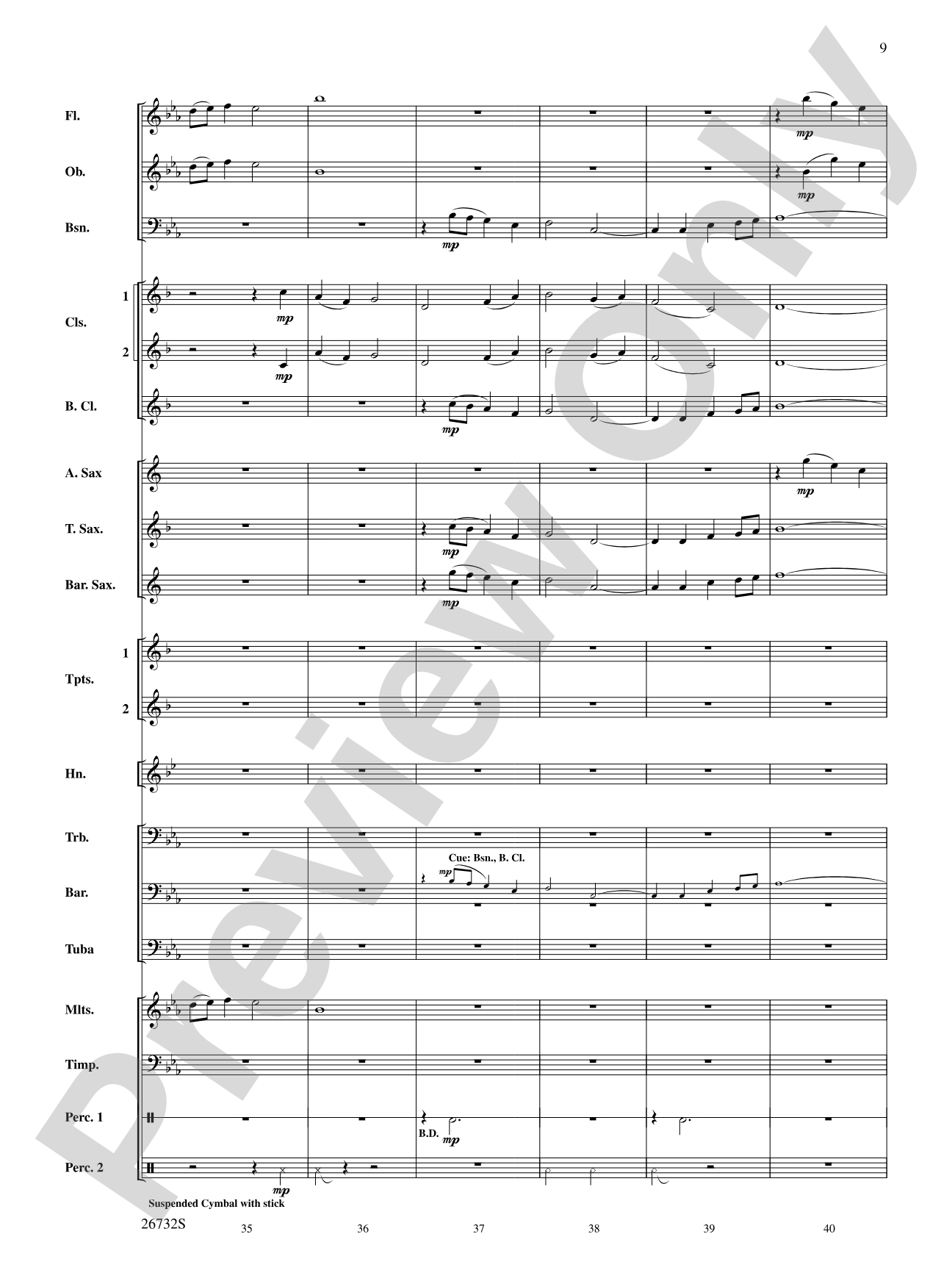
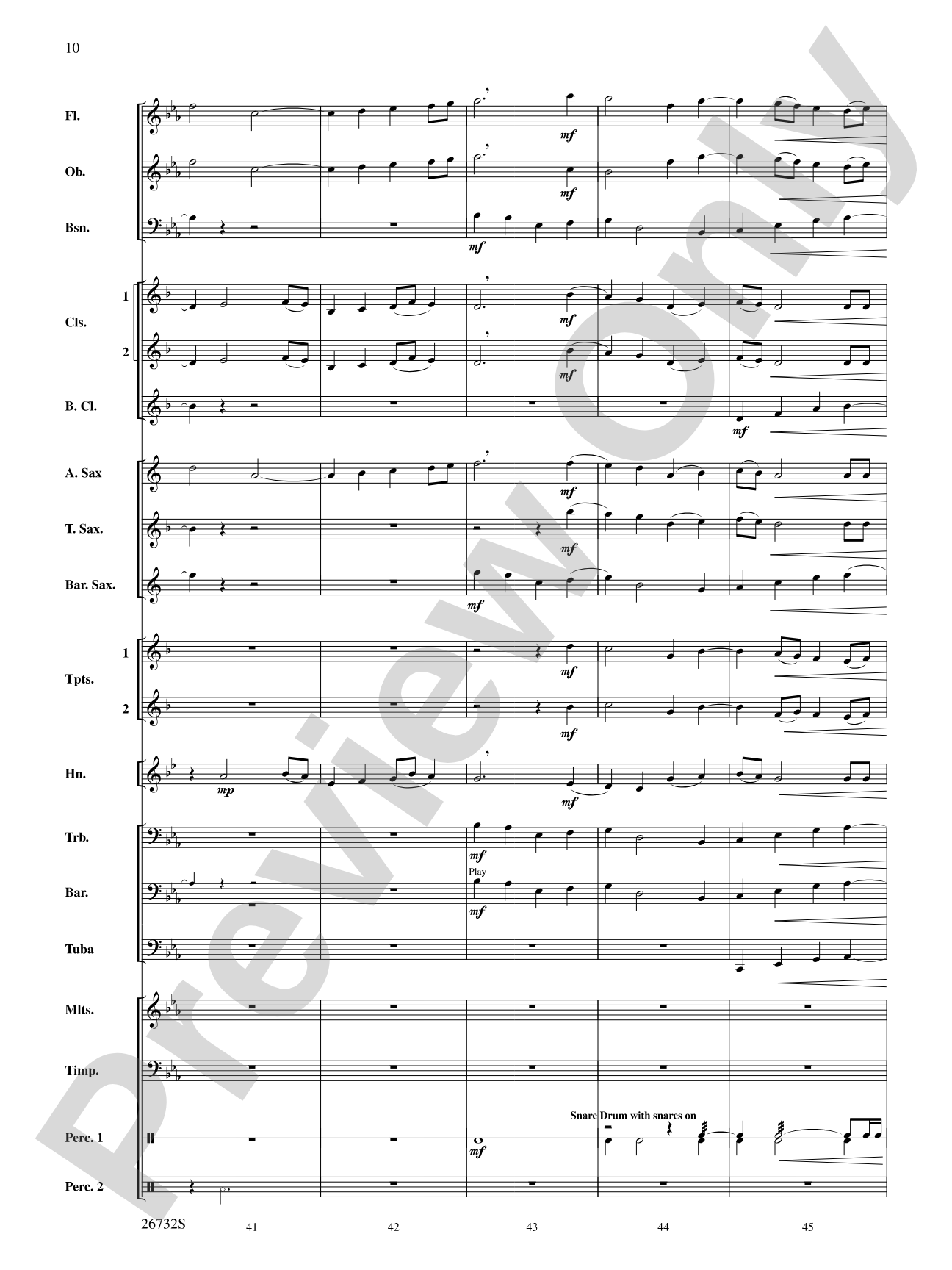
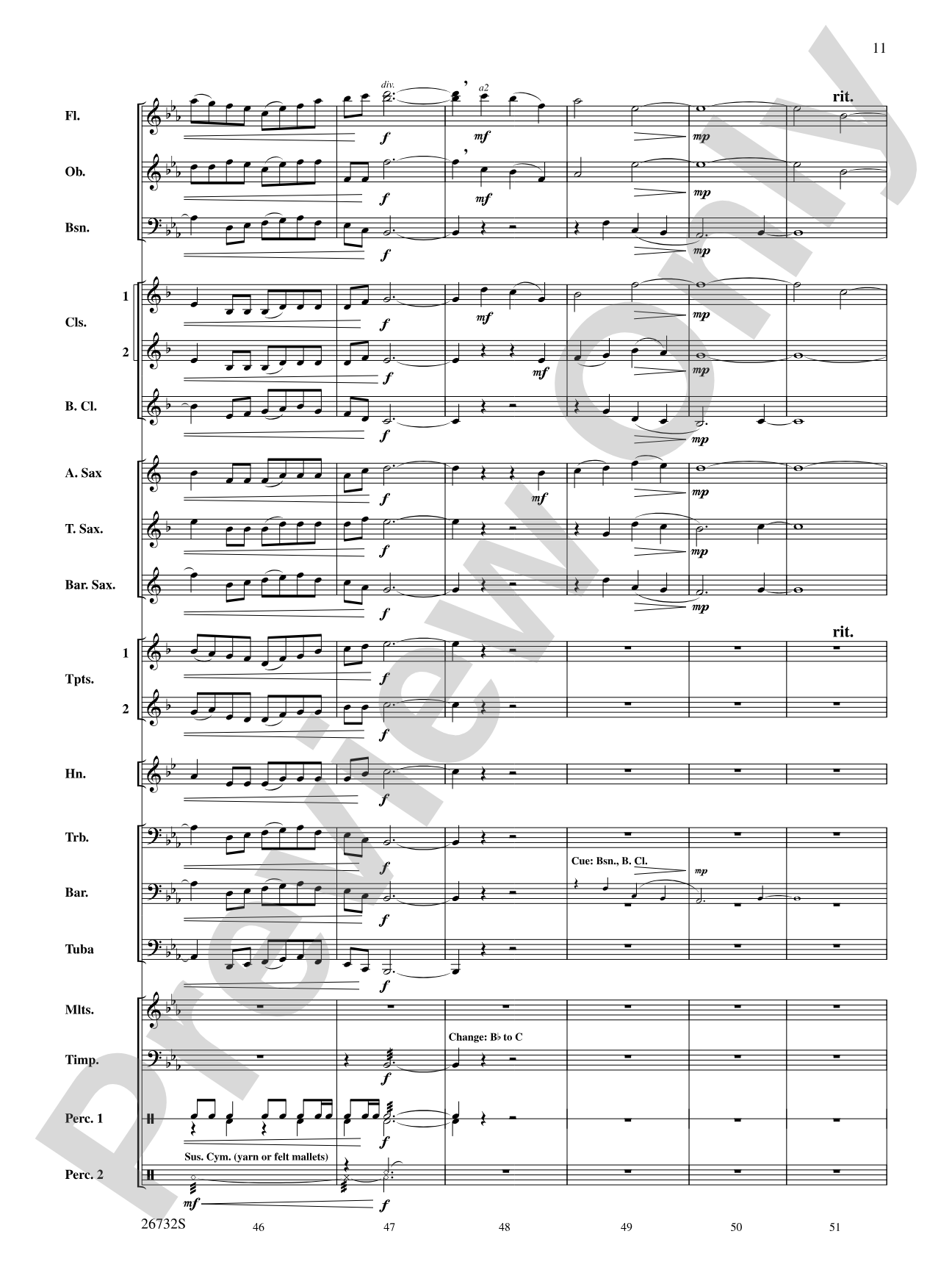
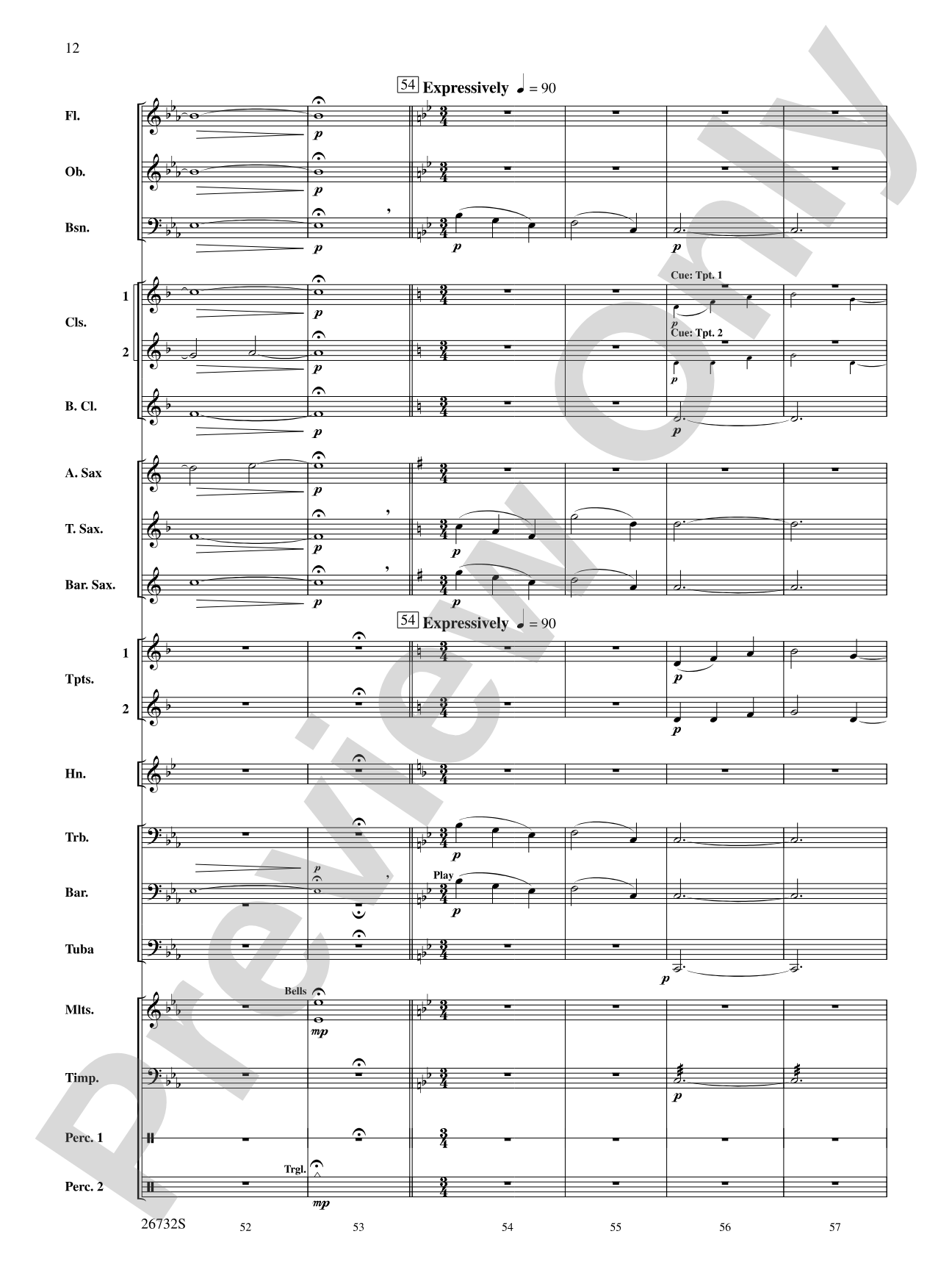
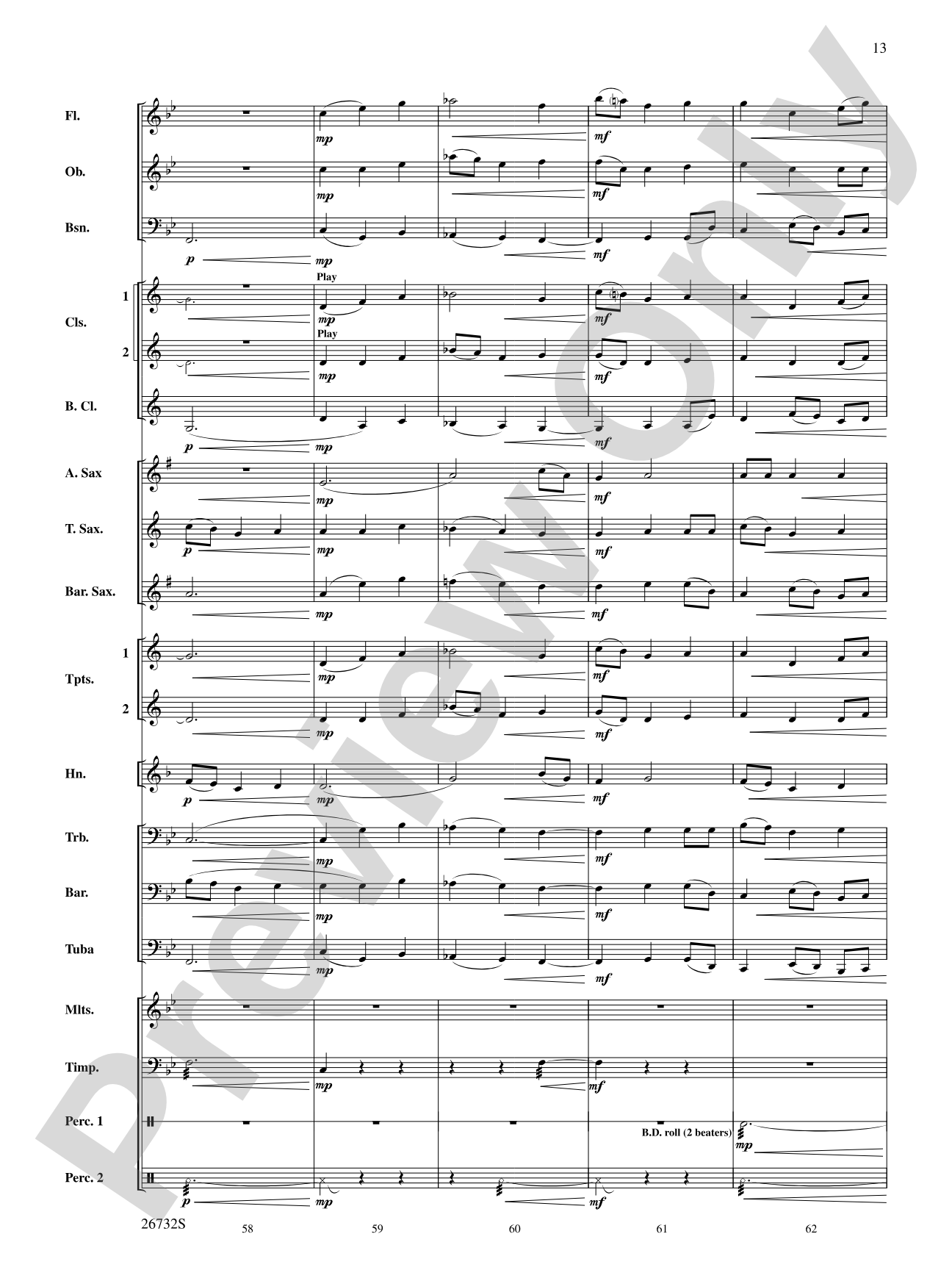
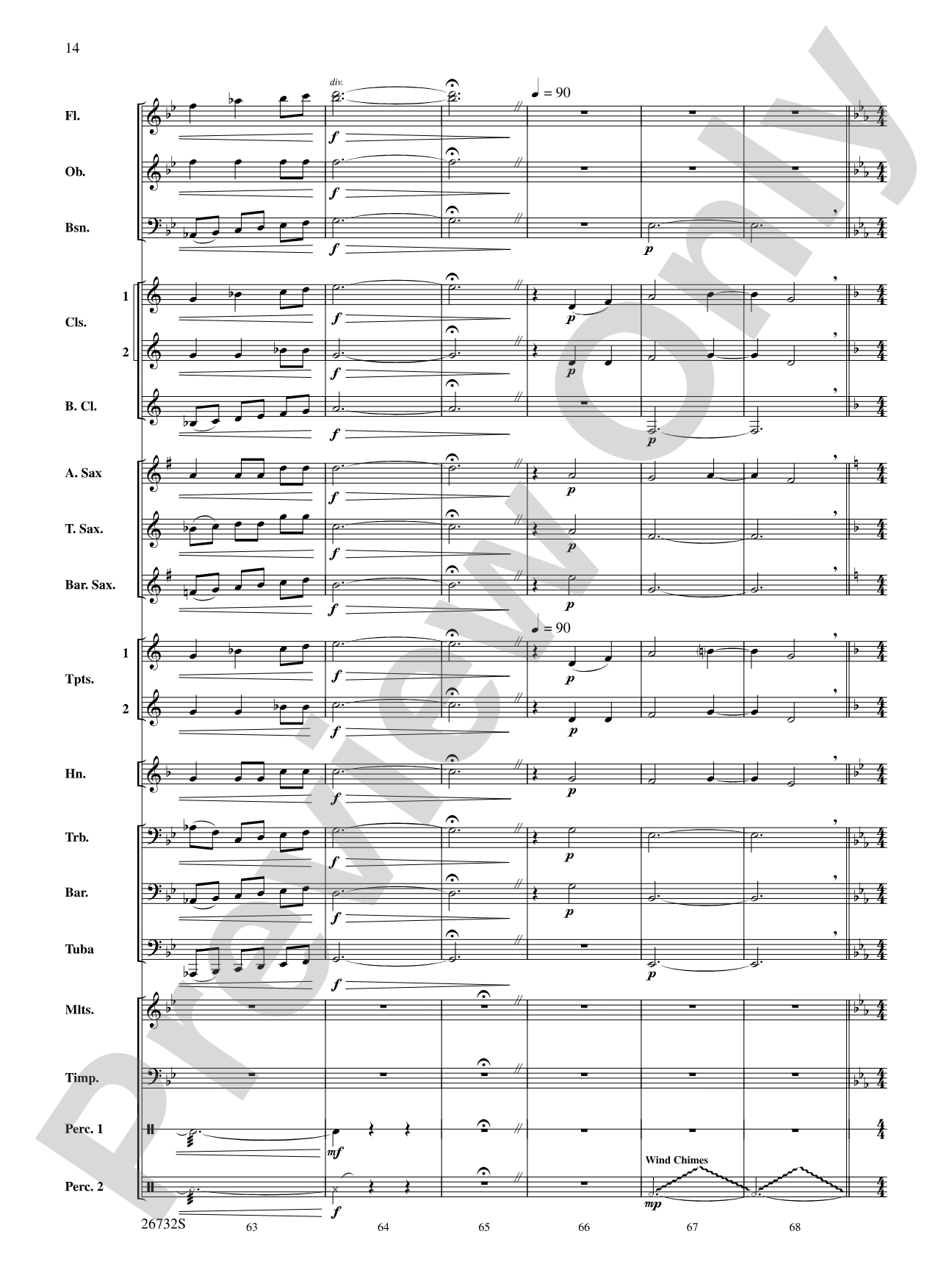
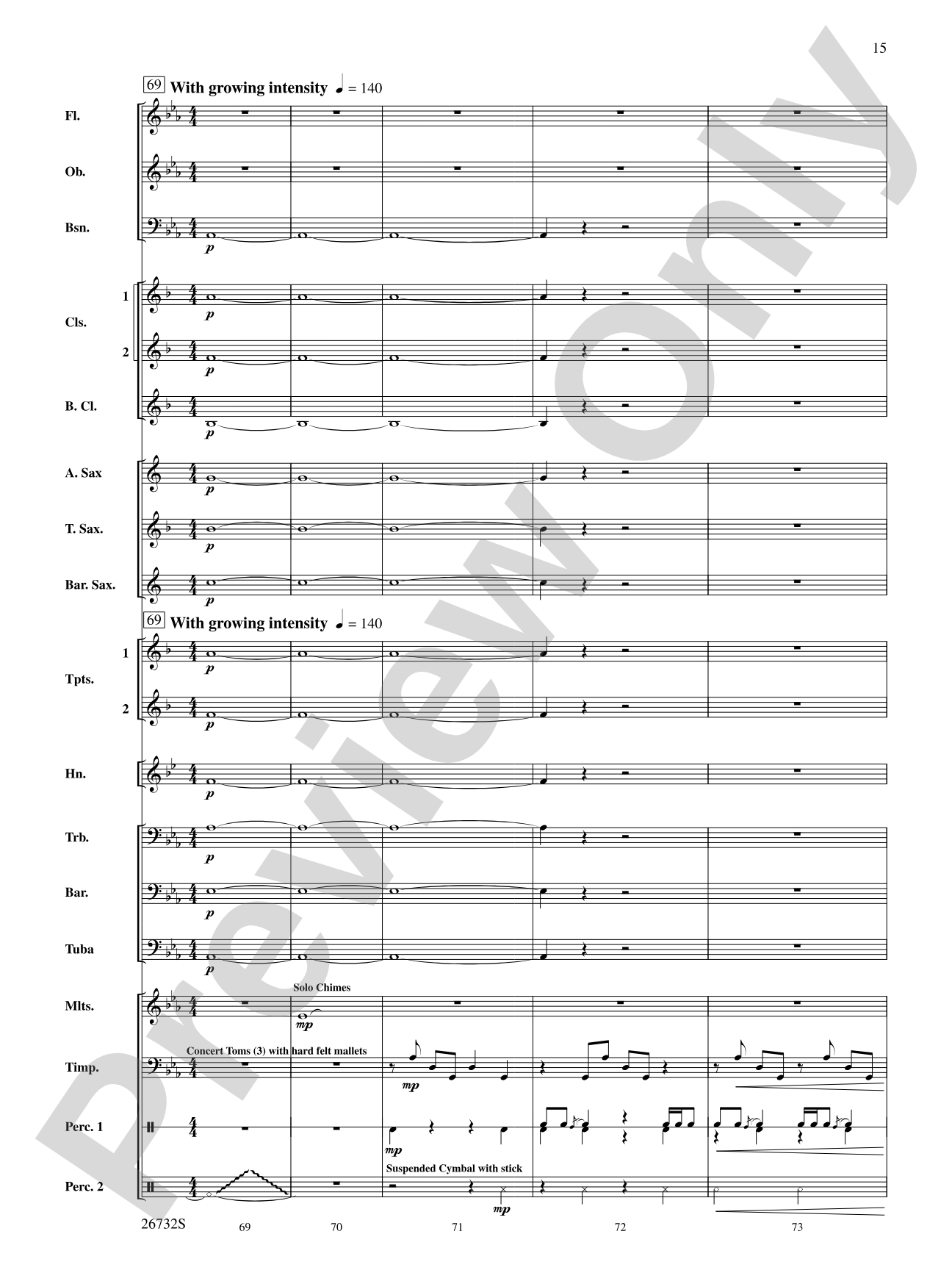
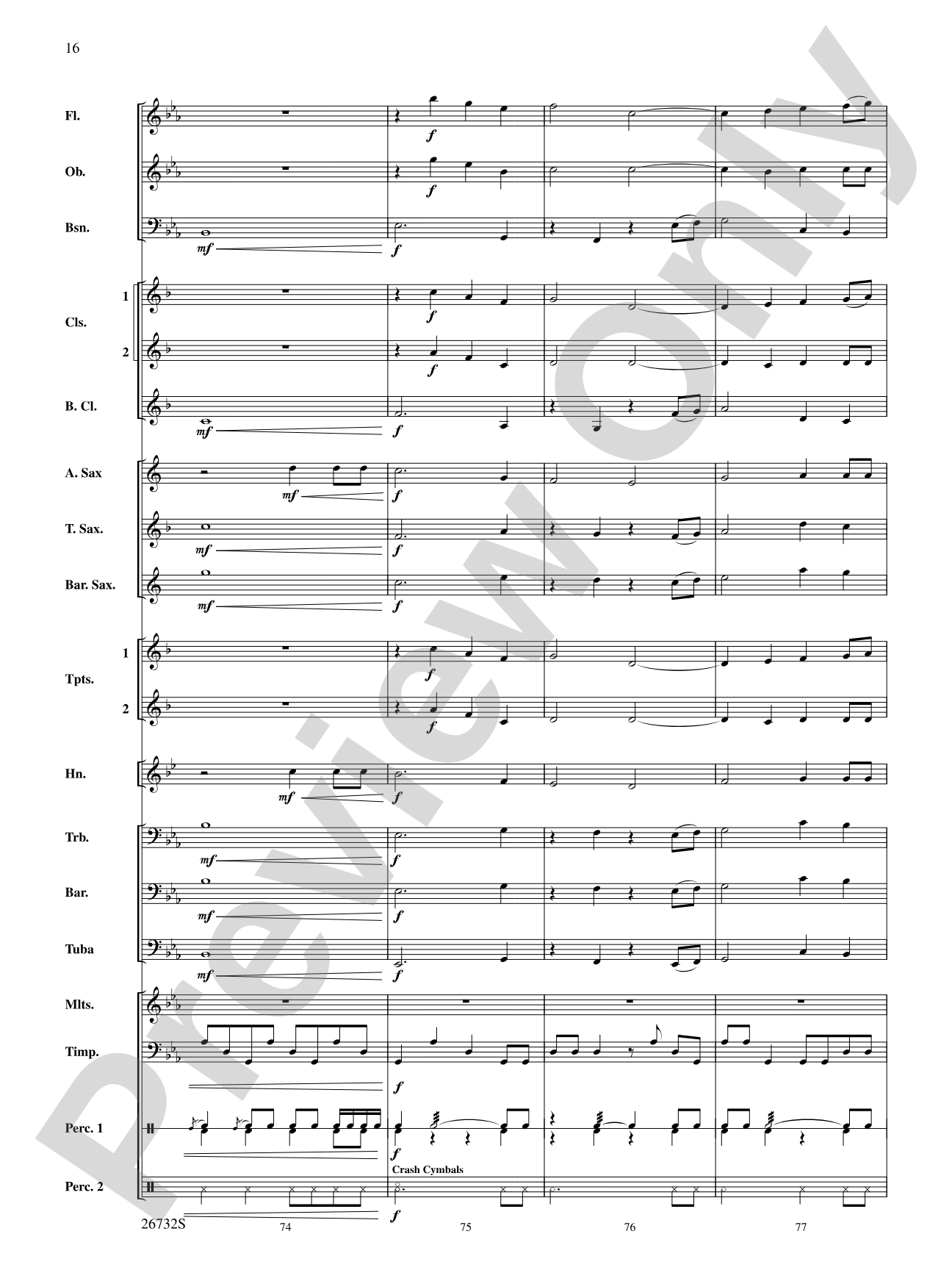
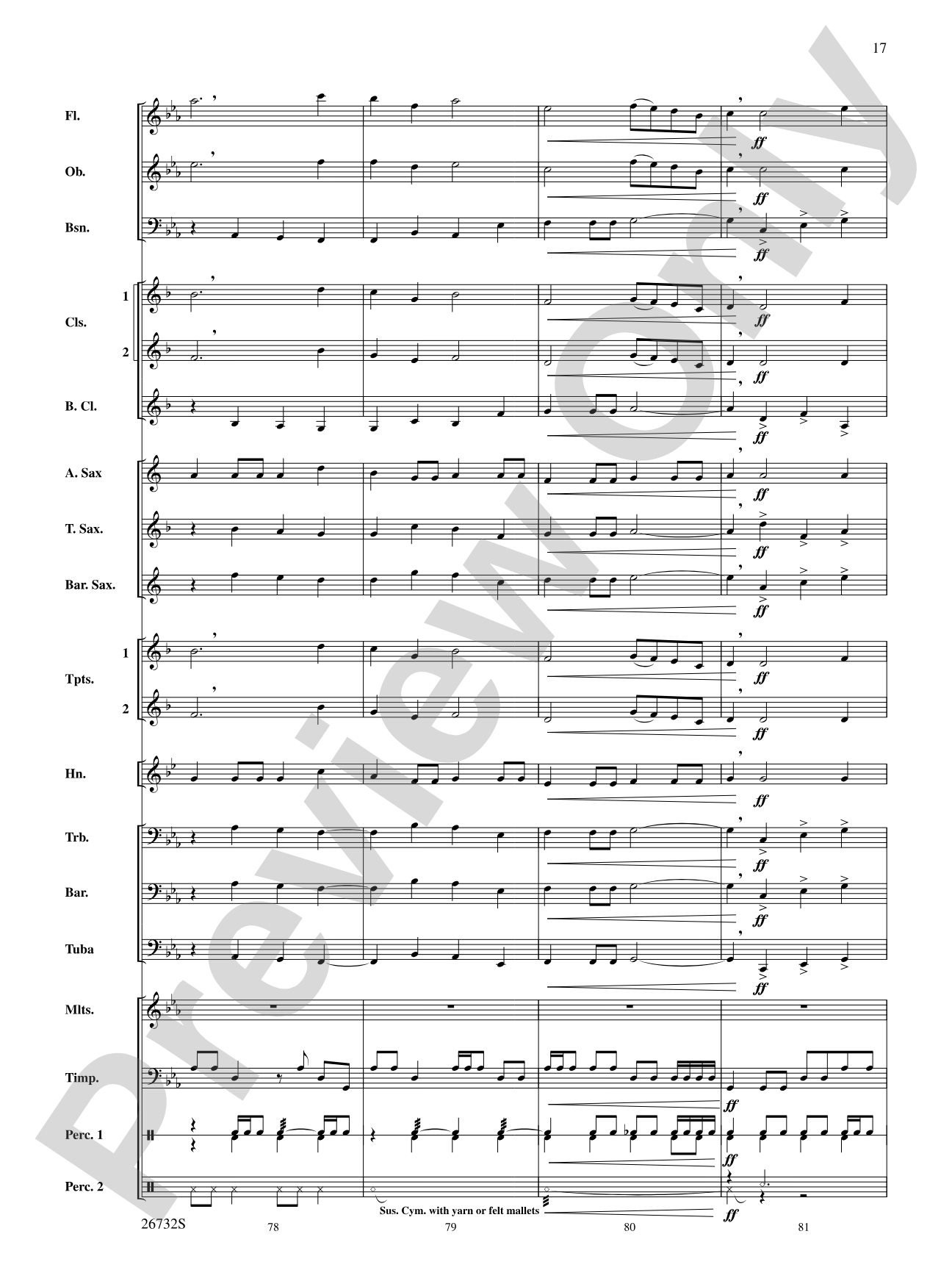


Four Waves: Concert Band Conductor Score & Parts
By Kevin Mixon
Grade: 2 (Easy)
Item: 00-PK-0001209

$50.00
Pickup currently not available
Buy Extra Parts (Digital PDF Download)
Parts Added to Cart!
Description
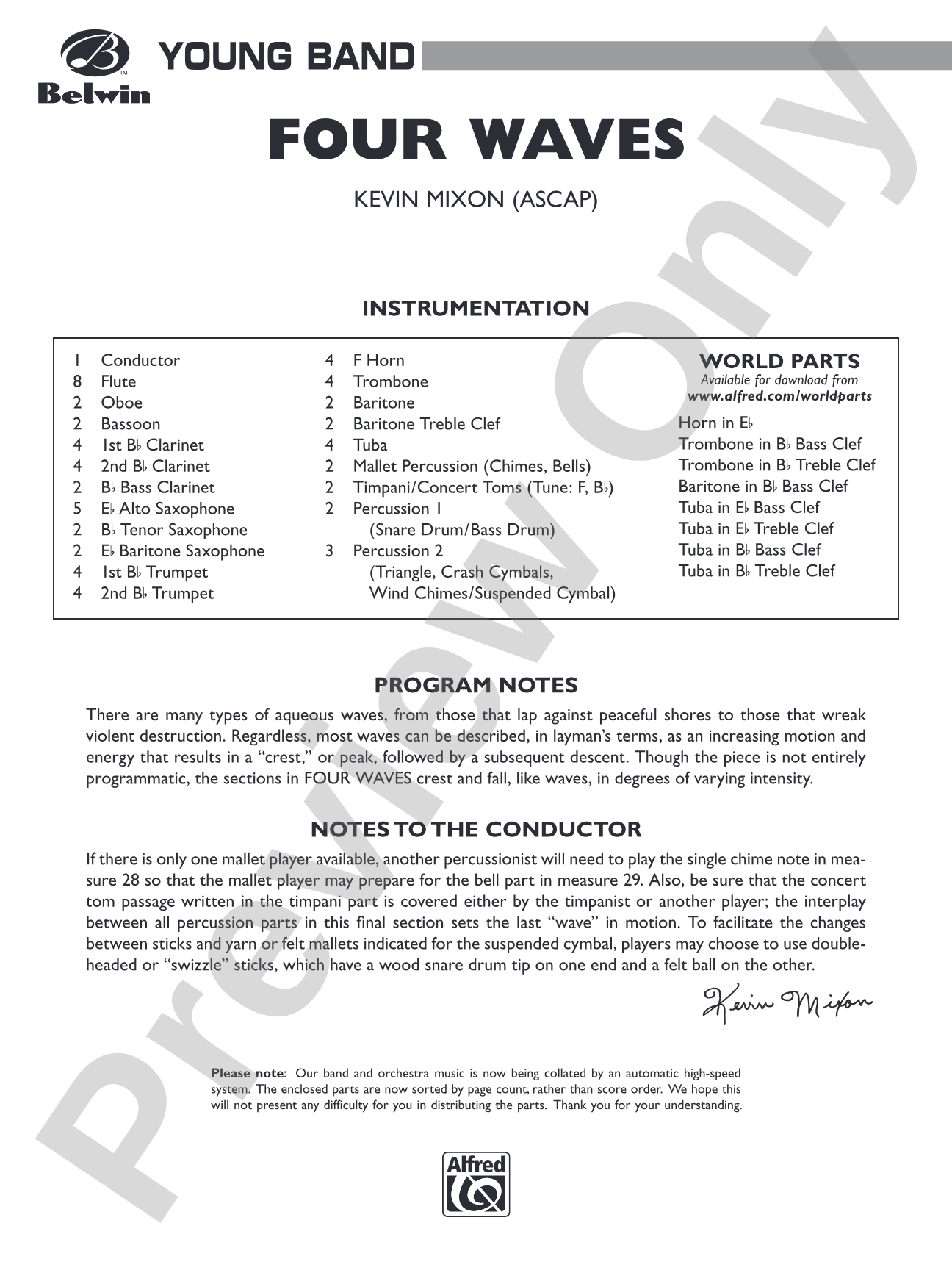
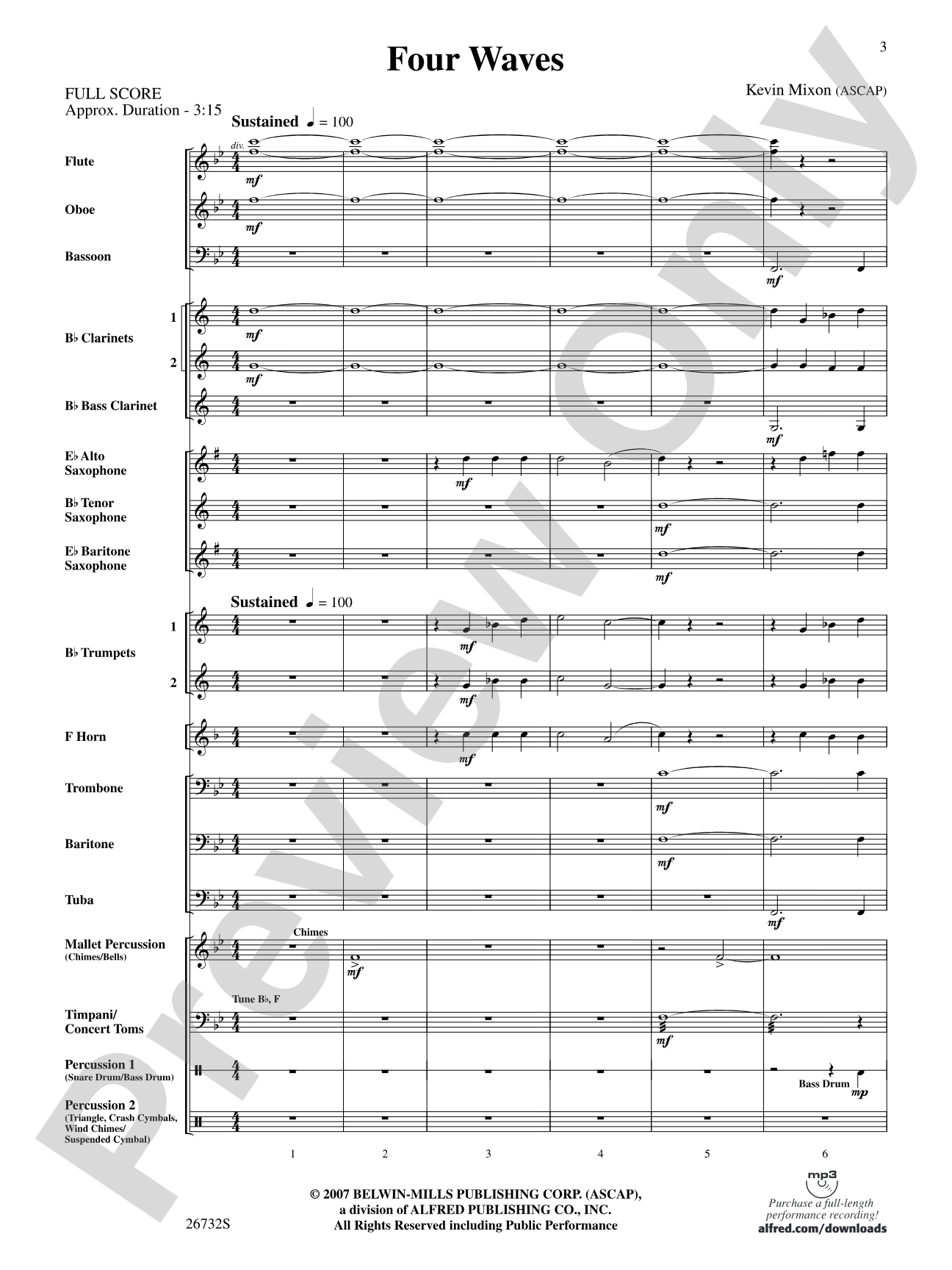
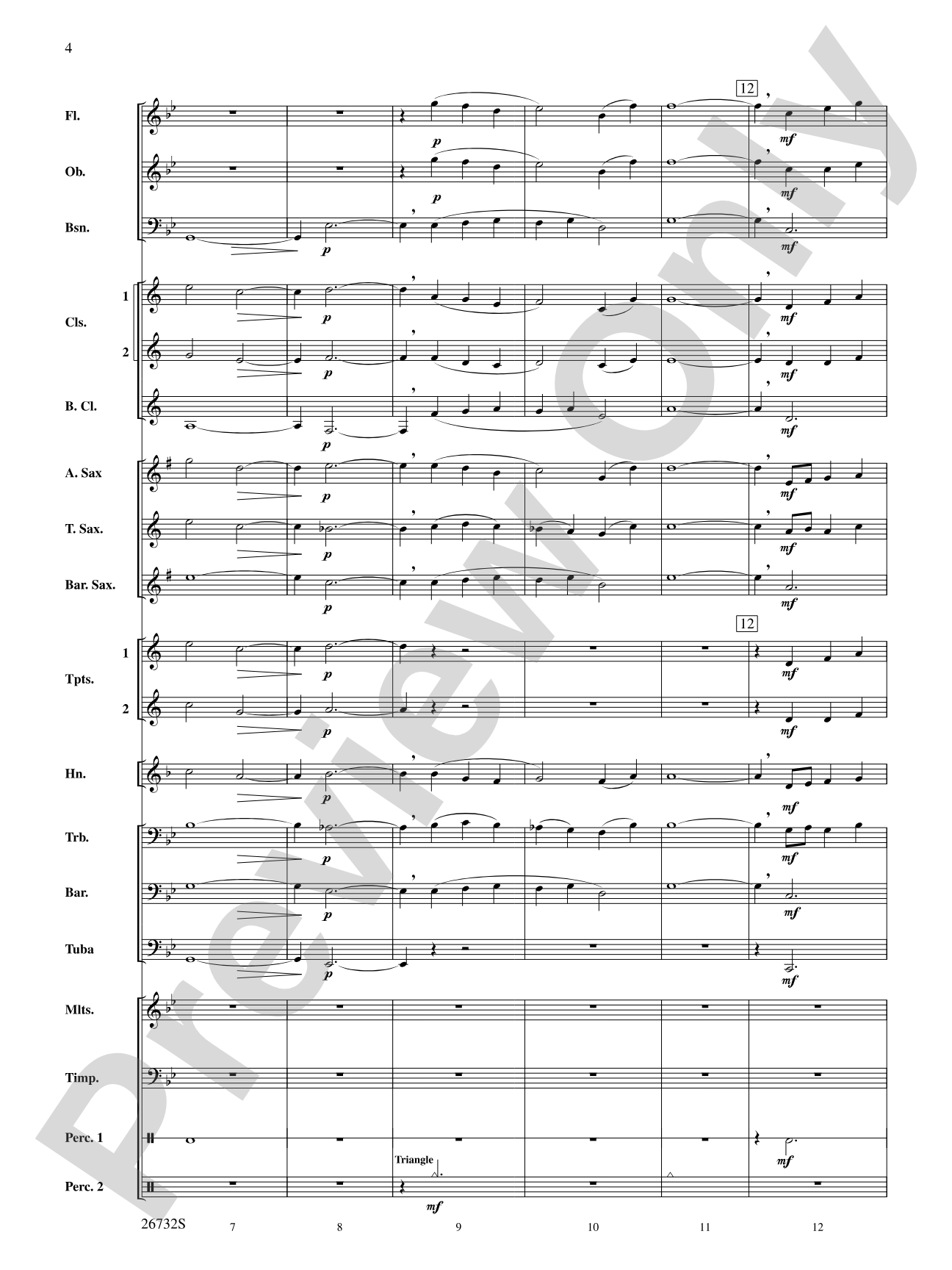
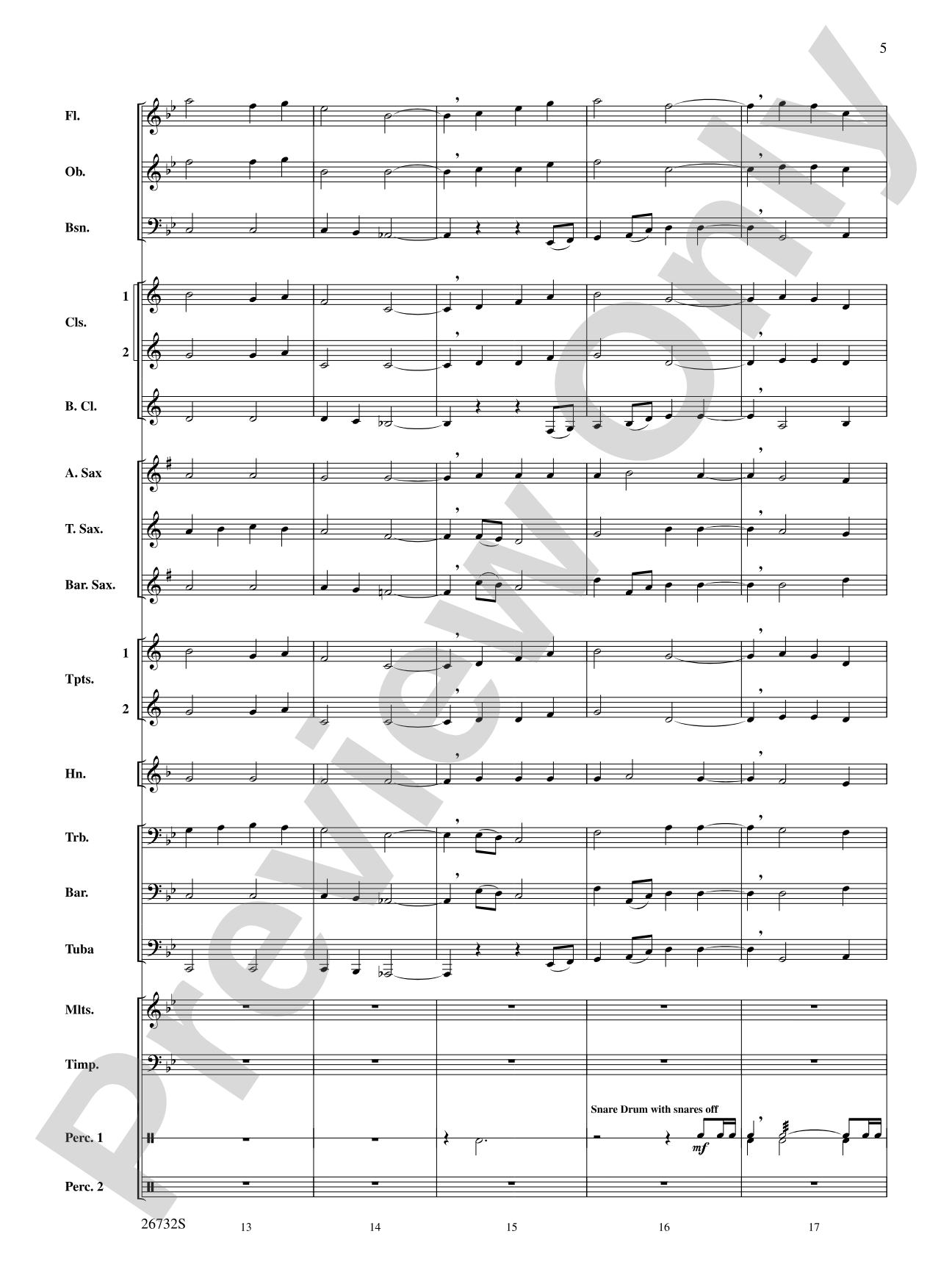
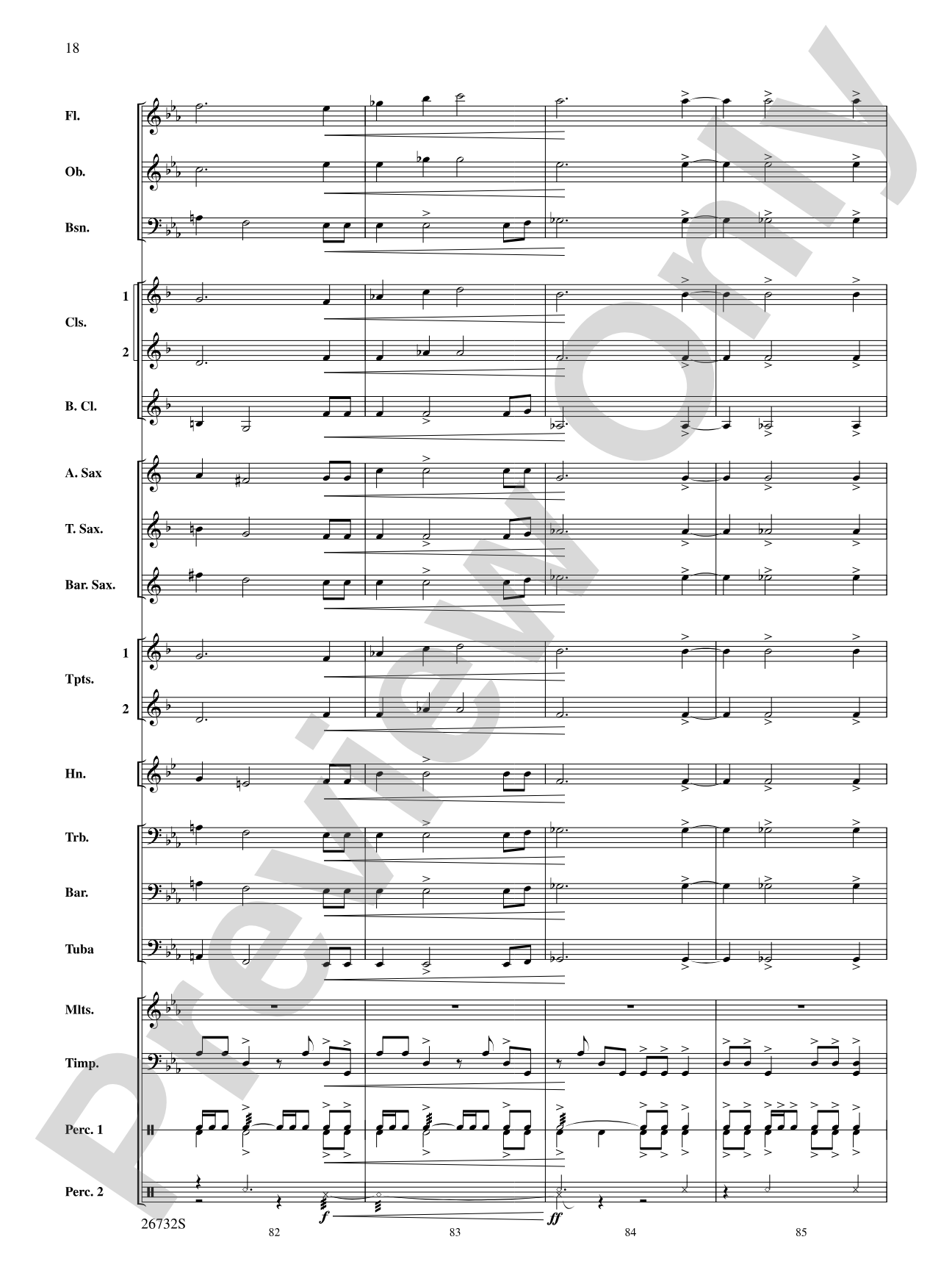
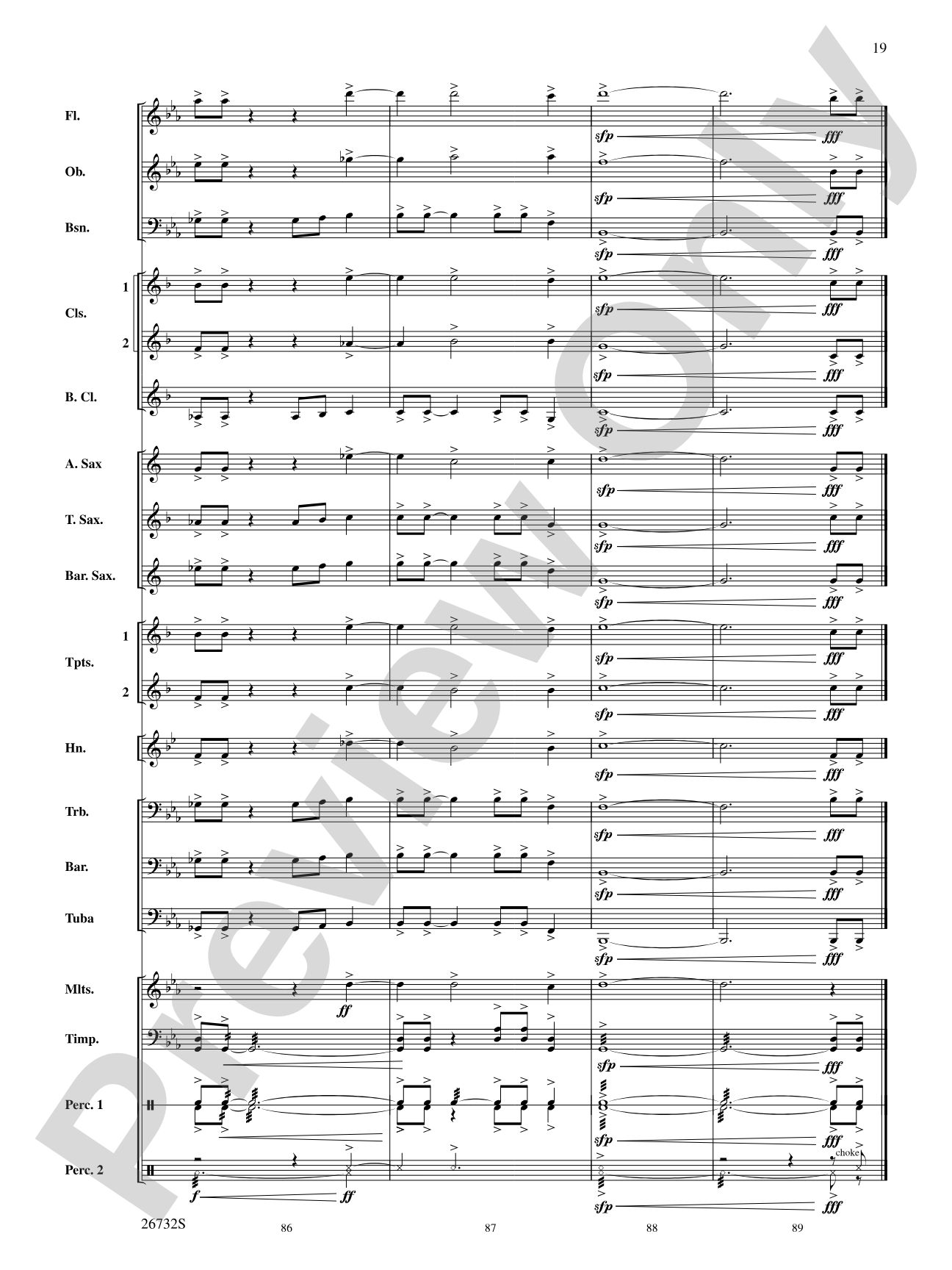
Four Waves imagines a variety of waves from the gentle lapping on peaceful shores to waves that wreak violent destruction, and ultimately showing that all waves crest and fall. Although not entirely programmatic, your percussionists serve as the catalyst for the last wave. A majestic musical portrayal. This title is available in MakeMusic Cloud.


Don't just read it, hear it, play along with it, and watch your students grow with it. In MakeMusic Cloud, Four Waves: Concert Band Conductor Score & Parts comes alive with professional accompaniment, adjustable tempo, and built-in practice tools that turn solo practice into real progress.
Open in the Player
Jump straight in and assign it today.
Start Your Free Trial
Open this title and explore the full library in minutes.
Sample Audio
1
Audio File
--:--
0:00
0:00
Sample Video
No sample videos found.
Additional Details
Series:
Belwin Young Band
Publisher:
Alfred Music
Page Count:
64
SKU:
00-PK-0001209
More about this title
About the Composer: Kevin Mixon

Kevin Mixon directs instrumental music at Blodgett K-8 School within Syracuse City Schools in New York. He has presented pedagogical clinics at major venues including the International Society for Music Education Convention, the Midwest International Band and Orchestra Clinic, and numerous state and regional conferences, with expertise in inclusive instruction, curriculum integration, multicultural repertoire, and percussion pedagogy.
Mixon holds degrees summa cum laude from Onondaga Community College, Syracuse University, and the University of Illinois (Urbana-Champaign), and has pursued advanced studies in educational leadership. His scholarship appears regularly in Music Educators Journal, Teaching Music, The Instrumentalist, and the National Band Association Journal. He authored Reaching and Teaching All Instrumental Music Students and co-authored Teaching Music in the Urban Classroom (MENC/Rowman & Littlefield Publications). His published compositions and arrangements for band and orchestra bring his classroom experience directly into the music educators' repertoire.
Why we love this
Mixon builds a complete musical narrative across a Grade 2 score without resorting to cliché. The piece progresses thoughtfully from serene beginnings through turbulent contrasts to resolution, and by positioning the percussion section as the driving force of the climax, he gives your rhythm players genuine compositional weight rather than relegating them to support. For early-level bands hungry for something with real substance, this delivers.
What to expect
Four Waves captures the hypnotic rhythm of water in motion, beginning with peaceful, lapping patterns before building into something raw and powerful. The musical arc honors both delicate restraint and dramatic energy, closing with a sense of natural inevitability as motion subsides.
Who it's for
Grade 2 concert bands with developing musicianship and control. The piece works equally well for programs seeking challenging early-level material and for ensembles wanting to explore programmatic storytelling without overcomplicating the technical demands.
How to get the most out of it
- Balance the opening gentle waves carefully in the wind sections; those soft textures need clarity without swelling, which sets up the dramatic contrast when intensity builds.
- Give your percussionists individual attention during the climactic section. Their role as the catalyst is compositional, not decorative, so secure their part first.
- Shape the resolution by allowing it to breathe; resist the urge to rush the final waves as they crest and fall. The quiet aftermath matters as much as the turbulence.
How to use it
Open a concert with this piece to establish mood and draw your audience into a larger theme, or use it as a bridge between contrasting works on the same program. Its programmatic clarity makes it especially effective when paired with other water-themed or nature-inspired selections.
Skills your students will build
- Dynamic contrast and control across soft and loud dynamics
- Ensemble balance in transparent textures
- Rhythmic precision in repetitive patterns
- Percussion reading and independence as compositional partners
- Phrase shaping and breath awareness