Forgotten Tales of the West Cover Image

Forgotten Tales of the West: Concert Band Conductor Score & Parts - ColorFlex version

$85.00 USD
Sale price  $85.00 USD Regular price 
Skip to product information
Forgotten Tales of the West Cover Image

Forgotten Tales of the West: Concert Band Conductor Score & Parts - ColorFlex version

By Adrian B. Sims

Grade: 3.5

Item: 00-50685

makemusic Cloud badge

Need it now?

Buy Digital Version
$85.00
Shipped

One moment…

Description

Now in ColorFlex format for groups with limited instrumentation! This powerful work pays tribute to the many battles fought between the Native Americans and Europeans. Forgotten Tales of the West moves between Native American-influenced themes and western harmonies before adapting into an amalgamation of the two. Incredible writing by Adrian B. Sims, who was a teenager when he composed this piece! (4:15)

About ColorFlex

Conductors no longer need to choose between function and texture! Ensembles with instrumentation challenges still have numerous options to cover all parts, yet orchestration is elevated significantly to be faithful to the composer's original intent. Musicians have more opportunities to rest, and timbre once again becomes a central element of each work. So go ahead and have the best of both worlds: flexible and colorful.

Don't just read it, hear it, play along with it, and watch your students grow with it. In MakeMusic Cloud, Forgotten Tales of the West: Concert Band Conductor Score & Parts - ColorFlex version comes alive with professional accompaniment, adjustable tempo, and built-in practice tools that turn solo practice into real progress.

Sample Pages

Sample Audio
0:00
0:00
Sample Video
Additional Details
Series: MakeMusic Symphonic Band
Publisher: MakeMusic Publications
ISBN10: 1-4706-6570-0
ISBN13: 978-1-4706-6570-8
UPC: 038081583778
SKU: 00-50685

More about this title

About the Composer: Adrian B. Sims
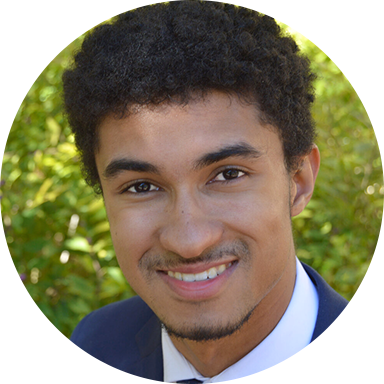
Adrian B. Sims

Adrian B. Sims (b. 2000) grew up in Seattle before moving to Maryland, where he completed his secondary education at Catonsville High School in 2018. His work has earned recognition at The Midwest Band and Orchestra Clinic and secured a place on the Bandworld Top 100 List. He has won awards in multiple composition competitions, including the Maryland Music Educators Association Young Composers Project and the Make Music Young Composers Contest, and has conducted performances of his own music across Maryland schools.

As a trombonist, Sims has performed in pit orchestras, symphony ensembles, jazz groups, and concert bands. His high school honors include multiple selections to the Maryland All-State Band and performance alongside the Baltimore Symphony Orchestra. He currently studies composition and music education at The University of Maryland, where he works with Professor Robert Gibson and performs in the university's top ensembles under the guidance of Matthew Guilford, principal bass trombonist with the National Symphony Orchestra.

Why we love this

A composer writing with such historical and cultural awareness at such a young age is remarkable, and it shows in how thoughtfully Sims balances Native American musical language with Western idioms rather than simply borrowing from either tradition. The ColorFlex instrumentation means you're not sacrificing orchestral color for flexibility; you get both, which makes this genuinely worth teaching at this level. It's the kind of piece that sparks real conversations about representation in band literature while delivering a substantial musical experience.

What to expect

The piece evokes vast landscapes and the weight of history, moving from introspective Native American-influenced melodies into expansive Western harmonies before weaving both musical worlds together. There's a sense of encounter and dialogue unfolding across the ensemble; moments of stark simplicity give way to fuller orchestration that feels earned rather than automatic. The final synthesis of these two traditions creates a sense of transformation and respect for the complexity of the cultural narratives being told.

Who it's for

Concert bands working at the Grade 3.5 level who want to tackle repertoire with real artistic substance without overextending their instrumentation. Programs looking to broaden their historical and cultural conversations through band literature will find this especially valuable. This is ideal for groups competing in contests or preparing music that sparks genuine musical growth.

How to get the most out of it

  • Shape the transitions between Native American themes and Western harmonic passages so they feel like a genuine dialogue rather than abrupt shifts. Let the ensemble breathe at these pivotal moments to emphasize the cultural conversation the composer is creating.
  • Balance transparency in the ColorFlex scoring by letting thinner sections breathe. Younger players often feel obligated to play loudly, so explicitly permission them to support rather than dominate in moments of reduced instrumentation.
  • Use the arc of the piece (4:15) to build momentum toward the synthesized sections where both musical traditions blend. This isn't a sprint; give students time to absorb how the fusion develops.
  • Pay attention to timbral choices across the flexible parts. ColorFlex works best when conductors actively listen for which instruments make the strongest musical statement in each section and shape the sound accordingly.

How to use it

Program this as a centerpiece on a concert focused on American musical heritage or cultural conversations; it pairs well with other works exploring Native American themes or the American West. Its contest-worthy caliber makes it a strong choice for festival programming or competitive events where you want students performing music that matches their technical growth with artistic maturity. Consider reserving it for a concert where the narrative matters; this isn't background music, and audiences respond when directors frame it thoughtfully.

Skills your students will build

  • Interpretation of programmatic music and understanding how composers use orchestration to tell stories
  • Ensemble balance and transparency across flexible instrumentation
  • Stylistic shifting between modal melodic writing and functional harmony
  • Sustained phrasing across longer musical arcs
  • Cultural awareness and respectful engagement with non-Western musical traditions

You May Also Like
