
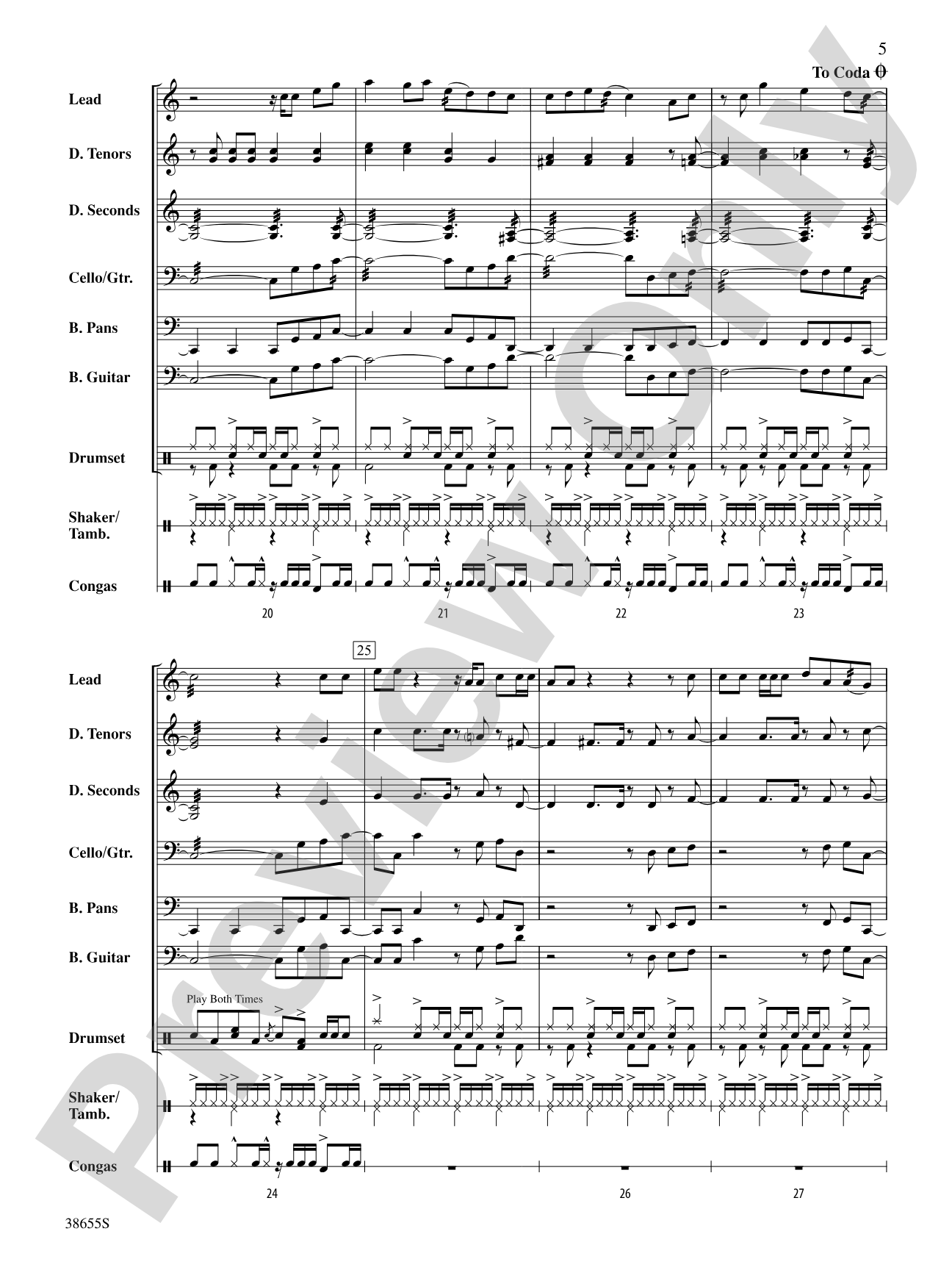
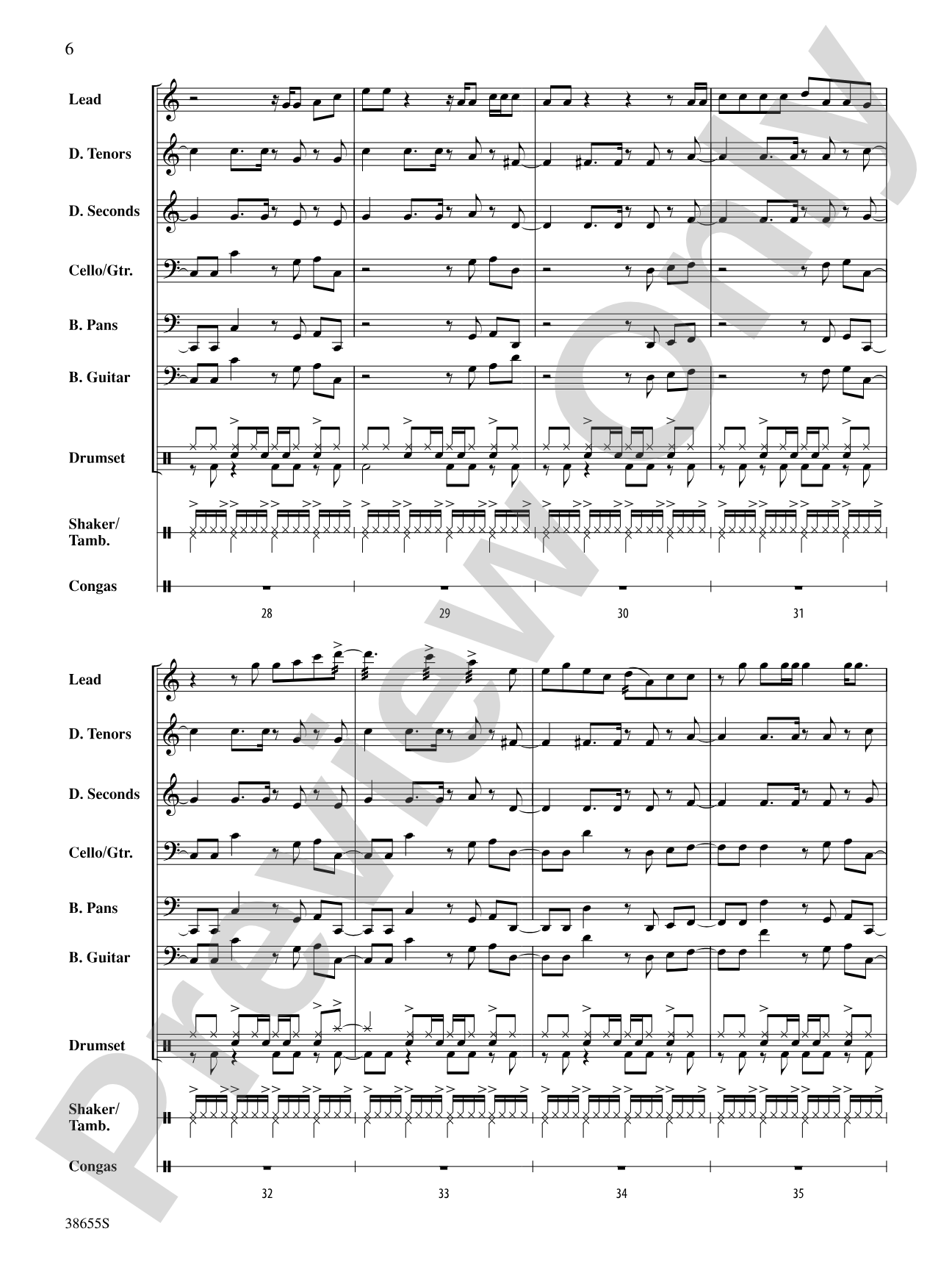
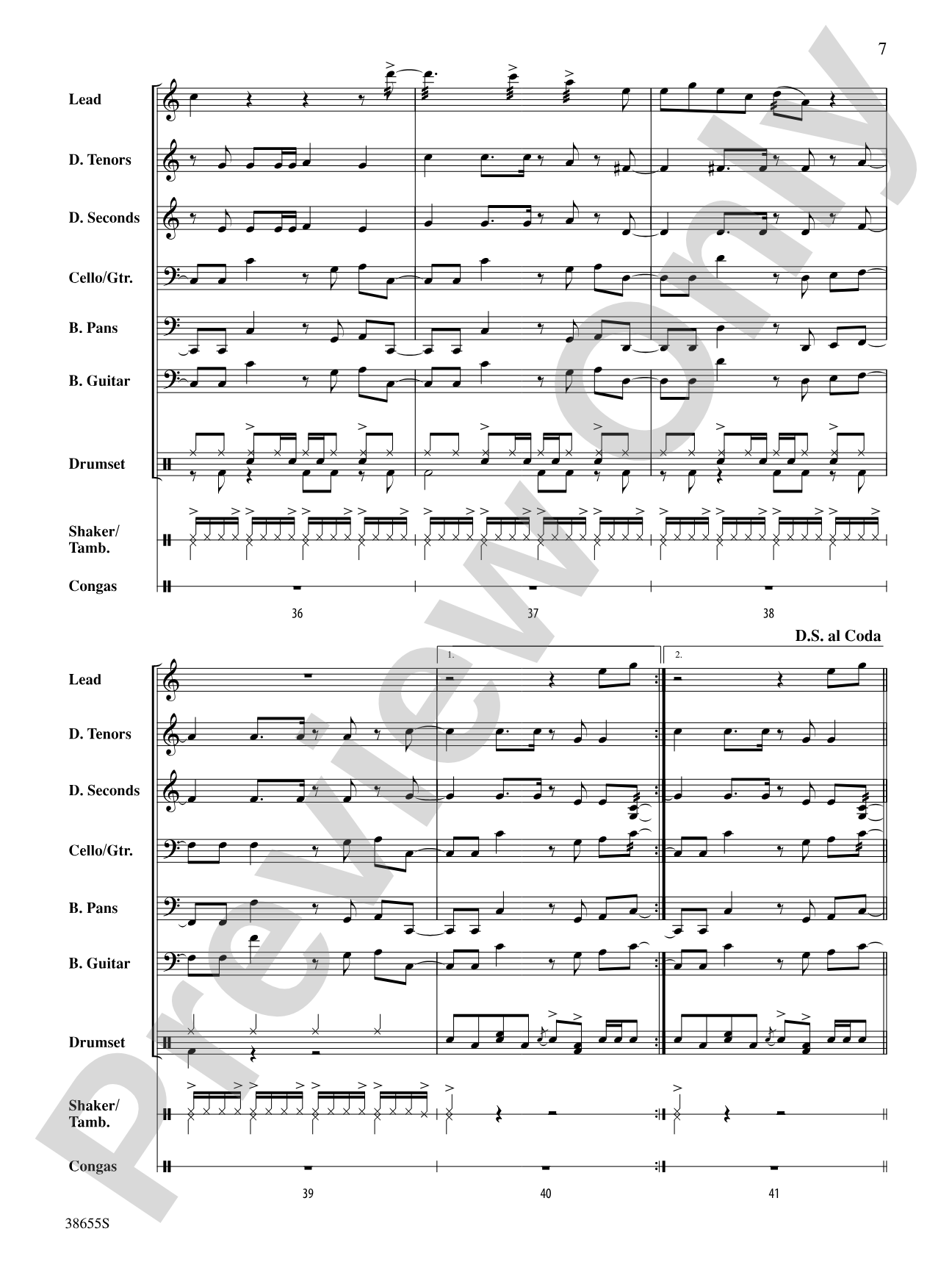
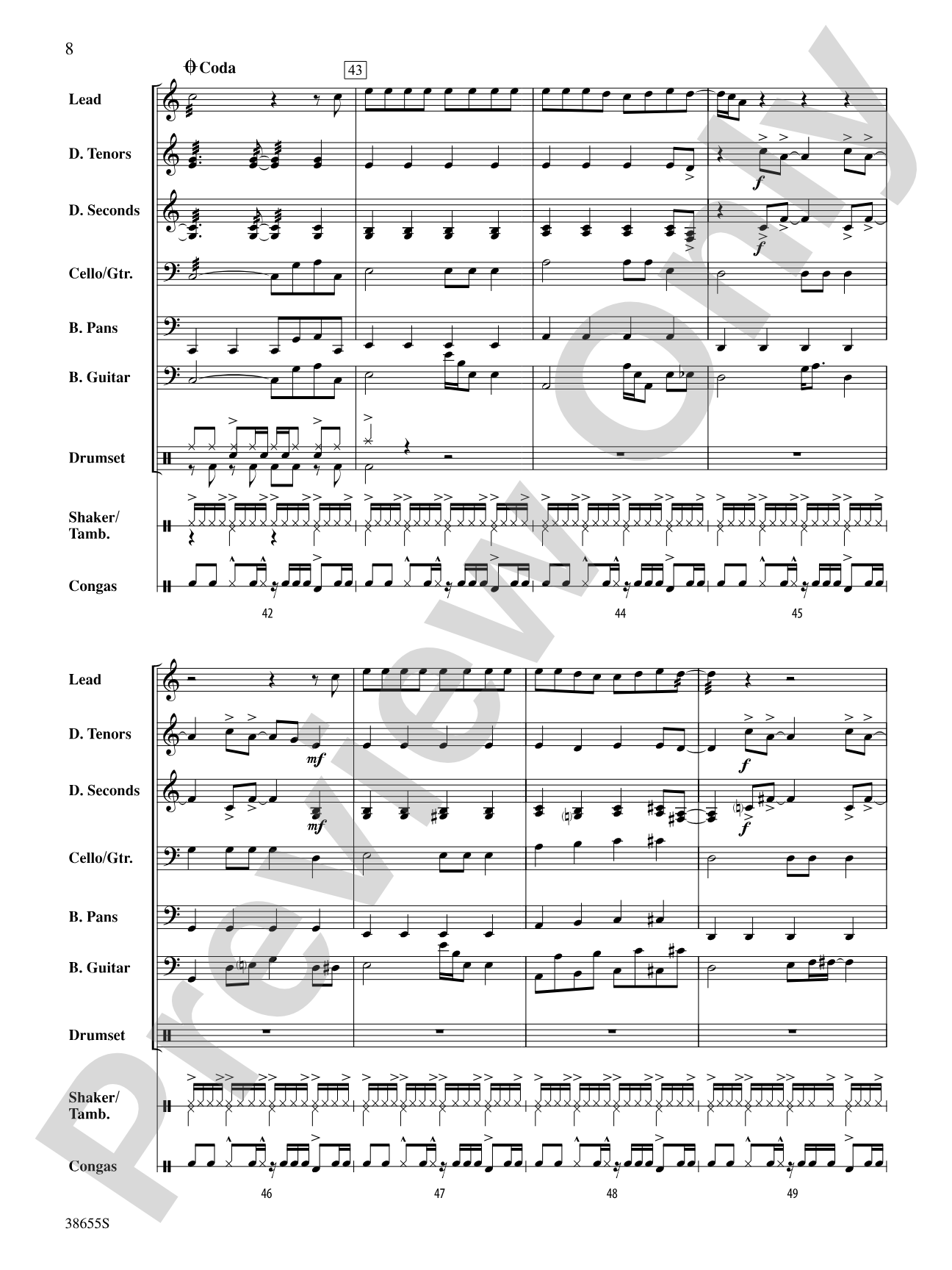
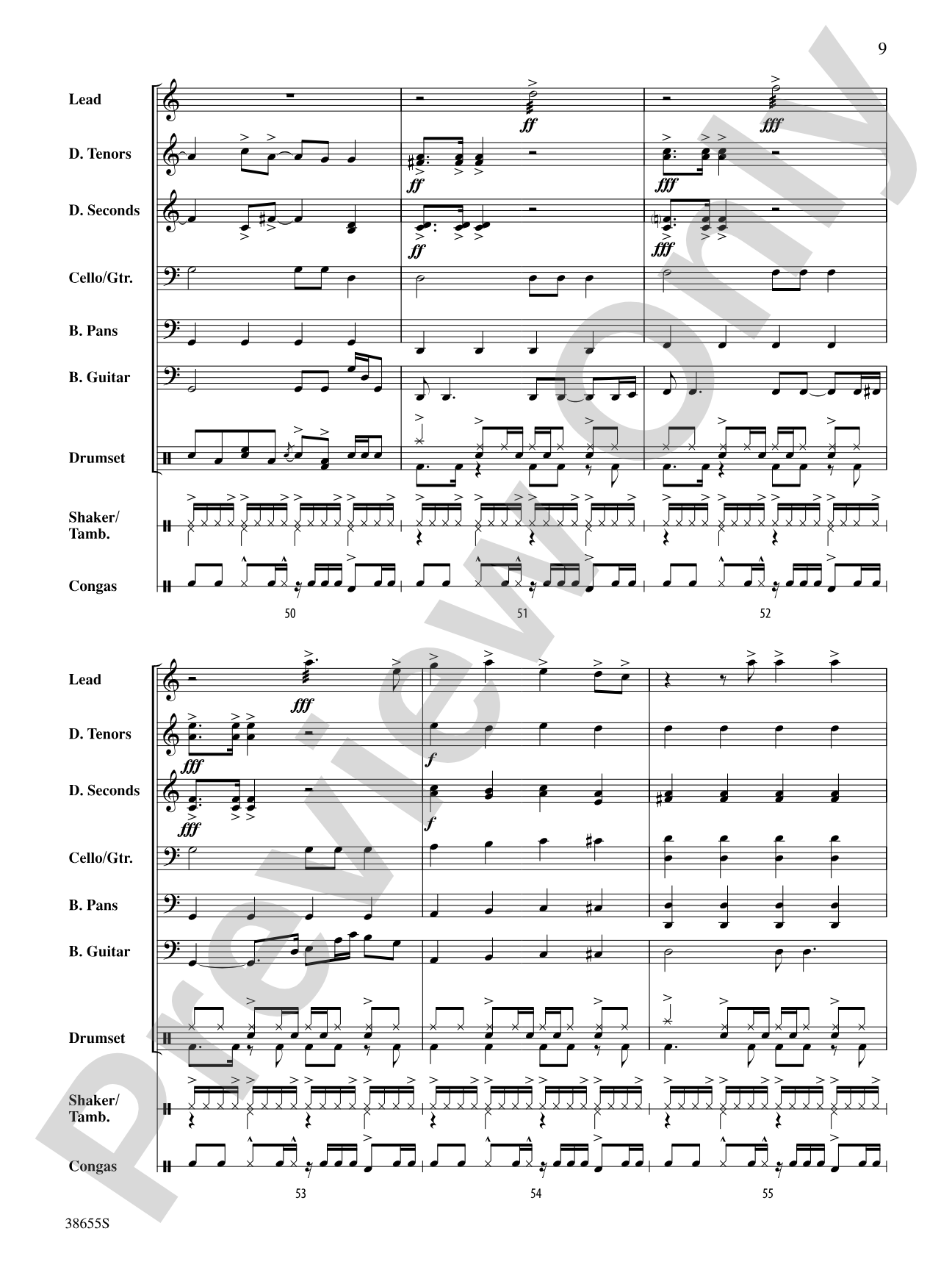
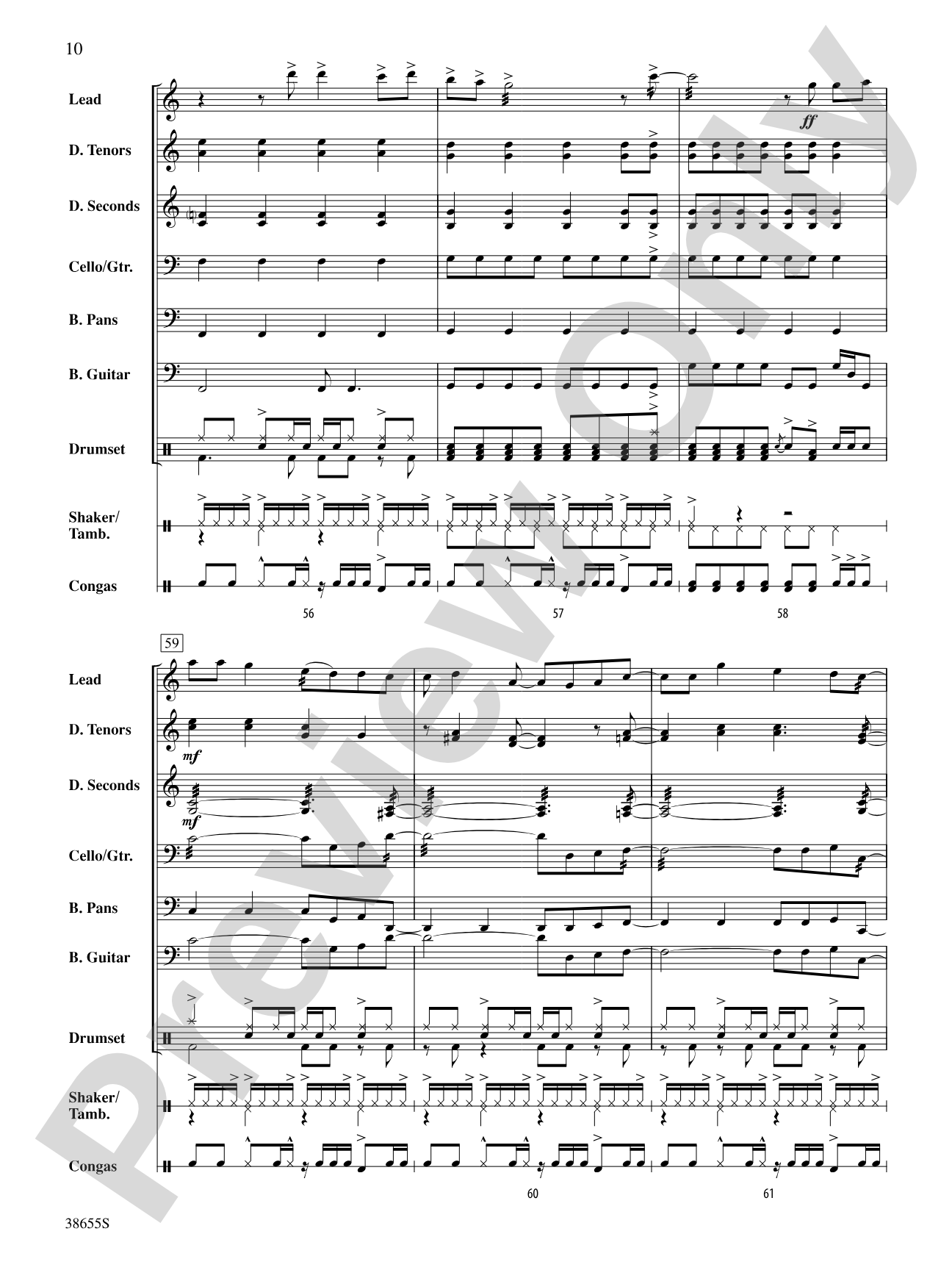
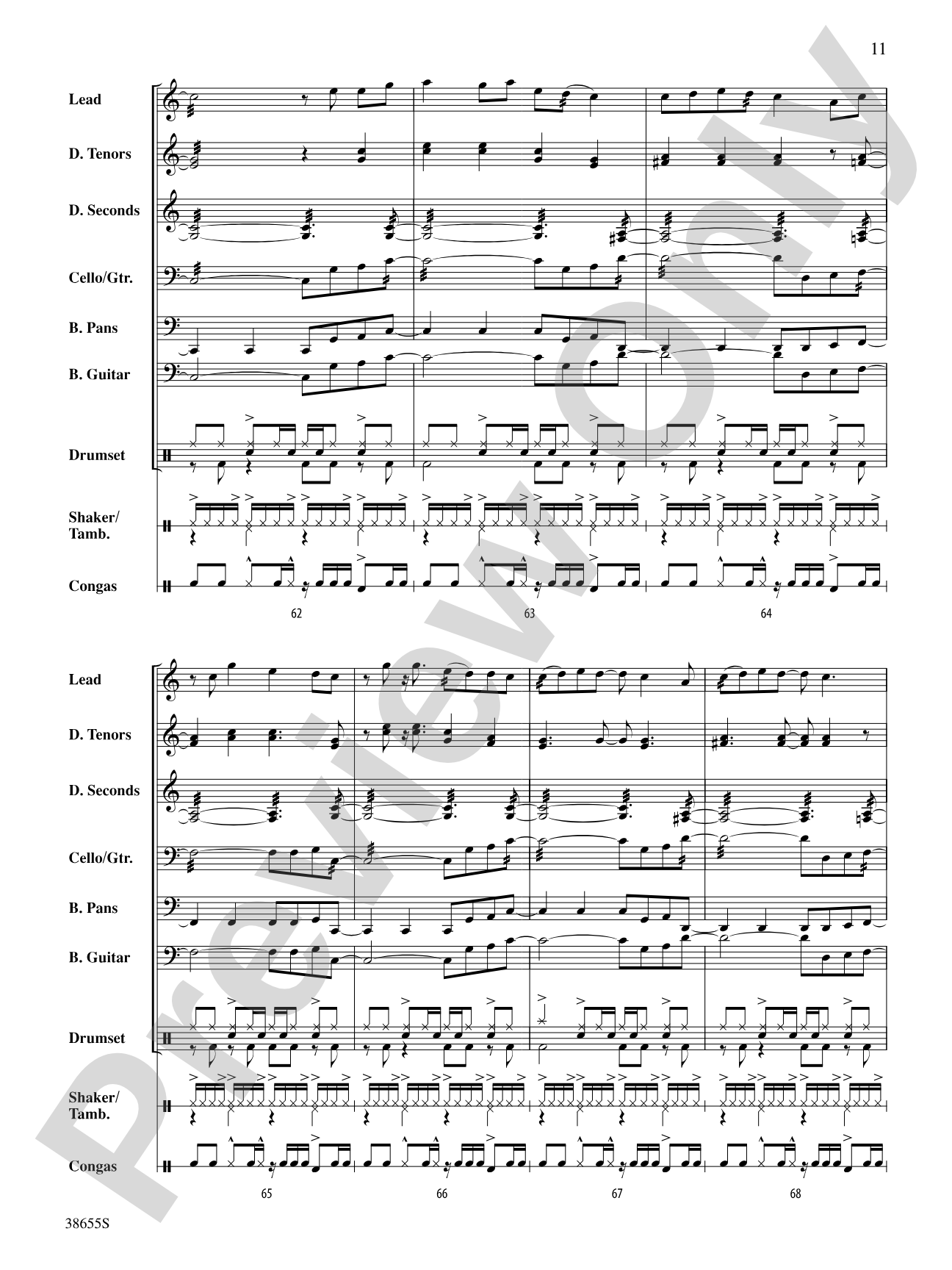
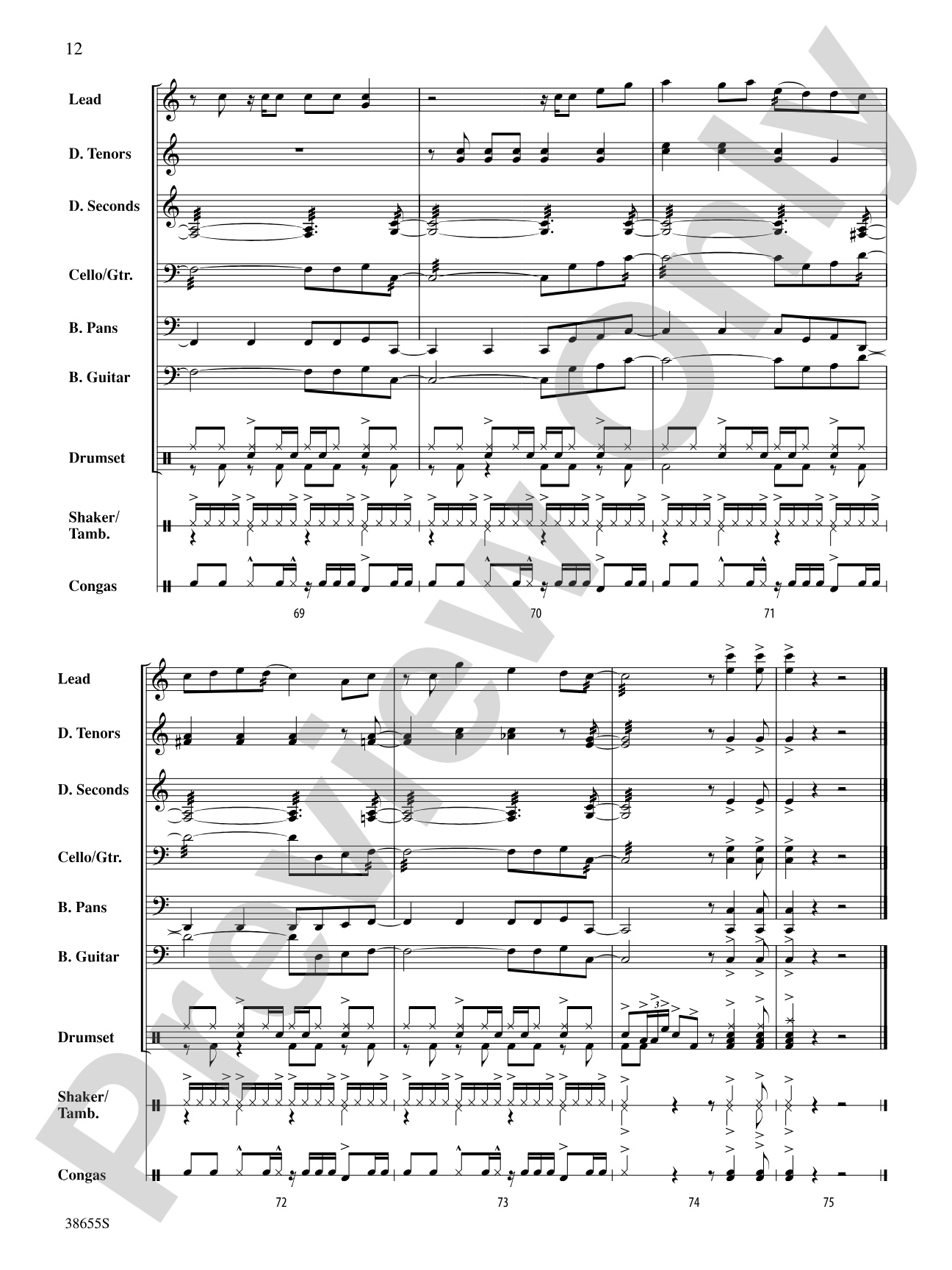

Forget You: Steel Drum Conductor Score & Parts
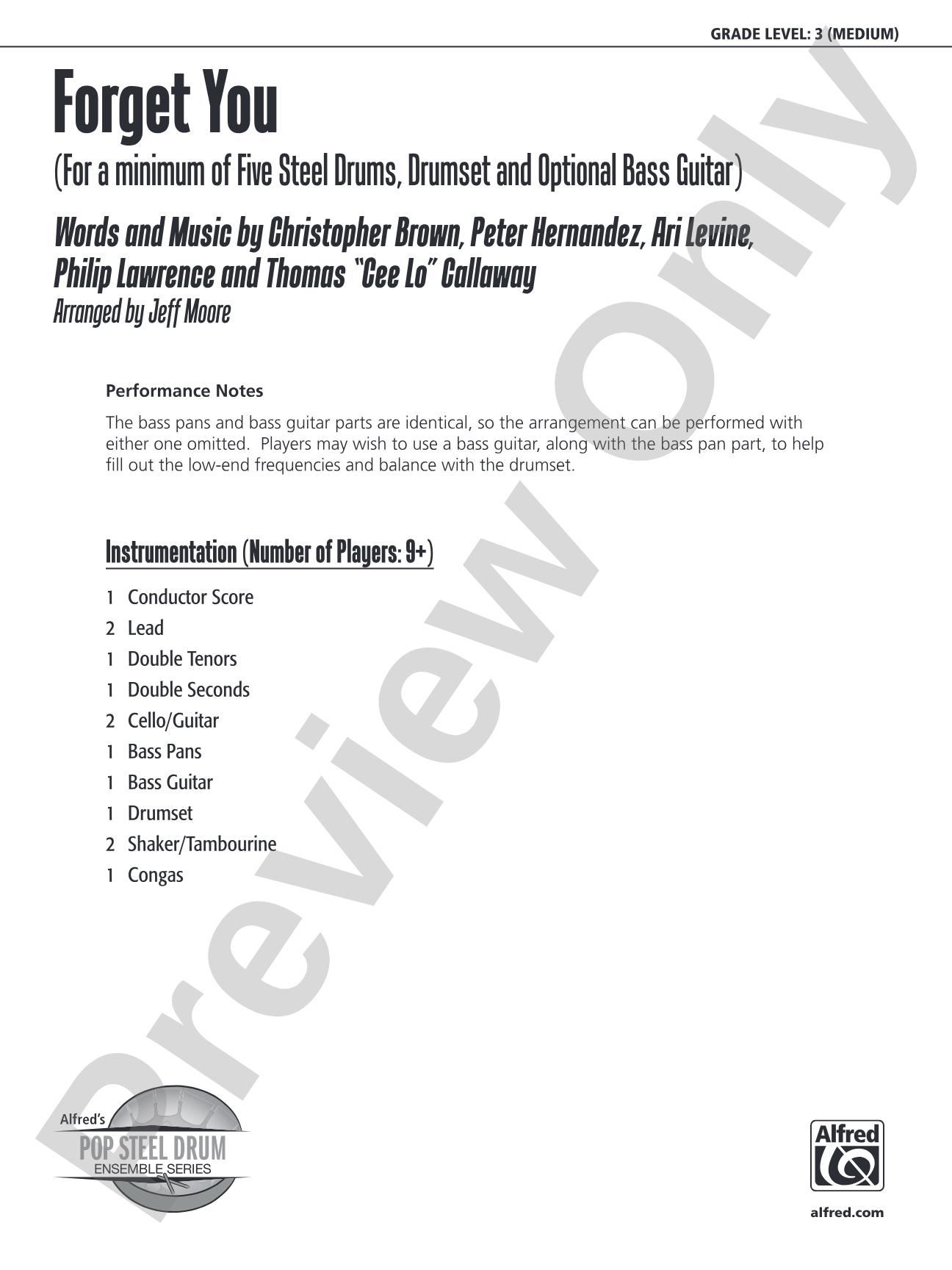
For a Minimum of Five Steel Drums, Drumset, and Optional Bass Guitar
Words and music by Christopher Brown, Peter Hernandez, Ari Levine, Philip Lawrence, and Thomas "Cee Lo" Callaway / arr. Jeff Moore
Item: 00-PK-0004881

$18.99
Pickup currently not available
Buy Extra Parts (Digital PDF Download)
| Product | Price | Quantity |
|---|---|---|
| Forget You: Score | $8.00 | |
| Forget You: 1st Percussion | $3.00 | |
| Forget You: 2nd Percussion | $3.00 | |
| Forget You: 3rd Percussion | $3.00 | |
| Forget You: Cello | $3.00 | |
| Forget You: 4th Percussion | $3.00 | |
| Forget You: String Bass | $3.00 | |
| Forget You: Drums | $3.00 | |
| Forget You: 5th Percussion | $3.00 | |
| Forget You: 6th Percussion | $3.00 |
Parts Added to Cart!
Related Items
Forget You: Steel Drum Conductor Score & Parts |
$18.99
|
View |
Description
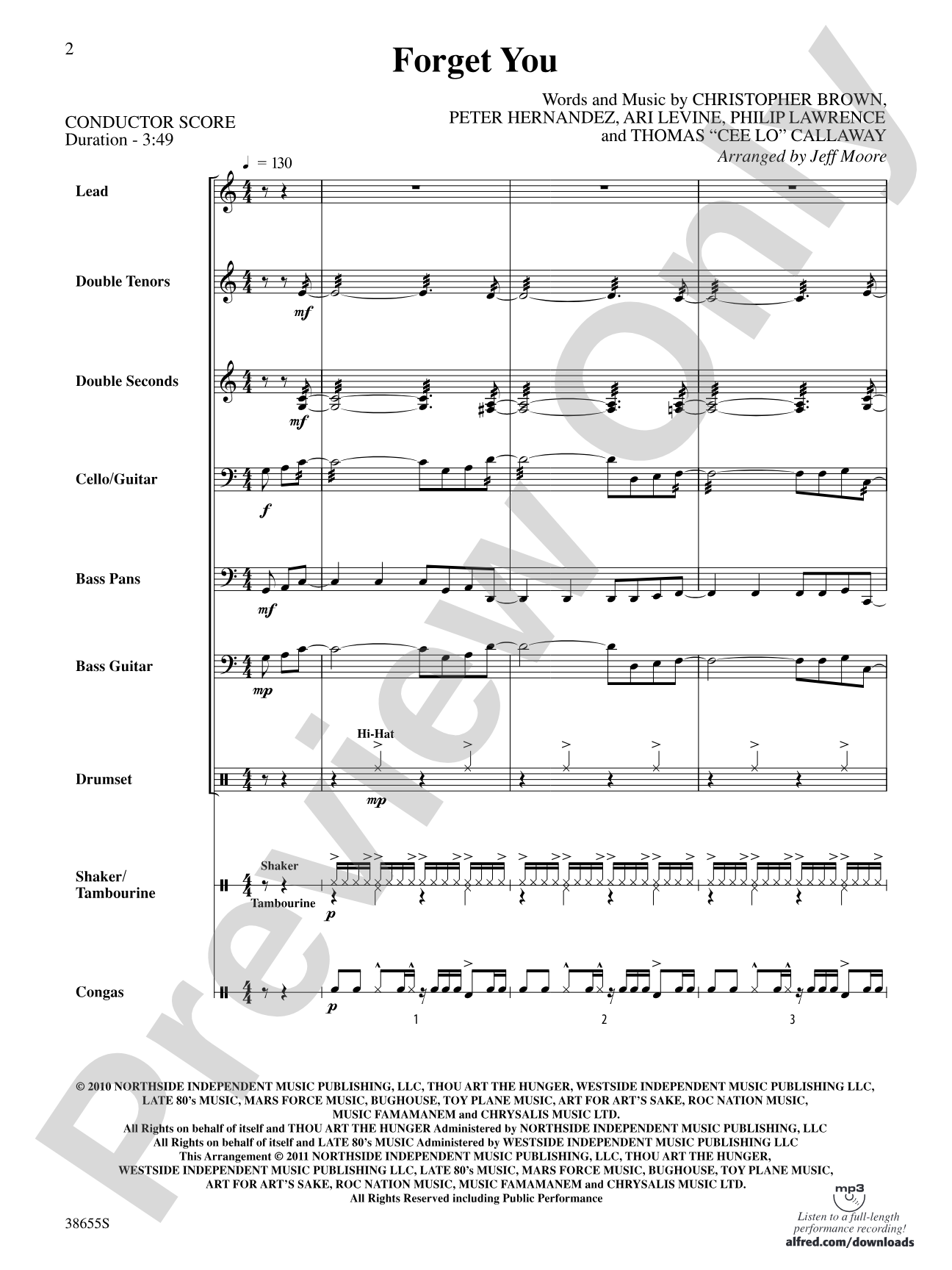
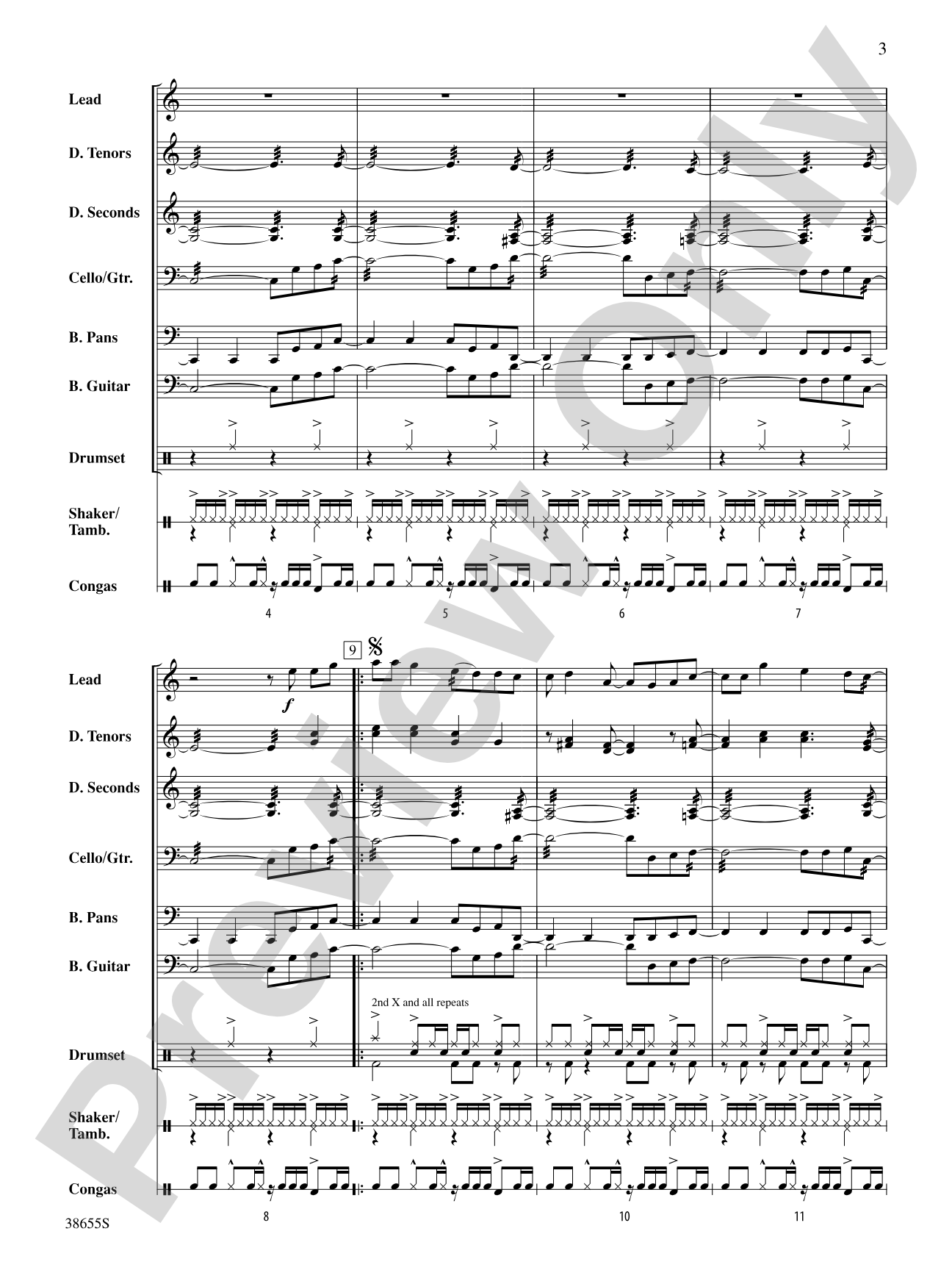
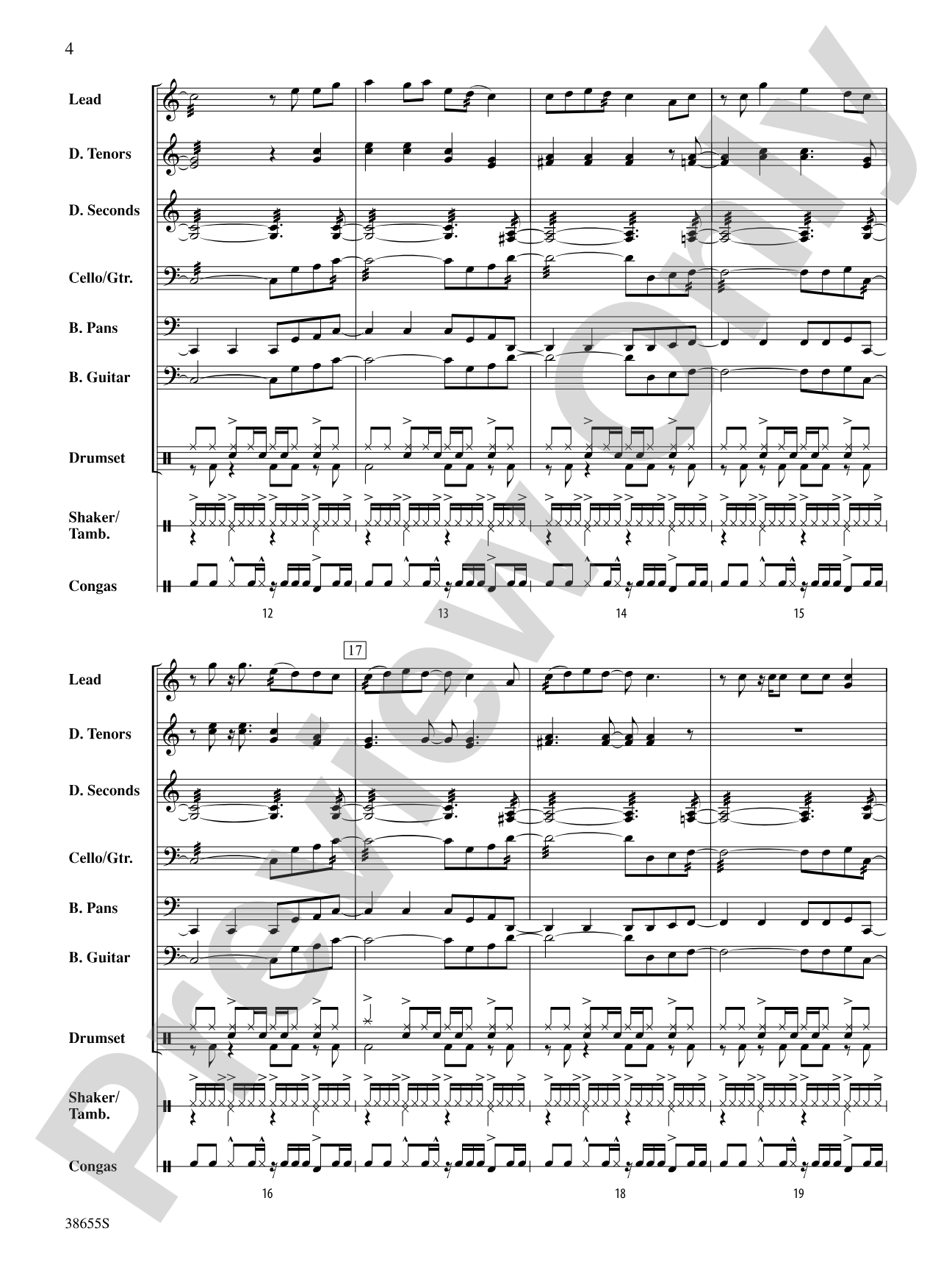
This Cee Lo Green Grammy-Award winner is a throwback to the "Motown Sound" and '70s soul music. It is instantly recognizable from the Green recording or the Glee version that featured Gwyneth Paltrow on vocals. This pop hit is arranged by Jeff Moore for Lead, Double Tenor, Double Second, Cello/Guitar, Bass Pans, Bass Guitar (optional), and Drumset.


Don't just read it, hear it, play along with it, and watch your students grow with it. In MakeMusic Cloud, Forget You: Steel Drum Conductor Score & Parts comes alive with professional accompaniment, adjustable tempo, and built-in practice tools that turn solo practice into real progress.
Open in the Player
Jump straight in and assign it today.
Start Your Free Trial
Open this title and explore the full library in minutes.
Sample Audio
1
Audio File
--:--
0:00
0:00
Sample Video
No sample videos found.
Additional Details
Series:
Alfred's Pop Steel Drum Ensemble Series
Publisher:
Alfred Music
Page Count:
42
SKU:
00-PK-0004881
Instrumentation:
Steel Drum Ensemble
More about this title
About the Composer: Christopher Brown
Christopher Brown is one of the composers behind "Forget You," a track that earned a Grammy Award and became a cultural touchstone through both Cee Lo Green's original recording and its appearance on the television series Glee. Brown's work demonstrates a keen ability to craft pop hooks that resonate across generations and genres, making his compositions accessible to performers at all levels.
Why we love this
This arrangement brings an instantly recognizable hit into the steel drum ensemble setting without sacrificing the song's infectious energy and soul. The Motown-influenced groove translates brilliantly across pans and percussion, giving students an opportunity to play music they actually know and love while developing ensemble musicianship in a world percussion context.
What to expect
Smooth, soulful, and undeniably fun. The arrangement captures the song's retro-modern vibe, channeling Motown warmth through Caribbean steel drum sonorities. This is music that makes audiences smile the moment they recognize the opening groove.
Who it's for
Steel drum ensembles of intermediate to advanced ability who want to program contemporary pop repertoire with high engagement value. This is ideal for directors working with students who responded to the Glee phenomenon or who simply want to prove that steel pans belong on modern songs, not just traditional folk arrangements.
How to get the most out of it
- Lock the bass and drumset into a tight pocket early in rehearsals; this is what anchors the entire groove and gives the lead and tenor pans room to breathe.
- Balance the multiple tenor voices so that the double second and double tenor parts blend rather than compete, preserving the harmonic color beneath the melody line.
- Keep the overall energy buoyant and light; this arrangement thrives on the rhythmic bounce of the original, not on weight or heaviness.
- Work the percussion hits in the drumset and cello/guitar parts as punctuation; they should feel like they're driving the song forward, not sitting on top of it.
How to use it
This works beautifully as a set opener at a spring concert, where its upbeat character and universal recognition set a celebratory tone. It pairs naturally with other pop or contemporary world music arrangements and gives steel drum students a chance to perform repertoire that reflects their actual musical world outside the ensemble room.
Skills your students will build
- Maintaining steady grooves within ensemble texture while balancing melody and harmonic layers
- Voicing chords across multiple pan instruments to create cohesive harmonic sound
- Synchronizing steel drums with drumset and guitar/cello in a pop rhythm section context
- Phrasing pop melodies with appropriate style and attack on mallet percussion
- Reading contemporary rhythm notation and syncopated rhythmic figures