
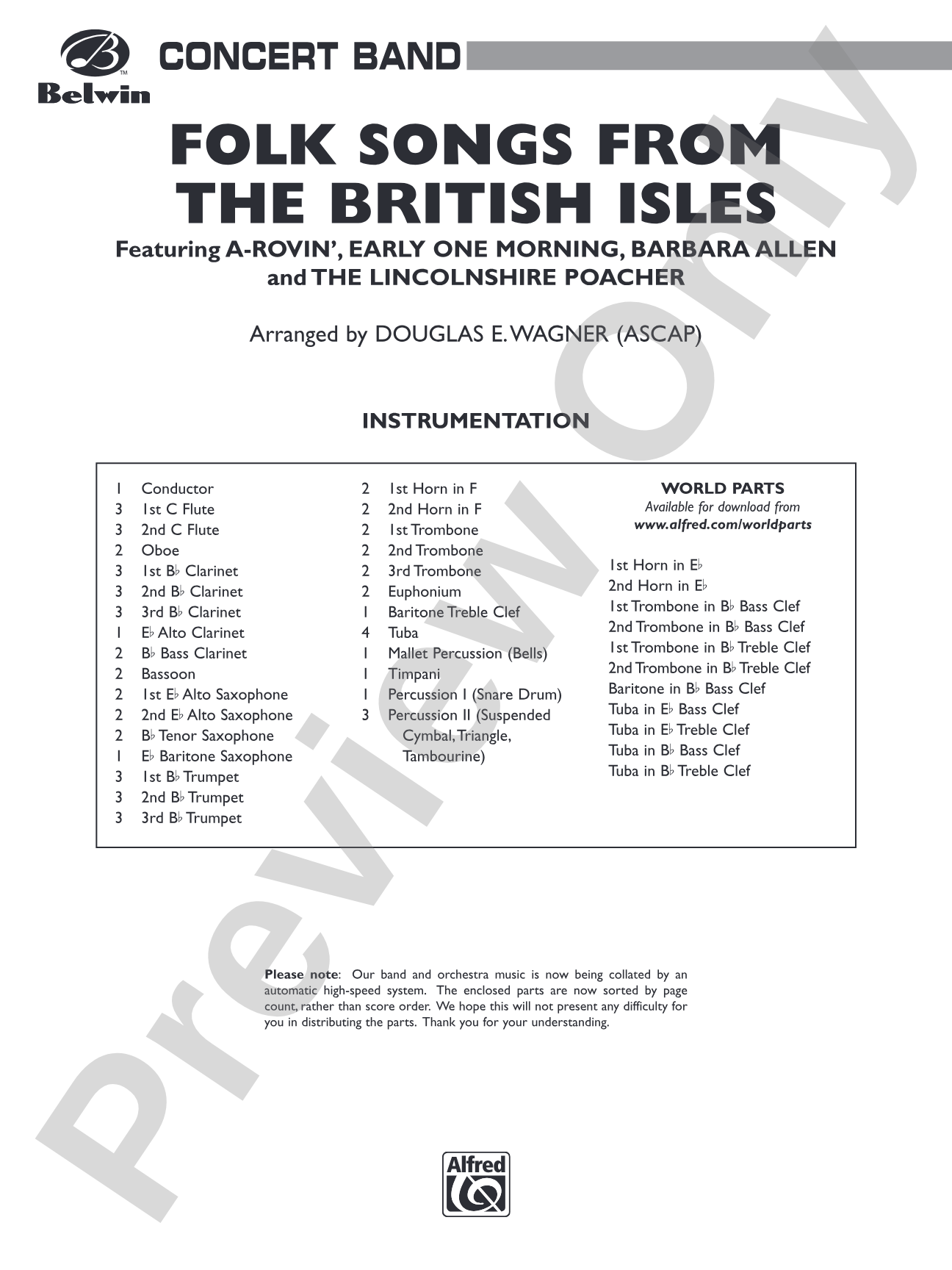
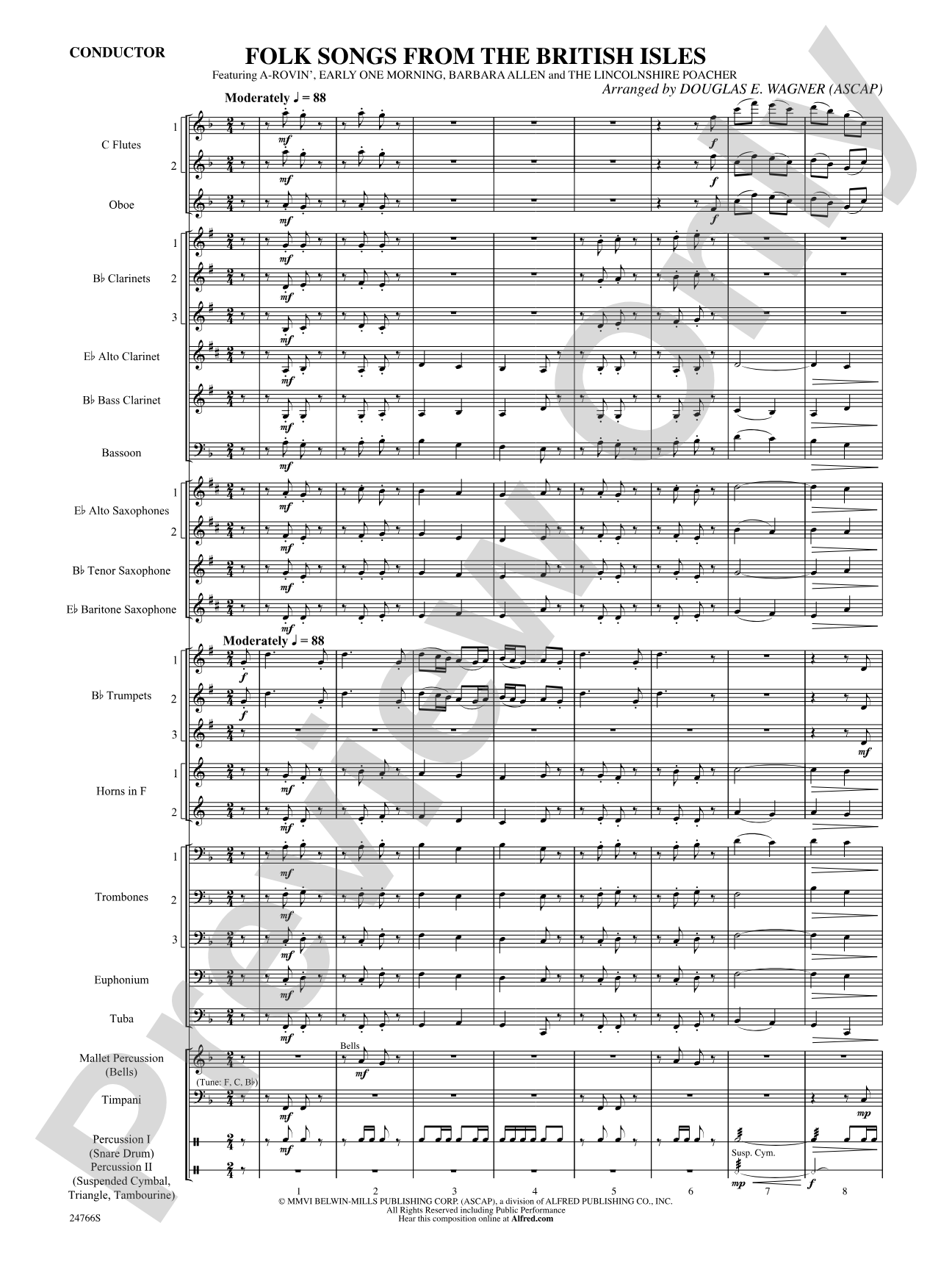
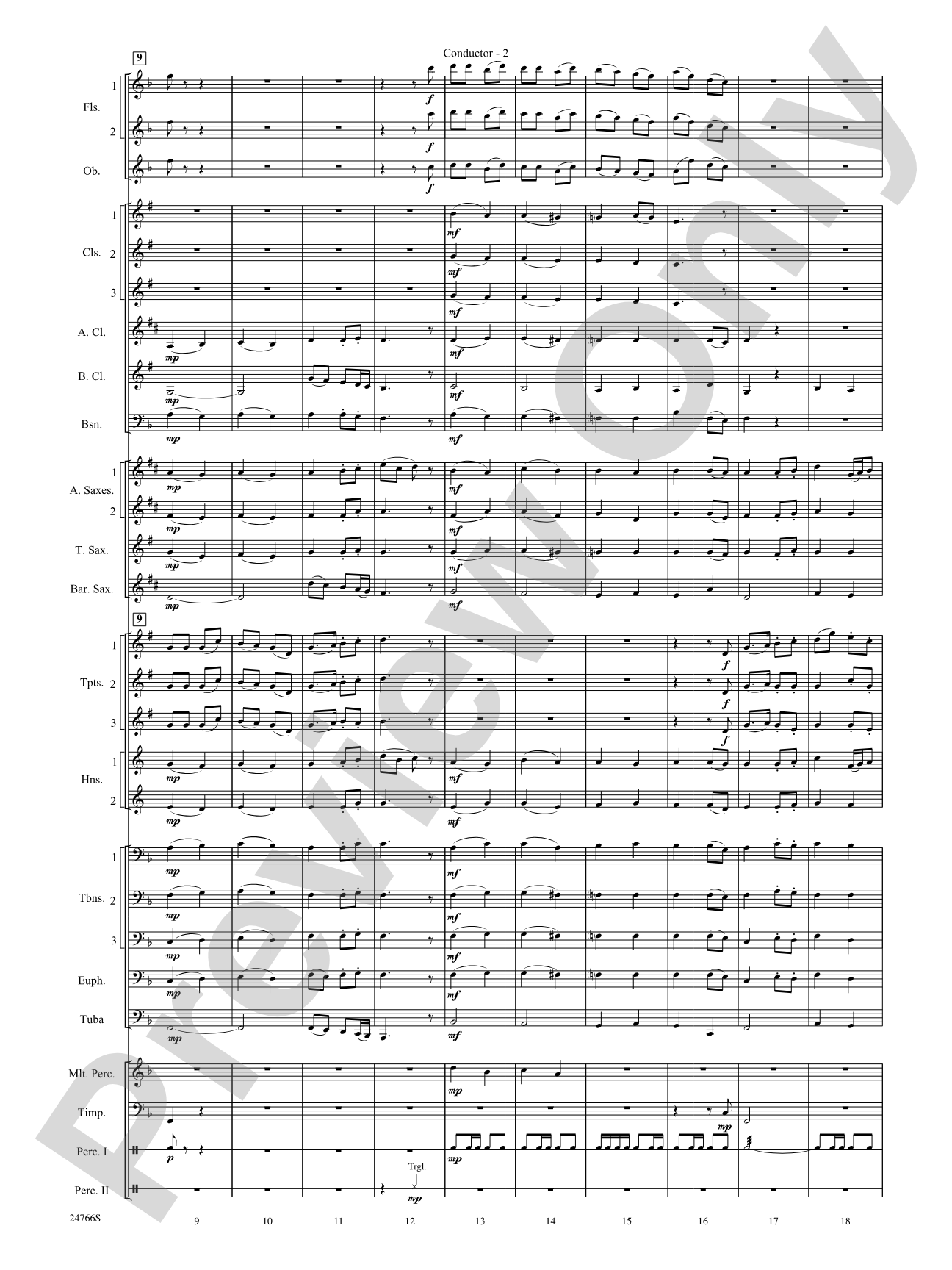
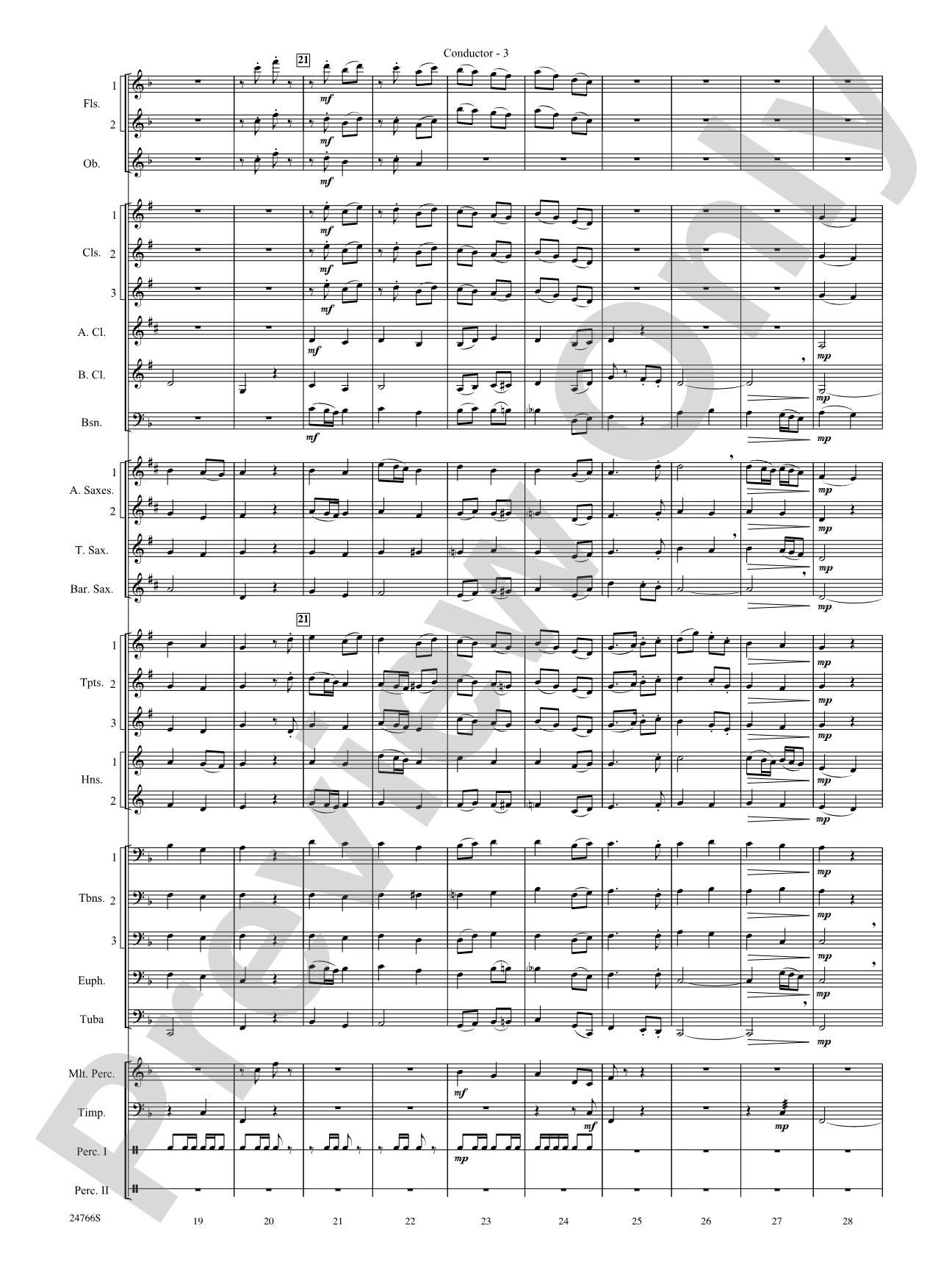
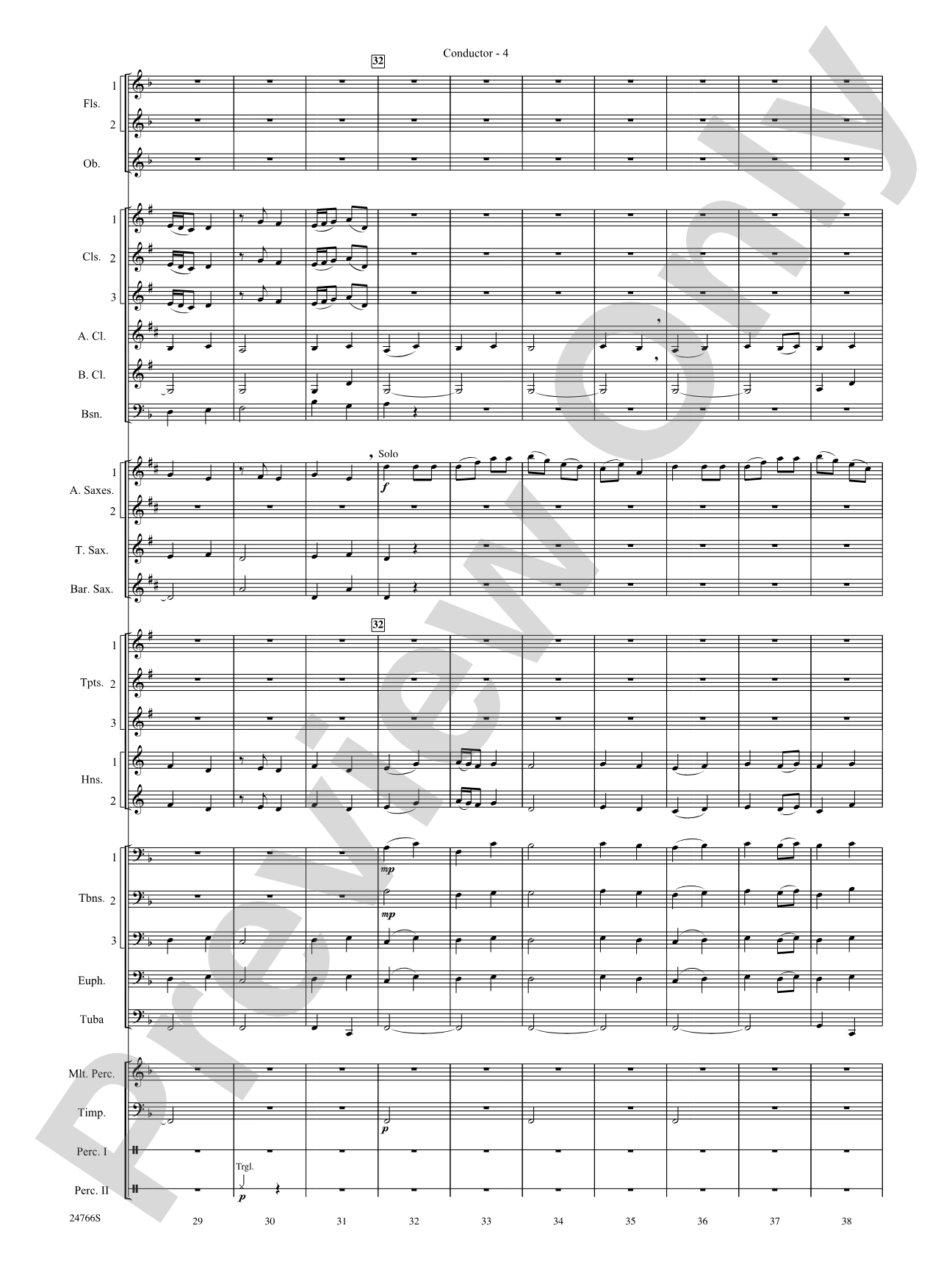
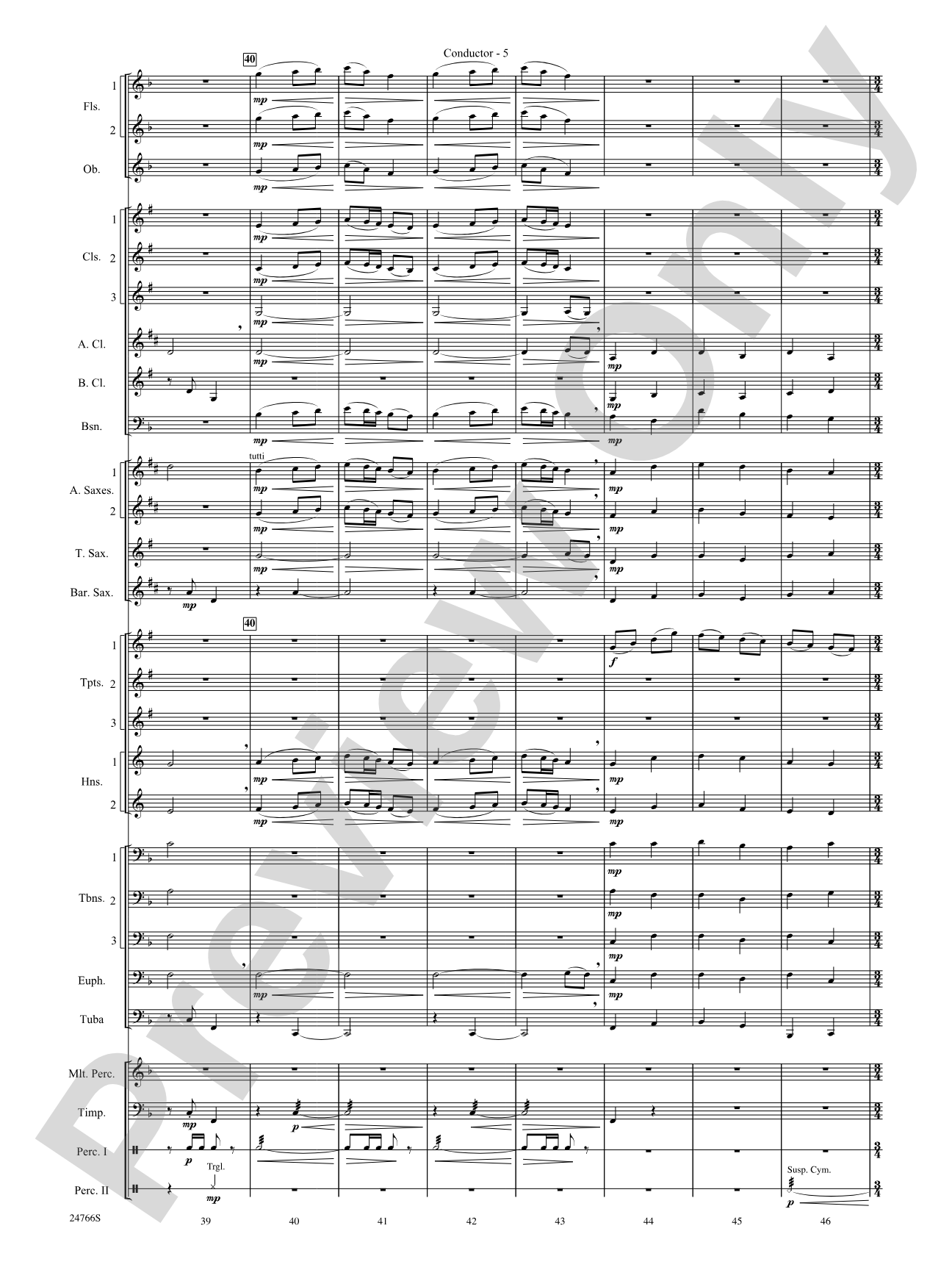
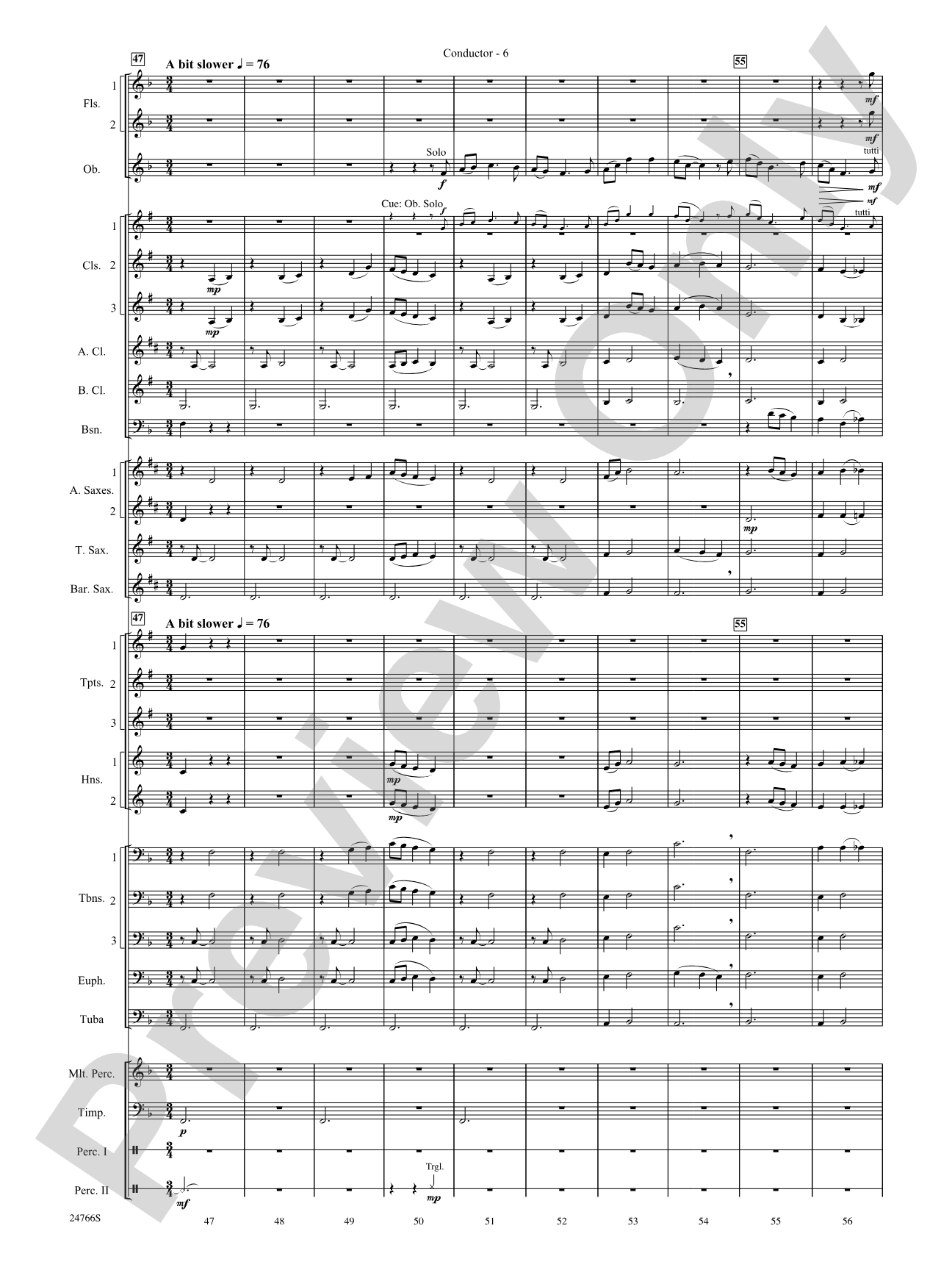
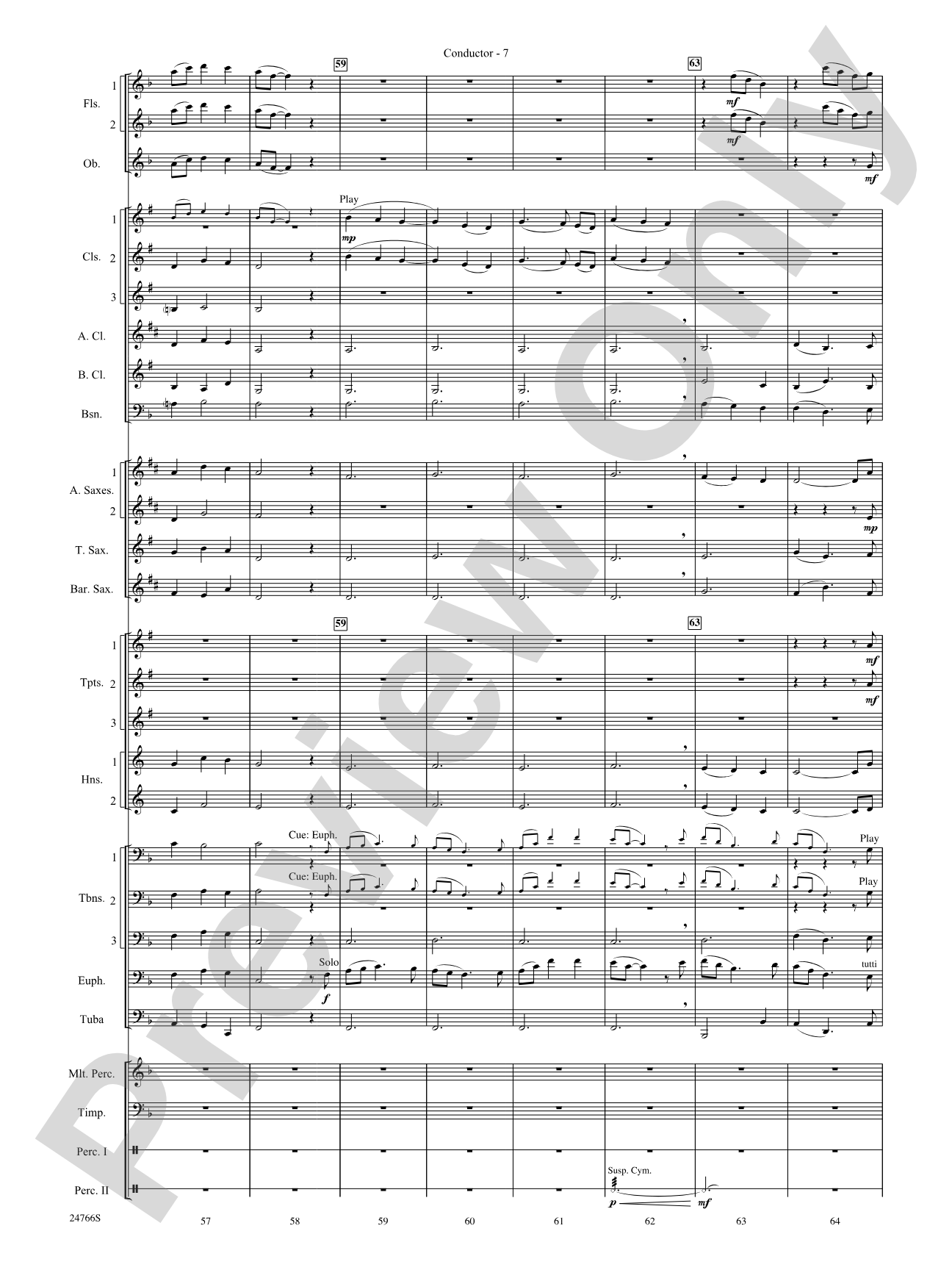
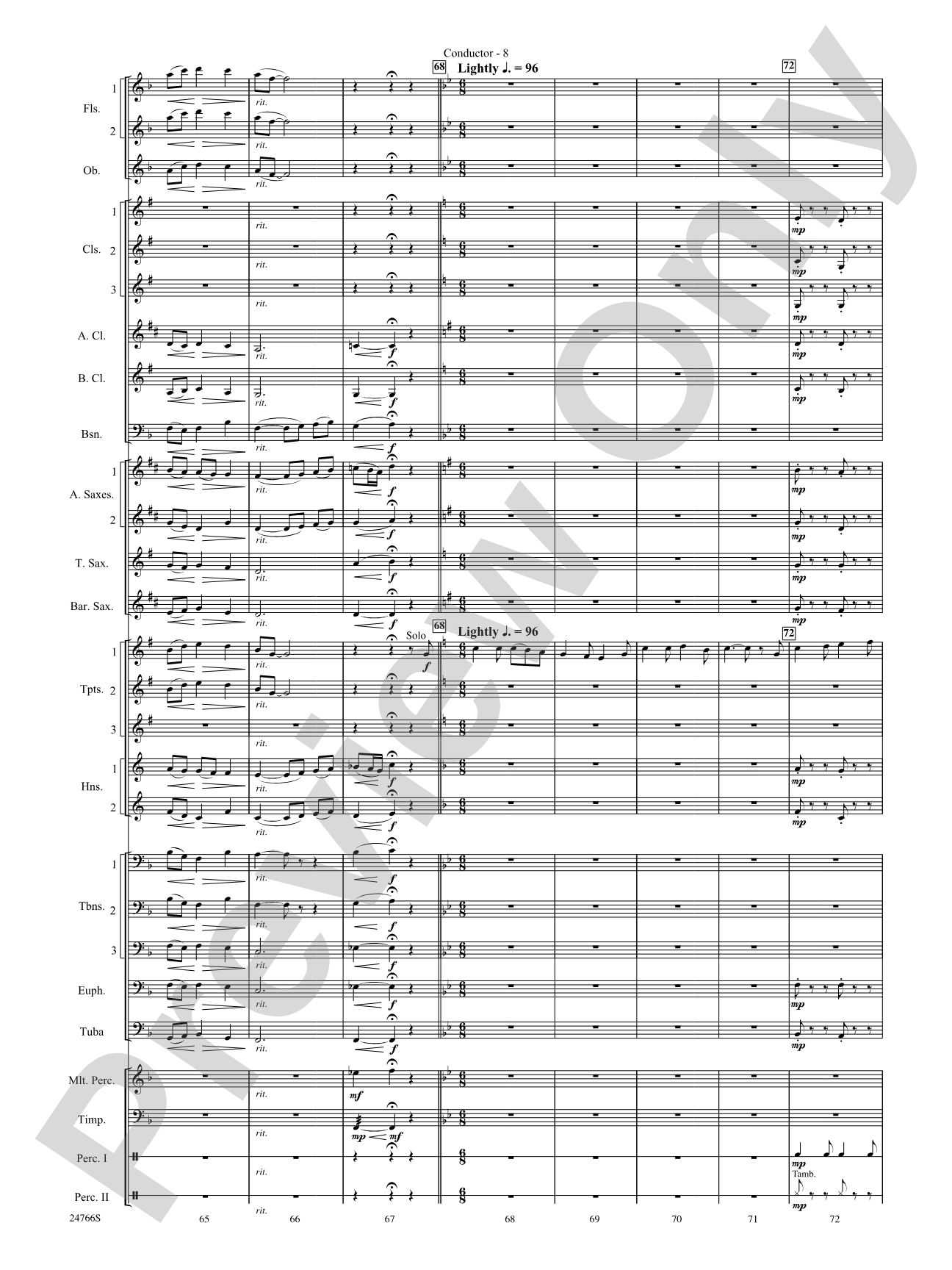
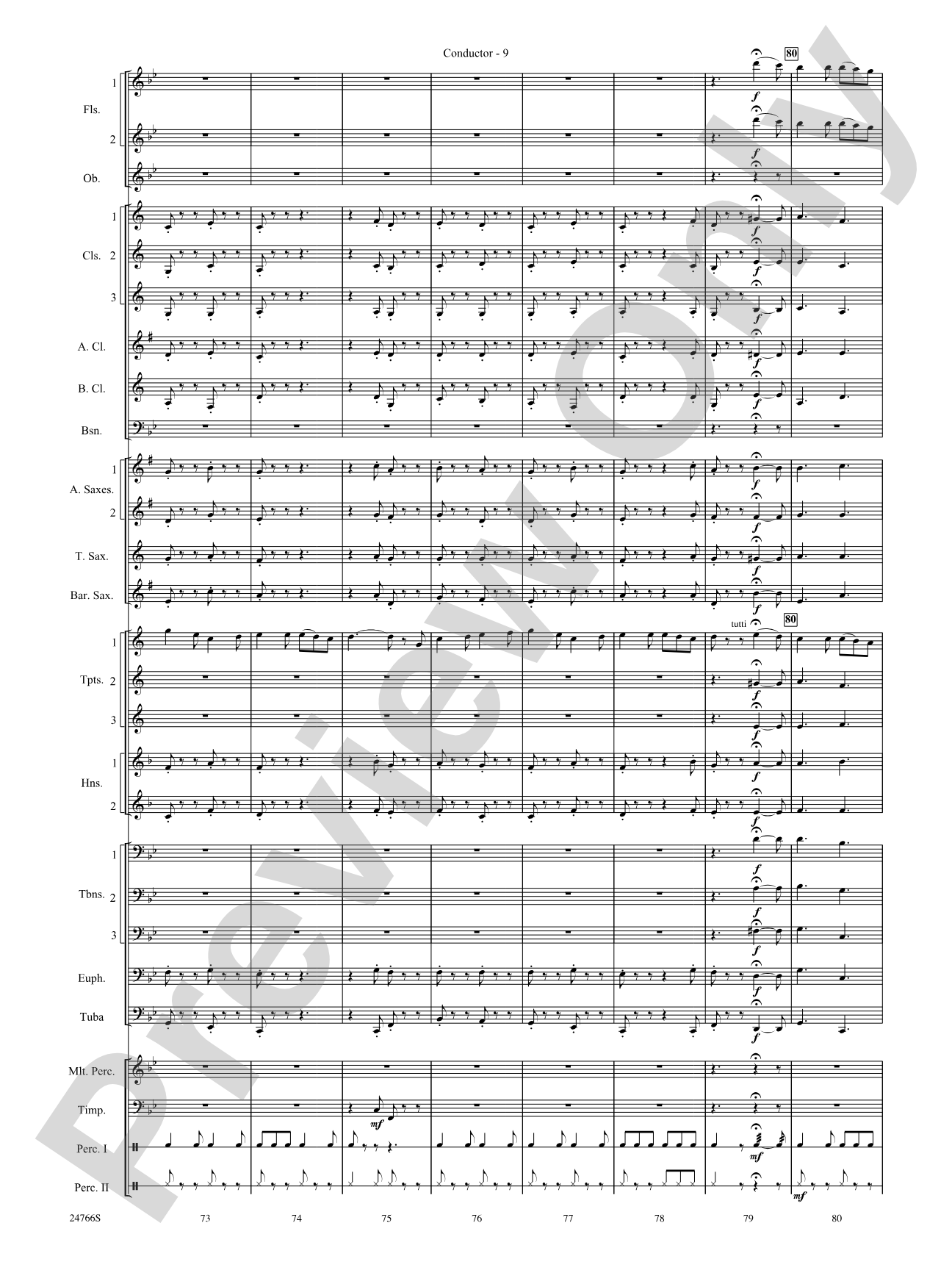
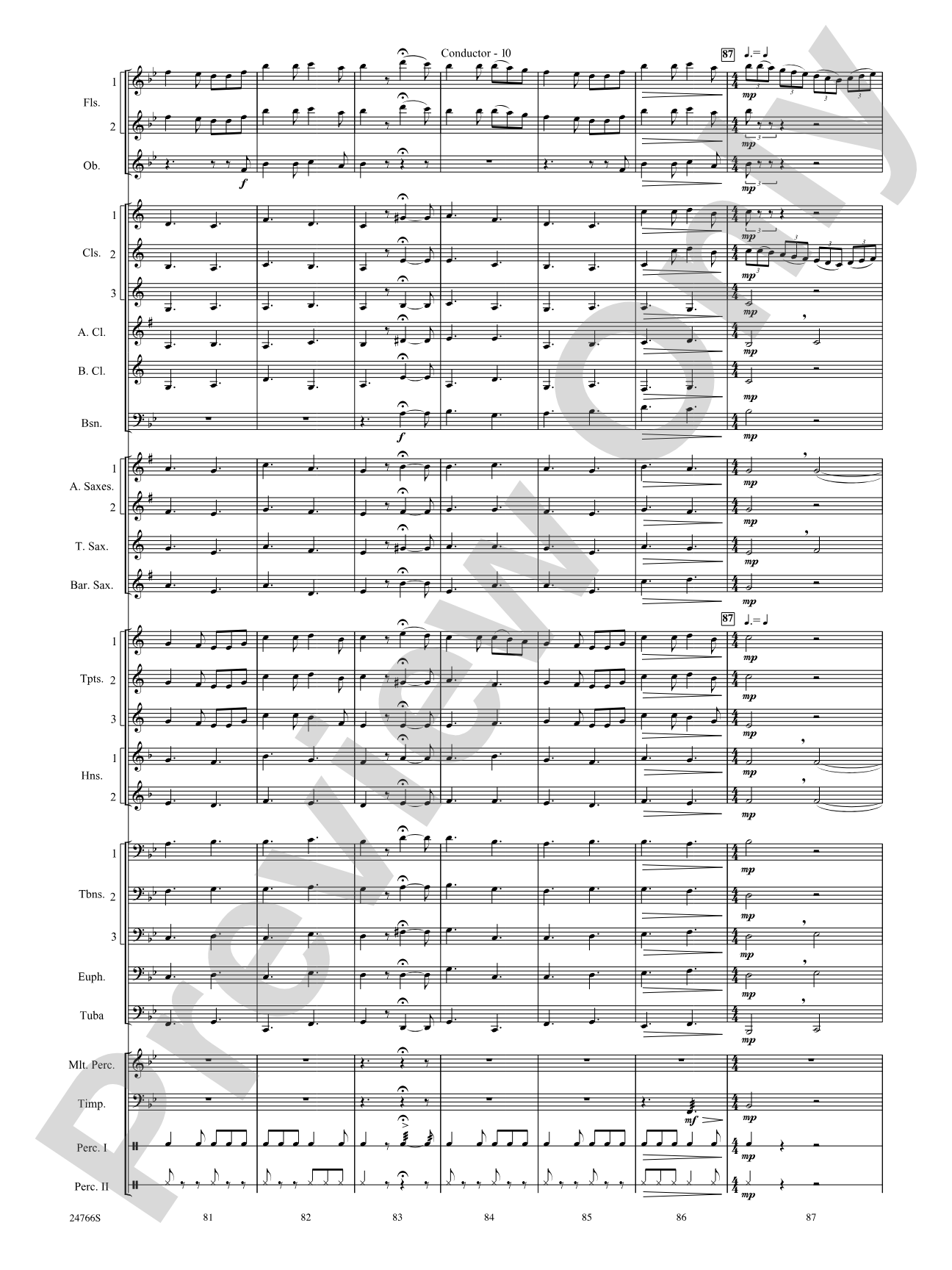
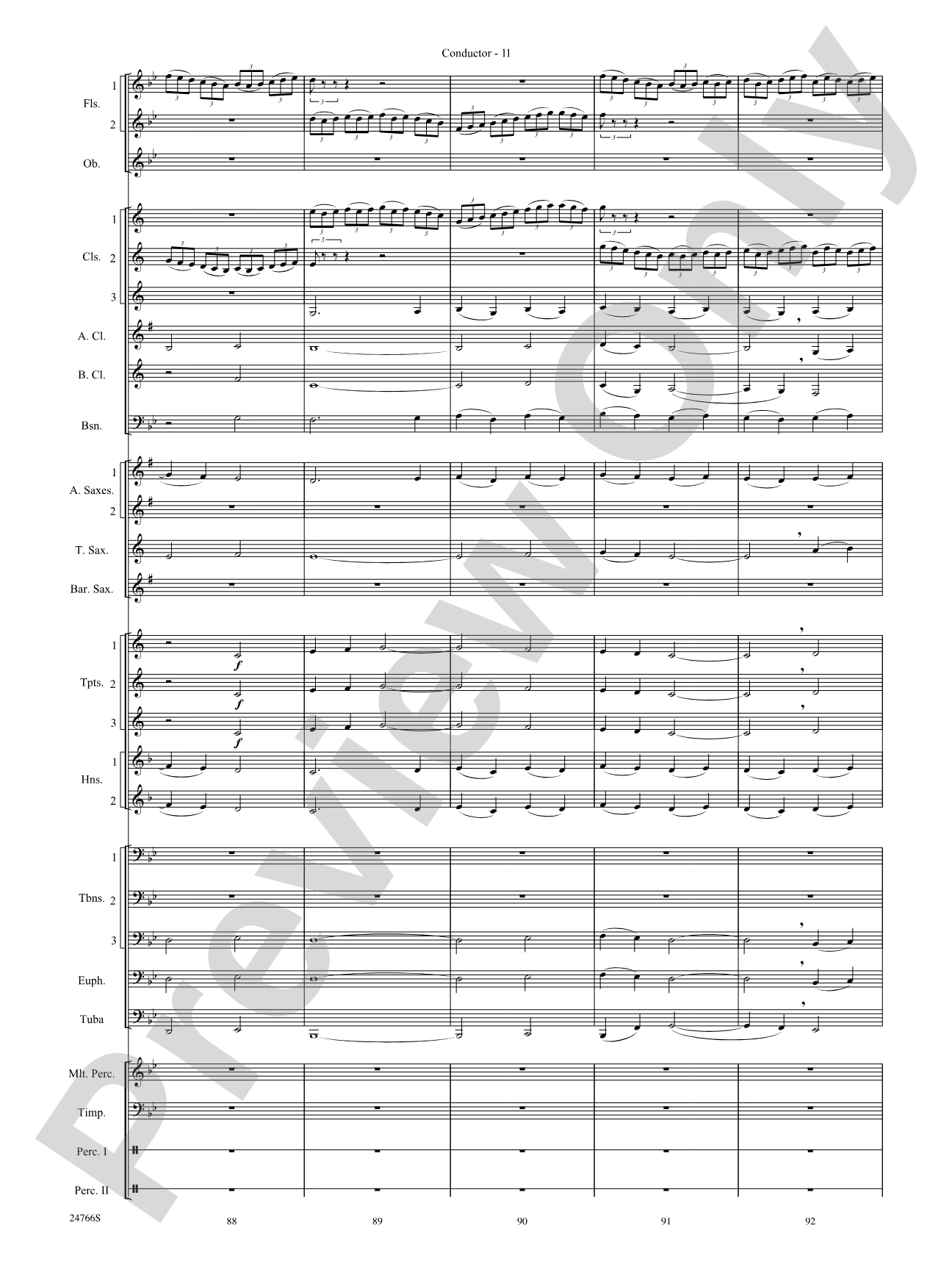
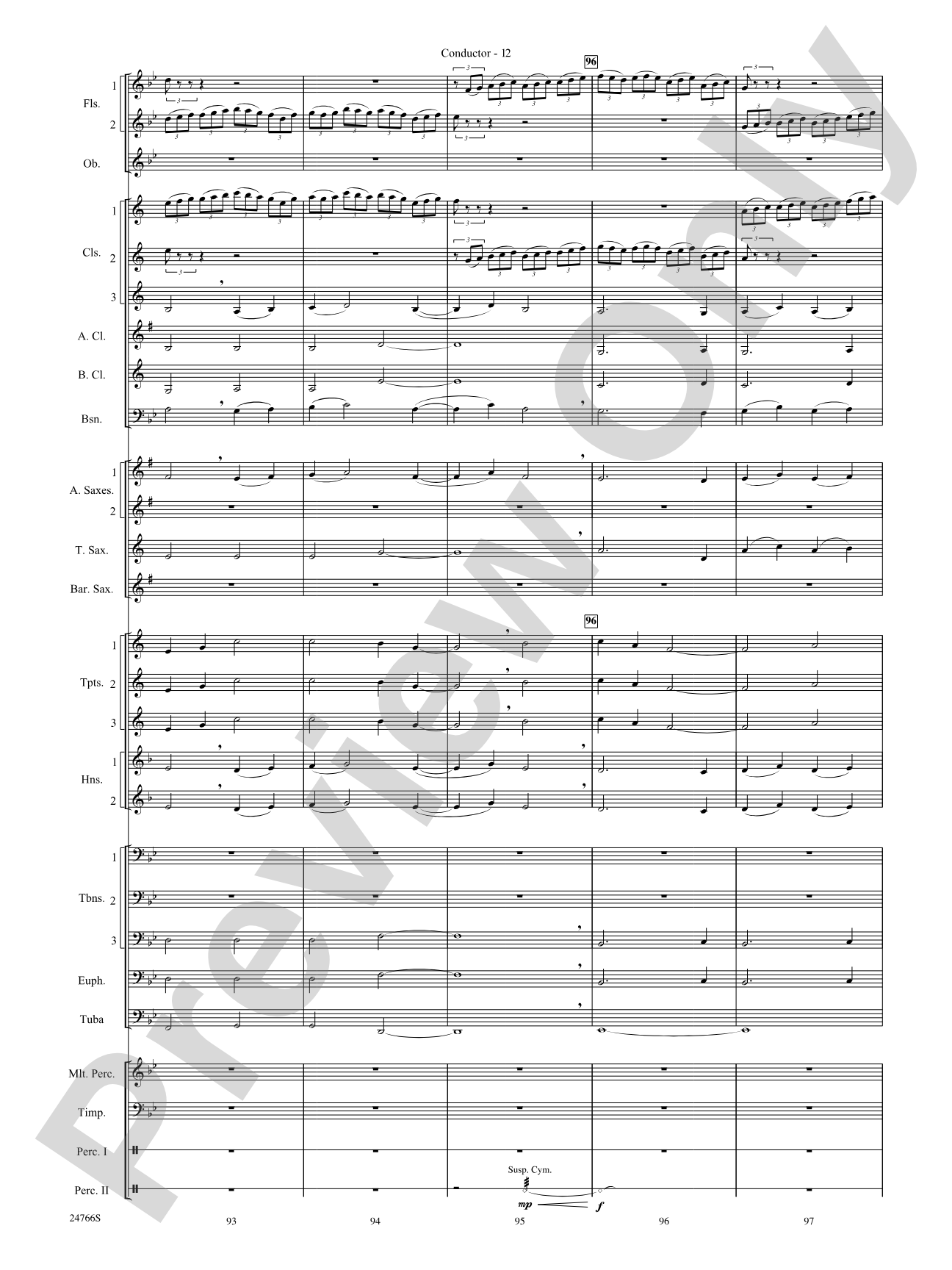
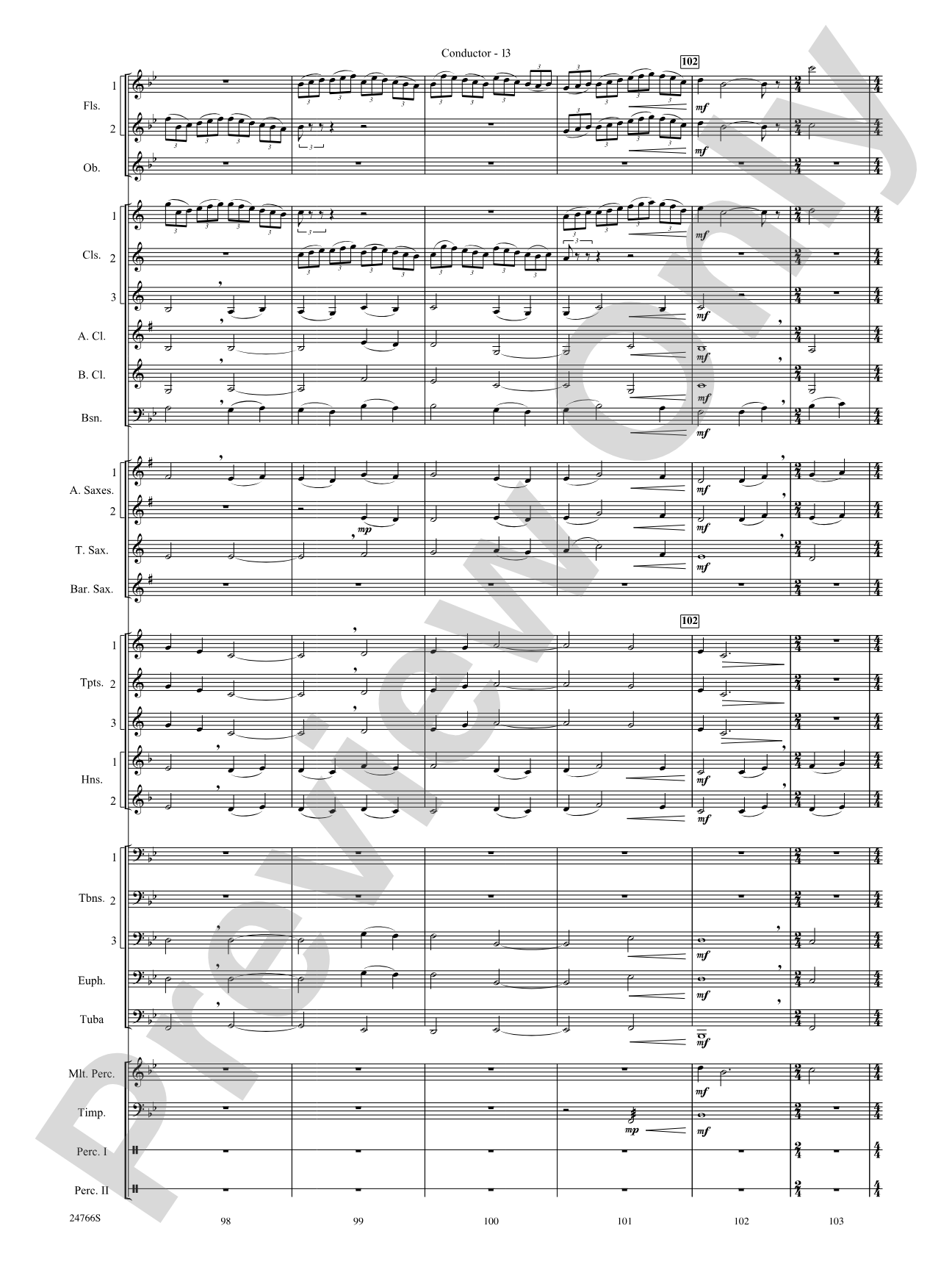
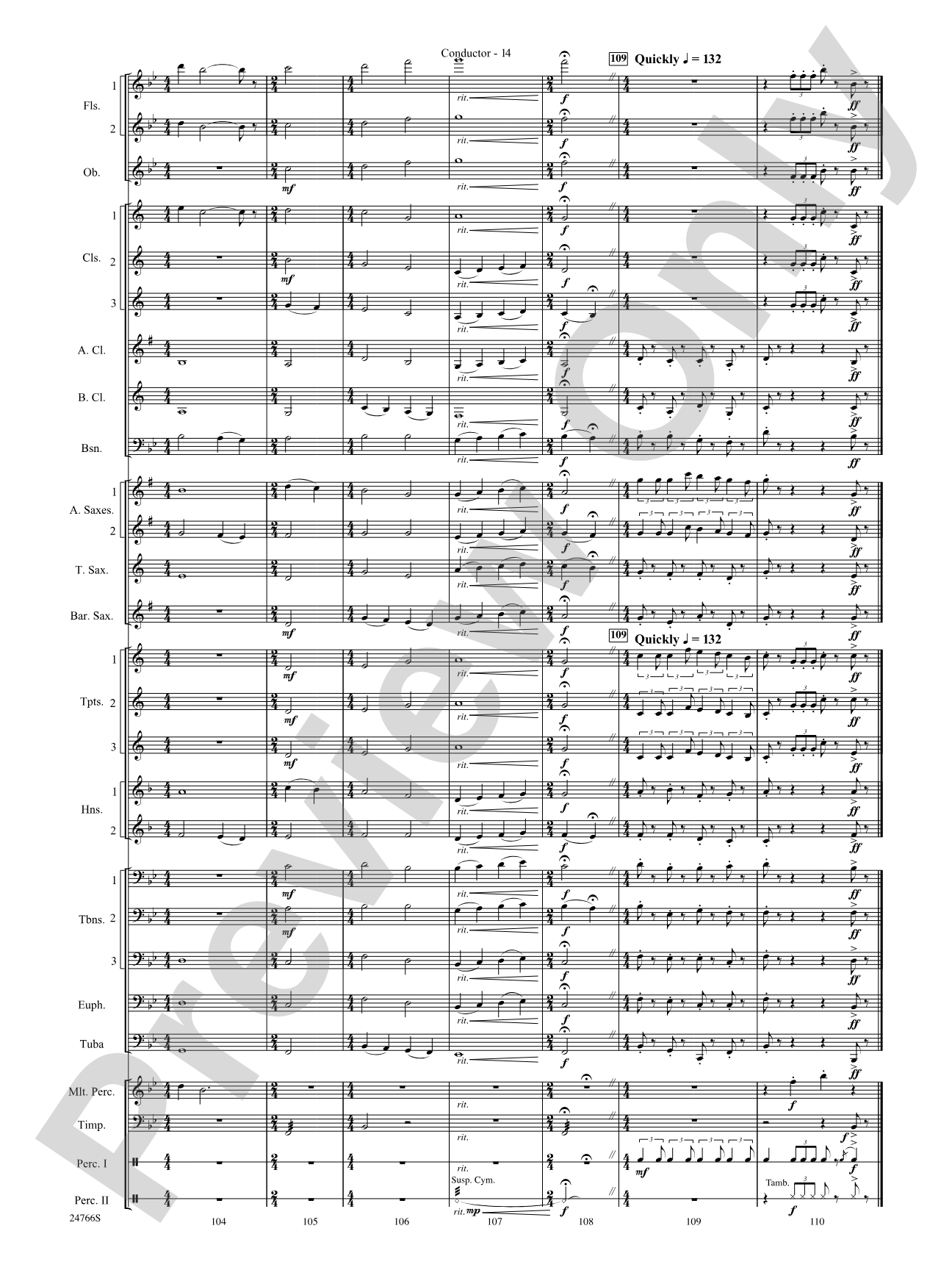

Folk Songs from the British Isles: Score
Various / arr. Douglas E. Wagner
Grade: 3 (Medium Easy)
Item: 00-PR-0000900
$10.00
Pickup currently not available
Description
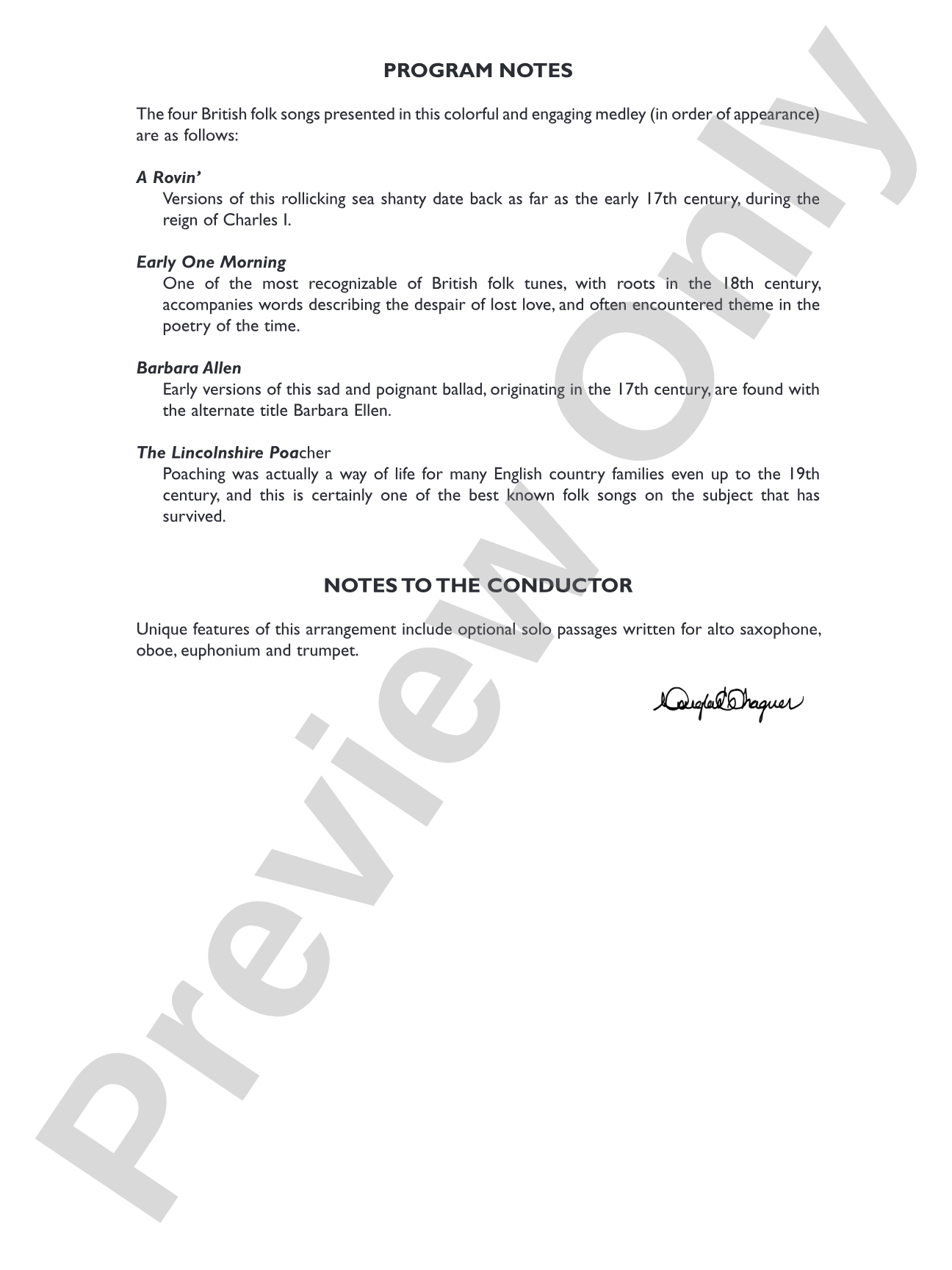
In four contrasting traditional themes, Douglas Wagner has captured the essence in his Folk Songs from the British Isles. Including "A-Rovin'," "Early One Morning," "Barbara Allen" and "The Lincolnshire Poacher," the variety of these cherished melodies flow from the fanfare-like introduction to emotionally charged-lilting charm. Solidly scored for contemporary concert band in a most musical fashion, this is sure to be a frequent selection for contest, festival, and band concerts. (4:00)


Don't just read it, hear it, play along with it, and watch your students grow with it. In MakeMusic Cloud, Folk Songs from the British Isles: Score comes alive with professional accompaniment, adjustable tempo, and built-in practice tools that turn solo practice into real progress.
Open in the Player
Jump straight in and assign it today.
Start Your Free Trial
Open this title and explore the full library in minutes.
Sample Audio
1
Audio File
--:--
0:00
0:00
Sample Video
Additional Details
Series:
Belwin Concert Band
Publisher:
Alfred Music
Page Count:
182
SKU:
00-PR-0000900
More about this title
About the Arranger: Douglas E. Wagner

Douglas E. Wagner grew up in Chicago and earned degrees in music from Butler University. He spent three decades as a high school music director and administrator before transitioning to full-time composition work.
Since 1973, Wagner has published more than 3,500 works across choral, concert band, orchestra, handbell, organ, piano, and vocal genres. His music has reached audiences through performances in concert halls, on radio and television broadcasts across North America, and on international concert programs. He now resides in Indianapolis, Indiana.
Why we love this
Wagner's arrangement balances accessibility with musical substance. Four beloved British melodies unfold through a carefully paced arc, moving from fanfare-like energy into deeply lyrical passages that show your band's expressive range without requiring advanced technical demands. At Grade 3, it delivers the sophistication needed for meaningful concert programming while remaining achievable for developing ensembles.
What to expect
The score moves between spirited fanfare-like moments and tender, reflective passages, creating dynamic contrast that keeps the ear engaged. These four folk melodies carry the warmth of tradition while Wagner's orchestration adds contemporary sophistication, making each song feel both familiar and freshly composed.
Who it's for
Band directors at middle school, high school, and community band levels who need repertoire with genuine musical content that doesn't demand virtuosity. Ensembles preparing for concerts, contests, or festivals will find this arrangement both musically rewarding and technically manageable for Grade 3 players.
How to get the most out of it
- Shape the opening fanfare-like introduction with clear articulation and unified dynamic growth to establish the contrasting character that follows.
- Allow the transition between melodies time to breathe; these are lyrical pieces at heart, so avoid rushing through quieter passages.
- Balance the woodwind lines carrying the traditional themes with supporting brass harmonies to let each melody sing through without drowning in the accompaniment.
- Mark the emotional peaks in the 'emotionally charged' sections; these moments reward ensemble focus and commitment to the phrase shape.
How to use it
Program this as the centerpiece of a concert celebrating folk traditions or cultural music. Its four-minute length fits naturally alongside heavier or lighter works, and the contrasting moods within the piece itself make it engaging for both audiences and adjudicators. Strong choice for festival repertoire where substantive yet accessible programming matters.
Skills your students will build
- Phrasing and shaping of lyrical melodic lines
- Ensemble balance between melody-carrying and supporting voices
- Stylistic interpretation of traditional folk material
- Dynamic control through transitions between fanfare-like and intimate sections
- Sustained tone quality in slower, emotionally expressive passages