

Folk Song Suite: SATB Choral Octavo
Arr. Jay Althouse
Item: 00-PO-0004016
$3.95
Minimum order quantity: 20 copies
Pickup currently not available
Related Items
Folk Song Suite: 2-Part Choral Octavo |
$4.50
|
View |
Description
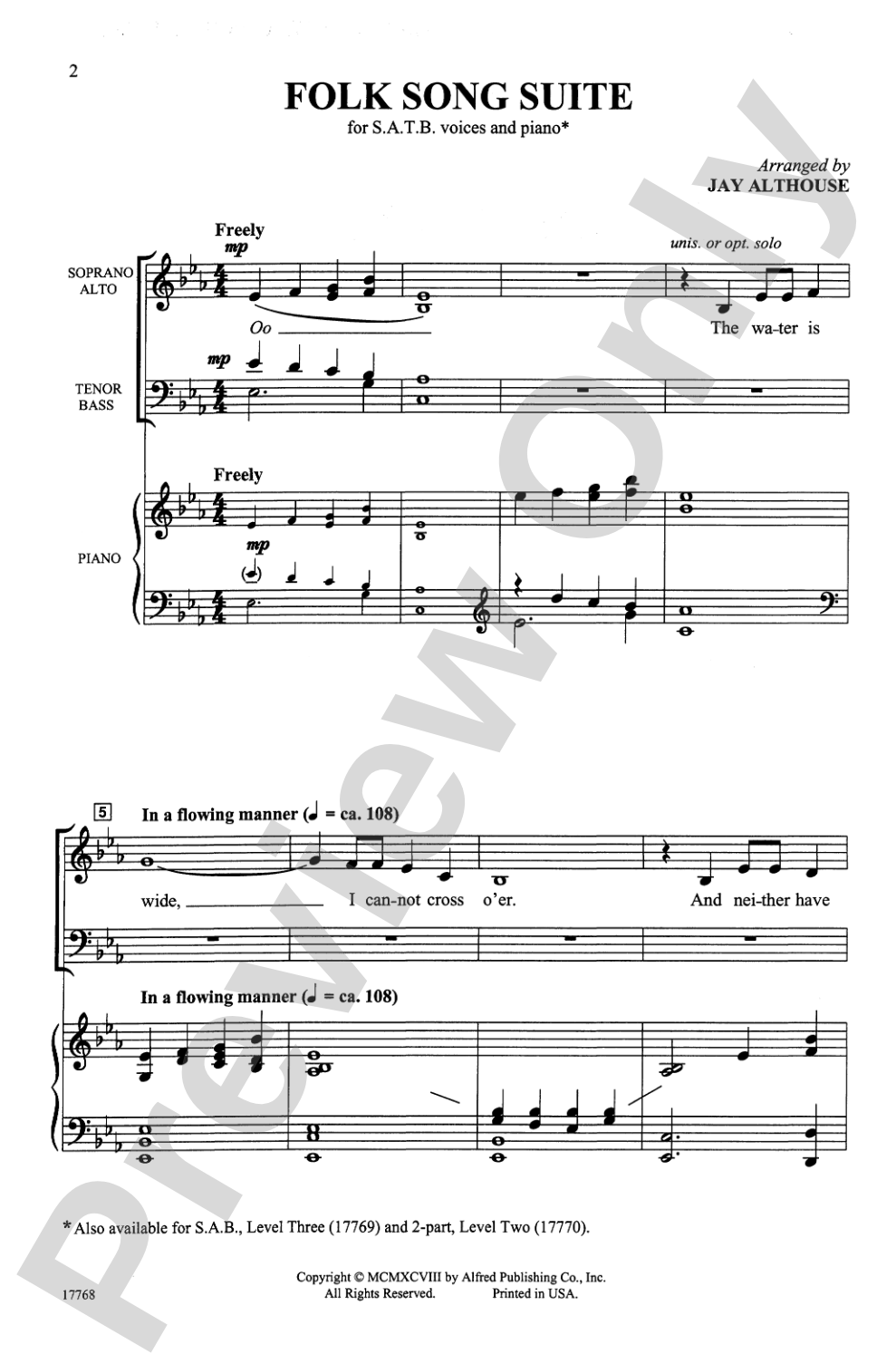
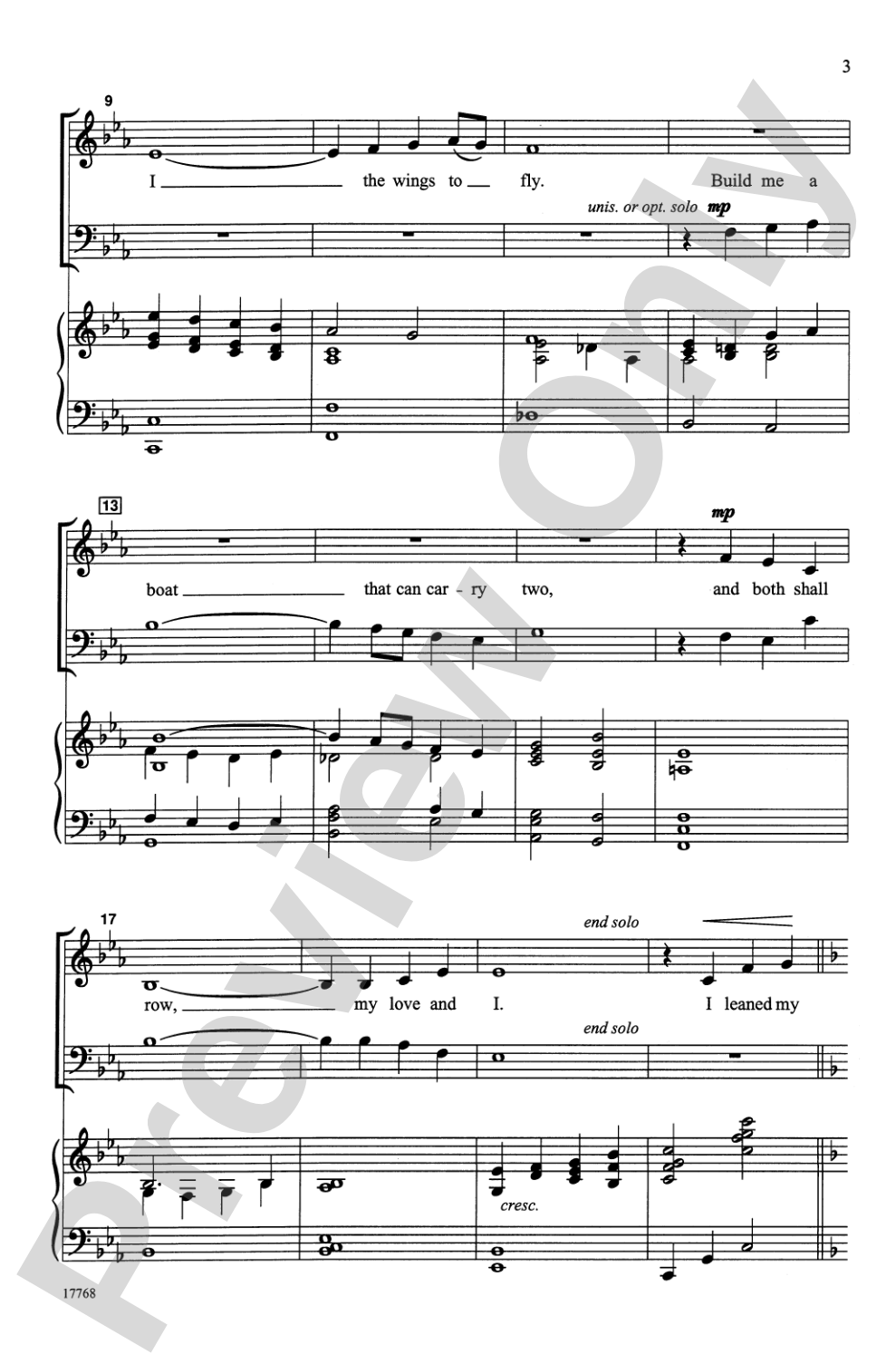
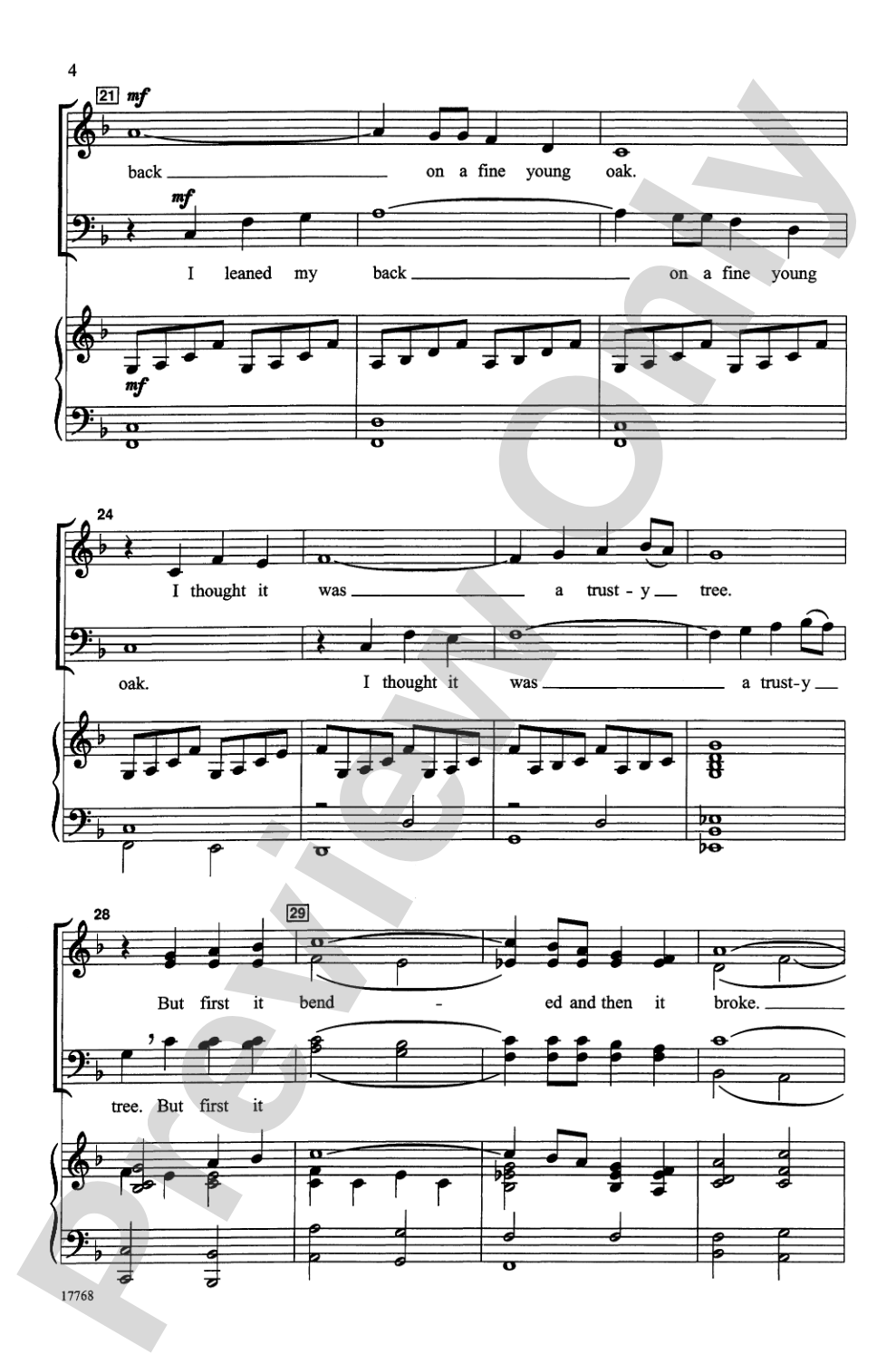
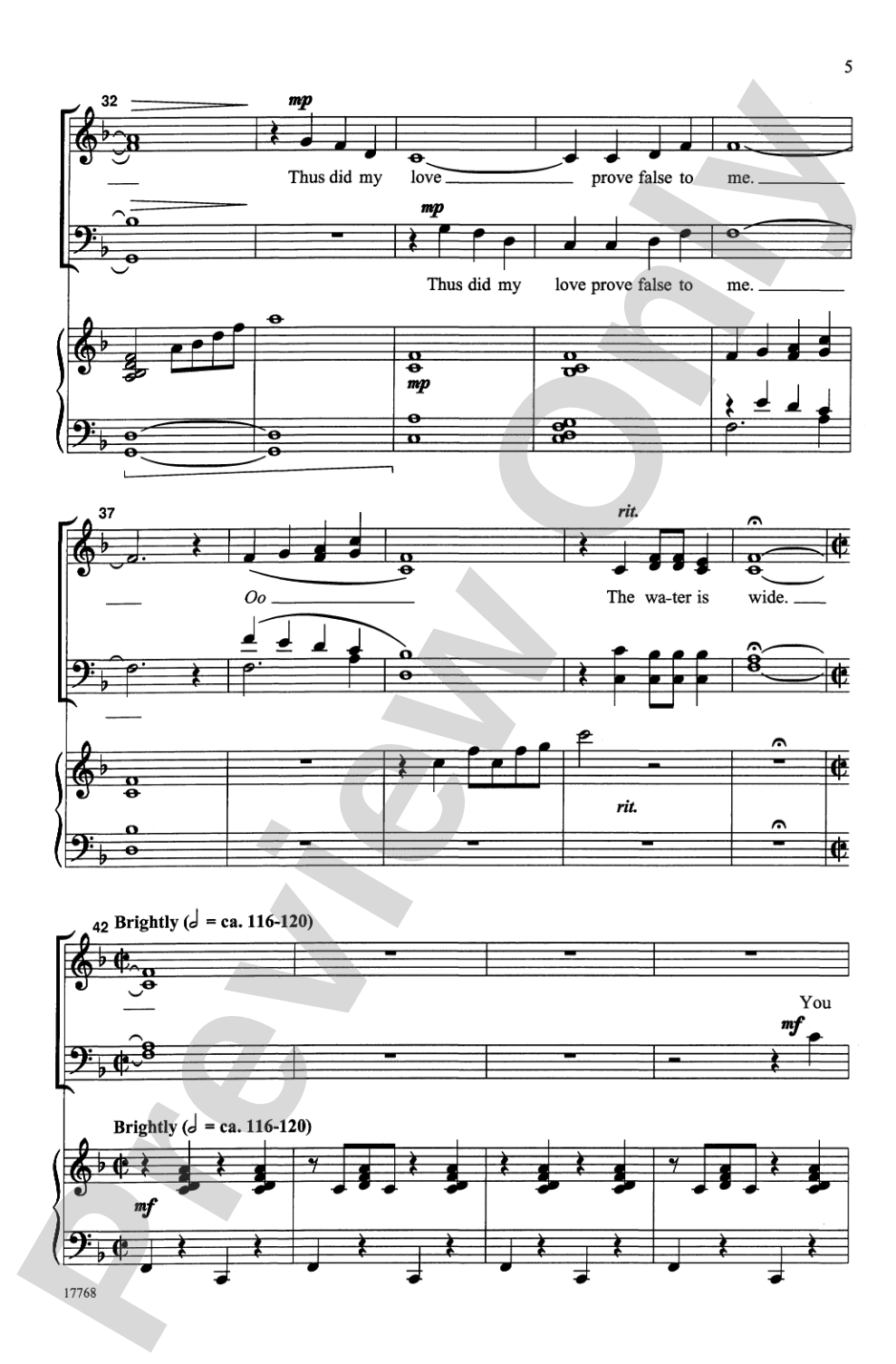
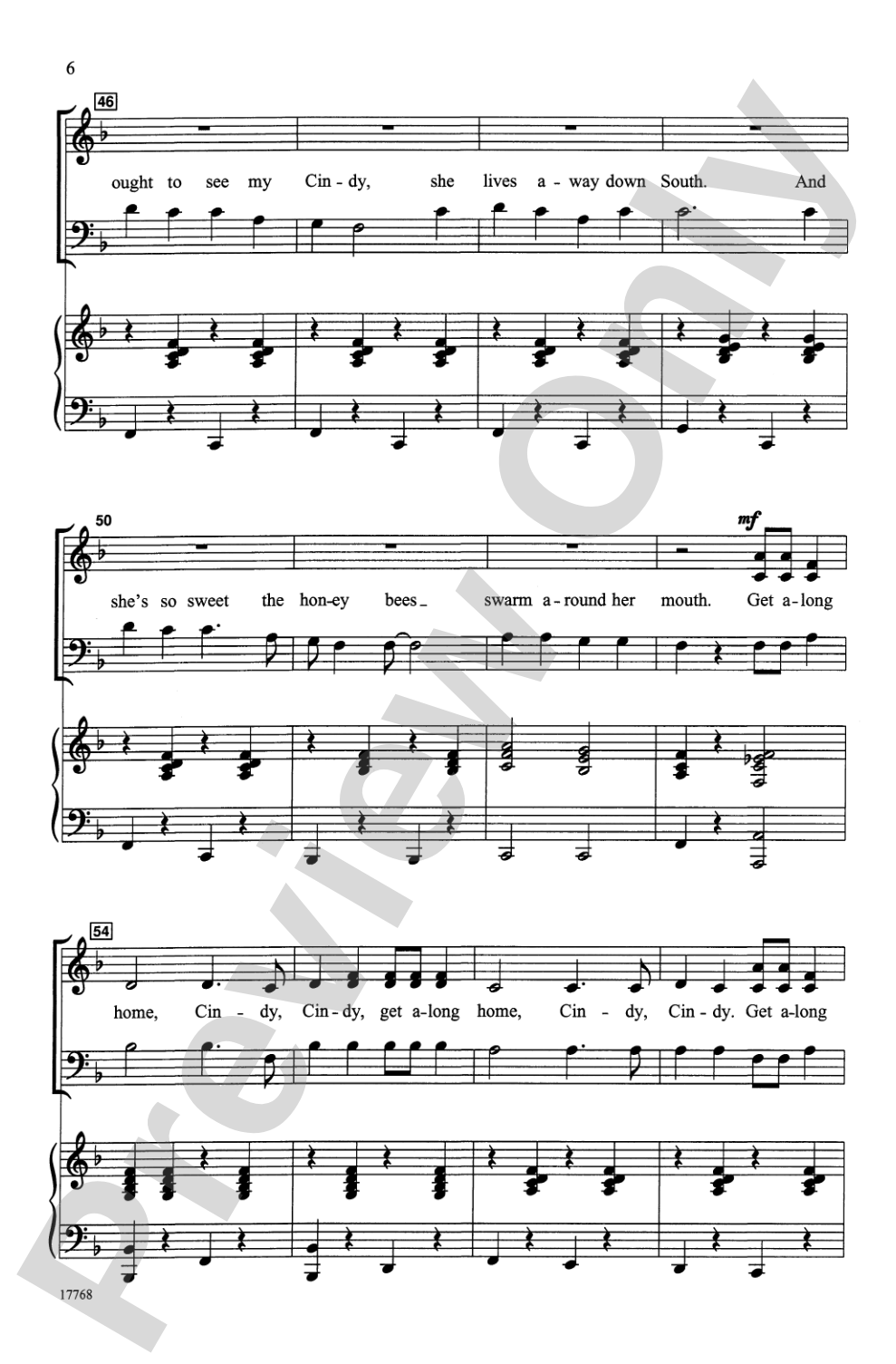
A practical, easy-to-sing choral medley of four American folk song classics. Fresh harmonies and effective choral writing. May be performed in two sections.


Folk Song Suite: SATB Choral Octavo isn't in MakeMusic Cloud just yet...but it could be. Let us know you'd like to see it, and you'll help shape what comes next. In the meantime, start a free trial and dive into thousands of interactive titles your students can play along with today.
Request This Title
Tell us you want it.
Start Your Free Trial
Explore everything that's ready to play right now.
Sample Audio
1
Audio File
--:--
0:00
0:00
Sample Video
No sample videos found.
Additional Details
Series:
Alfred Archive Edition: Alfred Choral Designs
Publisher:
Alfred Music
Page Count:
24
SKU:
00-PO-0004016
More about this title
About the Arranger: Jay Althouse

Jay Althouse studied Music Education and Music at Indiana University of Pennsylvania, where he later received the Distinguished Alumni award. His career spans both publishing and composition; he spent eight years managing rights and licenses for a major educational music publisher and served on the Executive Board of the Music Publishers Association of America. He is a writer member of ASCAP and a regular recipient of the ASCAP Special Award.
With more than 800 choral compositions in print, Althouse has established himself as a prolific voice in choral music education. His output ranges from octavos for developing choirs to children's musicals co-written with his wife, Sally K. Albrecht. He has compiled and arranged vocal collections, co-authored foundational texts like The Complete Choral Warm-up Book and Accent on Composers, and created classroom resources including Ready to Read Music and One-Page Composer Bios. His work I Hear America Singing, co-written with Albrecht, was performed by the San Francisco Girls and Boys Choirs at President Obama's 2009 inauguration. Althouse currently serves on the National Advisory Board of the Folk Art Society of America and resides in North Carolina.
Why we love this
Althouse's treatment of these four American standards respects the melodies singers know while providing fresh harmonic frameworks that engage intermediate choirs without overwhelming them. The option to perform this as two separate sections gives you programming flexibility, whether you need a short opening number or a complete standalone feature. Clean, singable voice leading throughout makes rehearsal efficient while the folk material itself connects singers to repertoire with genuine cultural resonance.
What to expect
Straightforward and warm, these arrangements honor the directness of folk song while adding harmonic depth that contemporary audiences expect. The writing feels conversational rather than formal, inviting singers to deliver the melodies with clarity and genuine expression rather than technical polish.
Who it's for
This octavo works for intermediate to advancing SATB choirs seeking accessible American repertoire that audiences recognize and enjoy. It suits community choirs, school choruses, and church music programs looking for material that sings comfortably while maintaining musical substance.
How to get the most out of it
- Emphasize the story in each folk tune; these melodies earned their place in American culture through narrative and emotion, not technical display. Let that come through in phrasing choices.
- Balance the four sections thoughtfully during transitions. If performing the suite as one continuous piece, mark clear breath points and let dynamics shift subtly between songs to maintain audience interest.
- Use the modular structure to your advantage in rehearsal. You can isolate and perfect each folk song before integrating them, which helps singers build confidence and memorization incrementally.
How to use it
Open a concert with one section as a lighter counterpoint to heavier classical material, or program the complete suite as a standalone set that builds momentum through familiar American song. The folk idiom also pairs naturally with other Americana repertoire or serves as an engaging encore that leaves audiences smiling.
Skills your students will build
- Balance and blend in four-part SATB writing
- Phrasing across longer musical lines
- Interpretation of American folk material and its cultural contexts
- Ensemble cohesion across tonal shifts between different songs