
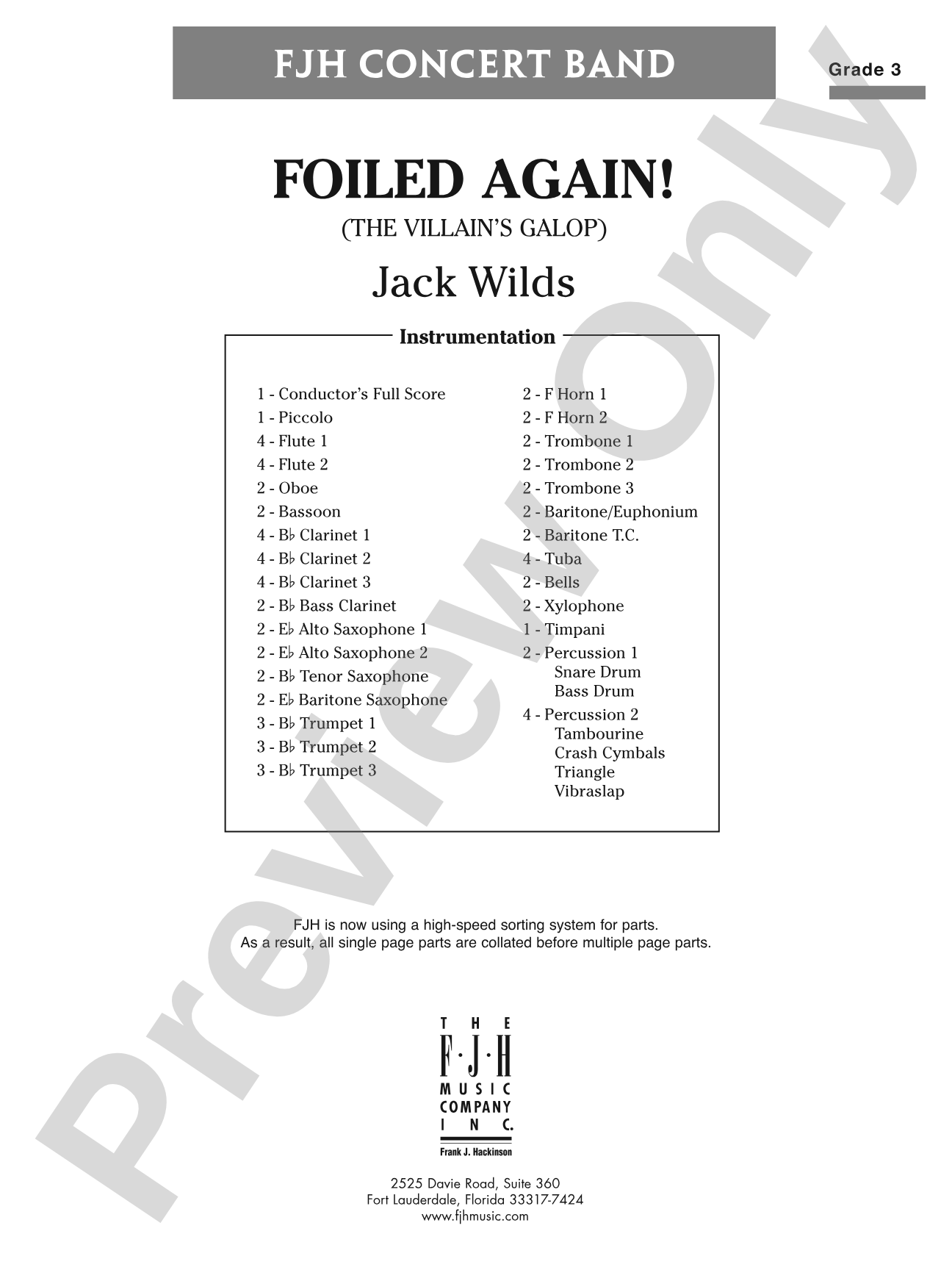
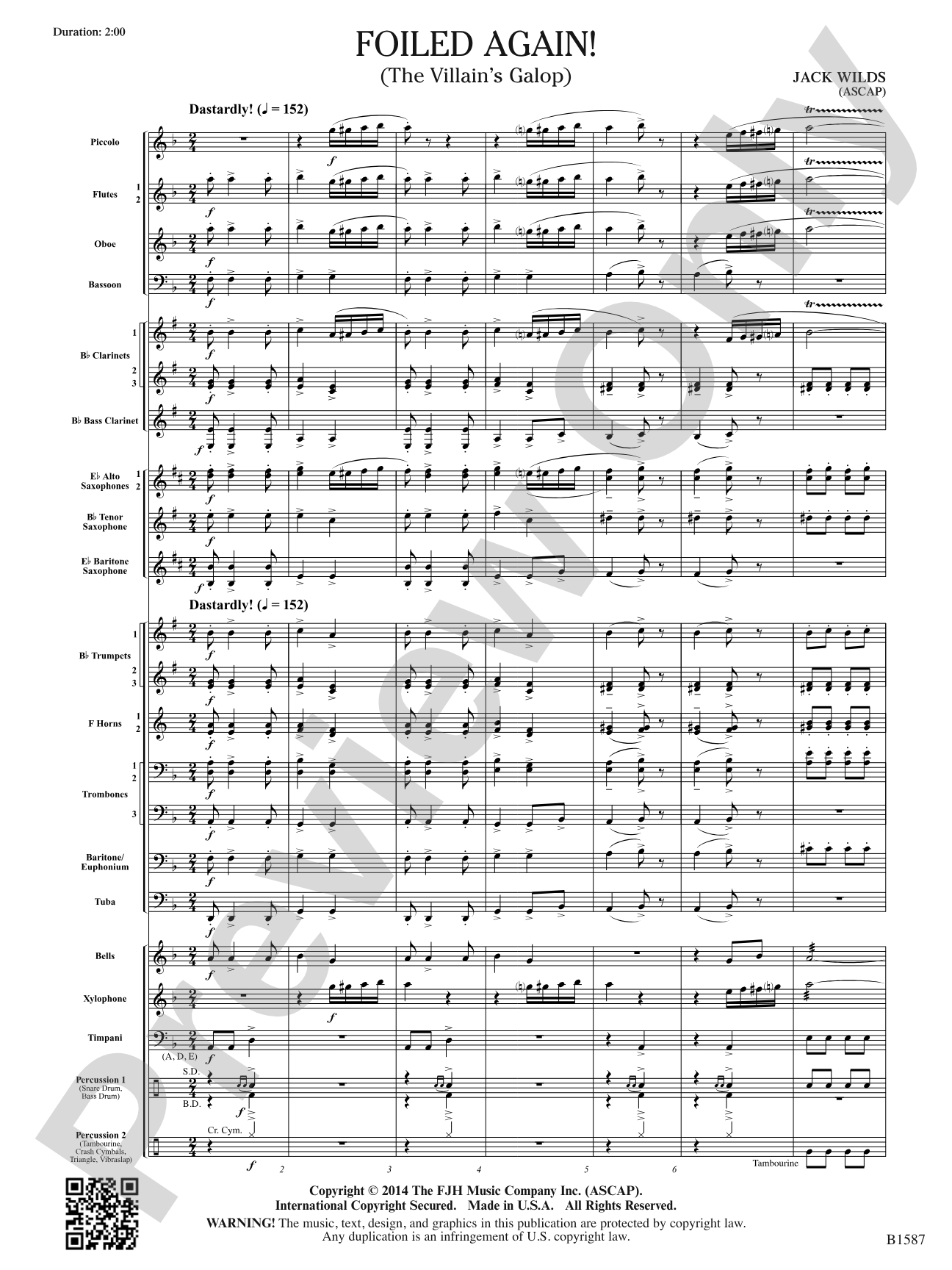
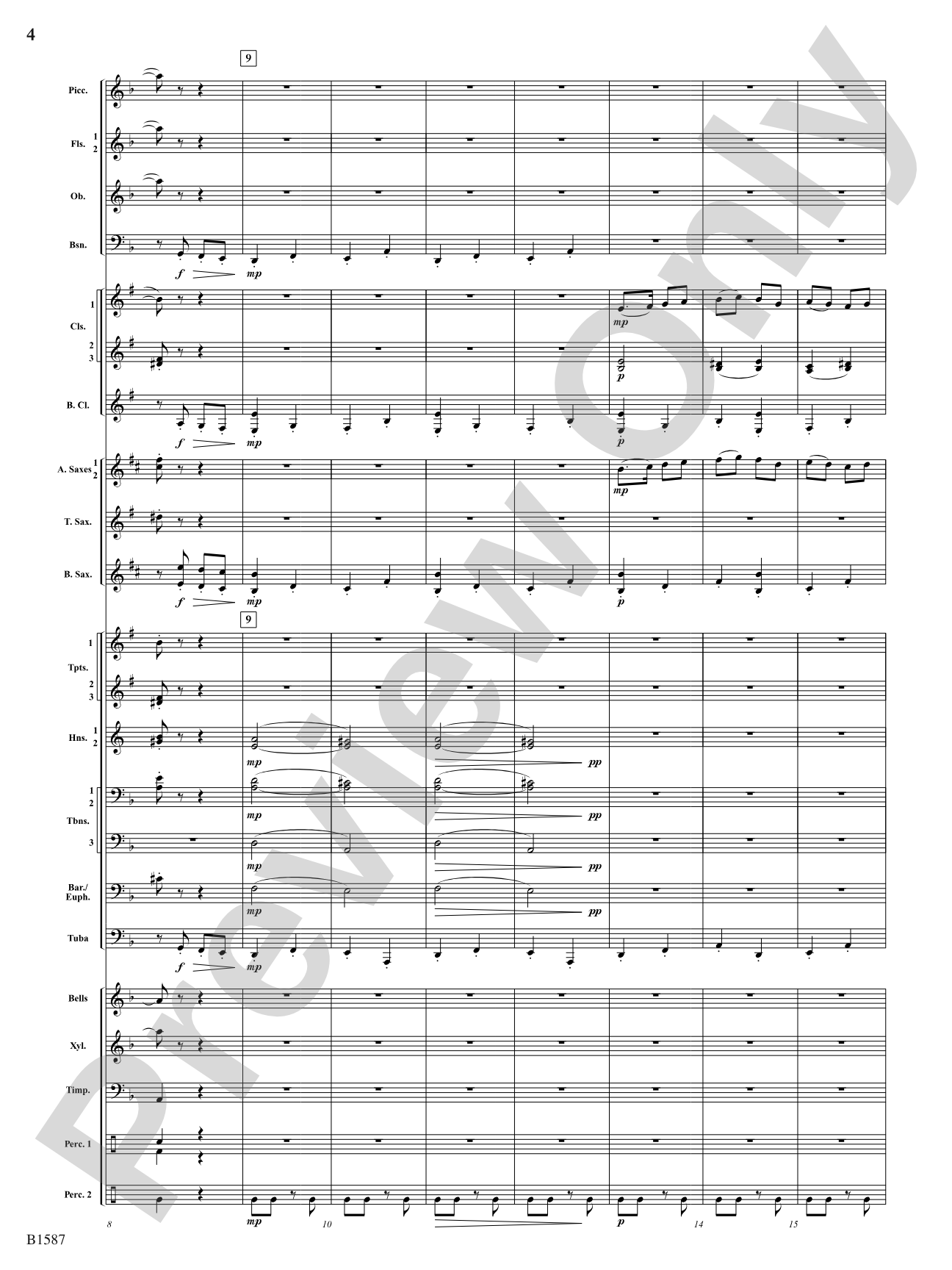
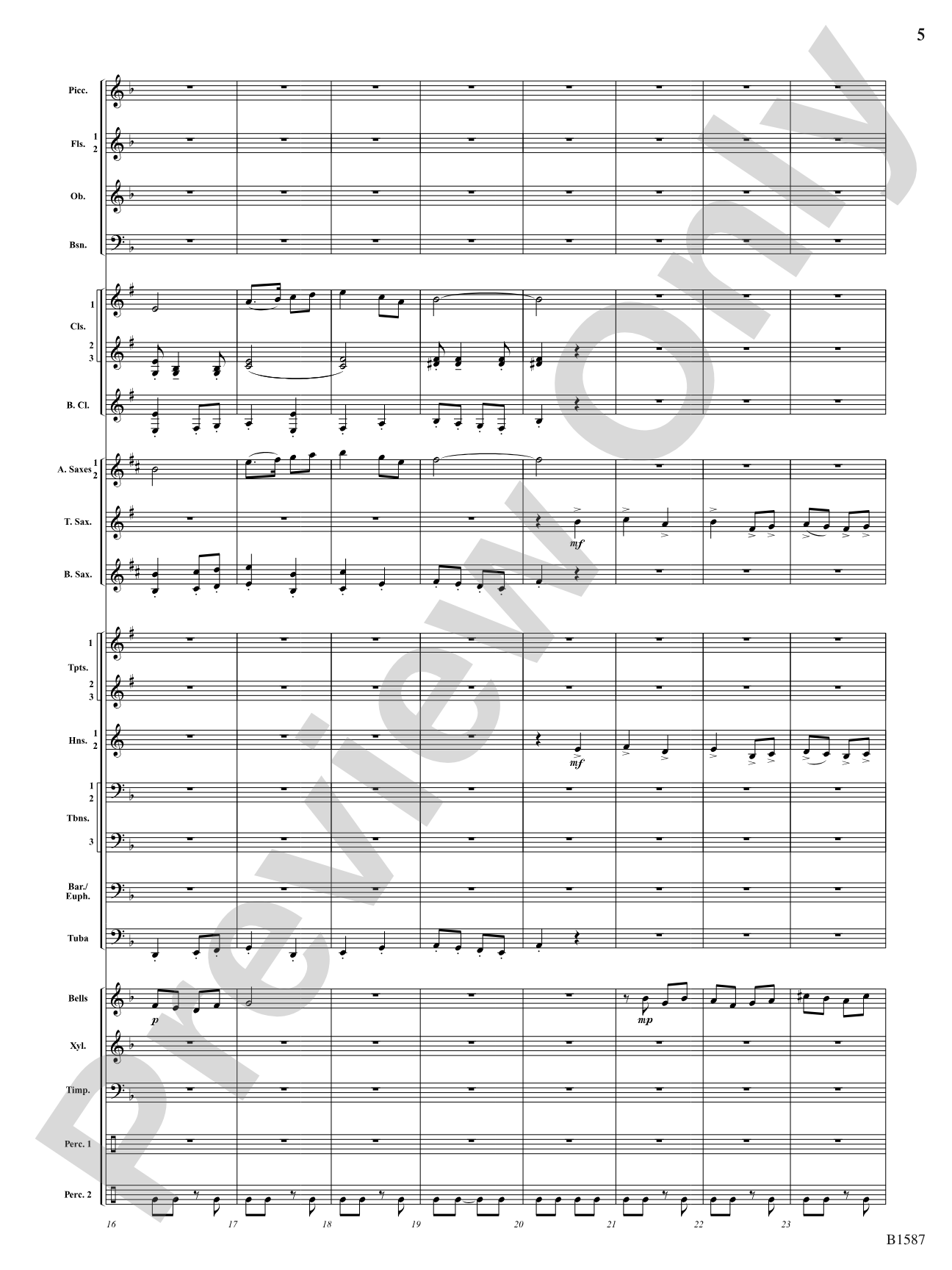
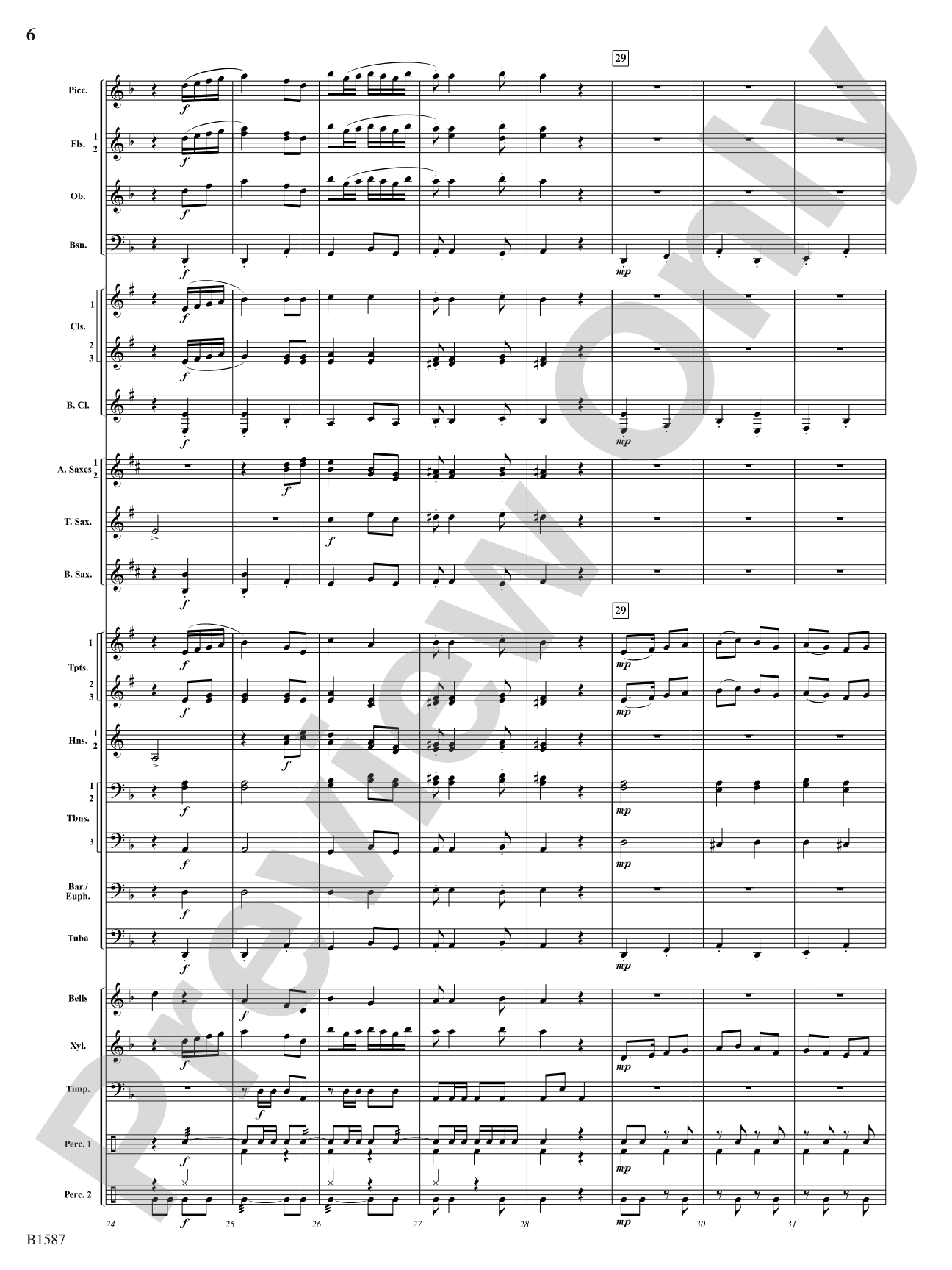
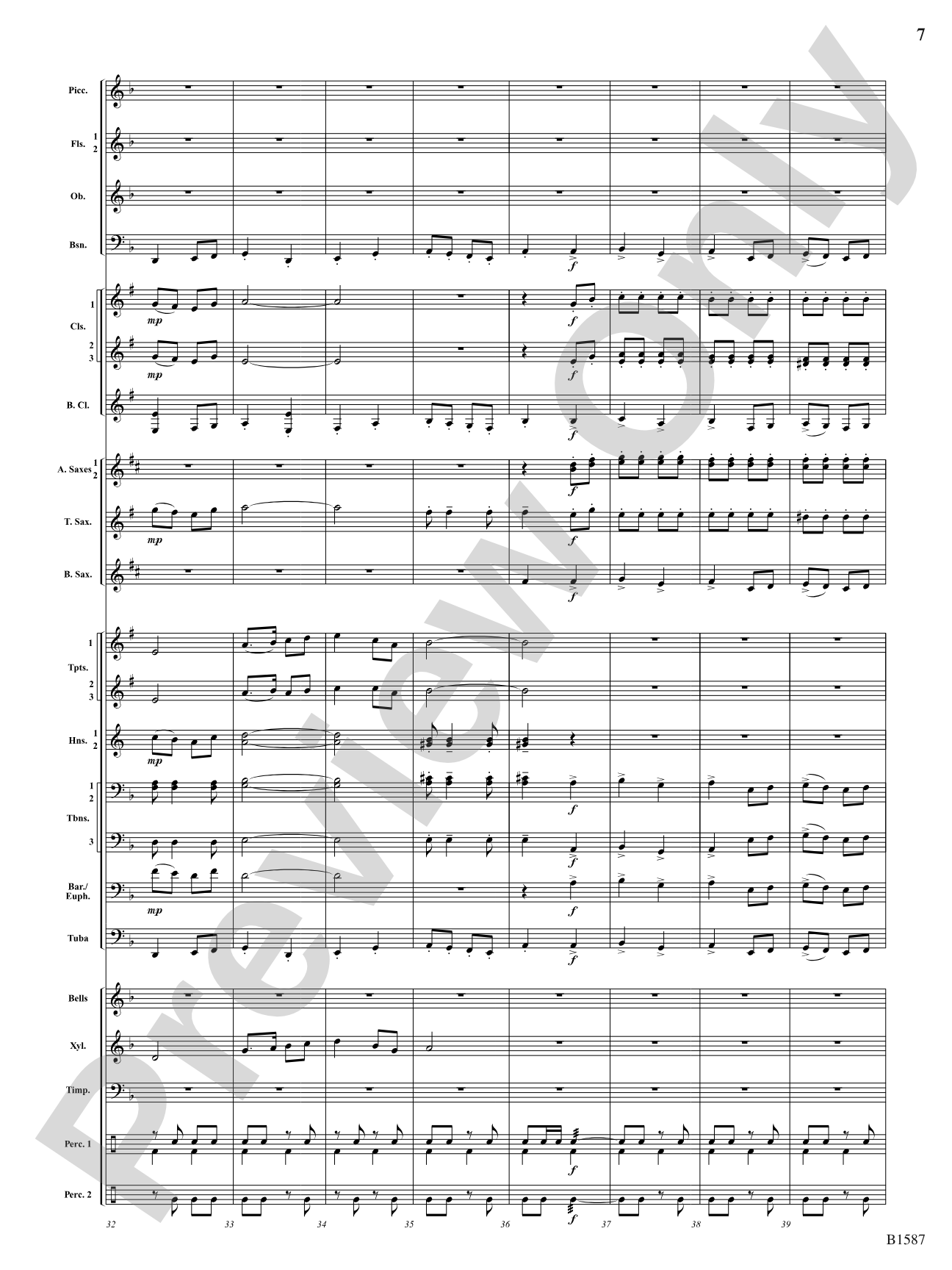
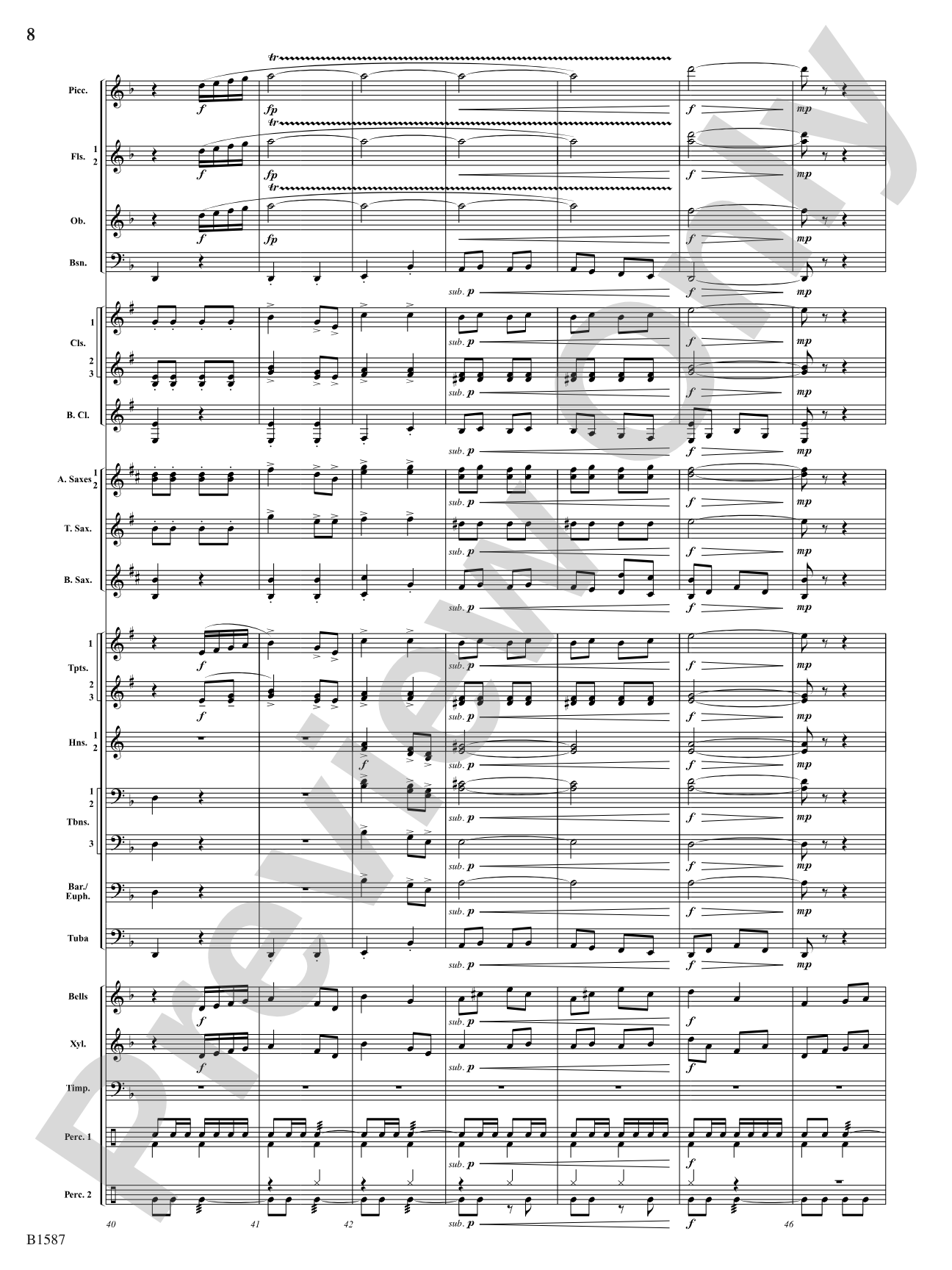
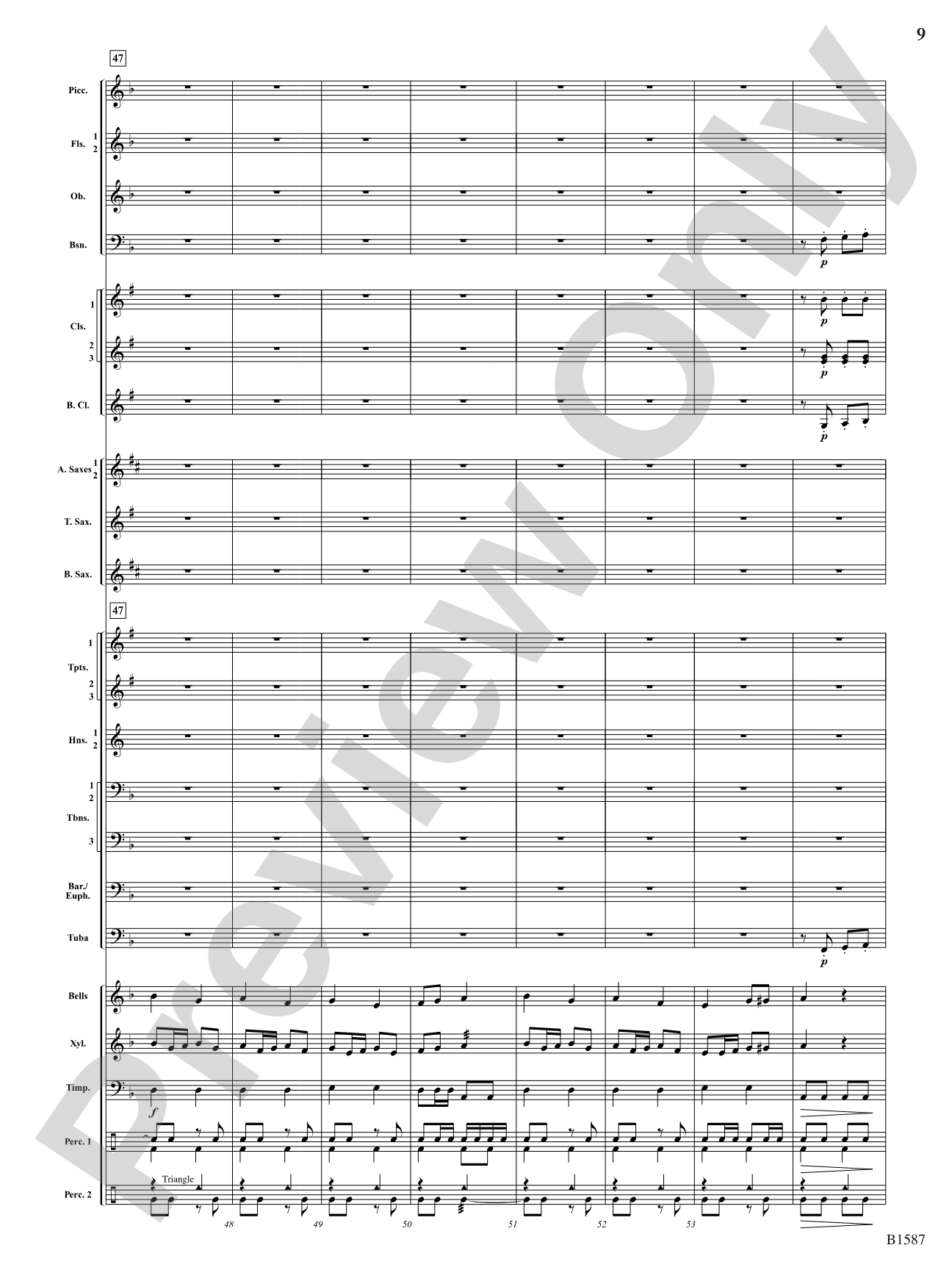
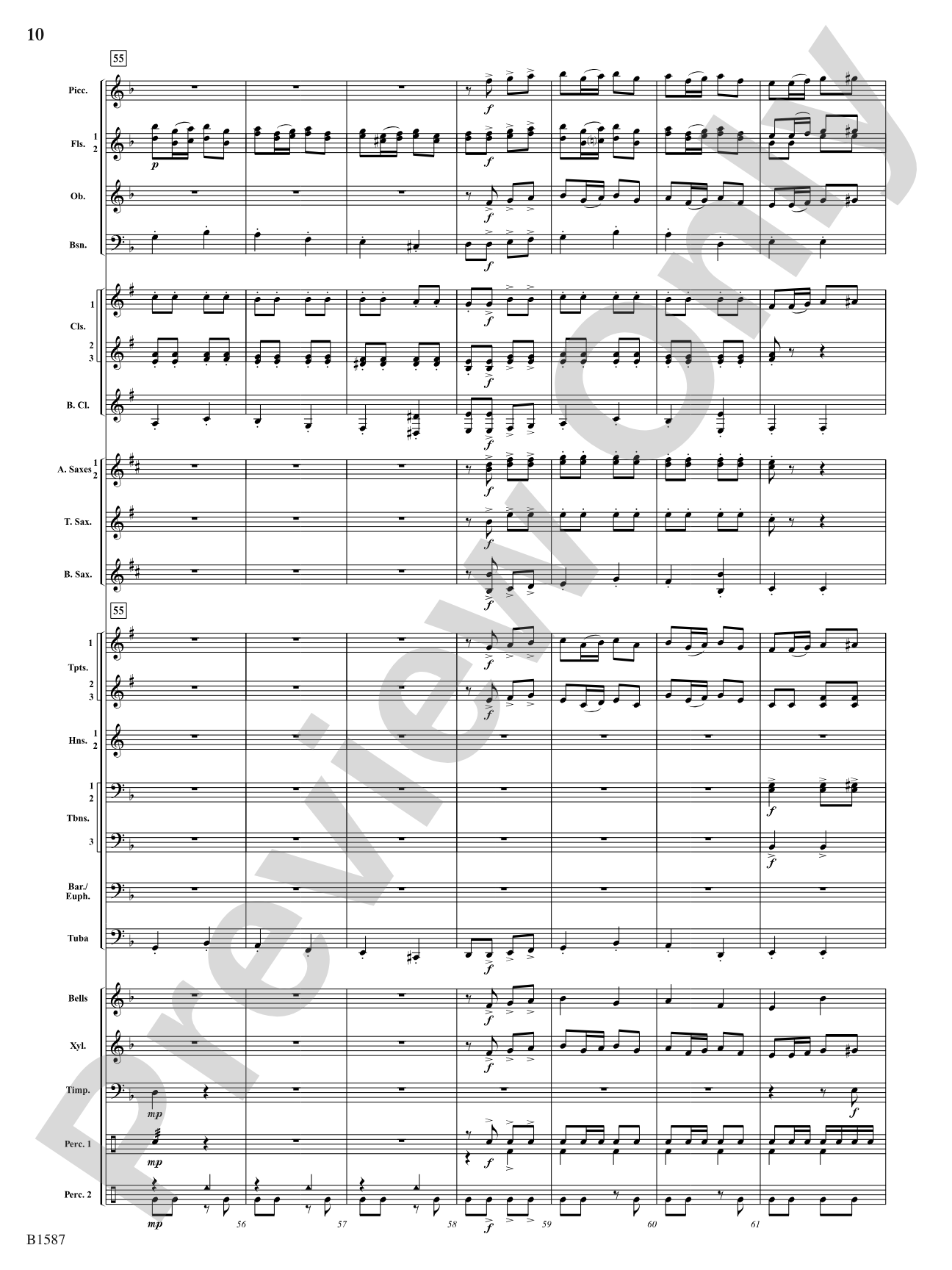
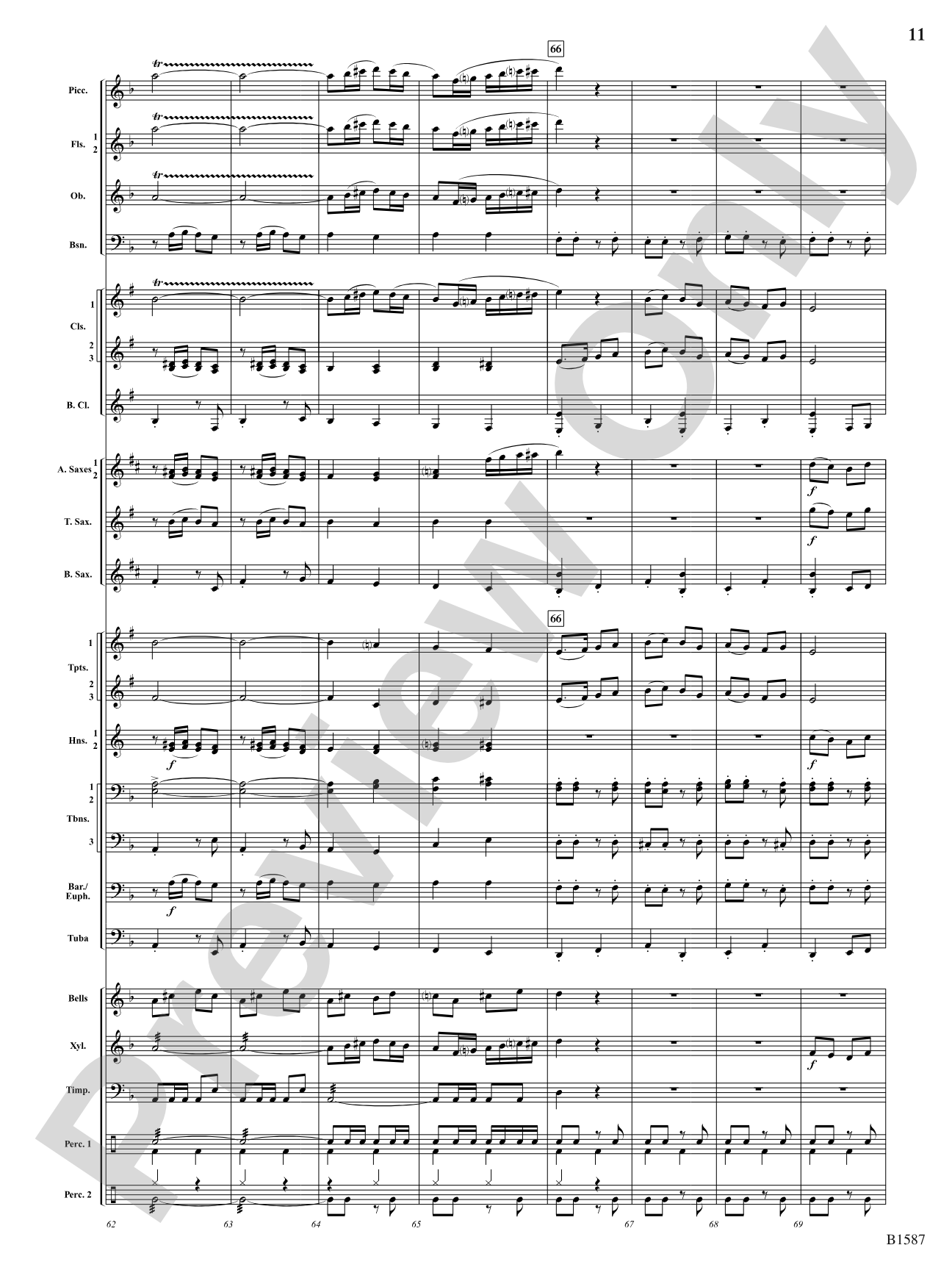
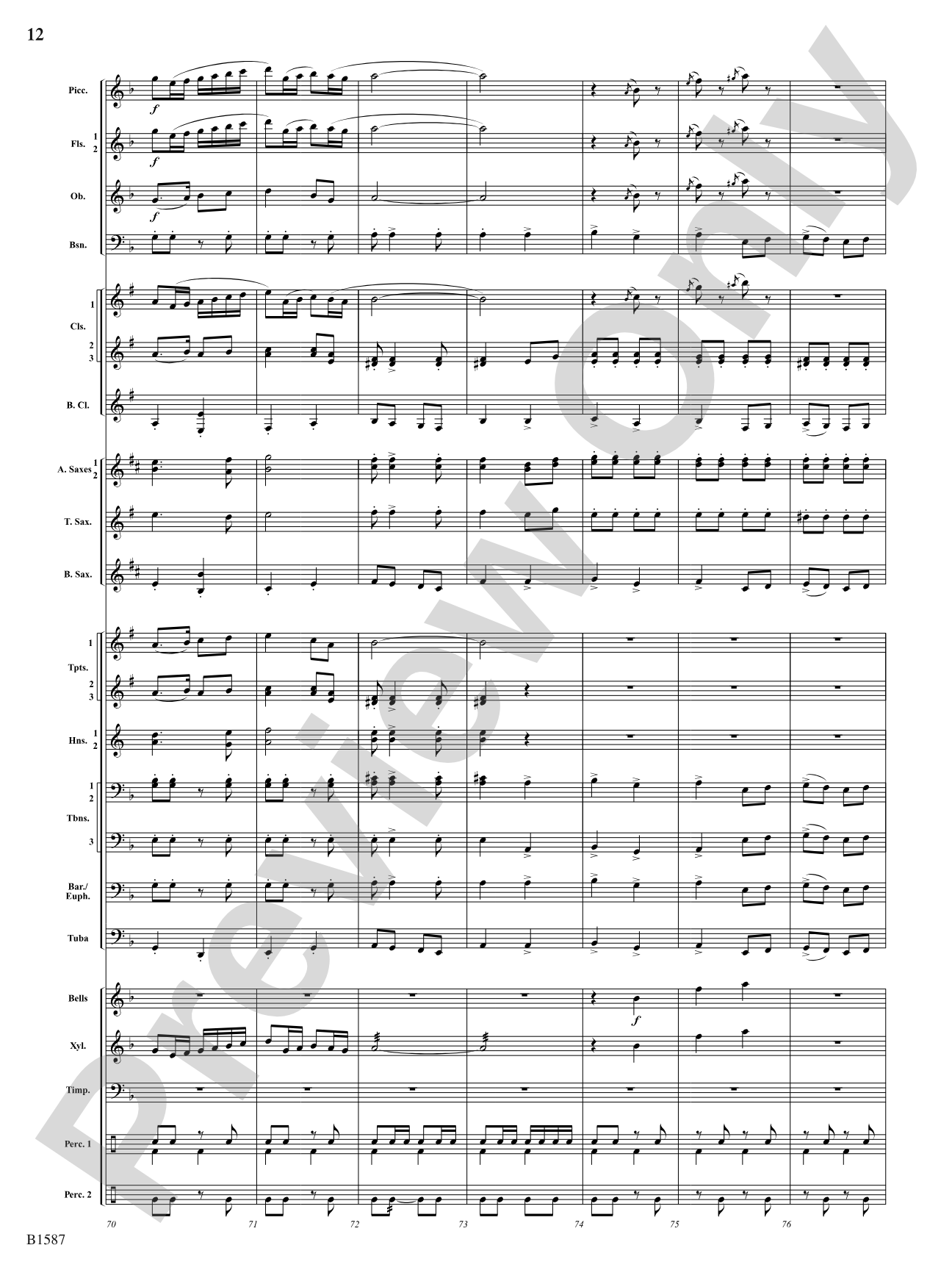
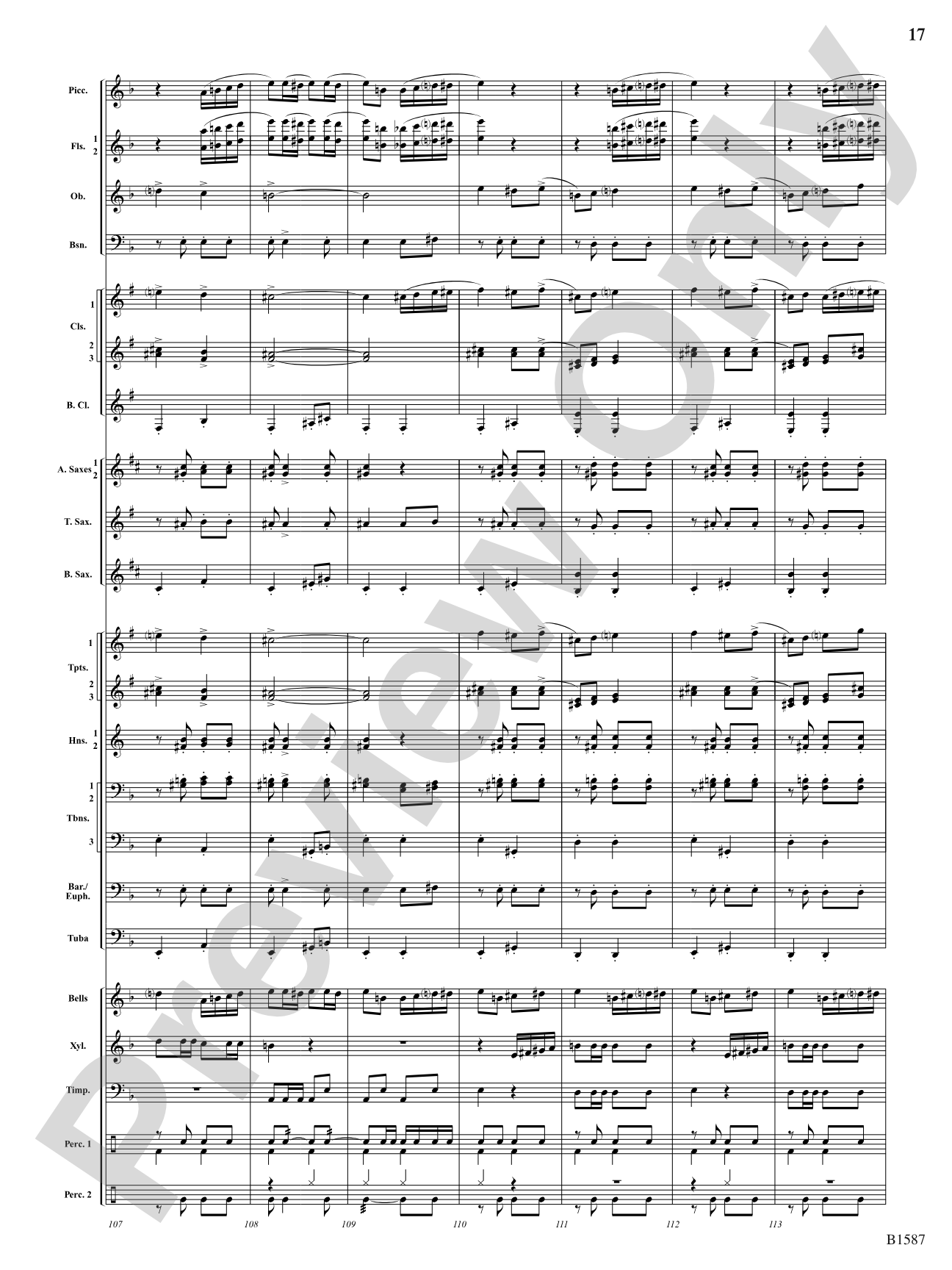
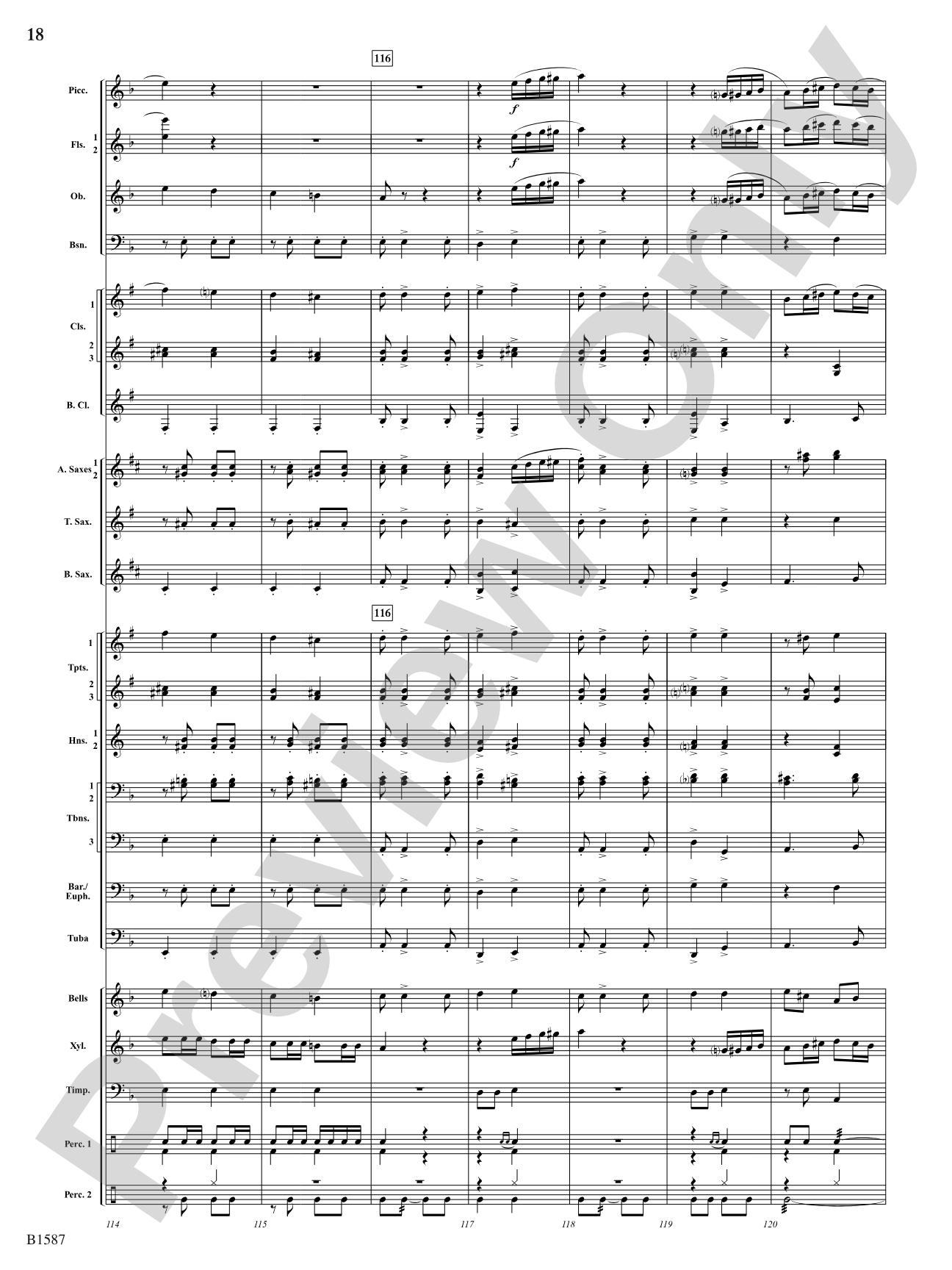
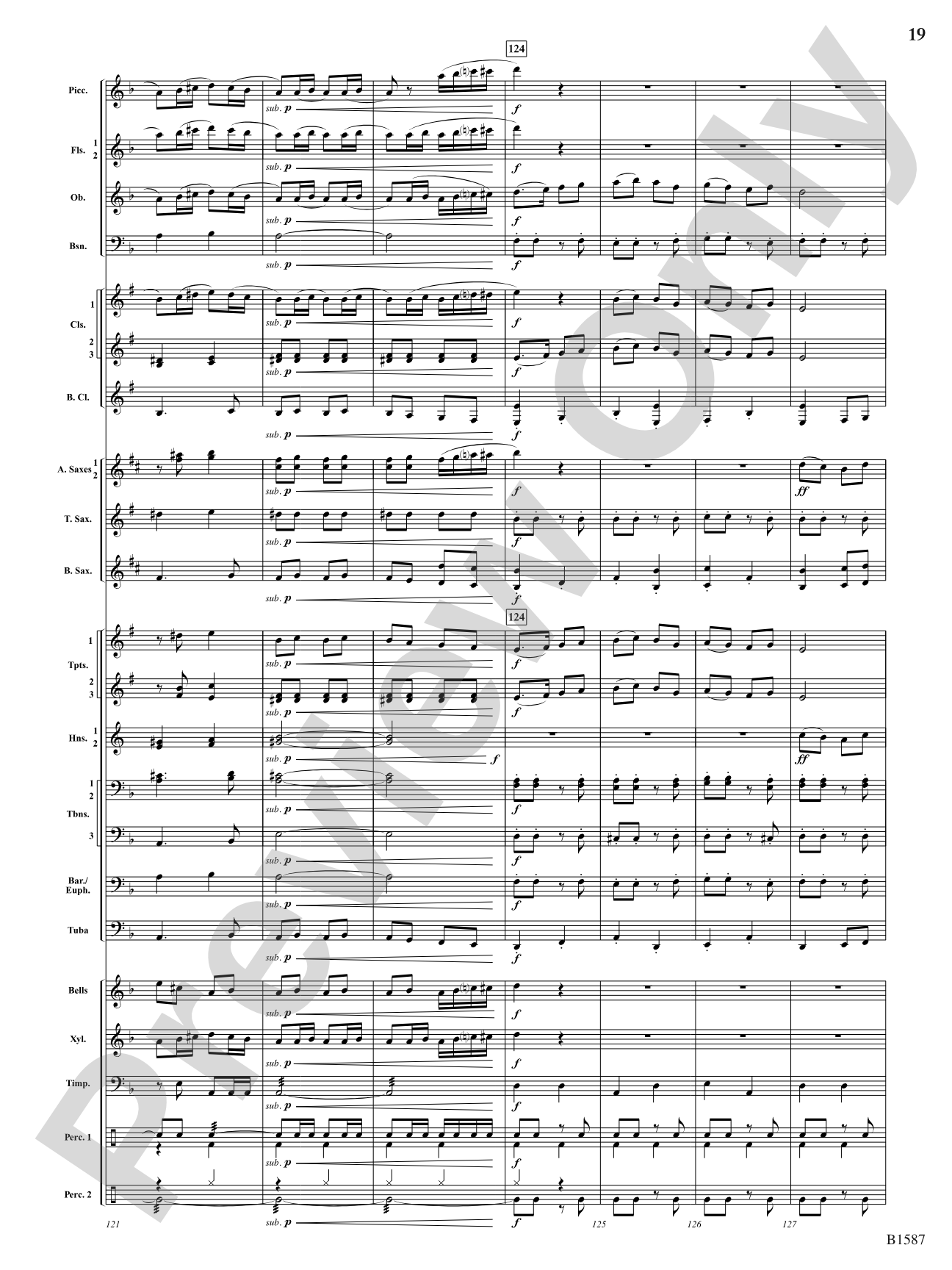
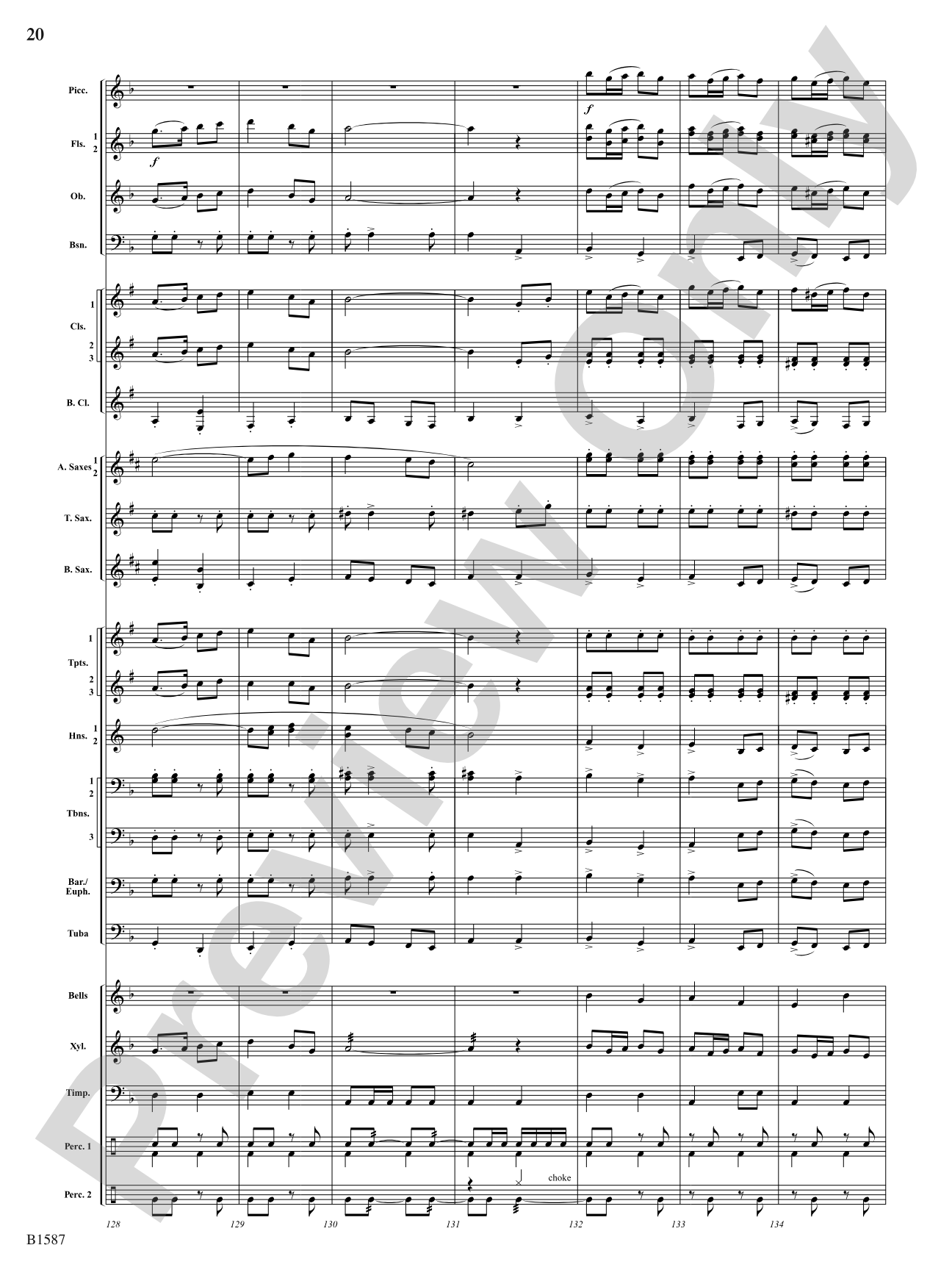
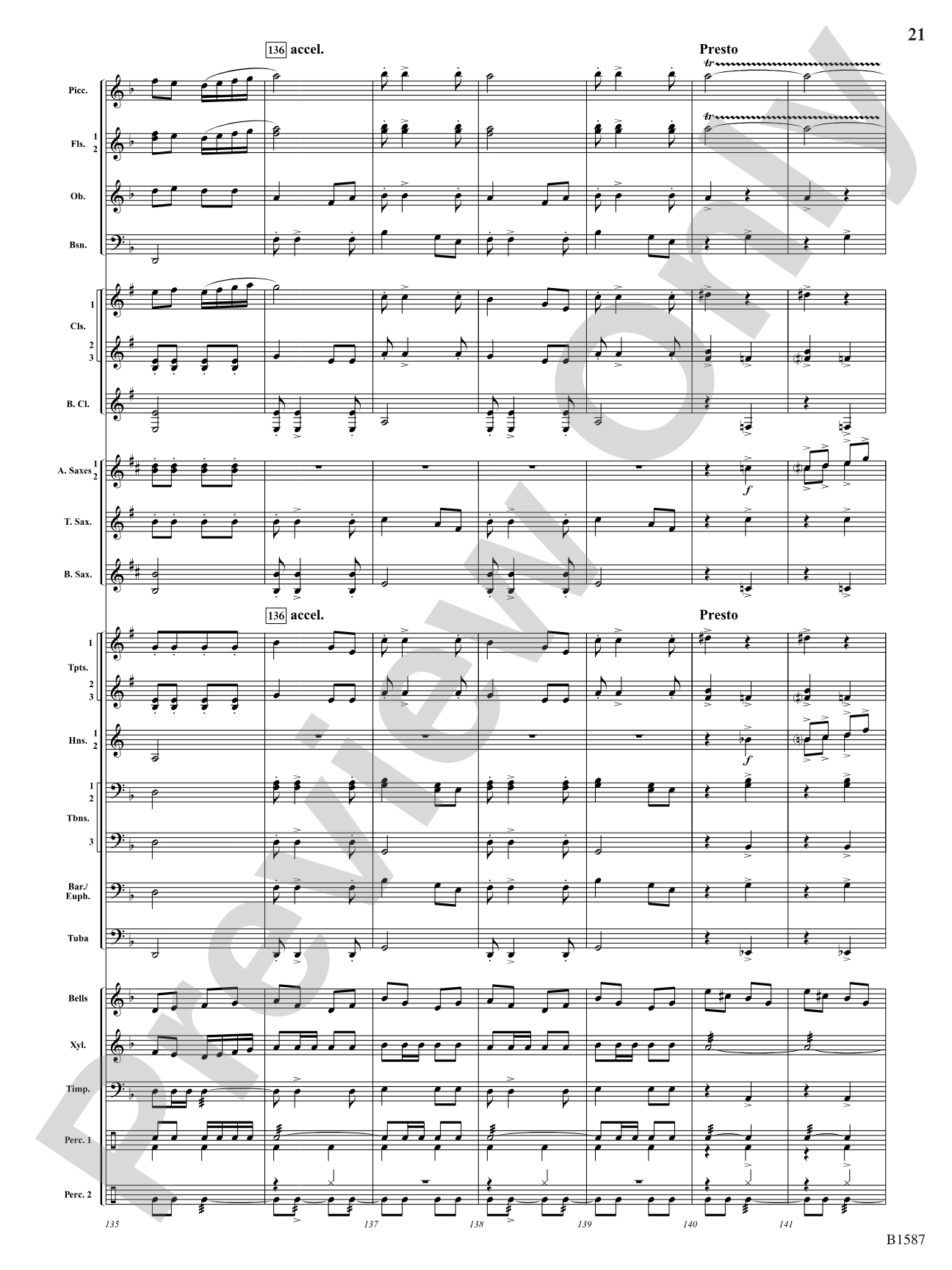
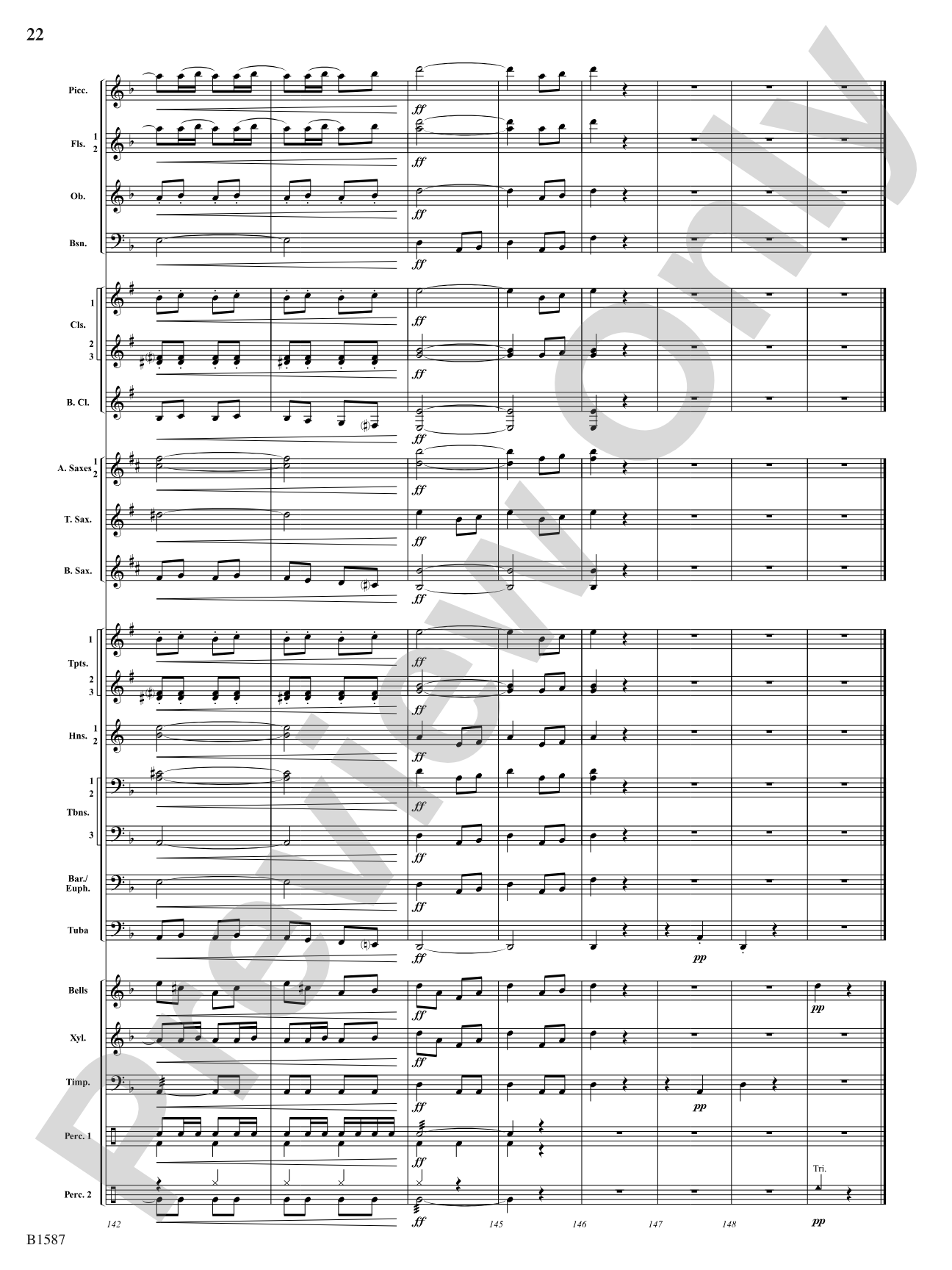

Foiled Again!: Concert Band Conductor Score & Parts
By Jack Wilds
Grade: 3
Item: 98-DB1587

$70.00
Pickup currently not available
Buy Extra Parts (Digital PDF Download)
Parts Added to Cart!
Description
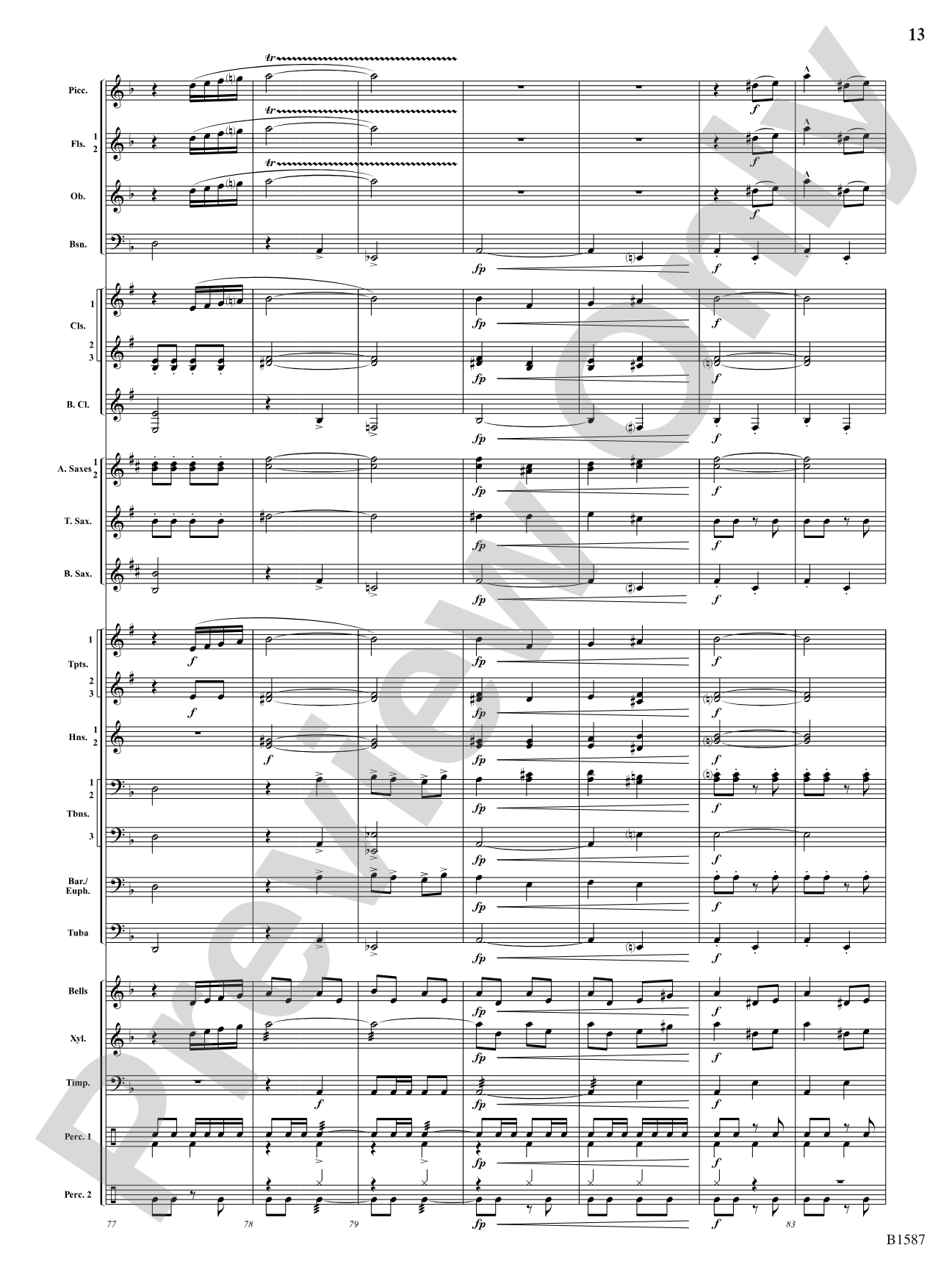
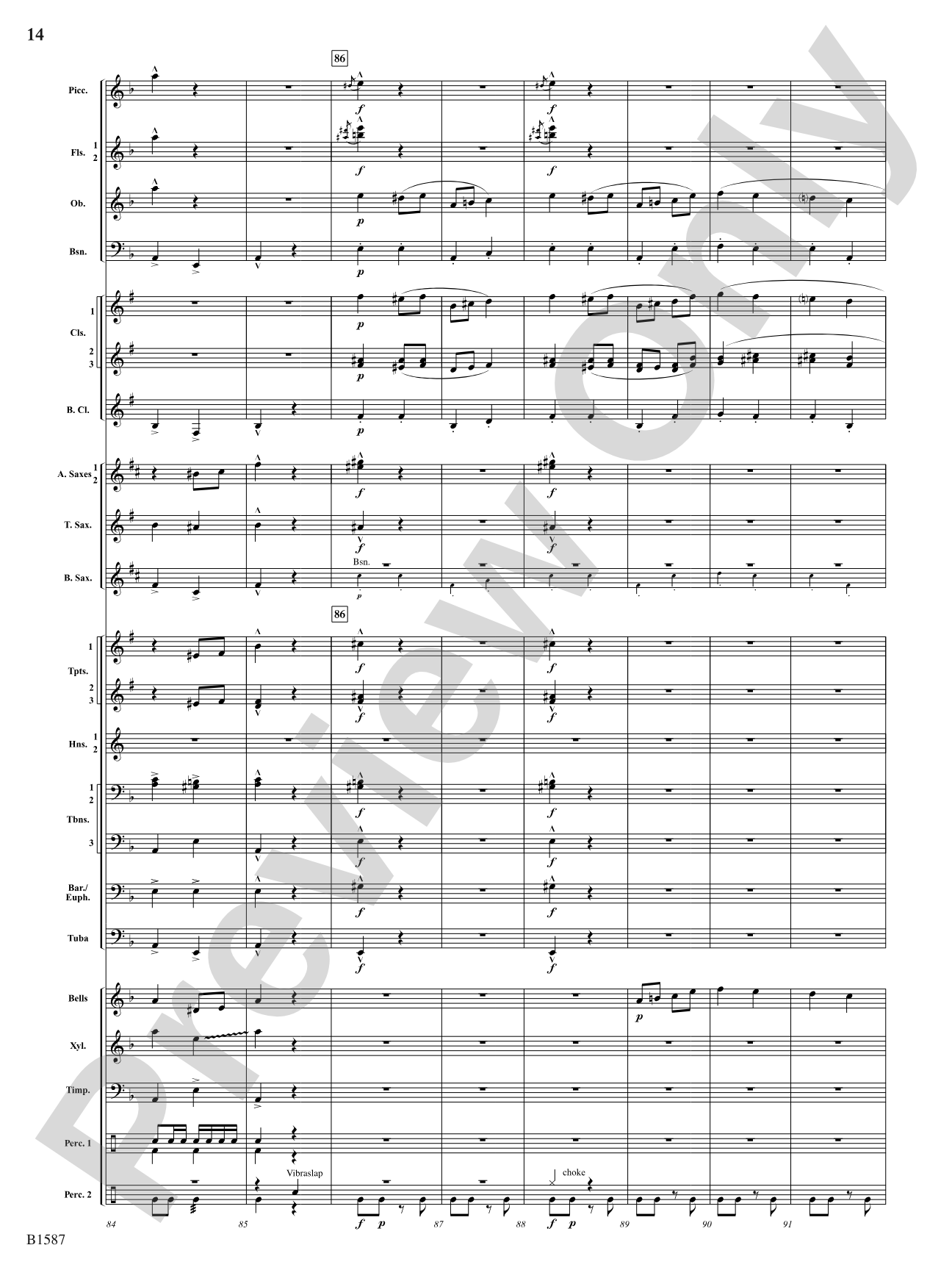
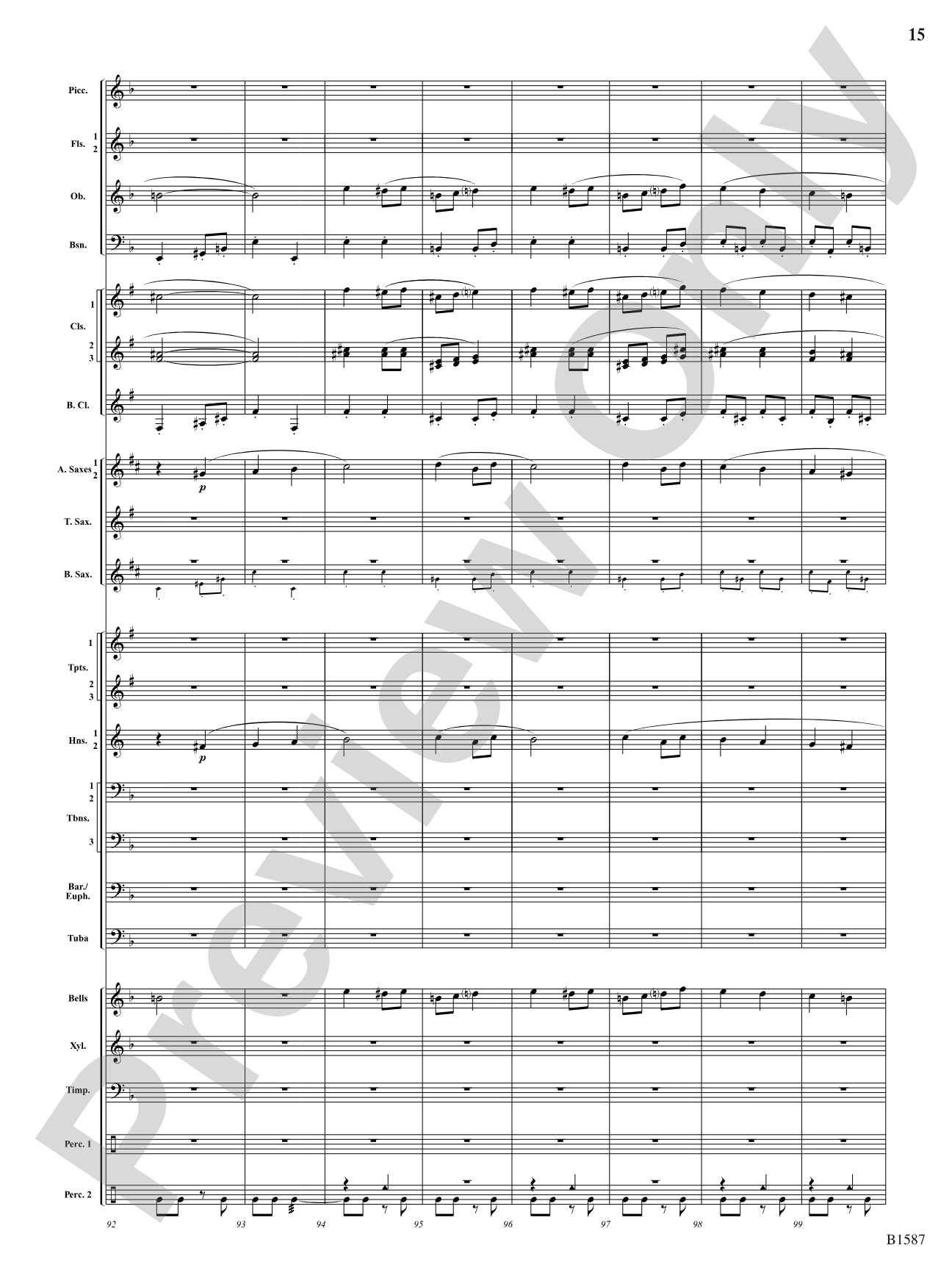
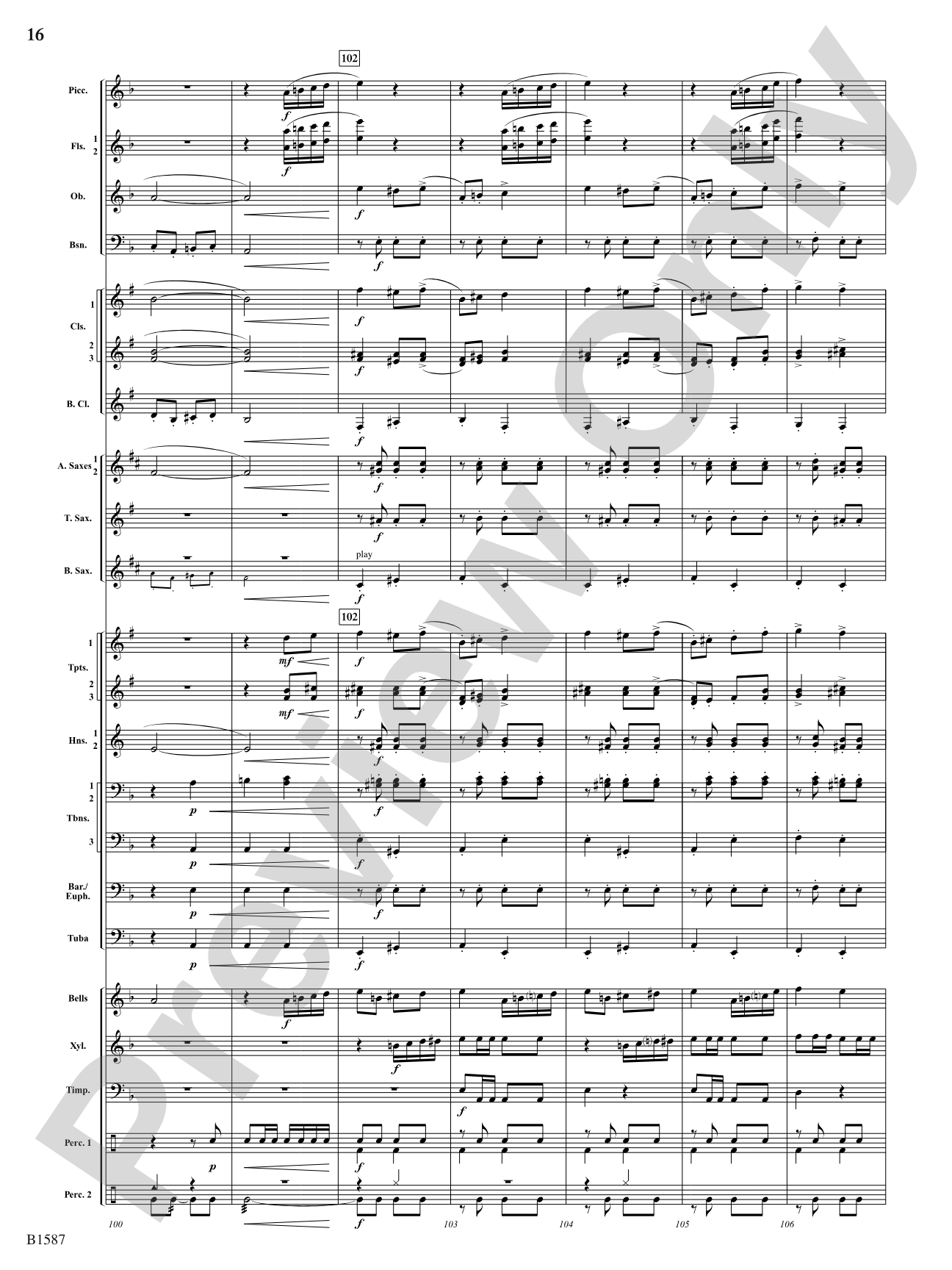
Program this alternative to a traditional concert march as the opener or closer for your next concert! This tribute to the dastardly villains of the silent movie era will excite your performers and have your audience on the edge of their seats as they wonder whether the hero will arrive in time to save the day. Fun and exhilarating!


Don't just read it, hear it, play along with it, and watch your students grow with it. In MakeMusic Cloud, Foiled Again!: Concert Band Conductor Score & Parts comes alive with professional accompaniment, adjustable tempo, and built-in practice tools that turn solo practice into real progress.
Open in the Player
Jump straight in and assign it today.
Start Your Free Trial
Open this title and explore the full library in minutes.
Sample Audio
1
Audio File
--:--
0:00
0:00
Sample Video
No sample videos found.
Additional Details
Series:
FJH Concert Band
Publisher:
The FJH Music Company, Inc.
SKU:
98-DB1587
More about this title
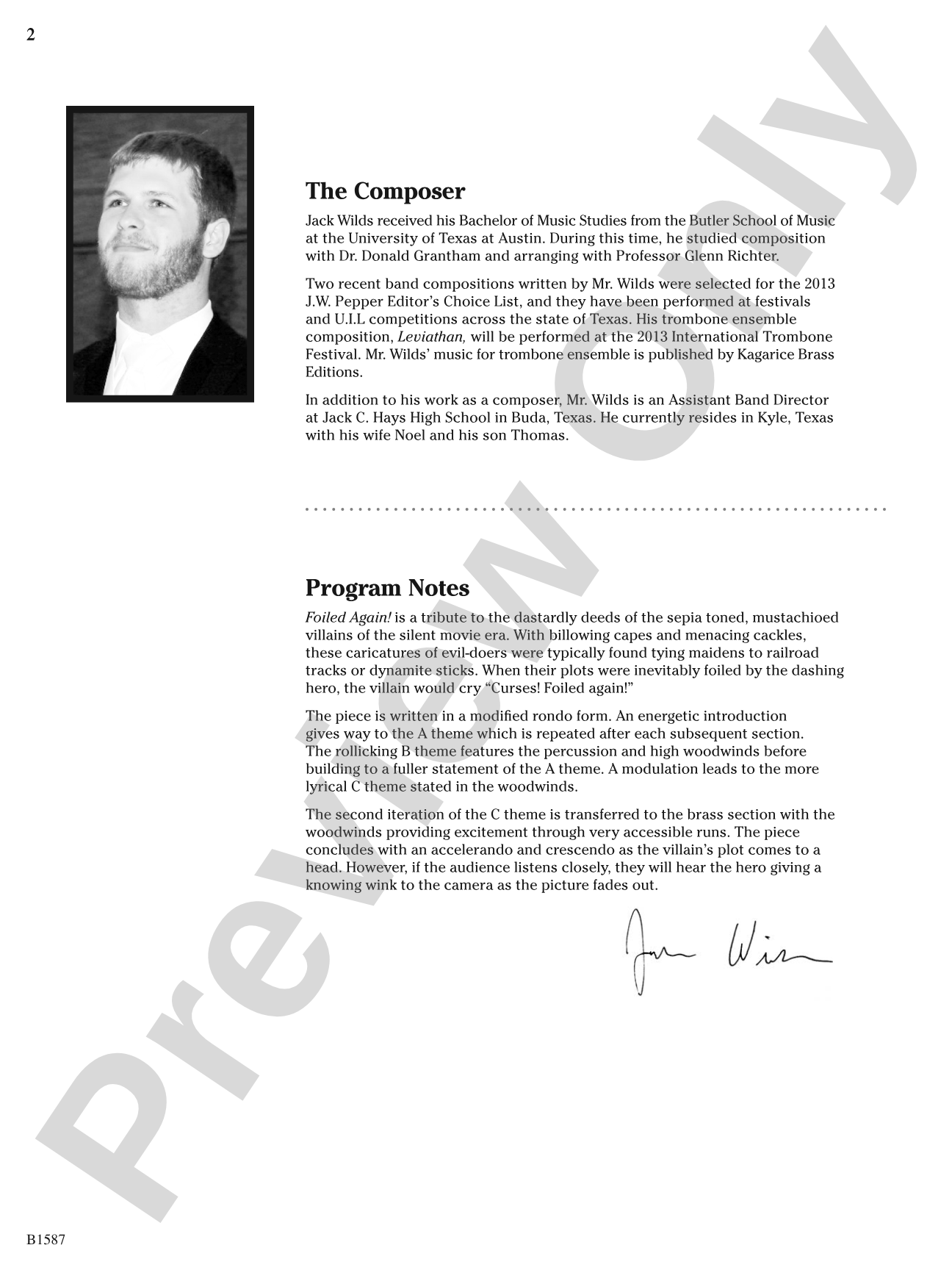
About the Composer: Jack Wilds

Jack Wilds composes for ensembles spanning five decades of age and experience, from children's choirs to professional orchestras. His output draws inspiration from visual art, literature, and philosophical sources alongside purely musical ideas, resulting in works that challenge performers while remaining deeply accessible. Chamber ensembles including the Attacca Quartet and members of the New York Philharmonic and Atlanta Symphony have premiered his music, and his compositions appear regularly on festival repertoire lists across multiple continents.
A former public school band director, Wilds has published over 40 works for developing wind and choral musicians. He serves as a lecturer at Texas State University, teaching composition, theory, ear training, and music technology, and has held the position of Co-Director of Music at First Presbyterian Church in San Marcos for 13 years. His work as clinician and adjudicator takes him across the country regularly, and his compositions have been featured at the Midwest Clinic, the International Trombone Festival, and educator conferences nationwide.
Why we love this
Wilds nails the comedic timing and theatrical energy that makes novelty pieces genuinely entertaining for both players and audiences. This piece transcends the usual gimmick-and-nothing-more trap by offering Grade 3 bands real musical material to sink their teeth into while delivering the humor and narrative arc that keeps listeners invested in whether the hero makes it in time.
What to expect
Mischievous and whimsical, the piece channels the energy of a silent film villain plotting their latest scheme. The music rushes and lurches with theatrical urgency, full of comedic pauses and exaggerated gestures that make audiences lean forward in their seats wondering if virtue will triumph in the nick of time.
Who it's for
Grade 3 concert bands seeking an opener or closer with personality and humor. Directors who want their students to experience the joy of telling a story through music without sacrificing musical substance or rehearsal value.
How to get the most out of it
- Lean into the villainous character. Exaggerated dynamics and clear articulation in the lower voices will establish the sneaky, scheming mood that the piece demands.
- Balance melodic clarity with the busy accompaniment figures underneath. The tune needs to sing through the comic bustle without the full band getting muddy.
- Lock the ensemble on rhythmic precision during the fast passages. Tight articulation and consistent pulse are what sell the frantic energy and physical comedy of the piece.
- Shape the phrase endings to telegraph what comes next. A slight breath or lift before key moments helps the narrative moments land with the audience.
How to use it
Open your concert with immediate energy and engagement by placing this at the beginning. Alternatively, it works beautifully as a finale that sends audiences out smiling and energized. Either way, position it where you want to shift the mood from formal to fun, or bookend a more serious program with theatrical levity.
Skills your students will build
- Rhythmic precision and articulation in fast, syncopated passages
- Balance between melody and accompaniment in dense textures
- Dynamic control and expressive phrasing for comedic effect
- Ensemble listening and response to narrative musical cues
- Musicality through character and storytelling rather than volume alone