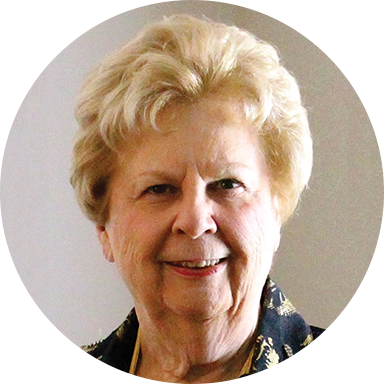
Elvina Pearce trained at the heart of American piano pedagogy, studying with Isabelle Vengerova in New York during an era when that studio shaped generations of concert artists. Her parallel studies with Frances Clark led her to co-found two institutions devoted to keyboard teaching and learning: the New School for Music Study and the Frances Center for Keyboard Pedagogy in Princeton, New Jersey.
Pearce's career spans five decades of university teaching, editorial leadership, and active composition. She spent fourteen years on Northwestern University's piano and pedagogy faculty, later served as Editor-in-Chief of Keyboard Companion Magazine, and has conducted masterclasses and recitals across North America and internationally. Her published works include more than twenty-five collections of piano music designed for students. Recognition of her contributions includes a 2011 Lifetime Achievement Award from the National Conference on Keyboard Pedagogy and induction into the Illinois Fox Valley Arts Hall of Fame in 2014.
Why we love this
Pearce writes with deep understanding of what intermediate students need to encounter: harmonic variety without harmonic chaos, melodic shapes that sing, and textures that develop their sense of voicing and touch. The impressionistic atmosphere of this piece gives students permission to think about color and mood, not just mechanics.
What to expect
Misty, contemplative, gently unfolding. The piece captures the quietness of a foggy night, with harmonies that drift and settle like moisture in still air. There's an intimate quality that invites close listening and quiet reflection.
Who it's for
Intermediate piano students exploring impressionistic language and tonal color. Teachers seeking repertoire that introduces harmonic sophistication while remaining playable and musically rewarding.
How to get the most out of it
Build the atmosphere gradually. The opening measures establish the foggy quality; don't rush or over-articulate the first phrase.
Pay attention to weight distribution between the hands. The accompaniment figures should support the melody without overwhelming it.
Experiment with the sustain pedal to create harmonic resonance, especially in the middle section where harmonies shift.
How to use it
Program this as a recital solo when you want to showcase a student's emerging musicality and touch control. Its brief length and atmospheric content make it ideal for opening a student showcase or as a moment of stillness between more extroverted pieces.
Skills your students will build
Impressionistic harmonic language and voice leading
Pedal technique and listening for harmonic blending
Phrasing and shaping lyrical melodies
Touch differentiation between melodic and accompanying voices
You May Also Like
Scan to Complete Your Purchase
Use your phone's camera to scan the code below
You'll log in on your phone and the order will be added to your account