
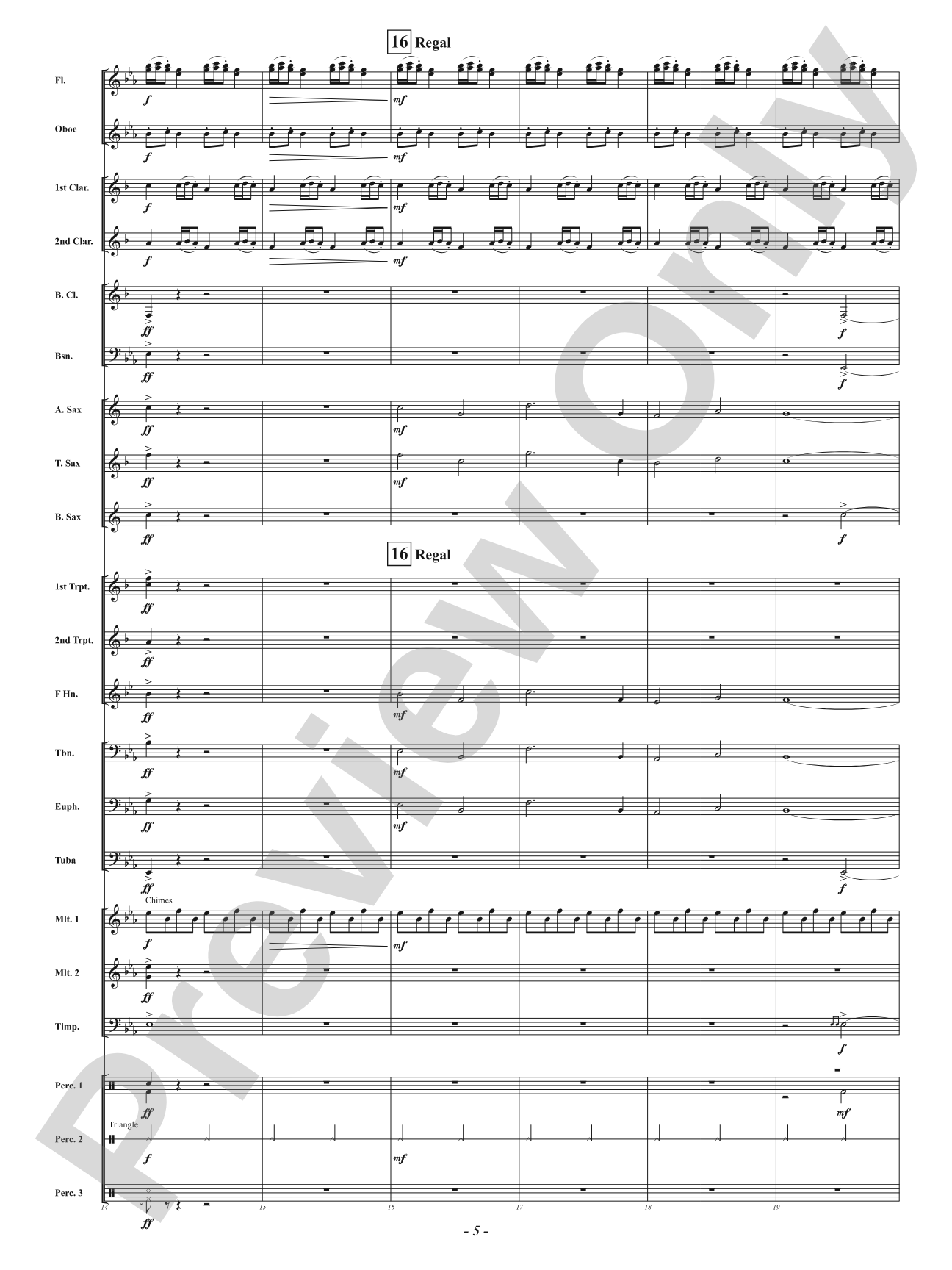
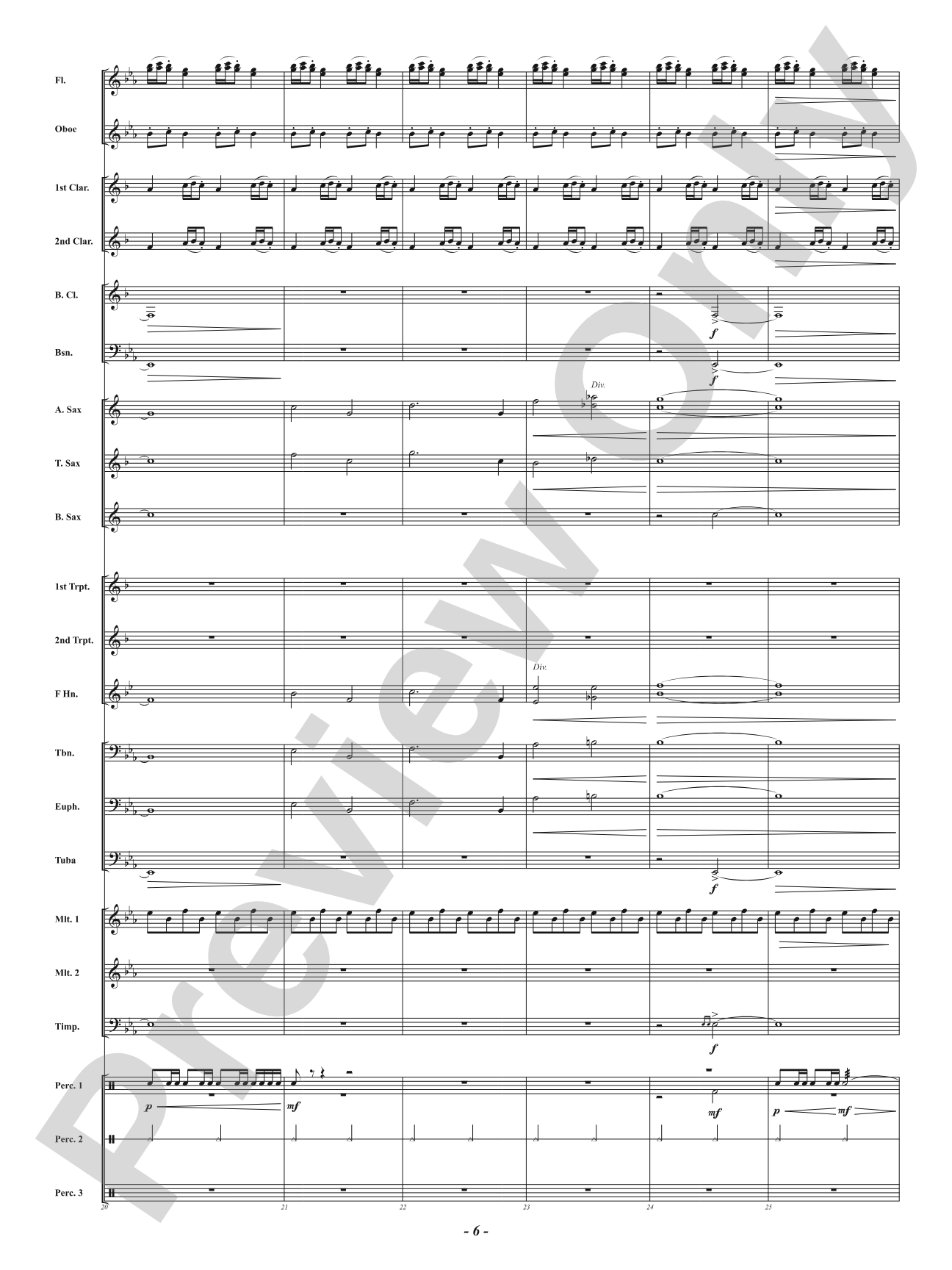
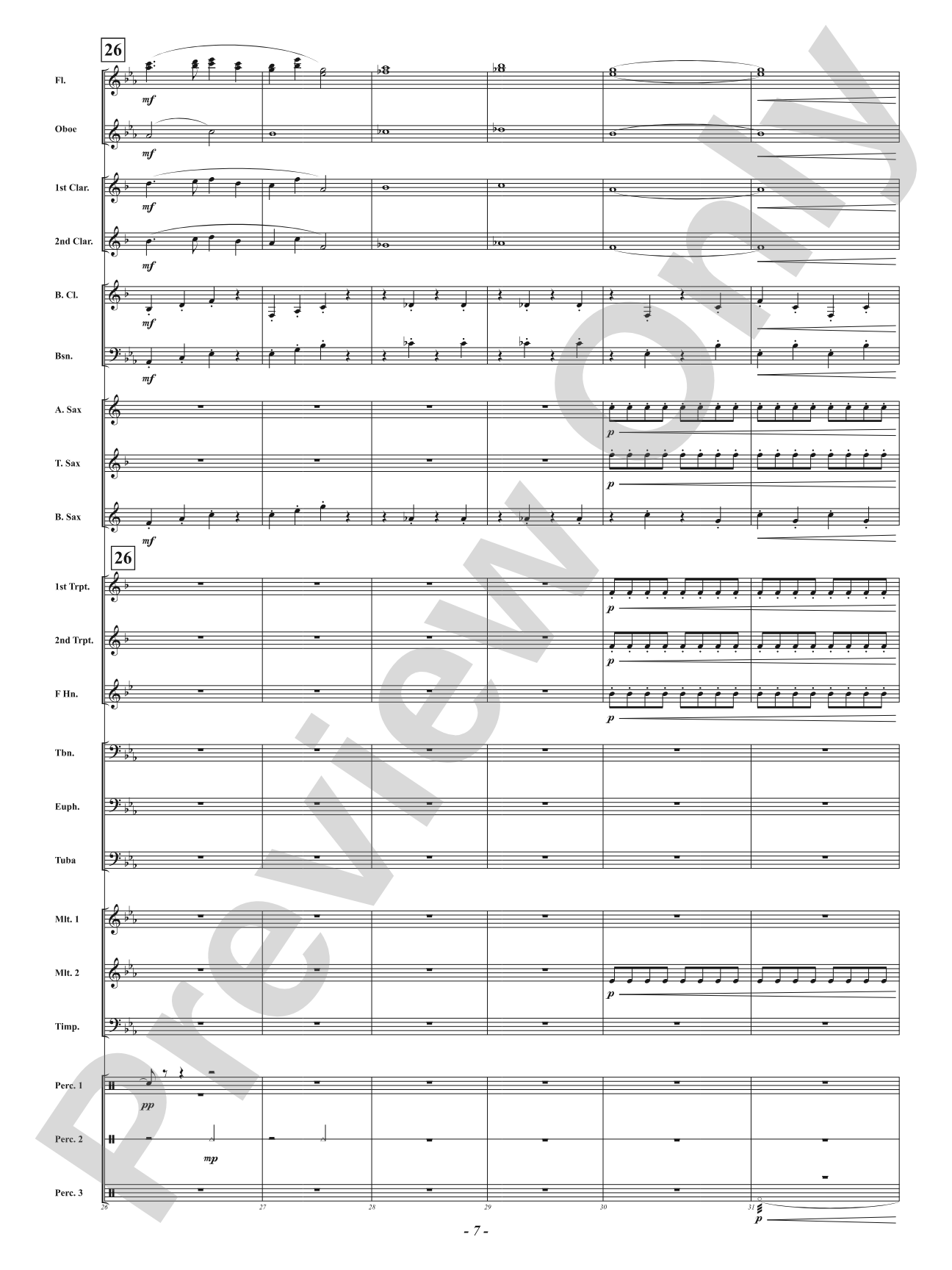
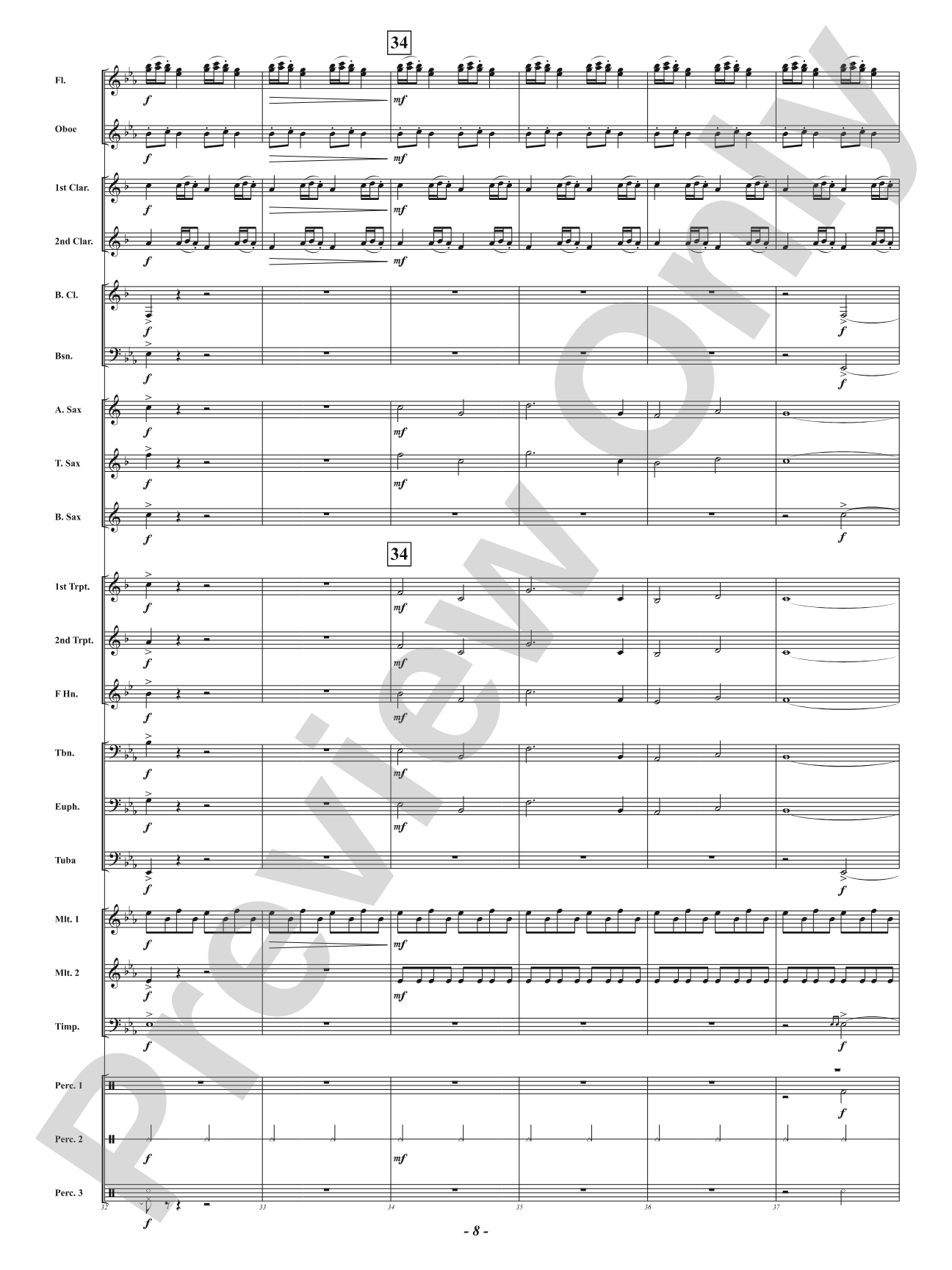
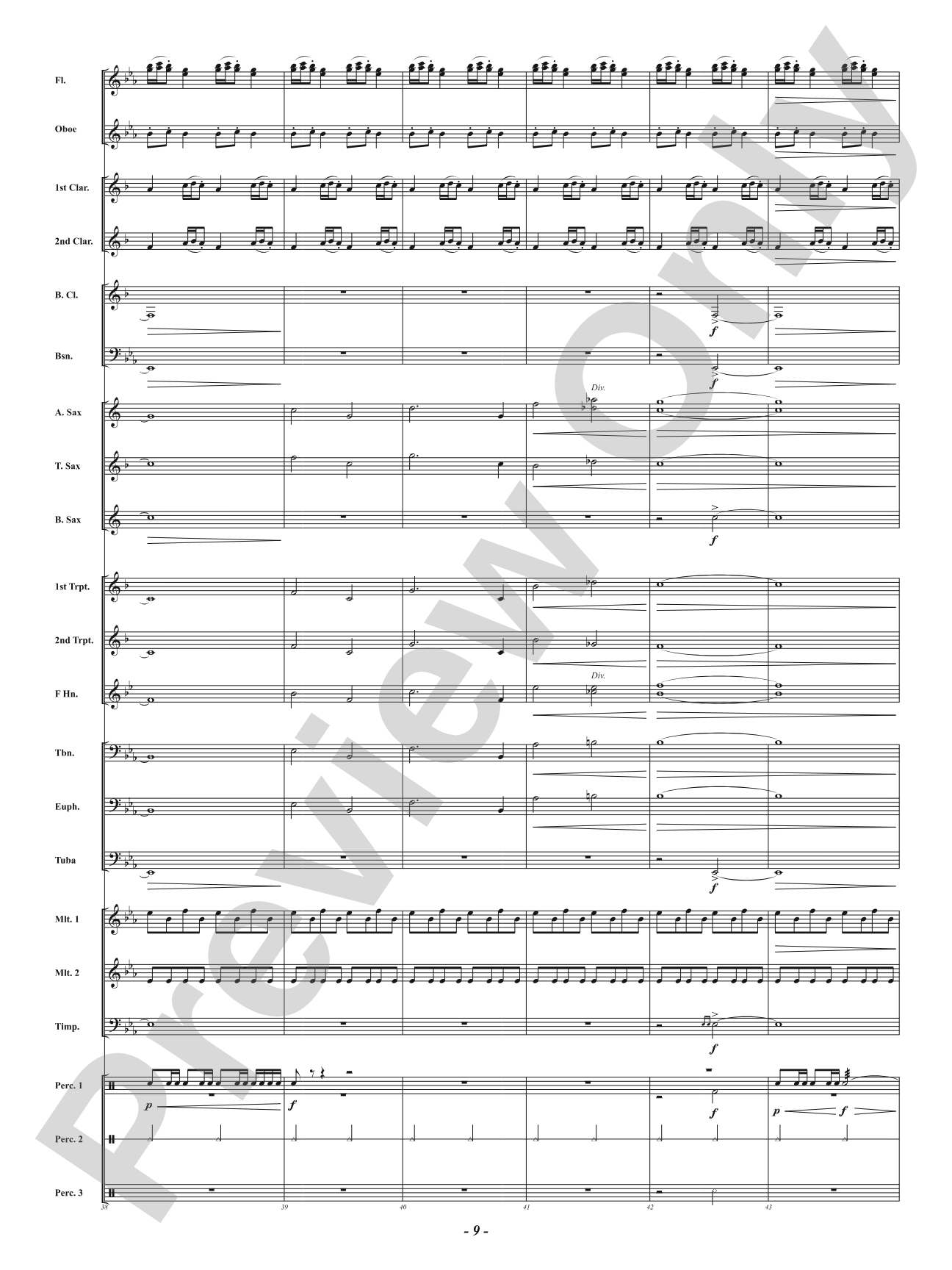
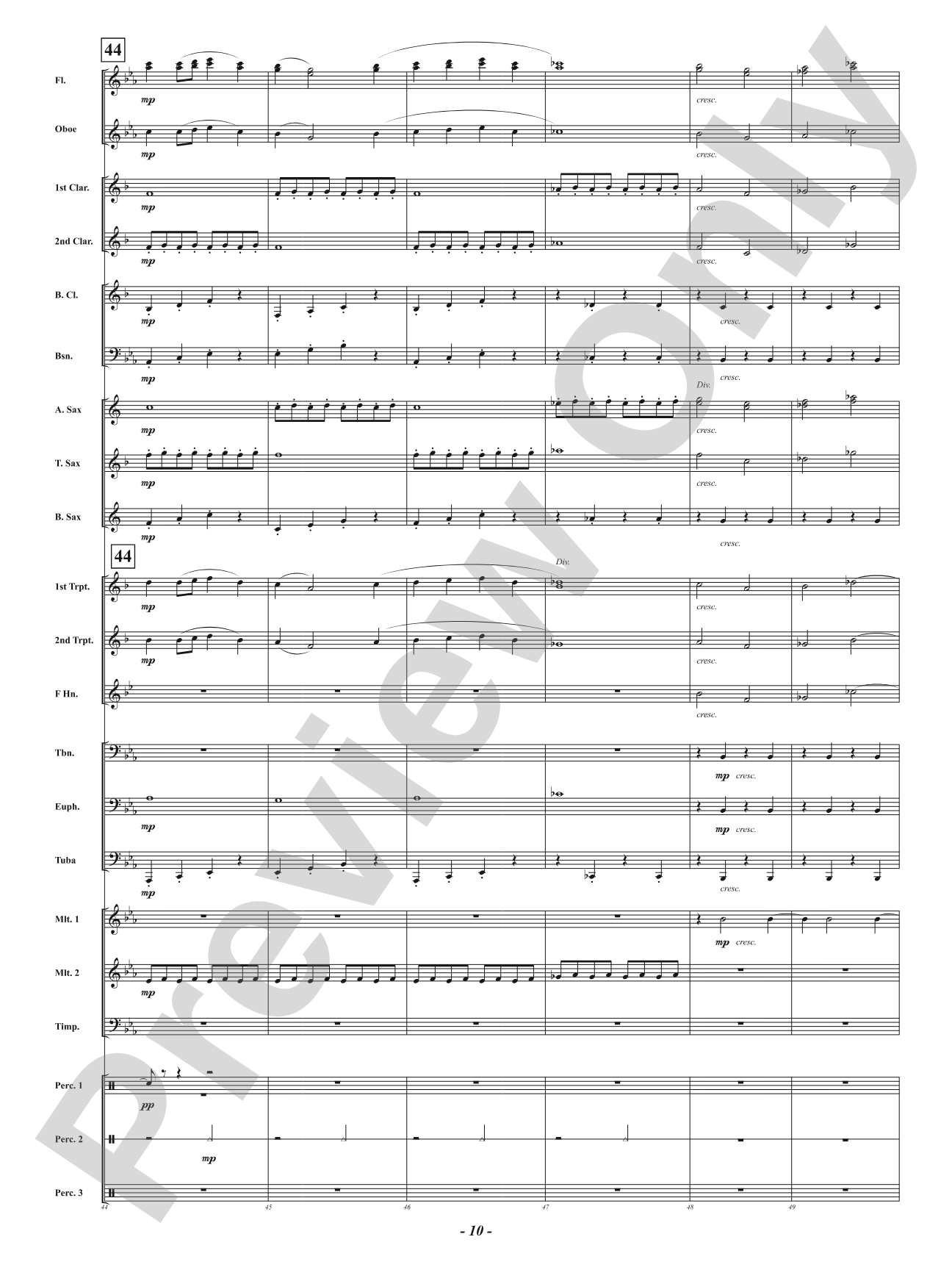
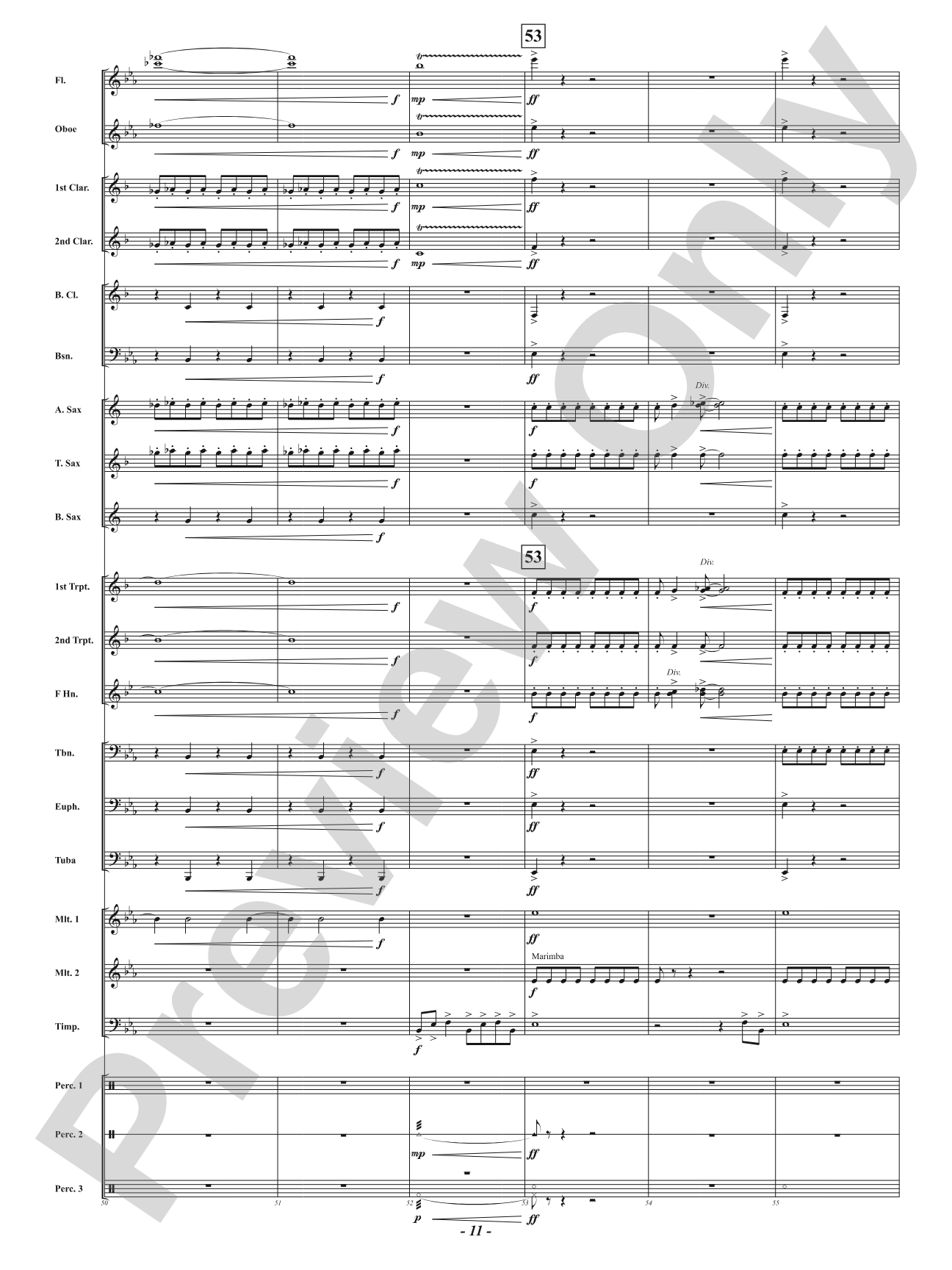
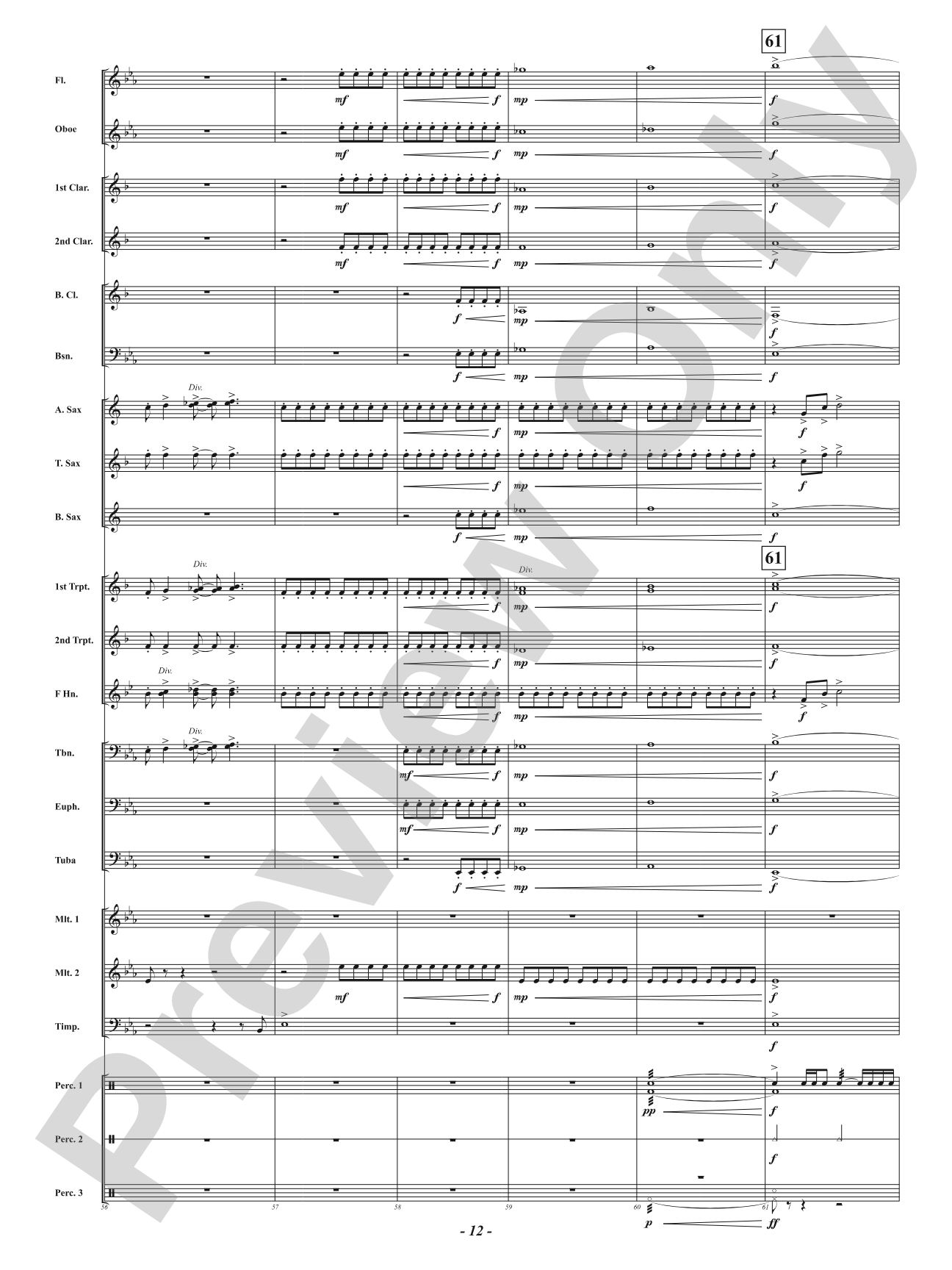
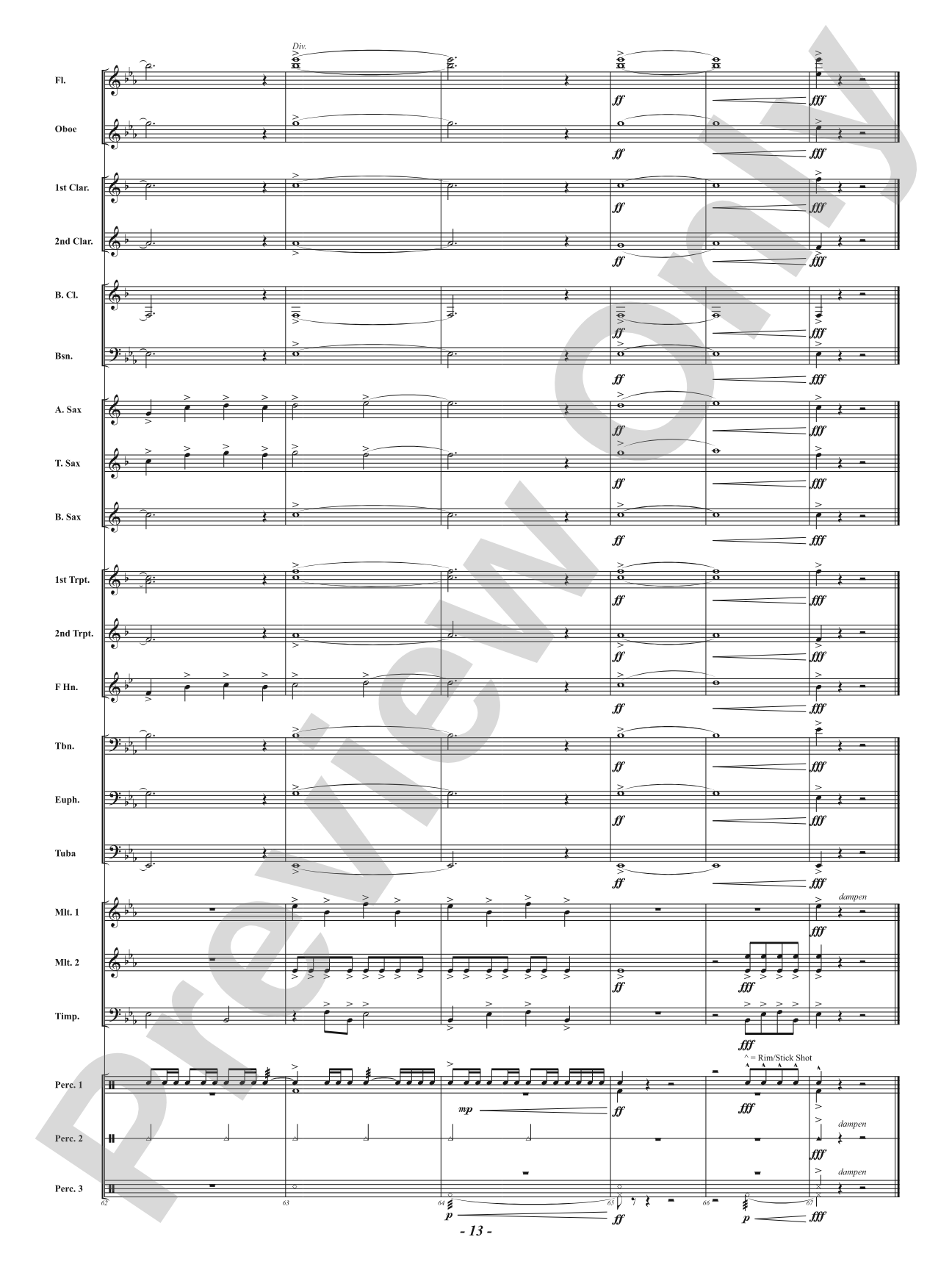




Flying Fortress - A Fanfare for Band: Score
A Fanfare for Band
By Robert W. Smith
Grade: 3
Item: 98-PR-RWS1931
$10.00
Pickup currently not available
Description
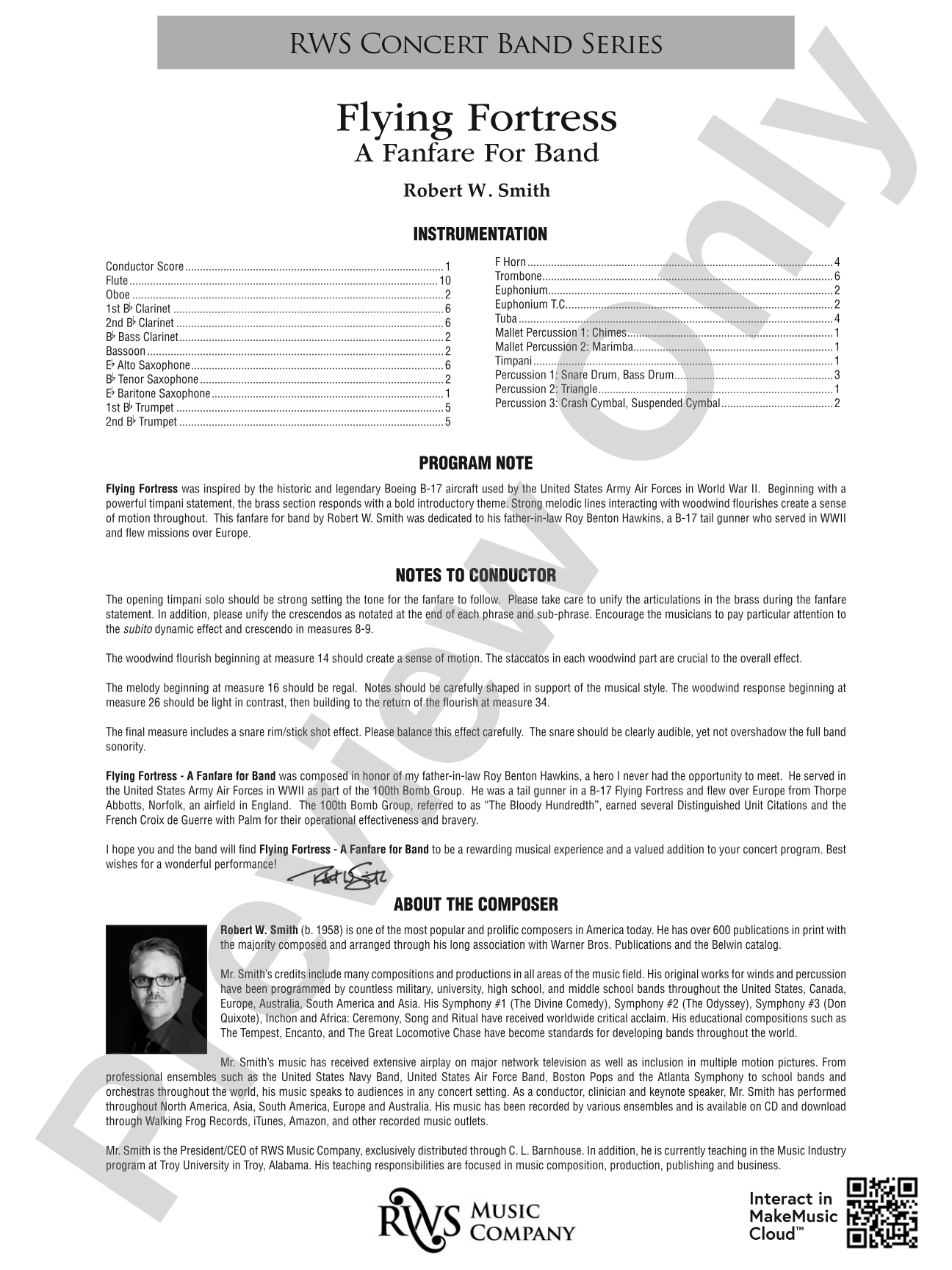
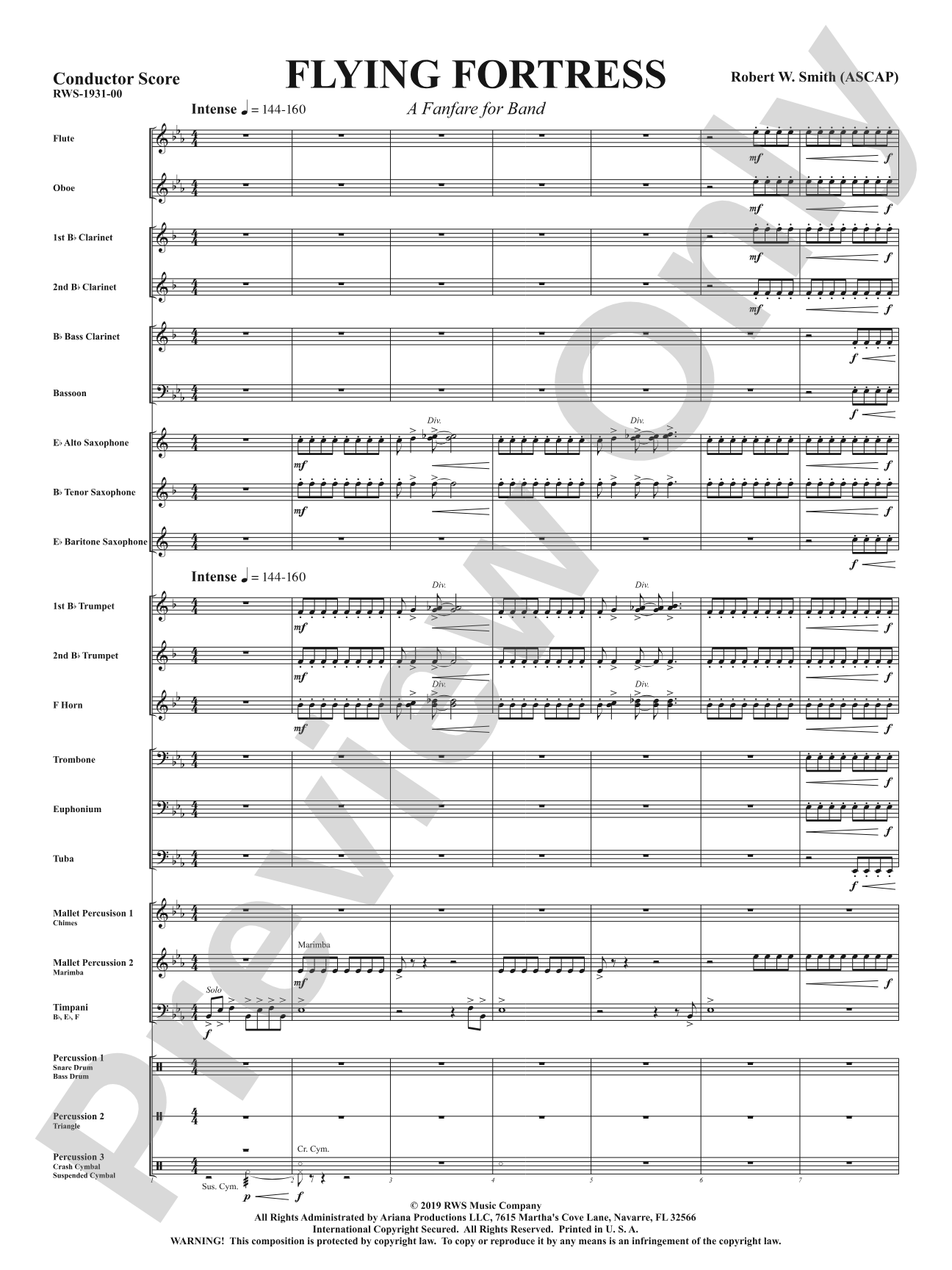
This stunning fanfare by veteran composer Robert W. Smith was inspired by the historic and legendary Boeing B-17 aircraft used by the United States Army Air Corps in World War II. Beginning with a powerful timpani statement, the brass section responds with a bold introductory theme. Strong melodic lines interacting with woodwind flourishes make this piece sound more mature and difficult than the grade level indicates. We highly recommend this majestic fanfare for any concert, festival or ceremonial performance!
Original Item#: RWS-1931-00


Original Item#: RWS-1931-00
Flying Fortress - A Fanfare for Band: Score isn't in MakeMusic Cloud just yet...but it could be. Let us know you'd like to see it, and you'll help shape what comes next. In the meantime, start a free trial and dive into thousands of interactive titles your students can play along with today.
Request This Title
Tell us you want it.
Start Your Free Trial
Explore everything that's ready to play right now.
Sample Audio
1
Audio File
--:--
0:00
0:00
Sample Video
No sample videos found.
Additional Details
Series:
RWS - Concert Band
Publisher:
RWS Music Company
SKU:
98-PR-RWS1931
More about this title
About the Composer: Robert W. Smith

Robert W. Smith stands among America's most recorded composers for concert band and orchestra, with more than 400 published works spanning original compositions, arrangements, and adaptations. He holds degrees in music education from Troy State University and a master's degree from the University of Miami, grounding his prolific output in both compositional craft and pedagogical understanding.
Smith's works have traveled globally, performed across North America, Europe, Australia, and Asia. His symphonies, including The Divine Comedy and The Odyssey, have become standards alongside pieces like The Tempest. Beyond the concert hall, his music has appeared on major television broadcasts, Olympic ceremonies, presidential state functions, and iconic American events from the Macy's Thanksgiving Day Parade to Opening Day at Dodger Stadium.
Why we love this
Flying Fortress delivers orchestral weight and ceremonial gravitas at a grade level where most fanfares still feel like exercises. The opening timpani statement commands immediate attention, and Smith's brass writing gives young players genuinely exciting material to execute. This is the kind of opener that makes an audience lean forward before the first full phrase concludes.
What to expect
Bold and purposeful, with the atmosphere of a grand historical moment captured in sound. The timpani grounds everything in weight and gravitas, while bright brass and darting woodwinds create a sense of forward motion and celebration. It's fanfare writing that honors its subject without pretension.
Who it's for
Grade 3 concert bands ready to open a program with unmistakable confidence. The writing sits comfortably under the fingers while the orchestration sounds assured and mature, making this ideal for festivals, formal ceremonies, or any concert that needs a statement piece that feels both accessible and impressive.
How to get the most out of it
- Balance the timpani entrance carefully; it establishes the piece's authority and should land with presence without drowning out what follows. Work with your percussion section to feel the weight and spacing of each stroke.
- Shape the brass theme with long, confident phrasing. Young players often rush fanfare-style writing, so conduct with a clear pulse and mark breath points that allow the melody to soar over smaller internal breaths.
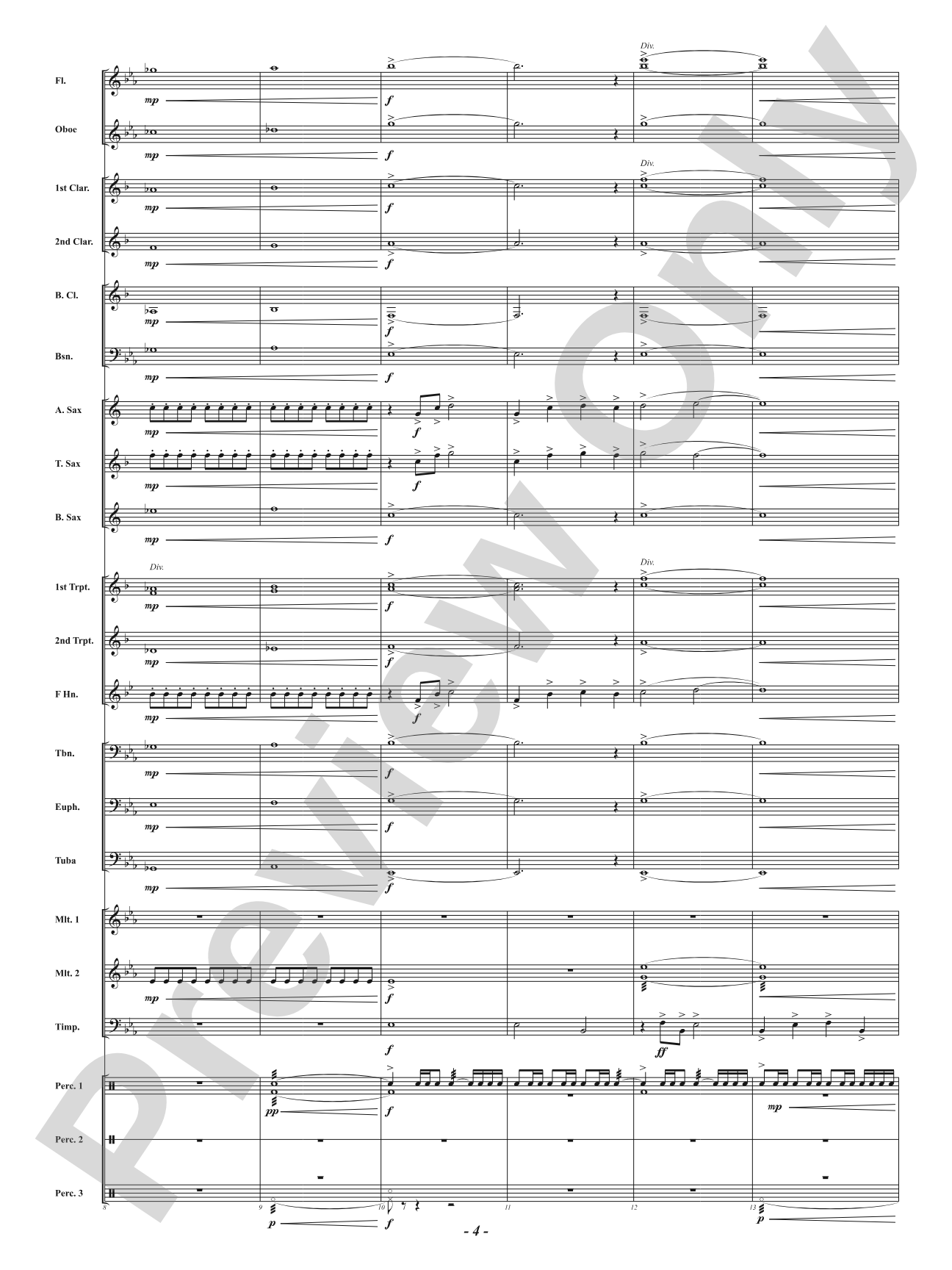
- Let woodwind flourishes breathe as counterpoint, not filler. They're scored to interact with the brass melody, so ensure each section listens actively and enters with rhythmic precision rather than simply filling gaps.
- Build toward the strongest moments without losing control of tempo. Fanfares invite conductors to push, but Smith's orchestration only deepens if the pulse stays secure throughout.
How to use it
Open a concert or festival performance with this piece to establish energy and command the room from the first moments. It pairs well alongside other Smith works or classic fanfares if you're programming a patriotic or ceremonial set. The piece is short enough to serve as a functional opener without consuming rehearsal time better spent on your main selections.
Skills your students will build
- Balancing independent brass and woodwind lines in a full ensemble texture
- Executing articulated fanfare style at controlled tempos
- Reading and performing scored percussion that leads rather than accompanies
- Phrasing melodic material across rests and breath points without losing line continuity