
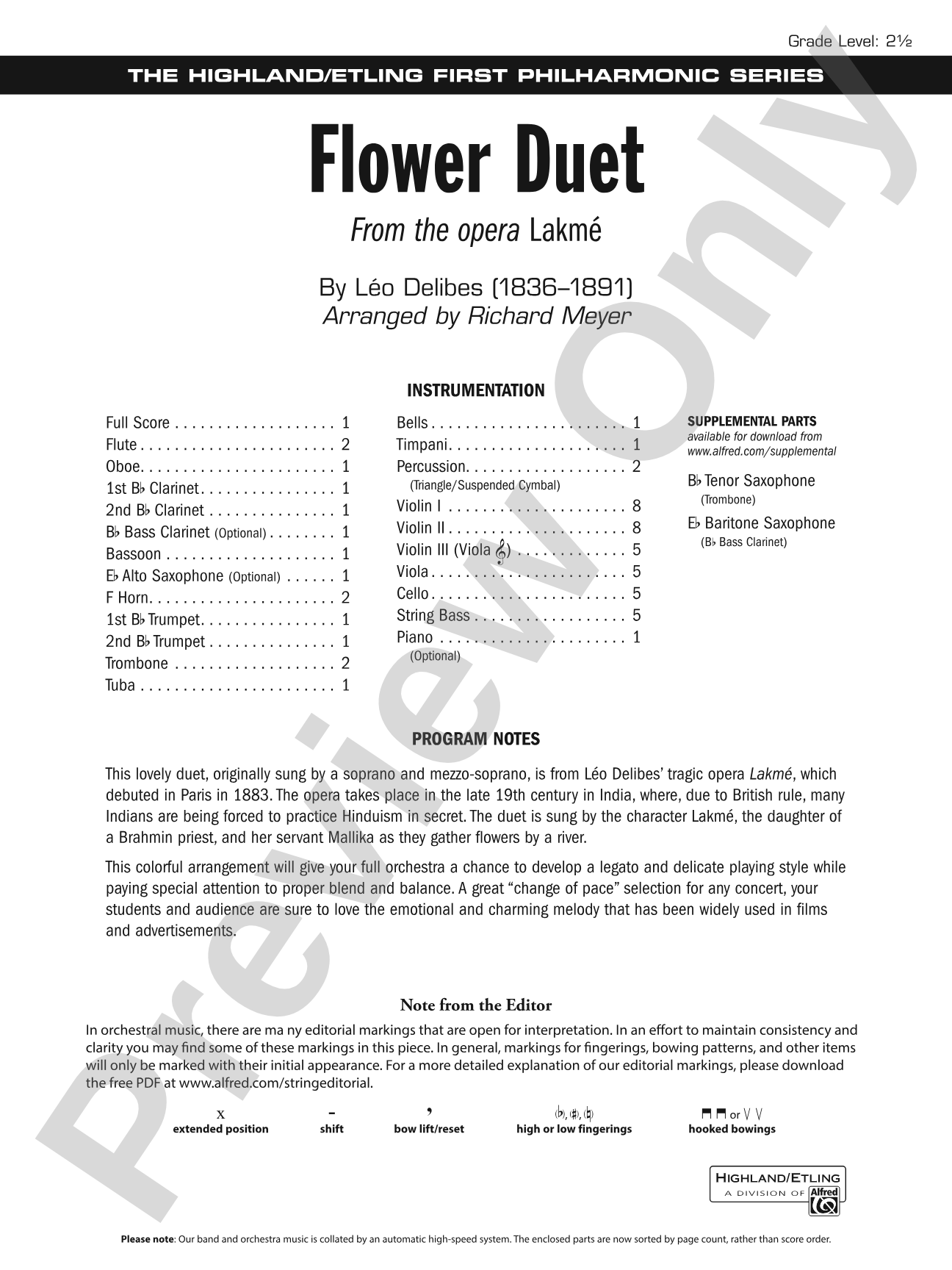

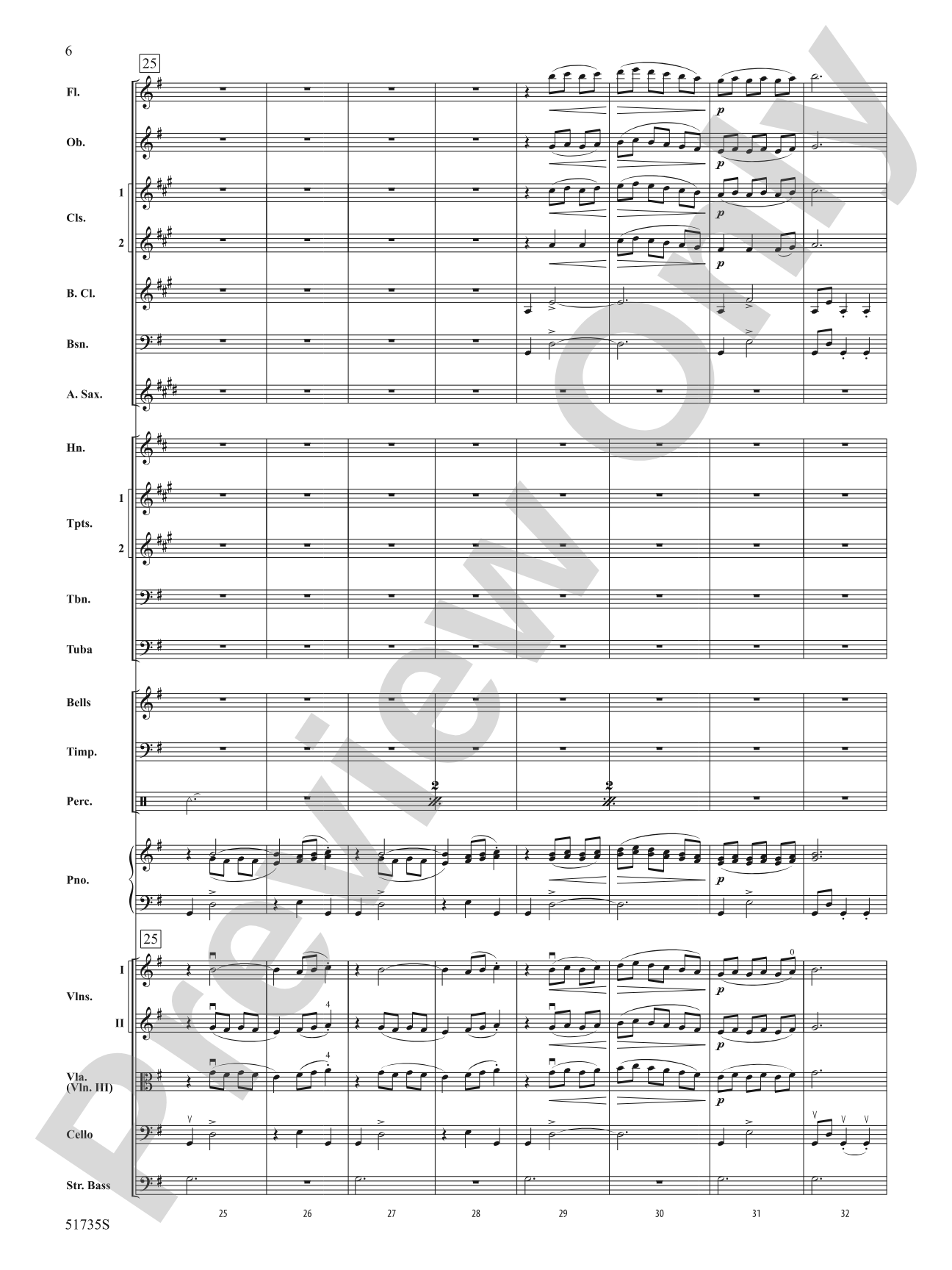
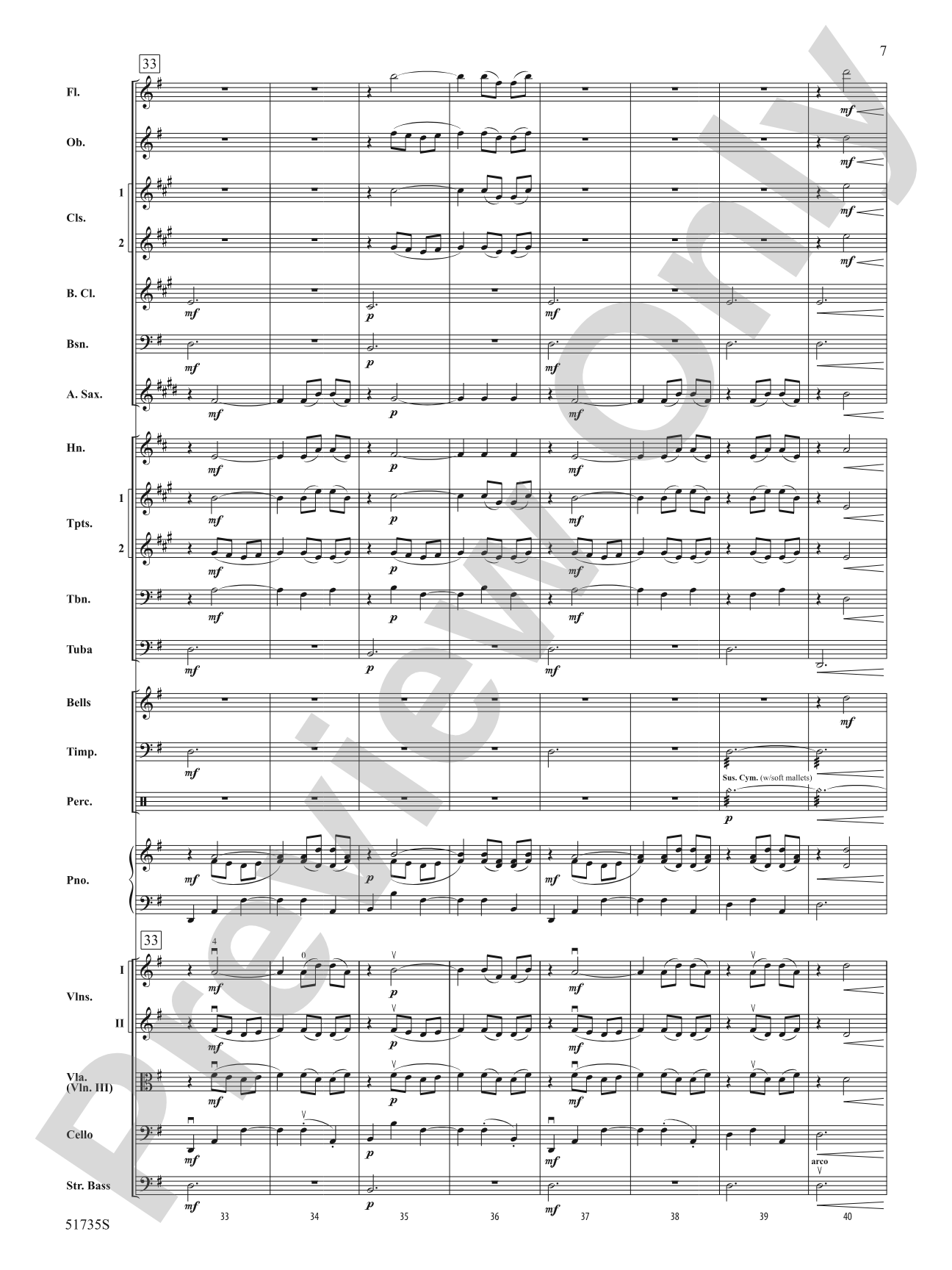
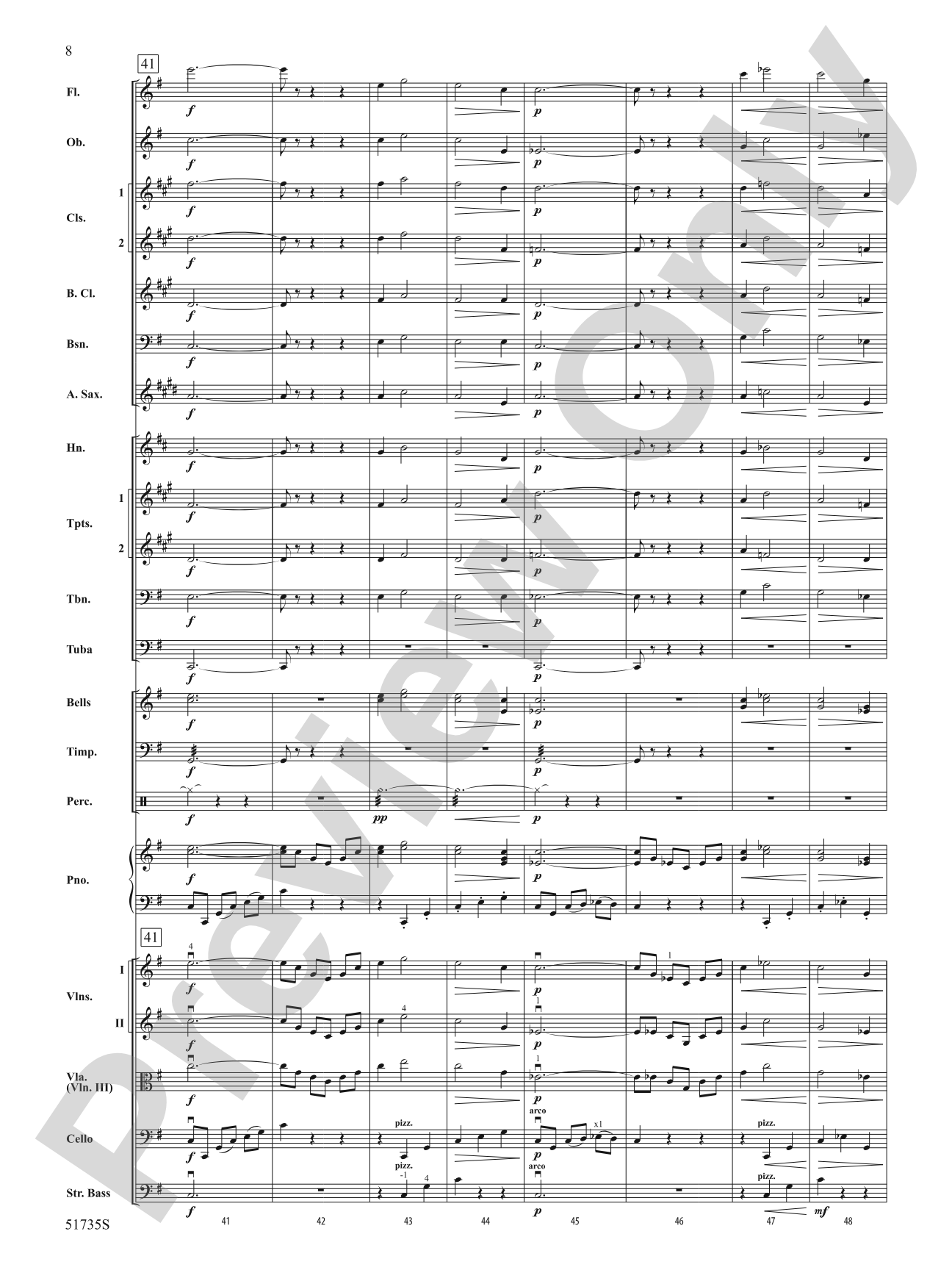
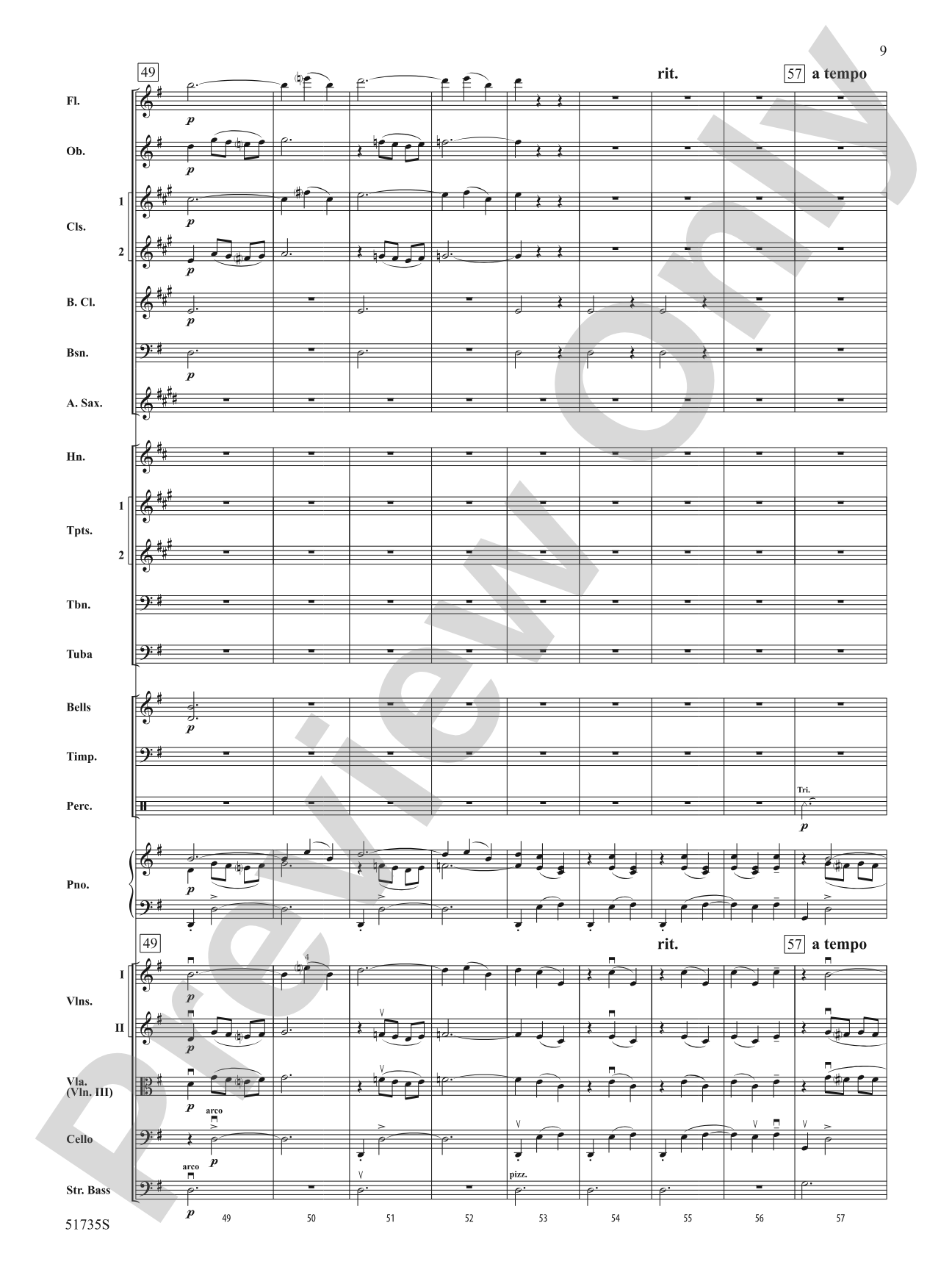
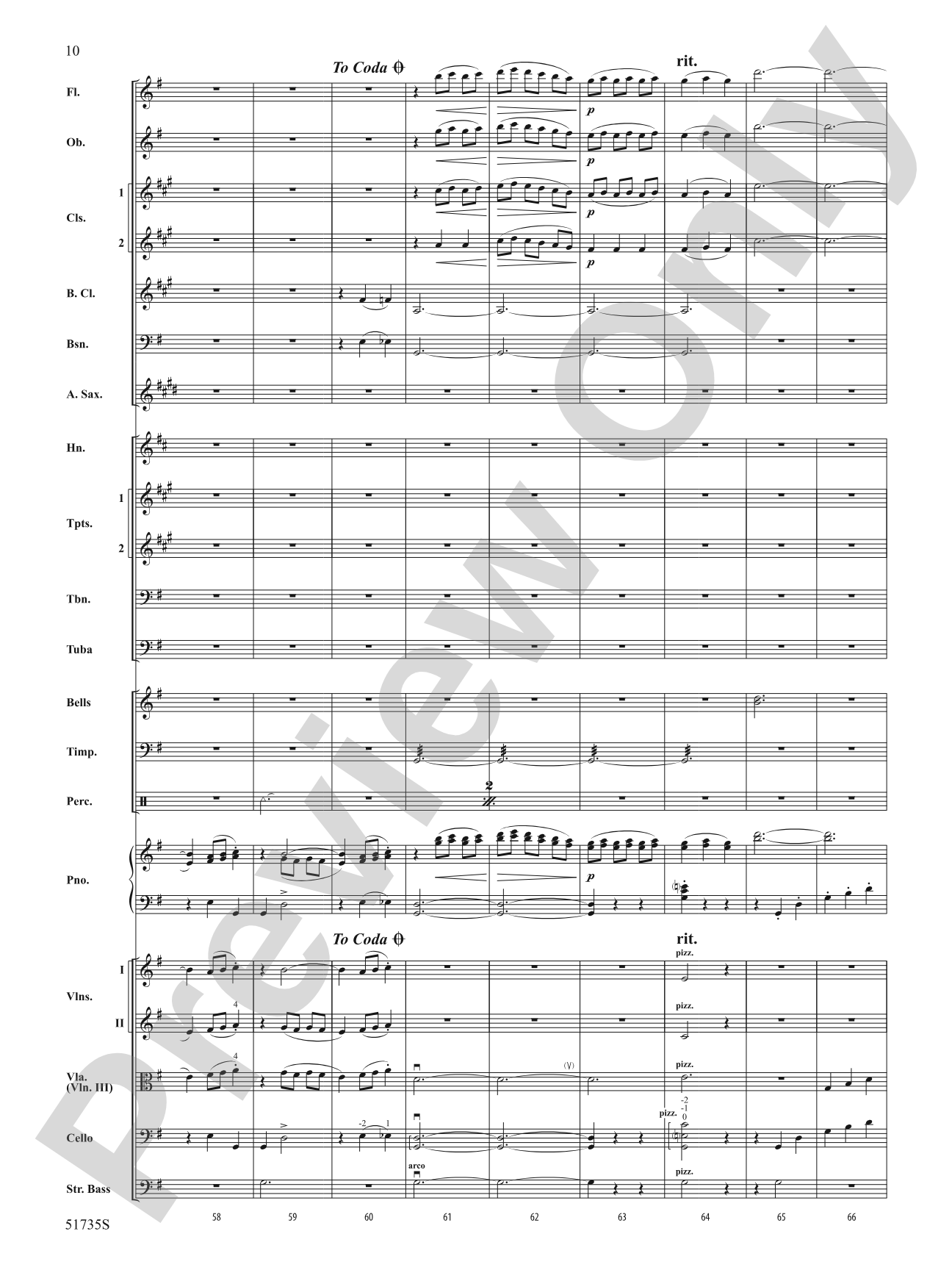
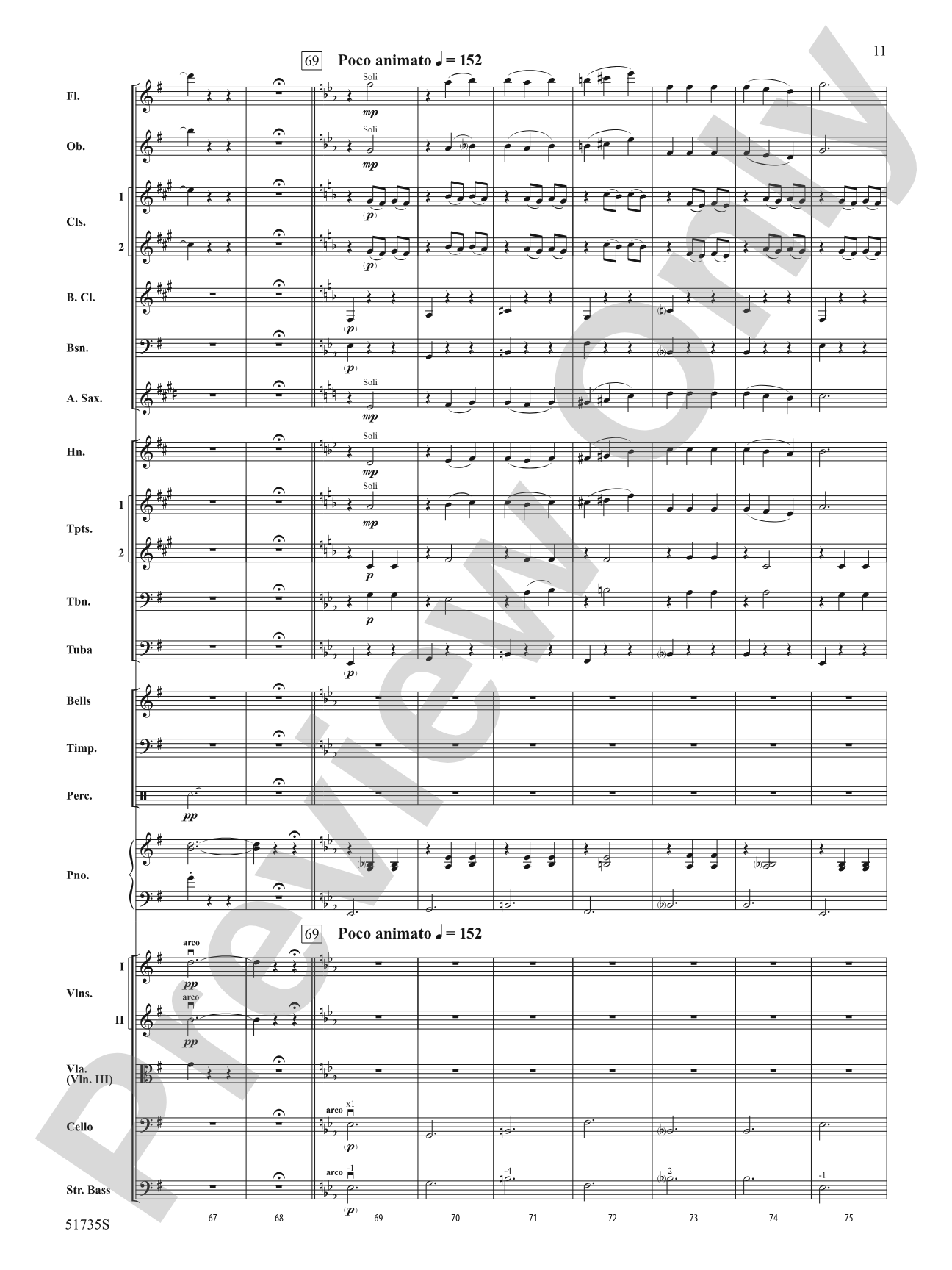
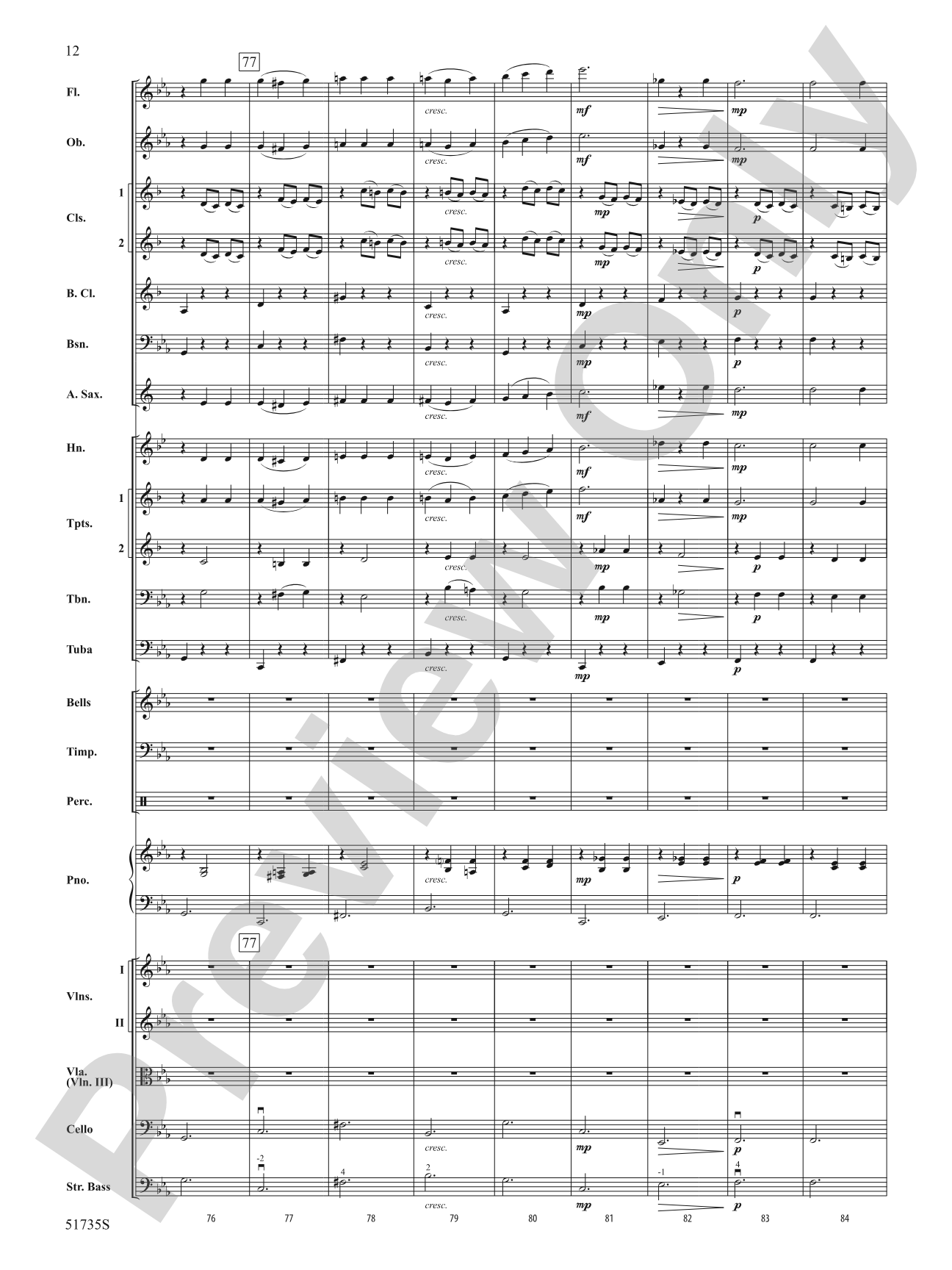
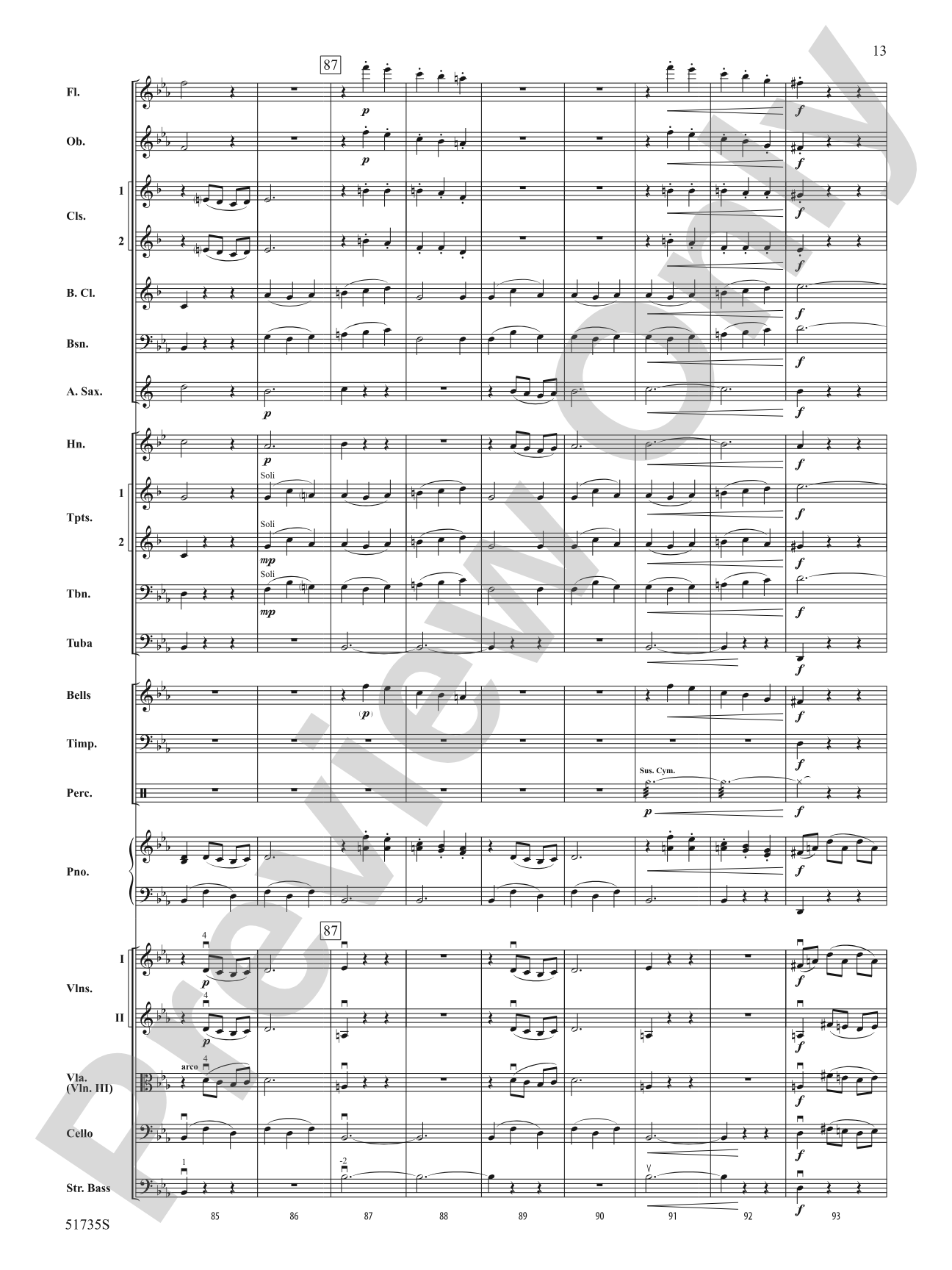
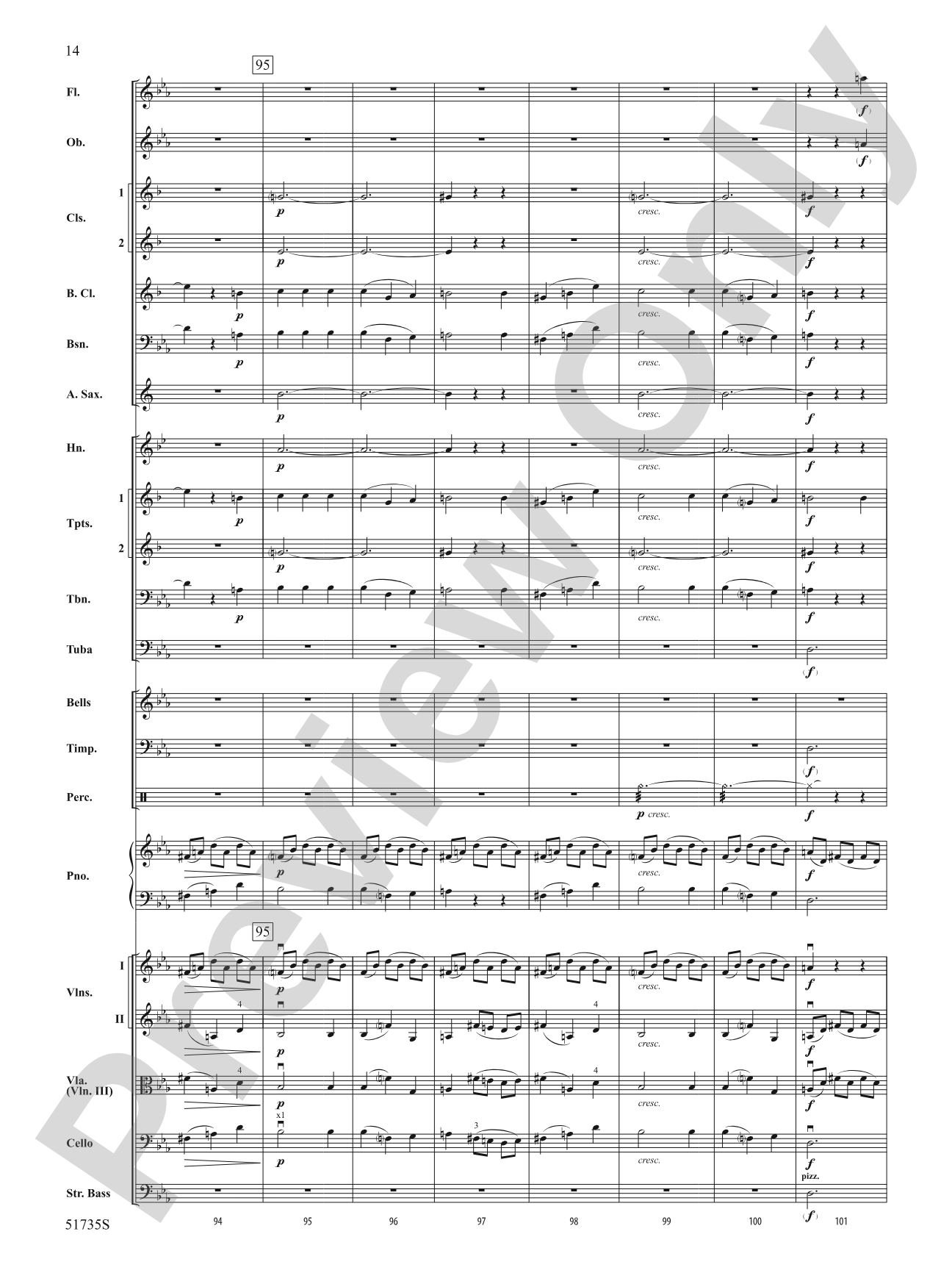
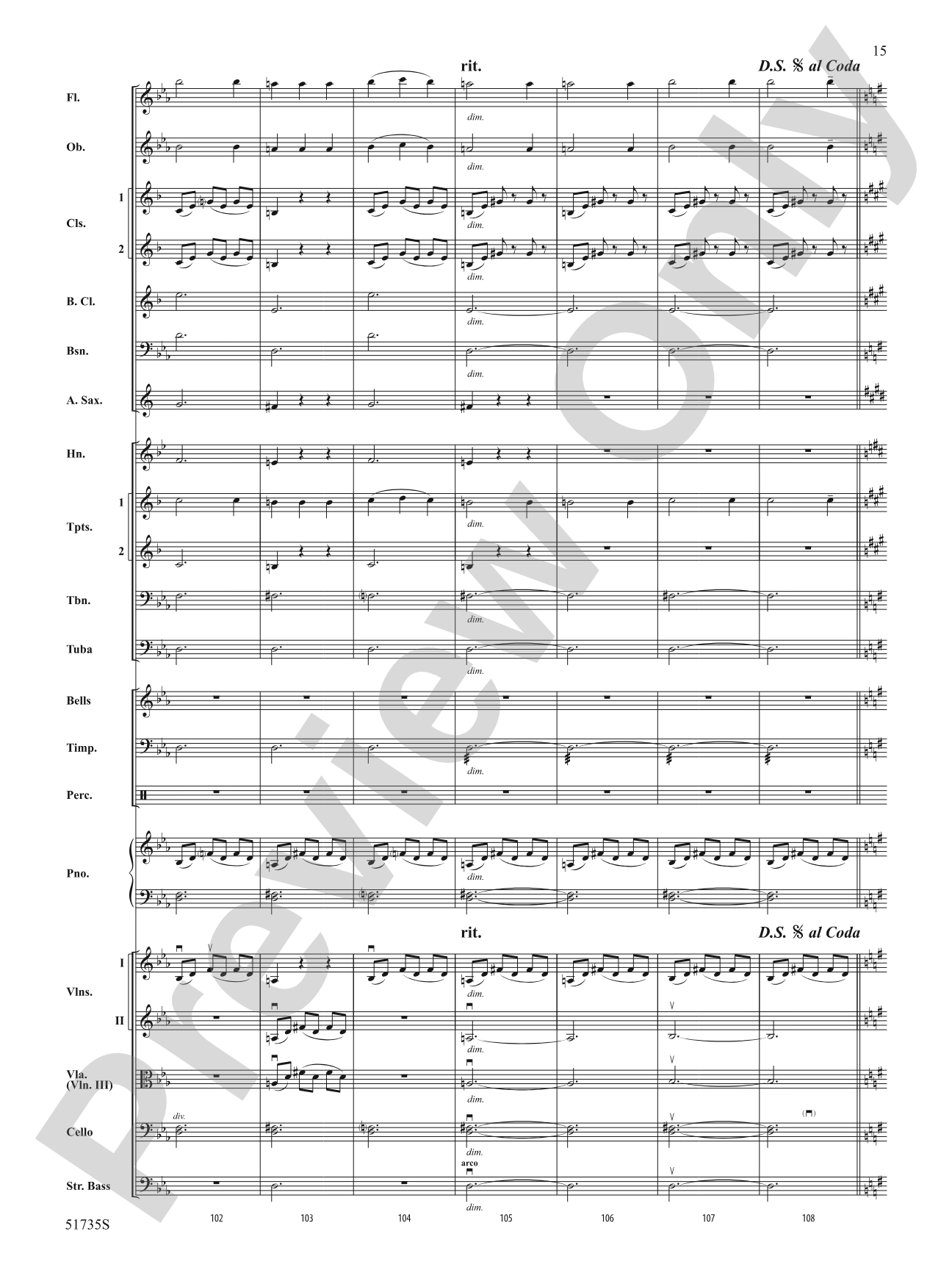
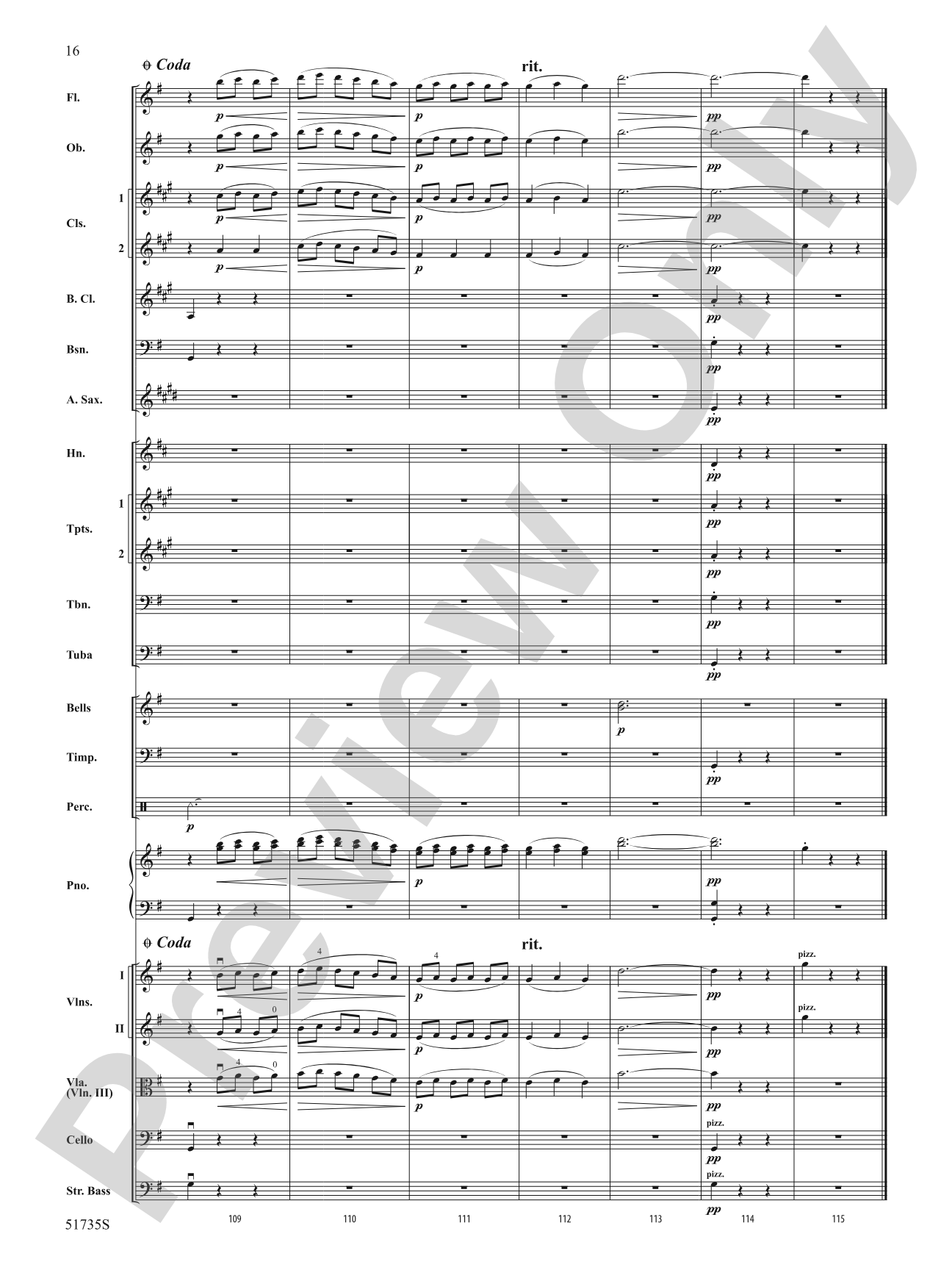

Flower Duet: Full Orchestra Conductor Score & Parts
From the Opera Lakme
By Léo Delibes / arr. Richard Meyer
Grade: 2.5
Item: 00-PK-0009281
$75.00
Pickup currently not available
Buy Extra Parts (Digital PDF Download)
| Product | Price | Quantity |
|---|---|---|
| Flower Duet: Score | $10.00 | |
| Flower Duet: Flute | $5.99 | |
| Flower Duet: Oboe | $5.99 | |
| Flower Duet: 1st B-flat Clarinet | $5.99 | |
| Flower Duet: 2nd B-flat Clarinet | $5.99 | |
| Flower Duet: B-flat Bass Clarinet | $5.99 | |
| Flower Duet: Bassoon | $5.99 | |
| Flower Duet: E-flat Alto Saxophone | $5.99 | |
| Flower Duet: 1st F Horn | $5.99 | |
| Flower Duet: 1st B-flat Trumpet | $5.99 | |
| Flower Duet: 2nd B-flat Trumpet | $5.99 | |
| Flower Duet: 1st Trombone | $5.99 | |
| Flower Duet: Tuba | $5.99 | |
| Flower Duet: Mallets | $5.99 | |
| Flower Duet: Timpani | $5.99 | |
| Flower Duet: 1st Percussion | $5.99 | |
| Flower Duet: 1st Violin | $5.99 | |
| Flower Duet: 2nd Violin | $5.99 | |
| Flower Duet: 3rd Violin (Viola [TC]) | $5.99 | |
| Flower Duet: Viola | $5.99 | |
| Flower Duet: Cello | $5.99 | |
| Flower Duet: String Bass | $5.99 | |
| Flower Duet: Piano Accompaniment | $5.99 |
Parts Added to Cart!
Description
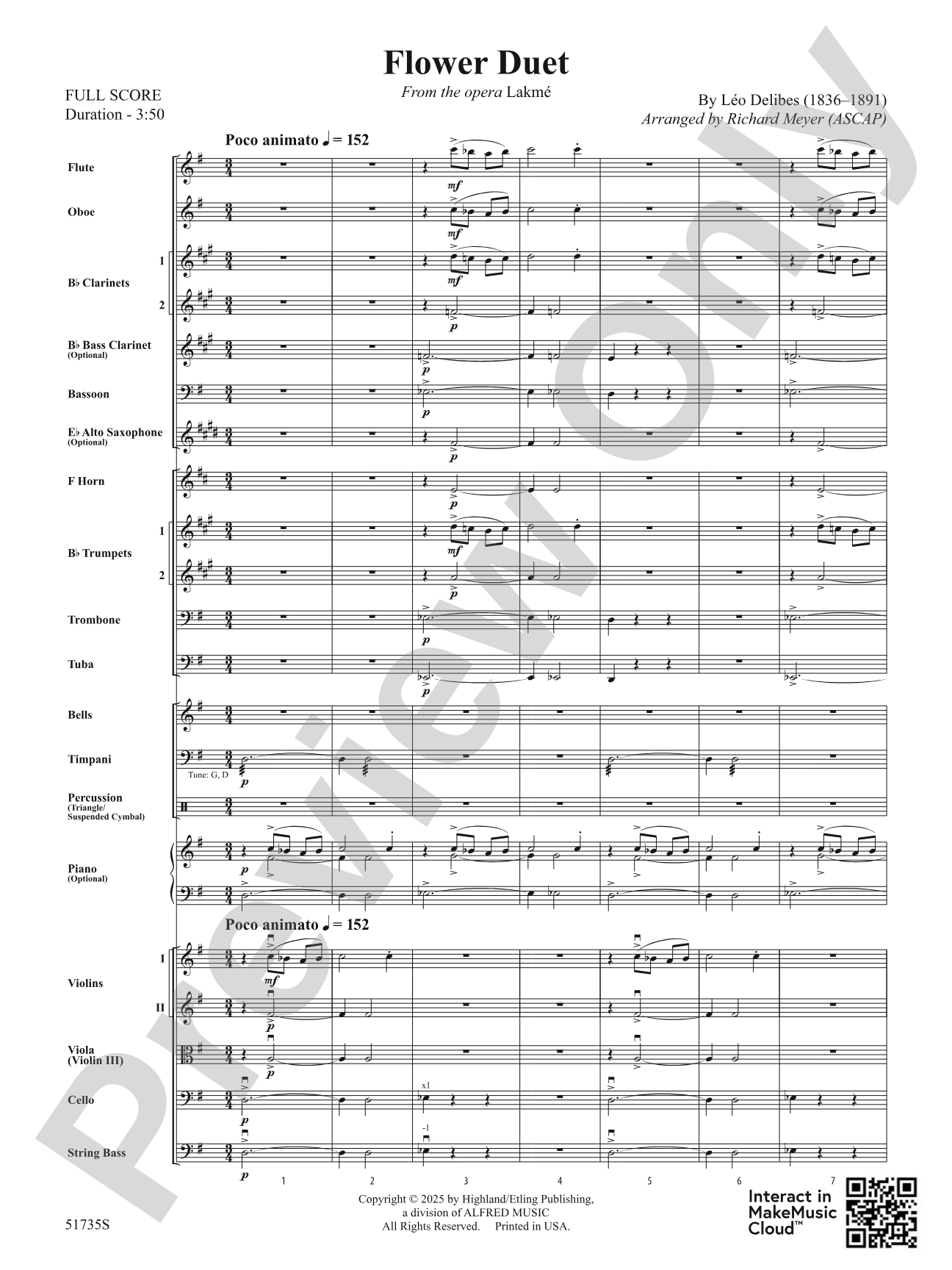
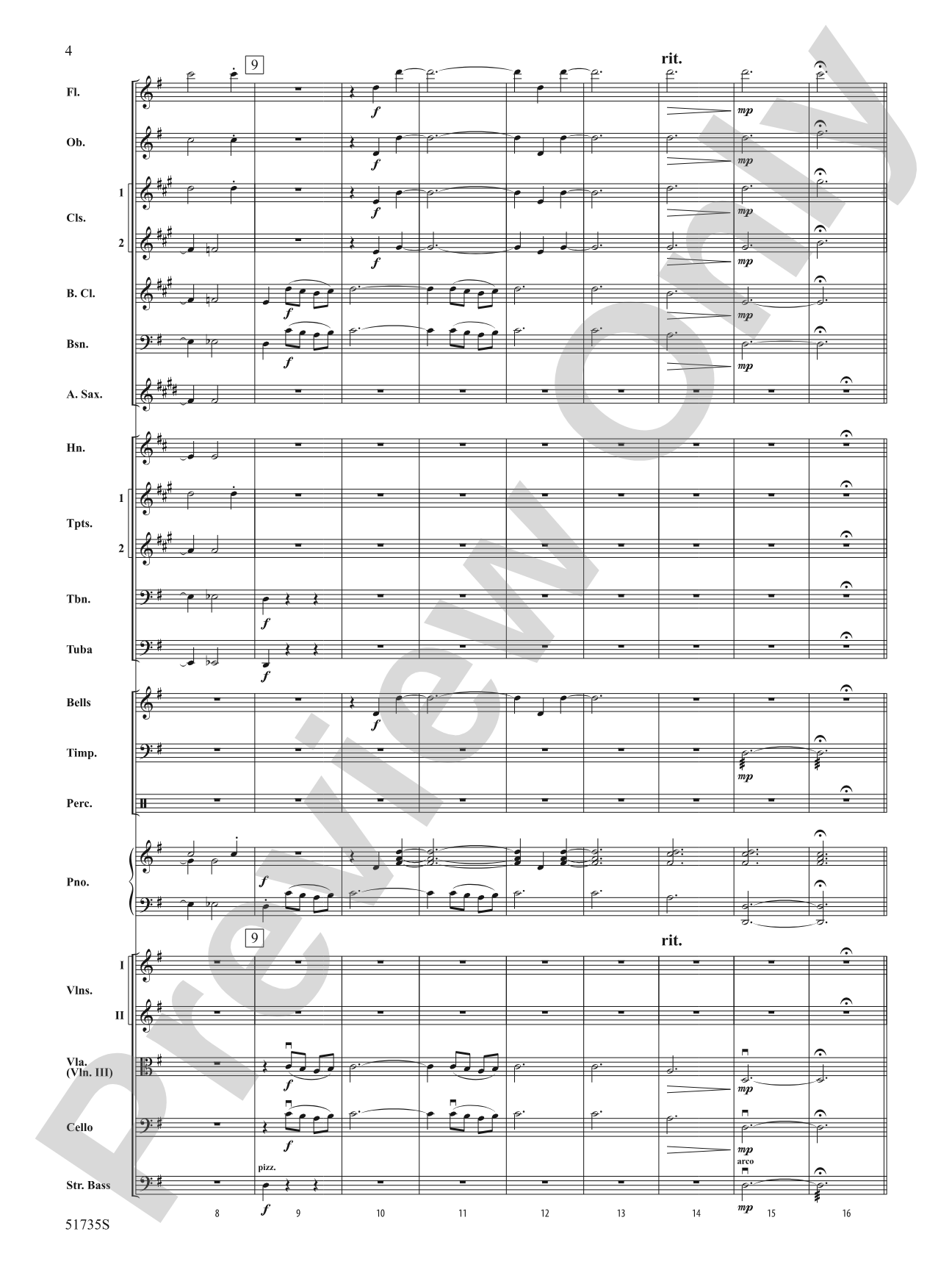
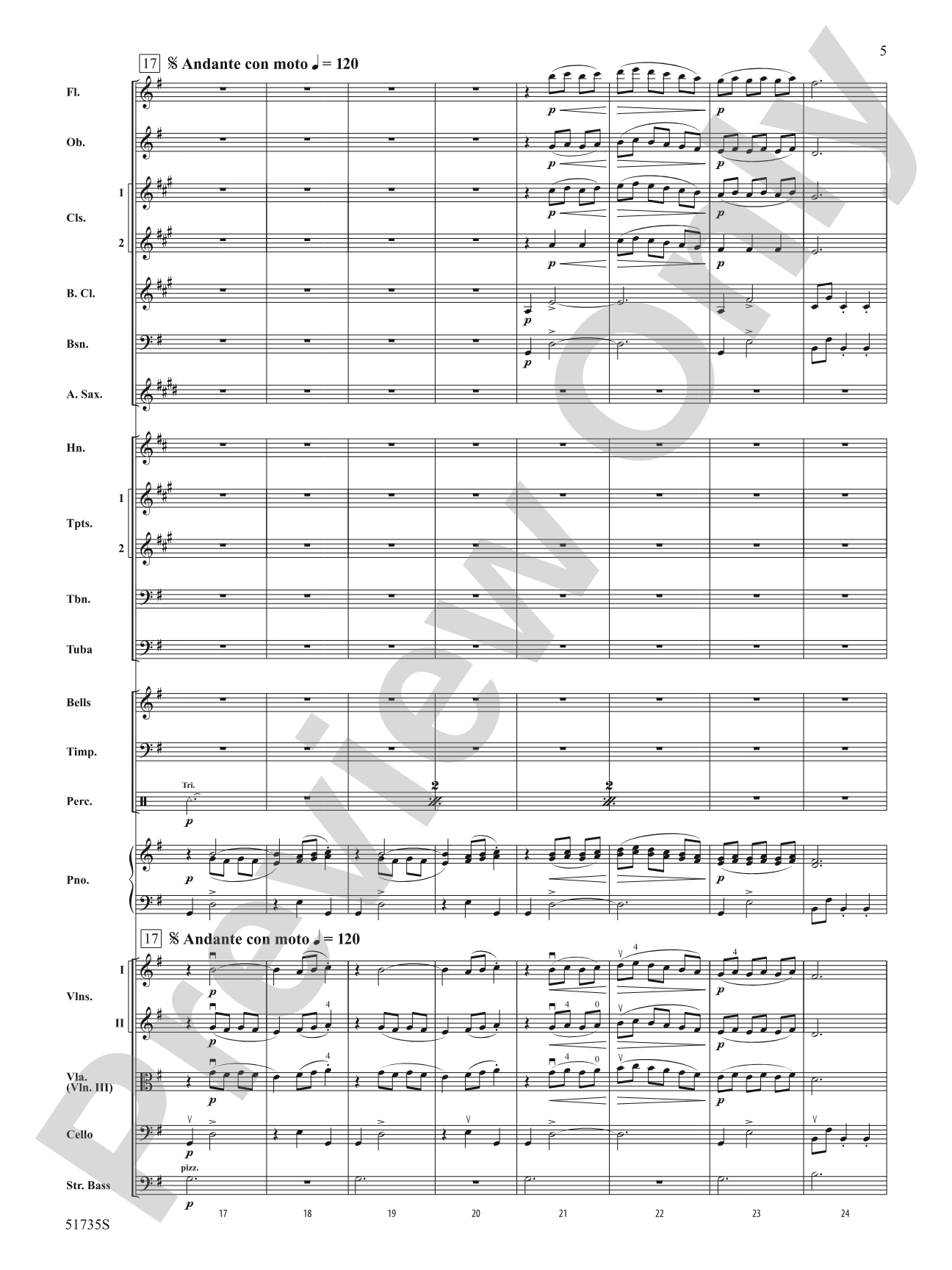
Flower Duet, as arranged by Richard Meyer, will give your full orchestra a chance to develop a legato and delicate playing style while paying special attention to proper blend and balance. A great "change of pace" selection for any concert, your students and audience are sure to love the emotional and charming melody that has been widely used in films and advertisements. (3:50)


Discover MakeMusic Cloud: thousands of interactive titles your students can play along with today.
Sample Audio
1
Audio File
--:--
0:00
0:00
Sample Video
Additional Details
Series:
Highland/Etling First Philharmonic
Publisher:
Alfred Music
SKU:
00-PK-0009281
More about this title
About the Composer: Léo Delibes
Léo Delibes (1836-1891) composed some of the most enduring melodies in the orchestral repertoire, with a gift for writing vocal lines that sing naturally across any instrument. His ballet scores, particularly Coppélia and Sylvia, established him as a master of orchestration and charm; the famous Flower Duet from Lakmé showcases his ability to craft music that is both sophisticated and immediately accessible to listeners.
For music educators, Delibes represents an ideal entry point into French Romantic opera and ballet literature. His melodies reward careful phrasing and attention to ensemble balance, making his work particularly valuable for developing young orchestras' sensitivity to lyrical playing.
Why we love this
Meyer's Grade 2.5 orchestration preserves the haunting beauty of this beloved melody while making it genuinely playable for developing ensembles. The arrangement creates natural opportunities to address blend and balance issues that emerge in full orchestra settings, and the work's familiar character (heard in countless films and ads) means your audience connects immediately, giving students real evidence of their musical growth.
What to expect
The piece unfolds with quiet elegance and genuine tenderness. A graceful, songlike melody floats above warm harmonic support, evoking the famous garden scene from the opera with its exotic beauty rendered in intimate, almost chamber-like orchestration. Students and audiences alike sense the piece's sincerity and emotional directness.
Who it's for
This arrangement suits middle school and early high school orchestras, particularly those still developing vibrato control and ensemble listening skills. It works equally well for community orchestras and adult learning groups seeking repertoire that builds confidence through a beloved, recognizable tune.
How to get the most out of it
- Shape the primary melody with consistent vibrato in the upper strings; let them lead the phrasing while the rest of the orchestra provides understated support.
- Check woodwind intonation carefully during the sustained chords underneath the main line; slight tuning fluctuations become obvious in this sparse, delicate texture.
- Balance the lower voices so they recede; this is not a piece where bass lines drive forward, but rather float beneath like a cushion.
- Allow the melody to breathe at natural phrase endings rather than pushing toward the next section; legato does not mean constant acceleration.
How to use it
Program this as a contrast to heavier or more virtuosic selections on a concert; its gentle character and moderate tempo provide space for audiences to breathe and refocus. It pairs naturally with other French Romantic repertoire or serves as an elegant opener before more dramatic works.
Skills your students will build
- Sustaining legato lines across phrase lengths without swelling or thinning tone
- Balancing upper and lower voices in a four-part harmonic texture
- Matching vibrato width and speed across the string section
- Responding to sustained fermatas and breath points without rushing ahead