
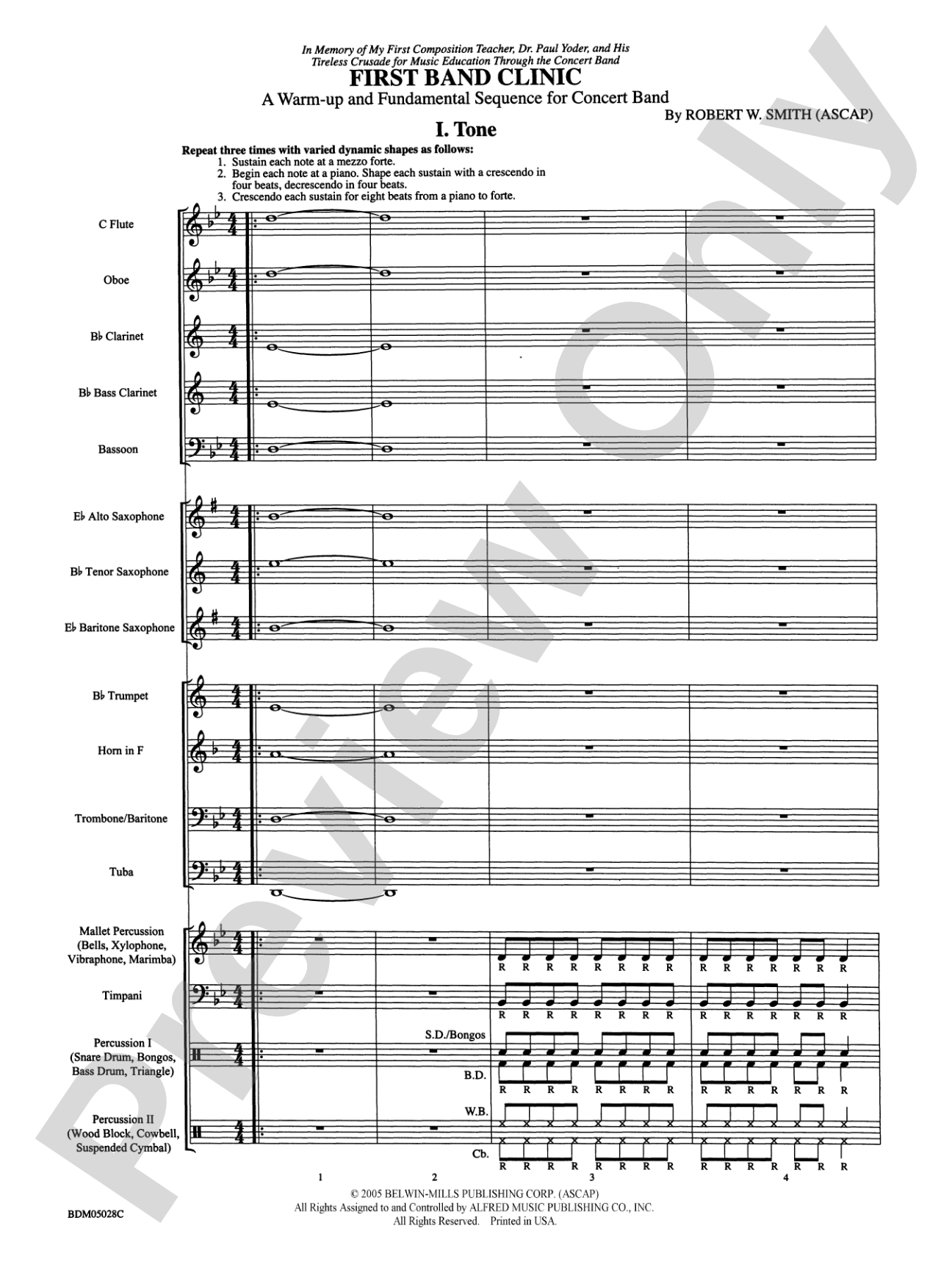
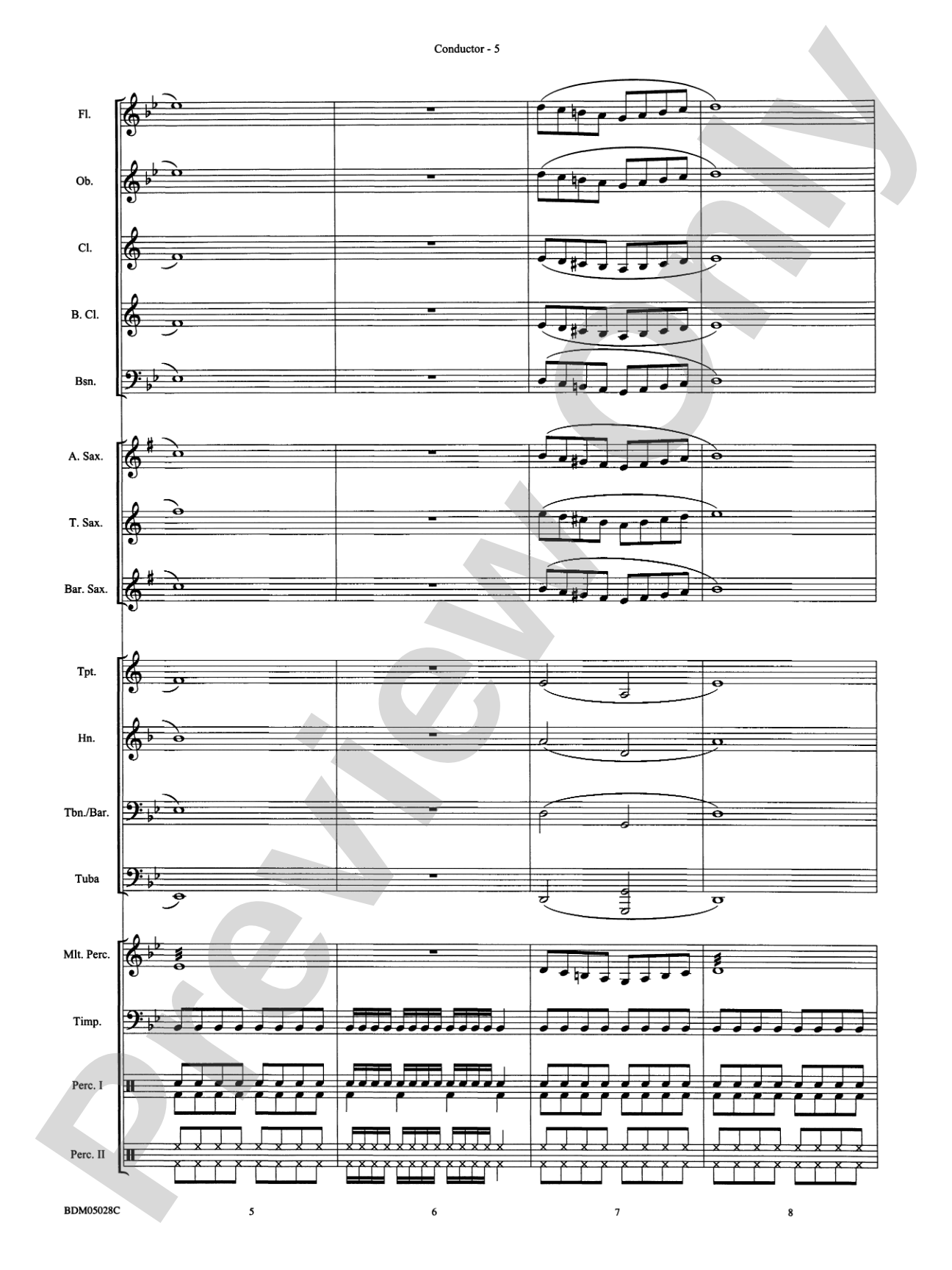
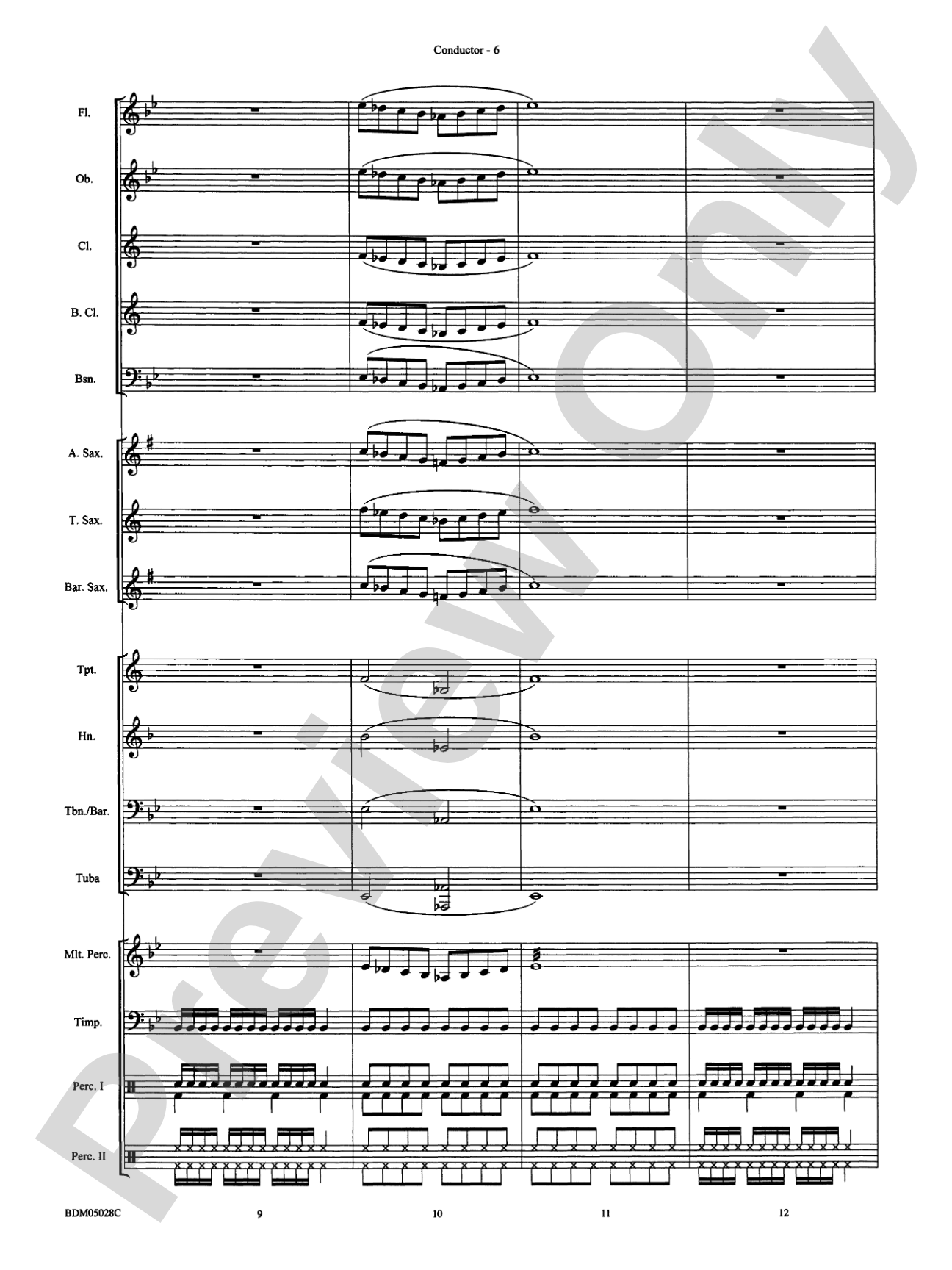
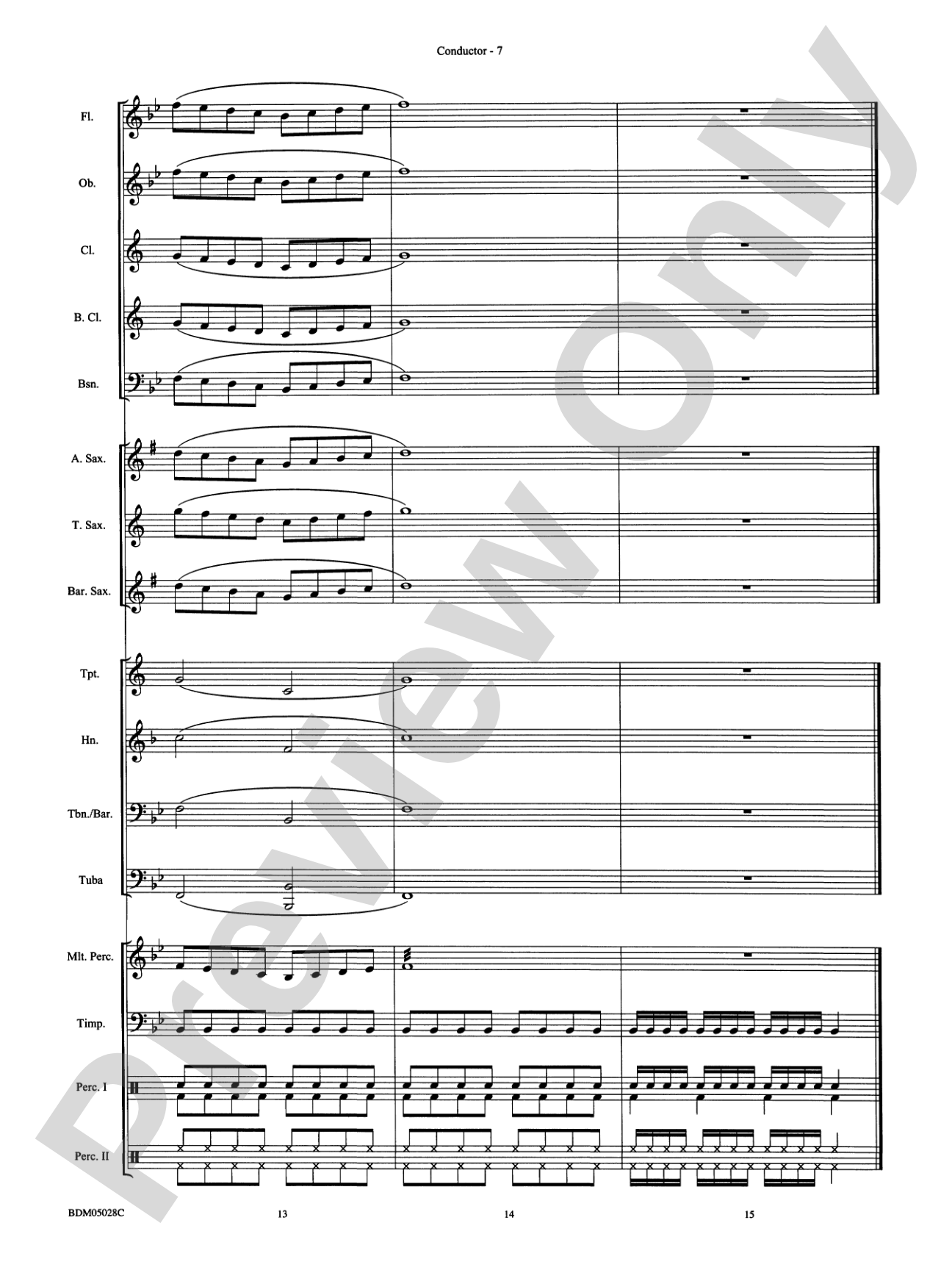
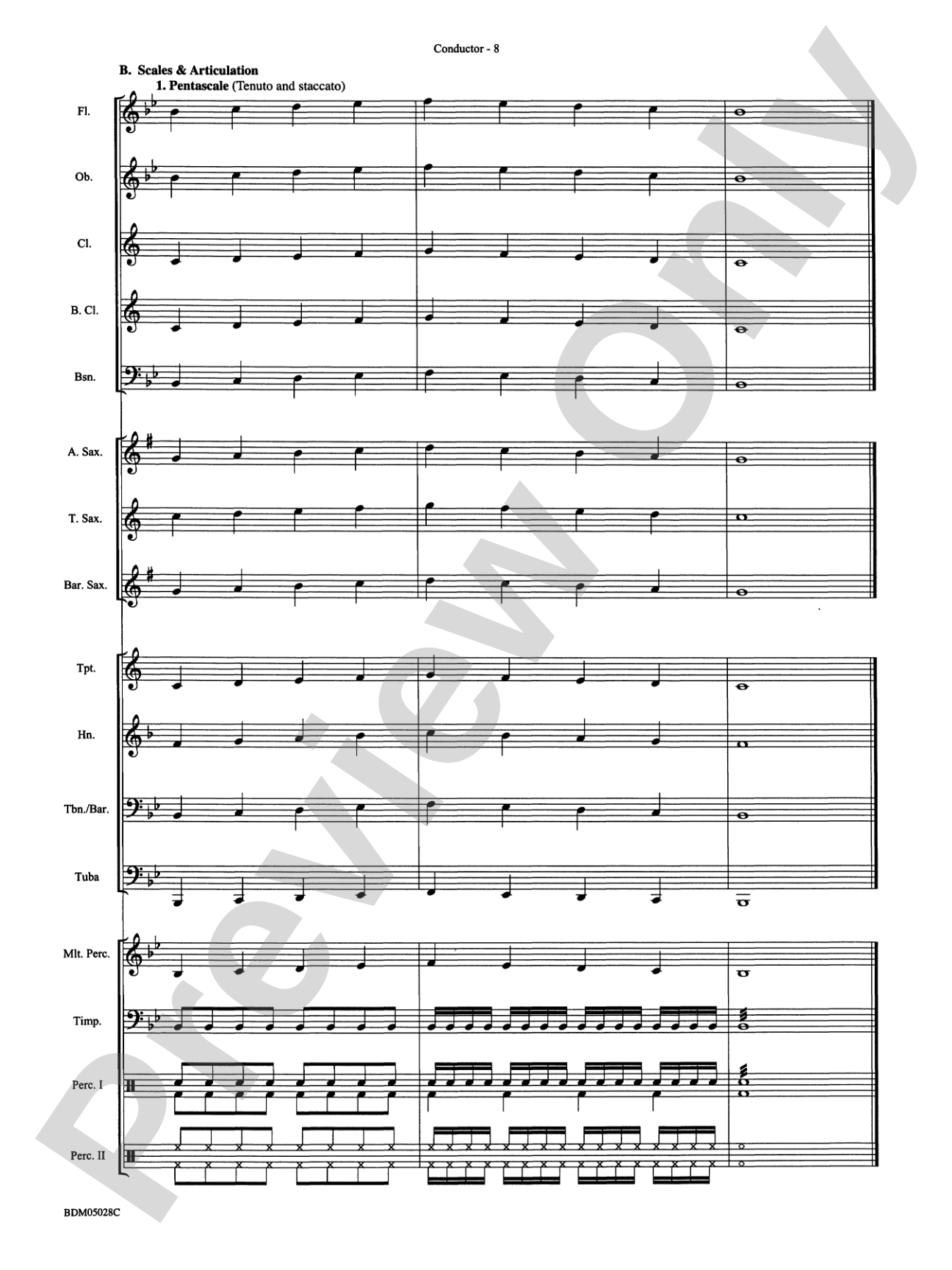
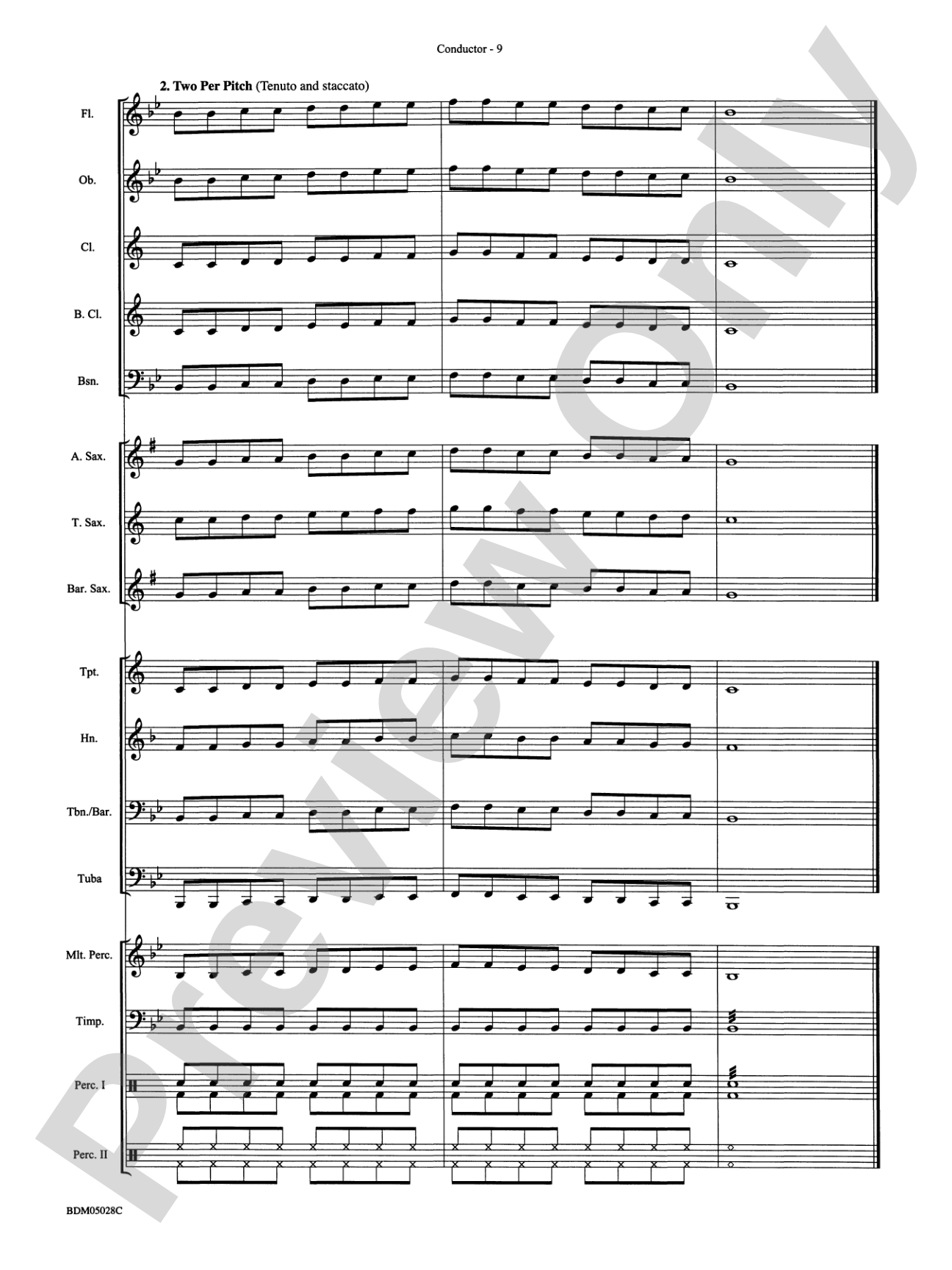
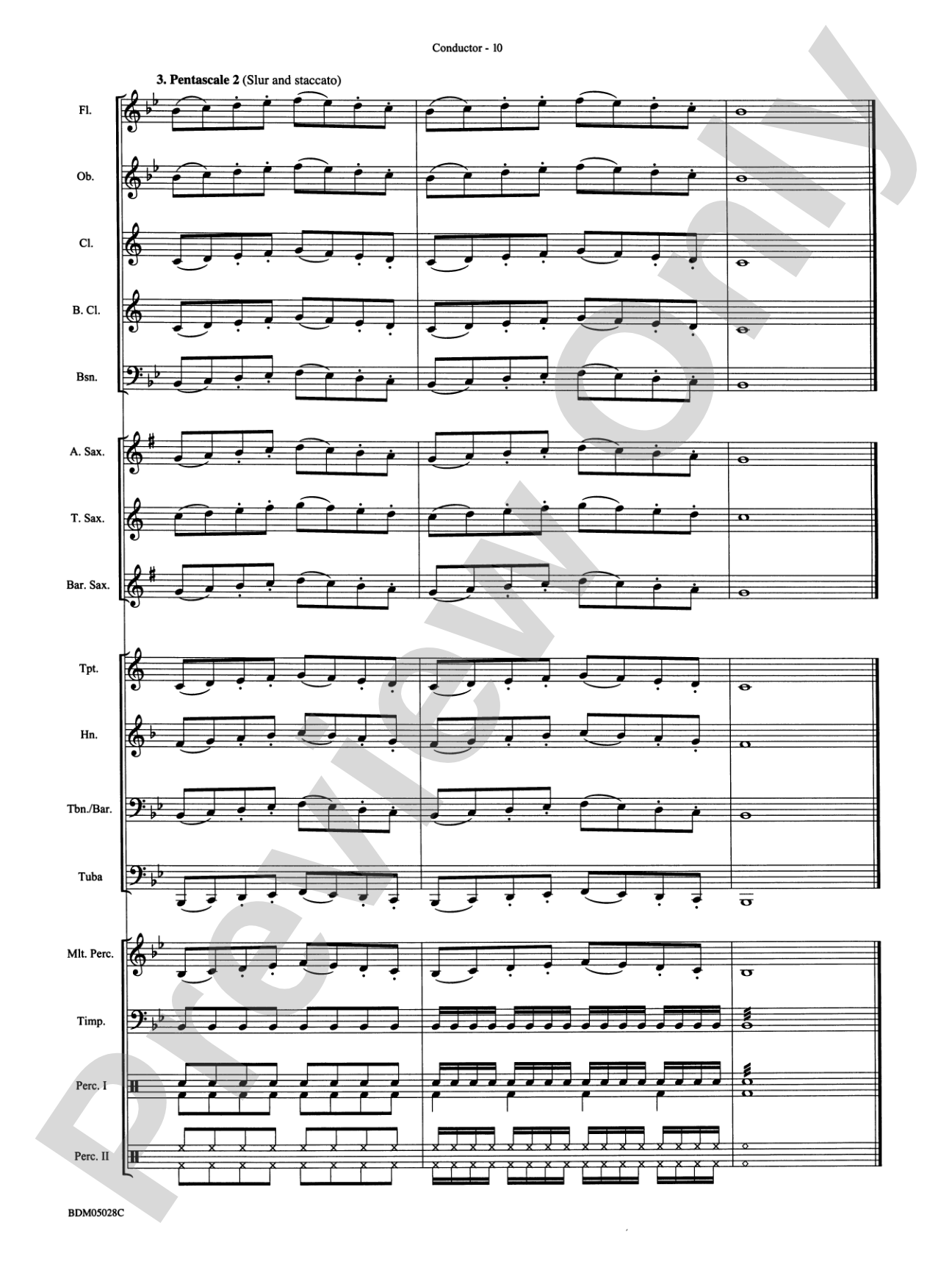
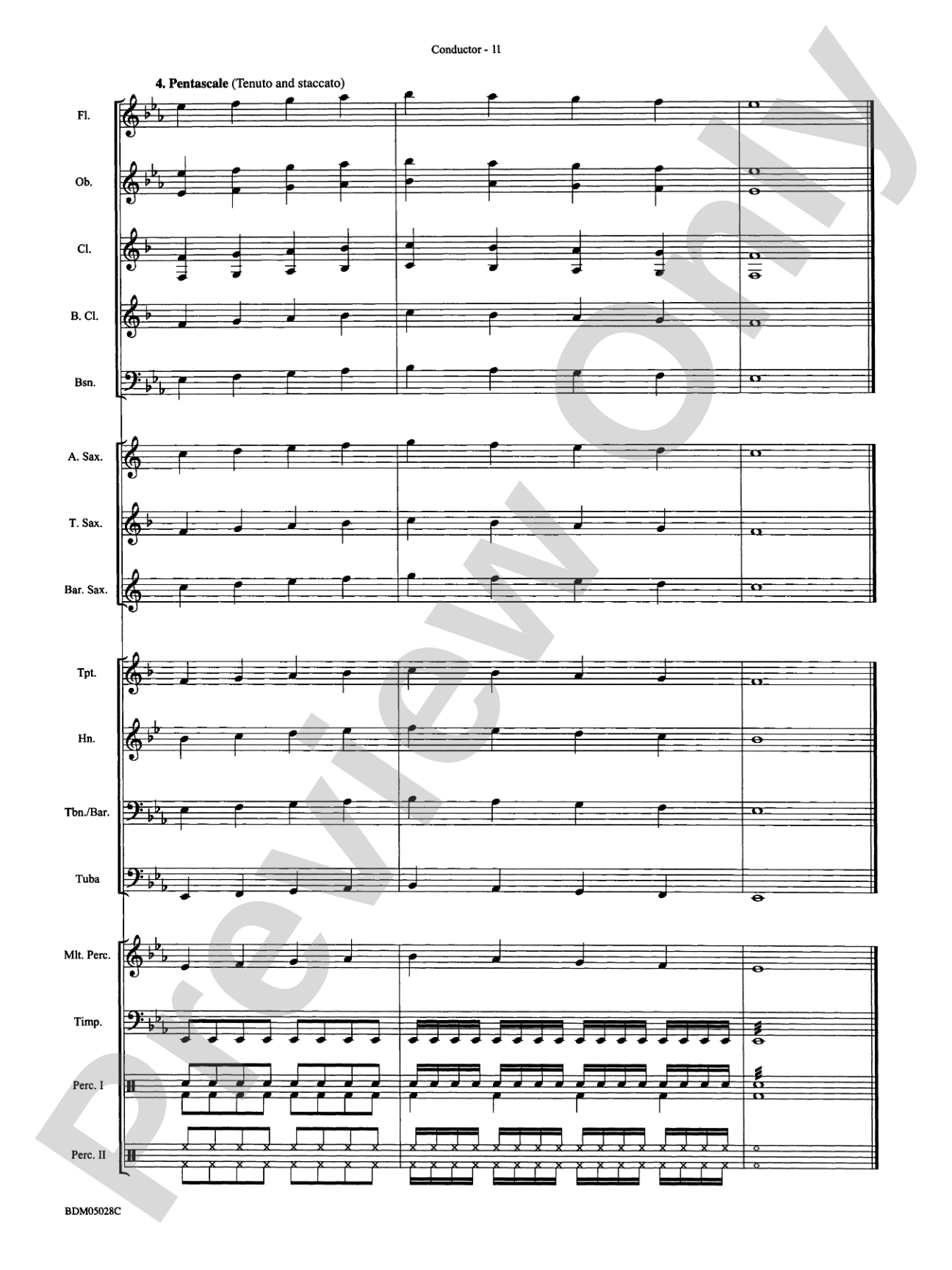
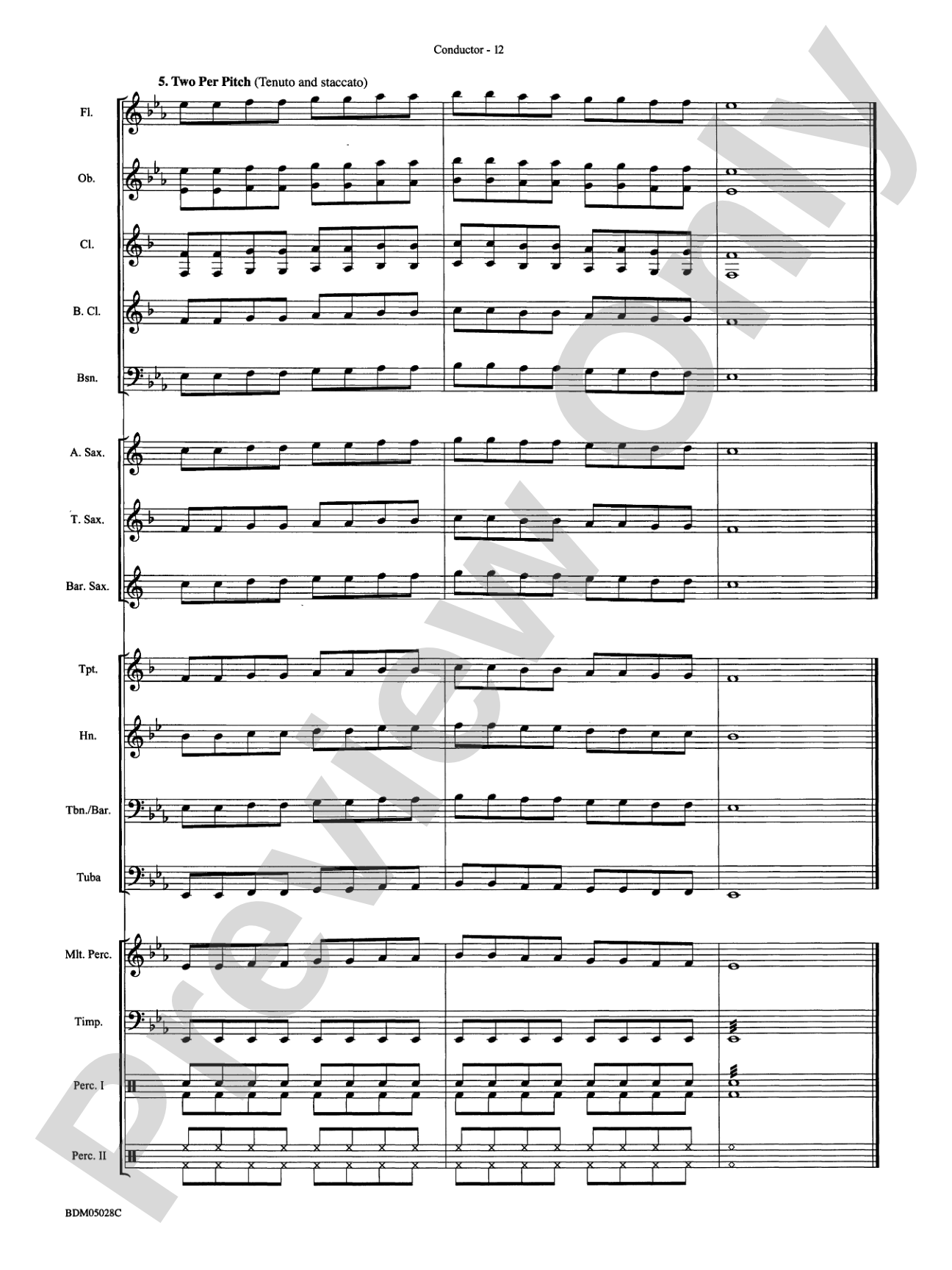
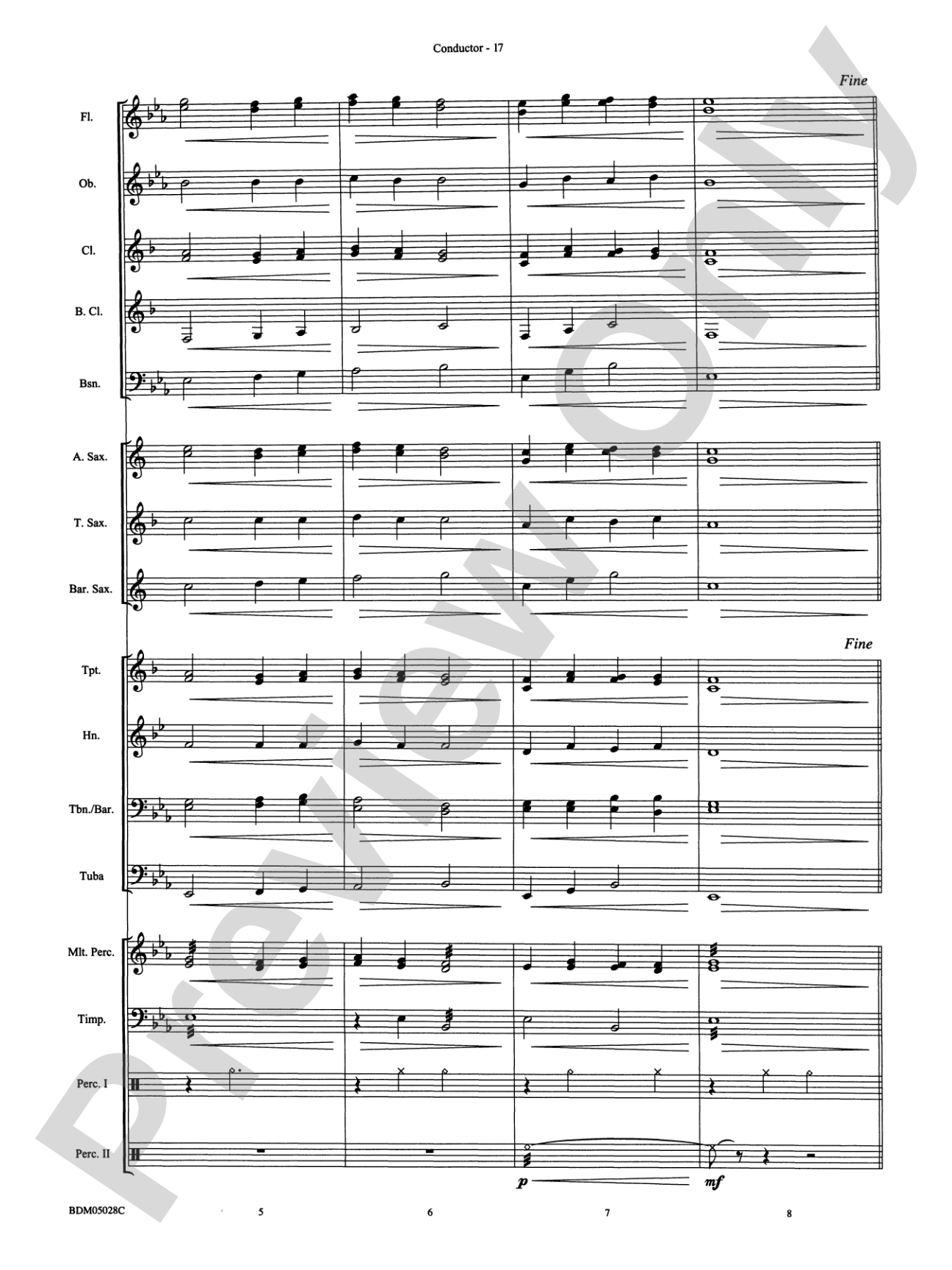
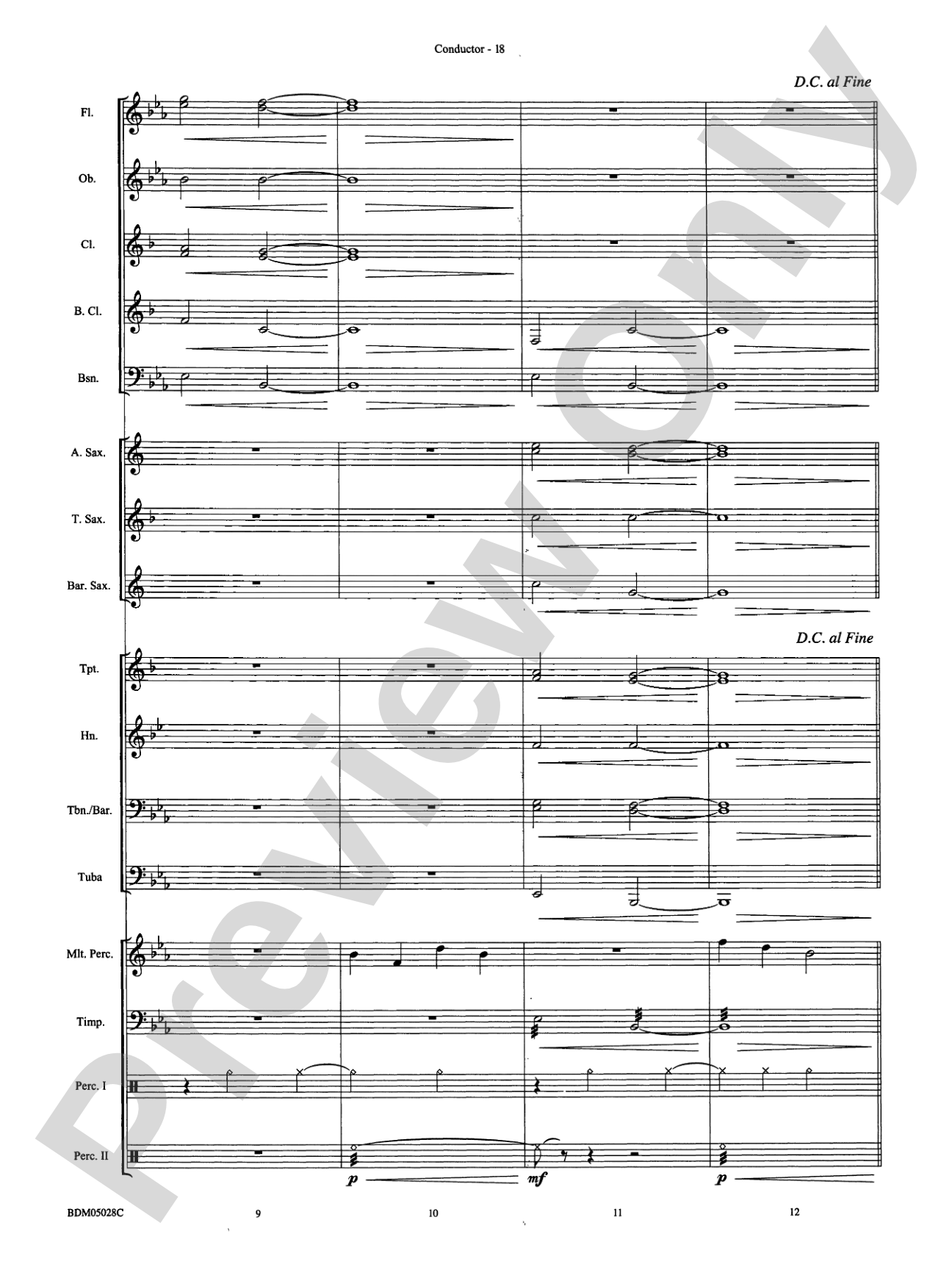



First Band Clinic (A Warm-Up and Fundamental Sequence for Concert Band): Concert Band Conductor Score & Parts
A Warm-Up and Fundamental Sequence for Concert Band
By Robert W. Smith
Grade: 1 (Very Easy)
Item: 00-PK-0004390

$56.00
Pickup currently not available
Buy Extra Parts (Digital PDF Download)
Parts Added to Cart!
Description
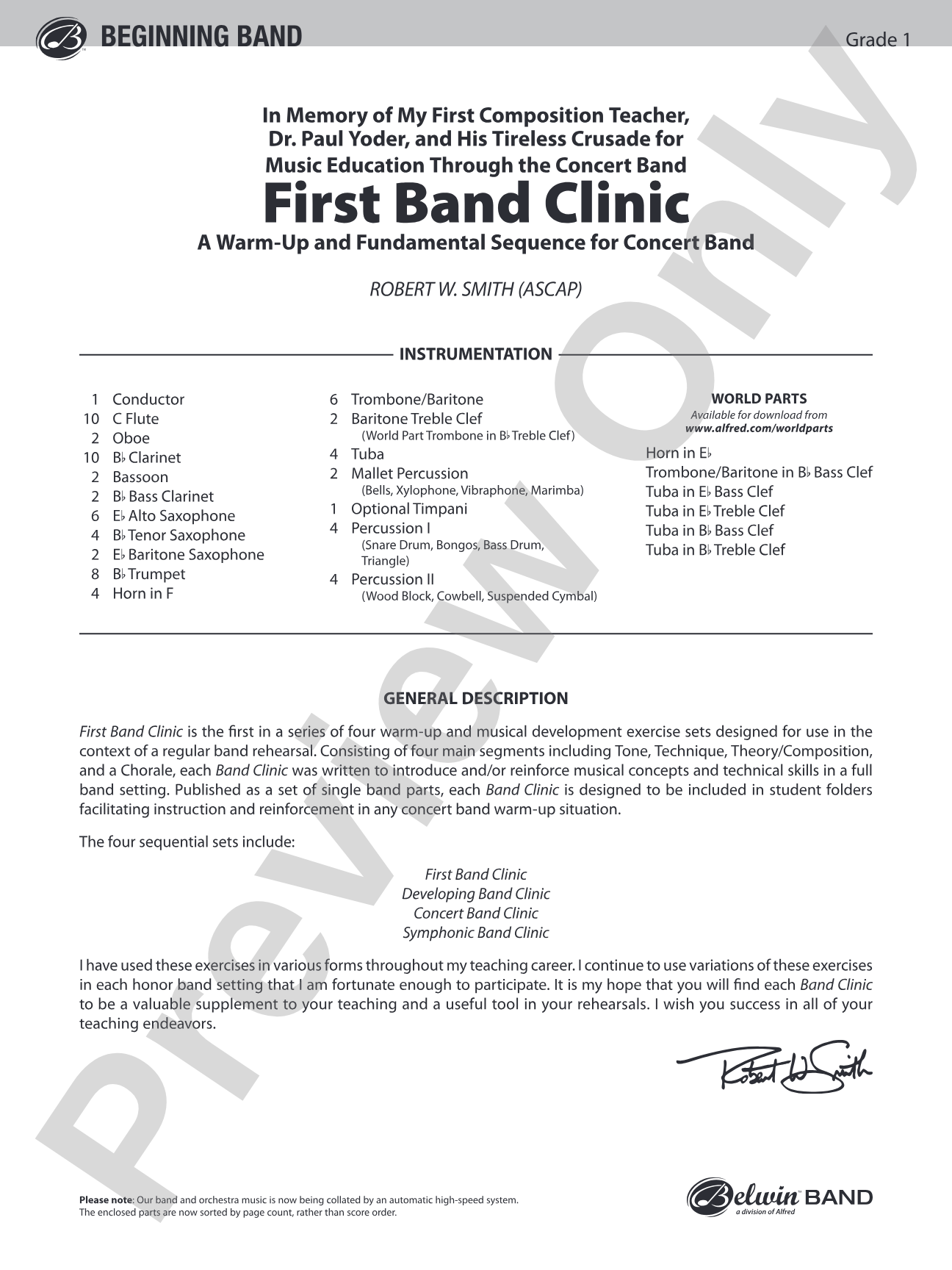
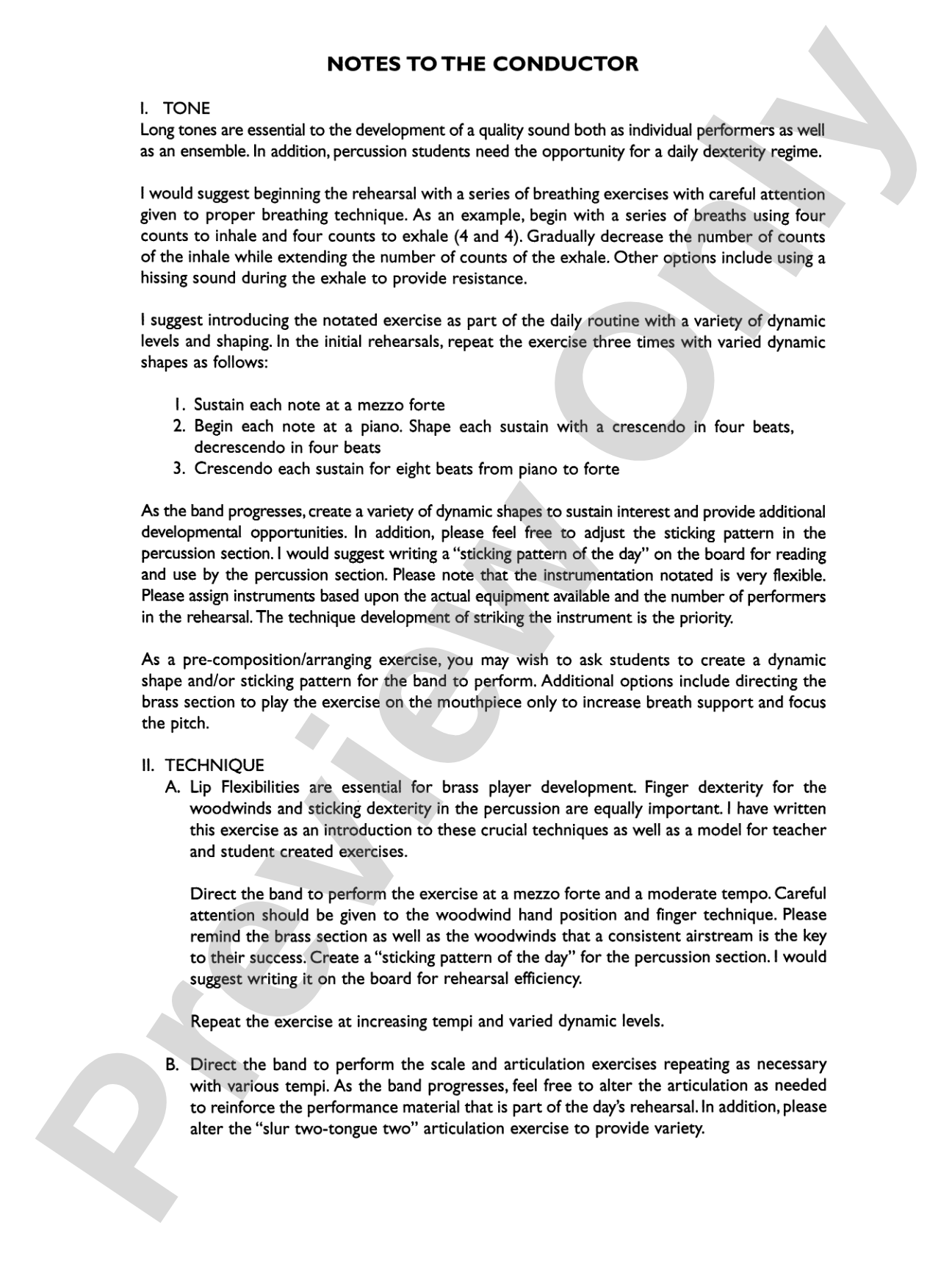
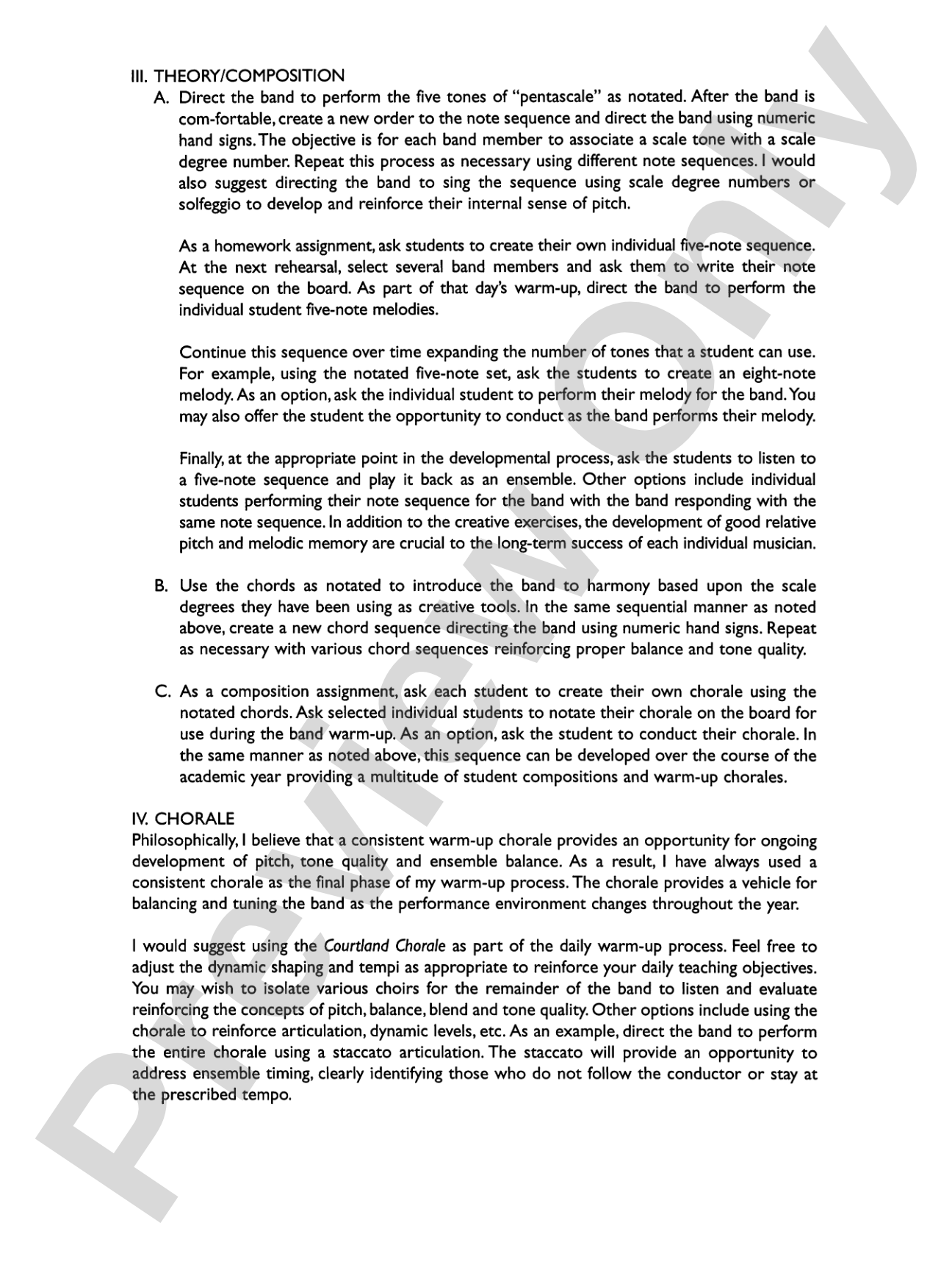
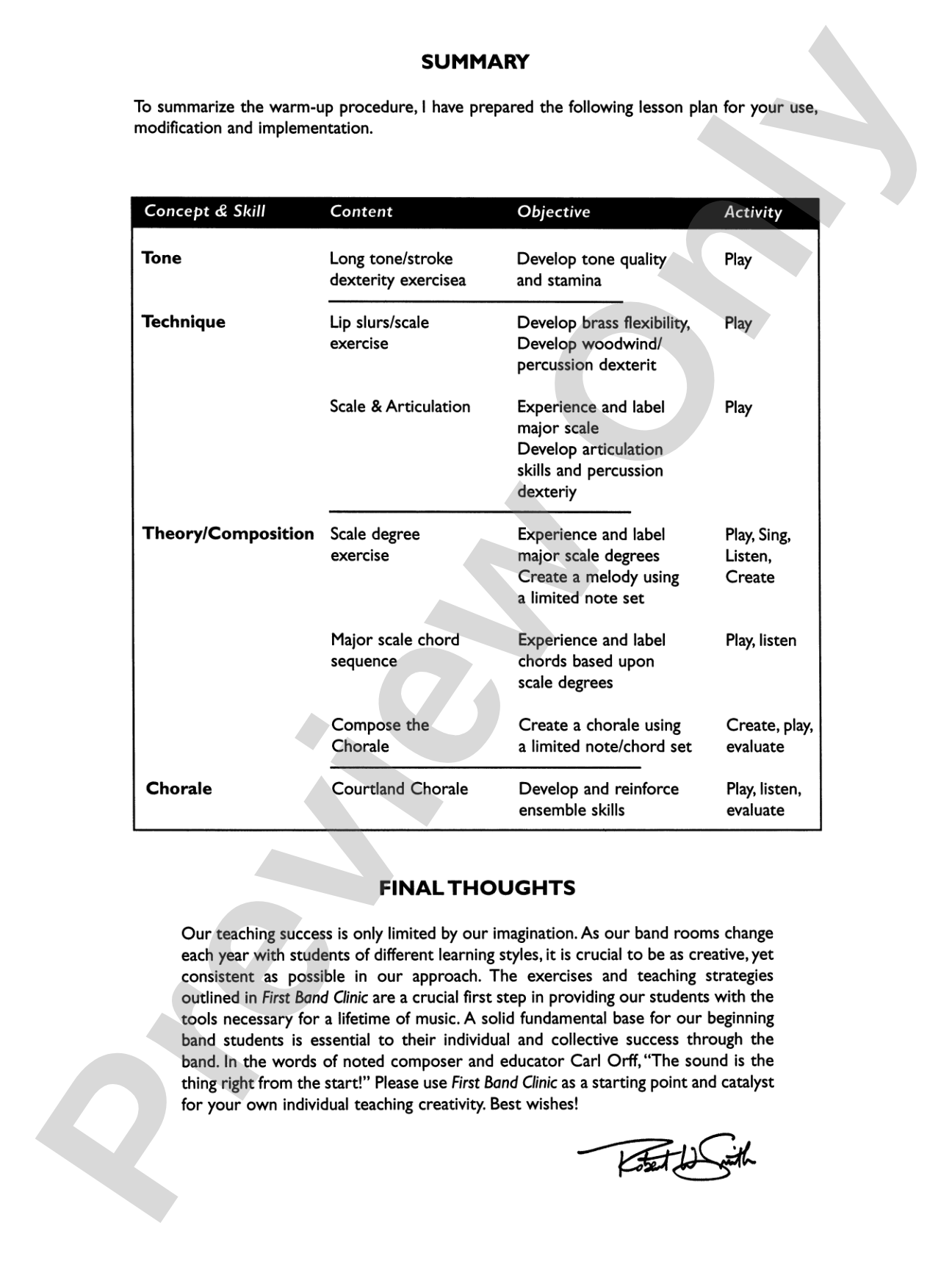
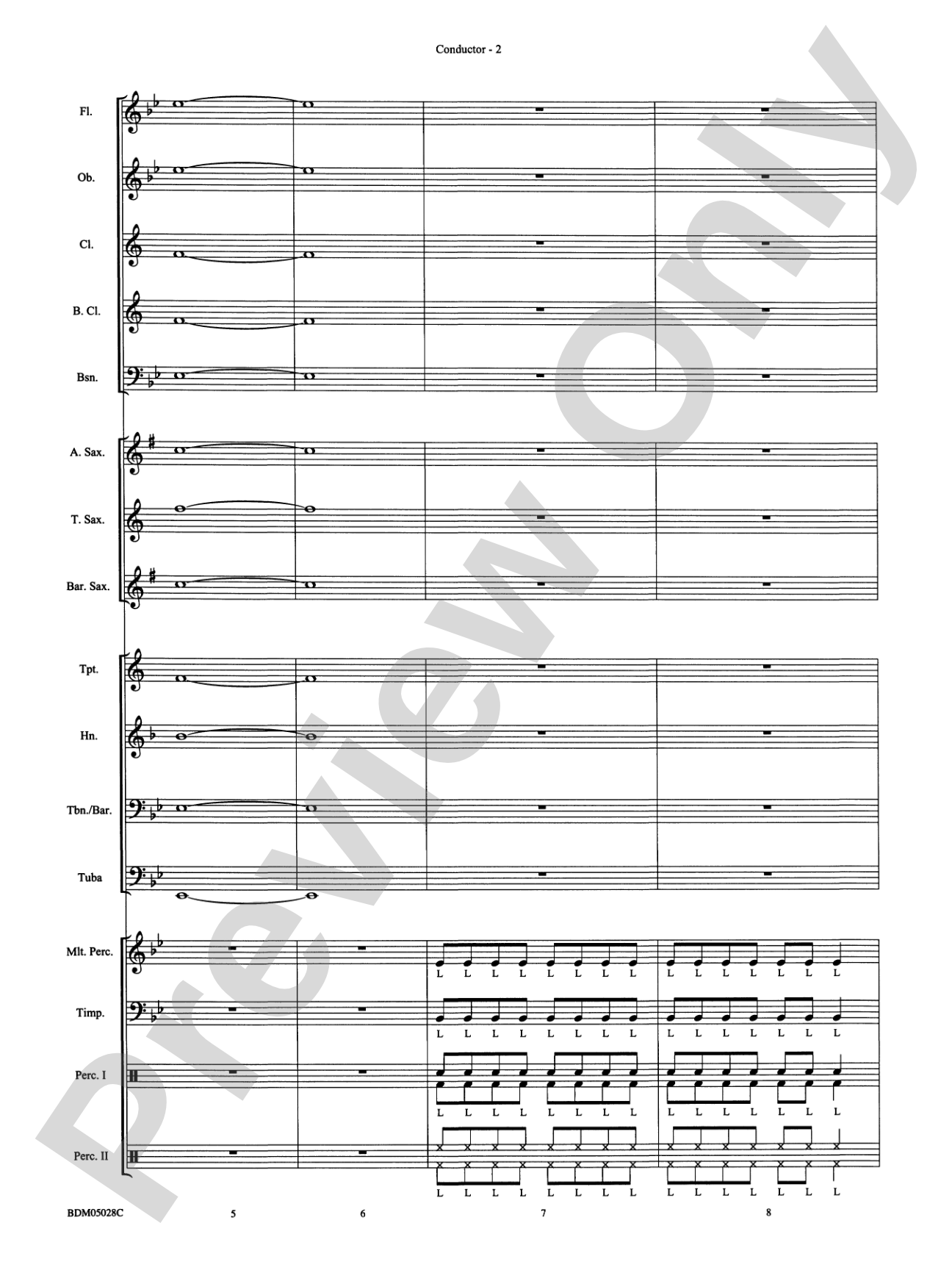
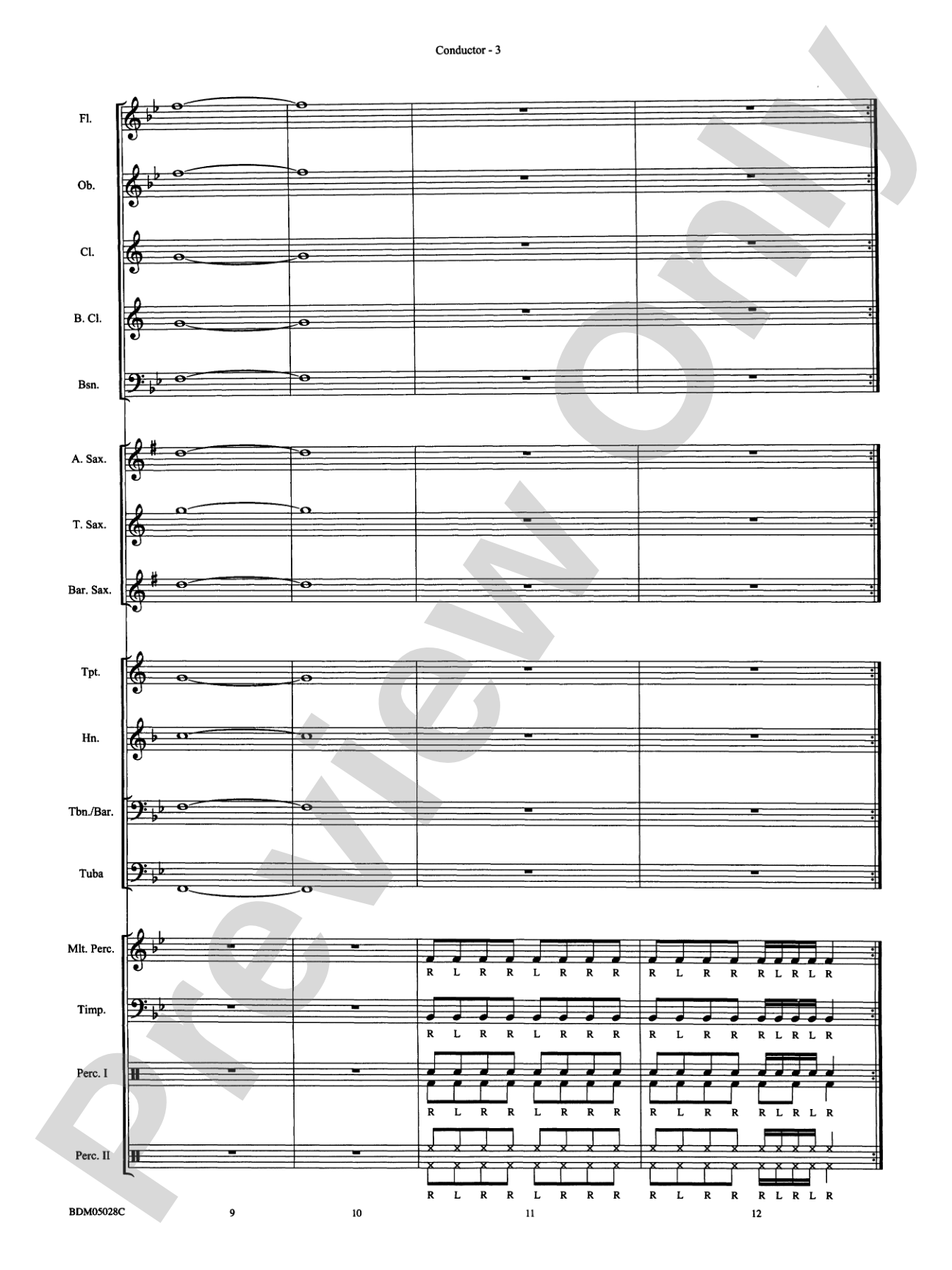
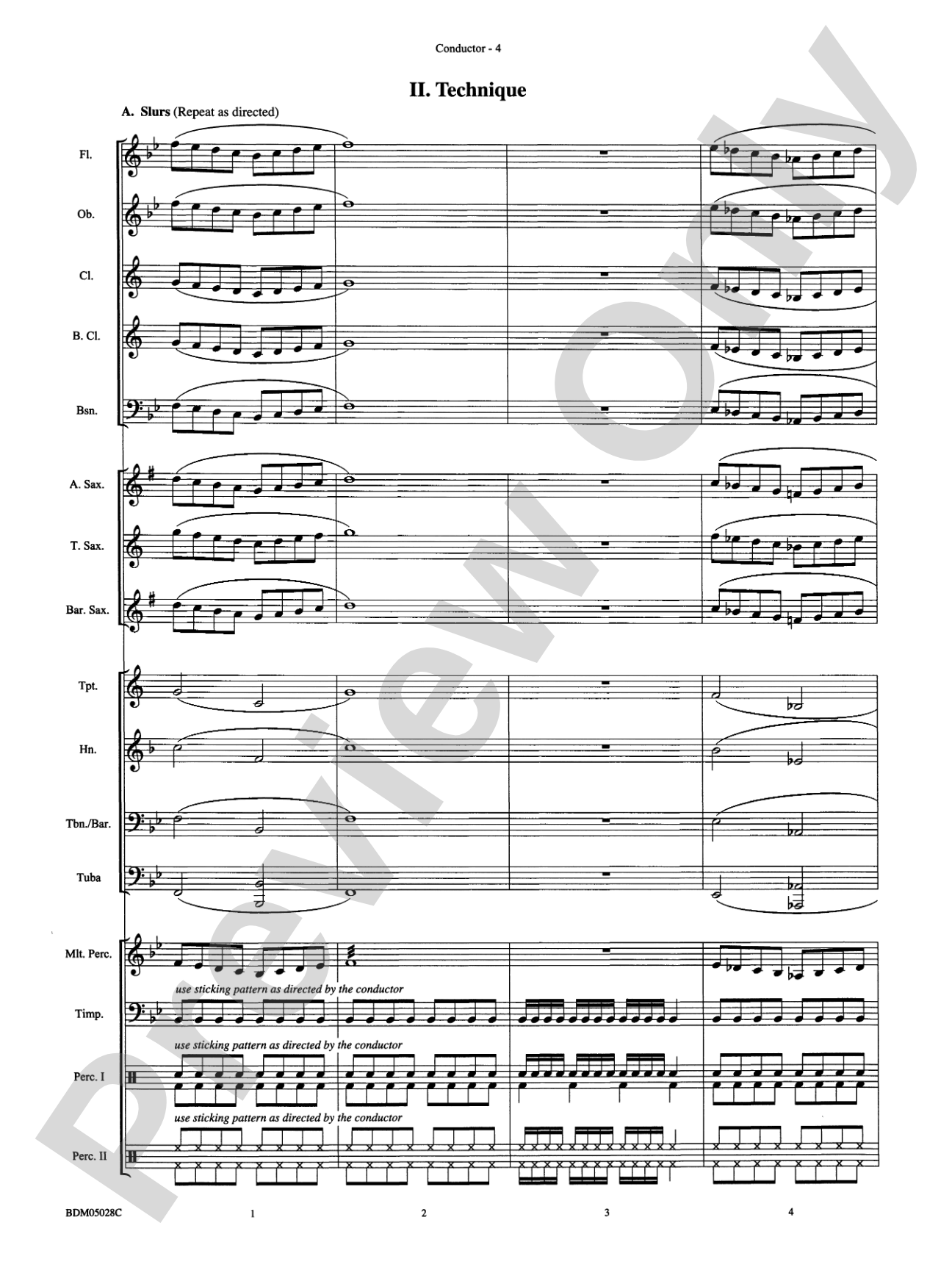
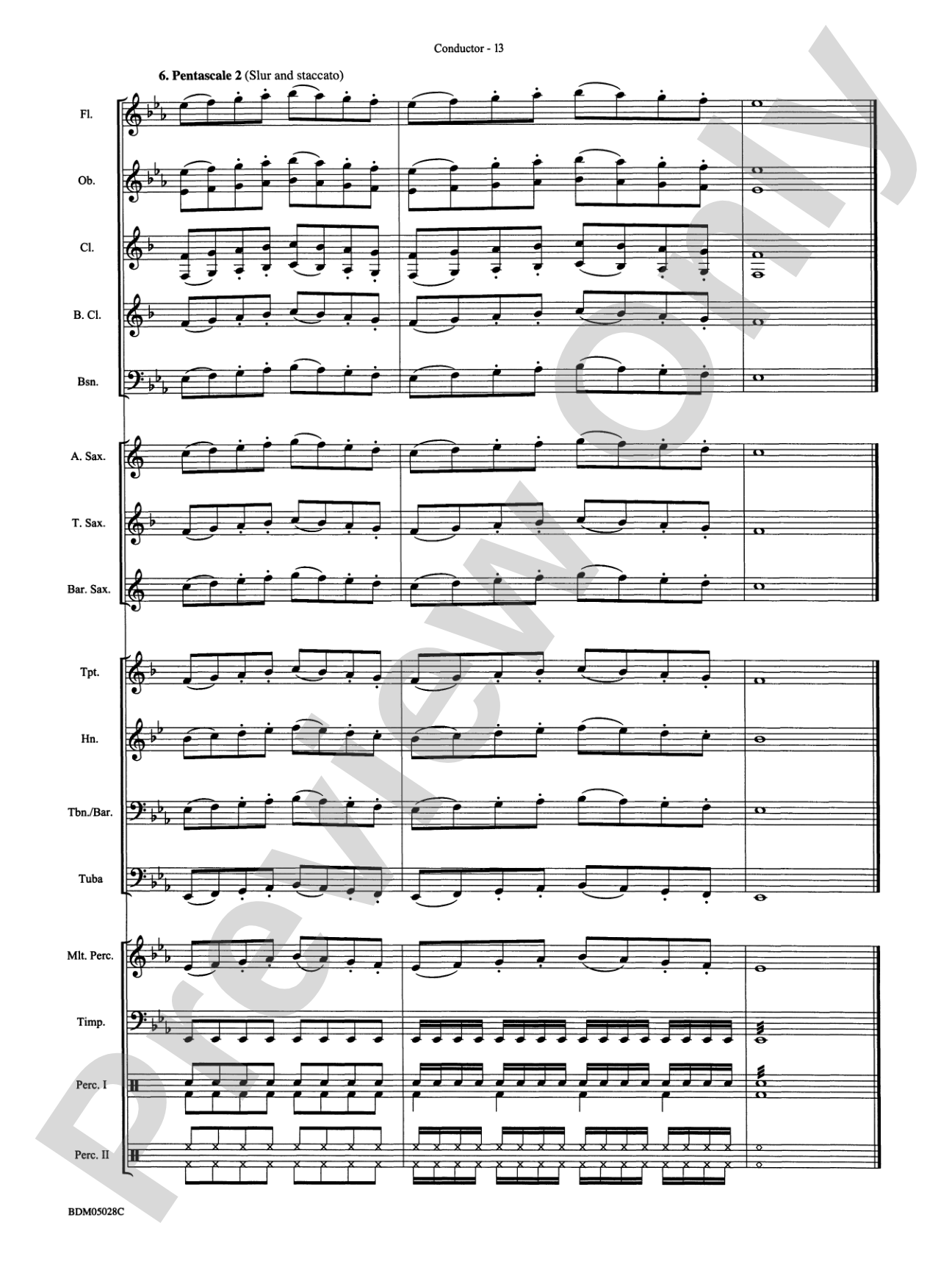
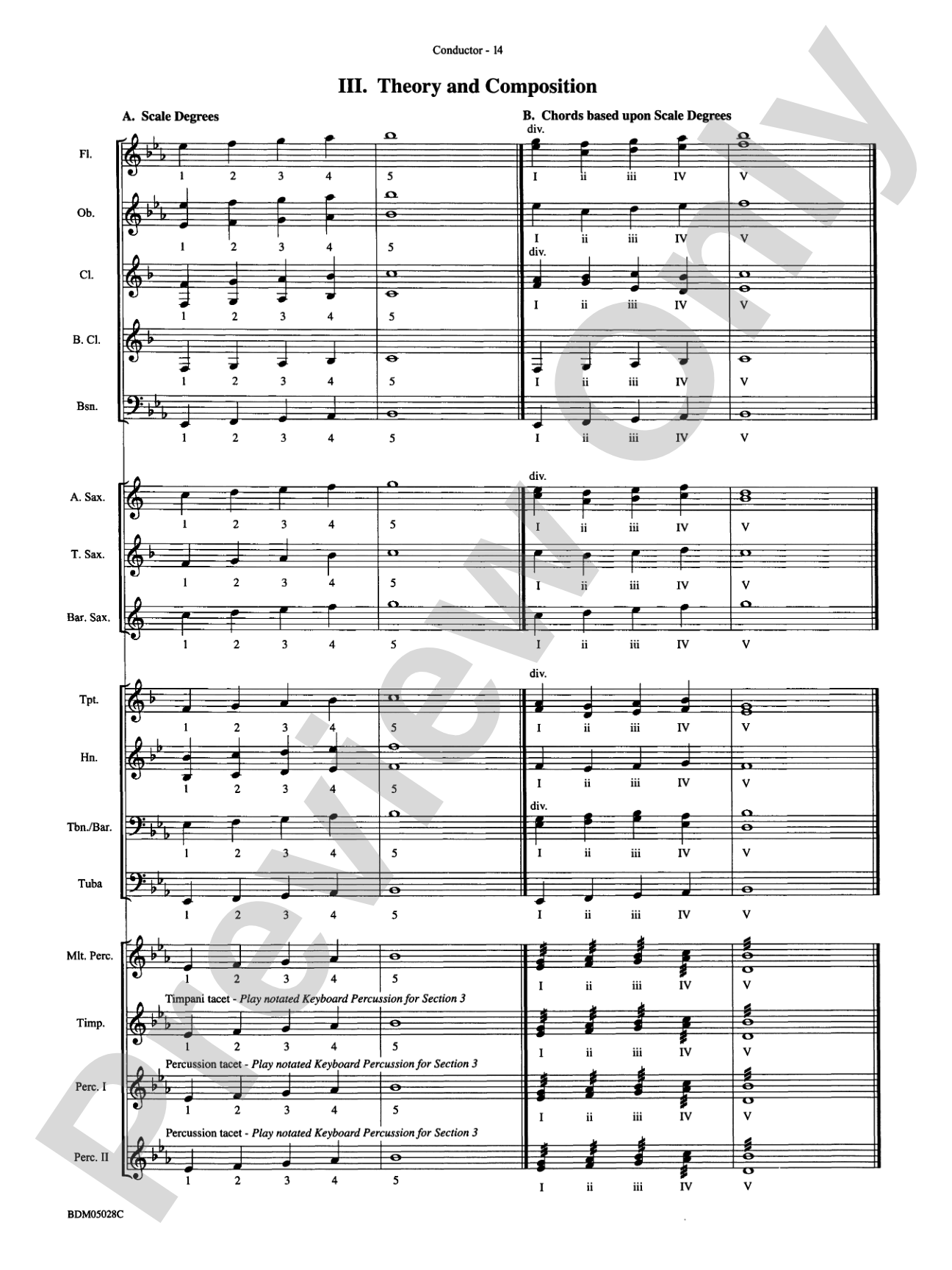
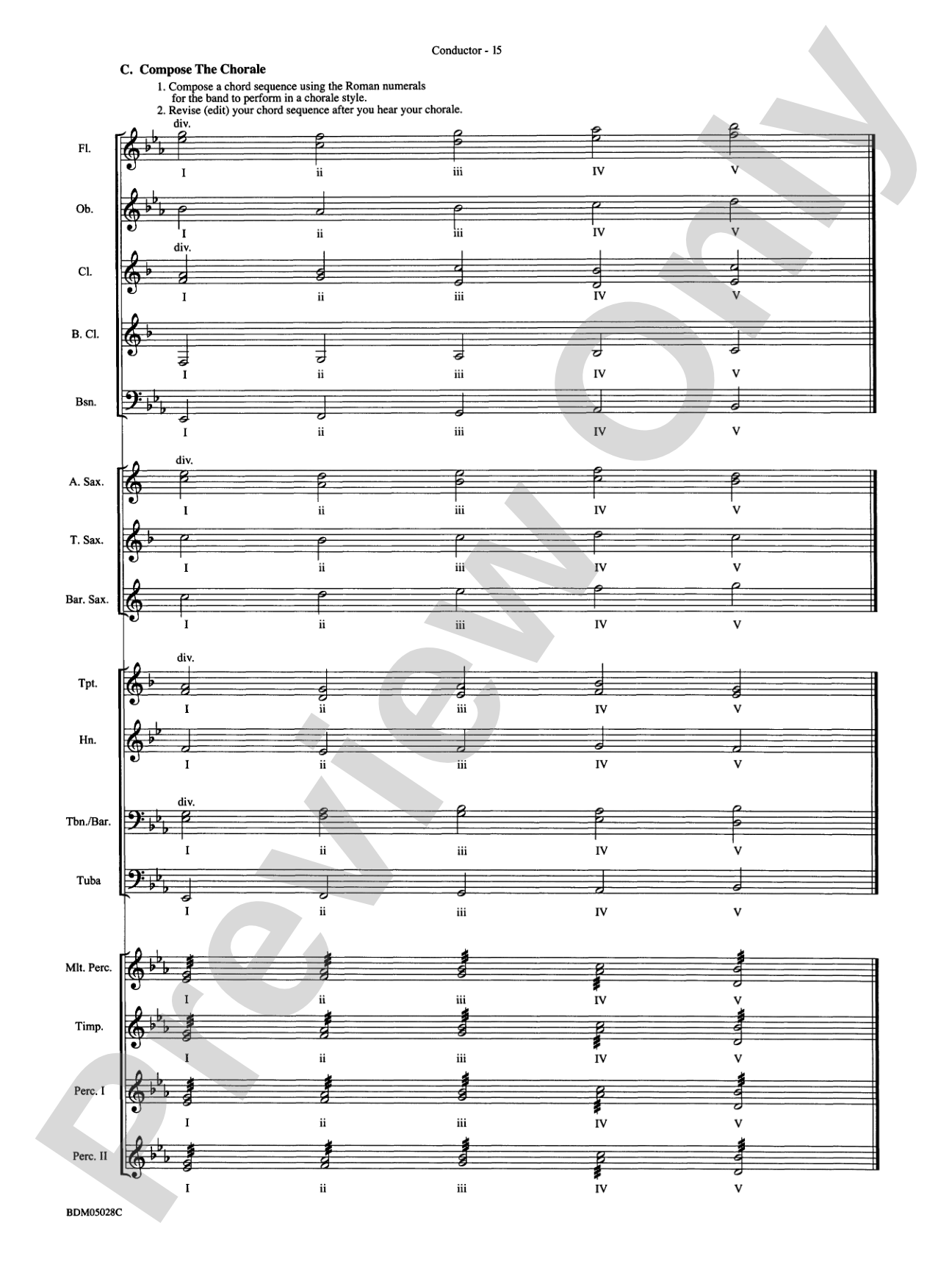
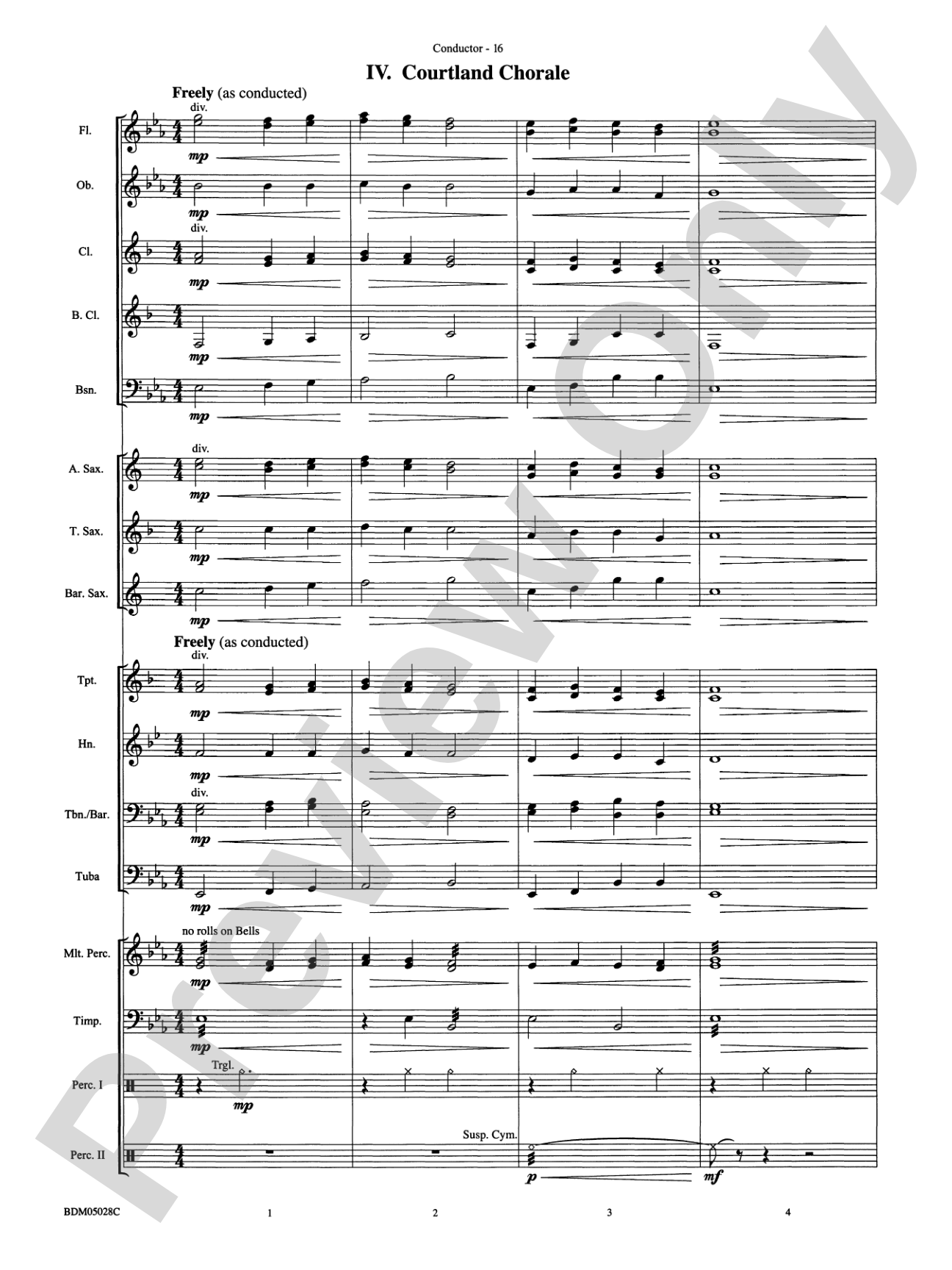
This new warm-up program is designed for student transposition to any appropriate key. This single band part for inclusion in the students' folders will exceed your daily warm-up and teaching objectives while meeting the National Standards. There are four segments in each "clinic": tone, technique, theory and composition, and a chorale. Progressive, in-depth and highly organized, this is the first of four comprehensive warm up programs used by Robert W. Smith from the podium at every honor band he guest conducts. The recording included is only the fourth segment; the chorale. (chorale only: 1:13)


Don't just read it, hear it, play along with it, and watch your students grow with it. In MakeMusic Cloud, First Band Clinic (A Warm-Up and Fundamental Sequence for Concert Band): Concert Band Conductor Score & Parts comes alive with professional accompaniment, adjustable tempo, and built-in practice tools that turn solo practice into real progress.
Open in the Player
Jump straight in and assign it today.
Start Your Free Trial
Open this title and explore the full library in minutes.
Sample Audio
1
Audio File
--:--
0:00
0:00
Sample Video
No sample videos found.
Additional Details
Series:
Belwin Beginning Band
Publisher:
Alfred Music
Page Count:
292
SKU:
00-PK-0004390
More about this title
About the Composer: Robert W. Smith

Robert W. Smith has established himself as a commanding voice in American concert band and orchestral composition, with over 400 published works distributed primarily through Alfred Music. His education includes a Bachelor of Music Education from Troy State University and a Master of Music from the University of Miami, grounding his approach in both compositional craft and pedagogical understanding.
As both composer and conductor, Smith has built an international reputation. His symphonies, including The Divine Comedy and The Odyssey, have circulated among ensembles across North America, Europe, Australia, and Asia. Works like The Tempest have become foundational repertoire for developing bands. Beyond the concert hall, his music has appeared in Olympic ceremonies, national broadcasts, and major entertainment productions, reflecting the versatility and professional caliber of his writing.
Why we love this
Smith designed this sequence directly from his own podium practice, meaning every element reflects what actually works in rehearsal rather than theoretical ideals. The four-part structure (tone, technique, theory/composition, chorale) eliminates the guesswork of warm-up planning and builds systematically through a single class period. You get 292 pages of material that addresses National Standards while keeping students engaged, which is harder to accomplish than it sounds.
What to expect
Each clinic feels intentional and purposeful rather than rote. The progression from isolated tone work through technique, into composition thinking, and finally into ensemble chorale playing creates a natural arc that develops musicianship alongside technical skill. Students recognize they're building toward something musical rather than simply executing exercises.
Who it's for
Beginning and intermediate concert bands (Grade 1 level) benefit most from this structured approach, particularly directors managing large groups or multiple rehearsals where consistency matters. It serves programs seeking a comprehensive warm-up system that satisfies both pedagogical standards and rehearsal efficiency without requiring daily improvisation.
How to get the most out of it
- Transpose the warm-up segments to match your band's range and ability; the score provides flexibility for this without losing the pedagogical design.
- Work through each segment's progression in order; the technique section builds directly on tone fundamentals established earlier.
- Use the included chorale recording as a reference for blend and balance goals, even when you're conducting live rather than relying on the playback.
- Cycle through the clinics repeatedly across the school year so students internalize the progression rather than treat each warm-up as isolated.
How to use it
Open rehearsals with these clinics throughout the fall and winter to build fundamental strength before tackling concert repertoire. The systematic design makes it ideal for honor band preparation or as a core element of your warm-up rotation across the entire school year, allowing you to focus concert time on interpretation and musicality rather than basic sound production.
Skills your students will build
- Long tone production and breath control across the full range
- Interval accuracy and intonation matching in ensemble context
- Technical facility through progressive scale and arpeggio work
- Music theory recognition and application (intervals, chord function, key relationships)
- Chorale style awareness and blend/balance in harmonic settings
- Transposition reading at appropriate registers for each voice part