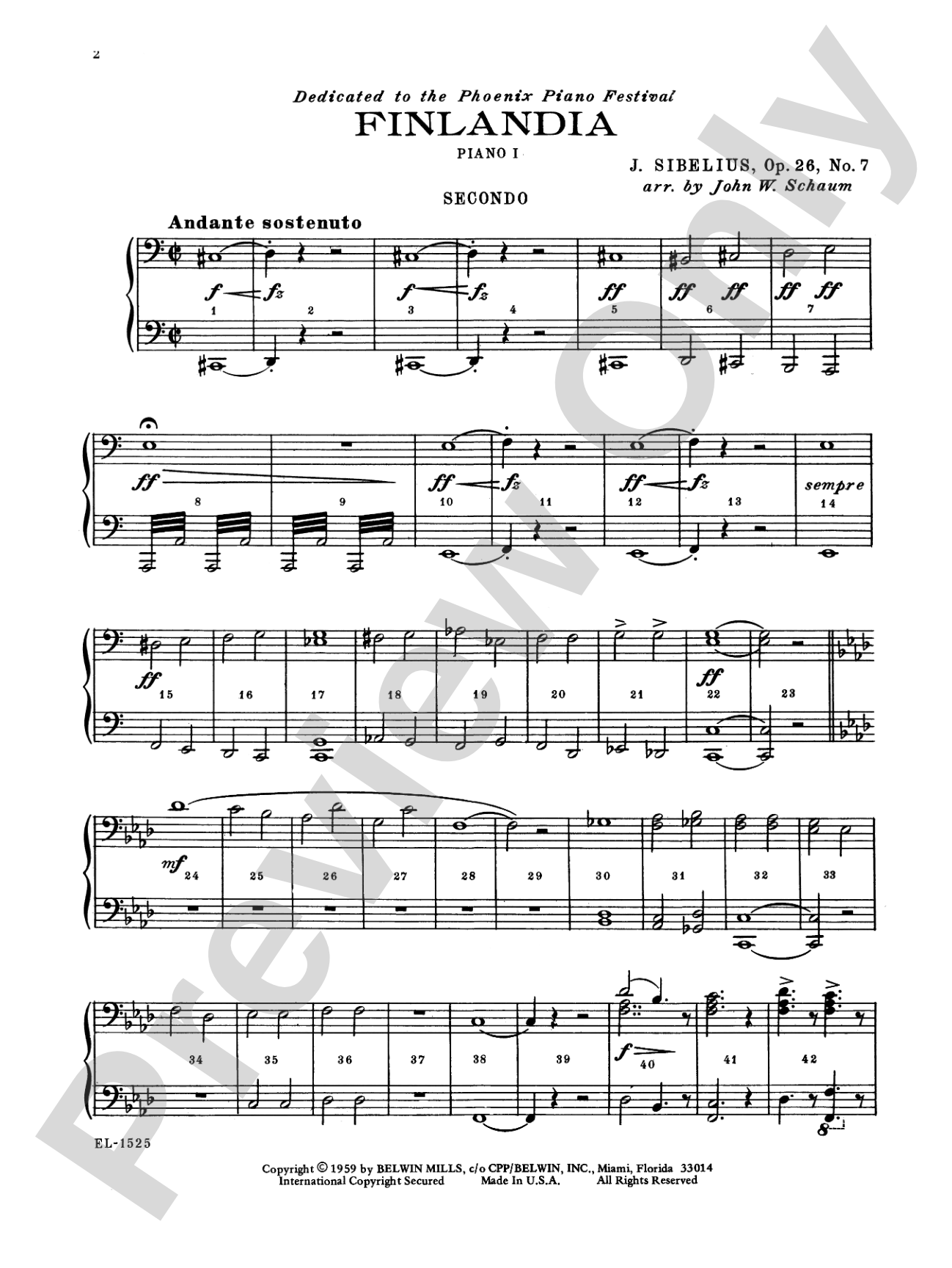
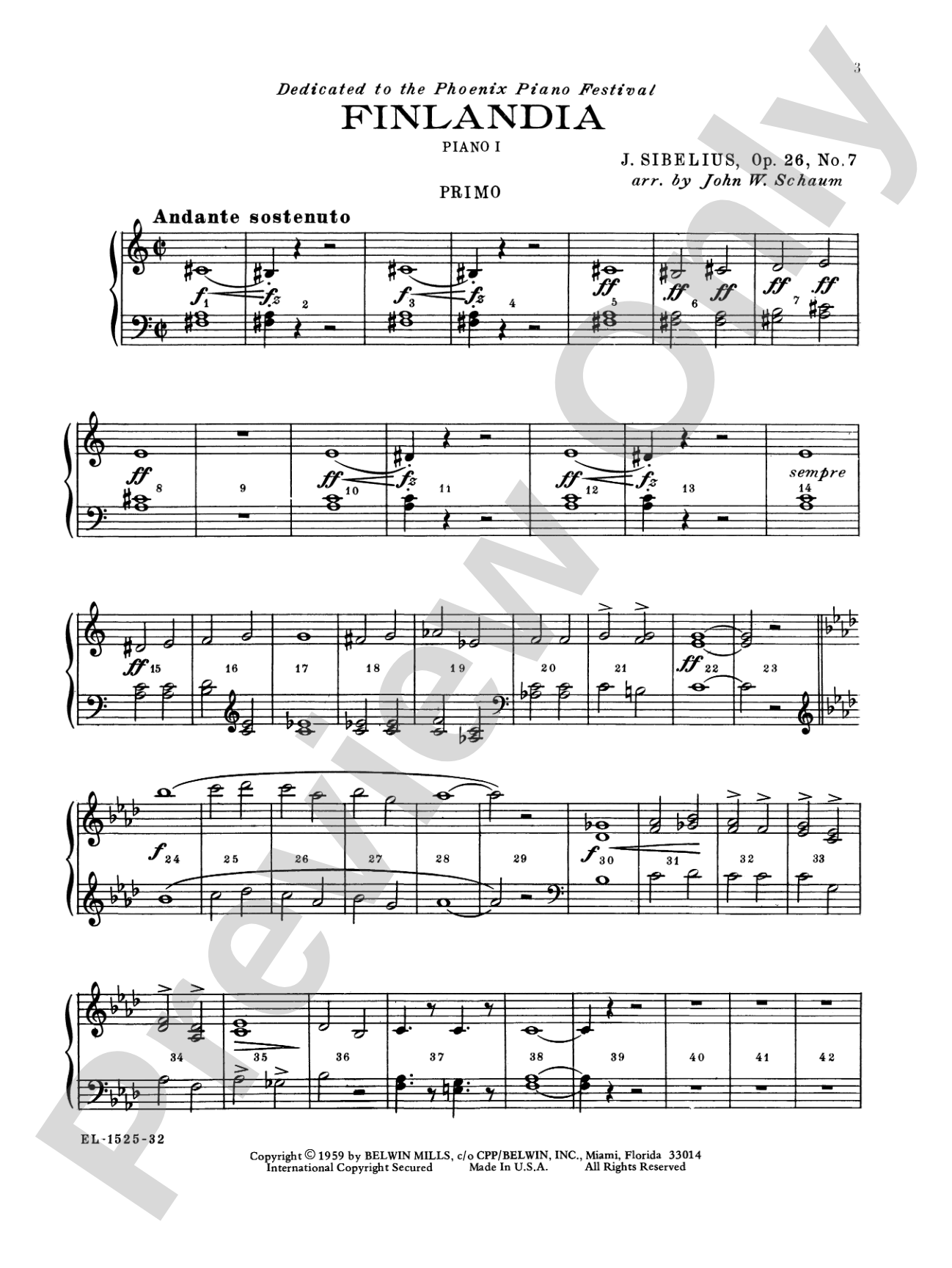
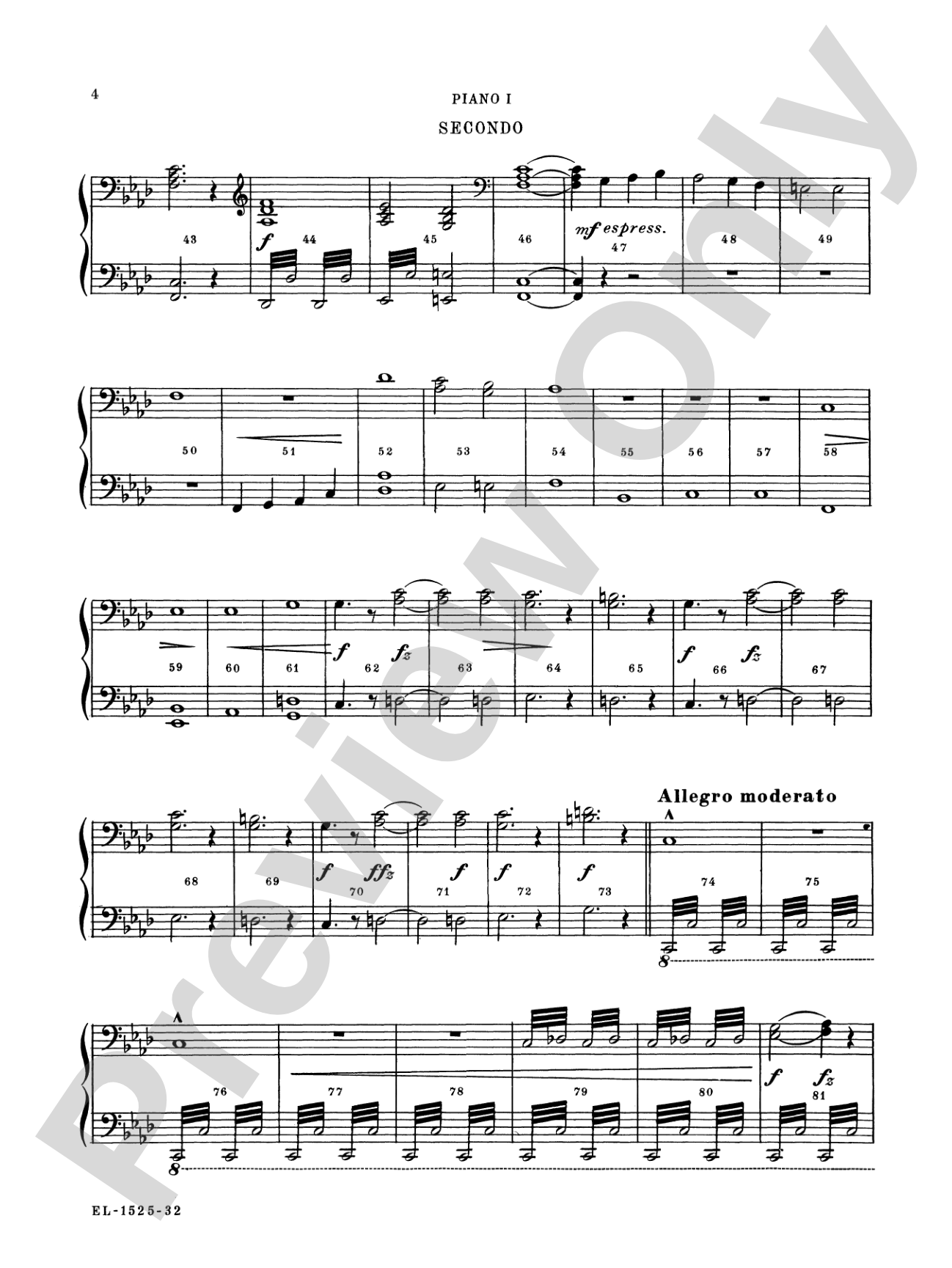
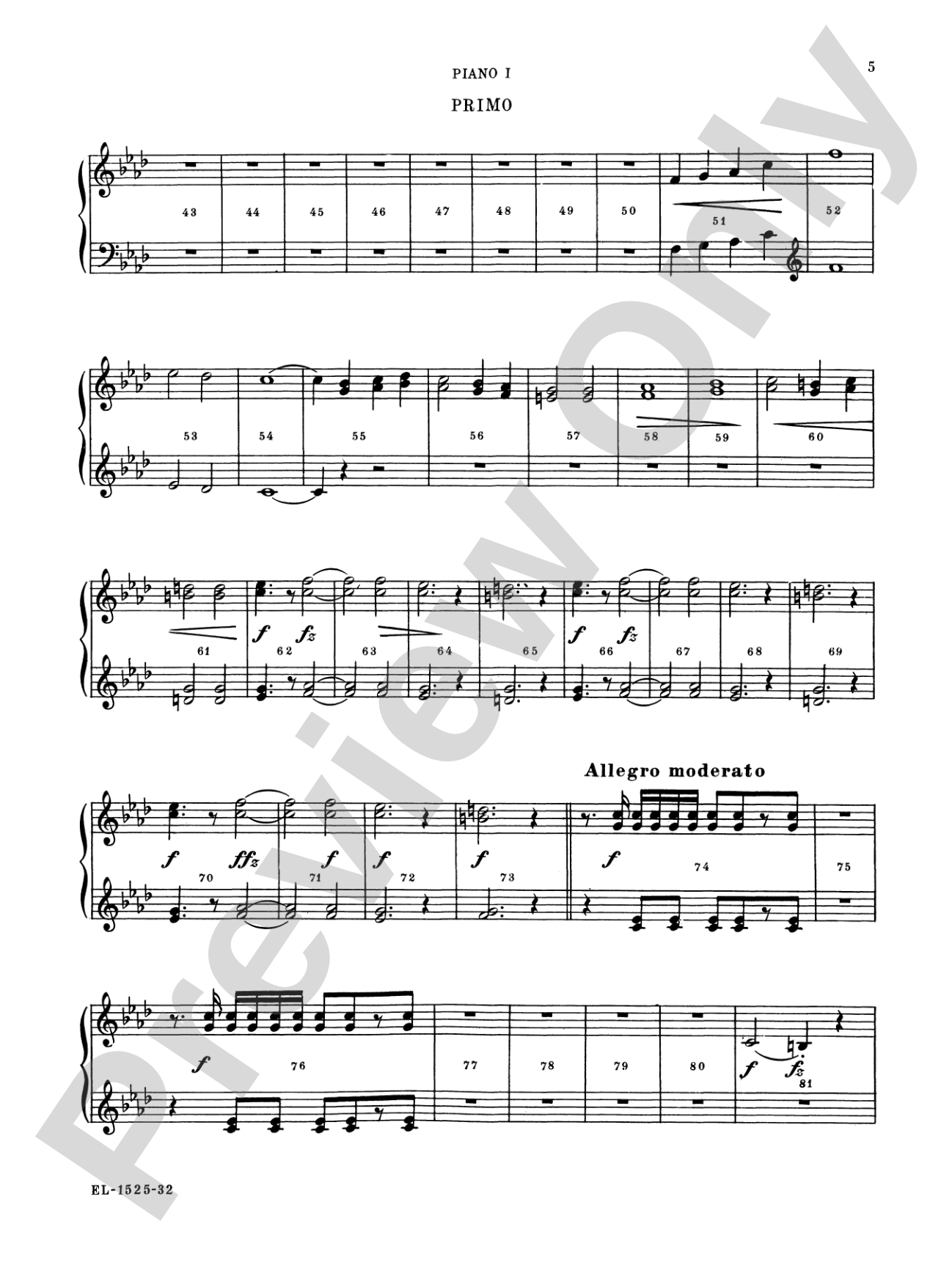
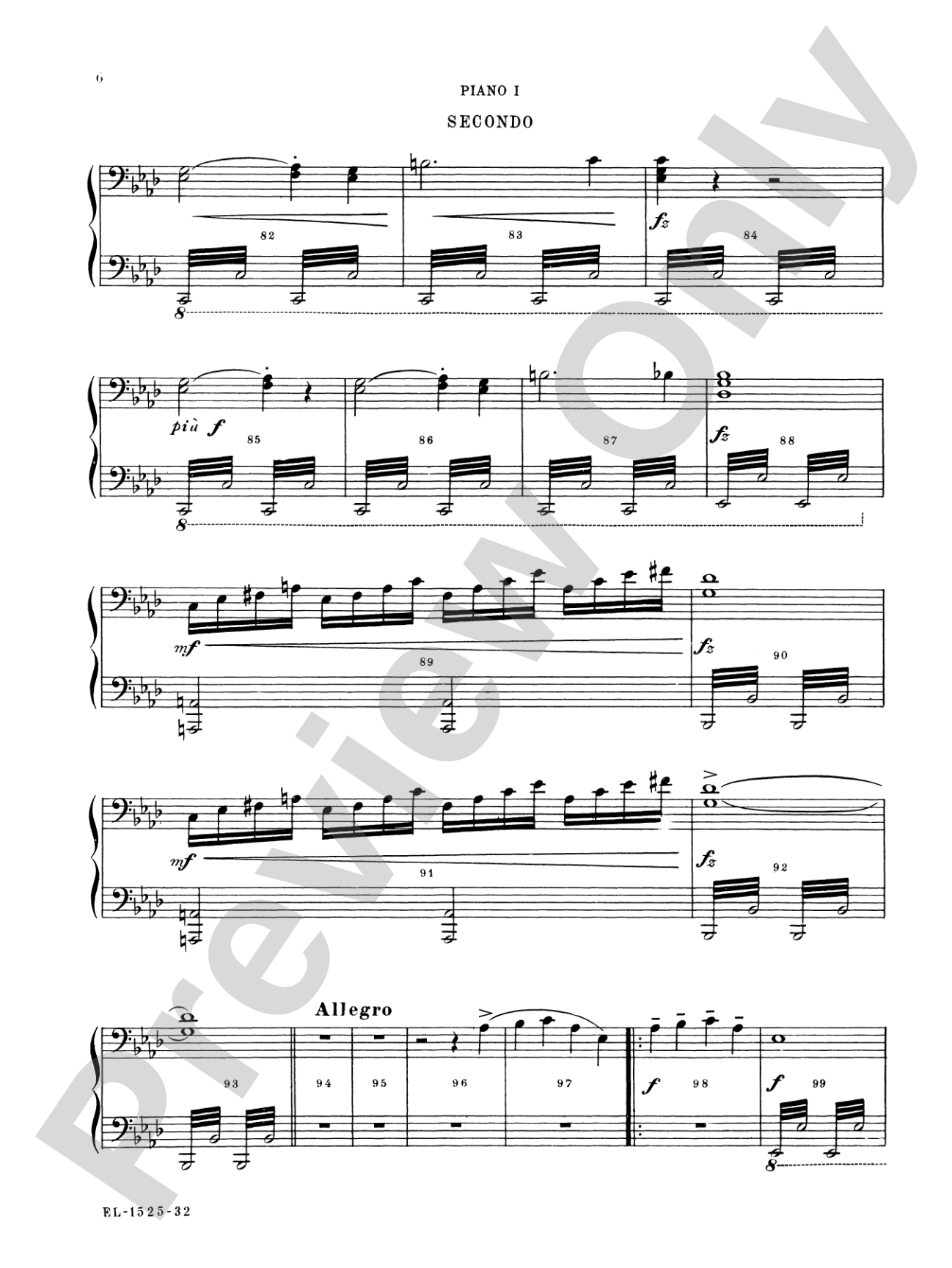
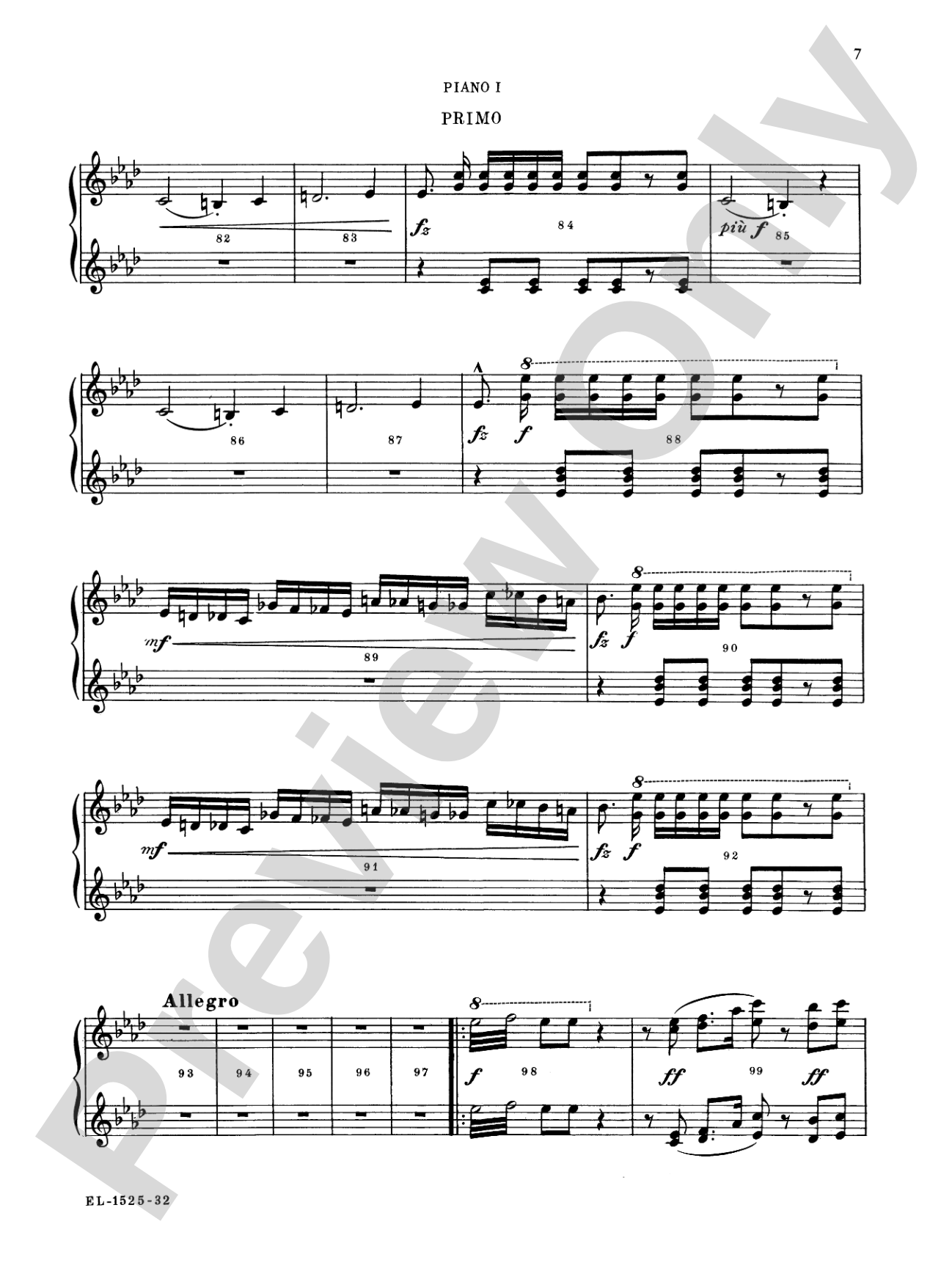
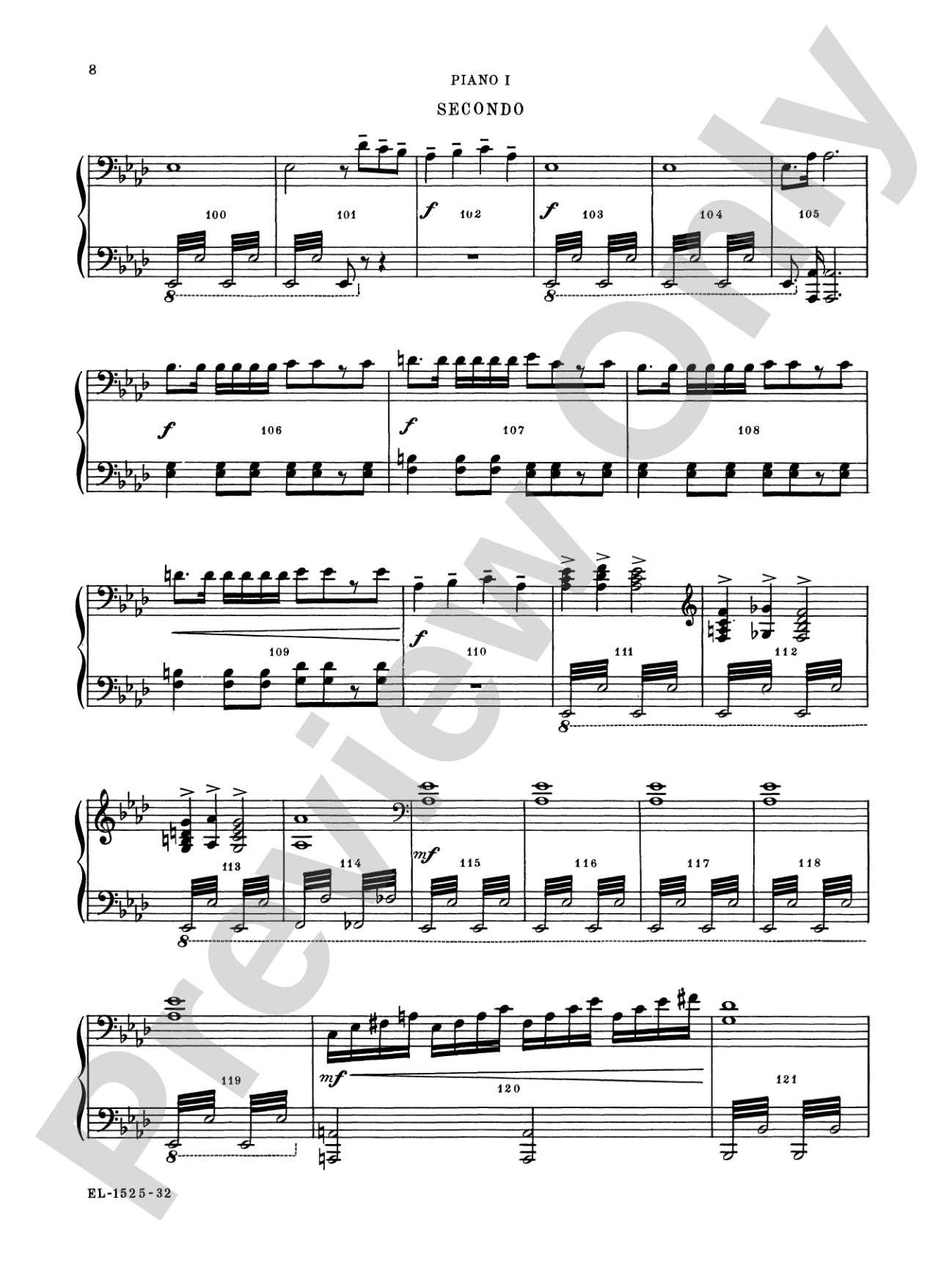
Finlandia - Piano Quartet (2 Pianos, 8 Hands) Sheet Music Preview

Finlandia - Piano Quartet (2 Pianos, 8 Hands): Piano

By Jean Sibelius / arr. John W. Schaum

Level: Advanced

Item: 00-PB-0000588

Digital Download
$7.99

One moment…

Description
John W. Schaum has produced a very orchestral and dynamic transcription based on the famous symphonic piece of Jean Sibelius. With four pianists creating the depth and rich textures, rhythms and range of the orchestra, the full effect and glory of the original work are wonderfully reproduced for the listener. A Federation Festivals 2024-2028 selection.

Finlandia - Piano Quartet (2 Pianos, 8 Hands): Piano isn't in MakeMusic Cloud just yet...but it could be. Let us know you'd like to see it, and you'll help shape what comes next. In the meantime, start a free trial and dive into thousands of interactive titles your students can play along with today.

Sample Audio
No sample audio found.
Sample Video
Additional Details
Publisher: Alfred Music
Page Count: 40
SKU: 00-PB-0000588

More about this title

About the Composer: Jean Sibelius

Jean Sibelius (1865, 1957) was Finland's most celebrated composer and a towering figure in late Romantic music. His works, rooted in Finnish nationalism and natural landscape, combine symphonic grandeur with intimate orchestration that influenced composers well into the 20th century.

Finlandia stands as his most iconic composition, born from the tumultuous political climate of early 1900s Finland. The piece channels defiance, pride, and hope into a sweeping symphonic statement that resonates far beyond its historical moment, making it a cornerstone of the concert repertoire and a natural choice for ensemble transcriptions.

Why we love this

Schaum's arrangement captures the orchestral sweep of Sibelius's original without sacrificing the drama that makes this piece so compelling. Four pianists working together create genuine textural complexity, and the Federation Festivals selection means your ensemble tackles a work with both prestige and proven pedagogical value.

What to expect

Sibelius's nationalism and romantic yearning unfold through a rich tapestry of piano color. The piece moves from brooding, contemplative sections into soaring, heroic statements, giving performers the chance to explore both intimacy and grandeur without leaving the keyboard.

Who it's for

Advanced pianists ready to explore collaborative playing at a high level, and ensembles seeking a substantial, recognizable work for festival or concert programming. This arrangement works especially well for schools with strong piano programs or music departments where four serious pianists can commit to unified rehearsal and performance.

How to get the most out of it

  • Balance the inner voices with care; the arrangement's depth comes from hearing how Schaum distributes the melodic and harmonic material across eight hands rather than letting the melody dominate.
  • Use the dynamic range generously. This piece demands contrast between the softer, reflective passages and the blazing, triumphant sections, so resist the urge to play it safely in the middle.
  • Establish a clear rehearsal plan for coordinating four pianists. Designate which piano plays which staff early, and practice entries together so the ensemble feels unified rather than like separate parts stacked on top of each other.
  • Shape phrases across the four players as if they were a single orchestra. Listen constantly to how your collective sound responds to the written dynamics and articulation.

How to use it

Open a concert with this to signal ambition and musicality to your audience, or place it as a centerpiece in a program celebrating Romantic-era treasures. The work's length and complexity make it substantial enough to anchor a collaborative chamber concert.

Skills your students will build

  • Reading and executing complex rhythmic coordination across multiple piano parts
  • Balancing ensemble sound when multiple pianists create a single harmonic and textural landscape
  • Interpreting Romantic-era compositional language and managing dynamic contrast at an advanced level
  • Listening critically to inner voices and sustaining musical line beyond the obvious melody
  • Rehearsing as a piano ensemble and developing unified interpretive choices

You May Also Like