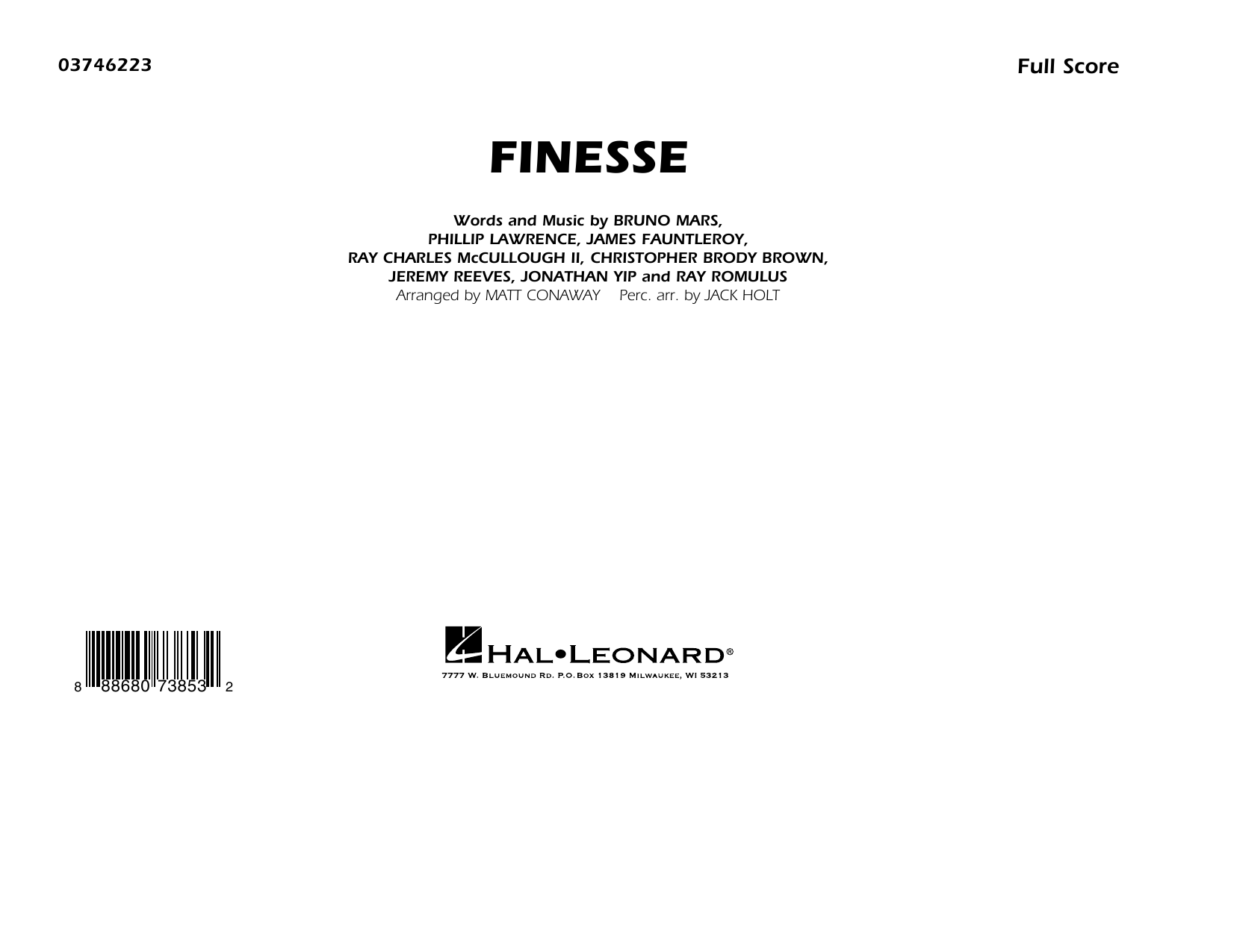
Bruno Mars has become a master of great-sounding grooves and catchy tunes. Featuring a hip-hop shuffle style and lots of variety and impact in the scoring, this arrangement will work great in the stands or as a dance feature.
Discover MakeMusic Cloud: thousands of interactive titles your students can play along with today.
Bruno Mars built his reputation as a songwriter and performer by studying the craft of groove. His work synthesizes elements from funk, soul, and hip-hop into songs engineered for maximum danceability and radio appeal. For music educators, Mars represents a contemporary model of how infectious rhythmic precision and melodic accessibility can coexist.
Why we love this
Matt Conaway's arrangement captures the DNA of the original without sacrificing what makes marching band writing distinct. The hip-hop shuffle pocket requires real rhythmic control from your ensemble, and the scoring's built-in variety keeps both players and audiences engaged from start to finish.
What to expect
A hip-hop groove that feels both current and instantly familiar, with enough harmonic movement and textural variety to stay interesting across multiple listens. The arrangement maintains the song's swagger while giving it the rhythmic snap and clarity that marching band demands.
Who it's for
Bands at grades 3 through 4 looking to program contemporary music that connects with students and audiences alike. This works equally well for groups focused on parade performance or those building a show around recognizable repertoire.
How to get the most out of it
Lock the shuffle feel early in rehearsals by isolating the rhythm section and drilling the exact placement of backbeats and kick patterns against the front ensemble ostinatos.
Pay attention to balance in the scoring's busier moments; the variety Conaway built in means certain voices will compete for attention if dynamics aren't carefully shaped.
Treat the groove as foundational, not the horn lines layered on top. A solid rhythmic foundation will let your front ensemble and drums shine without the need for aggressive pushing.
Consider how the piece translates in your specific marching space. The arrangement works in the stands, but test sight lines and acoustic bounce if you're planning choreography.
How to use it
Pair this with your spring concert to bridge the gap between classical concert fare and what your students hear outside the rehearsal room. It also functions effectively as a standalone performance piece or parade feature when you want to energize a crowd with something contemporary.
Skills your students will build
Hip-hop shuffle rhythms and consistent pocket feel
Balancing independent lines within a complex texture
Syncopated rhythmic reading across multiple parts
Dynamic shaping to support musical intent rather than volume
Ensemble cohesion in contemporary styles
You May Also Like
Scan to Complete Your Purchase
Use your phone's camera to scan the code below
You'll log in on your phone and the order will be added to your account