

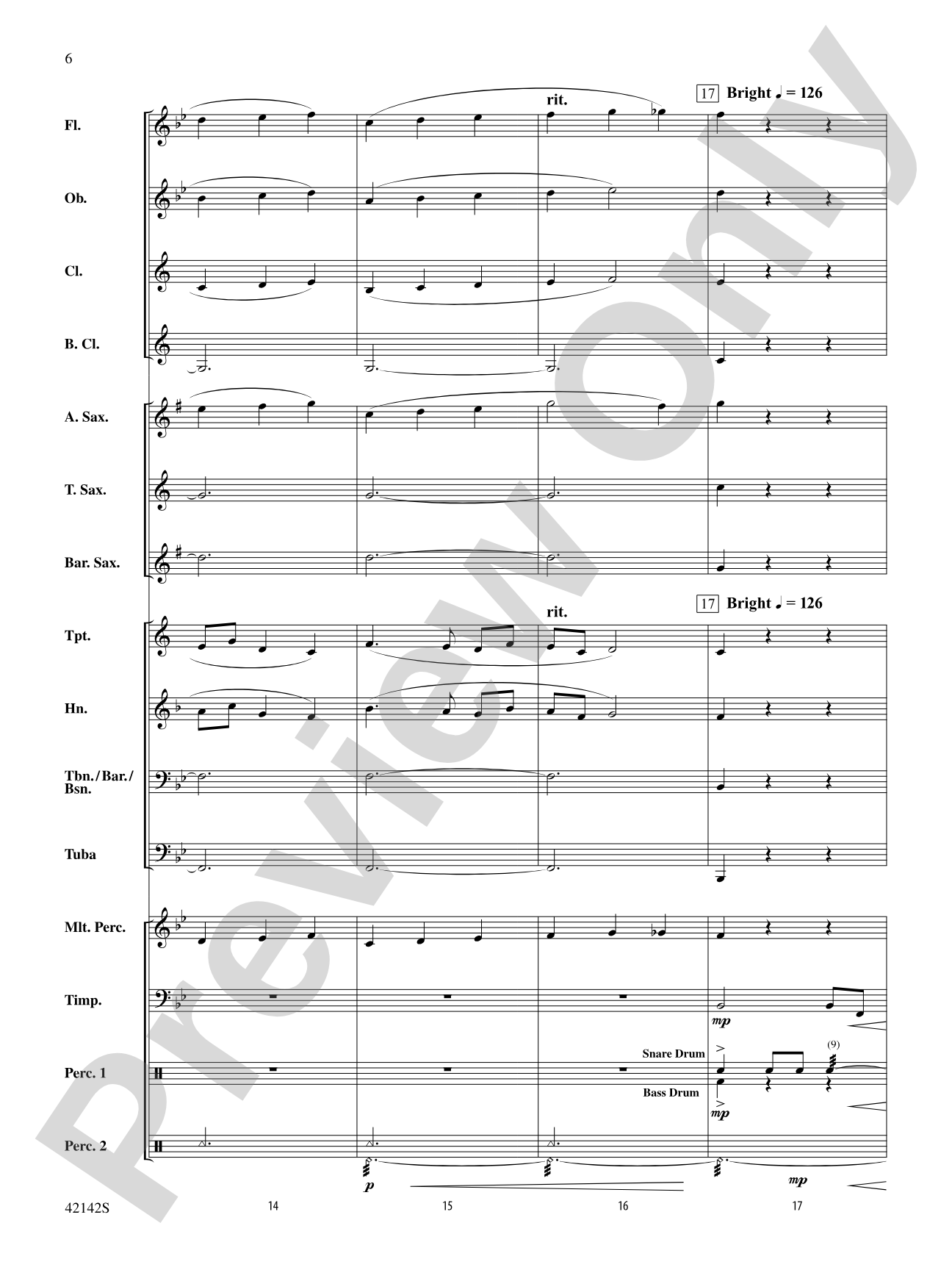
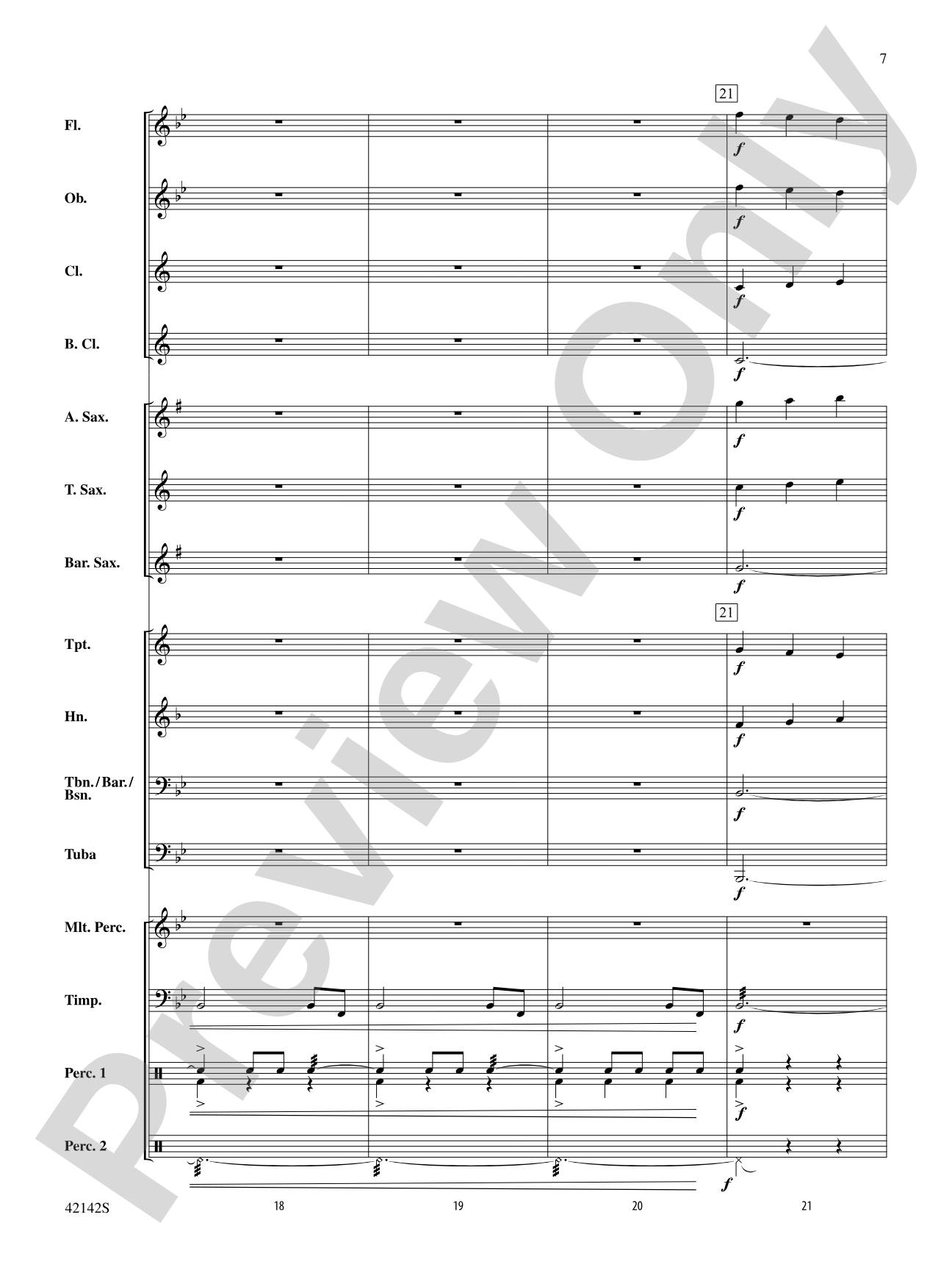
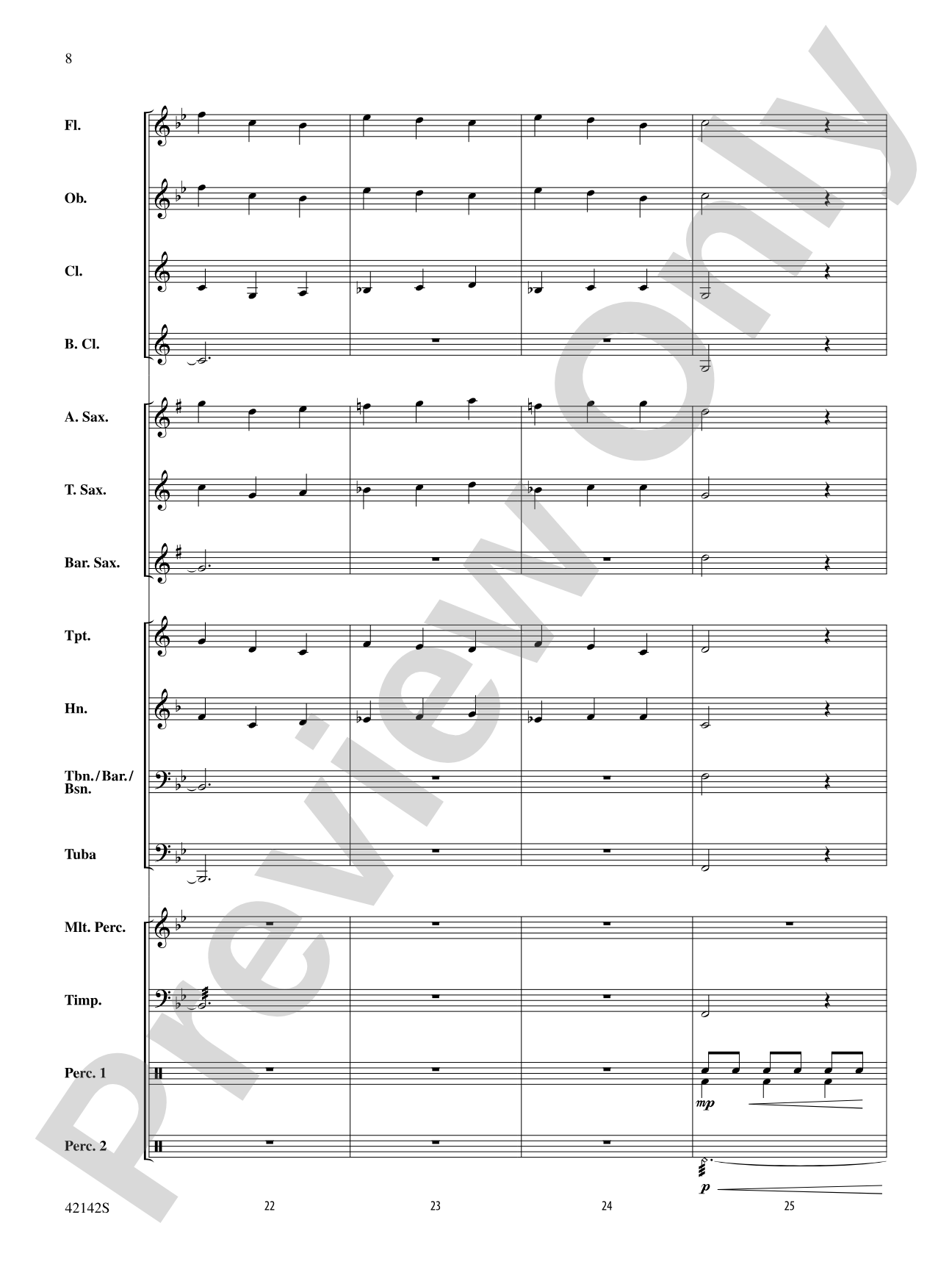
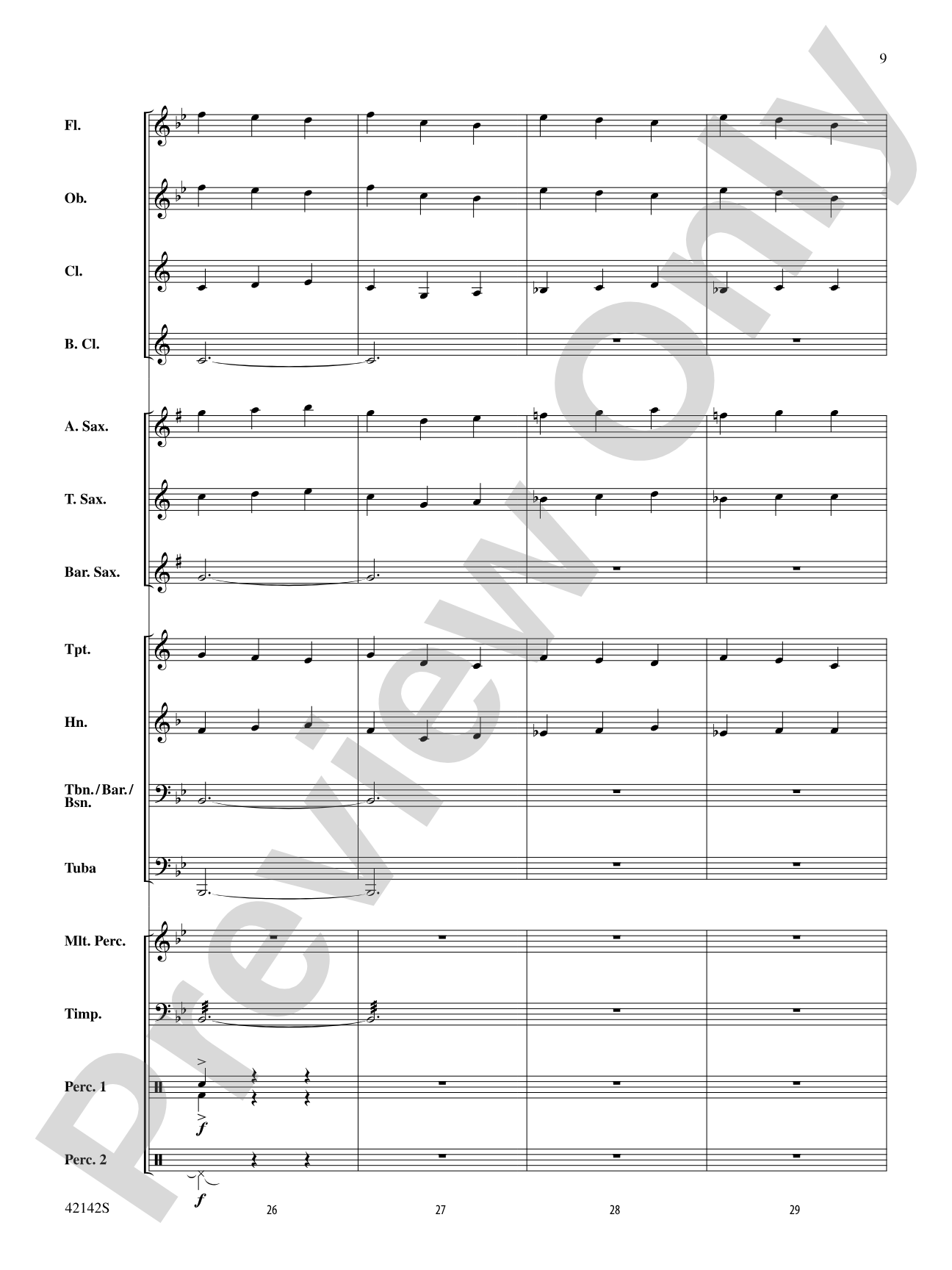
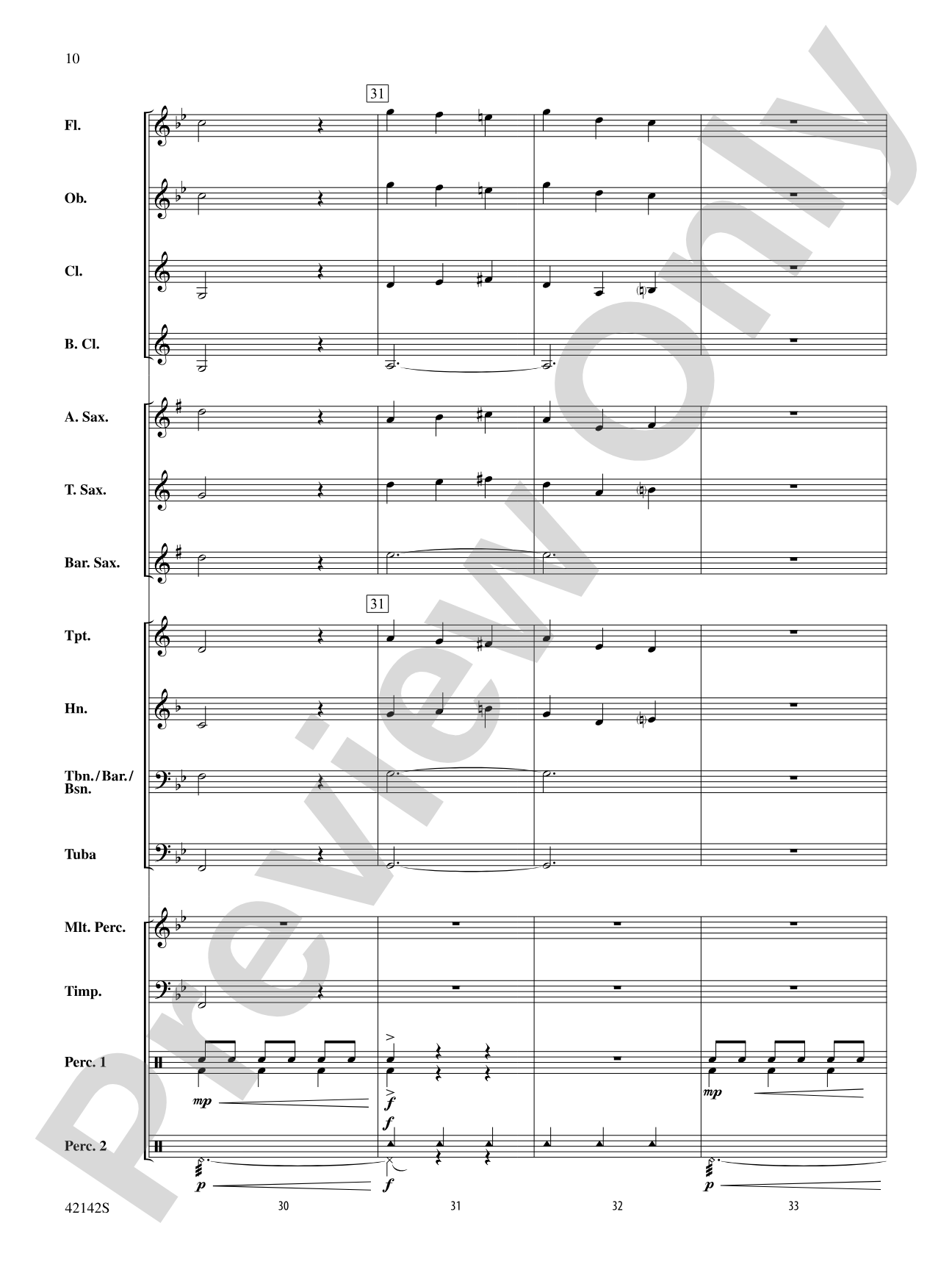
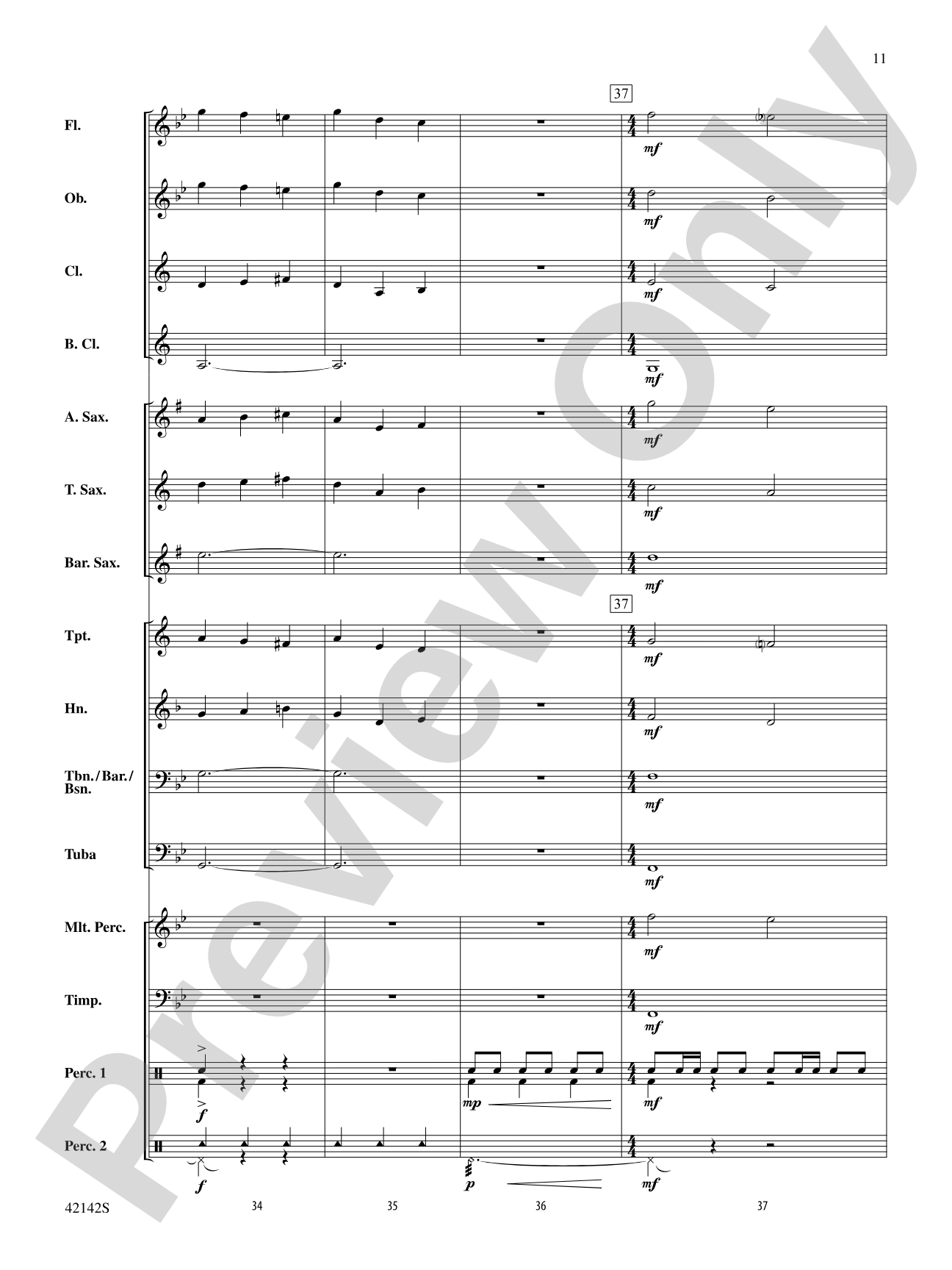
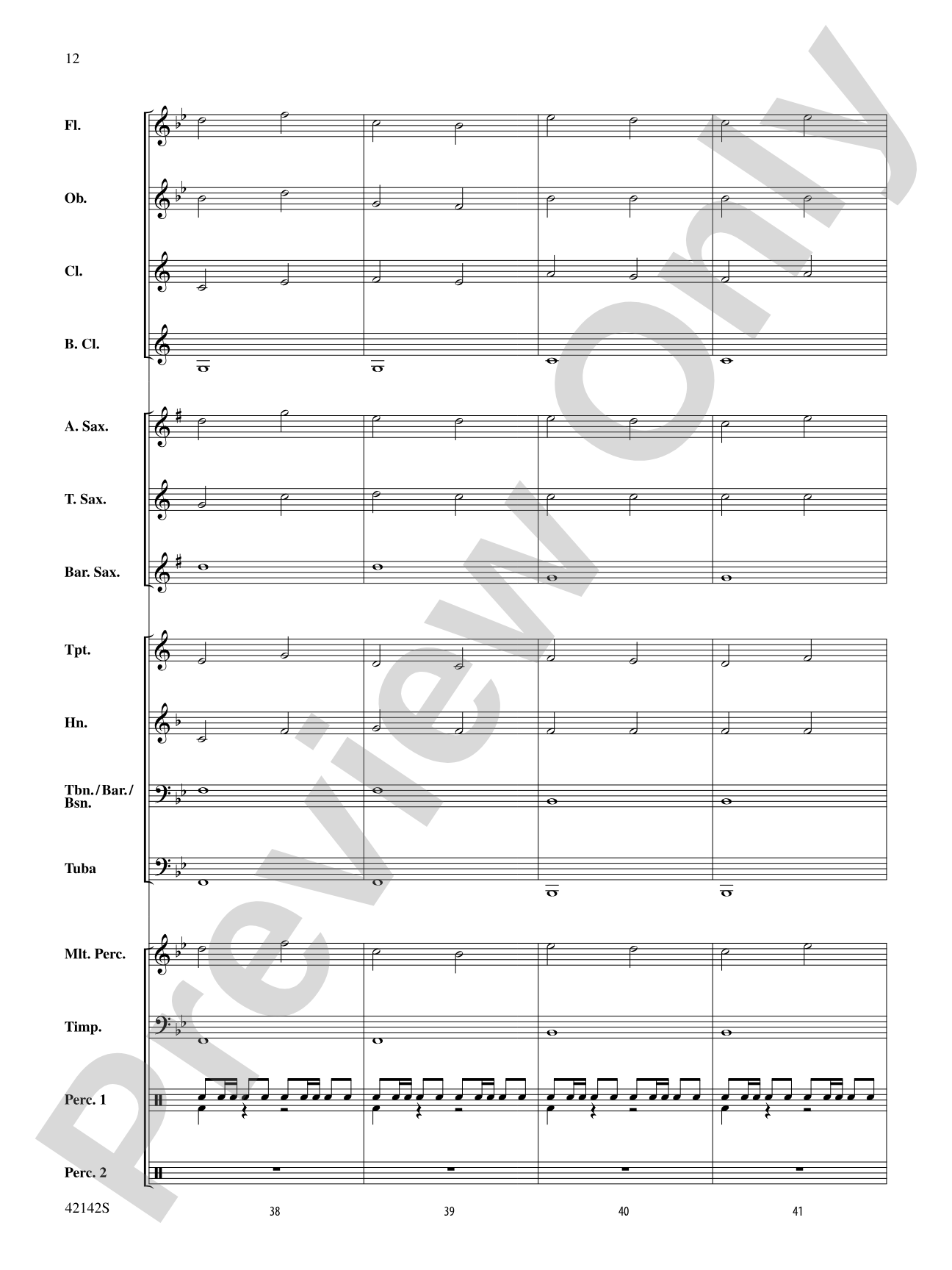
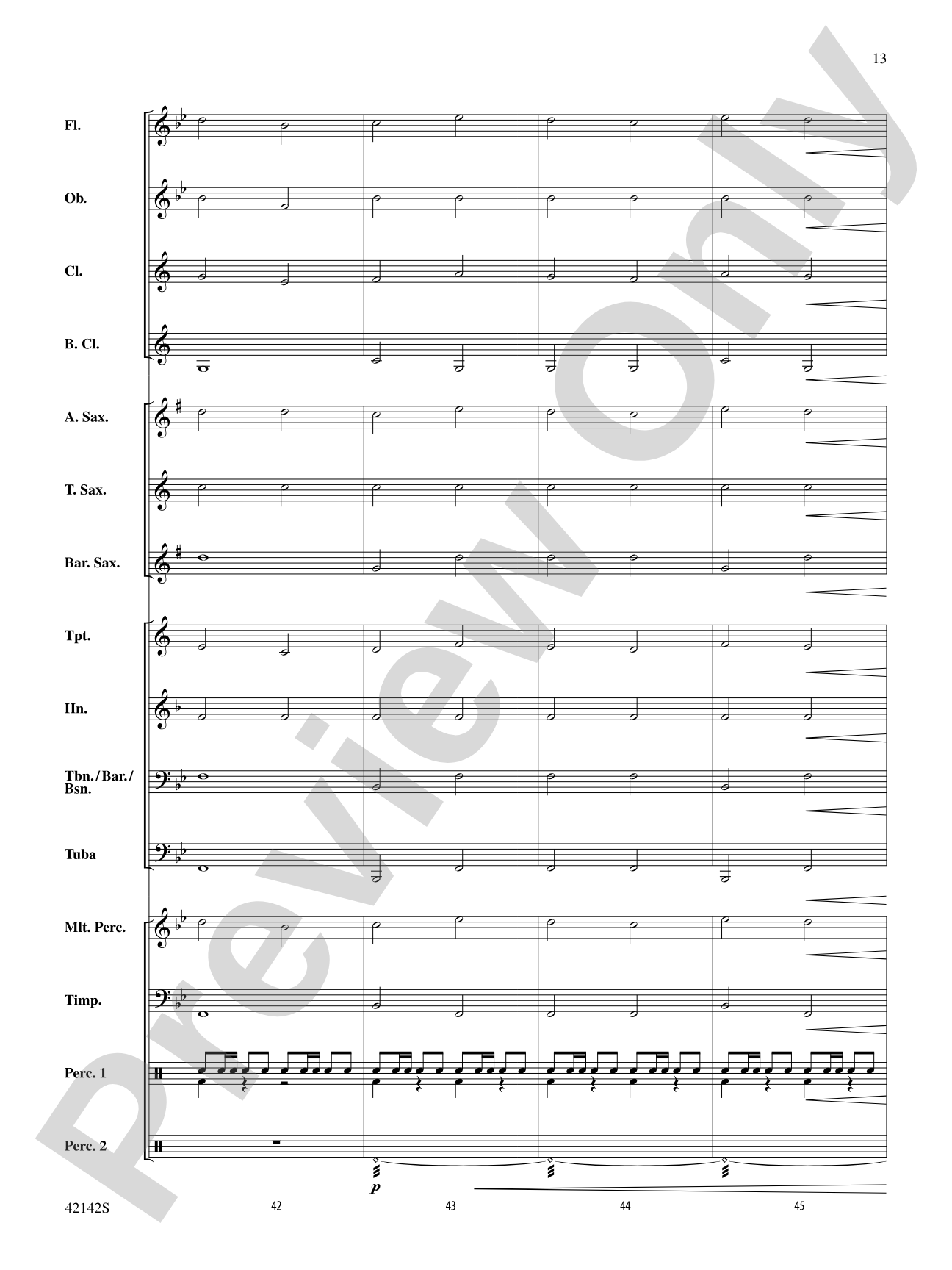
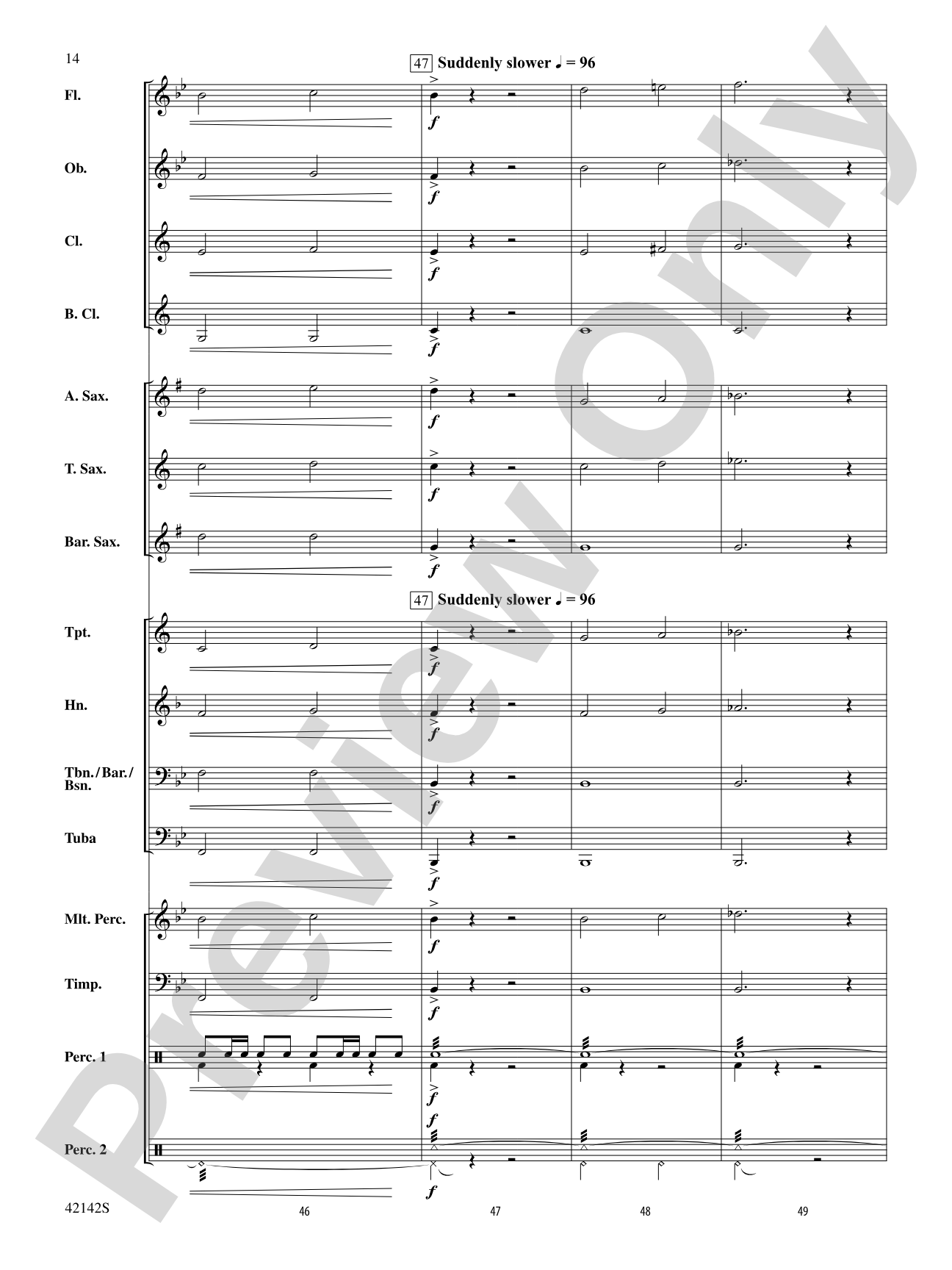
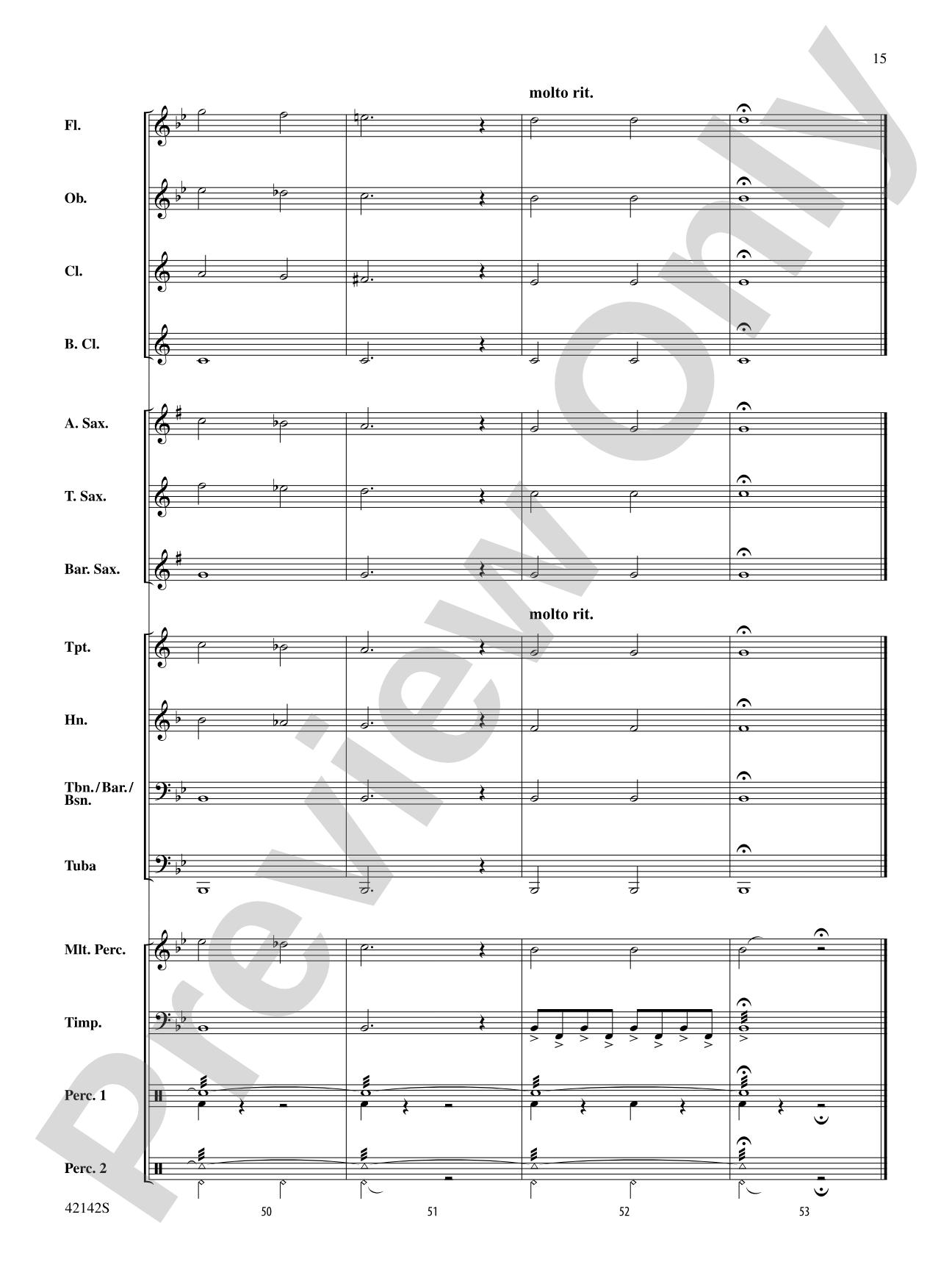

Finale from The Firebird: Score
By Igor Stravinsky / arr. Michael Story
Grade: 1 (Very Easy)
Item: 00-PR-0004722
$9.00
Pickup currently not available
Description
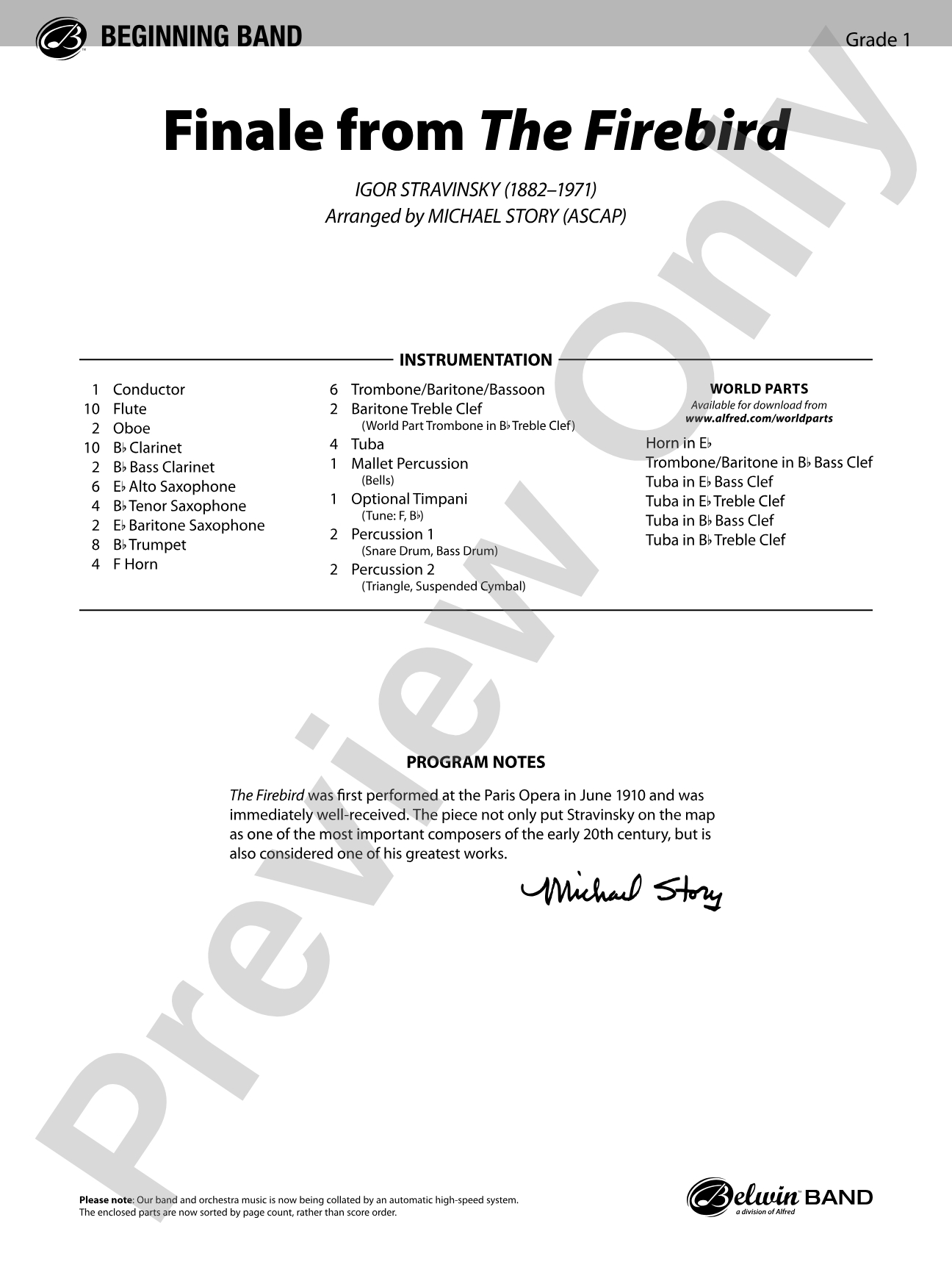
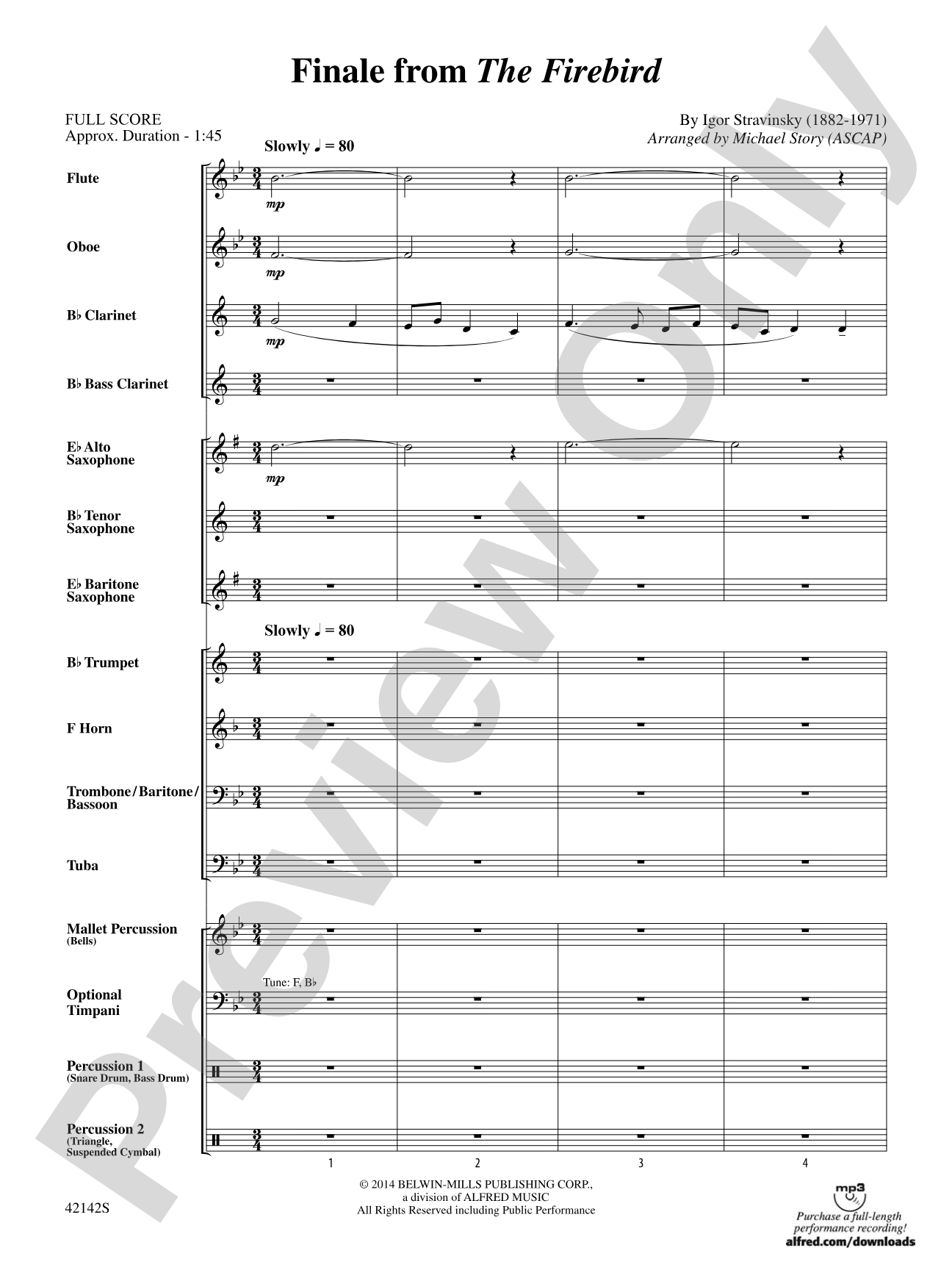
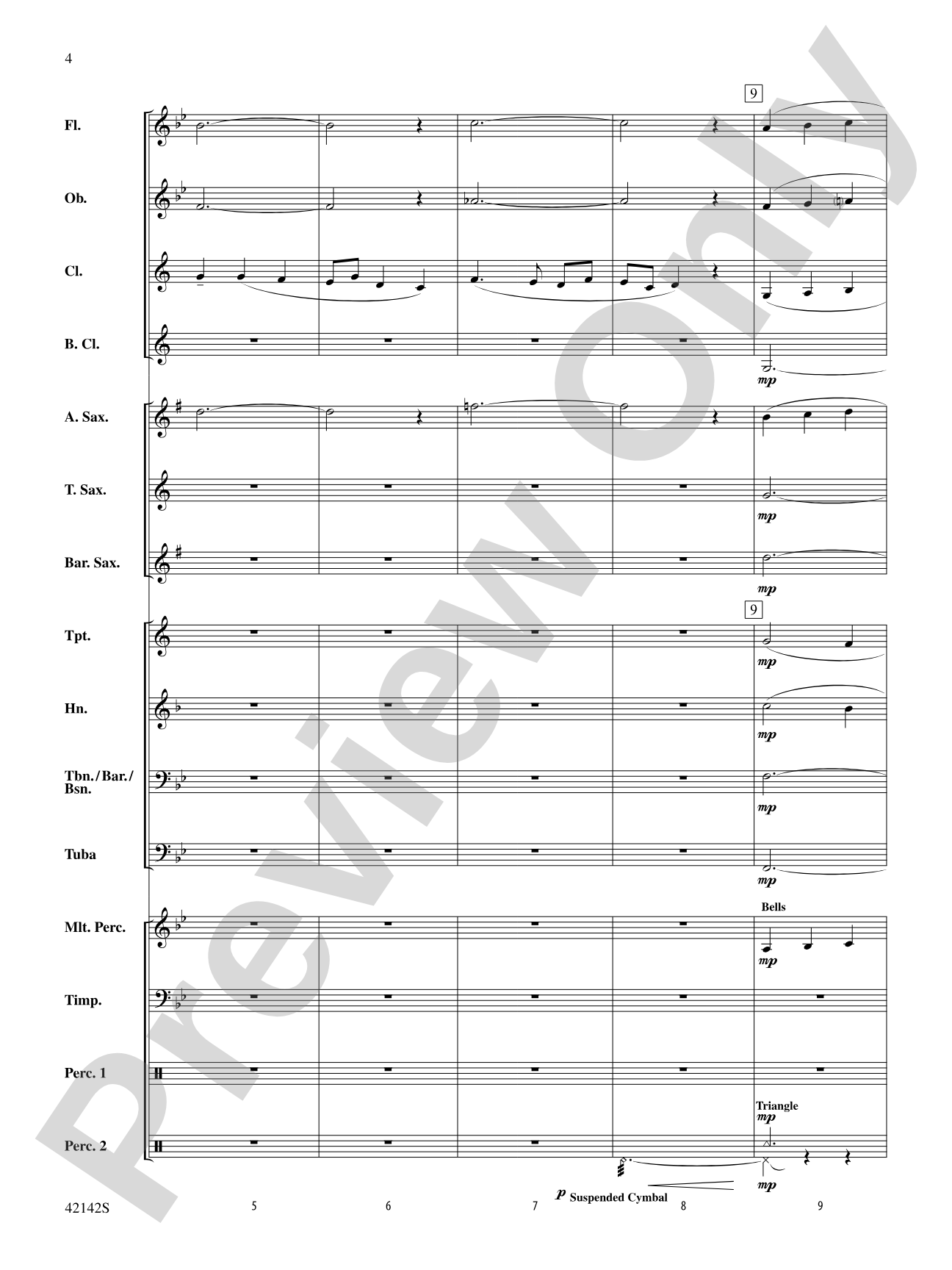
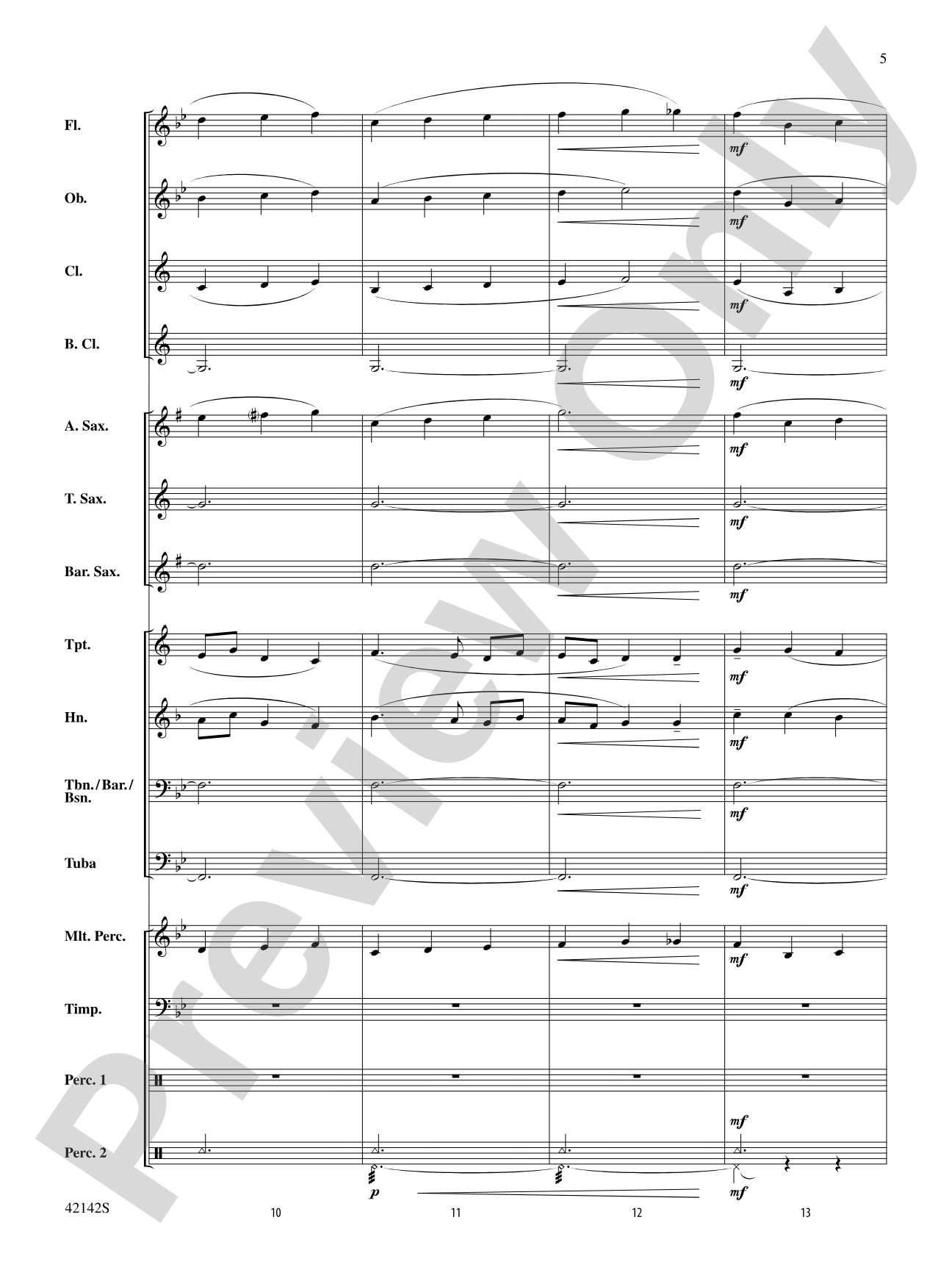
First performed at the Paris Opera in June 1910, this piece put Stravinsky on the map and is considered one of his greatest works. In 3/4 time, the arrangement serves as a wonderful opportunity to introduce or reinforce triple meter. The grandiose conclusion is certain to be met with grandiose applause. (1:45) This title is available in MakeMusic Cloud.


Don't just read it, hear it, play along with it, and watch your students grow with it. In MakeMusic Cloud, Finale from The Firebird: Score comes alive with professional accompaniment, adjustable tempo, and built-in practice tools that turn solo practice into real progress.
Open in the Player
Jump straight in and assign it today.
Start Your Free Trial
Open this title and explore the full library in minutes.
Sample Audio
1
Audio File
--:--
0:00
0:00
Sample Video
No sample videos found.
Additional Details
Series:
Belwin Beginning Band
Publisher:
Alfred Music
Page Count:
124
SKU:
00-PR-0004722
More about this title
About the Composer: Igor Stravinsky
Igor Stravinsky (1882-1971) revolutionized twentieth-century music through rhythmic innovation, orchestral color, and fearless structural experimentation. The Firebird, his first major international success, announced the arrival of a compositional voice unlike anything that had come before; its premiere in Paris in 1910 established him as a leading figure in modern music and led directly to his subsequent masterworks for the Ballets Russes.
For music educators, Stravinsky's importance lies in his expansion of what rhythm and melody could accomplish. His works challenged performers and listeners alike to hear music differently, and studying even simplified versions of his scores teaches musicians about the expressive power of unexpected accents, metric shifts, and orchestral balance.
Why we love this
Michael Story's arrangement strips away the Firebird's orchestral complexity while preserving the unmistakable magic that made this piece legendary. Young bands get to experience the genuine thrill of Stravinsky's harmonic language and rhythmic vitality without getting lost in technical obstacles, making this one of the rare Grade 1 pieces that feels genuinely sophisticated rather than simplified.
What to expect
Mythical and glittering, with moments of delicate wonder balanced against sudden bursts of orchestral power. The Firebird's theme carries an almost magical quality, ethereal yet unmistakably grand, and Stravinsky's harmonic language creates an impression of sumptuous color even in this accessible arrangement.
Who it's for
Beginning concert bands ready to move beyond simple folk song arrangements and encounter a genuine twentieth-century masterwork. This score works beautifully for ensembles at the start of their second or third year, when musicians have the fundamentals in place and can focus on musical interpretation rather than survival.
How to get the most out of it
- Invest in the 3/4 meter from the very first rehearsal. This isn't background context; the lilting, unexpected quality of triple meter at this tempo is what makes the Firebird distinctive. Anchor your drummers and bass players so the pulse feels inevitable, not tentative.
- Shape the grandiose conclusion with deliberate dynamics and articulation. Stravinsky's orchestration relies on sudden contrasts and clear voice leading; young musicians need to hear exactly where the main voice lives in each moment.
- Use the recorded accompaniment strategically during sectional rehearsals so musicians understand how their parts lock into the larger texture. Stravinsky's writing rewards precision.
- Balance the upper woodwinds carefully during the more delicate passages. The arrangement exposes these voices more than full orchestra might, so intonation and blend deserve focused attention.
How to use it
Program this as a concert finale when you want to send audiences home with genuine artistry and unforgettable drama. The 1:45 length makes it a perfect centerpiece for a spring concert, and its fame means families recognize the theme immediately, creating a shared cultural moment in the room.
Skills your students will build
- Reading and performing in 3/4 meter with confidence and musicality
- Balancing independent melodic lines across multiple sections
- Responding to sudden dynamic and textural contrasts
- Listening for intonation and blend in exposed woodwind passages
- Understanding how arrangement serves composition and musical era