
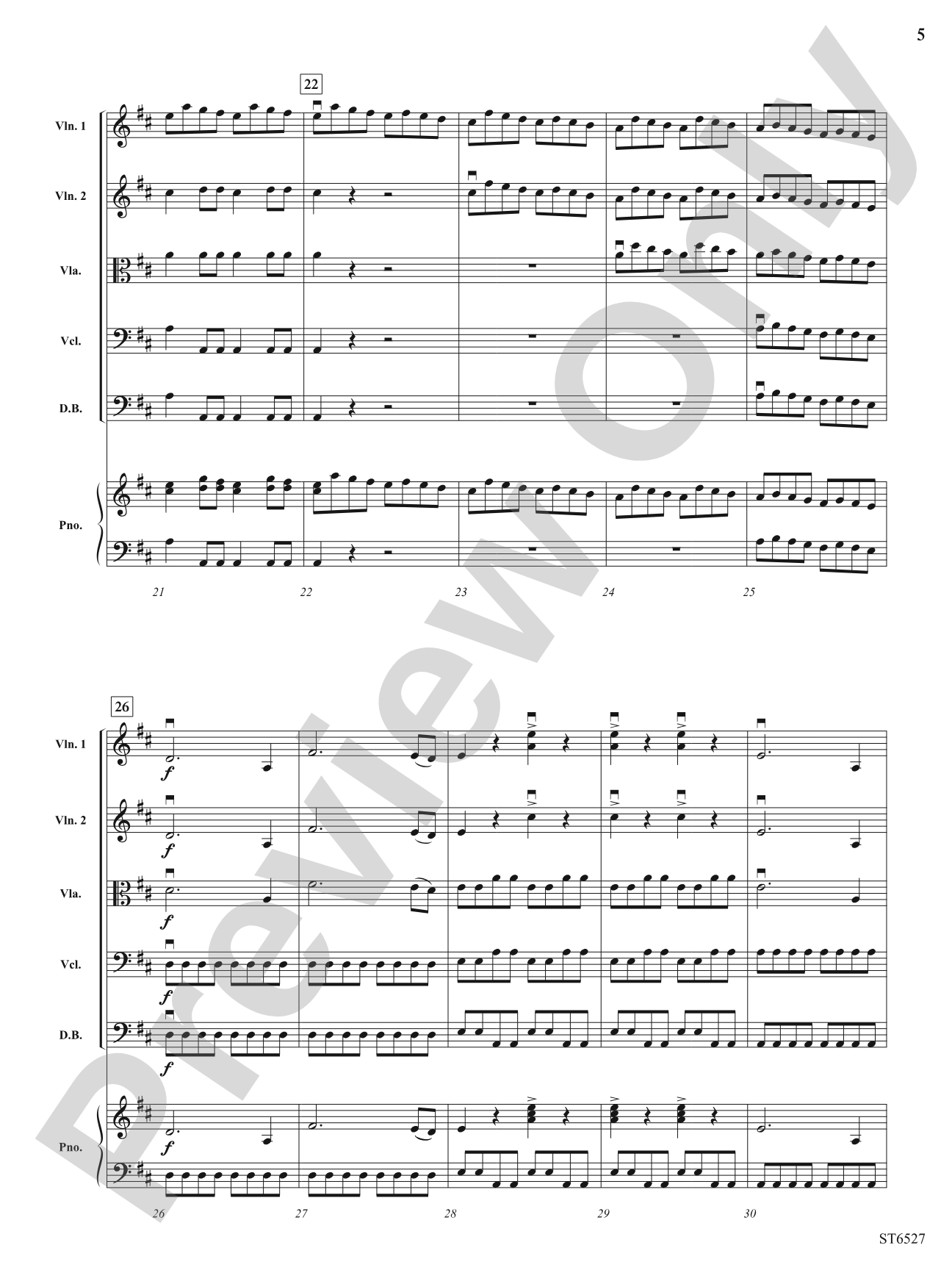
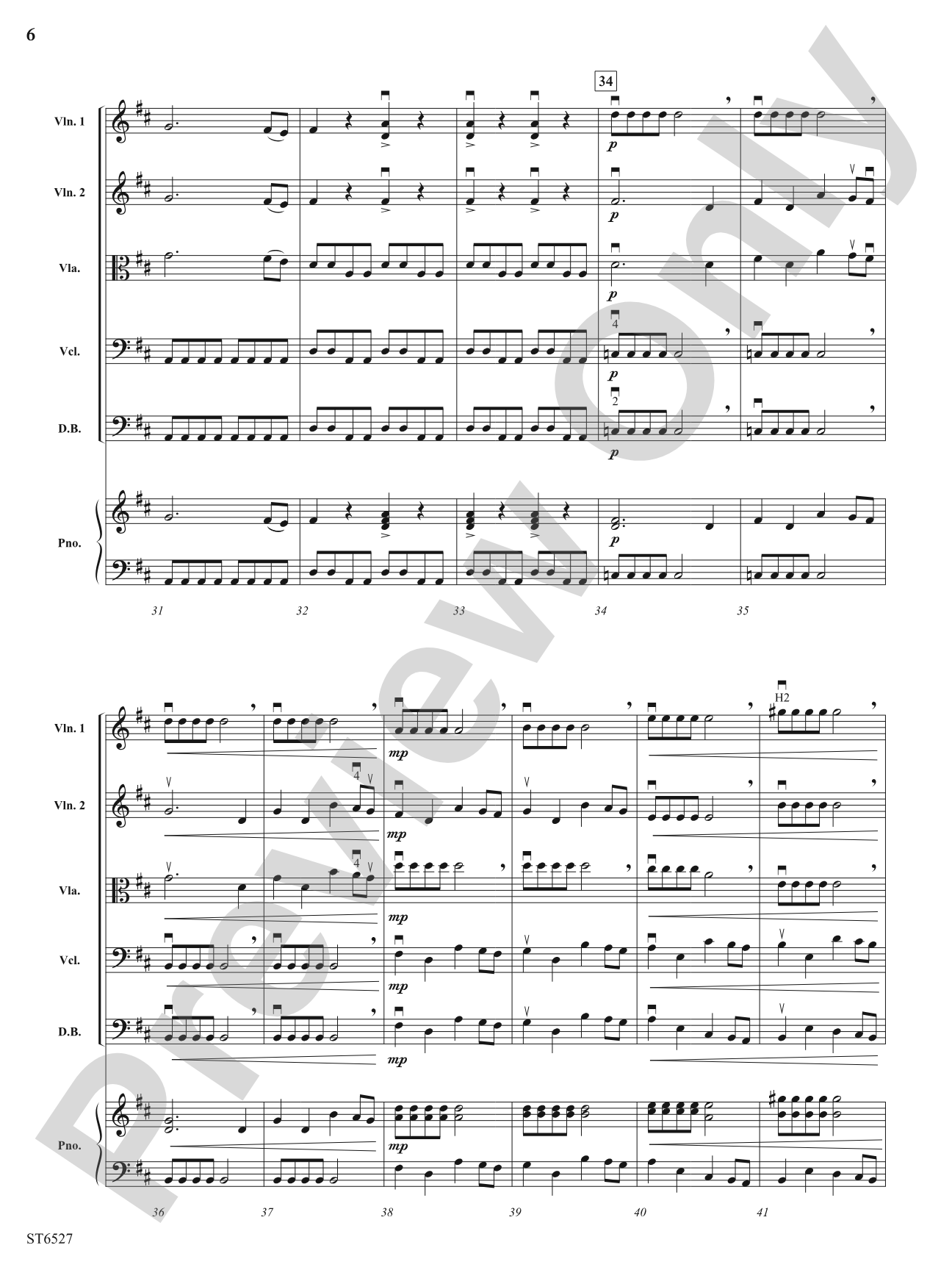
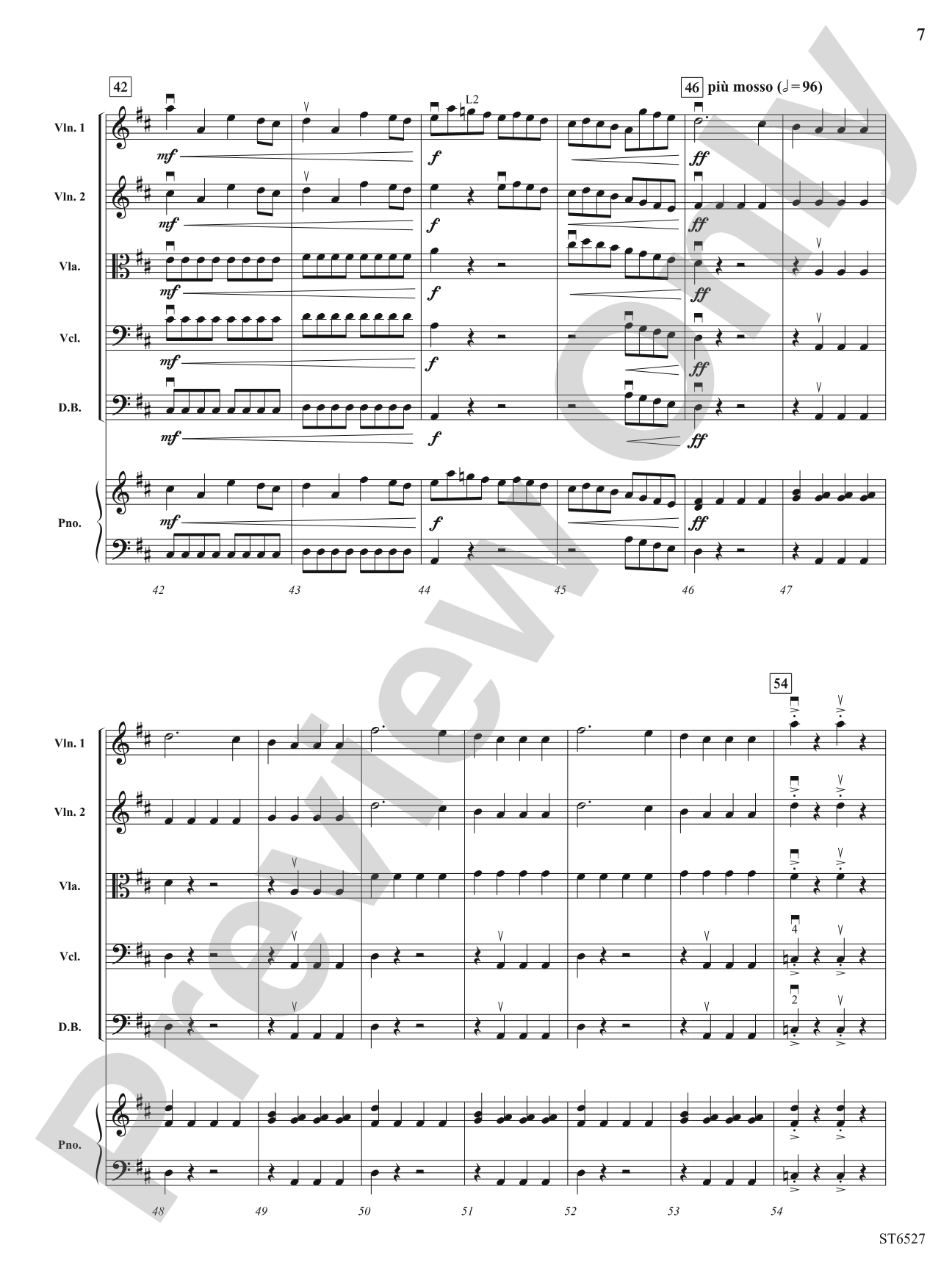
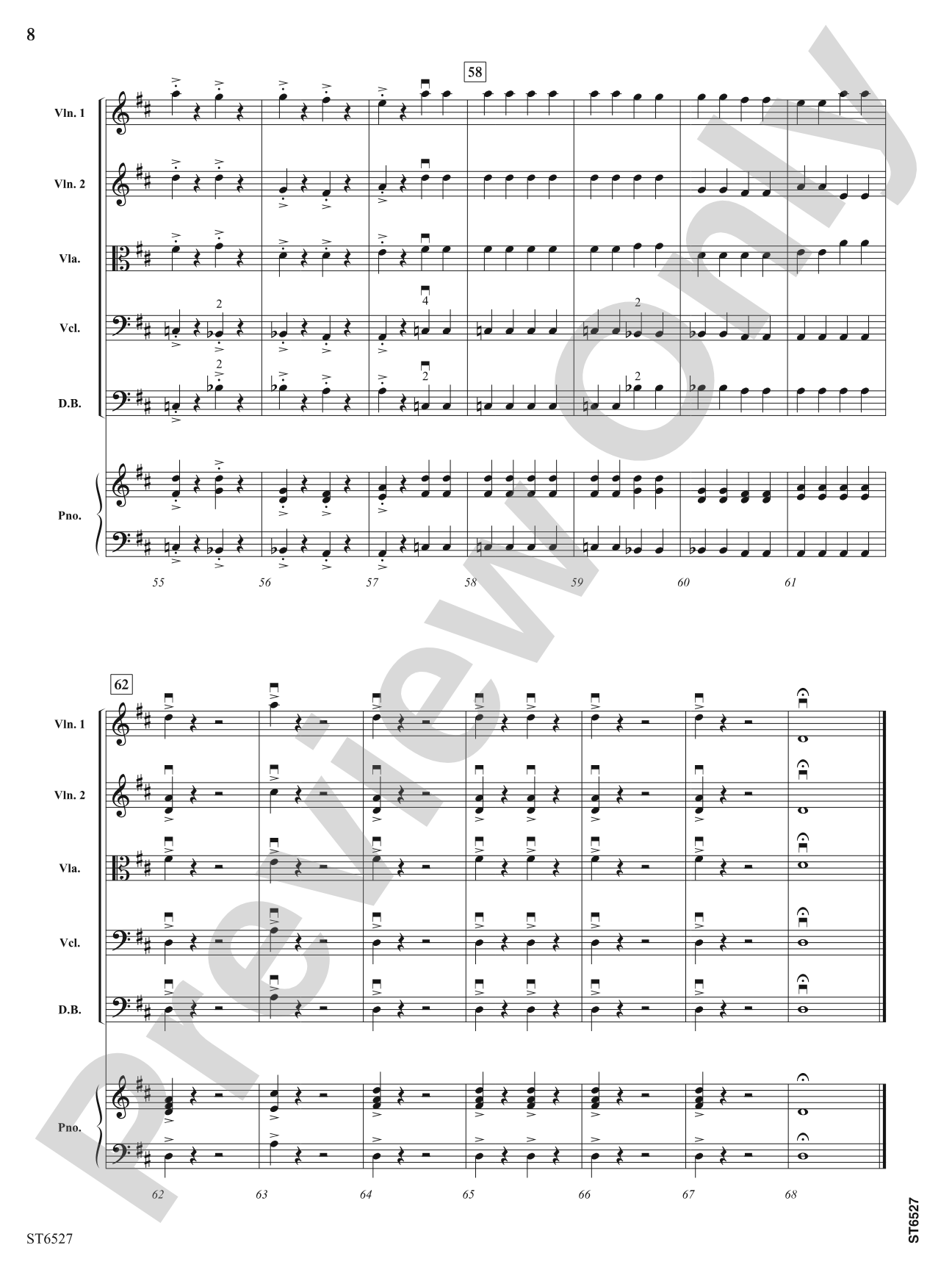

Finale from Symphony No. 5: Score
By Ludwig van Beethoven / arr. Carrie Lane Gruselle
Grade: 1.5
Item: 98-DST6527S
$10.00
Pickup currently not available
Description
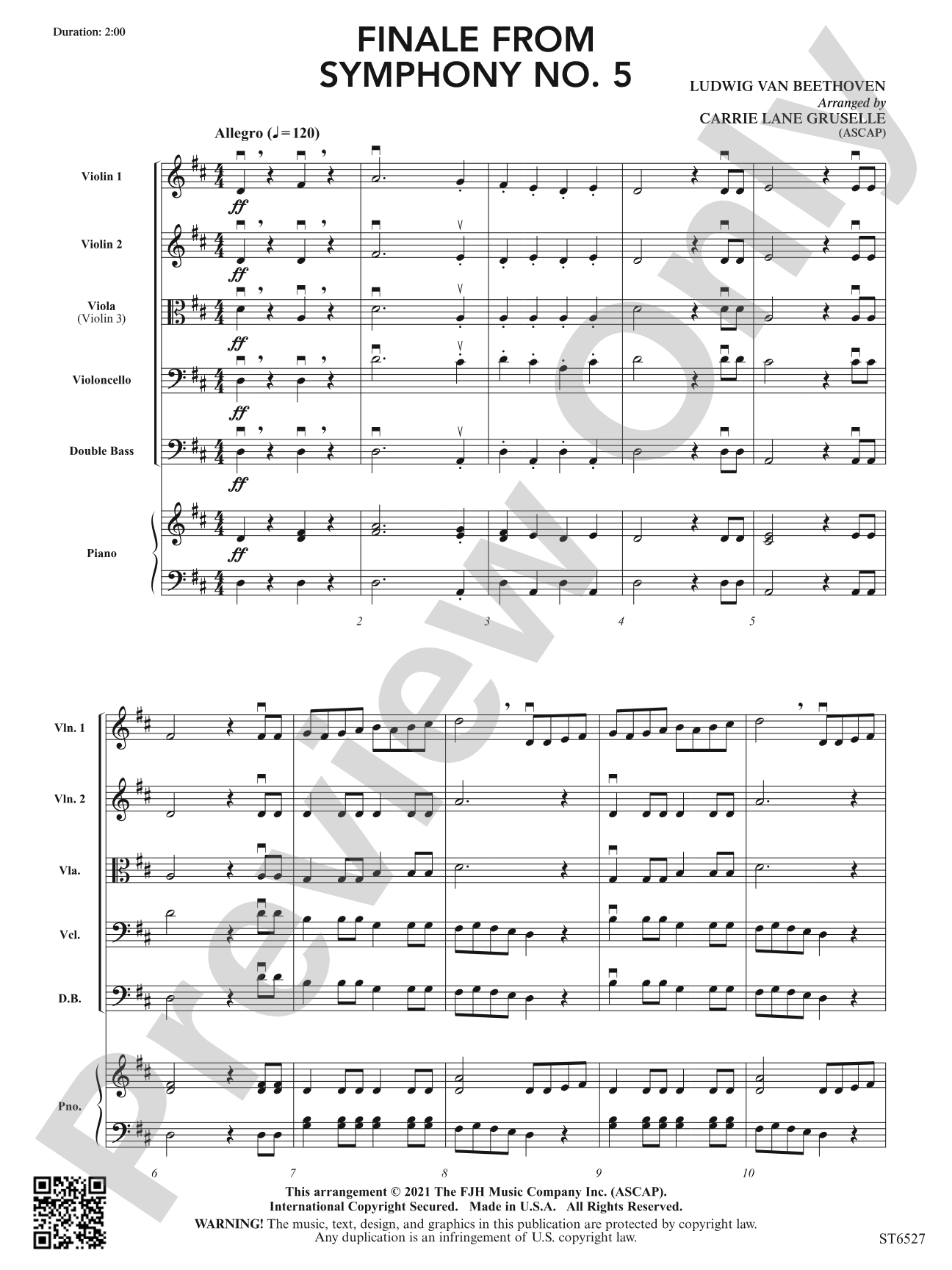
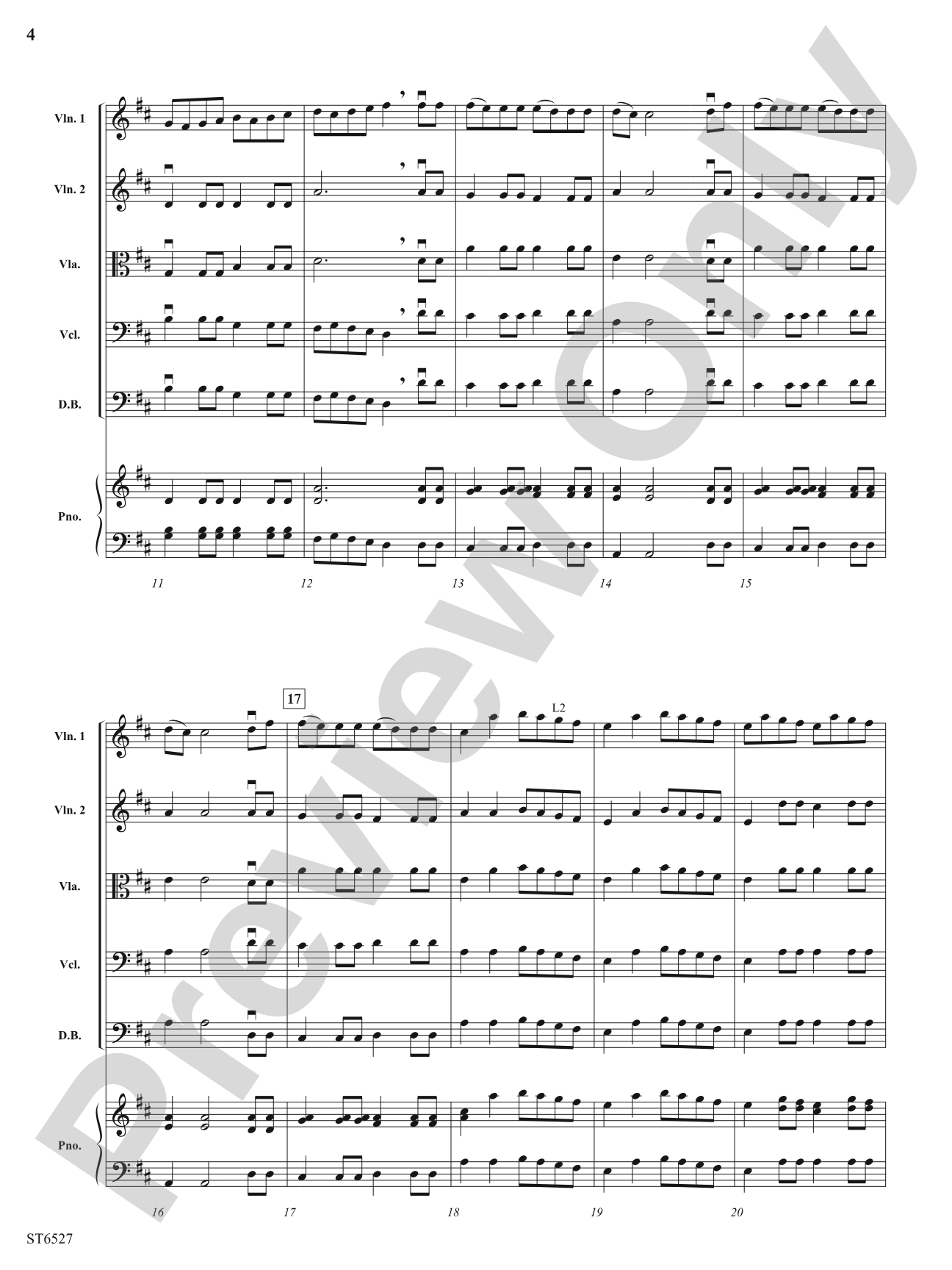
What better way to end a concert than with a joyous and triumphant Beethoven finale! Set in the key of D, this dynamic arrangement enables less-experienced musicians to perform with resonating confidence while still retaining the excitement and determination of the original. Outstanding!


Don't just read it, hear it, play along with it, and watch your students grow with it. In MakeMusic Cloud, Finale from Symphony No. 5: Score comes alive with professional accompaniment, adjustable tempo, and built-in practice tools that turn solo practice into real progress.
Open in the Player
Jump straight in and assign it today.
Start Your Free Trial
Open this title and explore the full library in minutes.
Sample Audio
1
Audio File
--:--
0:00
0:00
Sample Video
Additional Details
Series:
FJH Beginning Strings
Publisher:
The FJH Music Company, Inc.
SKU:
98-DST6527S
More about this title
About the Composer: Ludwig van Beethoven
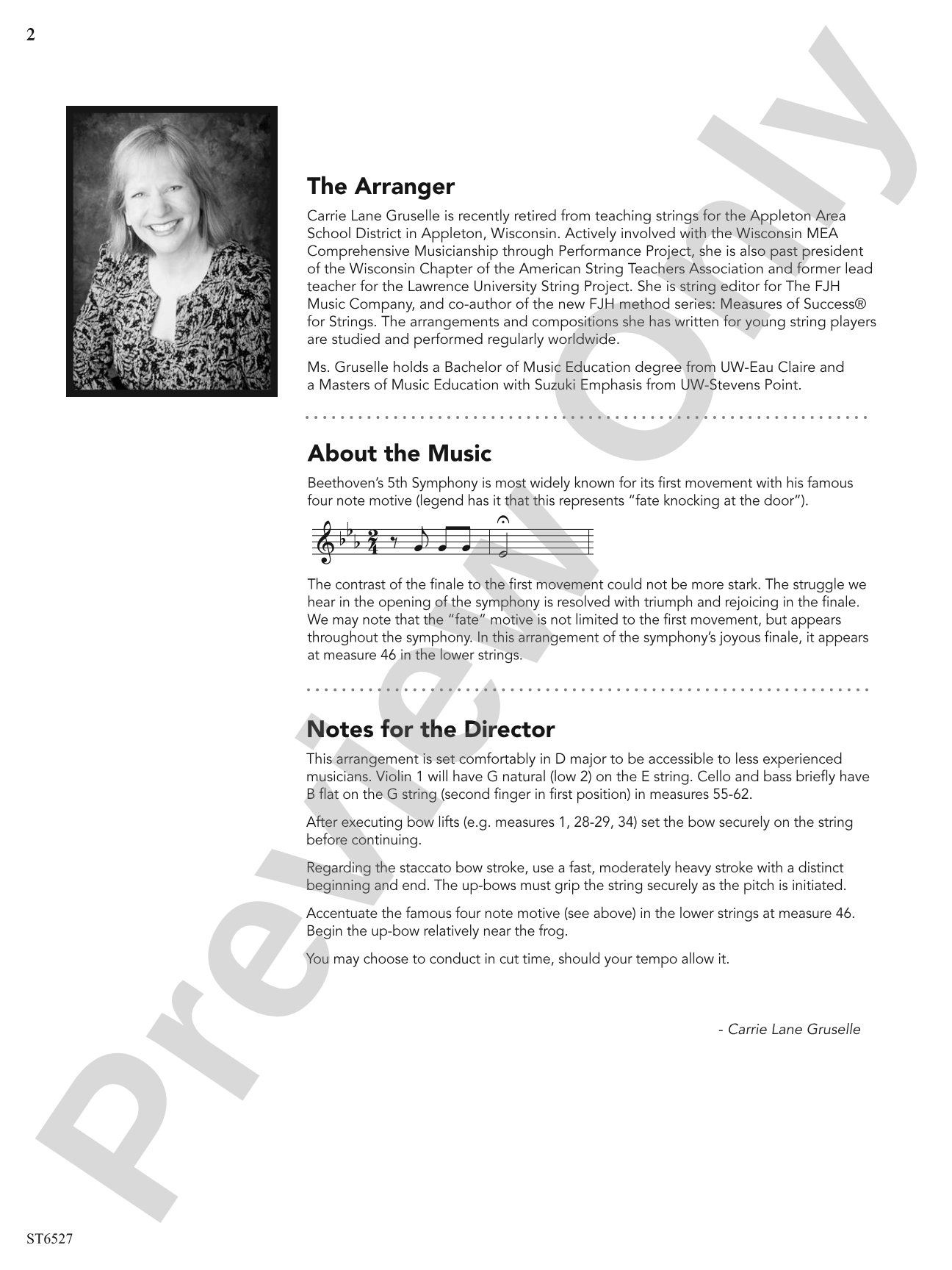
Ludwig van Beethoven (1770-1827) transformed the symphony from a vehicle for aristocratic entertainment into a profound statement of human struggle and triumph. His nine symphonies span nearly four decades of compositional innovation, each one pushing the boundaries of form, orchestration, and emotional scope. The Fifth Symphony stands as perhaps his most iconic work, a piece that has resonated across centuries because it speaks to universal human experience: the journey from darkness into light, from conflict into resolution.
Why we love this
This arrangement preserves the architectural brilliance and sheer exuberance of Beethoven's finale while making it genuinely accessible to young orchestras. Carrie Lane Gruselle has understood that Grade 1.5 musicians can handle triumph without compromise; the key of D sits naturally for strings, and the part writing allows every section to feel the forward momentum that makes this movement so infectious. You get the real Beethoven here, not a watered-down substitute.
What to expect
Joyous and unstoppable, like momentum itself made audible. The piece radiates confidence and forward drive, with D major's natural brightness lending warmth to every phrase. Even young musicians sense they are playing something important; this is music that makes them sit taller and play with intention.
Who it's for
Beginning string orchestras and intermediate youth orchestras ready to tackle a masterwork with authentic musical stakes. String directors seeking a Grade 1.5 showstopper for a concert finale will find an arrangement that respects both the original and the technical realities of their ensemble.
How to get the most out of it
- Shape the opening D major gesture with clarity and confidence; young players often rush triumphant material, so establish a steady tempo early and let the orchestration carry the excitement rather than relying on speed alone.
- Balance the string sections carefully so that inner voices remain audible; the violas and cellos anchor this arrangement, and conductors often neglect them in favor of brilliant violin lines.
- Emphasize the rhythmic precision of unison passages, which appear throughout the movement and demand tight ensemble playing from all parts simultaneously.
- Bring out any dynamic contrasts between forte sections and lighter passages to prevent the piece from becoming a single wall of sound; Beethoven's genius includes knowing when to pull back.
How to use it
Close a spring concert with this to send your audience out on a wave of triumph and energy. It also works beautifully as the capstone to a Beethoven-focused program or as the reward at the end of a season of study. The brevity and impact make it ideal for young orchestras still building stamina.
Skills your students will build
- Reading and executing dynamic contrasts in D major tonality
- Maintaining rhythmic precision in fast-moving unison passages
- Balancing four-part string writing with emphasis on inner voices
- Building ensemble confidence through large-scale masterwork performance
- Understanding structural clarity in sonata-form finales