
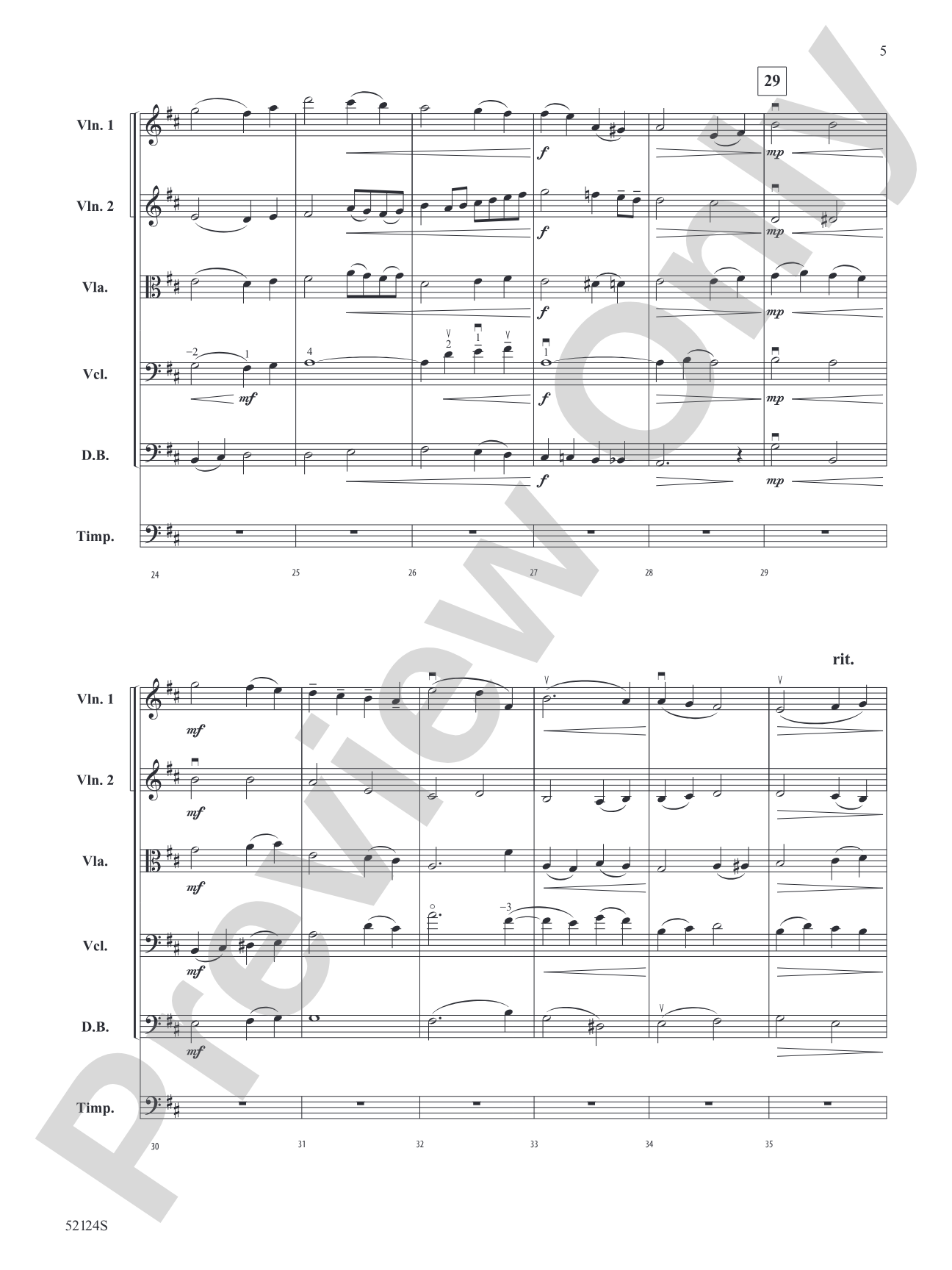
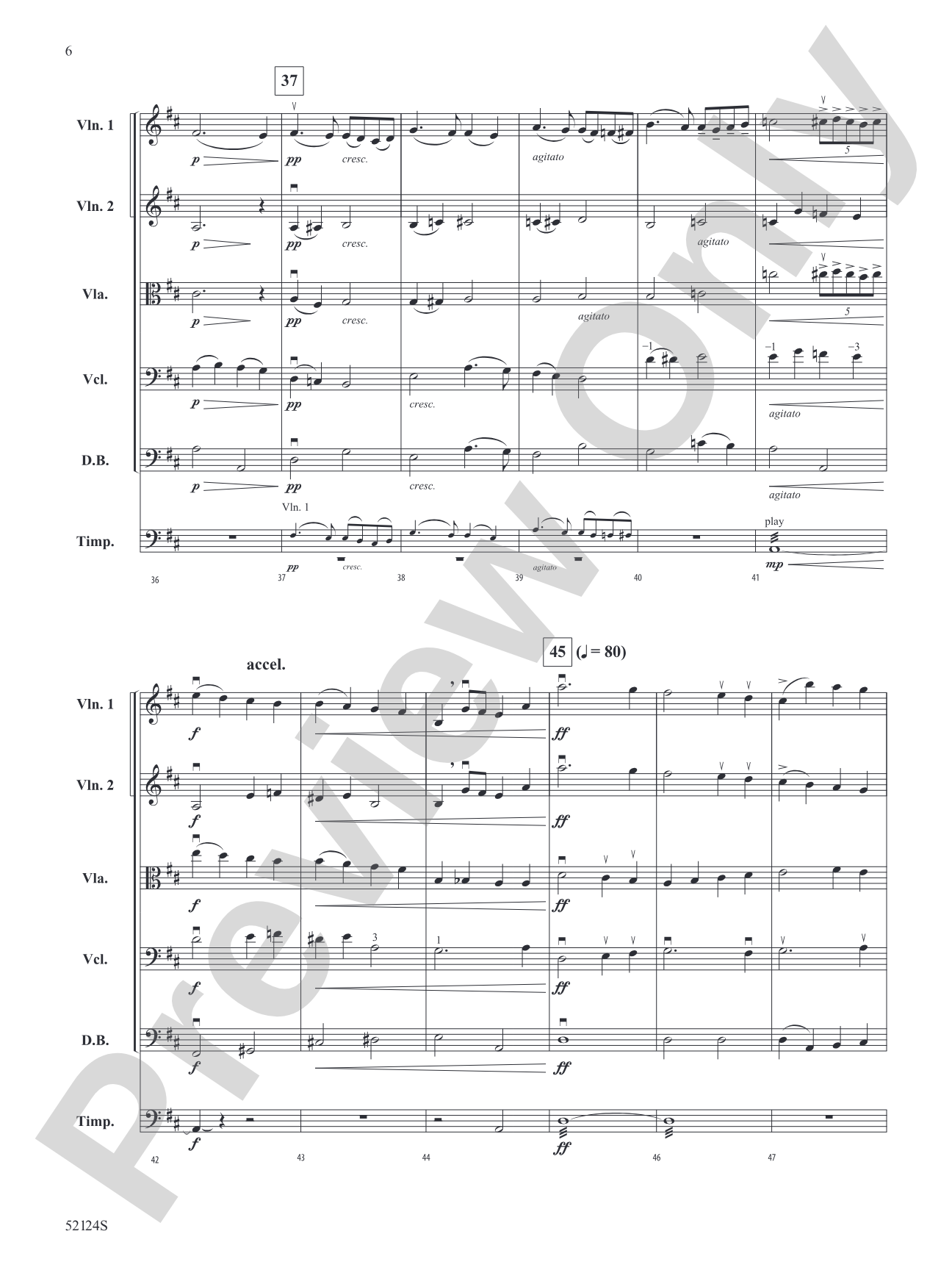
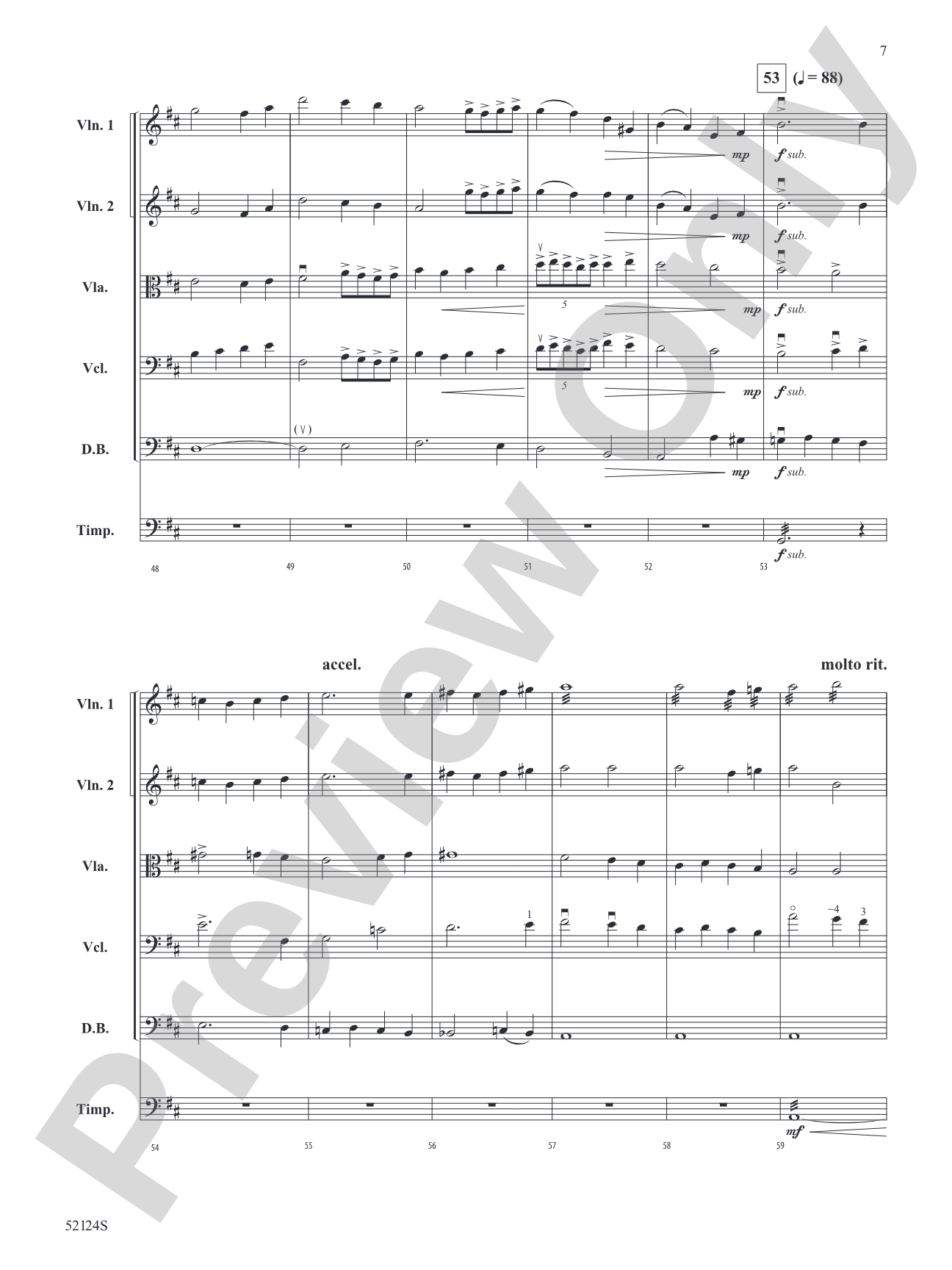
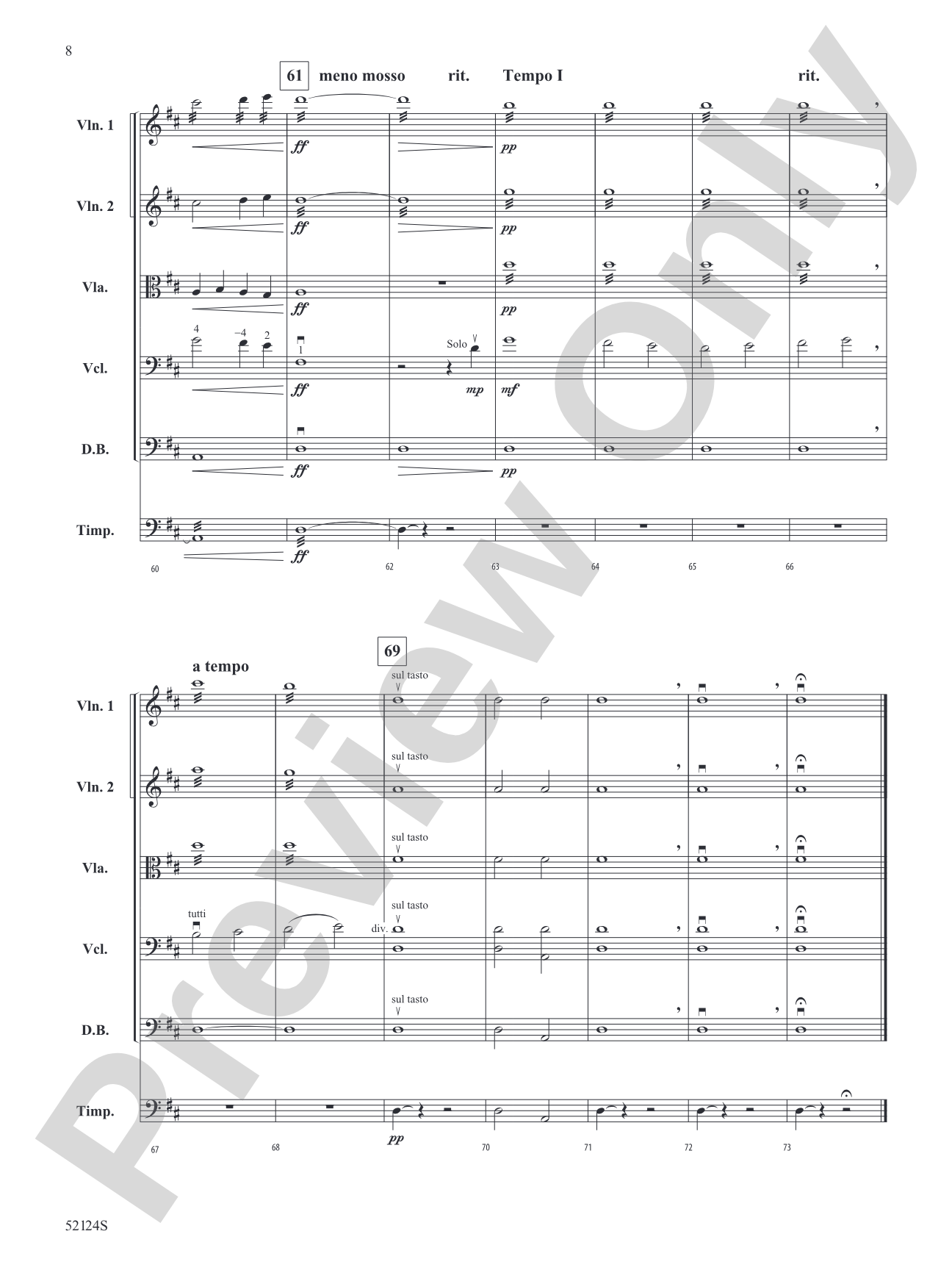

Finale From Symphony No. 3: Score
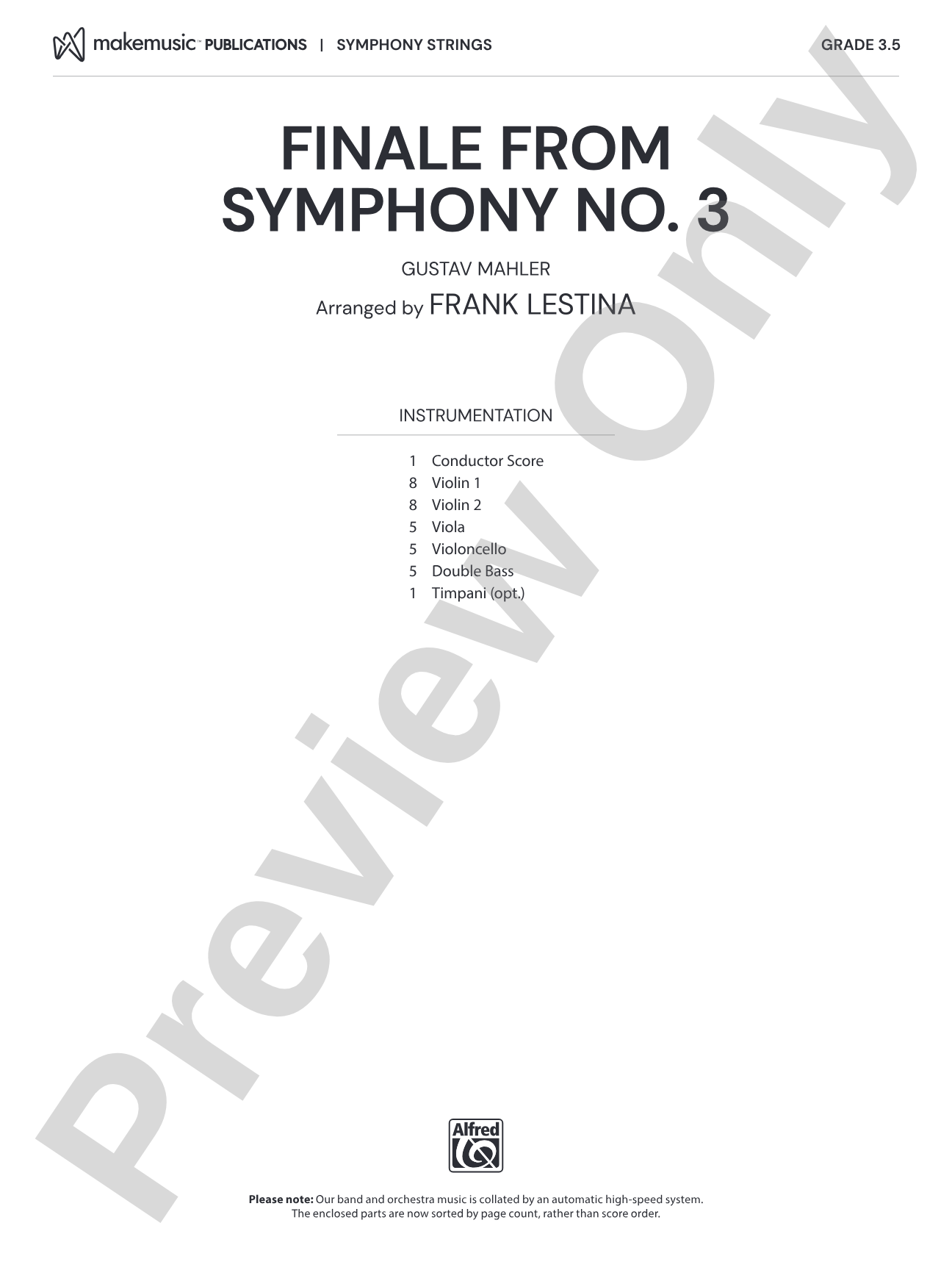
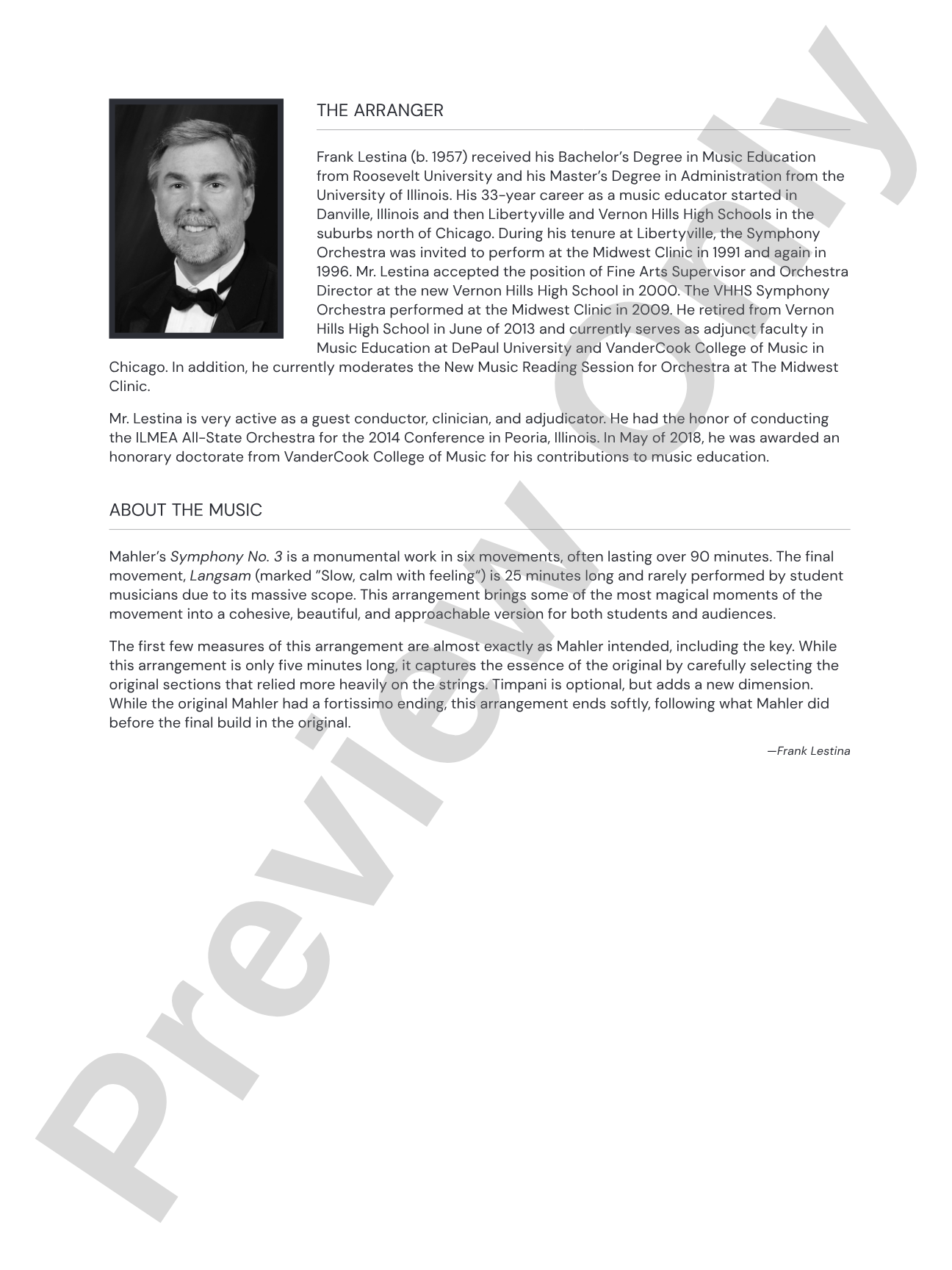
By Gustav Mahler / arr. Frank Lestina
Grade: 3.5
Item: 00-PR-0008071
$12.00
Pickup currently not available
Description
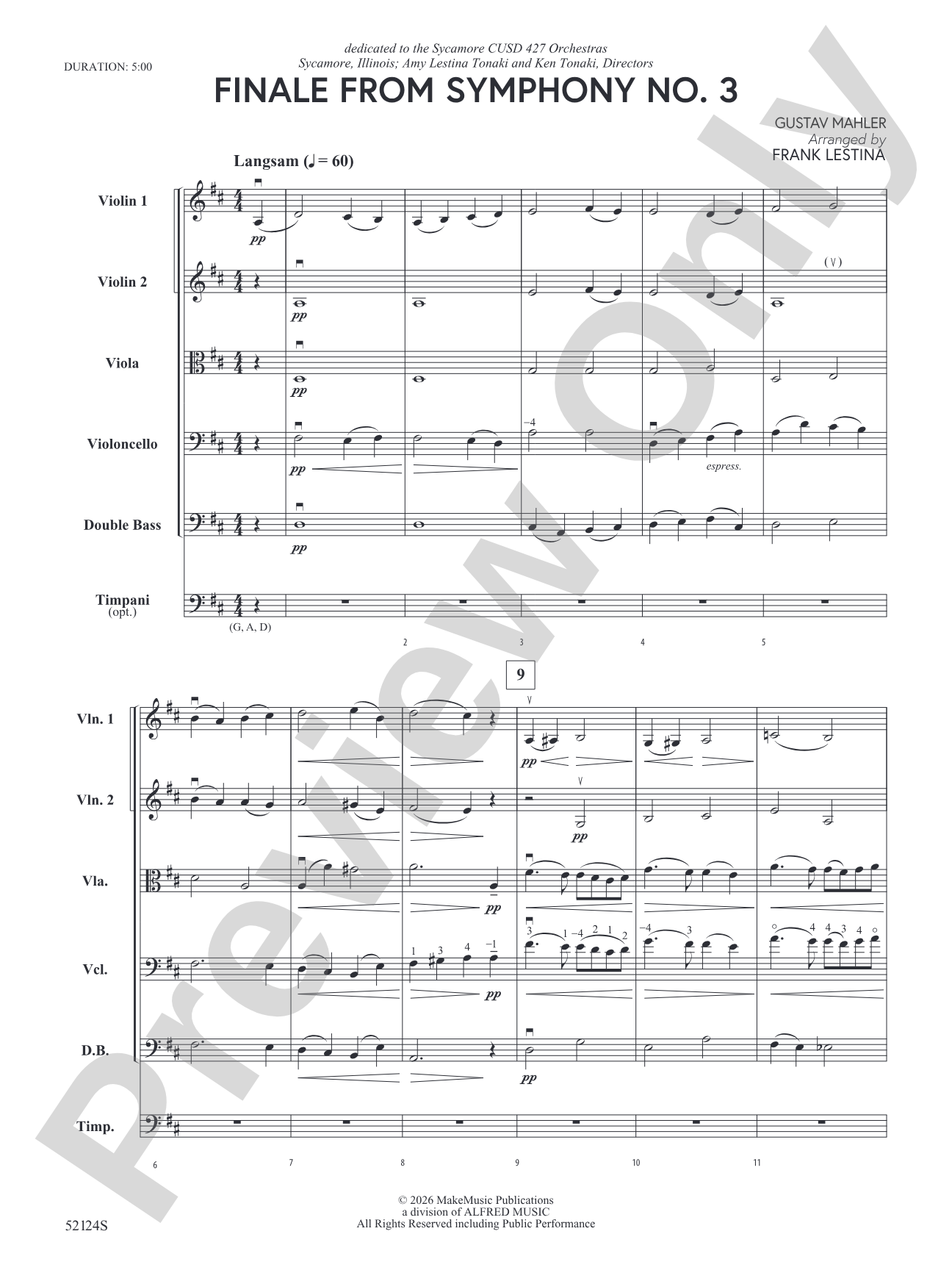
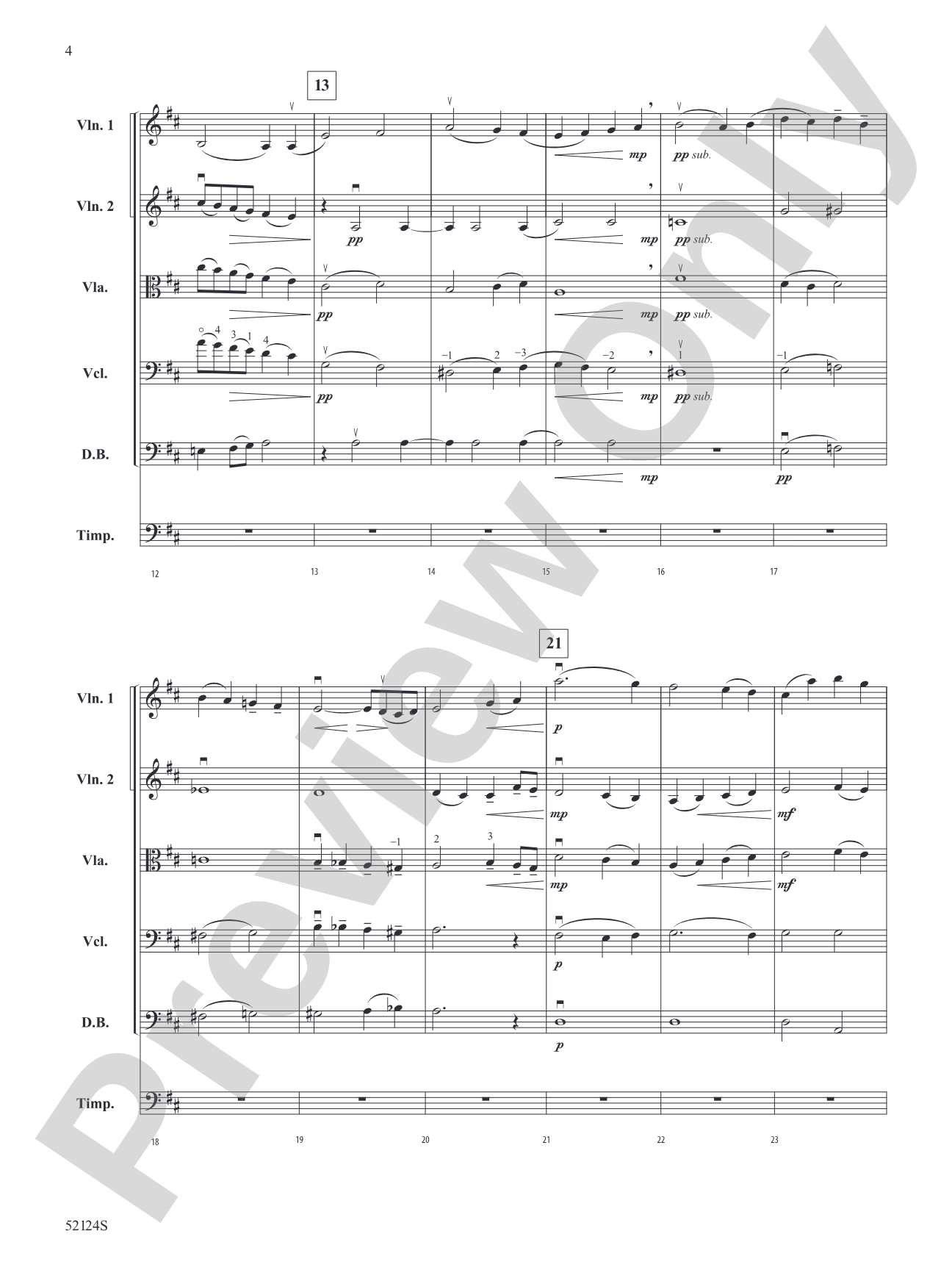
Experience the masterful Finale to Mahler's Symphony No. 3 in a new light! This incredible arrangement by Frank Lestina is quite faithful to the original, capturing the essence of the movement by focusing on the string-heavy sections from the original while also including an optional timpani part. Simply stunning. (5:00)


Don't just read it, hear it, play along with it, and watch your students grow with it. In MakeMusic Cloud, Finale From Symphony No. 3: Score comes alive with professional accompaniment, adjustable tempo, and built-in practice tools that turn solo practice into real progress.
Open in the Player
Jump straight in and assign it today.
Start Your Free Trial
Open this title and explore the full library in minutes.
Sample Audio
1
Audio File
--:--
0:00
0:00
Sample Video
Additional Details
Series:
MakeMusic Symphony Strings
Publisher:
MakeMusic Publications
SKU:
00-PR-0008071
More about this title
About the Composer: Gustav Mahler
Gustav Mahler (1860-1911) stands as one of the most influential symphonists of the late Romantic era. His ten symphonies represent a synthesis of German symphonic tradition, folk melody, and deeply personal emotional expression, each work pushing the boundaries of orchestral color and structural ambition. Mahler's music demands both technical precision and profound interpretive commitment from performers, making his works essential repertoire for advancing musicians.
Why we love this
This arrangement distills one of Mahler's most exuberant finales into an idiomatically string-focused version that remains true to the original's architectural sweep. For string orchestras at the intermediate-advanced level, it offers access to genuine symphonic substance without the logistical demands of a full orchestra, making it an exceptional festival choice that sounds far more complex than its Grade 3.5 rating might suggest.
What to expect
The Finale radiates Mahler's characteristic blend of folk simplicity and symphonic grandeur. This version captures that essential character through swelling string textures, soaring melodies, and moments of genuine exuberance that feel both intimate and monumental.
Who it's for
This conductor score and parts package serves string orchestras at the upper-intermediate level (Grade 3.5) seeking repertoire with serious artistic substance. It suits ensembles preparing for festivals or concerts where you want to program something substantial without requiring full orchestral resources.
How to get the most out of it
- Emphasize the singing quality of the string lines; Mahler's melodies demand operatic warmth even at brisk tempos, so coach vibrato control and phrase direction rather than mere rhythmic precision.
- Balance the optional timpani part carefully if you include it. The drums should punctuate structural moments without overshadowing the string texture that defines this arrangement.
- Pay particular attention to dynamic contrast across the movement's climactic passages. Mahler constructs meaning through orchestral weight, so ensure your crescendos build gradually and your softer sections maintain transparency.
How to use it
Use this as a standalone concert centerpiece or as part of a Mahler-focused program exploring his symphonic writing across different ensemble configurations. At five minutes, it pairs well with shorter contemporary works or can anchor a string orchestra concert devoted to masterworks in chamber format.
Skills your students will build
- Reading exposed symphonic line writing at intermediate-advanced difficulty
- Balancing multiple independent string parts within a cohesive ensemble sound
- Interpreting Romantic-era rubato and dynamic shaping
- Responding to conductor gesture through substantial structural shifts
- Sustaining long legato phrases with consistent tone quality and intonation