
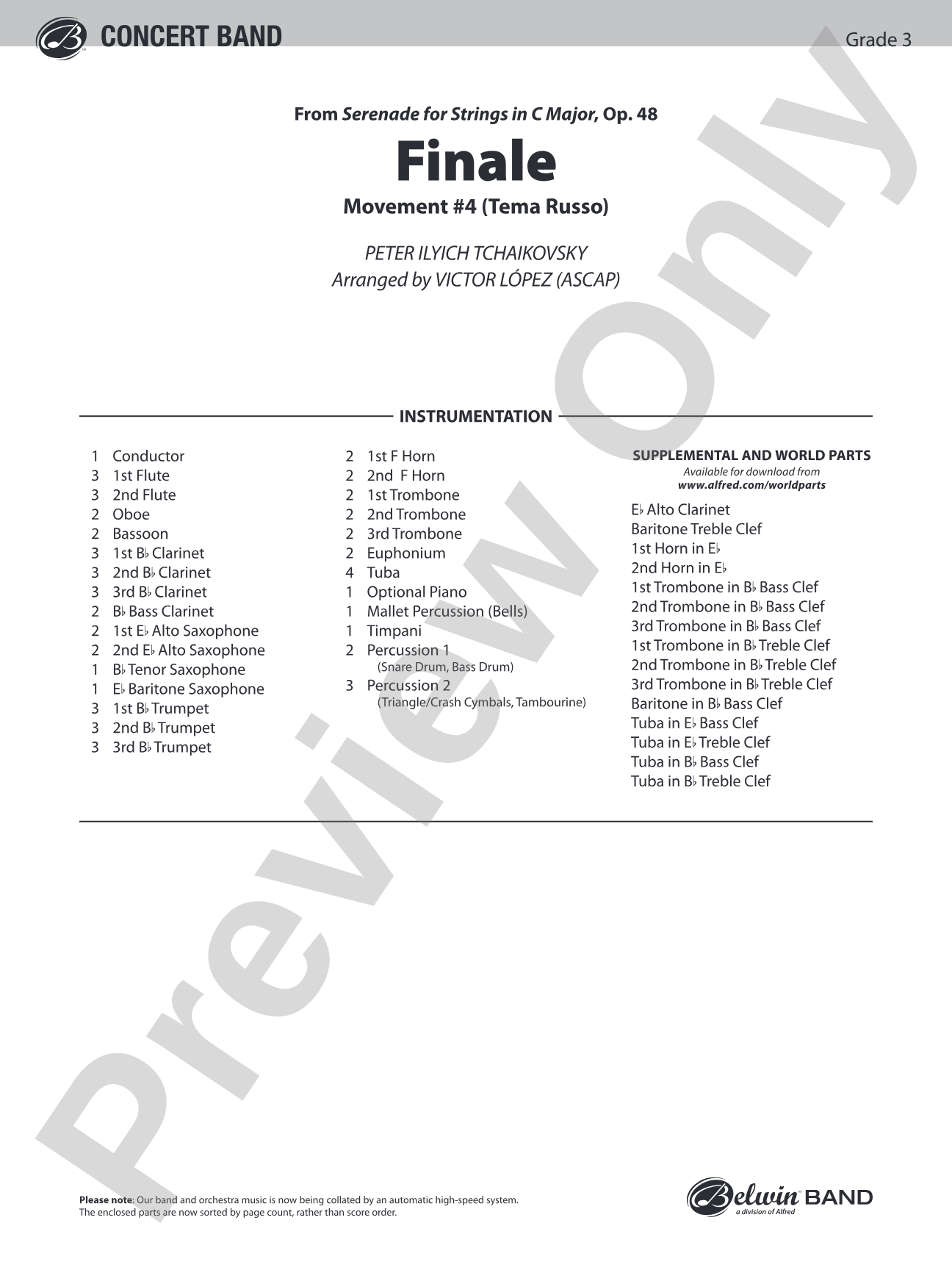
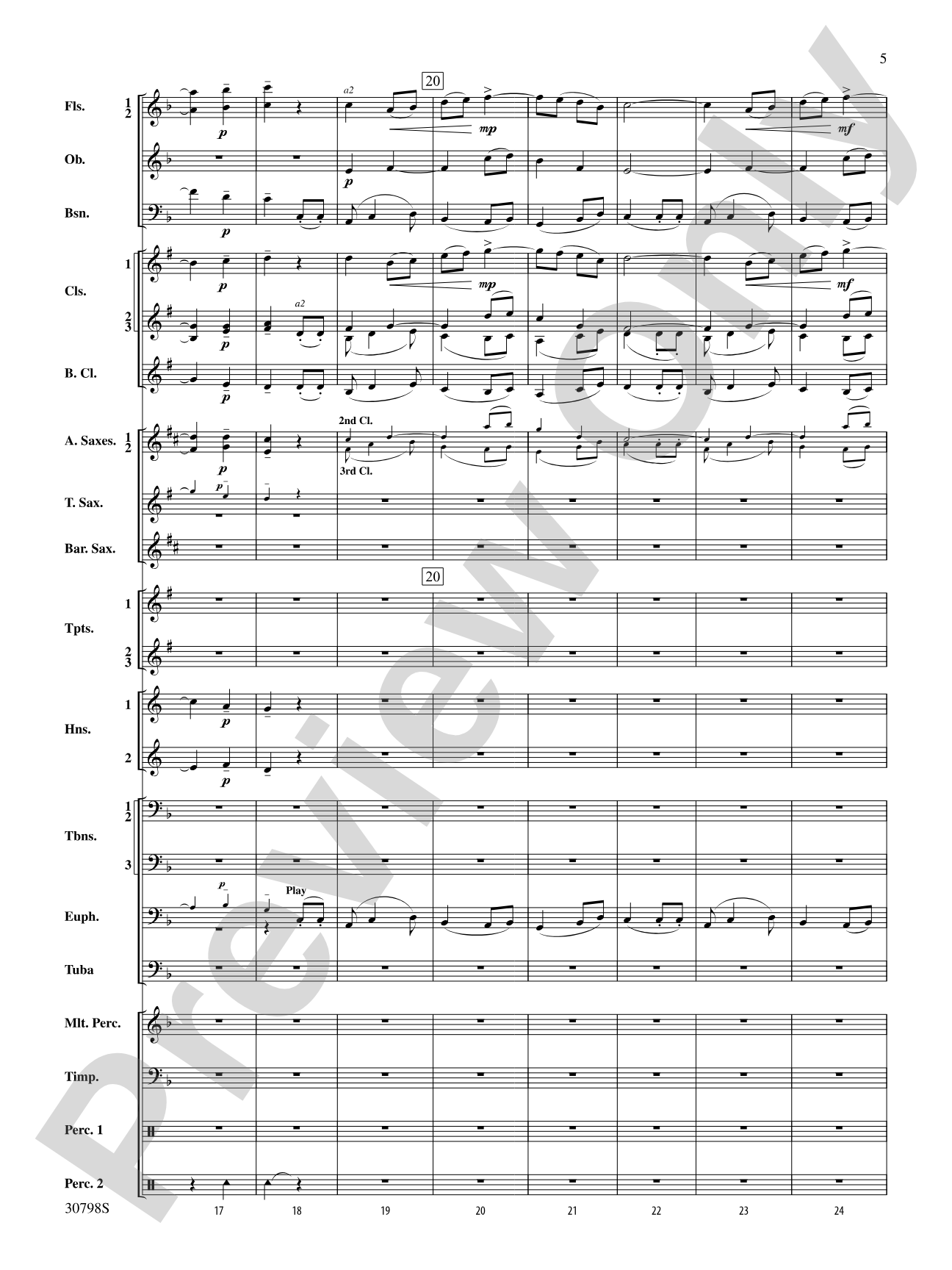
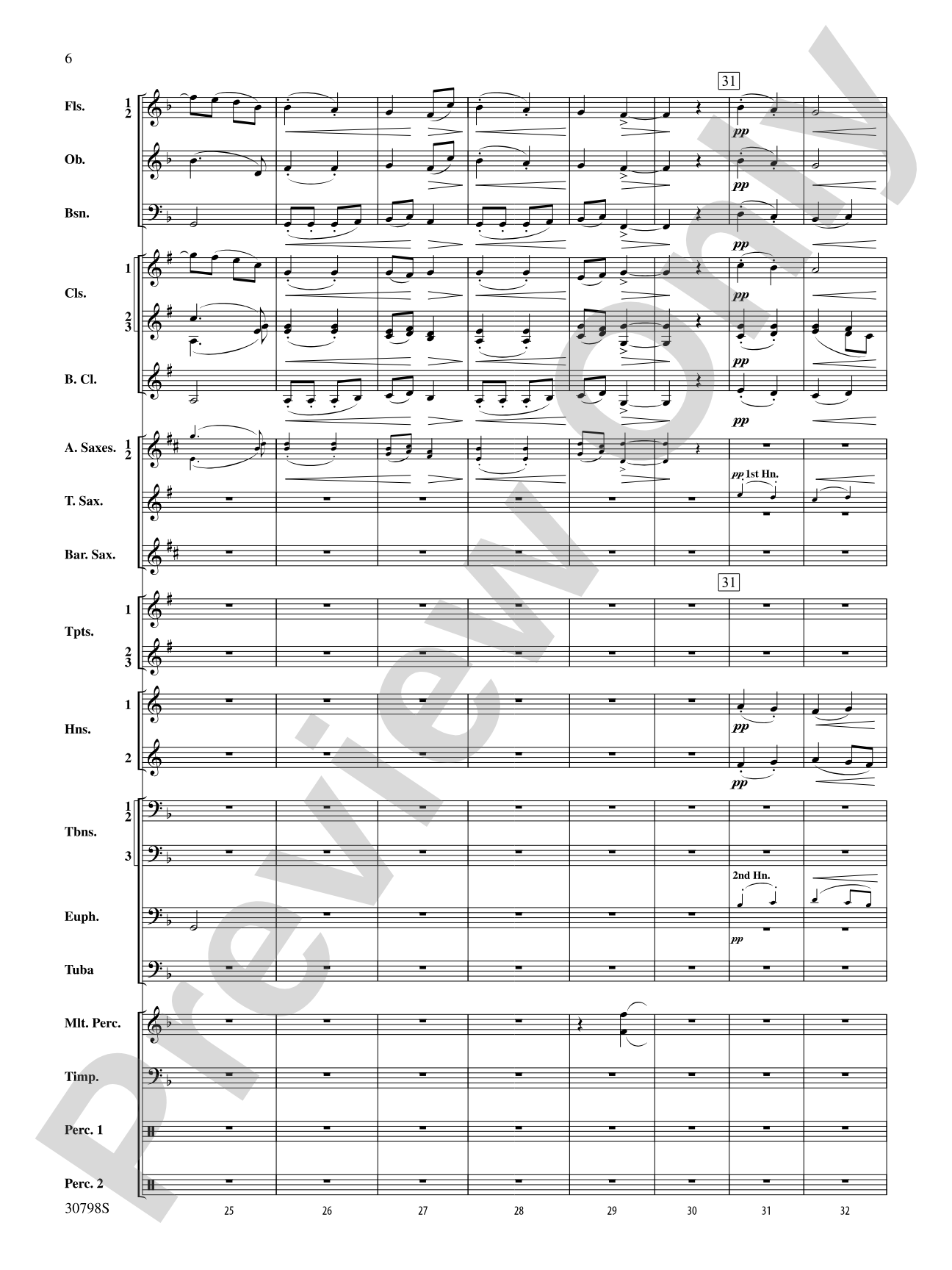
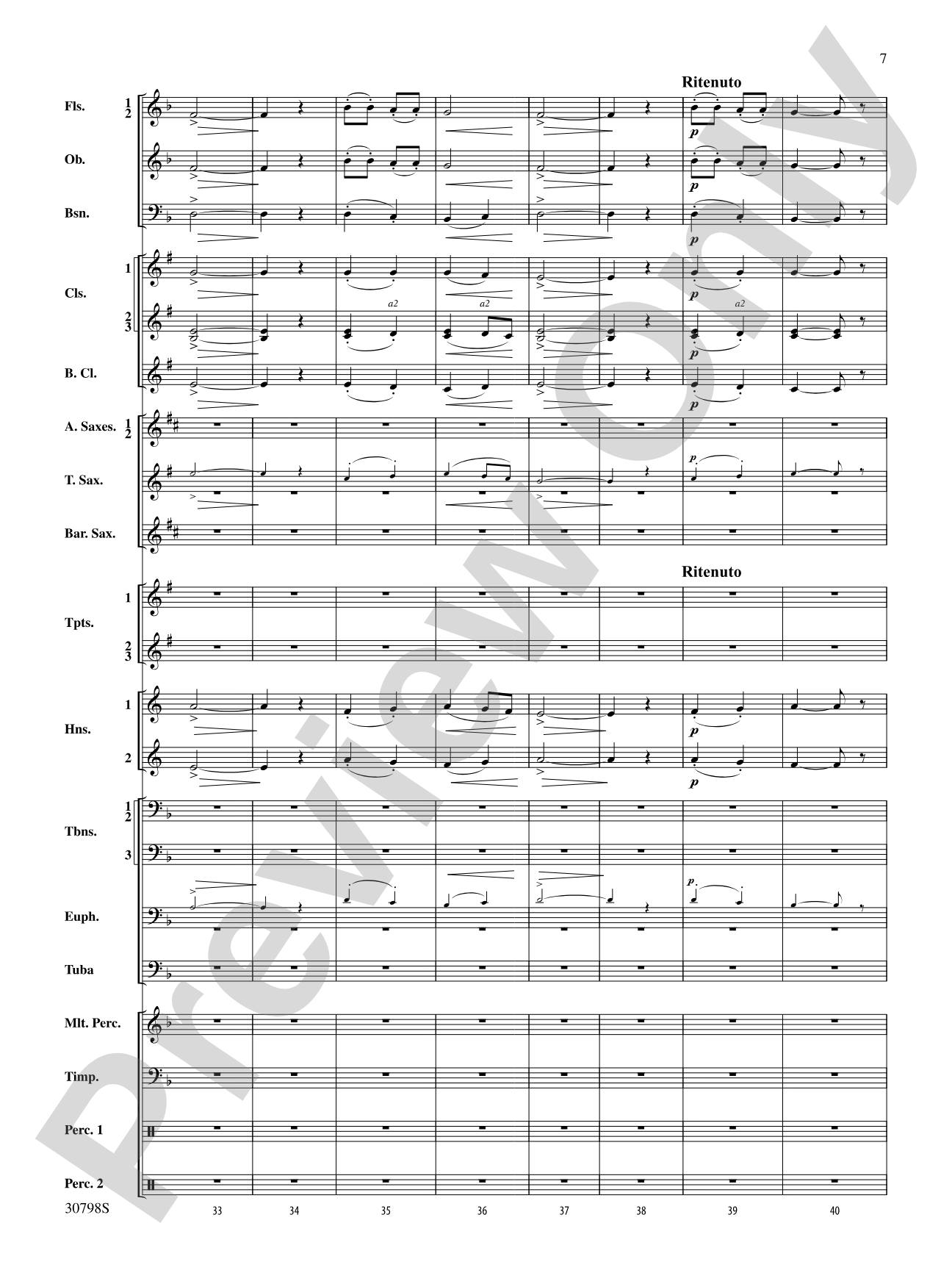
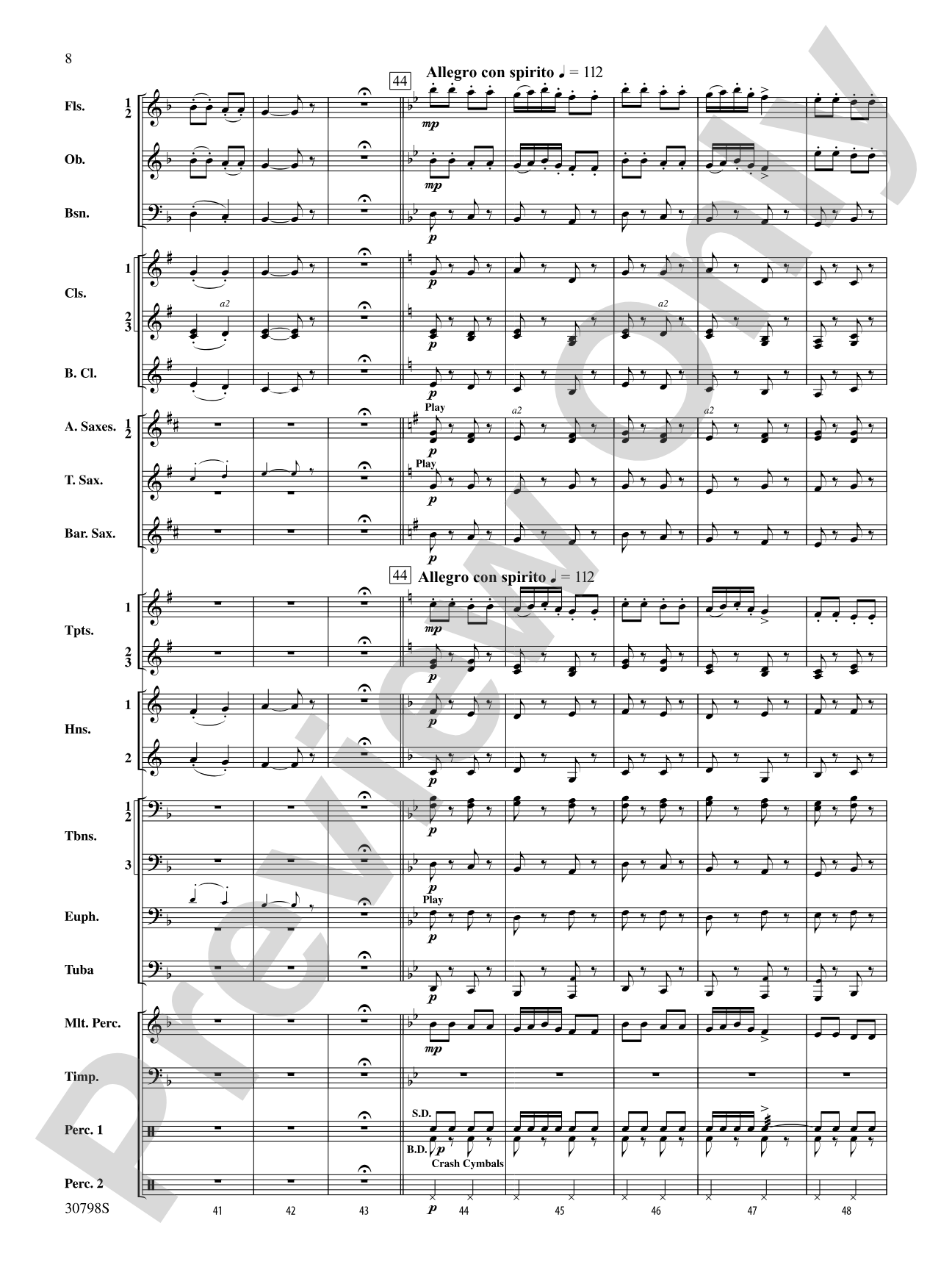
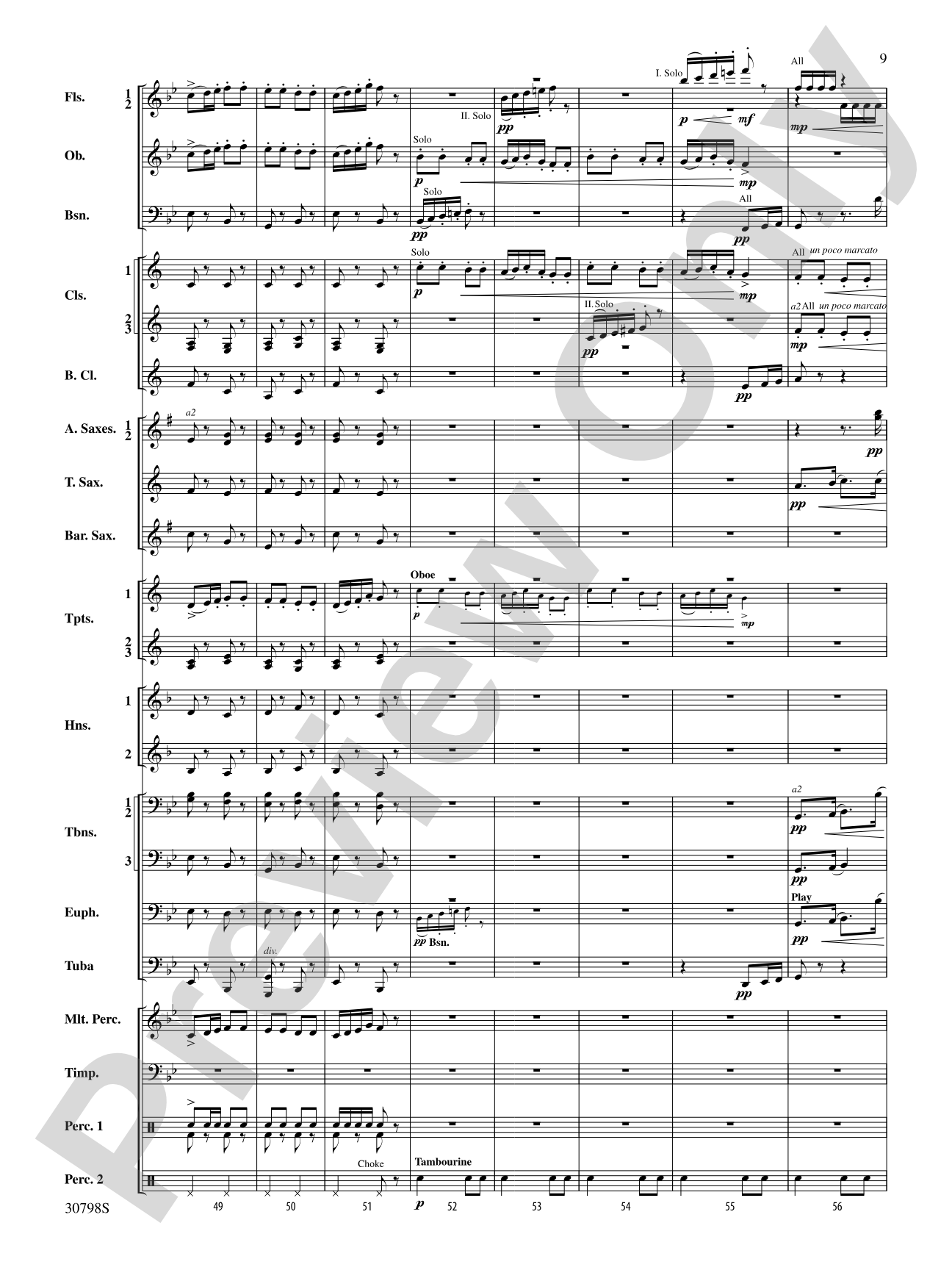
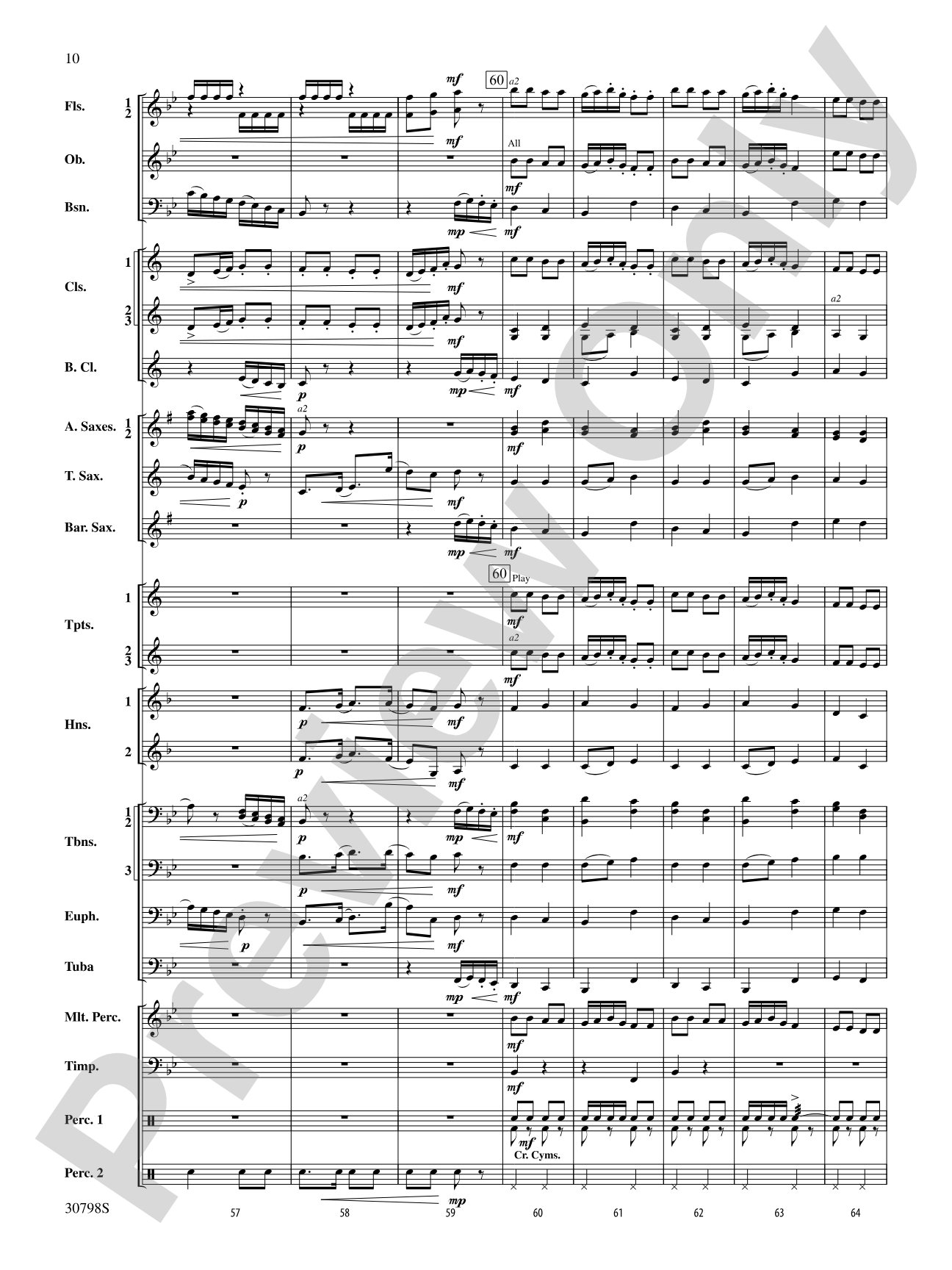
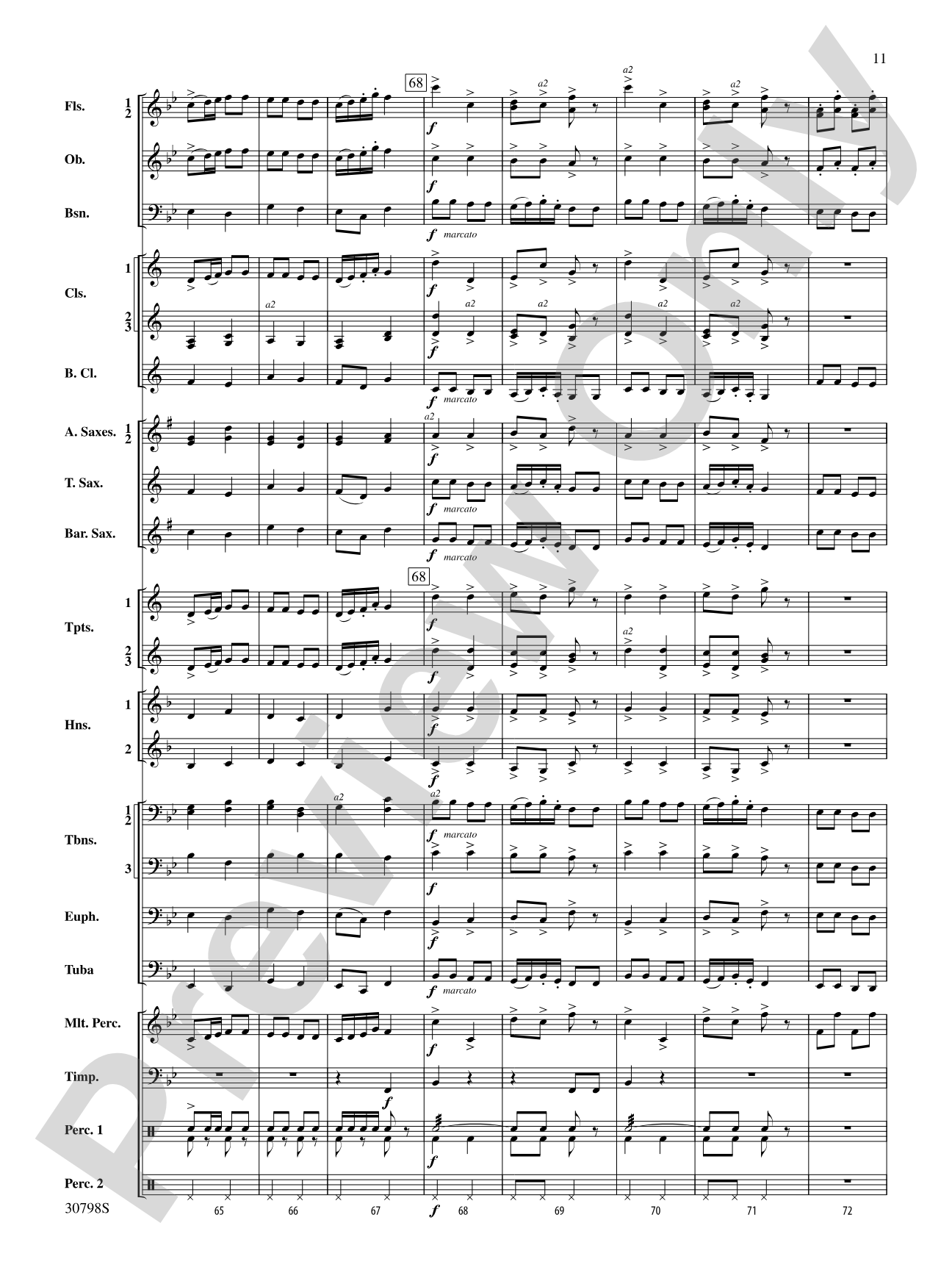
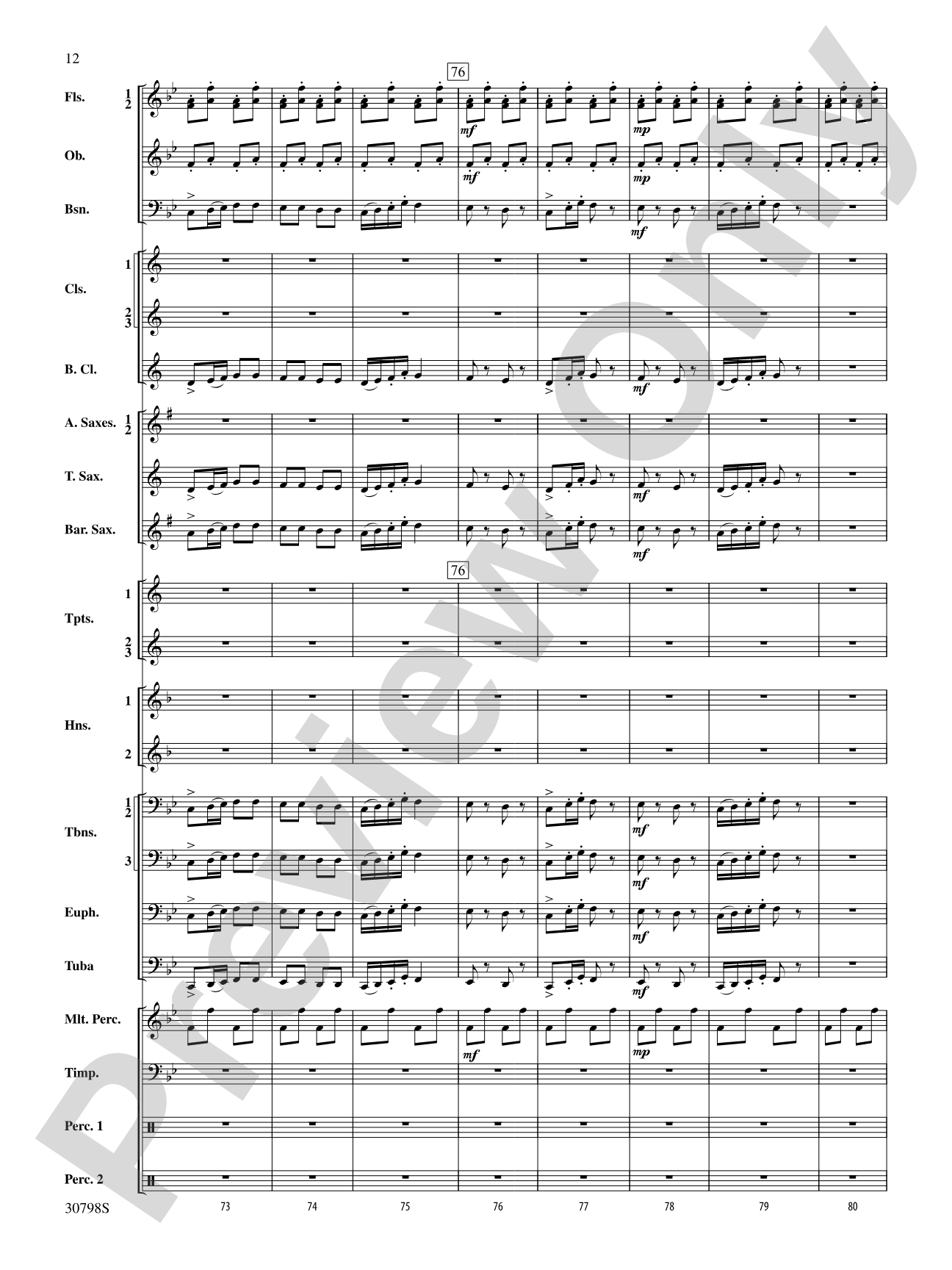
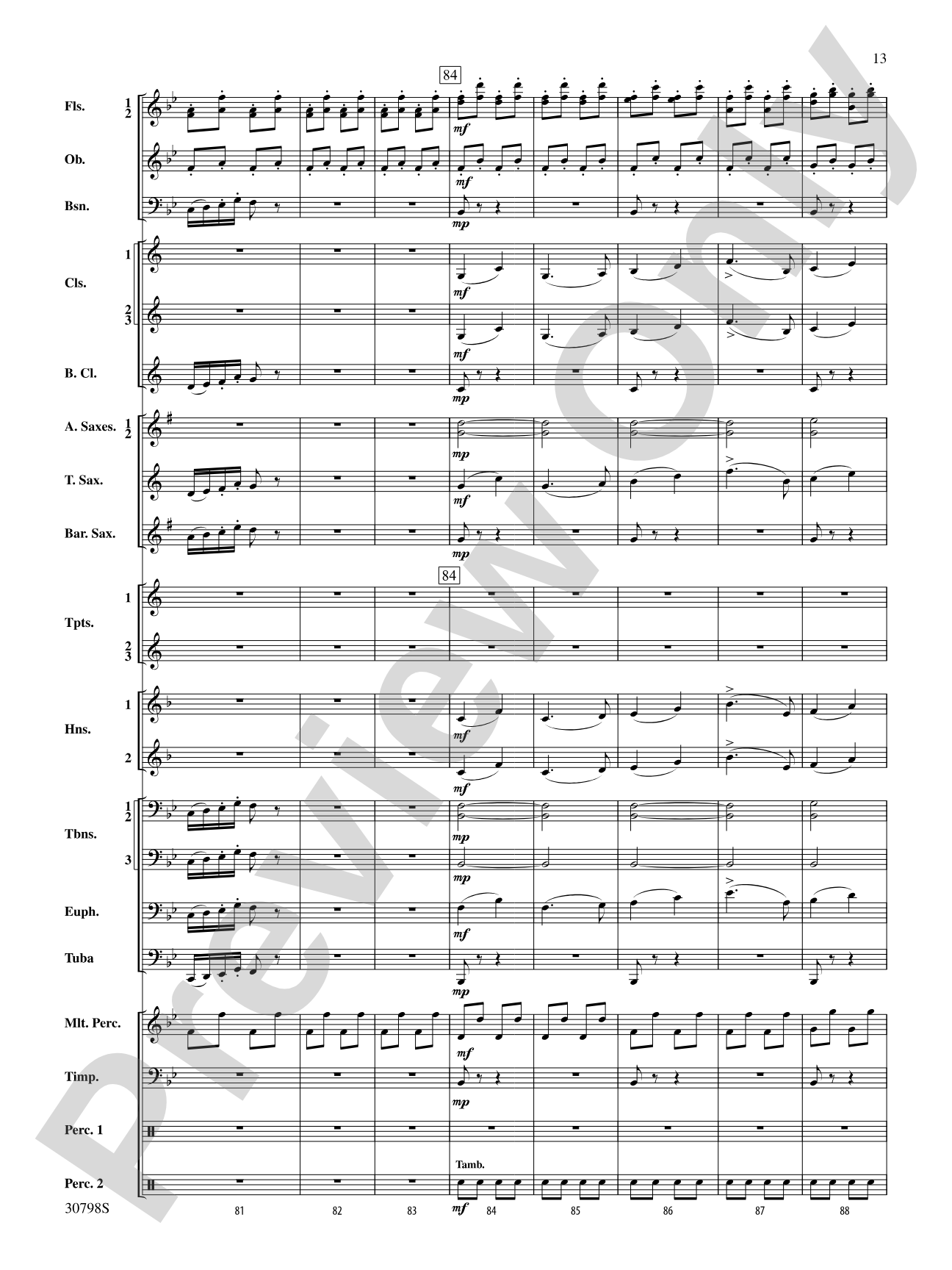
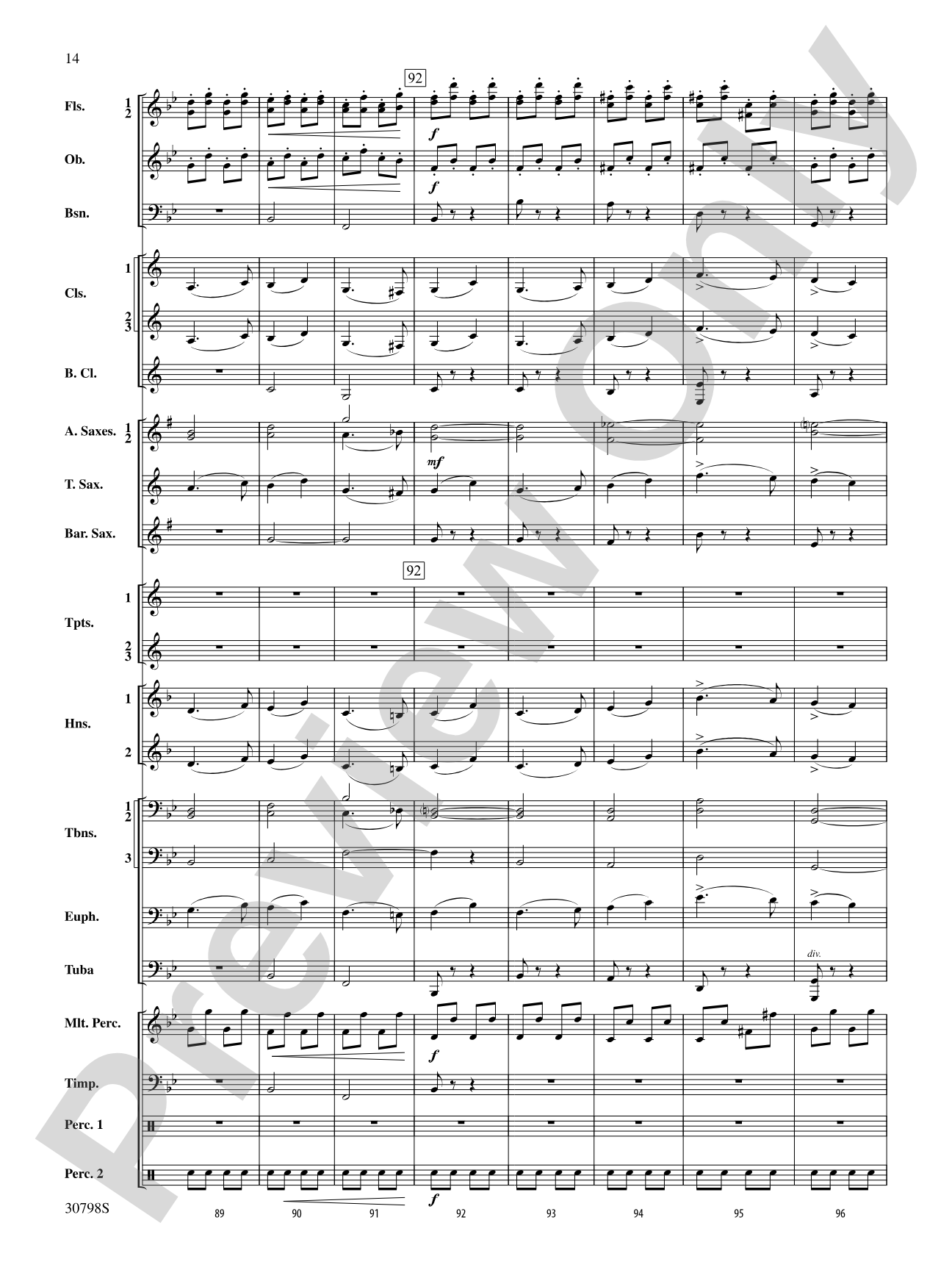
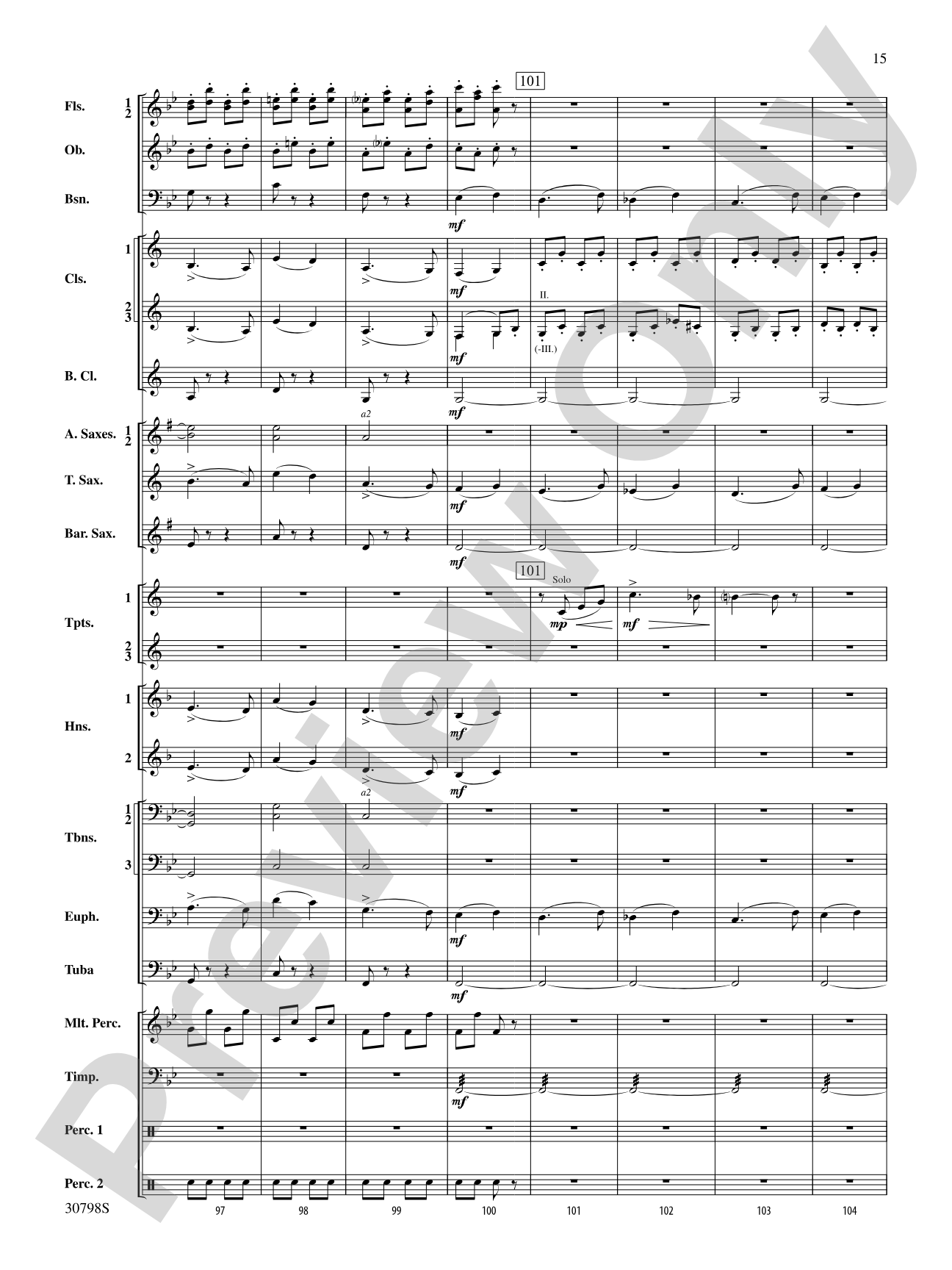
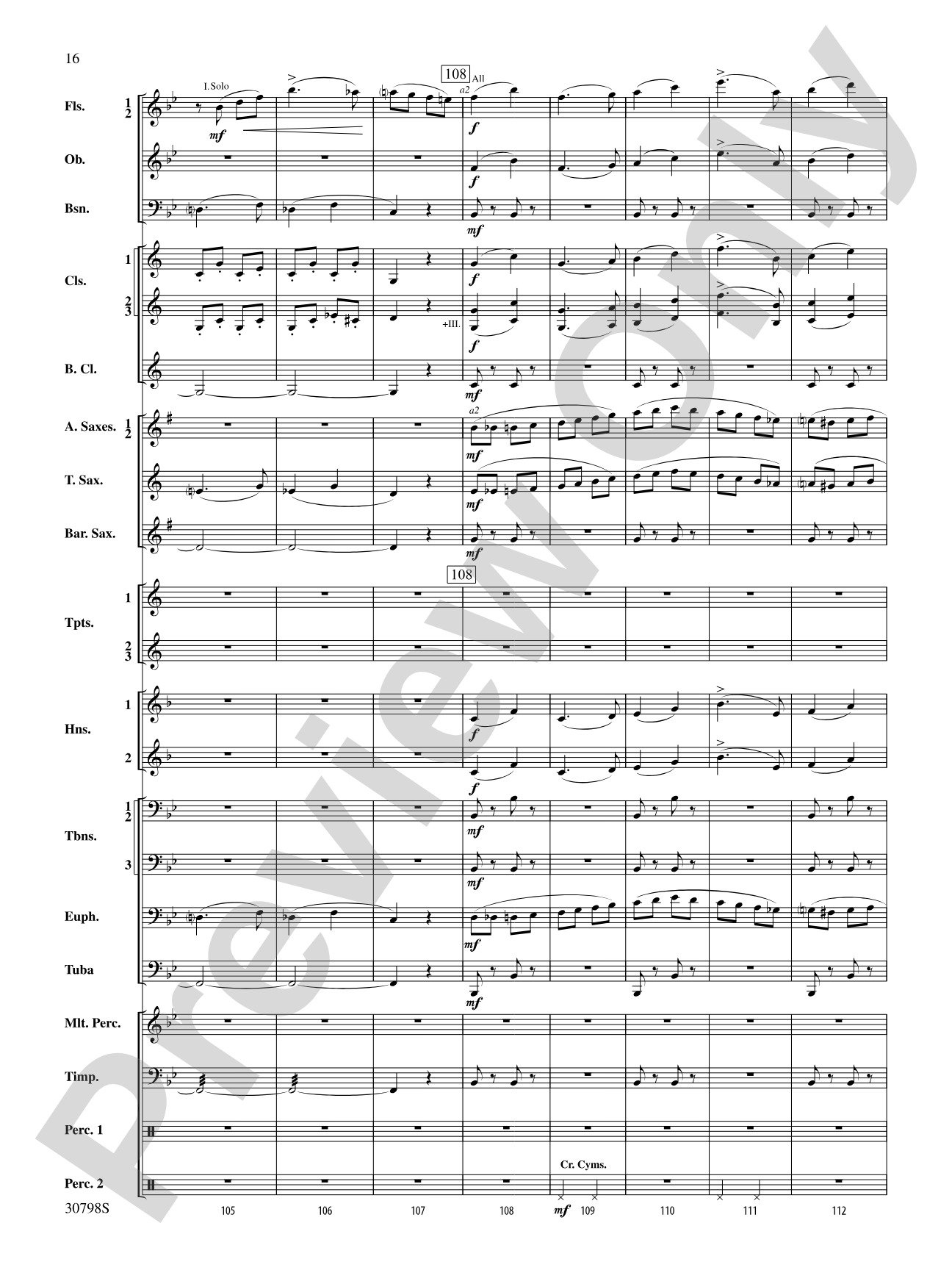
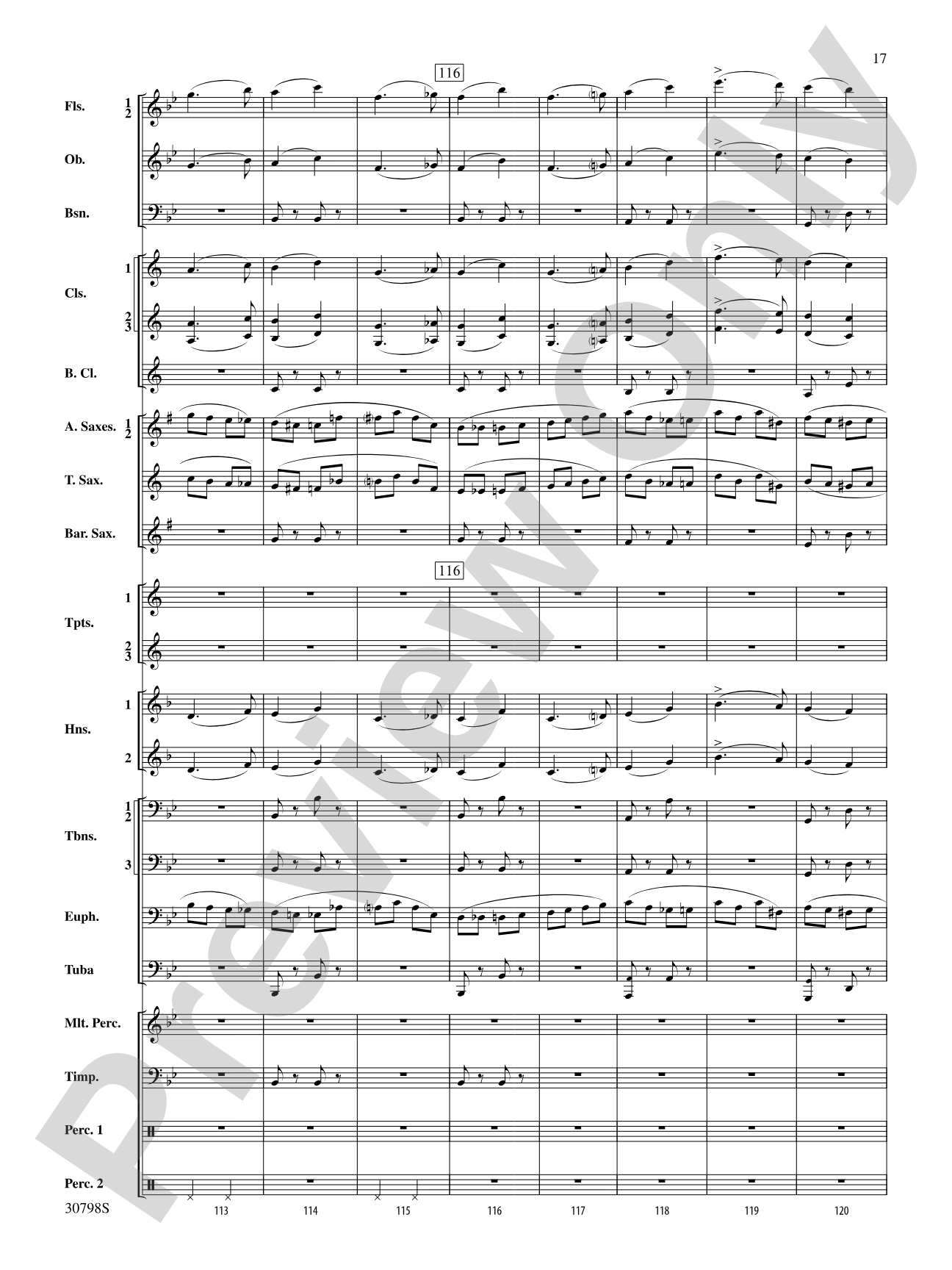
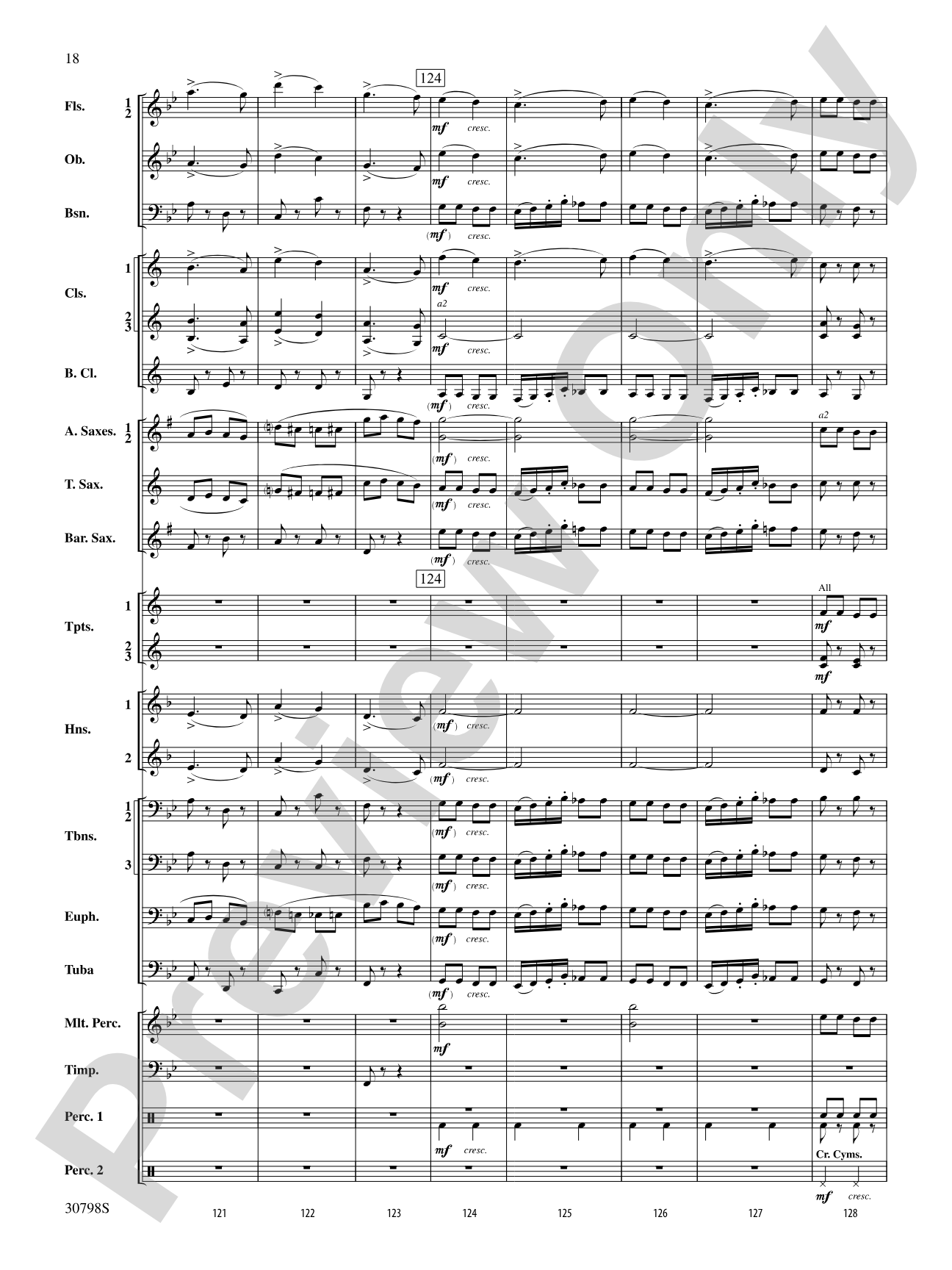
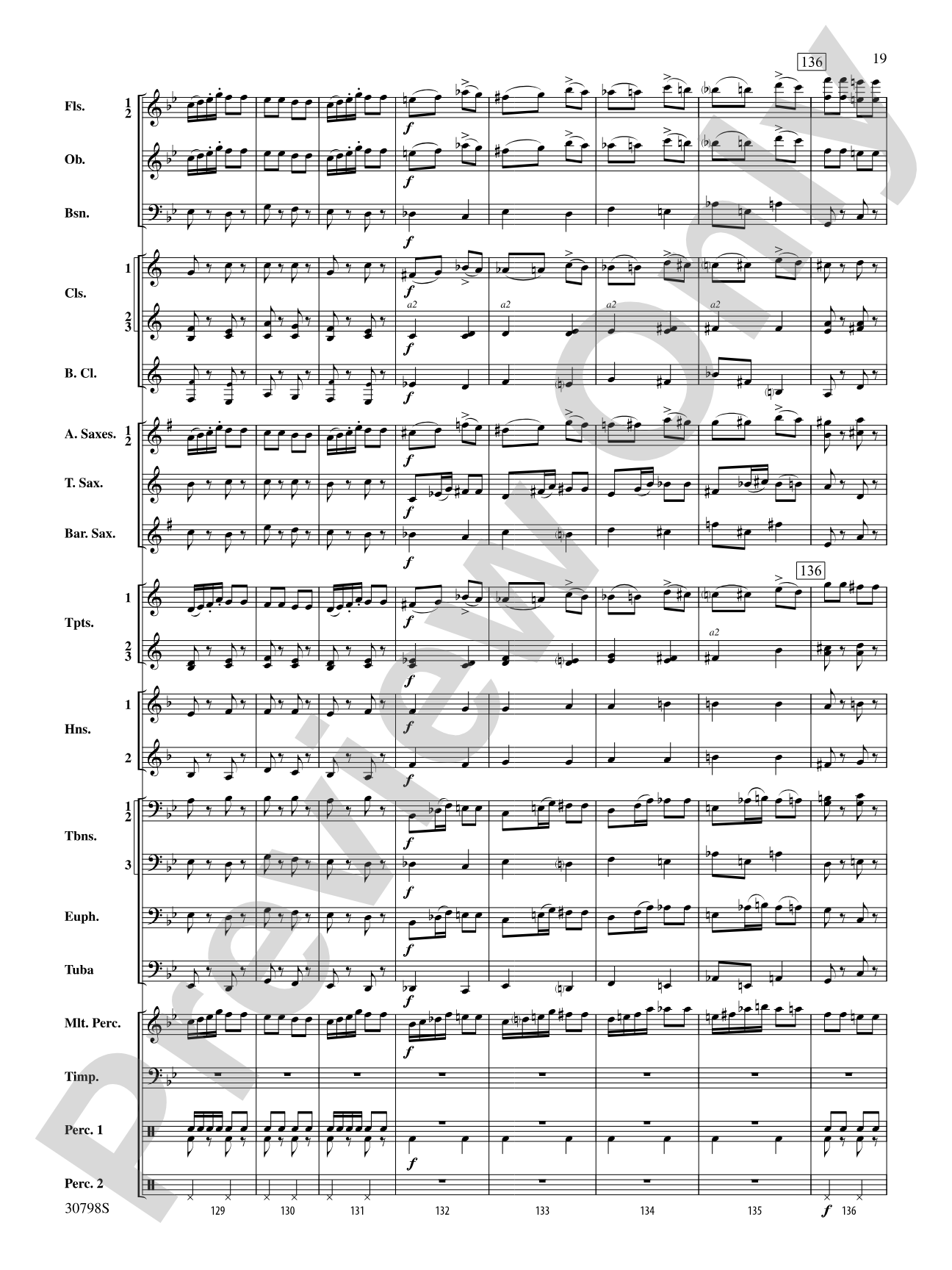
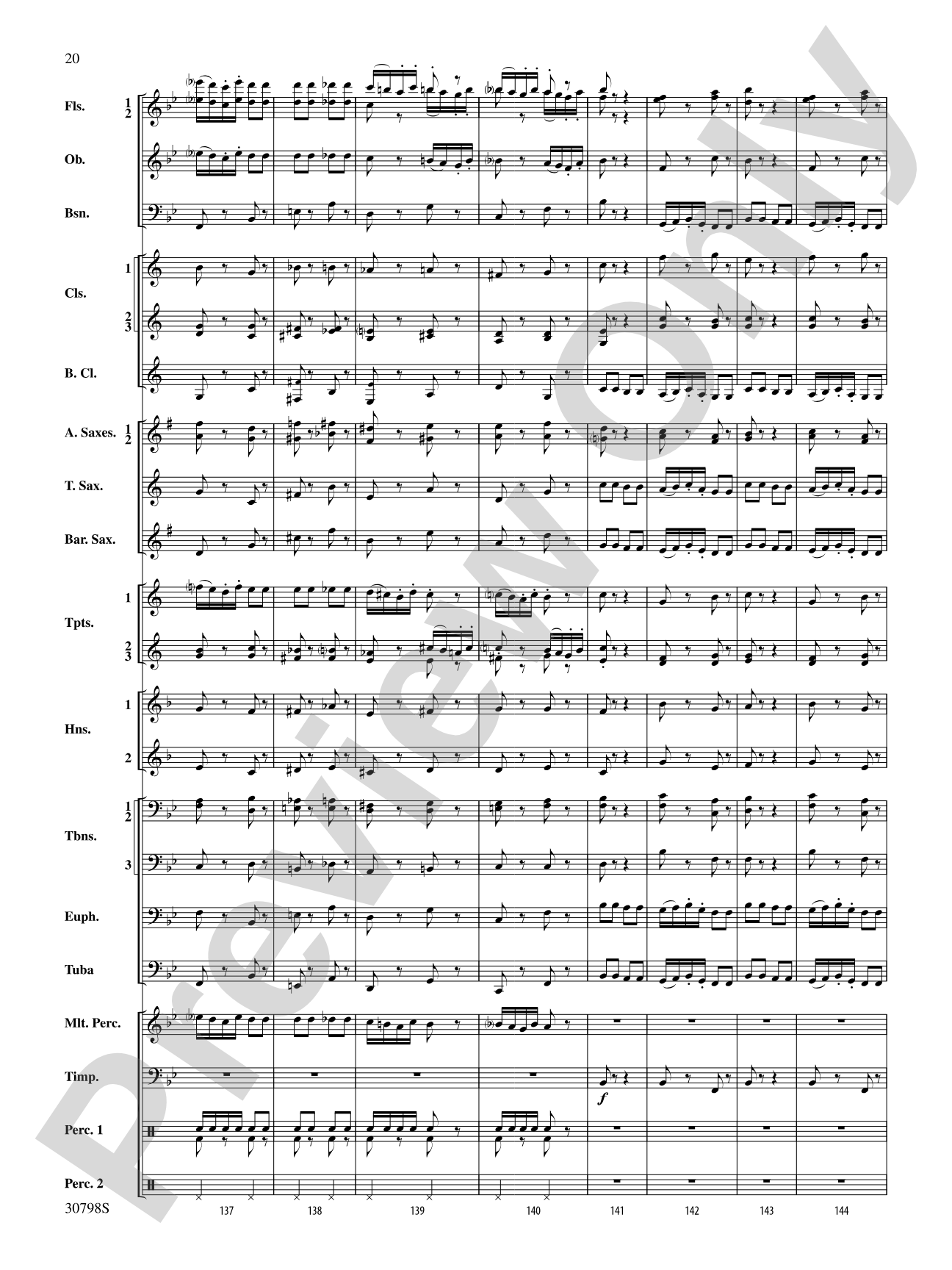
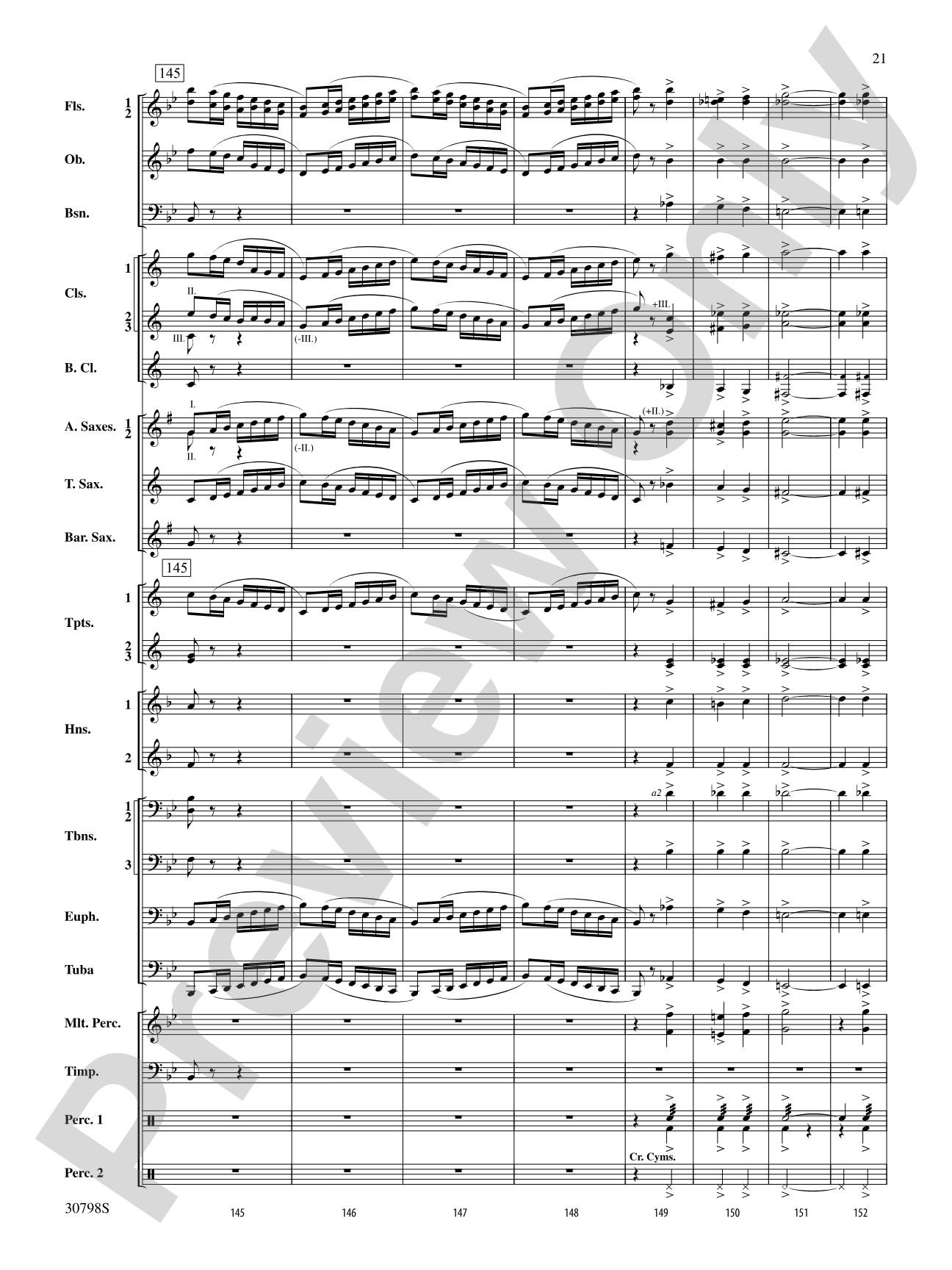
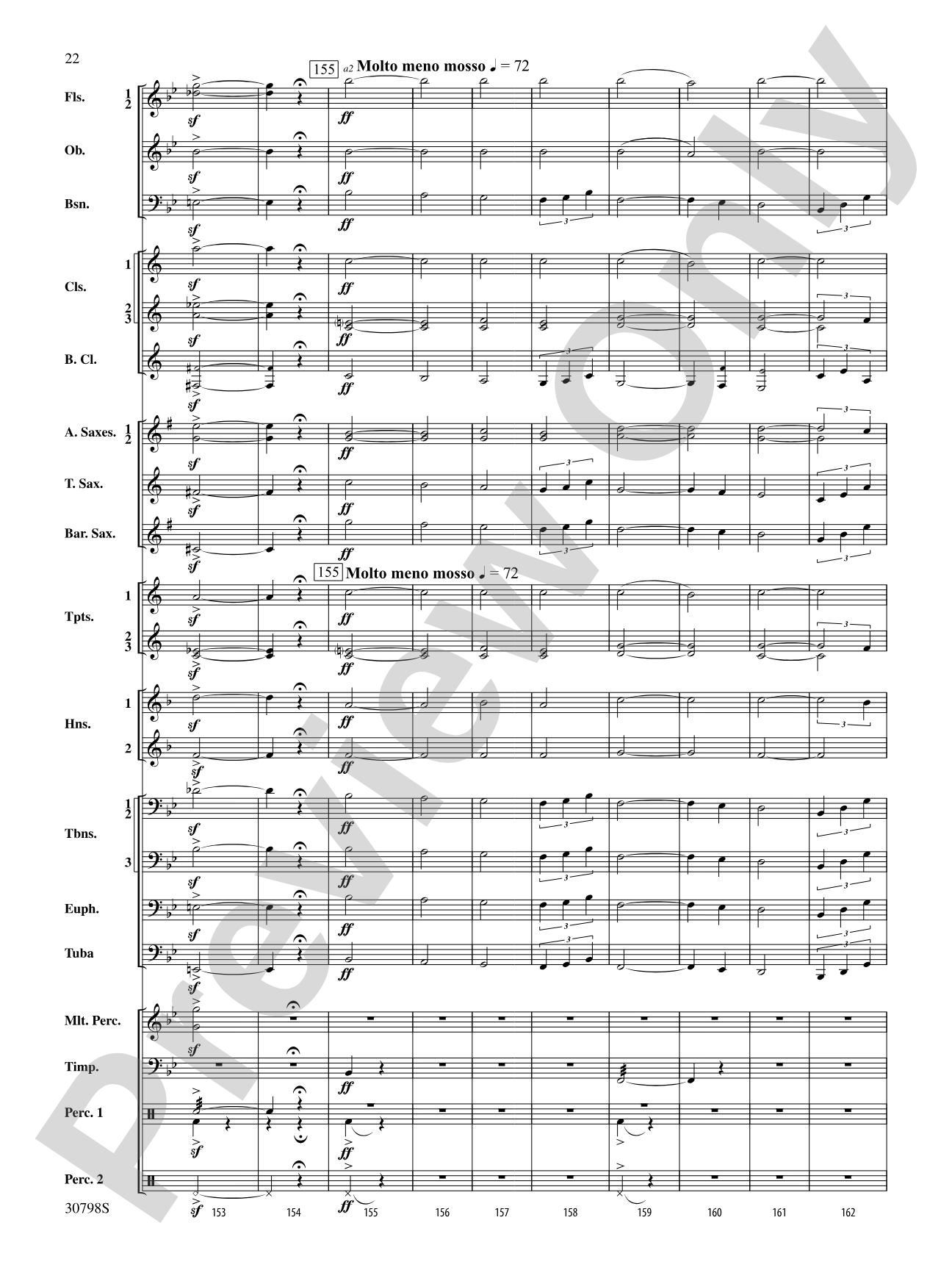
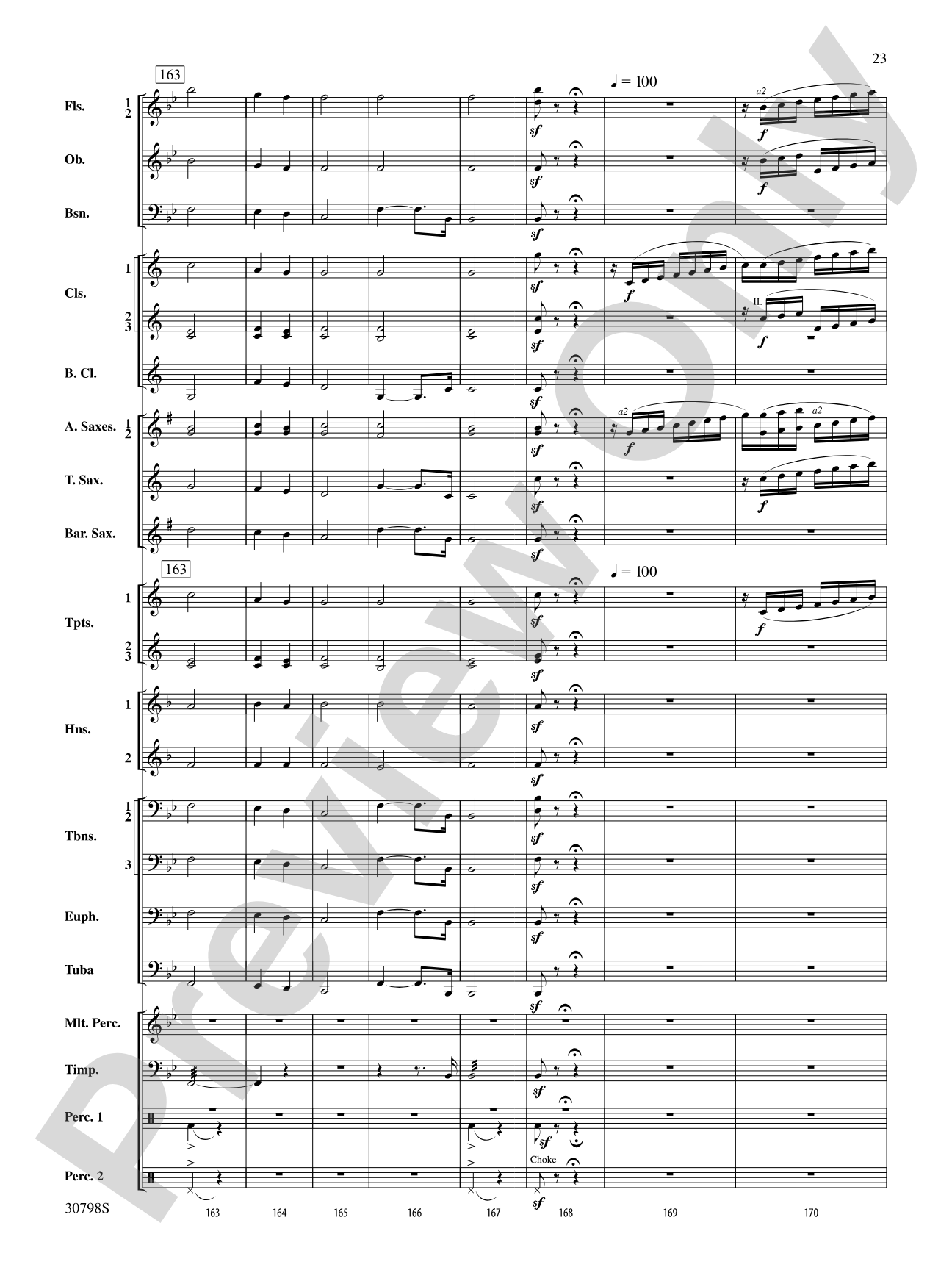
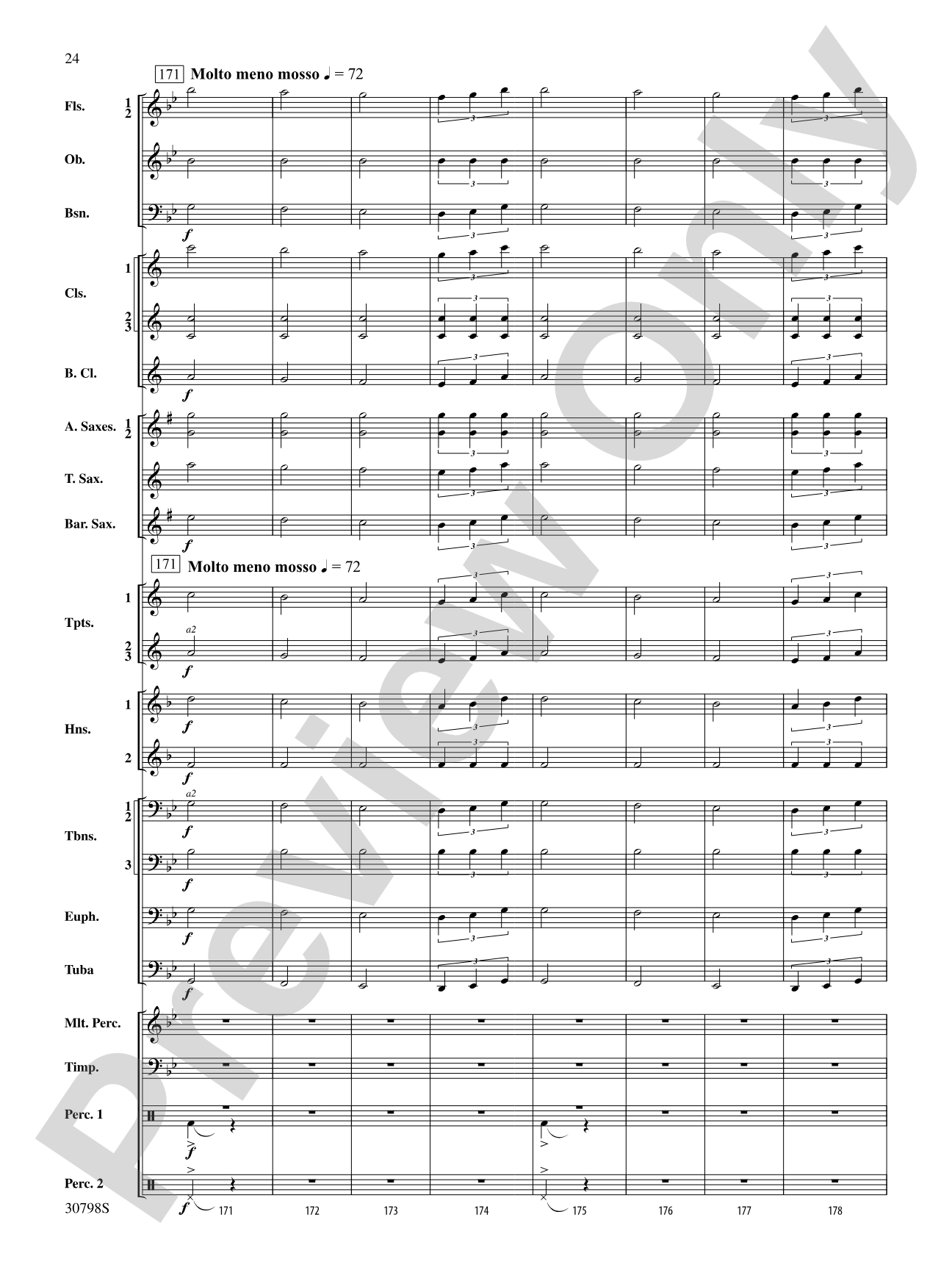
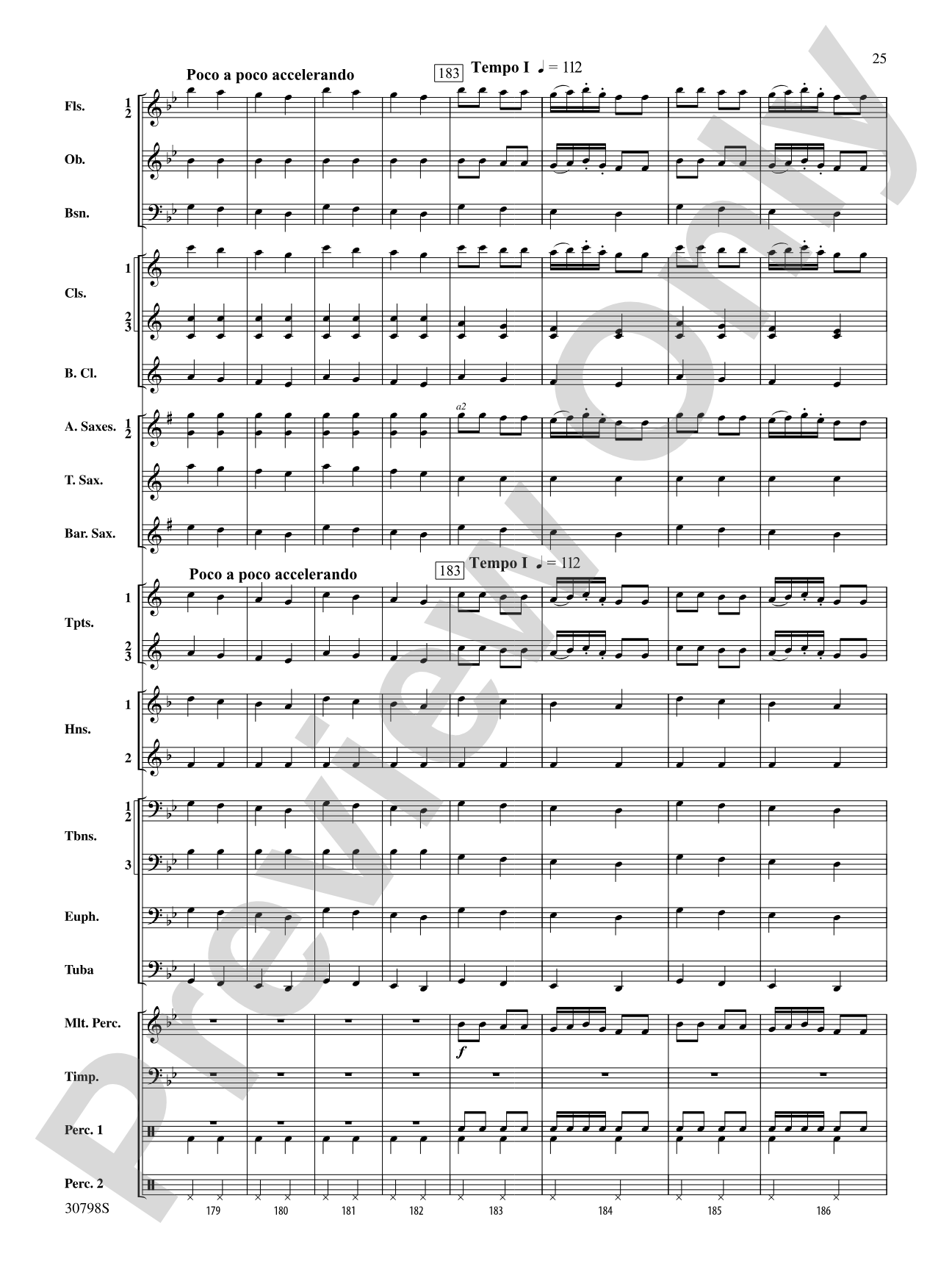
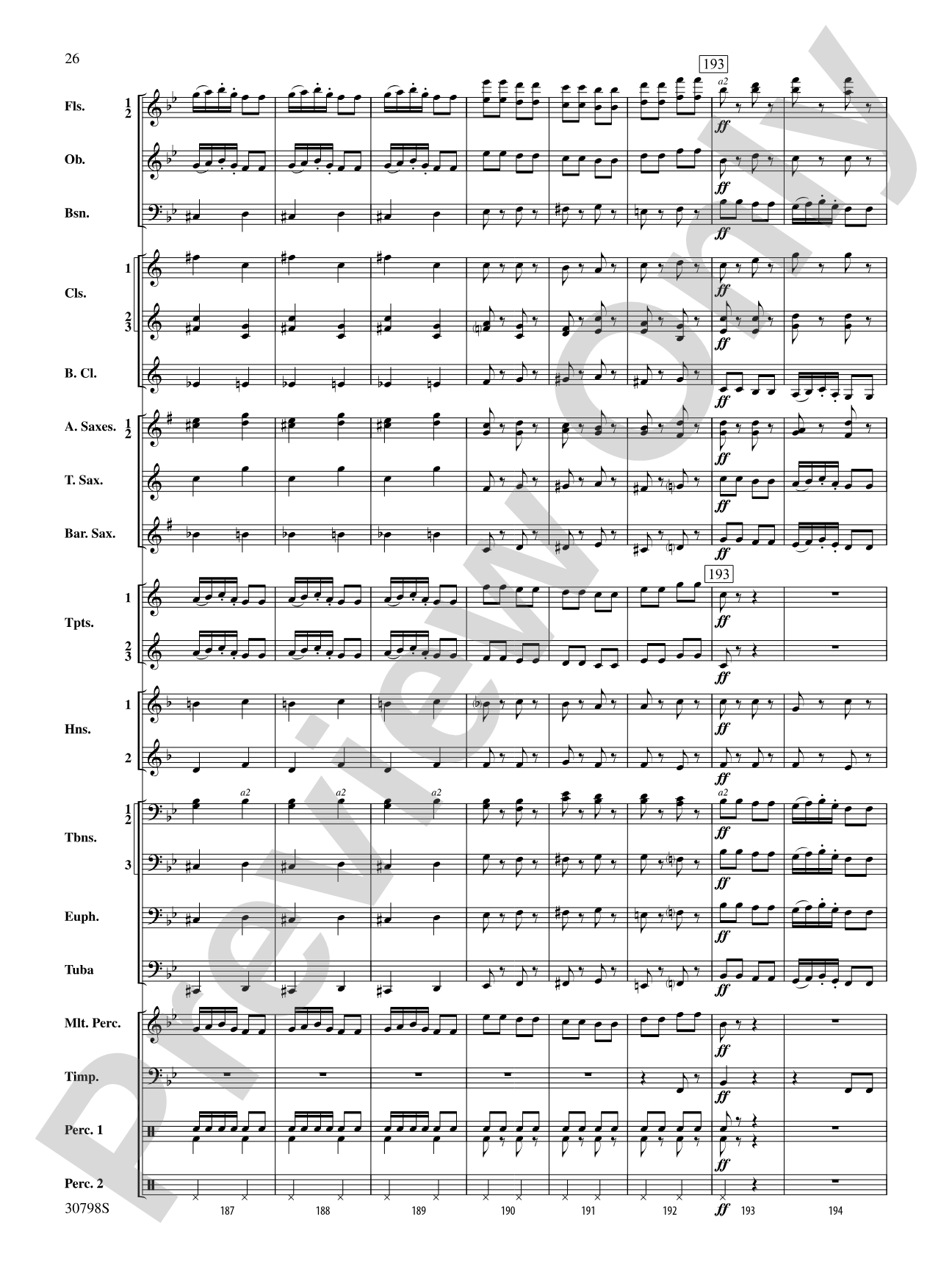
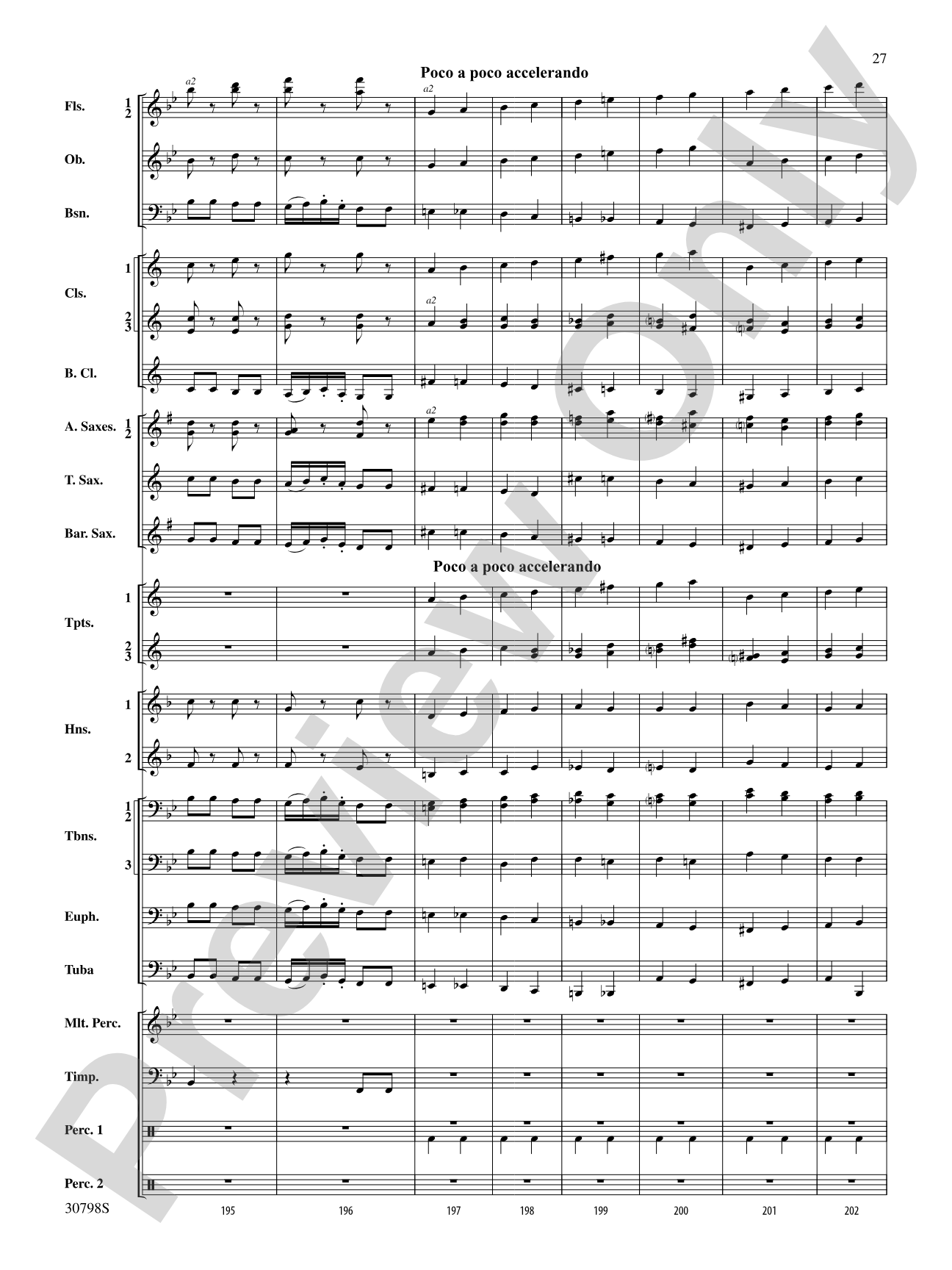
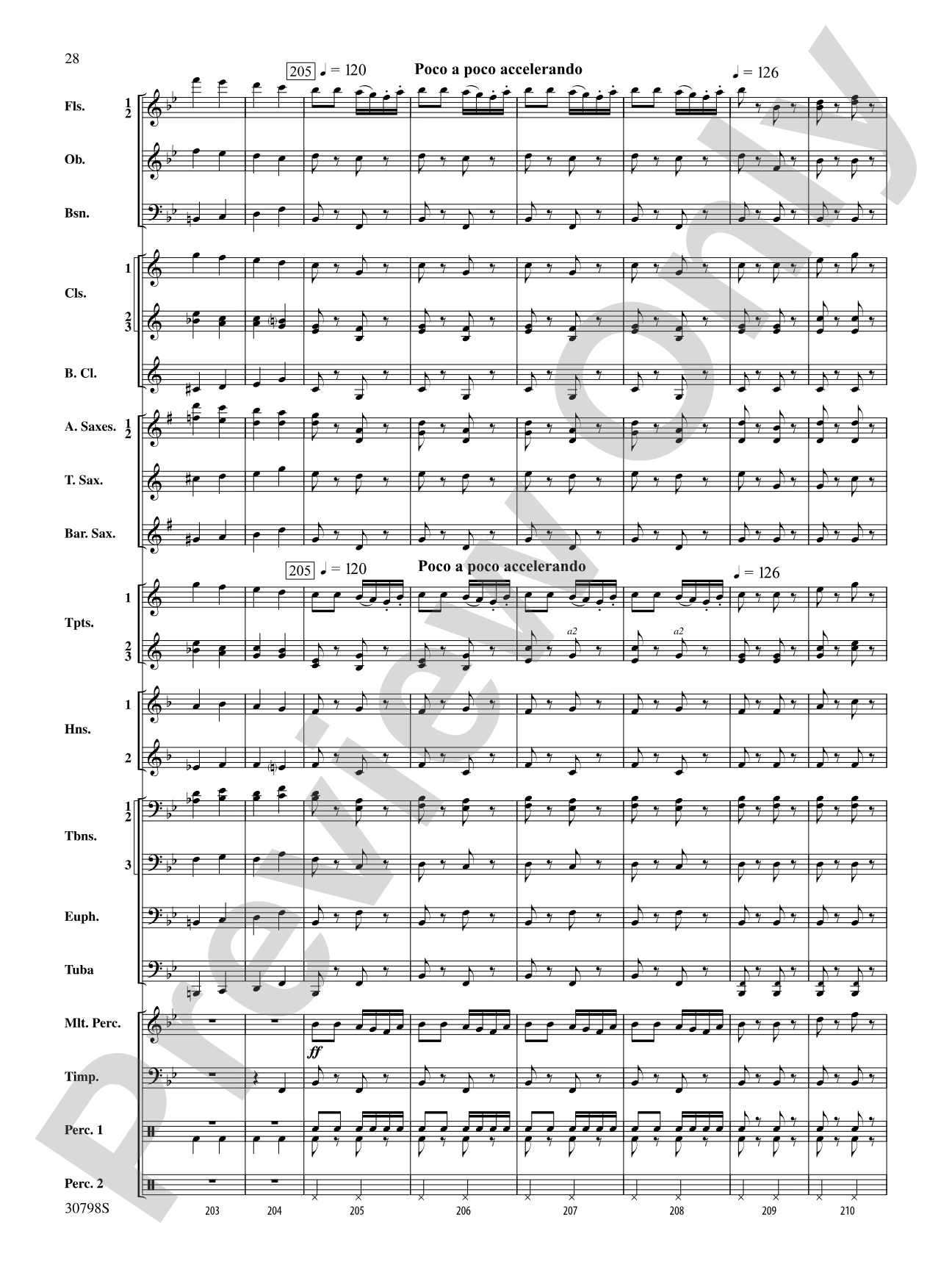
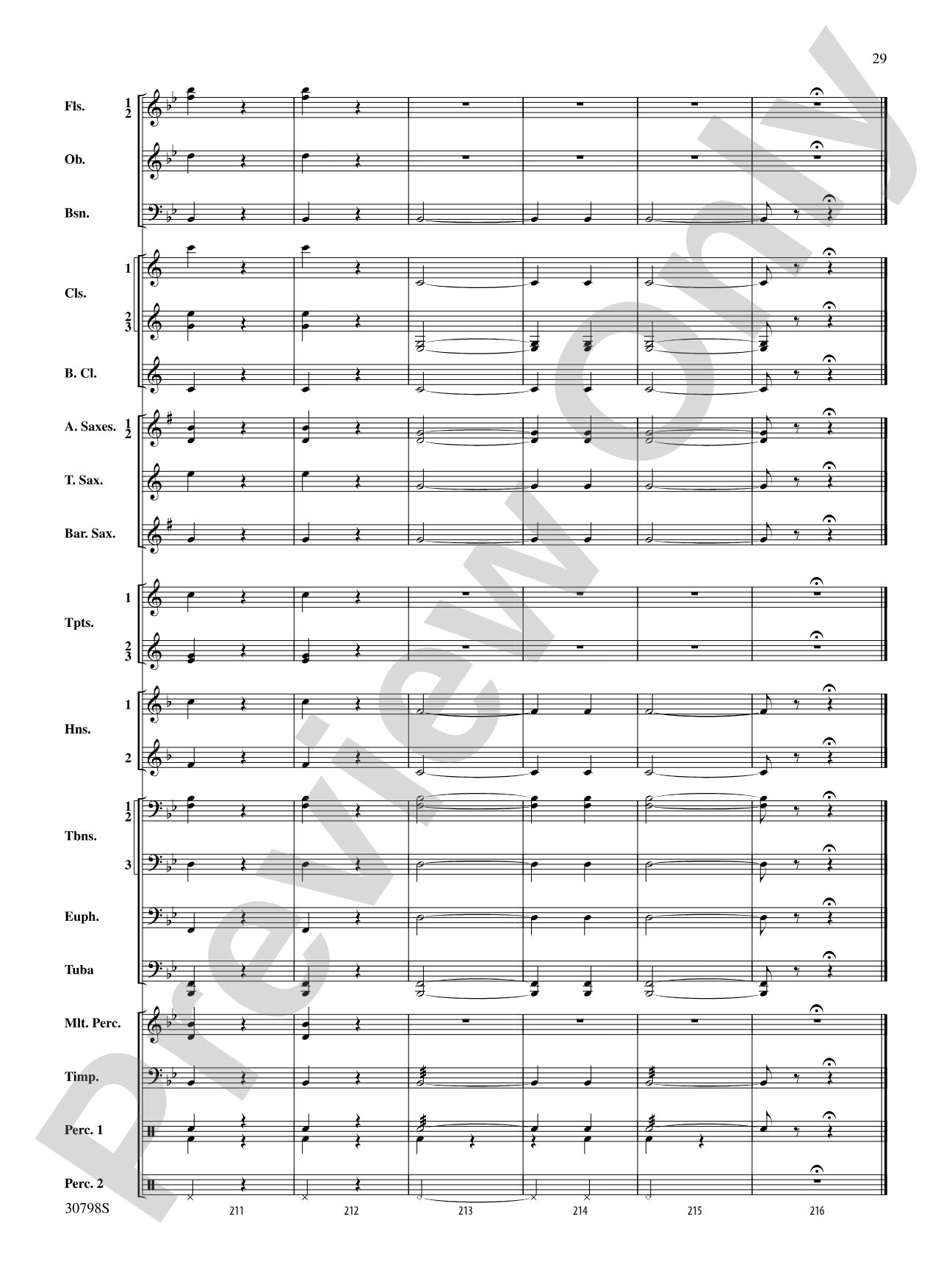




Finale (from Serenade for Strings in C Major, Op. 48, Movement #4 (Terma Russo)): Concert Band Conductor Score & Parts
By Peter Ilyich Tchaikovsky / arr. Victor López
Grade: 3 (Medium Easy)
Item: 00-PK-0004005

$67.00
Pickup currently not available
Buy Extra Parts (Digital PDF Download)
Parts Added to Cart!
Description
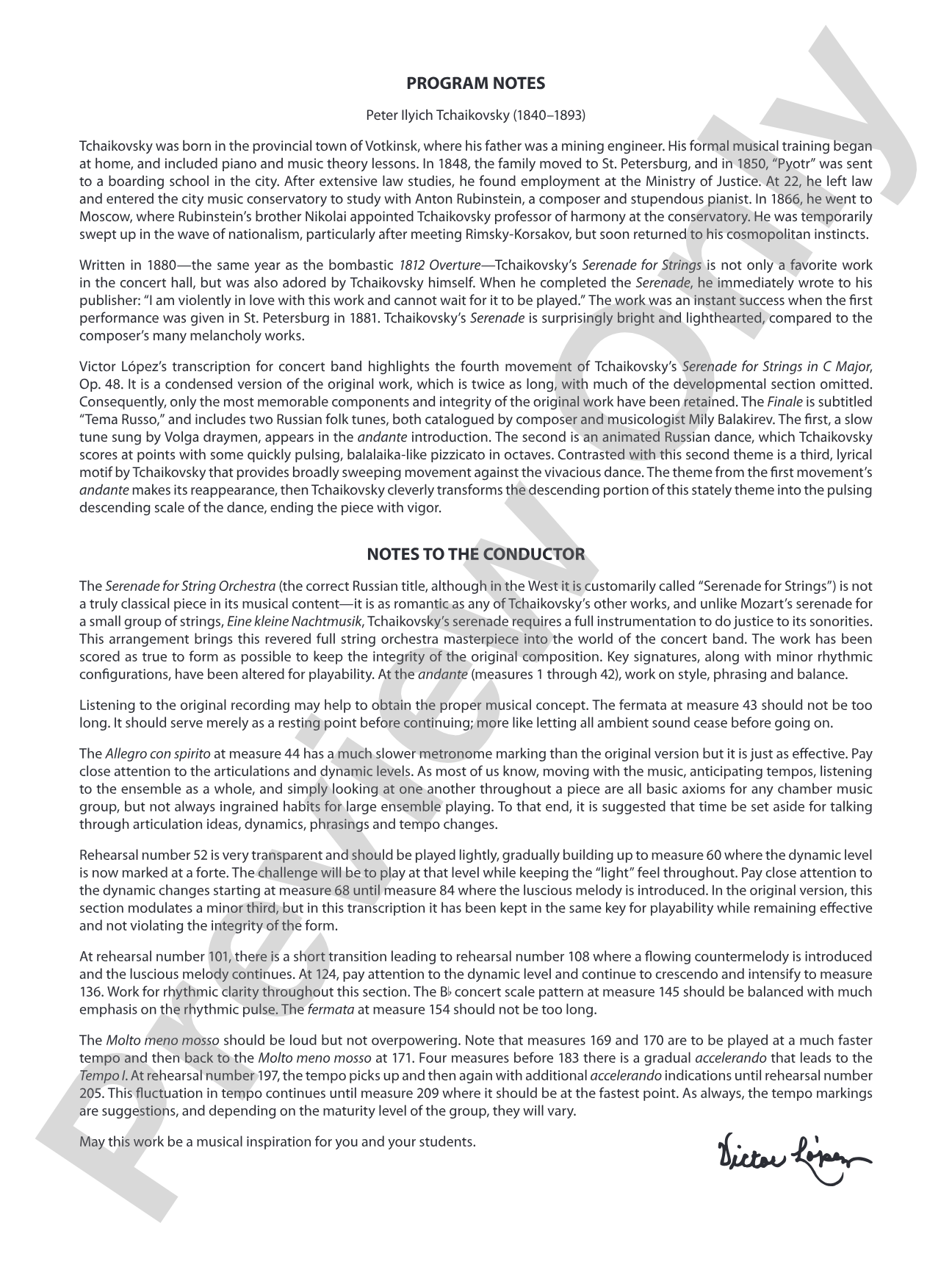
Long a staple of the string orchestra literature, the most cherished sections of the Finale from Tchaikovsky's "Serenade for String Orchestra" has been transcribed for concert band. Originally performed in 1881, it was an instant success. The work is bright and lighthearted in contrast to the melancholy nature of the majority of his repertoire. A lively choice! (4:55) This title is available in MakeMusic Cloud.


Don't just read it, hear it, play along with it, and watch your students grow with it. In MakeMusic Cloud, Finale (from Serenade for Strings in C Major, Op. 48, Movement #4 (Terma Russo)): Concert Band Conductor Score & Parts comes alive with professional accompaniment, adjustable tempo, and built-in practice tools that turn solo practice into real progress.
Open in the Player
Jump straight in and assign it today.
Start Your Free Trial
Open this title and explore the full library in minutes.
Sample Audio
1
Audio File
--:--
0:00
0:00
Sample Video
No sample videos found.
Additional Details
Series:
Belwin Concert Band
Publisher:
Alfred Music
Page Count:
238
SKU:
00-PK-0004005
More about this title
About the Composer: Peter Ilyich Tchaikovsky
Peter Ilyich Tchaikovsky (1840-1893) stands as one of the most performed composers in the concert world, celebrated for his gift for melody and his ability to balance technical sophistication with emotional directness. His works span ballet, opera, symphonies, and orchestral suites, each marked by his distinctive harmonic language and orchestral color. The Serenade for Strings, composed in 1880, represents Tchaikovsky at his most accessible and joyful, offering a counterpoint to the darker psychological landscapes found in much of his other writing.
For conductors and students, Tchaikovsky's music teaches fundamental lessons about orchestration, phrase architecture, and the power of straightforward lyricism. His ability to craft memorable melodies without sacrificing harmonic interest makes his work endlessly instructive, and arrangements like this one allow young musicians to engage with a masterwork that has defined the string repertoire for over 140 years.
Why we love this
Victor López's transcription captures the sunlit elegance of Tchaikovsky's original while respecting the particular strengths of the concert band palette. The Finale moves with infectious buoyancy, and López's voicing keeps the essential melodic line singing across the ensemble without getting lost in the fuller instrumentation. For bands at the Grade 3 level, this is a work that builds genuine musicianship while remaining performance-ready and genuinely rewarding to play.
What to expect
Bright, celebratory, and utterly untroubled. The Finale sparkles with orchestral refinement and genuine joy, moving at a spirited pace that feels light-footed and assured. Tchaikovsky's gift for melody shines throughout, and the harmonic language is rich enough to hold mature listeners while remaining transparent enough for young musicians to follow and own the musical line.
Who it's for
Concert bands at the intermediate level seeking repertoire that sounds sophisticated and substantial without requiring advanced technique. This arrangement works equally well as a full-length concert piece or as a contest selection where musical maturity and clear musicianship matter as much as technical flash.
How to get the most out of it
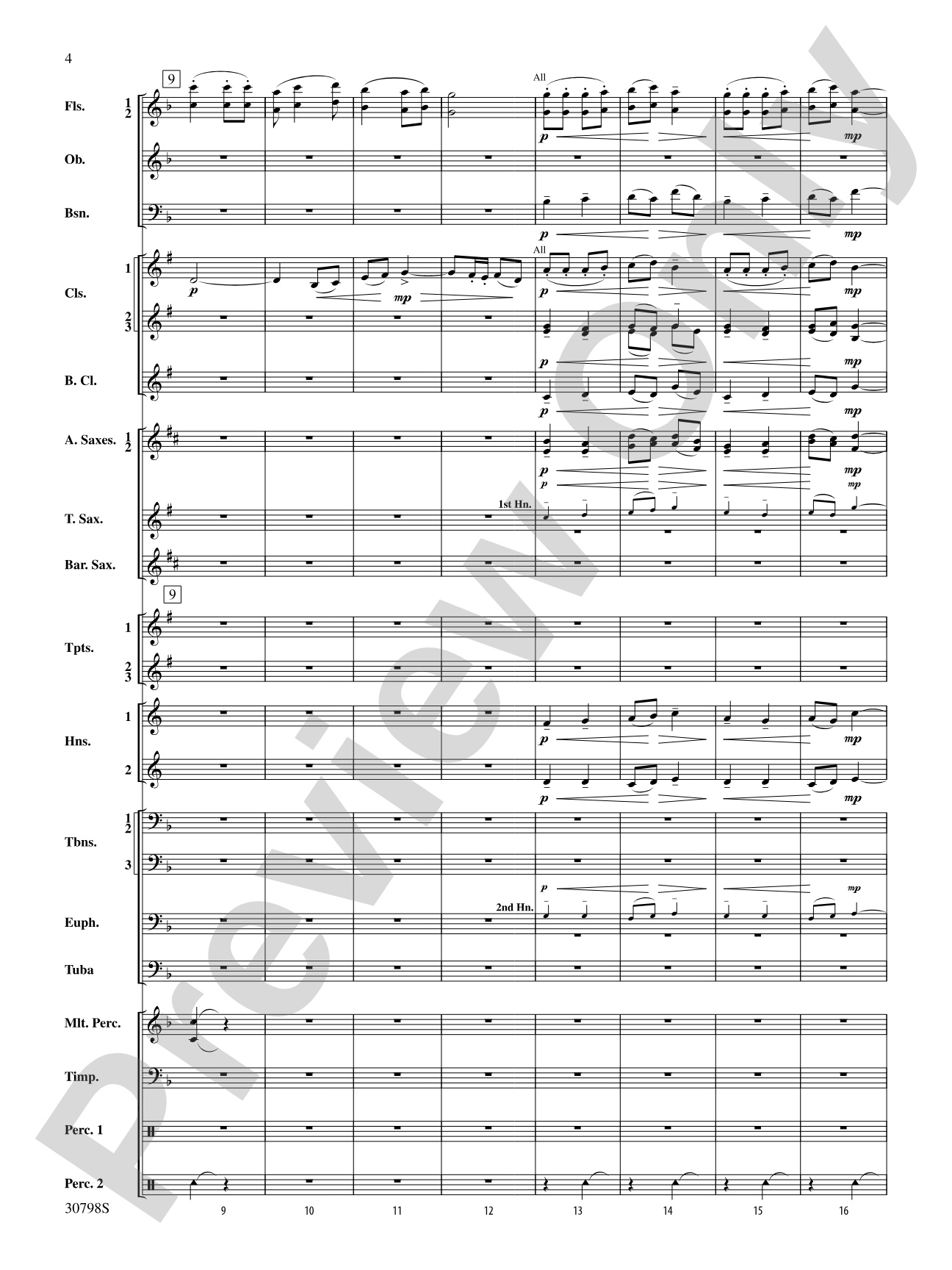
- Maintain clarity in the inner voices during the faster passage work; the violas and second violins in the original carry countermelody, and your clarinet and alto saxophone lines deserve articulation that lets those voices breathe.
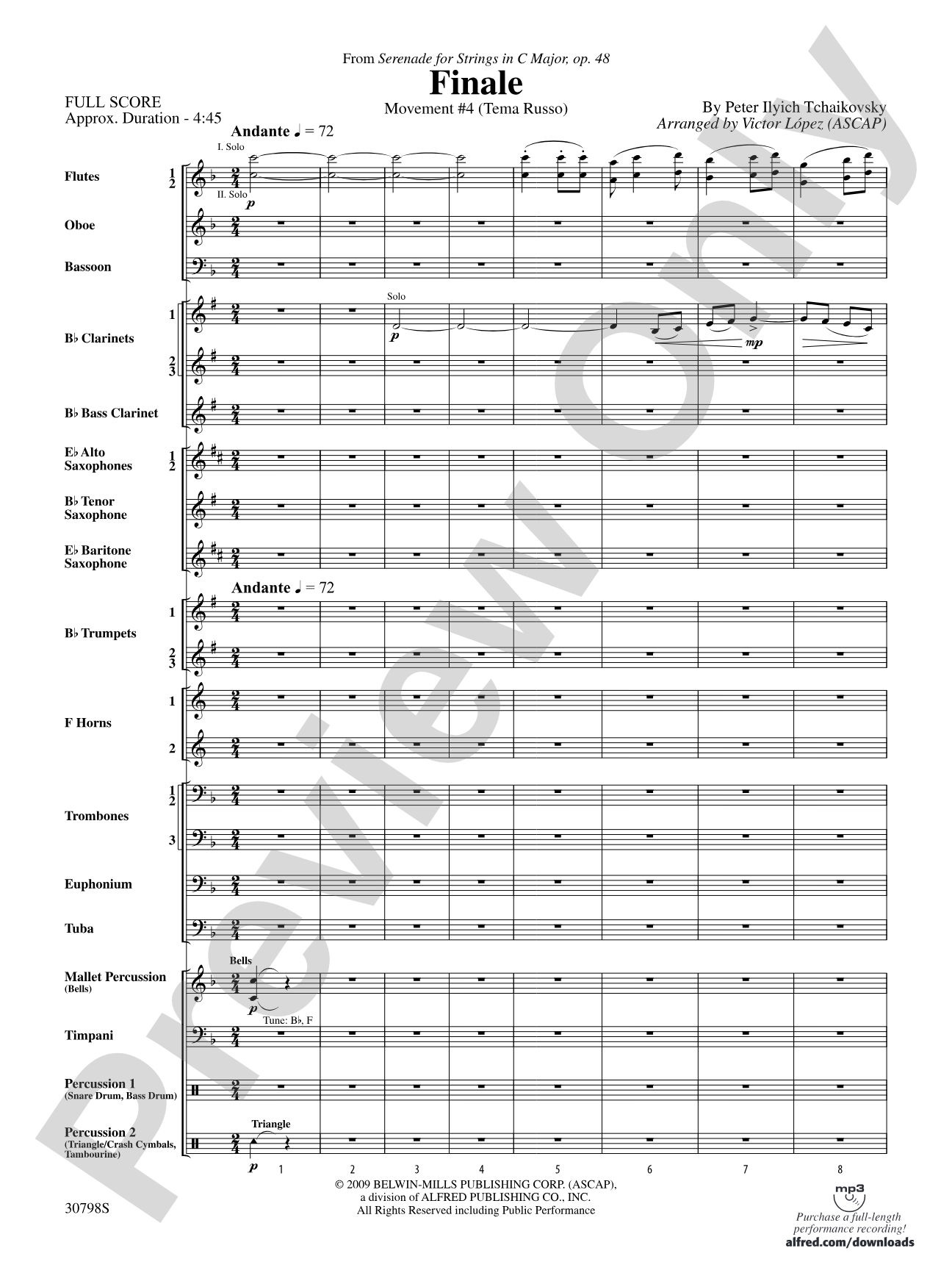
- Shape the opening statement as a conversation between the full ensemble and the solo woodwinds rather than a block of sound. Tchaikovsky loves subtle dynamic shaping, and this arrangement preserves that approach.
- Balance the brass entrance in the second theme so it supports rather than overwhelms the melodic line. The horns and trumpets are crucial to the harmonic foundation here, but the audience should hear the tune first.
- Bring the Coda to life with increased energy and forward momentum. The final pages build toward a genuine celebration, not just a loud conclusion.
How to use it
Program this as a concert opener or as the centerpiece of a pops concert where audiences expect familiar, accessible music performed with real artistry. The 4:55 duration fills a significant concert slot without demanding an entire second half, making it ideal for mixed programs that pair a masterwork arrangement with contemporary or lighter fare. It also serves well as a showcase piece for a concert band that wants to demonstrate both technical control and musical confidence.
Skills your students will build
- Balancing ensemble sound across mixed woodwind and brass voicing
- Sustaining lyrical phrases with appropriate dynamic shaping
- Maintaining rhythmic precision in moderate tempo passages while keeping forward momentum alive
- Understanding orchestral arrangement and how Romantic-era melodies translate to concert band instrumentation
- Executing clear articulation in inner voices while the melody carries the primary line