
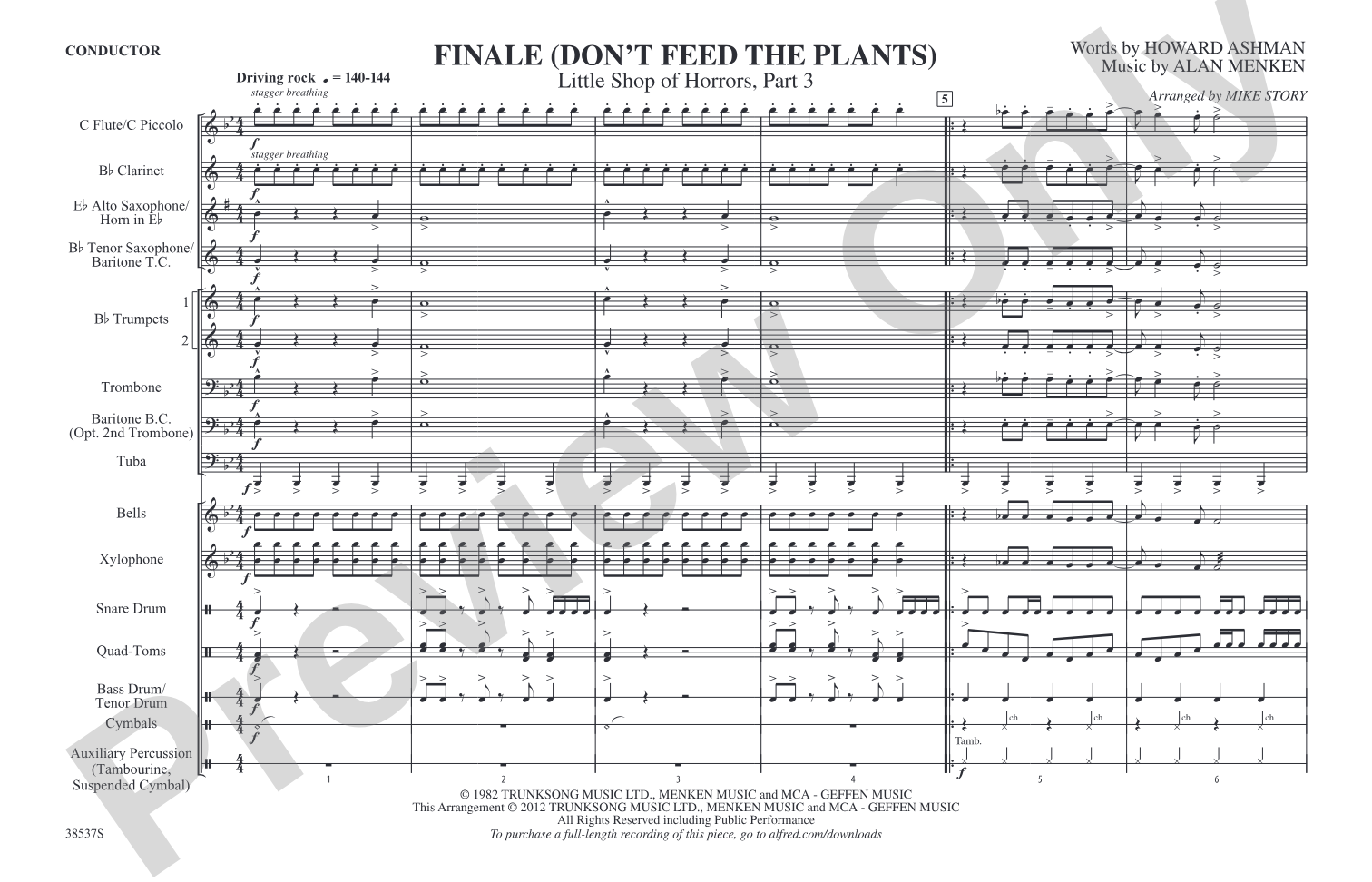
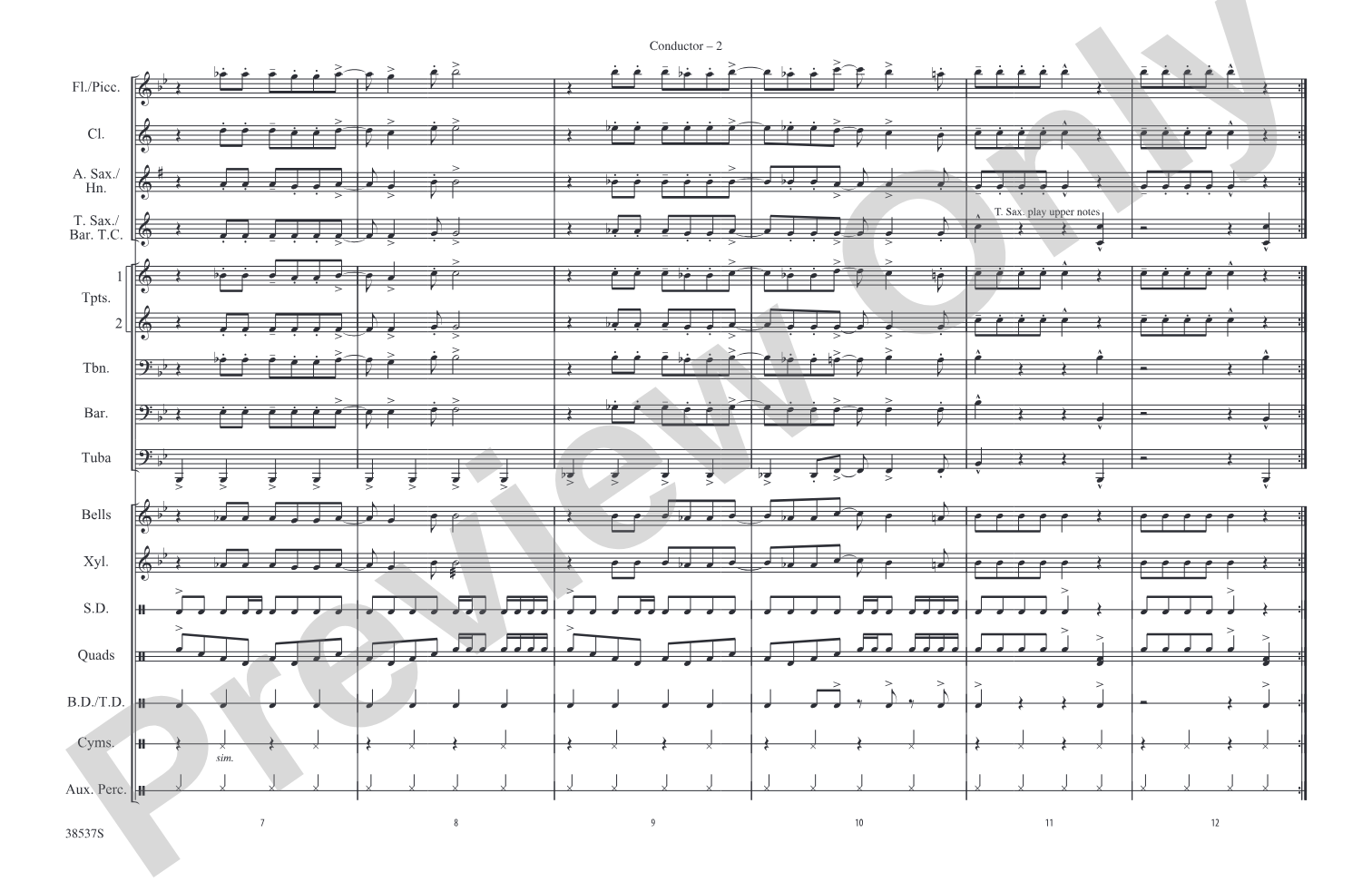
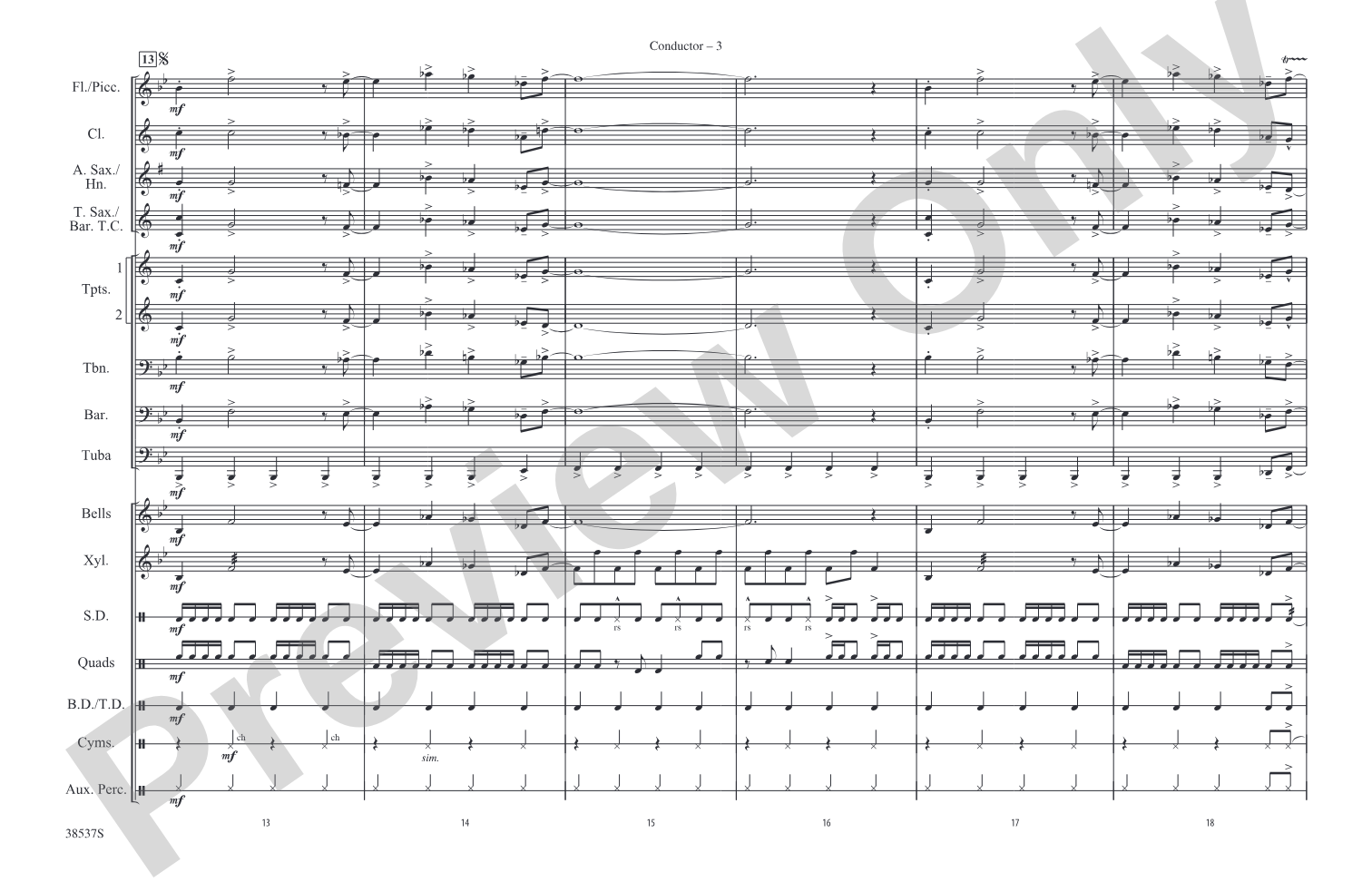
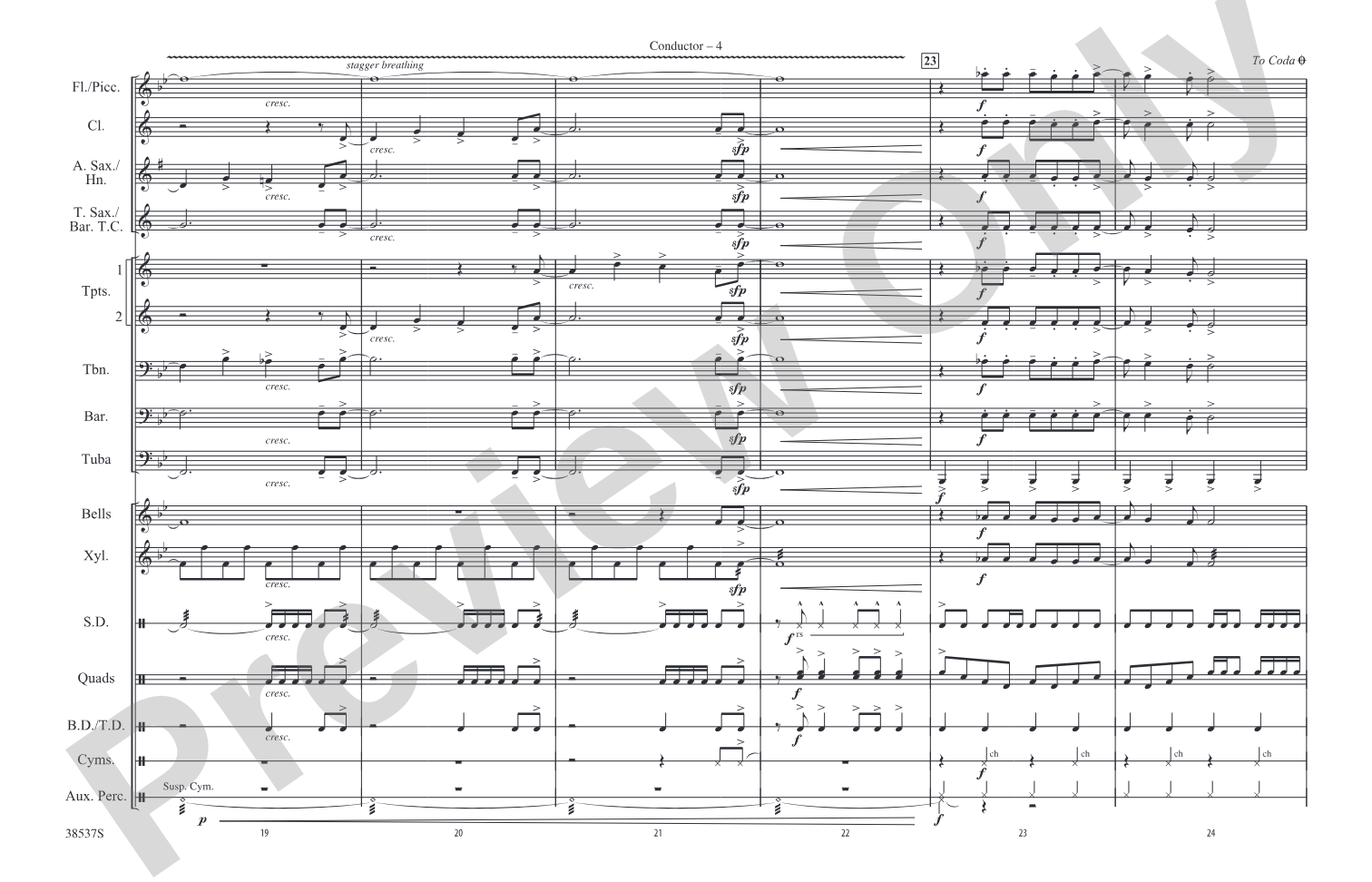
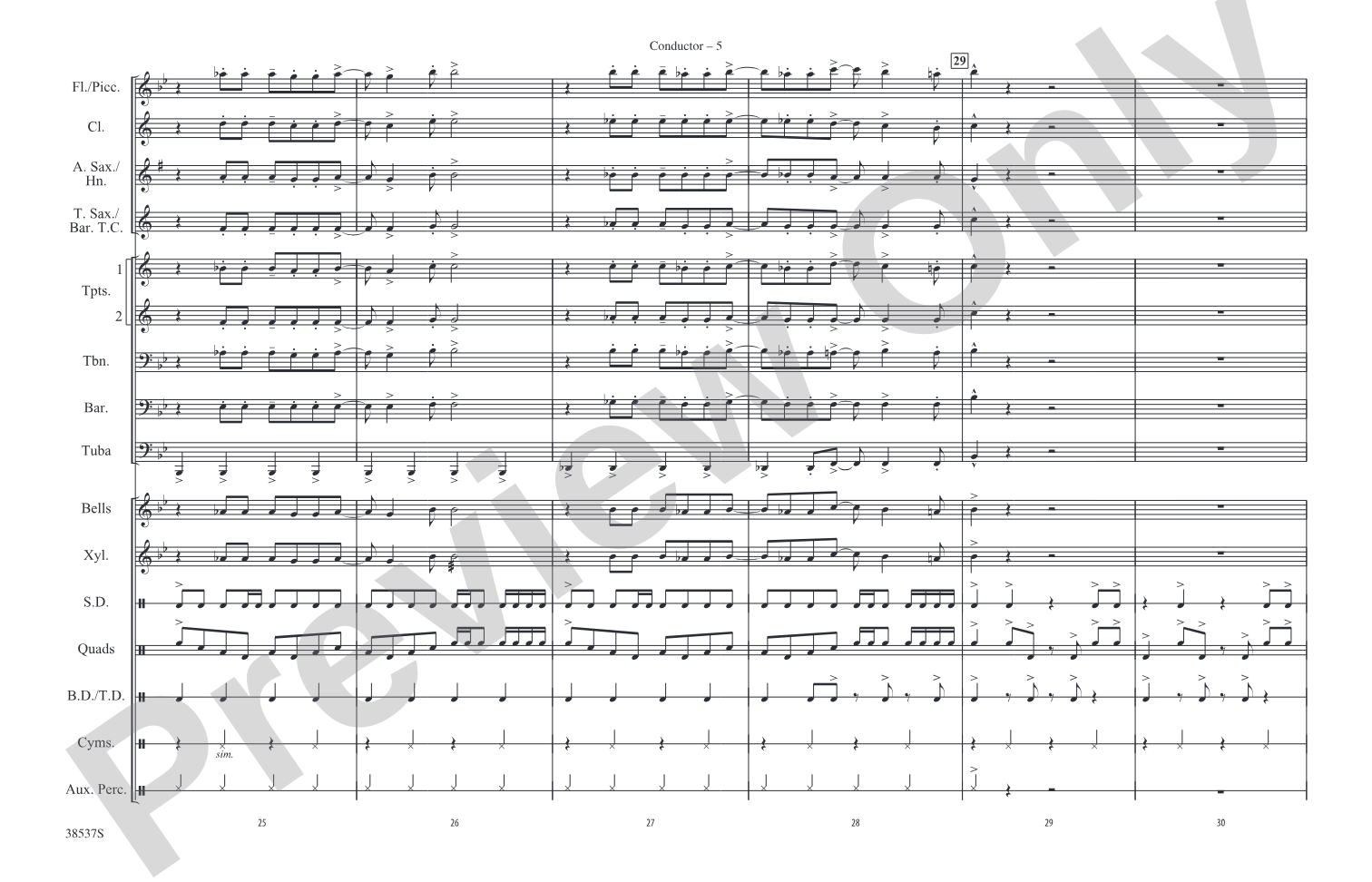
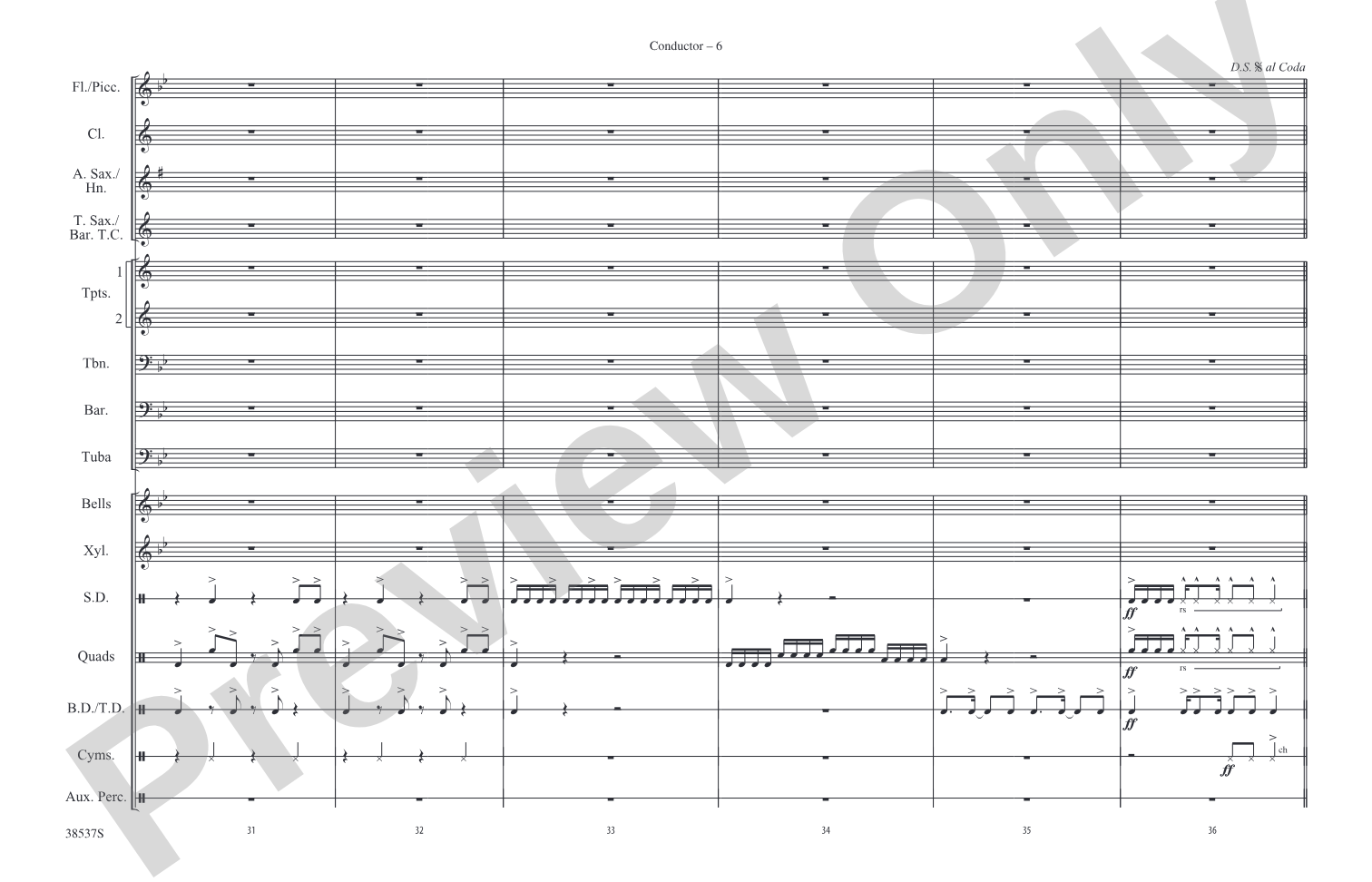
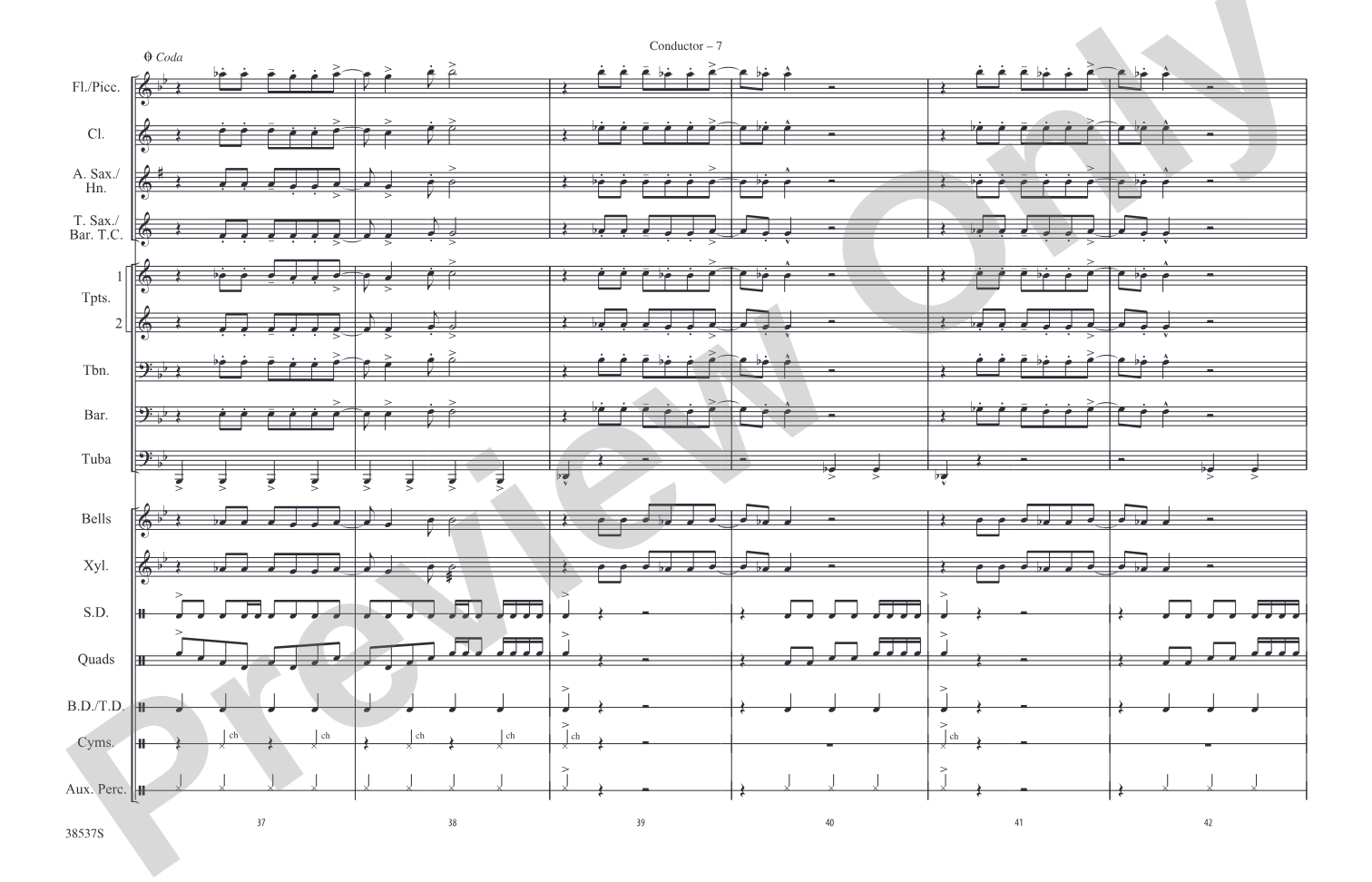
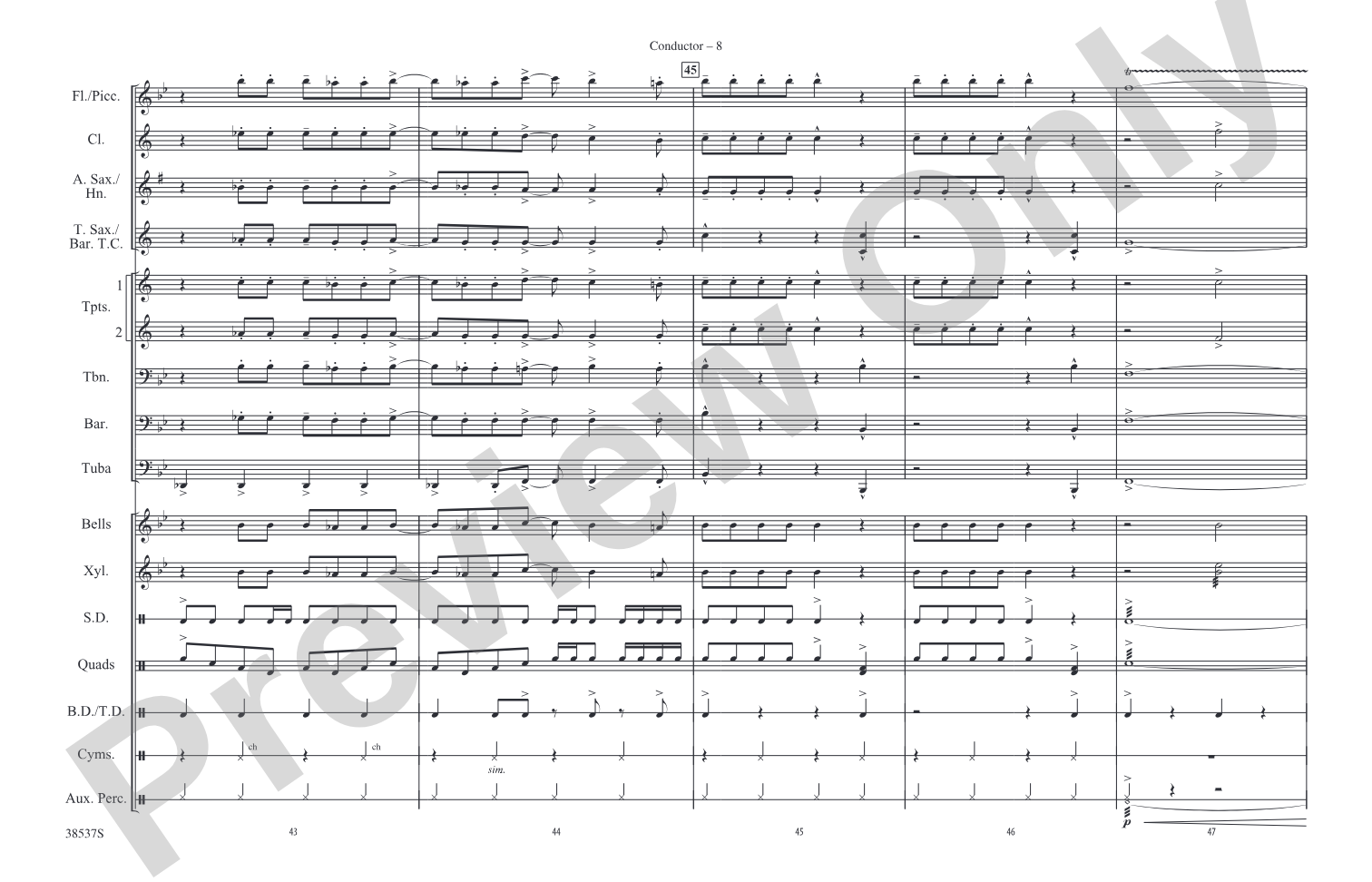
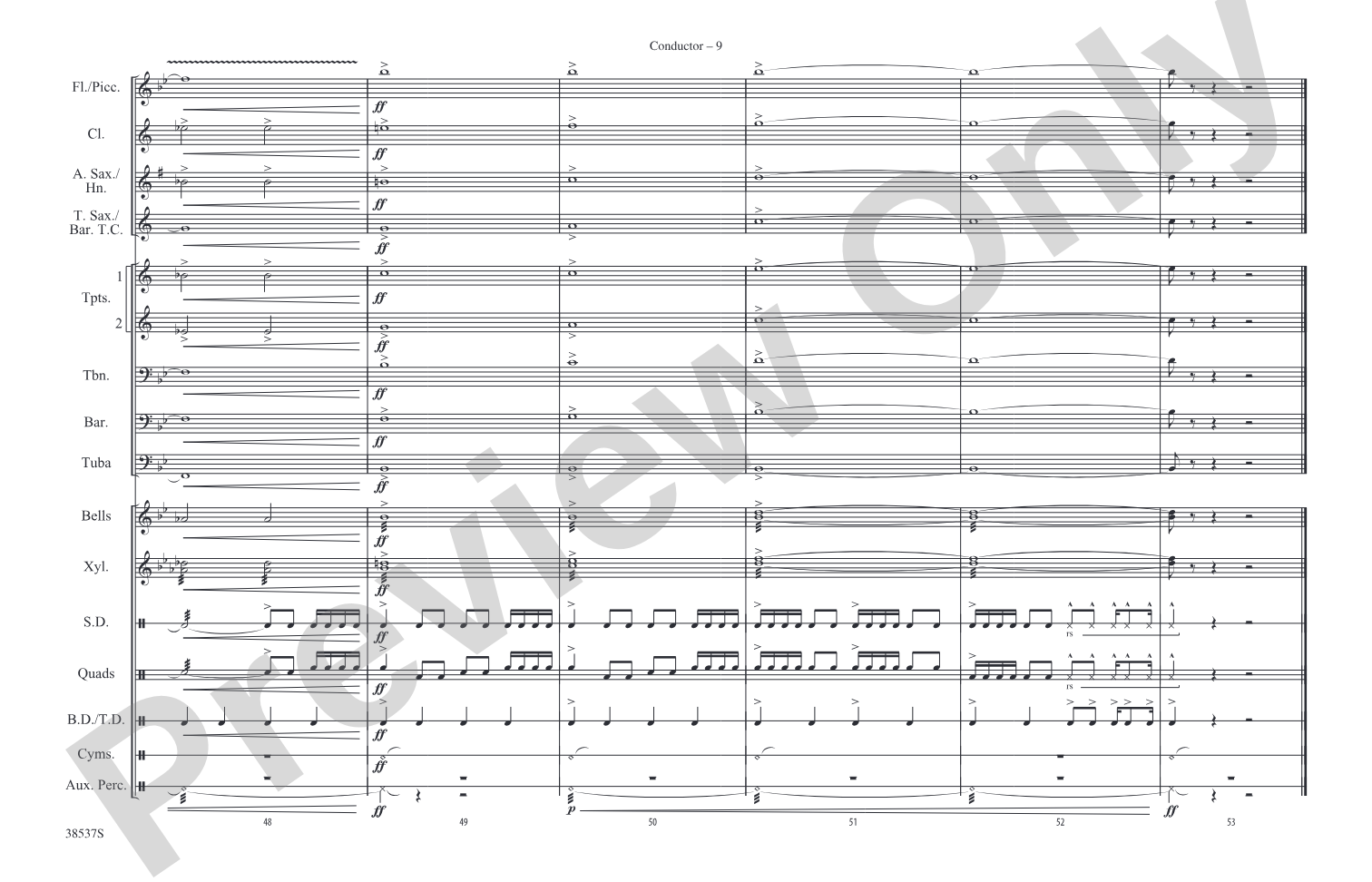

Finale (Don't Feed the Plants): Marching Band Conductor Score & Parts
Little Shop of Horrors, Part 3
Words by Howard Ashman, music by Alan Menken / arr. Mike Story
Grade: 2 (Easy)
Item: 00-PK-0007985

$55.00
One moment…
Description
We complete the Little Shop of Horrors show with the driving rock tune "Don't Feed the Plants." Lots of block scoring will make even the smallest band sound great, and there is even a short percussion feature to round everything out. This fun and frolicking show is pure marching band excitement! (2:08)


Don't just read it, hear it, play along with it, and watch your students grow with it. In MakeMusic Cloud, Finale (Don't Feed the Plants): Marching Band Conductor Score & Parts comes alive with professional accompaniment, adjustable tempo, and built-in practice tools that turn solo practice into real progress.
Open in the Player
Jump straight in and assign it today.
Start Your Free Trial
Open this title and explore the full library in minutes.
Sample Audio
1
Audio File
--:--
0:00
0:00
Sample Video
Additional Details
Series:
Big and Easy
Publisher:
Alfred Music
Page Count:
134
SKU:
00-PK-0007985
More about this title
About the Composer: Alan Menken
Alan Menken has composed the scores for some of Broadway and film's most beloved musicals, from The Little Mermaid and Beauty and the Beast to Aladdin and Newsies. His work spans theater, animated features, and live-action adaptations, earning him multiple Tony and Academy Award nominations. Menken's gift for memorable melodies and rhythmically driven writing has made his scores enduring favorites in music education, where his music translates naturally across ensembles and skill levels.
For marching bands and student musicians, Menken's compositions offer immediate musicality with singable lines and energetic accompaniment patterns. His rock and pop-influenced songs, when arranged thoughtfully, engage young performers and audiences alike without requiring virtuosic technique.
Why we love this
This arrangement captures the comedic chaos of "Don't Feed the Plants" with smart, playable block scoring that lets smaller bands sound polished and energetic. The short percussion feature gives your front ensemble a moment to shine while keeping the overall difficulty accessible, making this a high-energy closer that doesn't demand extensive sectional rehearsal.
What to expect
Pure marching band fun. The driving rock groove, playful character, and comedic edge of "Don't Feed the Plants" translate into a performance that's impossible not to enjoy. From the block scoring to the percussion spotlight, the piece maintains forward momentum and theatrical flair without ever feeling labored.
Who it's for
Marching bands in grades 2-3 or programs looking for a high-energy show finale that doesn't require advanced technique or extensive rehearsal time. This works equally well for bands building confidence with accessible repertoire or intermediate ensembles wanting fun material for summer shows and competitions.
How to get the most out of it
- Lock the syncopated rhythms between the woodwind and brass sections early in rehearsal; these figures define the piece's comedic drive.
- Keep the rock-influenced groove grounded with steady snare and bass drum work; the percussion feature only lands if the foundation is solid.
- Balance the block voicing so that each harmonic layer (top, middle, bass) is audible; avoid letting any section overpower the others.
- Treat the ending with crisp ensemble precision; the final hits should feel decisive and unified to land the humor effectively.
How to use it
Program this as your show closer or as a standalone feature for pep rallies and outdoor summer concerts. It pairs well with other Little Shop of Horrors selections from the Big and Easy series if you're performing the full show, or stands alone as a crowd-pleasing finale that leaves audiences smiling.
Skills your students will build
- syncopated ensemble rhythm reading and execution
- block chord voicing and harmonic balance across woodwind and brass sections
- rock-influenced groove and steady funk-style pulse
- coordination of melodic lines with driving accompaniment patterns