

Final Quest: Score
By Daniel Chisham
Grade: 3
Item: 00-PR-0000376
$9.00
Pickup currently not available
Description
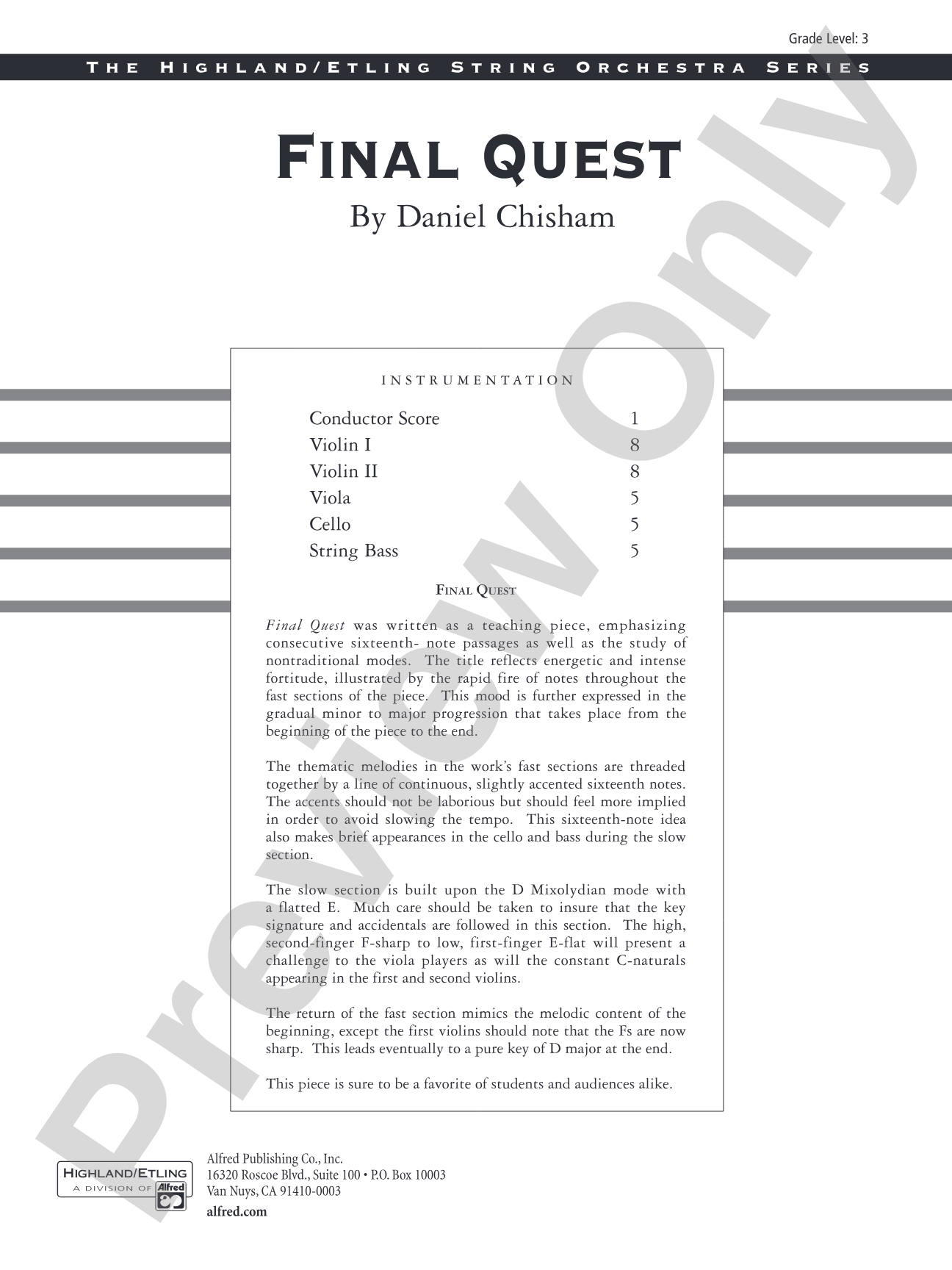
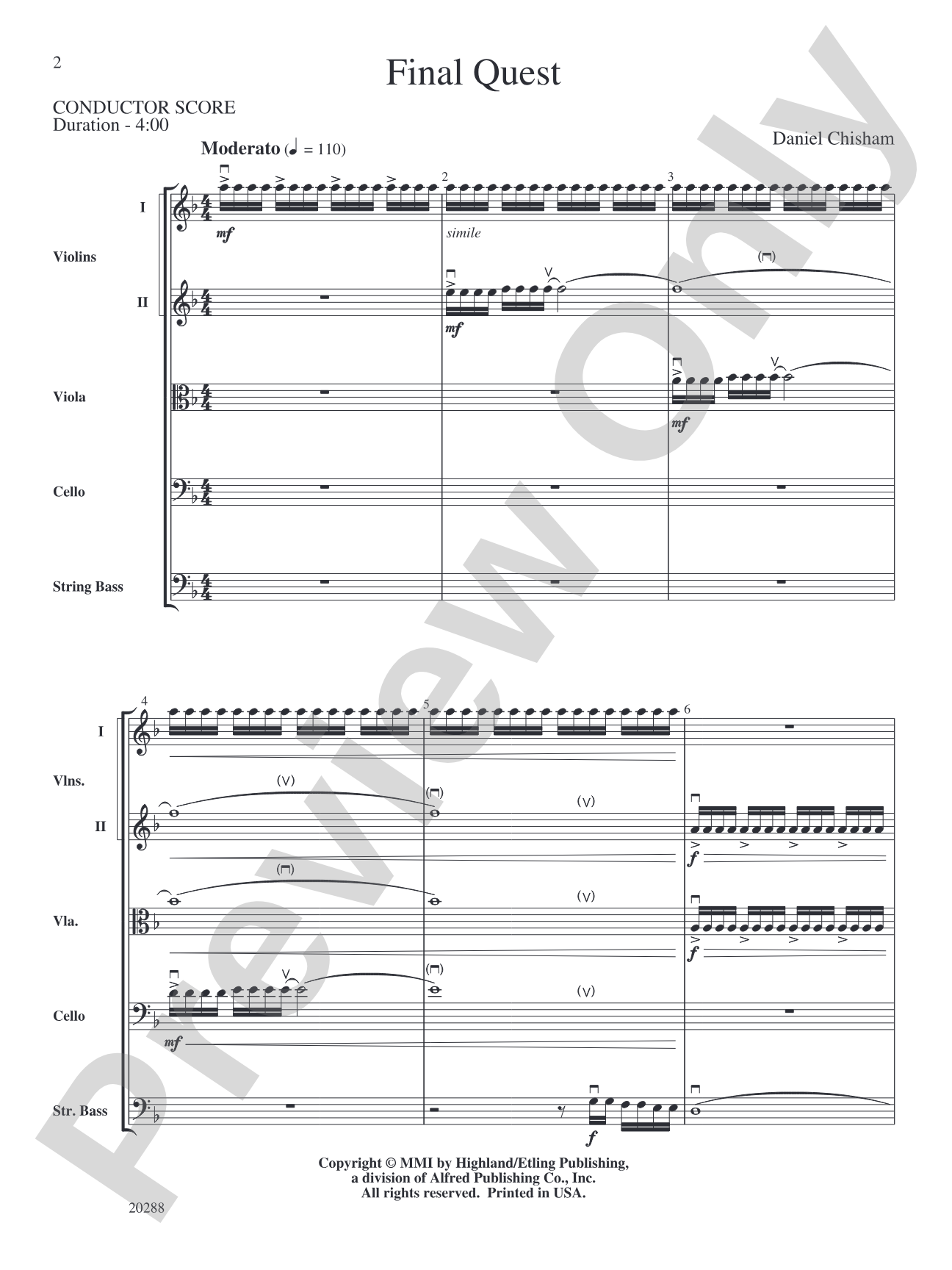
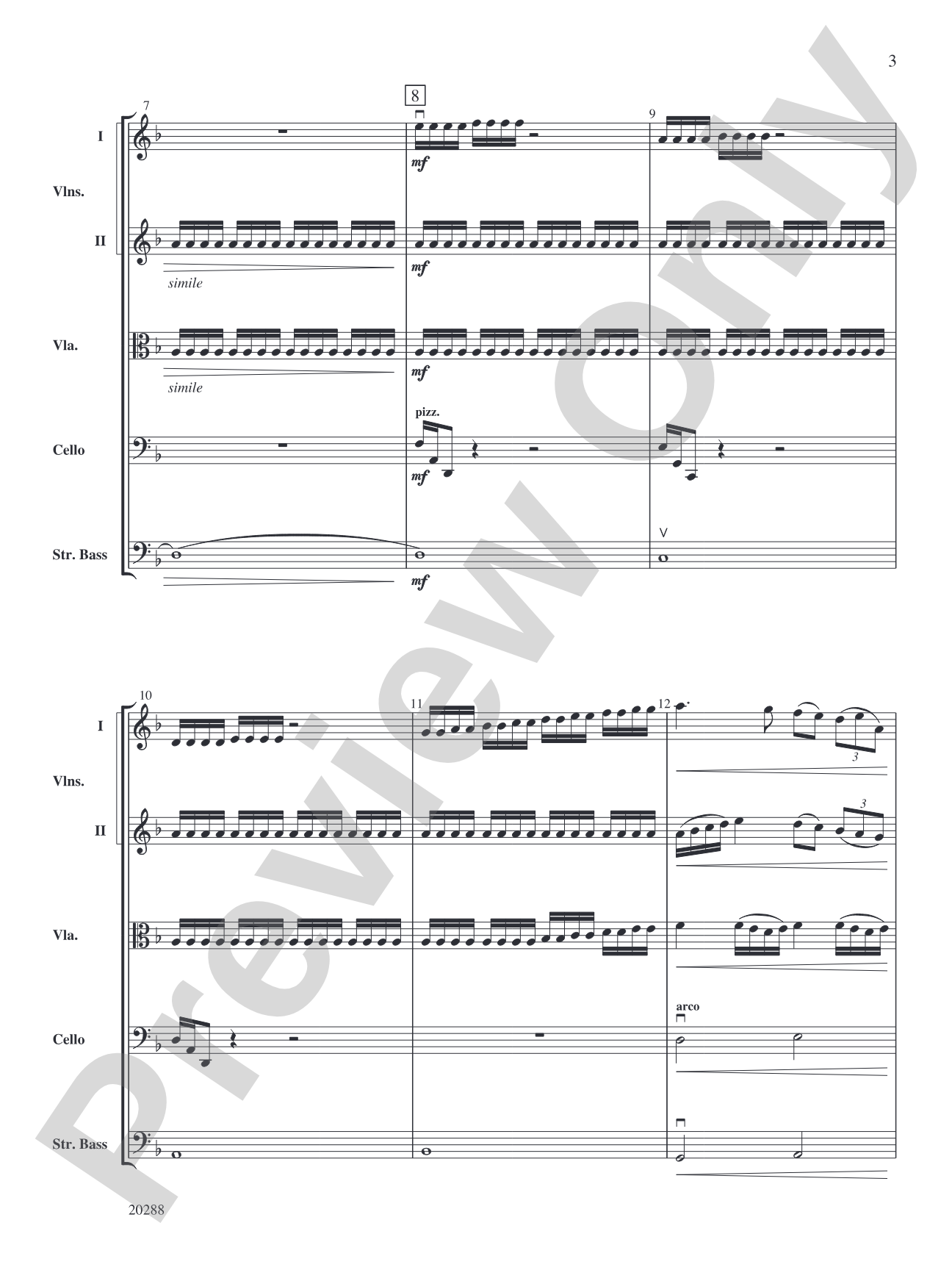
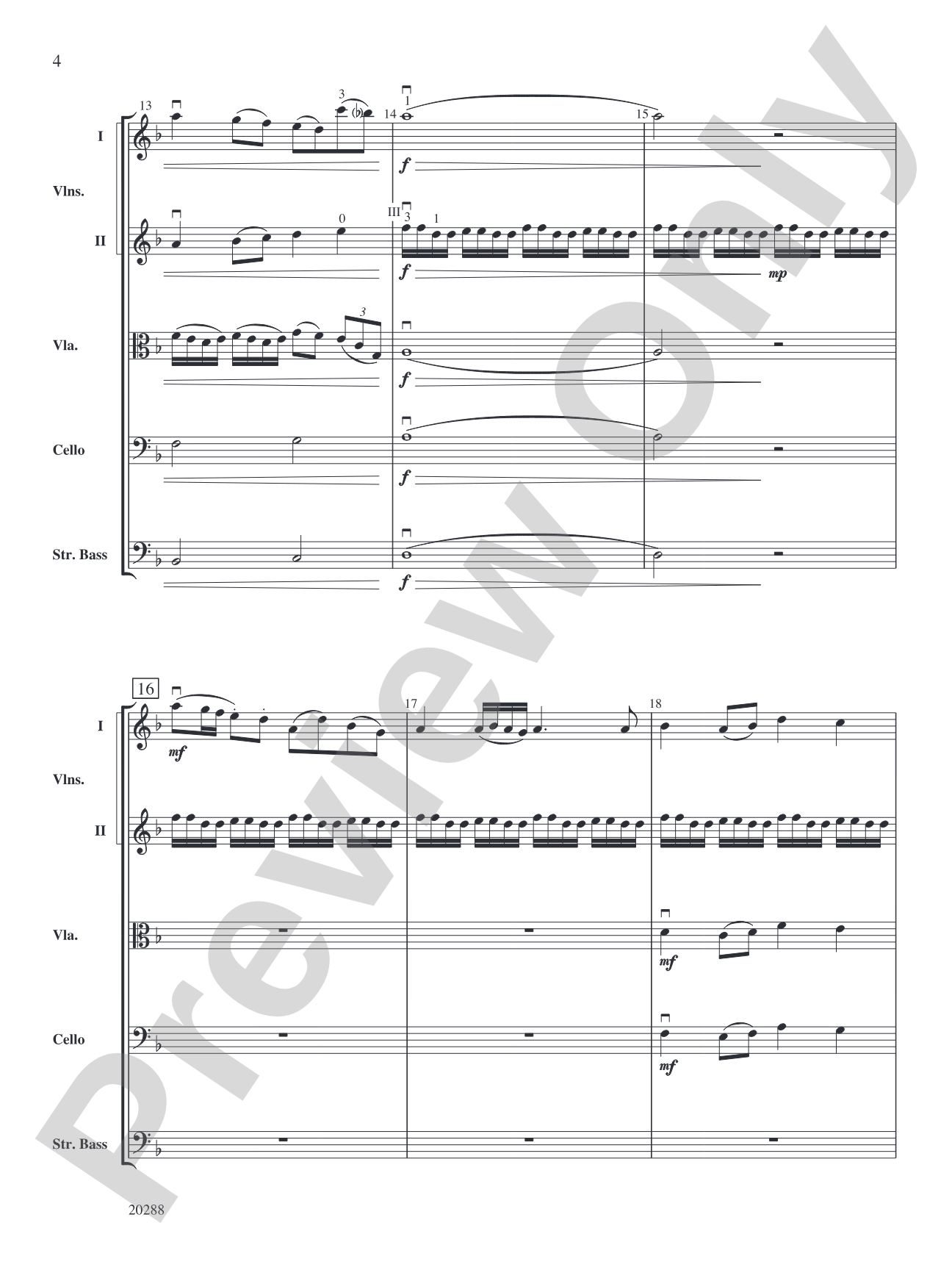
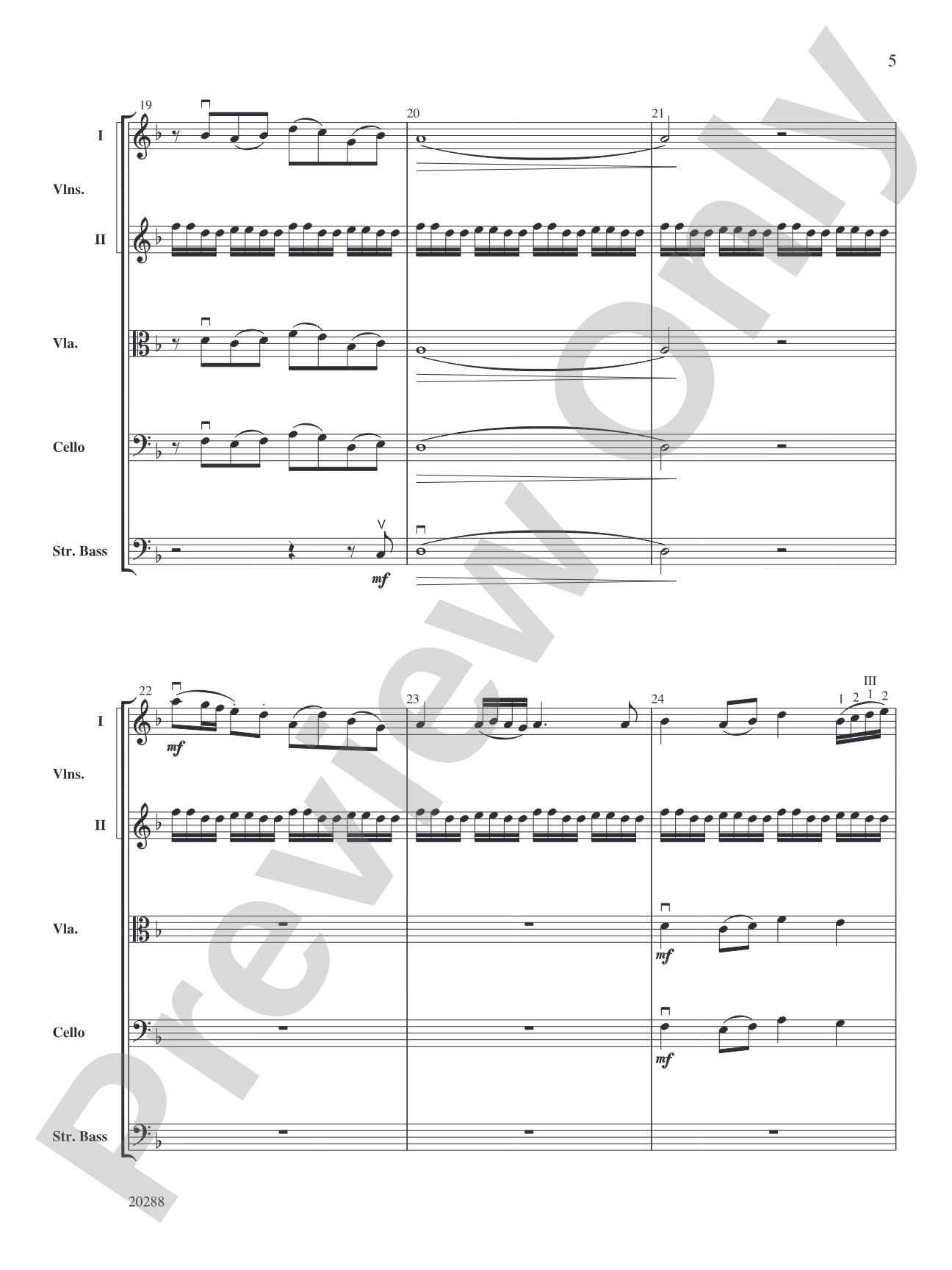
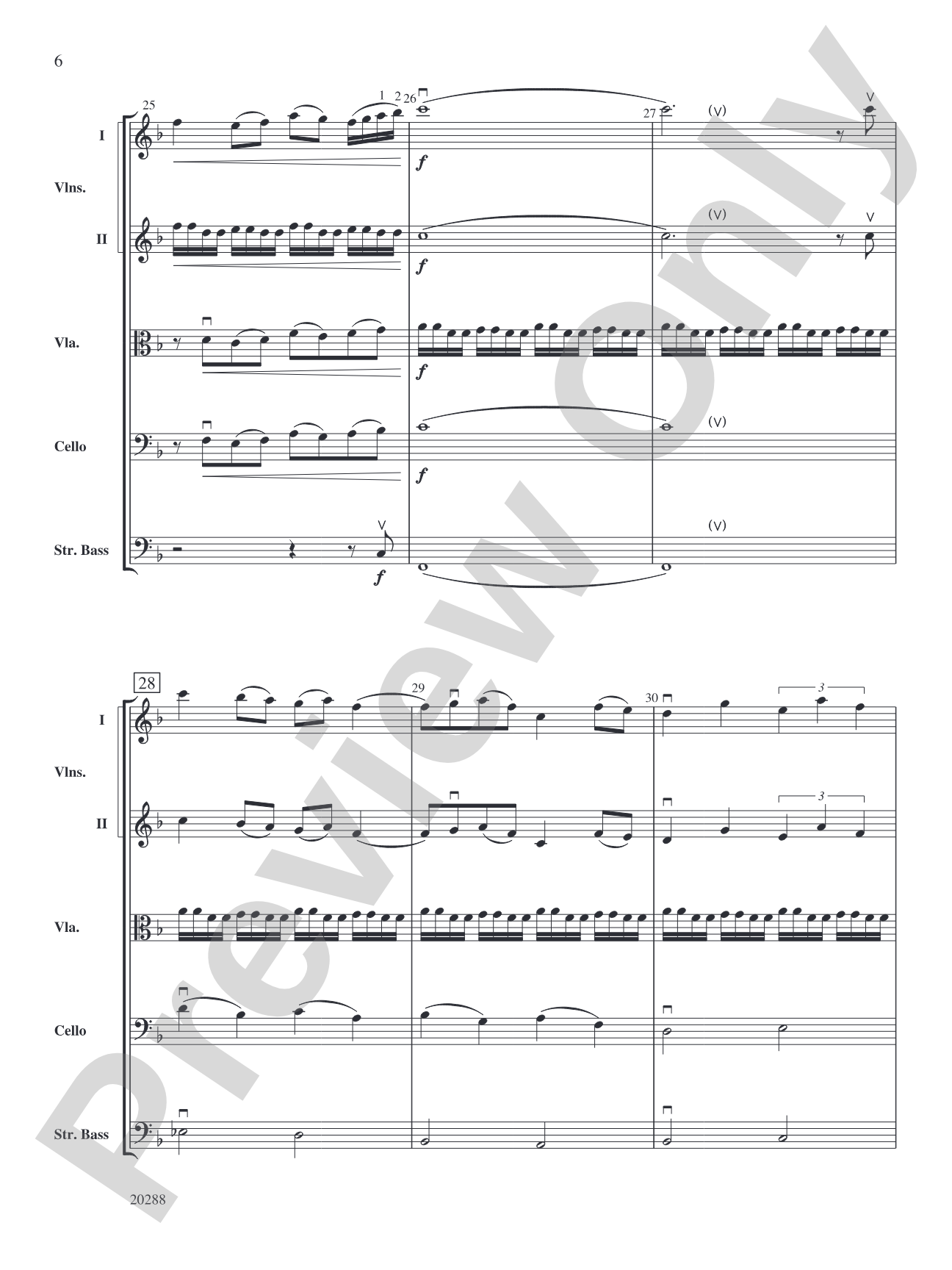
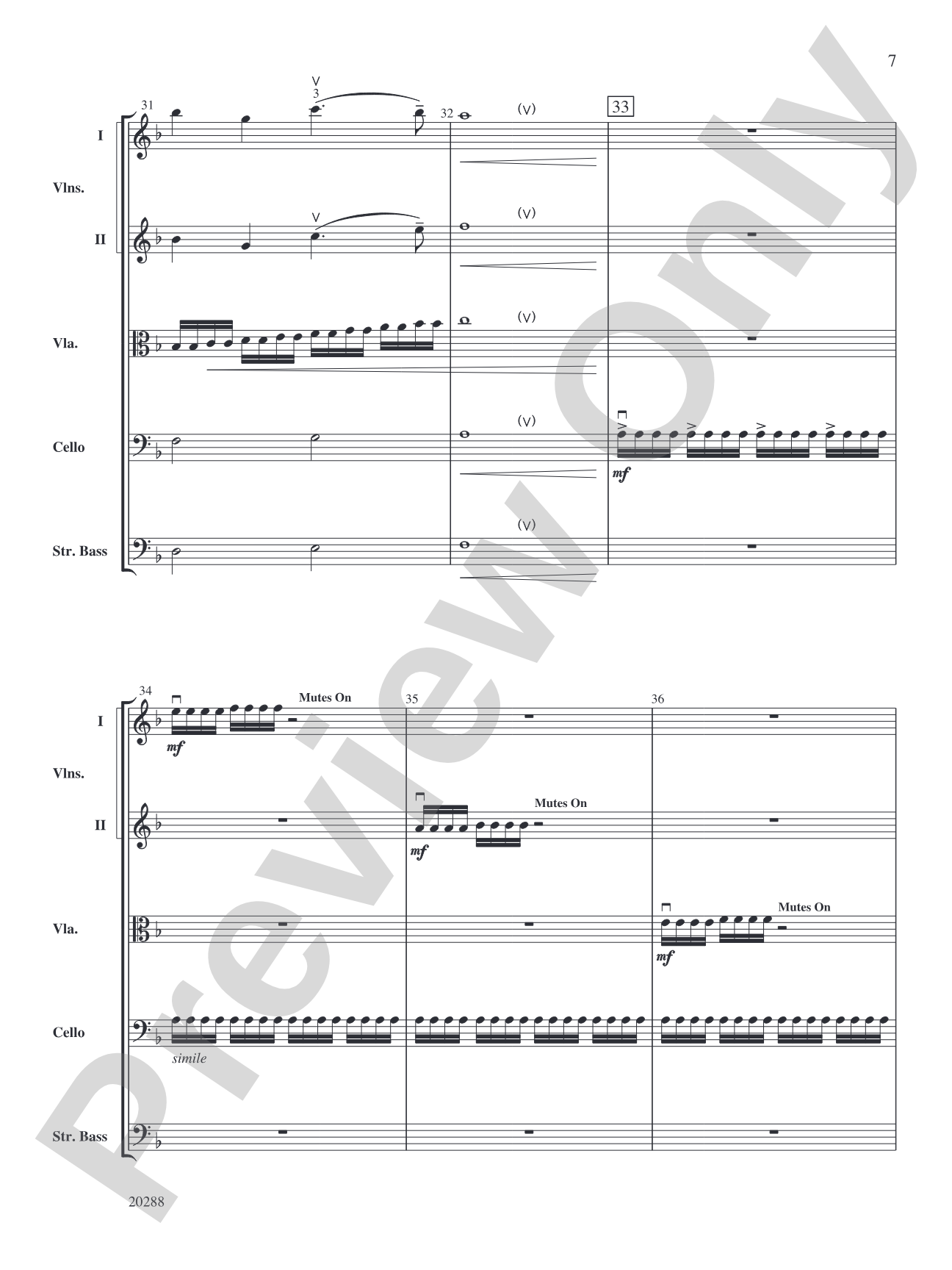
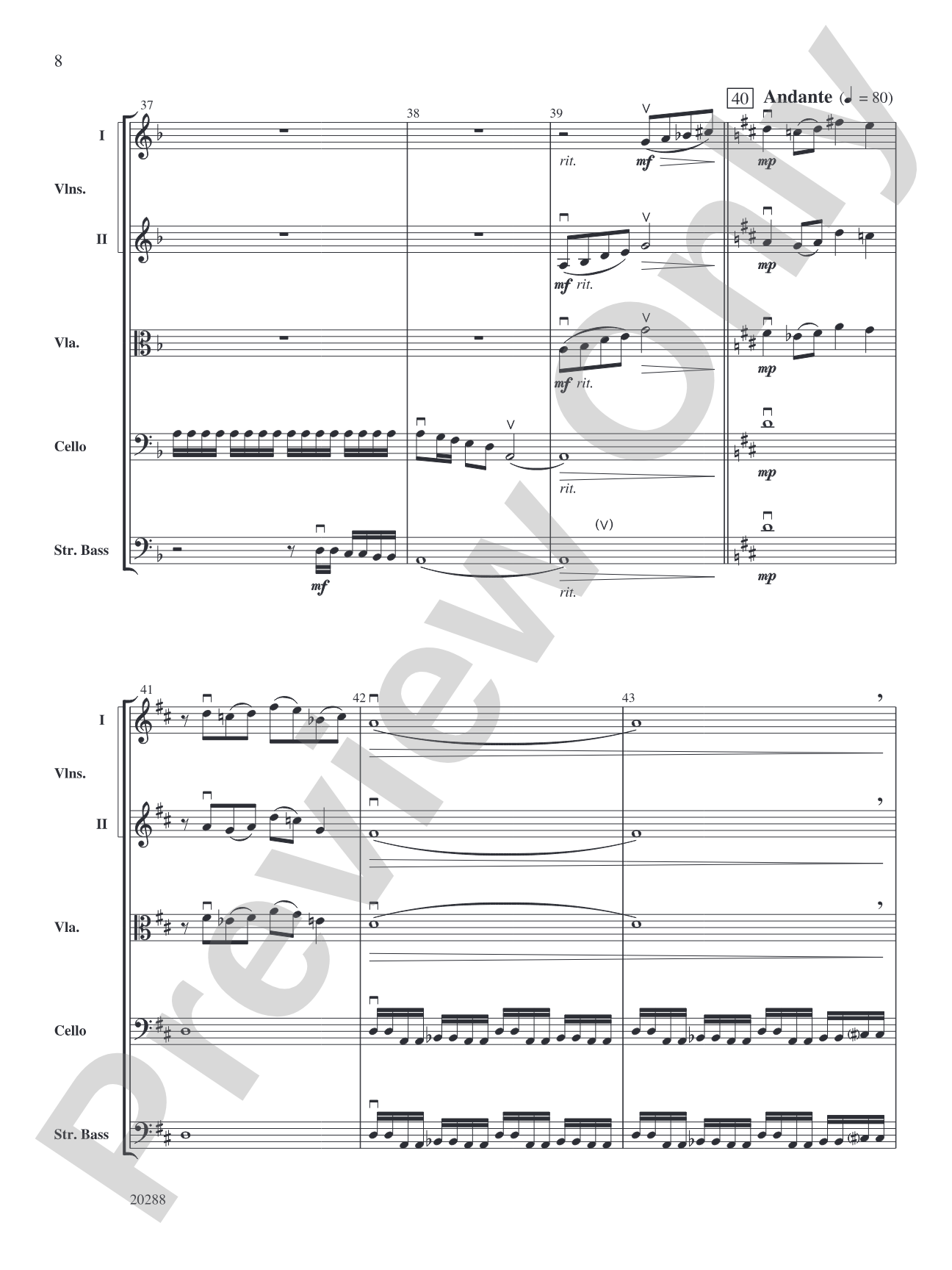
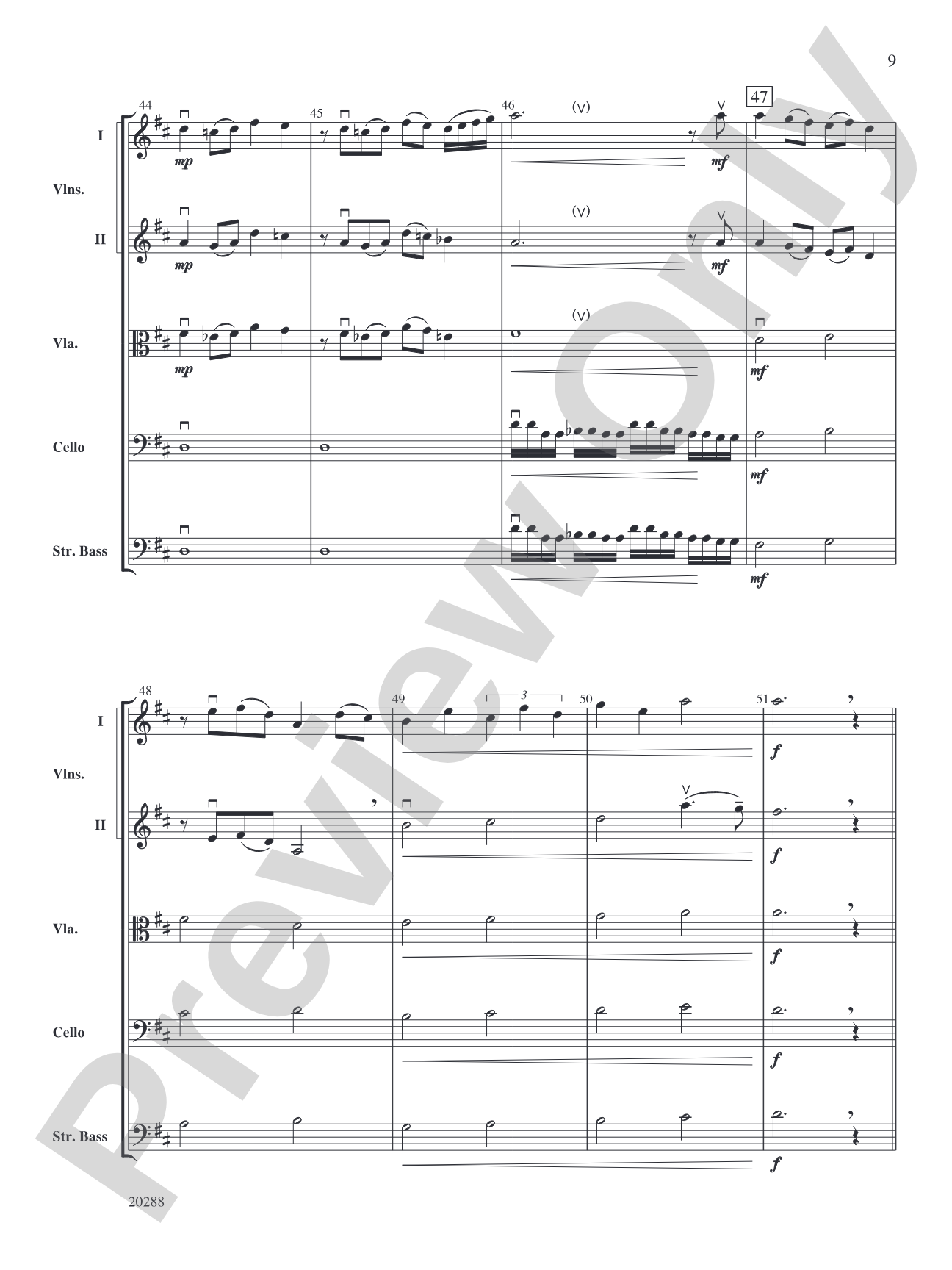
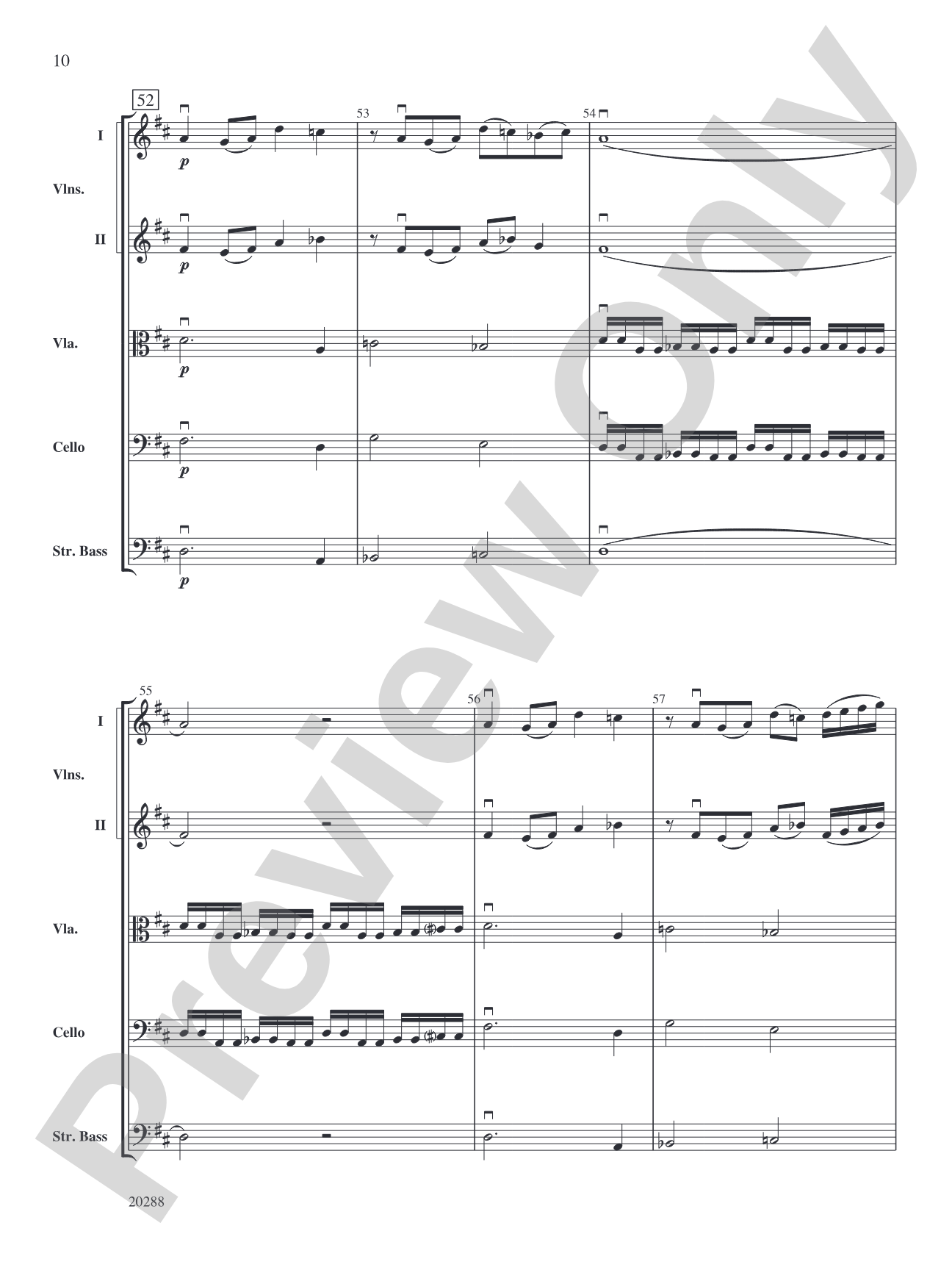
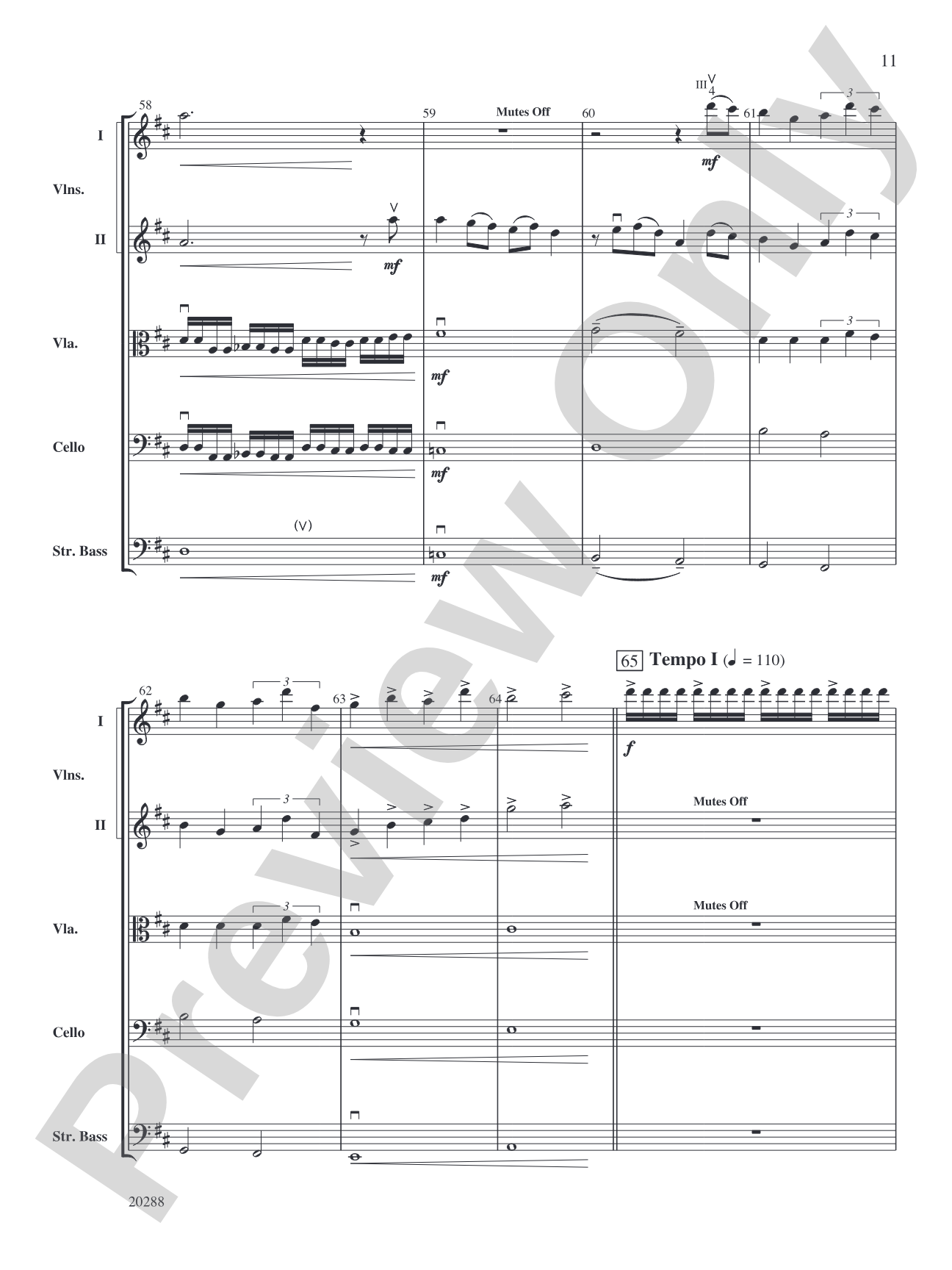
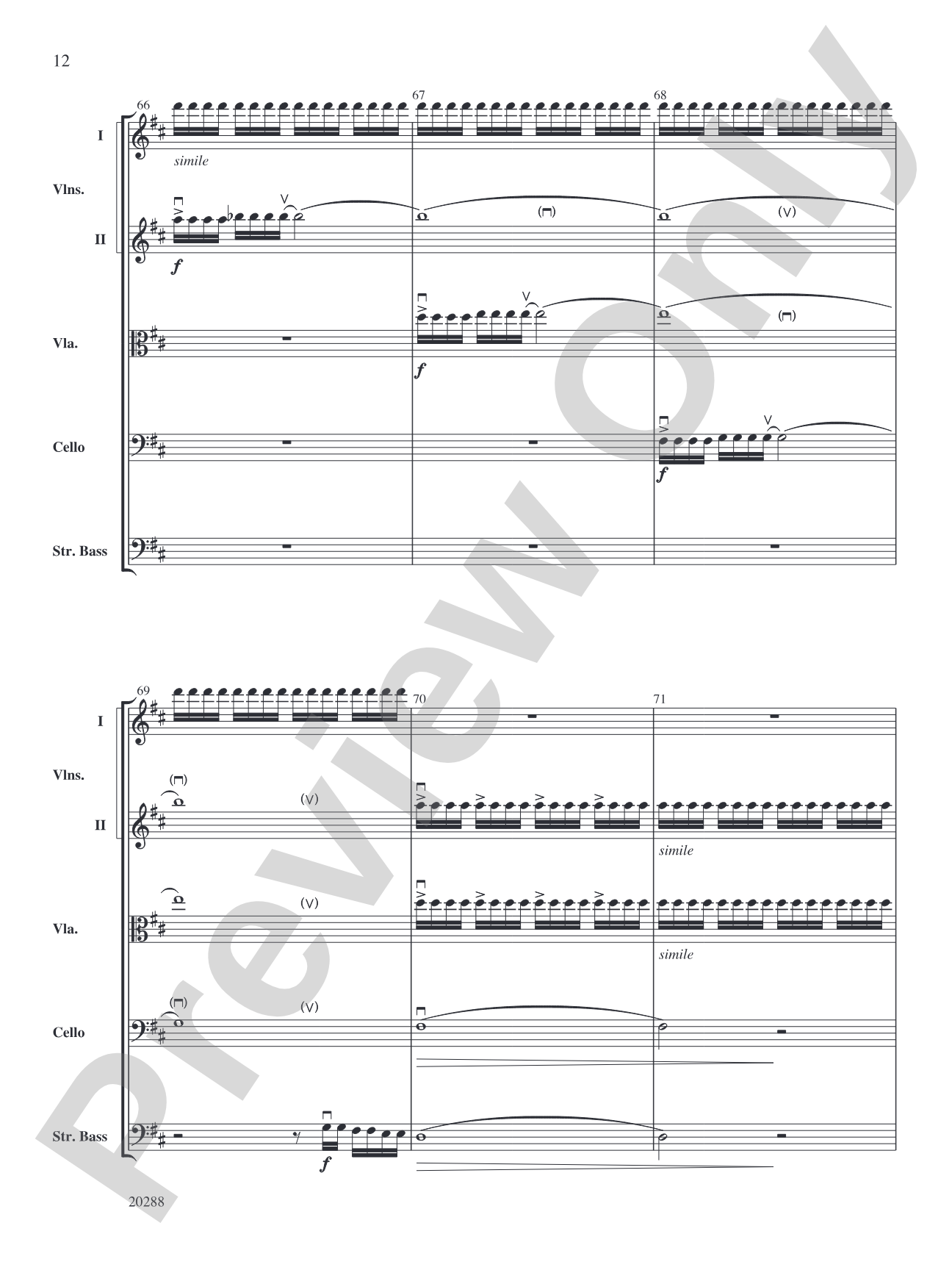
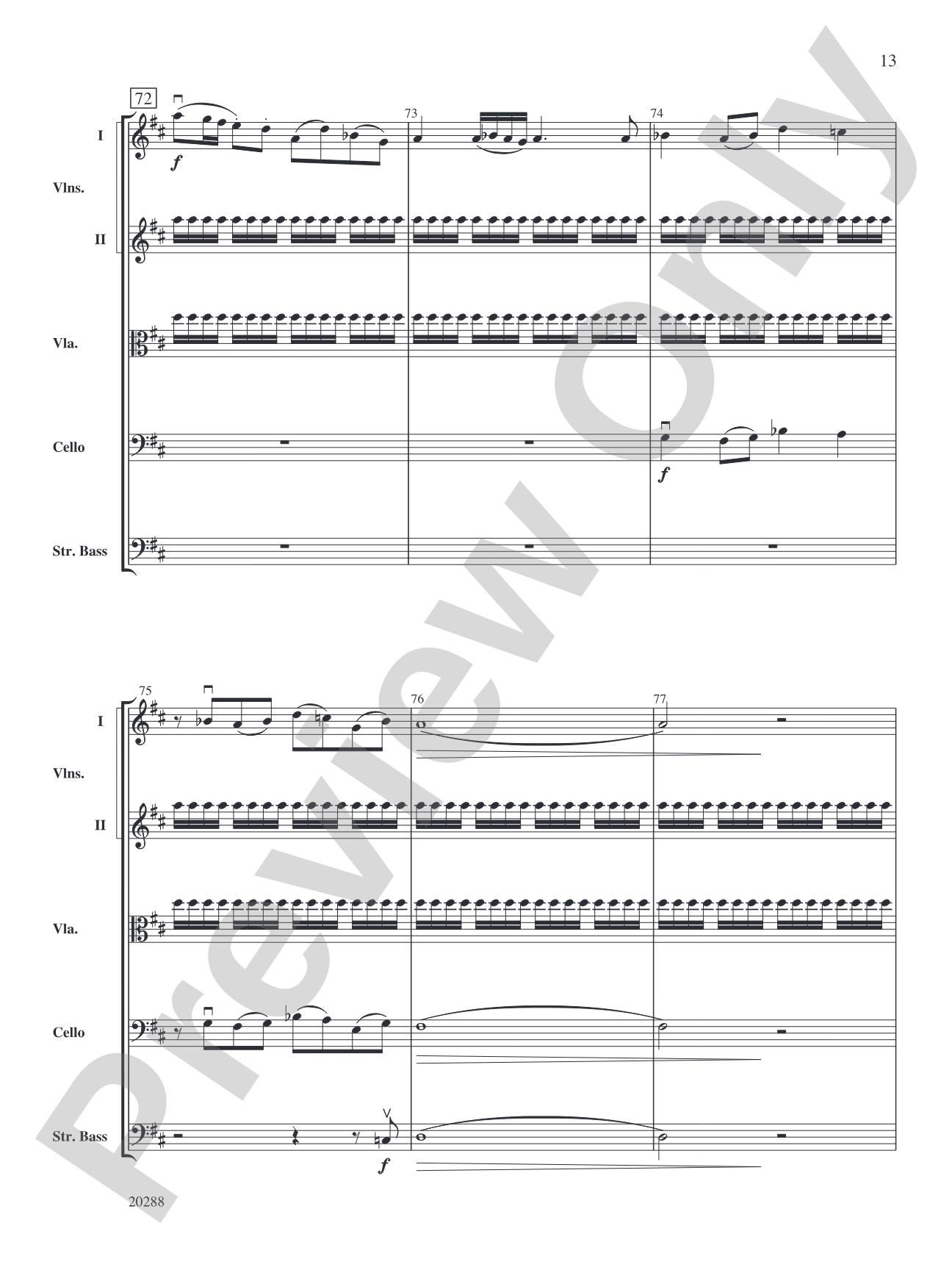
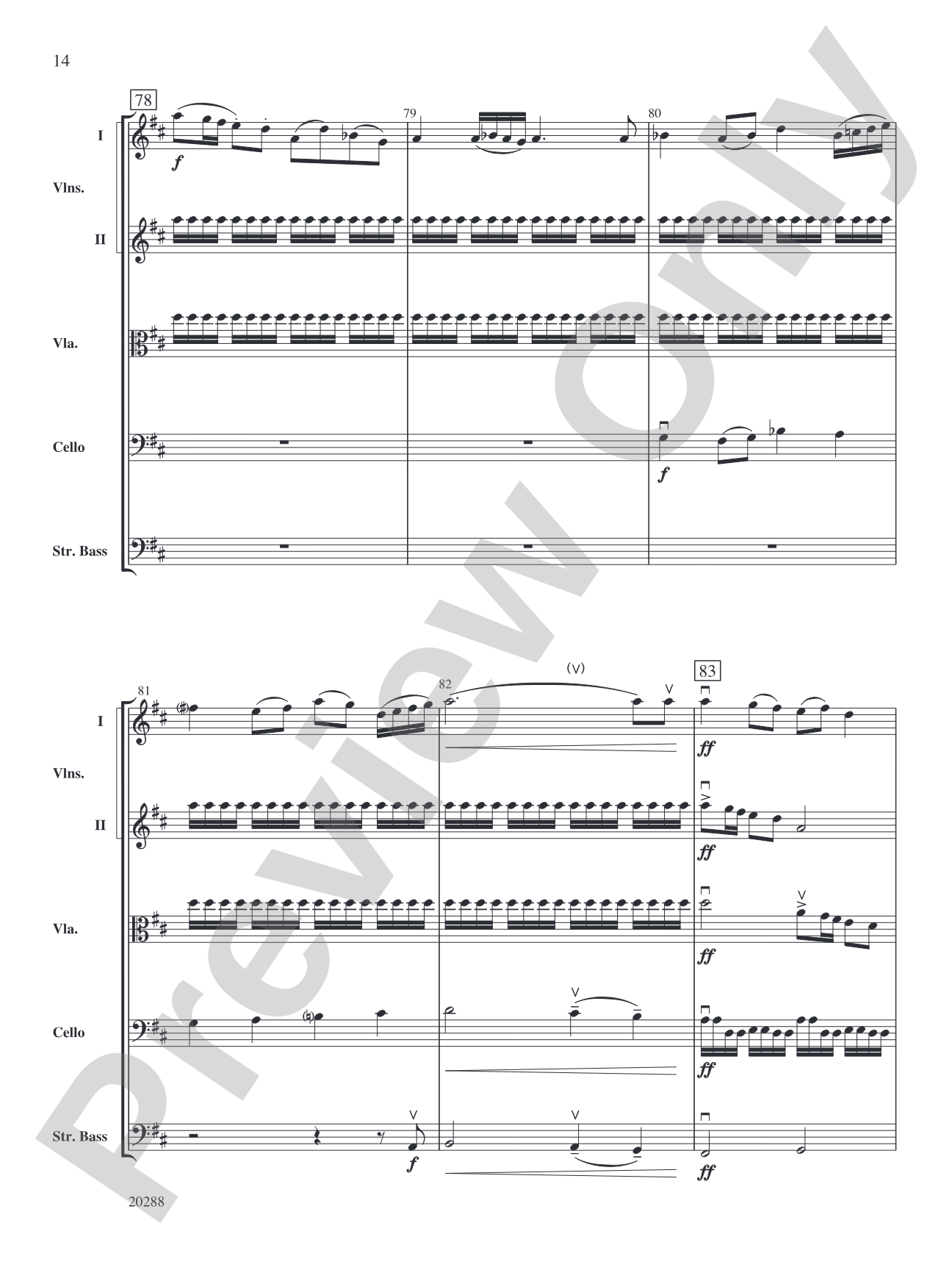
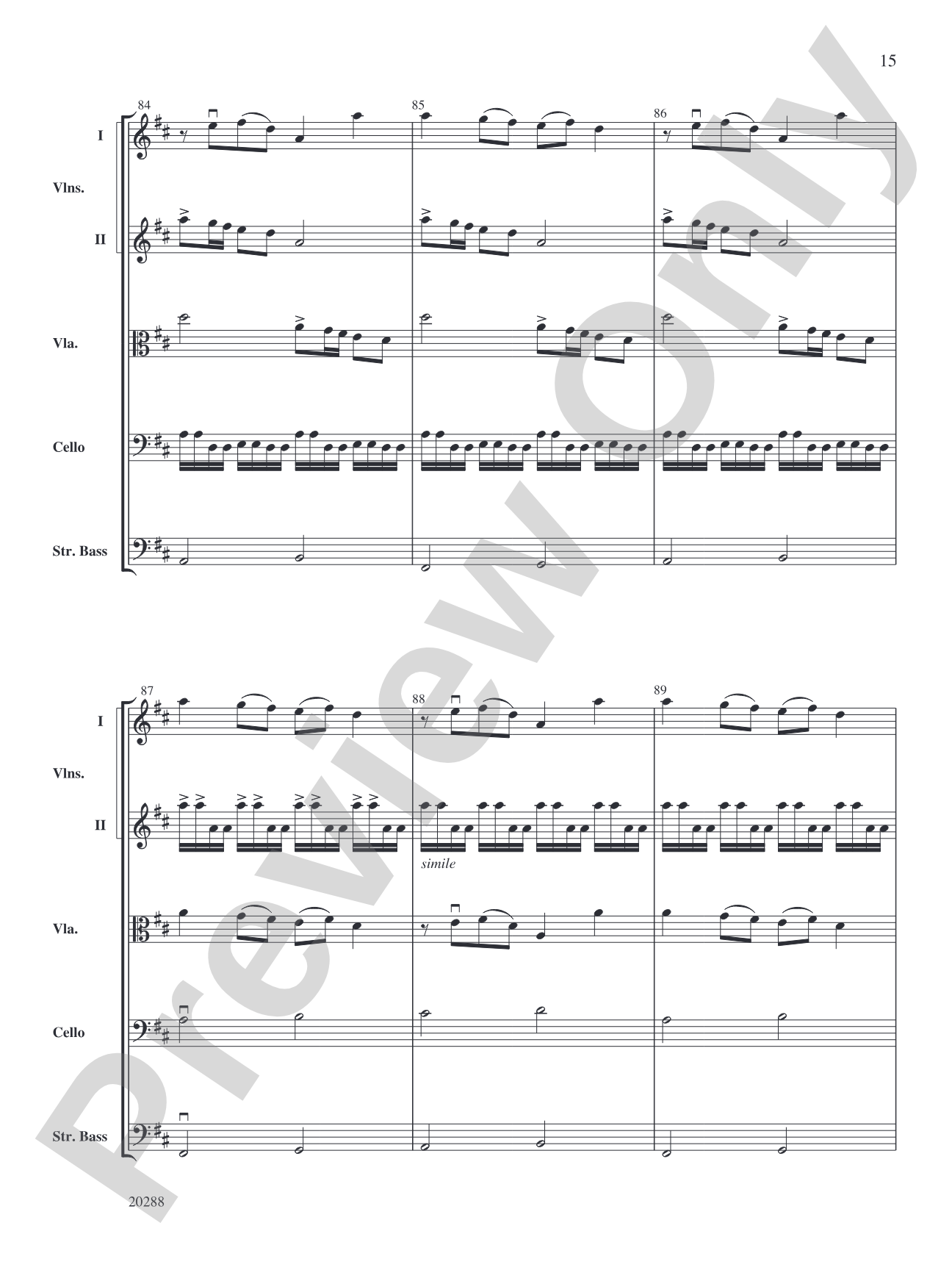
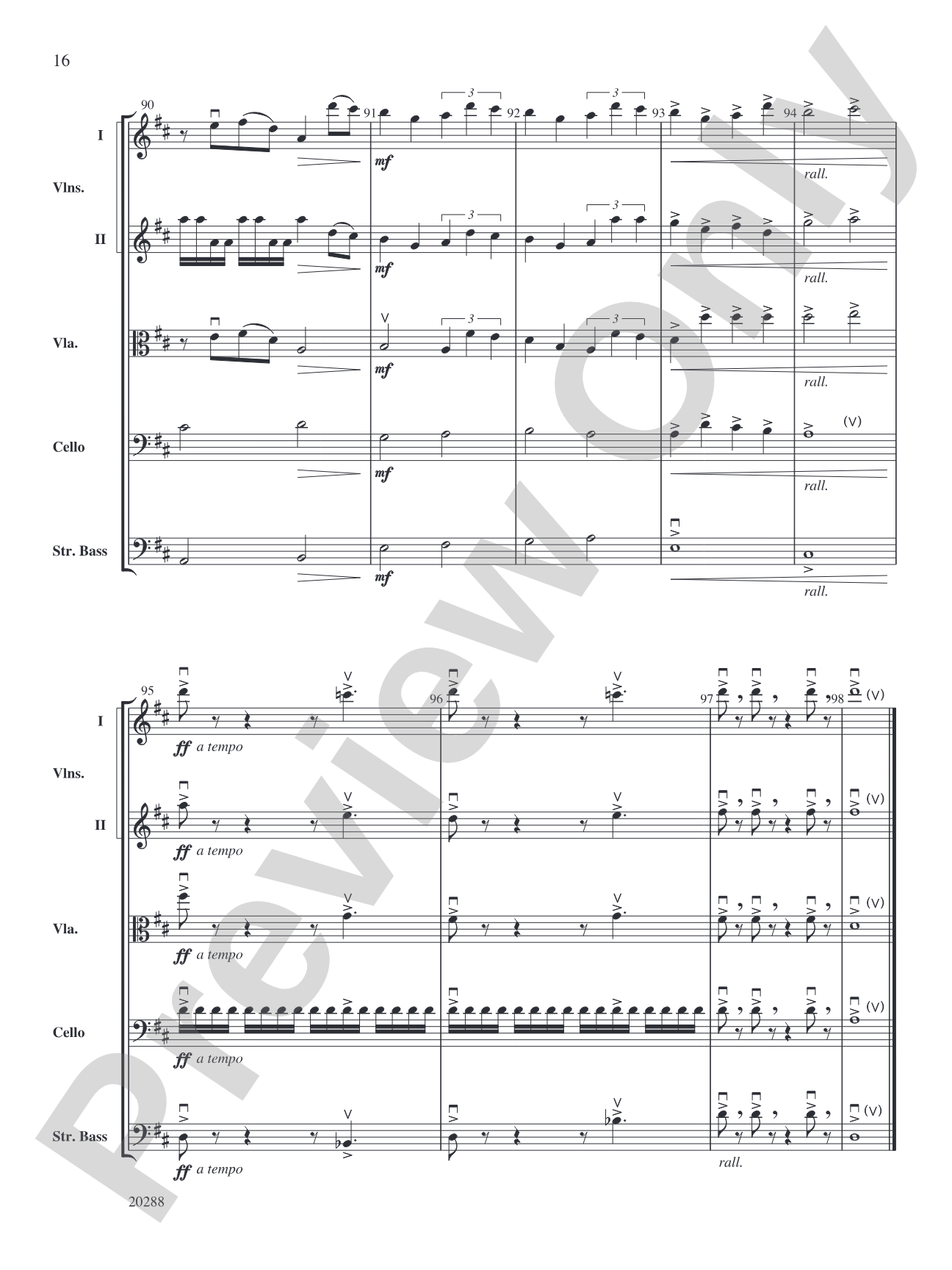
The title Final Quest reflects energetic and intense fortitude, illustrated by the rapid fire of notes throughout the fast sections of this piece. The mood is further expressed in the gradual minor to major progression that takes place from the beginning of the piece to the end. Intense and rhythmically exciting, Final Quest is sure to wow them at your next concert! This title is available in MakeMusic Cloud.


Don't just read it, hear it, play along with it, and watch your students grow with it. In MakeMusic Cloud, Final Quest: Score comes alive with professional accompaniment, adjustable tempo, and built-in practice tools that turn solo practice into real progress.
Open in the Player
Jump straight in and assign it today.
Start Your Free Trial
Open this title and explore the full library in minutes.
Sample Audio
1
Audio File
--:--
0:00
0:00
Sample Video
No sample videos found.
Additional Details
Series:
Highland/Etling String Orchestra
Publisher:
Alfred Music
Page Count:
124
SKU:
00-PR-0000376
More about this title
Why we love this
Chisham delivers exactly what Grade 3 string orchestras need: relentless forward momentum paired with genuine harmonic substance. The minor-to-major arc gives you a legitimate emotional journey to shape across the rehearsal process, and the rapid-fire figurations in the fast sections will energize your ensemble without demanding virtuosity they don't yet possess.
What to expect
A journey from shadowed determination to triumphant clarity. The opening's minor tonality carries weight and introspection, but as the piece unfolds, rapid figures build momentum until a full harmonic shift into the major mode delivers arrival and brightness. Throughout, the music pulses with forward energy and rhythmic snap.
Who it's for
Grade 3 string orchestras seeking concert and festival repertoire that combines technical challenge with genuine musical maturity. Directors working with ensembles ready to handle driving rhythmic figures and expressive shape will find this piece a confident choice for motivated players.
How to get the most out of it
- Isolate the key signature change from minor to major and rehearse it section by section. Mark the exact measure where the shift occurs so every section understands this is the piece's emotional turning point, not just a notation detail.
- Lock down rhythmic precision in the fast sections by counting subdivisions aloud. The rapid note values require clarity from every stand, so drilling these passages with a metronome at moderate tempo before pushing tempo is essential.
- Balance the rhythmic excitement with expressive control in the slower passages. The minor tonality at the opening needs weight and resonance, not rushed playing, so it contrasts meaningfully with what comes later.
How to use it
Place this as a centerpiece concert opener or closer. Its transformation from minor to major creates a natural emotional arc that frames a longer program well, and the energetic character signals to your audience that this ensemble commands the stage.
Skills your students will build
- Reading and executing rapid figurations in fast passages
- Understanding harmonic function across mode changes (minor to major progression)
- Maintaining rhythmic precision and synchronization in densely voiced fast sections
- Shaping phrasing and dynamic contrast within a tonally unified but emotionally evolving work
- Balancing ensemble weight across string sections during rapid-fire passage work