
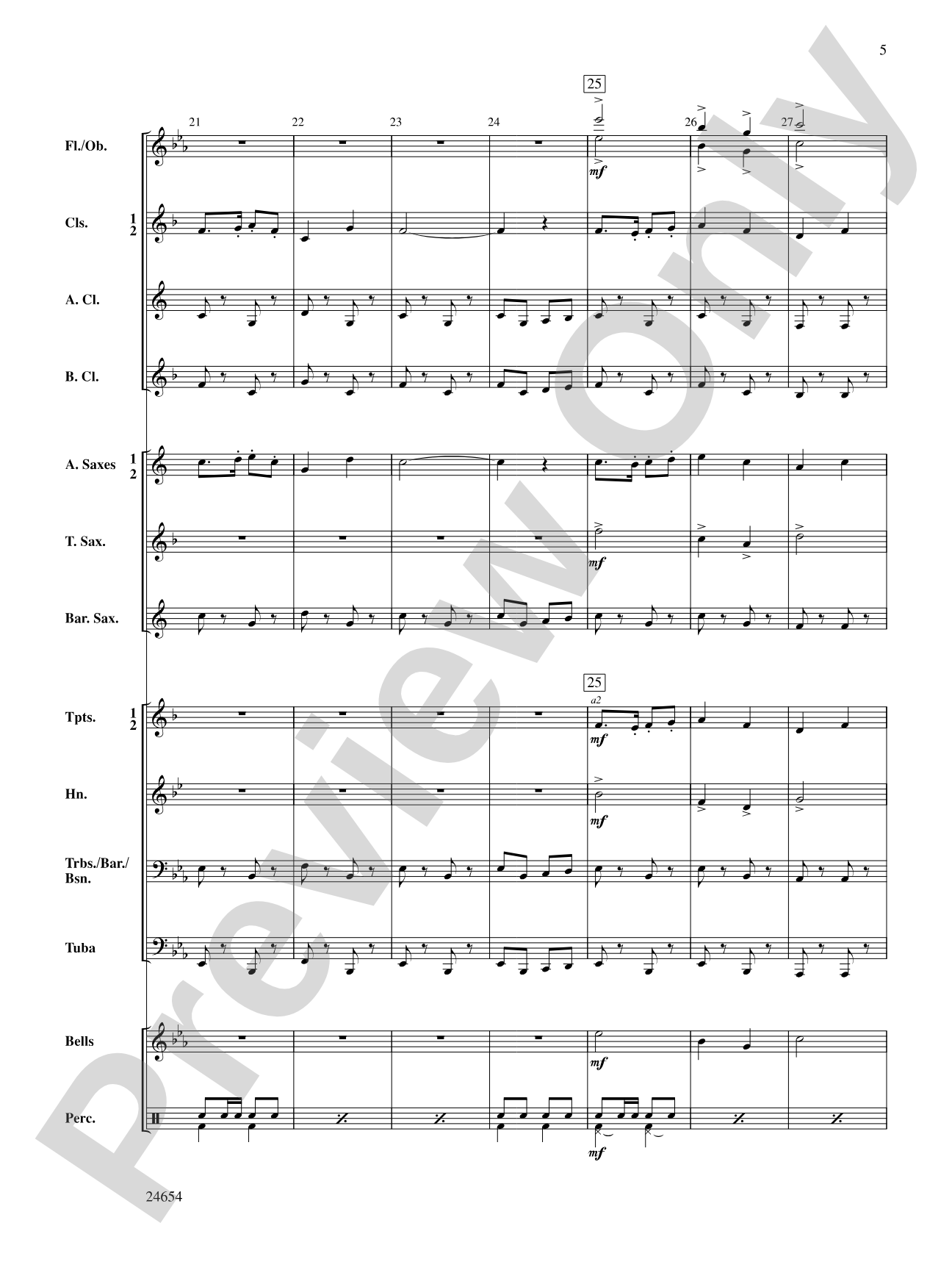
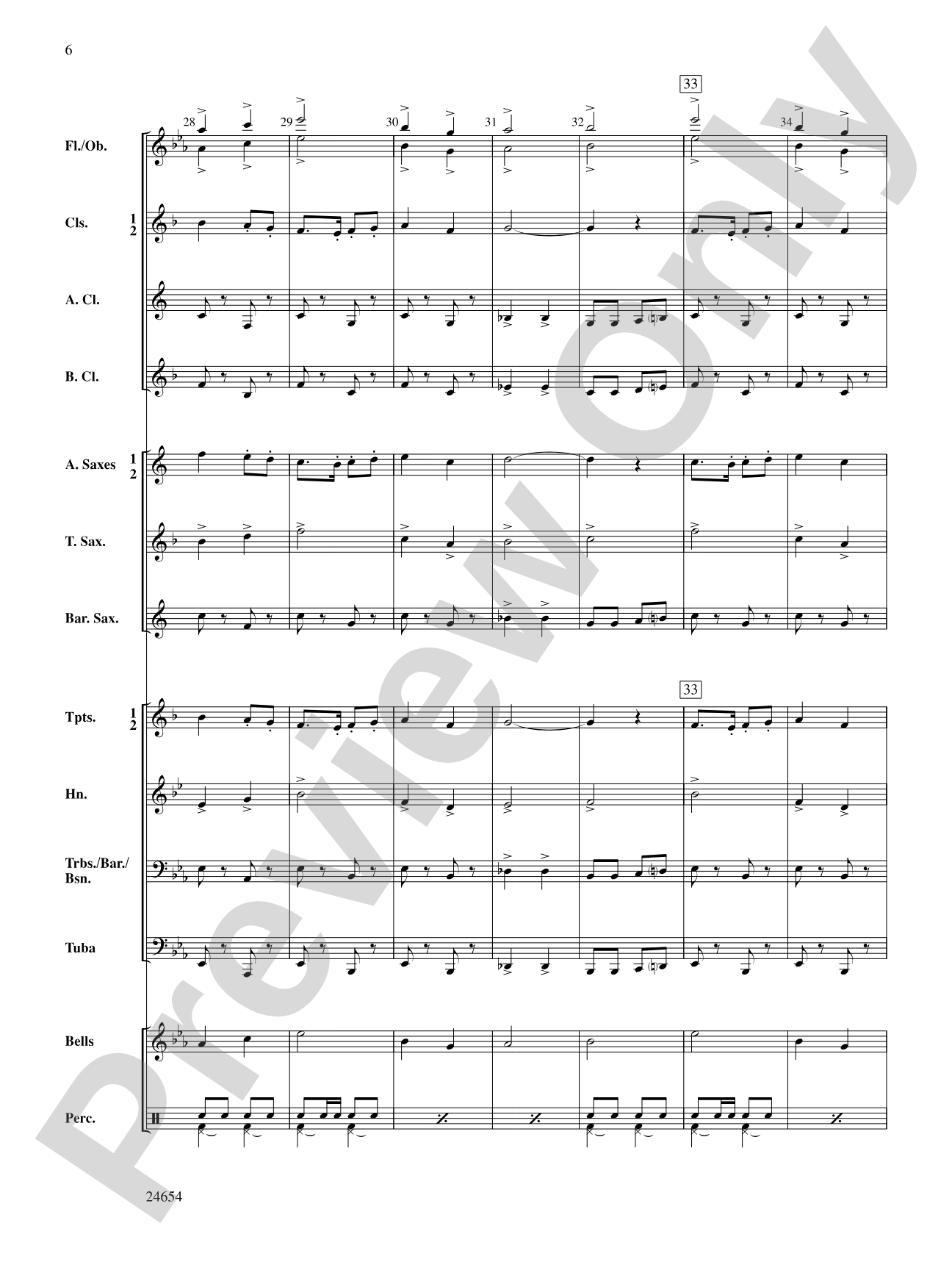
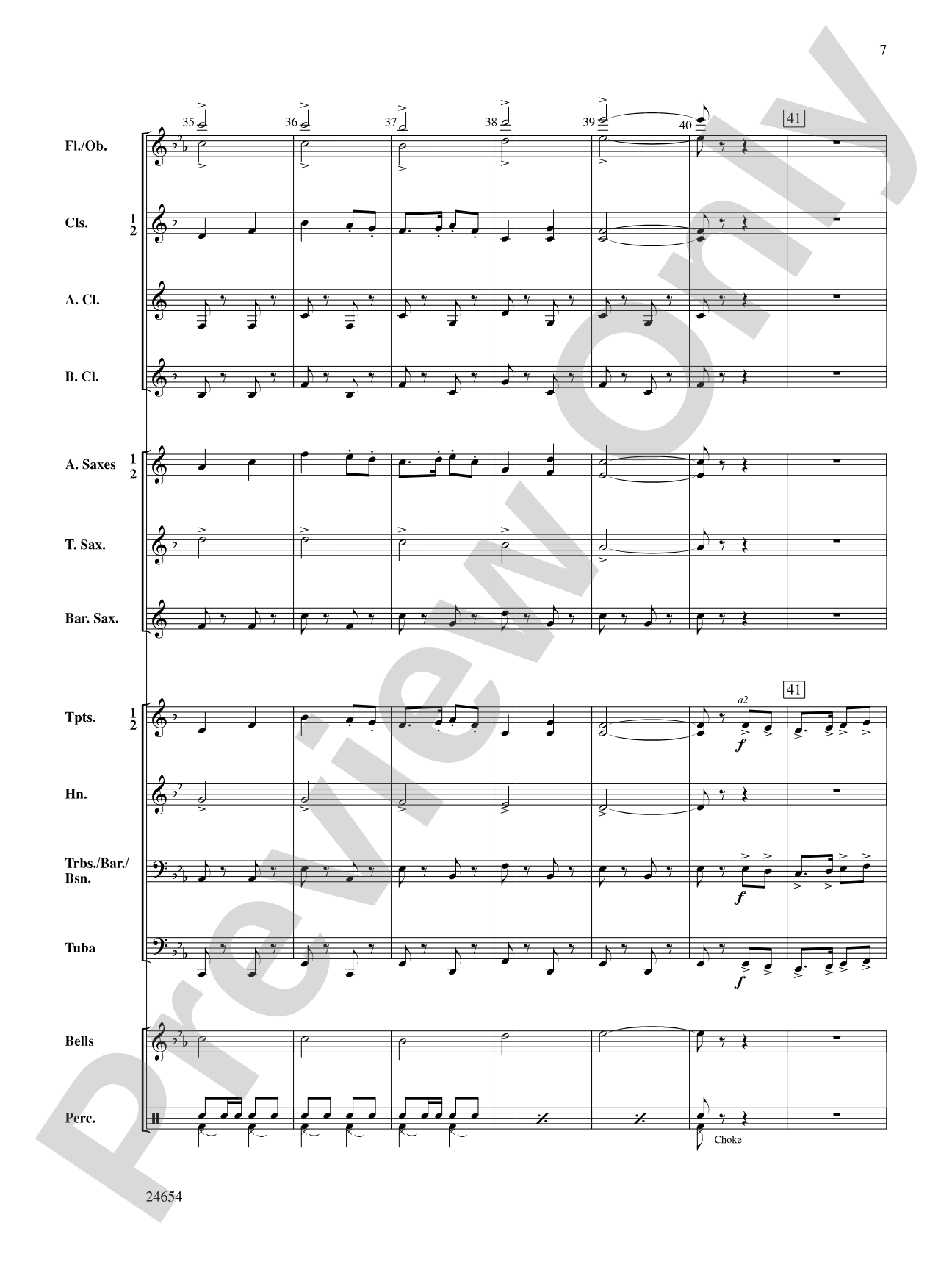
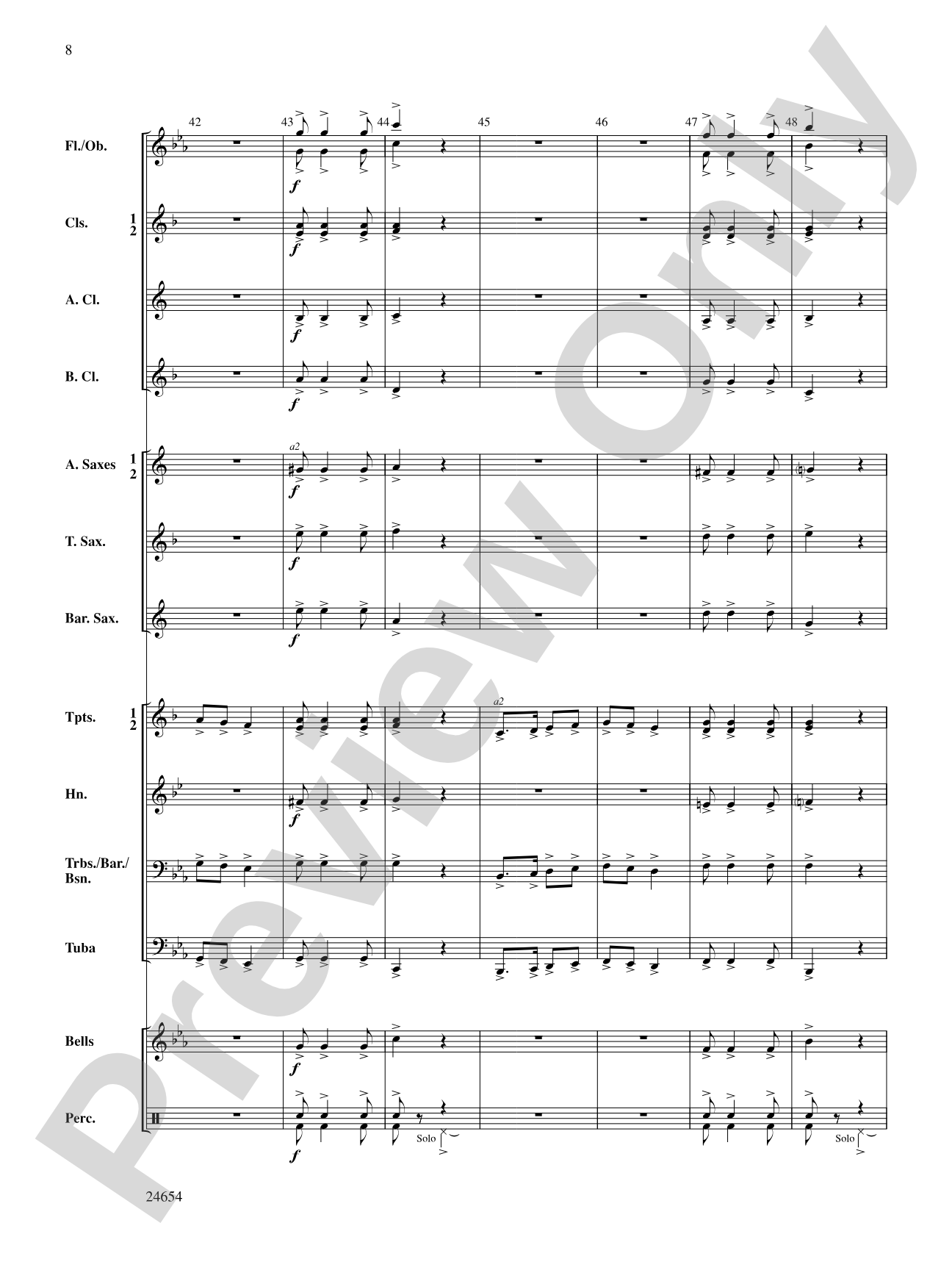
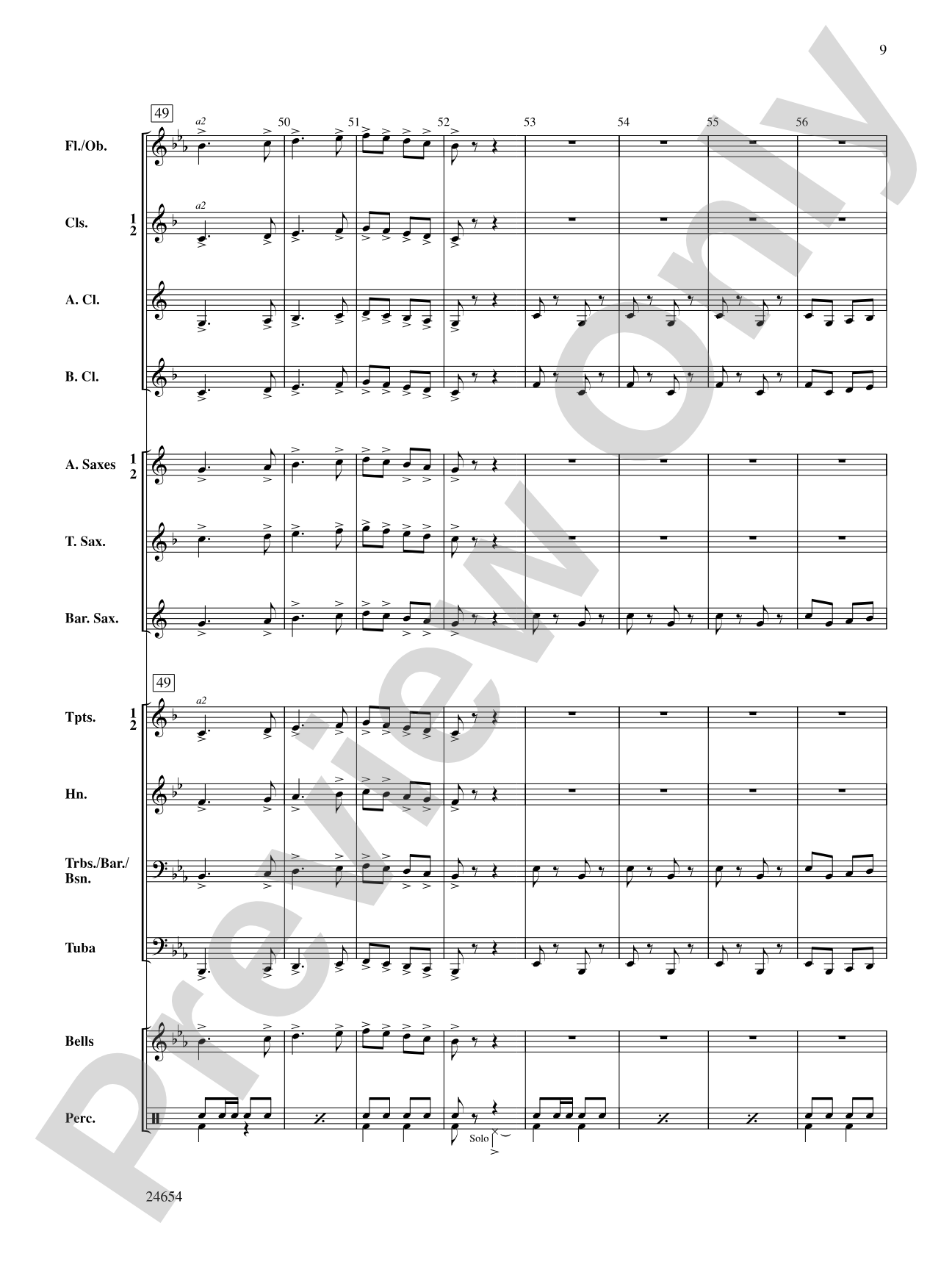
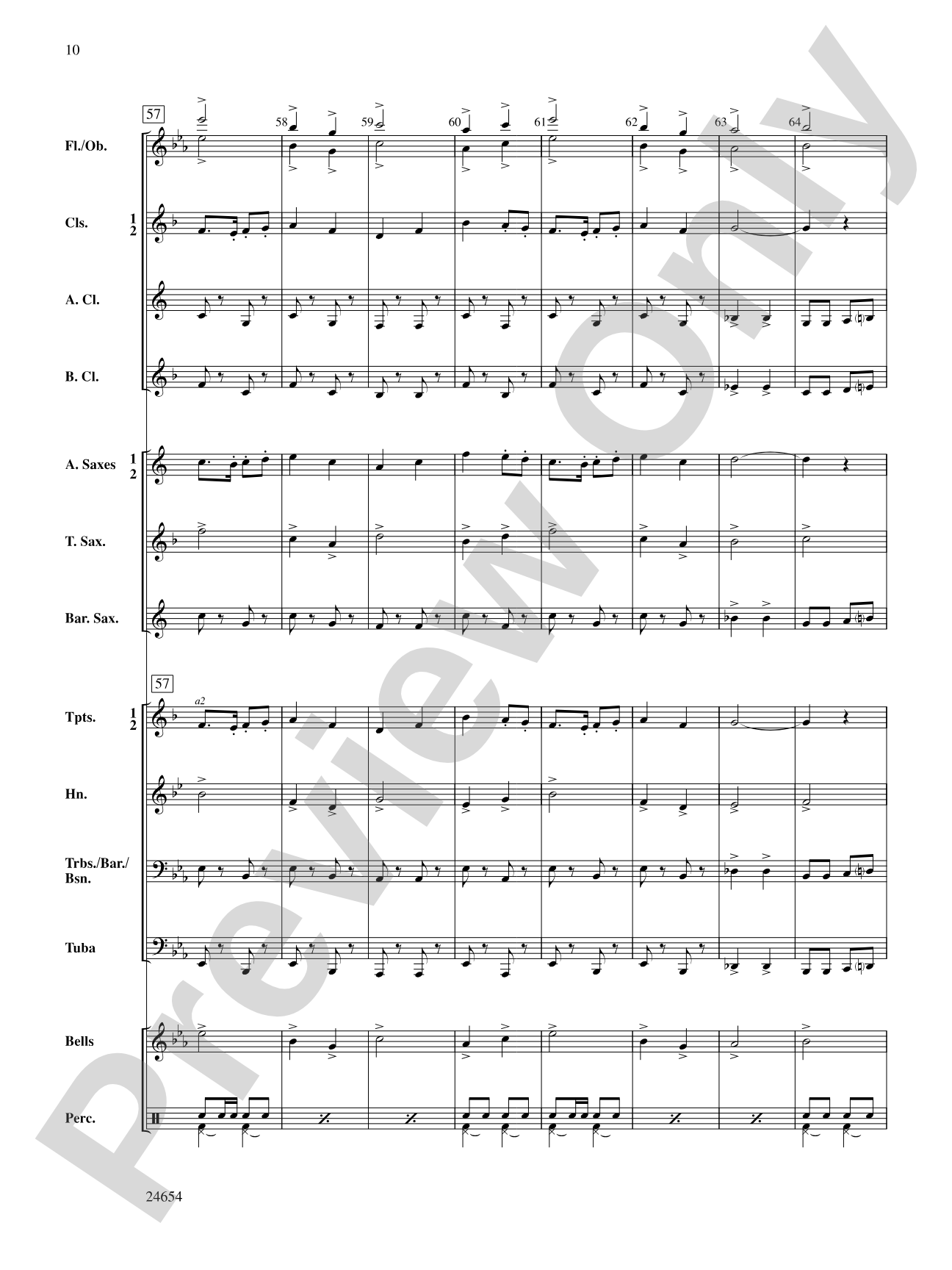
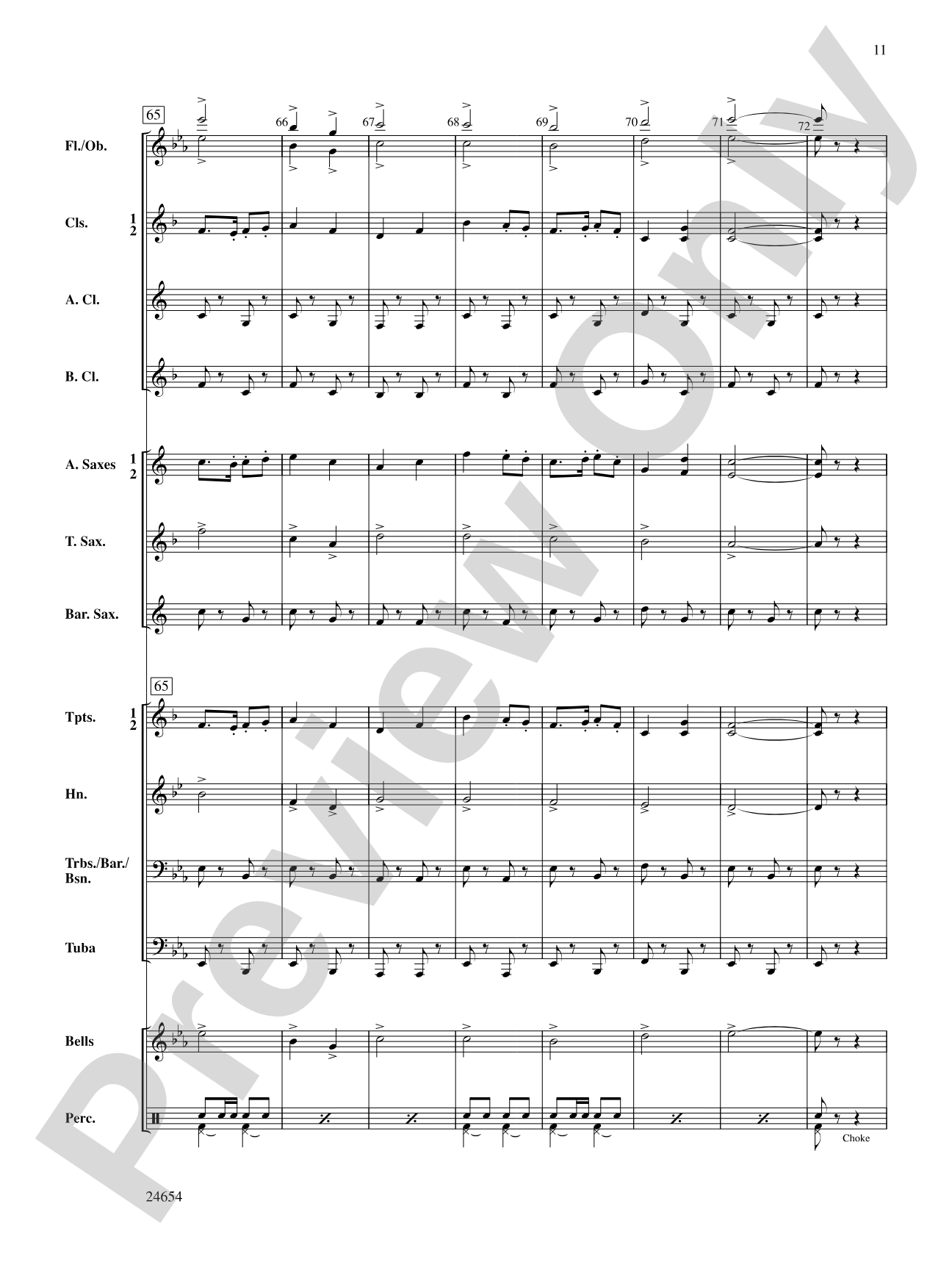
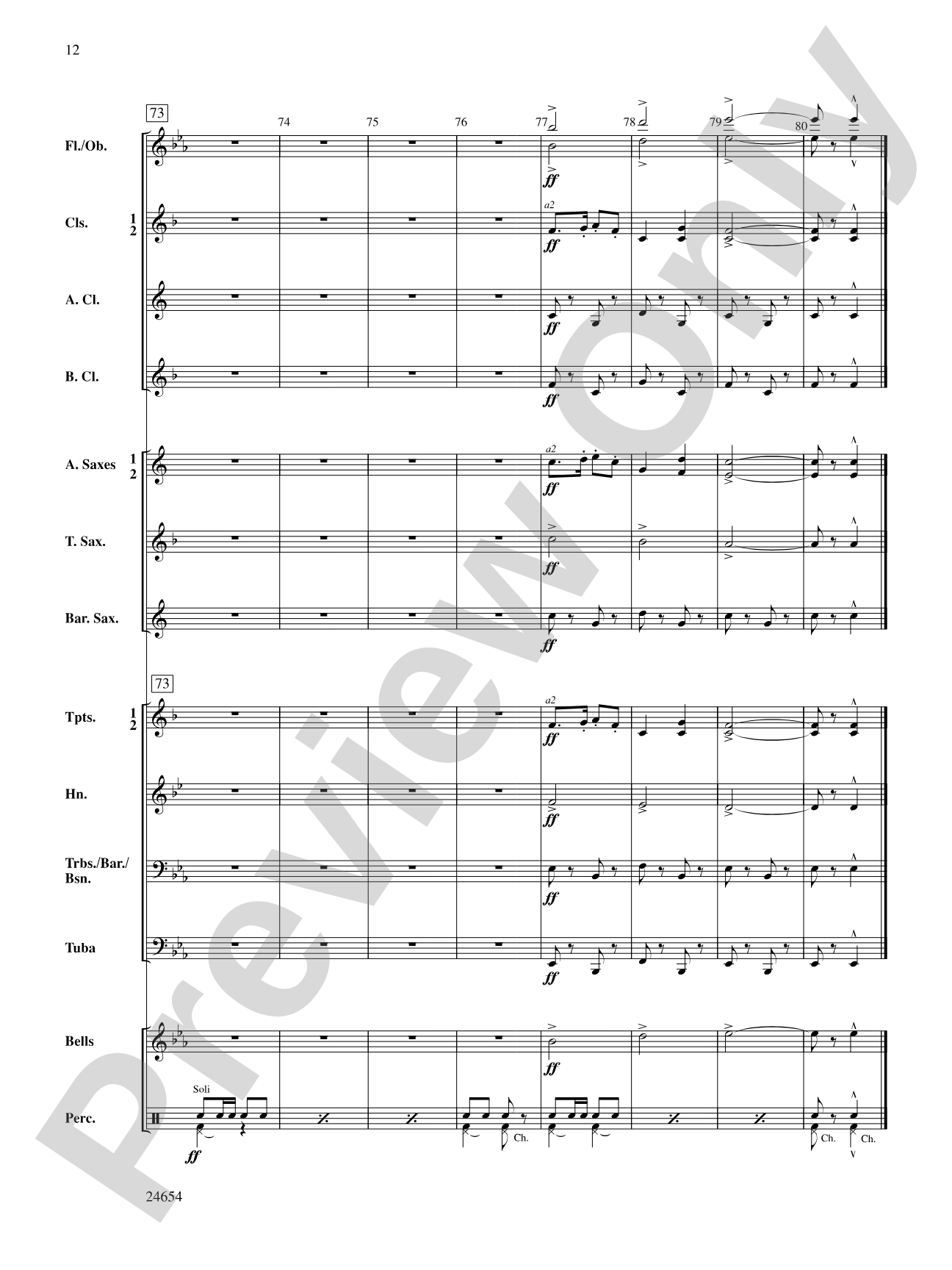

Fighting Falcon March: Concert Band Conductor Score & Parts
By Todd Stalter
Grade: 1 (Very Easy)
Item: 00-PK-0000830

$55.00
Pickup currently not available
Buy Extra Parts (Digital PDF Download)
Parts Added to Cart!
Description
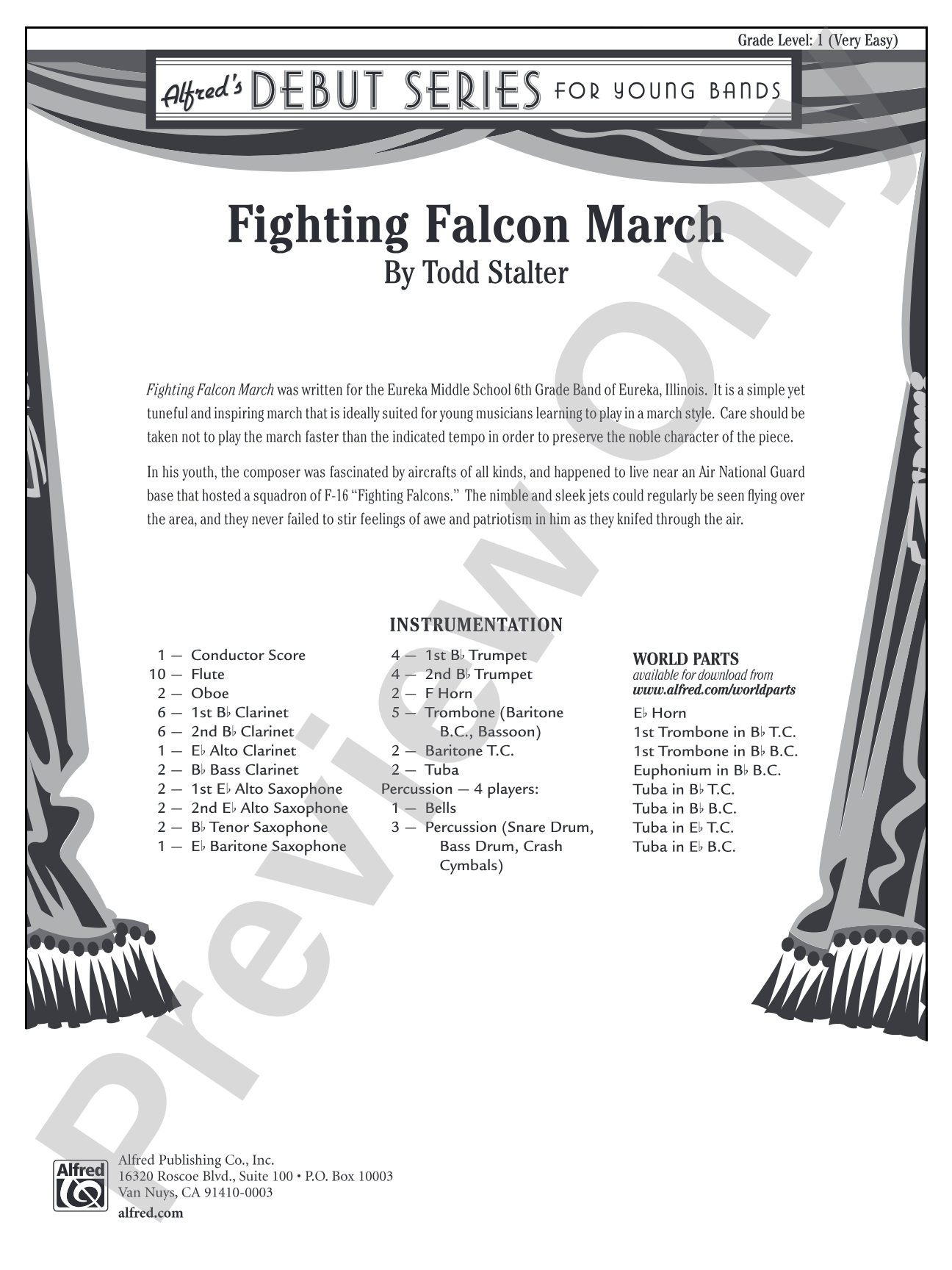
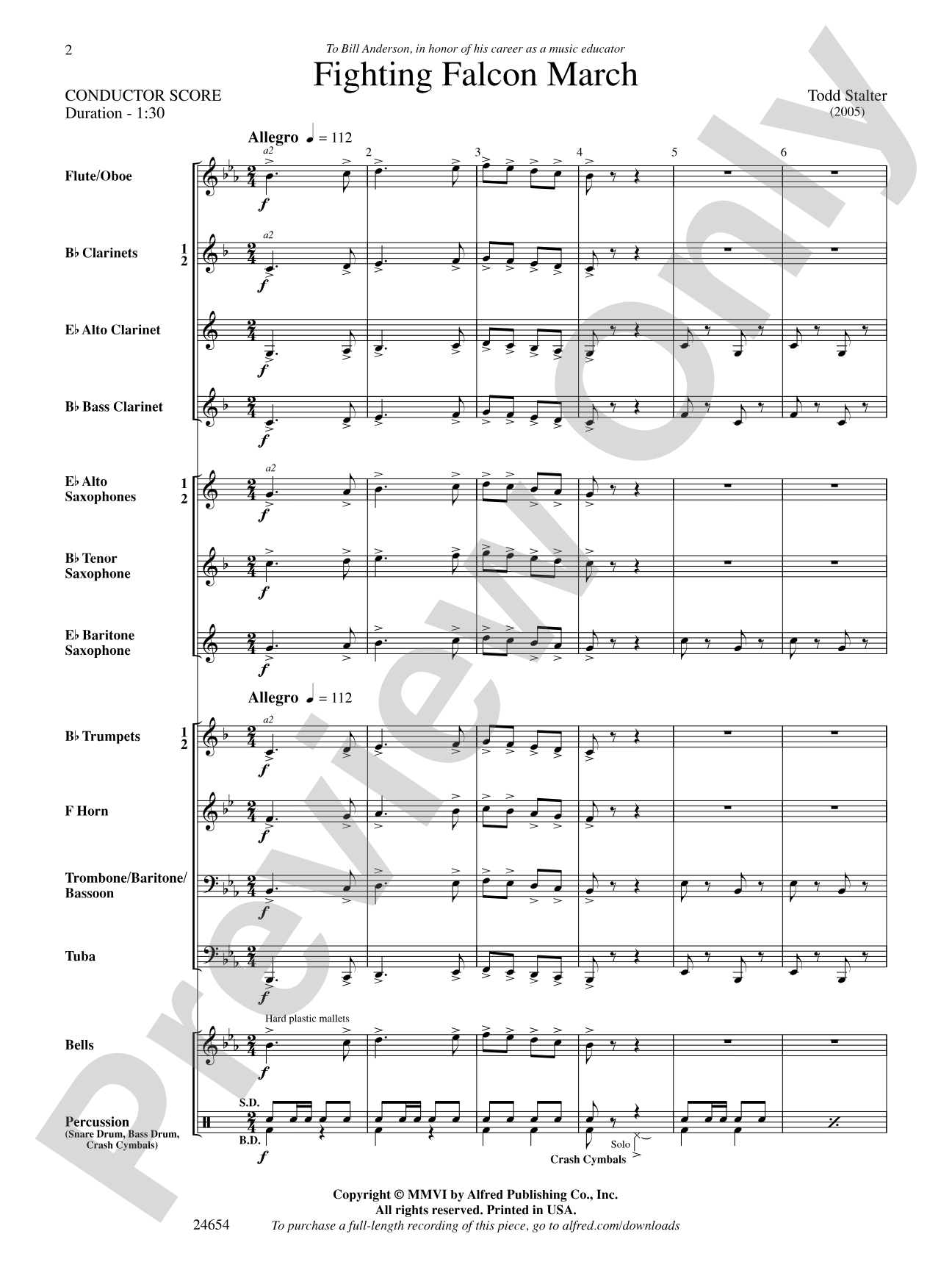
Fighting Falcon March was written for the Eureka Middle School 6th Grade Band from Eureka, Illinois. It is a simple yet tuneful and inspiring march that is ideally suited for young musicians learning to play in the march-style. In his youth, the composer was fascinated by aircraft of all kinds, and happened to live near an Air National Guard base that hosted a squadron if F-16 "Fighting Falcons." These nimble and sleek jets could regularly be seen flying over the area, and they never ailed to stir feelings of awe and patriotism as they knifed through the air. This title is available in MakeMusic Cloud.


Don't just read it, hear it, play along with it, and watch your students grow with it. In MakeMusic Cloud, Fighting Falcon March: Concert Band Conductor Score & Parts comes alive with professional accompaniment, adjustable tempo, and built-in practice tools that turn solo practice into real progress.
Open in the Player
Jump straight in and assign it today.
Start Your Free Trial
Open this title and explore the full library in minutes.
Sample Audio
1
Audio File
--:--
0:00
0:00
Sample Video
No sample videos found.
Additional Details
Series:
Alfred Debut Series
Publisher:
Alfred Music
Page Count:
114
SKU:
00-PK-0000830
More about this title
About the Composer: Todd Stalter

Todd Stalter spent 34 years leading the band program at Eureka High School in Illinois, where he built a nationally recognized ensemble culture. His marching band won 16 Class 1A state championships, his concert band earned consistent Superior ratings at IHSA contests, and his groups performed at Orchestra Hall in Chicago and Walt Disney World, along with earning festival championships at the Cotton and Liberty Bowls. He was inducted into the Illinois State Marching Band Championships Hall of Fame and has guest conducted All-State Bands in Georgia and Delaware.
As both clinician and adjudicator, Stalter maintains an active schedule evaluating solos, ensembles, and large groups across the Midwest. His compositions for band and string orchestra are programmed at contest and festival events nationwide and appear in the "Teaching Music Through Performance in Band" series published by GIA. He holds degrees in music education and trumpet performance from Illinois State University, where he studied conducting with Dr. Stephen K. Steele.
Why we love this
Stalter writes from genuine understanding of young musicians' needs. This march works as both a confidence-builder and a genuine piece of music; it doesn't talk down to sixth graders or require excessive rehearsal time. The patriotic content and aircraft-inspired title give your students a story to connect with, making the march feel purposeful rather than like an exercise.
What to expect
Bright and purposeful, with the clean energy of sleek jets slicing through open sky. The march has an earnest, almost reverent quality; it stirs patriotic feeling without heaviness, making it accessible and uplifting for both players and audiences.
Who it's for
Grade 1 concert bands, young ensembles new to march style, and directors seeking patriotic repertoire with real musical substance. This works especially well for sixth-grade bands or mixed-grade ensembles where simplicity and accessibility don't mean sacrificing inspiration.
How to get the most out of it
- Establish a steady, walking tempo from the start. Young ensembles often rush marches out of enthusiasm, so practice the opening phrases with a metronome to anchor the pulse.
- Balance the melody across your sections rather than letting one voice dominate. Since this piece is designed for learners, clarity of line matters more than volume.
- Give rhythmic figures their own character. Even in a simple march, the articulation and weight of accompanying patterns support the tune and teach ensemble listening.
- Use the march as an opportunity to address breath management in a musical context. Mark breathing spots that allow phrases to breathe without losing momentum.
How to use it
Program this on a summer pops concert or 4th of July celebration for immediate community resonance. It also serves as an excellent teaching piece mid-fall semester when students are building march fundamentals, or as a confidence-builder early in the school year when ensembles are finding their sound.
Skills your students will build
- March rhythm and style (steady pulse, proper articulation in accompaniment patterns)
- Melodic phrasing and breath management
- Section balance and blend
- Reading simple harmonic progressions
- Ensemble precision without excessive complexity